
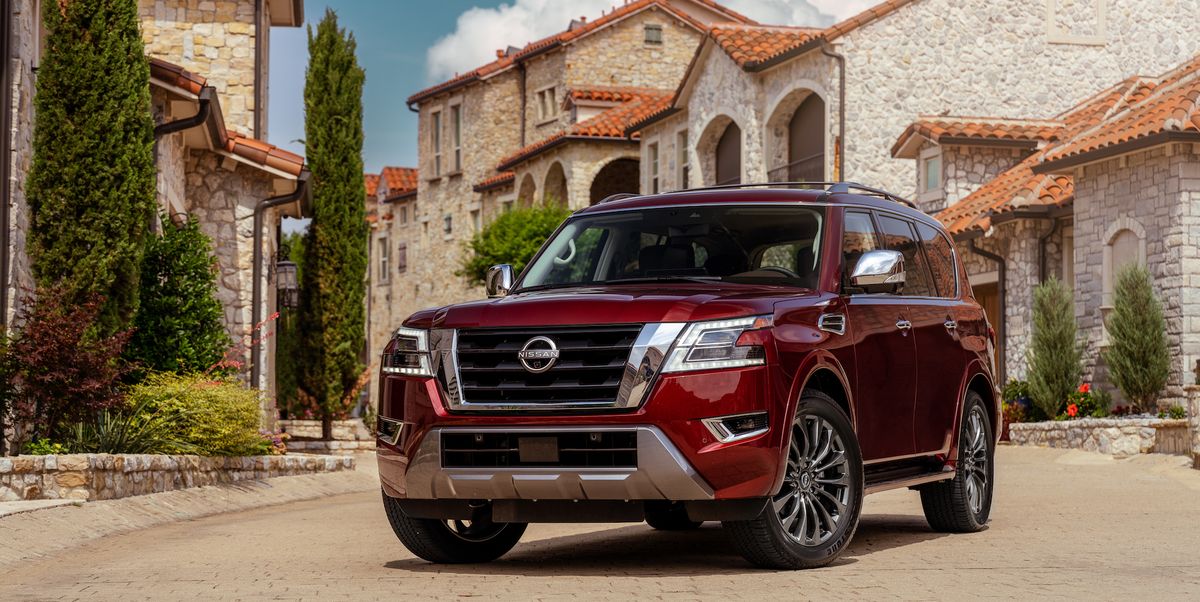
Nissan has built a reputation over many decades for producing sport utility vehicles able to handle rough terrain, adverse weather, broken roads, and challenging conditions. In many parts of the world, roads are not well paved or maintained, and drivers face rocky tracks, gravel, mud, sand, snow, ice, steep inclines, and off‑camber obstacles.
For these environments, only SUVs with the right engineering, design, durability, ground clearance, drivetrain, suspension, and ruggedness can truly survive and keep their occupants safe, comfortable, and confident.
In this article, twelve Nissan SUV models are selected based on their ability to endure harsh roads. These include older proven designs as well as newer ones, both domestic and international markets.
Each model is examined in terms of its powertrain, four‑wheel drive or all‑wheel drive systems, chassis strength, suspension, ground clearance, off‑road features such as locking differentials or skid plates, and reliability in adverse conditions. The goal is to identify which Nissan SUVs stand out when roads turn rough, muddy, or unforgiving, and which features make them survive where others might struggle.
The list spans full‑size to compact SUVs, pickups converted to SUVs in some markets, and SUVs designed with offroading in mind as well as those that are rugged by accident of design rather than intention.
Some models are historically famous, others very practical for daily use where bad roads are the norm, and a few are more recent entries that build on Nissan’s accumulated knowledge. Readers who live or travel in mountainous regions, deserts, rainforests, remote rural areas, or places where infrastructure is inconsistent will find this especially useful.
Below are twelve Nissan SUV models known to survive harsh roads. For each, strengths, design features, trade‑offs, and what to watch out for are included, so that someone choosing an SUV for rugged use can make an informed choice. The order is not a ranking but a set of exemplars, each strong in its own way.
Also Read: 5 Cars That Rarely Need Cooling System Work vs 5 That Always Overheat
1. Nissan Patrol
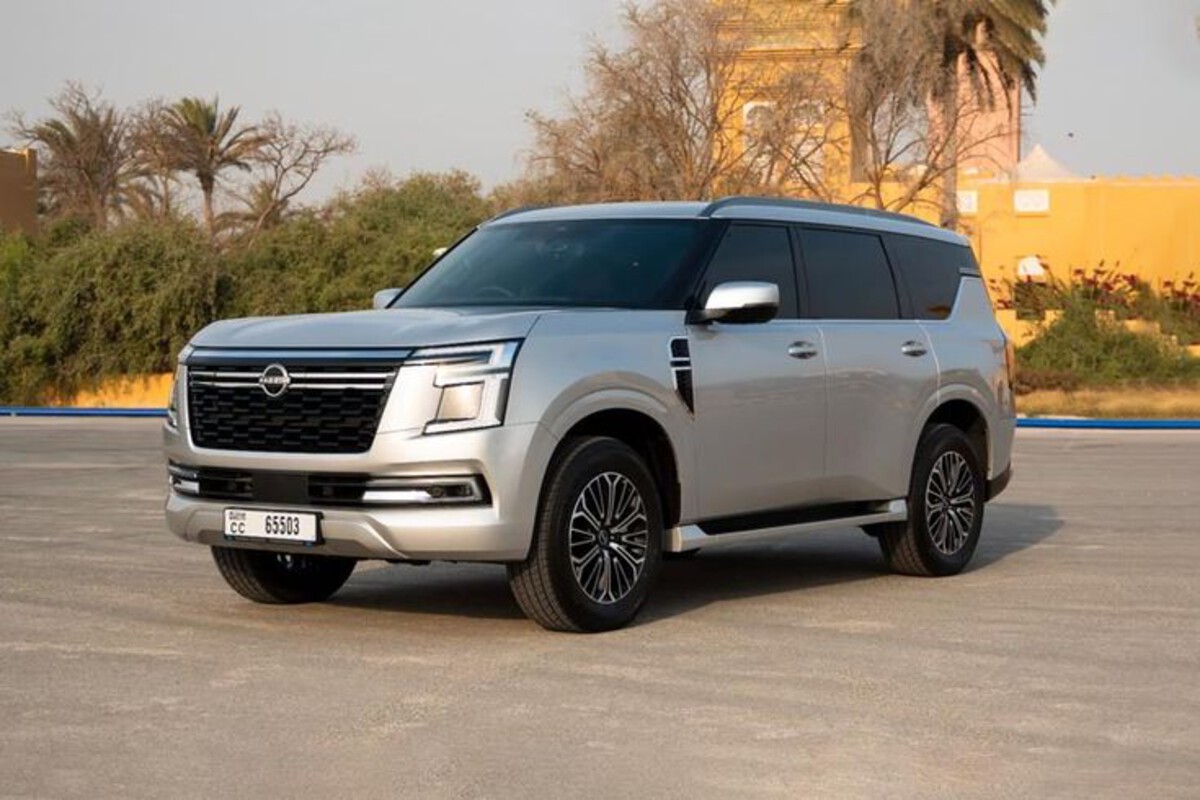
The Nissan Patrol is legendary in many markets for its ability to endure extremely rough terrain. One of its biggest strengths is its body‑on‑frame construction, which gives it structural rigidity and resilience when traversing uneven ground, rocks, or deep ruts.
These heavy frames resist twisting more effectively than unibody SUVs, so long stretches of rough terrain, big jolts, or impacts are less likely to damage the chassis. Suspension travel is generous, especially in versions intended for off-road use, allowing the Patrol to conform to dips and bumps without transmitting harsh shock to the occupants. Heavy‑duty dampers and springs help absorb big impacts, and aftermarket support is good for reinforcing suspension components.
Under the hood, the Patrol typically offers powerful engines with robust torque output, often through a low‑range transfer case for serious off-road crawling. That torque helps when climbing steep inclines, pulling out of muddy sections, or going through deep sand where maintaining momentum matters.
Four‑wheel drive systems are often selectable with low‑range gearing, locking differentials, and sometimes rear electronic diff‑lock, depending on trim. These features give the Patrol an edge when gripping is poor or when wheels lose traction. The solid rear axle (in older or specific markets) or well‑engineered independent systems in newer models maintain traction over uneven surfaces.
Ground clearance is generous, and underbody protection is often part of the package. Skid plates on critical components such as the fuel tank, transfer case, and engine oil pan help prevent damage from rocks or obstacles. In rocky or forest roads, this underbody protection can determine whether the vehicle comes home in one piece.
Tires often are larger, all‑terrain types, and bumpers are raised or protected. Even in urban models of the Patrol, many buyers choose or demand more rugged tires, protective bars, and reinforced points because they know what kind of roads lie ahead.
Comfort is despite its ruggedness. While on harsh roads many SUVs trade off ride comfort for toughness, Patrol balances fairly well. The interior is built with durability in mind, materials able to withstand dirt, water, and use.
Seals are good, visibility is generous, and in many models air conditioning and four‑season features are designed to keep going in high heat or cold. Maintenance can be heavier, and fuel consumption is high, but for people who need an SUV that survives, the Patrol is among the very best options from Nissan.
2. Nissan Xterra
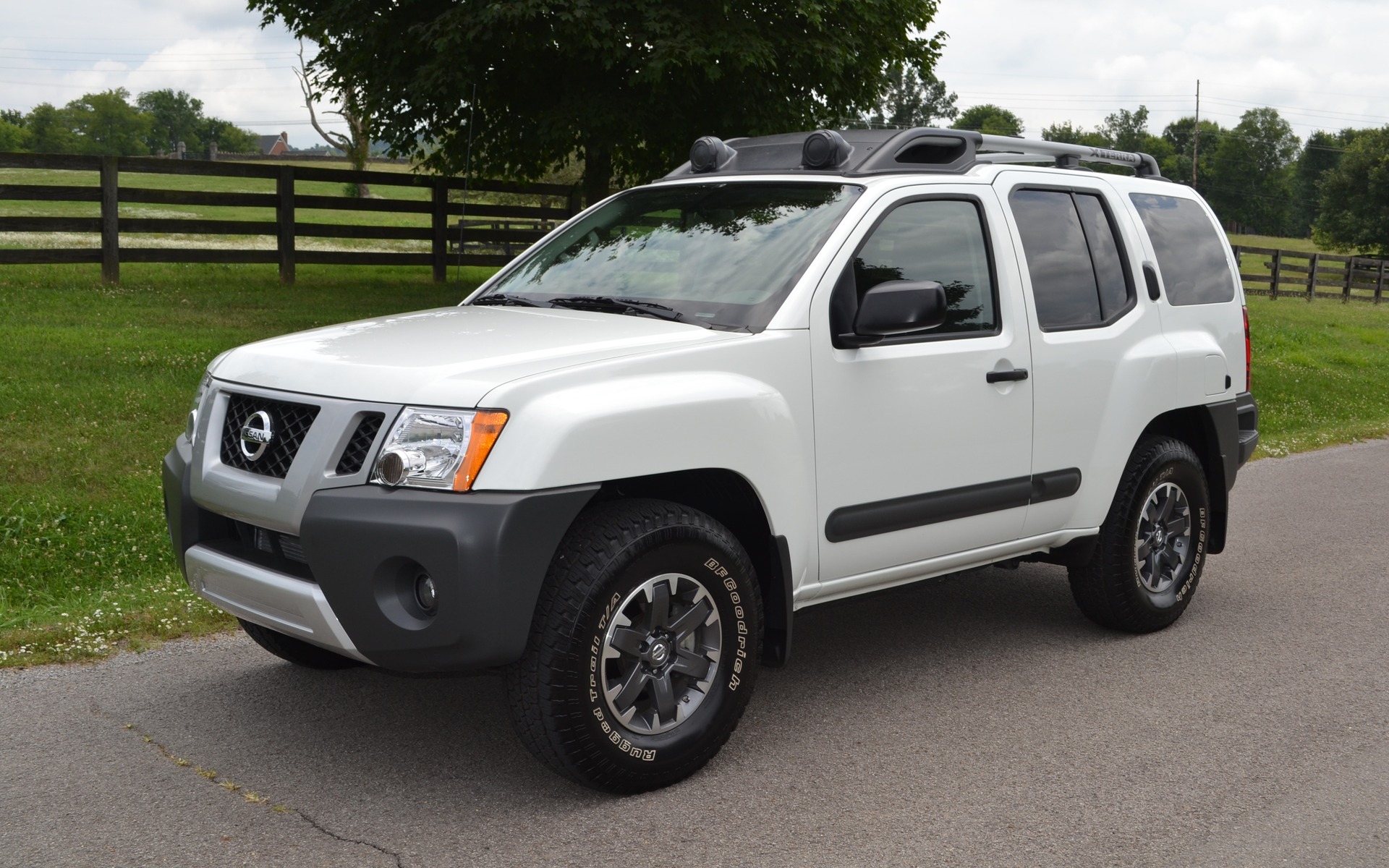
The Nissan Xterra was designed with offroad in mind, especially for North American and rugged foreign markets. Its ruggedness starts with simple, durable mechanics.
Many models carried a body‑on‑frame or strong ladder components, robust suspension with long travel, and durable solid rear axle in older versions. This simplicity means fewer things to break in remote areas. Electric systems and sensors are fewer or more shielded, reducing risk of a sensor failure while far from service.
Four‑wheel drive versions with low‑range gears enabled the Xterra to handle mud, snow, and steep or rocky terrain. The front and rear differentials are strong enough to take punishment, and many owners upgrade with skid plates, beefier tires, and reinforced underbody protection.
Tires with strong side walls are commonly fitted, and aftermarket parts are abundant so repairs or improvements are easier in many places. Versatility is a strong point: roof racks, offroad lights, cargo space allow users to adapt it to expedition work.
In terms of ground clearance and geometry, the Xterra offers impressive approach and departure angles, meaning it can climb over obstacles without scraping or getting stuck. It’s not overly heavy, so it retains agility on narrower tracks. Suspension tuning balances comfort with toughness; while harsh bumps are felt, the Xterra’s spring/damper setup is tuned to prevent bottoming out or damage during severe impacts. This makes long journeys on poor roads more manageable.
Maintenance and reliability are further strengths. The fewer complex electronics, the simpler cooling, and relatively easy access to common wear parts make the Xterra dependable in remote situations.
Though the model was discontinued in the U.S. after some years, in many markets used models are still in service, and parts availability is still decent. For someone wanting a Nissan SUV that is gritty, proven, and able to take punishment, Xterra remains high on the list.
3. Nissan Pathfinder (Older Generations)
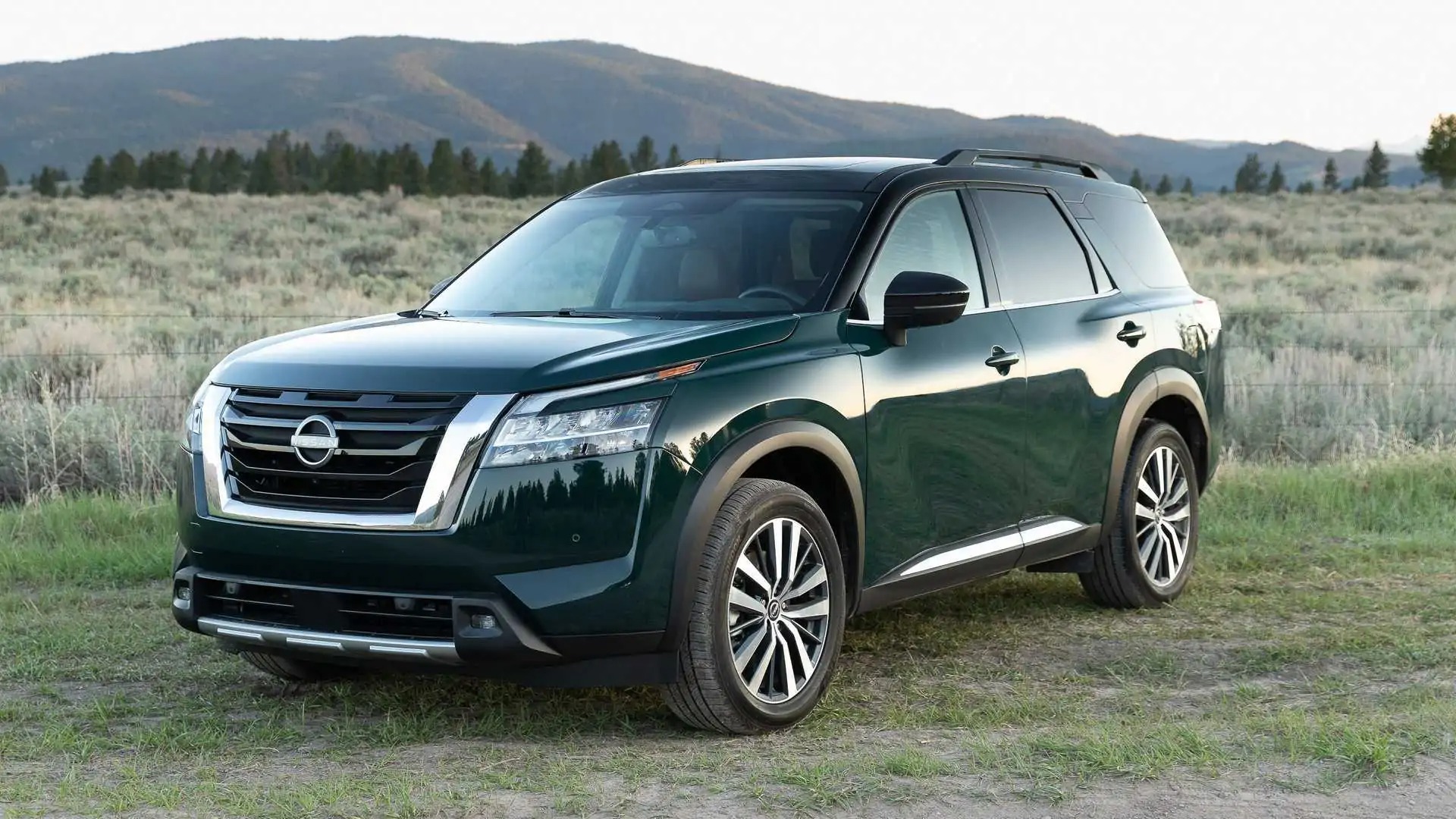
Older Nissan Pathfinder models, particularly those with rugged trim and four‑wheel drive, are good candidates for rough roads. They often come with solid frame or strong unibody with reinforced subframes, depending on the version, which help absorb stress.
Suspension setup in older Pathfinders tends to be more rugged than many modern crossovers, with bigger components and less trade‑off toward road noise or comfort over endurance. This allows them to survive repeated jolts, uneven surfaces, and harsh driving without requiring constant repair.
The 4WD systems in these older Pathfinders include transfer cases with low range for crawling, and some include locking or limited-slip differentials to maintain grip on loose or slippery surfaces. Tires are often large, and the weight helps maintain momentum in mud or snow, but also increases durability in hard climbing or descending rocky slopes.
The engines in those older units tend to be simpler, less electronically complex, which reduces potential failure points when subjected to vibration, water ingress, or dust.
Ground clearance in many models is good, and many owners invest in skid plates or guards to protect critical components like oil pan, fuel tank, and undercarriage. Approach angles in some trims are decent, which helps avoid getting hung up on ledges or obstacles.
Even when roads deteriorate, suspension travel helps, though heavy loads will test limits; the older Pathfinders generally do better when not overloaded but still carry full gear well.
Interior comfort is less of a priority in older ones, but functionality is good: robust seats, simple mechanical linkages, basic but reliable air conditioning, minimal electronics that can fail from heat or moisture. Repair costs tend to be lower than newer complex SUVs, and second‑hand parts are more likely to be available in remote or rural areas.
For drivers in harsh terrain looking for value and durability rather than premium finishes, older Pathfinders are strong choices.
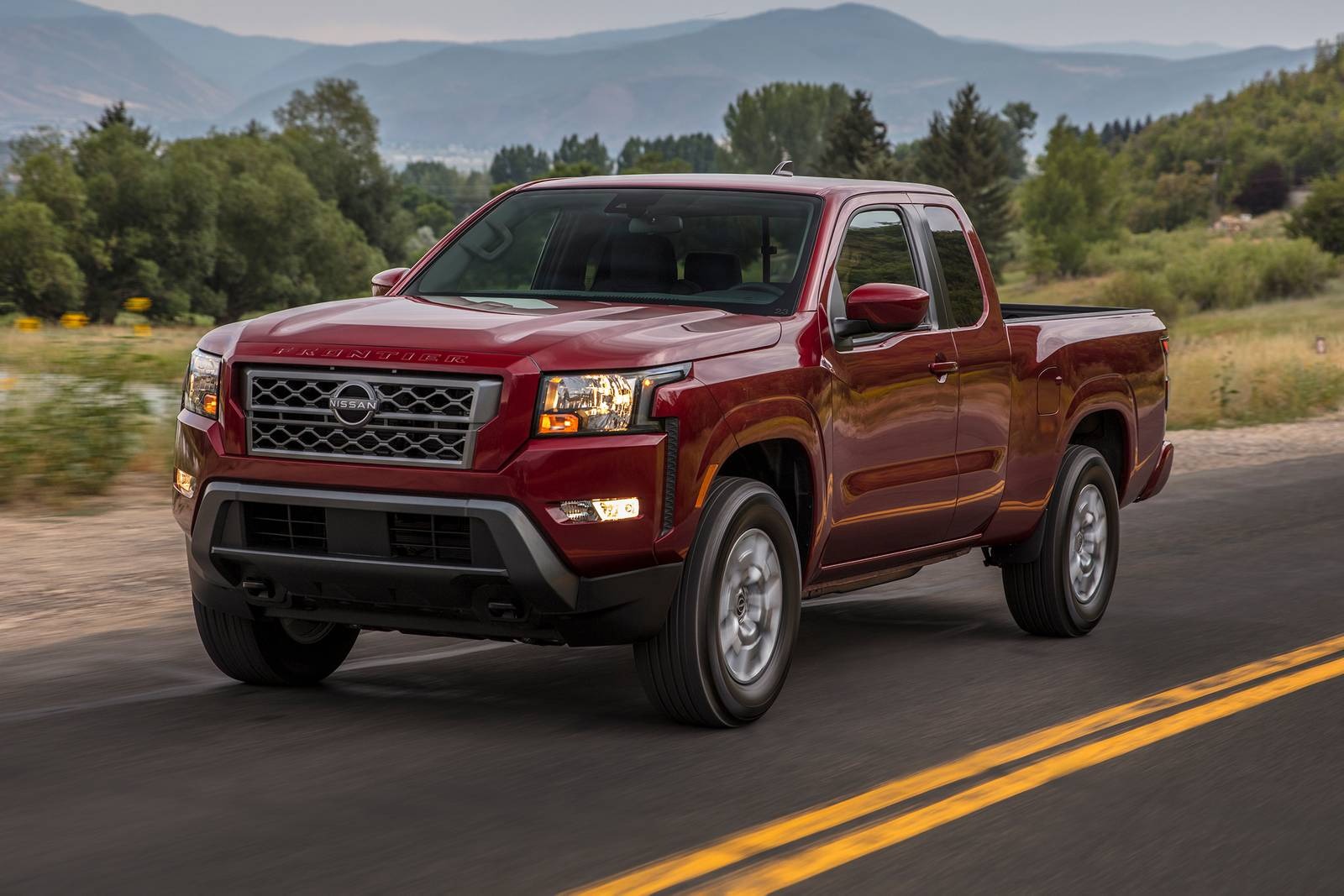
4. Nissan Frontier / Navara 4WD SUVs (regional conversions)
In many countries, the Nissan Frontier or Navara pickup chassis has been adapted into SUV‑like forms or used as the base for rugged utility vehicles. These versions survive harsh roads well because of their pickup heritage. The body‑on‑frame construction is strong, with the bed or cargo area adding rigidity, and the suspension designed for heavier loads, larger tires, and rough terrain.
Four‑wheel drive versions of the Frontier/Navara generally include locking or limited‑slip differentials, strong transfer cases, and underbody protection. Suspension travel is generous and the rear leaf springs or coil and multi‑link setups are durable. Offroad ready tyres are often fitted by users.
Ground clearance tends to be high, especially in 4WD trims. The front bumper, approach, and departure angles of some models are designed for offroad use, making climbing or descending obstacles easier without scraping.
Users modifying these SUVs or pickups for harsh roads often add skid plates, reinforced bumpers, snorkels, possibly winches. These additions help water crossings, deep mud, and steep inclines. Maintenance is straightforward because many parts are shared with heavy-duty trucks, engines are tuned for torque, and cooling systems are robust.
Reliability tends to remain high under heavy use when the owner is attentive. The challenges include weight, fuel consumption, and ride harshness on paved roads, but for the mission of surviving bad roads, the Frontier/Navara variants are very hard to beat.
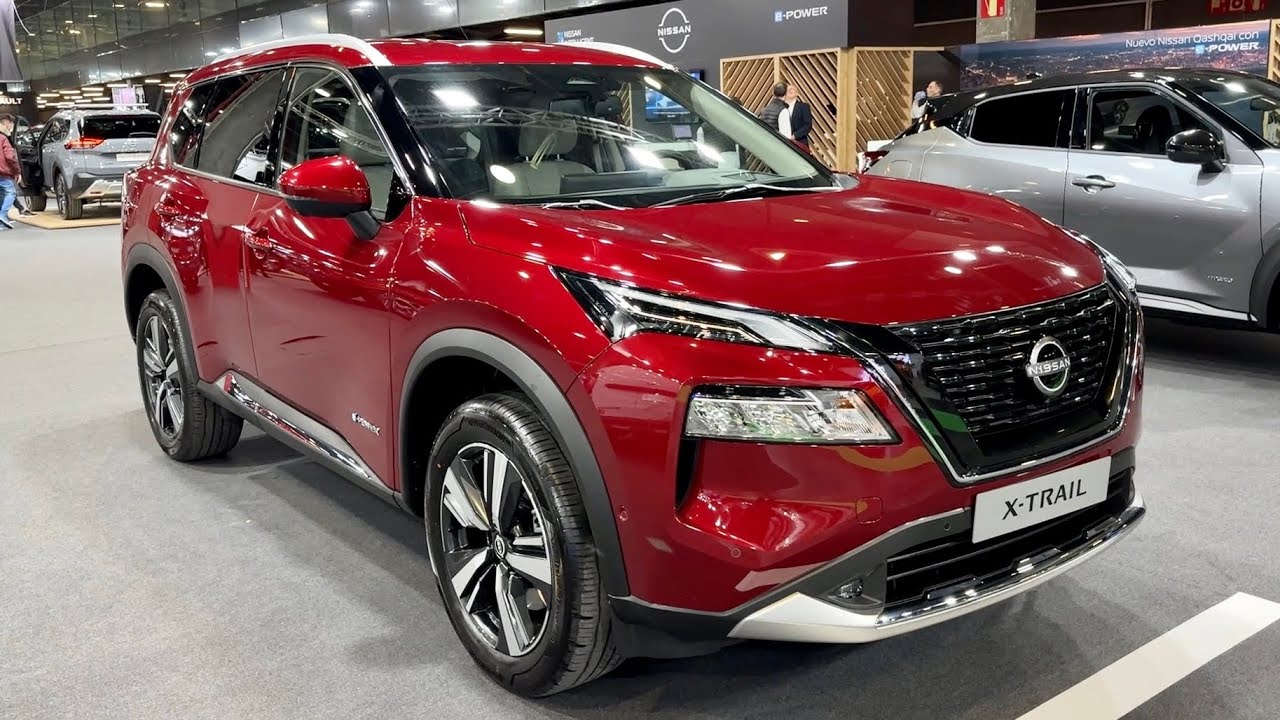
5. Nissan X‑Trail / Rogue
The X‑Trail (known in some markets as the Rogue) is more of a crossover than full offroad SUV, but certain trims with all‑wheel drive, higher clearance, and off-road aids allow it to cope with rough roads surprisingly well. Its unibody build is lighter than body‑on‑frame, which reduces weight and helps in fuel economy, but that means suspension and underbody protection must compensate to handle harsh conditions.
In trims with AWD, X‑Trail has systems that detect slippage and distribute torque to rear wheels or engage traction control systems for slippery surfaces. Traction controls, hill descent control, and often multiple drive modes help translate power to the wheels in adverse conditions.
Ground clearance in certain trims is enough to deal with ruts, rocks, shallow water crossings, and uneven terrain reasonably safely. Tires are typically moderate size from factory, but many owners upgrade to all‑terrain tires for off‑grid roads.
Suspension is tuned to give comfort on pavement but still be durable under stress. Strut components, control arms, and bushings are made to take vibration and occasional impacts. While not built for extreme offroad trails, on rural roads, gravel, snow, or Indian monsoon‑type water crossings, X‑Trail performs well if not overstressed.
The interior features offer enough protection against dust and water in many cases; ingress points are minimized, seals are good, and visibility, driver aids help in tricky situations.
Trade‑offs exist: payload and towing capability are less than those of body‑on‑frame models, and overheating or undercarriage wear are risk if abused. But for many owners who need one vehicle for daily commuting and occasional harsh conditions, the X‑Trail (Rogue) offers good balance. If well maintained, with occasional reinforcement or upgrades, it endures.
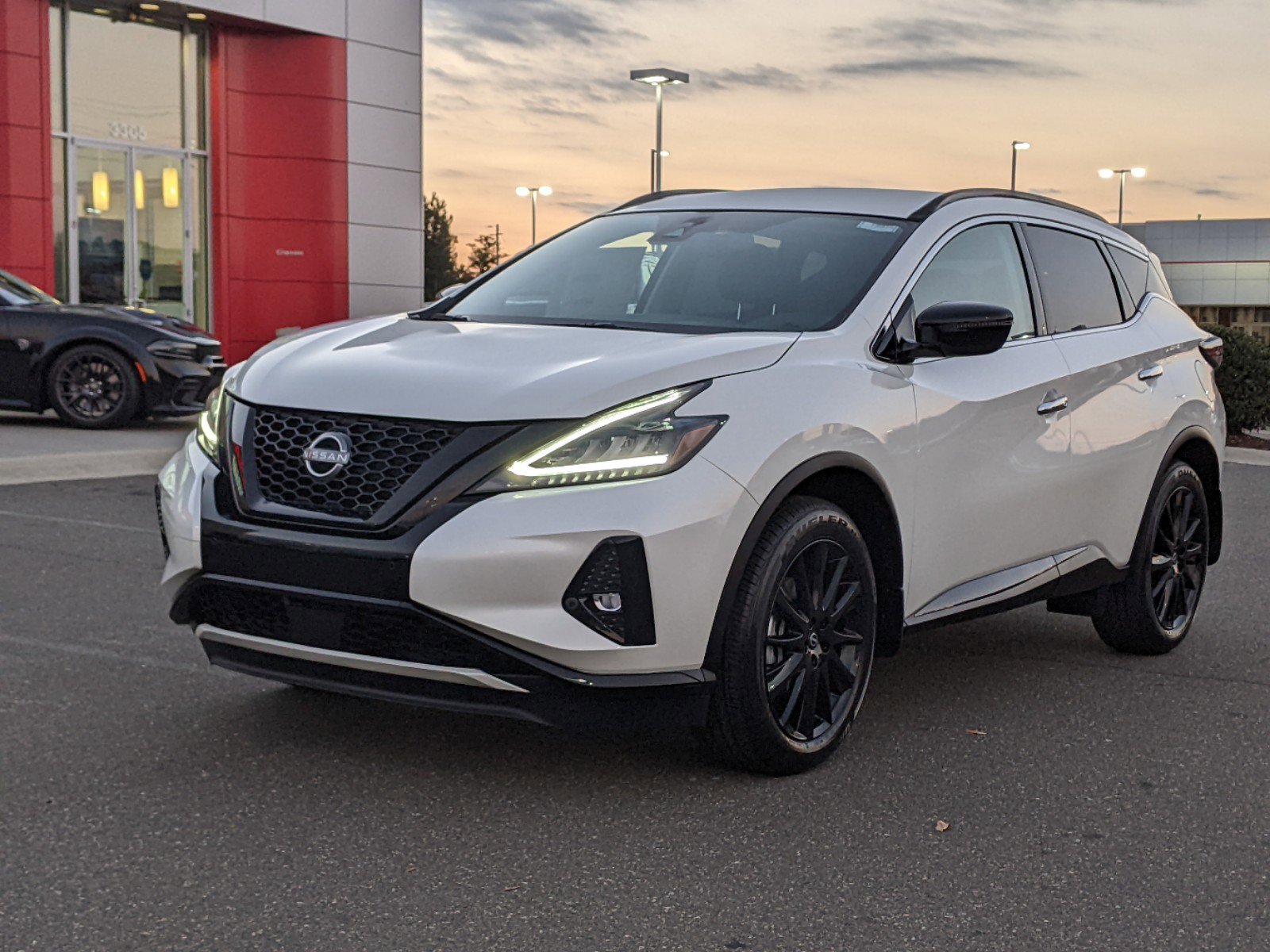
6. Nissan Murano / Teana hybrid SUVs in rough terrain use
Though the Murano (or its equivalents like Teana in some regions) is more road‑oriented, certain model years and usages show they can survive in rough terrain with modification and careful handling. The appeal lies in a comfortable ride, better insulation, good safety, and then pushing beyond the road when needed. Murano’s design includes decent build quality, and some AWD trims help in loose or slick surfaces.
In conditions of gravel roads, mild mud, snow, or shallow streams, AWD Murano models distribute power intelligently and provide a stable ride. Suspension, while set up more for comfort, has enough give to absorb bumps and imperfections without damage if speeds are moderate. Ground clearance is less than that of a Patrol but higher than many sedans, so moderate obstacles can be passed. Underbody splash guards in some trims help protect key parts.
Durability in harsh climate comes from strong body panels, corrosion protection, sealed electrical components. Interiors are more refined, thus more sensitive to moisture or dust, but good maintenance and protective accessories (like mats, covers) go a long way.
Heating, cooling, and airflow systems perform better when filters are kept clean and parts are herded in use. While shocks may wear faster when roads are bad, they are often serviceable and replaceable without huge expense.
Though Murano and similar models are not designed for extreme offroad, their road noise, ride harshness, and handling may suffer when roads degrade. Overloading or misuse over terrain they are not meant for invites damage. However, for many users who mostly drive on regular but often bad roads, these SUVs offer a softer alternative to full rugged models while still surviving reasonably well when conditions worsen.
Also Read: 5 Vehicles That Last a Lifetime With Regular Oil Changes vs 5 That Don’t
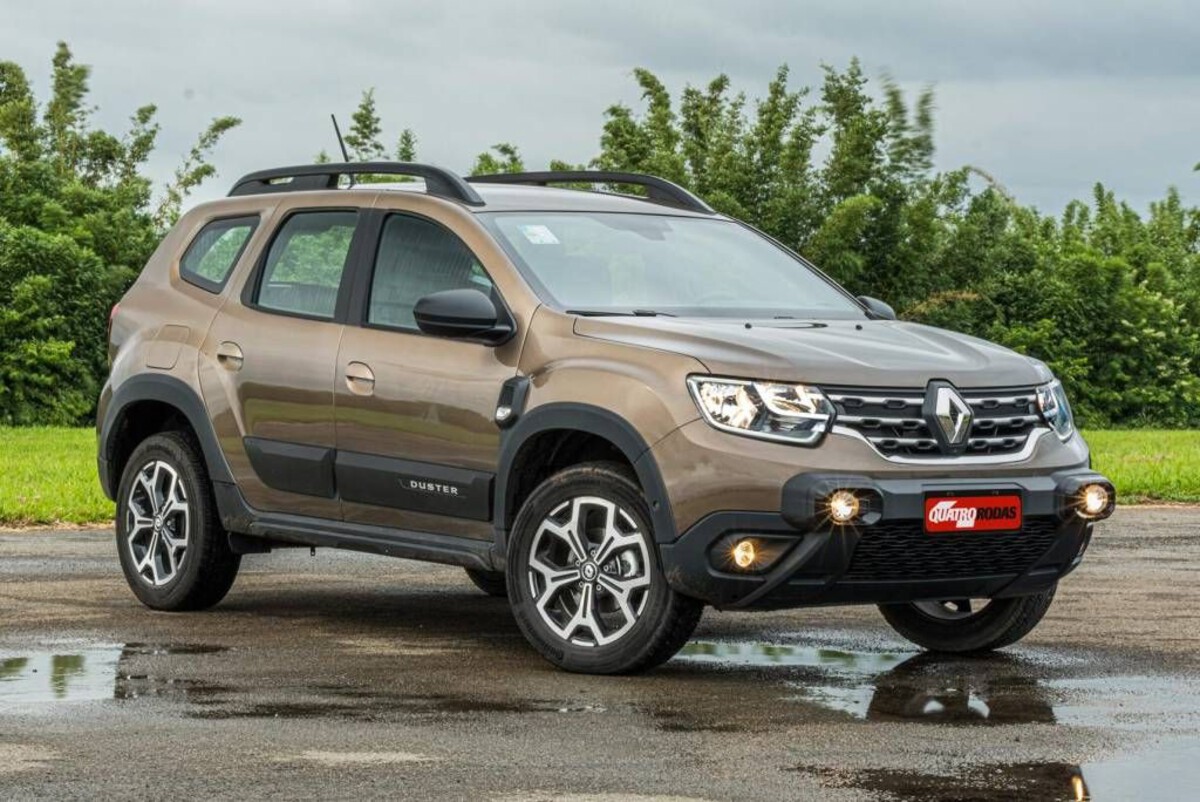
7. Nissan Terrano / Duster (in markets where rebadged Nissan versions exist)
In some countries Nissan uses versions of the Renault Duster, called the Terrano or similar, to offer a more affordable but still rugged SUV option. These models survive rough roads due to their compact dimensions, simple mechanically, and use of durable components. Smaller size helps in narrow mountain tracks, tight city roads, or rural dirt lanes. Less weight means less strain on suspension, engine, brakes on bad surfaces.
Mechanically, these SUVs often have strong springs, durable shock absorbers, and basic but effective drivetrains. Four‑wheel drive versions or high ground clearance trims in some markets give extra capability. Differential locks may be absent, but traction control, limited slip, and good torque at low engine revs help. Tires are often rugged or capable of being upgraded.
The chassis of these models is fairly stiff, and underbody protection tends to be present. Fuel tank, exhaust, and other vulnerable parts are mounted to minimize exposure. Approach and departure angles are reasonable. These models are not perfect for rocky trails, but in muddy roads, seasonal rain, broken asphalt, washboard gravel roads, and pothole‑ridden city‑rural mix they do fairly well.
Inside, simplicity counts. Fewer electrical gadgets, simpler HVAC, manual window options in many trims, durable upholstery. Repairs tend to be cheaper. Parts are often common because of shared components with other models or with Renault siblings. For users needing affordable SUVs to manage bad roads, the Terrano‑class Nissan versions offer good survival without the cost of full blown offroad monsters.
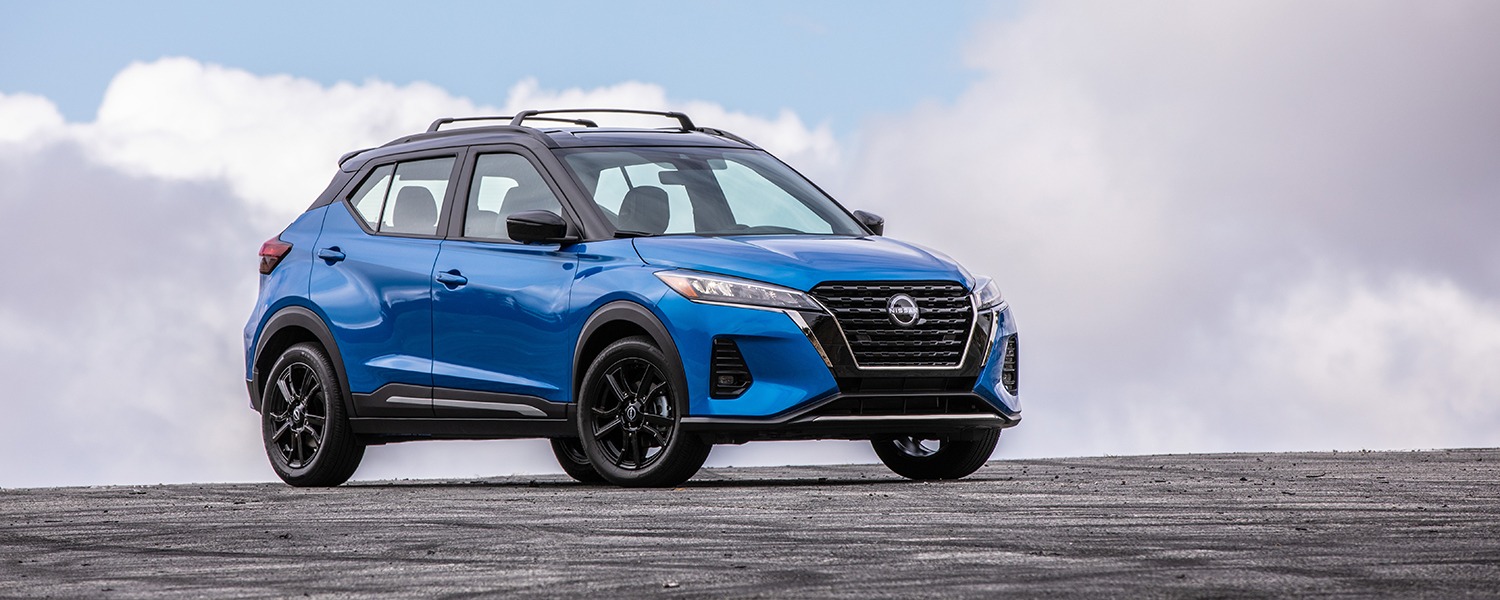
8. Nissan Kicks / Qashqai in tougher trims
The Kicks (or Qashqai in many places) is a compact crossover rather than a full offroad SUV, but in tougher trims it can handle many kinds of poor road. It bridges the gap for users who do not need full 4WD but still expect to travel on roads with holes, water puddles, gravel, snow slush, and seasonal terrain issues. When fitted with raised suspension, stronger tires, and sometimes all‑wheel drive (in markets where available), these models add capability.
Suspension in Kicks/Qashqai tends to be softer for road comfort, but certain trims or aftermarket betters stiff springs, thicker antiroll bars, protective shields, and stronger bushings help reduce wear.
Durability of components like control arms, bushings, tie rods, and steering rack matters; many models survive harsh road use if those are kept in good service. Ground clearance in standard trim is modest, but more rugged trims or lifts (from dealership or aftermarket) increase that capacity.
Traction control systems, stability systems, brake control on uneven surfaces, and hill start assist add confidence on sloped, wet, or icy surfaces. Many owners report that these crossovers handle broken pavement better than expected, particularly when speed is moderated.
Underbody protection is less generous in standard trim, but added splash guards, skid plates, or plastic guards help. Tires with deeper tread or all‑terrain designs make a big difference.
Trade‑offs are clear: ride comfort on paved roads may suffer once you toughen things up, fuel economy may drop, and handling responsiveness may decline. But for a user who wants a lightweight, city‑capable, and occasionally off‑pavement capable SUV, a well‑prepared Kicks or Qashqai trim can survive rougher roads than many think, especially with mindful driving and maintenance.
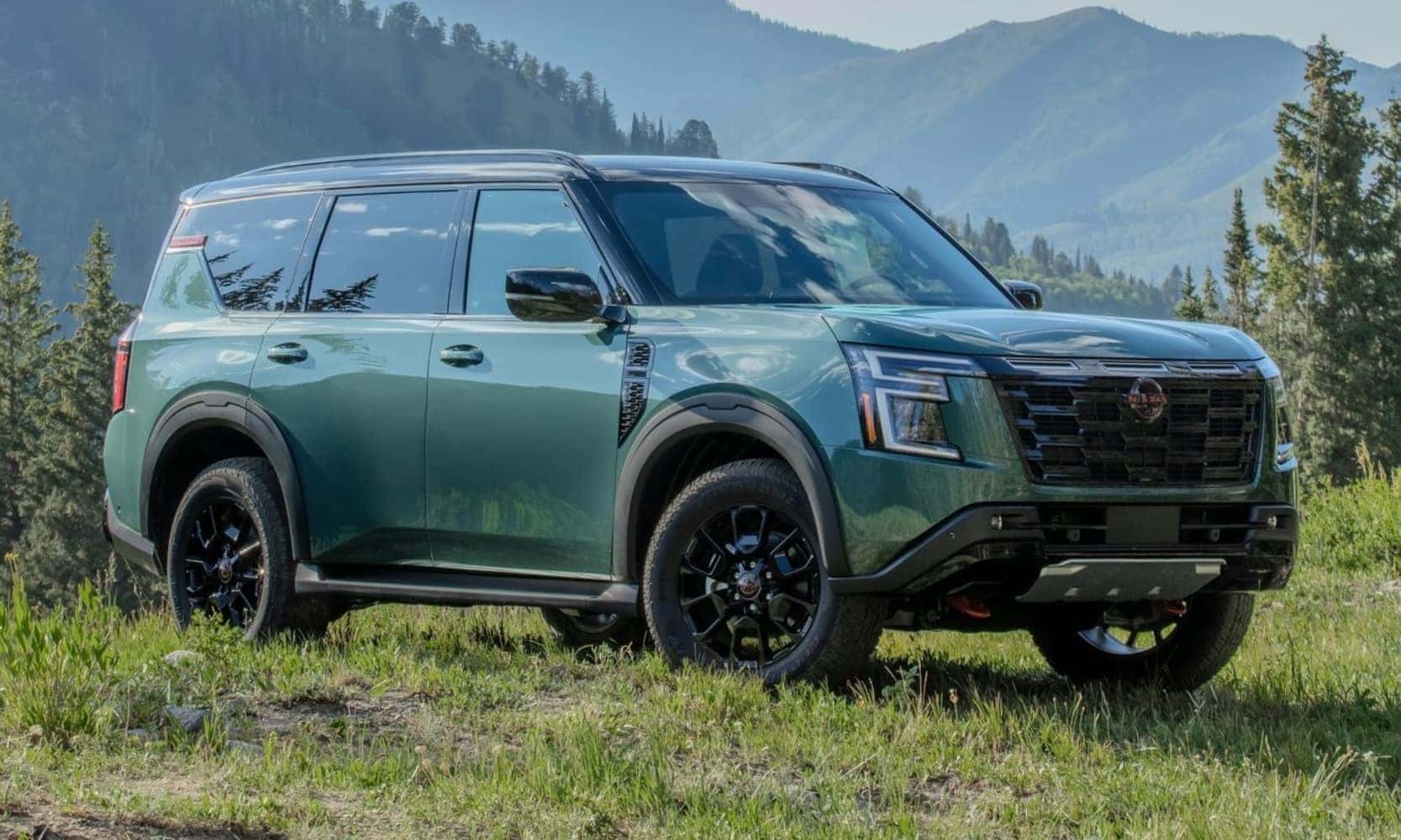
9. Nissan Armada / Patrol Y62
In regions where Nissan sells the Armada (or in markets where the Patrol Y62 is similar), these large SUVs bring serious capability. They often combine powerful V8 engines or strong large displacement V‑6s, heavy-duty frames, robust axles, and high towing and payload capacities.
These traits mean that on harsh roads, these big SUVs are less likely to suffer damage under load or in impacts, they can take more jarring without harming critical structures.
Four‑wheel drive options, locking differentials, low range gearing and advanced traction control features are typically available. The suspension may include multilink or solid rear axle, coil or leaf springs, and heavy duty shock absorbers. Ground clearance is high, approach and departure angles are favorable in offroad or rough road trims. Underbody armor, skid plates, tow hooks, and protective bumpers come either standard or as optional, helping in rocky terrain or water crossings.
Durability further comes from heat tolerance, cooling systems that can cope with heavy loads, strong brakes, cooling for transmission and engine oil under stress.
Electrically, the SUVs tend to have sealed components, wiring routed away from exposure, and robust lighting, making the vehicle more reliable in harsh environment. Interiors are built so occupants are protected: sturdy seats, good visibility, strong pillars, reliable weather sealing.
On the downside, large size makes maneuvering narrow roads harder; fuel consumption is higher; tires are costly; maintenance on big SUVs may require more specialized service. However, when sheer survival under harsh road and load conditions is the criterion, Armada or Patrol Y62 are among Nissan’s strongest pieces. In many remote areas drivers depend on them through seasons of snow, dust, monsoon, or desert heat, and they hold up better than most with heavy use.
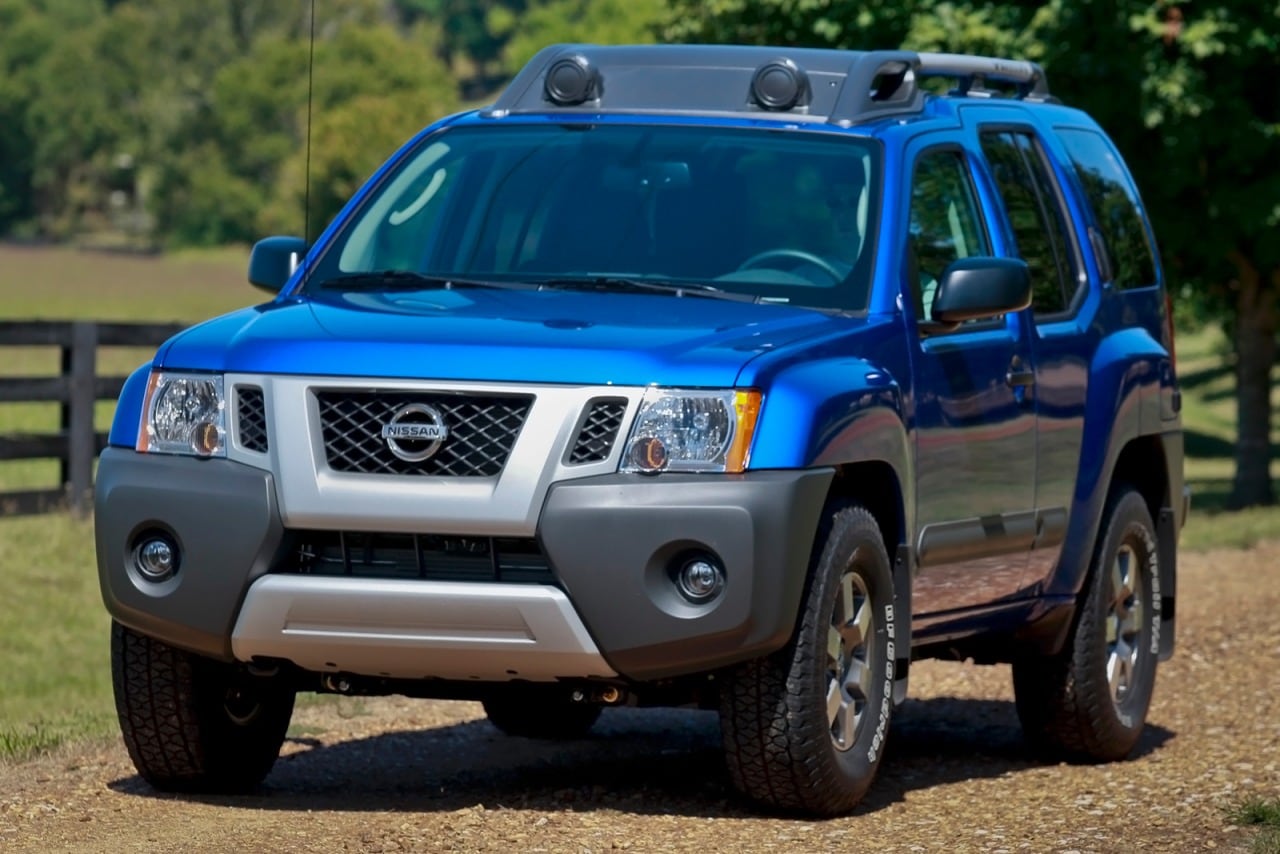
10. Nissan Terra / Navara SUV (in Asia and other regions)
In Asia, Australia, parts of Latin America etc. the Nissan Terra is an SUV derived from the Navara (Patrol, depending on region) or otherwise designed for tough road and offroad capability. It combines body‑on‑frame strength, strong underbody protection, four‑wheel drive, generous ground clearance, and strong torque engines. That configuration makes it well suited to survive roads that are washed out, gravel, muddy, rocky, steep, or full of potholes.
Suspension components are designed for load and impact. Leaf springs or multi‑link rear suspension capable of coping with heavy cargo, equipment, or passengers help absorb repeated impact.
Front struts or double wishbone in front often robust, shock absorbers with larger damping capacity help resist blowouts. Skid plates under engine, fuel system, differential are standard or optional. Tires often semi offroad type from factory in tougher trims.
The drive systems support low‑range, sometimes locking differential(s), and driver aids such as hill descent, offroad drive modes, and electronic traction enhancements. Cooling for engine and transmission are made for heavy workloads, important in heat, uphill, towing, or long durations. Robust drivetrain joints, strong CVs, good sealing against dust and water ingress matter, and these models tend to have them.
Interior durability, serviceability, parts availability are key. Because many of these Terras/Navaras operate in remote or less urban areas, having access to spare parts, simple mechanics, less wiring, fewer delicate electronics increases surprising survivability.
The trade‑offs again are ride comfort when empty on pavement, fuel economy, and weight. But for people who need to routinely face rough roads, floods, travel across unpaved terrain, Terra/Navara class SUVs are a solid choice.
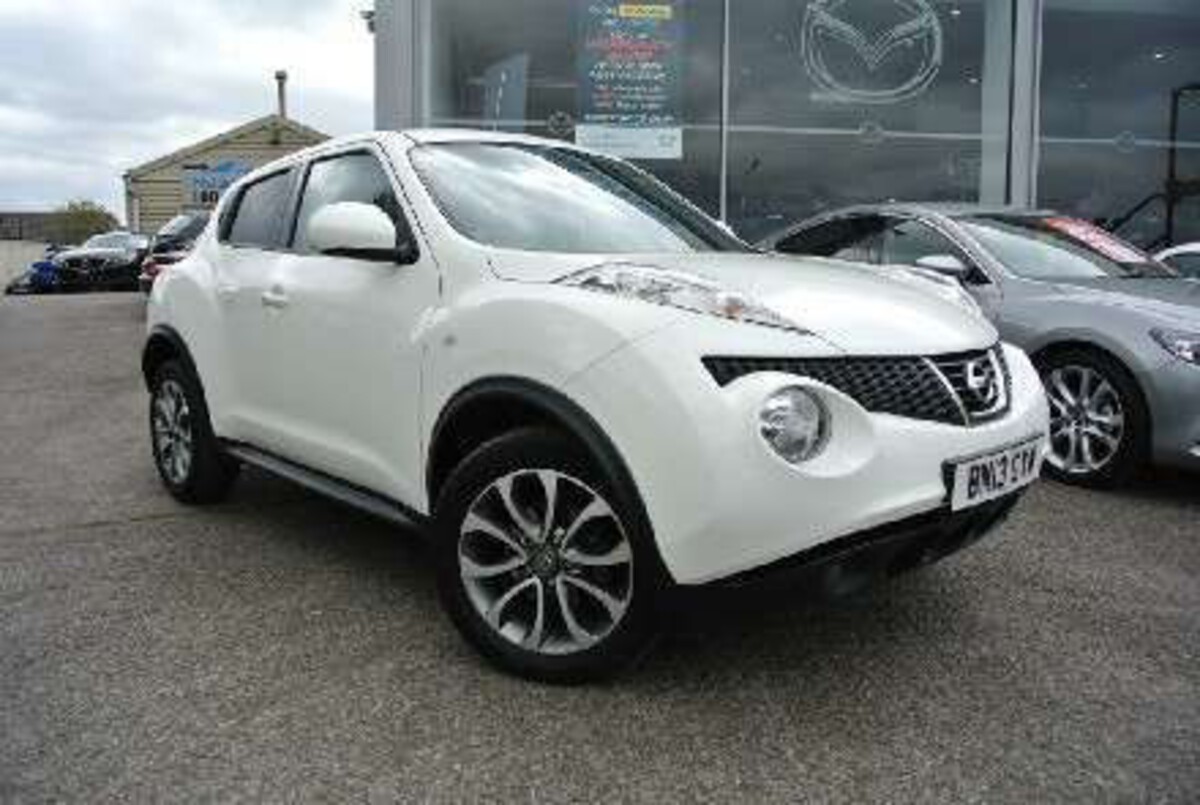
11. Nissan Juke in upgraded offroad style
The Nissan Juke is small but feisty. It is not built originally to be a tough trail rig, but in many markets special editions or aftermarket upgrades enable it to manage more than just city streets. For those who face rougher roads, narrow mountain passes, gravel tracks, or snow‑plagued routes, a Juke with tougher tires, reinforced components, and cautious driving can survive surprisingly well.
Mechanically, the Juke uses compact engines, but the real value comes from its light weight, nimbleness, and lower costs of damage. A heavy SUV going through rocks or narrow trees may suffer more, but a small crossover like Juke can be easier to maneuver, less likely to suffer major damage upon sliding off road, and less costly to repair.
If fitted with all‑wheel‑drive or better grip systems, torque vectoring, hill start control, and good ground clearance trim, it performs above expectations for its size.
Suspension upgrades are often needed: stronger dampers, thicker control arms, reinforced bushings, better tires with deeper treads. Underside protection is minimal from factory, so skid plates or splash guards help. Also, owners often take care in avoiding extremely rough terrain, but for moderately bad roads, the small cost, fuel consumption, and practicality trade‑off make Juke a viable choice for rough but not extreme conditions.
In terms of comfort and damage control, the Juke interior handles daily wear well when maintained. Seals, weather stripping, plastic trims tend to hold up, especially in newer models. Spare parts are smaller, cheaper, and sometimes more available.
The smaller size also allows easier parking, avoiding damage in tight rugged terrain. It will not dominate sand dunes or deep mud, but in places where roads are unpredictable but not completely offroad, a well‑prepared Juke will survive and offer value.
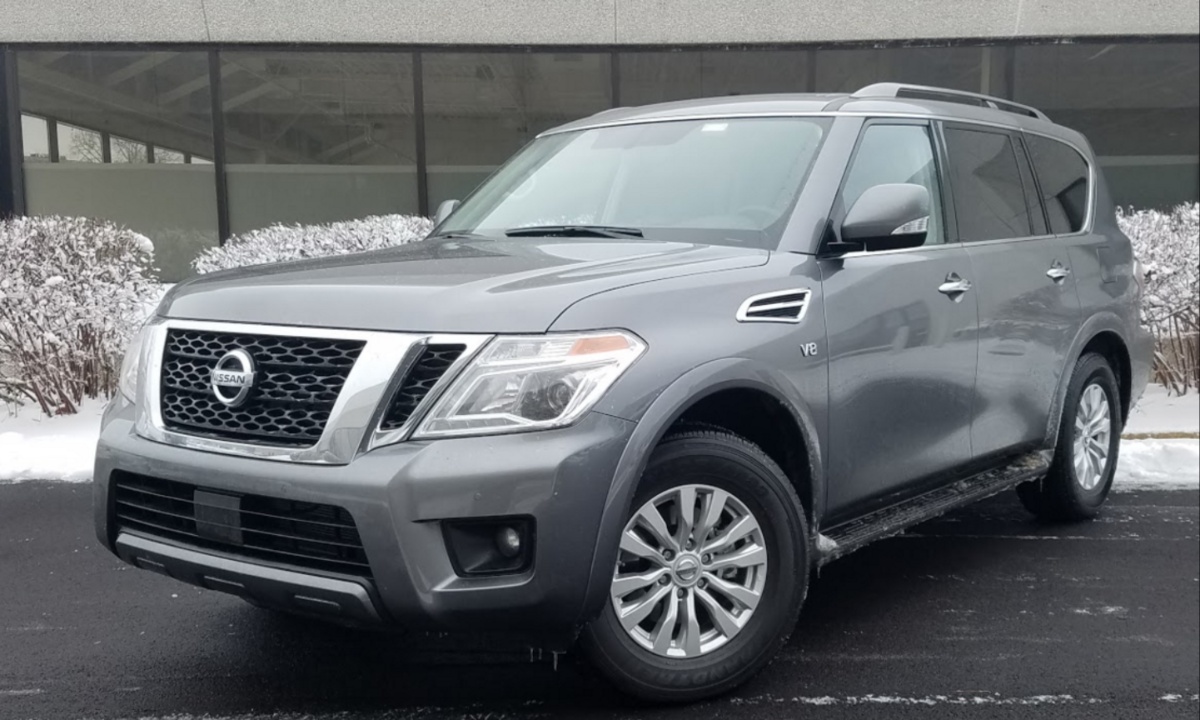
12. Nissan Armada / Patrol older heavy‑duty generations
Older heavy‑duty variants of Armada or Patrol (before modern luxury features added) are deeply respected by offroad‑enthusiasts for their toughness. These models have very few electronic features that are prone to failure, simpler wiring, robust steel frames, strong axles, and large displacement engines that provide torque at low rpm.
That makes them forgiving of abuse, able to take long stretches of rough road without mechanical breakdown. When repeatedly driven over rocks, water crossings, steep climbs, heavy loads, older Armada or Patrol models tend to show fewer weak points.
Suspension parts are simpler, parts are overbuilt, and springs, dampers, shock absorbers, control arms are thick, heavy, and designed for durability rather than ride smoothness. Solid rear axle, sometimes leaf springs, thick frame rails help resist twisting, bending.
Underbody protection is often more basic but substantial: metal shields, skid plates, protective crossmembers. Tires are often heavier duty. All this combines into a vehicle that can simply be driven through bad terrain and emerge without serious damage, if driven carefully.
The engines in these older heavy‑duty models are forgiving: naturally aspirated or simple turbo designs, fewer sensors, fewer parts that can fail from vibration or heat. Cooling systems are straightforward and easier to service.
Transmission and transfer cases often have robust gearsets. Replacements and repairs may be heavy, but parts often interchangeable and available in many markets. Many drivers in remote regions prize these older versions for exactly that reason.
Maintenance being key, but simpler maintenance: fewer panels to remove, fewer electronics to troubleshoot, more mechanical linkages and cables. When wires exist they are often routed away from exposure. Interiors may lack modern luxuries but surfaces are easier to clean, upholstery tougher, fewer electronic gadgets to fail. Driving comfort may be rougher and layout more basic, but the vehicle’s ability to survive what harsh roads throw at it is impressive.
