
Many people who shop for sport utility vehicles care about interior space, ride comfort, off-road capability, and fuel efficiency. Yet among the most important concerns is long‑term reliability. A transmission problem can be among the costliest repair bills a vehicle owner may face.
When something goes wrong in the transmission, especially in automatic or dual‑clutch systems, parts can wear, seals leak, electronics misbehave, or entire assemblies need replacement. The costs often run into thousands of dollars, particularly when labor rates are high or when specialized parts must be shipped in.
Because of this, it makes sense to choose an SUV whose transmission is known for robustness, longevity, and few major issues. This article covers twelve SUVs whose owners report far fewer instances of transmission failure, and which generally perform trouble‑free throughout long miles.
Some of them use conventional automatic transmissions, others use continuously variable transmissions, and a few offer manual or simpler setups. What they share is strong engineering, good maintenance intervals, and favorable design choices that help prevent the kinds of damage or wear that often lead to high repair bills.
Each featured model has earned a reputation among mechanics, reviewers, and forums for having transmissions that rarely require expensive work. If you consider any of these for your next SUV, you may save not only money on maintenance but also enjoy more peace of mind on long trips, city traffic, or harsh terrains.
Also Read: 12 Cars That Keep Their Value at High Mileage
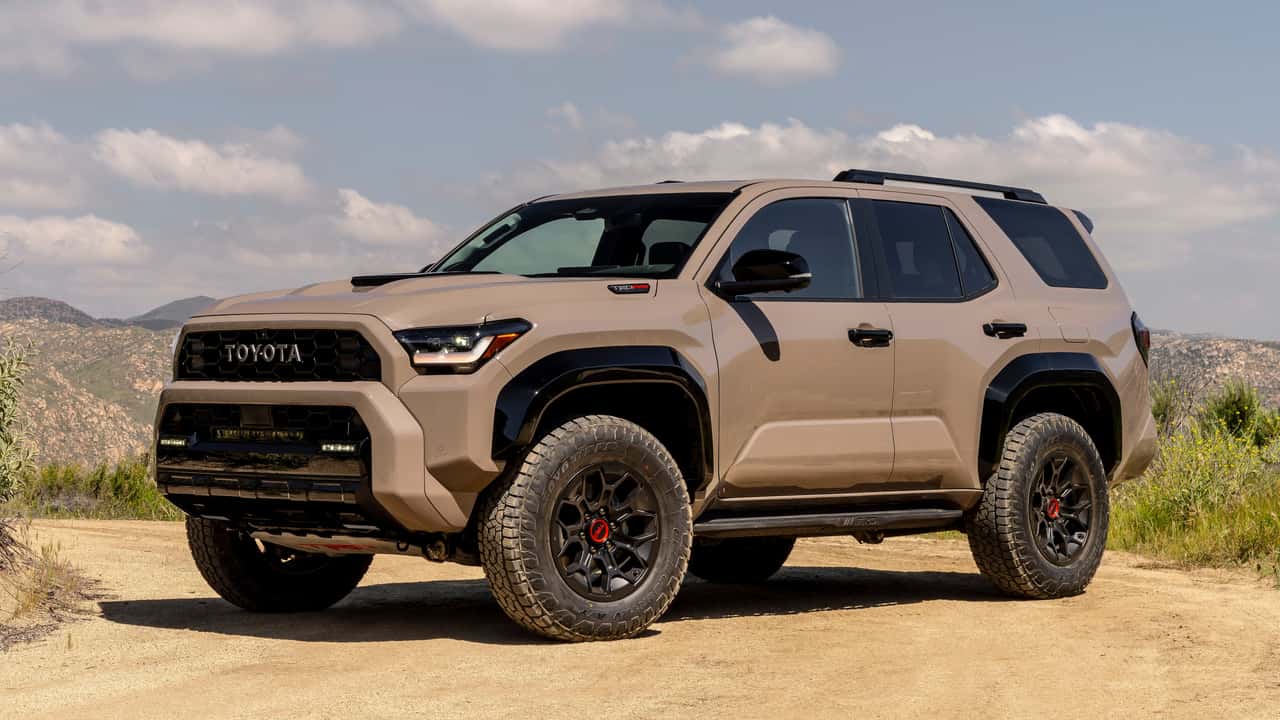
Toyota 4Runner
The Toyota 4Runner is known for simple construction and rugged components. Its transmission systems, usually a four‑ or five‑speed automatic depending on year, do not involve overly complex clutch packs or advanced electronics. Because of this simplicity, there are far fewer parts to fail, and when maintenance is done regularly, owners report high mileage without major transmission issues.
The torque converter and planetary gear sets in many 4Runners are durable, and the cooling system for the transmission tends to be generous in capacity. That helps in towing conditions or when the vehicle is used off-road, where heat and load stress transmission components.
Service intervals and quality of service parts matter. Toyota has generally used quality fluids, reliable seals, and durable internal filter designs. The engineers seem to have spec’d parts with safety margins rather than pushing for minimal weight or cost savings.
That means that even when driven in harsh conditions, steep hills, heavy loads, dusty roads, the 4Runner’s transmission tends to resist overheating, slippage, and worn clutch surfaces. Even in high mileage, many have reported normal operation without delay, slipping, or rough engagement. Minor issues, such as shift solenoid replacements or seal leaks, do occur, but they are relatively rare and not generally catastrophic in cost.
Owners also benefit from the wide availability of parts, thanks to Toyota’s large dealer network and long history with this model. When a repair is required, mechanics familiar with 4Runners know exactly what to check, and aftermarket or refurbished components are often available, reducing cost.
Moreover, resale values remain strong partly because this reputation for reliability is known in used vehicle markets. For many who need an SUV for both daily driving and occasional bad terrain, the 4Runner stands out among its peers.
Toyota has maintained good engineering consistency over the decades. Upgrades and model changes tend to improve materials or cooling rather than fundamentally altering the transmission architecture.
Because dramatic changes usually introduce unexpected failure modes, this conservative approach helps the 4Runner avoid some of the expensive surprises that affect more aggressively engineered rivals. As long as owners follow recommended transmission fluid changes and avoid abuse, the 4Runner remains one of the go‑to SUVs for trouble‑free gear shifting.
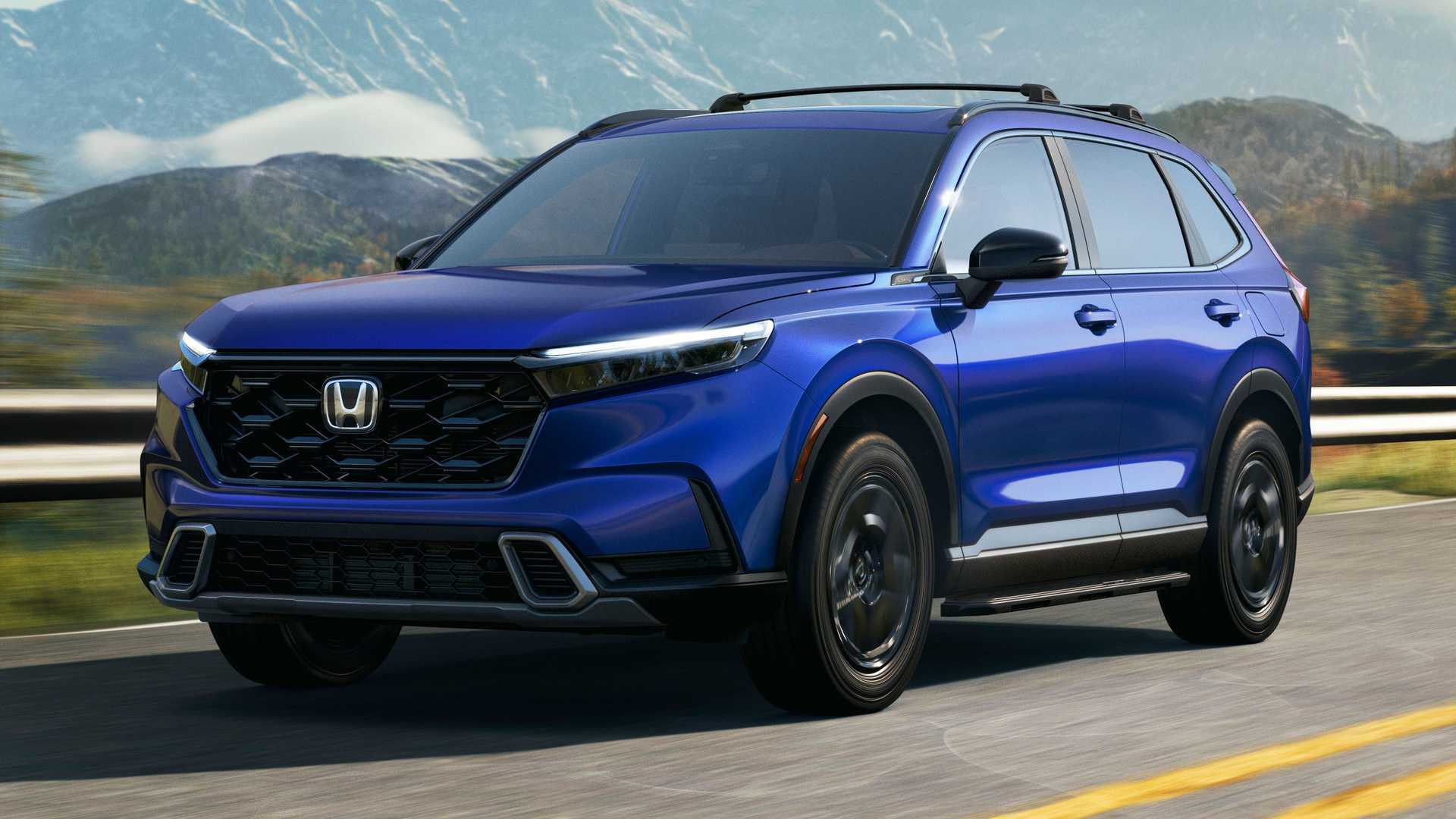
Honda CR‑V
The Honda CR‑V is one of the compact SUVs with high marks for reliability, and its transmission is part of that reputation. Over many model years, the use of continuously variable transmissions (CVTs) or in some cases, simpler automatics has raised concerns elsewhere, but in the CR‑V those systems are generally tuned and cooled well.
Honda engineers seem to favor robust belts, proper lubrication channels, and fluid quality that resists breakdown under heat. The result: many owners report minimal transmission issues even after 150,000 or 200,000 miles.
Regular maintenance is crucial. When the CVT or automatic fluid is changed according to schedule, and when the cooling system (which may share components with engine cooling) stays clean and free of clogs, the transmission runs with little fuss. Problems such as slipping or juddering are rare, and if they do occur, they tend to stem from neglect such as low fluid due to leaks or failure to service filters. These tend to be far less expensive than rebuilding or replacing the transmission assembly.
Another plus is Honda’s conservative approach to software calibration. Unlike some manufacturers that push aggressive shift mapping or “sport modes” that stress clutch packs or belts, Honda tends to program shifts to favor durability and smooth engagement.
That means less heat generation during shifts, fewer shock loads on components, and longer life for parts like torque converters or belt drives. Even in stop‑and‑go city traffic, CR‑V transmissions tend to avoid the kinds of harsh behavior that accelerate wear.
Because spare parts are fairly common and mechanics are well familiar with Honda’s designs, repairs when needed are often simpler and less costly. Shift solenoids, sensors, gaskets, and seals are more straightforward to reach. For many CR‑V owners, rather than facing large bills for a complete assembly swap, they might need only a replacement of one part plus a fluid flush. That kind of repair remains affordable when spread over the life of the vehicle.
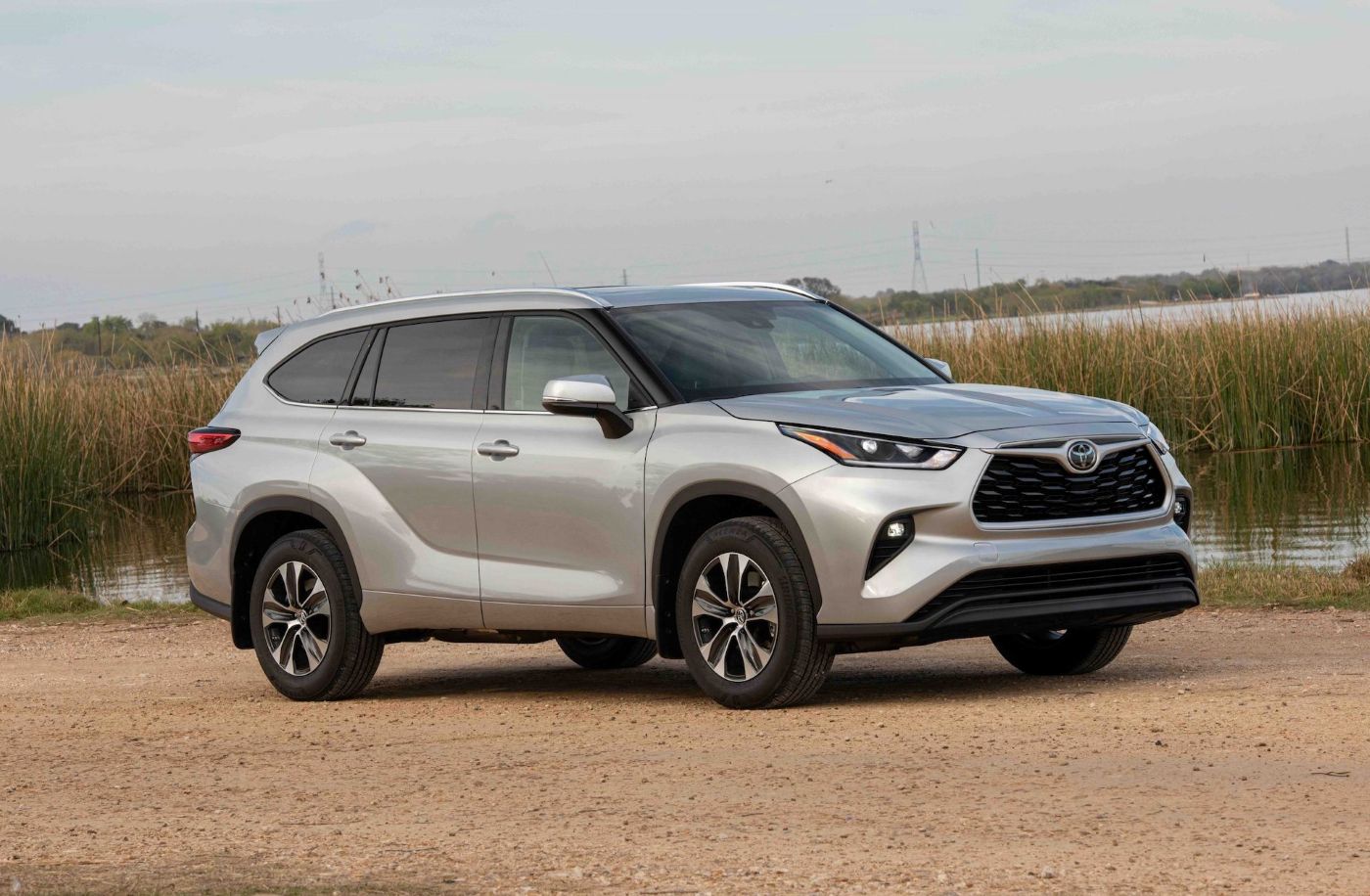
Toyota Highlander
The Toyota Highlander is a midsize SUV used by many families, often for daily commuting, highway travel, and occasional towing or light off‑road. Its transmission options over the years have been conventional automatics with six or more speeds and in hybrid versions, power‐split type transmissions.
Both types have performed quite well in avoiding expensive breakdowns. The conventional automatics benefit from Toyota’s experience with durable clutches, robust bands, and solid torque converter assemblies. The hybrid transmissions are complex in concept but engineered with high tolerances and safety factors.
Cooling is key in the Highlander design. When towing or climbing, the transmission faces load stress; when ambient temperature is high, heat builds fast. Highlanders generally include adequate cooling circuits, sometimes auxiliary coolers for trailers or heavy loads.
The transmission control modules are tuned to shift early before heat builds up excessively. Transmission fluid quality is up to manufacturer specification, and recommendations often include synthetic or semi‑synthetic fluids under some conditions. All this helps minimize internal wear on clutches or bearings.
Owners also report that shift feel remains consistent even after many miles. Harsh downshifts or jerky responses tend to be rare in Highlanders. Part of that comes from conservative shift schedules and wide use of sensors that monitor transmission temperature and load.
If system detects risk of overheating, it will adjust behavior. When repairs are needed, it tends to be minor issues: a solenoid, a sensor, or seal. Full transmissions failures that require replacement are uncommon.
Toyota parts supply and service network help drive down costs when repairs are necessary. Because many dealers carry replacement units, and because there is a healthy supply of used or remanufactured transmission assemblies, owners typically can get repair at lower cost than vehicles whose transmissions are rare or proprietary. That enhances value for those who put many miles on their vehicle and want to avoid surprises.
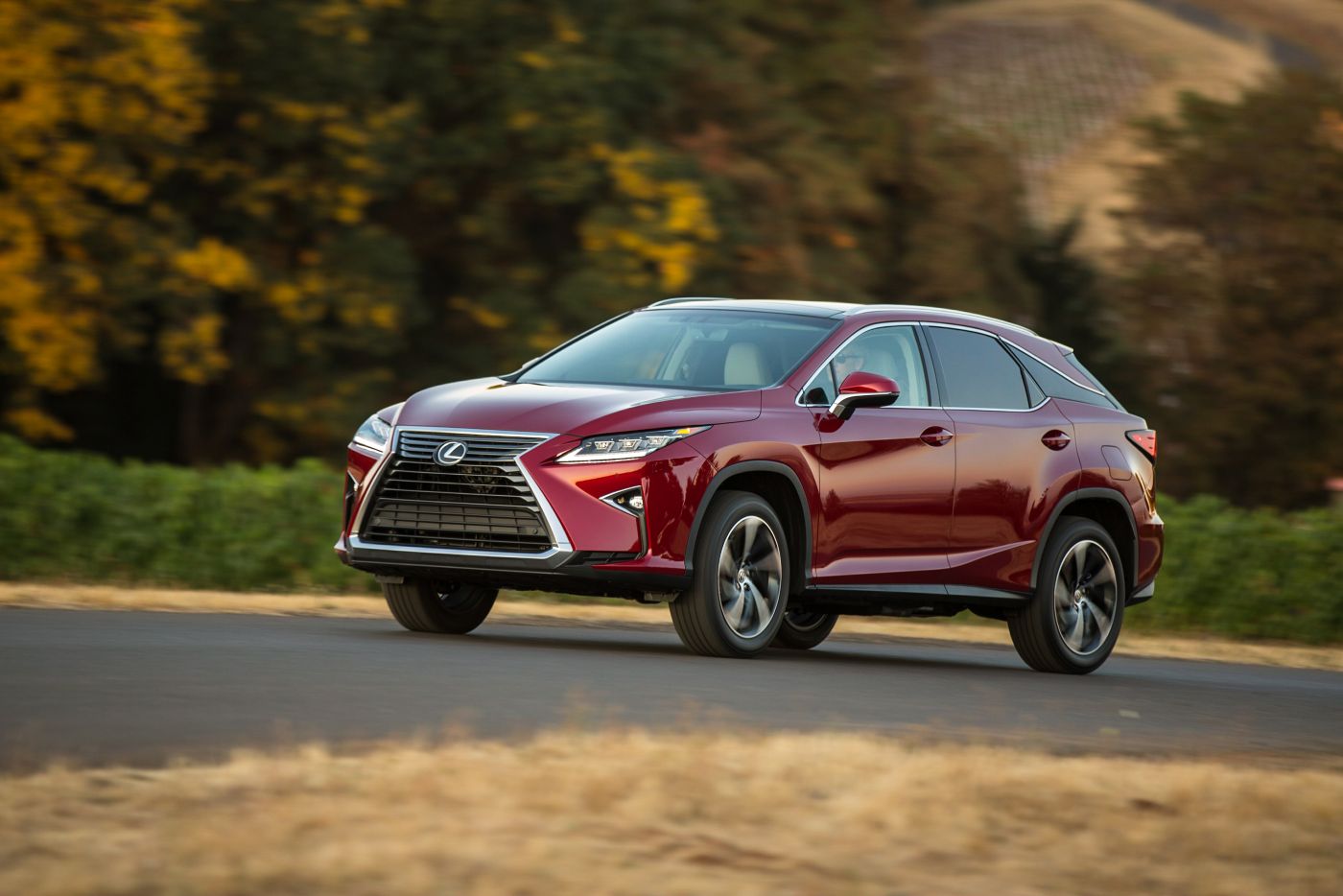
Lexus RX
Lexus RX is a luxury SUV, high‑end refinement, but under that luxury is a strong foundation from Toyota engineering. Many of the mechanical components, including transmission systems, share design philosophy that prioritizes longevity.
Owners report that RX models from various generations easily cross 200,000 miles with minimal transmission issues. The automatics are well balanced, well cooled, and use high‑quality materials for friction plates, bands, and torque converters.
Transmission calibration in the RX tends to emphasize smoothness and reduced stress. Because the target buyer expects quiet shifts and minimal drama, Lexus engineers tend to avoid aggressive shift programming. That means less stress on the internal parts during transitions between gears.
The cooler design is adequate, and sometimes oversized relative to demands, which helps dissipate heat under heavy load or when towing. Regular service, fluid changes, filter changes, and keeping cooling circuits clean are parts of the maintenance schedule.
Even with hybrid variants, the transmission and power‑split units are generally trouble‑free. The hybrid components do add some complexity, but Lexus tends to over‑engineer for durability. Part tolerances are tight and supported by robust quality control.
Because of the premium cost, materials often are better, and components such as gears, bearings, and synchronizers are often built to higher stress levels. Owners tend to drive carefully and maintain service, which reinforces reliability.
Repairs, when needed, are usually modest. Leaks, sensor failures, or minor slippage under extreme load show up occasionally, but usually before issues become catastrophic. Because of Lexus’s premium parts supply, replacements are available, though cost is higher relative to non‑luxury brands. However, given the infrequency with which large transmission failures occur, cost per mile for transmission maintenance tends to stay reasonable for the class.
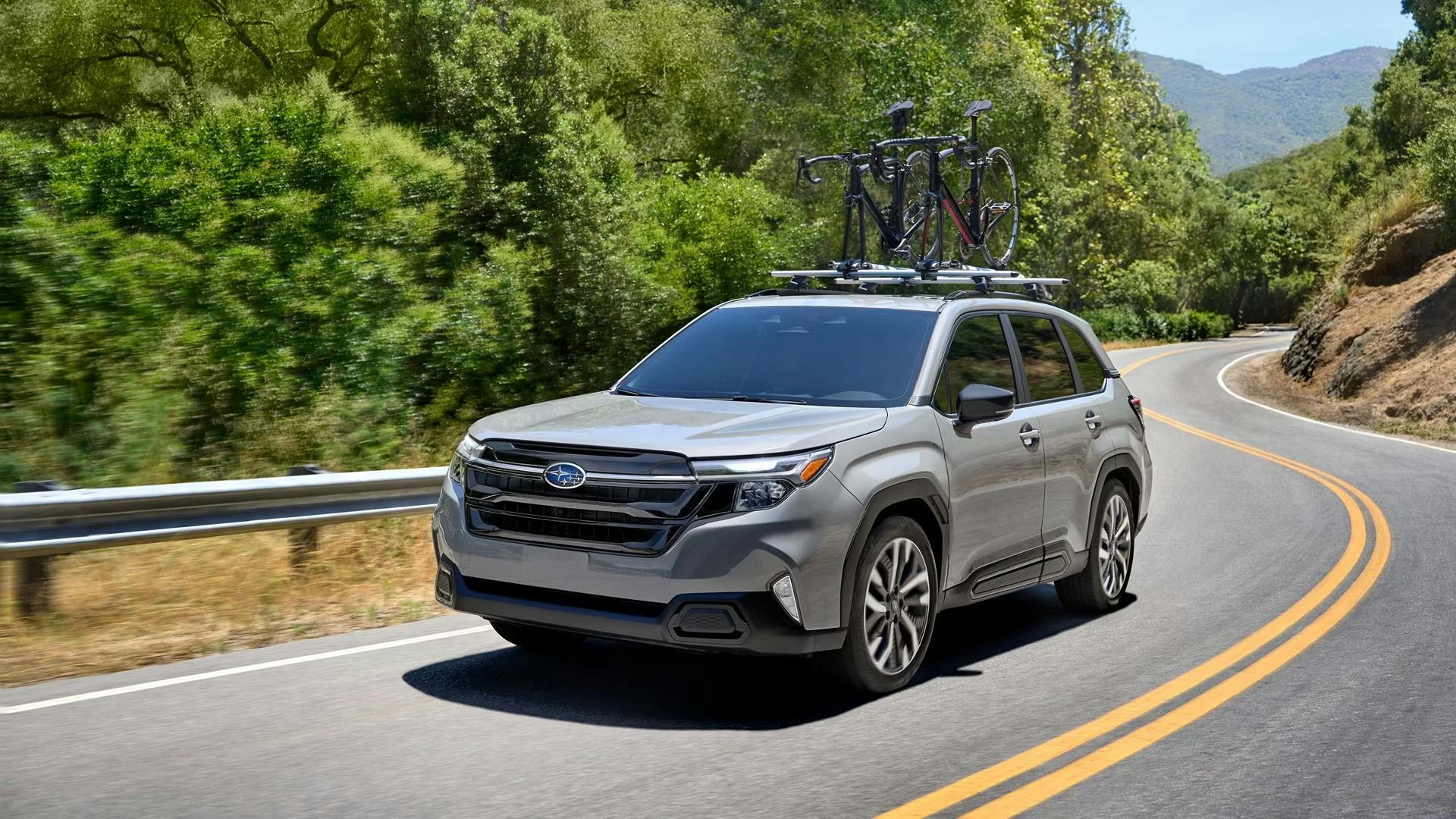
Subaru Forester
Subaru Forester has for many years been a choice for those wanting all‑wheel drive stability, reasonable fuel economy, and good reliability. The transmission systems used, often continuously variable transmissions in recent models, have built reputations for being solid when they are properly maintained. The CVTs in Foresters tend to have fewer complaints of catastrophic failure than some competitors, partly due to conservative calibration and cooling provisions.
Engineers often include cooling and pressure regulation systems that ensure proper fluid flow even under load, steep inclines, and during long downhill braking. Because the engine and transmission share parts of the drivetrain, alignment and sealing are often carefully controlled. Owners who adhere to service intervals and avoid aggressive driving or high towing loads usually avoid expensive failures.
Parts supply and repair knowledge help keep costs down. When minor problems appear, such as belt or pulley wear, fluid leaks, or overheated fluid, repairs are often localised. The entire transmission need not be replaced. Mechanics familiar with Subaru’s designs often know common weak points and how to prevent them, whether through monitoring transmission temperature or ensuring that cooling systems are unobstructed.
Because of Subaru’s dealer network and aftermarket support, replacement parts, longitudinal mechanical components, seals, and control units are relatively accessible. That helps reduce both wait time and costs. Many Forester owners report high satisfaction with transmission function over long durations, especially when regular maintenance is respected.
Also Read: 12 Vehicles That Outlasted the Companies That Built Them
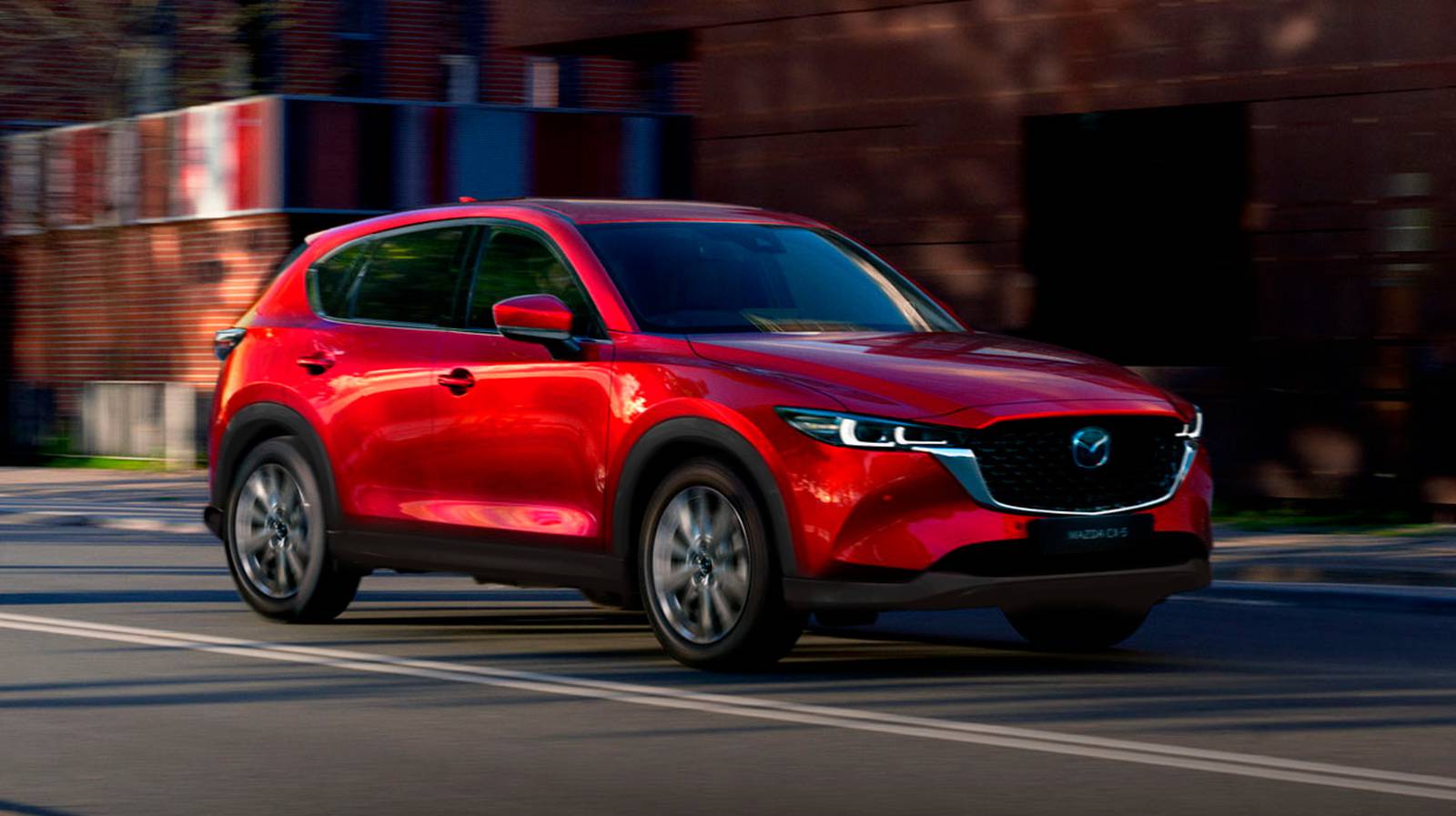
Mazda CX‑5
Mazda CX‑5 is often praised for combining driving enjoyment with reliability. Its transmission, especially the automatic versions, tends to be durable when matched with regular service and proper driving habits. Mazda’s design tends to avoid pushing components to extremes; end user feedback shows CX‑5 transmissions generally resist overheating, shifting delays, and slippage, even after heavy city use.
Shift logic and calibration in Mazda’s automatic transmissions are often tuned for smooth, gradual transitions. This helps reduce wear on clutch plates, reduce sudden torque loads, and lessen heat buildup. The cooling systems and fluid lines are well sized for the typical demands of mass use. Mazda often uses quality fluids and filters, avoiding designs where fluid becomes the weak link in transmission life.
When issues arise, they are commonly minor: a solenoid pack, sensor, or seal rather than a full clutch replacement or a rebuild. Because the transmission is relatively accessible in design, labor required for partial repair tends not to be excessive. Parts are available through dealer and aftermarket channels, which tends to moderate cost.
Mazda also offers optional all‑wheel drive in many CX‑5 models. The additional drivetrain complexity does mean more parts, but Mazda’s AWD components are generally robust. The transmission remains a strong central point. Drivers who avoid towing near the limit, avoid overloading and keep the transmission cool tend to get many years and well over 150,000 miles with few serious issues.
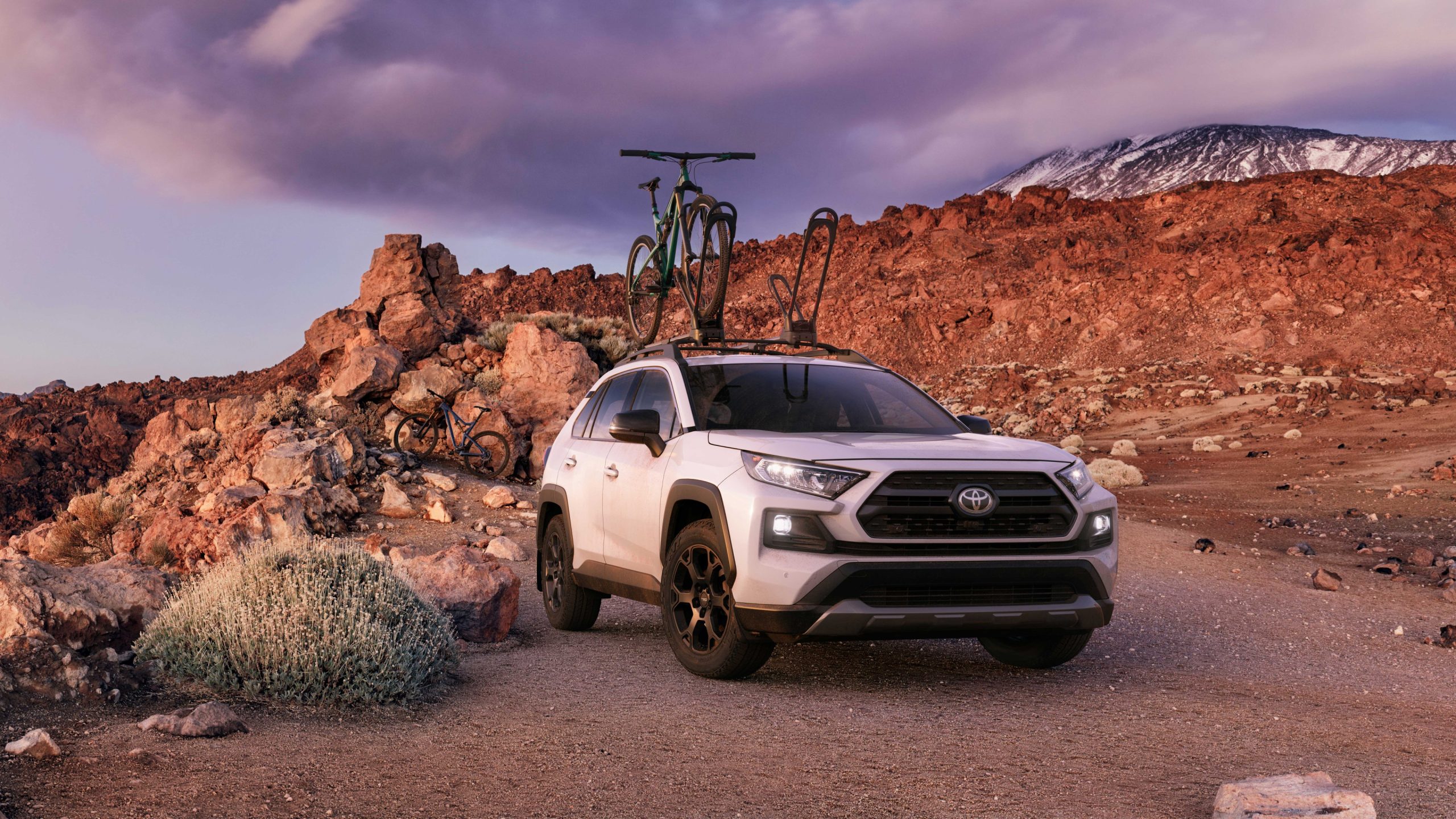
Toyota RAV4
The RAV4 is one of the best‑selling compact SUVs globally. Its transmission has improved over time. Earlier models used conventional automatics; later ones often use hybrid powertrains or more advanced automatics. Through these changes, the focus has been on improving efficiency without compromising on durability. Reports from owners generally show fewer expensive transmission repairs compared to many competitors.
Toyota ensures that the transmission cooling systems are adequate, especially in hybrid versions, where engine and electric motors may impose different stresses. Cooling lines, heat exchangers, and fluid routing are designed so that under hot ambient conditions, the transmission stays within safe temperature ranges. Shift programming tends to avoid harshness, and torque converter lock‑up is managed in a way that reduces heat during highway cruising.
Maintenance schedules for the RAV4 are clear, with recommended intervals for fluid changes, filter inspections, and transmission system checks. When drivers follow these schedules, many report smooth gear changes, minimal noise, and stable performance even after tens of thousands of miles. Minor issues may occur with sensors or solenoids, but major damage needing transmission replacement remains rare.
Parts availability is strong. Toyota produces many millions of RAV4s, which means transmission components are common and aftermarket or remanufactured units are easier to find. Skilled mechanics are familiar with common service points, leak sources, and maintenance checks. That knowledge helps prevent small wear from becoming large, costly failure.
Honda Pilot
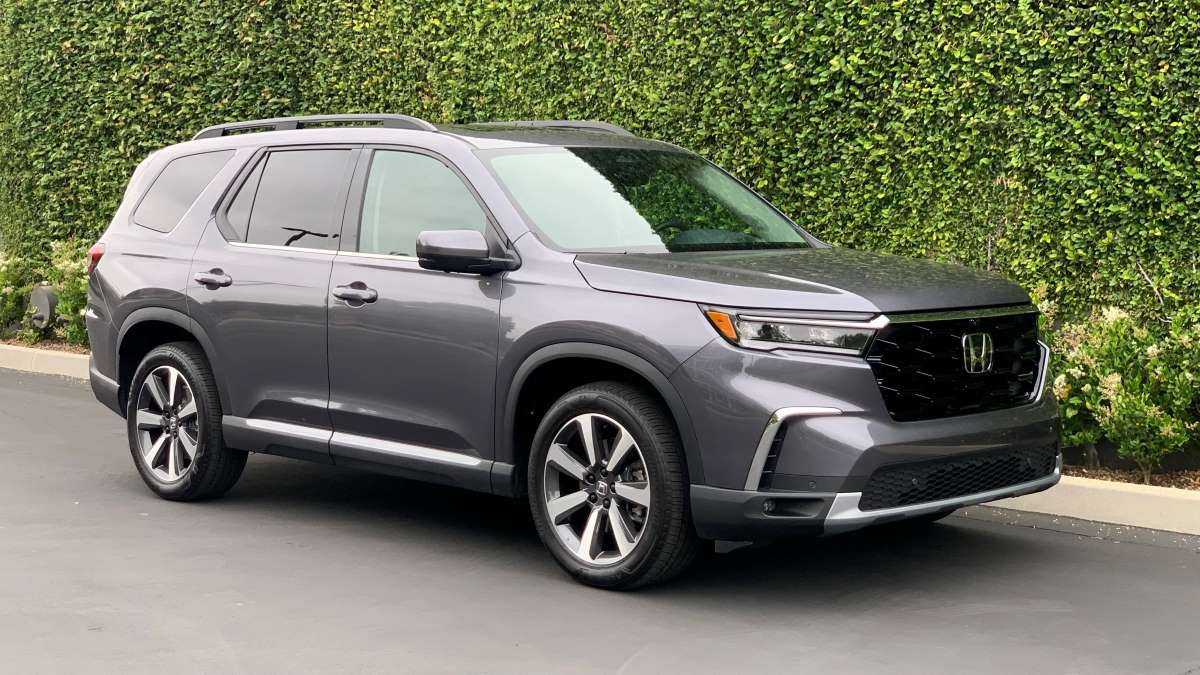
The Honda Pilot is a larger SUV frequently used to carry families, often in heavy traffic, towing small loads, or traveling long distances. Its transmission systems, typically six‑ or nine‑speed automatics depending on model year, are engineered with strong hardware and well-thought-out cooling provisions. Because many Pilots are used in demanding situations, owners appreciate the durability and relatively low incidence of catastrophic transmission failure.
Manufacturers have made efforts to ensure the Pilot’s transmission sees manageable stress under load. Torque converters often have robust lock‑up clutches to reduce slippage and heat during highway driving.
Transmission fluid cooling lines are integrated and often include extra cooling capacity, sometimes even with external coolers in higher trim or towing packages. The shift programming tends to avoid aggressive downshifts or high revs under load, which reduces wear on clutch packs and planetary gear sets.
Service intervals matter. Honda publishes schedules for fluid changes, filter servicing, and inspections of cooling lines. Owners who follow these recommendations report long service life for the transmission.
When repairs are needed, they are often limited to replaceable components: seals, gaskets, sensors, valves, or solenoids. Mechanical failure of the core transmission assembly requiring full rebuilds or replacements tends to be rare.
Availability of service knowledge and parts helps reduce repair costs. Because the Pilot is a popular vehicle in many markets, there is a wide aftermarket for filters, sensors, fluids, and remanufactured parts. Mechanics who have seen many of these SUVs know common weak points and how to preempt them. That preventive care often avoids unexpected breakdowns, saving owners from large bills later.
Lexus GX
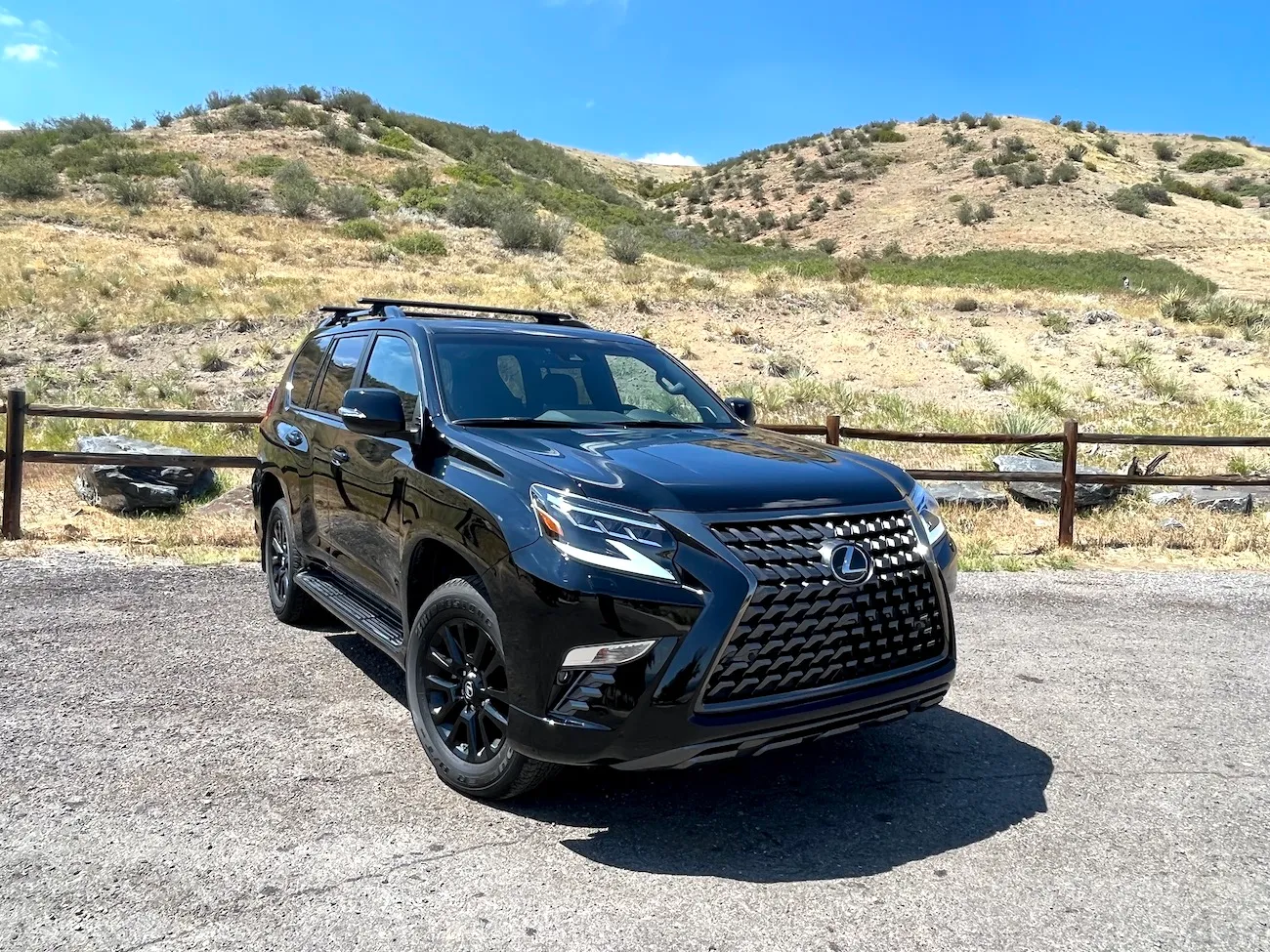
The Lexus GX is more rugged, often built on body‑on‑frame architecture, and sometimes used in demanding environments. Its transmission tends to be heavy‑duty, often shared in part with Toyota trucks or SUVs, built for towing, rough terrain, and long life. Owners who use the GX for serious work seldom report transmission replacements. Minor repairs are more common than large internal failures.
One advantage of the GX is that because it is built for heavy duty use, its transmission is built with larger gears, stronger clutches, and more durable materials. Torque converters tend to be larger, cooling paths more generous. The lubricant and fluid capacities are often higher, which helps dissipate heat more effectively. When the GX is used for towing or slipping terrain, those design features allow the transmission to operate without overheating or suffering internal damage.
Regular servicing, fluid changes, seal inspections, and monitoring cooling systems are essential. Owners who neglect these report issues, but those who keep up with maintenance generally have excellent performance over long lifespans. Because many GX owners accept higher maintenance intervals and cost, they tend to treat the vehicle accordingly, which contributes to lower incidence of expensive transmission repair.
Because Lexus is a luxury brand, parts cost more, but failures are rare. When something fails it is often due to external causes like fluid leaks from hoses or issues with control modules, rather than internal gear damage or total assembly failure. As a result, long-term ownership costs for the transmission tend to be reasonable compared to what might be expected from a vehicle of comparable size and use.

Hyundai Palisade
The Hyundai Palisade is one of the newer entrants among large three‑row SUVs. It uses modern automatic transmissions, often eight‑speed or more, but engineered with attention to cooling, shift calibration, and material quality. Many owners report that transmission performance remains smooth and reliable across years and many miles. Problems that do arise tend to be caught early and involve minor parts rather than full transmission rebuild.
Transmission cooling is built into Palisade designs carefully. Because tow ratings are significant for many drivers, engineers provide capacity in both coolant routing and heat exchangers, plus sensors to monitor temperature. The shift logic is written to protect the transmission under load, avoid harsh downshifts, avoid overheating, and limit torque converter slippage when possible. These design choices reduce wear on friction elements and on bearings.
Maintenance schedules for Hyundai often include fluid and filter changes at regular intervals. Although some owners may defer these, those who follow the service manual tend to report trouble‑free performance. Access to parts and trained technicians is fairly wide in most markets. Warranty coverage when new tends to catch issues early, reducing risk of long‐term damage.
Because Hyundai has increased its engineering investment in recent years, many of the materials and components in the Palisade transmission are of good quality. Gear teeth, solenoids, sensors, and seals are made with durability in mind. When minor problems occur, they are often localized. Even after heavy family use, highway miles, or towing moderate loads, many Palisade drivers avoid the kinds of transmission failures that lead to large repair bills.
Kia Telluride
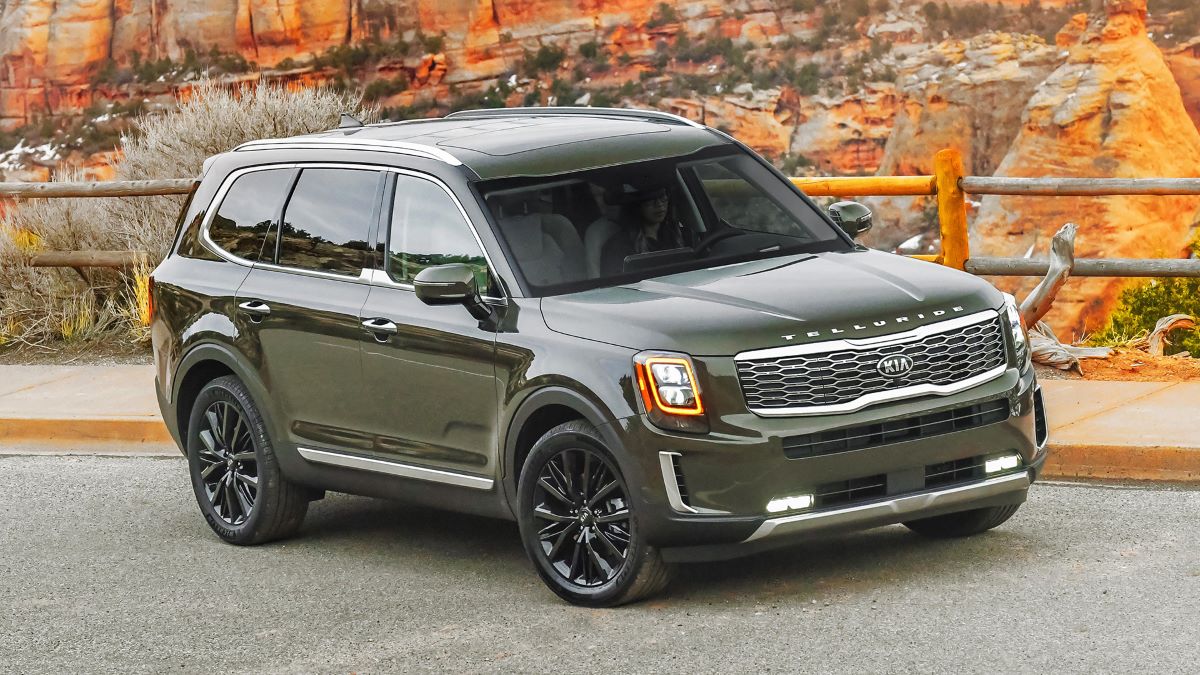
The Kia Telluride has gained praise for its blend of style, comfort, performance, and reliability. Its transmission is usually well matched to the engine, meaning less stress, fewer rev fluctuations, and more moderate heat generation. Owners often report smooth shifting over time, with few of the common transmission faults seen in less robust models.
Shift programming in the Telluride avoids aggressive timing unless demanded by driver input. Otherwise it favors smoothness and fuel economy which help reduce wear. The cooling systems are capable, with well routed fluid lines and sufficient capacity in the heat exchangers. Because the Telluride shares mechanical heritage with other Hyundai‑Kia products, parts supply is good, and mechanics have experience diagnosing minor transmission issues.
When problems occur, they are often sensor or solenoid-related, or due to fluid leaks or degraded seals. These are much cheaper to fix than clutch pack failures or internal mechanical damage. Many owners report trouble only after high mileage, and even then, the issue tends to be caught early. Because Kia includes generous warranty periods and maintenance recommendations, many Telluride owners find cost of ownership over the long run manageable.
The Telluride’s transmission gives confidence to many buyers who want a roomy SUV with fewer risks of unexpected repair bills. As long as the owner treats fluid changes and cooling system upkeep as integral parts of ownership, the likelihood of major transmission faults remains quite low.
Toyota Sequoia
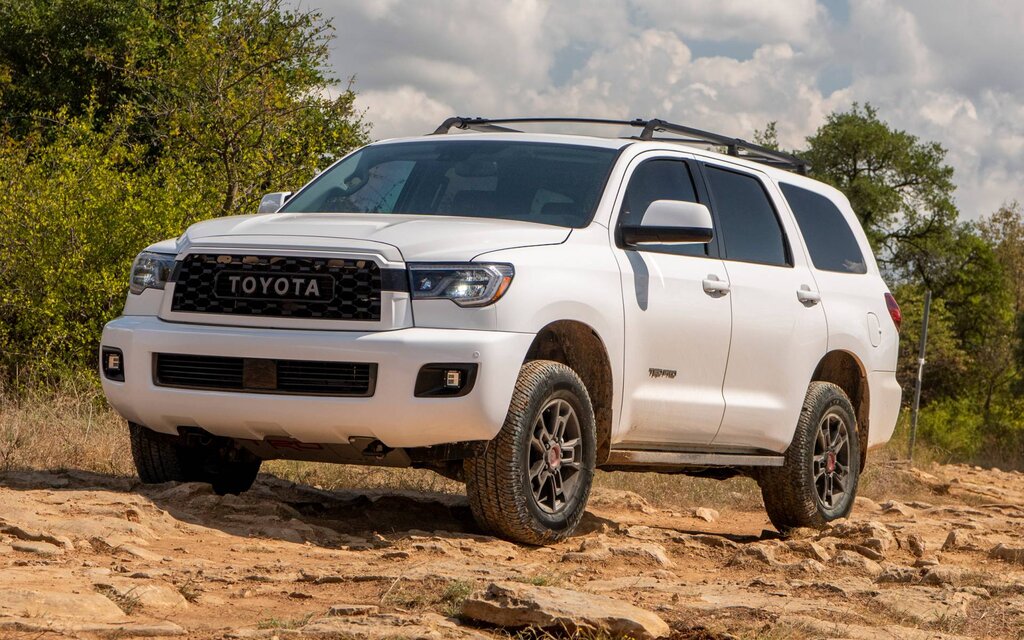
The Toyota Sequoia is a large SUV built on a truck chassis. Its transmission is built to handle serious load, towing, and long highway drives. Because of that, internal components are heavy-duty. Torque converters are larger, planetary gear sets are stronger, and cooling systems more substantial than those in smaller SUVs. These heavy-duty specifications tend to translate into greater durability under stress.
The Sequoia also benefits from Toyota’s policy of conservative design and incremental improvements. When newer model years update materials or electronics, they often reinforce weak spots identified in earlier years. Engineers tend to avoid over‑optimizing for minimal weight or cost at the expense of long-term durability. That strategy helps reduce risk of expensive failures.
Owners who tow frequently, travel off pavement, or carry heavy loads still report that the Sequoia’s transmission life tends to exceed expectations. When maintenance is done: fluid changes, filter servicing, inspection of cooling lines, and avoiding severe overloading, the transmission tends to hold up well. Leaks and sensor issues are more common than internal failure. Replacement of mechanical parts inside the transmission is rare in many cases of high mileage.
Because parts are common, repair facilities familiar with Toyota’s truck/SUV lineage know how to service the Sequoia’s transmission properly. Remanufactured or refurbished units are easier to come by. Service manuals are detailed. All of that reduces labor cost and risk of improper repairs. For many owners, the cost of transmission ownership averaged over many years remains low.
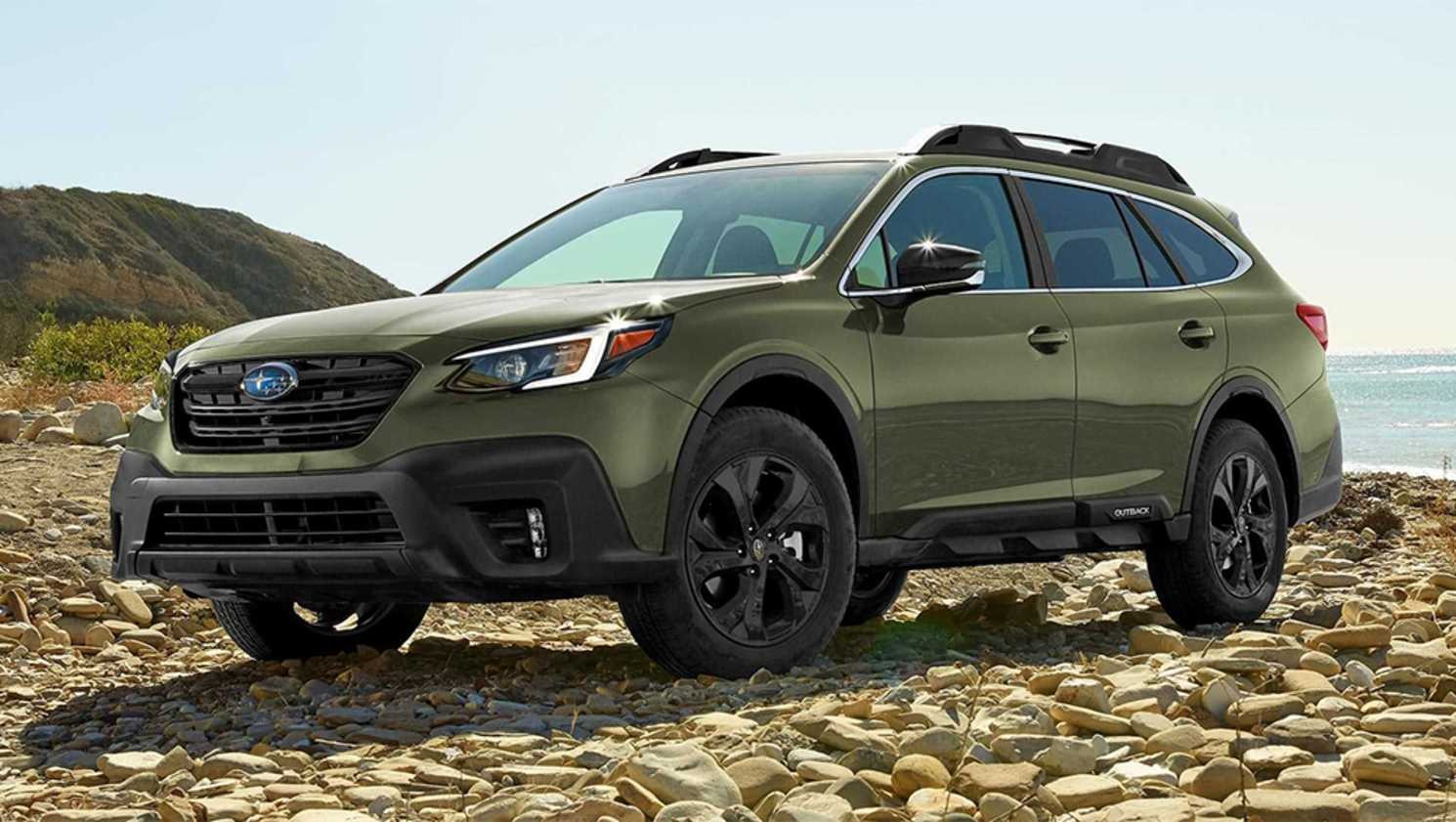
Subaru Outback
Though technically a wagon‑crossover, the Subaru Outback operates quite like many SUVs, offering high ground clearance, all‑wheel drive, and rugged usability. Its transmission systems, often CVTs in modern versions, have benefited from Subaru refining designs over many years. The Outback is among the crossover‑SUV group that reports fewer transmission breakdowns when maintained properly.
Subaru’s CVT units in the Outback are cooled well and use fluid specifications tailored to resist heat degradation. Because Outbacks often see rough roads, snow, mud, or gravel, Subaru includes durable sealing and protection to keep dirt and moisture out of the transmission area. Owners who avoid excessive load or aggressive driving find that shift behavior remains consistent and smooth. Wear on belts and pulleys tends to occur slowly rather than catastrophically.
When minor transmission-related issues occur, they usually stem from fluid leaks, degraded clamps, worn seals, or sensors. These are repairable without replacing major internal components. Mechanics familiar with Subaru know weak spots and regularly check them during maintenance. Preventive care tends to pay off.
Because Subaru maintains a strong dealer network, parts are available, and repair knowledge is widespread. Even though CVT may be less familiar to some mechanics, Subaru‑specific shops have built their expertise. Many Outback owners are pleasantly surprised at how trouble free the transmission has been over long ownership, as long as basic maintenance is followed.
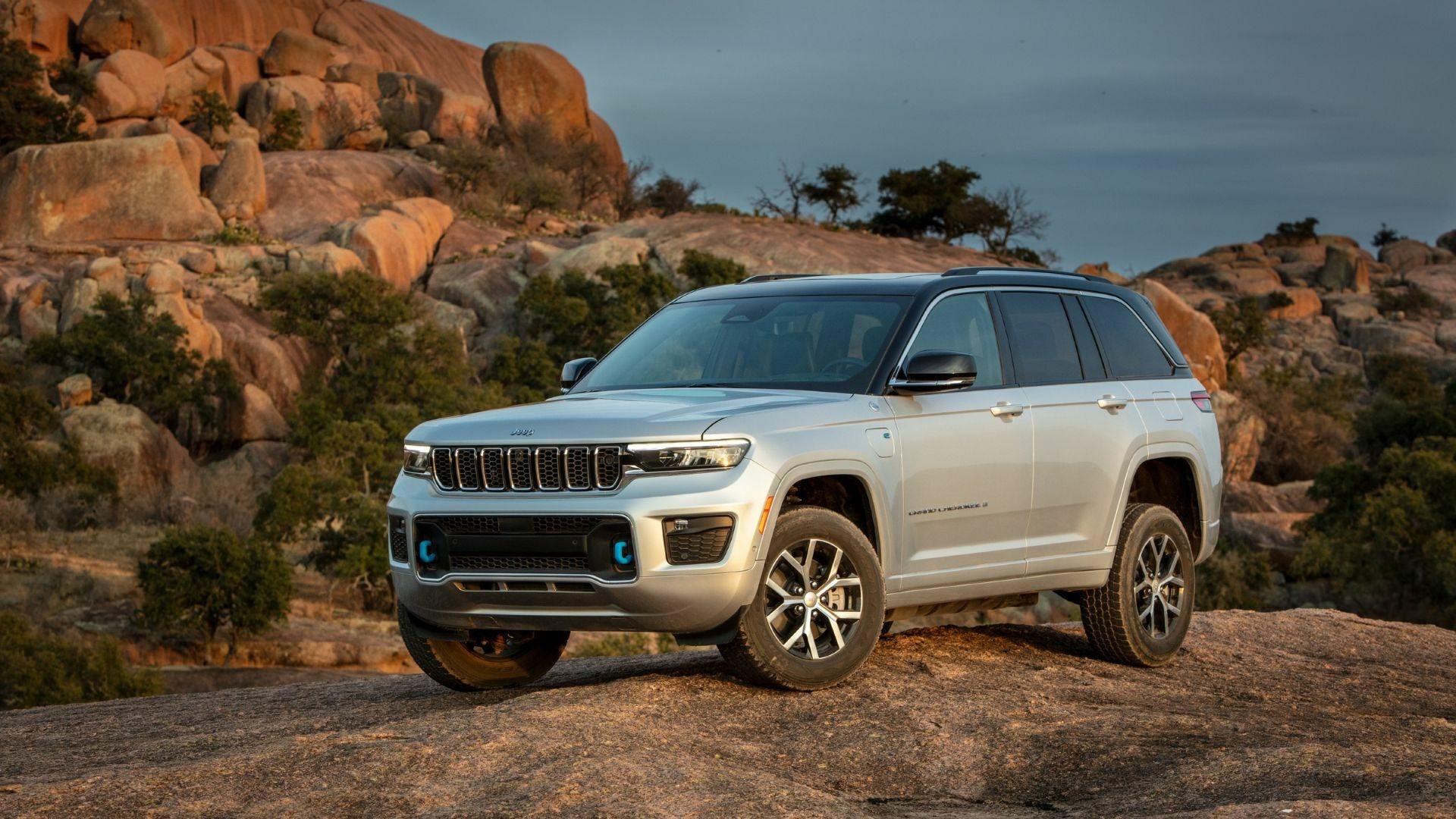
Jeep Grand Cherokee
Among larger SUVs, the Jeep Grand Cherokee has had its share of transmission issues in some earlier years, but in its more recent generations, it appears to have improved substantially. With stronger components, upgraded torque converters, improved cooling circuits, and better software calibration, many owners report fewer serious transmission repairs than was the case years ago.
Recent Grand Cherokee models tend to use modern automatic transmissions with more gears, sometimes eight or more. These units are built with heavier-duty clutches and better materials. Cooling systems are more robust, with larger fluid lines and better heat exchangers. Shift logic is improved to reduce harshness, avoid downshifts under heavy load when unnecessary, and manage torque converter lock‑up more carefully. All of these reduce stress on internal parts.
Maintenance remains important. Owners who keep up with fluid changes, ensure there are no leaks, monitor transmission temperature, and drive within the SUV’s design parameters tend to avoid major failures. When repairs are needed in these newer Cherokees, they are more likely to be for sensors, solenoids, or leaks rather than full internal rebuilds. That keeps repair bills within a manageable scale.
Parts availability is improving as well. Because the Grand Cherokee is popular, many aftermarket suppliers and mechanics are now more familiar with its transmission designs, and remanufactured or replacement units are easier to find. Warranty coverage for newer units often offers peace of mind in early ownership.
Many owners find that by the time expensive transmission repairs might be expected, mileage or age has already depreciated much of the vehicle’s value, making repair choice more forgiving.
