
When it comes to buying a family car, one of the top concerns on most people’s minds is reliability. A reliable vehicle doesn’t just get you from point A to point B; it gives you peace of mind.
For families juggling school runs, weekend road trips, grocery runs, and everything in between, the last thing anyone wants is to be stranded on the side of the road or stuck with a hefty repair bill. And while many factors define a dependable car, the condition and durability of the engine are at the heart of it all.
Engine trouble can be one of the most expensive and frustrating issues to deal with. From oil leaks to failed head gaskets and faulty timing chains, engine problems can render a car useless until major repairs are done.
That’s why choosing a car that has a solid reputation for engine durability is such a smart move for families. Some vehicles, year after year, earn high marks from mechanics and owners alike for how rarely they experience engine-related issues.
This list includes 12 family cars that have proven themselves over time. These vehicles are not only practical, safe, and comfortable, but also remarkably resilient when it comes to engine health.
Whether you’re looking for a minivan, an SUV, or a midsize sedan, each car listed here has shown strong performance when it comes to keeping engine issues to a minimum.
These cars are often seen hitting high mileage marks without major repairs, and that’s not something you can say about every car on the road today.
The goal of this article is to give you a solid starting point if you’re searching for a vehicle that won’t surprise you with sudden engine breakdowns.
You may not find all of these cars flashy or exciting, but you will find them trustworthy, and when it comes to protecting your family and your wallet, that’s what truly matters.
Also Read: 10 Best SUVs That Still Get Top Dollar at Auction
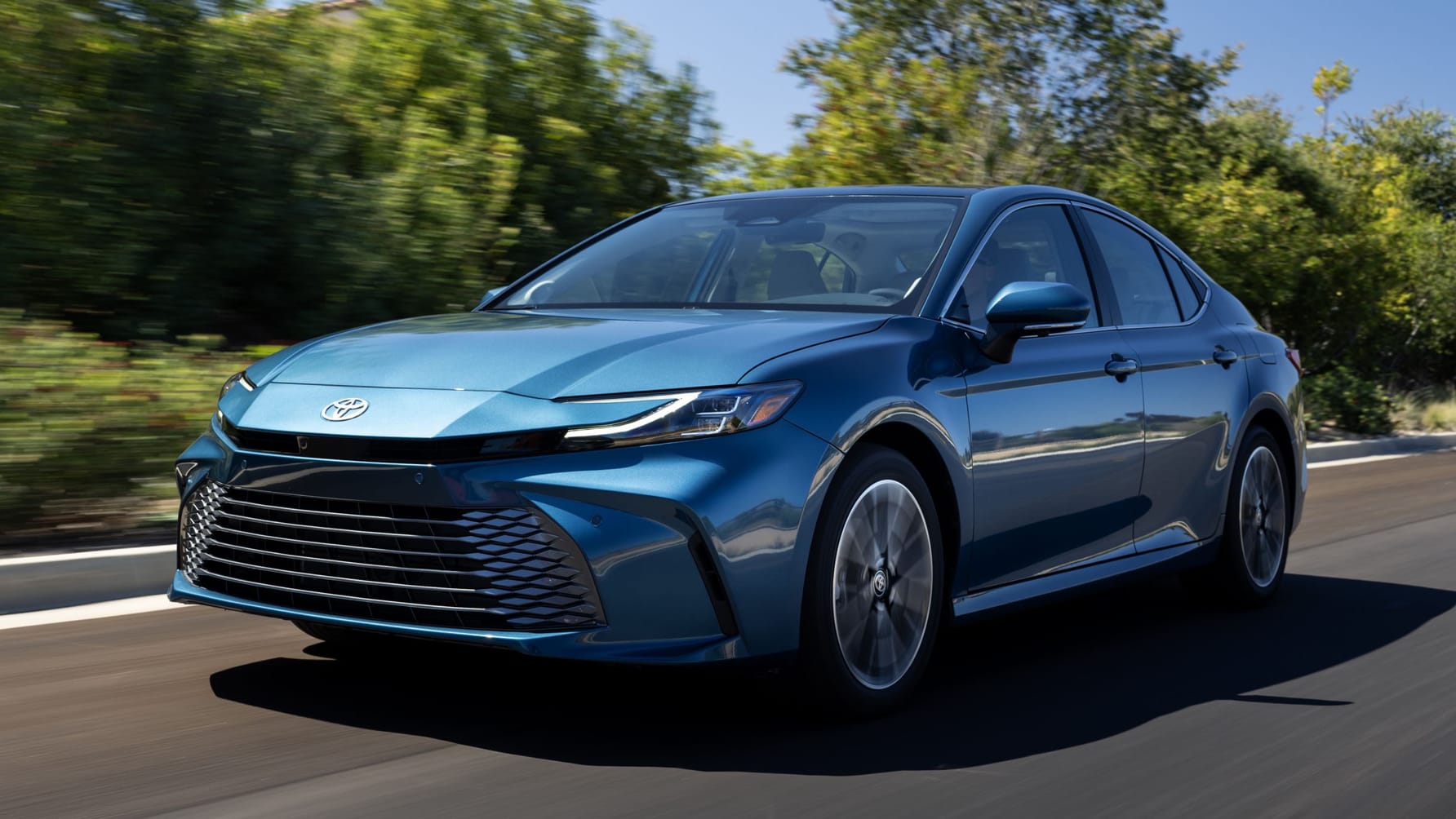
1. Toyota Camry
The Toyota Camry has long held a reputation as one of the most reliable midsize sedans available. Families appreciate its practical size, comfortable ride, and fuel-efficient engine. But beyond comfort and efficiency, the Camry shines in engine reliability.
Many mechanics will confirm that Camry engines are among the least likely to experience catastrophic failure. It’s not uncommon to hear about Camrys reaching 200,000 or even 300,000 miles with their original engines still running smoothly.
One of the key reasons for the Camry’s engine durability is Toyota’s conservative engineering approach. The brand doesn’t push the engine beyond its limits in the pursuit of aggressive performance. Instead, it focuses on balance, durability, and consistent manufacturing quality.
The 2.5-liter four-cylinder engine, in particular, is known to be one of the most reliable options on the market. It doesn’t overheat easily, rarely suffers from oil leaks, and responds well to regular maintenance.
Another factor is the sheer volume of Camrys on the road and the feedback loop it creates. Because the car has sold in large numbers for so many years, Toyota has had ample time and data to fine-tune the engine design.
Any recurring issues that did show up were quickly addressed in future models. This continuous improvement has helped the Camry maintain its position as a reliable option for families year after year.
Owners of older Camrys often report very few engine issues, even well past the 150,000-mile mark. When problems do arise, they’re usually related to wear-and-tear components rather than core engine parts.
As long as basic maintenance like oil changes and coolant flushes is done on schedule, the Camry tends to be extremely forgiving. For families that want a no-fuss sedan that just works, the Camry continues to be a standout choice.
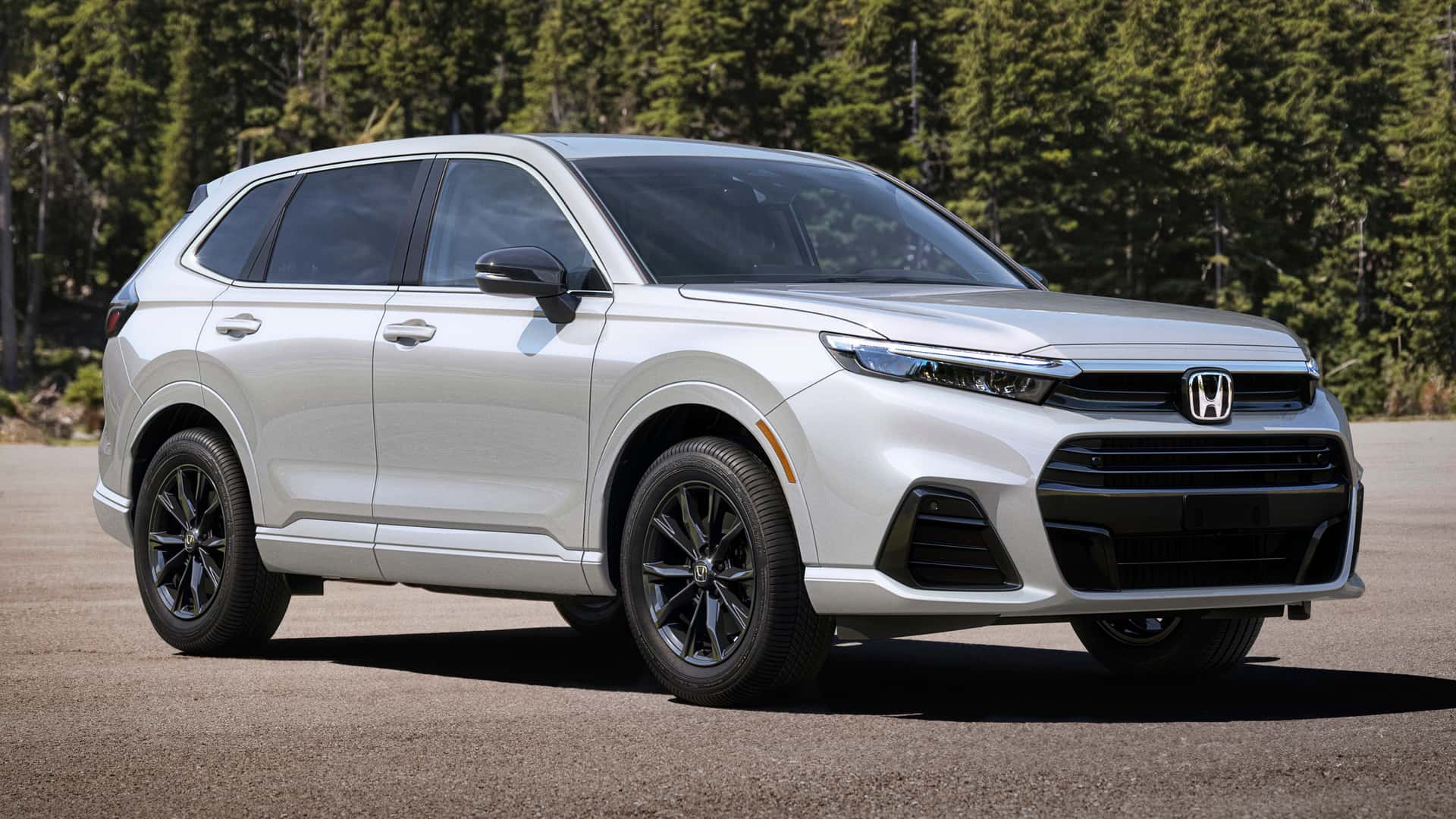
2. Honda CR-V
The Honda CR-V is one of the most popular compact SUVs for families, and for good reason. It’s spacious without being oversized, fuel-efficient, and comes with a strong safety record.
But what truly sets it apart for long-term owners is how reliable the engine tends to be. It handles daily driving, long-distance trips, and city traffic without complaining, and it very rarely suffers from serious engine failure.
Honda’s engineering team has built a solid track record of creating engines that can last well over 200,000 miles. In the CR-V, both the older naturally aspirated engines and the newer turbocharged ones have proven to be well-built when properly maintained.
While turbocharged engines can sometimes get a bad name for reliability, Honda’s 1.5-liter turbo has managed to stay relatively free from the kinds of failures that plague other brands’ engines in the same class.
The CR-V also benefits from Honda’s meticulous assembly processes. Tolerances are tight, parts fit together well, and there’s a clear focus on long-term durability rather than just short-term performance.
The brand’s history with small, efficient engines dates back decades, and that legacy continues to show in models like the CR-V. When looking at vehicles with consistently low engine failure rates, this SUV appears on many mechanics’ shortlists.
Even for families that may not be strict about following maintenance schedules to the letter, the CR-V tends to tolerate a bit of leniency without immediate engine trouble.
That’s a big plus for busy households. Combined with a comfortable ride, spacious interior, and strong resale value, the CR-V is a smart investment for anyone who wants to avoid costly engine problems down the road.
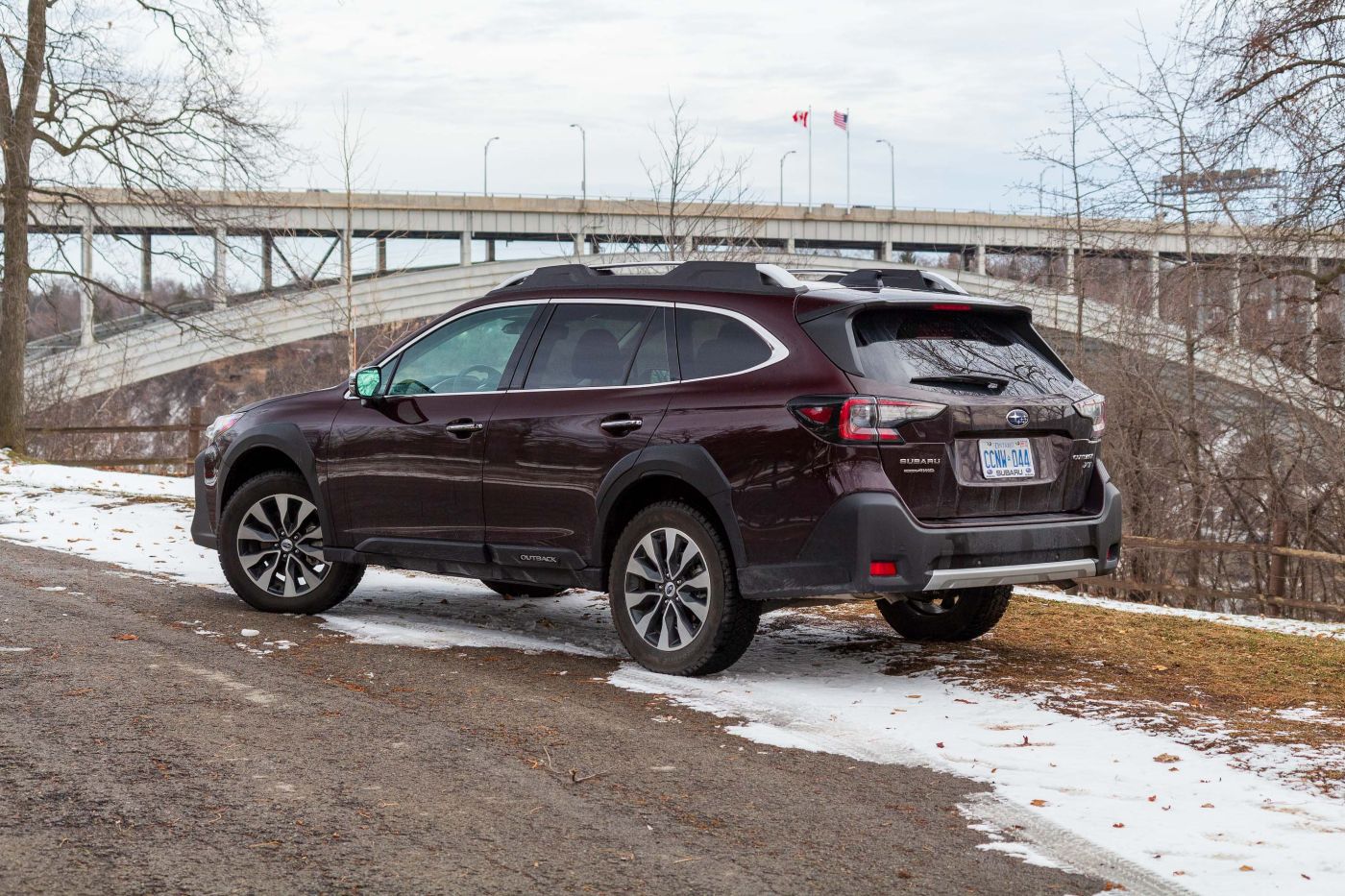
3. Subaru Outback
The Subaru Outback has carved out a unique niche for families that want the practicality of a wagon and the capability of an SUV. It’s known for its all-wheel-drive system, rugged appeal, and versatility.
But it’s also become well-regarded for its reliable engines, especially in the newer model years. Despite some past issues with head gaskets in older Subarus, the Outback’s more recent engines have proven to be dependable when properly maintained.
Subaru transitioned to a newer generation of engines that addressed many of the reliability issues that plagued earlier models. The newer 2.5-liter flat-four and the 2.4-liter turbocharged versions have shown significant improvements in long-term reliability.
These engines are less prone to overheating, oil consumption problems, and other common issues that used to affect Subaru owners. The design changes, better gasket materials, and refined cooling systems have all contributed to this improvement.
The horizontally opposed engine layout (boxer engine) used in the Outback helps keep the center of gravity low and offers unique handling characteristics, but it also requires precise manufacturing and careful design. Subaru has steadily refined this layout to make it more reliable and more efficient.
Today’s engines run cooler, leak less, and show fewer signs of early wear compared to those in the early 2000s. That evolution has made the Outback a safer bet for families looking for a dependable all-weather vehicle.
Subaru drivers often appreciate how their vehicles perform in poor weather, but the peace of mind also comes from knowing the engine isn’t likely to let them down.
When properly serviced, the Outback’s powertrain holds up well under both city and rural driving conditions. Families who travel frequently through varying terrain or climates find the Outback a solid partner that doesn’t ask for much in return, especially in terms of engine maintenance.
4. Toyota Highlander
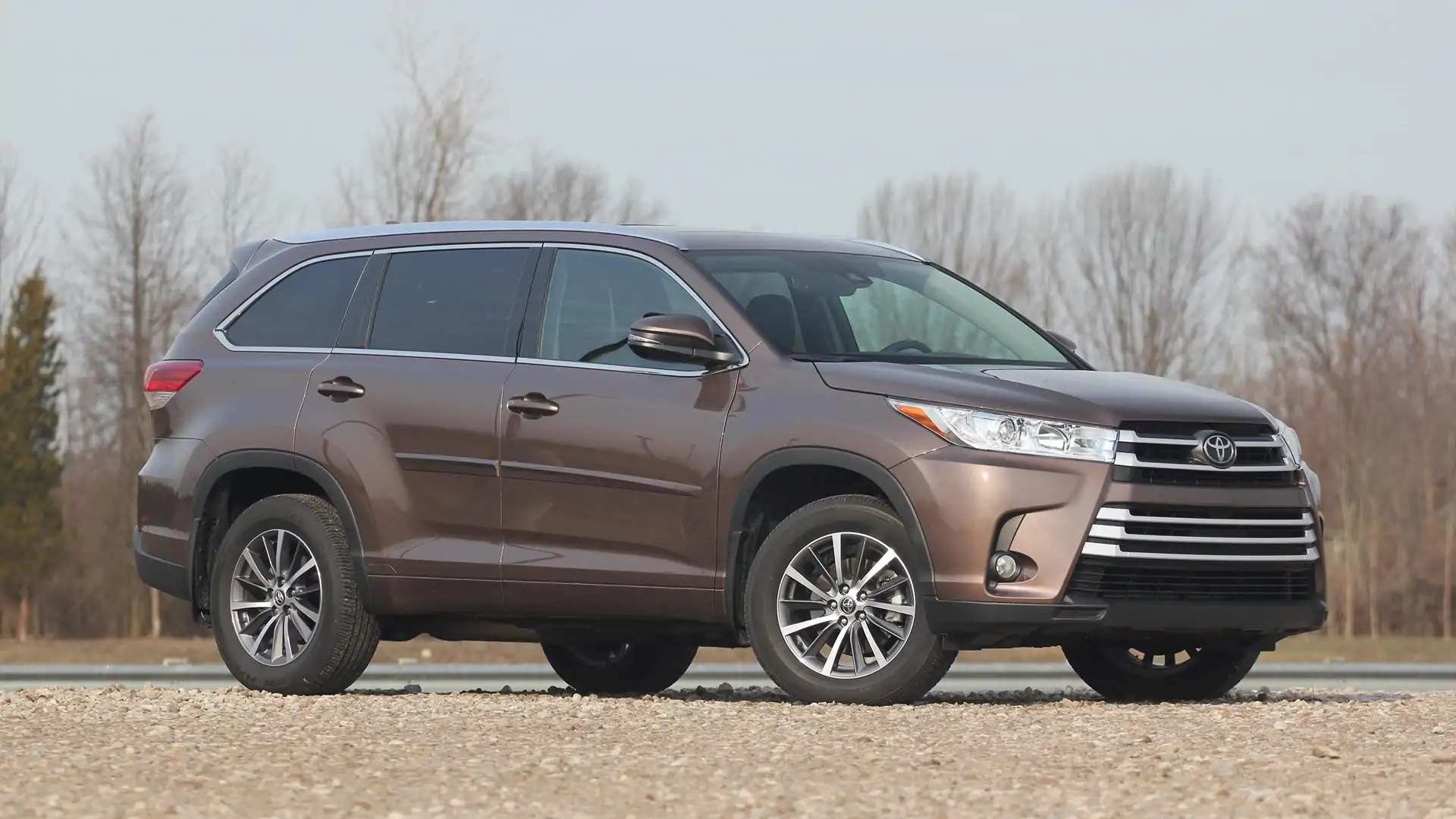
The Toyota Highlander has become a staple for families who need more space than a sedan offers but still want the kind of reliability Toyota is known for. With seating for up to eight in some configurations, a smooth ride, and a solid reputation for safety, the Highlander has grown into one of the top-selling midsize SUVs in its class.
What sets it apart even more is its dependable engine lineup. Whether you’re dealing with the 3.5-liter V6 or the newer four-cylinder hybrid systems, these engines consistently show up in customer reliability surveys as being low-maintenance and long-lasting.
One of the key reasons the Highlander’s engines perform so well over time is Toyota’s long-standing focus on conservative design and high manufacturing standards.
The V6 engine used in many Highlander models has been used across various Toyota and Lexus models, and it’s been time-tested to the point where it’s nearly bulletproof when properly cared for.
Routine oil changes, coolant flushes, and basic maintenance are usually all it takes to keep this engine running smoothly for 200,000 miles or more. It’s not uncommon for owners to pass these vehicles down within families thanks to their ongoing dependability.
Toyota also pays close attention to common long-term issues in its engines and tends to fix them quietly in newer models.
For instance, previous generations had issues with oil consumption that have largely been resolved in more recent iterations. With each generation, the Highlander has become even more refined and reliable.
Add to that Toyota’s meticulous quality control, and it’s easy to see why so many families stick with this SUV year after year. Many owners report minimal mechanical issues even at high mileage, and engine trouble is rarely among the complaints.
Another strength of the Highlander is that it offers a hybrid version with excellent fuel efficiency and strong reliability numbers. Toyota’s hybrid technology is among the most proven in the world, and the Highlander Hybrid benefits from the same robust engineering.
The electric motors and battery are integrated seamlessly with the gasoline engine, and together, they form a system that tends to last longer than most other hybrids in the same class. For families looking for both reliability and efficiency, the Highlander is a dependable choice that doesn’t compromise.
5. Honda Accord
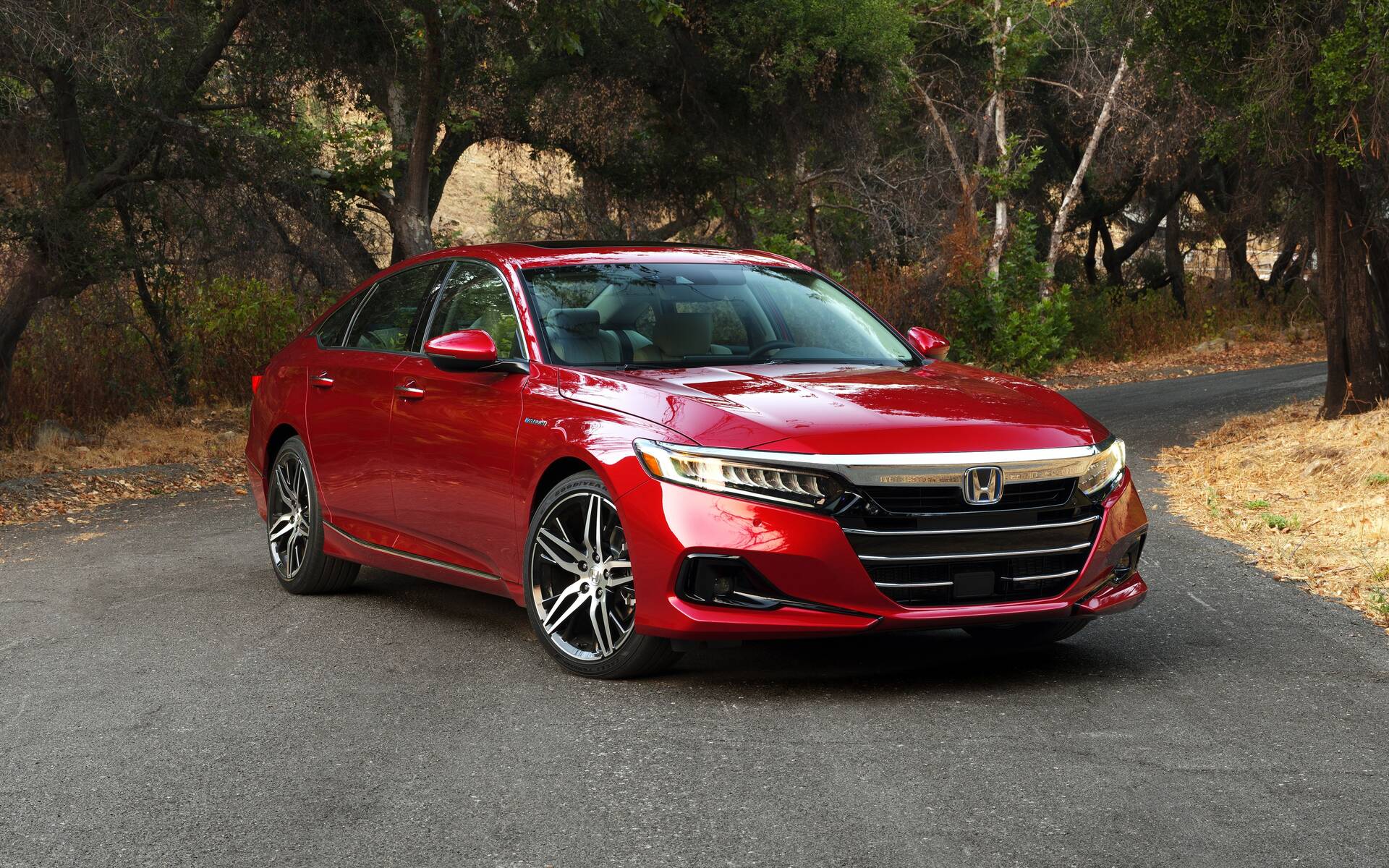
The Honda Accord is one of the most respected midsize sedans on the market, and its reliability plays a huge role in that reputation. Known for its balanced handling, refined interior, and smart features, the Accord is a favorite among families who want a car that will stand the test of time.
Engine performance has always been one of the Accord’s strongest points. Honda’s engineering has consistently produced engines that are smooth, responsive, and resistant to common mechanical issues.
The 2.4-liter and 1.5-liter turbocharged engines found in various Accord models have shown excellent long-term durability. While the turbocharged models did have early concerns regarding oil dilution in extremely cold climates, Honda quickly made adjustments through software updates and service recommendations that helped address those issues.
In most climates and under normal use, the turbo engine holds up very well. Meanwhile, the older naturally aspirated engines are famous for their long lifespans, often reaching over 250,000 miles with only minimal maintenance.
Honda’s attention to detail in engine manufacturing is another reason why the Accord performs so well over time. The brand uses high-quality components, tight tolerances, and proven design principles that reduce the likelihood of early failure.
In real-world conditions, this translates into fewer breakdowns, fewer unexpected repair bills, and more confidence behind the wheel. For families who rely on a single vehicle to handle daily routines, school pickups, and longer trips, that kind of dependability makes a huge difference.
Longtime owners of the Accord often describe the car as one of the easiest to maintain. The engine is accessible for basic service, parts are affordable, and mechanics are familiar with Honda’s systems. The Accord is the kind of vehicle that simply works.
It doesn’t require constant attention, and it doesn’t suffer from the unpredictable engine faults that are becoming increasingly common in modern vehicles. For families seeking a solid, long-lasting sedan, the Accord is as close to a safe bet as you can find.
6. Mazda CX-5
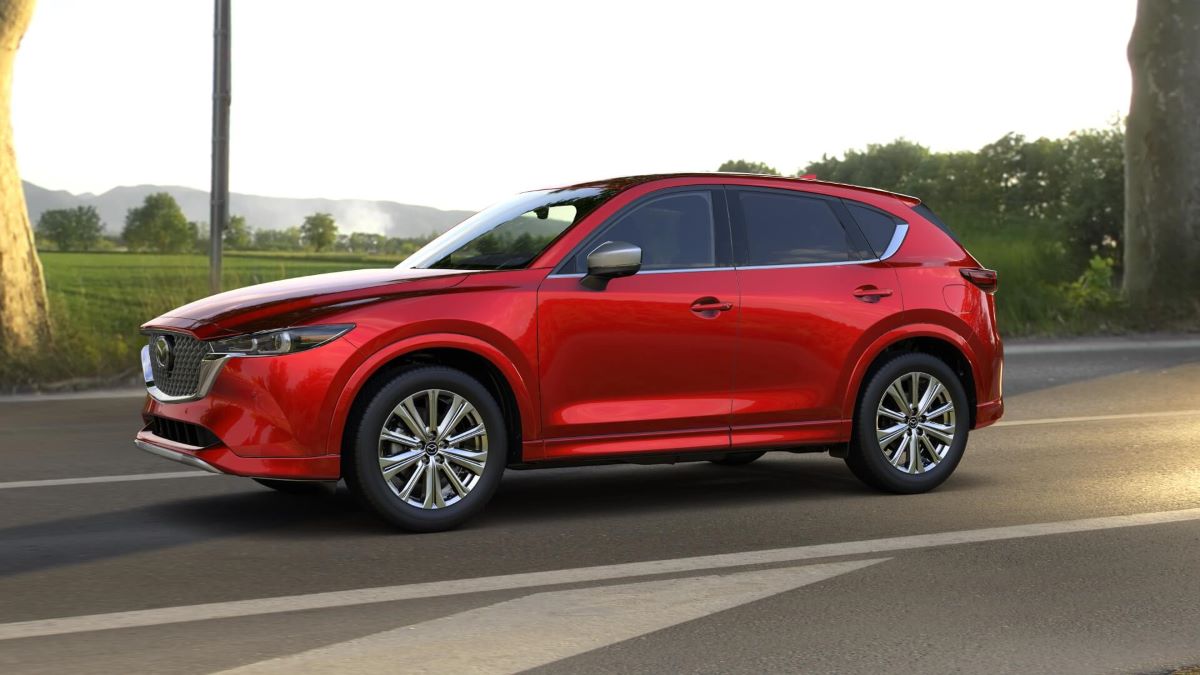
Mazda has carved out a unique place in the market by offering vehicles that feel sporty yet remain practical. The CX-5, in particular, hits that sweet spot for families who want an engaging driving experience without sacrificing utility.
What many might not realize is that the CX-5 is also incredibly reliable, particularly when it comes to engine performance. Its naturally aspirated 2.5-liter engine has earned praise for its durability, simplicity, and consistent performance.
One of the reasons the CX-5’s engine is so reliable is that Mazda kept things simple. Rather than chasing high horsepower numbers with complex turbocharging systems in every trim, they focused on refining the basic engine design.
The SkyActiv technology used in the CX-5 combines high compression ratios with efficient fuel combustion to create an engine that performs well without overexertion. This keeps stress on engine components to a minimum and improves long-term durability.
The CX-5 also benefits from being relatively lightweight compared to other crossovers in its class. This means the engine isn’t constantly strained when accelerating or climbing hills, which further extends its life.
While some trims do offer a turbocharged version, the base engine is more than adequate for most family needs and tends to last longer with fewer reported issues. It also avoids some of the heat-related problems that can impact more heavily boosted turbo engines over time.
Another strength of the CX-5 is that Mazda owners often report high satisfaction with long-term reliability. Even at 100,000 miles and beyond, the CX-5’s engine tends to run quietly and efficiently. With regular oil changes and proper maintenance, engine problems are rare.
Families looking for a compact SUV that’s fun to drive and doesn’t come with frequent engine headaches should give the CX-5 serious consideration.
Also Read: 12 Vehicles That Outlasted the Companies That Built Them
7. Hyundai Santa Fe
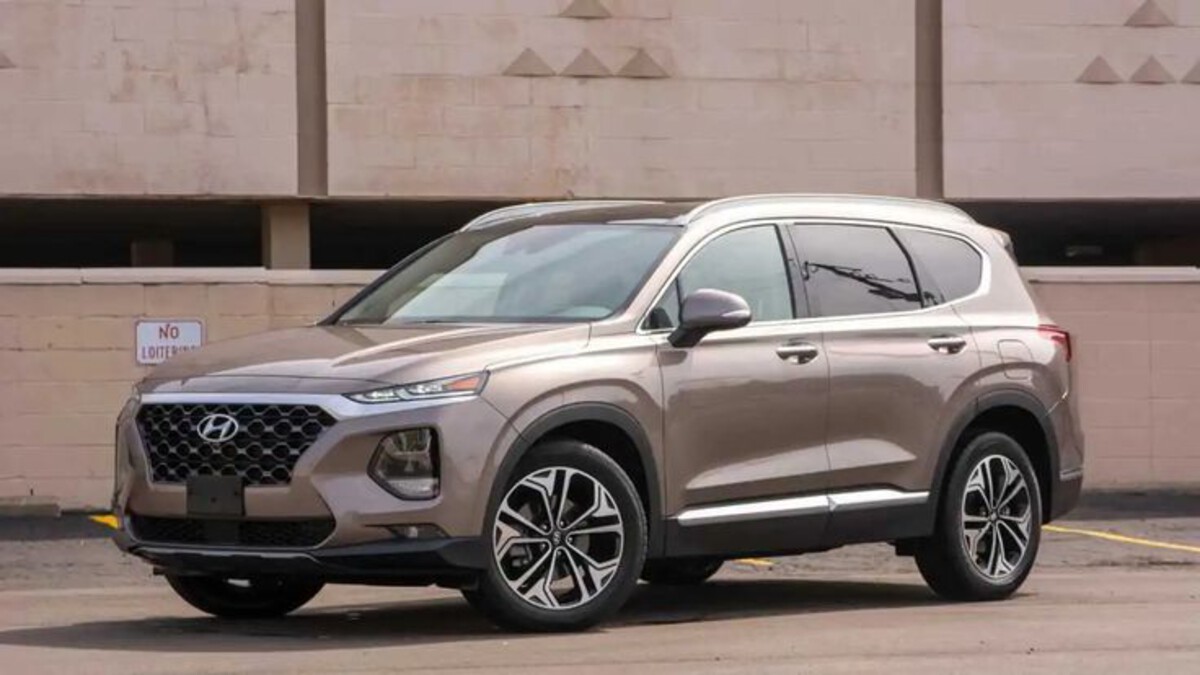
The Hyundai Santa Fe has made impressive strides over the years, evolving from a budget-friendly option into a well-rounded family SUV that rivals more expensive brands.
Along with its upgraded interior and modern safety features, the Santa Fe has also proven to be a strong performer in terms of engine reliability, particularly in recent generations. Hyundai has worked hard to improve its engines, and the results are showing.
The 2.4-liter and 2.5-liter engines found in many Santa Fe models are generally reliable and cost-effective to maintain. Hyundai has made significant investments in improving the durability of its engine blocks, timing chains, and internal components.
These efforts have paid off, with many newer Santa Fe models showing minimal engine complaints even after tens of thousands of miles. With proper maintenance, these engines can easily last well into the six-figure mileage range without major repairs.
What helps the Santa Fe stand out is that Hyundai has responded well to past reliability concerns. Issues that affected earlier engines, such as excessive oil consumption or early bearing wear, have largely been resolved in newer models.
Today’s engines are cleaner, more efficient, and far less likely to suffer from the issues that hurt the brand’s reputation years ago. For families seeking an affordable SUV that doesn’t sacrifice dependability, the Santa Fe has become a trusted option.
The Santa Fe also benefits from Hyundai’s generous warranties, including powertrain coverage that can extend up to 10 years or 100,000 miles.
This extra coverage reflects the confidence Hyundai now has in its engines. Families can take comfort knowing that if an engine issue does occur, which is unlikely with regular upkeep, they’re protected.
That peace of mind, combined with solid performance and growing resale value, makes the Santa Fe a strong contender on this list.
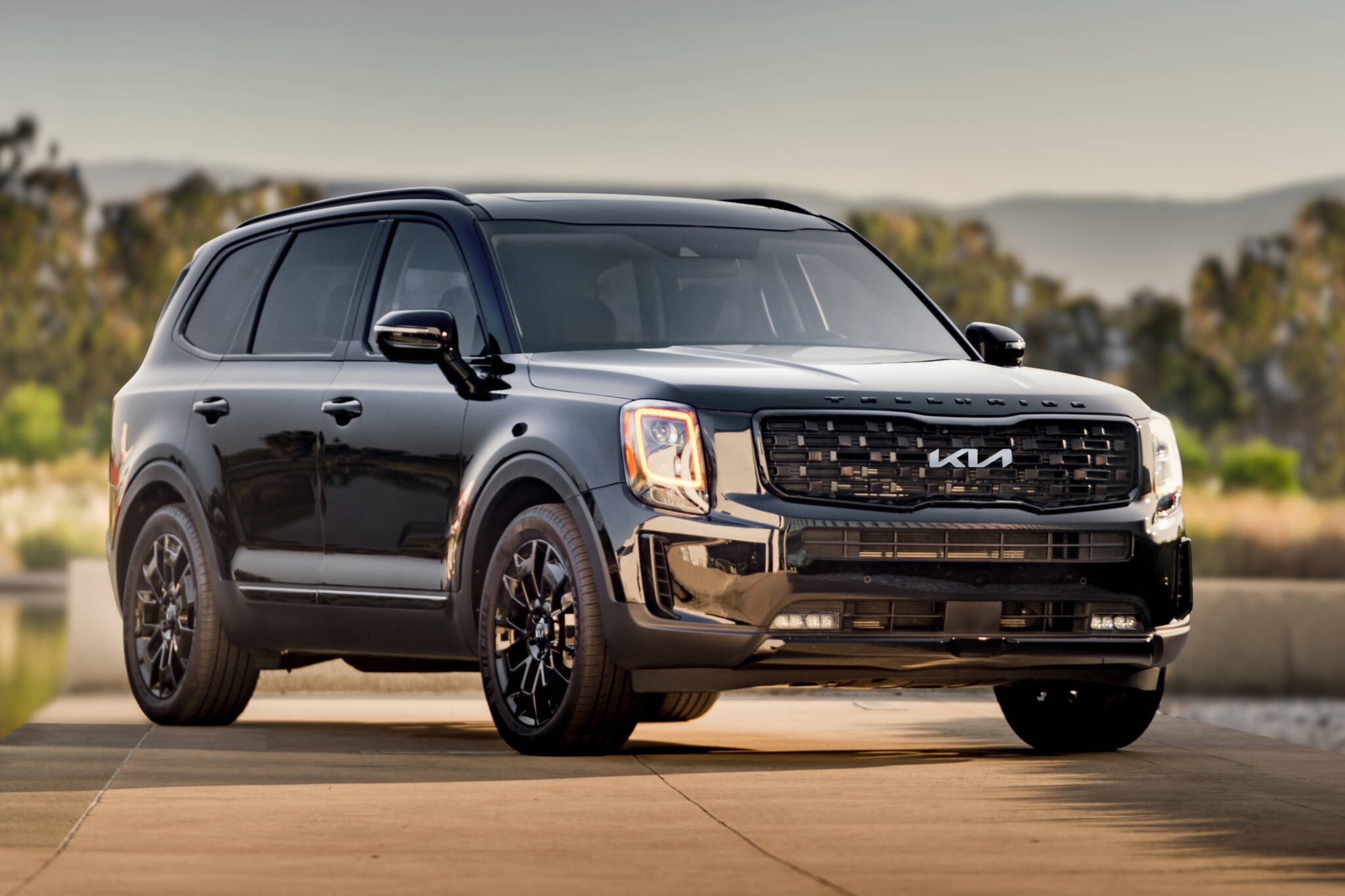
8. Kia Telluride
The Kia Telluride has quickly gained popularity among families looking for a three-row SUV that combines comfort, value, and modern features.
It’s spacious, stylish, and surprisingly refined for its price point. What many owners come to appreciate even more over time is how reliable the Telluride’s engine has proven to be.
Powered by a 3.8-liter V6, this engine is part of Hyundai and Kia’s Lambda II engine family, which has undergone years of development and improvement. The result is a powerplant that is not only powerful and smooth but also resistant to the kind of engine problems that plague many large SUVs.
One of the biggest advantages of the Telluride’s engine is its simplicity relative to competitors. Unlike some rivals that rely on complex turbocharging or cylinder deactivation systems, the Telluride sticks with a naturally aspirated V6.
This approach may not deliver the highest fuel economy in its class, but it does contribute to fewer mechanical complications in the long run.
The engine is well-matched to the vehicle’s size, and it doesn’t feel overworked under normal driving conditions, even when loaded with passengers and cargo.
That balance between performance and reliability is exactly what families need in a vehicle that often handles everything from daily commutes to long vacations.
Kia has also done an impressive job with quality control, especially on its newer models. The Telluride is assembled with care, and early model years have already shown promising results in terms of long-term durability. Most owners report minimal mechanical problems after several years of ownership, and engine complaints are rare.
When properly maintained with regular oil changes, coolant checks, and air filter replacements, the engine performs consistently well. It starts easily, idles smoothly, and delivers power without hesitation, even after tens of thousands of miles.
In addition to the Telluride’s strong engine, Kia’s 10-year/100,000-mile powertrain warranty adds an extra layer of reassurance for families. While many buyers may never need to use that coverage due to the vehicle’s reliability, it provides peace of mind just in case something goes wrong.
Taken as a whole, the Telluride’s combination of thoughtful engineering, powerful and dependable performance, and strong warranty support makes it one of the most reliable choices in its segment, and an excellent family vehicle with a low risk of engine trouble.
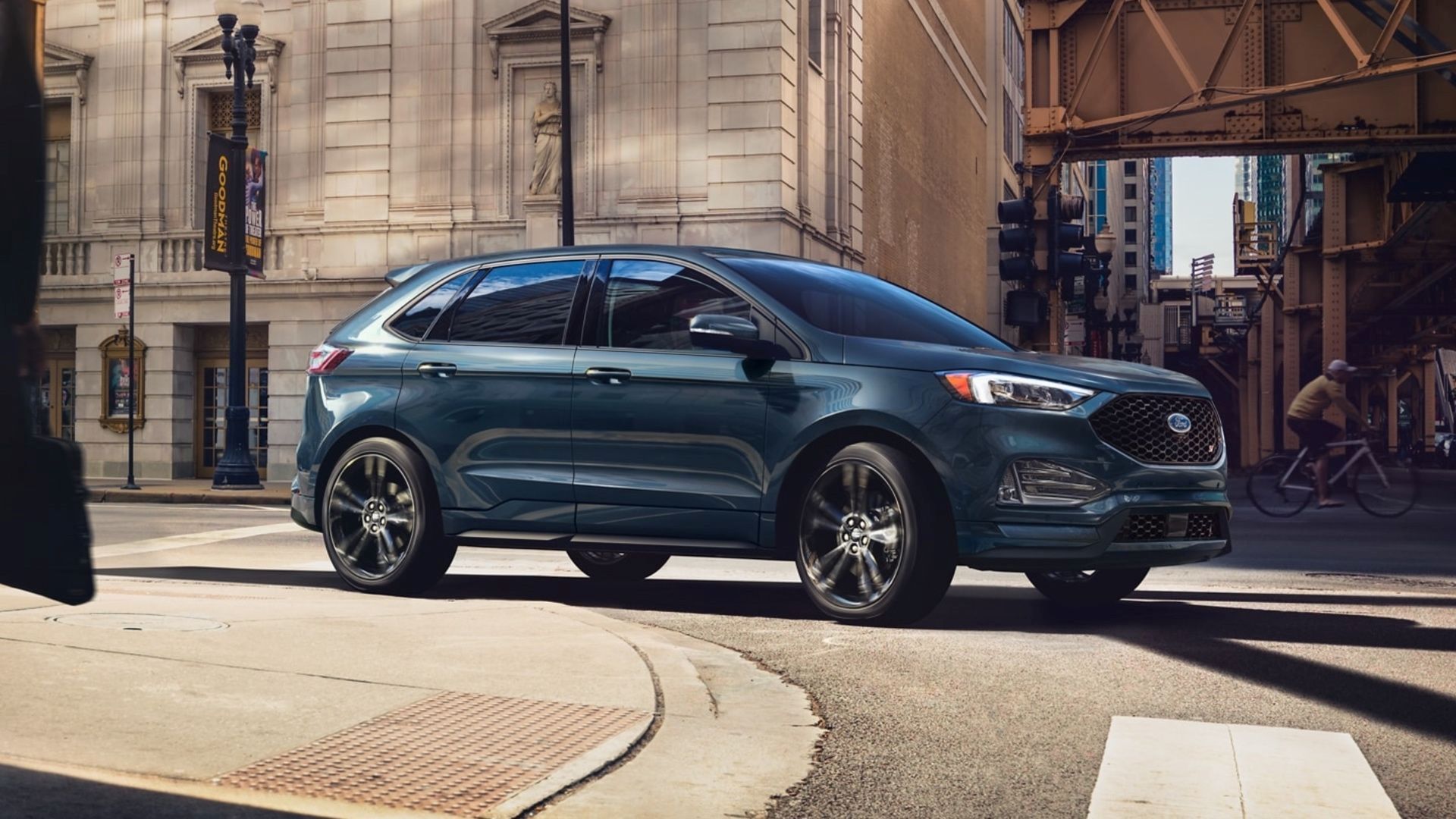
9. Ford Edge
The Ford Edge is a midsize crossover that appeals to families who want a roomy interior, good ride quality, and a higher driving position without jumping into a full-size SUV.
Over the years, Ford has refined the Edge’s design and engine offerings, and the results show in the vehicle’s strong long-term reliability, particularly in terms of engine performance.
Among the more popular and reliable engine options is the 3.5-liter V6, which has served in various Ford models for many years. This engine has built a solid track record for durability and low maintenance needs.
One of the Edge’s biggest advantages is that its engines are designed for real-world use. The V6, in particular, is a workhorse that handles daily driving with ease and requires very little intervention from owners beyond routine service.
It doesn’t rely heavily on forced induction or overly complex mechanical systems, which means fewer parts are at risk of failure. In everyday conditions, this engine maintains steady power delivery and shows few signs of strain. Many Ford Edge owners report clocking over 150,000 miles with minimal engine issues.
In addition to the V6, newer models of the Edge also offer turbocharged four-cylinder engines like the 2.0-liter EcoBoost.
While some buyers may be cautious about turbo engines due to past experiences with other brands, Ford has done a respectable job ensuring the EcoBoost engines are more reliable in recent models.
Proper maintenance, such as timely oil changes and using the recommended fuel grade, helps these engines remain problem-free.
When used under normal conditions and serviced regularly, they tend to hold up quite well, though for families focused on the absolute lowest risk, the non-turbo V6 may still be the safer pick.
What helps the Ford Edge stand out is its strong performance without a high rate of engine complaints, especially in well-maintained vehicles.
Owners appreciate how quiet and composed the engine remains over time, and many find themselves keeping the car far longer than they originally planned because it simply doesn’t give them any major trouble.
For families wanting an American-made SUV that delivers both comfort and engine reliability, the Ford Edge deserves a spot on the list.
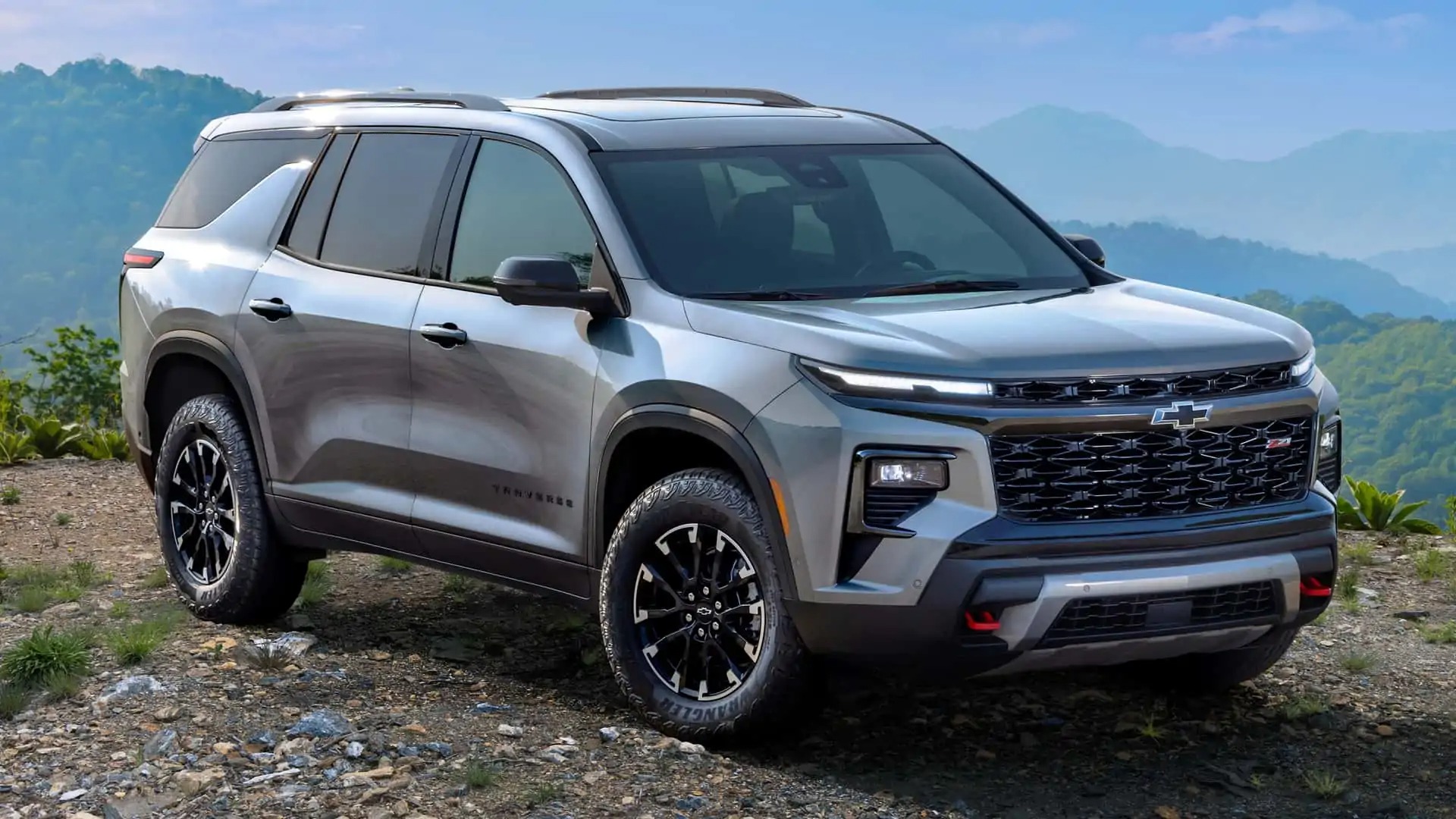
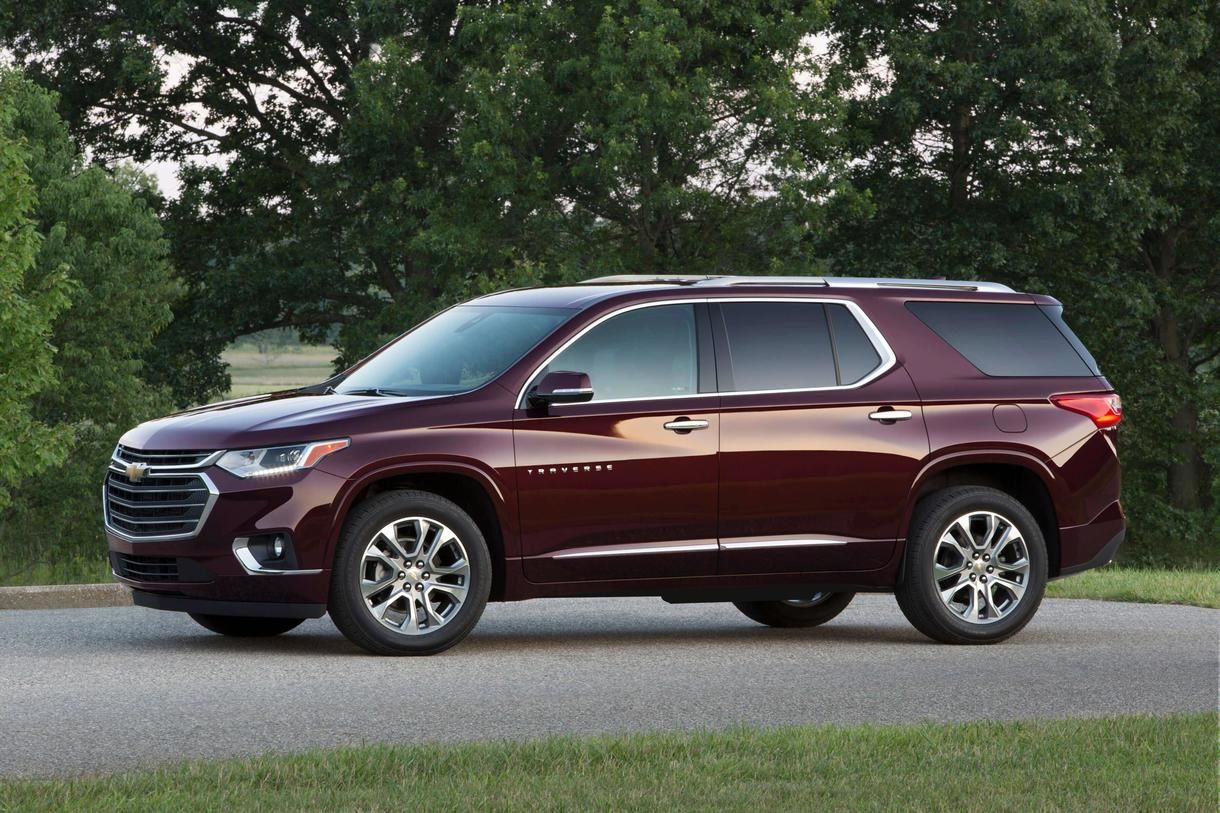
10. Chevrolet Traverse
The Chevrolet Traverse is a three-row crossover that has grown in popularity among large families due to its spacious interior and solid driving dynamics. It can comfortably seat up to eight people, making it a practical alternative to a minivan.
Under the hood, the Traverse features a 3.6-liter V6 engine that’s part of GM’s long-running High Feature V6 family. Over time, this engine has proven itself to be both capable and durable, with relatively few issues cropping up when maintained according to schedule.
This V6 engine offers a good balance between power and efficiency. It’s designed to handle the weight of a full-size crossover without excessive strain, and its performance doesn’t degrade quickly as the vehicle ages.
One of the reasons the Traverse engine tends to hold up so well is that it’s been used in various GM vehicles over many years, which means GM has had plenty of time to refine and improve it.
Small tweaks and updates over the years have led to better head gasket materials, improved timing chains, and more efficient cooling systems, all of which help reduce the likelihood of major engine trouble.
Another point in the Traverse’s favor is that it generally handles hard use well. Families often use the Traverse for long road trips, hauling gear, and transporting multiple passengers, and the engine is designed to handle that kind of usage.
While no engine is invincible, the Traverse’s V6 seems particularly well-suited for family life. When properly serviced, including regular oil changes and transmission fluid inspections, engine problems are rare, even as the miles start to pile up.
Owners of the Chevrolet Traverse tend to keep their vehicles for the long haul, often because they don’t encounter the mechanical issues they feared with a larger vehicle.
The engine starts consistently, runs smoothly, and doesn’t suffer from the premature failures that some other three-row SUVs deal with. For families looking for an American-made crossover that offers dependable engine performance in a large, comfortable package, the Traverse is a smart and proven option.
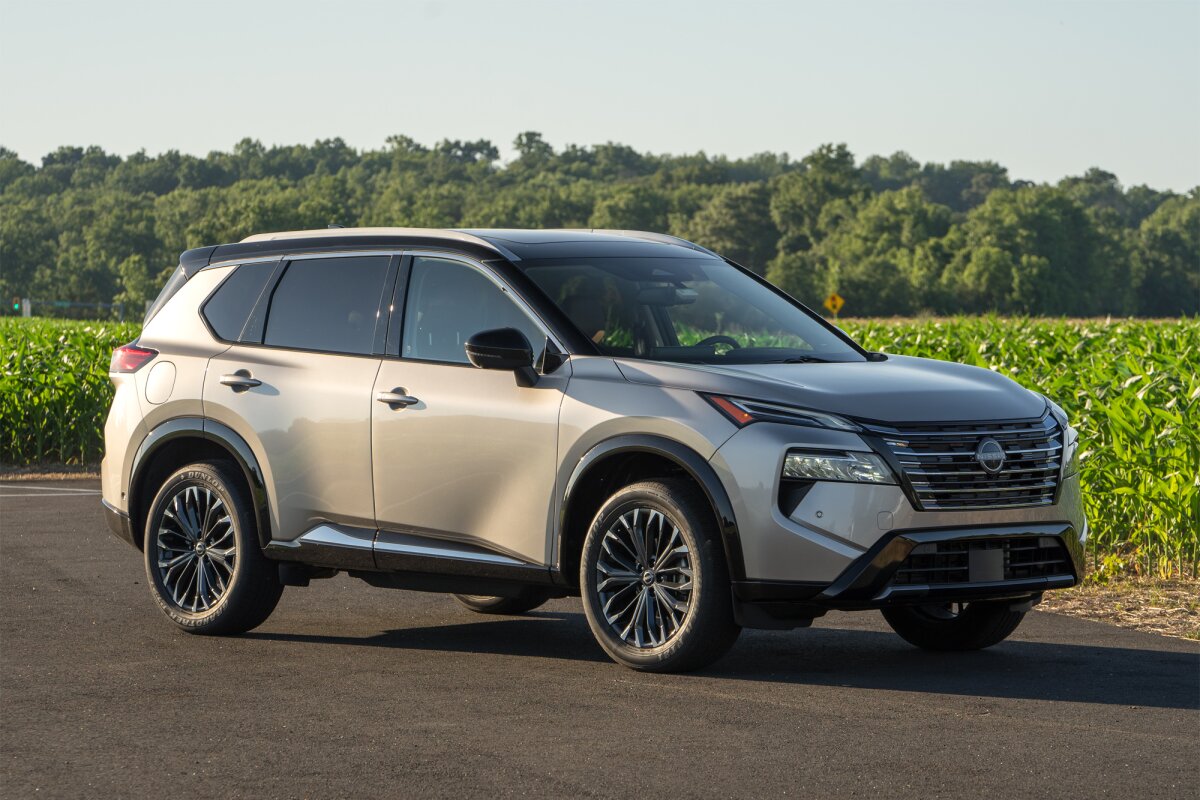
11. Nissan Rogue
The Nissan Rogue has become one of the best-selling compact SUVs in the country, largely because it offers a comfortable ride, a family-friendly interior, and excellent fuel economy.
While Nissan’s reliability record has had some ups and downs in past years, the Rogue stands out as one of the brand’s more dependable offerings, particularly when it comes to engine durability.
The 2.5-liter four-cylinder engine used in the Rogue is relatively simple in design and has a history of solid performance with minimal long-term issues.
This engine has been in use across several Nissan models for over a decade, and during that time, it has shown a consistent ability to last well beyond 150,000 miles with only basic maintenance.
It doesn’t rely on high-tech performance boosters or complicated systems that are difficult to repair. Instead, it focuses on doing its job efficiently and consistently. The result is an engine that, while not flashy, avoids the pitfalls that sometimes affect more advanced or experimental designs.
One common concern with the Rogue has been the continuously variable transmission (CVT), but it’s important to separate transmission issues from the engine itself. The 2.5-liter engine in the Rogue has consistently been noted for its smooth operation, resistance to overheating, and low rate of oil-related problems.
As long as owners follow standard maintenance schedules, including regular oil changes and air filter replacements, the engine tends to deliver reliable service for many years.
For families on a tighter budget who still want a reliable compact SUV, the Rogue presents a strong value. It’s affordable to buy new or used, and its engine reliability makes it a dependable daily driver.
While not as performance-oriented as some rivals, the Rogue makes up for it with consistency and predictability, two things that matter a lot when your vehicle is responsible for getting your family safely where they need to go.
