
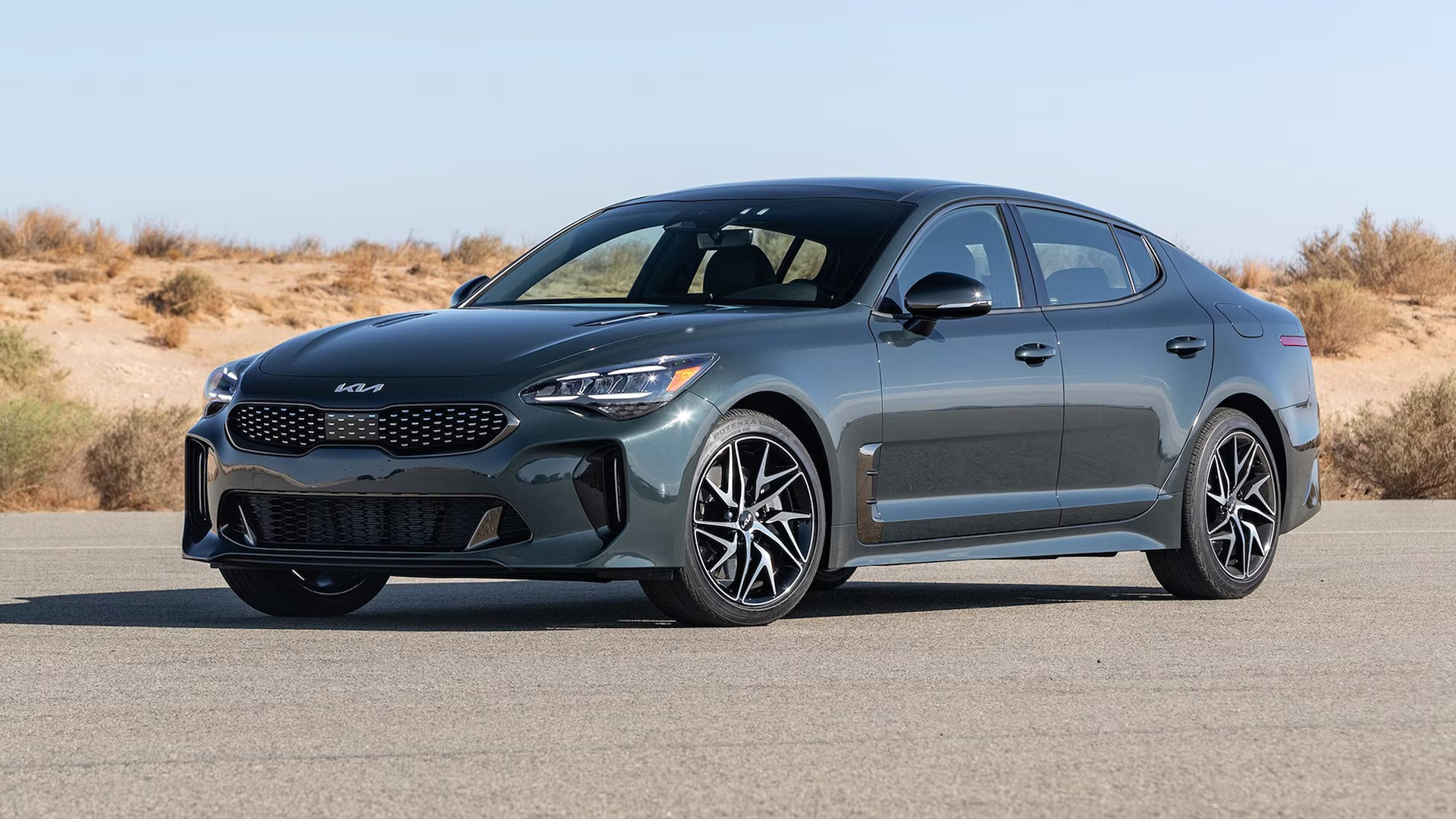
For years, Kia carried a reputation of being a budget-friendly brand with vehicles that were practical, but not particularly known for their longevity.
However, the last decade has completely shifted that narrative. Today, Kia stands among the more reliable automotive manufacturers, offering cars that not only serve well within their standard warranty period but often continue performing reliably long after that coverage ends.
Kia’s industry-leading 10-year/100,000-mile powertrain warranty and 5-year/60,000-mile bumper-to-bumper warranty have helped reduce buyer anxiety, especially for first-time owners or those moving from more expensive brands.
But what really builds confidence among long-term drivers is the experience of owning a Kia that keeps running smoothly after those warranties expire. Many owners report that with regular maintenance, their Kia vehicles can go well past 150,000 or even 200,000 miles without major issues.
This article focuses on 10 Kia models that are commonly known to outlive their warranty concerns. These are cars and SUVs that tend to have minimal problems, high owner satisfaction rates, and a strong record of durability. Some of them might surprise you.
While a few models have earned their reputation through long-standing presence in the market, others are relatively newer yet are already showing promising signs of long-term reliability.
Each of the ten models below has earned a place on this list through a combination of build quality, reliable engine performance, and consistent user feedback.
Whether you’re considering a used Kia with expired coverage or wondering how your current model might hold up over time, this list should give you insight into which vehicles from Kia have proven themselves beyond their warranty lifespan.
Let’s look at these ten Kia models that consistently show that they’re more than just a good deal on paper. They prove themselves year after year, long after the factory warranty fades into memory.
Also Read: 10 Best SUVs That Still Get Top Dollar at Auction
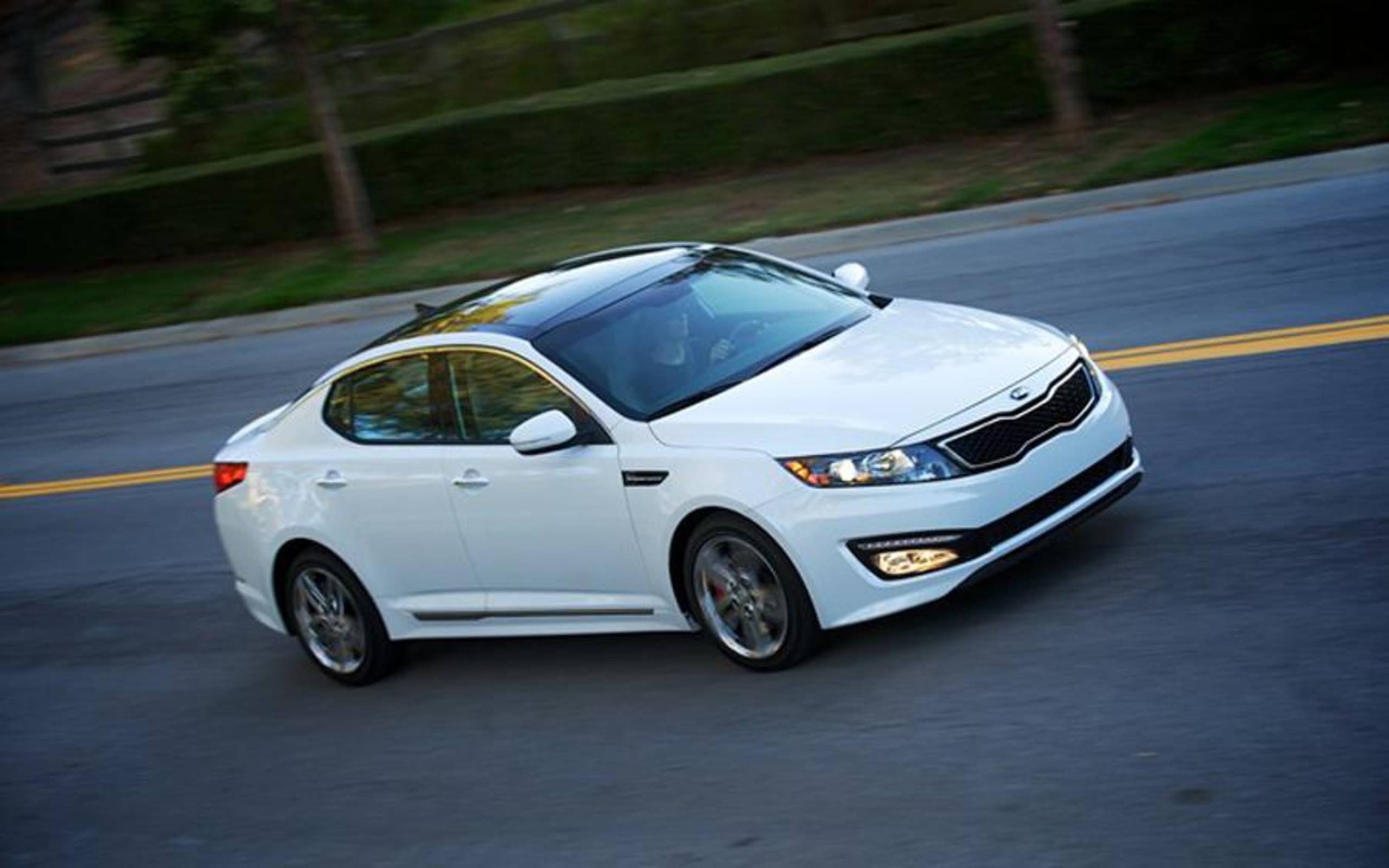
1. Kia Optima
The Kia Optima is one of the most well-rounded sedans in Kia’s lineup, offering solid reliability and value over the years. Many owners find that their Optima performs exceptionally well for a long time with regular upkeep. It’s not flashy, but it gets the job done and often gets it done well beyond 100,000 miles.
A major strength of the Optima is its engine choices. From fuel-efficient four-cylinders to the more powerful turbocharged options, the engines are typically well-balanced and designed with durability in mind.
These engines, when paired with a properly maintained transmission, can easily reach 150,000 miles or more. There have been some issues in older models, but recent years have shown improved engineering and reduced complaints.
Interior build quality is another factor that helps the Optima age gracefully. The seats, dashboard, and trim materials often hold up well, even after years of use. Owners report that the cabin doesn’t show excessive wear and tear even after the 5-year warranty period ends.
The technology in more recent models, including infotainment systems, generally continues to function without major bugs, which can’t be said for every car in its class.
Routine maintenance like oil changes, brake servicing, and transmission fluid replacements go a long way in keeping the Optima on the road. Many independent mechanics find the Optima easy to work on, which also contributes to its longevity.
Because replacement parts are relatively affordable and widely available, many owners keep their Optimas running smoothly long after other sedans in the same price range start showing signs of fatigue.
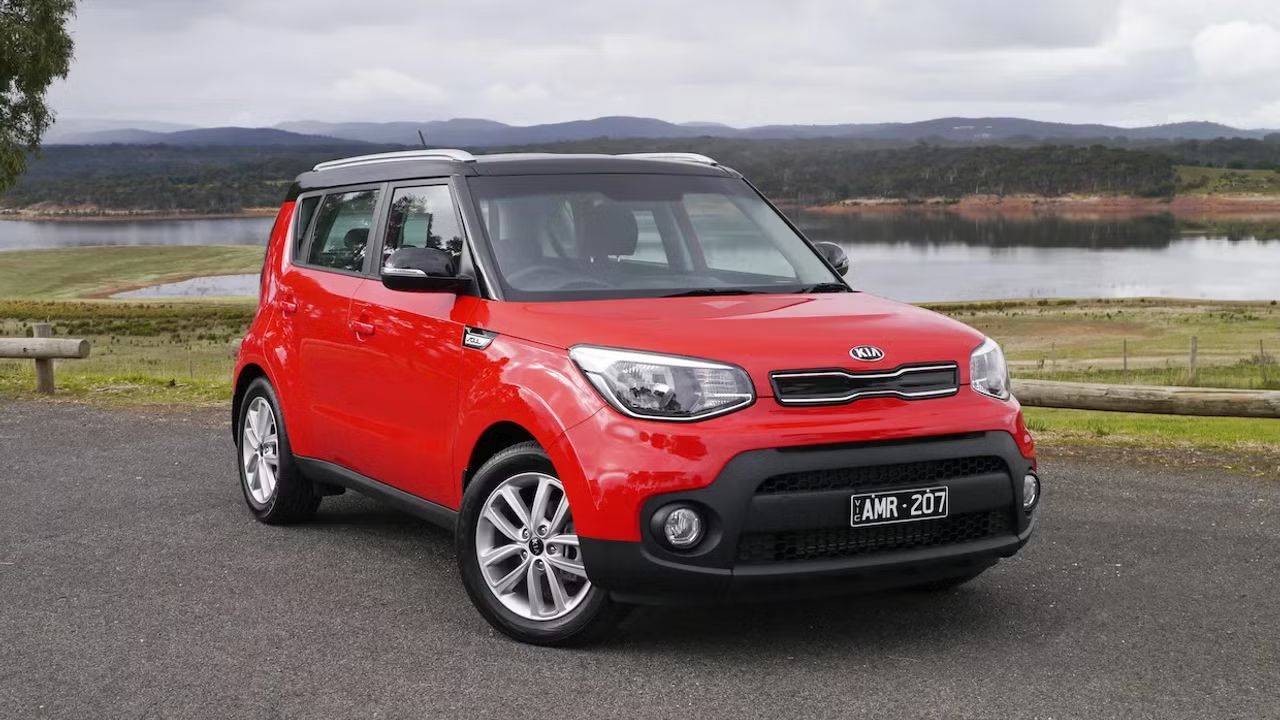
2. Kia Soul
The Kia Soul has carved out a unique niche with its boxy design and practical nature. Despite looking like a compact car, it offers surprising interior space and functionality.
One of the best things about the Soul is that it’s not just quirky, but also reliable. Many Souls stay on the road for well over a decade, and often with minimal problems.
The Soul’s engines, particularly the base 2.0-liter and older 1.6-liter variants, have proven themselves as dependable powerplants. They’re not built for speed, but they’re tough and rarely prone to serious issues.
Combined with the Soul’s relatively light weight, these engines aren’t under much stress, which helps extend their service life. If oil changes and other scheduled maintenance are done on time, it’s not uncommon for Souls to reach 200,000 miles.
Another reason the Soul tends to outlive its warranty is its simplicity. While newer trims offer modern tech and features, the core mechanical systems are often basic and less likely to suffer complex failures.
Fewer turbochargers or high-strain components means fewer points of failure, which is a big reason older Souls remain reliable even without a warranty safety net.
Many owners also praise the Soul’s durability from a daily-use standpoint. Door hinges stay solid, upholstery remains intact, and electrical systems keep working.
It’s not rare to see ten-year-old Souls with original power windows and factory stereo systems still fully functional. The car may not win awards for luxury, but it consistently performs its job and asks little in return.
3. Kia Sportage
The Kia Sportage is one of the brand’s longest-running nameplates, and with good reason. As a compact SUV, it strikes a balance between functionality, efficiency, and durability. Many families choose the Sportage not only because of its price point but because it’s a solid investment even after the factory warranty ends.
Sportage engines have become more refined in recent generations, and the naturally aspirated 2.4-liter engine used in many models is especially long-lasting.
These engines don’t require premium fuel and are relatively easy to maintain. Timing chains instead of belts in many variants reduce the frequency of costly replacements, which further contributes to their longevity.
In terms of chassis and suspension, the Sportage is designed to handle a variety of road conditions. Whether used for city commuting or light off-road trips, the underpinnings hold up well over time.
Drivers often comment that their older Sportage models still feel composed and solid, even after years of use. That structural soundness is a big plus for those driving beyond warranty coverage.
Interior durability also earns the Sportage high marks. Seats resist sagging, infotainment systems continue to operate smoothly, and climate control systems rarely need repair.
Unlike some competitors, Kia doesn’t cut corners in trim materials, and that pays off in vehicles that continue to look and feel newer than their mileage might suggest.
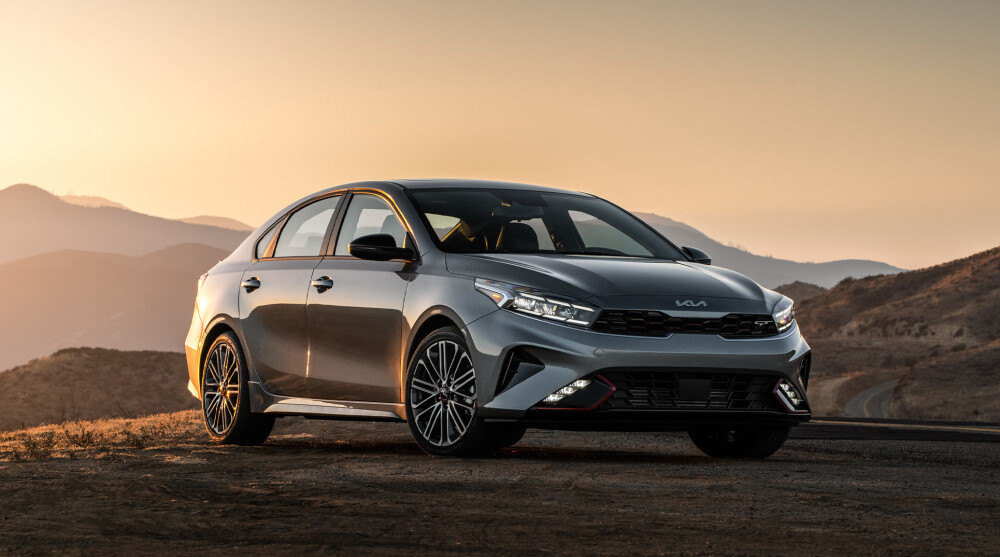
4. Kia Forte
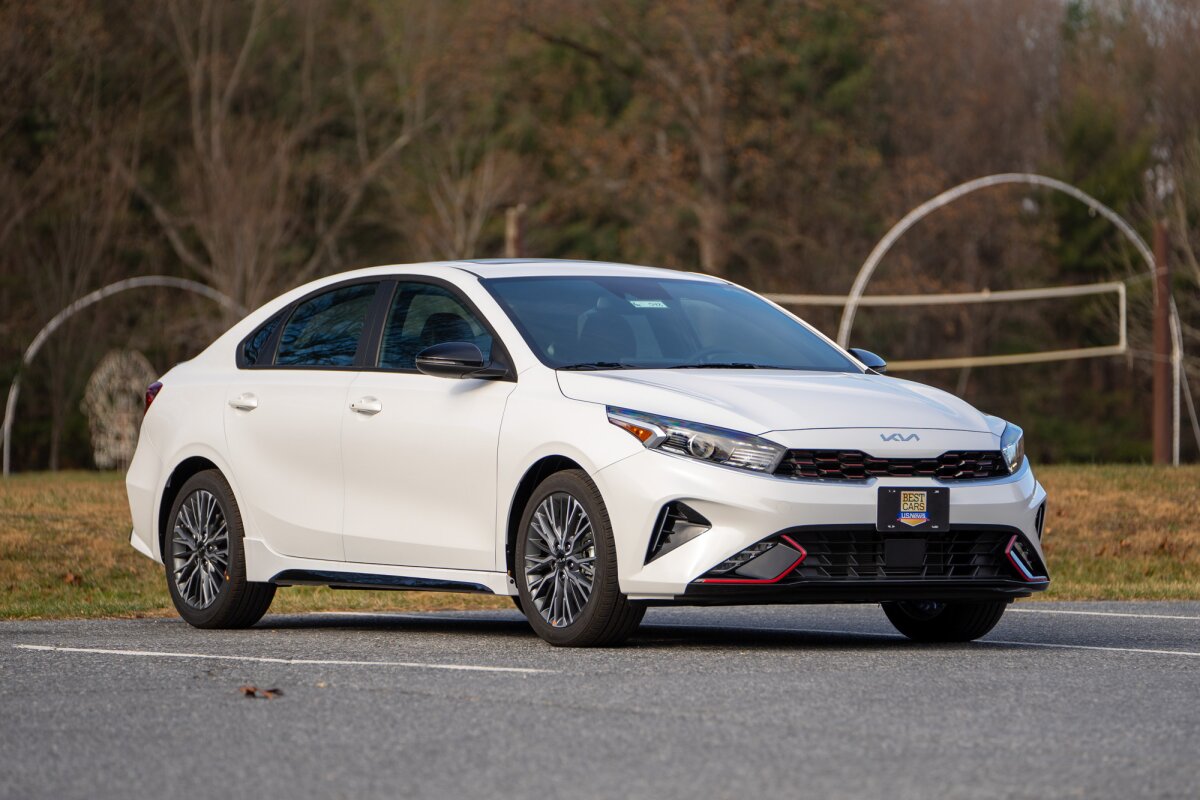
The Kia Forte is a compact sedan that competes with models like the Toyota Corolla and Honda Civic, and it holds its own when it comes to long-term reliability.
It’s a straightforward vehicle with simple mechanicals, which makes it less prone to problems over time. Many Forte owners keep their cars well beyond 100,000 miles with very few complaints.
One of the key reasons the Forte outlasts its warranty is its solid drivetrain. Whether you’re looking at older models with the 1.8-liter engine or newer ones with a 2.0-liter, these engines tend to be trouble-free with routine service.
They’re not performance-focused, but their simplicity helps prevent breakdowns. The CVT transmission in newer models has also been more dependable than earlier attempts from other manufacturers.
The Forte’s compact size also helps with fuel efficiency and reduces wear on components like brakes and suspension.
Lightweight cars generally put less strain on their parts, and the Forte is a good example of this in action. When it does need repairs, costs are relatively low, making it a sensible option for drivers who want to avoid big bills once the warranty expires.
Another strength of the Forte is its predictability. There are no surprises in how it behaves on the road or how it ages. Regular oil changes, fluid flushes, and basic tire rotations go a long way. There’s also a wide availability of parts for this model, which keeps repair and maintenance costs manageable for long-term owners.
Lastly, the interior holds up well under daily use. Plastic components and fabric seating might not be luxury-grade, but they resist wear and tear. Electrical systems like the infotainment unit and power windows usually stay functional well into the car’s second decade, making it a surprisingly resilient small sedan.
5. Kia Sorento
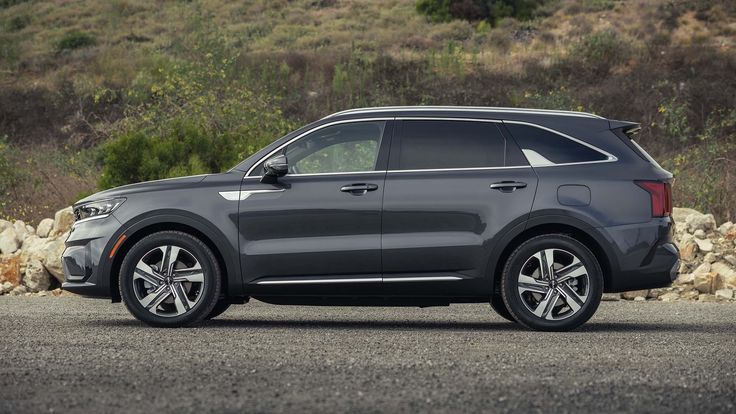
The Kia Sorento is a midsize SUV that has evolved significantly over the years. Earlier models were known more for their affordability than their engineering, but recent generations have proven that the Sorento can go the distance.
With careful upkeep, this model has shown impressive longevity well beyond the factory warranty. Families, in particular, appreciate the Sorento for its practicality, and many continue to rely on it for years after initial purchase.
One of the biggest contributors to the Sorento’s endurance is its available V6 engine, which has powered many of the most reliable model years.
The V6 strikes a good balance between performance and long-term durability. It handles towing and highway driving without excessive strain, which translates to fewer long-term engine issues.
For those who opted for the four-cylinder versions, while less powerful, they too tend to hold up well if routine maintenance is not skipped. The engines are not overly complex, which makes diagnosing and fixing problems much easier and less expensive.
From a build quality perspective, the Sorento has matured into a well-built vehicle. The doors close with a satisfying weight, the dashboard remains intact over time, and most buttons and electronics inside the cabin continue working even after 8 or 10 years of use.
Kia has also improved its rust protection, and many Sorento models stay in good cosmetic condition if properly cared for. Even owners in northern climates have reported that their Sorentos avoid significant underbody corrosion, which can often cut short the usable life of a vehicle.
The vehicle’s all-wheel-drive system and suspension have proven surprisingly durable, especially for drivers who use the Sorento as a daily commuter rather than a rugged off-roader. When suspension components do begin to wear out. usually after 100,000 miles, they can often be replaced affordably and without complex labor.
That kind of serviceability is key to helping a vehicle remain useful even after the warranty has ended. The Sorento offers one of the best combinations of size, comfort, and staying power in the Kia lineup.
6. Kia Rio
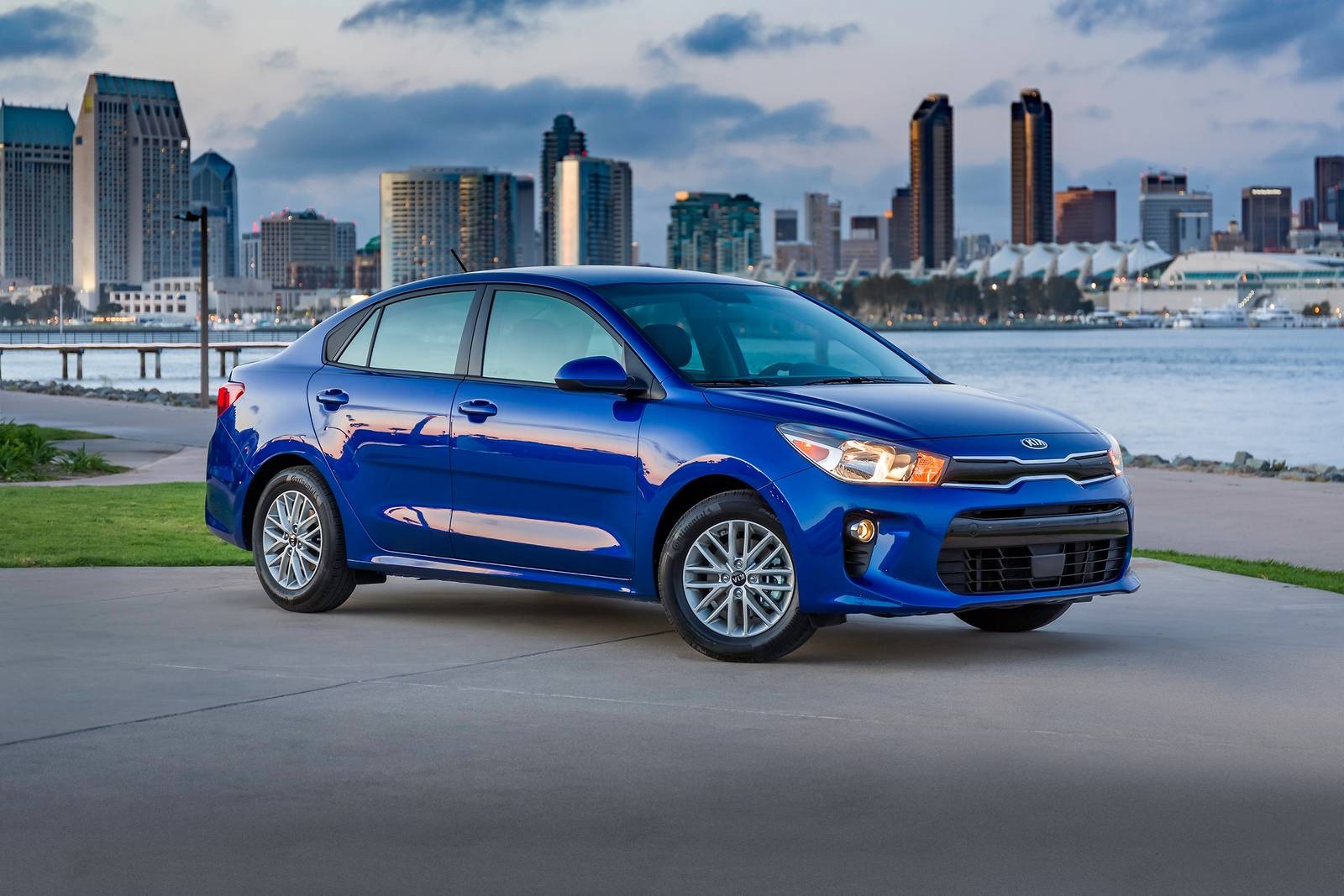
The Kia Rio is often seen as a basic entry-level model, but many underestimate its ability to last well past its warranty. The Rio doesn’t pretend to be luxurious or high-performance, but its simplicity is its greatest strength.
Owners who want a dependable car for daily commuting often find that the Rio fits the bill and continues to do so for years with minimal issues.
The drivetrain in the Rio has changed over time, but its reputation for straightforward, efficient engineering has remained consistent. Older models with the 1.6-liter inline-4 engine are still running smoothly today, thanks to their low-stress design and proven durability.
The naturally aspirated engine is not powerful, but it’s dependable and does not include the complex technologies that often lead to failures in other vehicles. Newer Rios maintain this trend, offering a well-balanced mix of fuel economy and reliability, especially when paired with the standard automatic transmission.
The Rio’s small size also works in its favor. Less weight means less stress on the powertrain, brakes, tires, and suspension. That results in less wear over time, allowing the car to remain in good mechanical condition even as the odometer climbs.
Many Rio owners report passing the 150,000-mile mark with nothing more than routine oil changes, tire rotations, and occasional brake pad replacements. Its tight handling and straightforward steering components also tend to remain functional without much maintenance, which adds to its long-term appeal.
On the inside, the Rio keeps things basic, which ironically helps it age better. There’s no excessive technology to break down, and its simple dash layout tends to stay intact over time.
You won’t find too many screens or touch-sensitive surfaces that stop responding after a few years. Instead, buttons and knobs keep working, seats remain firm, and the HVAC system continues to provide consistent performance.
This level of functionality, paired with low ownership costs, makes the Rio a quietly reliable choice for those who want a car that doesn’t complain long after the warranty is a thing of the past.
Also Read: 12 Vehicles That Outlasted the Companies That Built Them
7. Kia Cadenza
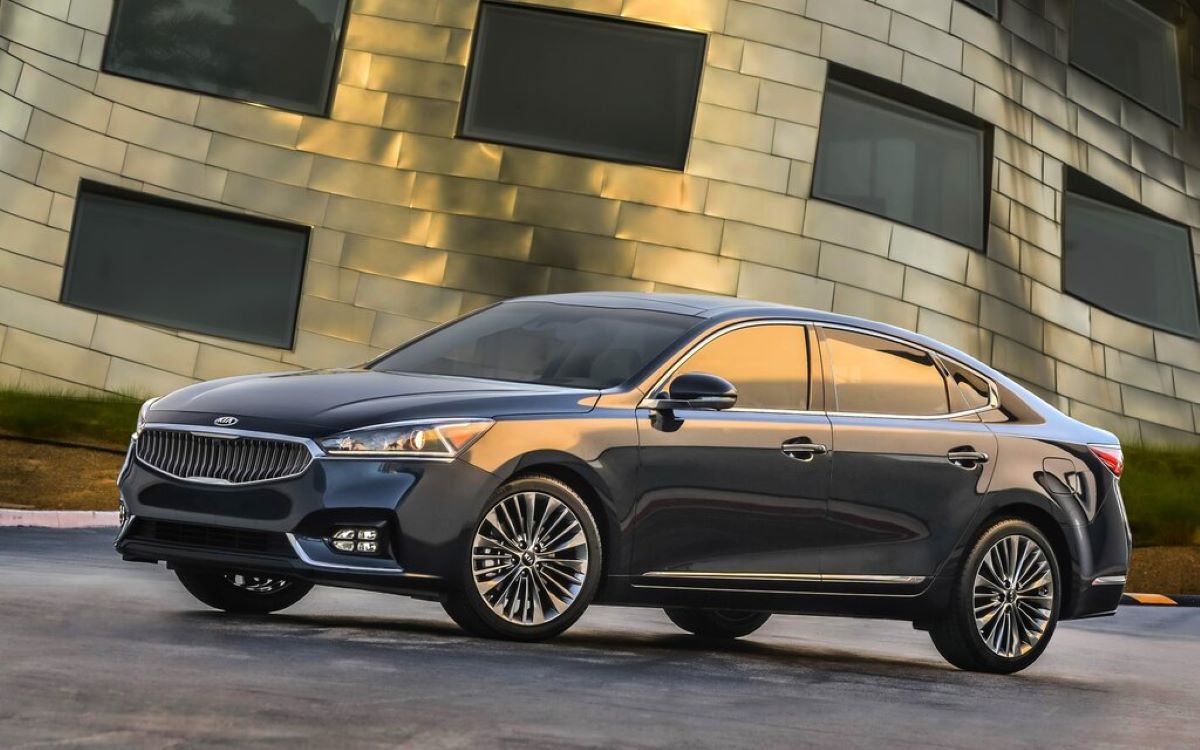
The Kia Cadenza is a bit of a hidden gem in the brand’s history. Designed as a full-size luxury sedan, it didn’t get the same attention as other models, but those who purchased it found themselves with a refined and surprisingly reliable vehicle.
Even though Kia no longer produces the Cadenza in many markets, the existing models continue to perform admirably well, even after their warranties expire.
At the heart of the Cadenza is a 3.3-liter V6 engine that has proven itself to be both strong and stable. This engine delivers smooth power without overexertion, which makes it ideal for long-distance driving and consistent use.
The 8-speed automatic transmission paired with the V6 in later model years is also a smooth operator that doesn’t commonly suffer from early failure. With regular oil changes, coolant flushes, and attention to transmission fluid, many Cadenzas have passed 200,000 miles with minimal issues.
The interior of the Cadenza is another area where it holds up far better than expected. Premium leather seating, well-insulated cabins, and a user-friendly infotainment setup make the car feel far more expensive than it is. What’s is how well these luxury features age.
Leather remains in good condition if cared for, the infotainment systems tend to remain responsive, and electronic climate controls rarely suffer from malfunctions even a decade in. While some competitors in the same price range begin showing electronic bugs or seat wear, the Cadenza remains comfortable and functional.
Another key strength is the car’s suspension and ride comfort. The Cadenza was built to glide over bumps and deliver a refined driving experience. Over time, the suspension components can wear out, but they do so gradually and usually without unexpected failures.
Even replacement parts are often more affordable than those for European luxury sedans, making long-term ownership more practical. For buyers looking for a sophisticated, quiet, and durable vehicle, the Cadenza is often more than meets the eye, and certainly more than its warranty suggests.
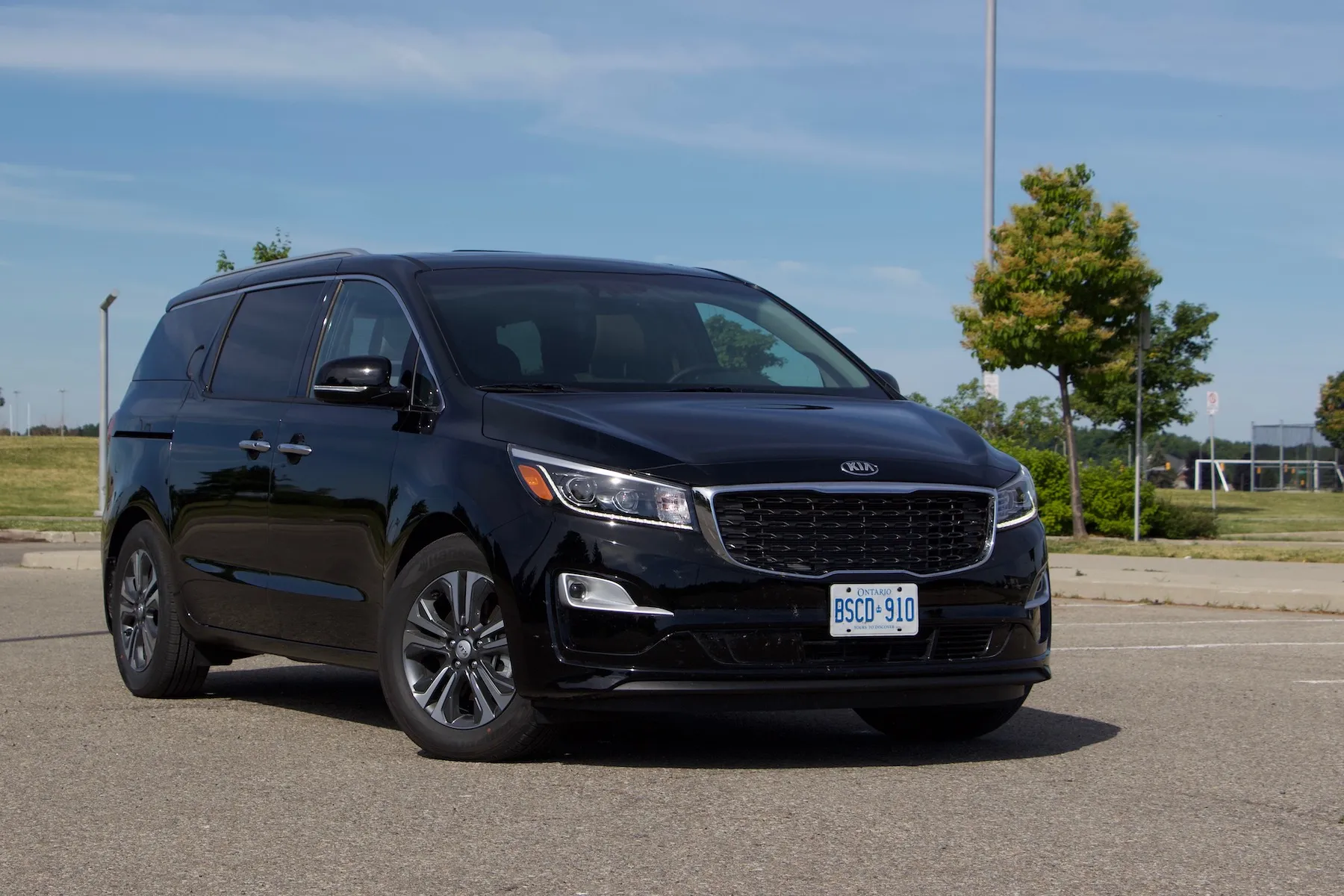
8. Kia Sedona
Minivans are often asked to do a lot, haul kids, groceries, luggage, and pets, sometimes all at once. The Kia Sedona has proven itself to be up to the challenge, often lasting long after other minivans start to break down. For families seeking long-term value, the Sedona has proven to be a surprisingly strong performer, even well beyond its factory warranty.
The Sedona’s V6 engine has always been a strong point. Whether you’re looking at older 3.8-liter models or newer 3.3-liter ones, these engines are workhorses. Designed to move heavy loads and power through long trips, they hold up remarkably well under stress.
Many owners put on well over 150,000 miles without serious engine trouble. Routine maintenance, especially coolant system care and regular oil changes, can keep the engine performing smoothly long after the official coverage ends.
In terms of interior functionality, the Sedona is built with durability in mind. Seating materials are often higher-quality than expected for the price, and the sliding doors, which are often a weak point in many vans, tend to remain operational for years.
Electrical systems in the cabin, including rear climate controls, power windows, and door locks, usually last a long time without requiring major repairs. Many families appreciate that even after a decade, the Sedona’s features remain usable and don’t require expensive fixes.
Suspension components and brakes are other areas where the Sedona performs better than expected. Because it’s built to carry heavier loads, it’s engineered with sturdier components. That durability means less frequent replacements over time, particularly when the van isn’t overloaded consistently.
Additionally, Sedona’s front-wheel-drive layout is simpler and more reliable than some competitors’ AWD options, which can require more maintenance as they age. All these qualities make the Sedona a solid choice for families that want a van they can keep even after the warranty ends.
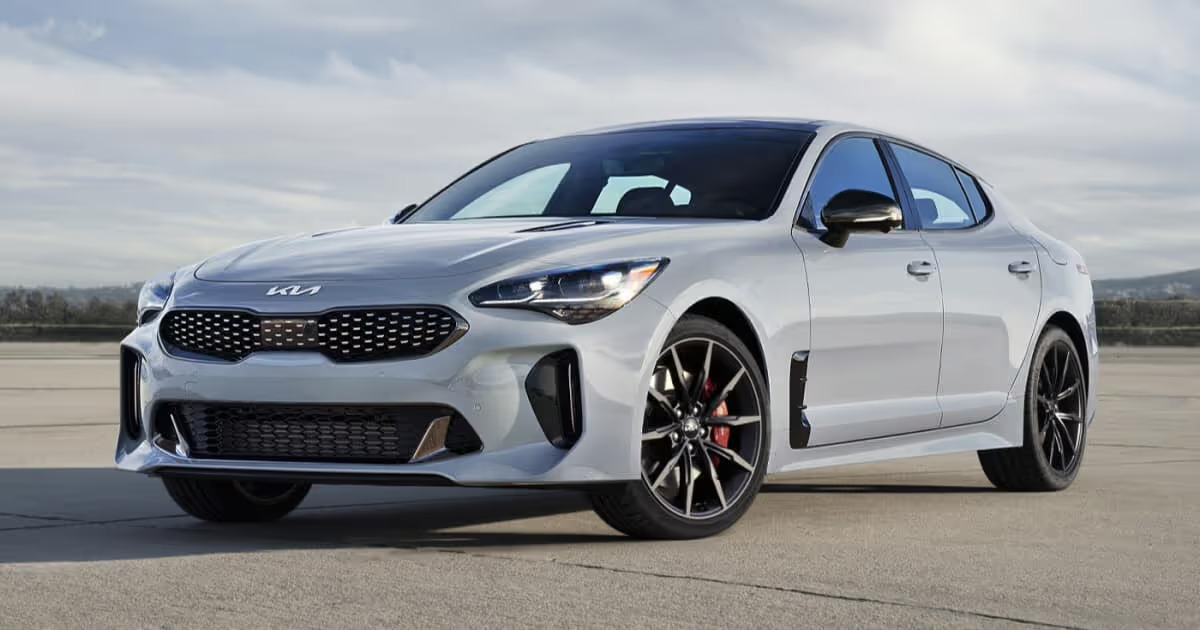
9. Kia Stinger
The Kia Stinger may be a newer addition to the brand, but it’s already built a reputation as more than just a performance statement. It’s a stylish, sporty fastback that doesn’t just impress in the first few years but is also showing signs of long-term reliability. Many early owners are now beyond their initial warranty period, and the car continues to perform without significant issues.
The twin-turbocharged V6 in the GT models gets a lot of attention, but even the base 2.0-liter turbocharged engine holds up well under daily driving. Kia engineered the Stinger with durability in mind, especially since it was meant to compete with premium brands.
Many of the drivetrain components are reinforced, and the cooling systems are well-designed to handle high performance without overheating. Turbocharged engines can sometimes be finicky, but the Stinger has avoided many of the pitfalls common in first-generation models from other brands.
Interior quality is another area where the Stinger shines over time. Soft-touch materials, solid switchgear, and premium upholstery continue to look and feel high-end even years after purchase.
The infotainment system, too, has aged well, remaining responsive and user-friendly. Drivers report few if any, issues with navigation, backup cameras, or connectivity even after several years of use. The seats retain their comfort, and the stitching holds up under daily wear.
Chassis rigidity and braking systems also contribute to the Stinger’s ability to age well. This car was built to be driven hard, and its structural strength shows even as the mileage adds up. Brake pads and rotors wear out at a normal rate and are reasonably priced to replace.
Suspension systems remain tight, and steering feel doesn’t degrade easily. In short, the Stinger isn’t just about early thrills, it’s a performance car built with a long game in mind, which is why it confidently outruns the boundaries of its warranty.
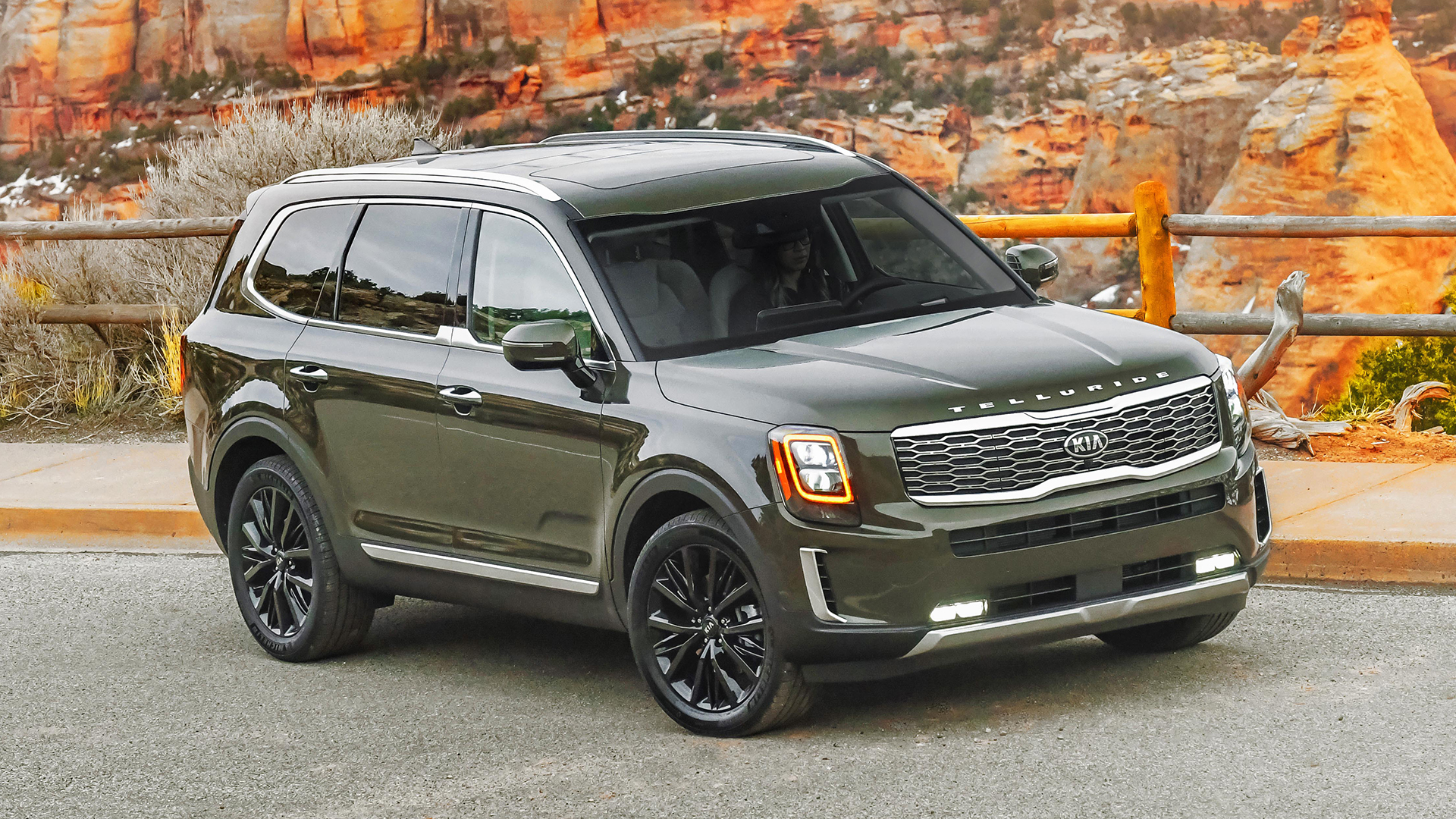
10. Kia Telluride
The Kia Telluride quickly rose to fame for its impressive mix of style, utility, and comfort. Despite being a relatively recent addition to the Kia family, it has already shown signs of being a long-lasting SUV that can easily outlive the standard warranty coverage.
Early owners are reporting minimal mechanical issues and high satisfaction with the vehicle well into its fifth year. The 3.8-liter V6 powering the Telluride is one of the best engines Kia has produced to date. It’s powerful enough to move the large SUV with ease, yet efficient and durable when treated properly.
Combined with the 8-speed automatic transmission, it delivers smooth and consistent performance. The engine rarely feels overworked, which is one of the biggest contributors to long-term mechanical health. With basic maintenance, these powertrains are expected to surpass 200,000 miles without major intervention.
What also makes the Telluride a strong candidate for post-warranty reliability is its interior design and construction. From the leather seating to the intuitive dashboard layout, the materials used feel like they belong in a luxury SUV.
Owners often remark how little wear is visible even after 50,000 or 75,000 miles. Technology like adaptive cruise control, lane-keep assist, and the infotainment system continues to operate without glitches, which is crucial for retaining value and usability over time.
The Telluride’s structure and safety systems also contribute to its longevity. Its chassis is robust, and the suspension handles both daily driving and rougher roads without issue.
Steering remains precise, and the all-wheel-drive system is relatively low-maintenance. Kia didn’t cut corners in engineering this vehicle, and that decision has resulted in a model that doesn’t just perform well in the short term but shows every sign of becoming a long-term favorite for families and commuters alike.
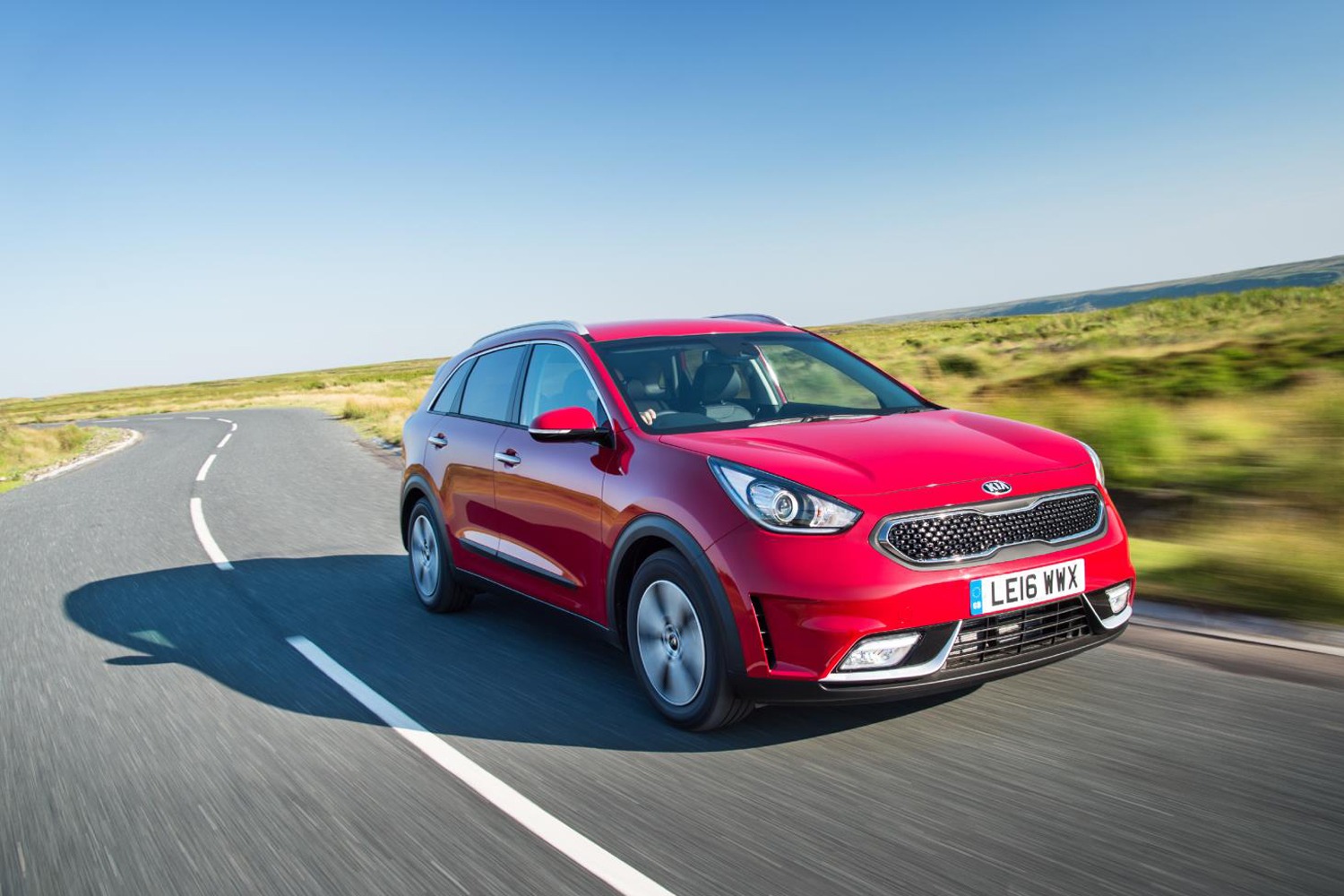
11. Kia Niro
The Kia Niro stands out in the lineup as a fuel-efficient hybrid that brings practicality and dependability together. While hybrids were once viewed as niche or complex, the Niro proves that advanced fuel-saving technology can be paired with long-term reliability.
As more early models from the Niro’s first years hit higher mileage marks, they’re showing strong signs of holding up long after the warranty ends.
At the core of the Niro’s dependability is its hybrid powertrain, which uses a 1.6-liter gasoline engine paired with an electric motor. While hybrid systems can be intimidating, Kia’s design is relatively simple and doesn’t rely on exotic components.
The regenerative braking system is also well-calibrated and doesn’t show excessive wear, meaning brake pads tend to last longer than those in conventional cars.
Battery life has proven impressive, too. Many early owners are seeing well over 100,000 miles on their hybrid batteries without any noticeable decline in performance.
Another reason the Niro makes this list is its low operating cost combined with minimal mechanical issues. It gets excellent fuel economy, often exceeding 50 mpg, and that level of efficiency doesn’t come with frequent service visits or specialized maintenance.
The dual-clutch transmission used in many Niro models has been refined over time and typically operates smoothly, especially when the car is driven moderately. Owners who follow the recommended service intervals rarely report issues, and the car doesn’t seem to develop unexpected failures even after years of use.
On the inside, the Niro offers a clean and functional design. Its controls are intuitive, and the cabin materials hold up surprisingly well for a vehicle aimed at economy-conscious buyers.
There are fewer electronic gadgets than in larger SUVs, but what’s included, touchscreen navigation, climate control, and Bluetooth connectivity, generally keeps working smoothly.
For drivers who want a compact car that won’t cause stress once the warranty ends, the Niro proves to be a strong contender that quietly gets the job done year after year.
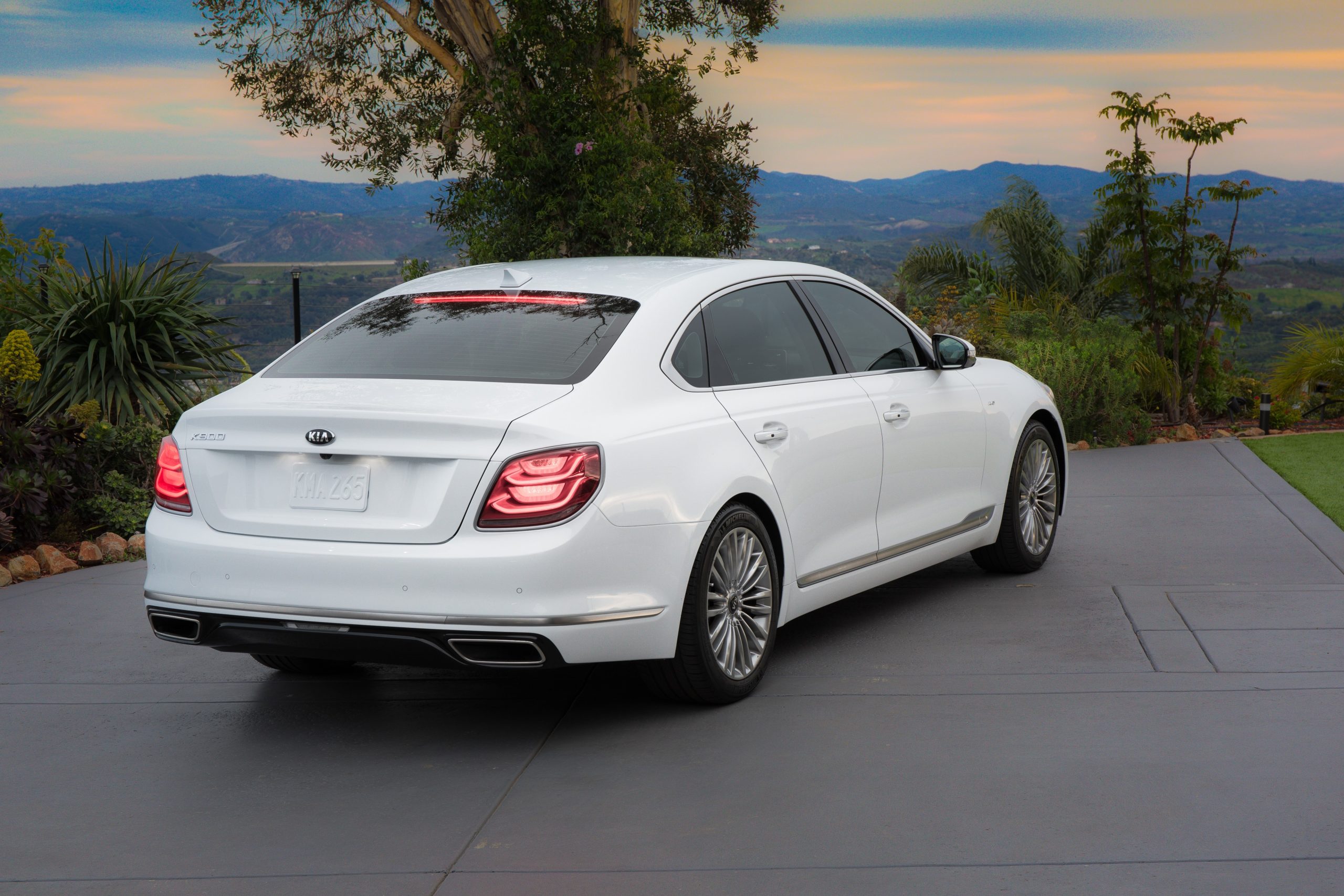
12. Kia K900
The Kia K900 might be one of the brand’s most overlooked models, but it deserves recognition for its quality and surprising staying power. Marketed as a full-size luxury sedan, the K900 was designed to compete with top-tier vehicles at a significantly lower price.
While it never became a bestseller, those who did buy it often find that it holds up just as well, if not better, than many more expensive luxury rivals. It may be rare, but the K900 proves that Kia can build a long-lasting flagship sedan.
The K900 is powered by a choice of robust engines, including a naturally aspirated 5.0-liter V8 and a more recent 3.3-liter twin-turbo V6. Both engines were built with durability in mind and rarely encounter major problems when properly serviced.
Kia made sure that the K900’s powertrain could deliver consistent performance while staying smooth and quiet. Even after the warranty period ends, owners report minimal issues with engine or transmission reliability, a testament to the level of engineering invested in the vehicle.
Beyond the drivetrain, the build quality of the K900 is impressive. The cabin is loaded with high-end features such as ventilated seats, advanced driver assistance systems, and a premium audio system, many of which continue to function flawlessly years after purchase.
The soft-touch materials, wood trims, and stitched leather surfaces are durable and age gracefully. The attention to detail in the interior places the K900 closer to German luxury sedans than most people expect, and without the expensive upkeep often associated with that segment.
From a driving and maintenance perspective, the K900 benefits from having many components shared with other Kia and Genesis models. That means replacement parts are not as rare or expensive as they might be for other luxury sedans.
Suspension components, braking systems, and electronics can all be serviced at reasonable costs, making long-term ownership more realistic than many assume.
For those who want understated luxury that doesn’t become a financial burden once the factory coverage expires, the K900 proves to be a smart and surprisingly reliable choice.
