
Over the decades, Nissan has built a reputation for durable engineering, spirited performance, and models that strike a balance between reliability and driving enjoyment.
Some Nissan vehicles have attracted such loyal owners that entire communities form around them, tuning, preserving, customizing, and sharing stories of rugged roads, long commutes, or ambitious restoration projects.
Even as technology advances dramatically and design trends shift rapidly, certain Nissan models remain beloved. Their owners stick with them years beyond what might be considered typical lifespans for modern cars, finding pride in upkeep, performance, and the character these vehicles still offer.
Loyal ownership often springs from more than just mechanical reliability. It often grows from emotional connections, scarcity, or unique design attributes that make a given model stand out.
Some Nissan vehicles appeal because they deliver performance at a price ordinary people can reach, others because they are versatile and utilitarian.
Many of them evolve with aftermarket support, making modifications viable, while still maintaining enough originality to preserve historic or collectible value.
For every story of a Nissan that lasts beyond its warranty, there is usually a tale of careful maintenance, parts sourcing, community tools, and friendships forged in garages and online forums.
From sporty coupes to rugged off-road machines, Nissan’s lineup over the years has spanned a wide spectrum: lightweight rear-wheel-drive two-doors, family sedans built to last miles, trucks that carry loads and traverse rough terrain, electric city cars, and SUVs that survive extreme conditions.
In this article, I cover twelve Nissan models that continue to inspire loyalty among owners. Some are niche, some mainstream, some discontinued.
Yet what they share is that their owners are still deeply invested in them, either because they deliver on promises that many cars don’t, or because they embody a character few other vehicles do.
What follows is a closer look at each of these twelve that still have loyal owners, and what makes them endure long past their contemporaries.
Also Read: 10 Plug-In Hybrids That Rarely Have Issues
1. Nissan GT‑R (R35)
Many enthusiasts consider the R35-generation Nissan GT-R to be a modern icon. When it arrived, it brought advanced all‑wheel drive, twin-turbo V6 power, and a technological arsenal uncommon in high-performance cars.
Loyal owners of the GT-R often cite its pace, its ability to accelerate, corner, and decelerate with a confidence that few cars in its price range can match. Over the years, firmware updates and special editions have kept the car relevant, even as newer sports cars arrive.
Owners tend to keep theirs, upgrade brakes, tires, update transmissions, and enjoy the sense that they still own something near the top of what’s possible without going into ultra‑supercar territory.
Maintenance, though not trivial, is part of the appeal. GT‑R owners often learn the car intimately, how to swap turbos, rebuild engines, deal with exhaust systems, and manage cooling. Nissan’s engineering gives them a solid foundation, and a strong aftermarket gives them options.
Owners who commit to scheduled service often report that these cars can go well past 100,000‑150,000 miles with vigor, especially if tuned carefully and driven with respect.
That ongoing process of upkeep becomes part of the ownership; some owners even refurbish or replace body panels, repaints, or maintain interior components because the experience matters.
The community is active; people share technical knowledge, source used or upgraded parts, and collaborate for performance and durability. That shared culture reinforces loyalty.
Another wavelength of loyalty comes from resale and potential. Even used, well‑maintained GT‑Rs are valued; rarity of some special editions, uniqueness of certain color‑and‑spec combos, make owners want to preserve originality. Some treat modifications carefully, trying to keep bolt‑on or reversible changes, so future value remains.
Others accept customization fully, but document everything, maintain service history, and preserve examples of stock. That tension between customizing and preserving keeps many fans deeply invested for years, sometimes decades.
Finally, the driving experience itself fosters loyalty. The way the R35 GT‑R delivers torque, senses grip, manages power in corners, and even the weight and sound inside the cabin, these sensory details become memorable.
Owners recall first drives, track days, accelerating through rain and snow, feeling that precise but raw response. The GT‑R is more than just numbers, it is about involvement.
For many, that involvement carries them through breakdowns, repairs, and expensive parts, because the reward in driving is something they believe few cars can replicate.
2. Nissan 240SX / Silvia (S13 & S14)
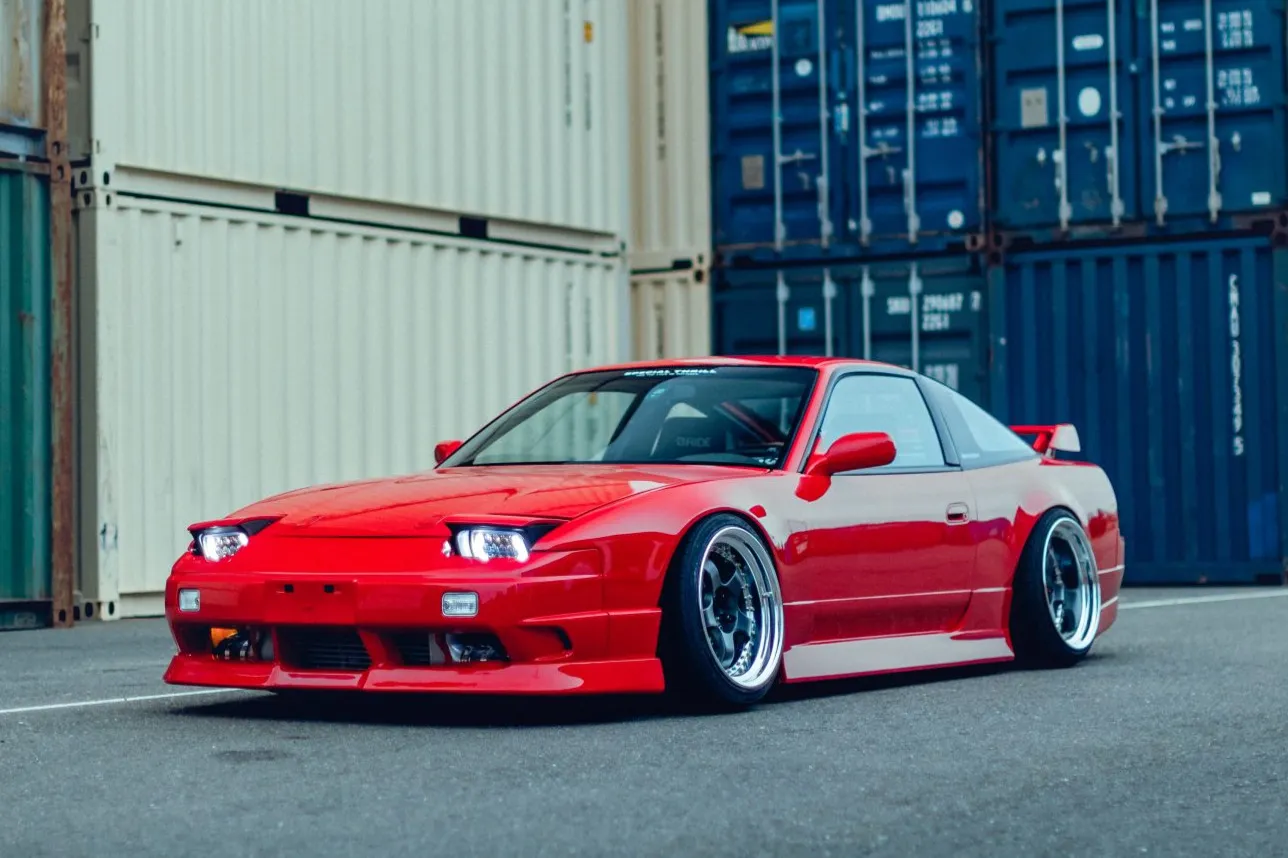
The S‑chassis Nissans, the 240SX in North America, and Silvia models in Japan, are beloved among drifting, street performance, and tuning communities. What makes them endure is their simple but solid rear‑wheel drive architecture, relatively light weight, and ease of modification.
Owners often keep them alive through swapping engines, upgrading suspension, adding roll cages, and tuning fuel systems. The aftermarket is huge, parts are generally available, and many owners treat them as ongoing projects, never finished but always improving.
Durability plays a big part. Even though some S‑chassis cars were not originally built for brutal daily driving or heavy weather, many have proven to be rugged when maintained properly. Restorations are common: owners replace worn body panels, fix rust, restore interiors, retrim upholstery, even rebuild manual transmissions.
For many, a well‑restored S13 or S14 becomes a labor of love; they’ll track down rare parts from Japan or salvage yards, or adapt modern components for better performance and comfort.
Community support is also a reason for continued loyalty. Events, meets, forums dedicated to S‑chassis cars are widespread. People swap stories about how to cure body flex, how to tune carburation or fuel injection, how to handle drift modifications without killing steering feel or safety.
That sharing of solutions, knowledge, and encouragement helps keep many of these cars running far longer than they would otherwise. Plus, because so many are mods and aftermarket, owners often have more control over their upkeep.
Then there’s the aesthetic and character factor. The Silvia and 240SX have stylings, proportions, driver‑focused seating, rear‑wheel drive feedback that many modern cars don’t offer.
Even though newer cars have more tech, many owners say there is something visceral about sliding that rear end, feeling weight shift, hearing mechanical noises, yet being able to feel fully in command. Because of that character, owners aren’t just maintaining these vehicles for nostalgia, they drive them, push them, and live with their quirks because they feel more alive.
3. Nissan 300ZX (Z32)
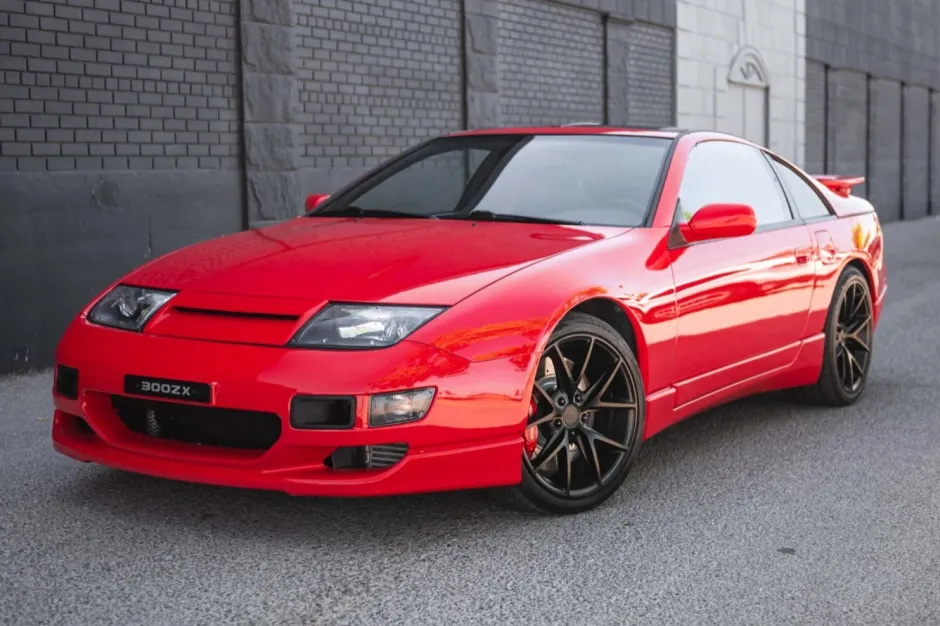
The Japanese domestic market’s Z‑car heritage continues strongly in the 300ZX Z32. Those who own them often praise the twin‑turbo versions for their relatively advanced design in the early ’90s: sleek bodywork, variable valve timing, reliable turbocharged power, and good balance.
Even in the naturally aspirated versions, the feel and aesthetic appeal draw in collectors. Hood shapes, pop‑up headlights (for many models), wide fenders, low slung hoods: these all contribute to desirability. Owners who have one often feel they have something iconic.
Mechanical upkeep on the Z32 is more involved than on some simpler cars, but loyal owners tend to embrace that. They’ll rebuild turbos, refurbish drivetrain components, maintain suspension links and bushings, treat cooling systems carefully.
Because some parts are becoming harder to find, many tend to stockpile spares or use reproduction or aftermarket replacements. It’s common to see a well‑restored Z32 running cleanly decades after production stopped.
Paint and bodywork are important in Z32 lore. The wide body panels and aerodynamic elements are vulnerable to weather, rust, and damage.
Owners often invest heavily in body restoration, repainting, repairing underbodies, lining up panels after years of wear, and replacing weather stripping. Interiors are also preserved: seats, dashboards, OEM gauges.
Some may upgrade stereo or absorb modern conveniences, but many want to preserve originality to hold value and authenticity.
The driving experience sustains loyalty. The Z32, especially the twin‑turbo version, offers speed, torque, great balance, and road manners that feel both sporty and refined.
The sound of the engine, the way it revs, the feedback through the steering and chassis, all these things make driving pleasurable even today.
Many owners will still take them out for spirited drives, including canyon roads or track days. That connection between driver and car is a big reason so many will put up with maintenance challenges, sourcing of rare parts, and the cost of restoration.
4. Nissan Patrol (Y60 / Y61 etc.)
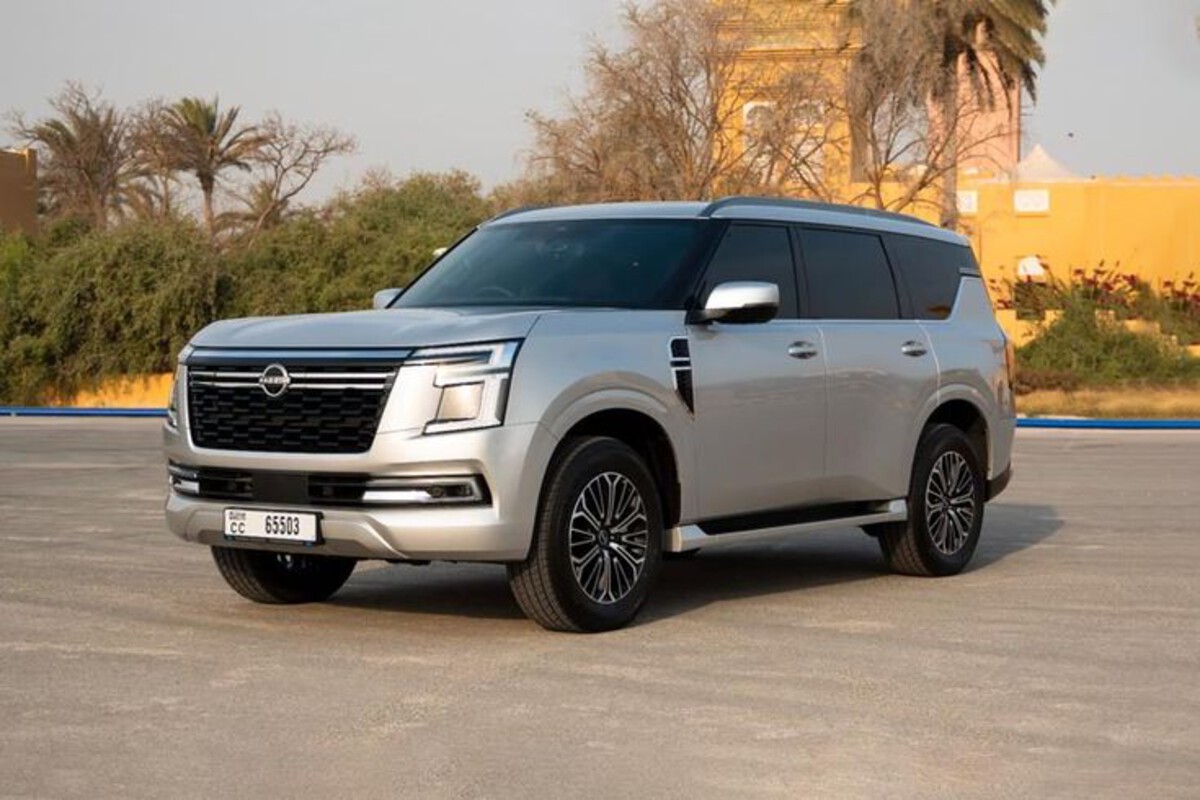
In many regions of the world, including the Middle East, Australia, Africa, and parts of Europe, the Nissan Patrol has been a workhorse off‑road vehicle for decades. Owners stick with them for their rugged chassis, solid axles, dependable diesel or petrol engines, and ability to take abuse.
Whether traversing deserts, crossing rivers, climbing rocky slopes, or carrying heavy loads, the Patrol shows resilience. Loyal owners find that the more miles and more abuse they accumulate, the more stories they have, and often the more reliable they become when maintained properly.
Part availability and ease of repair are often cited among the Patrol’s strengths. Because many have been used in very remote or very demanding conditions, there is a well‑established network of mechanics who know how to keep them running.
Engines, gearboxes, transfer cases, differentials, they are rugged, often simple in design compared to more high‑strung sport machinery.
Owners often do their own work, replace suspension components with heavy-duty units, swap wheels and tires, and improvise repairs if needed. That utilitarian flexibility adds to loyalty.
Comfort and usability aren’t ignored. While earlier Patrols might have been Spartan, later models added creature comforts, better interiors, climate control, stronger bodies, and many owners value those upgrades. Even after many years, well‑maintained Patrols can have plush seats, functional dashboards, and reliable electrical systems.
Interiors may be rough but are often refurbished, seats reupholstered, wiring checked, and cosmetic imperfections worked out. For those who use the Patrol daily, or in extreme conditions, reliability under stress is more meaningful than flash.
Finally, there is a community of enthusiasts, overlanding adventurers, and long‑distance travellers who maintain Patrols because they “get the job done.” For many, owning a Patrol isn’t just about driving; it is about capability, durability, and peace of mind.
When the road ends or weather closes in, when cargo is heavy or the terrain is unforgiving, the Patrol is expected to still move. That reliability builds trust, and trust generates loyalty. Owners stay with them, often refurbish them, upgrade, maintain, and share their exploits with pride.
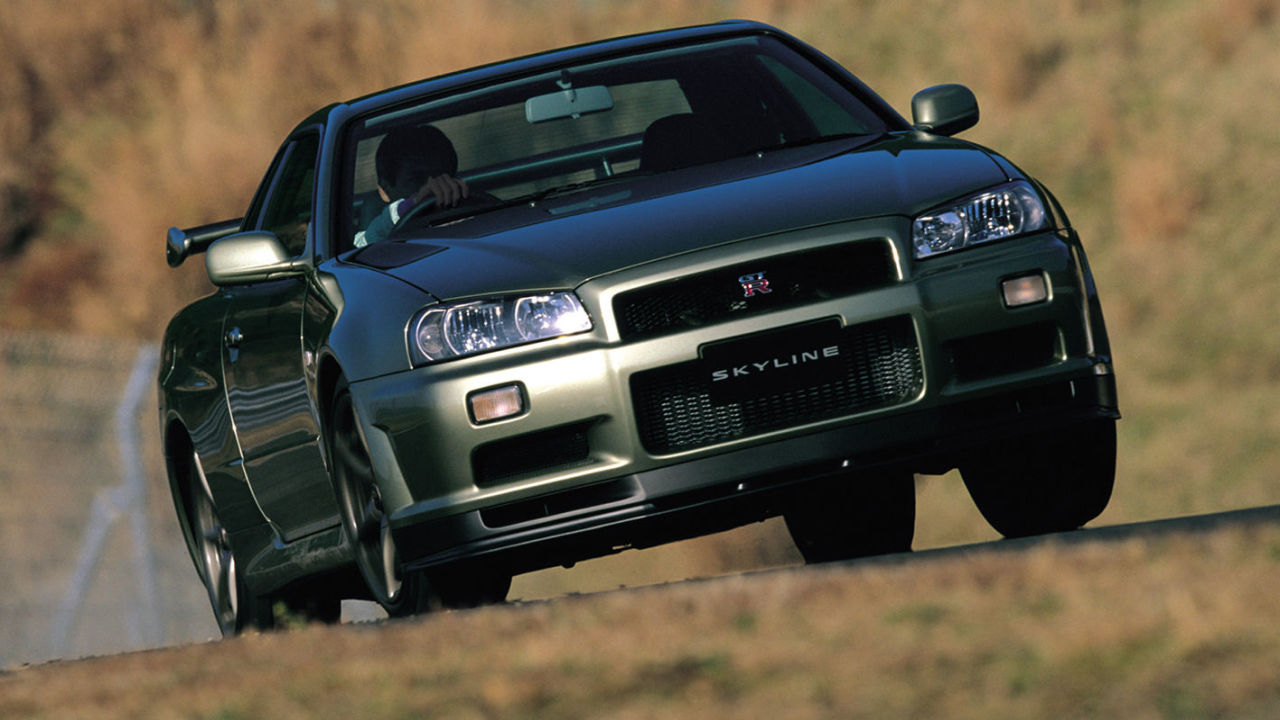
5. Nissan Skyline (GT‑R, others)
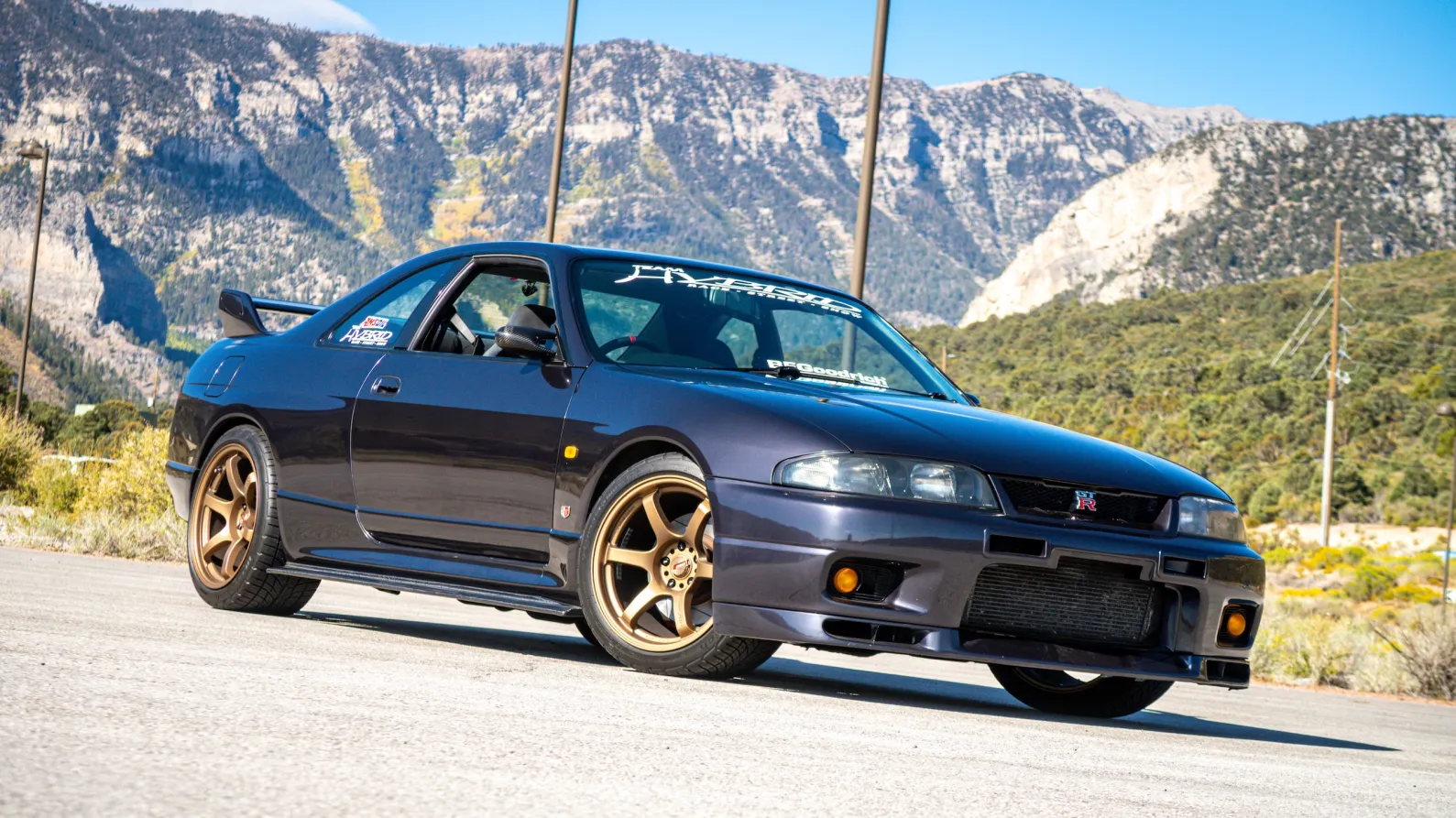
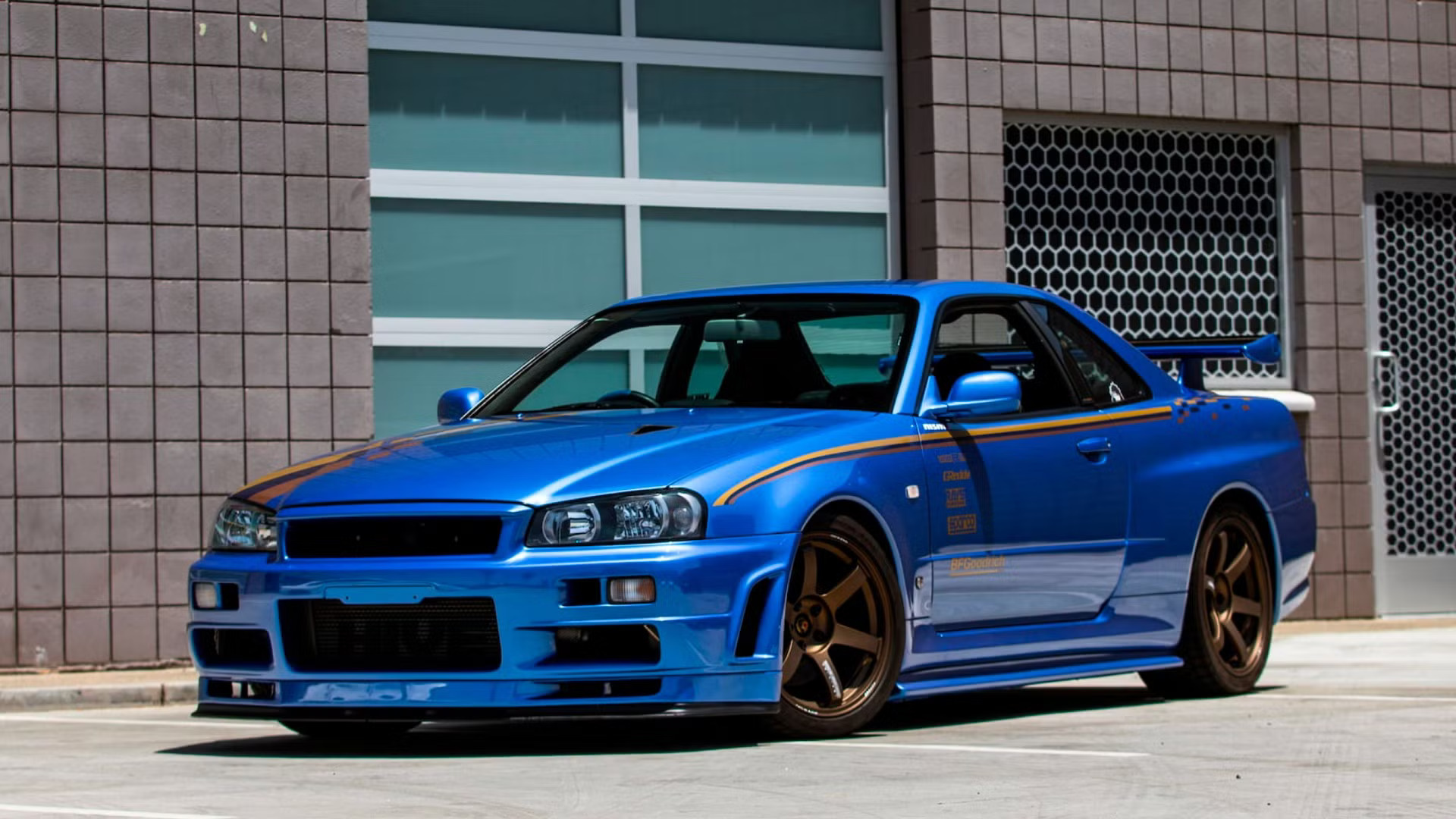
Even though the GT‑R is a separate badge in many respects, the broader Skyline line, including non‑GT‑R versions, has a strong following. The Skyline name carries history, styling, motorsport heritage, and engineering innovation.
Owners of older Skylines (like the R32, R33, R34 non‑GT‑R trims) often love their smooth inline‑six engines, turbocharged variants, balanced chassis, and the beauty of the design. Stock examples are treasured, and modified versions are common, with attention paid to preserving lines, proportions, and drivability.
Mechanical integrity is part of what attracts loyalty in Skylines. Many owners maintain cooling systems, turbo systems, and use proper maintenance so that these cars live long. Replacement parts may be harder to find, but the demand ensures aftermarket and aftermarket repro or used parts are available.
Some owners import parts, rebuild engines, keep track of correct specifications, and do restorations so that even when cars have high mileage or rough use, they can be made to feel almost like when new.
Aesthetic values are also important. The design of many Skylines, curved fenders, distinctive lights, and bodylines grow more striking with time. Even small details like trim, gauges, and wheels are preserved. Some owners restore interiors, replace worn leather, refinish wood or metal dash elements, fix rattles and squeaks. Many want to retain originality or period‑correct modifications. Photoshoots, shows, and meets often bring out Skylines, and that reinforces pride of ownership.
Driving experience matters. The way Skylines handle, the sound of the inline‑six or turbocharged engine, the grip, sometimes all‑wheel drive in certain trims, the rear‑wheel drive in others, all give a variety of characters. Because these cars are so versatile, owners can choose to tune for street drive, track use, drifting, or just comfortable cruising.
The responsiveness, the feedback, the balance between performance and cultural comfort, this combination keeps people invested for the long haul.
6. Nissan Leaf
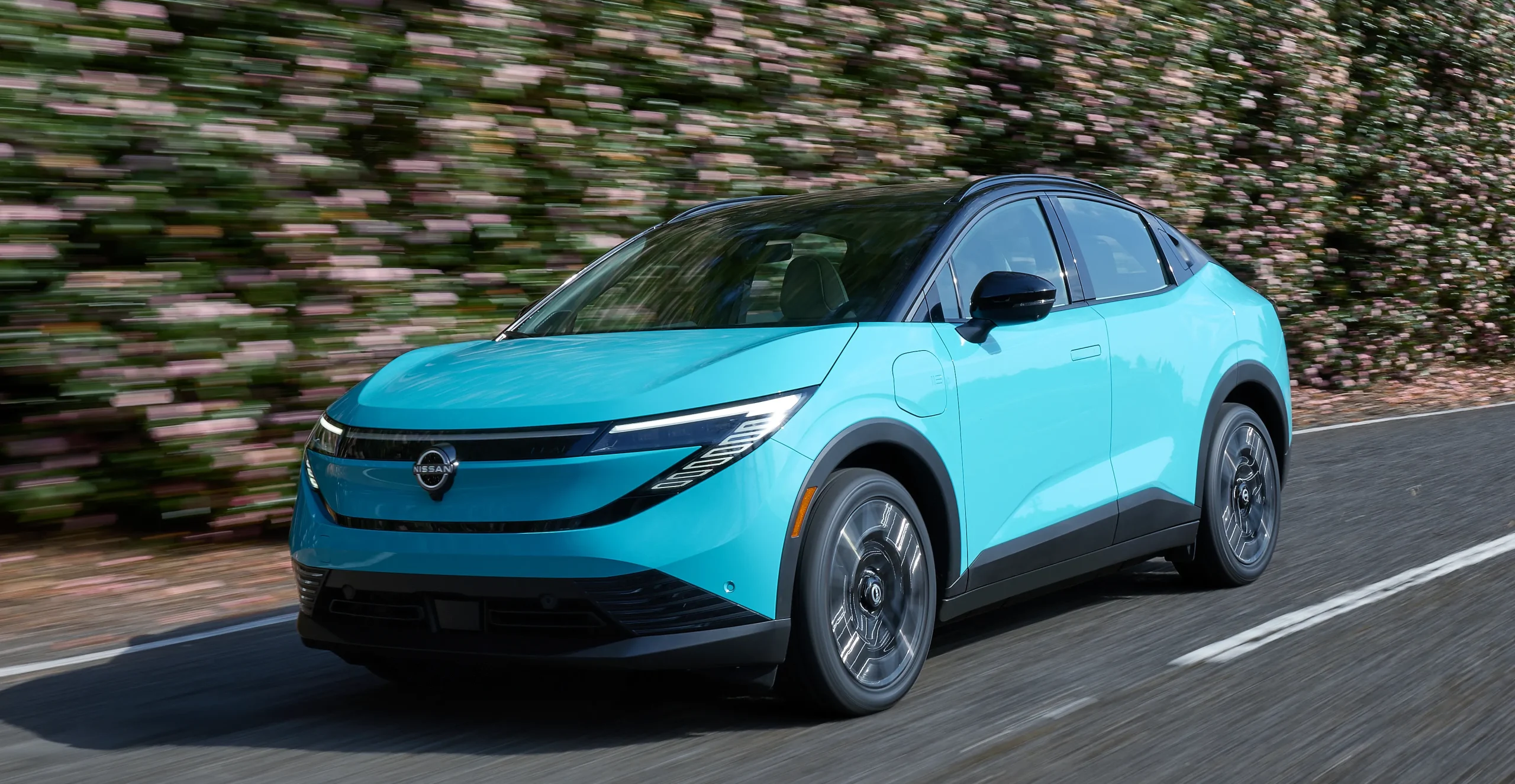
The Nissan Leaf was one of the first mass‑market electric vehicles, and early adopters who believed in EVs still tend to hold on to Leafs. These owners often cite low running costs, few moving parts, and simplicity of drivetrain as major advantages.
Battery degradation has been a concern, but many Leafs have proven resilient, with battery management systems, cooling, and software helping longevity. Even when batteries lose some capacity, loyal owners often accept reduced range as a trade‑off for having an electric vehicle that still works well for daily use.
Because Leafs have fewer major service items than internal combustion cars, no oil changes, fewer fluids, less complex exhaust systems, maintenance tends to be simpler. Owners who pay attention to cooling, battery health, gentle charging, and avoid extremes in temperature often see their Leafs give many years of service without major overhauls.
Many Leafs are still used as second cars, commuter cars, or city cars, so their mileage may be well into the tens of thousands of kilometers annually, but because driving is gentle, wear is often modest.
Interior components, electronics, and software also get attention. Many Leaf owners update infotainment software, repair or replace worn seats, inspect and maintain wiring, and sometimes upgrade tires to more efficient models.
The original styling may not feel exotic, but many value comfort, quietness, and smoothness of driving. AC, heating, charging port, battery charge indicator, owners want them to stay reliable, and many maintain them with care.
Finally, environmental and philosophical commitments foster loyalty. For some owners, owning an EV is not just about cost or convenience, it is about reducing emissions, setting an example, or having a “greener” lifestyle.
They may keep a Leaf longer than they would a gasoline car, even when new EVs with longer range or newer tech become available. Sometimes parts become harder to find, resale value lower, but that sense of mission or alignment with values encourages them to maintain rather than discard or sell prematurely.
Also Read: 10 Motorsports Engines That Proved Reliable in Daily Cars
7. Nissan 370Z
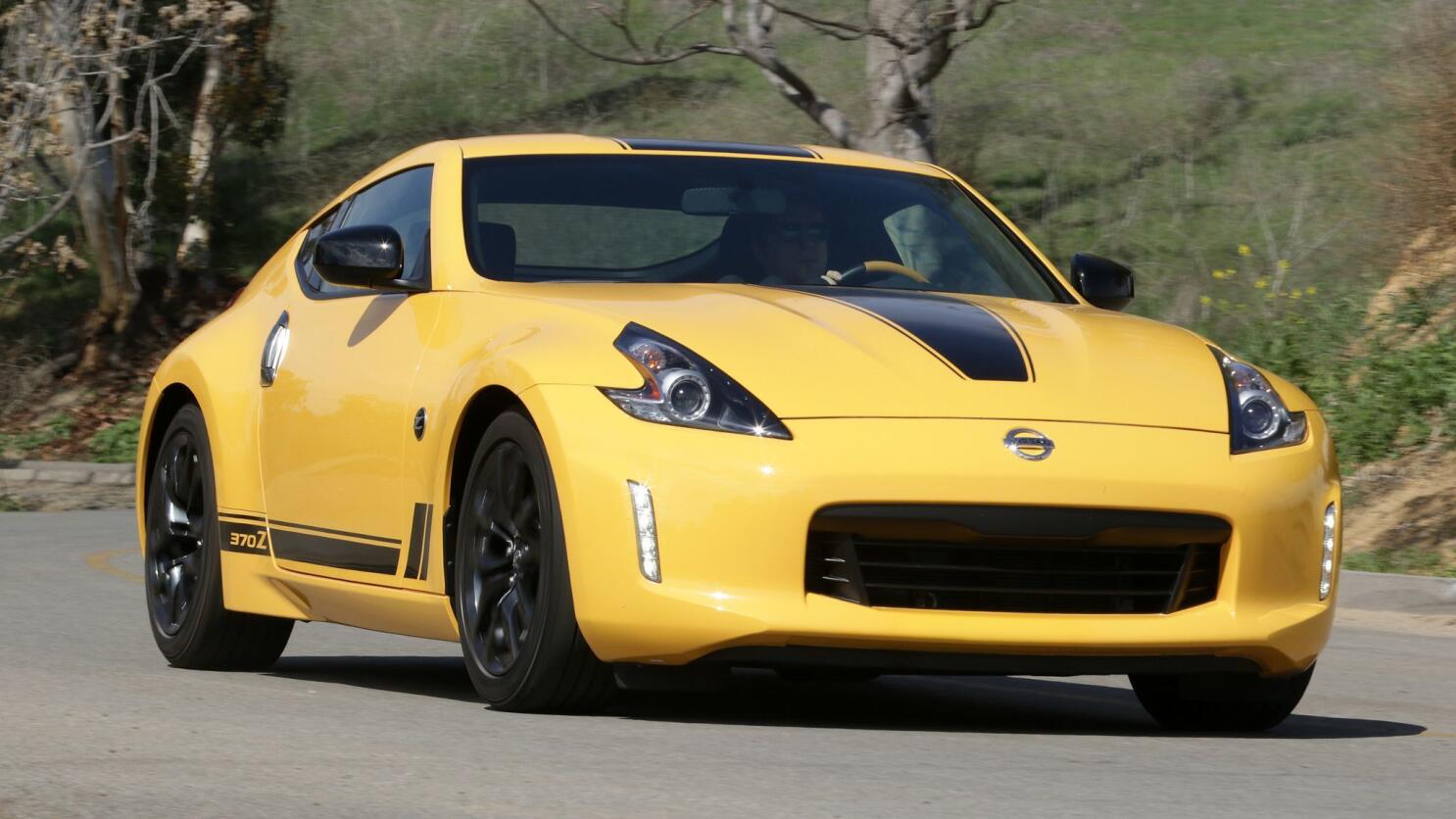
When the 370Z came out, it continued the Z lineage with strong V6 power, sharp handling, a classic sports car silhouette, and a driver‑focused cockpit. Many 370Z owners appreciate that Nissan didn’t overcomplicate the basics: rear‐wheel drive, manual option, good weight distribution, balanced suspension.
Even as newer sports cars include more driver‑assist tech, turbocharging, hybrid systems, many still value the straightforwardness of the 370Z, believing that driving pleasure is less about complexity than connection.
Durability and reliability of the drivetrain make the 370Z a car people can live with. Engine and gearbox failures are relatively rare when owners maintain service intervals, use proper fluids, keep up the cooling system, and avoid abusing components.
The aftermarket is strong: performance exhausts, suspension upgrades, wheels, braking components are widely available. Many owners keep theirs, modify selectively, maintain exhaust systems, avoid rust, preserve interior components, and often enjoy restoring or updating faded or worn pieces.
The aesthetics also matter. The 370Z’s long hood, low roofline, flared wheel arches, distinctive rear lights and taillights create an appealing silhouette. Owners often refurbish faded paint, replace weather sealing, restore trim, polish wheels.
They may even preserve OEM-style audio system, dashboard layout, and seats, to keep the feel of the car true to its original character. Even small design cues become meaningful: how buttons feel, how the steering wheel responds, how interior trim ages.
Driving experience ensures loyalty. The sound of the V6, the feel of shifting through gears, the connection of rear wheels pushing, the steering feedback, these make everyday drives rewarding. For many 370Z owners, spirited drives on winding roads or mountain passes are part of the joy.
As long as the mechanical parts continue to behave, many owners prefer modifying rather than replacing the car with something newer, because the feel of this car remains compelling.
8. Nissan Maxima (Especially 1990s–2000s Models)
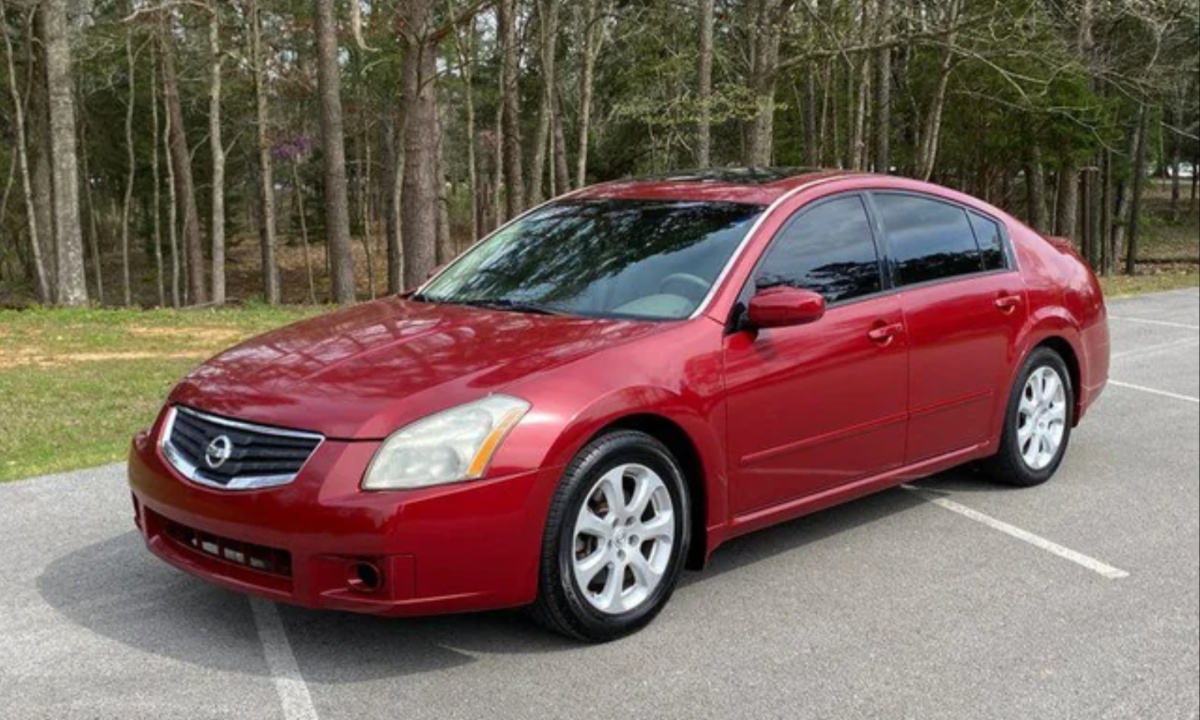
The Maxima has for many years been positioned as a “near‑luxury” large sedan with sporty touches. Owners from the 1990s and 2000s still cling to them because they combine comfort, performance, reliability, and parts availability. The VQ series engines, robust transmissions, and solid chassis make many of these models still dependable. For those who want a roomy sedan but also a satisfying drive, the Maxima of that era often ticks both boxes.
Many loyal owners perform regular maintenance with attention to detail. Engine oil changes, cooling system flushing, transmission service, suspension parts replacement, all are common. Even as body rust or paint fade become issues, many invest in repairing or repainting body work, replacing trim, and restoring interior upholstery.
Because these cars tend to have more interior features than stripped down models, keeping electrical systems, climate control, audio system, power seats and windows functional becomes a priority.
Luxury and comfort features are preserved. Leather seats, wood or faux‑wood accents, sound insulation, padded dashboards, owners often restore or maintain these to prevent squeaks, rattles, or deterioration. The interior ambiance is a factor in loyalty. Many Maxima owners treat the car as a place to be comfortable on longer trips, appreciating ride quality, smoothness, quietness, even when newer cars may have more gadgets or bells and whistles.
Driving feel is another reason. Even though Maximas of that period aren’t sports cars, many have a favorable balance, firm but compliant suspension, decent power from V6 engines, good handling for a large sedan, and predictable braking.
For many owners, they deliver a sense of solidity and weight that feels “safe” as well as responsive. Because these cars often have been with families, they carry memories, road trips, daily routines, milestones, that further reinforce loyalty.
9. Nissan Frontier / Navara / Hardbody
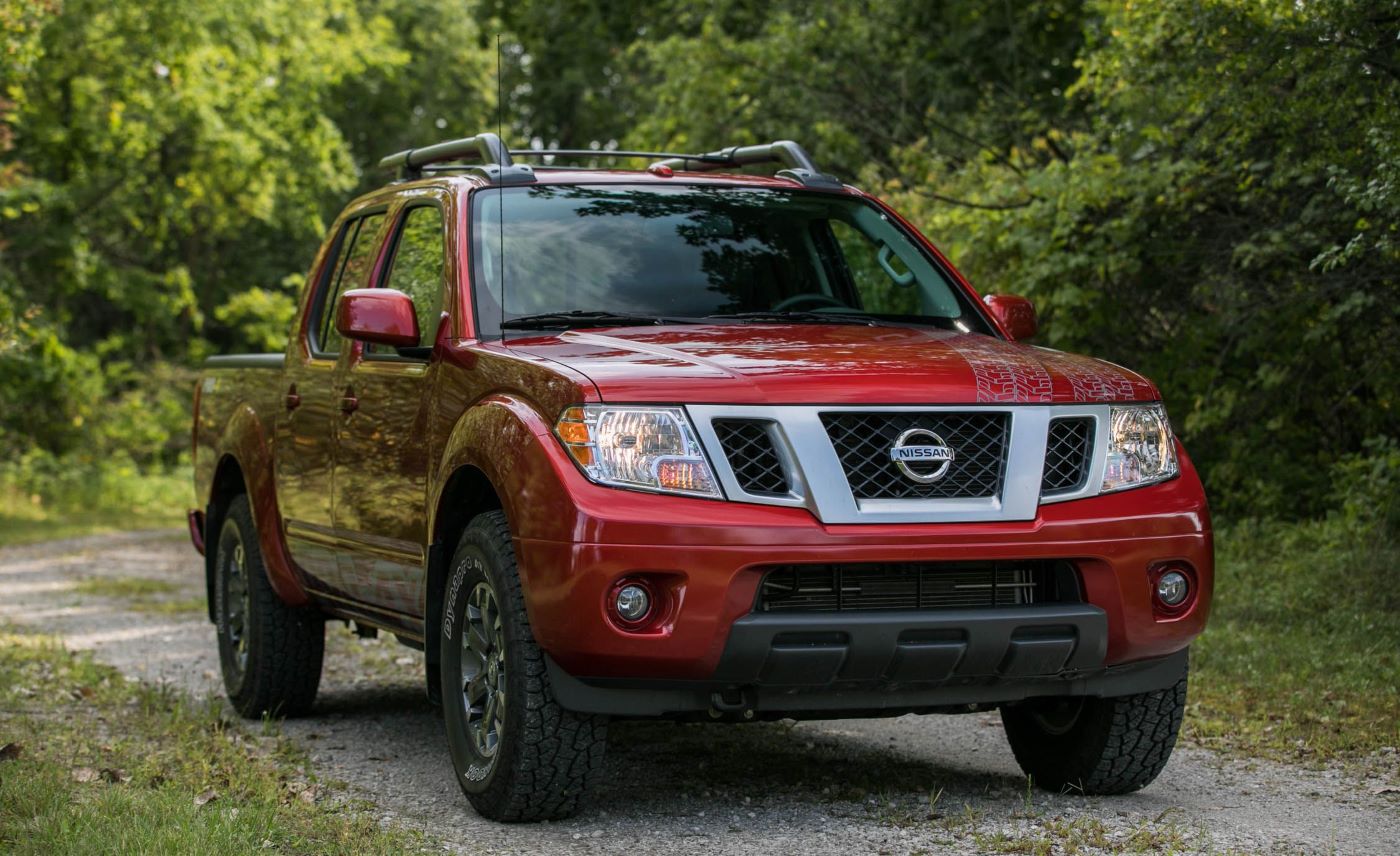
Nissan’s pickup trucks, whether called Frontier, Navara, Hardbody, or others, are still owned by people who trust them for work, off‑road, hauling, towing, or rugged daily use. Loyal owners appreciate that these trucks often deliver toughness: strong ladder frames, simple but durable powertrains, good ground clearance, and long service lives. Many use them for decades, often outliving multiple lighter passenger cars in their households.
Maintenance of these trucks tends to be pragmatic. When parts fail, owners find replacements; suspension components, differential parts, bed components, body panels, they are often built more ruggedly than on light passenger cars.
Many owners do their own maintenance: changing oils, rebuilding brakes, replacing U‑joints, fixing body rust or frame corrosion. Because many trucks are tools as well as vehicles, owners accept wear and tear but also invest where needed to keep them functional.
Aftermarket and accessory support is strong. Owners often add off‑road kits, lift kits, aftermarket bumpers, bed liners, newer lighting, and winches. Interior modifications may include upgraded audio systems, seat covers, better sound insulation. Even when trucks are older and battered, many owners refurbish, repaint, fix interiors. Some choose to preserve original condition; others simply focus on utility. Either way, the relationship between truck and owner is often long-term.
Utility is the core of loyalty. For many owners, the Frontier or Navara or Hardbody is not about speed or style, it is about capability. Whether carrying heavy loads, towing trailers, navigating rough roads, or being reliable in harsh conditions, these trucks often prove their worth.
When the cost of ownership per mile remains reasonable, and when mechanical failures are fewer than expected replacements, owners tend to stay with what works rather than replace with something flashy.
10. Nissan Sentra (Older Generations)
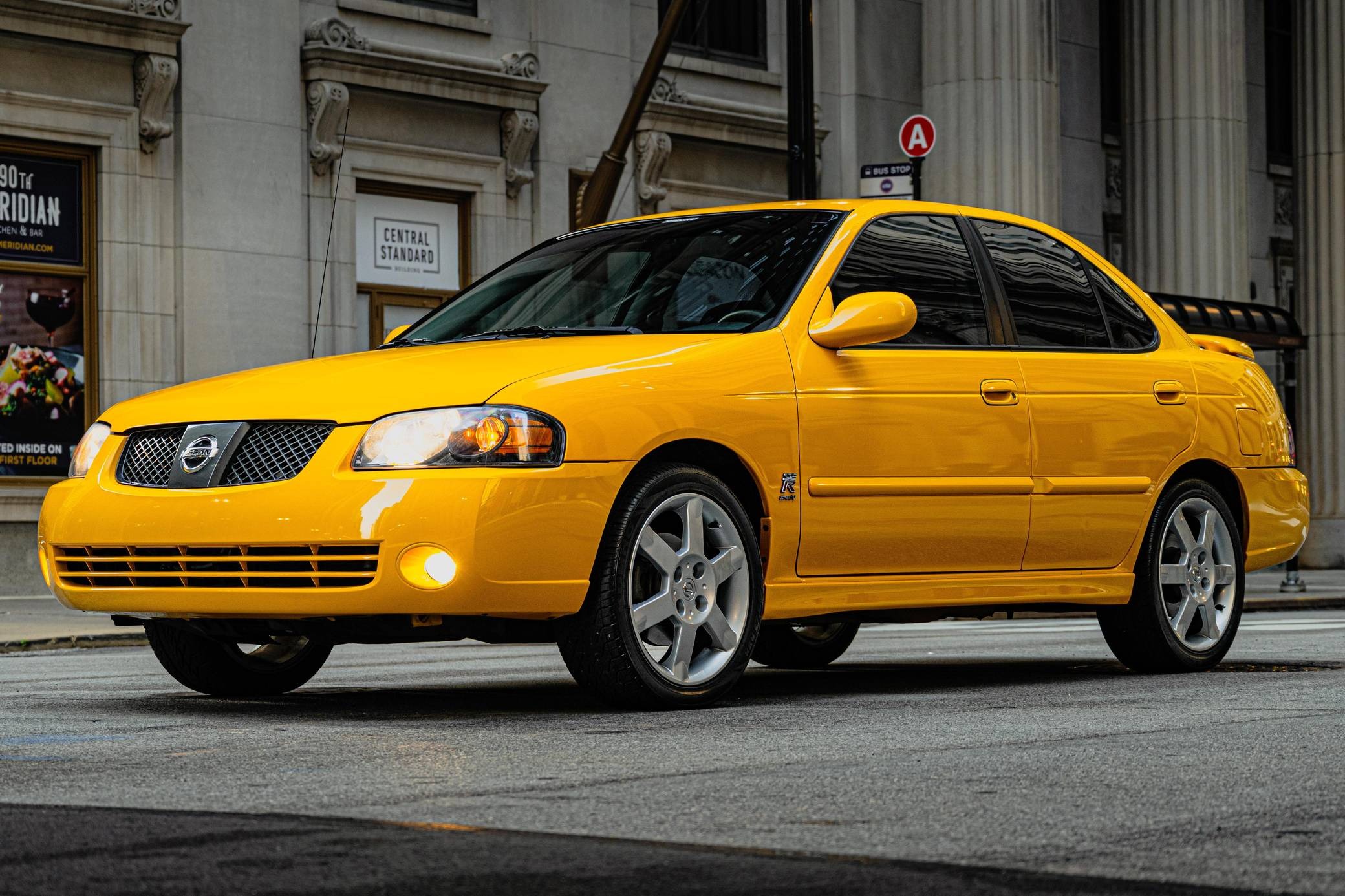
Nissan Sentra in its older generations, say mid‑1990s to mid‑2000s models, though in many markets even newer ones, has a following of owners who cherish them for affordability, simplicity, reliability, and ease of service.
These Sentras may lack the prestige or performance of sport Nissans, but they tend to be honest workhorses with competent engines, good fuel economy, and fairly modest maintenance requirements. Owners may drive them for many years through city traffic, suburban roads, even highway duties.
Part of the loyalty comes from low cost of parts and easy access to service. Because so many were produced, many mechanics know them well. Replacement parts, filters, belts, brakes, suspension bits, are often reasonable in price, easy to find. Owners often handle maintenance themselves or have trusted local shops. Economies of scale in parts and servicing help maintain these cars for long stretches.
Comfort and utility matter. Older Sentras may not have the refined interiors of luxury sedans, but many have plush enough seats, decent sound insulation, functional air conditioning, windows, radios.
For owners who do daily commuting, errands, family duties, the Sentra’s size, economy, and reliability provide solid value. Owners often refurbish interiors: reupholster seats, replace trim, maintain carpeting, restore dashboards so that the car remains pleasant even after high mileage.
Driving experience is modest but satisfying. The engines may not be high‑power, the handling may be tuned for comfort, not sport, but owners appreciate predictability, mechanical honesty, and fuel efficiency. When a car starts easily, runs cleanly, and surprises one with few breakdowns, loyalty builds. Many Sentra owners relate stories of cars with 200,000 or more miles still in daily use, surviving weather, traffic, and wear because of simple design and consistent care.
11. Nissan Pathfinder / Xterra (Older Generations)
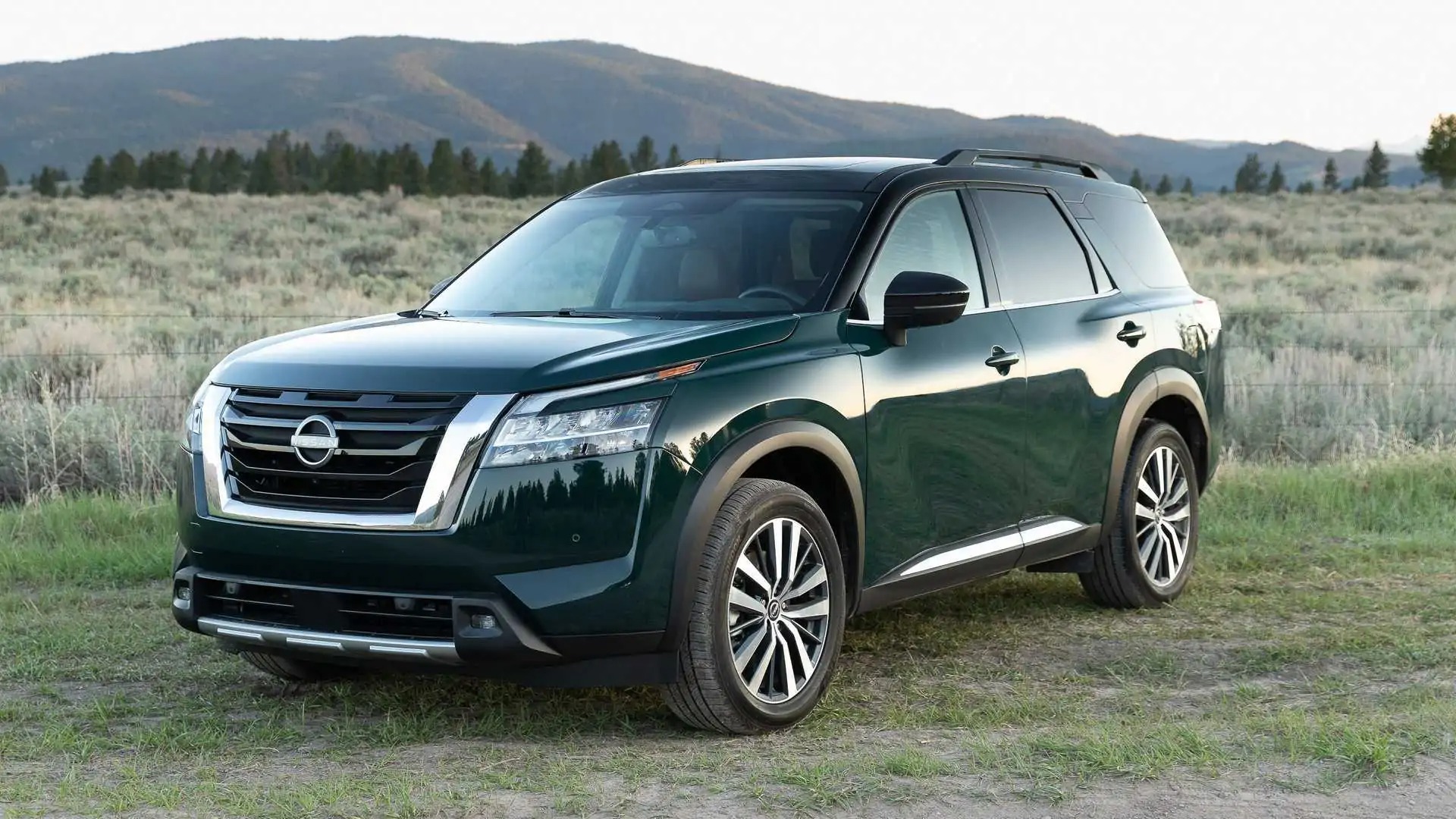
Nissan used to build solid SUVs that could do both daily duty and off‑road work. Older Pathfinders and Xterras remain with loyal owners because of their ruggedness: body‑on‑frame (or strong unibody versions with good off‑road credentials), strong 4WD systems, good engines and gearboxes, and utility.
When someone needs a vehicle that can carry family and gear, pull trailers, go camping, or cross rough terrain, these models often perform well. Their owners often keep them up for many years.
Maintenance is key. 4WD systems need servicing, axle oils, transfer case maintenance, and differential upkeep. Many owners attend to these with vigor; they replace worn parts, upgrade components where necessary, ensure suspension and steering components remain solid.
Because many of these SUVs see harsh use, off‑road, weather, carrying heavy loads, the more attention given, the longer they last. Loyal owners take pride in keeping original parts where possible, but also in upgrading for reliability.
Interior and comfort aspects are also preserved. Seats, dashboard, climate control systems, utilities like roof racks or towing hitches are maintained, repaired, and replaced. Even when cosmetic wear is present, many owners restore upholstery, fix water leaks, replace or refurbish trim and body seals. A Pathfinder or Xterra with interior that still feels usable and comfortable is often more prized than one simply shiny outside.
The off‑road and adventure culture solidifies loyalty. Many owners go on camping, overlanding, trail rides, beach trips, where the vehicle is tested. Strong chassis, good approach and departure angles, aftermarket accessories for protection or capability, you see many older Pathfinders and Xterras with skid plates, winches, lifted suspensions, larger tires.
Owners share stories of unforgiving trails survived, remote places reached, gear hauled. That sense of utility plus adventure makes them keepers rather than disposable vehicles.
12. Nissan 300 / 200SX (Earlier Models) / Classic Coupes
Earlier Nissan or Datsun coupes, including models like the 200SX, 200Z, early‑generation 300s, and similar classic coupes, attract a special kind of loyalty. Owners of these cars often have preserved them through decades because they represent milestones in design and motoring that newer vehicles seldom replicate.
Simple engines (often inline‑six or naturally aspirated V6), basic electronics, manual transmissions, relatively lightweight, all these features make restoration feasible and enjoyable.
Restorations are common and often meticulous. Bodywork gets attention: rust removal, repainting, panel alignment. Interiors are restored: seats reupholstered, carpets replaced, trim refitted or reproduced.
Mechanical components, engines, gearboxes, and fueling systems may be refreshed, rebuilt, or replaced with period‑correct parts. Owners often go to great lengths to source original badges, wheels, and decals. Because many of these classic Nissan coupes are rare, preserving originality adds both emotional and often financial value.
Driving them often gives a different kind of satisfaction. Without the insulation, without the thick layers of technology and electronics, these classics make more mechanical noise, feel every small bump, and connect the driver directly with the road. The steering, throttle response, gears, and sometimes even cooling systems all become part of the experience. Many owners will trade speed or convenience for that sense of immediacy and involvement.
Finally, these classics form communities. Shows, meets, restoration clubs, online forums. Owners swap knowledge on wiring, carburettors, body repair, and sourcing rare parts. They share stories of quirks, how to stop rattles, how to deal with old engine mounts, and how to make the body rigid.
They often keep their cars running not because they must, but because they want to, because the car reminds them of youth, of pioneering design, of personal history. That personal connection often outweighs any newer option, making these models sustained favorites among Nissan faithful.
