
As the automotive world shifts toward cleaner energy and greater efficiency, hybrid vehicles have gained acceptance as practical companions for everyday life. They combine the convenience of internal combustion with the responsiveness of electric power so they reduce fuel costs while producing fewer emissions.
Some hybrids are designed robustly enough to rival traditional gasoline-only cars in terms of longevity, reliability, and resale value. What follows is an examination of ten hybrid models that show strong potential to outperform many gas engine alternatives in lifespan and durability.
These models offer more than temporary benefits; they offer long-term worth that appeals not only to the pragmatic driver but also to those who want peace of mind in repair costs, parts availability, and maintenance schedules.
The idea is not simply that hybrids save fuel but that certain hybrid systems are engineered in such a way that wear and component stress are minimized, parts are overbuilt, and software controls smooth transitions between power sources so that mechanical stress is less severe than in many conventional cars.
Battery cooling, regenerative braking, efficient thermal management, and modular design can all contribute to a hybrid’s ability to persist well past the hundred thousand-mile mark if well maintained.
Drivers who choose models from manufacturers with strong support networks tend to benefit even more. When a model has been proven over multiple generations, that adds confidence that design lessons have rolled forward to newer versions.
In the evaluations that follow it is assumed that routine maintenance will be carried out, that the driver avoids aggressive driving when cold, that charging infrastructure or plug in options are used if applicable, and that replacement parts such as battery packs remain available.
Hybrid vehicles vary in their architectures: full hybrids, mild hybrids, plug in hybrids. Each of those architectures has trade offs.
Some hybrids lean heavily on battery and electric motors to reduce dependency on the gas engine; others use the electric assist to reduce strain on mechanical parts so the gas engine has less wear.
The models listed after careful comparison of known reliability, durability, brand reputation, design philosophy, and feedback from long term owner experience. Each of the ten hybrids below is likely to last longer, with fewer major repairs, than many gas rivals of similar class and price.
Also Read: 10 Plug-In Hybrids That Rarely Have Issues
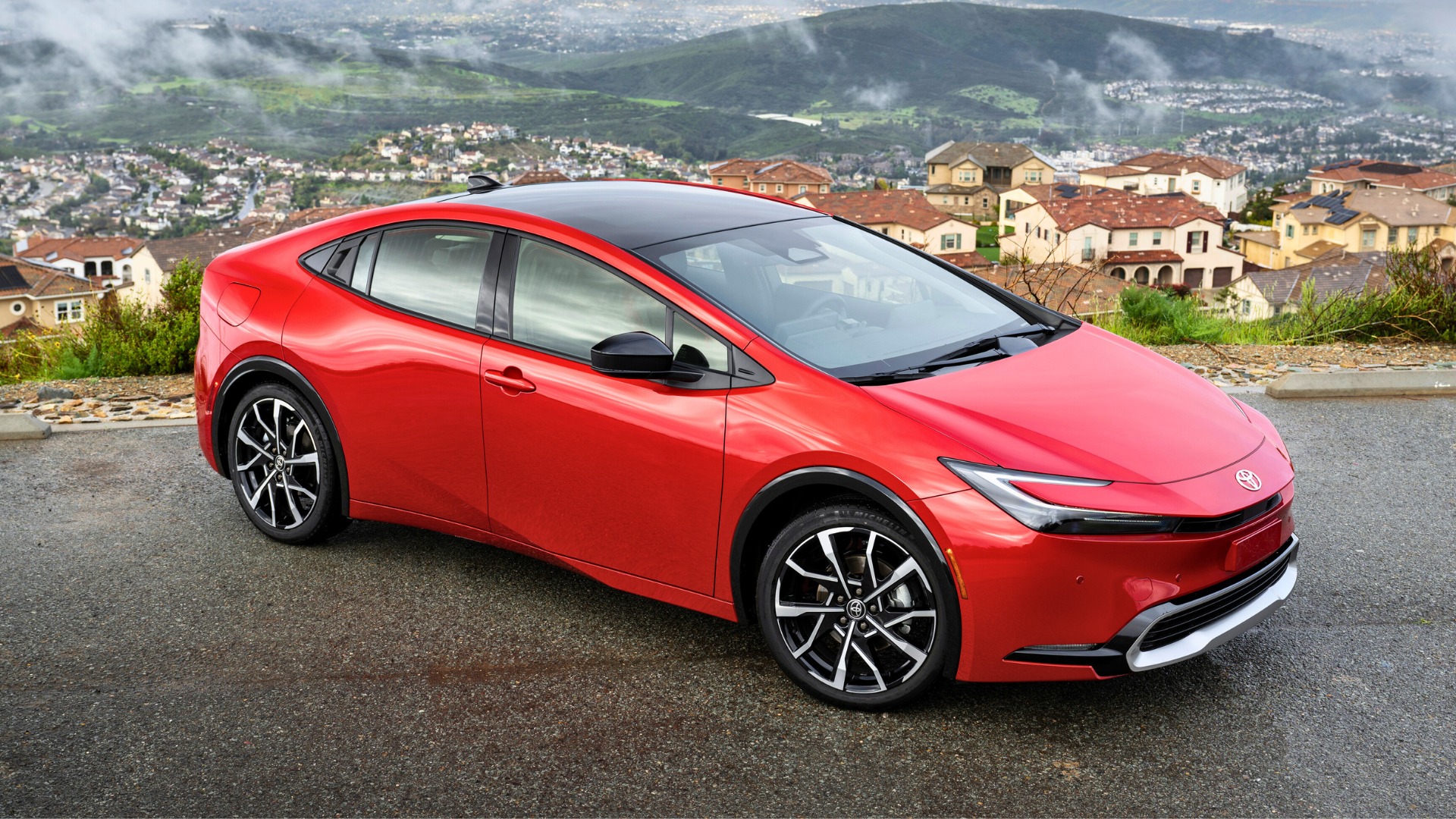
1. Toyota Prius (Hybrid)
Toyota has built its Prius line with a strong reputation for reliability and long life. Early versions of the Prius earned praise for engine and battery systems that often justify keeping the car in service well past 200,000 miles.
Its hybrid synergy drive pairs a continuously variable transmission with electric motor assist in such a way that the gas engine operates in its sweet spot much of the time. That reduces stress, reduces fuel consumption, and limits mechanical wear.
Battery systems in the Prius are designed for longevity. Toyota has used nickel-metal hydride and more recently lithium-ion cells with engineered cooling and monitoring systems. The hybrid control unit tends to reduce peak loads on both motor and engine.
Because of the conservative tuning, abrupt throttle response is softened by software so components like planetary gear sets and power control units operate under less mechanical shock. Spare parts are widely available and the repair network is extensive which helps when battery modules or electric motor brushes need service after many years.
Fuel savings are substantial, which means lower running cost, which may indirectly contribute to better maintenance compliance. Owners often report that as long as oil changes, brake fluid changes, cooling and hybrid system checks are performed, the car continues to perform acceptably.
Also, regenerative braking reduces wear on brake pads and rotors, which are common wear items on gas only cars. That means fewer replacements over time and lower cost of upkeep.
Because Toyota has iterated over multiple generations, each generation benefits from prior experience. Software controller improvements, better battery chemistry, improved thermal management, and lighter materials all contribute to reduced stress on critical components.
Add to that a strong resale value, good parts availability everywhere, and a large user base that demands durability. These factors make the Prius one of the strongest candidates among hybrids to outlast many gas engine competitors in its class.
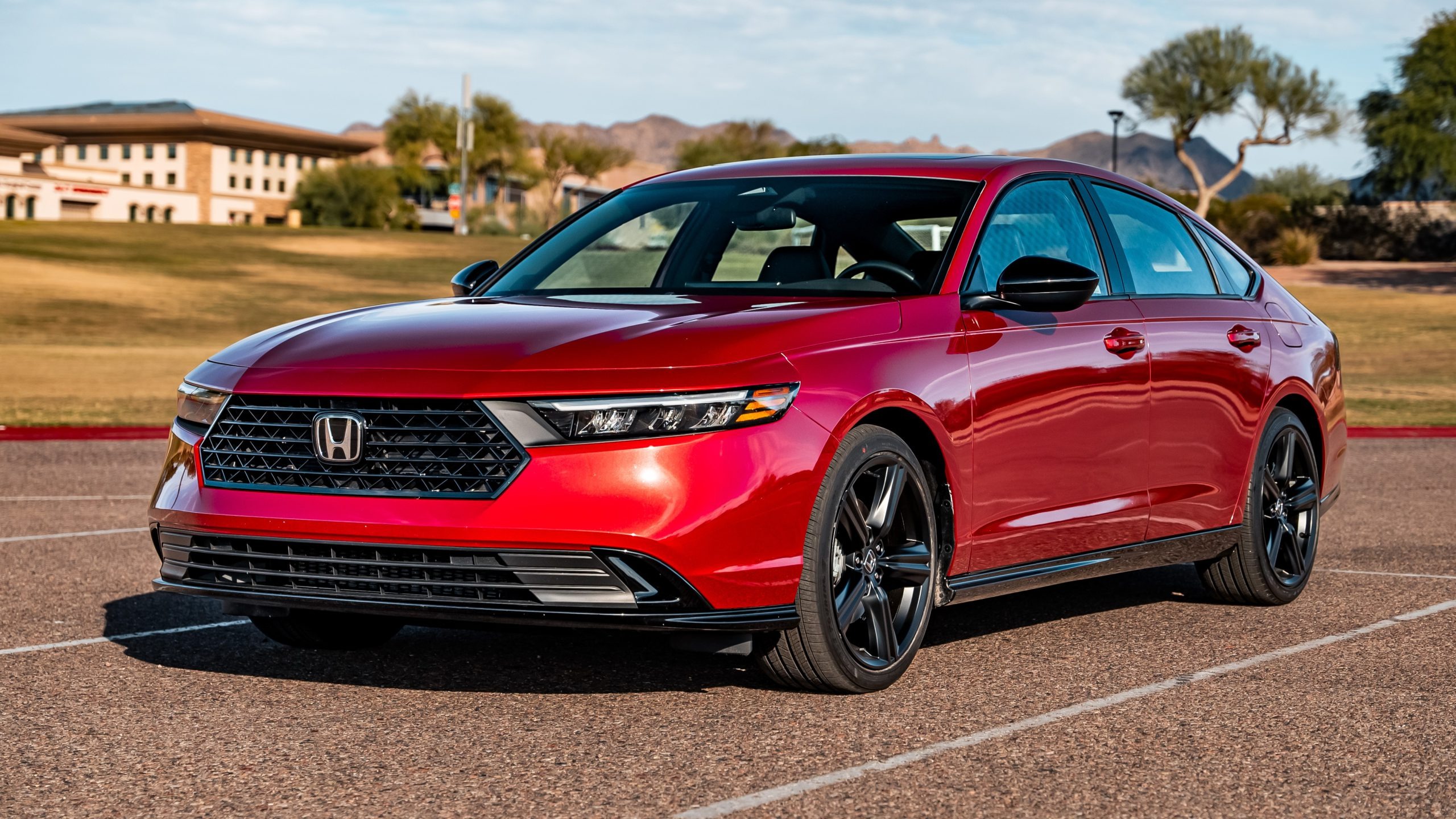
2. Honda Accord Hybrid
Honda has earned its reputation through engineering that emphasizes balance between performance and durability. The Accord Hybrid model benefits from that heritage by using a hybrid system that allows the gas engine to work at high efficiency rather than in rush hour stop-start conditions, where wear can be high. The design reduces heat and friction in the gas engine, often one of the first sources of expensive maintenance in gasoline cars as mileage increases.
The hybrid components in the Accord are robust. Electric motors are built with insulation and winding techniques meant to resist thermal degradation. The battery pack is often liquid cooled or thermally managed so that it survives heat exposure under heavy use or in hot climates.
Cooling systems ensure that both battery and motor sustain performance over long periods. Honda’s transmission and power electronics are engineered to avoid abrupt torque spikes. Those features reduce stress and improve part life.
Owners generally report that with proper service intervals being respected, including oil, spark plugs, air filters, and hybrid system checks, the Accord Hybrid continues to perform well beyond 150,000 miles without major engine or battery failure. Brakes benefit from regenerative braking so wear is less severe.
Because the gas engine is used less aggressively and only when needed, mechanical parts like pistons, valves, and valve seats often outlive those in more often stressed conventional gasoline engines.
Parts availability is strong globally for Honda. The resale value remains good. Service technicians are familiar with hybrid systems on Honda products, having seen them for many years. Software updates and recalls tend to improve durability rather than being simply remedial. All these factors combine to give the Accord Hybrid a strong chance of lasting longer than many conventional gasoline sedans in its category.
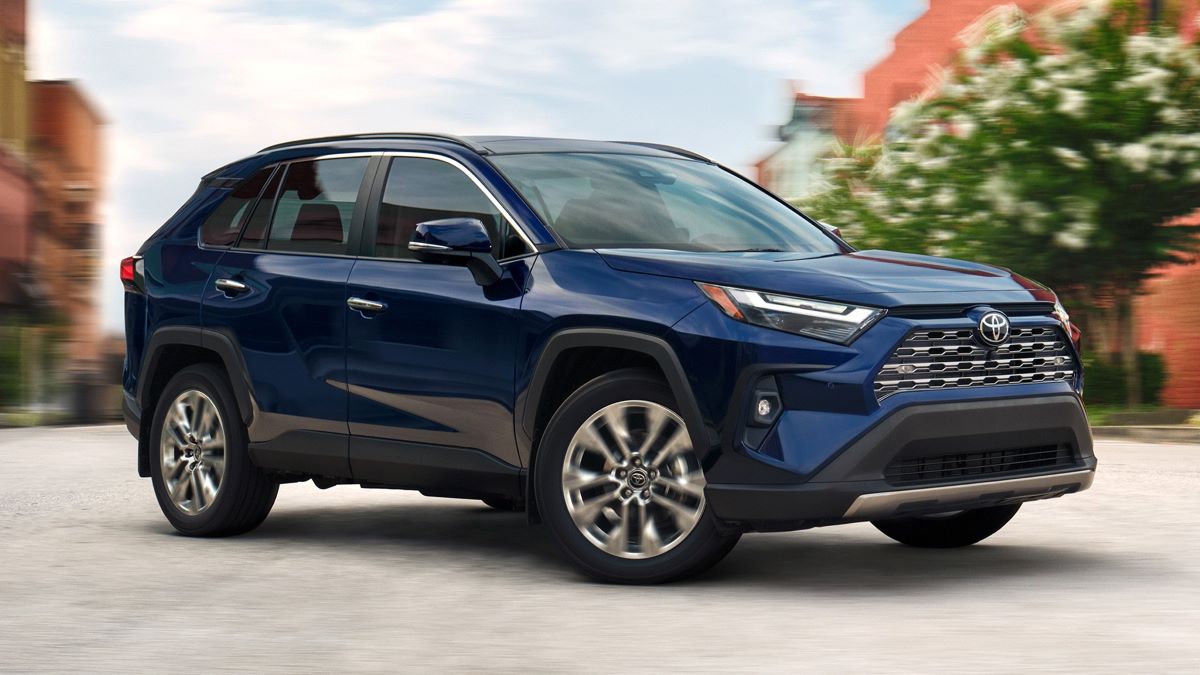
3. Toyota RAV4 Hybrid
Strong performance in mixed driving makes the RAV4 Hybrid a good candidate for long term durability. In suburban, highway, and light off-road conditions it adapts well. The hybrid system helps by letting electric motors assist during acceleration and reducing engine load during stop-and-go. As a result the internal combustion engine operates less often under full throttle or lugging, which are common causes of early wear in gas-only vehicles.
The chassis and drivetrain are built with ruggedness in mind. Toyota has included reinforced mounts, durable cooling systems, and redundant safety features for the hybrid battery. Placement of the battery pack in a protected area reduces risk of damage or heat exposure. The electric motors are sealed to resist moisture and dust in accordance with off-road capable vehicles, which helps in maintaining performance under challenging conditions.
Owners report the RAV4 Hybrid maintains high resale value, strong fuel economy, and lower maintenance costs over time compared with similar gas SUVs. Reliability for transmission, engine, electric motor, and battery pack tends to be high.
Regular maintenance like fluid changes, filter replacement, cooling system flushes and checking the hybrid control unit leads to low incidence of major repair. The brakes experience less wear thanks to regenerative braking which lightens the load during decelerations.
Toyota dealer networks provide parts, expertise, and warranty coverage which help support long life. Model iterations have improved battery durability, software control, and thermal insulation. These improvements reduce failure rates in electronics, motor bearings and battery modules.
Over time the combination of well known gas engine parts, strong build, and supporting service infrastructure make this hybrid highly likely to outlive many gas engine rivals in the SUV segment.
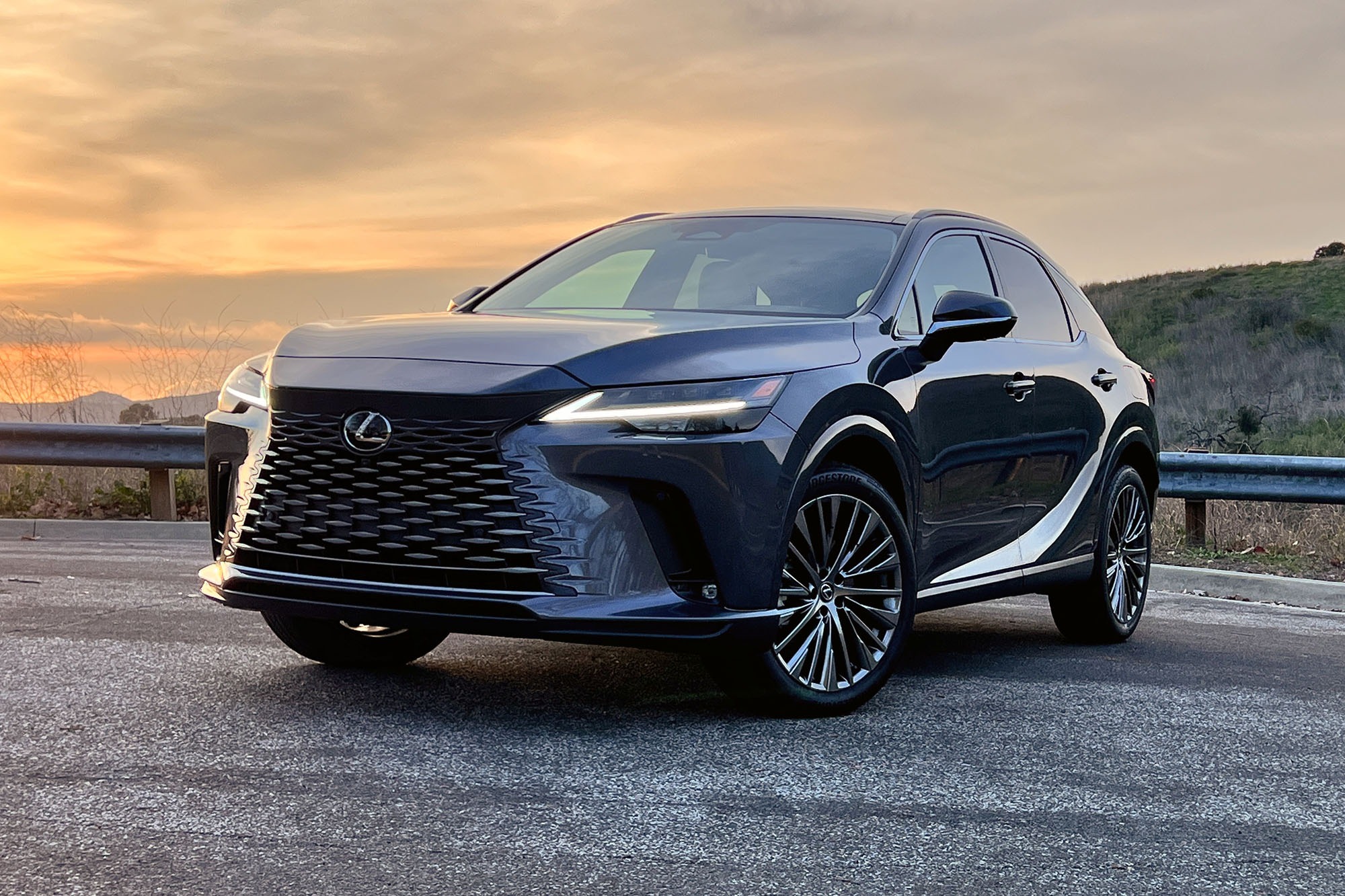
4. Lexus RX Hybrid
Lexus hybrids are designed to combine luxury with durability. The RX Hybrid benefits from careful materials selection, sound insulation, and well tested hybrid powertrains.
The experience of Lexus in hybridization shows through in engine calibration that avoids pushing parts past safe thermal or mechanical limits. The gas engine is tuned to work efficiently rather than aggressively, which helps reduce wear on pistons, valves, and bearings.
The battery pack is well insulated, monitored by smart management systems that check cell balance, temperature, and charging behavior. Electric motors are engineered to begin assist early so that the gas engine has fewer torque surges. This design element tends to preserve mechanical linkages, the transmission, and drivetrain components that would otherwise see stress.
Since many luxury vehicles are driven enthusiastically, this smoothing helps maintain long term reliability even for those who are not gentle drivers.
Interior systems, chassis, and suspensions are built to last. Lexus is known for strong build quality, good sealing, corrosion resistance, and careful attention to prevent water or salt ingress.
Those matter for durability because rust, road grime, and moisture can degrade electrical connections, battery cooling, and structural parts. Lexus tends to use quality lubricants, robust wiring, and durable sealants, which adds years of reliable service for hybrids.
Support from dealer network, parts availability, and resale value tends to be above average. Because Lexus is part of Toyota family, many hybrid components share parts or design philosophy with models known for longevity. Owners of RX Hybrid often report trouble free service up to high mileage when maintenance is kept up to date. The combination of premium build, proven hybrid systems, and good support makes the RX Hybrid a model that can outlast many gasoline-powered luxury SUVs.
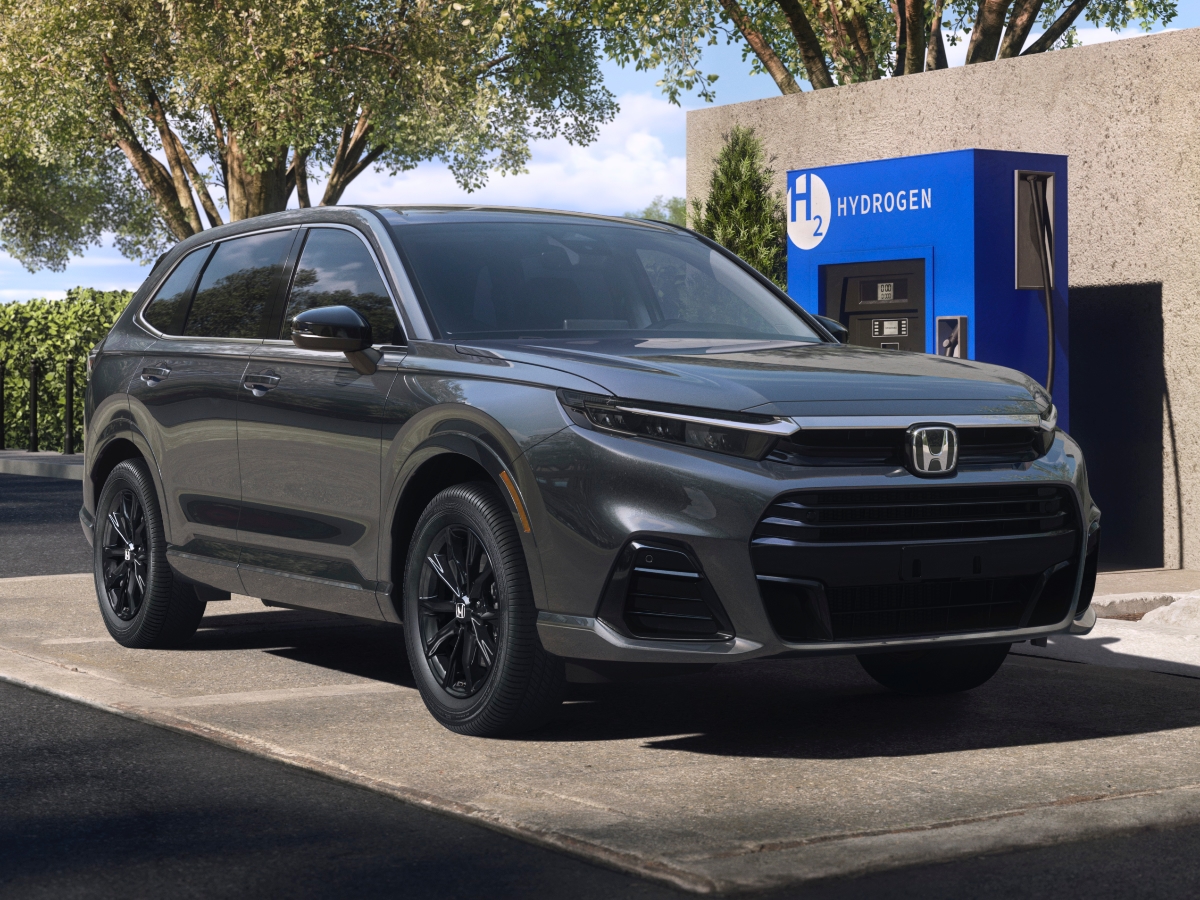
5. Honda CR-V Hybrid
The CR-V Hybrid combines utility with longevity. It is a compact SUV that many drivers choose for family use, daily commutes, long trips. Its hybrid system lightens the load typically placed on the gasoline engine by providing electric motor assist in acceleration and low speed conditions. That reduces stress on oil, spark plugs, cylinders, and catalytic converters.
Manufacturers have paid attention to battery placement and cooling in the CR-V Hybrid. Ventilation for battery packs, thermal insulation, and redundant sensors help avoid overheating. Electric motors and power electronics are sealed against moisture and dust which matter particularly in areas with harsh weather or rough roads. Transmission components are designed to handle frequent shifts from electric to gas power without jerks, reducing clutch or gear wear.
Owners frequently point out that the braking system lasts longer than on conventional gas only CR-Vs because of regenerative braking taking up much of the deceleration load.
That means less friction wear on pads and discs. In more demanding driving conditions, such as hills or stop and go traffic, the electric assist saves the gas engine from working hard under load. As a result mechanical stress is lower and many of the components related to gas engine wear tend to last longer.
Service networks for Honda are strong. Replacement parts are accessible. Hybrid system diagnostics are common at many service centers. Because hybrid versions share many components with gas versions, costs of repair are often lower.
Regular maintenance schedules that include cooling, battery checks, oil, filters pay off well in lifespan. The CR-V Hybrid is likely to endure better than many similar gasoline SUVs if looked after properly.
Also Read: 10 Motorsports Engines That Proved Reliable in Daily Cars
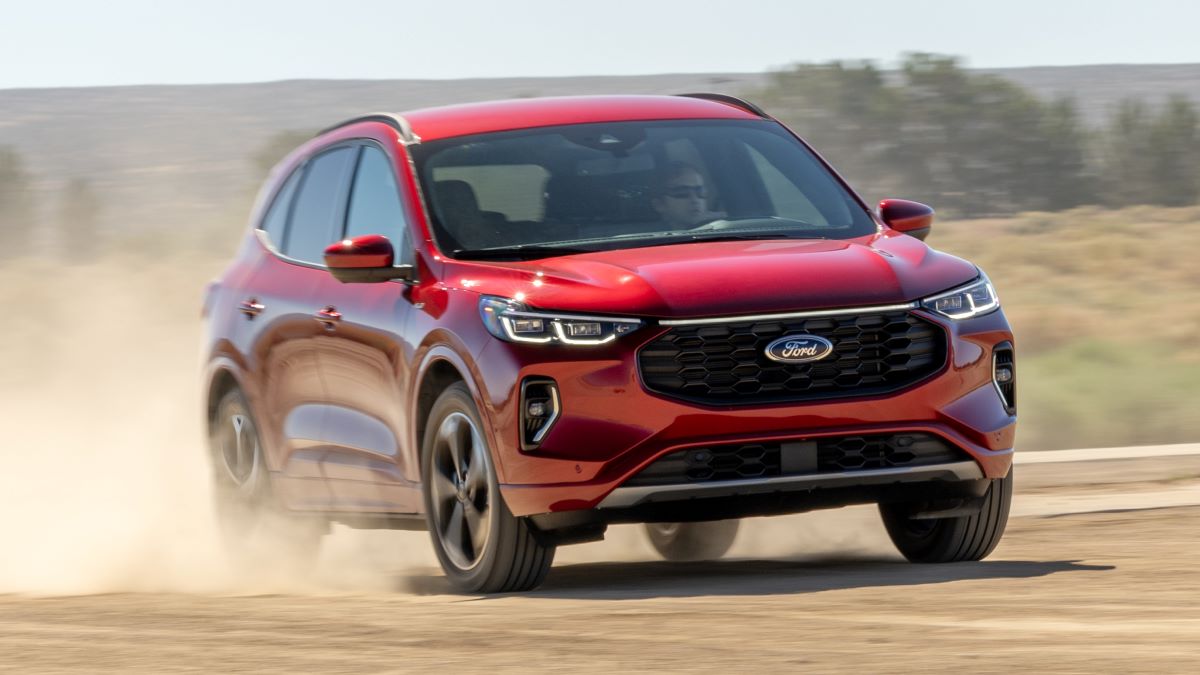
6. Ford Escape Hybrid
Ford has invested considerable effort in refining its hybrid systems. The Escape Hybrid uses electric motors to offset much of the idling and low speed inefficiency that gasoline engines suffer. In city driving and moderate highway use much of the acceleration can be supplied by electric torque, lightening the load on mechanical components.
Cooling of battery, electric motor, and power electronics is managed with multiple sensors and thermal paths. Design builds in spillover safety for heat generated during heavy use, for instance during towing or steep climbs. The gas engine operates in ranges where it is more efficient and less stressed. These engineering choices reduce rates of sudden failure or major component stress.
Owners note that the Escape Hybrid holds up well over time, especially if oil changes, hybrid system inspections, and cooling system checks are maintained as per schedule. Brakes show reduced wear due to electric regeneration during deceleration.
Transmission or continuously variable transmission units tend to avoid harsh shifts because software smooths transitions between electric and gas drive modes. That soft shift behavior reduces wear at the gearbox and drivetrain mount points.
Ford’s service support and parts availability are good in many markets. Because hybrids tend to share many components with their gas siblings many repair parts are standardized.
Also, over the model years, improvements have been made in battery chemistry, inverter durability, and motor insulation. These improvements increase the odds that an Escape Hybrid kept in good condition will outlast many gasoline SUV rivals.
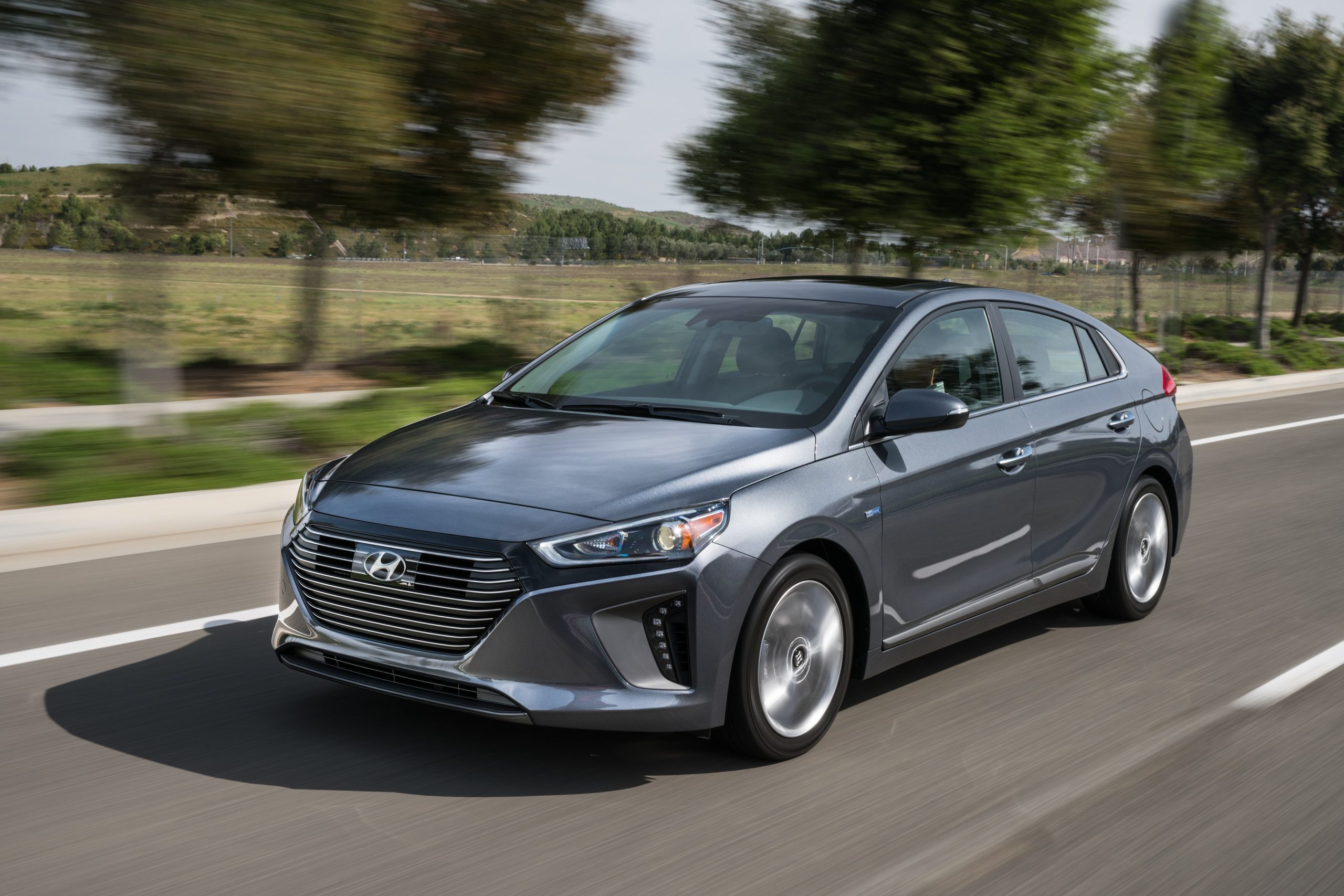
7. Hyundai Ioniq Hybrid
Hyundai’s Ioniq Hybrid seeks efficiency and minimal mechanical complexity. Its hybrid design tends to place less reliance on heavy transmission wear by optimizing electric motor assist and using a relatively simple gear train. That lower mechanical complexity often means fewer points of failure when compared with gasoline cars that use more complicated turbocharging or forced induction systems.
Battery packs are thermally managed with care. There are sensors to monitor health, cell balancing, cooling systems that avoid hotspots and overcharging or deep discharging beyond safe limits. Electric motors in the Ioniq are built with cooling circuits and protective housings. Because the car is engineered for efficiency rather than brute force, driver behavior matters but the hardware tends to cope well with moderate long-term stress.
Owners commonly report that Ioniq hybrids retain good fuel economy over time, maintain low repair costs for typical wear items, and resist serious mechanical failures. Electric assist reduces strain on the gas engine especially in traffic.
Also braking wear is reduced significantly, because electric regeneration handles much of deceleration. Oil and filter maintenance, air filters, coolant flushes when needed, all contribute to lower risk of engine damage.
Parts availability for Hyundai globally is improving. Warranty coverage for hybrid components tends to be competitive. Model updates often bring incremental improvements in battery durability, motor bearings, improved cooling designs. Those improvements tend to trickle down to later vehicles.
The combination of fewer complicated systems, efficient design, and well built hybrid components give the Ioniq Hybrid a strong chance to outlast many gasoline reliant compact sedans.
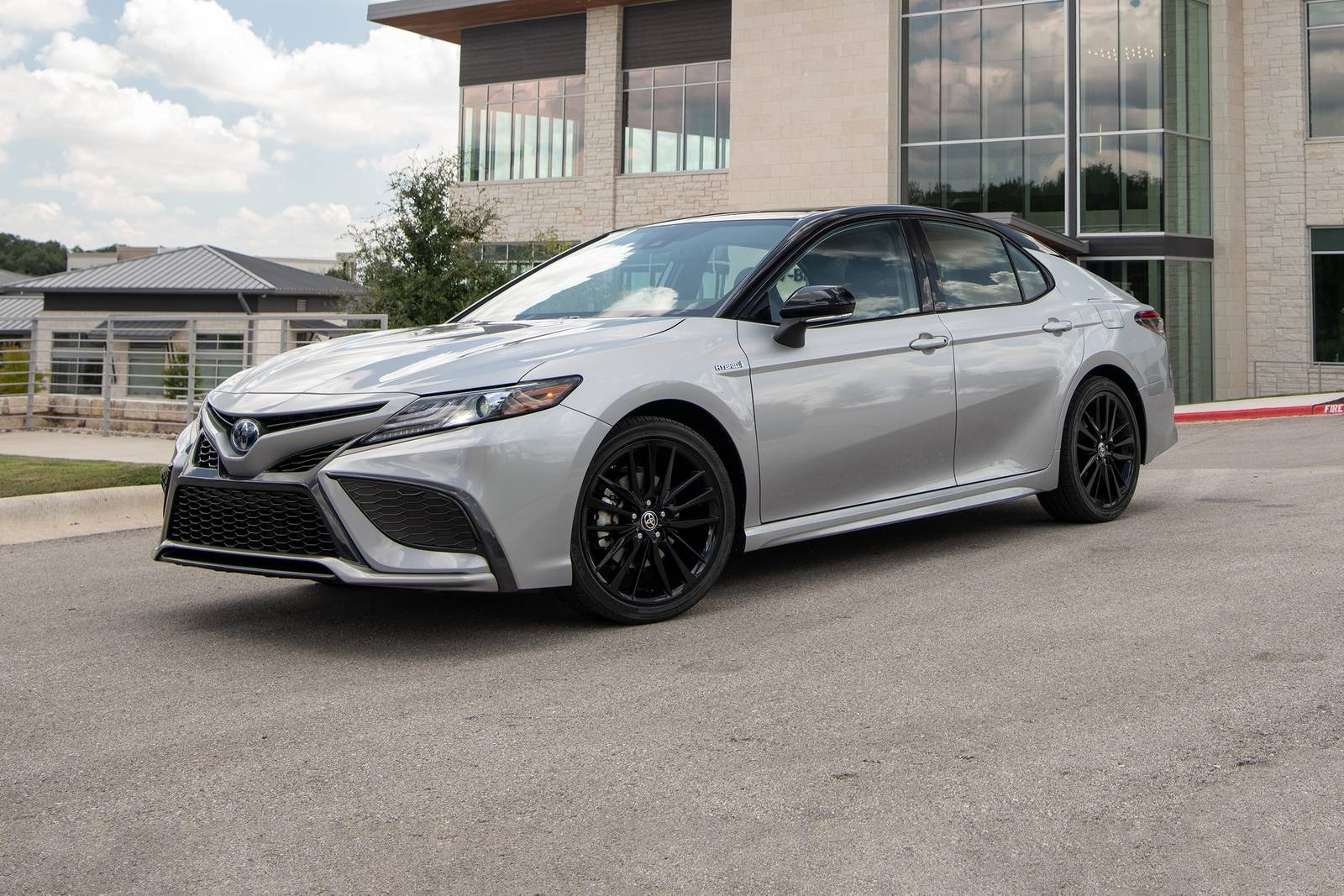
8. Toyota Camry Hybrid
The Camry has long been noted for its durability under harsh driving conditions. The hybrid version retains much of the same engine block architecture, transmission durability, and structural integrity. The hybrid arrangement reduces gas engine hours by allowing electric assist during idle, low speed, and stop and go conditions. That means less wear on engine startup cycles, less heat build up, less vibration stress.
Battery and motor systems are backed by good thermal control. The hybrid control electronics monitor battery cell balance, temperature, and usage patterns. Electrical connections are sealed, and motor mounts are reinforced to reduce vibration fatigue. Because Camry has been offered in hybrid form for many years, Toyota has had opportunity to refine the system to reduce common failure points in earlier models.
Owners often mention that Camry Hybrid models continue running smoothly well beyond 200,000 miles with only typical wear and tear costs. Spark plugs, belts, hoses, and fluid changes often become the main maintenance items rather than engine overhauls or transmission replacement.
Brake pads last longer thanks to regenerative braking. The interior and chassis, being well built, resist rust, wear, and corrosion in many climates.
Strong dealer support, broad parts networks, and good resale value make the Camry Hybrid a strong buy from long term perspective. Toyota’s reputation for making parts available and for honoring durability in warranty programs helps. Because many parts are shared with the gasoline version, repair shops are familiar with replacing components. All of that contributes to making Camry Hybrid a model that is likely to remain reliable longer than many conventional gas sedans in its class.

9. Subaru Crosstrek Hybrid
Subaru has built a reputation for all wheel drive capability, ruggedness and resilience. The Crosstrek Hybrid adds electric motor assist to help with acceleration and low speed driving, reducing demands on the gas engine. That paired with Subaru’s drivetrain engineering often allows the vehicle to endure challenging road conditions without succumbing to failures common in gasoline models under stress.
Hybrid motors, battery and control units are ruggedized to handle environmental stress such as moisture, dust, slush and rough road surfaces. Cooling and sealing are better than average, especially in areas where exposure to road salt, snow, or water could otherwise degrade electrical components. Battery packs are positioned to maintain balance, minimize exposure to extreme heat, and shield against underbody damage.
Owners that use Crosstrek Hybrid in rural, rugged or mixed terrain report that the vehicle performs reliably with fewer major issues even as miles accumulate.
The combination of lower mechanical stress in gasoline engine during acceleration, less wear on braking components, and consistent power delivery tends to favor those vehicles maintained with correct service intervals. Replacement parts are more available than might be expected as the hybrid version shares many components with gasoline versions of Crosstrek.
Subaru has extensive service network in many regions, and parts for braking, engine belts, filters, cooling system are similar to gas models. Because of the commonality and the engineering improvement over time, the Crosstrek Hybrid has good potential to outlast many gas SUVs particularly in regions with challenging climate or terrain.
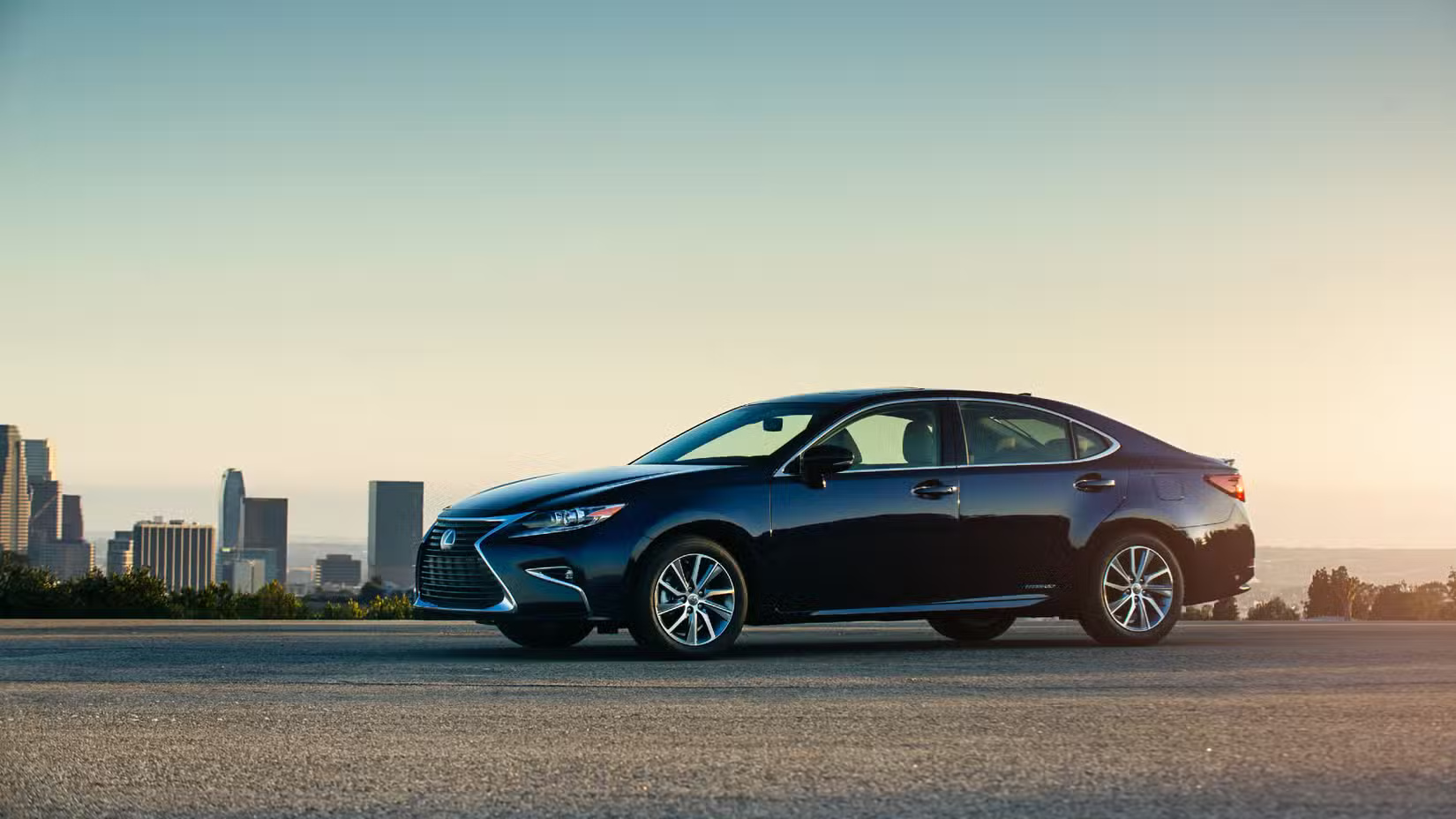
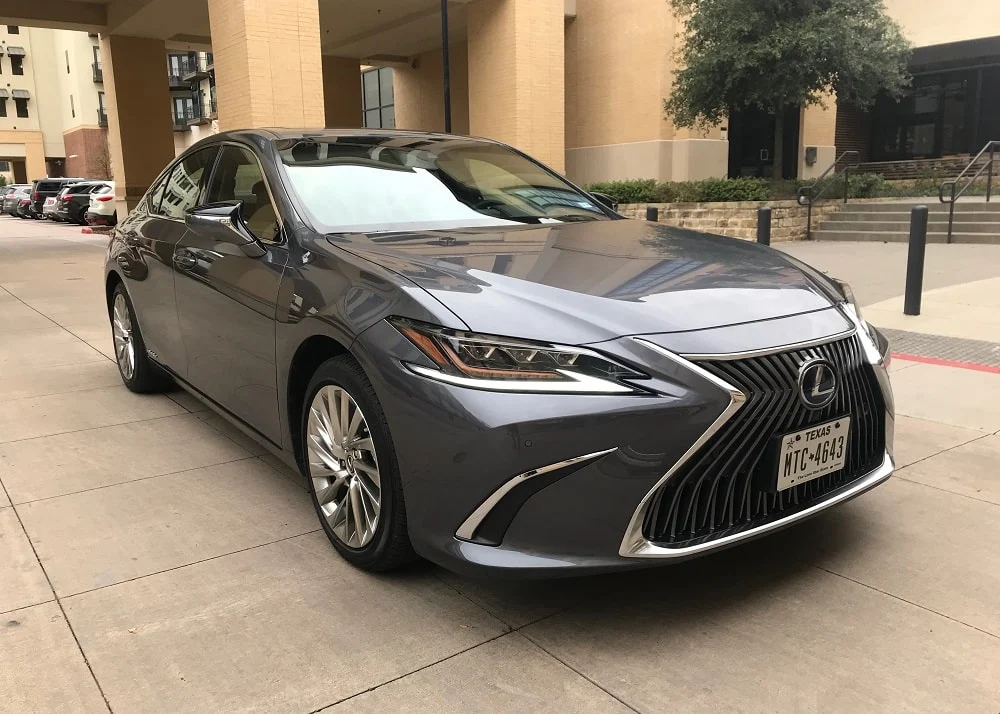
10. Lexus ES Hybrid
The ES Hybrid combines comfort, efficiency and engineering maturity. Lexus, being manufacturer attentive to detail, builds its hybrids with parts designed for low friction, with attention to vibration damping, heat isolation, and long term mechanical integrity. The gas engine in the ES is tuned to run efficiently at cruise rather than pushed hard; that means many components see less stress in daily driving than many gas only rivals.
Battery cooling, management electronics and electric motor systems are of high quality. Lexus uses reliable materials, quality wiring harnesses, good sealants and protective insulation.
The hybrid drive engages so that electric assist handles low speed and light load conditions, reducing the cycle count of the gas engine, minimizing wear. Many owners report that even after heavy use the hybrid unit continues performing well without slipping or loss of electric assist benefit.
Maintenance tends to be done more carefully in premium models; interior and exterior build quality reduces leaks, corrosion and other factors that often degrade performance over time. Lexus uses quieter transmission components, better sound insulation, and often more durable brake components.
Regenerative braking helps prolong wear life of friction parts. Owner satisfaction tends to remain high even as miles accumulate because comfort and mechanical resilience remain strong.
Resale value and reliability reputation help. Lexus parts share commonality with parent company components, warranty support tends to be generous, and owner communities often contribute tips to maintain hybrids long term. ES Hybrid has strong chance of outlasting many gas-powered sedans in luxury class when routine service, good driving habits and proper care are observed.
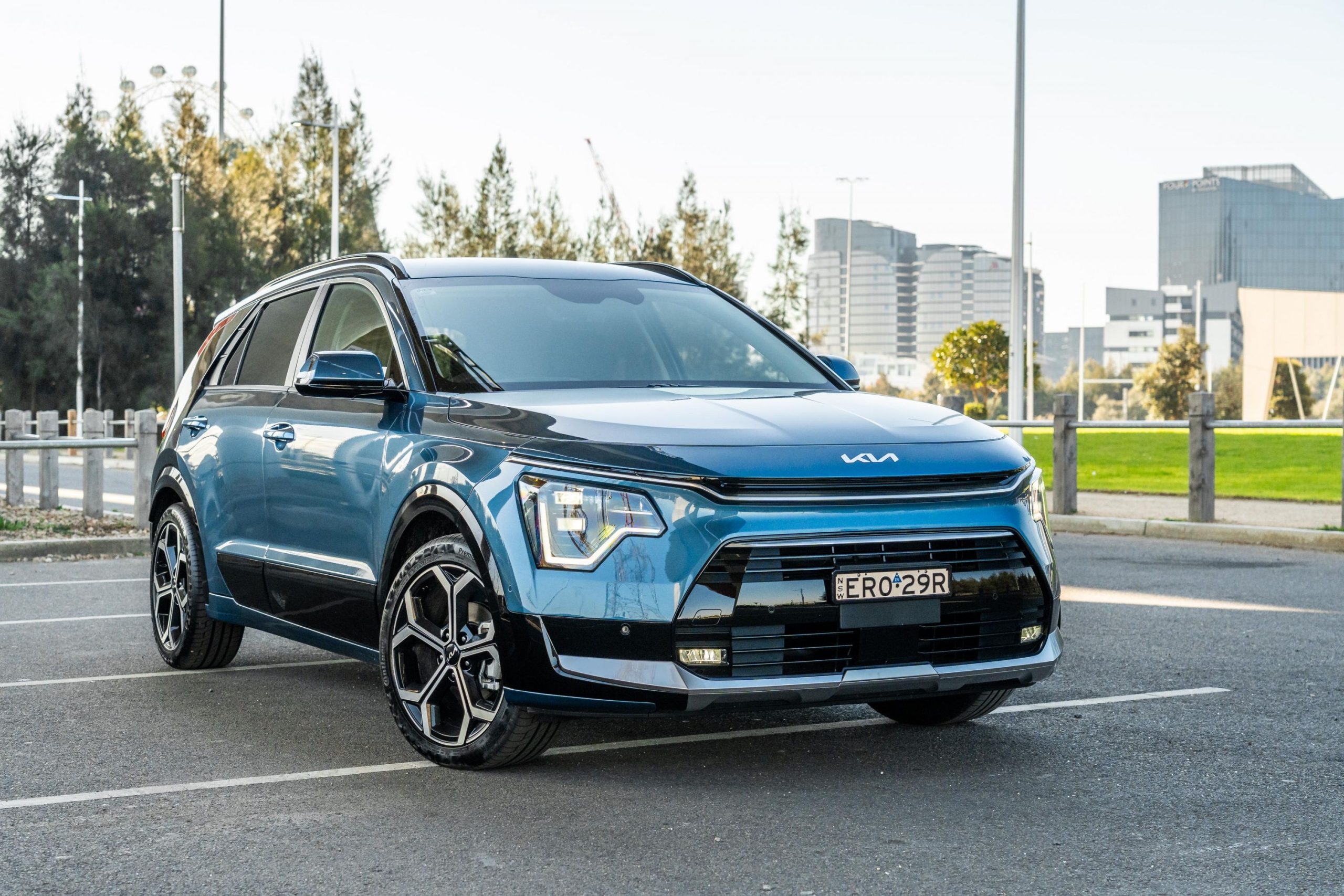
11. Kia Niro Hybrid
The Kia Niro Hybrid is built around an efficient package that balances hybrid function with everyday usability. Its gas engine is relatively small and designed to run in its optimal efficiency range much of the time, aided by the electric motor during lower-speed driving and assist under acceleration.
Because the gas engine is not constantly taxed, heat and mechanical wear tend to be lower, which contributes to longer engine life. The engineers have also focused on ensuring that lubrication, cooling, and thermal management are sufficient for long highway runs as well as stop‑and‑go traffic. Less strain on components translates into fewer failures and higher durability.
Electric and hybrid systems in the Niro are well integrated. The battery pack includes sensors to monitor state of charge, temperature, and cell health. Thermal systems help avoid overheating, especially under load or when carrying passengers or luggage.
The power electronics and motors are sealed to reduce risk from moisture and dust, which often degrade components prematurely. Because inverter and motor design are improved over model years, incremental refinements often reduce failure points. These features help the hybrid drive system remain reliable over a decade‑length ownership.
Maintenance demands tend to be moderate. The Niro uses regenerative braking to lessen wear on brake pads and rotors. That means those components last longer than in comparable gas‑only vehicles, reducing replacement frequency and costs.
Filters, fluids, belts, and spark plugs remain the mainstream maintenance items; expensive failures are uncommon when service schedules are respected. Many owners report good fuel economy even after many miles, which suggests that engine compression, hybrid battery function, and electric motor performance are holding up well over time.
Kia’s customer support, warranty coverage, and parts availability have improved globally. Because the Niro shares many parts and design philosophies with other Kia/Hyundai hybrids and electrics, commonality helps in sourcing spares and servicing. Dealers often have experience with hybrid diagnostics.
Also, resale value for the Niro Hybrid remains solid in many markets. Given proper care the Niro Hybrid has strong potential to outlast many gasoline‑powered hatchbacks or compact crossovers of similar price.
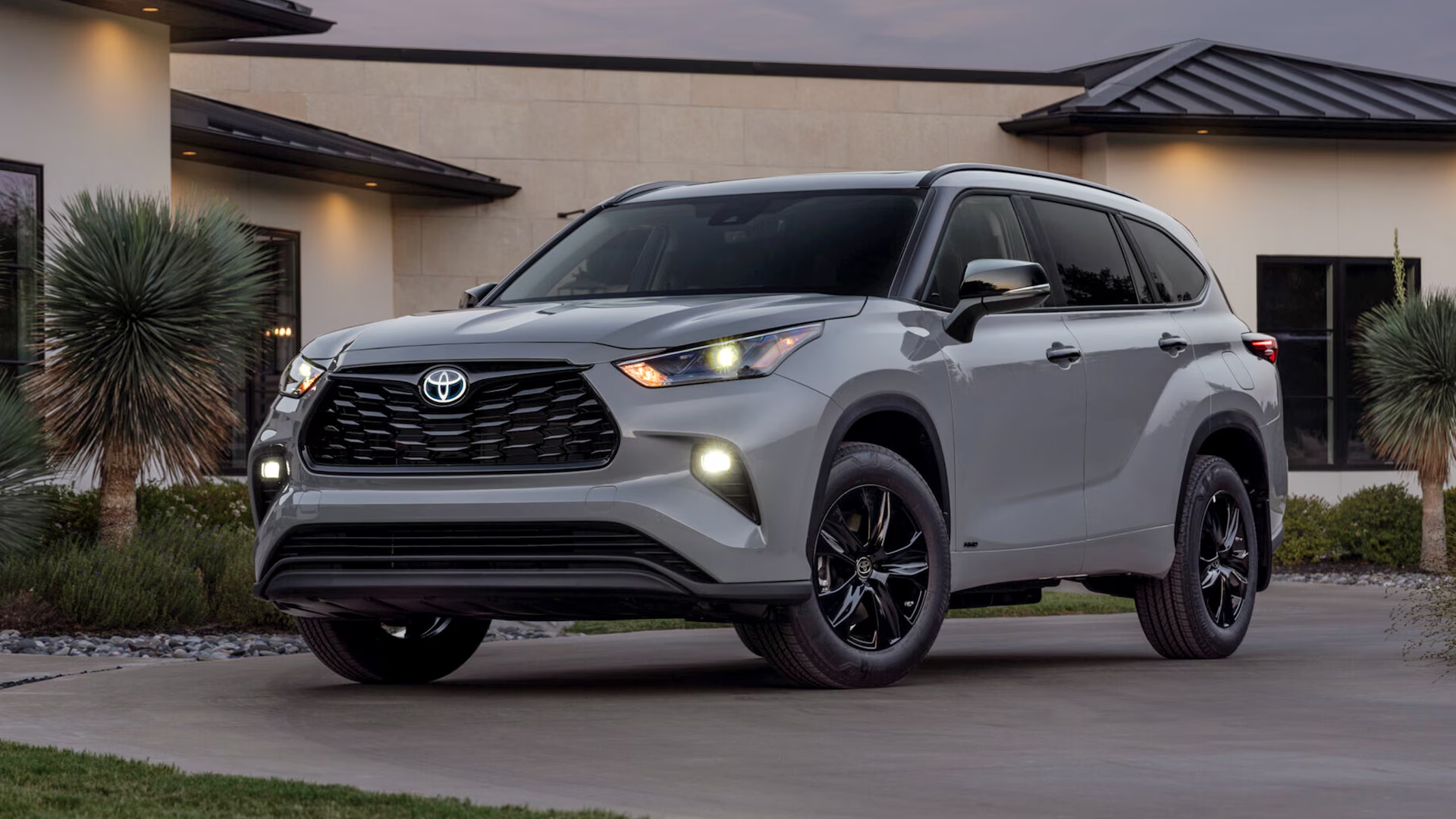
12. Toyota Highlander Hybrid
The Toyota Highlander Hybrid offers the size and utility of an SUV with the reliability pedigree that many Toyota hybrids enjoy. Because of its larger size, components like the engine, cooling, and chassis are built to handle greater loads, which means they often have more margin for error under stress.
The hybrid system assists heavily in acceleration and when carrying heavy loads or towing, reducing the strain that would otherwise fall solely on the gasoline engine. This results in less frequent occurrence of heat‑related wear and component fatigue under heavy usage.
Battery layout and cooling for the Highlander Hybrid are engineered to cope with a variety of climates. Insulation, venting, and sometimes active thermal management reduce risks of overheating during long highway journeys or when the vehicle is loaded.
Electric motors and power electronics are built with robust designs to resist vibration and heat, and mounting points are reinforced. Components like motor bearings, wiring harnesses, and cooling channels are designed to handle repeated load cycles and external environmental challenges. These design choices add up to longer durability.
Because of its hybrid nature, the Highlander Hybrid spends a good share of time in electric‑assist or even pure electric mode under certain conditions. That means fewer cold starts and less frequent high RPM operation in the gasoline engine, which are two of the more damaging conditions for engine wear.
Brakes are also helped by regenerative braking, which reduces friction wear on pads and discs. Interior and structural build quality tends to be solid in Toyota’s SUVs, with attention paid to corrosion protection, materials that resist fatigue, and chassis components built for rugged use.
Toyota’s dealer network offers parts, and because many mechanical components are shared with other Highlander and Ranger‑based models, replacement parts are relatively easier to find and repair costs are more predictable.
Owners who follow scheduled maintenance, fluids, filters, spark plugs, hybrid system inspections often report their Highlander Hybrids still running strongly after many years of family use, towing, and varied terrain. That consistency of performance under varying conditions gives the Highlander Hybrid a strong case to outlast many gasoline SUVs in its size class.
