
When shopping for a car, many buyers focus almost entirely on the upfront cost, gas mileage, or monthly payments. But there’s another number that often gets overlooked, the resale value.
Resale value determines how much a car is worth when it comes time to sell or trade it in, and it can have a major impact on the total cost of ownership. For budget-conscious drivers or those who plan to change vehicles every few years, understanding which hatchbacks hold their value can make a huge difference.
Hatchbacks are known for being compact, fuel-efficient, and versatile. They appeal to drivers who need the practicality of a small car with the added convenience of extra cargo space. But just because a hatchback is affordable or convenient doesn’t mean it will retain its value.
Some models drop sharply in price after just a year or two, while others hold surprisingly strong in the used car market. The reasons vary, from brand reputation and reliability to interior quality and demand, but the result is the same: some hatchbacks are financial traps, and others are long-term bargains.
In this article, we’ll take a closer look at five hatchbacks that maintain strong resale value, often selling for a larger percentage of their original cost than you might expect. These cars typically offer a mix of quality, efficiency, and reputation that makes them attractive even after several years of use.
Then we’ll shift to the other side of the spectrum, five hatchbacks that lose value quickly, often struggling to generate interest on the used market. Whether you’re buying new or used, this comparison will help you avoid cars that drop in value and highlight the ones worth holding onto.
Also Read: Top 10 Cars That Survive Teen Drivers and Keep Going
5 Hatchbacks With Surprisingly High Resale Value
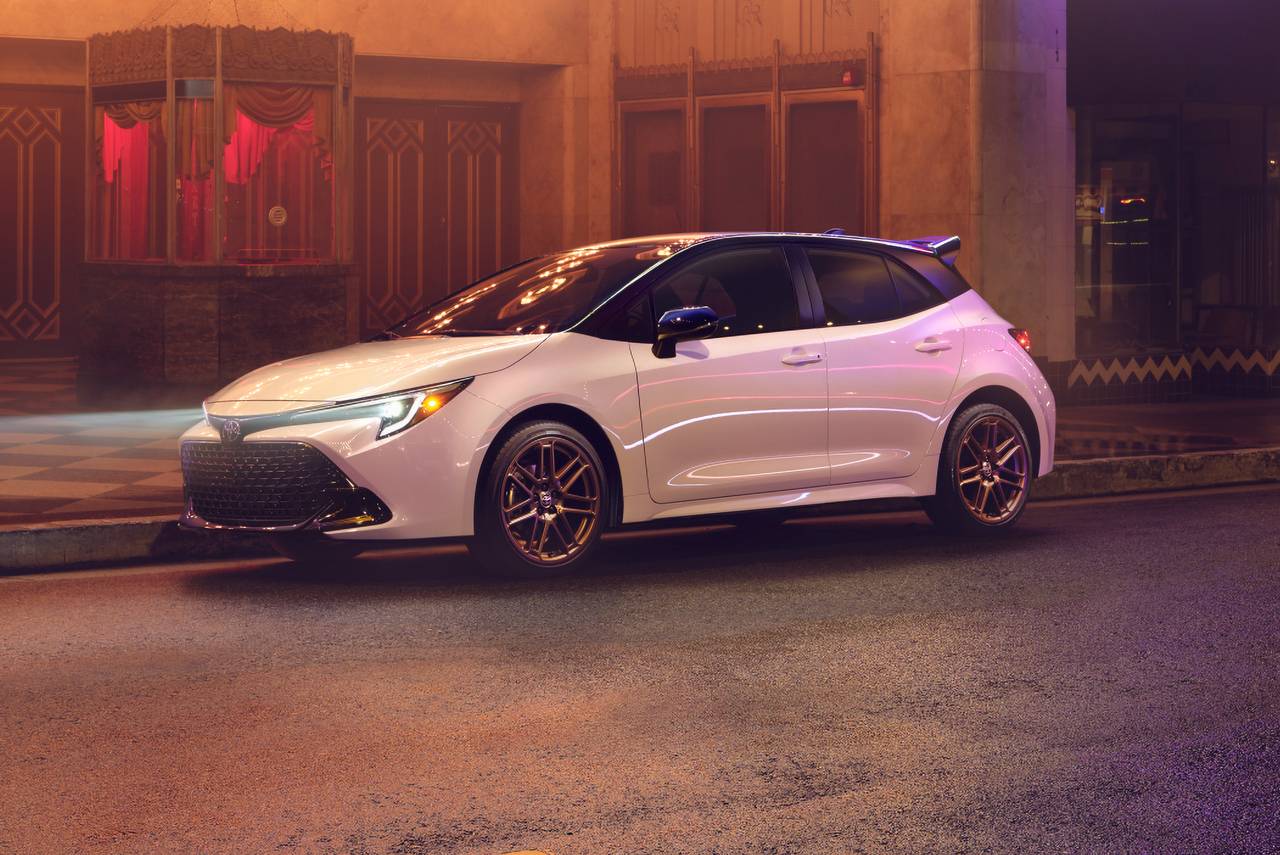
1. Toyota Corolla Hatchback
The Toyota Corolla Hatchback benefits enormously from Toyota’s long-standing reputation for building dependable, low-maintenance cars. Buyers who choose this model often do so because they know it will last for a decade or more with minimal issues.
This trust in the brand translates directly to the used market, where the Corolla Hatchback tends to sell quickly and at prices that surprise many. It may not be flashy, but it’s one of the few hatchbacks where practicality and resale value go hand in hand.
Styling is another factor in its favor. Unlike the more conservative sedan version, the hatchback has a sportier design that appeals to younger buyers. Its sharp angles, aggressive front fascia, and proportion give it an edge visually.
This helps the car avoid the “boring commuter” label that often drags down the appeal of reliable compact cars. A used car that still looks modern and stylish has a much better chance of holding its value than one that fades into the background.
The Corolla Hatchback is also packed with features even in base trims. Toyota includes advanced safety tech, touchscreen infotainment, and quality materials that hold up well over time. When you sit in a three- or four-year-old Corolla Hatchback, it doesn’t feel outdated, and that plays a role in how buyers perceive its worth. The durable interior and strong feature list ensure that previous owners can ask for a higher price without hesitation.
Fuel efficiency adds to its appeal. With its compact size and efficient engine, the Corolla Hatchback is a favorite among commuters and students who want to save money at the pump. In an era where gas prices fluctuate, that efficiency becomes an asset in resale conversations. Combined with low maintenance costs, the total cost of ownership remains low, a trait that buyers appreciate.
Finally, Toyota’s consistent model updates have helped keep the hatchback relevant. Rather than massive redesigns that make older models look outdated, Toyota makes small, smart improvements. This means a 3- or 4-year-old Corolla Hatchback still looks and feels current.
That consistency protects resale value and positions the Corolla Hatchback as one of the most financially sound hatchback purchases available today.
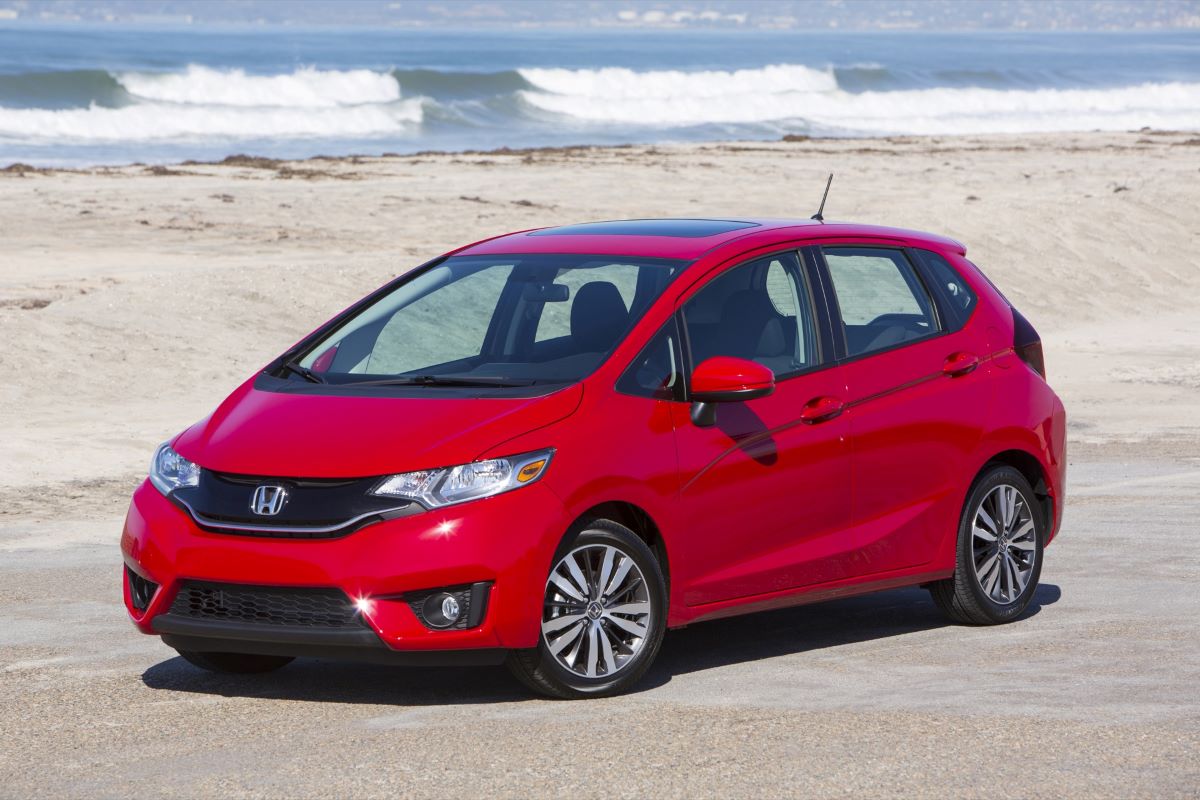
2. Honda Fit
The Honda Fit has built a loyal following not because it’s flashy or powerful, but because it’s incredibly practical and trustworthy. It offers outstanding reliability, a surprising amount of interior space for its size, and clever design solutions that make it one of the most versatile hatchbacks ever produced. These factors contribute to a high resale value, with many Fit owners getting back a larger portion of their investment compared to other small cars.
One of the standout features is the “Magic Seat” system, which allows the rear seats to fold completely flat or flip upward to accommodate tall items. It’s a feature that buyers love, especially those living in urban areas where space is limited and multi-use vehicles are highly valued.
This design turns the Fit into a tiny cargo van when needed, a feature very few hatchbacks can match. Used buyers who know about the Magic Seat actively seek out the Fit, often willing to pay a premium for this flexibility.
Another strong point is its reputation for fuel economy and low cost of ownership. The Fit consistently delivers excellent gas mileage without requiring expensive upkeep. Many Fit owners keep their vehicles for years, only replacing them when necessary. When they do hit the used market, these cars are often in good shape and well cared for, which increases their resale price. Buyers trust them to keep running for thousands of miles with minimal fuss.
Even older Fit models remain attractive due to Honda’s high-quality build and timeless styling. While some hatchbacks feel outdated after a few years, the Fit’s clean design and high roofline keep it looking functional and modern.
That helps extend the life of the vehicle on the used market, allowing it to remain competitive even a decade after its release. It’s not unusual to see a 7- or 8-year-old Fit still commanding strong resale prices.
Finally, the Fit’s popularity within the enthusiast and tuner community adds an unexpected dimension to its resale value. Despite its small engine, it has good handling and a manual transmission option, making it a favorite for budget-minded drivers who still enjoy driving. This added layer of demand boosts its presence in the used car market, giving it a resale edge even over other reliable hatchbacks.
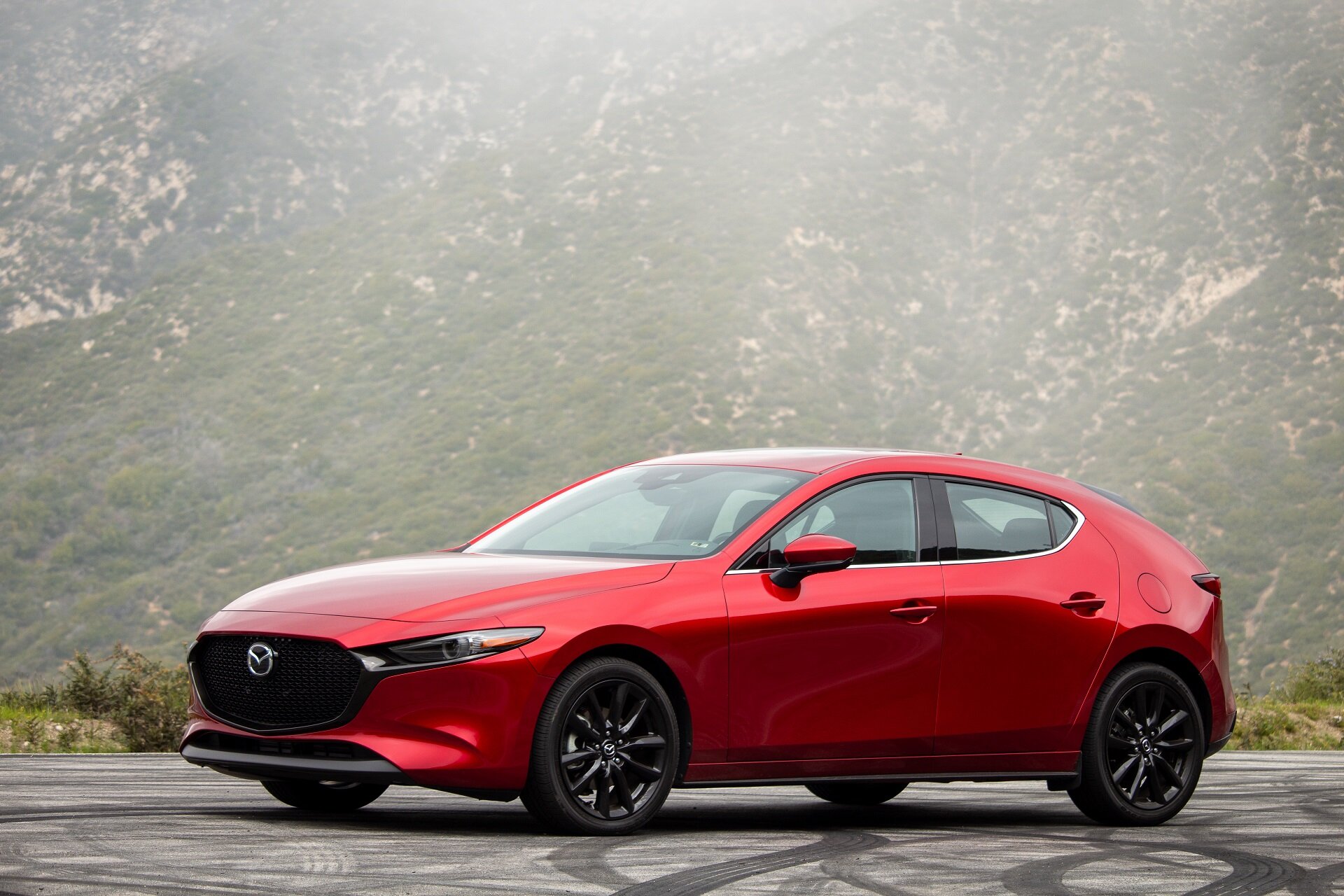
3. Mazda3 Hatchback
The Mazda3 Hatchback is one of the few compact hatchbacks that manages to blend affordability with premium qualities. It stands out from the competition thanks to its engaging driving dynamics, sleek design, and an interior that feels more upscale than the segment typically offers. This combination creates a strong second-hand demand, allowing it to retain more of its value compared to other cars in its class.
Performance is a major selling point. The Mazda3 offers responsive steering, solid cornering ability, and a quiet, refined ride that rivals more expensive vehicles. Buyers looking for something fun to drive without stepping into the sports car category are drawn to the Mazda3, both new and used.
That demand on the used market keeps prices from falling as quickly as less engaging competitors. A well-maintained used Mazda3 Hatchback often sells for thousands more than expected, especially in sportier trims.
Interior quality is another area where the Mazda3 excels. The materials feel premium, the layout is intuitive, and the seats offer good support for longer drives. Even older models tend to age gracefully, which is something used car buyers value. There’s a feeling of class and comfort that makes a used Mazda3 Hatchback feel like a smart buy, particularly for young professionals and small families who want more than just a basic economy car.
Mazda’s attention to design also contributes to resale value. The hatchback version, in particular, has a distinctive, refined appearance that doesn’t scream “cheap.” While some compact cars struggle with bland or outdated looks after just a few years, the Mazda3 Hatchback maintains a timeless, minimalist design that holds up well. This visual appeal means the car doesn’t have to be heavily discounted to move off a used lot.
Lastly, Mazda benefits from a brand perception that’s increasingly tied to quality and value. While it may not have the same mass-market strength as Toyota or Honda, Mazda has carved out a space for itself among discerning buyers. The company’s reliability scores have improved significantly, and their focus on delivering a quality driving experience keeps resale strong. The Mazda3 Hatchback is proof that fun, practical, and valuable can all exist in one car.
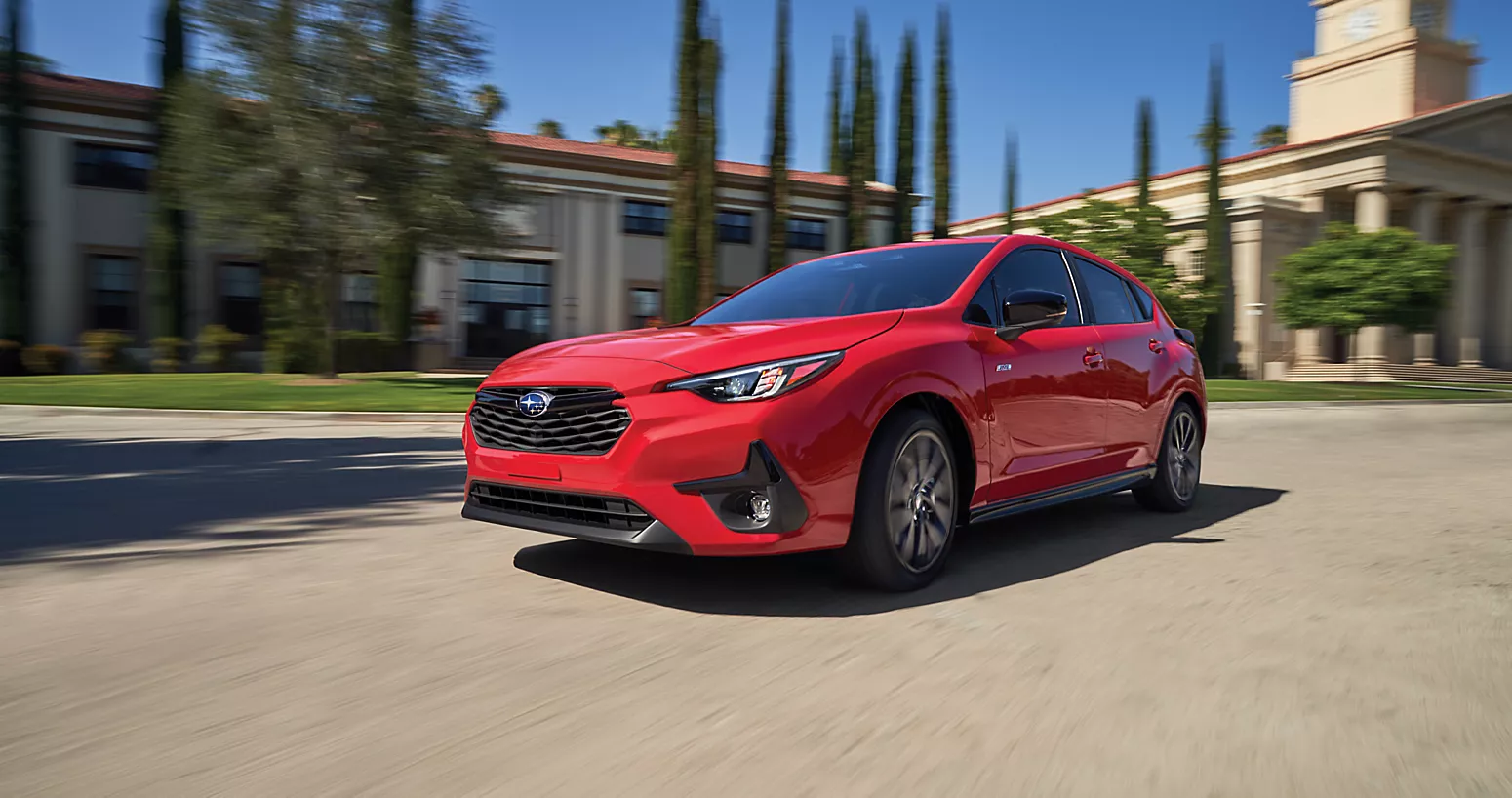
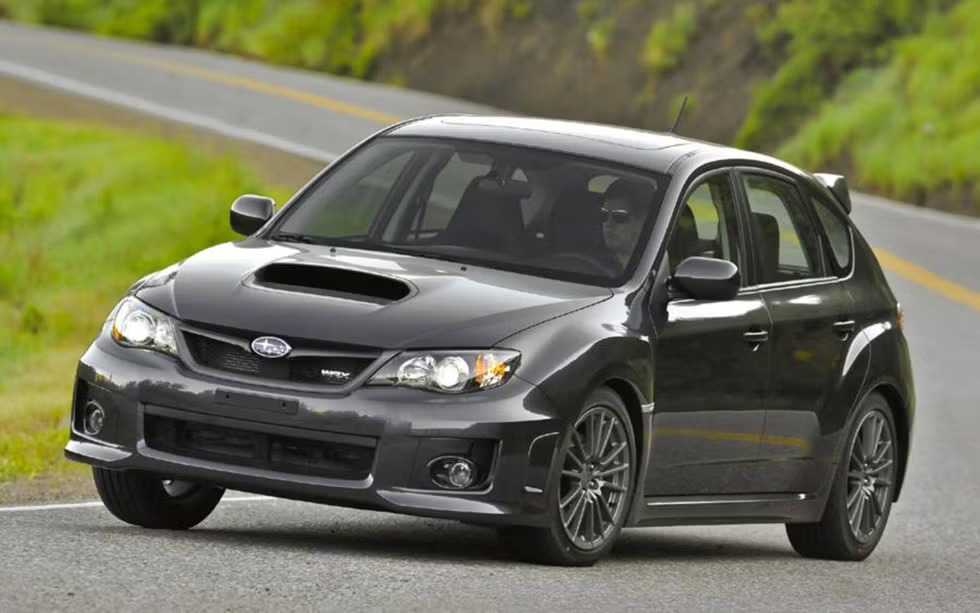
4. Subaru Impreza Hatchback
The Subaru Impreza Hatchback offers something most hatchbacks don’t: standard all-wheel drive. This one feature alone can be a major selling point in areas with snow, rain, or varied terrain.
It adds safety, stability, and year-round usability that many front-wheel drive competitors can’t match. As a result, demand for used Impreza Hatchbacks remains consistently high, which helps resale value stay strong.
Subaru’s reputation for durability plays a big role in the Impreza’s resale performance. Owners often praise the brand for longevity, and many Imprezas easily cross the 200,000-mile mark.
This reliability translates directly to buyer confidence. A used Impreza Hatchback that’s been well maintained doesn’t sit on the market for long. Buyers are often willing to pay more because they believe the car has a lot of life left in it.
Interior space and practicality also boost the Impreza’s value. The hatchback design provides excellent cargo room, especially with the rear seats folded down.
For people who need to haul gear, groceries, or even pets, the Impreza offers a balance of utility and comfort that’s hard to beat. The rear seats are spacious enough for adult passengers, and the interior materials, while not luxurious, are durable and easy to keep clean.
The Impreza also benefits from Subaru’s loyal customer base. Many buyers stick with the brand for years, replacing old models with newer ones but often staying within the Subaru ecosystem.
This brand loyalty keeps demand high in the used market, especially for all-wheel-drive models in good condition. People looking for their first Subaru often start with a used Impreza Hatchback, knowing it offers the full Subaru experience at a lower cost.
Lastly, Subaru avoids major design overhauls too frequently, which works in favor of resale. Older Imprezas don’t look significantly different from newer models, so they don’t seem dated as quickly.
That helps used car sellers command better prices, and buyers are less likely to feel like they’re getting an “old” car. This visual and mechanical continuity supports the Impreza Hatchback’s position as a top choice in terms of resale.
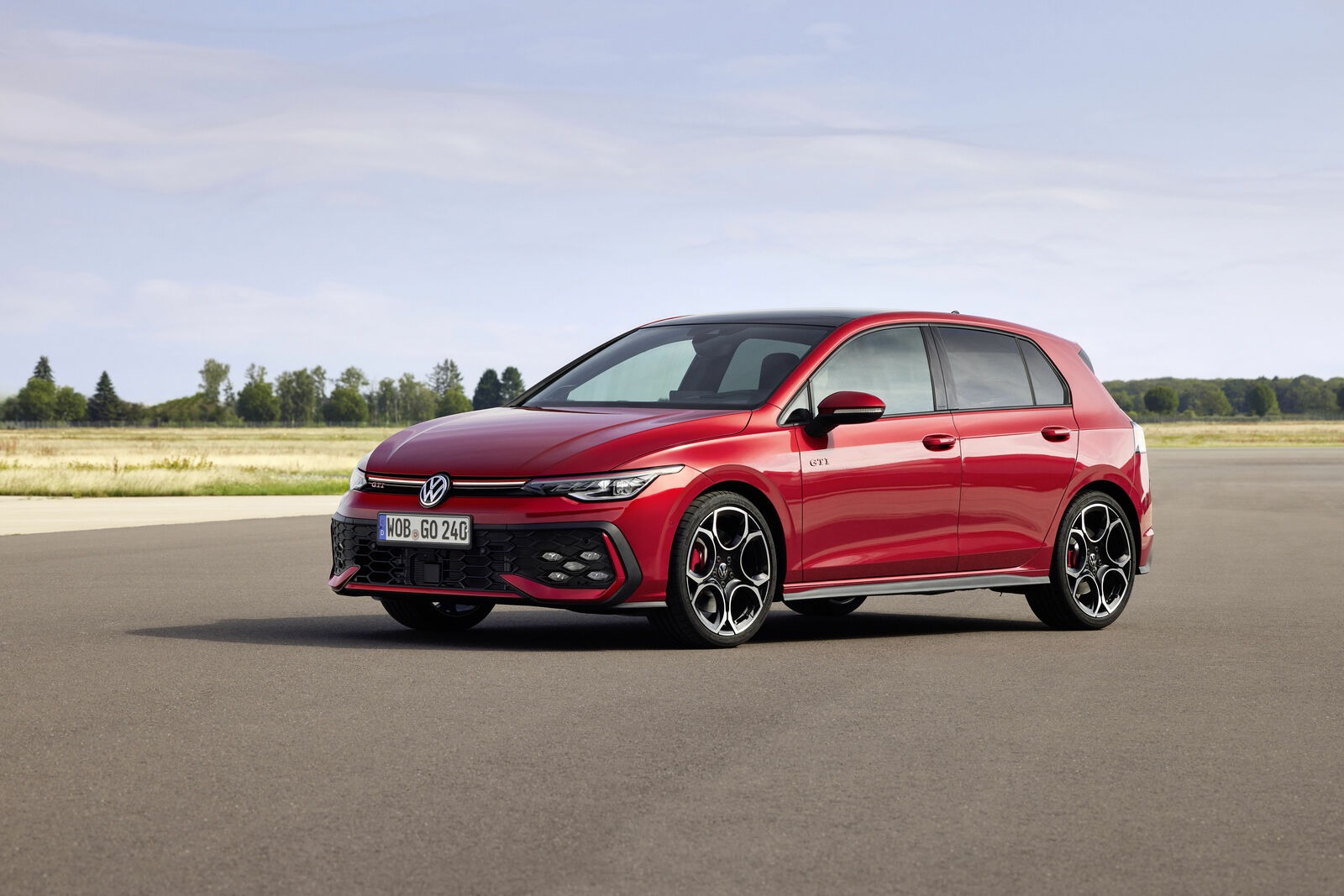
5. Volkswagen Golf
The Volkswagen Golf has long been respected as a practical, refined hatchback with European charm. It manages to walk the line between economy and sophistication, which helps it maintain a strong resale value.
While VW as a brand has faced ups and downs, the Golf remains a standout in the compact class thanks to its build quality, road manners, and timeless styling.
One of the most significant factors helping the Golf’s resale is its performance. Even in base models, it offers a solid driving experience with sharp handling and a quiet cabin. Higher trims and performance variants like the GTI have even greater appeal.
These versions tend to hold their value exceptionally well due to demand from enthusiasts. Buyers know what they’re getting with a Golf, it feels well-made, composed, and pleasant to drive every day.
Interior refinement also plays a role. The Golf doesn’t try to wow you with flash, but it gets the basics right. Controls are well-placed, materials feel high quality, and the seats offer good support.
These qualities don’t fade much over time, making used Golfs feel newer than their age would suggest. Buyers looking at five-year-old hatchbacks often find the Golf stands out for feeling “less used” than others in the same category.
Another contributing factor is global popularity. The Golf has a strong presence in Europe and other parts of the world, and that international success gives it a bit of prestige.
It doesn’t feel like a budget car, even if the price is affordable. That impression sticks in the minds of used car shoppers, helping Golf models command higher prices on resale platforms, particularly when well-maintained and lightly used.
Volkswagen’s decision to refine rather than completely overhaul the Golf every generation also helps. The design language is evolutionary, which means older models don’t feel outdated. A 2017 Golf doesn’t look wildly different from a 2022 version, which reassures used buyers that they’re getting a modern vehicle.
That perception of continued relevance, combined with solid engineering, keeps the Golf near the top of the resale chart for hatchbacks.
5 Hatchbacks With Weak or Nearly Nonexistent Resale Value
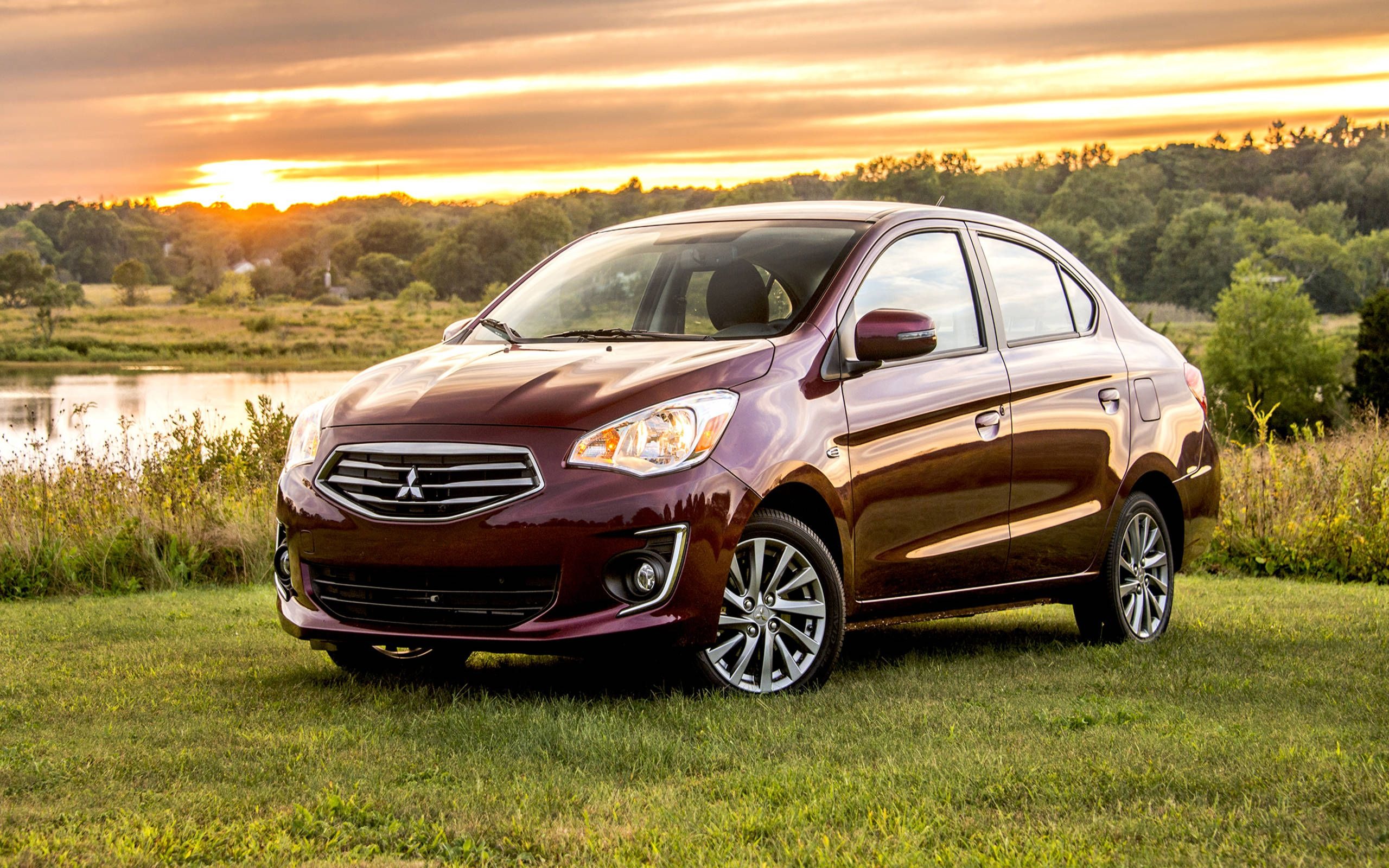
1. Mitsubishi Mirage
The Mitsubishi Mirage is one of the cheapest new cars on the market, and while that may seem like a good deal initially, the low resale value tells a different story. This hatchback suffers from heavy depreciation within just the first few years of ownership.
One of the main reasons is the perception of quality. The Mirage is often seen as a bare-bones option with outdated features, limited safety tech, and underwhelming driving dynamics. Buyers tend to choose it out of necessity rather than desire, and that mentality doesn’t carry over into strong resale demand.
Another issue is the performance. The Mirage is equipped with a small, underpowered engine that struggles on the highway and even in some city conditions. While fuel economy is decent, many drivers find the experience lackluster.
The low horsepower and noisy engine turn off a large segment of used car buyers who would otherwise consider an affordable hatchback. When driving enjoyment is sacrificed entirely for cost savings, resale becomes more of a challenge.
Build quality also plays a role. The interior materials feel cheap, the ride can be rough, and noise insulation is minimal. These things might be forgivable at the price point when new, but after a few years, they become glaring weaknesses.
On the used market, buyers are generally willing to spend a little more for something that feels more refined. The Mirage’s shortcomings make it easy to pass over in favor of other low-cost options with better reputations.
Lastly, brand perception is a big factor. Mitsubishi no longer carries the same level of confidence it once did, and that impacts resale values across its entire lineup. For a vehicle like the Mirage, which already struggles with performance and design, that lack of brand appeal only worsens the situation.
As a result, the Mirage often sits at the bottom of used car value rankings, and sellers find themselves forced to take deep discounts to move it off their hands.
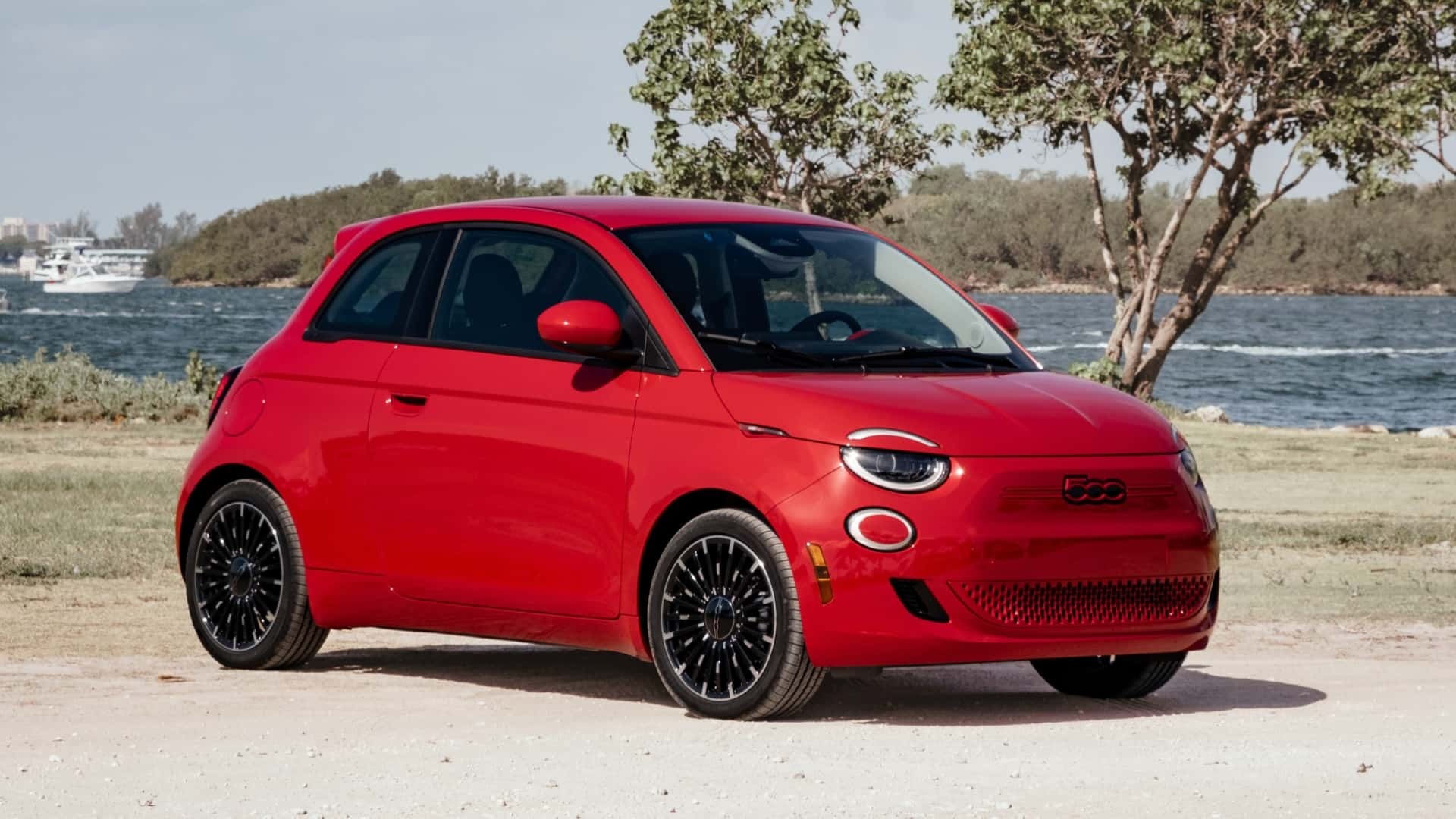
2. Fiat 500
The Fiat 500 made a bold entrance into the market with its quirky styling and European flair, but its charm didn’t translate into long-term success. While it had a niche following for a while, it never really gained mass appeal, and that limited popularity has deeply affected its resale value.
Many buyers initially fell for the retro looks, but once the novelty wore off, what remained was a small car with limited practicality and questionable reliability.
One of the biggest drawbacks of the Fiat 500 is its reliability track record. Many owners reported frequent issues, especially as the car aged past 60,000 miles. From electrical gremlins to drivetrain problems, these issues scared off potential buyers and caused resale prices to plummet.
Unlike some other European cars that carry a higher price on the used market due to brand prestige or performance, the 500 never built enough credibility to hold its ground.
Practicality is also a concern. While the Fiat 500 is fine for solo drivers or short commutes, it’s not ideal for families or people who need cargo space.
The rear seat is cramped, and trunk space is minimal. That sharply limits the used buyer demographic. Unlike hatchbacks like the Honda Fit or Toyota Yaris, which offer excellent interior packaging, the 500 doesn’t provide enough utility to make up for its other weaknesses.
Brand support also declined over time. Fiat pulled the 500 from several markets due to low sales, and that decision made potential used buyers even more hesitant.
When a brand scales back its presence or discontinues a model, it sends a signal that parts availability and service support could become an issue. For those trying to sell a used Fiat 500, that perception alone is enough to drop resale value significantly, even if the car itself is still in working order.

3. Chevrolet Spark
The Chevrolet Spark is another example of a hatchback that doesn’t fare well in resale, despite its low entry price. Much like the Mirage, the Spark is often purchased as an inexpensive transportation solution rather than a desirable vehicle.
While it checks some basic boxes such as fuel efficiency and compact dimensions, it lacks the features and refinement that modern used car buyers expect, even at a budget level.
One of the biggest issues with the Spark is the limited performance and driving comfort. It has a small engine that isn’t suited for highway speeds or heavy loads, and while it works in tight city environments, it doesn’t inspire much confidence on longer trips.
For many used car shoppers, a vehicle that struggles on the freeway is hard to justify, even if the price is appealing.
Interior quality is another sticking point. The materials used throughout the cabin feel cheap and outdated, and the tech offerings are minimal. Although Chevrolet included some smartphone connectivity in later models, the experience is still basic at best.
In comparison to used vehicles from brands like Honda, Mazda, or Hyundai, the Spark quickly feels outclassed. When options with better features and driving feel are available at similar prices, the Spark gets overlooked.
Chevrolet’s inconsistent support for small cars also affects the Spark’s reputation. As the company shifts its focus more toward trucks and SUVs, small hatchbacks like the Spark feel like afterthoughts. That reduces consumer confidence and contributes to the rapid depreciation.
Even though the Spark might be mechanically sound in some cases, the lack of excitement, weak brand backing, and unimpressive driving experience result in low demand on the used market.
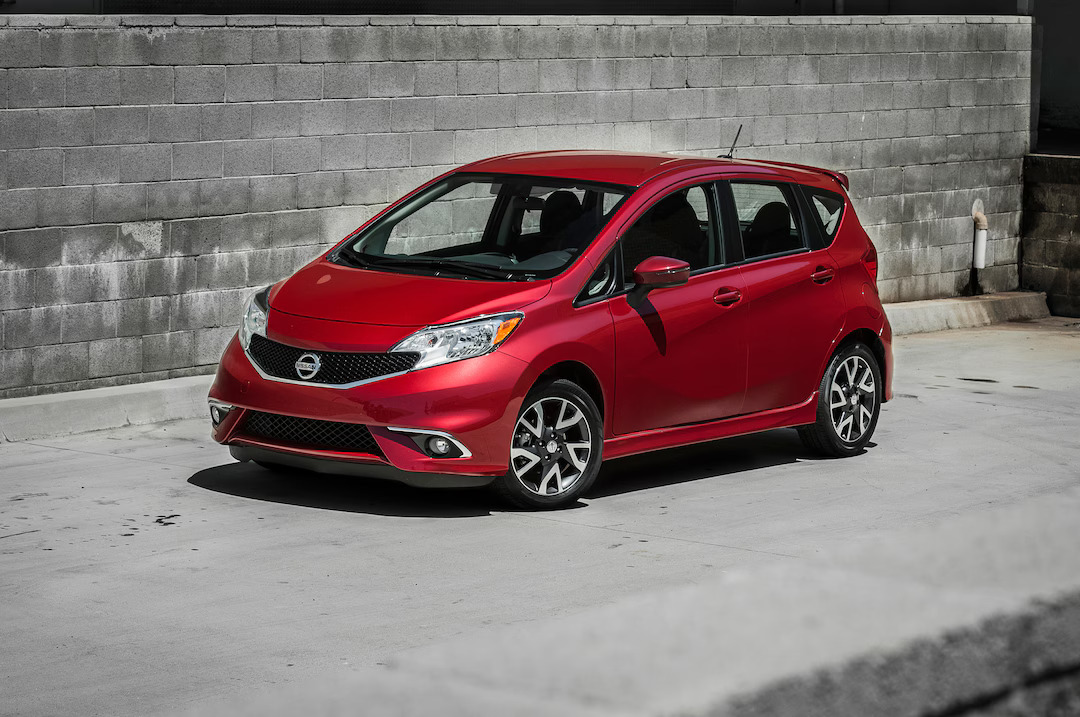
4. Nissan Versa Note
The Nissan Versa Note was intended to be a more practical version of the Versa sedan, with hatchback flexibility and efficient performance.
On paper, it made sense, affordable, roomy, and efficient, but in practice, the Note failed to hold onto its value. Several key issues contributed to this decline, starting with its underwhelming performance and outdated transmission.
The CVT (continuously variable transmission) used in the Versa Note was one of the most commonly criticized aspects. It has been known to wear out prematurely, and repairs can be expensive.
That reputation spread quickly among car enthusiasts and everyday buyers alike, damaging resale appeal. Even models with relatively low mileage often suffered from transmission concerns, which made resale prices drop accordingly.
Interior quality also played a role. While the Versa Note was roomy inside, it felt cheap. The materials were basic, noise insulation was weak, and the impression was that of a budget car trying to do the bare minimum.
That might have worked when new buyers were chasing value, but used buyers often look for a balance between affordability and comfort, something the Note failed to offer consistently.
Additionally, the Versa Note was overshadowed by better offerings in its class. Cars like the Honda Fit or Toyota Yaris offered similar space and fuel economy but delivered more in terms of features, reliability, and driving experience.
As those alternatives grew in popularity, the Versa Note’s place on the used market slipped. People simply weren’t interested in paying decent money for something that felt outdated and carried mechanical risks.
Finally, Nissan’s approach to model refreshes left the Note looking stale after just a few years. With little visual or mechanical innovation across its run, the vehicle aged poorly, and buyers moved on. For anyone trying to sell a used Versa Note today, it’s likely to sit on the market for a while unless the price is significantly reduced.
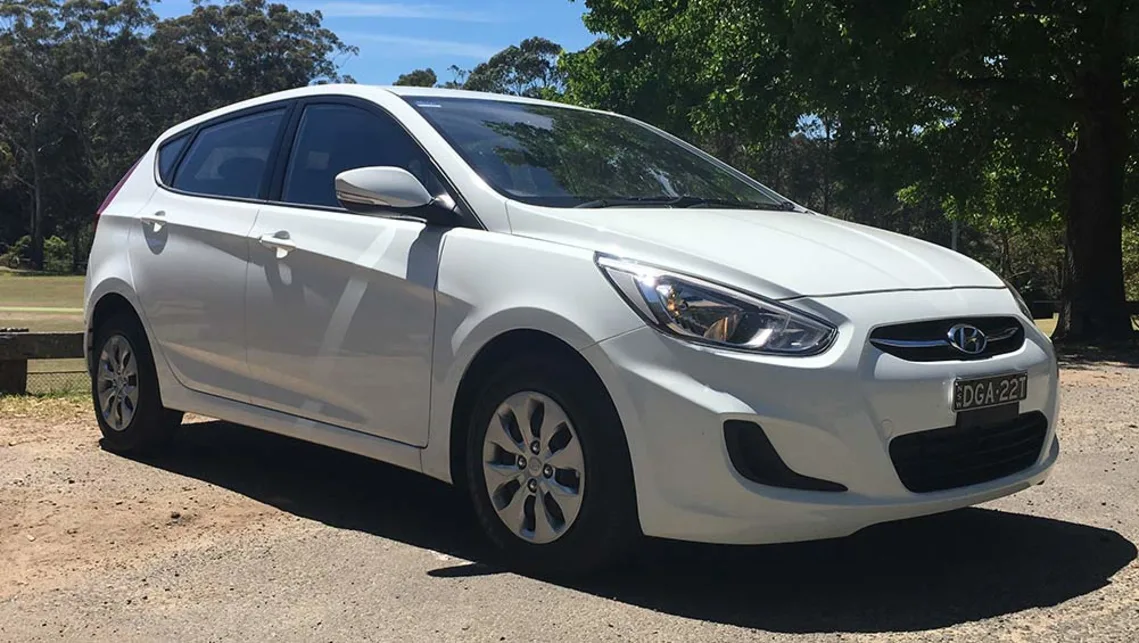
5. Hyundai Accent Hatchback
The Hyundai Accent Hatchback was once praised for its value proposition, offering decent features at a low cost. However, it hasn’t held up particularly well in terms of resale.
While Hyundai as a brand has made major improvements in quality and perception, the older Accent hatchbacks still carry the baggage of their early reputation. That past image continues to affect how the used market values them, despite any improvements made in recent generations.
One of the problems with the Accent Hatchback is that it was built to a price. Everything from the materials to the suspension system felt like a compromise. Although it may have served its purpose for budget-conscious drivers, the cost-cutting is apparent after just a few years of ownership.
The ride becomes harsh, the cabin begins to rattle, and wear and tear show up more quickly than on better-built rivals. For used buyers, that’s a red flag that often leads to lowball offers or total disinterest.
Performance is another weak spot. The Accent never had much power to begin with, and it doesn’t offer the kind of ride quality that might redeem a weak engine.
It’s slow, noisy under acceleration, and doesn’t inspire much confidence in handling. While newer Hyundai models have moved far beyond these flaws, the older Accent hatchbacks are still stuck with them, and resale prices reflect that gap in progress.
On top of that, resale value is hurt by limited demand. Hyundai discontinued the Accent hatchback in many regions, and it never had a particularly strong following to begin with.
Without a loyal fanbase or niche market appeal, its second-hand value relies solely on practicality, and with better-used cars in the same price range, the Accent usually ends up as a last-choice option.
Another point to consider is that many older Accents were sold into rental fleets or used as budget commuter cars, meaning a lot of them were driven hard and not well-maintained. That has led to a flooded market of high-mileage, worn-out examples, which further pushes down the average resale price for the model as a whole.
Also Read: 10 Most Desirable Cars That Enthusiasts Keep Forever
Resale value might not be the most exciting part of car ownership, but it plays a crucial role in your financial picture. Hatchbacks are often viewed as economical options, yet not all of them live up to that label when you factor in long-term value.
While some models keep their prices surprisingly high on the used market, others quickly become difficult to resell, even if they were inexpensive to begin with. Knowing which cars land in which category can help you make smarter choices, especially if you plan to switch vehicles within a few years.
The hatchbacks that hold their value well tend to come from manufacturers with strong reputations for reliability and durability. Models like the Toyota Corolla Hatchback, Honda Fit, and Mazda3 Hatchback prove that quality and thoughtful design can pay off long after the initial purchase.
These vehicles often attract second-hand buyers who are willing to pay more for a car that still offers strong performance, comfort, and low operating costs. Whether it’s fuel efficiency, long-lasting components, or smart interior layout, these hatchbacks bring more to the table than just affordability.
On the other hand, hatchbacks with poor resale value often suffer from issues that go beyond the surface. Whether it’s a lack of popularity, mechanical problems, or an aging design, these factors lead to steep depreciation. Vehicles like the Mitsubishi Mirage or Fiat 500 may seem like budget-friendly choices at first, but their resale track record shows the hidden cost over time.
