
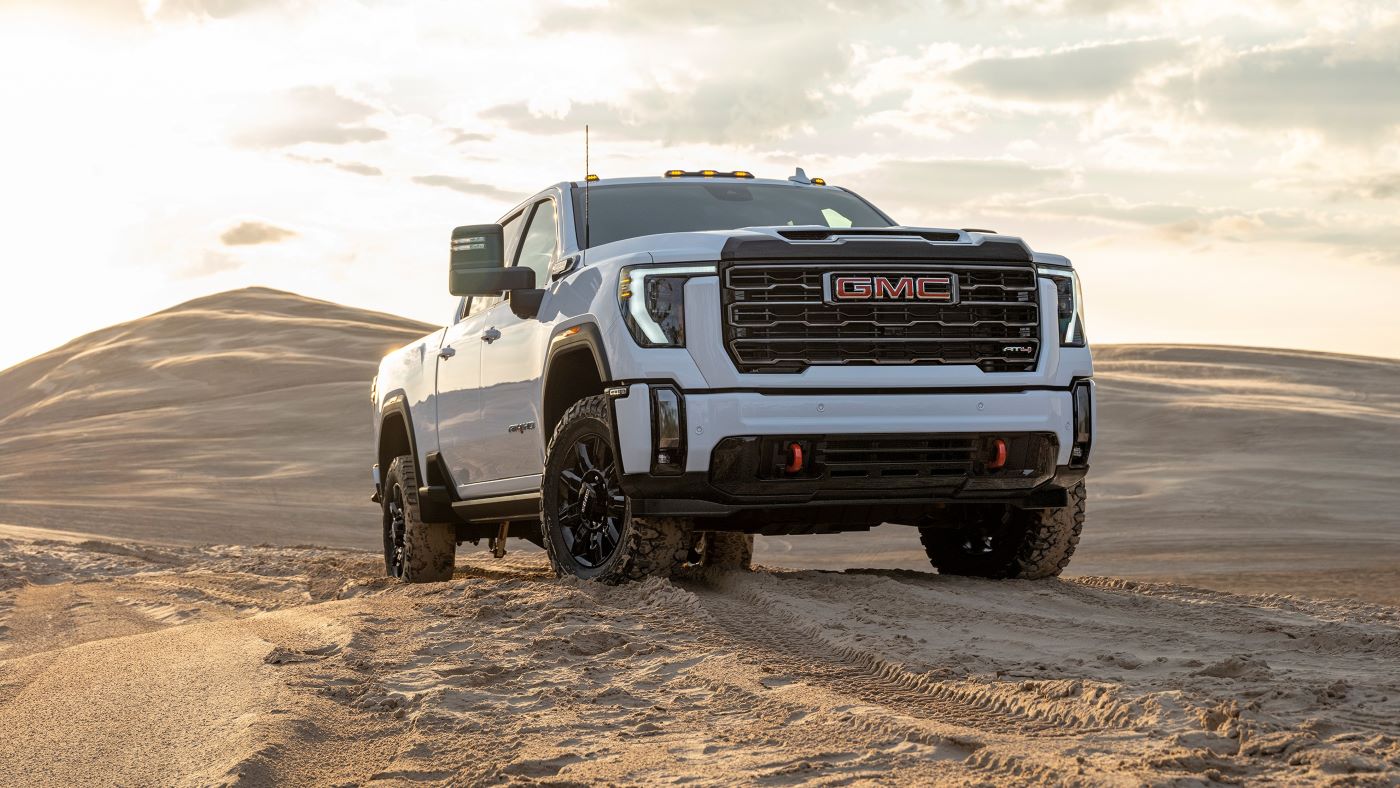
When buying a truck, many aspects matter: performance, comfort, safety, capability, and appearance. Among those, perhaps one of the most important yet least discussed is resale value. A vehicle that holds onto its worth well not only saves money when the time comes to sell but also signals quality, reliability, and strong demand.
Trucks tend to depreciate differently than cars. Their value is often influenced by things like towing capacity, durability, maintenance costs, parts availability, brand reputation, fuel efficiency, and how adaptable the design is to different uses. In some cases trucks get used hard and abused, which speeds depreciation.
In other cases, they are cared for and driven by owners who demand long life. Market trends also matter. Rising fuel prices, changes in regulations, demand for electric or hybrid powertrains, and the popularity of certain body styles shape resale value a great deal.
Some trucks are especially good at keeping value over time. These are often ones made by manufacturers known for toughness, reliable engines, strong off-road versions, or brands with historic demand.
Their parts remain available and cheap, maintenance tends to be predictable, and they are often seen as dependable workers or lifestyle companions.
On the flip side, other trucks lose value fast due to issues like high repair costs, low fuel economy, poor reliability, or simply low demand in used markets.
Technology problems or maker recalls can also drive resale value downward. Even color choices or trims matter: highly customized or niche variants may lose value more rapidly than base or classic trims.
In this article, five trucks that tend to retain value well will be examined. Their strengths will be outlined, including reasons why buyers continue to pay good used-truck prices. Then five models that often suffer steep declines will be discussed. Understanding what causes steep depreciation can help prospective buyers avoid financial losses.
After reading both sides, you will be better placed to choose wisely if planning to buy a new or used truck. Whether your priority is long‑term cost efficiency, reliability, or resale potential, knowing which models tend to keep their value and which ones fall fast can make a big difference.
Also Read: 9 Steps That Help a Dodge Ram 1500 Last Forever
5 Trucks With Strong Resale
These trucks are among those that owners and markets respect for holding onto value. The following five exemplify high demand, reliable engineering, and favorable reputation.
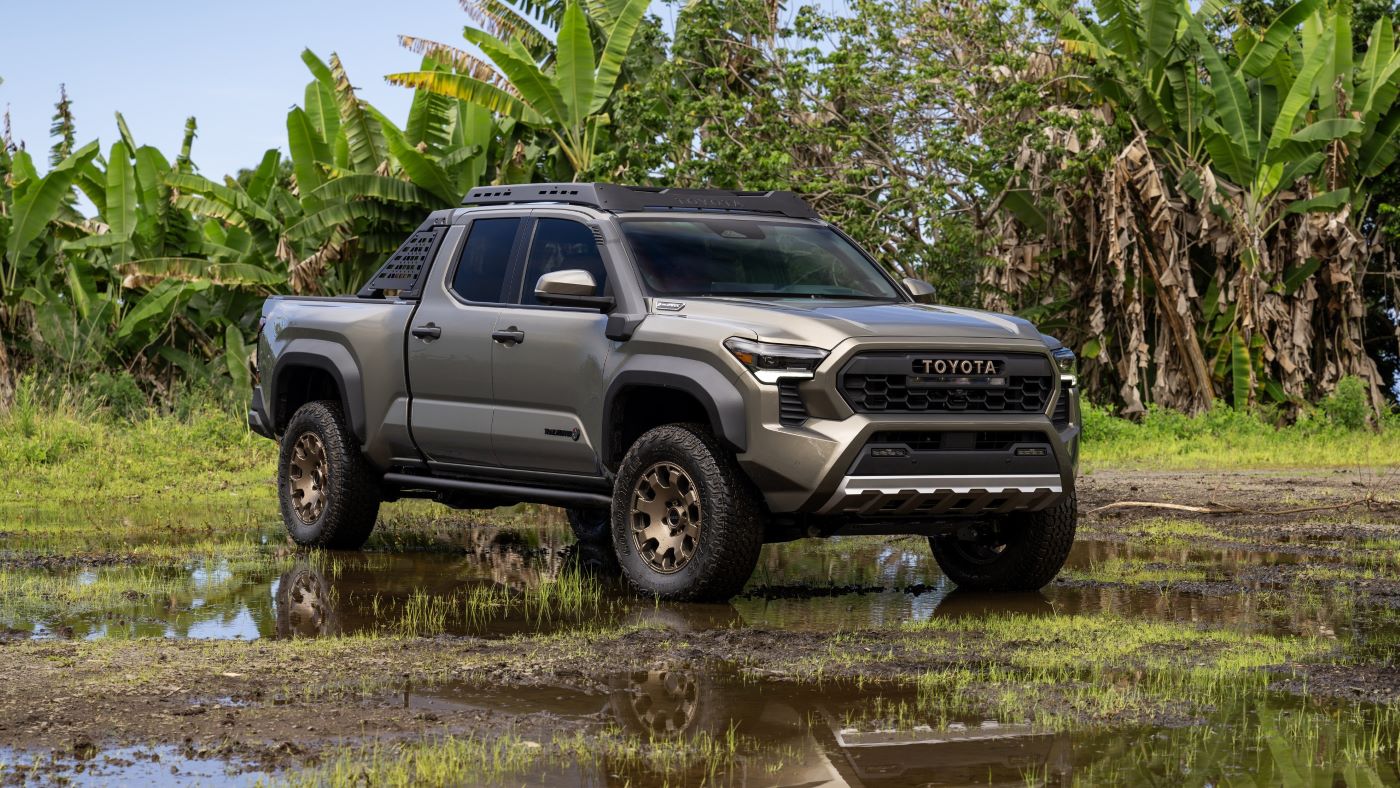
1. Toyota Tacoma
The Toyota Tacoma has built a reputation for toughness that few mid‑size trucks can match. It combines off‑road capability, engine reliability, and relatively low maintenance cost.
Toyota’s long history of quality, especially with components like engines and transmissions, contributes heavily to how well this truck retains value.
Buyers in used‑truck markets often expect Tacomas to last many hundreds of thousands of kilometers with proper maintenance, which makes them willing to pay premiums.
Additionally, aftermarket support is strong, with available parts and service centers widely accessible, meaning repair jobs or customization are less risky or expensive than with more obscure brands. These qualities give confidence to both sellers and buyers.
Its design is conservative and proven rather than experimental. That matters. Dramatic design changes, radical technology shifts, or new powertrain formats sometimes introduce risk.
The Tacoma tends to evolve gradually. Features like four‑wheel drive, off‑road packages, and relatively simple under‑hood equipment mean fewer unexpected problems.
Also the resale demand remains high because the truck is popular in multiple roles: daily driver, weekend adventure machine, light work tool.
That variety of potential buyers keeps secondary market prices elevated. In many regions, the Tacoma is seen as one of the most reliable choices among mid‑size trucks, which feeds resale strength.
Fuel efficiency in this class is modest by modern car standards, but among trucks it holds up well. Combined with Toyota’s reputation for mechanical resilience, the fuel costs over long ownership are less daunting than many alternatives.
Owners report fewer major mechanical failures, lower incidence of major transmission issues, and better longevity for components such as the drivetrain.
That lowers perceived risk when buying used and fosters higher resale. Insurance, parts, and labor costs tend to be more stable too, since Toyota has broader service networks and consistent standards.
Finally the cultural appeal plays a part. The Tacoma is frequently used by outdoor enthusiasts, off‑road hobbyists, and people who want something rugged and versatile yet not a full‑size behemoth. That niche is large enough and consistently interested in this vehicle, which boosts demand in used markets.
Also collectors or loyalists often view Tacomas of certain trims or suited for off‑road or adventure as desirable, which adds a premium over base models. All these combine to make the Toyota Tacoma one of the trucks with strongest resale value.
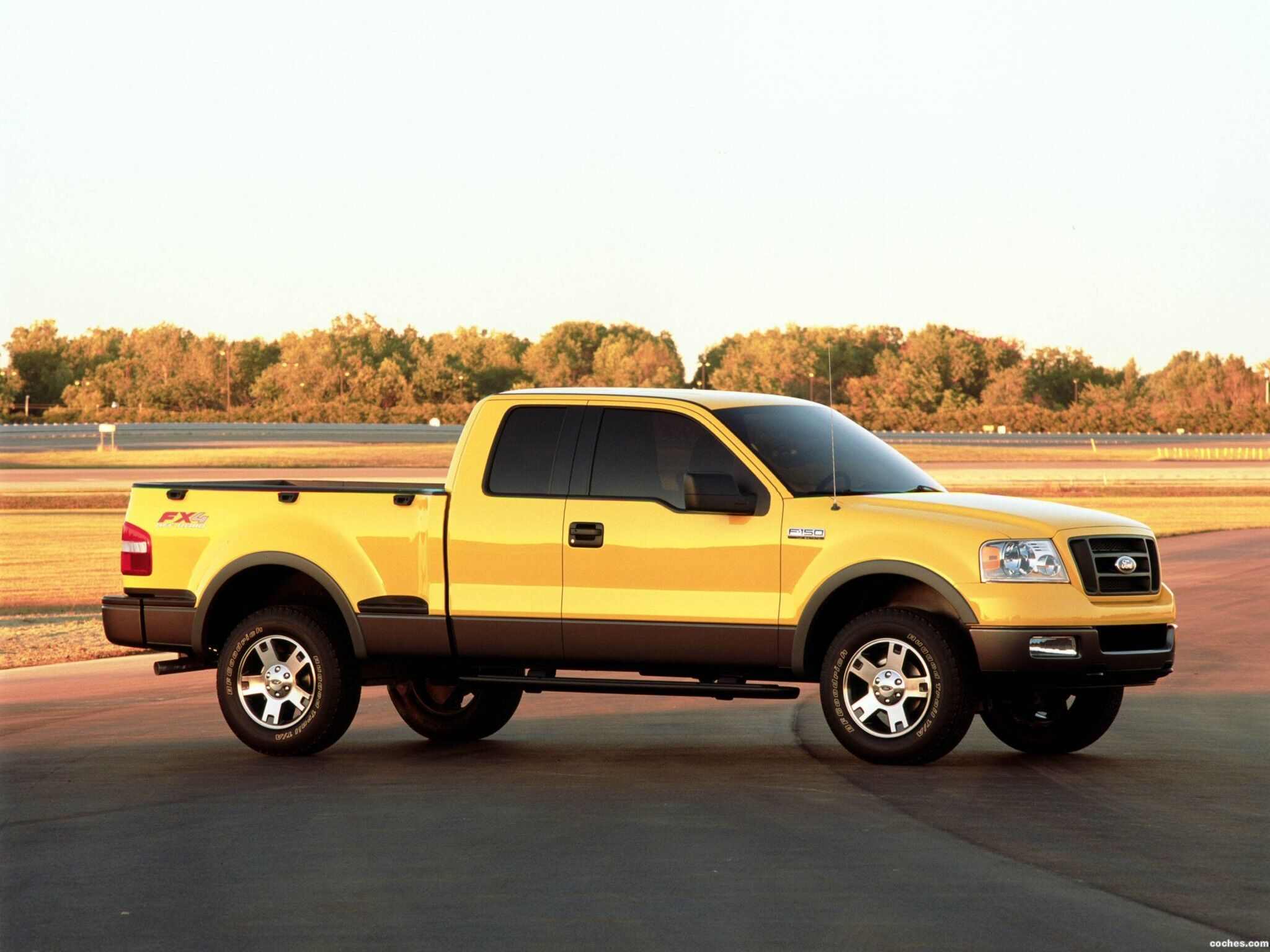
2. Ford F‑150
The Ford F‑150 has long been America’s best‑selling full‑size truck. Its resale value benefits from large buyer base, ample dealer and service networks, wide availability of parts, and multiple trim levels so there’s a truck for many needs.
Whether used for work, family travel, or as a lifestyle vehicle, the F‑150 offers variants ranging from basic work‑oriented models to luxury‑style high‑end trims.
This diversity helps ensure resale value remains solid even for lower trims, since there is always demand for basic, durable trucks among contractors, small business owners, and fleet operators. The high usage keeps supply of used F‑150s steady but demand remains strong.
Engine options, especially more efficient ones, have improved over recent years. Versions with turbo‑gas, V6 EcoBoost, or newer V8s that meet emissions requirements tend to do better in resale markets than older, thirsty engines with lower fuel efficiency or higher emissions.
Buyers often look for modern safety, driver assist features, and better fuel economy. Trucks that have them retain more value.
Also features like towing capacity, payload, and optional four‑wheel drive are popular, especially for buyers who plan to use the truck for hauling or outdoor work. That makes certain trim levels with such features more desirable on resale than those missing them.
Another factor is durability and capability under load. F‑150s tend to have rugged chassis, strong cooling systems, good transmissions, and acceptable longevity when well maintained. Trucks that have been carefully maintained and show service records tend to sell for much more of their original value.
In many regions climate and road conditions also matter. Trucks that resist rust, have proven suspensions, and parts that survive heavy use tend to be favored. Ford has invested in better corrosion protection and stronger warranties, which helps bolster buyer confidence when purchasing used.
Brand recognition and resale reputation feed off each other. Because many owners have experience with F‑150s, word‑of‑mouth for reliability, mechanic familiarity, and parts access strengthens resale. Also the aftermarket for accessories is huge: beds, suspension, off‑road upgrades, and interior options.
These allow used vehicles to be kept in great shape or upgraded, which often helps the resale price. Thus the F‑150 holds resale well among full‑size trucks.
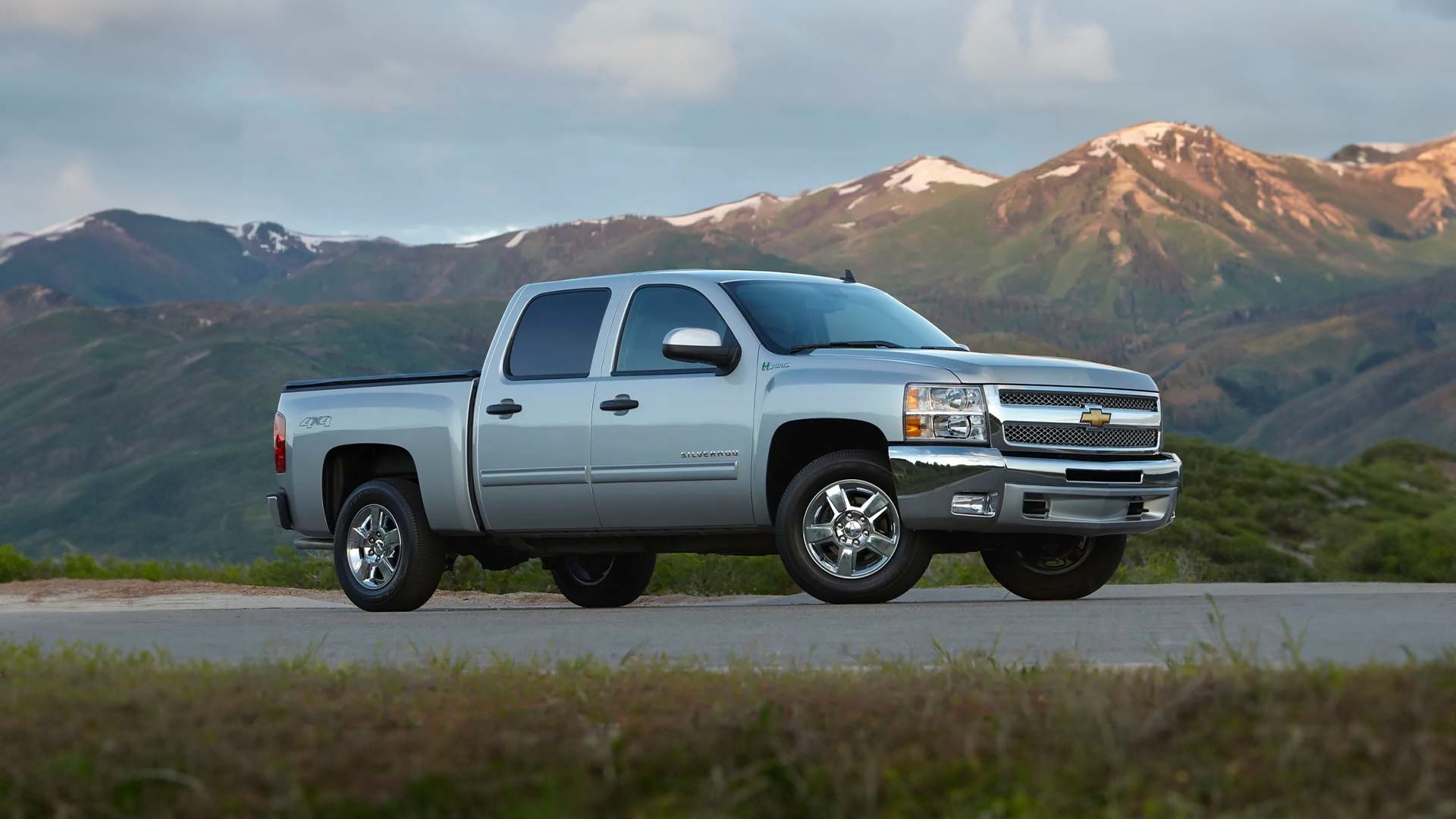
3. Chevrolet Silverado / GMC Sierra
Chevrolet Silverado and its twin GMC Sierra series consistently perform well in resale, especially when specific trims and engine combinations are chosen wisely. The moderate cost of ownership, broad parts network, and strong service support help.
In addition to the base work trucks, versions with crew cabs, advanced towing packages, and modern features maintain strong appeal.
Buyers often favor these higher‑trim and well‑equipped models when purchasing used, which keeps the value of those trim levels up. Even base models retain value better than many competitors because of the popularity of the full‑size American pickup platform.
Engine variety helps. Buyers seeking V8 power, especially those who tow or haul heavy loads, still find Chevy and GMC compelling. Durability of the powertrains in well‑maintained examples tends to be good, and parts are accessible.
Advances in fuel efficiency, better transmissions, and improved safety equipment in newer models make certain recent Silverado/Sierra models more attractive used.
These improvements shrink the gap between fuel cost and emissions concerns versus older, less efficient options. That means trucks several years old with modern amenity packages often trade at relatively strong prices compared to older ones with fewer features.
Off‑road or sporty trims such as the Z71, or versions outfitted with 4WD, locking differentials, skid plates, and upgraded suspension usually retain value the best. They attract enthusiasts or people who want ruggedness plus comfort. Such trims tend to hold resale well, partly due to limited supply relative to demand.
People seeking work‑capable vehicles may choose simpler trims but appearance, ride comfort, and capability options pull demand upward for more desirable configurations. Thus premium trims of Silverado/Sierra often represent sweet spots in terms of resale.
Finally regional factors matter. In areas where trucks are heavily used (construction zones, farms, rough roads), the Silverado/Sierra enjoys a reputation for reliability and ease of repair. The simplicity or availability of replacement parts helps.
Also the brands have long reputations and buyer expectations that they last long. When rust, wear, or high mileage appear, trucks with well documented maintenance still fetch better than many newer but less cared for vehicles. That preserves resale value.
4. Toyota Tundra
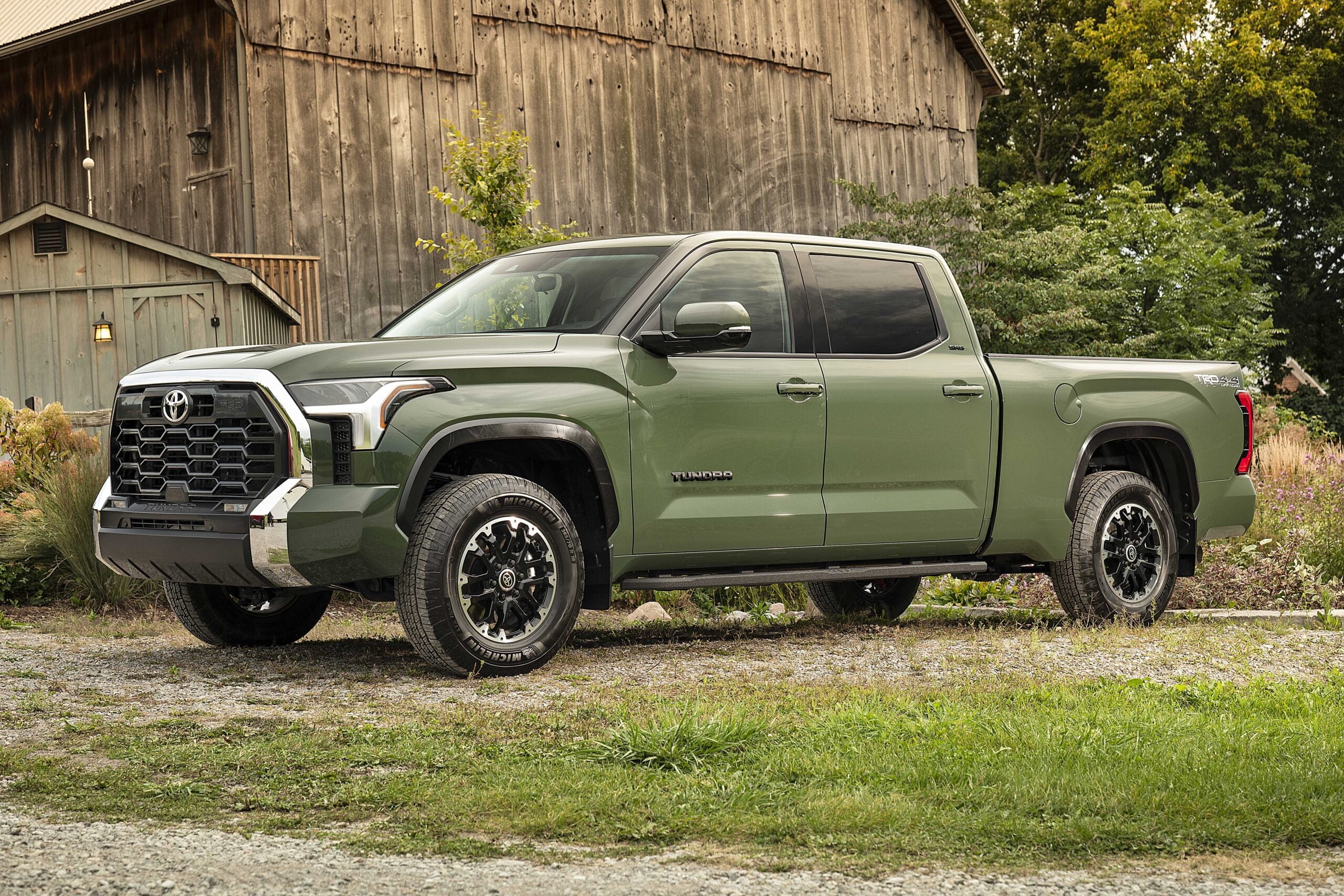
The Toyota Tundra is one of the full‑size trucks that keeps value unusually well. One reason is its long history of reliability in harsh conditions, strong engines, and fewer reported major mechanical failures. Toyota tends to design for rugged longevity rather than trendy novelty when it comes to basic powertrain architecture.
That lends confidence to buyers in used markets. Also corrosion protection, frame strength, and durability in transmissions and engine components tend to be above average, so even trucks that have done hard work can still remain serviceable and appealing.
Another reason is resale demand tied to reputation and brand loyalty. Owners who have experience with earlier Tundras often see them as low risk, reliable when they need to haul or tow, capable off‑road, and relatively simple under the hood. That builds trust.
Some parts might cost more than on domestic rivals, but many buyers are willing to pay for peace of mind. Also residual value benefits from Toyota’s reputation for consistency in maintenance and broad network of service centers.
Trucks with well‑documented service history, relatively good mileage, and minimal abuse tend to sell for high percentages of their original cost even after several years.
Fuel efficiency has improved somewhat in newer models, though still not as good as smaller trucks or midsize choices. But for many buyers, durability and low repair risk offset higher fuel consumption.
The Tundra often comes equipped with powerful engines, strong towing capacity, and good standard features, which make many used models attractive for tasks or recreational towing.
Those who need trucks for camping, trails, boats, or trailers often prefer a Tundra over something less capable, which keeps its demand strong.
Finally trim, options, and resale region play roles. Trucks with off‑road packages, more luxury or comfort features, and modern safety or infotainment gear tend to fetch a premium. Color choices, cabin comforts, interior materials, and condition are important.
Trucks in regions where roads and weather are gentle tend to age better. Tundras with lower rust, fewer dents, and good tires will command higher prices. All of these combine to make the Tundra one of the best full‑size trucks for resale value over time.
5. Toyota Hilux / Pickup Models with Global Demand
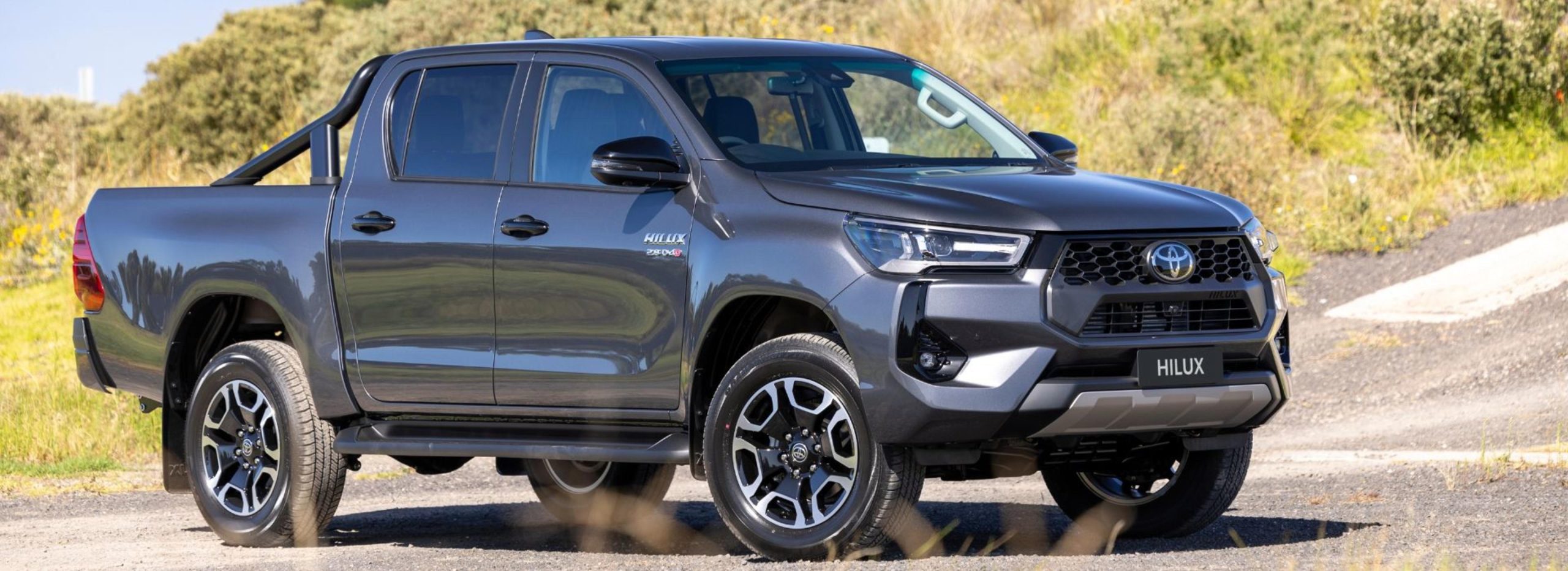
Trucks such as the Toyota Hilux, or similar durable pickup models that are sold globally, tend to hold value extremely well. The Hilux has long been known in many markets for toughness, longevity, ease of repair, and high demand.
Worldwide use in farms, remote areas, commercial settings, and off‑road work means parts, mechanics, and demand are consistent. That keeps resale up because someone always needed another, often even with high mileage or basic features, as long as the mechanicals remain solid.
Because they are often used in places with difficult terrain, remote roads, and heavy loads, these trucks tend to be built to tougher standards.
Suspension, chassis, cooling, and drivetrain often are over‑engineered for durability. Buyers who later purchase used versions expect wear and take it in stride so long as the truck has been cared for.
This acceptance of ruggedness helps maintain value because minor cosmetic damage or high mileage do not scare off many buyers.
What matters more is whether it’s been maintained mechanically, whether engine and differential oils have been serviced, whether the frame is rusted, and whether critical mechanical systems remain sound.
Global parts supply and simple designs also help. Because such trucks are used in many countries, replacement components are often mass‑produced, common, and relatively inexpensive. Mechanics in diverse locales are familiar with their engines, drivetrains, and chassis.
This reduces risk for a buyer and raises market confidence. Also fewer electronics or fewer failure‑prone high‑tech components means lower total cost of maintenance or repair. All those factors contribute to resale strength.
Additionally, in markets where used‑truck importation or cross‑border sales are common, these robust models often fetch good resale premiums.
Because demand spans remote regions, agricultural users, tradespeople, and users seeking off‑road capability, pickup models with global reputations tend to find buyers at nearly any price level.
That broad buyer pool helps maintain stronger resale value than for trucks that are niche, specialty, or only sold locally in small volume.
Also Read: 9 Best Vehicles That Survive Multiple Generations of Owners
5 Trucks That Plummet in Price
Here are five truck models or classes that often suffer large depreciation. These examples show what kinds of features, brand or design issues, or market forces lead to steep loss of value.
Nissan Titan
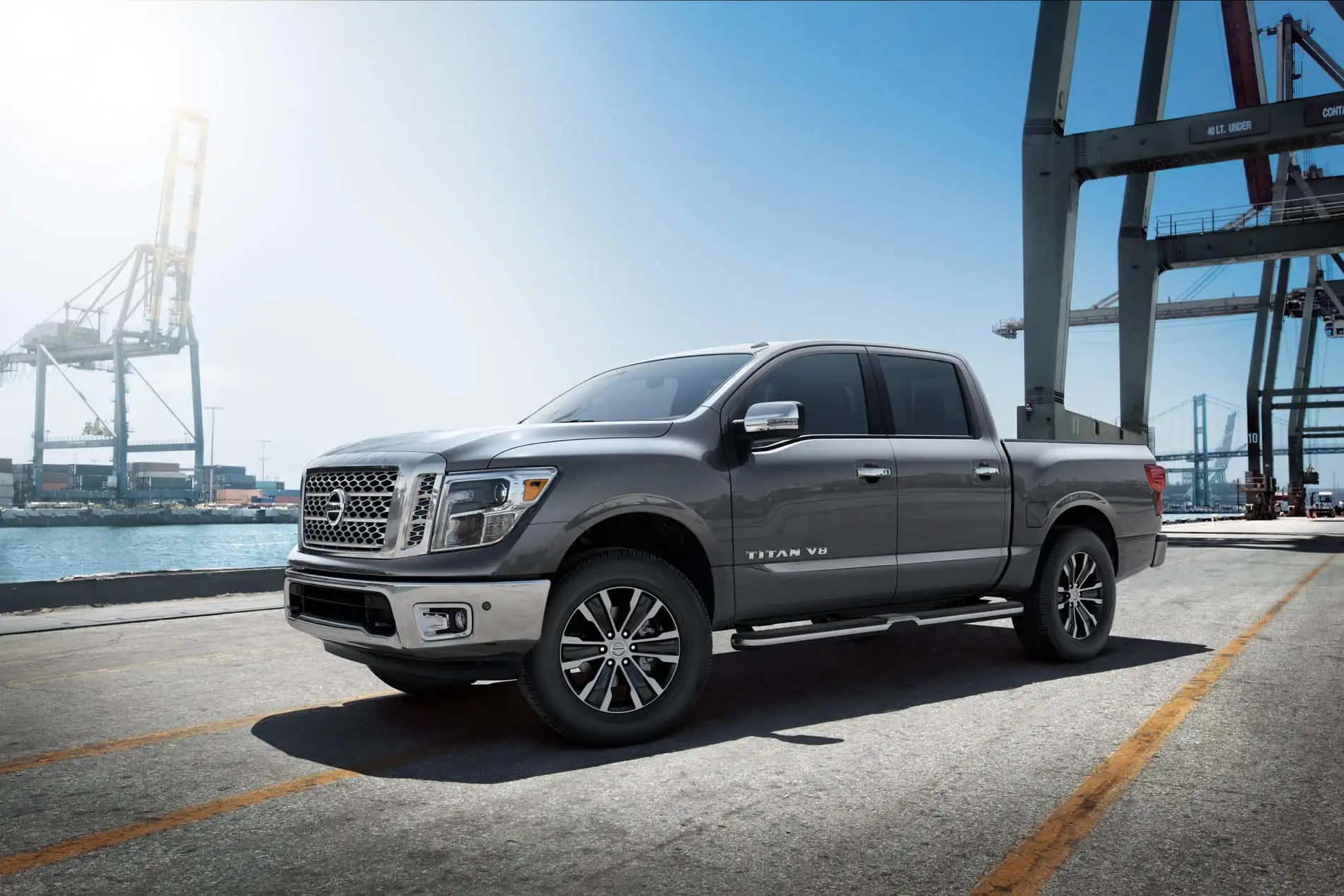
The Nissan Titan often struggles to hold its value in the resale market, despite being a full-size truck with solid capabilities. One major factor is its relatively small share of the full-size truck market, which is heavily dominated by brands like Ford, Chevrolet, and Ram.
These brands have built strong loyalty and extensive dealer networks, while Nissan’s truck division is seen as less established.
This means fewer buyers are actively seeking used Titans, which lowers demand and drives prices down. When a vehicle lacks strong market presence, depreciation naturally increases as supply outweighs buyer interest.
Another challenge for the Titan is that it tends to lag behind competitors in innovation. While the truck has a sturdy build and offers a respectable powertrain, Nissan has been slower to introduce new features and updated styling compared to rivals.
Buyers looking at used trucks often prioritize the latest technology, safety systems, and comfort amenities.
When the Titan feels dated or less refined in these areas, it loses appeal, further impacting its resale value. Potential buyers may choose trucks that feel fresher or offer more advanced options, even if they come at a slightly higher price.
The Titan’s reputation for fuel economy and ride quality also doesn’t stand out in a competitive market. While full-size trucks are generally not known for efficiency, some rivals have made gains with better engines or lighter construction.
The Titan, on the other hand, feels heavier and less efficient, which can deter buyers focused on operating costs over time. Additionally, the ride quality is often described as less comfortable compared to the smoother full-size trucks, making it less desirable for everyday use or long-distance driving.
Lastly, Nissan’s limited service and parts availability compared to more dominant truck brands can discourage buyers.
Trucks often require reliable and accessible maintenance, and the lack of widespread Nissan truck service centers can add to ownership costs and inconvenience. This perception plays a role in reducing the Titan’s used truck desirability, pushing resale values down further.
Ram 1500 Classic
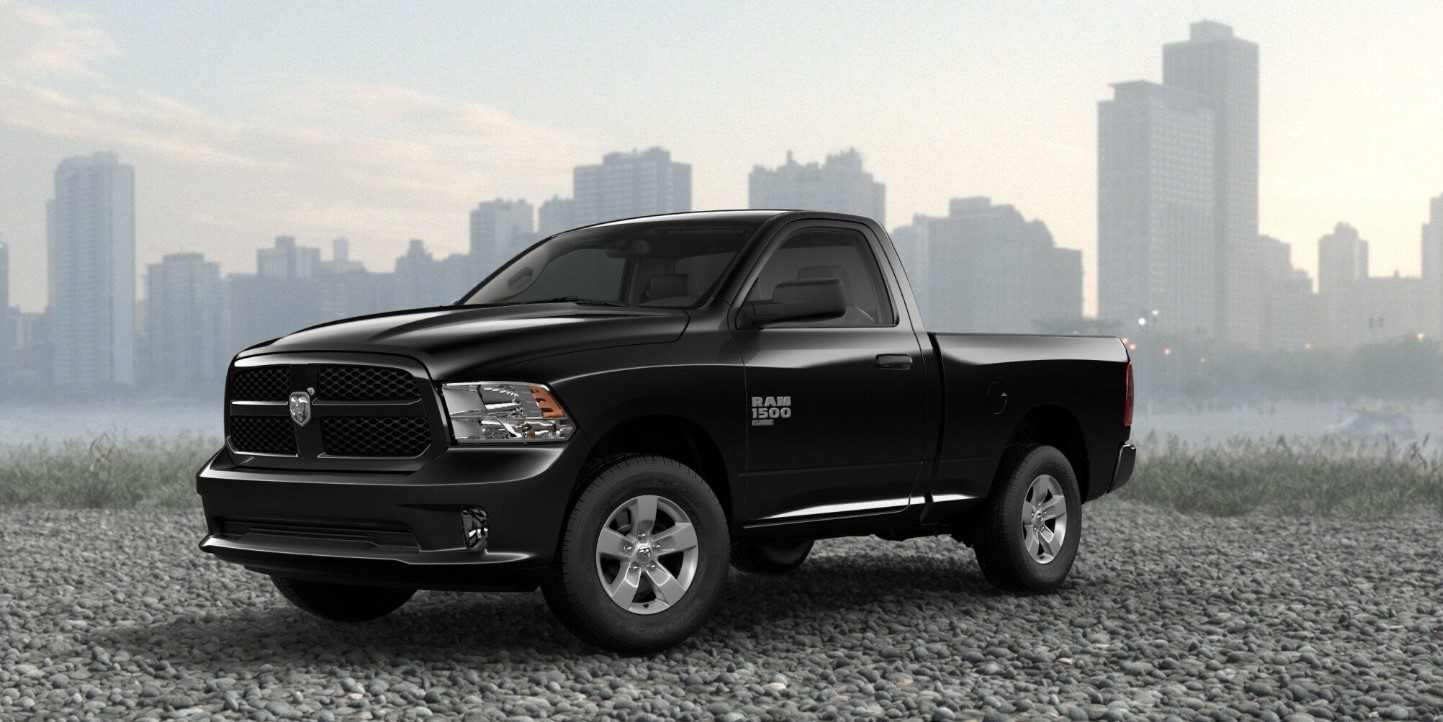
The Ram 1500 Classic is essentially a previous-generation Ram 1500 that has been kept in production as a more affordable alternative to the newer models.
While this might sound like a cost-saving option for buyers, it leads to rapid depreciation because the Classic is perceived as outdated compared to the latest full-size trucks.
Buyers tend to gravitate toward newer models that offer more modern technology, refined interiors, and updated styling. As a result, the demand for Ram 1500 Classics in the used market is weaker, which drives down resale prices significantly.
One of the primary issues is that the Classic lacks many of the advanced features now expected in full-size trucks. The newer Ram 1500 models offer things like advanced driver-assistance systems, larger infotainment screens, and more efficient powertrains, which the Classic cannot match.
Even though the Classic might be mechanically reliable, it fails to meet the expectations of buyers looking for comfort, convenience, and the latest safety tech. This gap puts the Classic at a disadvantage, causing it to depreciate faster as buyers favor more up-to-date trucks.
The interior and exterior design of the Ram 1500 Classic also play a role in its falling value. The styling and materials feel dated compared to modern trucks that focus on luxury and craftsmanship.
For many buyers, the cabin experience is a significant factor in choosing a truck, especially when used trucks are plentiful. The Classic’s older aesthetic and less refined ride quality make it less attractive, limiting its appeal in the resale market and contributing to faster depreciation.
Finally, while the Classic is priced lower initially, its value drops more quickly than the newer Ram 1500 models. This rapid depreciation reduces the long-term financial benefit of purchasing a Classic, especially for buyers who plan to sell or trade their truck within a few years.
The older generation’s appeal wanes quickly, and the resale prices reflect this reality. In essence, the Ram 1500 Classic’s outdated design, lack of features, and shifting buyer preferences cause it to lose value faster than more current trucks.
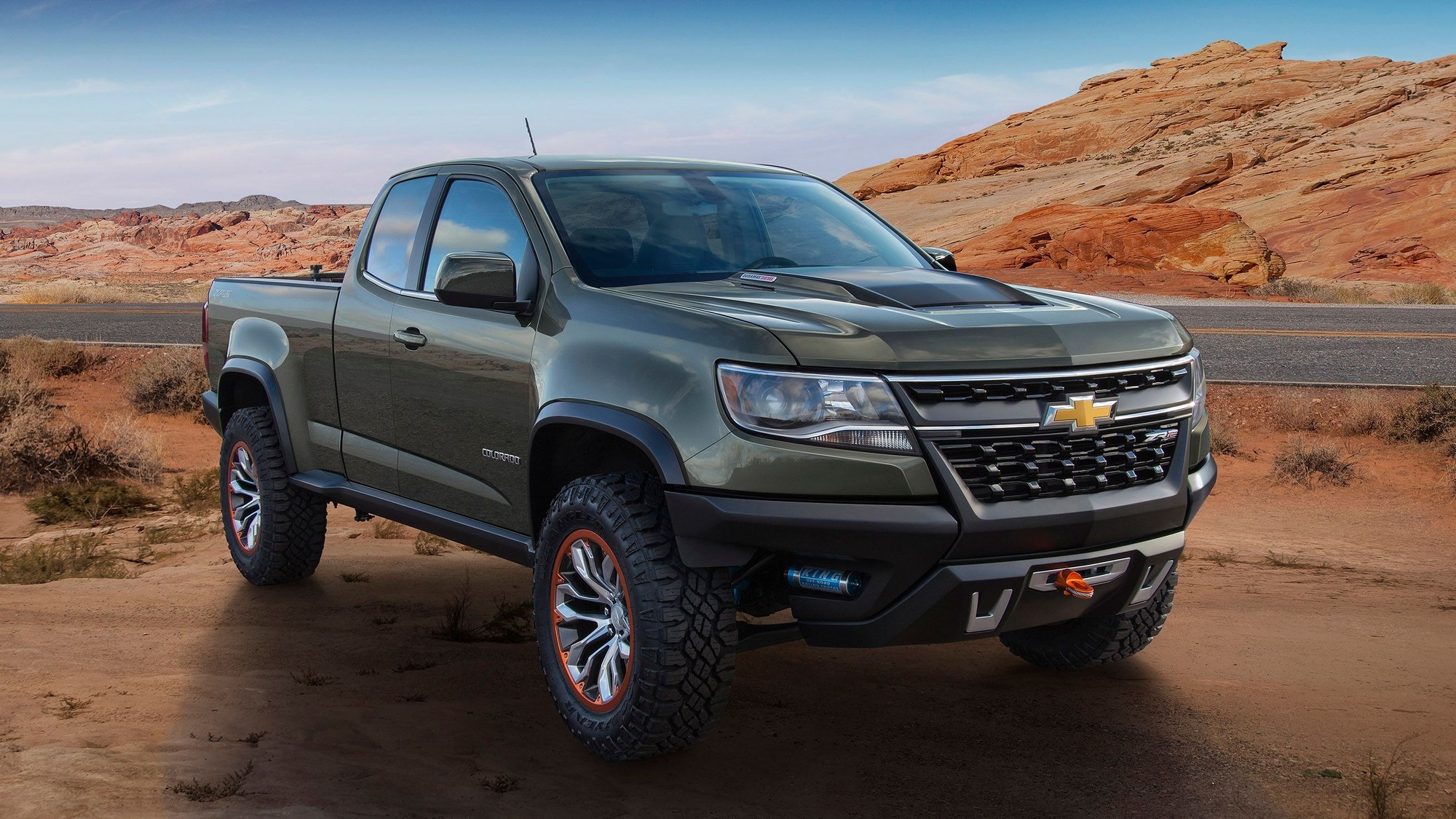
Chevrolet Colorado
The Chevrolet Colorado is a capable midsize truck, but it often loses value faster than many of its rivals. This segment is fiercely competitive, with strong contenders like the Toyota Tacoma, Ford Ranger, and Honda Ridgeline.
Many of these competitors have built reputations for reliability, comfort, or innovative features that attract buyers looking for long-term value. The Colorado, while versatile and offering multiple engine choices, struggles to stand out, which negatively impacts its resale value.
One of the reasons for Colorado’s depreciation is its inconsistent reliability ratings. While it generally performs well, some model years have been criticized for issues ranging from engine problems to transmission concerns.
These reliability questions make buyers cautious when considering a used Colorado, often pushing them toward competitors with stronger track records. Resale value is closely tied to perceived reliability, so even occasional negative reports can reduce demand and accelerate depreciation.
Additionally, the Colorado’s ride quality and interior comfort don’t always match up to rivals. Although it provides decent capability and utility, the truck is often described as less refined and less comfortable for daily driving.
In a segment where buyers increasingly want trucks that double as comfortable family vehicles or commuter cars, this perception hurts the Colorado’s resale appeal. When similar trucks offer smoother rides and more upscale cabins, the Colorado tends to lose value faster.
Finally, the midsize truck market is saturated, with plenty of newer and used models available. This abundance means that supply is often high relative to demand, driving prices down. Buyers benefit from choice, but sellers see lower resale values.
The Chevrolet Colorado’s broad availability combined with mixed perceptions about its features and reliability result in quicker depreciation compared to some competitors who enjoy stronger brand loyalty and perceived quality.
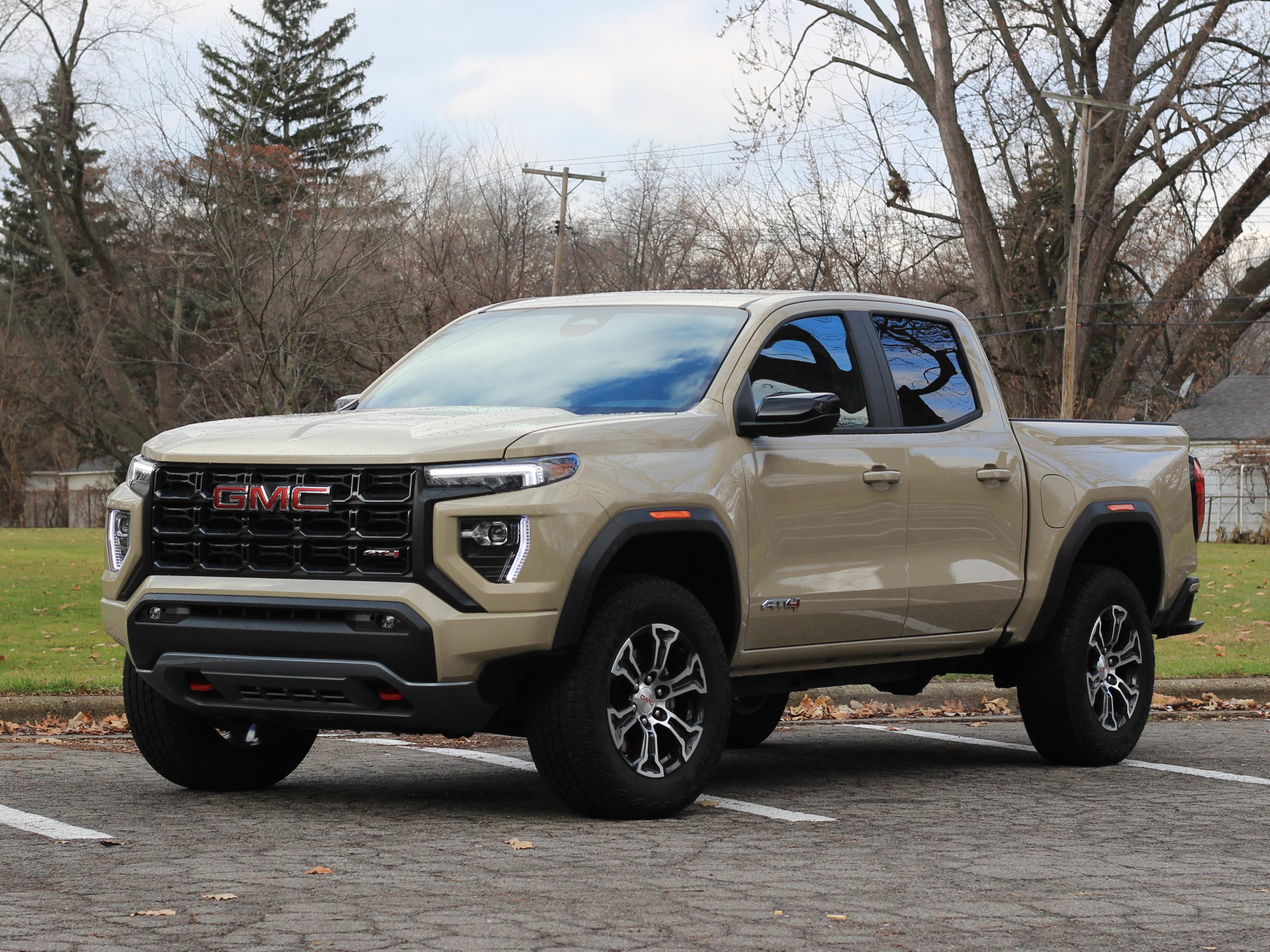
GMC Canyon
The GMC Canyon, a close relative of the Chevrolet Colorado, faces many of the same depreciation challenges, but often fares worse when it comes to holding resale value.
While the Canyon aims to be a more premium version of the Colorado, offering better interior materials and additional options, it struggles to justify a higher price tag in the eyes of many buyers. This lack of clear differentiation between the two trucks limits the Canyon’s appeal and contributes to its faster depreciation.
Buyers often see the Canyon as just a slightly fancier Colorado without enough unique features or advantages to justify the premium. This perception weakens demand in the used market, where price sensitivity is high.
When shoppers find nearly identical trucks for less money, they are less likely to pay extra for the GMC badge, leading to lower resale values for the Canyon. This problem is compounded by the competition in the midsize segment, where many trucks offer strong performance and comfort at various price points.
The Canyon’s styling and feature set also play a role in its depreciation. Although it tries to present a more upscale image, it still relies on older platforms and doesn’t offer the same level of innovation seen in some rivals.
Buyers looking for cutting-edge technology, fuel efficiency, or advanced safety features might turn to other midsize trucks, leaving the Canyon with fewer interested buyers in the resale market. The truck’s relatively niche appeal further limits its price retention.
Lastly, the GMC brand itself doesn’t carry the same truck legacy as competitors like Ford or Toyota. While GMC is respected for SUVs and some trucks, it lacks the overwhelming market presence needed to command high resale prices consistently.
This factor, combined with the lack of clear differentiation from Colorado, results in the Canyon experiencing significant depreciation over time. Owners should be prepared for a faster decline in value compared to more dominant midsize trucks.
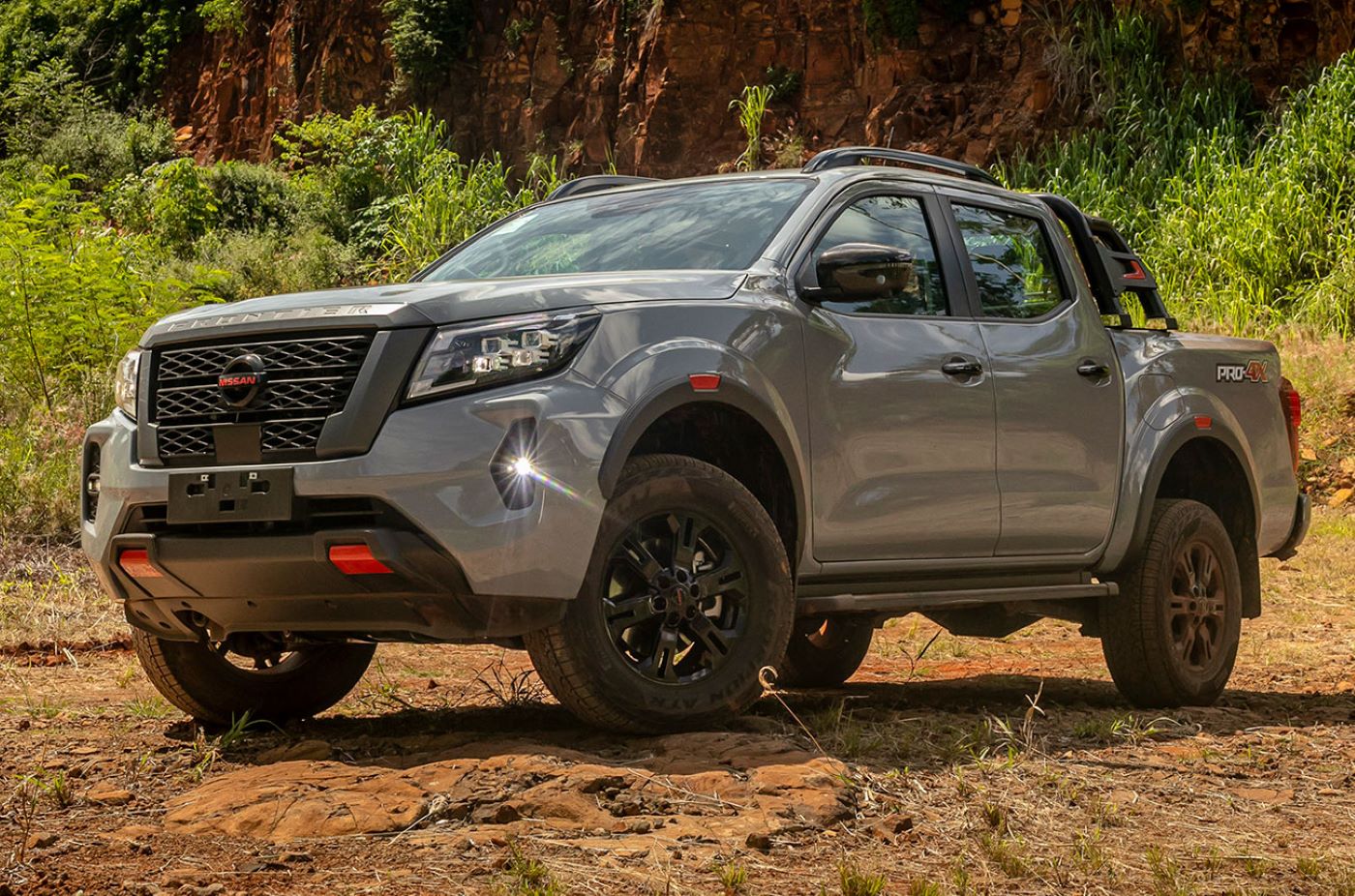
Nissan Frontier
The Nissan Frontier is one of the oldest models still on sale in the midsize truck category, with many years passing since its last major redesign. While its simple design and ruggedness make it a reliable workhorse, its outdated platform and lack of modern features seriously hurt its resale value.
Buyers increasingly expect trucks to come with updated safety tech, infotainment systems, and fuel-efficient engines, but the Frontier falls short in these areas.
The Frontier’s interior and exterior styling feel dated compared to more contemporary midsize trucks. While ruggedness is valued, aesthetics and comfort matter to many buyers, especially those using their trucks for daily driving.
The Frontier’s older look and less refined cabin can turn away potential buyers, who instead opt for newer models that provide a more pleasant ownership experience. This reduces demand and causes faster depreciation.
Fuel efficiency and powertrain options are another challenge for the Frontier. While it offers solid V6 engines, it lacks more advanced powertrains or diesel options that some competitors provide.
These modern engines offer better fuel economy and performance, appealing to a broader range of buyers. Without such options, the Frontier is seen as less versatile, which affects its value retention negatively.
Finally, Nissan’s less aggressive presence in the truck market means the Frontier lacks the brand cachet that boosts resale value for trucks from Ford or Toyota.
Its reputation as a reliable but old-fashioned truck limits its appeal on the used market. The combination of aging design, lack of features, and weaker brand appeal causes the Nissan Frontier to depreciate rapidly, making it one of the trucks that lose value fastest over time.
