
Fuel efficiency is one of the most important factors car buyers consider today. With fuel prices rising unpredictably and more people becoming conscious of their environmental impact, cars that can stretch a gallon of fuel are often in high demand. At the same time, not every car is designed with efficiency in mind.
Some prioritize raw power, size, luxury, or off-road capabilities, and these traits often come at the cost of guzzling fuel. This article will cover ten cars that stand out for very different reasons, five that are known for remarkable fuel efficiency and five that are notorious for high fuel consumption.
Whether you’re looking to save money on gas, reduce your carbon footprint, or simply understand which cars work best for different lifestyles, this comparison provides an insightful look at both ends of the spectrum.
The most fuel-efficient vehicles often incorporate lightweight materials, hybrid or electric powertrains, or are simply built small and smart. On the other hand, fuel-thirsty vehicles tend to have large engines, heavy frames, or specialized performance needs like towing or high-speed driving.
Not every car is made with the same goal in mind. A compact hybrid commuter car and a luxury SUV with a V8 engine are targeting very different drivers. For that reason, it’s not always fair to pit them directly against each other, but understanding the consequences of those design decisions is important.
Choosing a car that suits your fuel consumption preferences means knowing what’s under the hood and how it behaves on the road. Sometimes the sacrifice of fuel economy is worth it for what the vehicle provides in return, but many drivers are surprised by just how much they could save or spend, simply based on the type of car they choose.
Let’s break it down into two sections. First, we’ll go through five cars that stand out for being impressively efficient. After that, we’ll shift gears and look at five cars that burn through gas much faster than most, even if they offer other qualities that might justify the trade-off.
Also Read: 9 Best Vehicles That Survive Multiple Generations of Owners
5 Cars With Amazing Fuel Efficiency
1. Toyota Prius
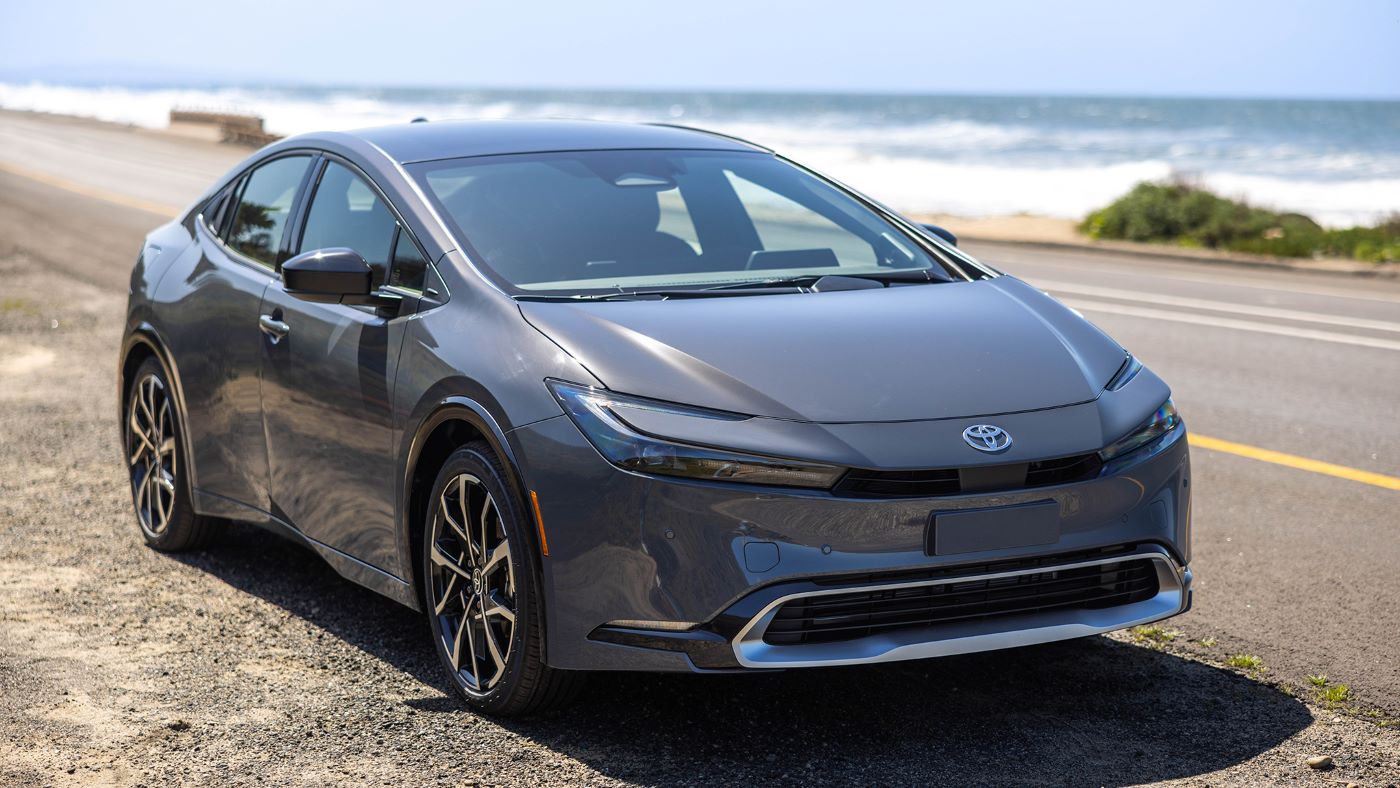
The Toyota Prius has long been the gold standard when it comes to fuel-efficient vehicles. Since its introduction in the late 1990s, it has consistently delivered incredible miles per gallon and remains a top choice for drivers who want a dependable, eco-friendly car without sacrificing practicality.
The Prius operates on a hybrid system that combines a gasoline engine with an electric motor, allowing it to maximize fuel usage in both city and highway driving. This setup not only improves mileage but also lowers emissions, making it one of the most environmentally responsible choices on the market.
What sets the Prius apart from other hybrids is its consistent performance across many generations. While some cars may become less efficient as new models are introduced, Toyota has managed to improve fuel economy with each version.
The Prius is also extremely lightweight and uses aerodynamic design features that reduce drag. These small details add up to major savings at the gas pump over time. Even for drivers who may not care much about emissions, the financial benefit of filling up less often is undeniable.
One reason the Prius remains such a favorite is that it doesn’t compromise too much on practicality or comfort. It may not be the most exciting car to drive, but it provides enough room for passengers and cargo, especially in its hatchback version.
The interior, while simple, is functional and focused on usability. Features like regenerative braking and smart climate control systems contribute to the efficiency, making it one of the smartest everyday vehicles available.
Another major strength of the Prius is its reputation for reliability. A car can have great fuel economy, but if it’s always in the shop, that benefit disappears quickly.
Fortunately, the Prius holds up very well over time, and with proper maintenance, many owners report high mileage numbers on the odometer. For anyone looking to save on fuel without sacrificing quality, the Prius continues to be an unbeatable option.
2. Honda Insight
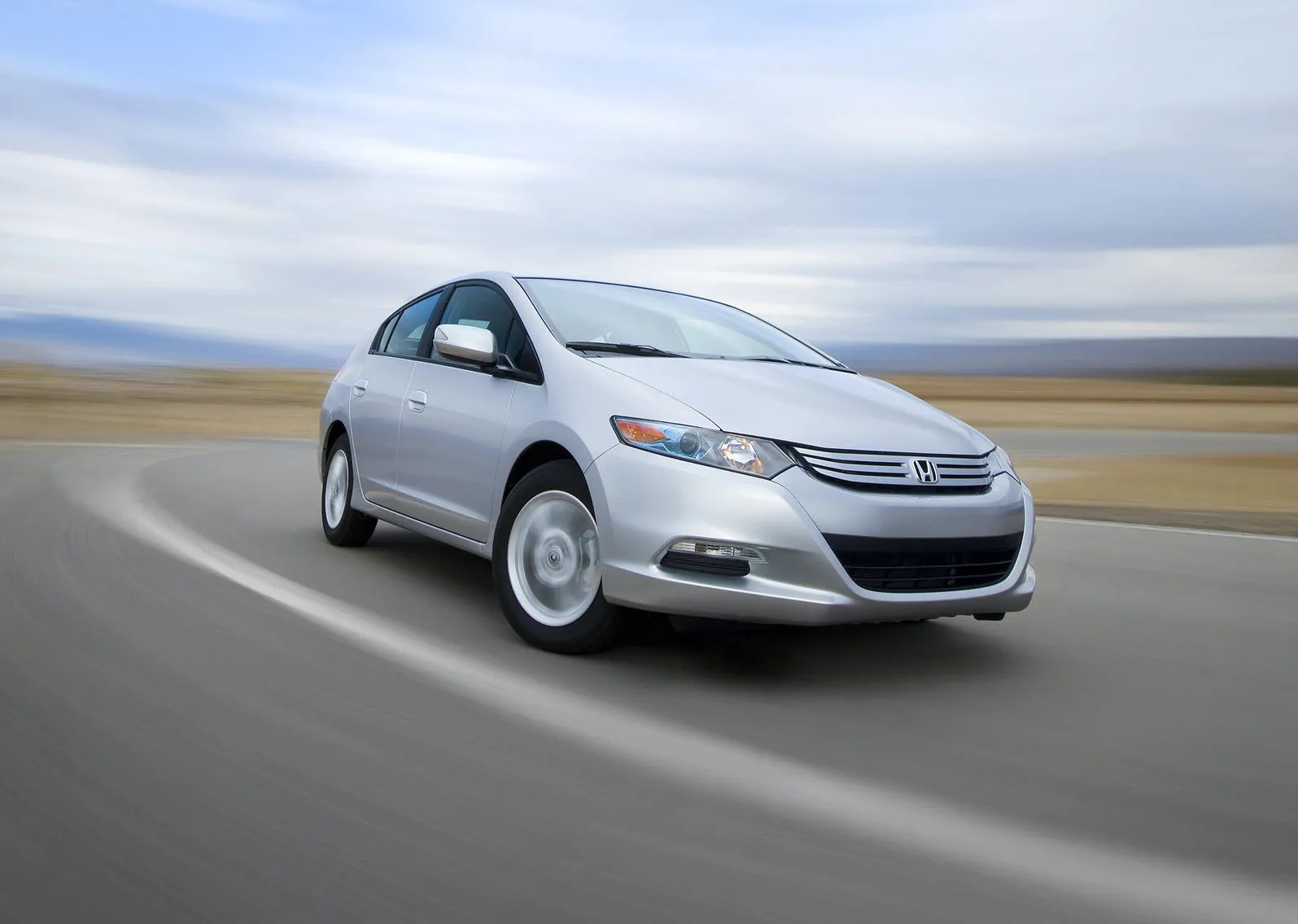
The Honda Insight is another standout in the fuel-efficiency game. While it hasn’t achieved the same cultural status as the Prius, it actually came to market around the same time and has always been a direct competitor.
The most recent versions of the Insight offer an impressive combination of comfort, technology, and efficiency, making it a strong option for those who want a fuel-sipping vehicle with a bit more modern flair. The hybrid powertrain works smoothly, transitioning between electric and gas seamlessly for optimal performance.
One of the most appealing aspects of the Insight is how much it resembles a standard sedan in both appearance and driving feel. While some hybrids make sacrifices in aesthetics or performance to achieve their mileage, the Insight balances both.
The handling is more responsive than you might expect, and the car feels stable at high speeds, something not always true of compact hybrids. Its refined driving experience helps it stand out from a crowded field of fuel-efficient options.
Fuel economy numbers for the Insight are exceptional, especially in city driving. Thanks to regenerative braking and efficient low-speed electric operation, drivers can achieve mileage well above what traditional compact cars can manage.
It’s particularly attractive for urban commuters who deal with a lot of stop-and-go traffic, where the hybrid system shines most. Even highway numbers remain strong, making it versatile for different types of drivers.
In terms of features, the Insight doesn’t skimp. You get advanced safety systems, comfortable seating, and a user-friendly infotainment system, which make long drives more enjoyable.
While the rear seat and trunk might be slightly smaller than average, these are minor trade-offs for such strong fuel performance. The Insight proves you don’t have to give up comfort or driving pleasure just to get great mileage.
3. Hyundai Ioniq
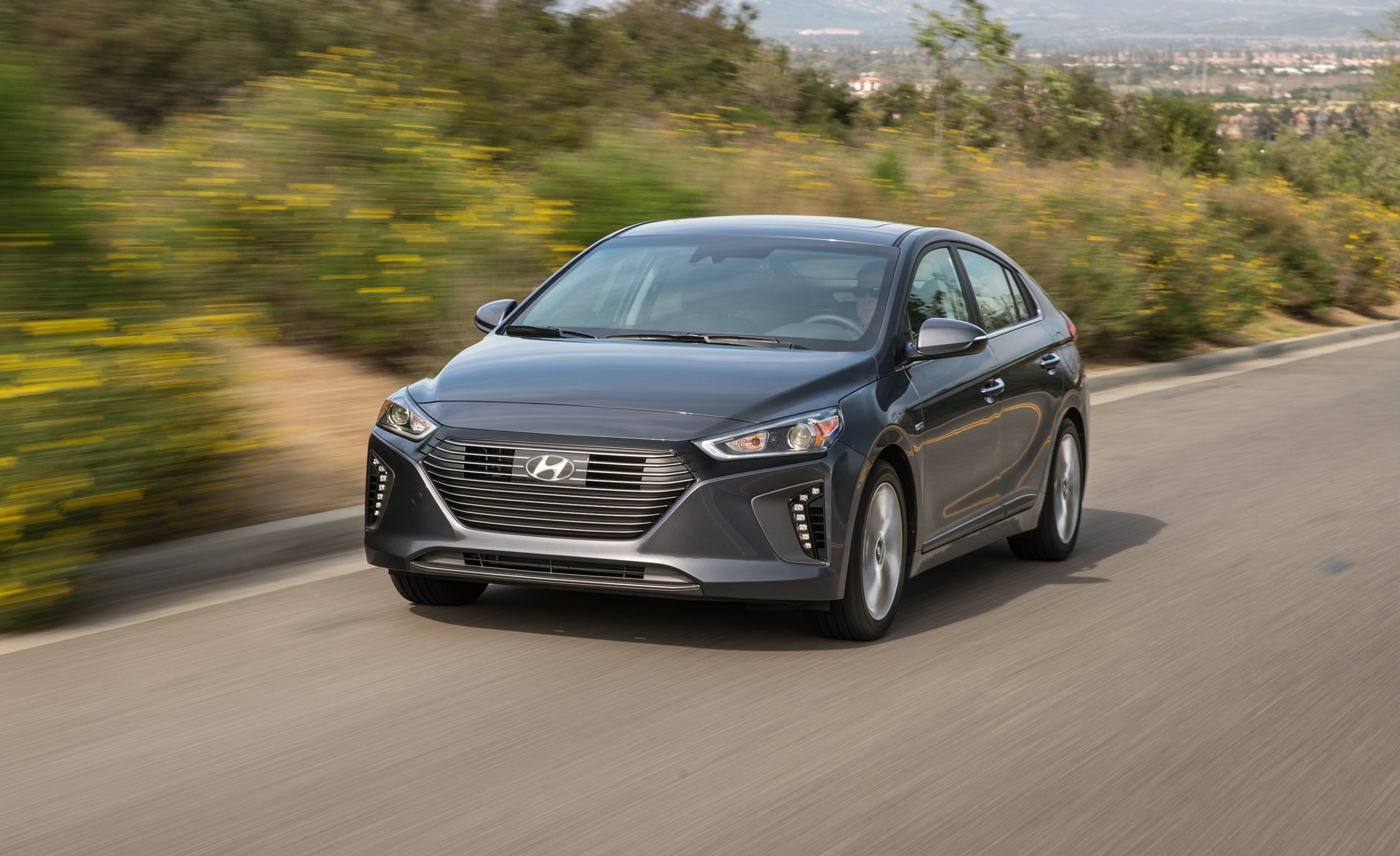
The Hyundai Ioniq has carved out a space for itself in the high-efficiency market by offering multiple versions: hybrid, plug-in hybrid, and full electric. This kind of flexibility means drivers can choose the model that best suits their driving habits and fuel goals.
The hybrid version, in particular, boasts some of the best fuel economy ratings of any non-plug-in car on the road. Hyundai managed to create a car that’s not only efficient but also smartly designed and surprisingly fun to drive.
The Ioniq’s lightweight construction and sleek aerodynamic shape contribute heavily to its mileage. It uses high-strength steel and aluminum to keep the weight down, while the styling reduces air resistance.
The result is a car that glides easily at highway speeds and sips fuel in urban settings. Despite its eco-friendly credentials, the Ioniq doesn’t look or feel like a compromise vehicle, which is a major selling point for many buyers.
On the inside, the Ioniq is modern and clean, with an intuitive dashboard layout and plenty of connectivity options. Apple CarPlay, Android Auto, and a responsive touchscreen come standard, giving the car a high-tech feel.
The cabin space is generous for a compact car, and the hatchback design adds an extra layer of practicality. It feels like a smart purchase that doesn’t ask you to give up anything meaningful for the sake of better fuel economy.
In real-world driving, the Ioniq often meets or exceeds its advertised fuel economy numbers, a claim not every car can make. It’s a great option for drivers who want to save money without stepping into a fully electric vehicle or sacrificing traditional car performance.
With a low starting price and strong reliability ratings, the Ioniq continues to be one of the most overlooked but impressive fuel-efficient vehicles on the road.
4. Kia Niro
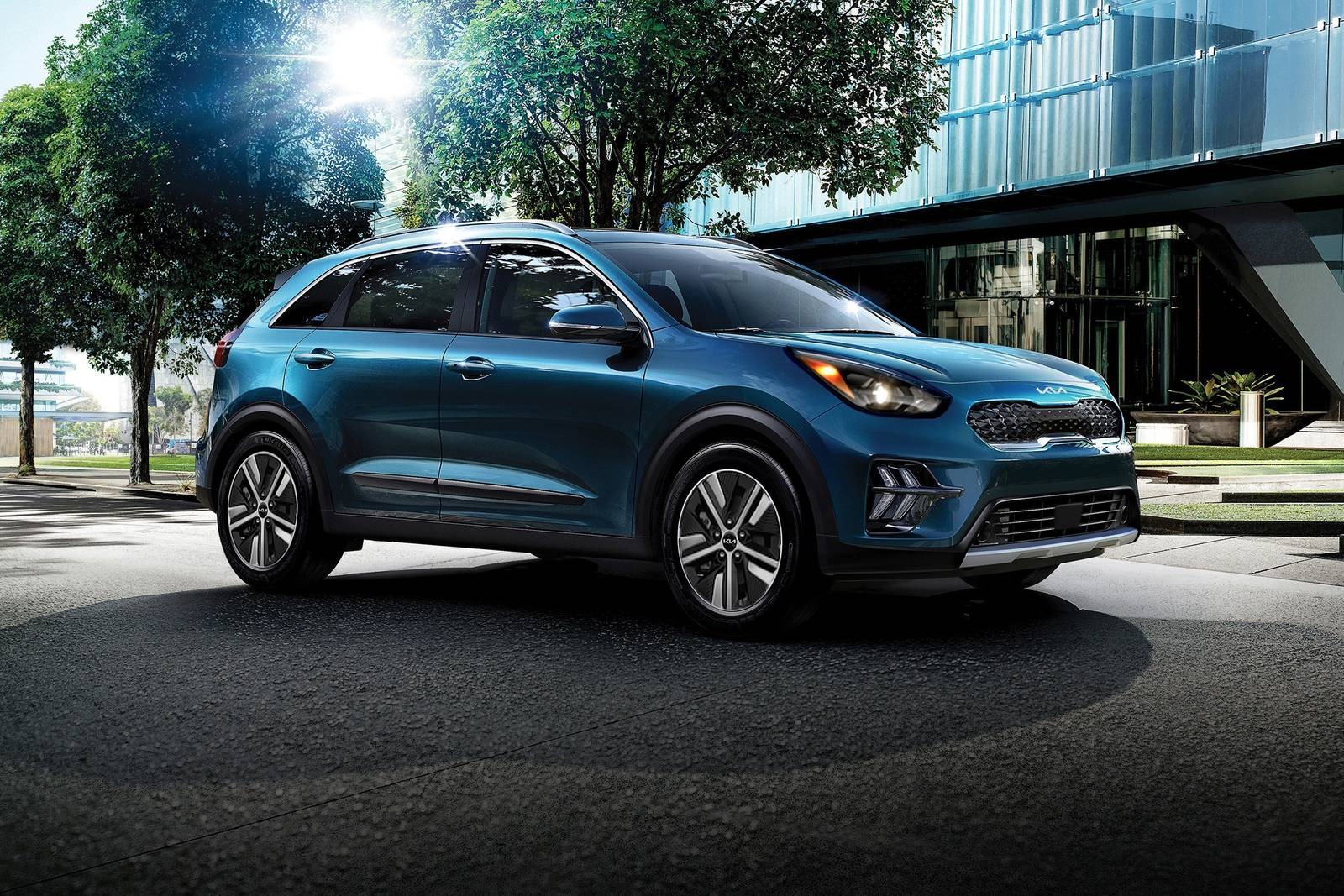
The Kia Niro is a small crossover that delivers the kind of fuel economy usually associated with compact sedans. This makes it a unique offering in the marketplace, particularly for people who want a bit more space without having to pay the fuel costs that usually come with it.
The Niro is available in multiple versions: hybrid, plug-in hybrid, and electric, similar to the Hyundai Ioniq, since both share a platform. The hybrid version in particular stands out for balancing size, comfort, and efficiency.
One of the strongest aspects of the Niro is its ability to handle daily life without drawing attention to itself. It doesn’t scream “eco-car” the way some other hybrids do, which is actually part of its charm.
The exterior design is subtle and clean, while the inside provides ample room for both passengers and cargo. Families especially appreciate the back seat space and rear hatch, which make it easy to carry groceries, strollers, or luggage.
Driving the Niro is a relaxed experience. The hybrid engine responds smoothly, and the ride is quiet and comfortable. It’s not a performance vehicle, but it was never intended to be. Instead, the focus is on usability and reducing fuel stops.
City driving especially benefits from the hybrid powertrain, and many owners report getting better mileage than advertised when driving conservatively. It’s an ideal car for people who want to make fewer stops at gas stations without feeling cramped or underpowered.
Another plus is Kia’s generous warranty and reputation for building reliable, tech-filled vehicles. Safety features like forward collision warning, lane-keeping assist, and adaptive cruise control come standard or are available in most trims.
This adds value to the Niro and helps justify its slightly higher cost compared to smaller, less equipped cars. For anyone looking for a crossover that doesn’t guzzle gas, the Niro remains one of the top picks.
5. Toyota Corolla Hybrid
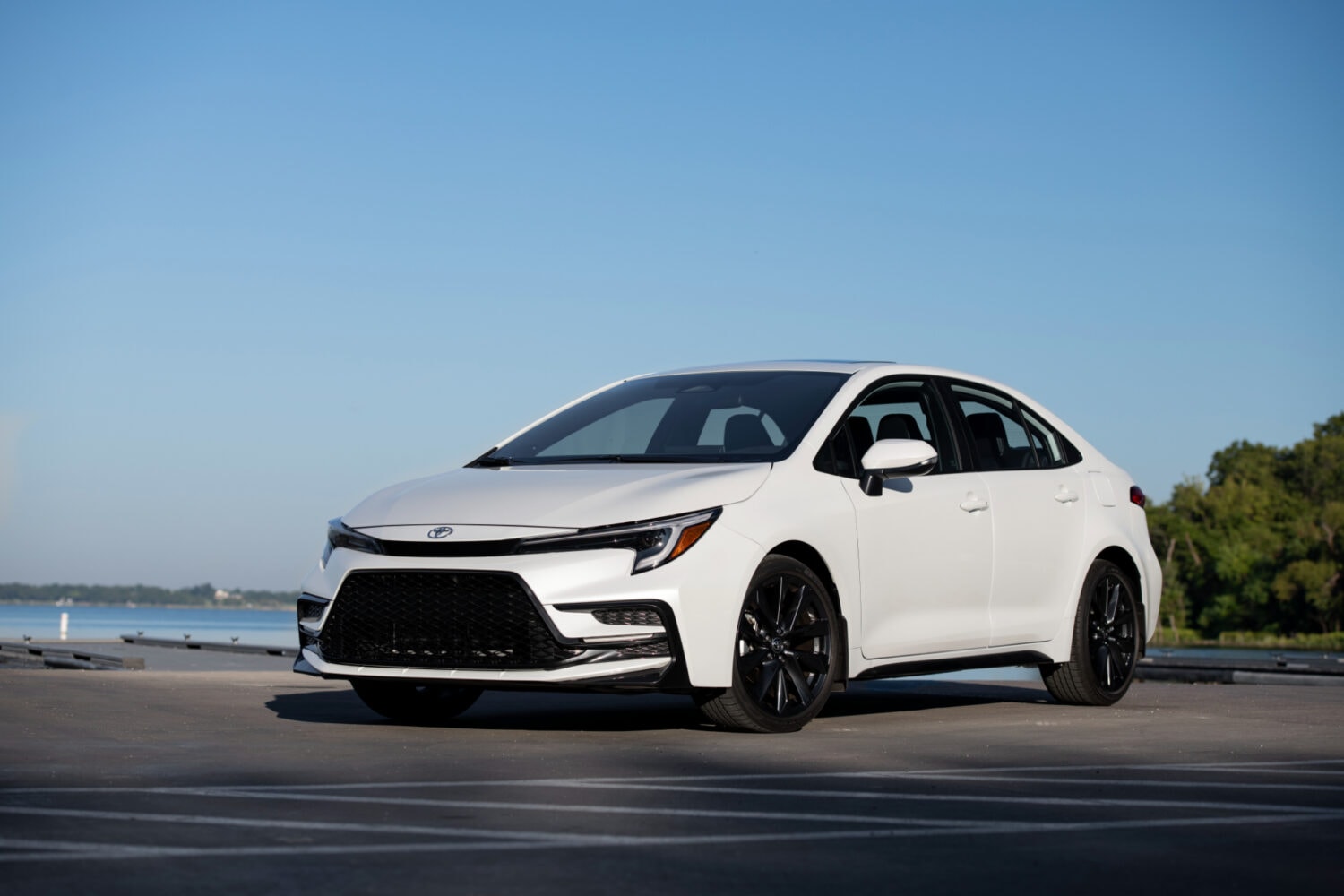
The Toyota Corolla has long been known as a reliable, no-nonsense compact sedan, and with the introduction of the hybrid version, it now brings excellent fuel economy into the mix.
The Corolla Hybrid uses a similar powertrain setup to the Prius but packages it in a more conventional and widely appealing body style. For drivers who want hybrid-level efficiency but prefer a more traditional look and feel, this version of the Corolla hits the mark perfectly.
One of the biggest strengths of the Corolla Hybrid is that it doesn’t feel like a specialized vehicle. It retains the comfort, practicality, and build quality that people have come to expect from the Corolla over the decades.
That familiarity is part of its appeal. You get a quiet cabin, smooth acceleration, and enough power for daily commuting, all while achieving fuel economy numbers that can rival more expensive hybrid models.
The Corolla Hybrid delivers impressive numbers in both city and highway driving. This is thanks in part to its efficient regenerative braking system, smart throttle control, and lightweight frame.
Unlike some hybrids that perform better in one type of driving over another, the Corolla Hybrid is balanced and consistent. It’s a smart pick for anyone who has a mixed commute or likes to take road trips while still keeping gas costs low.
In terms of features, Toyota has kept the interior clean and functional. The infotainment system is straightforward, and the seating is supportive enough for longer drives. The rear seat may not be the largest in its class, but it’s sufficient for small families or occasional passengers.
On top of that, Toyota’s safety suite comes standard, including adaptive cruise control and lane-keeping assist, which enhances the value even more. For buyers who want dependable efficiency without stepping outside their comfort zone, the Corolla Hybrid is an excellent option.
Also Read: 9 Steps That Help a Dodge Ram 1500 Last Forever
5 Cars That Drink Gas Like Crazy
1. Ford F-250 Super Duty (Gas Engine)
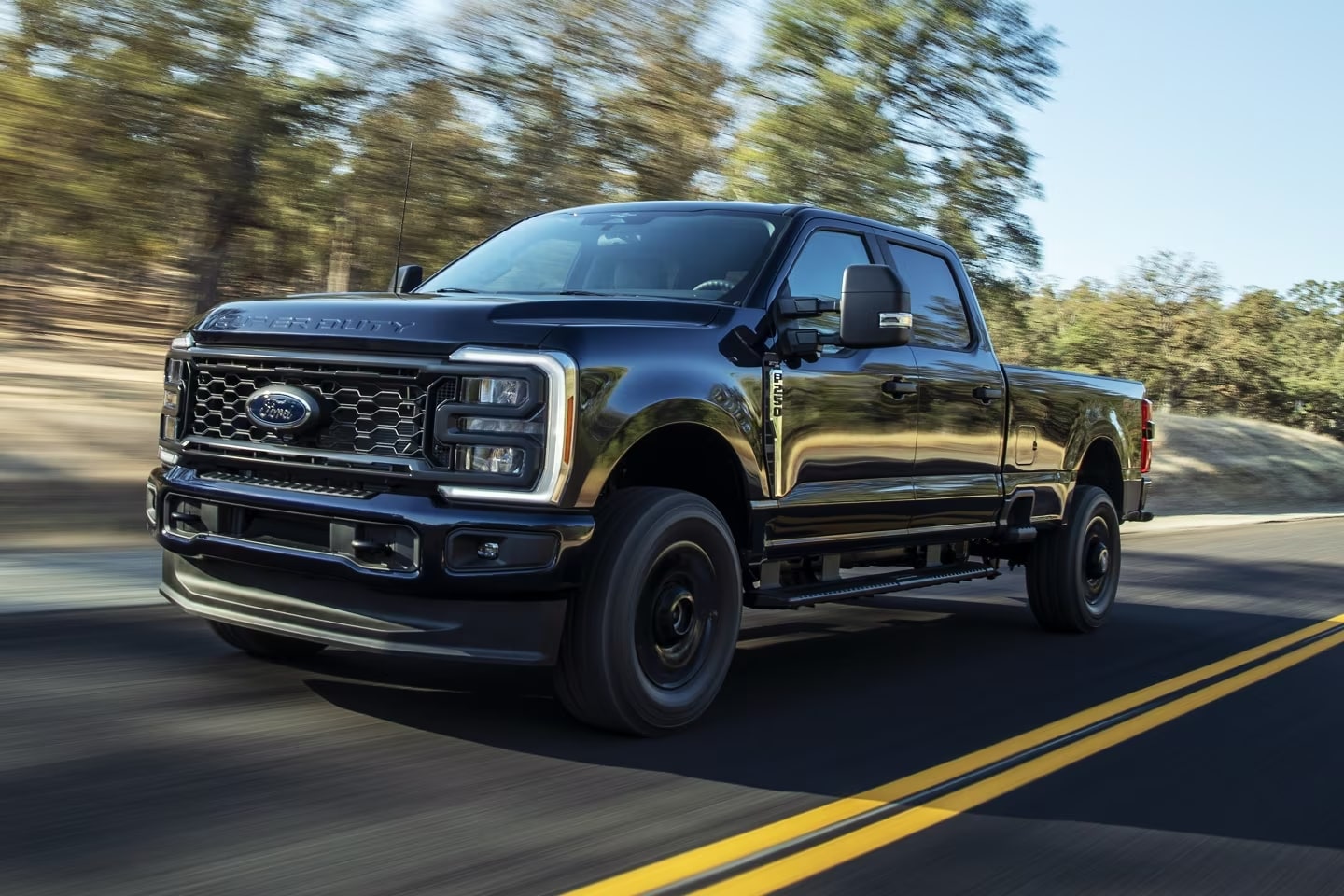
The Ford F-250 Super Duty is a beast of a truck, built for heavy towing, tough terrain, and demanding workloads. It’s not the kind of vehicle people buy because they’re worried about fuel consumption; it’s the kind of vehicle people buy because they need serious strength.
That said, the gas-powered version of the F-250 is notorious for how quickly it burns through fuel. With a large V8 engine and a heavy frame, this truck has no illusions about being efficient.
Most drivers see real-world mileage that struggles to reach double digits, especially when hauling or towing, where it can fall even lower. This kind of fuel consumption makes the F-250 one of the worst options for drivers looking to save at the pump.
But it’s not entirely without reason. The F-250 is built to do things that smaller trucks and SUVs simply can’t. Whether it’s pulling a trailer across a mountain range or loading up with thousands of pounds of equipment, the F-250 is engineered to handle extreme tasks.
All of this power requires energy, and in the case of the gas-powered version, that means burning large amounts of fuel quickly.
Diesel versions do a little better, but the standard gasoline model is consistently ranked among the most fuel-thirsty vehicles on the road. It’s the kind of vehicle that doesn’t just sip gas, it gulps it down every time you hit the throttle.
There’s also the matter of size and aerodynamics. The F-250 is a tall, wide, and heavy truck with a front end that’s about as aerodynamic as a brick wall. Add in big tires, a high ride height, and accessories like roof racks or towing hitches, and you get even more drag.
Every pound of resistance increases the amount of work the engine has to do, and in turn, increases the fuel needed to keep it moving. Even on the highway at steady speeds, the F-250 rarely sees anything resembling efficient operation.
The bottom line with a vehicle like the F-250 is that its high fuel consumption is part of the trade-off for what it can do. For those who need the power, it’s often worth the cost.
But for anyone who’s just looking for a big vehicle to commute in or run errands, this truck is overkill and will quickly empty your wallet at the pump. Unless you regularly need to tow, haul, or tackle tough jobs, this level of fuel usage will be hard to justify in everyday life.
2. Chevrolet Suburban (6.2L V8)
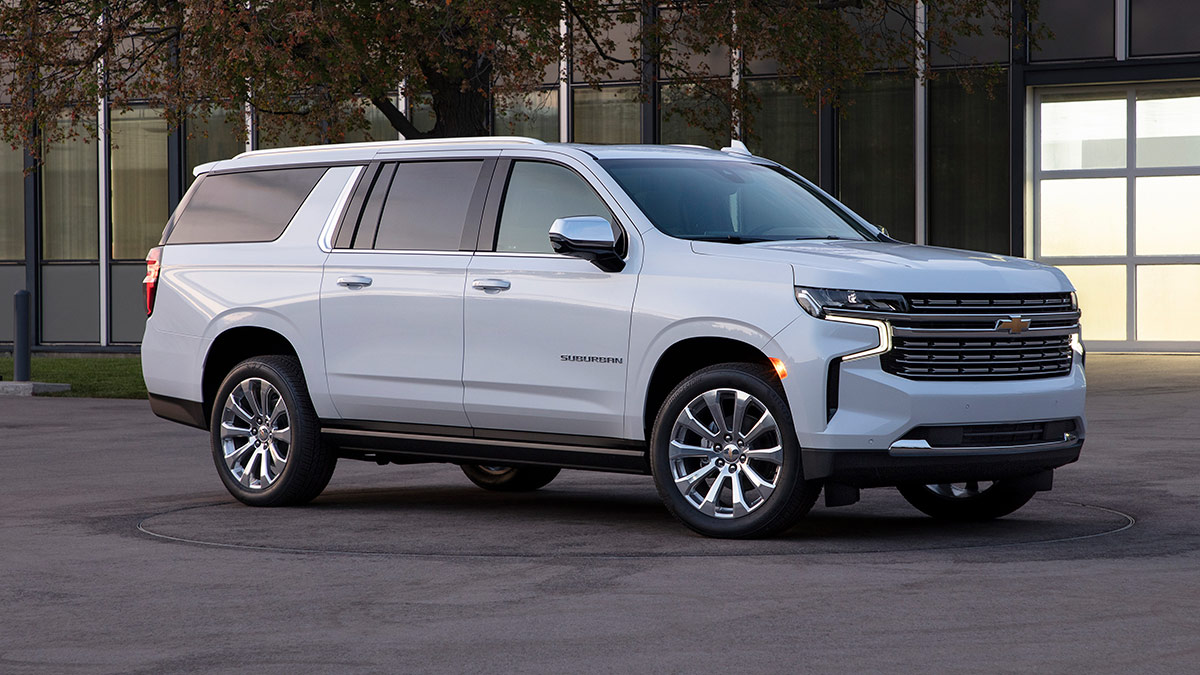
The Chevrolet Suburban is one of the largest SUVs on the market, and it lives up to its size in every way, including how much gas it consumes. With the optional 6.2-liter V8 engine, the Suburban delivers power and performance that few family vehicles can match.
But that power comes with a price, and that price is high fuel consumption. Despite improvements in fuel management systems and cylinder deactivation technology, the Suburban still gets disappointing fuel economy in most driving situations.
For people who need lots of space and are prepared to pay more at the pump, it can be a solid choice, but for efficiency-minded drivers, it’s far from ideal.
The V8 engine in the Suburban is undeniably strong. It offers smooth acceleration, impressive towing capacity, and a confident driving feel, especially on highways. However, that engine also has to move a vehicle that weighs well over 5,500 pounds before passengers or cargo are even added.
That sheer weight, combined with its height and wide stance, means the engine has to work hard, and working hard means burning through fuel quickly. While EPA estimates may suggest low teens for city mileage, real-world numbers often dip even further when the vehicle is fully loaded or driven aggressively.
It’s worth noting that the Suburban’s audience often isn’t looking for fuel savings. It’s a favorite among large families, people who live in rural areas, and drivers who want the comfort and confidence of a full-size SUV. In these use cases, fuel economy may take a back seat to space, utility, and ride quality.
But in an era where gas prices fluctuate frequently, even these drivers may start to feel the financial impact of filling up a massive tank every few days. At around 25 to 30 gallons per fill-up, the cost adds up quickly, especially if the vehicle is used as a daily driver.
Despite the fuel consumption, the Suburban offers plenty of appeal. It has a luxurious interior in higher trims, strong safety scores, and plenty of tech features to keep drivers and passengers comfortable. But all those positives don’t erase the fact that it’s one of the thirstiest vehicles in its class.
For drivers who want similar functionality with better efficiency, there are alternatives like the Tahoe with a smaller engine or even large crossovers with hybrid options. But for those who want it all, size, power, luxury, and are willing to pay at the pump, the Suburban remains a popular but gas-hungry choice.
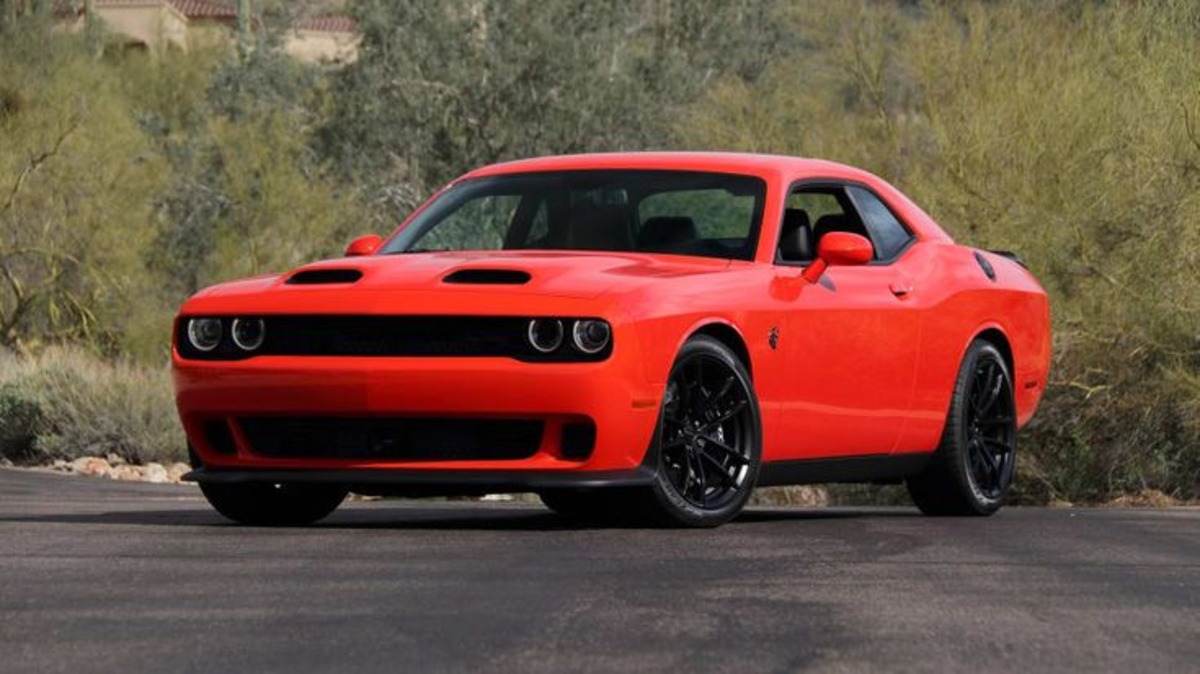
3. Dodge Challenger SRT Hellcat
The Dodge Challenger SRT Hellcat is unapologetically built for performance. It’s a muscle car in the purest sense of the word, big, loud, aggressive, and incredibly fast.
It also happens to be one of the least fuel-efficient cars you can buy. With a 6.2-liter supercharged V8 engine putting out over 700 horsepower, the Hellcat guzzles gas at an alarming rate.
It’s designed for thrill-seekers who care far more about 0-to-60 times than miles per gallon. City fuel economy can fall as low as 11–13 mpg, and even highway numbers don’t fare much better. For a car that’s driven hard, as it’s meant to be, you’ll find yourself refueling constantly.
To understand why the Hellcat drinks fuel so quickly, you have to look at what it’s engineered to do. The engine isn’t just large, it’s supercharged, which means it forces more air into the combustion chamber to increase power. More air requires more fuel to keep the engine running at peak performance.
When you press the pedal in a Hellcat, you’re not just asking for acceleration, you’re commanding an explosion of power, and that explosion needs massive amounts of gasoline.
Even in normal driving, the engine is tuned to deliver immediate throttle response and loud exhaust, which contributes to high fuel usage.
The Hellcat is also a heavy car. Despite its coupe shape, it weighs over 4,400 pounds. This weight, combined with a high-powered engine, creates a perfect storm for poor fuel economy.
It’s not built for efficiency; it’s built to dominate drag strips, turn heads, and push limits. Driving it in traffic or on regular commutes doesn’t change the nature of the engine or the way it consumes fuel. Even in eco mode (yes, it has one), the gains in fuel savings are minimal at best.
People don’t buy the Hellcat for its practicality or cost-effectiveness. It’s a car meant for enthusiasts who want a raw, unfiltered experience. But that experience comes with serious downsides in terms of fuel economy.
You’ll burn through a full tank quickly, especially if you’re using the car as intended, accelerating hard, cruising at high speeds, or even just enjoying the sound of that massive engine revving. For anyone concerned with fuel efficiency, the Hellcat is one of the last cars you’d want in your garage.
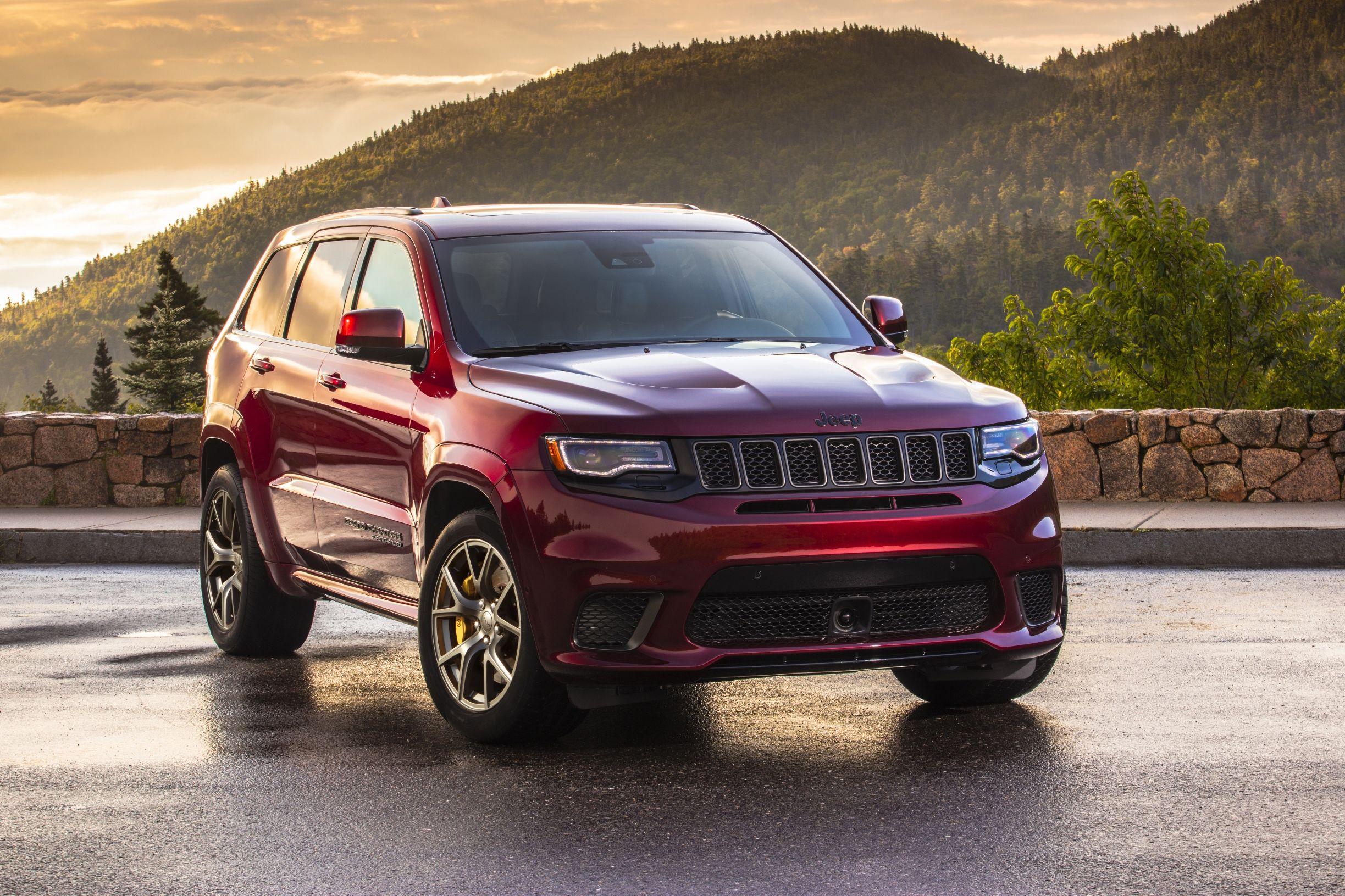
4. Jeep Grand Cherokee Trackhawk
The Jeep Grand Cherokee Trackhawk is a wild machine that combines the ruggedness of an SUV with the heart of a supercar. It’s powered by the same supercharged 6.2-liter V8 found in the Dodge Hellcat lineup, and it makes over 700 horsepower while still retaining the all-wheel drive and utility of an SUV.
The result is an incredibly fast, shockingly powerful vehicle that also happens to be among the worst for fuel economy. City mileage often dips into the single digits when driven aggressively, and highway numbers rarely exceed the mid-teens. It’s a performance SUV that unapologetically devours fuel.
The Trackhawk is not a typical Jeep. While it shares the basic structure of the Grand Cherokee, it’s been completely re-engineered to handle the massive output of its supercharged engine.
That includes upgraded suspension, bigger brakes, reinforced driveline components, and a performance-tuned transmission. All of that adds weight, and with a curb weight over 5,300 pounds, the Trackhawk is not a light vehicle. The amount of fuel needed to move all that mass, especially at high speed, is enormous, and it shows in every fill-up.
It’s also important to recognize that the Trackhawk’s purpose isn’t aligned with fuel savings in any way. This is a vehicle for people who want supercar power with SUV practicality. In other words, they want to drop the kids off at school, then launch from 0 to 60 in under 4 seconds.
That kind of versatility is rare, but it’s also incredibly inefficient. Even in normal driving conditions, the Trackhawk’s engine is always ready to provide extreme performance, which keeps fuel usage high no matter how you drive it.
If there’s one thing the Trackhawk proves, it’s that you can’t have everything. Yes, it has space, tech, comfort, and speed. But the fuel economy is a constant reminder that performance comes at a price.
With a large tank that requires premium fuel and an engine that drinks like it’s always thirsty, this is not a vehicle for budget-conscious drivers. It’s a fun, capable, and impressive machine, but it’s one of the most fuel-hungry SUVs on the road today.
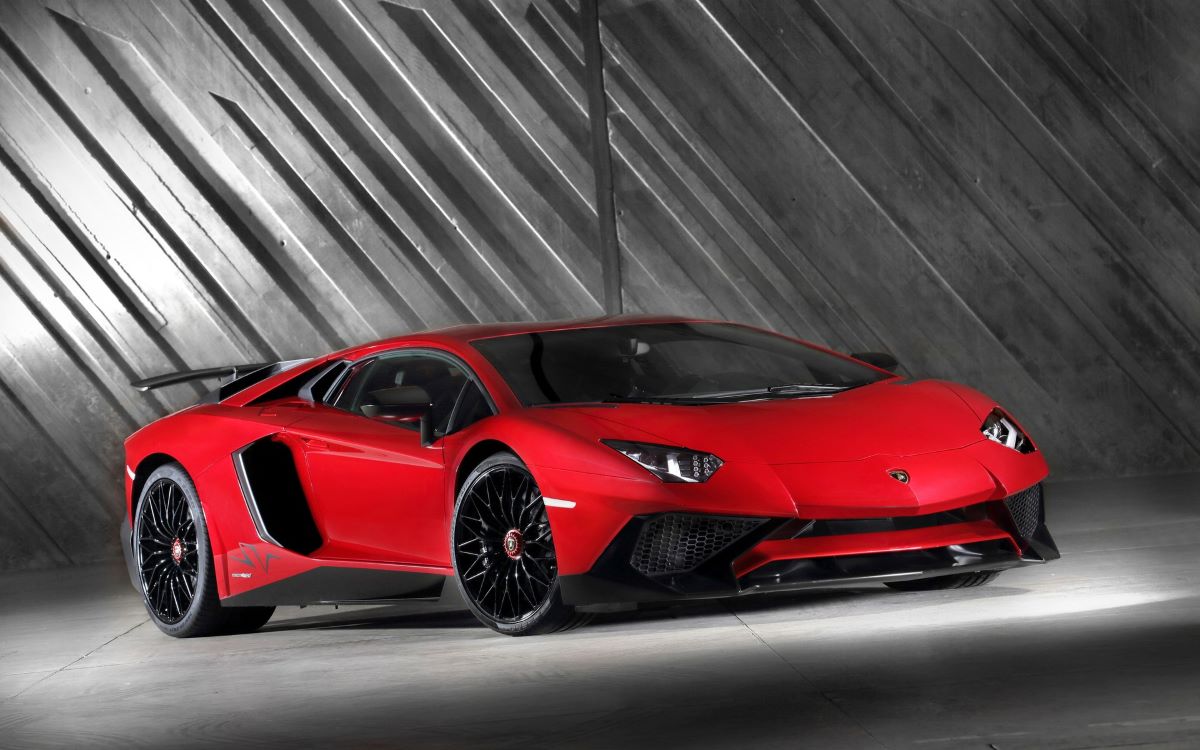
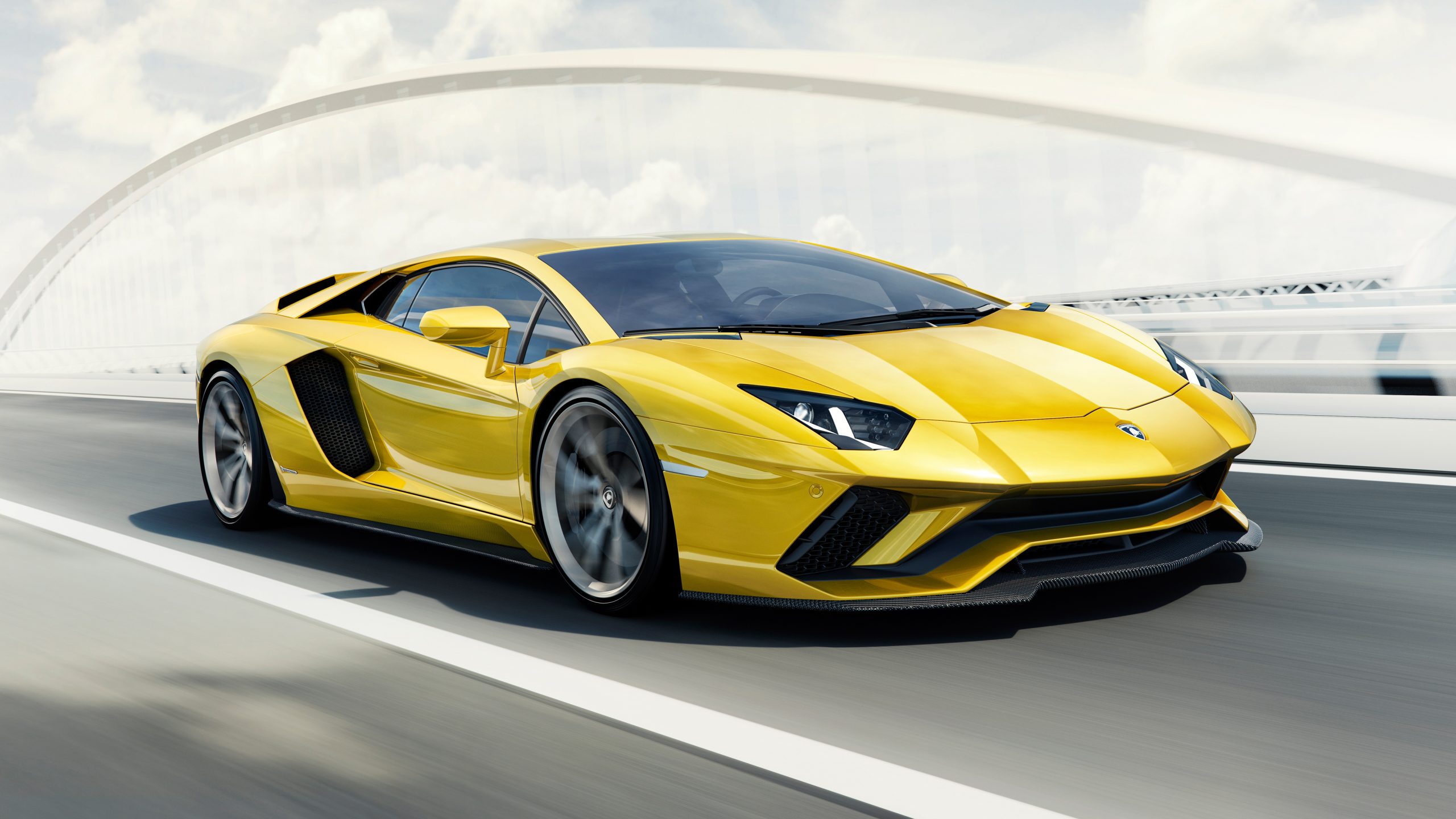
5. Lamborghini Aventador
The Lamborghini Aventador is not just a car; it’s a statement. Built to impress on every level, from the sharp angles of its carbon-fiber body to the roar of its naturally aspirated V12 engine, the Aventador is designed for speed, power, and presence. However, fuel efficiency is nowhere on the priority list.
With a 6.5-liter V12 producing over 700 horsepower, the Aventador ranks among the most fuel-thirsty supercars in the world.
EPA estimates suggest fuel economy around 9–10 miles per gallon in the city and barely 15 on the highway, though real-world numbers are often lower, especially when the car is driven aggressively, which is how most owners tend to enjoy it.
There are multiple reasons the Aventador burns through fuel so quickly. First is the sheer size of the engine. V12 engines, especially naturally aspirated ones like the one in the Aventador, require a large volume of air and fuel to generate their power.
Unlike smaller turbocharged engines that can dial back performance when needed, the Aventador’s V12 is always ready to deliver extreme output. That constant readiness means the engine is never operating in an “economy” mode; even cruising down a highway feels like a race. Every press of the pedal is a reminder that this machine isn’t built for efficiency.
The Aventador’s weight and design also contribute to its fuel-hungry nature. While it’s made with lightweight materials, the demands of high-speed stability, structural safety, and luxury components keep it heavier than it looks.
Add to that its wide stance, low ground clearance, and large tires, and you’ve got a vehicle that slices through the air like a missile but creates a lot of resistance doing it. This resistance requires more power and more fuel to overcome. The car may look aerodynamic, but keeping it pinned to the road at high speeds takes more energy than you might assume.
Owning an Aventador is not about practicality. It’s about emotion, excitement, and exclusivity. No one buys this car to save money or make sensible choices. They buy it for how it makes them feel, how it sounds, and what it represents. In that sense, the fuel economy is almost irrelevant to the buyer, but it still stands out on paper as one of the worst in its class.
Filling up is a frequent task, and each tank of premium fuel disappears faster than you might believe. For those who can afford the car and its lifestyle, it’s just part of the experience. But from a fuel usage perspective, the Aventador is about as far from efficient as a car can get.
