
Safety has always been a cornerstone in the automotive industry, and with technological advancements, the standards for crashworthiness continue to rise. Car manufacturers invest heavily in design, materials, and technology to protect passengers from harm during collisions.
Independent agencies around the world perform rigorous crash tests to evaluate vehicles on various parameters, including frontal impact, side impact, rollover resistance, and pedestrian safety.
These tests help consumers make informed decisions and push the industry to enhance safety standards. While many cars succeed in meeting or exceeding these benchmarks, some models fall significantly short, exposing vulnerabilities that can have serious consequences.
The importance of crash-test performance is not just about surviving a collision, but also about minimizing injuries, providing stability, and enabling safety systems like airbags and seatbelts to function effectively.
Cars with excellent crash-test ratings often combine strong structural integrity, advanced restraint systems, and intelligent design features that absorb impact energy and reduce occupant movement. These vehicles serve as benchmarks for safety innovation and often influence regulatory policies globally.
On the other hand, cars that fail crash tests typically reveal weaknesses in their build quality, structural design, or lack of essential safety technologies. Such failures can stem from inadequate engineering or cost-cutting measures that compromise passenger protection.
These vehicles might exhibit excessive cabin intrusion, weak restraint systems, or insufficient side-impact protection, all of which increase the risk of serious injury or fatality.
This article will present five cars recognized for their crash-test excellence, highlighting what makes them stand out, followed by an examination of five models that failed miserably, detailing the factors that led to their poor performance.
Understanding these contrasts provides valuable insight into how automotive safety has evolved and why consumers should pay close attention to crash-test ratings when selecting a vehicle.
Also Read: 12 Pickup Trucks Still on the Road After 30 Years
5 Cars With Crash-Test Excellence
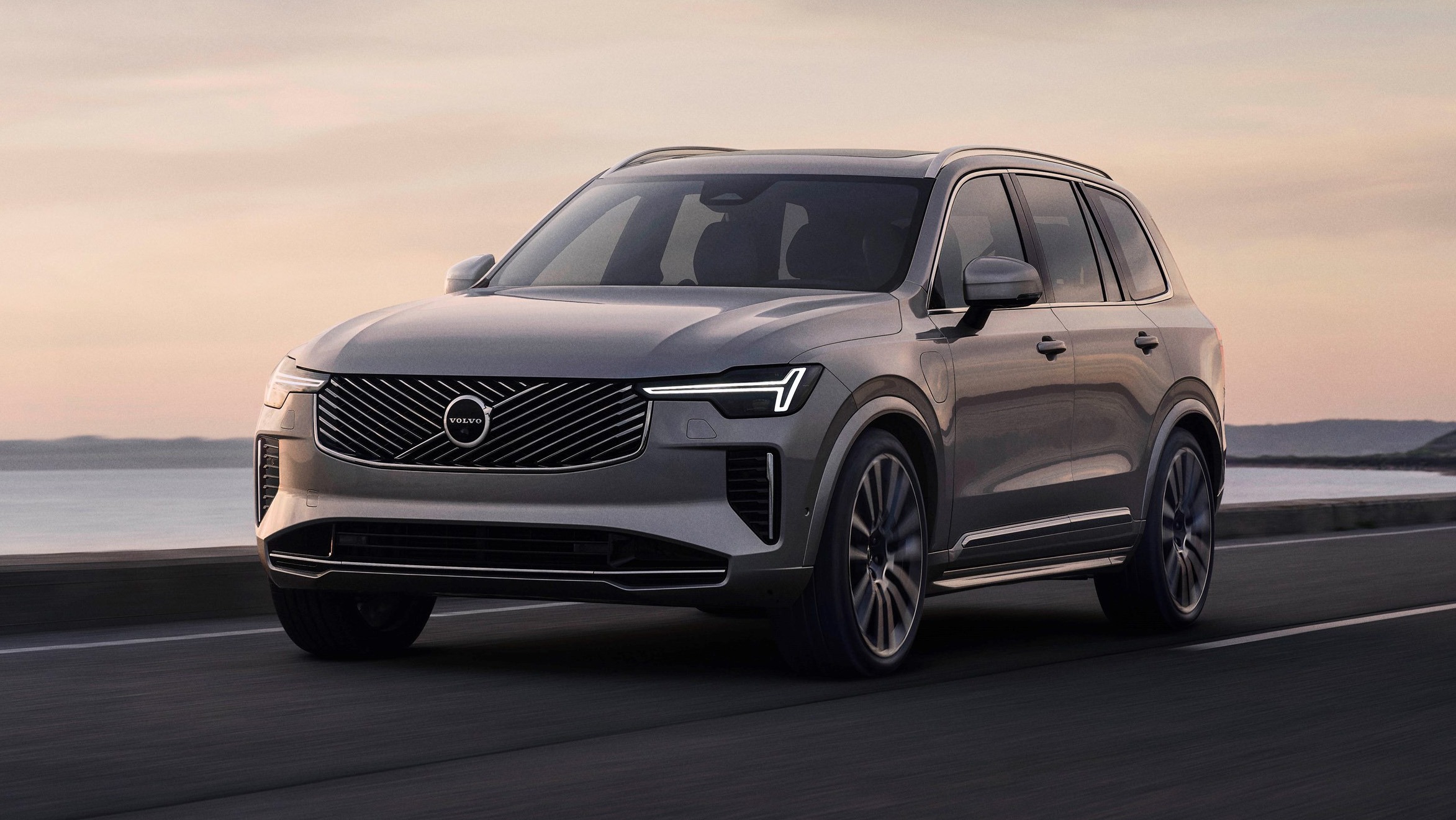
1. Volvo XC90
Volvo’s XC90 has long been a flagship for the company’s dedication to safety, and this SUV is a shining example of how thoughtful engineering can save lives. From its very inception, Volvo has aimed to create vehicles that prioritize occupant protection above all else.
The XC90’s structure is designed with a safety cage constructed from ultra-high-strength boron steel, which is strategically placed to create a rigid frame around the passenger cabin.
This cage is designed to remain intact during high-impact collisions, which is crucial for preventing intrusion into the passenger space and ensuring that occupants are not crushed or severely injured.
Additionally, Volvo engineers have developed crumple zones at the front and rear of the vehicle that absorb and dissipate kinetic energy in a controlled manner, reducing the forces transmitted to occupants.
This combination of a strong safety cage and well-engineered crumple zones is a key reason for the XC90’s impressive crash-test results.
Beyond just the physical structure, the XC90 features a comprehensive suite of airbags that provide layered protection for all passengers.
It includes front airbags, side airbags for both the front and rear seats, and curtain airbags that extend along the entire length of the cabin to protect occupants’ heads in side collisions or rollovers.
The positioning and deployment timing of these airbags are precisely calibrated through extensive testing to reduce the risk of injury while providing maximum cushioning during a crash.
In addition, Volvo’s seatbelt technology includes pretensioners and load limiters that help restrain passengers effectively, preventing excessive forward movement and reducing the risk of whiplash.
Volvo has been a pioneer in introducing advanced safety technologies that work to prevent accidents before they happen. The XC90 includes systems such as City Safety, which employs radar and camera sensors to detect potential collisions with other vehicles, pedestrians, or cyclists.
This system can autonomously apply the brakes if the driver fails to respond in time, significantly reducing the likelihood or severity of a crash.
Other features include lane-keeping assist, which gently steers the vehicle back into its lane if it detects unintended drifting, and blind-spot monitoring that alerts the driver when another vehicle is in a difficult-to-see area.
These systems work together to provide a safety net that can compensate for human error and help drivers avoid dangerous situations.
The XC90’s excellent safety ratings are not limited to just one testing agency. It has consistently earned top marks from the Insurance Institute for Highway Safety (IIHS), National Highway Traffic Safety Administration (NHTSA), and European New Car Assessment Programme (Euro NCAP).
Its ability to perform well in diverse crash scenarios, including frontal, side, and rollover tests, speaks to the thoroughness of Volvo’s safety philosophy. Consumers who prioritize safety often see the XC90 as a reliable choice that balances luxury, performance, and peace of mind.
Its reputation as one of the safest SUVs on the road has been cemented through years of consistent results, making it a role model for other manufacturers aiming to enhance occupant protection.
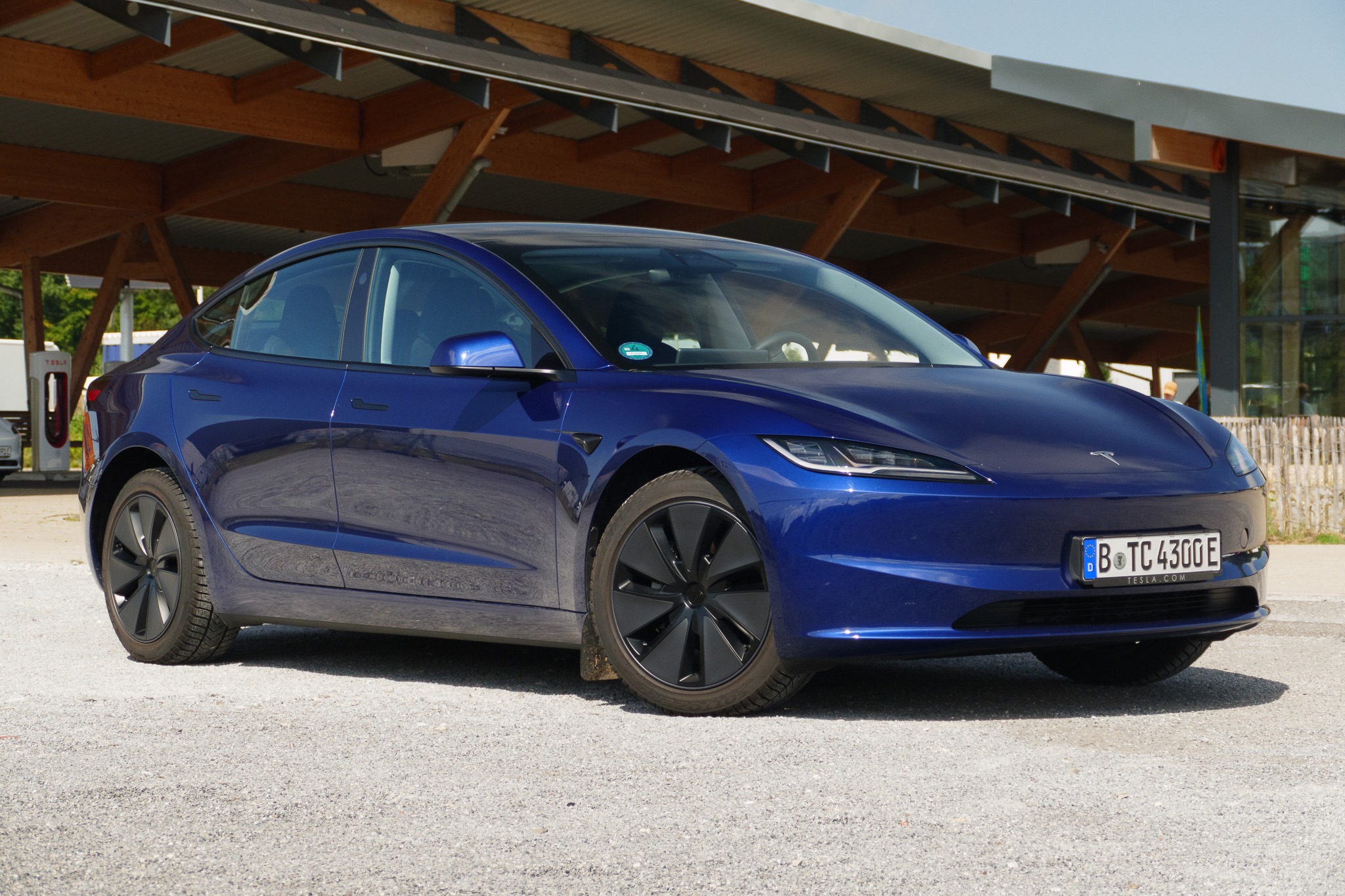
2. Tesla Model 3
The Tesla Model 3 has raised the bar for electric vehicle safety, blending innovative design with advanced technology to achieve outstanding crash-test results.
A major advantage of the Model 3’s design is its use of a rigid aluminum and steel frame combined with a large, heavy battery pack mounted low in the chassis.
This low center of gravity enhances vehicle stability and handling, reducing rollover risk. The battery pack itself is encased in a protective structure designed to remain intact during collisions, preventing dangerous punctures or fires.
This design philosophy highlights Tesla’s attention to both crashworthiness and post-collision safety, ensuring that occupants are shielded even in rare, severe crashes.
Tesla’s commitment to active safety technology further enhances the Model 3’s crash performance. Equipped with an array of sensors, cameras, and radar, the car’s Autopilot system continuously monitors the environment, capable of detecting hazards and automatically taking corrective actions.
Emergency braking, forward collision warning, and lane departure warning are integrated features that allow the car to mitigate the risk of accidents by either warning the driver or intervening directly.
These systems have been credited with reducing crash rates and improving safety outcomes, especially in real-world driving conditions where human attention can lapse.
Another aspect that distinguishes the Model 3 is its interior safety design. Tesla has implemented multiple airbags strategically located to protect occupants from different angles and impact directions.
In addition to standard front and side airbags, the Model 3 includes knee airbags, which help reduce lower-limb injuries during collisions.
The restraint systems include advanced seatbelt pretensioners that tighten instantly upon impact, helping to keep occupants firmly in place.
Tesla’s attention to occupant positioning, energy absorption materials, and safety hardware results in a holistic approach to crash protection that contributes to the vehicle’s high safety scores. These accolades are a testament to Tesla’s success in combining electric vehicle innovation with uncompromising safety.
The Model 3’s performance highlights the potential for electric vehicles to not only match but surpass traditional combustion-engine cars in terms of occupant protection and crashworthiness, influencing future designs across the industry.
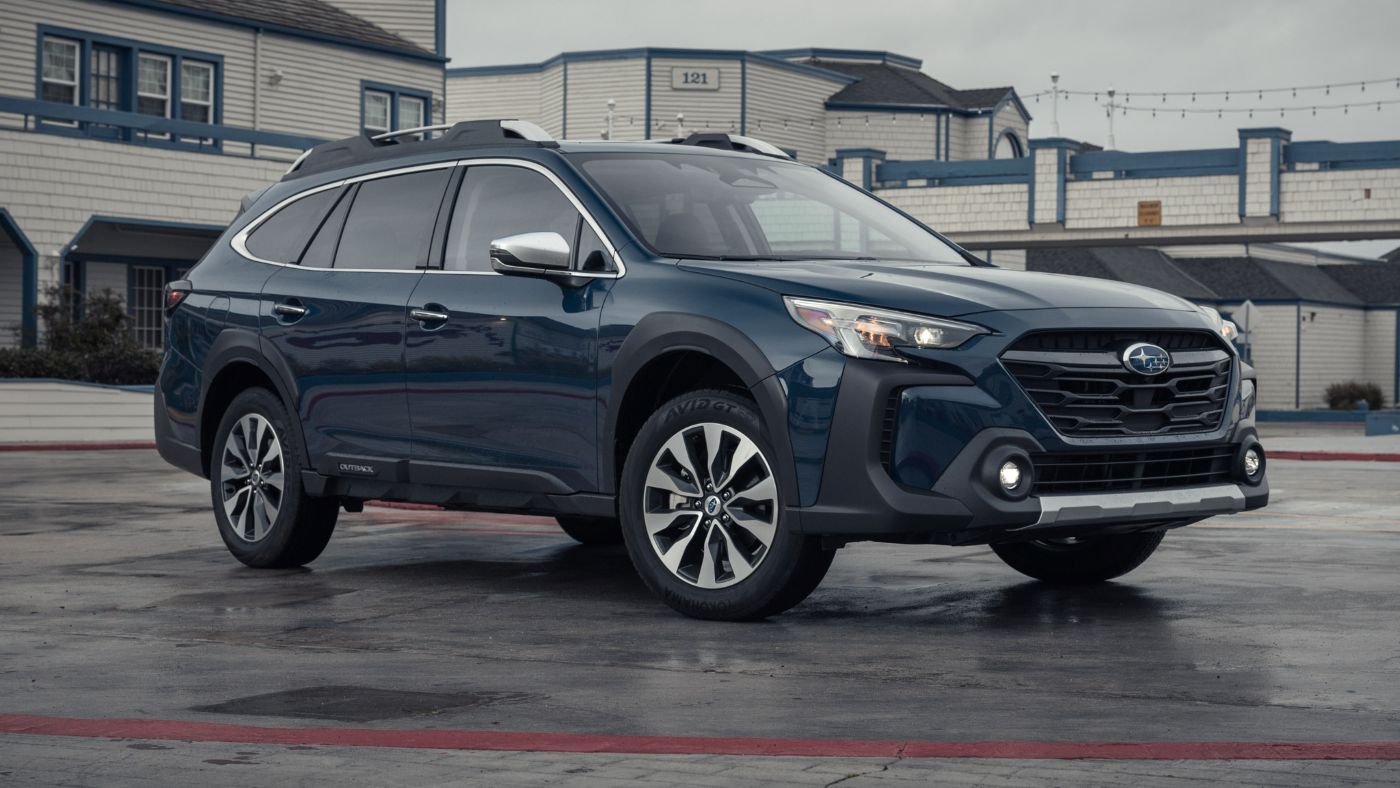
3. Subaru Outback
The Subaru Outback has carved out a niche as a reliable, rugged vehicle that does not compromise on safety. It is engineered with a well-reinforced chassis that uses a combination of ring-shaped reinforcements and high-strength steel panels to create a rigid protective cage around passengers.
This structure helps prevent deformation during high-impact crashes, ensuring the survival space remains intact. Furthermore, Subaru’s attention to detail in reinforcing key load-bearing areas of the body, such as the pillars and rocker panels, strengthens the frame.
This design approach has helped the Outback earn high marks in frontal, side, and roof strength tests, highlighting its well-rounded crashworthiness.
Subaru’s commitment to safety extends beyond passive protection into dynamic stability and accident avoidance technologies.
The Outback features the Symmetrical All-Wheel Drive system, which provides superior traction and control under various driving conditions, reducing the likelihood of skidding or losing control.
This drivetrain configuration contributes to safer handling on slippery roads and during emergency maneuvers, effectively helping drivers avoid crashes altogether.
One of Subaru’s most safety features is its EyeSight Driver Assist technology, which incorporates stereo cameras to provide real-time monitoring of the vehicle’s surroundings.
EyeSight offers adaptive cruise control, which maintains a safe following distance from the vehicle ahead, and pre-collision braking that can automatically stop or slow the vehicle if an imminent collision is detected. Lane departure and sway warning alerts further assist drivers in maintaining their lane position, while driver attention monitoring helps prevent accidents caused by fatigue or distraction.
Inside the cabin, Subaru complements structural safety with an array of airbags that provide comprehensive coverage. Front, side, and side curtain airbags protect occupants during impacts from multiple directions, while advanced seatbelt designs with pretensioners help secure passengers in place.
The Outback’s roof structure has also been engineered to withstand significant forces, providing strong rollover protection. This combination of features has made the Outback a consistent high performer in crash tests and a trusted option for buyers seeking a dependable, safe crossover.
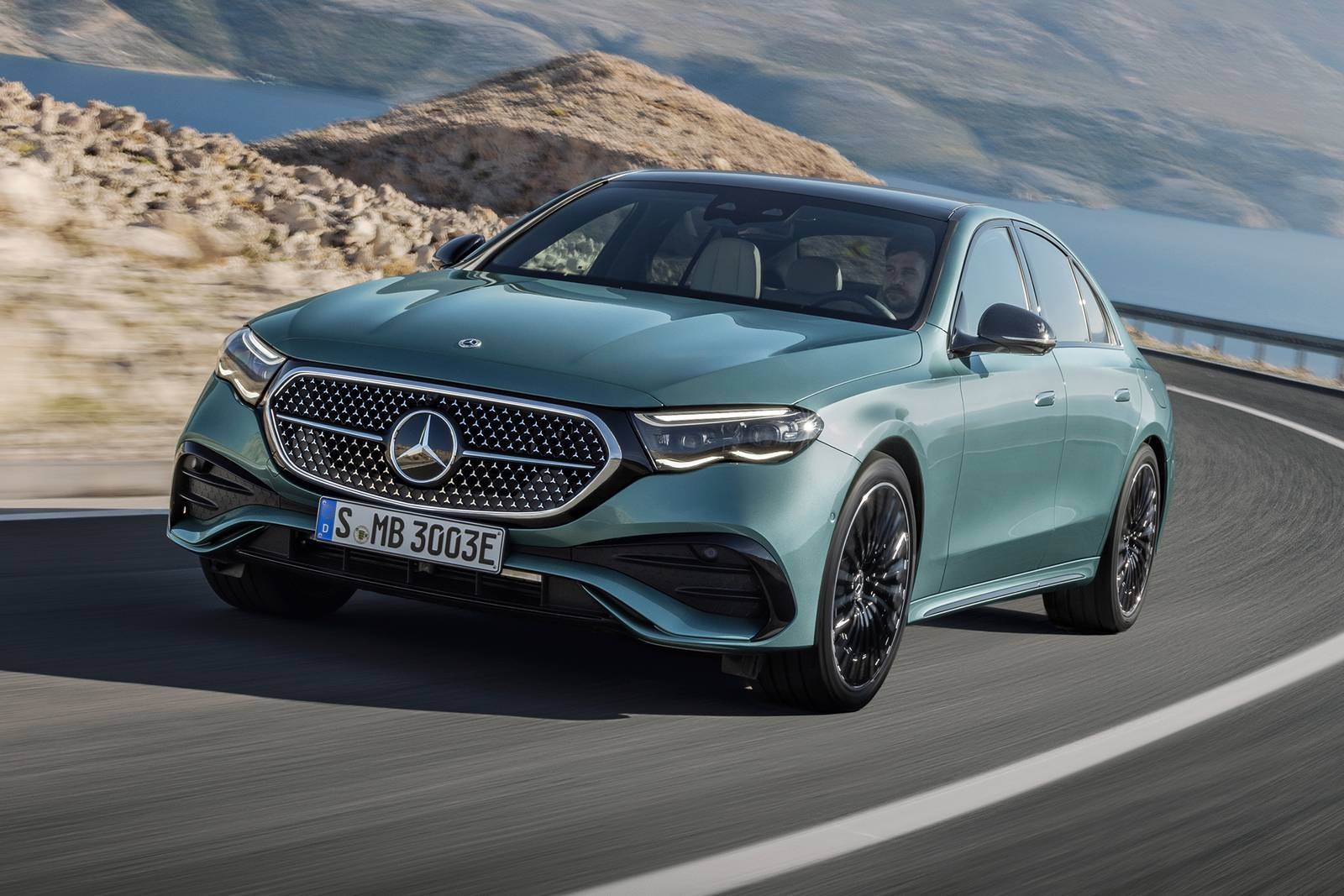
4. Mercedes-Benz E-Class
The Mercedes-Benz E-Class has been synonymous with automotive luxury and safety for decades, continually pushing the envelope in occupant protection.
Its structural integrity is achieved through a sophisticated mix of ultra-high-strength steel and lightweight aluminum components, which balance strength and weight for optimal crash performance.
The E-Class’s passenger cell is meticulously engineered to absorb crash forces through designated crumple zones, protecting occupants by directing energy away from the cabin. This design allows the car to deform strategically in a collision, reducing the amount of force transferred to passengers.
Mercedes-Benz has also pioneered innovative safety systems that anticipate and react to potential collisions. The PRE-SAFE system, for instance, can detect an impending crash and prepare the vehicle and occupants by tightening seatbelts, adjusting the seats to optimal positions, and closing windows and the sunroof to prevent injury from flying glass.
These proactive measures help reduce injury severity by positioning occupants in the safest possible posture before impact.
Advanced driver-assistance technologies in the E-Class further enhance safety. Active brake assist can detect pedestrians and vehicles, applying brakes automatically if the driver does not react in time. Lane-keeping assist uses cameras to monitor lane markings and correct the steering to prevent unintentional lane departure.
The car also features attention assist systems that monitor driver alertness, offering warnings when signs of drowsiness are detected. These technologies collectively reduce the risk of accidents, complementing the E-Class’s robust crash protection.
The E-Class’s interior safety is equally comprehensive. It features a full complement of airbags, including front, side, curtain, and rear airbags that protect all occupants.
Mercedes-Benz has also developed advanced seatbelt systems with pretensioners and adaptive load limiters, which help manage occupant movement during crashes to reduce injury.
The result is a vehicle that not only excels in crash-test scores but also embodies the company’s commitment to innovative safety solutions, making the E-Class a leader in automotive protection.
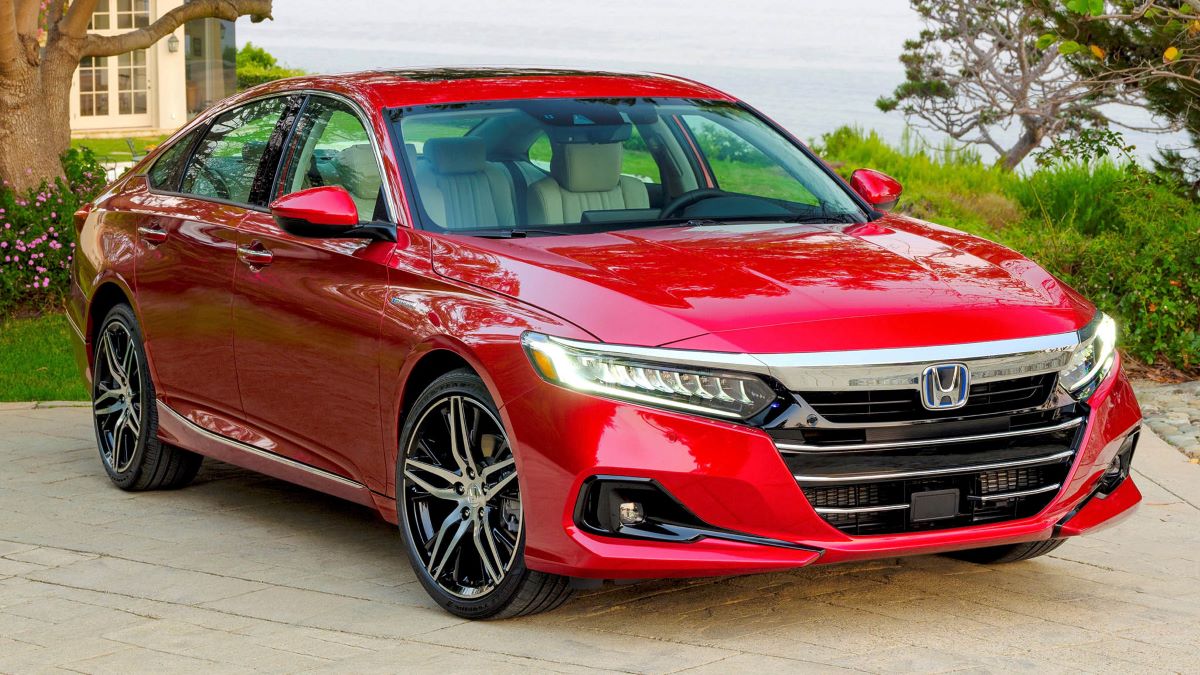
5. Honda Accord
The Honda Accord has long been a favorite among midsize sedans, partly due to its consistent emphasis on safety. Its success in crash tests is attributed to a solid unibody frame constructed with a combination of high-strength steel and energy-absorbing materials.
The vehicle’s design incorporates front and rear crumple zones that deform progressively during collisions, mitigating the force transmitted to the passenger compartment. This helps to maintain the structural integrity of the occupant space, preventing intrusion and reducing injury risk.
Honda’s approach to safety also includes a wide range of advanced safety features bundled in the Honda Sensing suite. This package offers collision mitigation braking, which automatically applies the brakes if a frontal collision is imminent and the driver does not react in time.
Lane-keeping assist helps maintain proper lane position by providing gentle steering inputs, while adaptive cruise control maintains a safe distance from vehicles ahead, reducing driver workload on highways. The road departure mitigation system helps prevent unintentional lane departures, which are common causes of accidents.
Inside the cabin, the Accord is equipped with multiple airbags positioned to protect occupants from all angles. Front airbags, side airbags, and side curtain airbags cover the front and rear passengers, providing extensive protection in both frontal and side impacts.
The seatbelt system includes pretensioners and load limiters, which help keep passengers securely restrained while minimizing injury. The roof structure is reinforced to withstand rollover forces, further enhancing occupant safety in such events.
The Honda Accord’s strong crash-test performance has made it a benchmark in the midsize sedan segment. Its combination of structural integrity, restraint systems, and advanced safety technologies offers a comprehensive safety package that appeals to families and individuals alike.
The vehicle’s ability to protect occupants effectively in various crash scenarios underscores Honda’s ongoing commitment to safety innovation and reliability.
Also Read: 10 Pickup Trucks That Outlast Their Original Owners
5 Cars That Failed Miserably in Crash Tests
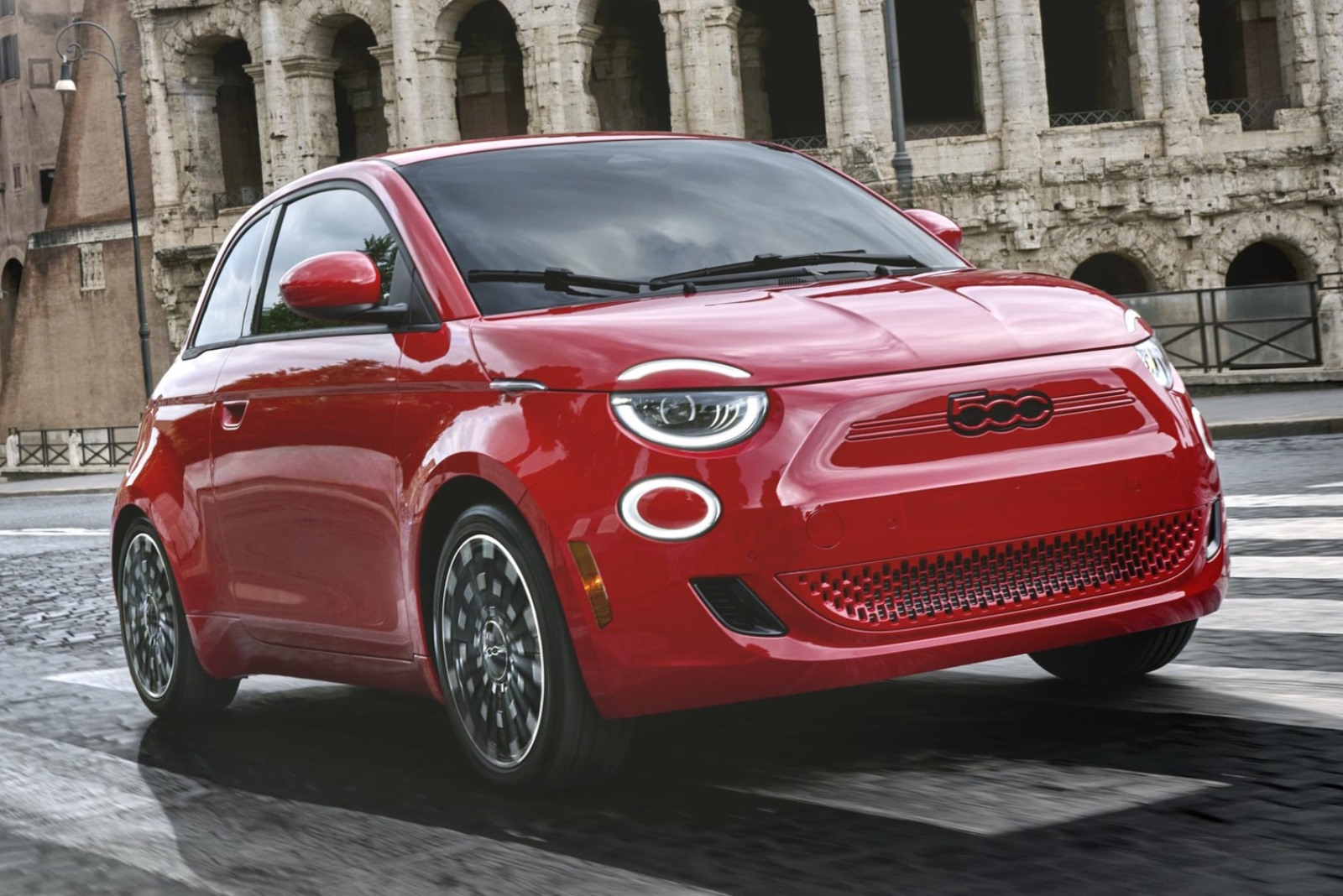
1. Fiat 500 (Older Models)
The older Fiat 500 models have been criticized extensively for their lack of occupant protection and weak crash-test performance. This compact city car was designed primarily for style, fuel efficiency, and urban maneuverability, but safety engineering seemed to take a back seat in its early iterations.
One of the most glaring problems with these models was their small size and lightweight construction, which inherently limits their ability to withstand high-impact forces during a collision.
Because of its compact dimensions, the Fiat 500 fares poorly when involved in crashes against larger vehicles, which are unfortunately more common on roads.
The structural integrity of the cabin was often compromised, with crash tests revealing significant deformation around the passenger compartment during frontal impact scenarios. This intrusion increases the likelihood of severe injuries to occupants, as it reduces the survival space inside the vehicle.
Additionally, the older Fiat 500 models were equipped with limited restraint and safety systems. While airbags were present, their number and positioning were often inadequate to provide full protection during a range of crash types.
Side-impact protection was particularly weak, with minimal reinforcement in the doors and insufficient or absent side curtain airbags.
This lack of coverage increases the risk of injuries during side collisions, which constitute a significant portion of real-world accidents. The seatbelt systems also lacked advanced features such as pretensioners or load limiters, which are critical in minimizing occupant movement and injury during crashes.
Another contributing factor to the Fiat 500’s poor crash-test outcomes was the scarcity of modern driver-assistance technologies. Features such as automatic emergency braking, lane departure warnings, or blind-spot monitoring were not standard or sometimes unavailable, limiting the vehicle’s ability to prevent accidents in the first place.
In today’s safety-conscious market, the absence of these systems puts the vehicle at a distinct disadvantage and has a direct impact on safety ratings.
The combination of a weak structure, limited passive safety equipment, and minimal active safety technologies led to the Fiat 500’s disappointing safety scores. Crash-test agencies, including the IIHS and Euro NCAP, have consistently rated older Fiat 500 models poorly, warning consumers about their vulnerabilities.
While newer models have seen safety improvements, the earlier versions remain an example of how design choices focused on cost and compactness can severely undermine crashworthiness.
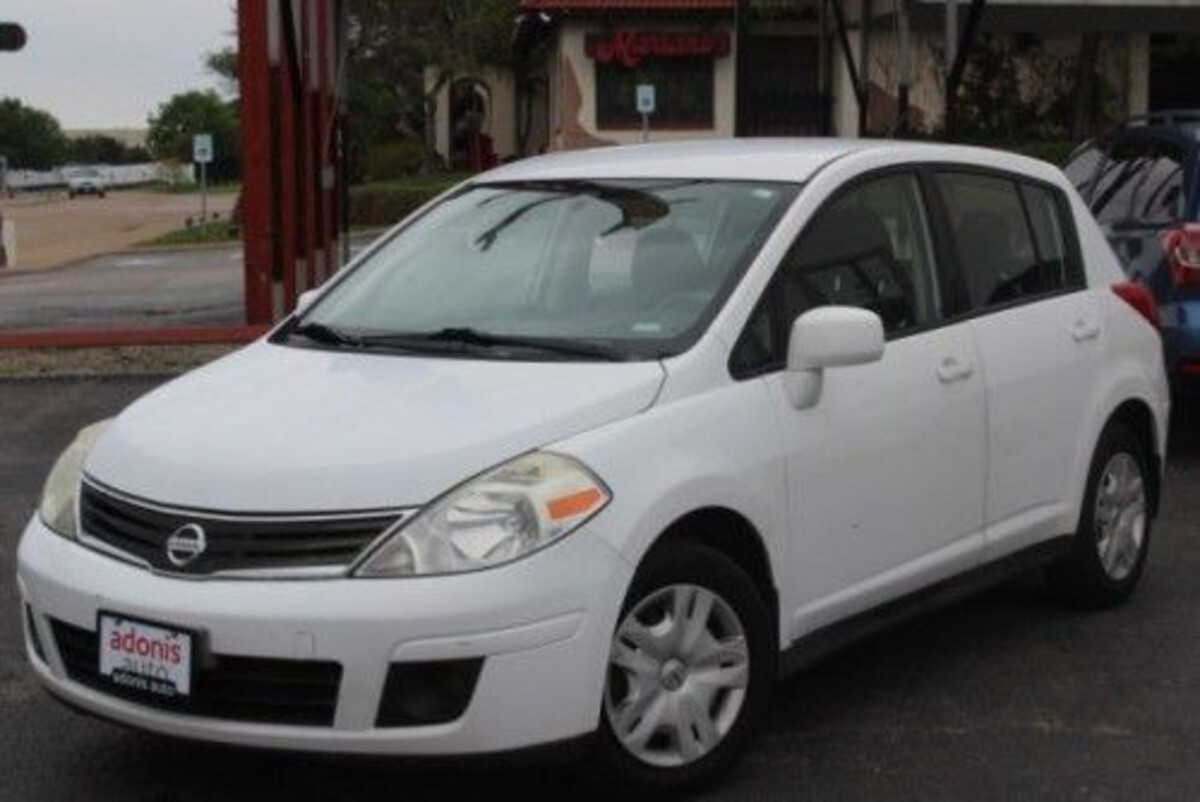
2. Nissan Versa (Earlier Generations)
The Nissan Versa’s earlier generations suffered from a reputation for poor crash-test performance, reflecting several compromises in structural design and safety features.
Designed to be an affordable subcompact sedan, the Versa’s build quality often fell short of the standards expected in its segment. Frontal crash tests revealed significant deformation of the passenger compartment, indicating a failure to maintain the integrity of the survival space.
This is a critical flaw because the intrusion of the engine bay or other components into the cabin during a crash greatly increases the risk of injury.
The airbags in these earlier Versas, while present, were often insufficient in size or deployment timing to adequately protect the head and chest of occupants, which are particularly vulnerable in front-end collisions.
Side-impact tests highlighted another weakness: the lack of sufficient door reinforcement and side airbags. Many versions of the earlier Versa came without side curtain airbags, a feature that has become standard in many other vehicles for preventing head injuries during side collisions or rollovers.
The doors’ structural components were also under-engineered, leading to excessive deformation and compromised protection. The seatbelt systems, too, lacked advanced pretensioners or load limiters, which would have helped manage occupant movement during impacts.
Beyond the physical crashworthiness, earlier Nissan Versa models also lagged in active safety technology. At a time when many competitors were introducing collision mitigation systems and lane-keeping assistance, the Versa offered minimal, if any, advanced driver aids.
This absence of preventative safety systems meant that drivers had fewer tools to avoid accidents, contributing to higher crash rates and poorer safety ratings.
Rollover resistance was another area where the Versa struggled. Its higher center of gravity and lightweight design contributed to instability during sudden maneuvers, increasing the risk of rollovers, which are often deadly crashes.
Combined with the weak roof structure, the Versa’s rollover performance was below average, further diminishing its safety credentials. These collective shortcomings resulted in lower safety ratings and made earlier Nissan Versa models a less desirable choice for safety-conscious buyers.
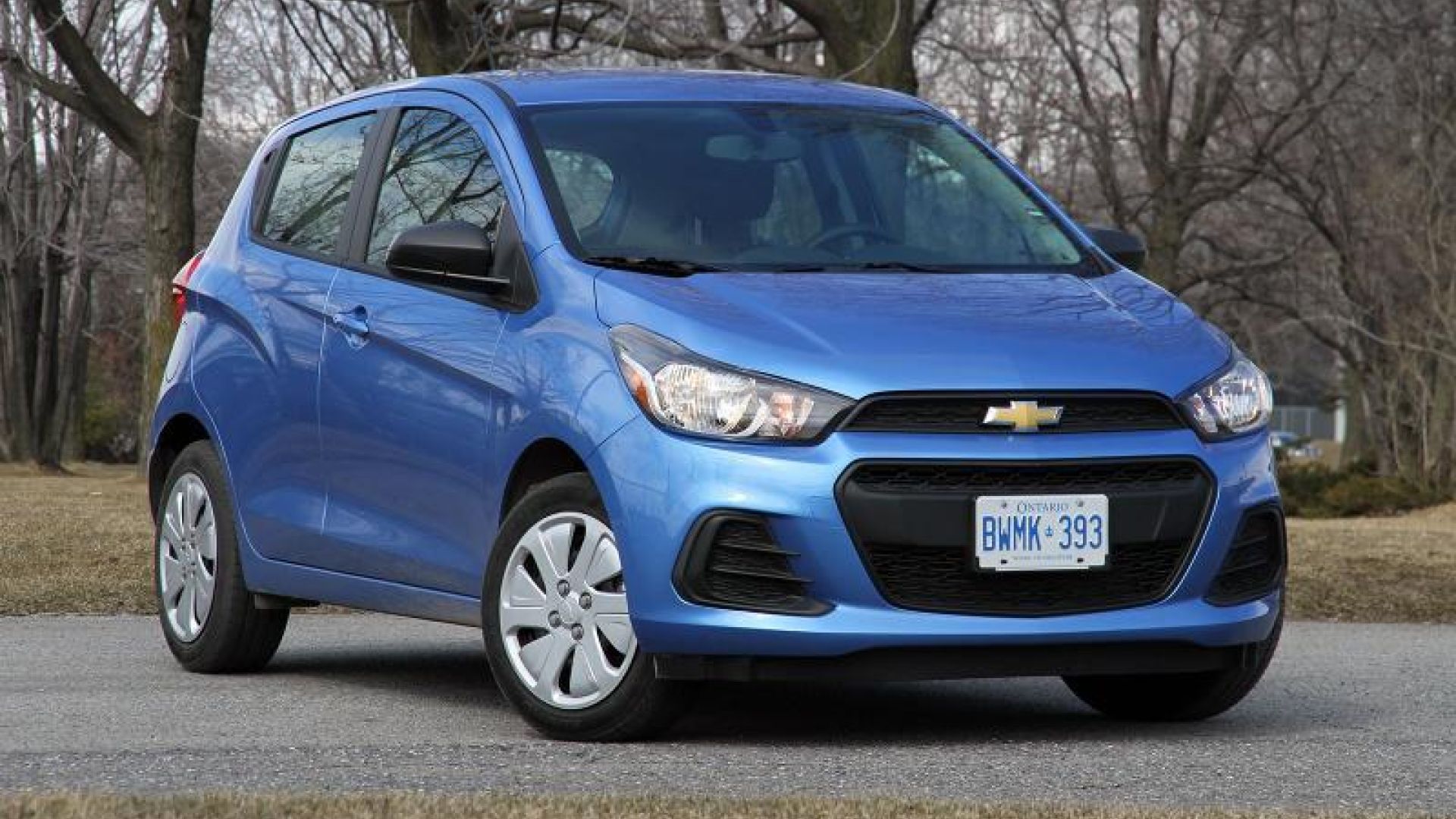
3. Chevrolet Spark (Older Models)
The Chevrolet Spark, particularly in its older models, was designed as an ultra-affordable and compact urban vehicle. However, this came with significant compromises in crash safety, resulting in poor performance in frontal and side-impact tests.
The Spark’s small footprint and light weight negatively affect its crashworthiness, especially when involved in collisions with larger vehicles.
During frontal impact tests, the passenger compartment often showed marked intrusion, with deformation around the firewall and dashboard areas that threatened occupant safety.
This intrusion can cause serious injuries by increasing the likelihood of contact with hard surfaces or mechanical components inside the vehicle.
Side-impact protection in the Spark was similarly lacking. The doors were constructed with minimal reinforcement, and side airbags were either optional or not available on many trims. This left occupants vulnerable to severe injuries during side collisions.
Furthermore, the vehicle’s crumple zones were not optimized to absorb crash forces effectively, resulting in more force being transferred to occupants rather than being dissipated safely. The absence of side curtain airbags further exacerbated the risks during rollovers or side impacts.
The Spark’s older models also lacked many of the active safety technologies that have become standard on competing vehicles. Without features like forward collision warning, automatic emergency braking, or lane departure warning, drivers received fewer alerts and less assistance in avoiding accidents.
This absence of preventive technology reduces the safety profile of the vehicle, making it more prone to crashes that could have been mitigated or avoided.
In real-world driving, the Chevrolet Spark’s limited safety features and structural weaknesses have translated into higher injury risks for occupants, particularly in high-speed or multi-vehicle collisions.
While newer models have seen some improvements, the legacy of poor crash performance from older versions remains a concern for those prioritizing safety when purchasing small, budget-friendly cars.
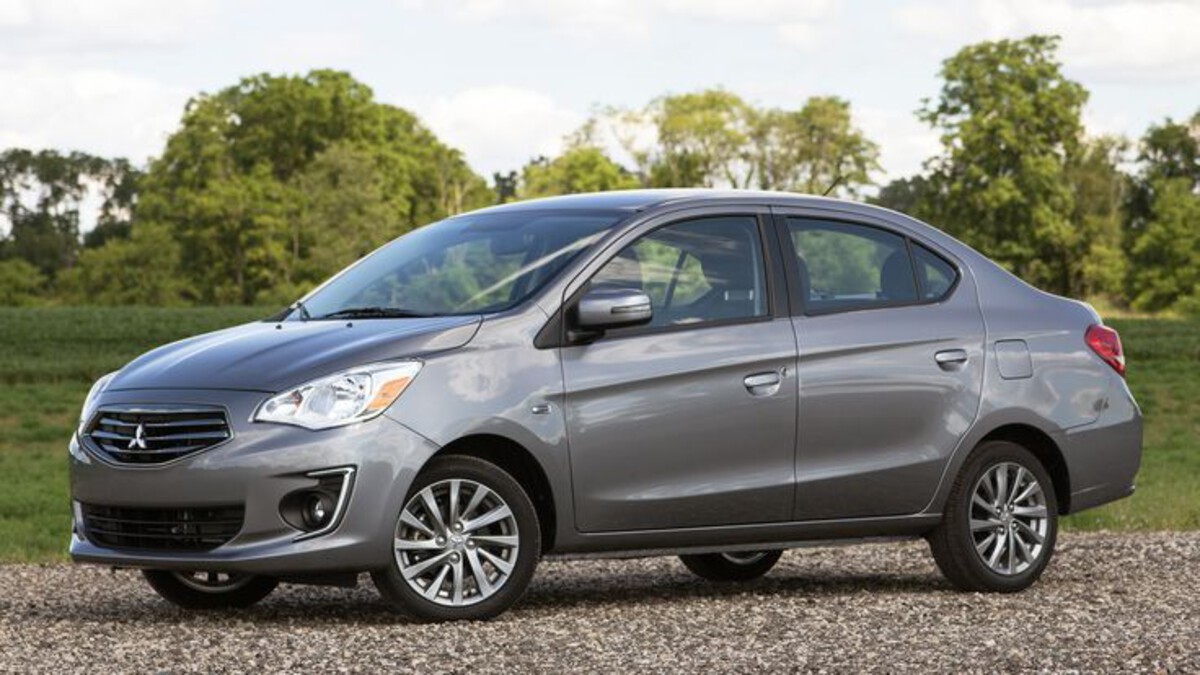
4. Mitsubishi Mirage
The Mitsubishi Mirage stands out in the budget subcompact segment for its particularly weak crash-test performance. While it achieves impressive fuel economy and affordability, these gains come at the cost of occupant protection.
The Mirage’s body structure lacks sufficient reinforcement, causing the passenger compartment to deform excessively during frontal and side-impact tests.
This deformation compromises the survival space and significantly increases the risk of injury to occupants. In crash tests, the Mirage consistently showed poor protection for the chest and legs of front-seat passengers, which are critical injury areas.
Airbag coverage in the Mirage is minimal, often limited to front airbags only. Side airbags and curtain airbags, which provide essential protection in side-impact and rollover scenarios, may not be standard on many trims or markets.
This sparse airbag configuration leaves passengers vulnerable to severe injuries during common crash types, further lowering the vehicle’s safety rating.
Additionally, the Mirage lacks many of the advanced driver-assistance features that are increasingly becoming standard even in economy cars.
Technologies such as automatic emergency braking, lane departure warning, and blind-spot detection are either unavailable or offered only as optional extras. This absence reduces the Mirage’s ability to help drivers avoid accidents or reduce their severity, contributing to higher crash risk.
The vehicle’s lightweight construction, while beneficial for fuel efficiency, also contributes to poor crashworthiness. It lacks the structural rigidity and energy-absorbing features found in safer competitors.
This combination of minimal protective features and structural vulnerabilities places the Mitsubishi Mirage near the bottom of crash-test rankings, raising serious concerns about occupant safety in real-world driving conditions.

5. Jeep Compass (Older Models)
Older Jeep Compass models were designed to provide SUV styling and off-road capabilities at a more affordable price point, but unfortunately, this did not translate into robust occupant safety. In crash tests, the Compass exhibited several critical weaknesses that led to poor ratings.
Frontal impact tests revealed substantial cabin intrusion, indicating that the safety cage did not maintain its integrity under severe stress. This intrusion can lead to increased injury severity as passengers may be exposed to deformation forces and contact with internal vehicle components.
Side-impact performance was also below expectations. The vehicle’s door structures were under-reinforced, and side airbags were either limited or absent on many older models. This resulted in insufficient protection during side collisions, one of the most dangerous types of accidents.
The roof structure was another weak point; during rollover testing, the Compass demonstrated a lower-than-average ability to withstand crushing forces, which increases the risk of occupant injury or ejection during such incidents.
In terms of preventive safety technology, the older Compass models lacked many of the driver-assistance features now common in modern vehicles. The absence of automatic emergency braking, lane-keeping assistance, and blind-spot monitoring meant that the vehicle provided fewer tools to help avoid collisions.
These missing features are especially important in SUVs, which often have higher centers of gravity and increased rollover risks.
Combined, these factors resulted in the Jeep Compass receiving poor crash-test scores from organizations such as the IIHS and NHTSA.
While newer Compass models have improved significantly in safety, the older versions remain cautionary examples of how SUV styling and off-road focus can sometimes come at the expense of occupant protection.
