
Car ownership can be both a deeply personal and practical matter. For many, a car represents more than just transportation, it reflects lifestyle choices, financial planning, reliability, and in some cases, family history.
Some vehicles are designed to be kept for decades, passed from parent to child, while others are best enjoyed in the short term before issues with reliability, depreciation, or shifting trends catch up. Knowing which vehicles fall into each category can be crucial for anyone looking to make a wise automotive decision.
Some cars age with grace, vehicles that continue to perform reliably year after year with minimal issues. These are the cars built with high-quality components, thoughtful engineering, and a reputation for longevity. Often, they are simple in design but solid in execution, and their parts remain available long after production ends.
Families often hang on to such vehicles because they not only retain their value but also hold sentimental worth. They become trusted tools, sometimes even family icons, going through multiple stages of life alongside their owners.
On the other hand, some cars start strong but age poorly. Whether it’s due to cheap build quality, a history of costly repairs, or an inability to keep up with changing technology, these vehicles become liabilities quickly.
Some of them are known to lose their value faster than average, while others are plagued by design flaws that surface within the first few years of ownership. Keeping these cars for too long can cost far more than they’re worth, making them ideal candidates to sell while the market still offers a decent return.
In this article, we’ll cover five cars that have earned their reputation for being durable and worth passing down through generations. These are the types of vehicles that remain reliable even after ten or fifteen years on the road.
Then, we’ll go through five cars that may look good on the surface but are best sold sooner rather than later. Whether you’re shopping for a car now or rethinking the one in your garage, this guide will give you some perspective on which cars are long-term companions and which are better left behind.
Also Read: 9 Best Vehicles That Survive Multiple Generations of Owners
Cars Built for Generational Ownership

1. Toyota Land Cruiser
The Toyota Land Cruiser is one of the most reliable and respected SUVs ever produced. Known for its rugged durability and off-road prowess, this vehicle has served countless families, explorers, and even militaries across the globe. It’s not uncommon to see 20-year-old models still going strong, especially in remote regions where reliability is non-negotiable.
The Land Cruiser combines exceptional build quality with a timeless design, and the result is a vehicle that doesn’t age the way most cars do. Owners often find that routine maintenance and occasional part replacements are enough to keep these running smoothly for decades.
Another key feature that makes the Land Cruiser ideal for long-term ownership is its mechanical simplicity, especially in earlier generations. Unlike many modern vehicles that rely heavily on electronics and complex software, older Land Cruisers were built with fewer things that could break.
This makes them easier to repair and maintain, especially for DIY owners or local mechanics who may not have access to advanced diagnostic tools. Even newer models retain that reputation, despite the inevitable addition of modern features.
The resale value of the Land Cruiser also reflects its reputation. These vehicles retain their market price much better than most other full-size SUVs, especially after five or more years. Buyers in the used market are actively looking for well-maintained examples, which means that even older models can be sold at a premium.
This kind of market consistency adds to the long-term value of owning one. Rather than seeing your car become worthless over time, a Land Cruiser often appreciates in perceived value due to its track record.
Many Land Cruiser owners pass their vehicles down to children or keep them in the family simply because they’re so trustworthy. These vehicles become part of family adventures, serve in times of need, and never seem to stop performing. Whether used as a daily driver or an occasional weekend off-roader, the Land Cruiser earns its spot as one of the most generational vehicles ever built.
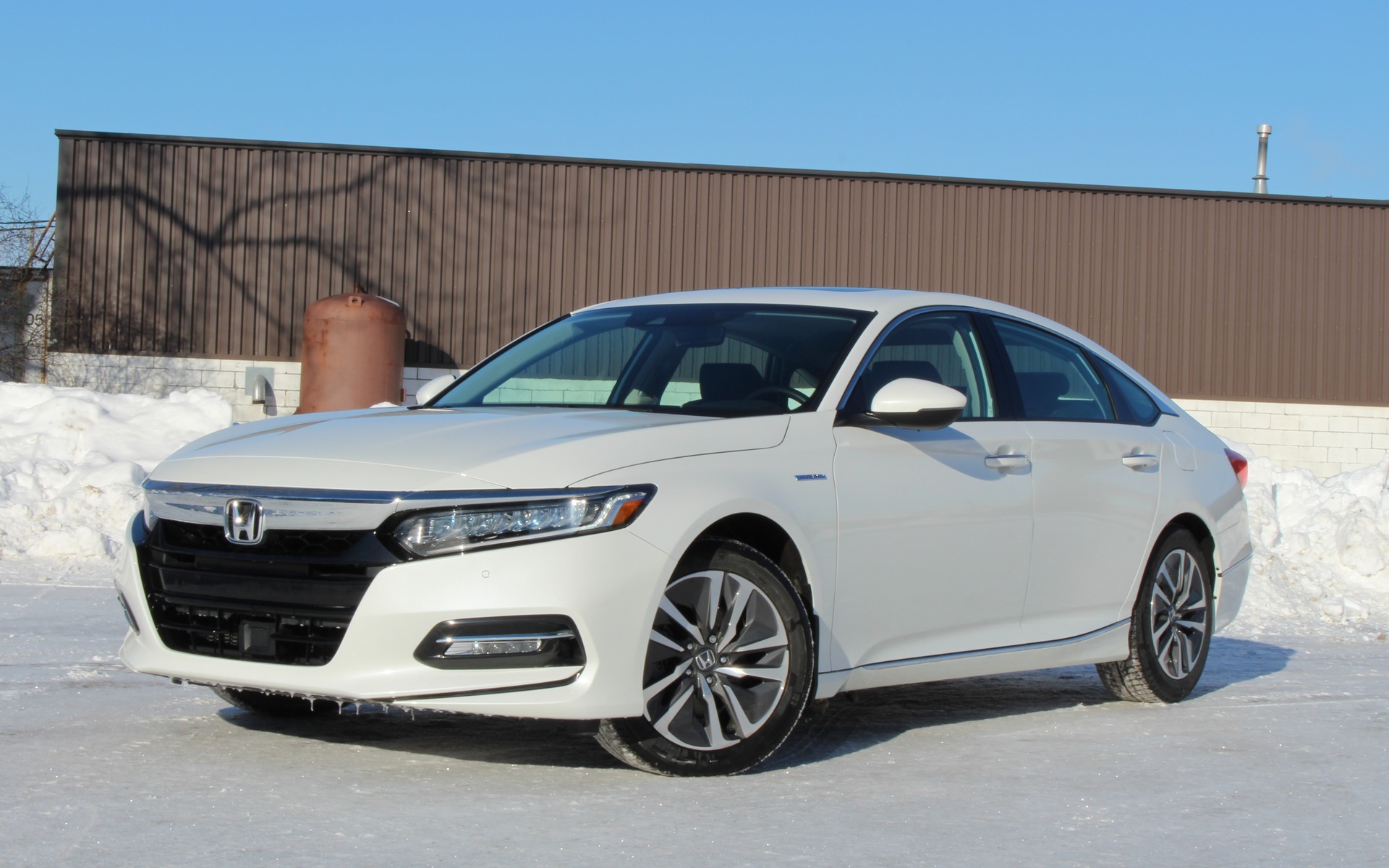
2. Honda Accord
The Honda Accord has been a staple of reliability and practicality for decades. It’s the kind of car that quietly does everything well without attracting too much attention. With a reputation for reaching well over 250,000 miles with regular maintenance, the Accord is often the go-to vehicle for families looking for an affordable, dependable sedan. Its blend of fuel efficiency, comfort, and low ownership costs makes it easy to justify holding on to it for the long haul.
One of the reasons the Accord stands out is its consistently solid engineering. Honda has maintained a high standard for quality control across different generations of the Accord. While designs and features have evolved, the core values of reliability, durability, and value have stayed consistent.
Mechanical parts are often shared across other Honda models, meaning they are widely available and reasonably priced. This makes repairs more straightforward and less expensive over time.
Another advantage is the way the Accord manages to stay current without becoming too complicated. Unlike some competitors that lean heavily into tech features that age quickly, the Accord tends to focus on improving existing strengths rather than chasing trends.
This means that even older models don’t feel entirely outdated, which helps maintain their desirability over time. Families often find themselves passing these down to teenage drivers or using them as a second car once a newer vehicle enters the picture.
The cost of ownership for the Accord is also among the lowest in its class. Insurance rates are generally reasonable, and fuel efficiency continues to improve with newer models. Add to that a loyal following and a strong used market, and you get a car that continues to be a smart investment long after the initial purchase. Whether you’re holding onto one for sentimental reasons or practical ones, the Honda Accord is a solid choice for generational ownership.
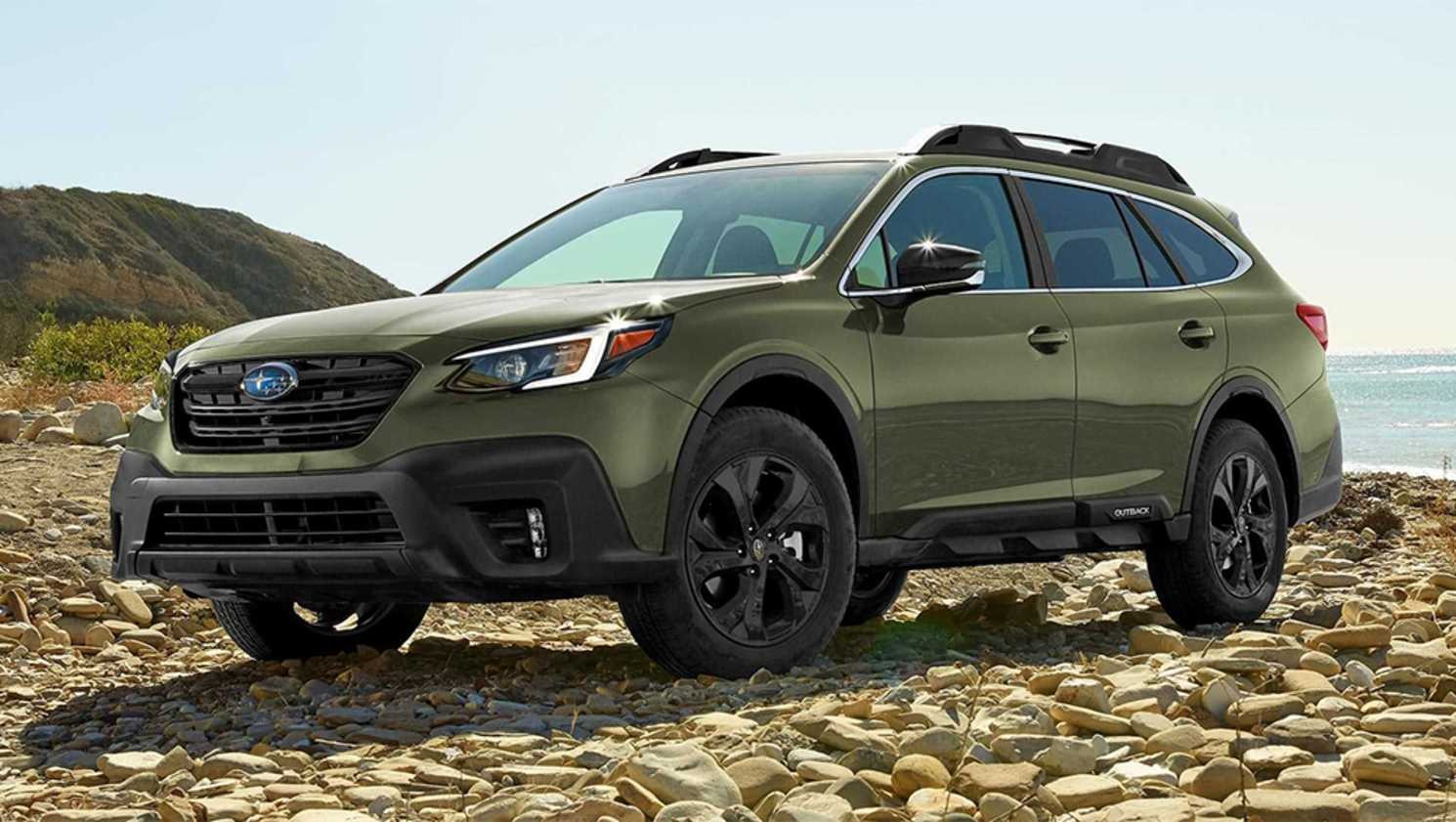
3. Subaru Outback
The Subaru Outback has carved out a unique place in the market as a dependable, all-weather family car with a rugged side. Built for those who love the outdoors but still need a vehicle for everyday use, the Outback offers versatility, safety, and longevity.
It’s common to see older models with high mileage still performing well, especially when owners keep up with scheduled maintenance. Its all-wheel-drive system is one of the best in its class, making it an ideal vehicle for snow, rain, and unpaved roads.
Subaru’s engineering focuses on durability and function. The flat-four engine, known as the Boxer engine, helps keep the center of gravity low, improving stability and safety. Although it’s not the most powerful engine, it is designed for balance and longevity. Paired with Subaru’s symmetrical all-wheel drive, the Outback delivers reliable performance year after year. This makes it not only useful for long-term ownership but also a safer option for younger or less experienced drivers in the family.
The practicality of the Outback extends beyond performance. It has a large cargo area, high ground clearance, and a reputation for handling rough terrain better than most vehicles in its class.
It’s not uncommon for these vehicles to be used for camping trips, ski weekends, or cross-country drives. As a result, they often become associated with memories and experiences that encourage families to keep them for many years. They’re less likely to be viewed as disposable vehicles and more likely to be maintained and passed down.
Subaru has also built a community around the Outback, with high owner satisfaction and a strong support network. Forums, clubs, and local repair specialists are easy to find, and parts are widely available. Even if you’re buying used, there’s a good chance the previous owner took care of it. For these reasons, the Subaru Outback stands out as a car worth keeping in the family for the long haul.
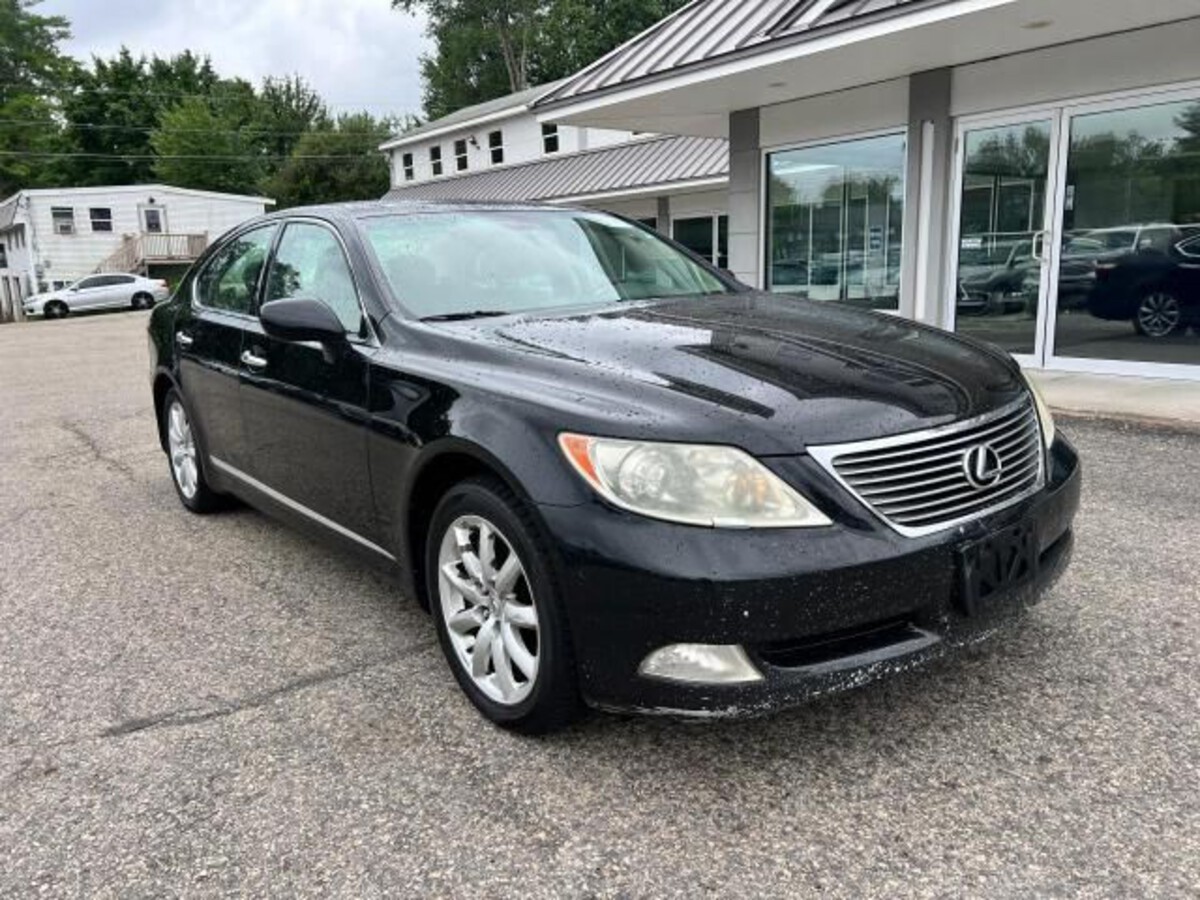
4. Lexus LS Series
The Lexus LS series represents luxury without the fragility that often comes with it. While many luxury vehicles are notorious for being expensive to maintain and difficult to repair over time, the Lexus LS bucks that trend by combining Toyota’s reliability with high-end comfort.
It’s a car that can be driven daily for decades while maintaining the smooth ride and quiet cabin that it’s known for. Owners who take care of their LS often see very few major issues, even after 150,000 miles or more.
The engineering behind the LS is remarkably solid. Everything from the transmission to the suspension is built to last. Lexus doesn’t rush out new models every year with gimmicky features; instead, it focuses on refining what already works.
This approach helps extend the life of each generation and reduces the risk of expensive electronic failures. Many LS models are praised for having old-school analog craftsmanship alongside modern reliability, which makes them easier to live with long-term.
Another key reason why the LS is built for generational ownership is the interior quality. The materials used inside are some of the best in the business, and they tend to hold up well against wear and tear. Leather remains supple, buttons and switches continue to function, and the ride remains exceptionally quiet. Even after ten years, the car feels luxurious, which is more than can be said for many other luxury brands in the same category.
Resale value on the LS might not be as strong as some sports cars or collector vehicles, but that’s not the point. The value in owning an LS comes from keeping it and getting every possible mile out of it while still enjoying a premium experience. It’s the kind of car you can pass down with pride, knowing it will still be dependable and comfortable for years to come. It’s built for those who want both quality and longevity without sacrificing refinement.
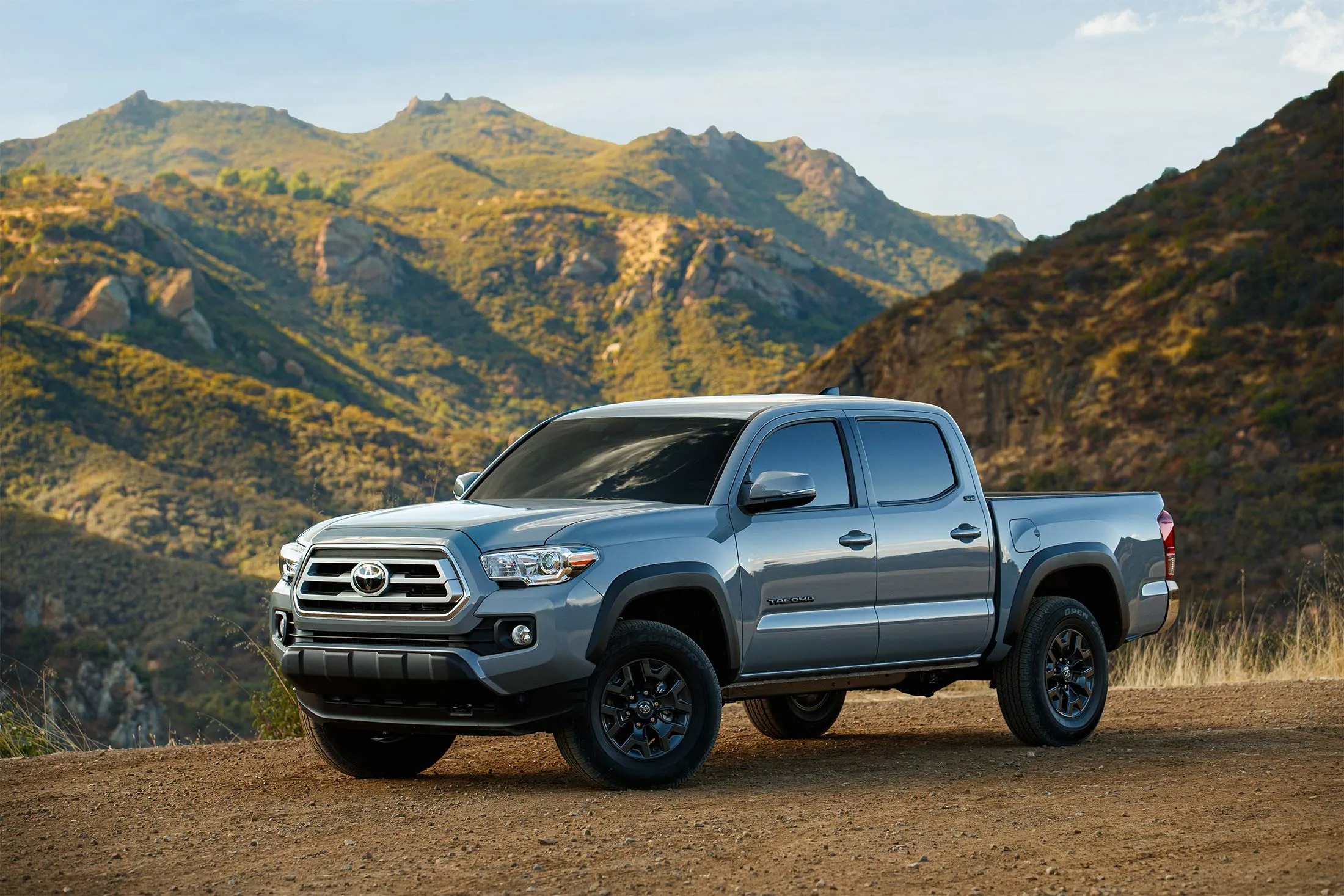
5. Toyota Tacoma
The Toyota Tacoma is often mentioned in conversations about long-term reliability, and with good reason. It has earned a reputation for being one of the most durable midsize pickup trucks on the market. Whether it’s used for work, adventure, or daily commuting, the Tacoma consistently performs under pressure and holds up better than most vehicles in its category.
Many owners drive their Tacomas well beyond 300,000 miles with minimal major repairs. This kind of track record has created a culture around the Tacoma that values long-term ownership and makes it a strong candidate for passing down through generations.
One of the Tacoma’s biggest strengths lies in its simplicity and robust engineering. While newer models come with modern features, Toyota has managed to avoid overcomplicating the essential mechanics of the truck.
The engines are known for being overbuilt, transmissions last a long time with proper care, and the truck’s frame is rugged enough to handle real-world abuse. Whether you’re towing, hauling, or driving on unpaved trails, the Tacoma rarely feels overmatched. Its build quality and purpose-driven design contribute to its long service life and reliability.
Another reason the Tacoma makes sense for generational ownership is its incredibly strong resale value. Unlike most vehicles that lose value quickly after purchase, Tacomas retain their worth year after year. Even older models from the early 2000s can command high prices if they’re in decent condition.
This is due to consistent demand, a loyal fan base, and a scarcity of well-maintained used examples. Families who choose to hold onto their Tacomas not only get continued utility but also know they’re keeping a valuable asset that can be resold quickly if needed.
From a practical standpoint, the Tacoma is versatile enough to fit many stages of life. It works as a first vehicle, a utility truck, a weekend off-roader, or a daily commuter. It’s also well-supported with parts, accessories, and a huge aftermarket community. All of this adds up to a truck that fits comfortably into a long-term plan.
It’s not flashy or overly luxurious, but it’s dependable, adaptable, and holds its value. For those reasons, the Toyota Tacoma is an excellent choice for anyone looking to invest in a vehicle that will serve not just one owner, but potentially the next generation as well.
Also Read: 5 Chevy Silverado Years That Run Forever vs 5 That Don’t
Cars You Should Sell Quickly
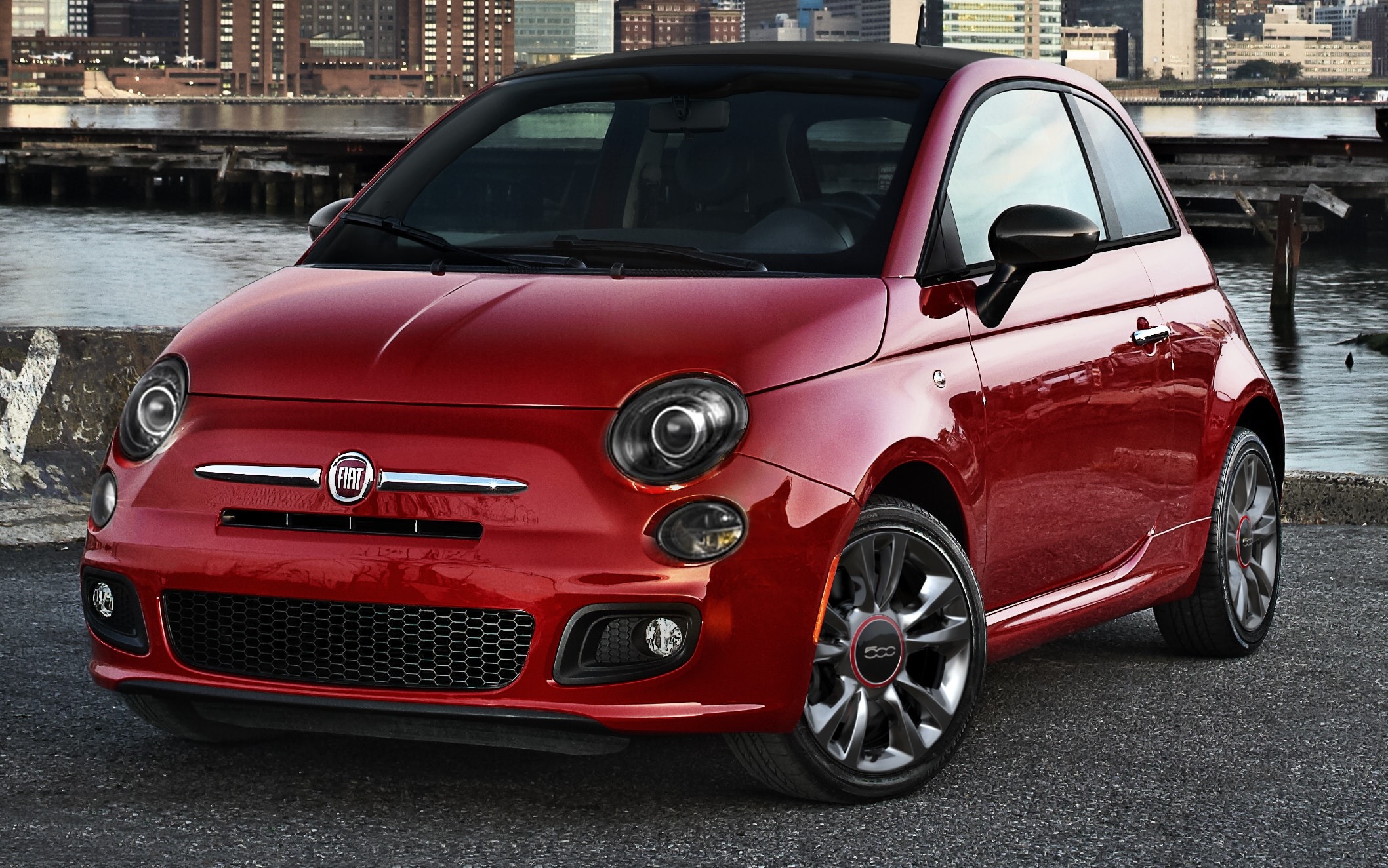
1. Fiat 500
The Fiat 500 entered the market with charm, retro styling, and a promise of European flair at an affordable price. It appealed to drivers who wanted something compact and fashionable, especially for urban driving. However, that appeal quickly faded for many owners once long-term reliability issues started to surface.
The car’s small size, while great for maneuvering through tight spaces, comes with compromises that extend far beyond the cabin. From the start, it was clear the Fiat 500 wasn’t built for longevity. Materials inside the cabin often begin to degrade far too quickly, and common electrical problems are often reported even before the car hits 60,000 miles.
Maintenance can be particularly frustrating, not only because of the frequent need for repairs but also because Fiat’s dealer network is relatively limited in some regions. This means sourcing parts or finding a trained technician can take longer and cost more than expected for a car in its price range.
The resale value also plummets quickly, making it a poor long-term investment. Many owners find that within a few years, the car is worth only a fraction of what they paid, even if they’ve maintained it well. This makes it harder to justify keeping one unless it has some sentimental value.
Another concern with the Fiat 500 is safety. While it meets basic crash safety standards, it lags behind competitors when it comes to newer active safety features like lane keeping, blind spot monitoring, and automatic braking.
These omissions are especially noticeable as similar subcompacts from other brands continue to add more features without drastically raising prices. Combine that with a somewhat jittery ride, tight interior space, and poor long-term comfort, and it becomes clear this car is better as a short-term option rather than a family staple.
For these reasons, selling the Fiat 500 quickly is often the best course of action once you begin noticing signs of wear or approaching the mileage where bigger repairs tend to arise. The longer you wait, the harder it becomes to recover any reasonable value, and the higher the likelihood of dealing with costly breakdowns. If you’re holding onto one now, it might be time to start thinking about trading up before those issues become your responsibility.
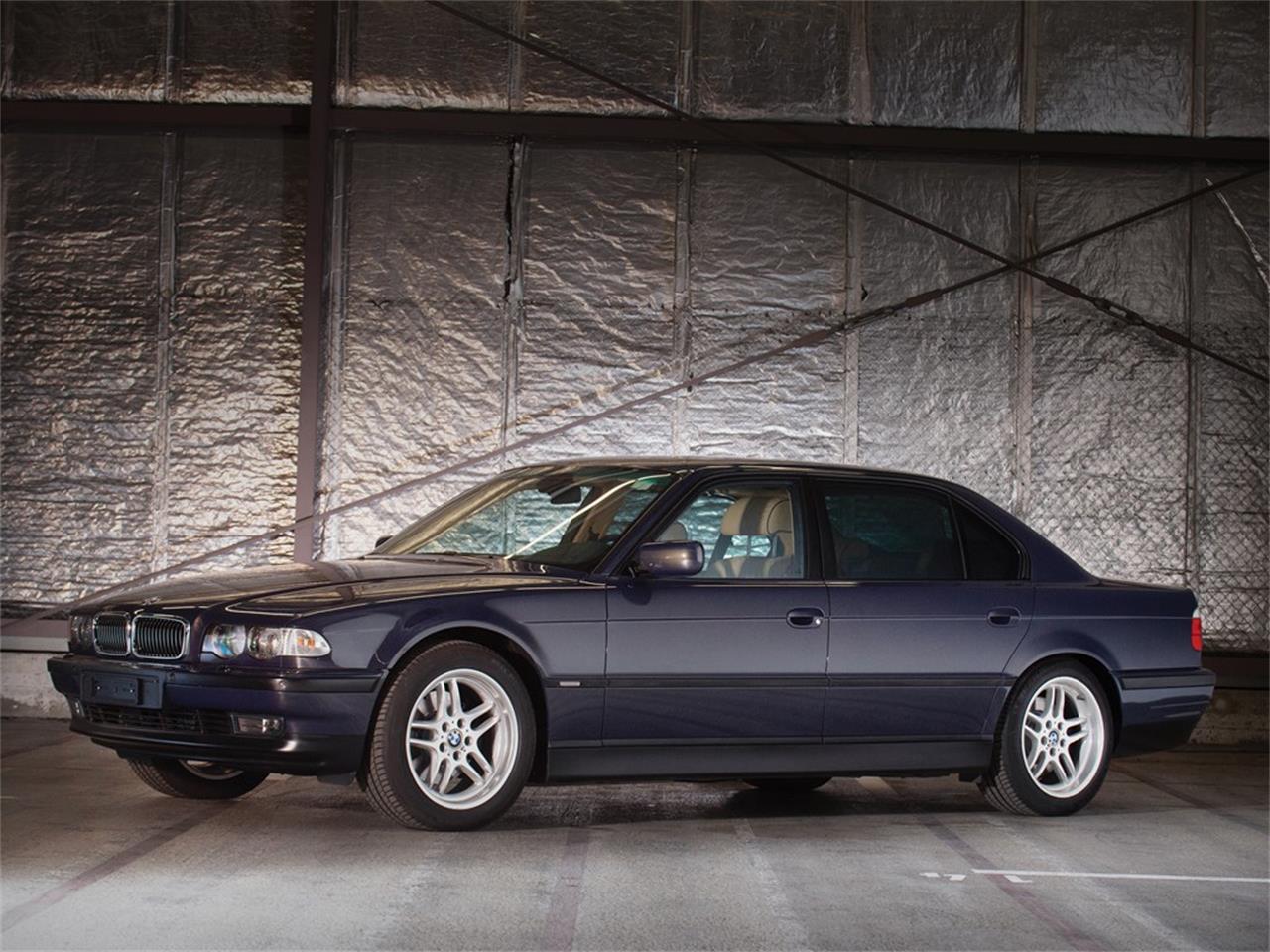
2. BMW 7 Series (Older Models)
There’s no denying that the BMW 7 Series offers exceptional performance, luxury, and technology, at least while it’s new. For a short period of time, these cars can be an amazing experience to own, offering drivers cutting-edge features, elegant interiors, and powerful engines.
However, the long-term ownership story tells a much different tale. Older 7 Series models, especially those from the early 2000s to the mid-2010s, are infamous for developing a wide range of costly problems once they’re out of warranty. What starts as a high-end experience can quickly transform into a financial burden.
The complex technology in the 7 Series often doesn’t age well. From the iDrive system to active suspension components, owners frequently report malfunctions that require specialized repairs. Replacement parts are not cheap, and even minor repairs can cost thousands of dollars.
These models also tend to suffer from coolant system failures, oil leaks, and transmission issues as they age. For most owners, the cost of maintaining the car far outweighs its resale value within just a few years. In many cases, independent mechanics will even refuse to work on older 7 Series due to the complexity and time involved.
There’s also a misconception that because it’s a BMW, it must be worth keeping. That’s simply not true in this case. While models like the 3 Series and certain M variants have loyal followings and stronger long-term value, the 7 Series is a different story.
Its high initial cost does not translate into long-term dependability. In fact, depreciation on this model is one of the steepest in the luxury segment. You can find 7-year-old examples that originally cost over $90,000 being sold for under $15,000. That kind of value drop alone should be a red flag.
If you currently own an older 7 Series and it’s still in good working order, now is the time to let it go. Waiting too long increases the risk of major failures that will be difficult or impossible to recoup through resale.
Unless you’re a collector or have deep pockets for repairs, the BMW 7 Series should be enjoyed briefly and then sold before the financial headaches begin. It’s not built for the kind of ownership that spans generations or even long-term daily use once it leaves its warranty period.
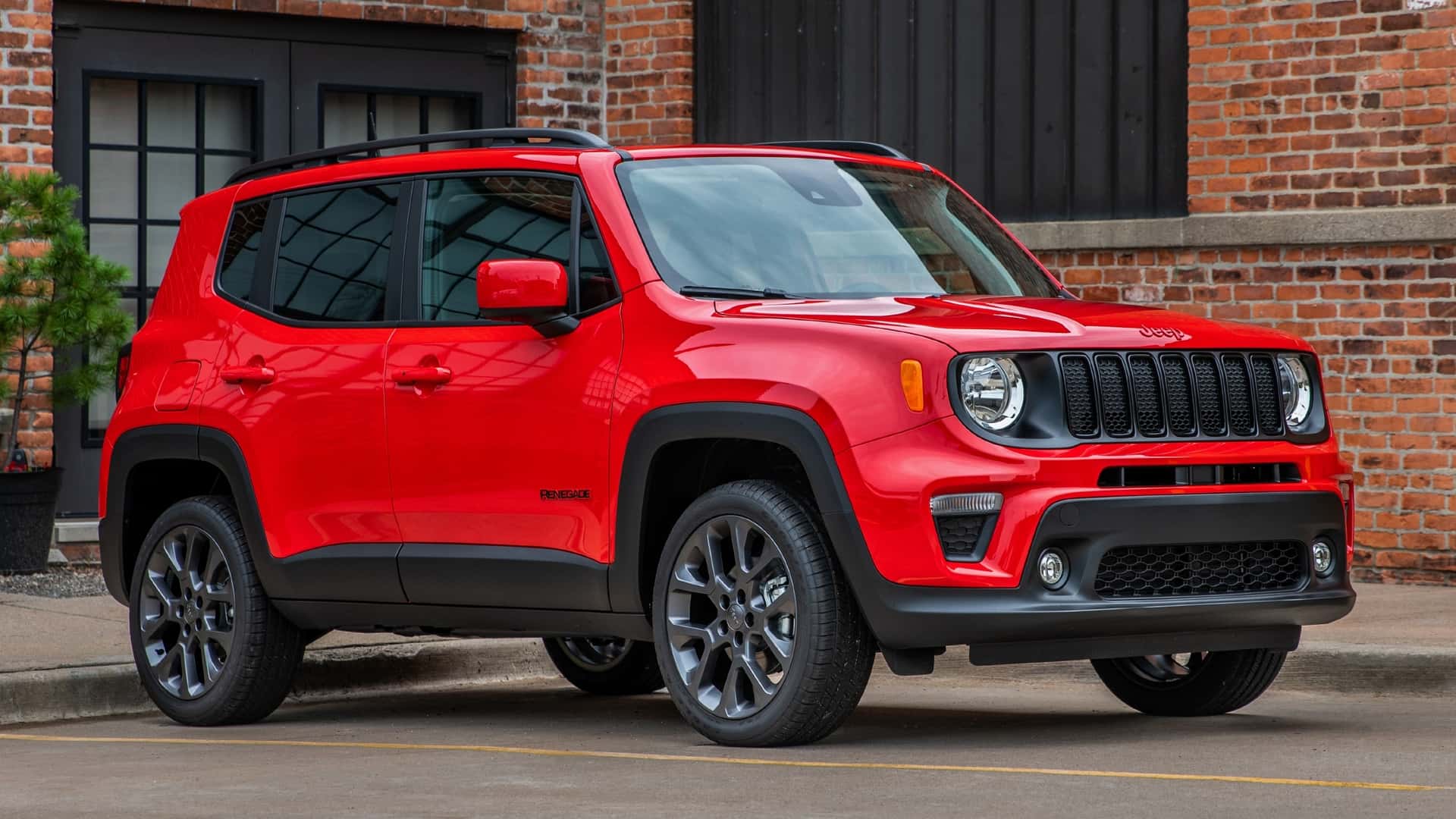
3. Jeep Renegade
The Jeep Renegade was introduced as a compact SUV with the branding appeal of Jeep but built on a platform shared with Fiat. At first glance, it looks like a solid choice for someone who wants SUV utility in a small, affordable package.
It promises off-road capabilities, rugged design, and the perceived legacy of the Jeep name. But under the surface, the Renegade falls short in several important areas that affect long-term ownership. It’s built more for style than substance, and many owners find out the hard way that it doesn’t hold up well over time.
The Renegade’s reliability has been under constant criticism since its release. Engine and transmission problems are common, particularly in earlier models. The 9-speed automatic transmission is known for erratic shifting and poor responsiveness, and several recalls have addressed these issues with mixed success.
Other components like the infotainment system, electronics, and sensors also suffer from inconsistent quality, which leads to repeated visits to the service center. Combined with high repair costs for such a small vehicle, these issues make the Renegade a questionable investment for long-term use.
Fuel economy isn’t particularly impressive either, especially when compared to other compact SUVs in its class. Despite being small, the Renegade often returns subpar mileage, which defeats one of the main reasons for choosing a vehicle of this size. Interior space is also less than ideal.
While it may seat five on paper, rear legroom and cargo capacity are lacking, making it a tight fit for families or extended trips. This makes it a poor candidate for growing families or anyone planning to hold onto their car for many years.
Because of these factors, resale value is poor, and used models often sit on dealer lots for extended periods. If you own a Renegade and it’s still under warranty or performing well, it’s a good time to sell. Waiting too long could mean facing serious repair bills for a vehicle that doesn’t offer much reward for the hassle.
It’s a vehicle with short-term appeal that doesn’t transition well into long-term ownership. Selling it while the market still has some demand is the best decision you can make for your finances.
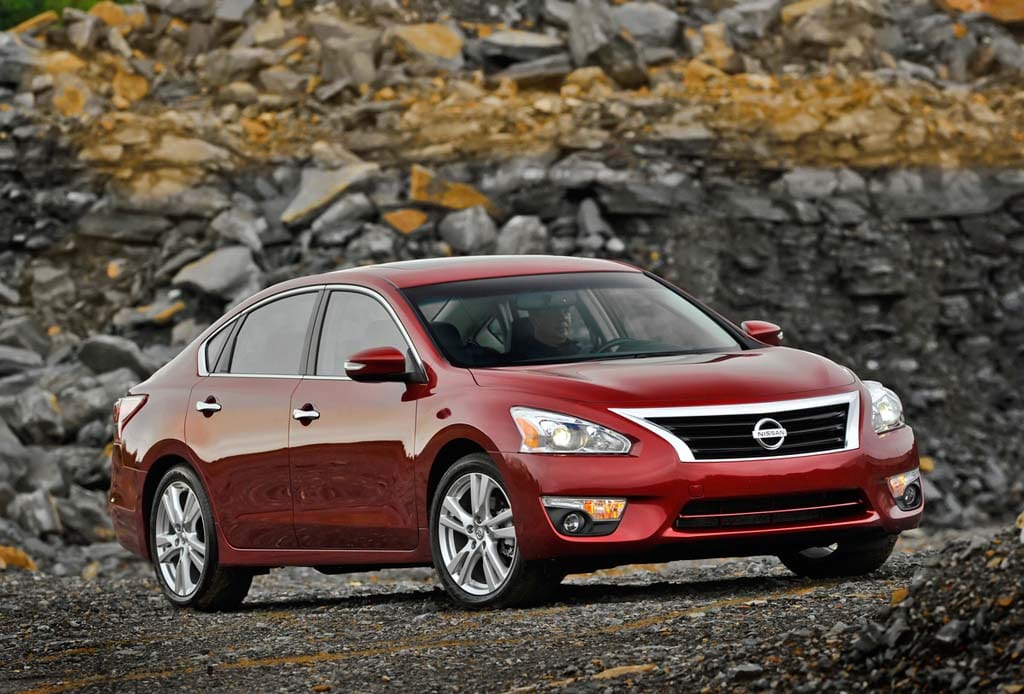
4. Nissan Altima (Certain Model Years)
The Nissan Altima has gone through several phases, and while some generations are reliable, others are best avoided or sold off quickly. Specifically, model years from the mid-2010s are known for widespread issues with the continuously variable transmission (CVT).
These transmissions tend to wear out much sooner than traditional automatic or manual transmissions, and replacements can cost thousands of dollars. Many owners report serious problems before reaching 100,000 miles, often with little warning. This has significantly hurt the model’s reputation and long-term dependability.
The Altima also suffers from rapid depreciation, especially when compared to competitors like the Toyota Camry or Honda Accord. Part of the issue is the flood of former rental cars hitting the used market, which pushes down values for everyone.
When your car is one of thousands of similar models available at auction or dealer lots, demand drops, and so does the price. If you bought one new or slightly used, chances are good that your equity disappeared quickly. Holding onto it longer only makes that financial hit worse.
Interior build quality on certain Altima models is also lacking. Cheap plastics, outdated design choices, and poor insulation make for a driving experience that deteriorates over time. Road noise is an issue, and trim pieces tend to wear or rattle with age.
Even the seats, which are often advertised as “Zero Gravity,” receive mixed reviews after extended use. While these may seem like small concerns on their own, they add up to a vehicle that feels old before its time, especially when compared to better-built competitors.
If you’re driving a mid-2010s Altima and haven’t had transmission issues yet, you might be on borrowed time. Selling now could help you avoid the expensive repair bill that so many other owners have faced. While newer models have shown some improvement, the damage to the brand’s perception still lingers.
The Altima is one of those cars that can look like a good deal on the surface, but it rarely holds up to long-term expectations. If generational ownership is your goal, this is not the car to keep.
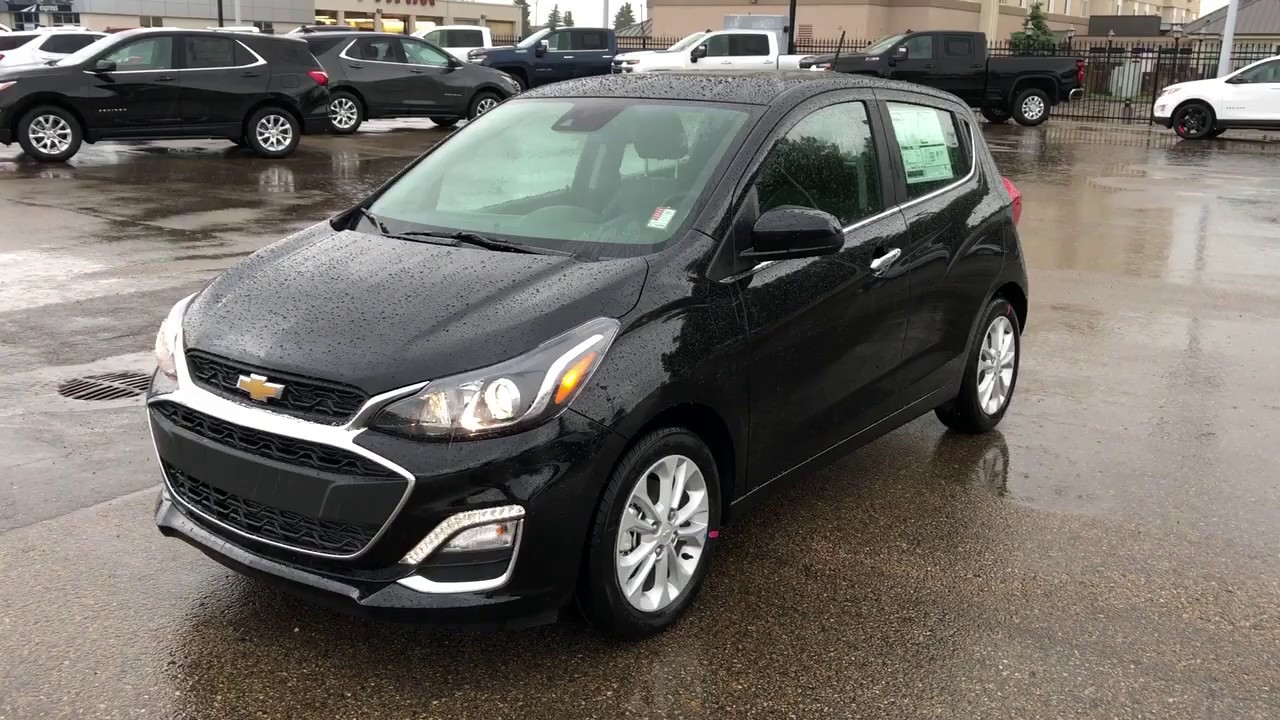
5. Chevrolet Spark
The Chevrolet Spark was marketed as a practical, no-frills, ultra-compact car for budget-conscious buyers. It filled a niche for urban commuters and first-time car owners who wanted a new vehicle at the lowest possible price point. While it did offer low cost of entry, good fuel economy, and a tight turning radius, these benefits come at a price.
In terms of long-term ownership, the Spark often falls short. It was never meant to be a durable or refined vehicle, and this becomes increasingly obvious as it ages. Owners who keep them beyond five or six years often face diminishing returns in both functionality and resale value.
One of the biggest issues with the Spark is that it feels like it was designed with short-term use in mind. The materials inside the cabin are among the cheapest in its class, with hard plastics, minimal insulation, and a very basic layout. While this might be acceptable for a commuter car or a rental, it becomes frustrating during long-term use.
Road noise, seat discomfort, and a lack of features that are now considered standard in even entry-level vehicles contribute to a driving experience that wears thin quickly. There’s a clear ceiling on how much you can get out of the Spark before it starts feeling more like a disposable item than a long-term asset.
Mechanical reliability is another concern. The Spark’s small engine, while efficient, is not built for long-distance performance or sustained heavy use. Components tend to wear out faster than those in more robust compact cars. Transmission issues have also been reported, particularly in models equipped with the continuously variable transmission (CVT).
Repair costs, while not as high as luxury cars, still represent a large percentage of the Spark’s value. This imbalance often leads to a situation where repair bills exceed what the car is worth on the open market.
Finally, the resale market for the Spark is limited. With so many small cars now offering better performance, safety features, and value, the Spark quickly becomes an outdated option. It doesn’t hold its value, and demand is relatively low except for very specific buyer segments.
If you own a Chevrolet Spark and it’s still functioning well, now is a good time to sell. Holding onto it longer will likely result in more repairs, fewer comforts, and less money when it’s time to part ways. It’s best treated as a temporary solution rather than a permanent member of your vehicle lineup.
