
Buying a car for the first time is an exciting milestone, but can also be overwhelming. Many new drivers face a complex decision process, balancing budget, reliability, fuel efficiency, safety, insurance costs, and even style. The market offers an enormous range of vehicles, and knowing which models best suit the needs of first-time buyers can make the experience much smoother.
First-time buyers often prioritize factors such as affordability, ease of maintenance, and a car that is forgiving for new drivers while still being practical for daily use.
At the same time, certain cars may look appealing but tend to bring hidden costs, complex repairs, or less-than-ideal driving experiences for novices. Understanding these dynamics is essential for anyone stepping into car ownership for the first time.
When considering a vehicle, many factors must be weighed. Smaller cars generally provide better fuel economy and easier handling, which is a plus for less experienced drivers. Safety ratings are crucial since new drivers are statistically more prone to accidents.
Cars with good safety features, such as airbags, stability control, and anti-lock brakes, should top the list. Insurance costs also play a significant role because insurers charge higher premiums for some models than others, depending on repair costs and safety records.
Furthermore, ease of maintenance and availability of parts can save first-time owners a lot of trouble. A car that is widely used and has a solid reputation for reliability will usually be less stressful in the long run.
For many, a manual transmission car may not be the best choice unless they have some experience, as automatic cars tend to be more straightforward for beginners.
On the flip side, some cars may seem appealing due to style or performance, but can be challenging for first-time buyers.
Vehicles that are expensive to insure or maintain, or those known for frequent mechanical issues, are often better to avoid. Some cars, especially sportier or high-performance models, may not be the safest or most practical choice for novice drivers.
It is also important to be cautious of cars with poor safety ratings or those that lack modern safety technology. First-time buyers should be wary of cars that come with complicated features that can be distracting or difficult to operate.
The goal is to find a balance between fun, functionality, and safety, ensuring that the car enhances the driving experience rather than complicating it.
In this article, we will look closely at seven cars that tend to be excellent choices for first-time buyers. These vehicles are known for their reliability, cost-effectiveness, safety, and user-friendly features.
Following that, we will also identify seven cars that new drivers might want to steer clear of, either because they tend to be expensive to own, have complicated handling, or present unnecessary risks.
Whether someone is buying new or used, these guidelines can help make the decision easier and more informed, setting the foundation for a positive ownership experience.
Also Read: 9 Midsize SUVs That Rarely Leave the Shop
5 Cars Ideal for First-Time Buyers
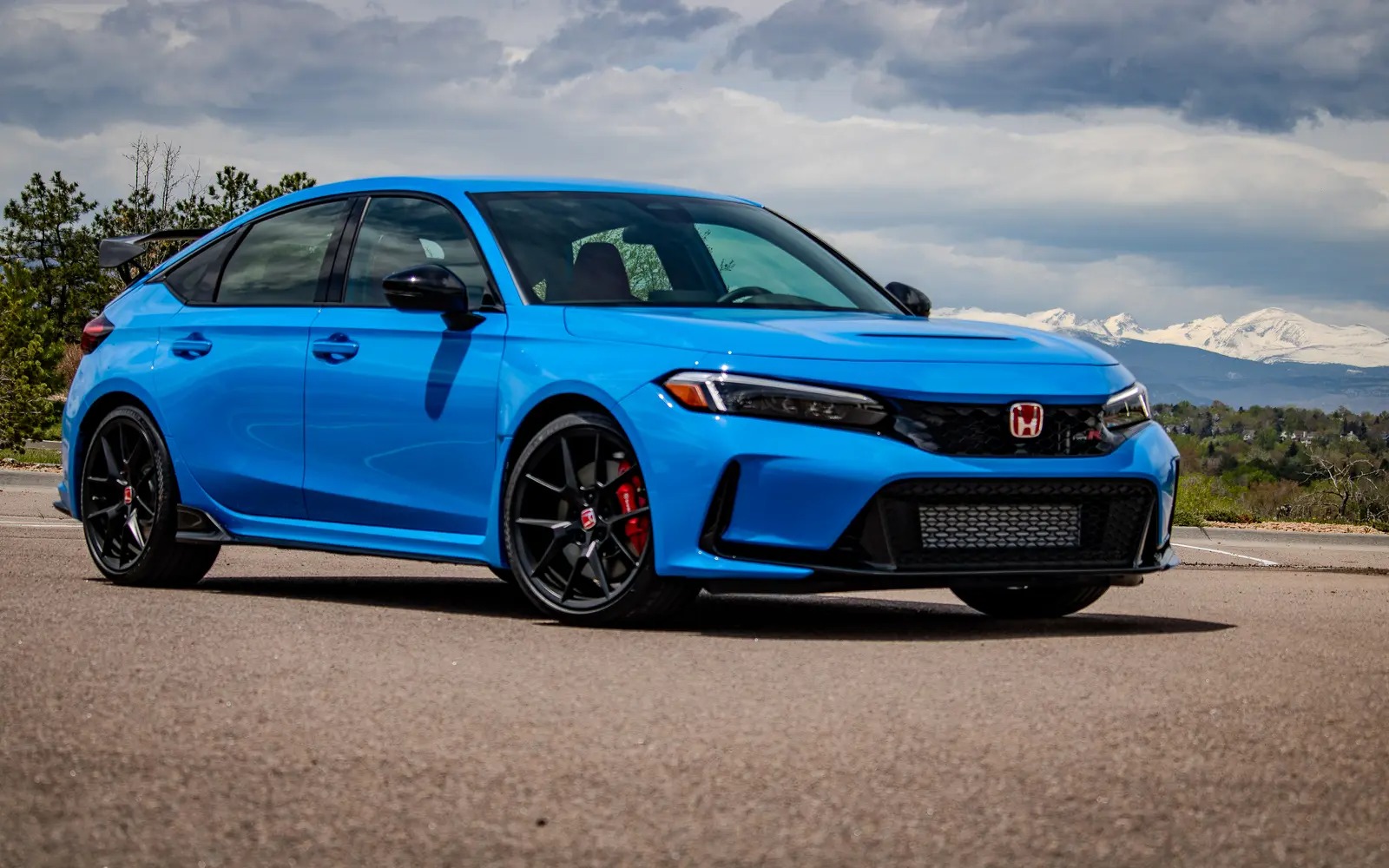
1. Honda Civic
The Honda Civic has long been a favorite among new drivers for good reasons. It combines reliability with solid fuel efficiency and a reputation for longevity.
The Civic’s handling is smooth and predictable, making it easier for first-timers to feel confident behind the wheel. It has a comfortable interior that isn’t overly complicated, offering intuitive controls that don’t overwhelm new users.
Insurance costs are reasonable compared to many other compact cars, especially for models with standard safety features. Furthermore, the Civic is available with both manual and automatic transmissions, giving buyers some flexibility.
Another advantage of the Civic is its wide availability, which means used models in good condition can often be found at reasonable prices. Maintenance is straightforward and generally inexpensive, with parts widely available.
The car’s safety features often include multiple airbags, stability control, and anti-lock brakes. Many newer models also come equipped with advanced driver assistance systems, which can provide an extra layer of security for first-time drivers. Its fuel efficiency also means fewer stops at the pump, reducing the cost of ownership over time.
The Civic’s compact size doesn’t compromise interior space, making it suitable for small families or those needing extra cargo room. This versatility is appreciated by many first-time buyers who may have varying transportation needs.
Its reputation for holding value is another benefit, meaning owners are less likely to lose a significant amount of money when reselling. The Civic balances practicality with a driving experience that is both enjoyable and manageable for beginners.
Lastly, the Civic’s styling is modern without being flashy, making it attractive without drawing unwanted attention. For many first-time buyers, this is a key factor, wanting a car that looks good but doesn’t scream “new driver.”
The combination of safety, reliability, and economy has made the Honda Civic a staple recommendation for those purchasing their first car.
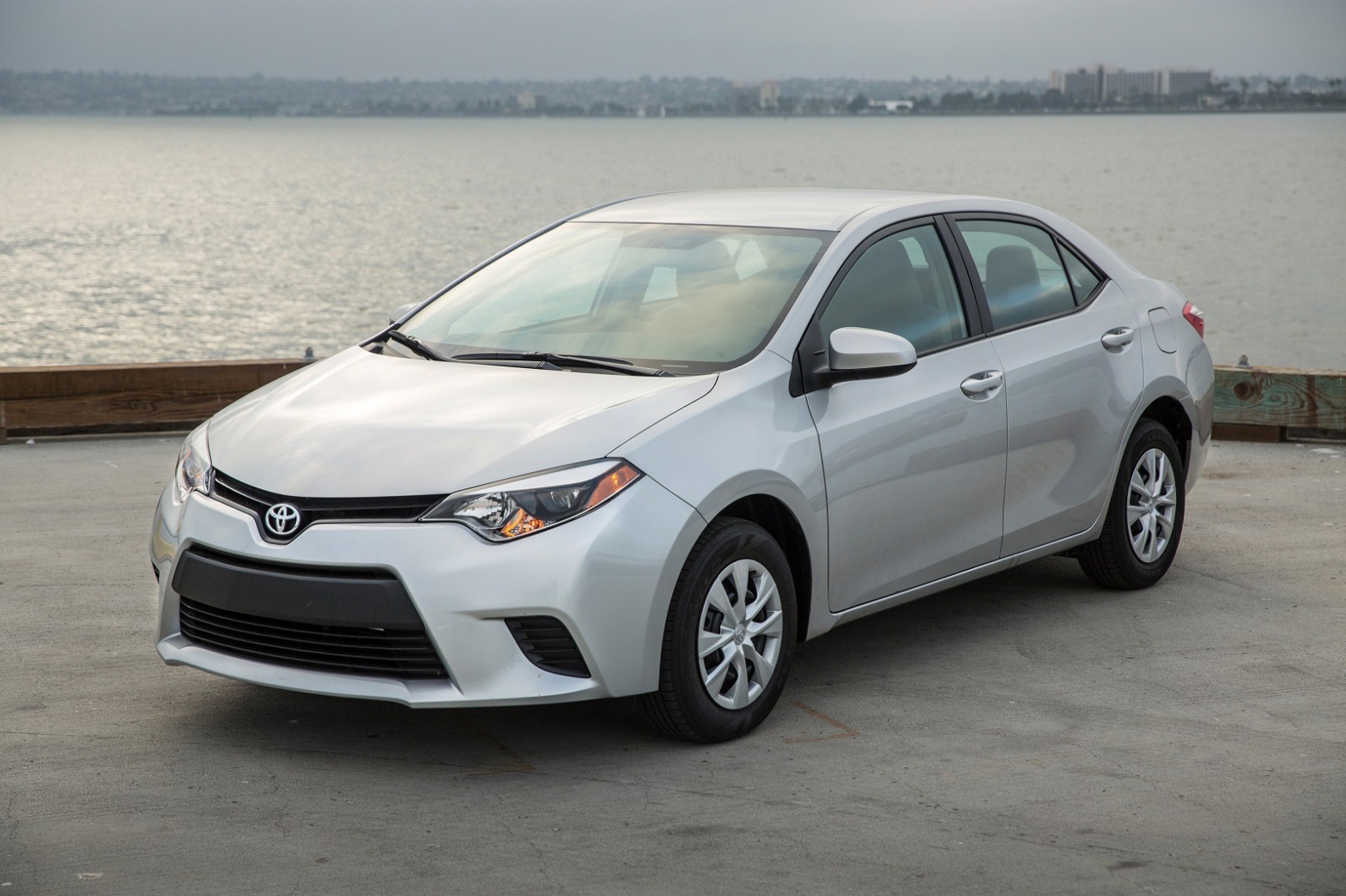
2. Toyota Corolla
The Toyota Corolla is another excellent option for those buying their first car. Known globally for its legendary reliability, the Corolla often outlasts many of its competitors, offering peace of mind to drivers who are just starting out.
Its engine and drivetrain are simple yet efficient, meaning fewer unexpected repairs or mechanical problems. Fuel economy is generally strong, which helps keep running costs low. The Corolla also boasts a smooth, comfortable ride that can help first-time drivers feel at ease on both city streets and highways.
The interior design is straightforward and user-friendly. Controls are easy to reach and operate, which is beneficial for new drivers who might otherwise find complex systems distracting.
Additionally, newer Corolla models come equipped with a suite of safety features like lane departure warning, adaptive cruise control, and automatic emergency braking.
These technologies can serve as valuable aids as beginners gain more driving experience. Insurance costs for the Corolla are typically affordable, reflecting its solid safety record and lower repair expenses.
Maintenance and repair are also generally hassle-free due to Toyota’s widespread dealer network and the availability of replacement parts.
The Corolla’s reputation means that used models hold their value well, making it a sound investment for first-time buyers who may be working with a limited budget. Its compact size makes it easy to maneuver and park, an important consideration for novice drivers learning to handle a vehicle.
Lastly, the Corolla’s design emphasizes practicality and durability. It may not be the flashiest car on the road, but it excels in providing a reliable and low-stress driving experience. For those focused on dependability and low ownership costs, the Toyota Corolla is hard to beat as a first car choice.
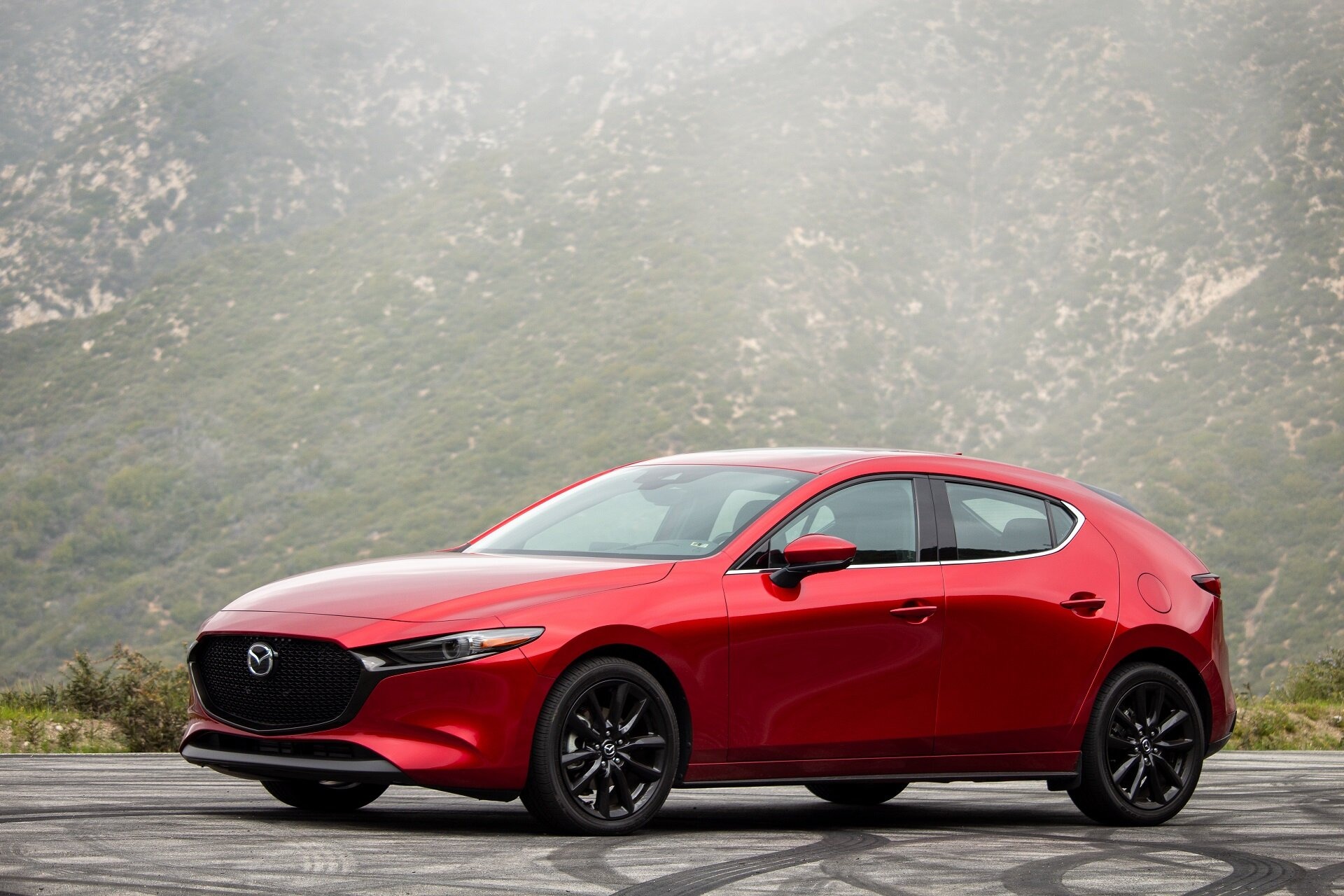
3. Mazda3
The Mazda3 stands out with its sporty styling and engaging driving dynamics, while still being a practical choice for new drivers. It offers a more spirited driving experience compared to many compact cars, with responsive steering and nimble handling that can help beginners build confidence on the road.
Inside, the Mazda3 features a high-quality interior with straightforward controls and a user-friendly infotainment system. While it has more of a premium feel than some competitors, the cost to maintain and insure it remains reasonable for first-time buyers.
Safety is a strong point for the Mazda3. It frequently earns high safety ratings, with multiple airbags, stability control, and driver assistance features included in many trims. The car’s solid construction and modern technology help protect new drivers from common risks.
Fuel efficiency is competitive for its class, keeping costs manageable without sacrificing performance. Additionally, Mazda’s reputation for reliability contributes to its appeal for those who want a car that will run well over time.
The Mazda3 is versatile, available as both a sedan and a hatchback, catering to different preferences and lifestyle needs.
This flexibility is a bonus for first-time owners who may prioritize either passenger space or cargo room. The car’s design combines style with practicality, making it a favorite for buyers who want something that stands out but is still sensible.
The Mazda3 offers a balance of excitement and responsibility, making it an attractive option for new drivers who want a bit more engagement behind the wheel without sacrificing reliability and safety.
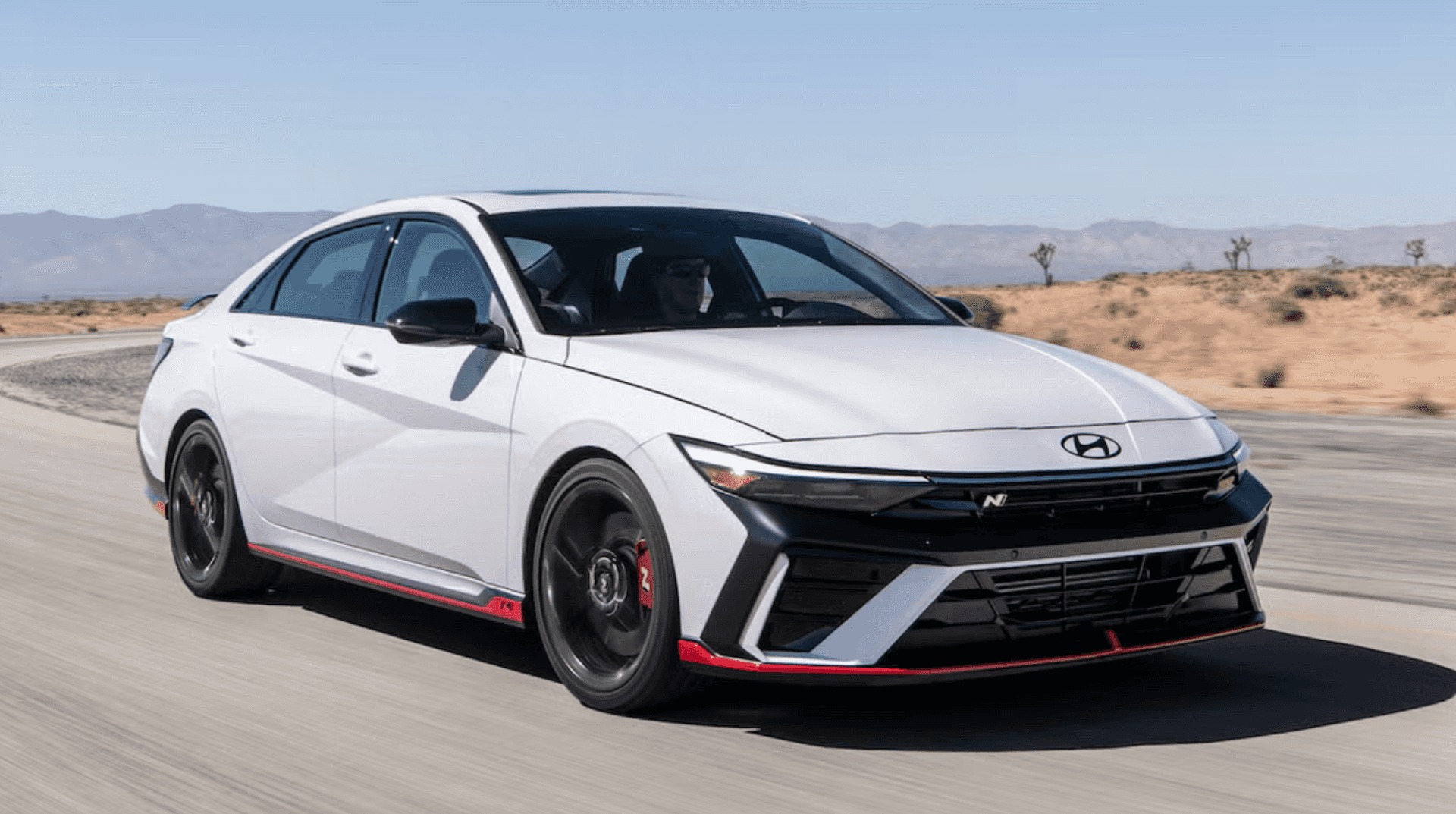
4. Hyundai Elantra
The Hyundai Elantra provides strong value for first-time buyers through a combination of affordability, features, and warranty coverage. It typically comes well-equipped with modern conveniences such as touchscreen infotainment, Bluetooth connectivity, and advanced safety features, even in base trims.
This makes it an excellent choice for drivers who want technology and comfort without paying a premium price. The Elantra’s ride quality is smooth and its handling is manageable, which helps ease new drivers into the experience.
Hyundai’s warranty is among the best in the industry, often covering powertrain components for up to 10 years or 100,000 miles. This reassurance can be especially comforting to first-time buyers who may be wary of potential repair costs.
The Elantra’s fuel economy is also competitive, which helps keep the total cost of ownership lower. Insurance rates tend to be reasonable as well, which adds to its affordability.
The interior space is ample for a compact car, with enough room for passengers and cargo for most day-to-day needs. Controls are designed to be user-friendly, minimizing distractions for new drivers. The Elantra’s styling is contemporary and appealing without being overly aggressive, making it a good fit for a wide range of tastes.
The Hyundai Elantra offers a strong package of safety, technology, and warranty support, making it a practical and smart choice for anyone buying their first vehicle.
5. Ford Fiesta
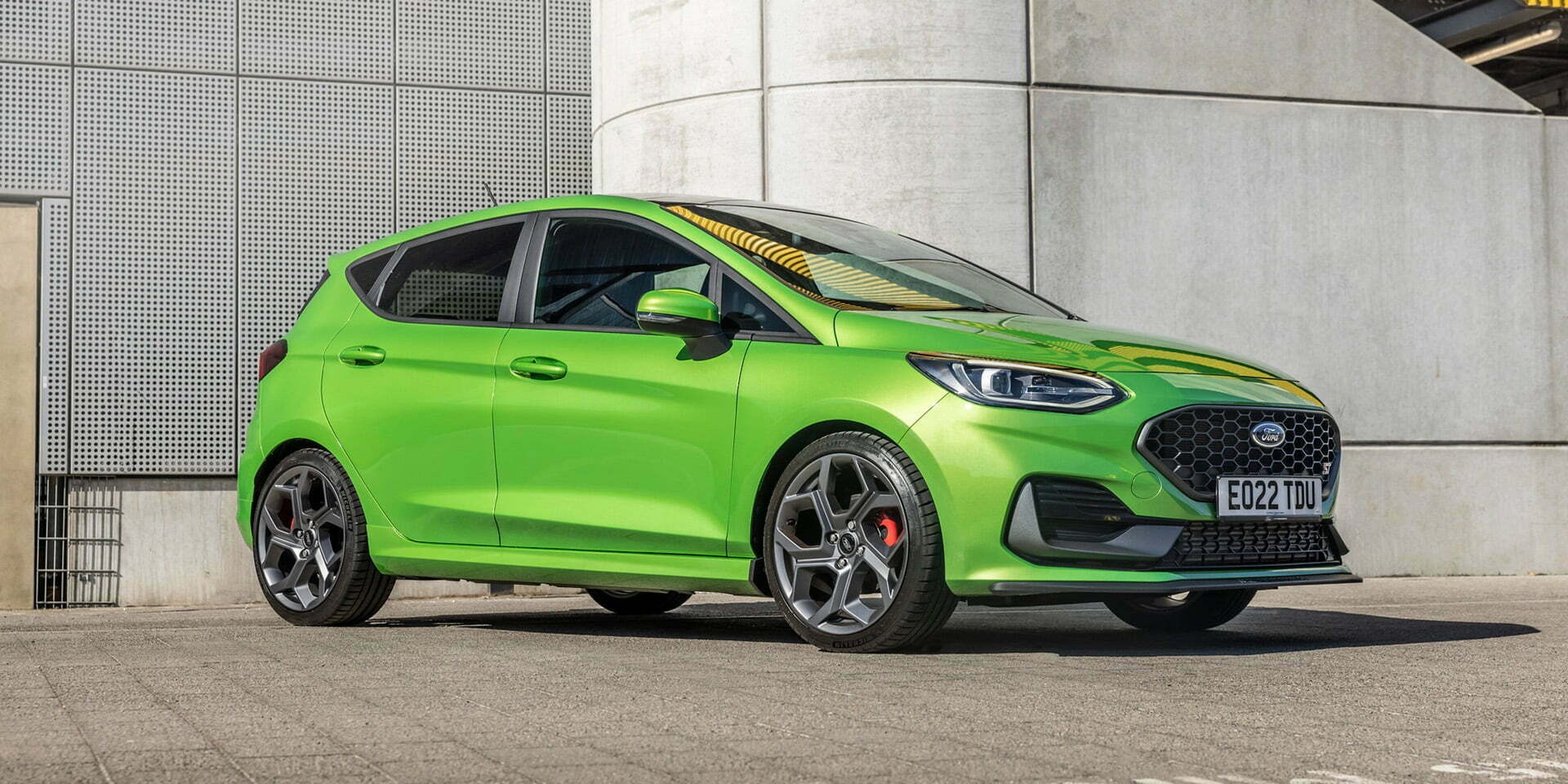
The Ford Fiesta is often recommended for first-time buyers due to its compact size, affordable price, and ease of handling. Its small footprint makes parking and maneuvering in tight spaces much easier, an important factor for new drivers.
The Fiesta has a peppy engine lineup and responsive steering, which makes it fun to drive but still forgiving enough for beginners. Fuel economy is also good, helping reduce running costs.
The interior is simple but functional, with controls that are easy to understand and operate. Though it may not have the same level of refinement as some competitors, the Fiesta still provides all the essentials that a first-time driver needs.
Safety features like multiple airbags, stability control, and anti-lock brakes come standard, contributing to its appeal for novice drivers.
Insurance rates on the Fiesta are usually affordable, which is another important consideration for those who are purchasing their first car. Maintenance costs are also reasonable, and because the car was widely sold, spare parts are generally easy to find and not expensive. Its popularity among younger drivers has helped Ford keep the Fiesta relevant in the used car market.
5 Cars First-Time Buyers Should Stay Away From
1. BMW 3 Series (Older Models)
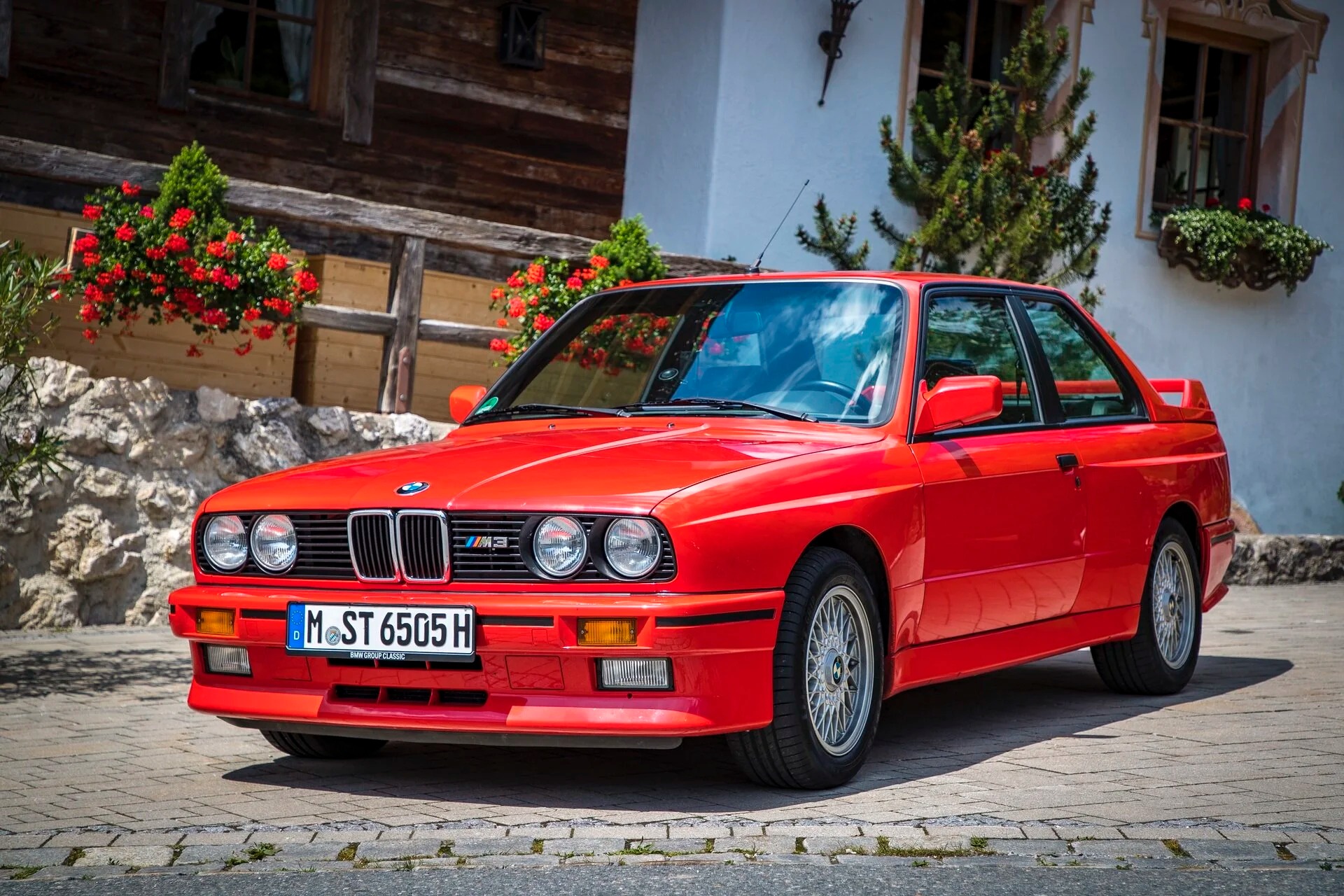
BMW 3 Series vehicles, especially the older generations, are often sought after because of their sporty appeal and luxury status. However, this can mask the fact that these cars can be quite expensive to maintain, making them a poor choice for first-time buyers.
The complexity of BMW’s engineering means that even routine maintenance such as oil changes, brake replacements, or cooling system repairs can cost significantly more than average.
For a new driver, unexpected repair bills can quickly turn what seemed like a good deal into a financial burden. Additionally, the availability of specialized parts and certified mechanics can be limited outside of major cities, further driving up maintenance costs.
Beyond repair expenses, insurance premiums on older BMW 3 Series models can be considerably higher than those for more basic compact cars. The sporty nature of these vehicles classifies them in higher-risk categories, especially for younger or inexperienced drivers.
Insurance companies recognize the potential for higher-speed driving and accident likelihood, which translates into steep monthly premiums.
For many first-time buyers on tight budgets, this added cost can be prohibitive. It’s important to factor in insurance alongside the purchase price to avoid financial surprises.
Another concern with older BMWs is their driving dynamics. While these cars are renowned for responsive handling and powerful engines, they demand a level of skill and attentiveness that new drivers may not yet have developed.
The rear-wheel-drive setup common in many BMW 3 Series models can lead to oversteer in slippery conditions if the driver isn’t experienced.
This could increase the chances of losing control during sudden maneuvers, which is dangerous for those still building confidence behind the wheel. Inexperienced drivers might find themselves overwhelmed by the car’s capabilities rather than protected by them.
Lastly, the resale value of older BMW 3 Series cars can be unpredictable. While some models hold their value relatively well, many depreciate rapidly once repair costs and mileage increase. This financial uncertainty means first-time buyers risk losing money both upfront and down the line.
When combined with higher maintenance and insurance costs, the BMW 3 Series can be an impractical choice for novices seeking reliability and peace of mind. For first-time buyers, a simpler, more affordable car with a strong reputation for durability and low operating costs is generally a wiser investment.
2. Jeep Wrangler
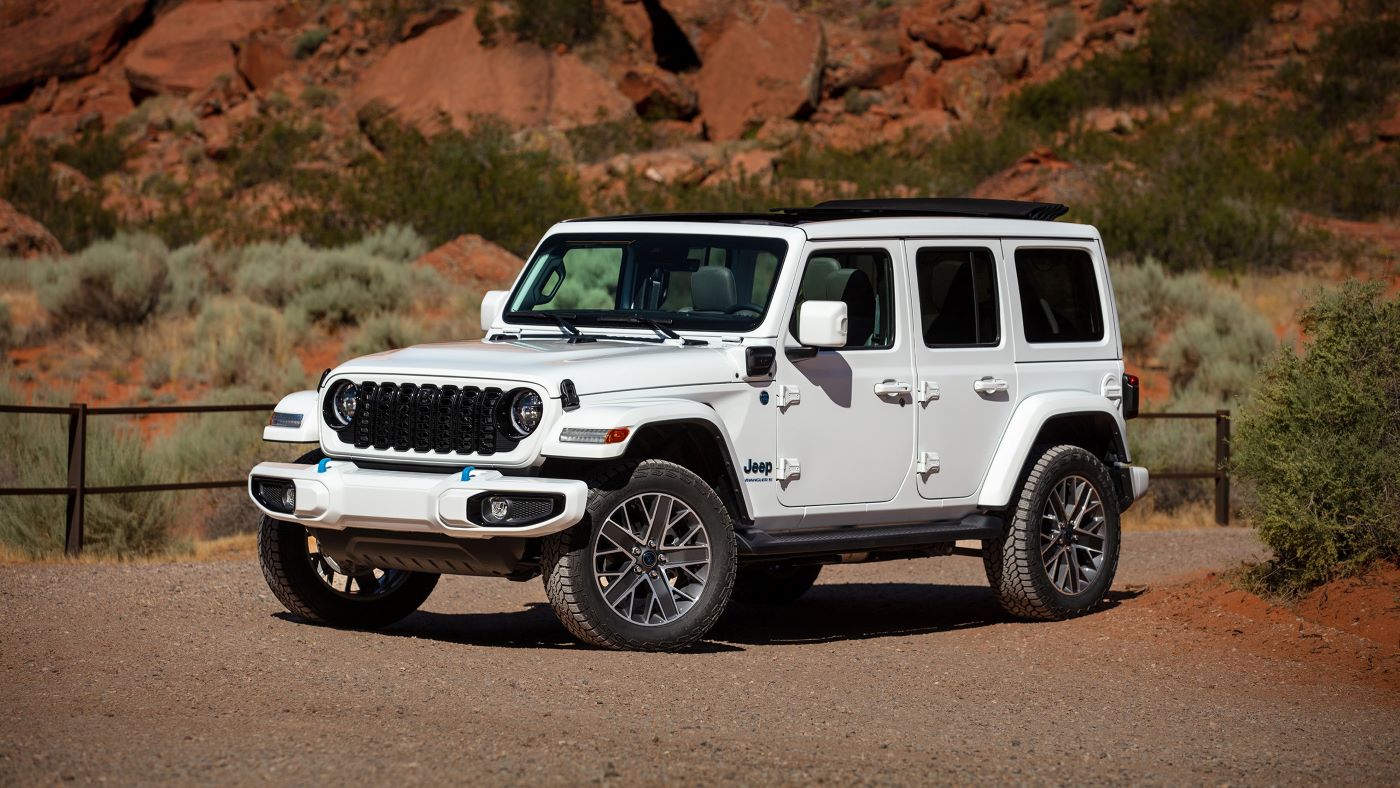
The Jeep Wrangler is an iconic vehicle known for its off-road capability and rugged styling. While it may look appealing to first-time buyers who want a car with personality, it’s important to understand that the Wrangler is not designed with everyday city or highway driving comfort in mind.
Its suspension system is geared towards off-road performance, which often translates to a rough, bouncy ride on paved roads. This lack of smoothness can be uncomfortable for new drivers who are still adjusting to different road conditions and vehicle responses.
The high seating position and boxy design also affect aerodynamics, resulting in more wind noise and vibration during regular driving.
Fuel efficiency is another significant downside. Jeep Wranglers generally have poor gas mileage compared to smaller, more economy-focused cars. For first-time buyers who often have limited budgets, the cost of frequent refueling can quickly add up.
The vehicle’s larger engine sizes and weight contribute to this inefficiency, making the Wrangler more expensive to operate in the long term. In addition, the Wrangler’s four-wheel-drive system, while great off-road, can be unnecessary and add complexity and maintenance requirements for drivers who mostly stay on paved roads.
Insurance premiums for Jeep Wranglers are often higher than average. Their reputation for off-road use and occasional higher accident rates influence insurers’ risk assessments. The cost of replacement parts can also be on the higher side, partly because the Wrangler is built with specialized components designed for rugged use.
This can translate into more expensive repairs, especially if the vehicle has been used off-road frequently. The combination of higher insurance, maintenance, and fuel costs makes the Wrangler less practical for new drivers compared to smaller, more economical cars.
The interior of the Jeep Wrangler is utilitarian rather than luxurious or refined. While the simplicity may appeal to some, the noise, vibration, and harshness of the ride can be distracting for beginners.
The Wrangler’s handling characteristics are different from typical sedans or compact cars, which can require an adjustment period that first-time buyers might not be prepared for.
For those who primarily need a reliable, comfortable, and affordable vehicle for commuting and everyday use, other options would be more suitable than the Jeep Wrangler.
3. Mini Cooper
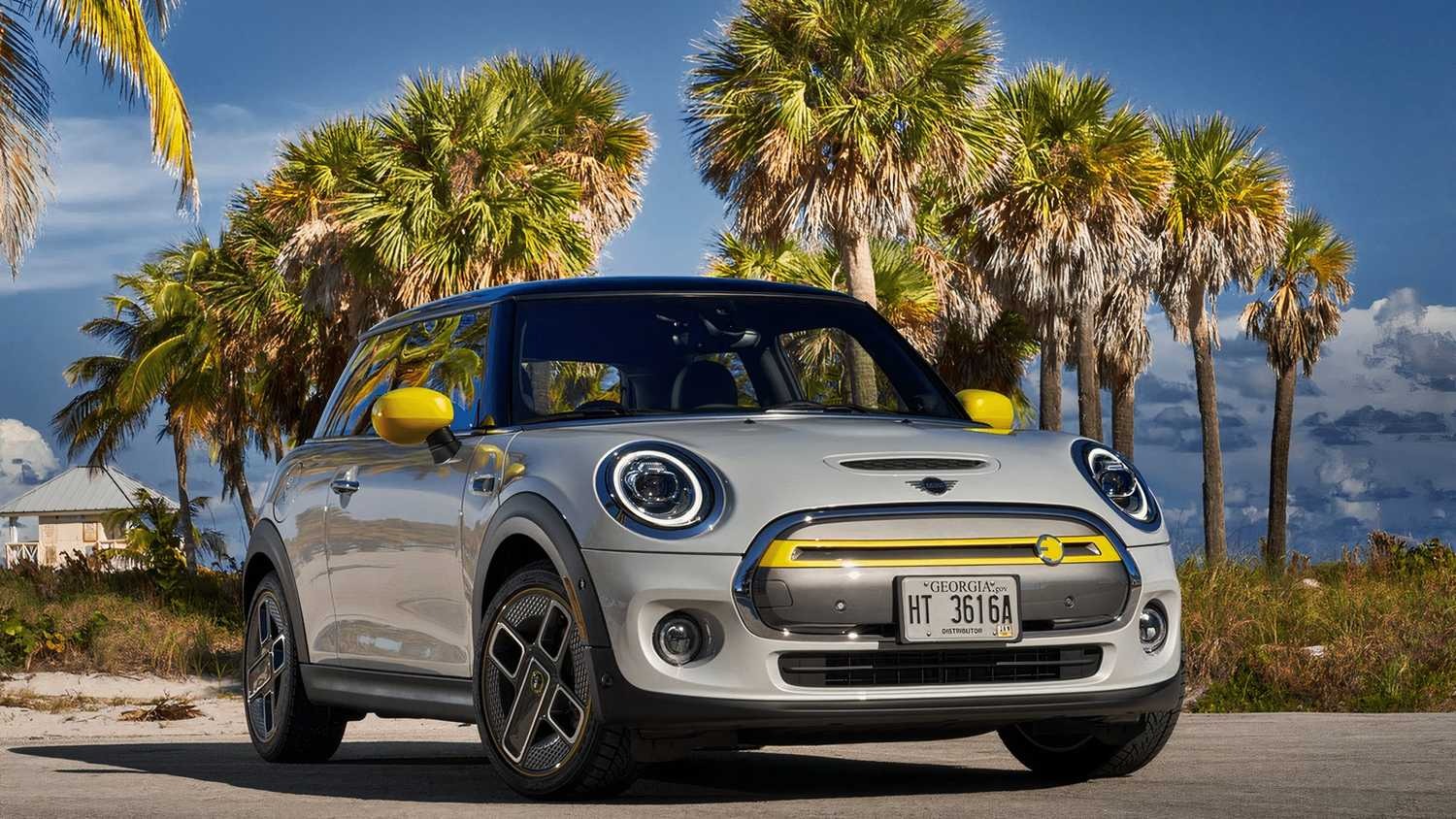
The Mini Cooper is a car that attracts buyers with its distinctive retro styling and compact dimensions. However, for first-time buyers, the Mini can be a less-than-ideal choice due to high insurance costs, expensive maintenance, and sometimes challenging driving dynamics.
Because the Mini is categorized as a sporty vehicle, insurance companies charge higher premiums for younger or less experienced drivers. This can add a significant ongoing expense that may not be immediately apparent when shopping for a first car.
Maintenance and repair costs on Minis tend to be higher than those on many other compact cars. Their European engineering means that parts and labor can be more expensive, especially if issues arise with the turbocharged engines or unique suspension systems.
The Mini’s design prioritizes style and handling, which sometimes comes at the expense of durability. Some owners report frequent visits to the mechanic for electronic or mechanical issues, which can be a headache for new car owners unfamiliar with how to handle repairs and maintenance.
From a driving perspective, the Mini Cooper offers a firm ride with a sporty suspension setup. While this is enjoyable for some drivers, it can make the car feel less forgiving on uneven or rough roads.
New drivers may find the car’s responsiveness both a blessing and a challenge, sharp steering and quick acceleration require careful attention and experience to manage safely.
Additionally, the compact interior can feel cramped, and the limited rear visibility may complicate parking and lane changes for those still building spatial awareness.
Fuel economy is moderate but does not fully offset the higher running costs associated with this vehicle. Furthermore, the Mini’s small size and unique handling characteristics mean it may not be the best choice for drivers who want an easy-to-drive, low-maintenance first car.
While it has charm and a loyal following, the Mini Cooper is often better suited for more experienced drivers who can fully appreciate its quirks and are prepared for its expenses.
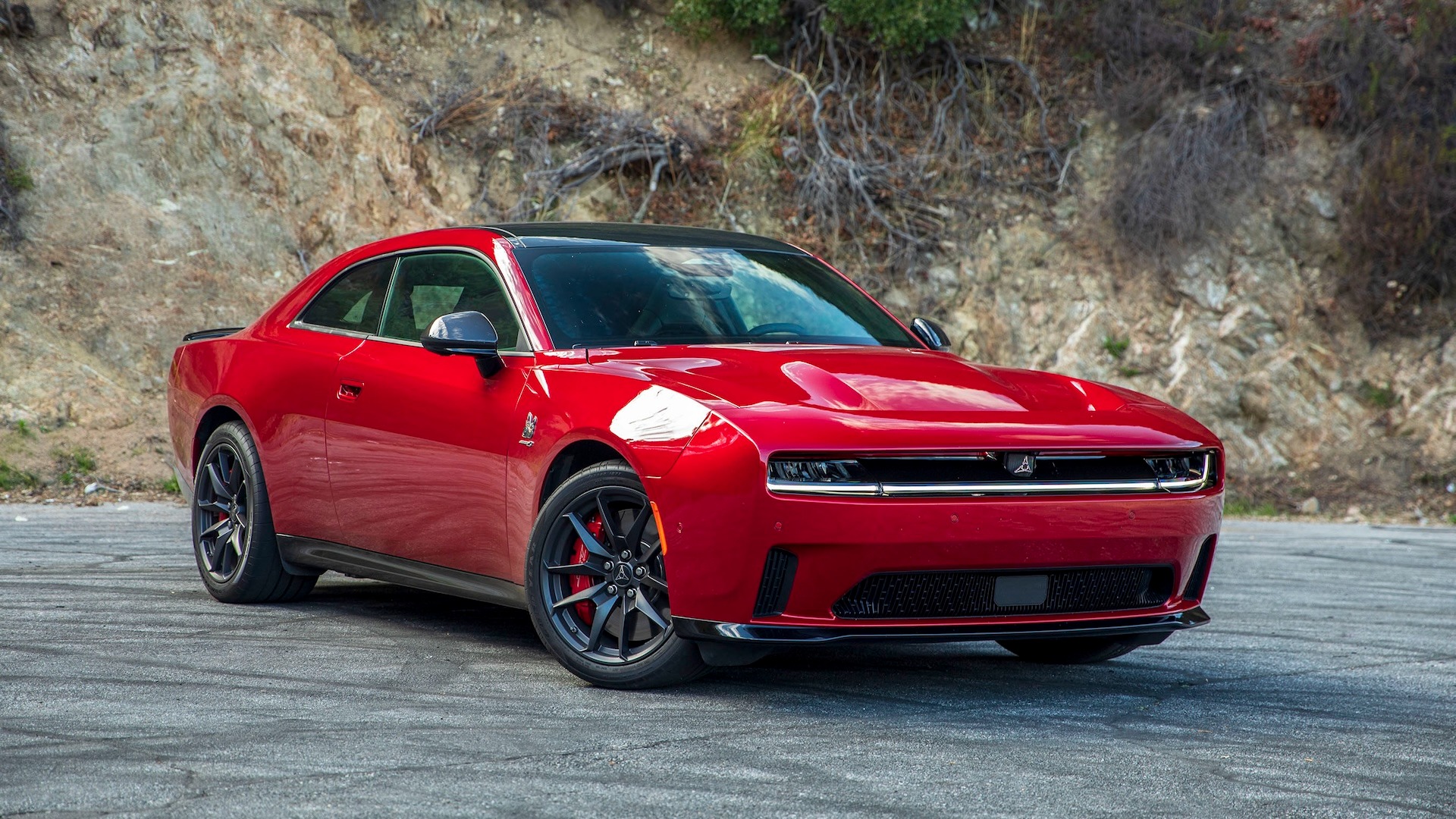
4. Dodge Charger
The Dodge Charger is a large, powerful sedan with a strong reputation for performance and muscle-car heritage. For first-time buyers, however, it presents several challenges that make it a less practical choice. The car’s size alone can be intimidating for those new to driving.
Maneuvering such a large vehicle in tight urban spaces or heavy traffic requires skill and confidence that beginners may not yet have developed. Parking and parallel parking can also be difficult in a Charger, adding stress to the driving experience.
The Charger’s powerful engines, which include V6 and V8 options, deliver impressive acceleration but demand careful handling. Rear-wheel drive, common in many Charger models, requires attention on slippery surfaces and during sharp turns.
Inexperienced drivers might find themselves overwhelmed by the vehicle’s performance capabilities, which could increase the risk of accidents. Unlike smaller or more economy-oriented cars, the Charger is not forgiving when mistakes are made.
Fuel consumption is another factor that puts the Charger out of reach for many first-time buyers. The large engines consume considerably more fuel than smaller vehicles, leading to high running costs.
Insurance premiums are also steep due to the Charger’s size, performance image, and likelihood of being driven aggressively. For those on tight budgets, these expenses can quickly become unmanageable.
Maintenance and repair costs can add up, especially if the vehicle is driven hard or not maintained properly. The Charger’s components are heavier-duty and more complex, which translates into more expensive parts and labor.
While the car offers an attractive mix of power and style, first-time buyers generally benefit more from choosing vehicles that prioritize economy, safety, and ease of use rather than outright performance.
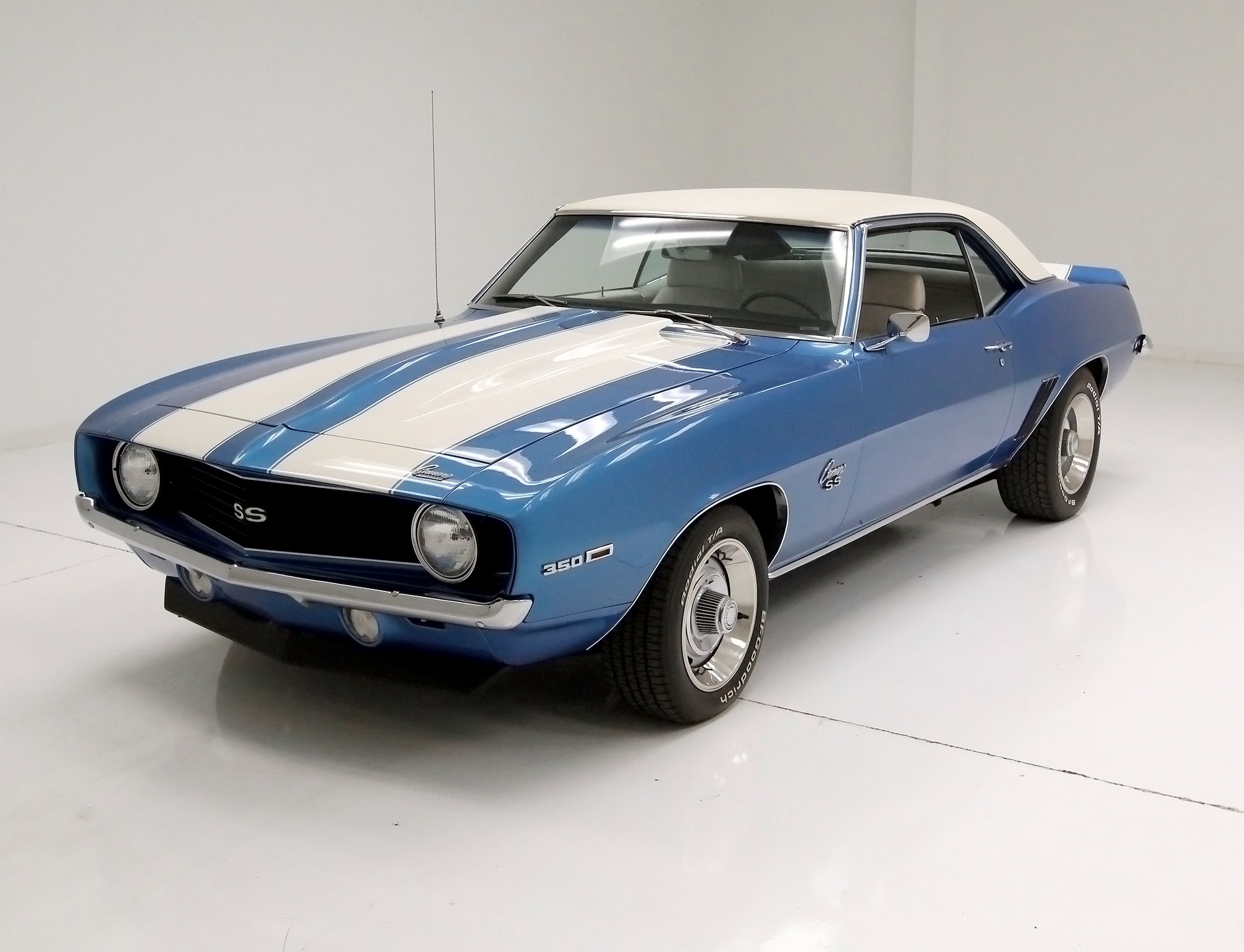
5. Chevrolet Camaro
The Chevrolet Camaro is an iconic American muscle car that appeals to buyers looking for aggressive styling and powerful engines. However, for first-time buyers, the Camaro’s appeal often comes with significant drawbacks.
Its sporty nature means it is typically classified as a high-risk vehicle by insurance companies, resulting in very high premiums for new or young drivers. This factor alone can make the Camaro prohibitively expensive to own for many first-time buyers on limited budgets.
The Camaro’s powerful engine options, including V6 and V8 configurations, provide exhilarating acceleration but also demand advanced driving skills. The rear-wheel-drive layout can be challenging to manage for inexperienced drivers, particularly in wet or slippery conditions.
This combination of high power and demanding handling characteristics increases the likelihood of accidents for new drivers who may not yet have the necessary control or judgment.
Fuel economy is poor relative to smaller, more economy-focused cars. First-time buyers often prioritize affordability, and frequent trips to the gas station can become a financial burden.
The Camaro’s interior, while stylish, often sacrifices practicality. Rear visibility is limited, and the cabin space can feel cramped, making everyday tasks like parking or highway merging more difficult for novices.
Maintenance and repair costs on Camaros can be higher than average due to their performance components and relatively specialized parts. This further adds to the total cost of ownership.
While the Camaro is an exciting and attractive car, it generally does not align with the practical needs and budget constraints of first-time buyers, who should instead look for vehicles with greater ease of use, economy, and safety.
Also Read: 9 Pickups That Rarely Lose Value No Matter the Mileage
Choosing the right car as a first-time buyer is a decision that goes beyond style or brand appeal. It involves carefully weighing factors such as affordability, reliability, insurance costs, fuel efficiency, and ease of driving.
While certain vehicles may catch the eye with their powerful engines or iconic status, these same qualities often come with hidden expenses and challenges that can overwhelm new drivers.
The vehicles discussed as less ideal for first-time buyers, such as the older BMW 3 Series, Jeep Wrangler, Mini Cooper, Dodge Charger, and Chevrolet Camaro, highlight common pitfalls. These cars typically come with higher maintenance costs, steeper insurance premiums, and driving characteristics that demand more experience and skill than most novices possess.
On the other hand, cars recommended for first-time buyers tend to emphasize practicality. They offer dependable performance, manageable maintenance, fuel efficiency, and driver-friendly handling. These qualities not only help ease the transition into independent driving but also protect buyers from unexpected financial burdens.
By focusing on cars that blend affordability with reliability, first-time buyers can build confidence on the road without stretching their budgets too thin.
The key takeaway is that the best first car is one that matches the driver’s current needs and skill level while providing peace of mind. It’s important to resist the temptation of flashy or performance-oriented vehicles that may seem appealing but could lead to costly repairs or unsafe situations.
Instead, opting for vehicles with proven track records, strong safety ratings, and economical ownership costs provides a solid foundation for anyone entering the world of driving.
