
Winter mornings can be brutal for many drivers. When temperatures drop, even the most reliable vehicles can struggle to start. Cold weather affects batteries, engines, fuel systems, and more, which can leave drivers stranded or forced to deal with frustrating delays.
However, not all cars are equal in how they respond to harsh winter conditions. Some models consistently start without hesitation, even in freezing temperatures, while others tend to refuse or experience difficulty.
This article will discuss five cars known for their dependable morning starts in winter and five models that commonly face challenges during cold months.
The aim is to help drivers understand what factors influence starting reliability and what cars may be better or worse choices depending on the climate they live in.
Starting a car on a cold morning depends on many factors beyond the brand or model. Battery quality and health play a huge role because cold weather reduces battery capacity and cranking power. Engines with advanced fuel injection systems and modern electronic controls often start easier than older carbureted engines.
Diesel vehicles tend to have different challenges because diesel fuel gels in cold weather unless treated properly. Additionally, the type of oil, antifreeze, and ignition systems all influence cold start performance.
Some manufacturers invest more in cold-weather engineering, which is why certain cars have reputations for reliability in winter. By understanding these differences, drivers can make better choices when buying or preparing their vehicles for colder climates.
Now, let’s look at five cars that are known to start reliably every winter morning and why they succeed. Then, we will review five cars that often struggle to start in cold conditions and explore the reasons behind their difficulties.
This comparison aims to provide practical insights for anyone concerned about winter car troubles, whether they live in snowy northern regions or just face occasional cold snaps.
Also Read: 5 Chevy Silverado Years That Run Forever vs 5 That Don’t
5 Cars That Start Every Morning in Winter
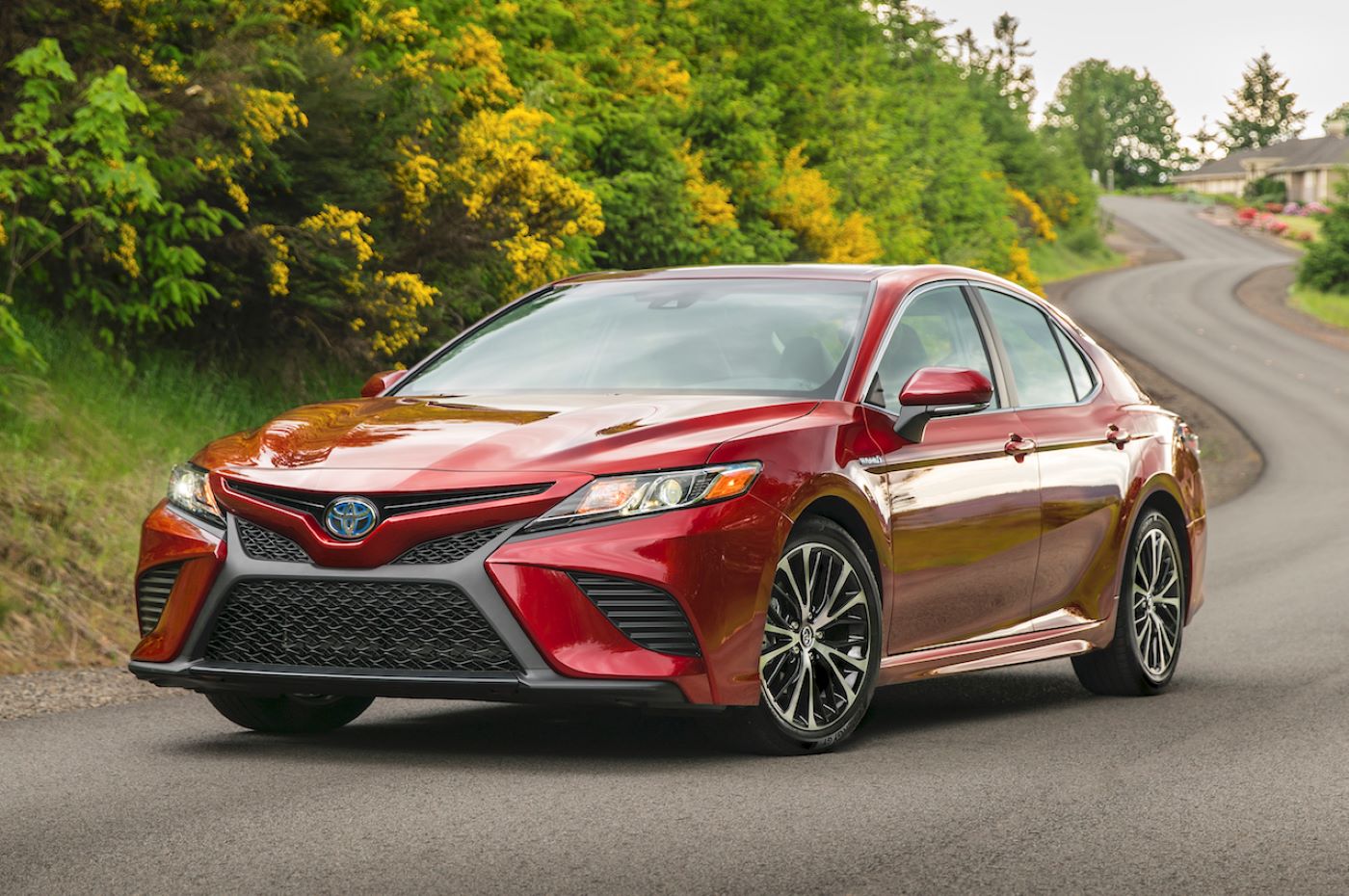
1. Toyota Camry
The Toyota Camry has long been celebrated for its reliability across a wide range of conditions, and winter mornings are no exception. One of the key reasons the Camry starts consistently in cold weather is its combination of a durable engine and an advanced fuel injection system.
Toyota’s fuel injection technology ensures that the right amount of fuel is delivered to the combustion chamber at the right time, regardless of temperature fluctuations. This precise fuel management reduces the likelihood of the engine stalling or hesitating during cold starts.
Moreover, the engine control unit (ECU) in the Camry adjusts ignition timing based on external conditions, helping to ignite the fuel-air mixture efficiently even when temperatures are low.
Battery performance is another critical factor contributing to the Camry’s dependable cold starts. Toyota often equips the Camry with batteries that retain a strong charge in freezing temperatures, which is vital because cold weather drastically reduces a battery’s cranking power.
The Camry’s electrical system is optimized to prevent unnecessary battery drain, ensuring enough power remains available for the starter motor to crank the engine effectively.
In addition, Toyota vehicles typically use synthetic motor oils that maintain viscosity at low temperatures, allowing the engine to turn over smoothly without excessive resistance. This helps reduce the strain on the battery and starter system.
Another important aspect of the Camry’s winter reliability is its build quality and attention to detail in component insulation. Engine bays in Camrys are designed to minimize exposure to cold drafts, protecting sensitive parts from temperature extremes.
This prevents issues such as fuel line freezing or brittle wiring connections that can cause starting problems. Furthermore, Toyota’s robust manufacturing standards mean that even vehicles that are several years old tend to retain their cold-weather starting capabilities when properly maintained.
Many Camry owners in northern climates report trouble-free winter starts year after year, even when temperatures drop well below freezing.
Lastly, Toyota’s focus on reliability is supported by excellent maintenance guidelines and accessibility of parts. Replacement batteries, spark plugs, and other cold-weather critical components are readily available and often cost-effective, encouraging owners to perform timely upkeep.
Toyota’s recommendations for winter preparation, such as using recommended fluids and checking the battery regularly, make it easier for drivers to avoid cold-start failures.
As a result, the Toyota Camry remains one of the top choices for drivers seeking a dependable car that can start every morning, no matter how harsh the winter conditions.
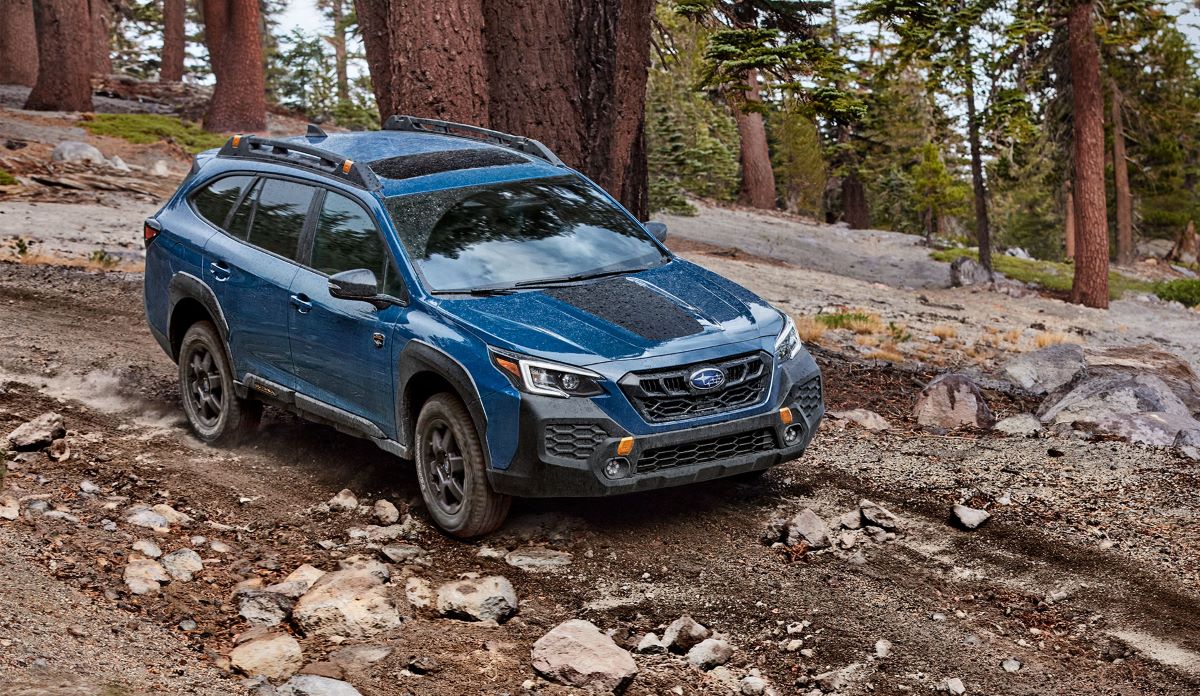
2. Subaru Outback
The Subaru Outback stands out as a favorite among winter drivers primarily because of its symmetrical all-wheel drive system, which provides enhanced traction on icy roads. However, this AWD system is just part of the story when it comes to winter starting reliability.
The Outback’s engine is a horizontally opposed boxer design, which not only lowers the vehicle’s center of gravity for better handling but also helps the engine warm up more evenly and quickly in cold weather.
This engine configuration distributes heat more efficiently, which can aid in reducing cold-start issues compared to inline or V-type engines that might experience more localized cold spots.
Battery and electrical components in the Subaru Outback are specifically chosen or designed to perform well in cold climates. Subaru equips many models with cold-cranking amps (CCA) batteries, which deliver the higher power necessary to start engines at low temperatures.
The alternator and charging system are also engineered to maintain battery charge more effectively during short trips, which are common in winter when drivers may not run their cars for long periods.
The vehicle’s fuel management system further aids in cold starts by adjusting the air-fuel mixture based on intake air temperature sensors, ensuring that the engine receives a richer mixture needed to start a cold engine.
Subaru’s attention to winter readiness extends beyond factory equipment. Many Outback owners choose to install engine block heaters or use aftermarket battery warmers, which further improve cold start performance by pre-warming key components.
This is especially useful in regions where temperatures can remain below freezing for extended periods. In addition to mechanical advantages, Subaru’s rigorous testing in harsh climates during development means that their vehicles are more likely to feature components resilient to cold-weather stresses, such as sealed connectors and insulated wiring looms. This reduces the risk of electrical failures during freezing weather.
Finally, Subaru’s strong winter reputation is supported by its active user community and dealer network in cold climates. Owners frequently share maintenance tips, such as using synthetic oil suited for low temperatures and regular battery checks, which help maintain the Outback’s starting reliability.
The brand’s emphasis on durability and cold-weather performance means that many drivers can count on their Outbacks to start every morning through winter storms and icy conditions, making it one of the most dependable vehicles for harsh climates.
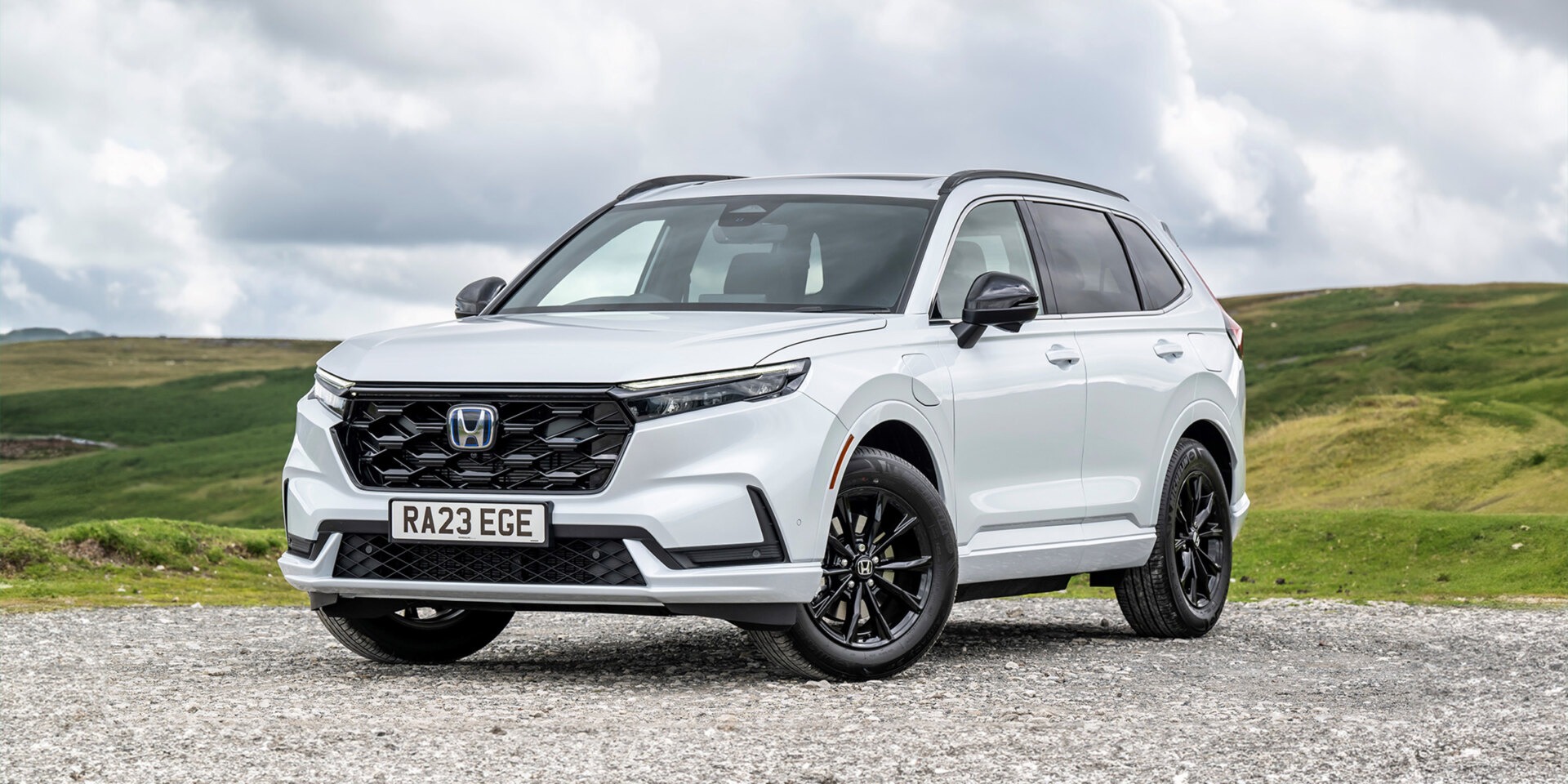
3. Honda CR-V
The Honda CR-V combines practicality, fuel efficiency, and winter starting reliability in a compact SUV package. One of the main reasons the CR-V starts reliably in cold weather is its use of high-quality batteries designed to maintain capacity and cranking power in freezing temperatures.
Honda’s engineering team carefully selects battery specifications to ensure that the electrical system has sufficient reserve power to turn over the engine on chilly mornings.
Along with a robust battery, the CR-V’s alternator and voltage regulator work together to keep the battery charged during cold-weather operation, which can be challenging due to the increased use of electrical accessories like heaters and defrosters.
The CR-V’s engine management system is finely tuned to optimize cold starts. Its fuel injection technology includes cold-start enrichment, where the ECU temporarily increases fuel delivery to compensate for the lower volatility of gasoline in cold conditions.
This ensures that the air-fuel mixture ignites more easily, reducing the time and effort required to start the engine. Additionally, Honda uses synthetic motor oils in many of its models that flow better at low temperatures compared to conventional oils, allowing the engine to turn over more freely.
The ignition system is also designed to maintain strong spark energy, which is critical for igniting the fuel mixture during a cold start.
Physical design factors also contribute to the CR-V’s winter starting success. Honda engineers design the engine bay and component layout to minimize exposure to cold drafts that could cool down engine parts excessively overnight. This protection helps prevent issues such as fuel line freezing or brittle wiring, which can cause starting failures.
The CR-V’s well-sealed and insulated engine compartment keeps temperatures more stable, ensuring that sensitive components operate within optimal ranges. Owners often report that the CR-V requires minimal warm-up time even in sub-zero temperatures, which is a testament to this thoughtful engineering.
Lastly, Honda’s dedication to durability and ease of maintenance supports the CR-V’s winter reliability. Replacement parts, such as batteries and spark plugs, are widely available and generally affordable, encouraging regular maintenance.
Honda’s maintenance schedules include specific cold-weather checks, such as verifying battery health and using appropriate fluids, which help preserve the vehicle’s starting performance over time. These factors combined make the CR-V a favorite for drivers who want a vehicle that starts every morning regardless of winter conditions.
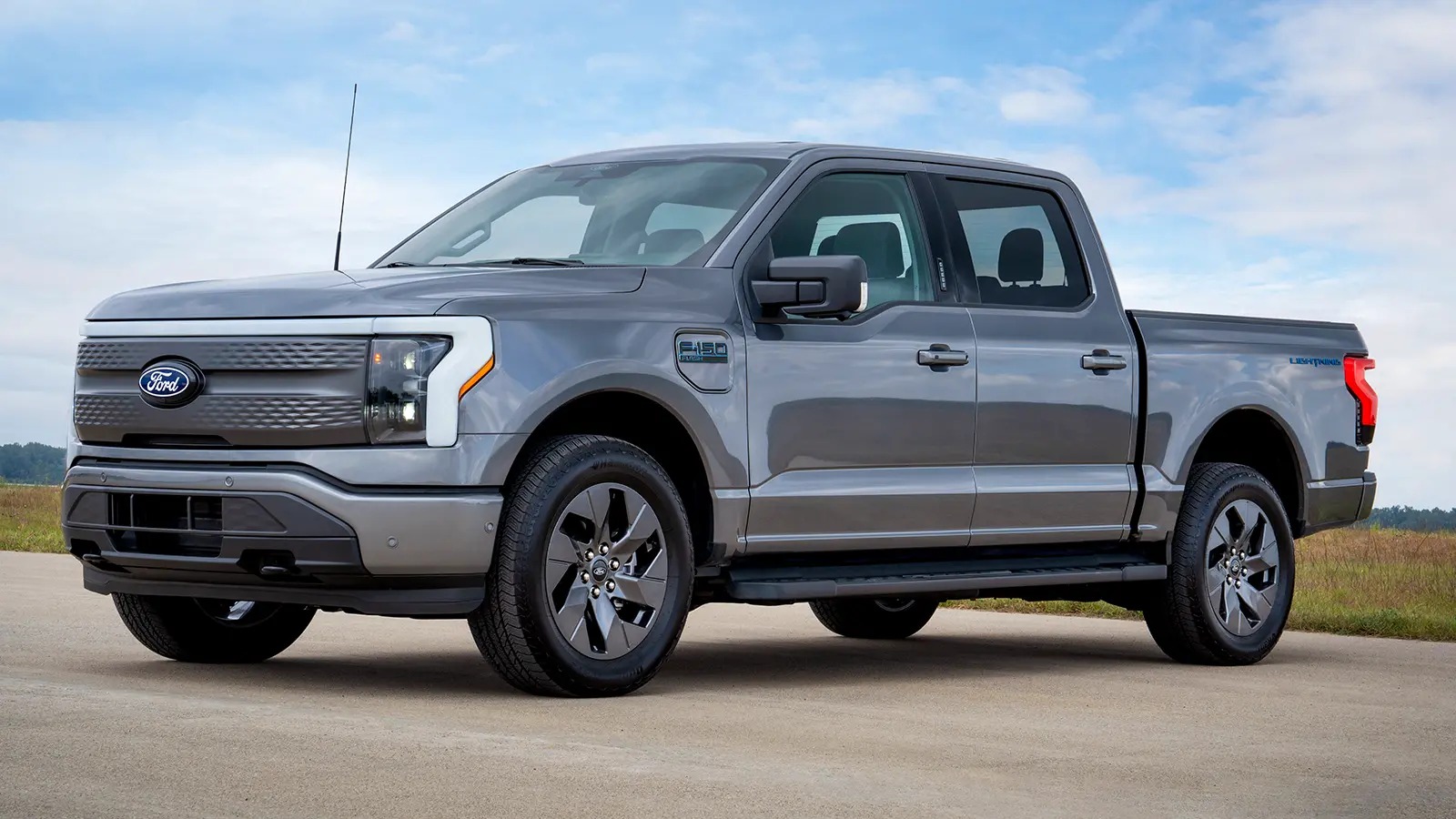
4. Ford F-150
The Ford F-150 is one of the most popular trucks in North America, and its reputation for dependable winter starts is well earned.
A significant factor contributing to its reliability in cold weather is the availability of heavy-duty batteries with high cold-cranking amps, essential for providing sufficient power to start large displacement engines when temperatures plunge.
Ford often includes or offers optional block heaters and battery warmers for the F-150, which are invaluable accessories in extremely cold climates. These devices pre-warm the engine block and battery, reducing the effort required to start the vehicle and preventing problems like fuel gelling or oil thickening.
The F-150’s engine and fuel system are engineered to handle tough conditions. The fuel injection system adjusts the air-fuel ratio based on intake air temperature sensors, ensuring that the engine receives a mixture that can ignite quickly in freezing weather.
The ignition system is also robust, with strong coils and spark plugs that deliver consistent spark energy despite cold conditions.
Additionally, the use of synthetic oils that maintain fluidity at low temperatures helps reduce resistance in engine components, making it easier for the starter motor to crank the engine. The truck’s rugged build and weather-resistant components further protect critical systems from cold-related failures.
Ford’s commitment to durability is also reflected in the F-150’s electrical system design. Wiring harnesses are often sealed to prevent moisture intrusion, which can freeze and cause electrical shorts or poor connections.
The alternator is designed to maintain consistent charging output even when the vehicle is operating at low temperatures, preventing battery depletion.
These engineering decisions enhance the F-150’s cold start reliability and minimize the chances of unexpected failure during winter mornings. Many owners in cold regions rely on this truck for both daily commuting and demanding work tasks precisely because it can start reliably even after long, cold nights.
Finally, the F-150 benefits from Ford’s widespread dealer network and parts availability, making maintenance and winter preparation more accessible. Many owners install recommended winter accessories or perform routine maintenance such as battery testing and fluid checks to keep their trucks in top condition for cold starts.
The combination of built-in ruggedness, engineered cold-weather features, and proactive maintenance contributes to the F-150’s reputation as a vehicle that starts every morning, no matter how cold it gets outside.
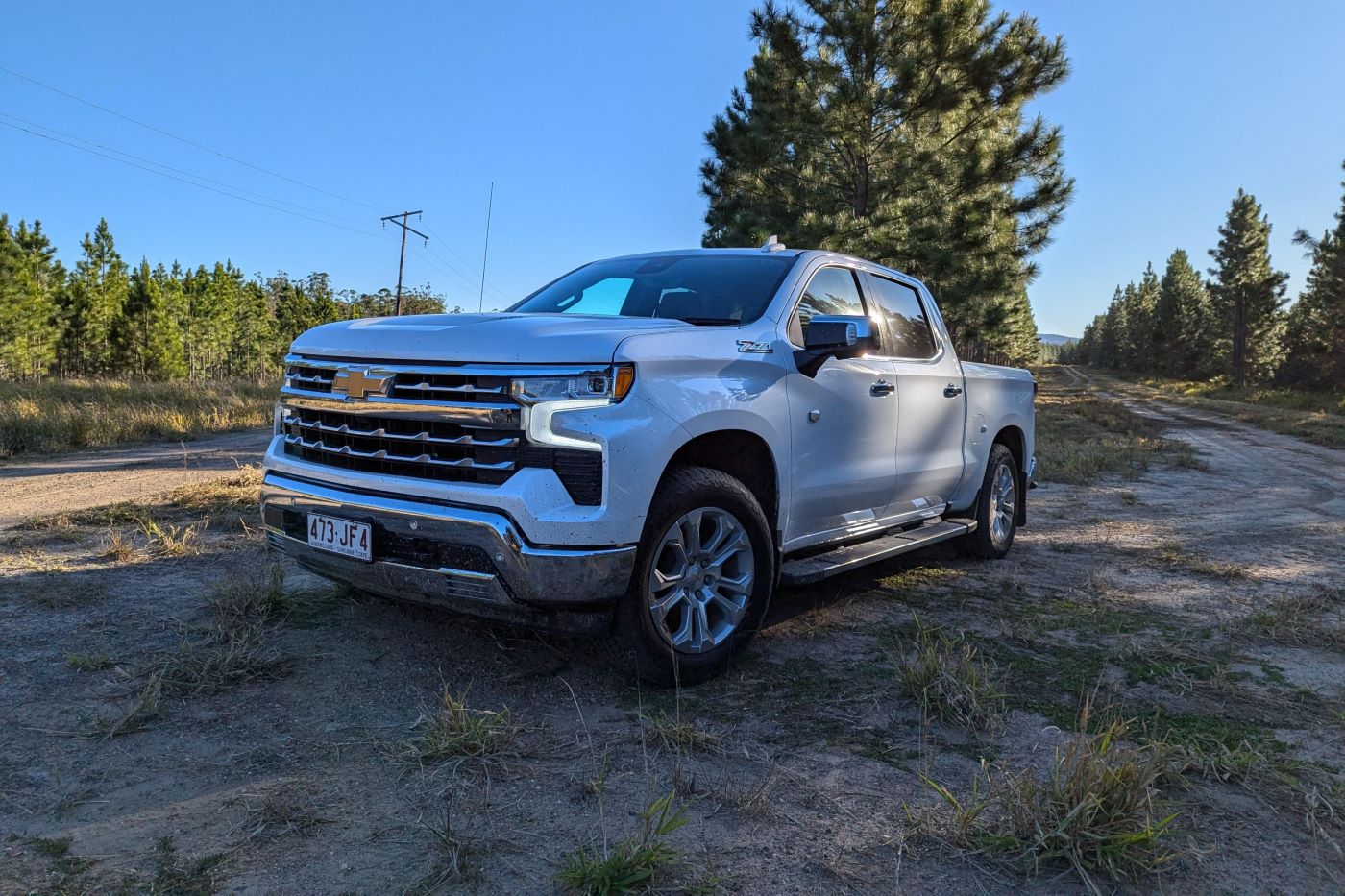
5. Chevrolet Silverado
The Chevrolet Silverado shares many characteristics with other reliable trucks that make it well-suited for cold-weather starting.
One of the most important is the availability of high-capacity batteries designed for cold climates. These batteries provide the necessary cold-cranking amps to turn over the engine, which is crucial because a weak battery is one of the most common reasons for starting failure in winter.
Chevrolet often equips Silverados with these powerful batteries as standard or optional equipment, ensuring owners have enough electrical power to start the engine on freezing mornings.
Silverado’s engines and fuel systems are also designed to handle the challenges of cold weather. Modern fuel injection technology automatically adjusts fuel delivery and timing to optimize combustion during cold starts.
The vehicle’s ignition components are similarly robust, with spark plugs and coils engineered to provide reliable spark energy in extreme temperatures.
Additionally, the use of synthetic motor oils, which flow more easily at low temperatures, reduces engine drag during startup. These combined features minimize the strain on the starter motor and battery, helping ensure a quick and smooth engine start even in subzero conditions.
Physical design features also contribute to the Silverado’s winter readiness. The engine compartment is well insulated to protect sensitive components from cold exposure. This helps prevent issues like frozen fuel lines or brittle wiring, which are common causes of cold start failures.
Many Silverado models can be fitted with factory or aftermarket block heaters, which pre-warm the engine to reduce startup strain and emissions. The availability of these options makes it easier for owners in colder climates to maintain reliable starting performance throughout winter.
Lastly, Chevrolet’s extensive service network and aftermarket support make it straightforward for Silverado owners to prepare their vehicles for winter. Routine maintenance such as battery health checks, spark plug replacement, and using winter-grade fluids is encouraged and often easy to complete.
Many owners report confidence in their Silverados’ ability to start without trouble on freezing mornings, making this truck a trusted choice for those who live in areas with harsh winters and need a vehicle that performs dependably day after day.
Also Read: 9 Best Vehicles That Survive Multiple Generations of Owners
5 Cars That Refuse to Start in Winter
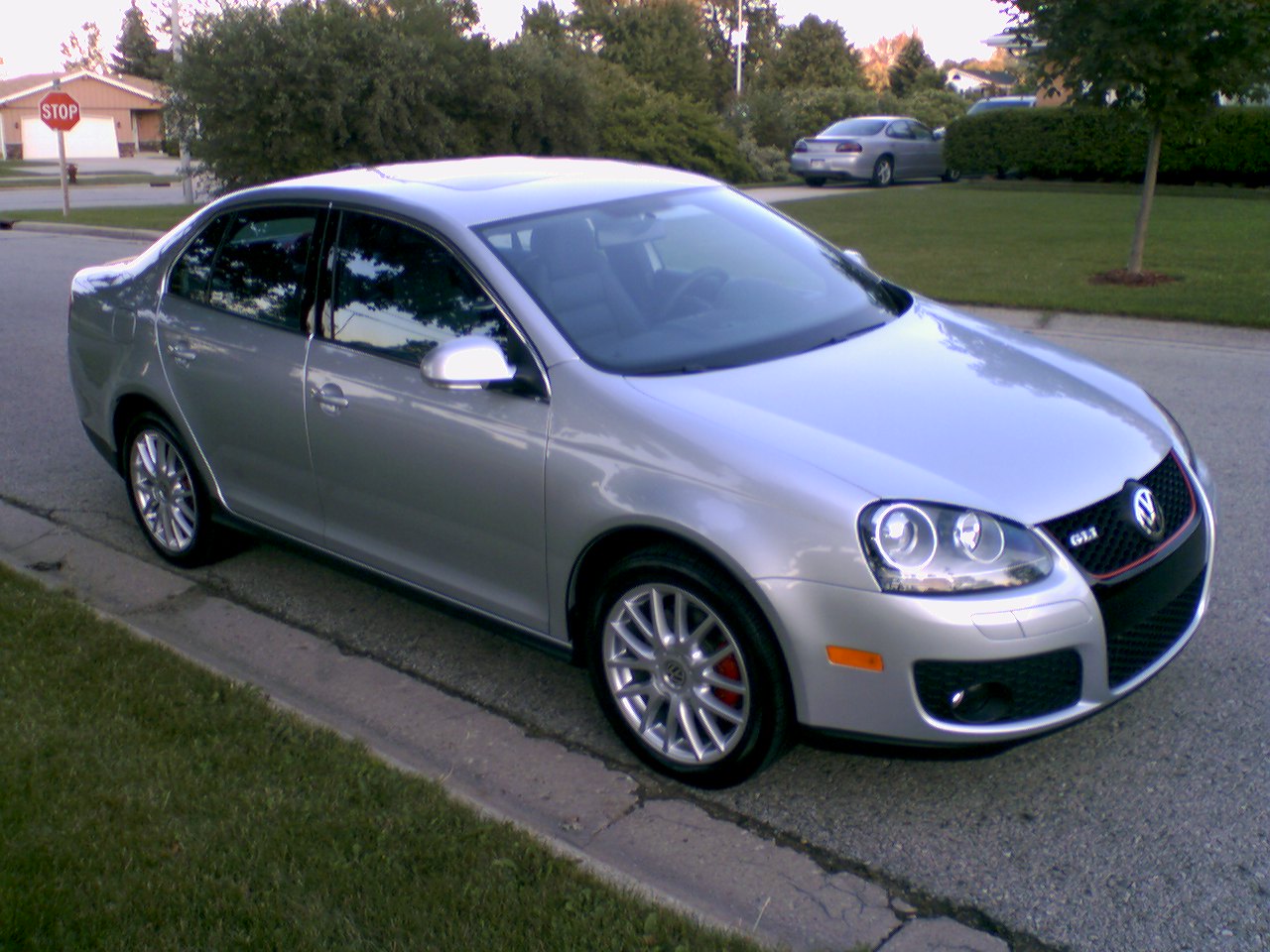
1. Older Volkswagen Jettas (early 2000s models)
Older Volkswagen Jettas, particularly those from the early 2000s, are frequently criticized for their winter starting troubles. The issues often stem from the vehicle’s electrical system, which can be prone to voltage drops and battery drainage.
In cold weather, batteries lose significant cranking power, and the Jetta’s older electrical components may not cope well with these demands.
Many owners report that the car struggles to turn over or simply refuses to start on freezing mornings, especially if the battery is not new or if the car has not been recently maintained. The lack of effective insulation in the engine bay exposes wiring and fuel lines to cold air, which can further complicate starting.
Fuel delivery is another weak point for these Jettas in winter. Early 2000s models often used fuel injection systems that are less advanced than those found in modern cars, lacking the sophisticated temperature sensors and control units that help adjust the air-fuel mixture for cold starts.
As a result, the engine can receive an incorrect fuel ratio when it’s cold, leading to hard starting, stalling, or hesitation. Additionally, the cold weather can cause fuel lines or injectors to freeze or clog, preventing adequate fuel from reaching the combustion chamber. This issue is exacerbated if the vehicle is running on lower-quality or untreated fuel that is more susceptible to cold weather.
Maintenance challenges can make cold starts even worse for these Jettas. Without regular battery checks, replacement of old spark plugs, or use of appropriate synthetic oils, the likelihood of winter starting failure increases.
Furthermore, the starter motor in some early Jetta models is known to wear prematurely or become sluggish, especially under the stress of cold temperatures.
These electrical and mechanical weaknesses combine to cause many owners’ frustration during the winter months. In areas with frequent snow and freezing weather, this model has developed a reputation for being unreliable at startup unless extra measures are taken.
Despite these issues, some owners find that aftermarket solutions can improve winter reliability, such as installing block heaters or upgrading to high-performance cold-weather batteries. Additionally, careful winter maintenance, like using fuel additives to prevent freezing and keeping the battery in good health, can mitigate many problems.
However, the inherent design limitations and older technology mean that early 2000s Volkswagen Jettas remain less dependable in cold weather compared to more modern or winter-optimized vehicles.
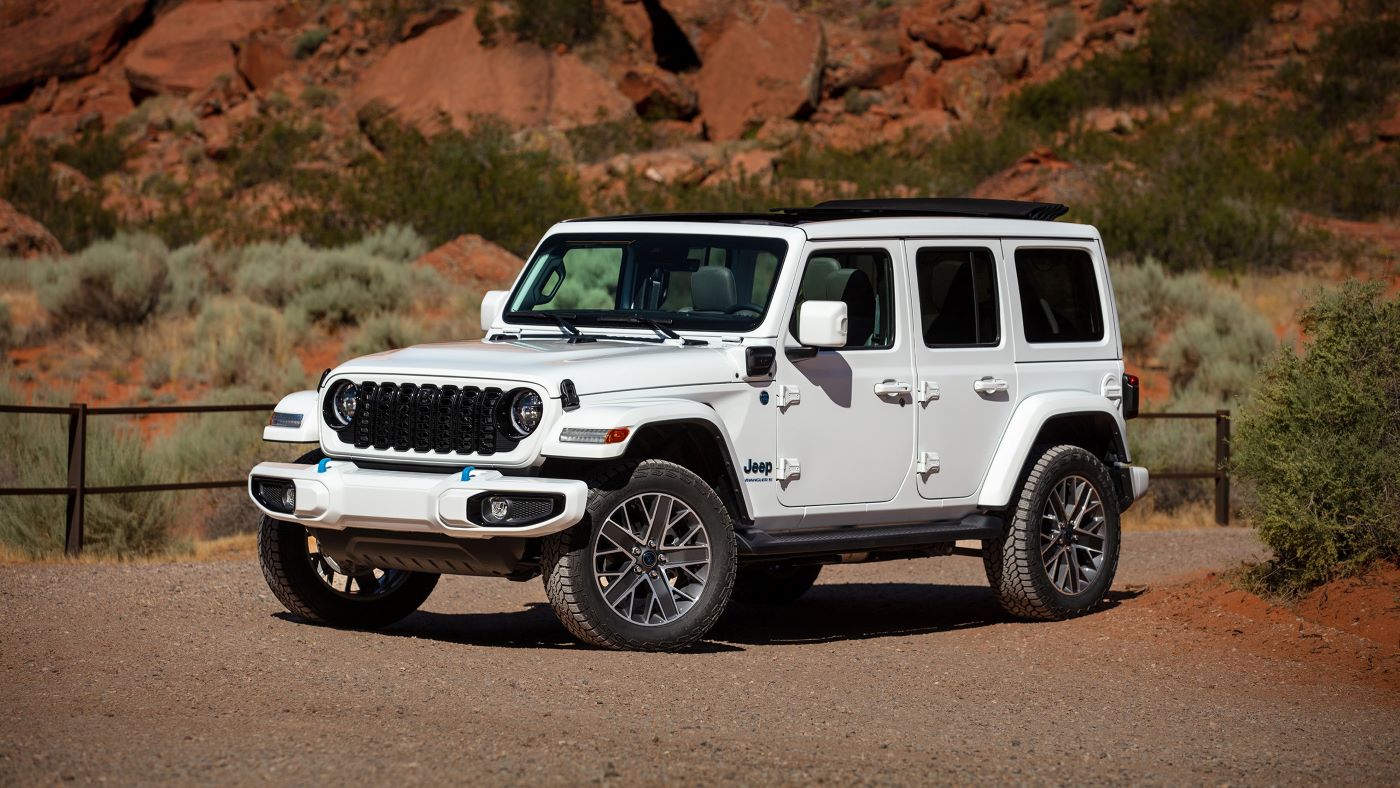
2. Jeep Wrangler
The Jeep Wrangler, especially in older generations, often faces starting problems in winter that frustrate many drivers. The rugged off-road design, while excellent for trails and rough terrain, can sometimes work against the Wrangler when it comes to cold-weather reliability.
Early models frequently used carbureted engines or primitive fuel injection systems that were less efficient at handling cold starts.
Carburetors rely on air and fuel mixing through mechanical means, which becomes less precise in freezing temperatures, resulting in rich or lean mixtures that make ignition difficult. Additionally, carbureted engines tend to need longer warm-up times before the vehicle runs smoothly.
Electrical system weaknesses also plague older Wranglers in winter. Batteries in these vehicles are often standard models without cold-weather enhancements, and the alternator and starter may not be designed to handle frequent deep discharges caused by cold cranking.
Wiring and connectors may be exposed in the engine compartment, making them vulnerable to moisture and freezing conditions that can cause shorts or weak electrical connections.
This leads to inconsistent power delivery to the starter motor, ignition coils, or fuel injectors, further hampering the ability to start quickly in the cold.
Diesel versions of the Wrangler experience additional challenges, as diesel fuel is prone to gelling in low temperatures if not properly treated with additives or heaters.
Fuel filters can clog easily, and the glow plugs, which preheat the combustion chamber to assist in starting, may fail or be less effective in older models.
Without glow plug operation, diesel engines often refuse to start or take several long cranks before firing up. Many Wrangler owners who live in cold climates report the need to rely on block heaters or even remote starters to help warm the engine before starting.
Despite these cold start challenges, many Wrangler owners appreciate the vehicle’s ruggedness and off-road capability enough to tolerate winter inconveniences. Some solve starting problems with aftermarket modifications like upgraded batteries, battery warmers, or insulated engine bays.
Nevertheless, without these additions or regular winter preparation, older Jeep Wranglers are notorious for refusing to start reliably during freezing weather, making them a less ideal choice for harsh winter climates without additional winterizing efforts.
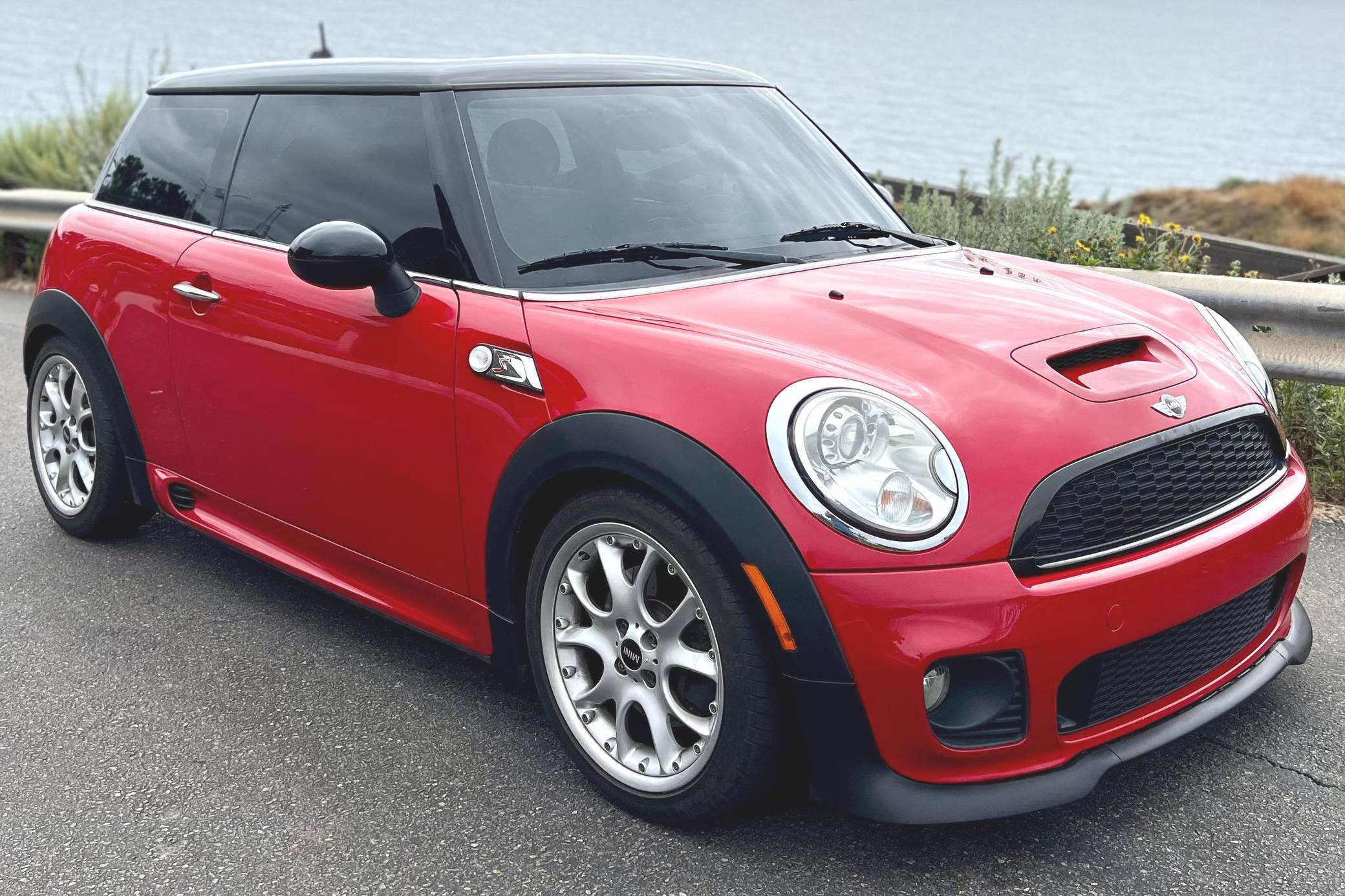
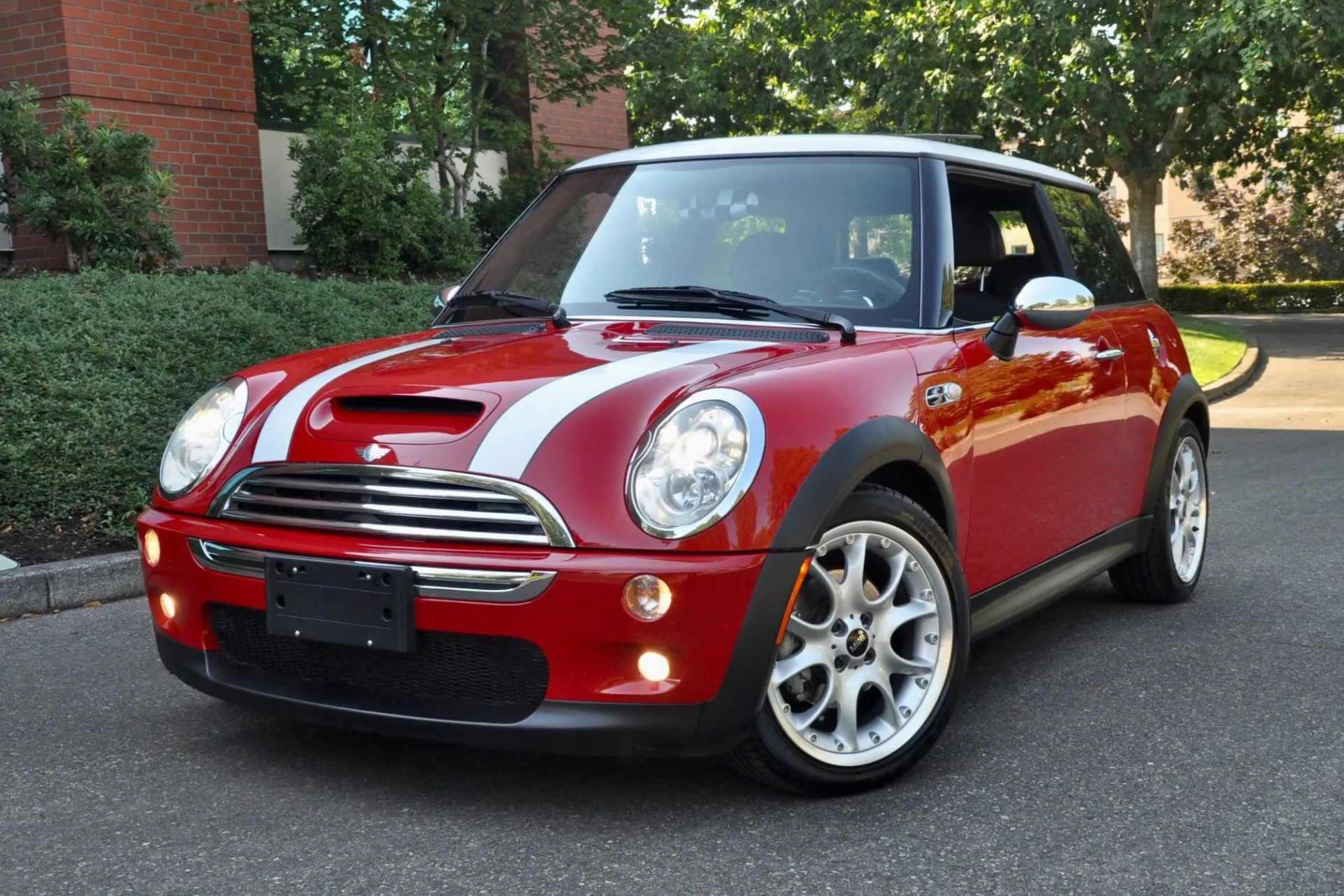
3. Mini Cooper (early models)
Early generation Mini Coopers, while celebrated for their compact size and sporty handling, sometimes encounter cold start problems that leave drivers annoyed during winter mornings. The vehicle’s compact engine bay leaves little room for insulation or protective measures, causing key components to be exposed to cold air.
This exposure can result in wiring harnesses becoming brittle or moisture entering electrical connectors, leading to inconsistent spark delivery or sensor malfunctions. When the ignition system struggles to perform reliably, the car may crank but fail to start, or start only after multiple attempts.
The fuel system in early Mini Coopers, especially in turbocharged variants, requires the engine to reach a certain temperature for optimal operation. During cold starts, turbochargers and associated sensors may not function correctly, causing lean or rich fuel mixtures that impede ignition.
The fuel injectors may also become clogged or sluggish if low-quality fuel is used or if the vehicle sits unused for extended periods in cold weather. Cold temperatures increase fuel viscosity, making it harder for the injectors to deliver the precise amount of fuel needed for combustion. This results in rough starts or stalling right after ignition.
Battery placement in Mini Coopers is often in areas less protected from cold, leading to quicker depletion of power in freezing weather. Older or underpowered batteries may not provide enough cold-cranking amps to turn the engine over efficiently.
The starter motor, often compact and less powerful in small cars, may struggle against the increased resistance caused by thickened oil and cold engine components.
Additionally, early Minis sometimes lacked modern engine management systems that adjust ignition timing and fuel delivery during cold starts, relying on less sophisticated technology that cannot adapt as effectively to temperature extremes.
To improve winter reliability, Mini owners often need to take extra steps such as using synthetic oils, installing battery warmers, or regularly servicing ignition components.
Many also use block heaters or remote starters to keep the engine warm overnight, reducing the strain on the battery and starter motor. Without these precautions, early Mini Coopers can be difficult to start on cold winter mornings, especially in climates where temperatures frequently drop below freezing.
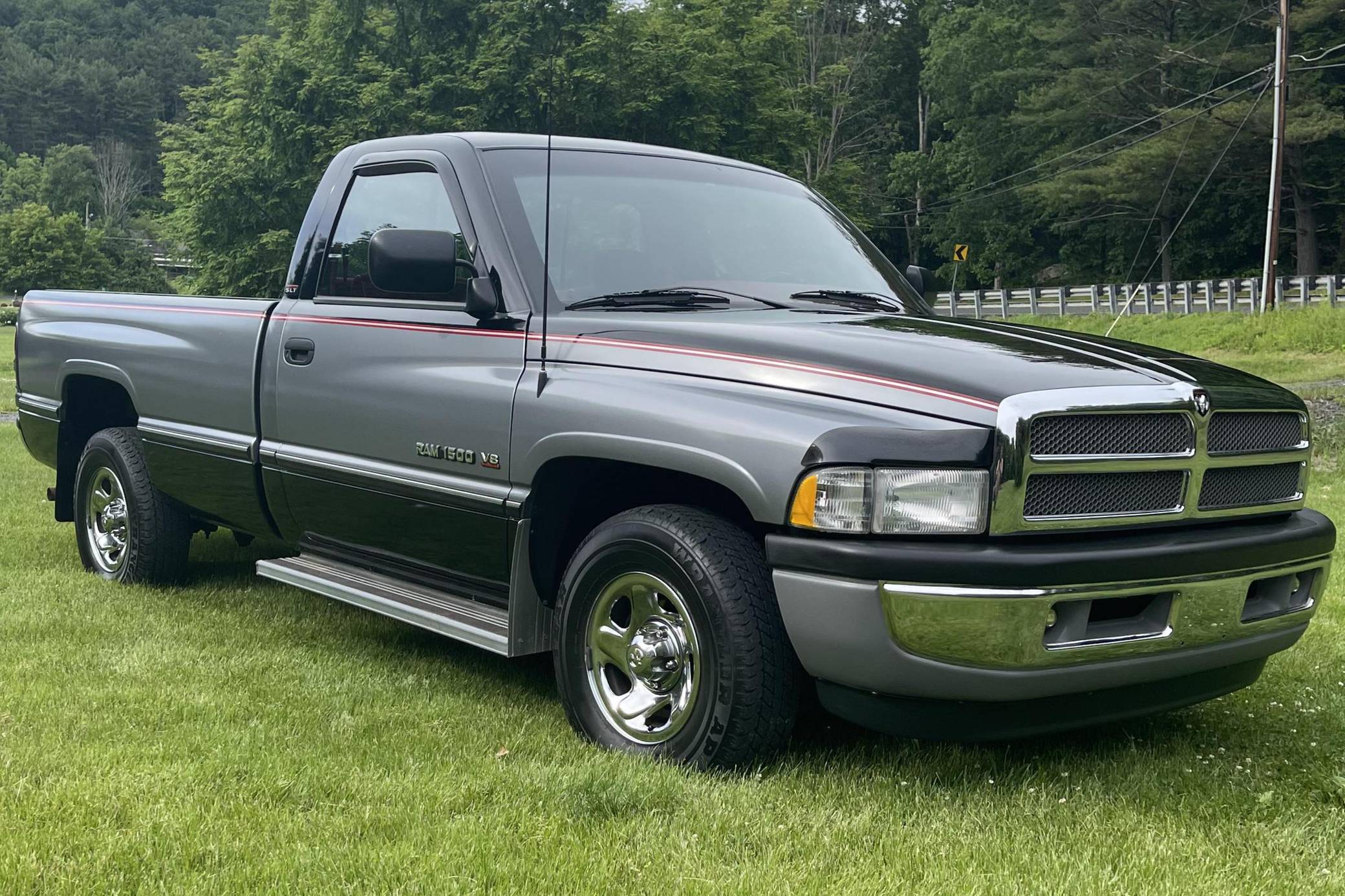
4. Dodge Ram 1500 (older models)
Older Dodge Ram 1500 trucks, particularly those from the late 1990s to early 2000s, have been reported to struggle with winter starting issues that can frustrate owners who rely on them for daily driving or work in cold climates.
The combination of older carbureted engines and early fuel injection systems means that fuel delivery during cold starts is often inconsistent.
Carbureted engines, common in these older Rams, tend to deliver an imbalanced fuel mixture during low temperatures, which can cause the engine to hesitate or fail to start. Early fuel injection systems lacked advanced cold-start enrichment features, making it harder to achieve smooth ignition.
Battery and electrical system limitations are another common cause of cold start failure in older Ram 1500s. Batteries not specifically designed for cold-weather performance lose significant capacity when temperatures drop, reducing the current available to the starter motor.
At the same time, the starter motors themselves may be prone to wear or reduced efficiency after years of use, especially when forced to work harder in thickened engine oil during cold mornings. Wiring exposed to moisture or corrosion can also create resistance or intermittent connections that reduce electrical flow, making the ignition process unreliable.
Diesel variants of older Ram trucks experience additional problems in winter due to the nature of diesel fuel and engine design. Diesel fuel gels in low temperatures unless treated with additives or heated through block heaters.
Glow plugs, essential for pre-warming the combustion chamber, can fail or degrade over time, making cold starts difficult or impossible without extended cranking. Additionally, fuel filters may freeze or clog, blocking fuel flow and preventing the engine from firing. Owners often have to resort to aftermarket heaters or extensive winterization to maintain starting reliability.
Maintenance plays a significant role in whether an older Dodge Ram 1500 starts reliably in winter. Regular battery tests, starter checks, fuel system cleaning, and using winter-grade oils are essential to prevent cold start failures.
However, despite these efforts, many drivers report that their older Rams still require longer warm-up times and sometimes refuse to start on very cold mornings. This has led to a perception that older Ram 1500s are less suited for severe winter climates compared to more modern or winter-hardened vehicles.
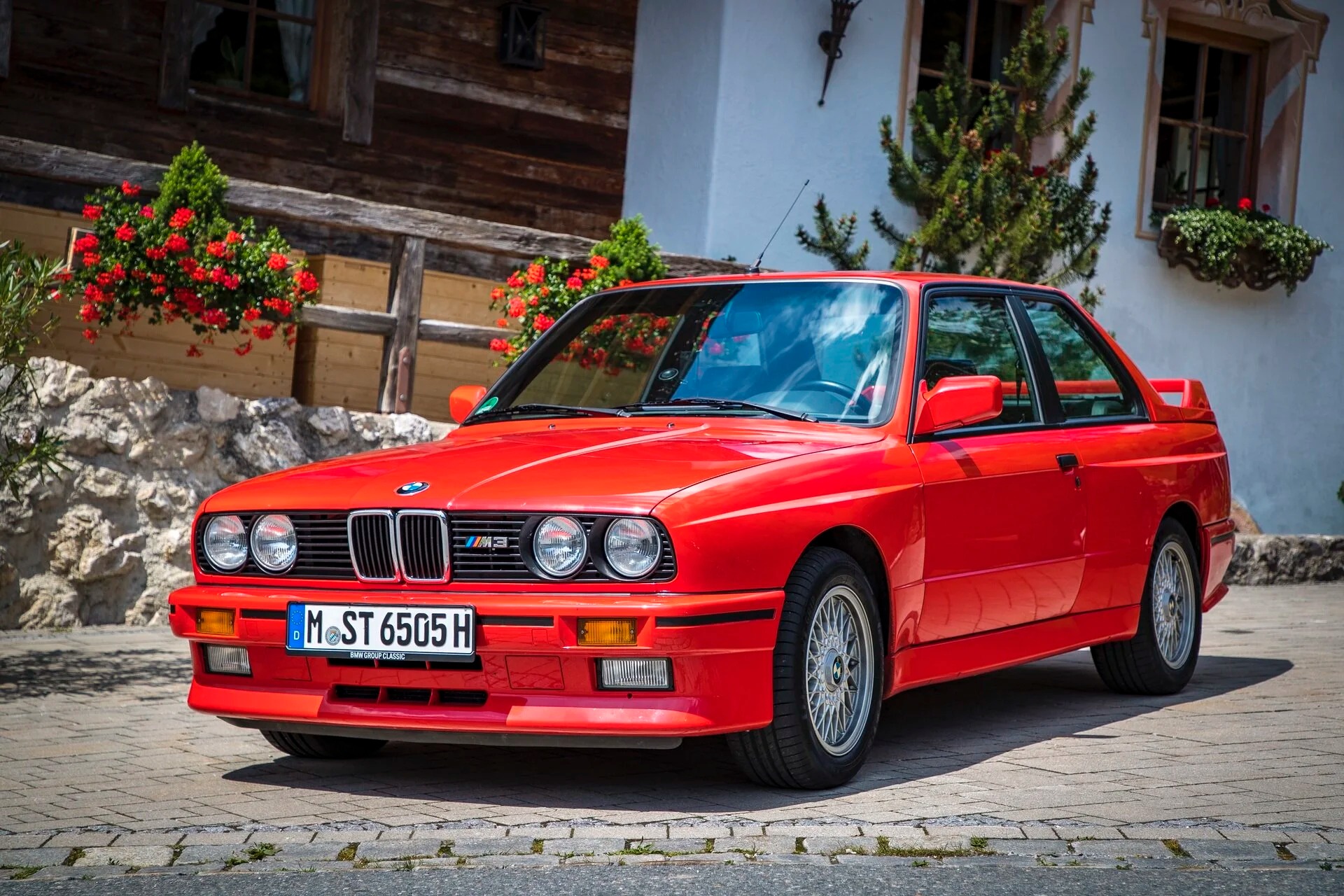
5. BMW 3 Series (early 2000s models)
Early 2000s BMW 3 Series models, while highly regarded for their driving dynamics and luxury features, can encounter significant challenges when starting in cold weather. The sophisticated electronics and high-performance engines require a fully charged battery and optimal electrical conditions to start reliably.
In cold weather, the battery capacity decreases, and the complex network of sensors, ignition coils, and fuel injectors can become less responsive. This sometimes results in rough starts, longer crank times, or failure to start altogether during winter mornings.
The fuel injection and ignition systems on these BMWs are designed for precision but rely heavily on sensor input and electrical signals. Cold temperatures can cause sensors such as the intake air temperature sensor or coolant temperature sensor to provide inaccurate readings, leading to incorrect air-fuel mixture adjustments.
This imbalance can cause the engine to struggle to ignite fuel properly during startup. Additionally, the ignition coils may not produce sufficient spark under extreme cold, further complicating the starting process.
The physical design of the engine bay in early BMW 3 Series models also affects cold start performance. Limited insulation and exposure to cold drafts can cause critical components to cool too rapidly overnight, resulting in thickened oil and fuel condensation.
These factors increase engine resistance and reduce the effectiveness of ignition and fuel systems. Moreover, the use of conventional oils instead of synthetic ones, if not changed during winter, can worsen cold-start issues by increasing friction and load on the starter motor.
Many BMW owners mitigate these winter-starting problems by investing in synthetic oils, battery warmers, and block heaters. Regular maintenance of ignition coils, sensors, and fuel injectors also helps maintain reliability.
Without such precautions, early 2000s 3 Series models can require extended warm-up times and may refuse to start on particularly cold mornings, making them less practical for harsh winter climates compared to vehicles designed specifically for cold-weather resilience.
