
Modern cars are no longer just about horsepower, torque, or fuel economy. With technology moving forward at a rapid pace, electronics and dashboard functionality have become key selling points for both enthusiasts and everyday drivers.
People now expect their vehicles to do more than just drive, they expect them to interact, assist, entertain, and even warn them before anything goes wrong.
With the rise of digital instrument clusters, touchscreens, advanced driver assistance systems, and voice-activated controls, the cabin of a car is closer to a computer cockpit than ever before.
Some brands have embraced this shift with intelligence and thoughtful design, while others have missed the mark entirely, resulting in frustrating user experiences, laggy software, cluttered layouts, and systems that simply don’t respond as expected.
For many drivers, the dashboard is where first impressions are formed and daily convenience is either supported or sabotaged.
A good system blends aesthetics with functionality. It allows a driver to adjust climate control or change navigation settings without needing a manual or taking their eyes off the road.
On the flip side, a bad dashboard can cause confusion, distraction, and even stress during simple driving tasks. In extreme cases, it may lead to safety concerns if basic features like hazard lights or windshield wipers are buried under layers of menus.
Some manufacturers focus on simplicity and intuitive interfaces, while others chase futuristic looks at the cost of usability.
The difference between a well-designed infotainment system and a poorly executed one becomes obvious after just a few days behind the wheel.
It’s not just about having the latest features; it’s about how well those features are implemented and how naturally they fit into the driving experience.
This article breaks down ten cars that stand out for their well-designed electronics and dashboard layout, offering smooth, smart, and efficient experiences.
It also highlights ten cars where electronics and dashboard systems have become points of frustration, whether due to complicated controls, slow responses, or excessive reliance on touch-based features that simply don’t work well on the move.
Also Read: 9 Vehicles That Stay Valuable in Collector Markets
Audi Q8 e-tron
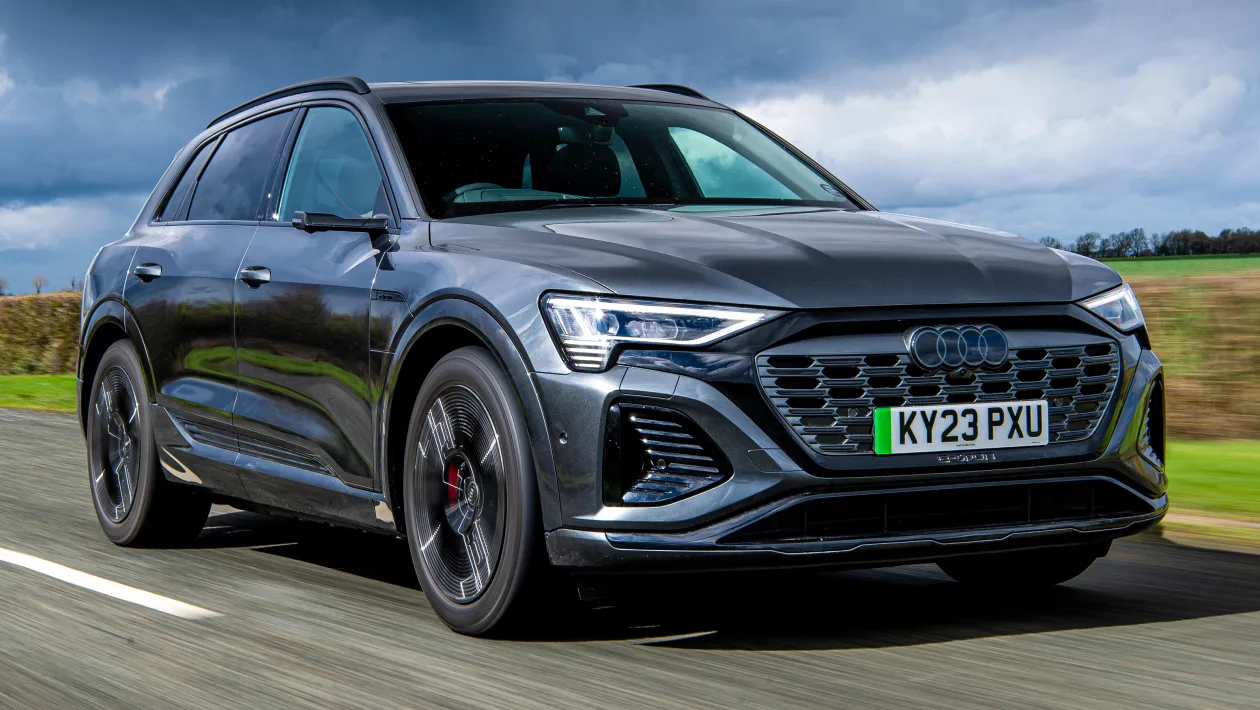
The Audi Q8 e-tron offers one of the most balanced and refined electronic setups available in a luxury SUV. Audi’s MMI touch response system combines two stacked touchscreens with haptic feedback, giving drivers the sense that they’re pressing real buttons.
This is a thoughtful middle ground between physical and digital controls, especially useful when trying to adjust settings without looking down for too long.
The top screen handles media, navigation, and smartphone integration, while the bottom focuses on climate and seat controls. Both screens are angled in a way that feels natural from the driver’s seat, making interaction almost instinctive.
One of the most praised aspects of Audi’s tech setup is the Virtual Cockpit. This fully digital instrument cluster replaces traditional dials with a customizable display that can show everything from detailed maps to trip statistics and driver assistance information.
The clarity and brightness of the display are top-notch, and the interface is designed to reduce clutter while still providing the data a driver needs. It feels modern but not overwhelming, which is harder to achieve than it sounds.
Audi also integrates its voice control system into the electronics package with impressive success. It’s not perfect, but it handles most common commands without issue and can adjust navigation, radio, or climate controls through conversational language.
Wireless smartphone integration is smooth, with both Apple CarPlay and Android Auto supported, and the wireless charging pad is thoughtfully positioned. The entire electronics suite is designed to be as functional as it is elegant, and for most drivers, it works just as well as advertised.
In a segment where many competitors lean heavily on style over usability, the Audi Q8 e-tron stands out for being both advanced and genuinely user-friendly. Audi has built a reputation for refined interiors, and that quality extends to its digital interfaces.
Every screen, control, and feedback mechanism feels deliberate, polished, and trustworthy. There’s nothing flashy just for the sake of being futuristic. Instead, it’s all about the experience behind the wheel, and it’s a strong one.
Ford Mustang Mach-E
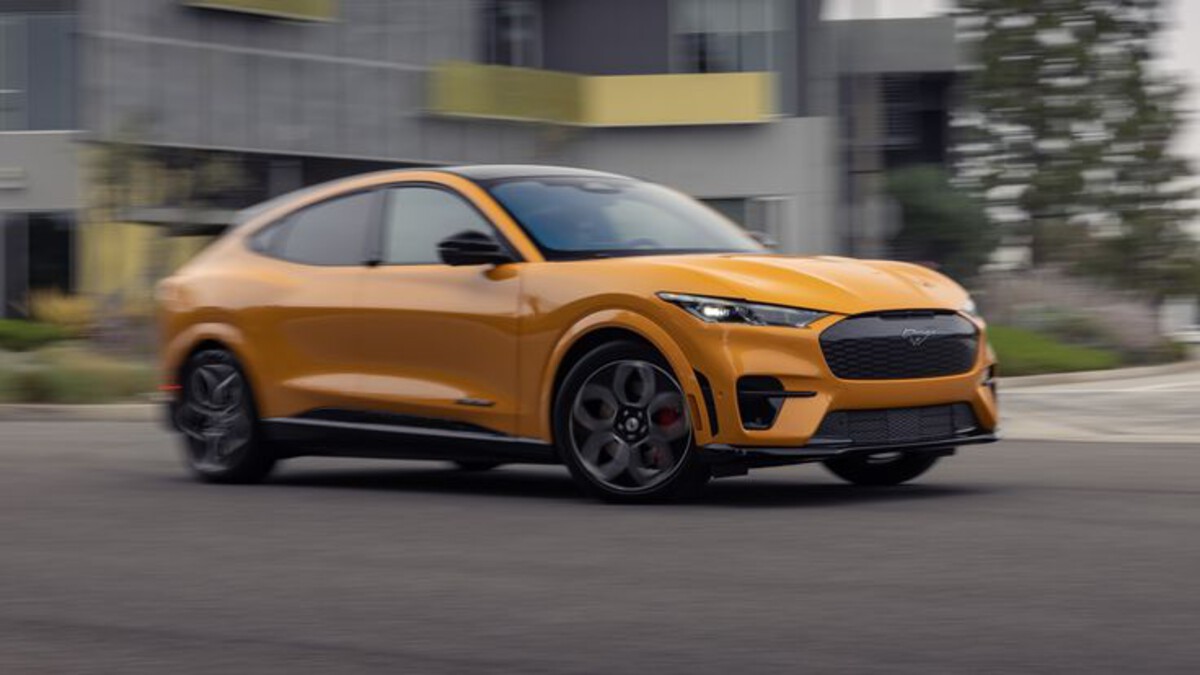
The Mustang Mach-E represents Ford’s most serious push into the electric vehicle space, and with it comes a completely overhauled approach to dashboard electronics. At the center of the experience is a large vertical touchscreen, reminiscent of a tablet.
It’s clear that Ford wanted to make technology a central part of the Mach-E’s identity, and in many ways, they succeeded. The interface is straightforward, logically arranged, and avoids the common trap of burying basic controls under too many layers.
Ford’s SYNC 4A system in the Mach-E is one of the most responsive and cleanly designed infotainment systems the company has ever released. The large screen is fast and easy to navigate, and even when using real-time navigation or split-screen views, the system remains fluid.
Drivers can customize which widgets appear on the home screen, giving them quick access to frequently used features. The voice command functionality is also solid, recognizing most standard commands and reacting without needing repeated prompts.
What makes the Mach-E’s electronics particularly impressive is how well they adapt to the user’s needs. Profiles can be created for different drivers, saving everything from seat position to climate preferences and media settings.
The integration of FordPass (Ford’s mobile app) lets users start the car, check battery status, or precondition the cabin remotely.
These kinds of features are becoming more common, but Ford’s implementation feels particularly tight and reliable, which isn’t always the case in other brands.
Another smart choice Ford made was to retain a physical volume knob embedded into the screen. It may seem like a small detail, but it makes a significant difference in everyday usability.
This single touch of tactile control is a good example of Ford understanding what users actually want, modern tech that still respects habits formed over decades of driving. It’s these details that help the Mach-E earn its place among the vehicles with well-executed dashboard electronics.
Volvo XC90 Recharge
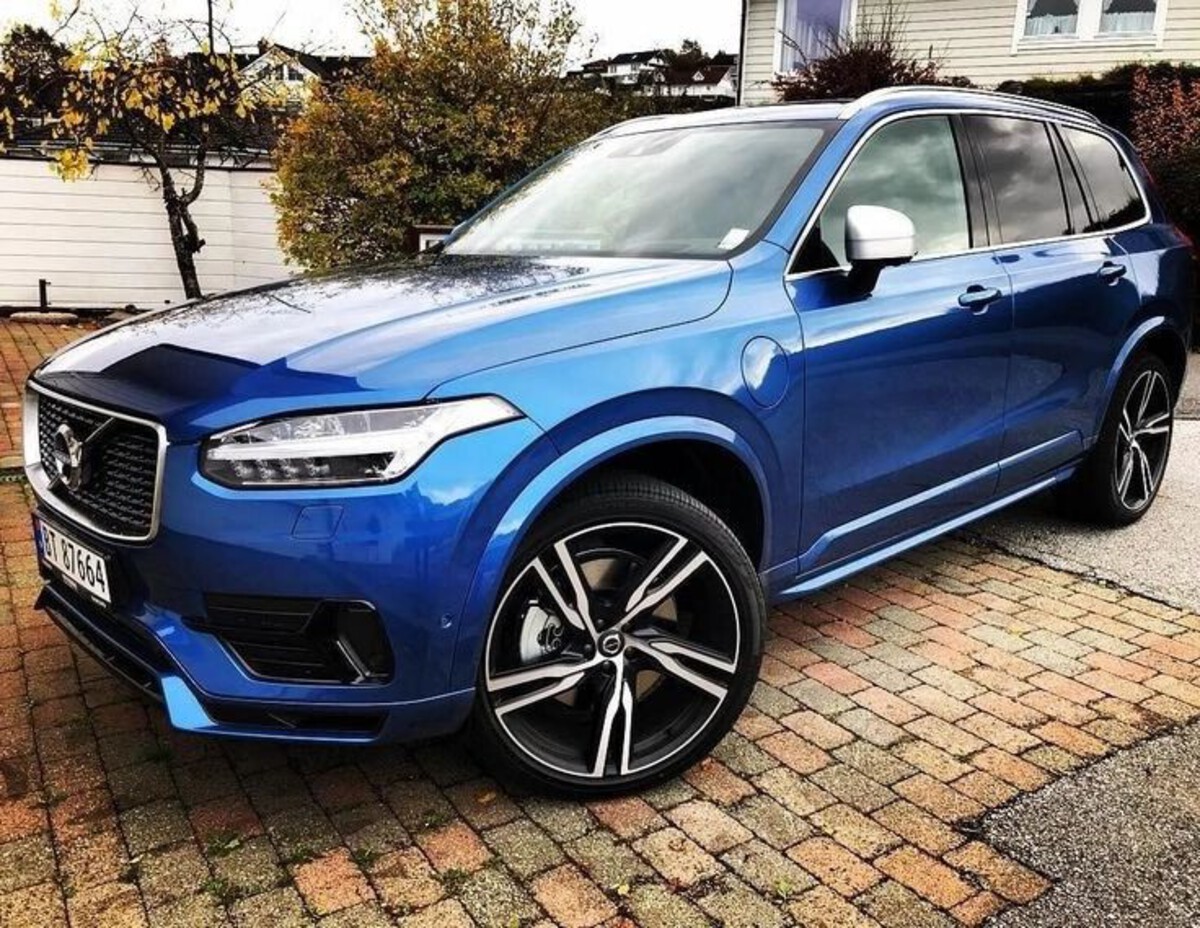
Volvo has taken a very Scandinavian approach to dashboard design: simple, clean, and focused on user comfort. The XC90 Recharge showcases this philosophy in digital form. Its vertically oriented central touchscreen blends seamlessly into the rest of the dashboard.
While it may look minimalistic, it houses a robust set of features and controls that rival any other luxury SUV. The interface is built around Google’s Android Automotive OS, which provides native Google Maps, Google Assistant, and Play Store support, integrated directly into the car’s system.
One of the standout features of Volvo’s system is the clarity and organization of its layout. Rather than flooding the driver with too many options, the screen is organized into four main categories: navigation, media, phone, and car functions. This keeps the interface clean and intuitive.
Google Maps runs smoothly and updates in real time with traffic data. Voice control via Google Assistant is also particularly strong, it can handle natural language inputs and even control smart home devices from the car, which adds a new layer of convenience.
The digital instrument cluster in the XC90 Recharge is sharp and functional, though not as customizable as some of its competitors. Still, the most important information is clearly displayed, and transitions between different driving modes are handled with visual polish.
Safety features, a core part of Volvo’s identity, are fully integrated into the digital systems as well. Warnings, lane-keeping feedback, and adaptive cruise control visuals are all presented in a calm, non-invasive way that reinforces Volvo’s focus on stress-free driving.
In terms of usability, Volvo has kept things relatively simple. There’s no attempt to dazzle the driver with flashy animations or excessive customization options. Instead, the focus remains on reliability and ease of access.
The system boots quickly, rarely lags, and integrates perfectly with smartphones. While it might not excite those looking for flashy graphics or ultra-high-end features, it’s an excellent example of electronics designed for real-life driving.
Kia EV6
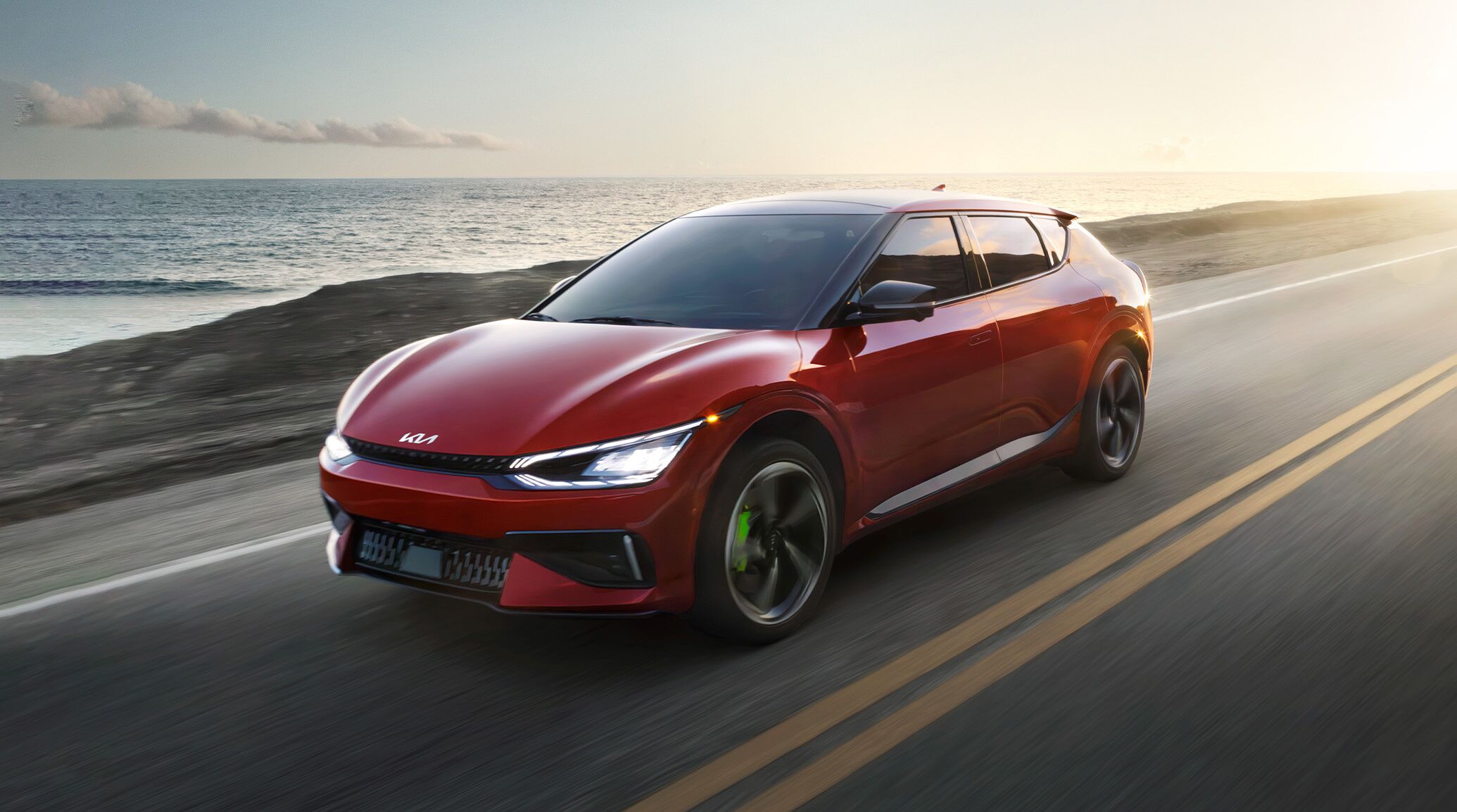
Kia’s EV6 is proof that you don’t need to be a premium brand to offer premium-level electronics. The dashboard layout is clean and futuristic without becoming confusing.
Dual 12.3-inch displays stretch across the dashboard, forming a single panel that houses both the digital instrument cluster and infotainment screen. The graphics are crisp, and the interface is organized in a way that’s friendly even to those who are new to EVs or high-tech vehicles.
One clever design element in the EV6 is the use of a “context bar” beneath the screen that switches between climate controls and infotainment shortcuts depending on what’s being used. This helps reduce clutter while still providing easy access to key functions.
It’s an elegant solution that avoids overloading the dashboard with permanent buttons or requiring deep menu dives to perform basic actions. It also maintains a physical feedback element that many drivers still prefer.
The infotainment system itself is fast and reliable. Navigation is clear and adjusts in real time based on traffic conditions, and the system works seamlessly with Apple CarPlay and Android Auto, although only through a wired connection.
Kia’s voice command functionality has improved significantly and now competes well with more expensive brands. Drivers can control the navigation, media, and some vehicle settings simply by speaking, which reduces distraction during long drives.
Kia has also invested in a robust driver assistance interface. The screen provides live visual feedback of the vehicle’s surroundings when using lane-keeping or adaptive cruise control, which helps build trust in the technology.
There’s also a surround-view camera system with excellent resolution, making parking or maneuvering in tight spaces much easier. Taken as a whole, the EV6’s electronics are a leap forward for the brand and place it comfortably in the top tier for dashboard quality in its class.
Porsche Taycan
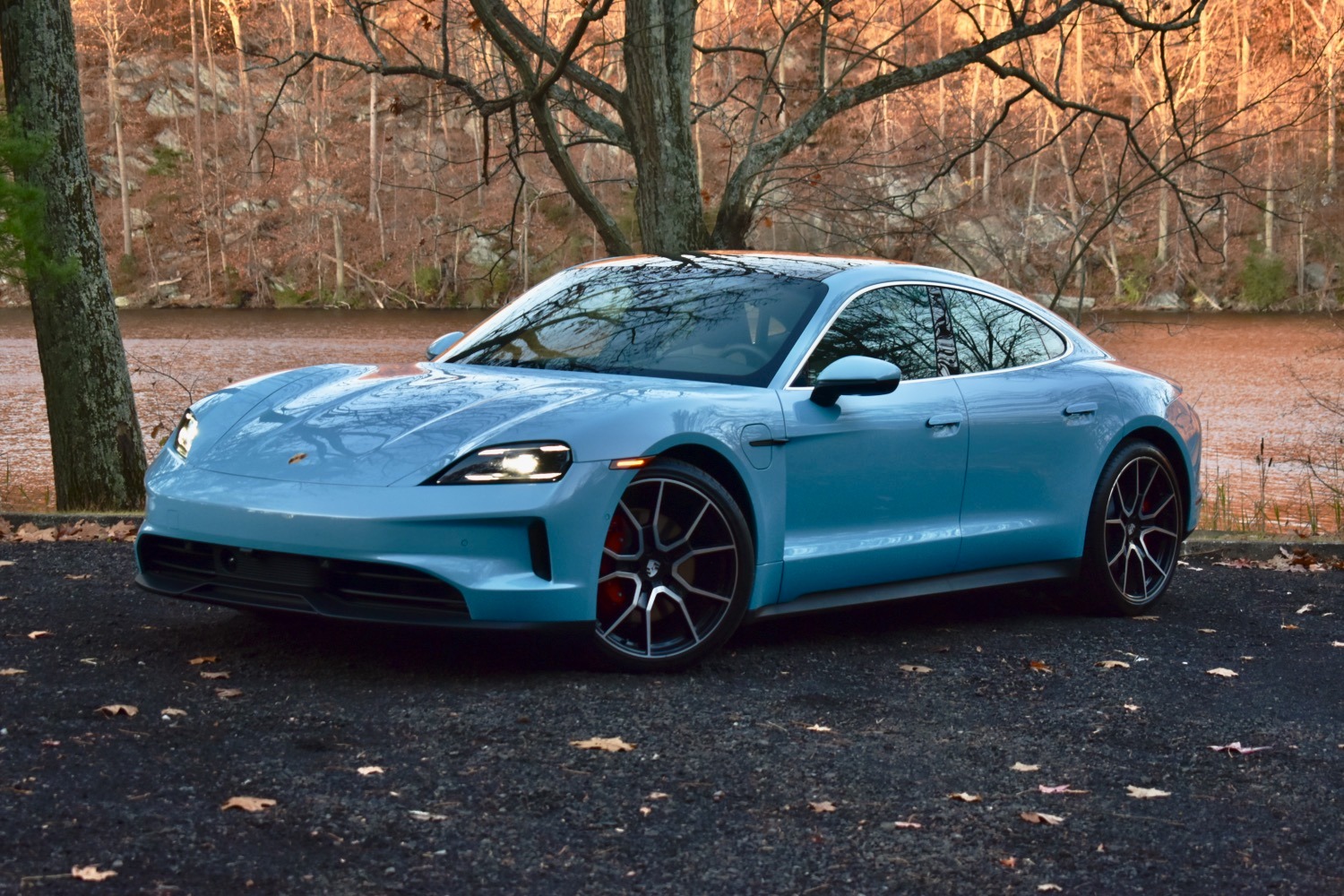
Porsche is typically associated with performance and precision engineering, and the Taycan brings that same attention to detail to its electronic systems.
The cabin features a combination of three high-resolution digital displays: a curved instrument cluster behind the steering wheel, a central infotainment touchscreen, and a lower screen for climate and vehicle controls.
In higher trims, there’s even a fourth screen available for the front passenger. It’s a bold, tech-forward layout that still manages to feel grounded and driver-centric.
One of the strengths of the Taycan’s electronic design is its responsiveness. Whether you’re scrolling through media options or adjusting chassis settings, the system reacts immediately.
The menu layout is clear, and while there are many features packed into the interface, Porsche has done an impressive job of organizing them in layers that are easy to understand.
The driver-focused digital gauge cluster offers multiple views, including navigation overlays and energy consumption, all of which look sharp and modern without being distracting.
Voice control is present, but unlike some other systems that emphasize it heavily, Porsche keeps it as a supplementary tool rather than the main interface.
More important are the touch inputs, which are extremely precise and supported by clear haptic feedback in certain areas.
There are also a few physical buttons and switches retained for quick access to common functions, which helps bridge the gap for drivers who prefer tactile controls. It’s a welcome contrast to fully touch-only dashboards.
Porsche has avoided gimmicks in favor of clean functionality. The electronics don’t feel like a science experiment or an unfinished beta product, they feel like they were built to last and refined for actual use on the road.
Drivers who want both performance and well-executed technology will appreciate the Taycan’s thoughtful integration of digital systems, which manages to feel futuristic without sacrificing the core usability that Porsche is known for.
Lexus RX 500h
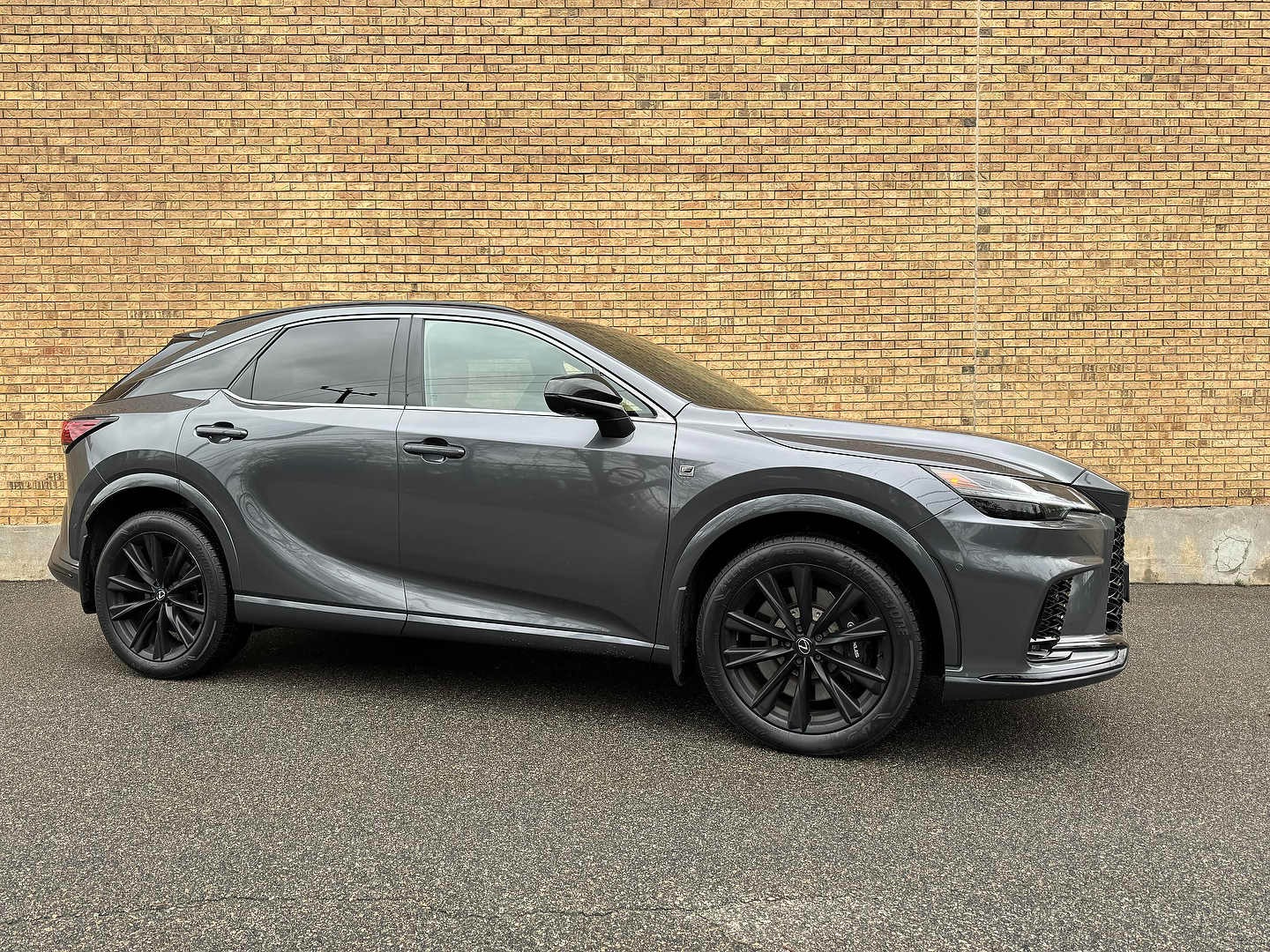
The Lexus RX 500h, part of the RX family’s latest generation, represents a long-awaited leap forward in Lexus’s in-car technology.
After years of criticism over its clunky touchpad interface and dated screen designs, Lexus has finally introduced a well-executed digital dashboard system.
The RX 500h features a large touchscreen that’s responsive, cleanly laid out, and thoughtfully integrated into the dashboard rather than floating awkwardly above it. It’s the most modern and usable Lexus infotainment setup to date.
One of the most noticeable improvements is the elimination of the touchpad, which many drivers found difficult to use. In its place is a large touchscreen with pinch-to-zoom, swiping, and drag-and-drop features that feel natural and fluid.
The graphics are crisp, and the menus are arranged logically. Whether you’re adjusting navigation, changing radio stations, or accessing hybrid system data, the process feels quick and straightforward. Lexus finally seems to understand what drivers want from a modern interface.
Voice recognition is also dramatically improved. The new system uses cloud-based processing to deliver faster and more accurate responses. Commands are easier to understand, and the system does a better job of interpreting natural language.
For example, saying “I’m cold” will prompt the car to raise the temperature. It’s a small thing, but it adds a level of convenience and intelligence that wasn’t present in previous Lexus models. Wireless Apple CarPlay and Android Auto come standard, and they work flawlessly with the larger screen.
Another strength lies in the customization options available to the driver. From drive modes to ambient lighting and display themes, Lexus has created a cabin experience that feels tailored rather than generic.
The instrument cluster is fully digital, and while it doesn’t have the flashiest animations, it’s clean and informative. Combined with a high-quality heads-up display and intuitive steering wheel controls, the RX 500h’s dashboard and electronics now match its reputation for reliability and comfort.
Also Read: 10 Vehicles That Survived Global Conflicts
5 Cars With Dashboard Nightmares
1. Subaru Outback (Base Models, Recent Years)
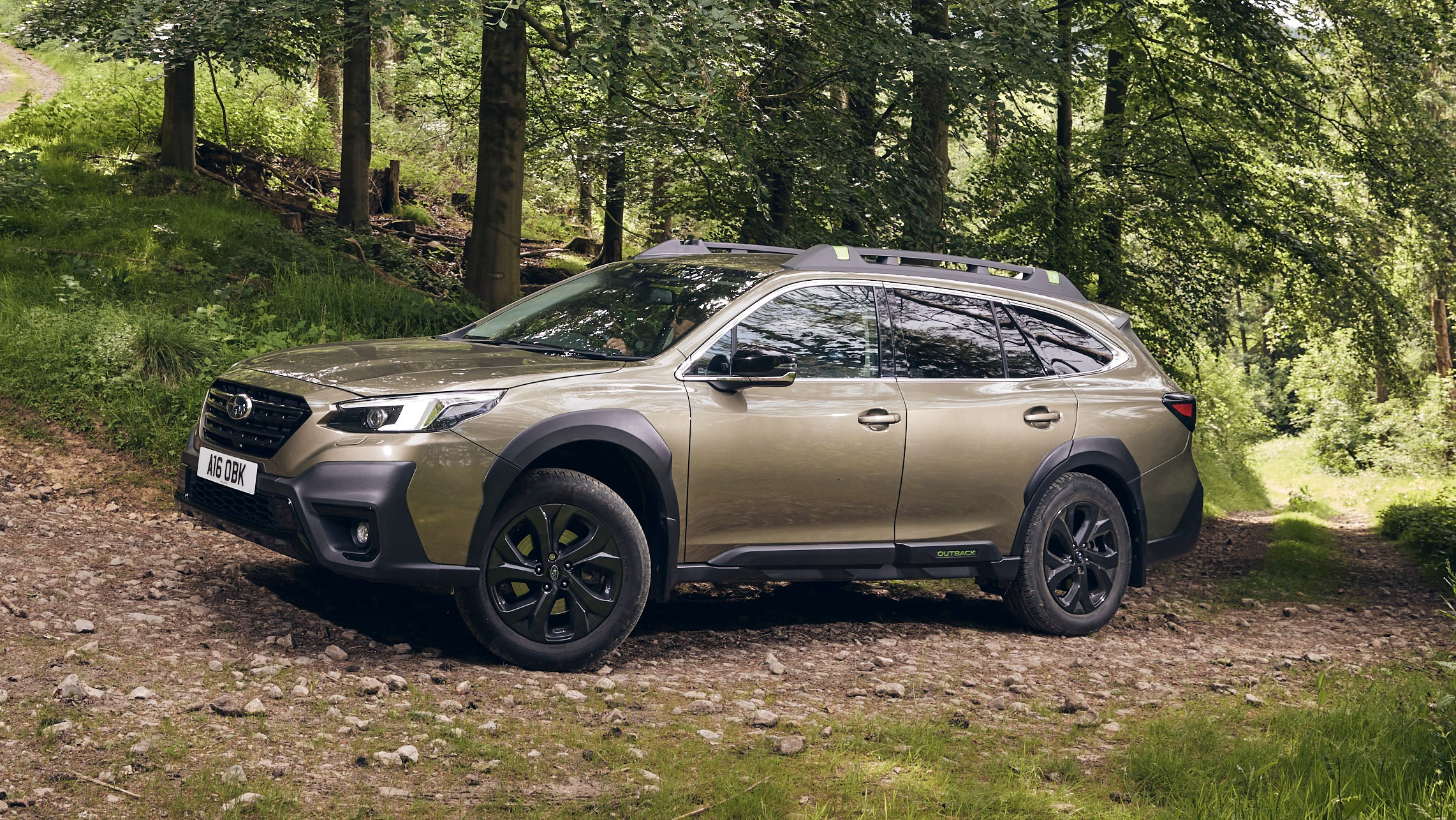
Subaru has a strong reputation for safety and capability, but its infotainment systems, especially in base trims, have been a consistent point of frustration for many drivers. The standard system features a dual-screen setup that splits information across a small upper screen and a lower touchscreen.
This layout creates confusion, as important information is often separated or duplicated across both screens with no clear logic. Users frequently find themselves looking in multiple places just to check basic stats like temperature or media settings.
The user interface lacks the polish seen in competitors. Menus are clunky, icons are outdated, and the system is noticeably slow to respond to inputs. Touch response can be inconsistent, with some taps going unrecognized while others activate the wrong menu.
This becomes especially irritating when trying to make quick adjustments while driving. The system feels several years behind the times, especially in a car that otherwise feels well-built and engineered.
Voice command functionality is limited and unreliable. Many drivers report frequent misinterpretations, dropped commands, or an inability to handle anything beyond the most basic requests.
Trying to use voice navigation or media controls often ends in frustration. Integration with smartphones is also spotty, with reports of dropped connections or laggy performance when using Android Auto or Apple CarPlay. The experience feels more like a chore than a convenience.
It’s unfortunate because the Outback is otherwise a strong vehicle for long-distance driving and off-road use. However, when electronics interfere with basic tasks like adjusting climate control or using GPS, they become a liability.
In a world where digital interfaces are supposed to enhance convenience, the Outback’s base infotainment setup often has the opposite effect. Until Subaru updates the entire system, many drivers are left dealing with a dashboard that simply doesn’t meet today’s standards.
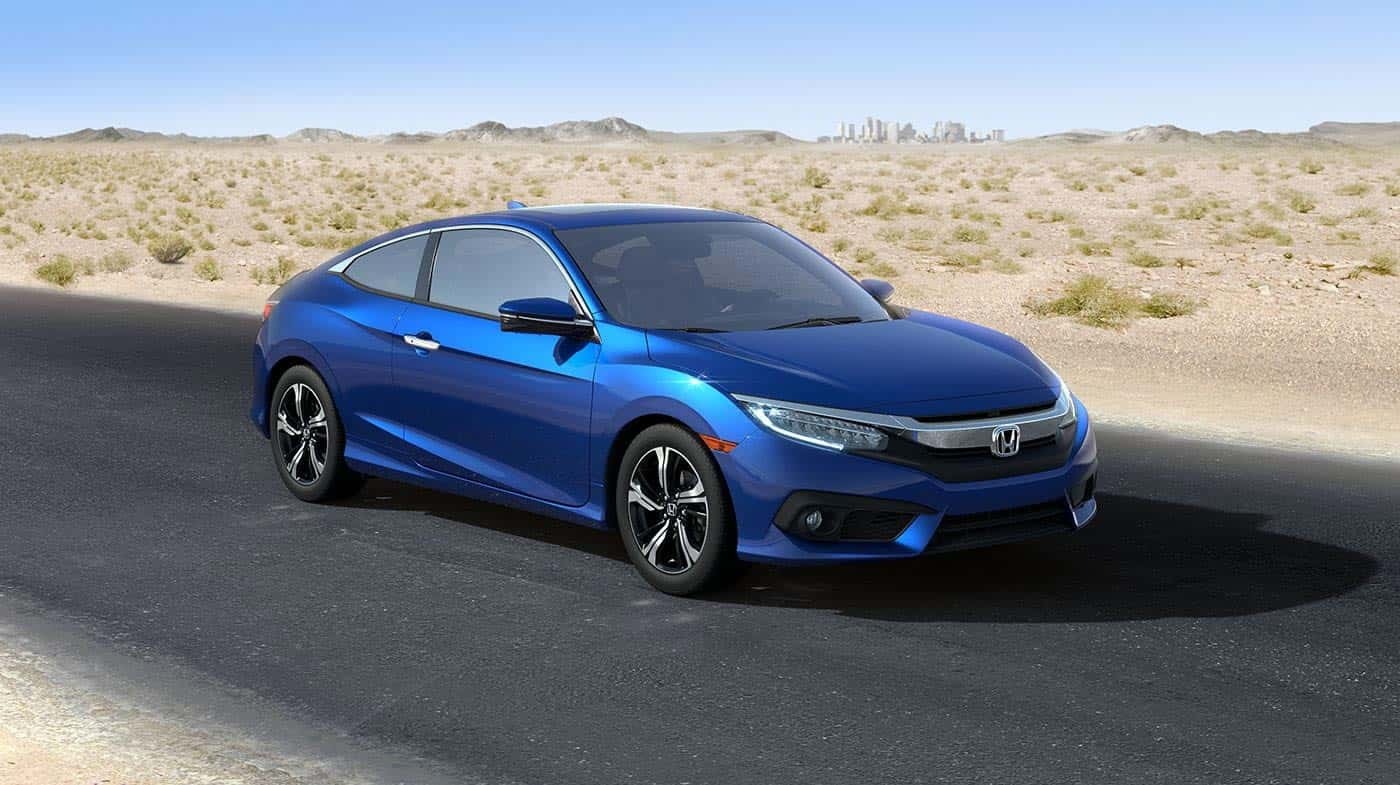
2. Honda Civic (2022 LX and Sport Trims)
Honda typically nails functionality, but the base-level 2022 Civic models miss the mark when it comes to dashboard design and electronics.
Unlike the higher trims that offer a slick 9-inch touchscreen with wireless smartphone integration, the LX and Sport trims are stuck with a smaller 7-inch screen that feels like a compromise.
It’s not just the size, it’s the functionality that suffers. The screen is slow to boot up, prone to lag, and frequently freezes or delays during input, making even simple tasks like changing a song or accessing settings more difficult than necessary.
Another issue is the limited amount of physical controls. While some drivers appreciate a minimalist look, the lack of direct-access buttons for key functions means you’re stuck navigating menus for everything. That’s particularly frustrating when trying to adjust the audio or switch between inputs.
The lack of a tuning knob is a common complaint, and while some features can be accessed through the steering wheel, they don’t make up for the missing tactile buttons.
Voice commands are present but underdeveloped. Basic commands like “Call John” or “Play music” may work, but anything more complex often results in confusion or a robotic “Command not recognized.”
And without a robust voice assistant, drivers are left relying on a touchscreen that already has performance issues. Bluetooth connectivity also tends to be inconsistent in these trims, with many users reporting trouble syncing or maintaining a connection over longer drives.
Perhaps the most frustrating aspect is that the higher trims do electronics so much better, which proves that Honda can get it right.
Unfortunately, by reserving competent dashboard systems for more expensive models, they’ve left a large portion of Civic buyers with a subpar experience. In a market where even budget cars are getting smarter and more refined, these lower-trim Civics feel unnecessarily outdated.
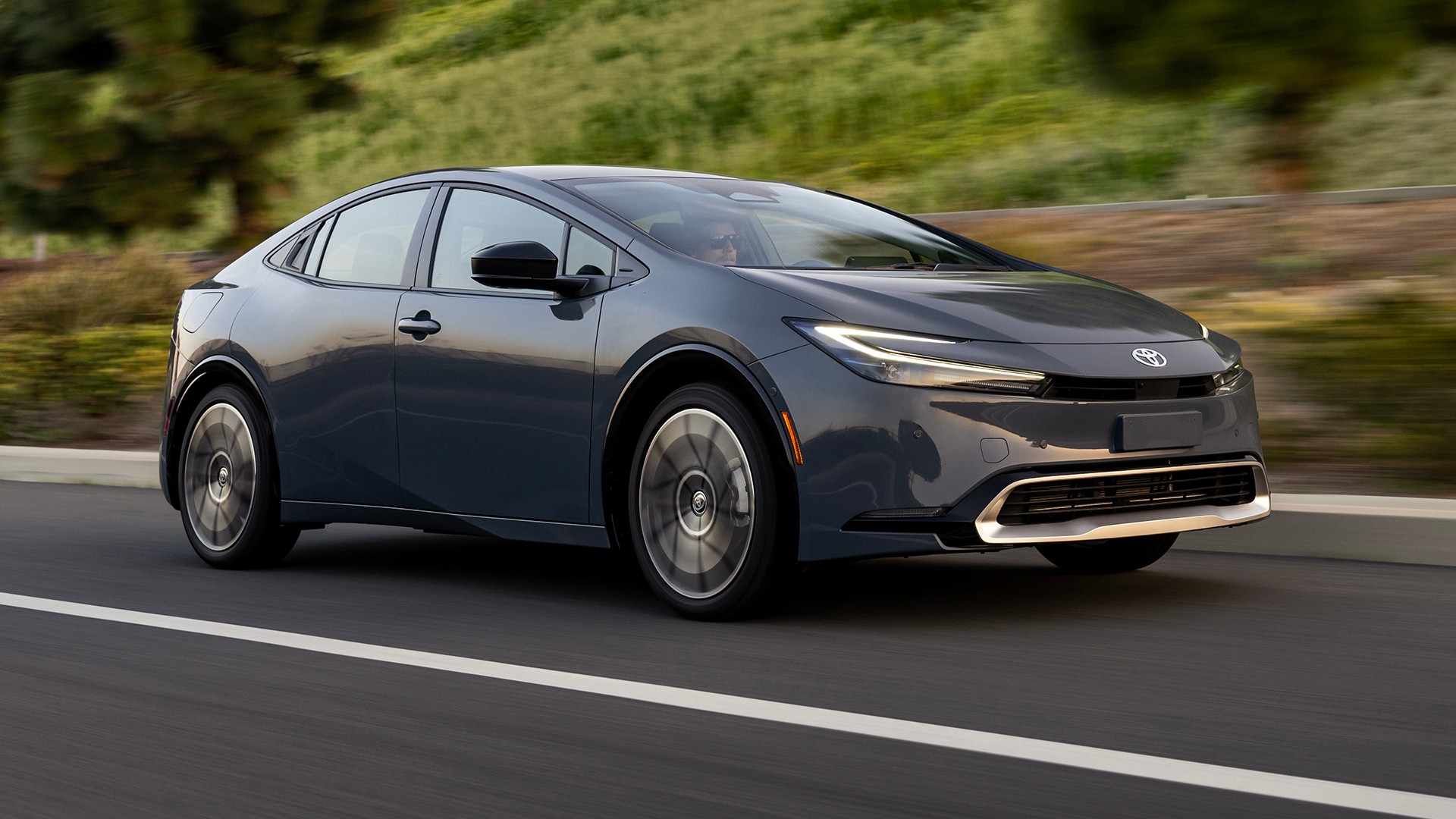
3. Toyota Prius (2016–2021)
Toyota’s Prius is often praised for its fuel economy and reliability, but the dashboard electronics in the 2016 to 2021 models have caused frustration for many owners. The centerpiece of the dashboard is a centrally mounted digital display, which removes vital information from the driver’s direct line of sight.
Instead of placing speed, fuel, and driving data directly behind the steering wheel, Toyota placed it in the center stack, a decision that not only feels unnatural but also forces drivers to constantly shift their eyes away from the road.
The touchscreen interface, particularly in the lower trims, is dated both visually and functionally. Graphics look like something from the early 2000s, and menu structures feel clunky and unintuitive.
Adjusting even simple things like the fan speed or selecting a new audio source often requires multiple taps through awkward menus. Touch sensitivity is inconsistent, which makes quick adjustments while driving not only annoying but potentially dangerous due to the added distraction.
Another problem is the overwhelming amount of small, poorly labeled buttons. They’re often placed too low on the dashboard or tightly clustered, making them hard to locate and operate without taking your eyes off the road.
This setup might make sense during a static design phase, but in motion, it’s far from practical. Instead of enhancing the hybrid experience with thoughtful tech, Toyota created a user interface that many drivers find irritating and overly complex for what it’s trying to do.
Voice control, while available, is not much help either. It frequently misinterprets commands or fails to respond at all, leading users to abandon it entirely after a few failed attempts.
The lack of wireless smartphone integration in earlier versions of this generation also hurt its standing among drivers looking for a seamless digital experience.
For a car that’s meant to represent forward-thinking engineering, the Prius dashboard electronics during these years often feel like a major step backward.
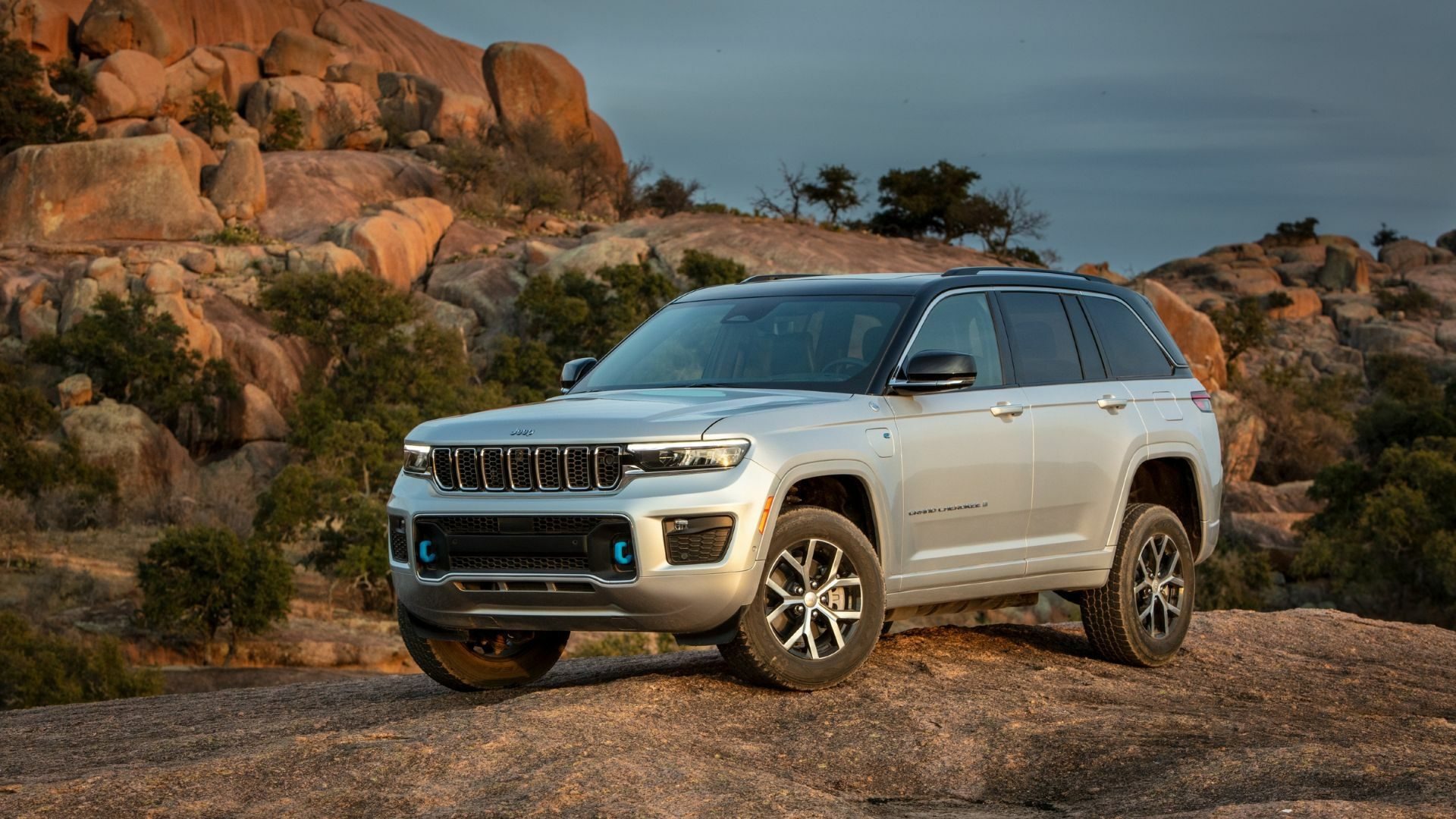
4. Jeep Cherokee (2014–2020)
Jeep’s Cherokee, particularly the pre-facelift models from 2014 to 2020, suffers from a dashboard and electronics system that feels more frustrating than functional.
At the heart of the issue is the Uconnect infotainment system of that era, which despite having potential, was plagued with lag, occasional freezing, and slow boot-up times. Drivers would start the vehicle and wait several moments just for the screen to become responsive, a flaw that became more noticeable in cold weather or after updates.
The user interface itself is overly complicated. Icons are small and poorly spaced, and common features are buried under multiple submenus. While the layout aims for minimalism, it often appears vague.
Drivers unfamiliar with the system have to hunt through menus to find essential functions like seat heaters or navigation settings. Even more frustrating is the lack of logical progression within the menus, you’ll find radio options in one place, but Bluetooth settings are buried somewhere else entirely unrelated.
Physical buttons don’t help much either. Some controls are placed in odd positions or lack tactile distinction, which makes it harder to operate without looking.
The climate control settings often overlap with touchscreen functionality, forcing users to choose between awkward physical dials and sluggish screen-based controls. In vehicles meant to tackle tough conditions and long drives, these usability flaws become even more problematic.
Then there’s the voice command system, which feels half-baked. Jeep’s voice interface during these years struggled with natural language and often required rigid command structures to function. This defeats the purpose of having voice control in the first place, especially when drivers need quick and accurate interactions.
While the Cherokee is competent in terms of off-road capabilities and general comfort, its dashboard electronics from this period are frequently cited as one of its biggest weak points.
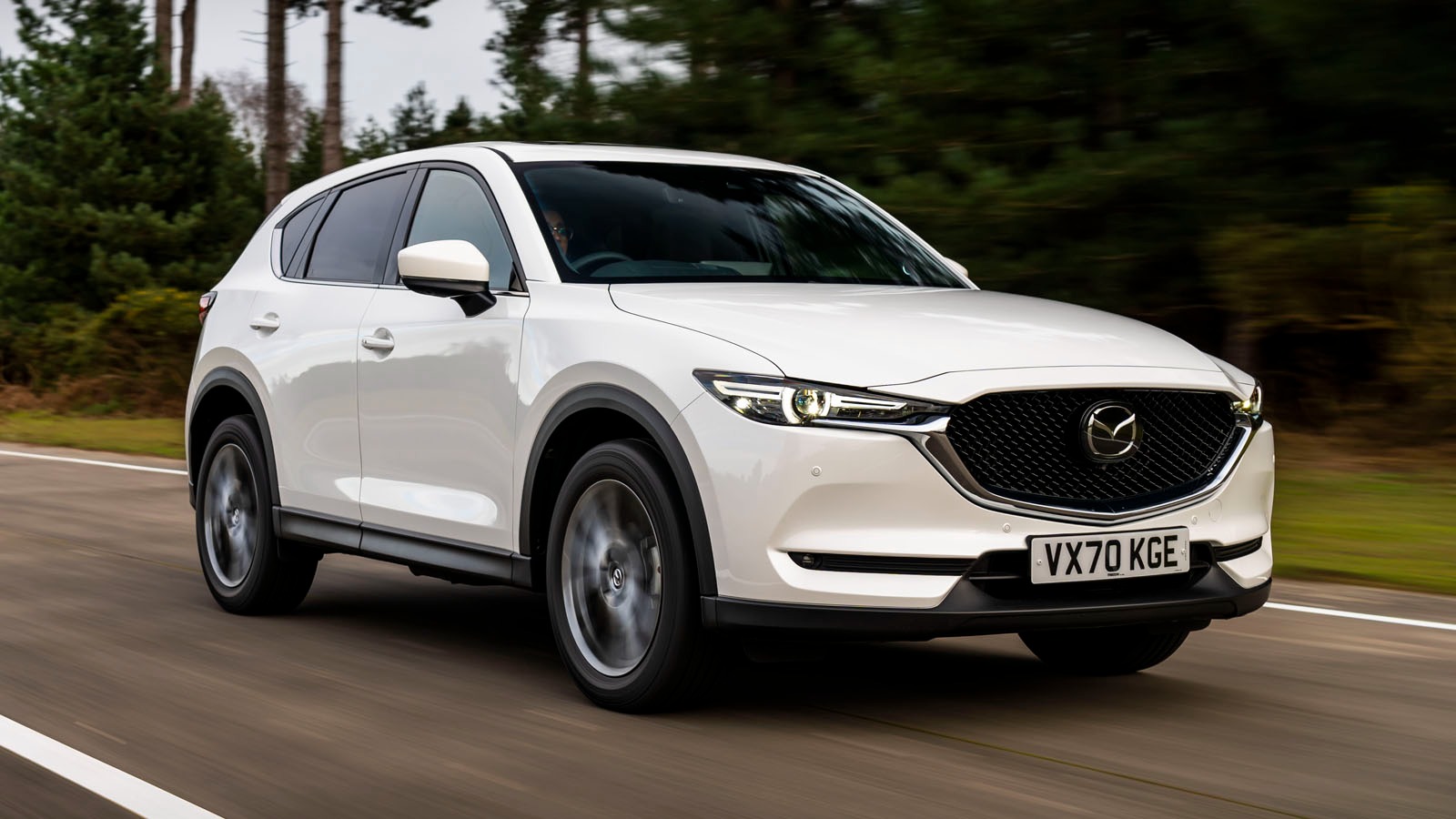
5. Mazda CX-5 (2017–2021)
Mazda has a reputation for clean, driver-focused design, but the CX-5’s electronics from 2017 to 2021 have been a sore spot for many owners. Rather than a touchscreen, Mazda uses a rotary knob system called the Commander Control, which operates the infotainment screen.
While this may seem like a clever solution to reduce driver distraction, it often ends up being more trouble than it’s worth. Navigating through menus using a dial is slow, and the screen is locked from touch input while the car is moving, which many find overly restrictive.
The infotainment screen itself isn’t very large and features dated graphics that look more like early smartphone interfaces than something belonging in a modern SUV. Fonts are basic, icons are hard to distinguish at a glance, and transitions between menus lack smoothness.
The limited screen real estate makes multitasking difficult, especially if you’re trying to follow navigation while managing audio or settings. Mazda prioritizes aesthetics over screen functionality, but in doing so, they sacrificed user convenience.
The most commonly criticized aspect is the learning curve. First-time users often struggle to figure out how to access even basic functions like adjusting radio settings or pairing a phone.
The system lacks intuitiveness, and the rotary control is poorly suited for more complex tasks like typing an address into the navigation system. Combined with laggy response times, the experience can become tedious quickly, especially on longer drives when more interaction is needed.
Another major flaw is the inconsistent smartphone integration. Earlier models in this generation lacked support for Apple CarPlay and Android Auto entirely, and even after it was added in later years, the interface remained sluggish and prone to bugs.
Connection dropouts, screen freezes, and delayed audio syncing are all complaints logged by frustrated users.
While the CX-5 excels in areas like driving dynamics and comfort, its electronics during this period fall far short of expectations, and often end up being a reason some drivers look elsewhere for their next upgrade.
