
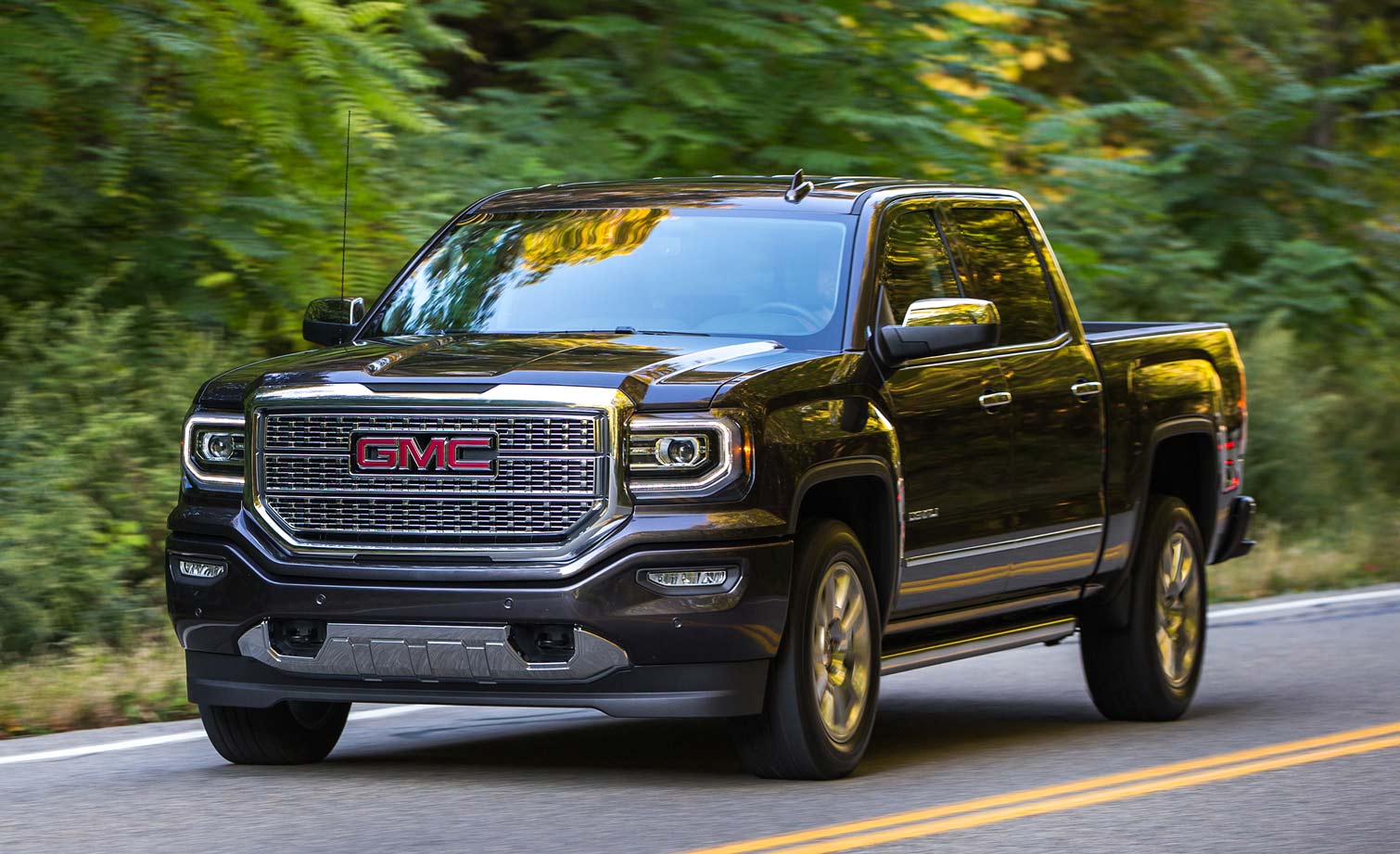
Pickup trucks are often seen as symbols of durability and strength. Many people rely on them for hard work, heavy hauling, or long-distance travel through all kinds of weather. For truck owners, one of the biggest concerns over time is rust.
While rust may seem like just a cosmetic issue, it can quietly damage the structural integrity of a vehicle.
Frames, brake lines, fuel tanks, suspension components, and even doors can all be compromised. It’s the kind of issue that starts small but can snowball into a major safety problem if ignored.
Some pickup trucks have developed strong reputations for holding up against rust even after years of exposure to tough conditions. Others, unfortunately, are known for rusting quickly and severely, sometimes within just a few years of purchase.
Rust resistance in trucks often comes down to several key factors: the materials used in construction, how well those materials are treated at the factory, the quality of protective coatings, and the design of areas where water or salt can collect.
Some automakers take proactive steps to design trucks that channel moisture away from critical parts, while others have failed to address design flaws that encourage corrosion.
Additionally, differences in climate and how a truck is maintained can affect rusting, but the base quality of the vehicle plays a huge role.
This article takes a close look at five pickup trucks that are known for their long-term resistance to rust, as well as five that have earned a reputation for early corrosion problems. Each truck has its own story and characteristics, whether it’s a high-mileage workhorse or a popular family vehicle.
This list is based on long-term owner reports, automotive technician experiences, and general consensus among those who have worked with or owned these vehicles for years.
While no truck is completely rust-proof, some stand a much better chance of lasting decades with minimal corrosion. Others, no matter how well they’re cared for, seem destined to show their age far too soon.
Also Read: 10 Cars That Age Better Than Their Rivals
5 Pickup Trucks Known to Survive Rust
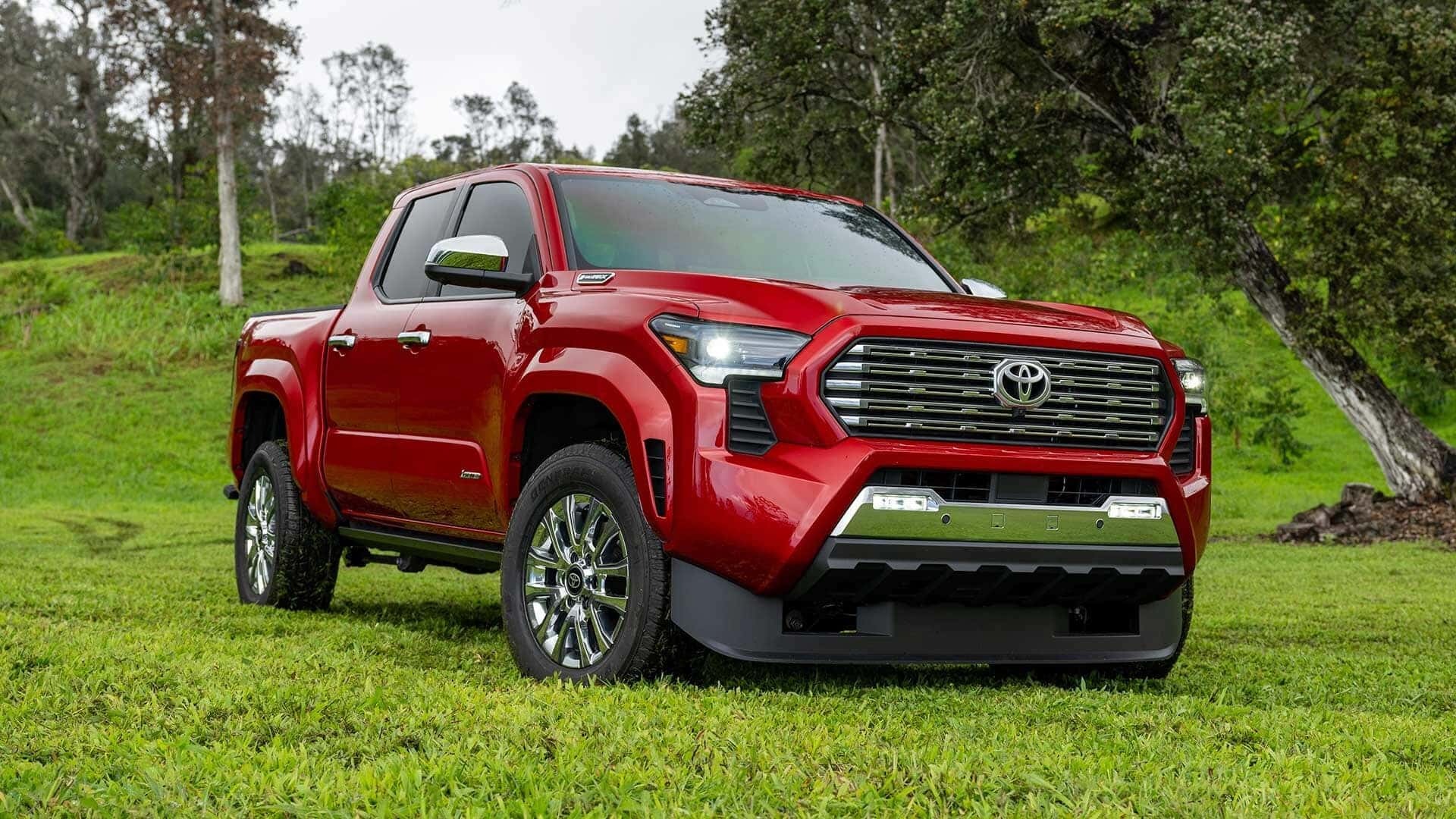
1. Toyota Tacoma (Second and Third Generations)
The Toyota Tacoma is widely recognized for its dependability and resilience. What makes the second and third-generation Tacomas particularly respected is how they improved upon the early rust issues of the first generation. After widespread reports of frame rust in early Tacomas, Toyota stepped up.
They not only recalled and replaced many rusted frames, but they also began building later models with better rust-resistant coatings and galvanized steel. This change significantly improved their durability, especially in northern states where road salt accelerates corrosion.
By the time the second-generation Tacoma hit the market in 2005, Toyota had clearly learned from past mistakes. Frames were coated more thoroughly, and underbody protection became more standardized.
In addition, many components that were once highly susceptible to rust were either re-engineered or built with stronger materials.
Owners often report seeing minimal rust even after a decade of winter driving. Compared to domestic trucks in similar age ranges, Tacomas have stood the test of time quite well.
The third-generation Tacoma, introduced in 2016, continued this focus on corrosion resistance. Toyota maintained a solid frame design and utilized advanced rustproofing technologies.
Many truck enthusiasts appreciate how the Tacoma can rack up hundreds of thousands of miles while still looking relatively clean underneath. This is especially true for drivers who perform even the most basic undercarriage maintenance once or twice a year.
While no truck is immune to rust, the Tacoma is one of the few that has made a clear leap forward in response to prior issues.
Its design, combined with the manufacturer commitment to quality control, makes it a reliable choice for those concerned about long-term corrosion. For buyers in rust-prone regions, this truck often sits at the top of the list.
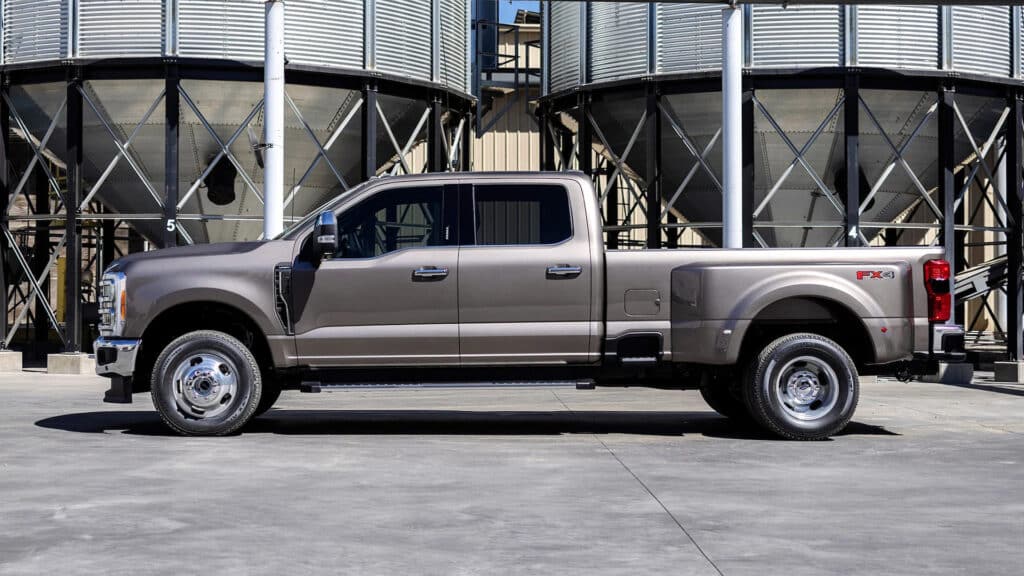
2. Ford Super Duty (2011–2020)
Ford’s Super Duty lineup, especially from 2011 to 2020, has a solid reputation for resisting rust. These trucks were built to serve commercial and heavy-duty purposes, so Ford placed significant focus on their structural endurance.
Unlike some earlier models, the newer Super Duty trucks utilized high-strength steel treated with protective coatings to handle heavy snow, salt, and humid conditions.
A standout feature in these models is the use of aluminum in the body panels starting around 2017. Although aluminum can dent more easily than steel, it doesn’t rust like traditional steel does.
This move helped minimize external corrosion issues, especially on the bed and doors. Underneath, these trucks featured improved frame coatings, with added protection in key salt-vulnerable areas like brake lines and crossmembers.
Fleet owners who run Super Duty trucks for municipal or industrial purposes often report impressive resistance to corrosion, even after 5–8 years of use. This is particularly true when some form of undercoating is applied within the first year or two.
Mechanics servicing these trucks note that while some surface rust on suspension components is common, serious structural rust is far less frequent than on comparable models from other brands.
It’s also worth noting that Ford addressed many rust-related complaints from their earlier F-250 and F-350 models, where rust-through around wheel wells and rocker panels was a well-known issue.
With the redesigned frames and improved materials used from 2011 onward, many of these concerns have been largely resolved. Super Duty trucks are now known to offer impressive longevity with relatively low maintenance if owners take even moderate care of them.
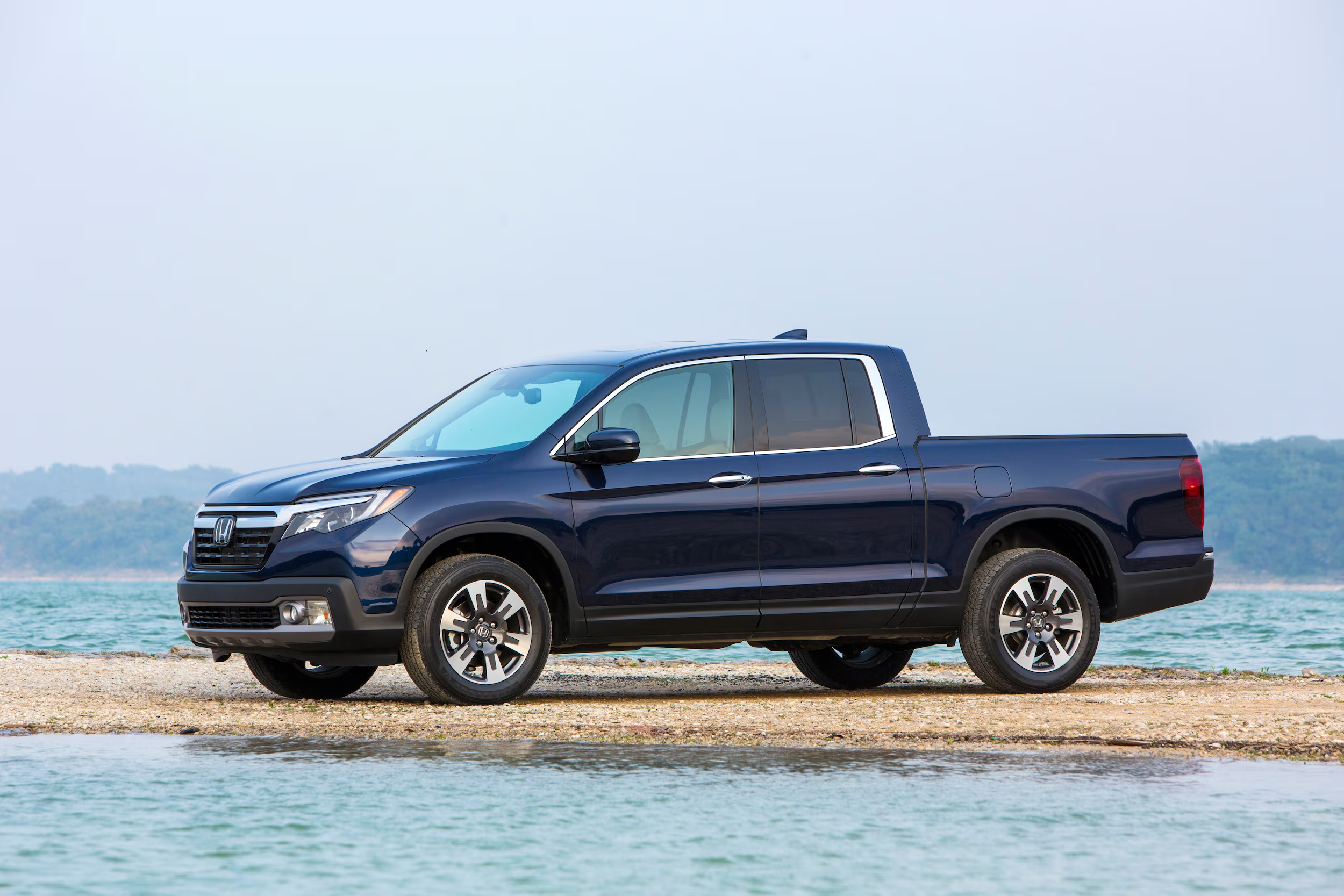
3. Honda Ridgeline (All Generations)
Though the Honda Ridgeline is not a traditional body-on-frame truck, it has built a reputation for resisting rust surprisingly well.
Its unibody construction, shared with the Honda Pilot and Passport, is less prone to the kinds of frame rust problems that plague many other pickups. While some purists question whether it should even be called a “truck,” the Ridgeline’s corrosion resistance is hard to argue with.
The Ridgeline’s design naturally avoids many of the traps where rust typically develops in trucks. There are fewer frame cavities where moisture and salt can settle and accumulate over time.
Honda also applied high-quality primers and undercoating on most Ridgeline models, especially in northern U.S. markets where winter conditions are harsh. This means that even vehicles driven for years in snowbelt regions often show minimal rust damage.
Honda’s quality control also helps the Ridgeline stay looking newer for longer. Door sills, wheel wells, and tailgates are all less susceptible to bubbling or paint flaking, which are often the early signs of corrosion.
Even on older models, such as those from 2006 to 2014, many Ridgelines show only cosmetic rust around bolts or hardware, not serious frame or body damage.
While the Ridgeline isn’t built for the same kind of off-road abuse as some of its full-size competitors, it shines in daily use and mild work environments.
Its rust resistance, combined with Honda’s general reliability, makes it a smart choice for buyers who want a low-maintenance, long-lasting truck that won’t require major repairs due to corrosion.
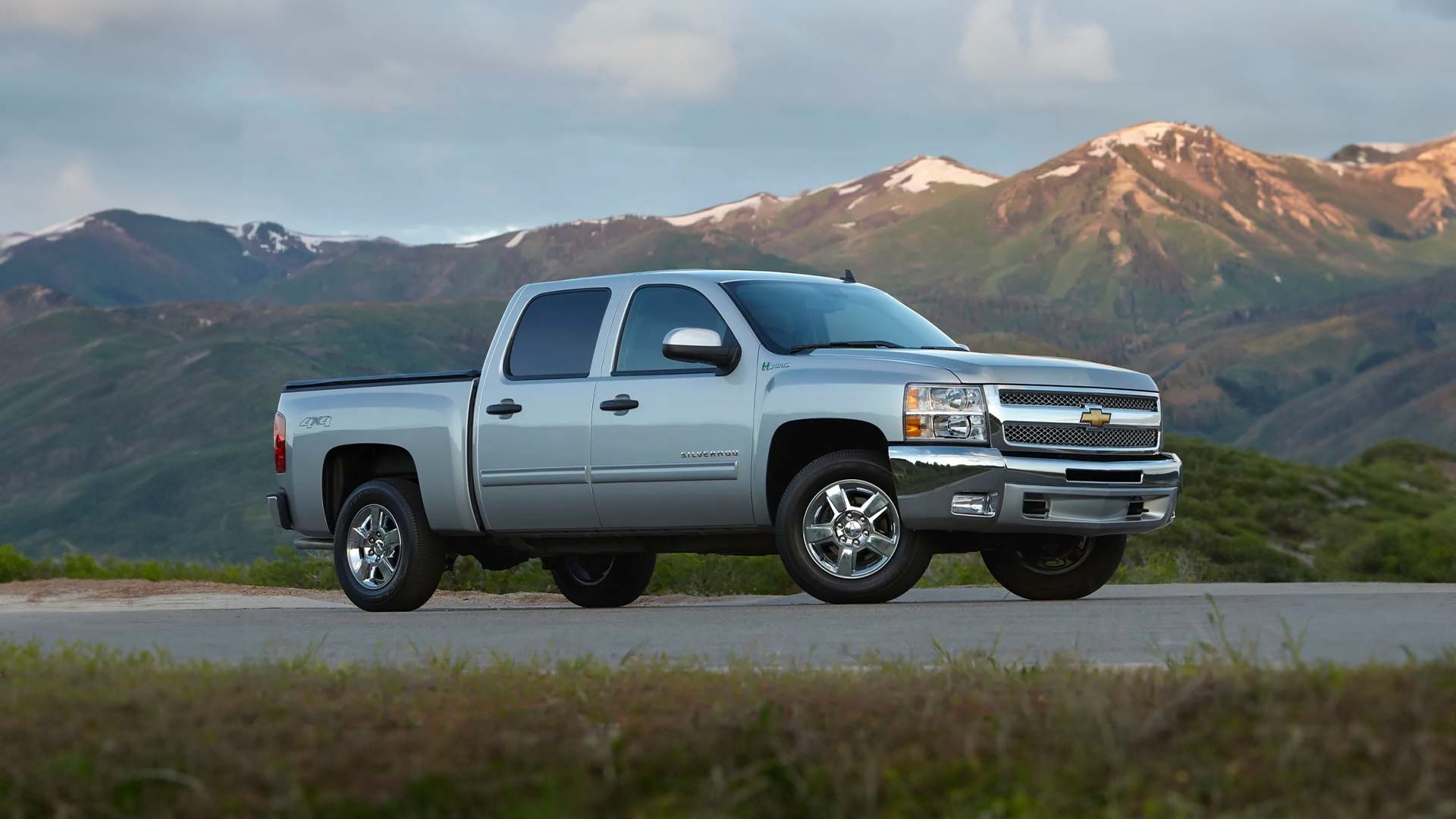
4. Chevrolet Silverado (2014–2018)
The 2014–2018 Chevrolet Silverado saw several improvements in rust protection over previous generations. General Motors made a point to improve materials and coatings after customer complaints about frame and body rust on older models.
This generation introduced more advanced metal treatments, better drainage designs, and wider use of galvanized steel panels in the body.
One of the biggest improvements came with the boxed frame, which provided not only structural rigidity but also greater protection from rust-causing elements.
The frame was treated more thoroughly than in past versions, and brake lines were manufactured from corrosion-resistant alloys, a big step up from previous designs that were prone to failure in northern climates.
Owners often report that Silverados from these years hold up well in snowy regions, particularly if they were factory-treated or given aftermarket undercoatings.
While the paint isn’t the strongest in the segment, and some models do show wear on the tailgate or around the cab corners, the structural parts of the truck remain solid. It’s not uncommon to see these trucks with over 200,000 miles and only minor cosmetic rust, provided they received basic care.
Compared to earlier Silverados that often had widespread rust issues by the 100,000-mile mark, this generation represented a noticeable improvement. While not perfect, these trucks gave buyers a much better chance at long-term ownership without the threat of serious underbody corrosion or structural weakness.
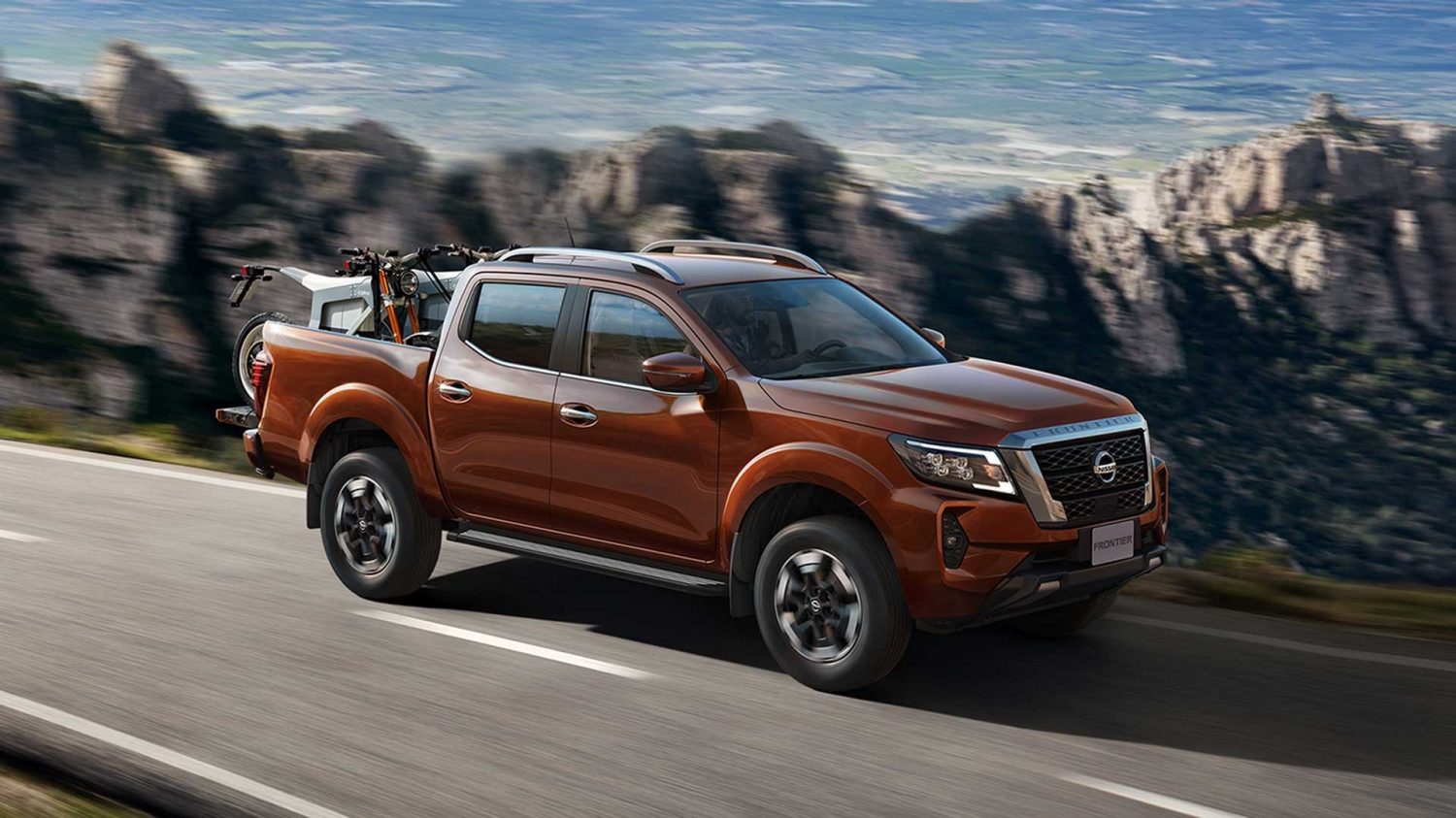
5. Nissan Frontier (2005–2021)
The Nissan Frontier, particularly the second-generation model running from 2005 through 2021, has quietly earned a reputation for being tough and rust-resistant.
Although it doesn’t always grab headlines, the Frontier is a simple, reliable, and well-built truck that avoids many of the rust traps that impact its competitors.
Its fully boxed frame was zinc-coated at the factory, offering good protection from moisture and road salt.
Owners in snow-prone states like Michigan, New York, and Minnesota frequently report minimal frame corrosion, even on trucks that see regular winter driving. While some surface rust does appear on exposed components, it rarely leads to serious issues.
Nissan’s paint and undercoating practices on the Frontier were better than average for the time. The wheel wells, rockers, and tailgate area remain surprisingly solid on many older models, even without much aftermarket rustproofing.
This is particularly because many trucks from the mid-2000s struggled with premature rust in these very spots.
What helps the Frontier avoid rust in the long term is its simplicity. Fewer electronic components and fewer design quirks mean fewer places for water to pool or corrosion to start. It’s also relatively easy to maintain and clean.
Many owners who use their trucks for work or light off-roading are impressed by how well the frame and body hold up with just
5 That Crumble Too Soon
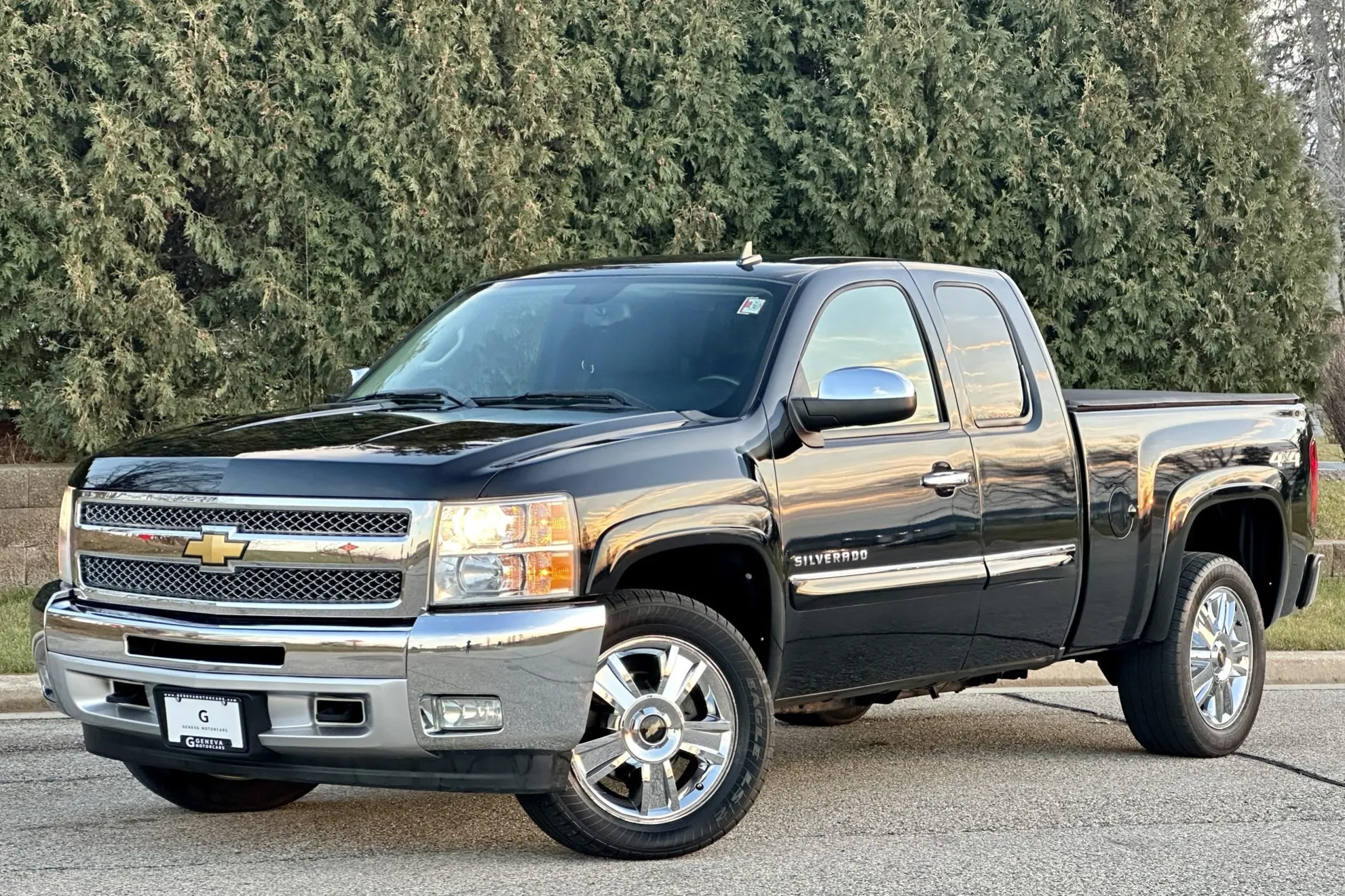
1. Chevrolet Silverado (1999–2006)
The Chevrolet Silverado models built between 1999 and 2006 are some of the most commonly criticized trucks when it comes to rust. While they were extremely popular for their powerful drivetrains and comfortable ride, their resistance to corrosion was far below industry expectations.
One of the most problematic areas was the frame, which often began to rust out prematurely, sometimes within five or six years, particularly in colder climates where road salt is regularly used.
The worst part is that this wasn’t just cosmetic rust. It often involved core structural components, such as crossmembers and suspension mounts, which could turn into a serious safety hazard if left unchecked.
Many Silverado owners noticed that the rear wheel wells and rocker panels would begin to bubble and flake after only a few winters. Paint adhesion was poor in several areas, and GM’s protective coatings lacked both uniformity and thickness. As a result, once the rust process started, it spread quickly.
What made matters worse was the lack of effective factory drainage around the rocker panels, causing water and debris to collect in hidden cavities.
Over time, this created perfect conditions for rot to develop. It’s not uncommon to see these trucks with large sections of rusted-out sheet metal even when the engine and transmission are still in good shape.
Brake and fuel lines were another weak spot on these trucks. Made of materials that corroded easily, they often became brittle and failed long before the vehicle was considered “old.”
Several recalls and service bulletins were issued over the years to address these failures, but the underlying materials and design flaws meant that rust-related problems were never fully resolved in this generation. Mechanics in northern states can often identify a Silverado from this era just by glancing at the corroded frame or brake line mess.
Despite being reliable in many mechanical areas, these Silverados are often avoided in the used truck market by buyers who prioritize longevity and safety.
For those who already own one, rust prevention requires aggressive early treatment, regular washing of the undercarriage, and ongoing inspections. Even then, rust often finds its way in and compromises what is otherwise a dependable truck platform.
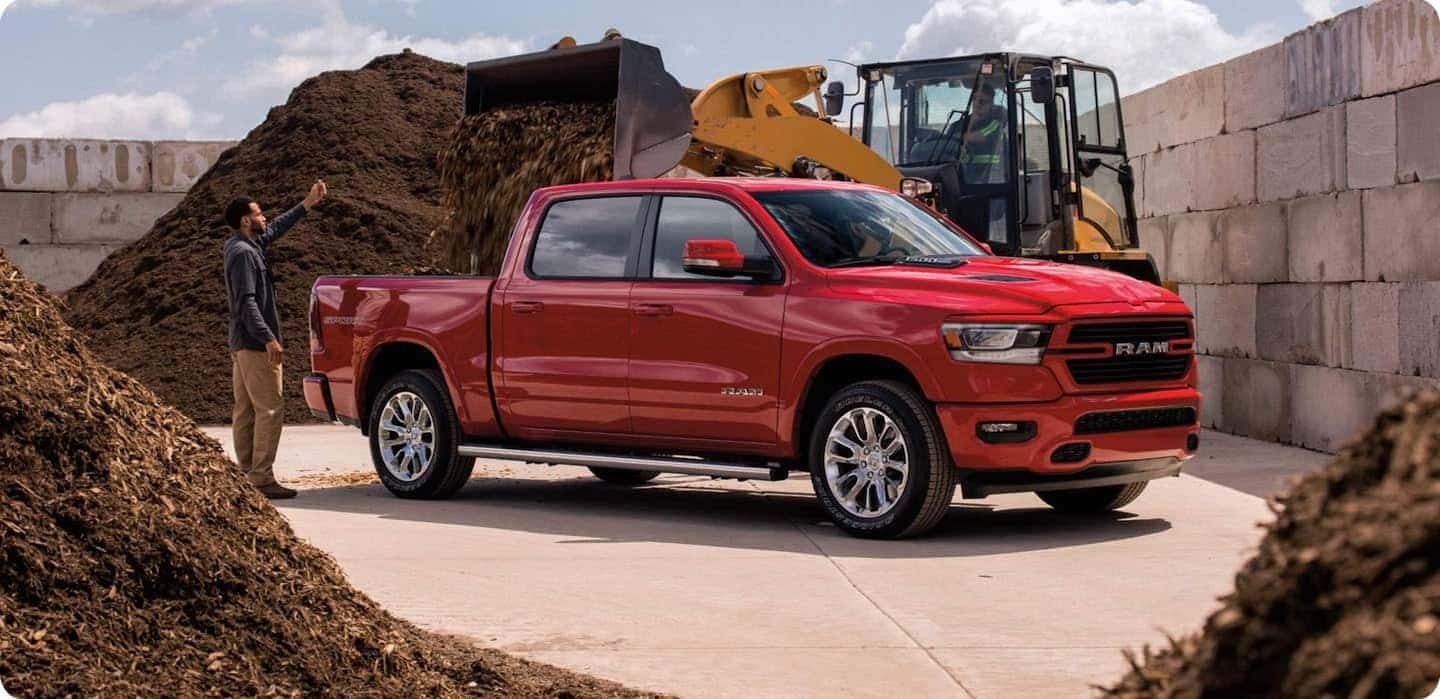
2. Dodge Ram 1500 (2002–2008)
Dodge Ram trucks from the 2002 to 2008 model years are notorious for early and aggressive rust problems.
Although these trucks had a bold, distinctive look and came with strong engine options, their bodies and frames were often among the first to fall victim to corrosion.
A common theme among owners is frustration with how quickly rust appeared, even on well-maintained vehicles.
Rocker panels and wheel arches were frequent problem areas, often rusting through completely before the truck reached 100,000 miles. This was especially frustrating given that many of these trucks were otherwise running strong mechanically.
One of the key issues was poor rustproofing from the factory. Dodge did not use galvanized steel extensively during this period, and many frames were only lightly coated. This made them highly vulnerable to moisture and road salt.
Water tended to get trapped behind plastic fender liners and under body trim, creating a concealed environment where rust could thrive undetected.
By the time it became visible on the surface, significant damage had often already occurred underneath. Entire sections of the truck bed and cab corners could rot away without warning.
Another common point of failure involved the tailgate and bed supports. These parts were especially prone to rust, and it wasn’t rare to find tailgates that no longer closed properly due to weakened mounting points.
The fuel filler necks, brake lines, and even the suspension mounts also rusted far earlier than they should have, causing expensive repairs or forcing owners to retire the vehicle prematurely.
Despite its good looks and solid drivetrain options like the 5.7L HEMI V8, the truck’s long-term value was heavily affected by these rust issues.
Used Ram 1500s from this generation are often priced lower than comparable Fords or Chevys of the same era, and the reason becomes clear during a visual inspection.
Potential buyers in rust-prone areas are frequently warned to avoid these models unless significant restoration work has already been done. For many, the cost of repairing the rust is simply not worth it, especially when it affects structural areas that impact the safety and integrity of the vehicle.
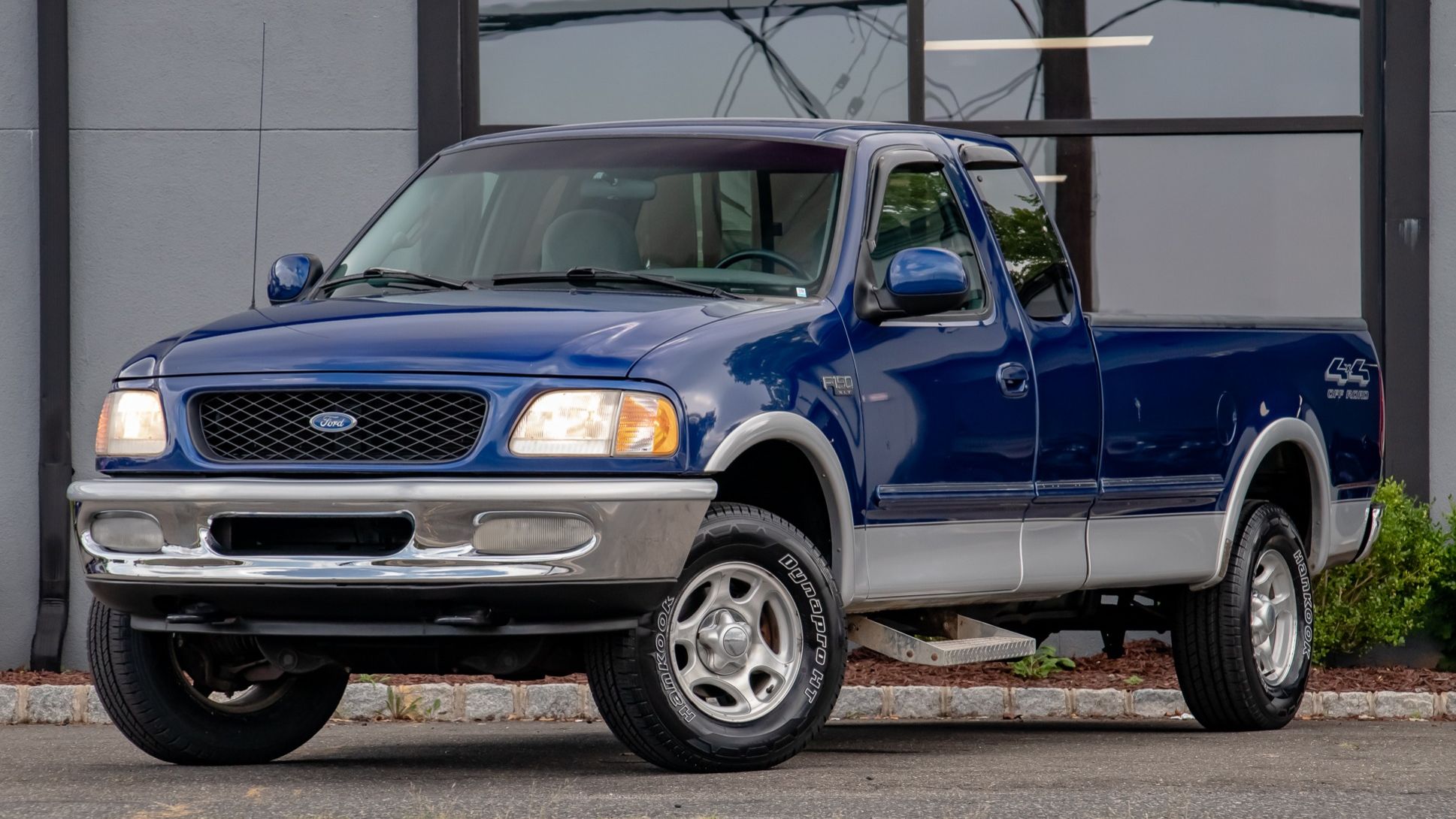
3. Ford F-150 (1997–2003)
The Ford F-150 may be one of the best-selling trucks of all time, but that doesn’t make it immune to serious design flaws. The 1997–2003 models, in particular, struggled with rust in nearly every major area. Owners began reporting rust within just a few years of purchase, especially in northern climates.
One of the most commonly affected parts was the frame. Some owners discovered entire sections of the frame riddled with deep rust, sometimes resulting in holes that compromised the truck’s structural safety.
Crossmembers and spare tire mounts were especially problematic and in some cases would fail outright, causing the spare tire to fall off while driving.
Wheel wells, rocker panels, and cab corners were also prone to corrosion. The paint used on these trucks had poor adhesion in some batches, and once it started peeling, moisture would creep in quickly.
Ford attempted to address some of these problems with service campaigns and extended warranties for frame rust-through, but not all trucks qualified, and many owners were left dealing with costly repairs on their own.
In many cases, people reported extensive rust damage even though the engine and transmission were still running strong, which led to significant frustration.
The design flaws that contributed to rust included poor drainage and water retention around the bed and fenders. Dirt and salt had a tendency to accumulate behind body panels, creating a perfect environment for rust to spread.
Compounding the issue, many trucks from this era didn’t come with undercoating unless the buyer specifically opted for it.
This meant that a large number of these F-150s were essentially unprotected from the start. Even aftermarket treatments couldn’t fully stop the damage once the rust had begun to take hold.
Today, many older F-150s from this period can still be found on the road, but a close look often reveals extensive patchwork or visible corrosion. It’s not uncommon to see trucks with entire rocker panels or bed supports replaced.
For buyers considering a used F-150 from this era, a very thorough underbody inspection is necessary. Despite their affordable price and still-functional drivetrains, the risk of long-term rust damage makes them a difficult choice in rust-prone climates.
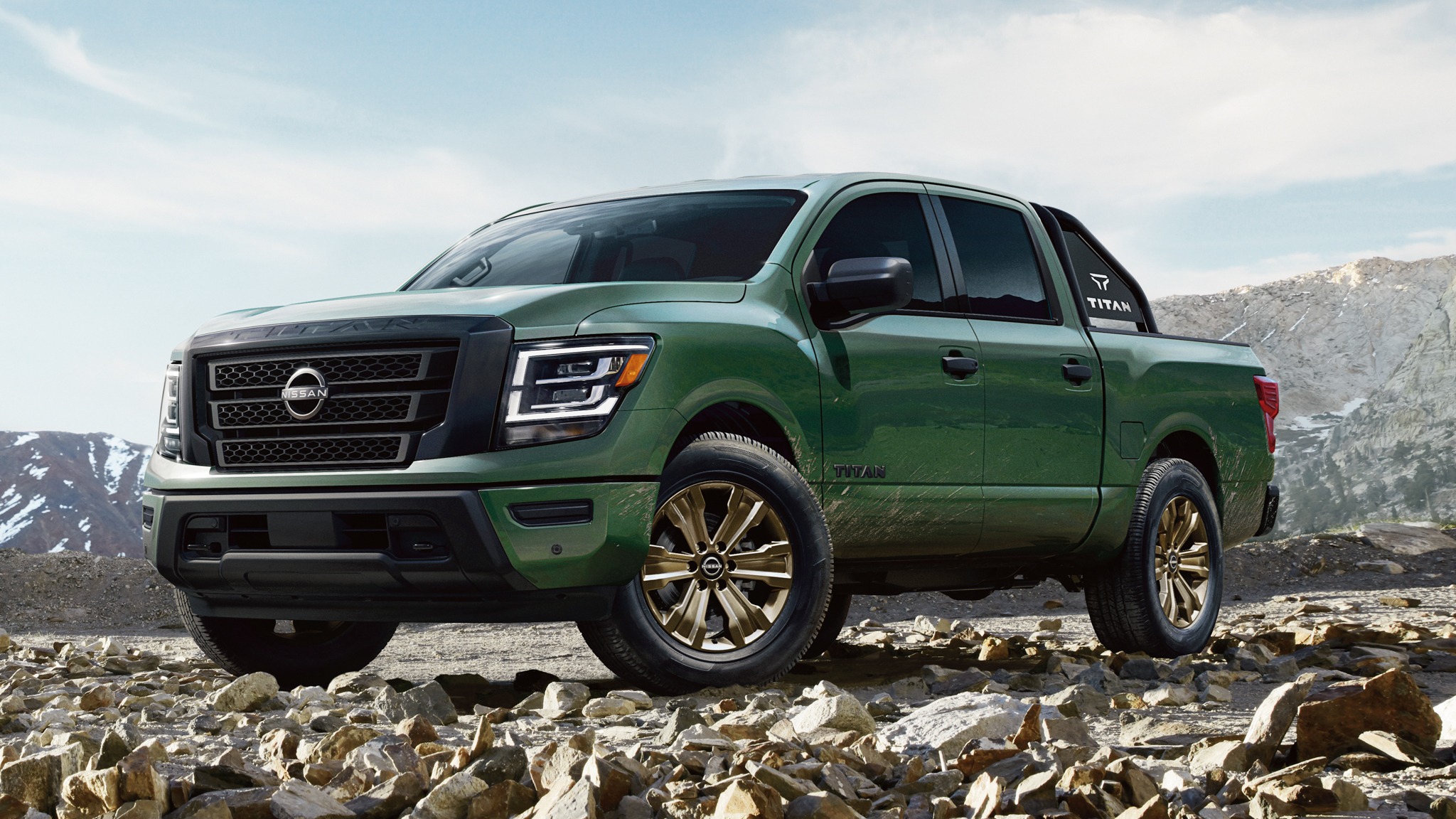
4. Nissan Titan (2004–2015)
When Nissan introduced the Titan in 2004, it aimed to take on the full-size American pickups with a bold design and powerful V8. While it did offer strong performance and a roomy cabin, it quickly developed a reputation for rust issues that tarnished its image.
Owners across the country, especially in northern states, began noticing significant corrosion in key structural areas well before the trucks reached high mileage. Frame rust was the most serious problem.
In many cases, the rust wasn’t just surface-level either, it affected load-bearing sections of the truck, which could lead to major safety concerns. One contributing factor was the quality of steel and frame coatings used during manufacturing.
Nissan did not apply the same level of rust protection as some of its competitors, and many Titans left the factory without proper undercoating. Areas around the wheel wells, bed mounts, and the front subframe were especially vulnerable.
Moisture and salt had easy access to these areas due to poorly sealed body seams and gaps in the protective coatings. Over time, this exposure led to structural weakening and, in severe cases, complete frame failure.
The Titan’s bed and tailgate area were also common trouble spots. Owners often reported bubbling paint and flaking within the first five to seven years. In some instances, the corrosion became so advanced that bed supports and tailgate hinges lost their structural integrity.
For a full-size truck meant to handle heavy loads and towing, this was a serious drawback. Even parts like the brake lines and fuel system components suffered from early rusting, adding to the list of concerns.
Despite offering a comfortable interior and solid engine performance, the first-generation Titan’s rust problems made it a tough sell in used markets. Buyers looking for a long-term vehicle often passed on these trucks in favor of more durable competitors.
Nissan did improve rust resistance in later models, particularly starting with the second-generation Titan, but by that time, the damage to the brand’s reputation in truck durability had already been done.
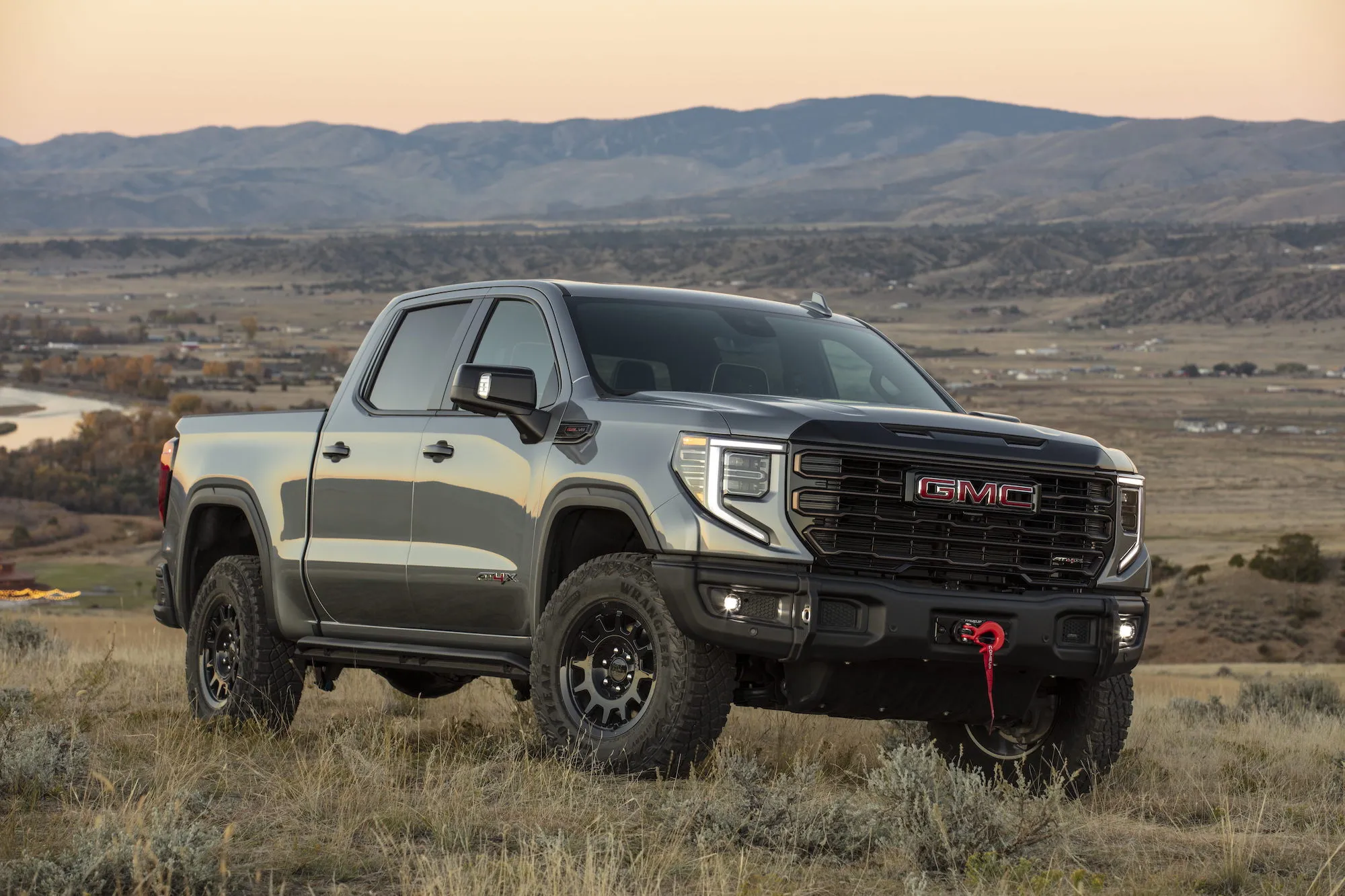
5. GMC Sierra (1999–2006)
The GMC Sierra, which shares its platform with the Chevrolet Silverado, suffered from nearly identical rust issues in the 1999 to 2006 model years. On the surface, these trucks appeared to be solid and well-built, with good towing capabilities and a comfortable ride.
However, beneath that surface, rust was often hiding in critical structural areas. Frames were among the most severely affected, with rust forming around crossmembers, suspension mounts, and fuel tank straps. These problems were especially common in regions that used road salt during the winter.
The brake and fuel lines on these trucks were another well-known point of failure. Made from materials that corroded rapidly when exposed to salt and moisture, these lines often had to be replaced well before 100,000 miles. In extreme cases, they failed without warning, causing sudden loss of braking power or fuel leaks.
GMC eventually updated the materials used in later models, but the earlier trucks were left with a serious long-term vulnerability. Despite having engines that could easily last 200,000 miles or more, many Sierras were scrapped due to rust that made them unsafe to drive.
The bed and rear wheel arches were also weak spots on these trucks. Water would get trapped behind fender liners or splash guards, and because of insufficient drainage, rust would start from the inside and spread outward. Once the paint started to bubble or flake, it was often too late to stop the corrosion.
Even with regular washing and maintenance, many owners struggled to keep rust from advancing. Unlike some competitors, GMC didn’t offer widespread corrosion warranties that addressed the core structural issues, leaving many customers to deal with expensive repairs on their own.
Despite these problems, the Sierra remained popular thanks to its powerful engines and comfortable ride. However, in areas where rust is a serious concern, this generation of GMC trucks is often considered a risky purchase.
Many end up in scrapyards long before their powertrains wear out, making them a clear example of how poor corrosion resistance can shorten the life of an otherwise capable vehicle.
Also Read: 10 Motorsports Engines That Proved Reliable in Daily Cars
Rust can be the silent killer of even the most powerful and well-maintained pickup trucks. While engines and transmissions often get the spotlight in discussions about durability, the truck’s resistance to corrosion is just as important, especially for owners living in areas where winter road salt and moisture are a constant threat.
A truck may perform well mechanically for years, but if its frame is rusted or the body is falling apart, its value, safety, and usability drop significantly.
The contrast between the models listed in this article shows how much of a difference proper materials, engineering choices, and factory rust protection can make in the long run.
On the more durable side, trucks like the Toyota Tacoma, Ford Super Duty (2011–2020), and Honda Ridgeline show how modern design, improved frame treatments, and even the use of aluminum can significantly increase a truck’s lifespan in harsh conditions.
These models tend to maintain structural integrity well past 150,000 miles, with owners often reporting only minimal rust after many winters on the road.
Their longevity is not just the result of strong mechanical components, but also thoughtful engineering that takes rust prevention seriously.
For buyers who plan to keep a truck for many years or rack up high mileage, choosing one of these models can mean fewer long-term headaches and lower repair bills.
On the other hand, trucks like the Chevrolet Silverado (1999–2006), Dodge Ram 1500 (2002–2008), and Ford F-150 (1997–2003) serve as cautionary tales. While they may have offered great performance and comfort when new, their widespread rust issues have shortened their usable lifespans for many owners.
Once rust takes hold in key structural areas, repairs can be costly or even impractical. In some cases, it’s not just cosmetic damage, it’s the kind of deterioration that leads to failed inspections, safety concerns, and early retirement of an otherwise mechanically sound truck.
Choosing a rust-resistant truck isn’t just about appearances; it’s about preserving safety, performance, and long-term value.
Whether you’re shopping used or new, paying attention to a model’s reputation for rust durability can help you avoid frustrating surprises down the road. A little research upfront can save years of trouble later, and can keep your truck working as hard as you do for the long haul.
