
Transmissions and gearboxes are some of the most critical components of any vehicle. They serve as the link between the engine and the wheels, controlling the power delivery and enabling smooth acceleration and efficient driving.
Whether a vehicle’s transmission is reliable or prone to failure can drastically affect the ownership experience, repair costs, and satisfaction.
Some vehicles have earned a reputation for having nearly indestructible transmissions, often lasting hundreds of thousands of miles with minimal issues. Others, unfortunately, have become infamous for transmission problems, requiring costly repairs or replacements far earlier than expected.
Understanding which vehicles have bulletproof transmissions versus those with gearboxes that tend to fail early is essential for buyers, enthusiasts, and anyone interested in vehicle longevity and maintenance.
Reliable transmissions not only save money but also provide peace of mind and preserve the driving experience. Conversely, vehicles with problematic transmissions can cause headaches and reduce resale value.
In this article, we will look at five vehicles known for their extremely durable, “bulletproof” transmissions, vehicles that continue to impress owners with their longevity and dependability.
After that, we will examine five vehicles that have developed a reputation for early gearbox failures, where owners often report significant issues within a relatively short period or mileage.
This comparison is drawn from a mixture of industry experience, owner reports, and technical knowledge without relying on current internet searches.
By examining these vehicles, the aim is to offer insight into how transmissions perform over time in real-world conditions and to help those considering a purchase or simply wanting to understand more about drivetrain durability.
Whether you are a gearhead, a commuter, or someone buying your next car, knowing about these transmission strengths and weaknesses will guide you toward better choices and awareness.
Also Read: 10 Muscle Cars That Still Affordable and Reliable
5 Vehicles With Bulletproof Transmissions
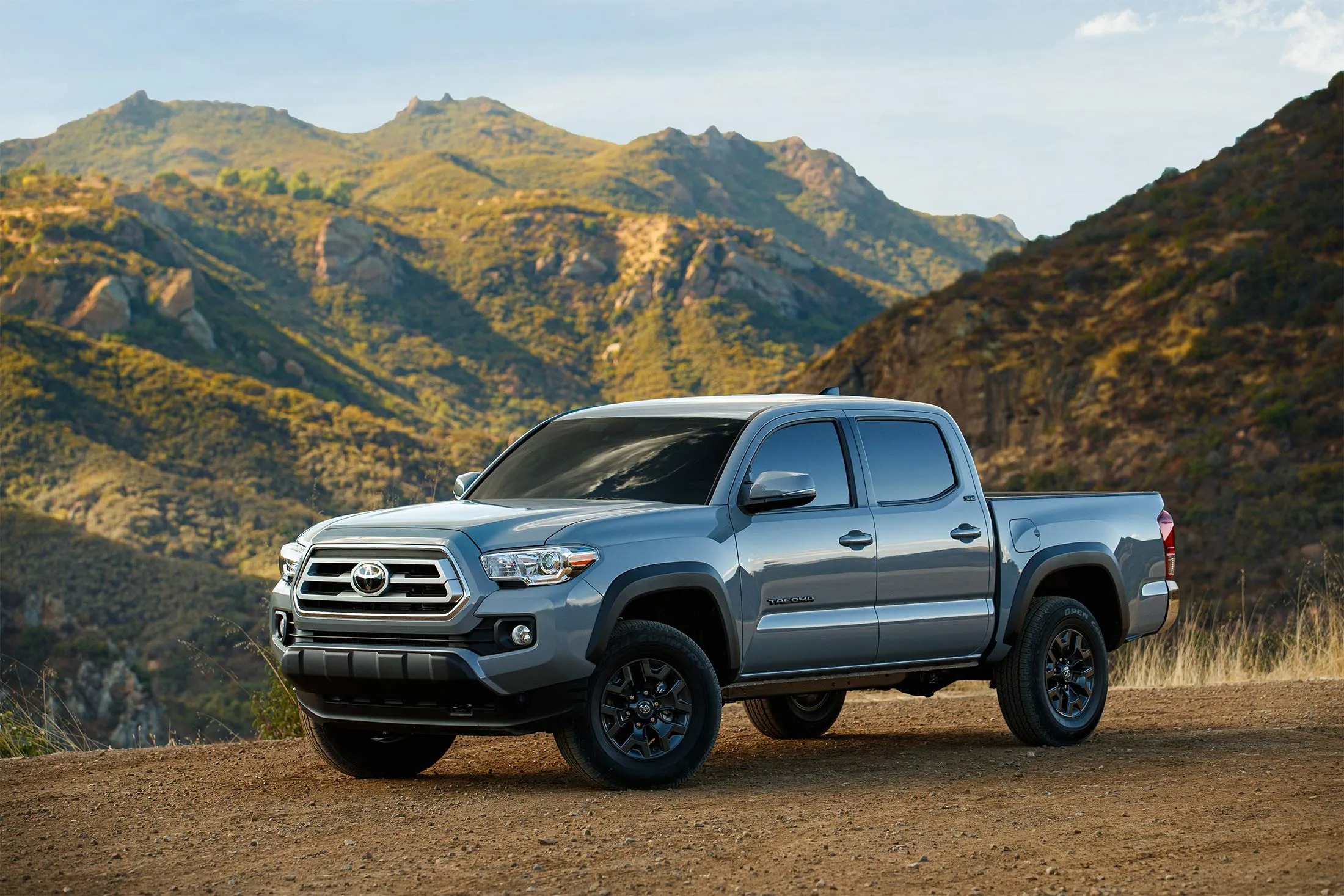
1. Toyota Tacoma (2005–2015)
The Toyota Tacoma, particularly models produced between 2005 and 2015, is widely regarded as having one of the most reliable transmissions in the midsize truck segment.
This reputation is rooted in both the manual and automatic gearboxes used during this era, which consistently demonstrate a remarkable ability to withstand wear and tear even under demanding conditions.
Whether these trucks are used for off-roading, towing, or everyday commuting, the transmissions rarely falter. The manual transmissions are known for their straightforward design, robust synchros, and smooth shifting action, which appeal to drivers who value control and durability.
Meanwhile, the automatic transmissions, ranging from the 4-speed units found in early models to the 5-speed versions in later years, are engineered with heavy-duty components designed to handle the torque and stress of truck use without succumbing to early failure.
This level of reliability is no accident. Toyota has a history of over-engineering key drivetrain components, focusing on quality materials and conservative tuning to maximize the lifespan of their transmissions.
Unlike some manufacturers who push transmissions for quicker shifts or lighter weight at the cost of durability, Toyota prioritizes long-term performance and ease of maintenance.
The transmissions in the Tacoma also benefit from excellent cooling systems that prevent overheating, a common cause of early transmission wear in trucks subjected to heavy loads or off-road conditions.
Owners consistently report Tacomas crossing the 200,000-mile mark and beyond without transmission repairs, which is impressive for vehicles often used in rugged or high-stress environments.
Moreover, the availability of replacement parts and the ease of service contribute to the transmission’s bulletproof reputation. Because Tacomas are popular vehicles with a large enthusiast community, aftermarket support and knowledgeable mechanics are abundant.
This makes routine maintenance straightforward and keeps repair costs relatively low compared to more complicated transmissions found in other trucks.
Many owners emphasize that regular transmission fluid changes and careful driving habits have helped preserve their gearboxes well beyond the expected lifespan, which speaks to both the design and the importance of proper maintenance.
The simplicity, combined with high-quality manufacturing standards, is what makes the Tacoma’s transmissions stand out. While other trucks may feature more advanced or complex transmissions, the Tacoma sticks to proven mechanical principles that have demonstrated durability over decades.
This pragmatic approach has solidified its place as a dependable workhorse, favored by those who need a transmission that won’t let them down even after years of demanding use.
For anyone seeking a midsize truck with a reputation for an almost indestructible transmission, the Toyota Tacoma from this generation remains a top contender.
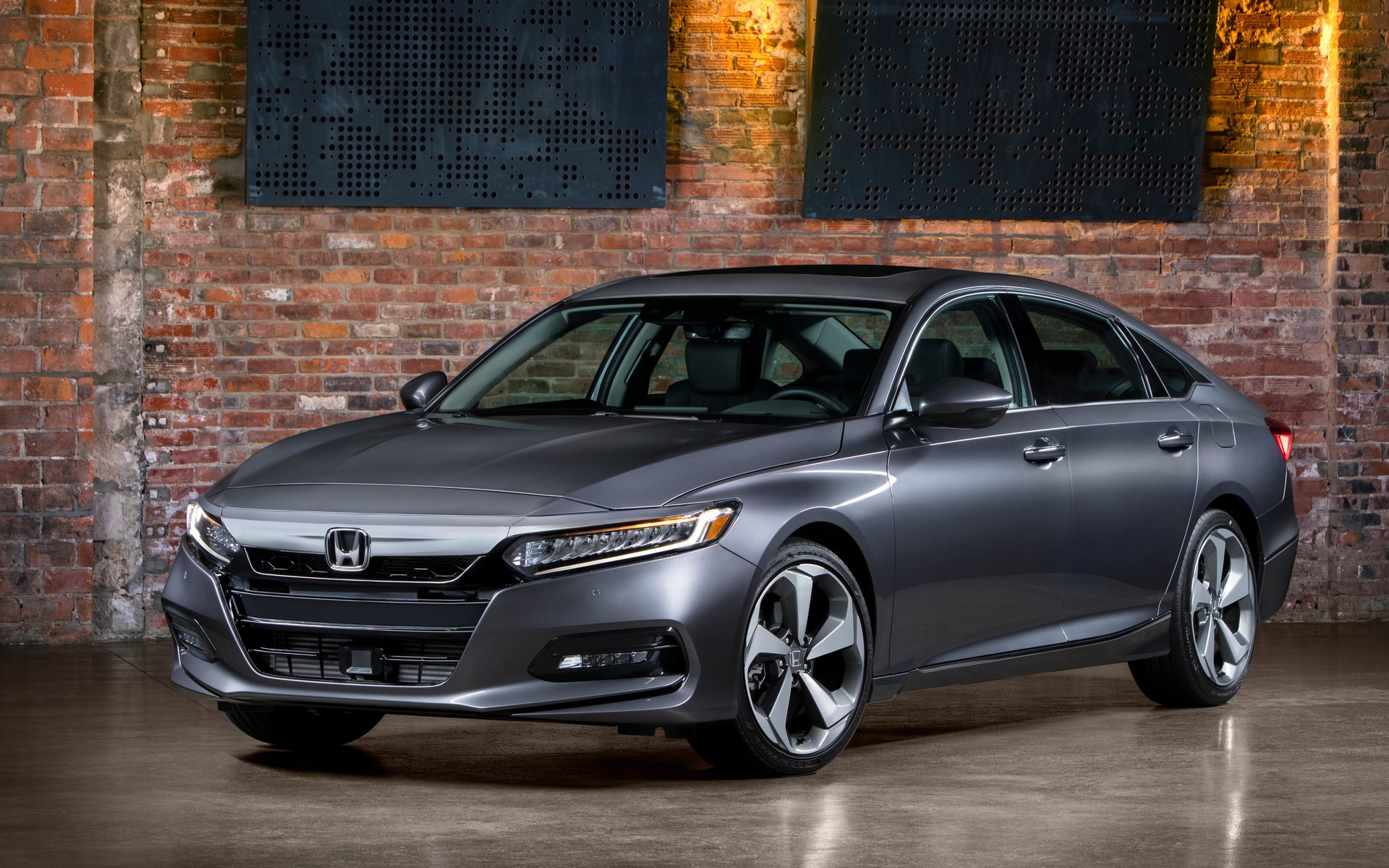
2. Honda Accord (2003–2007)
The Honda Accord from the early to mid-2000s, especially models produced between 2003 and 2007, is another vehicle that is frequently cited for its highly reliable transmissions.
This generation of Accord came equipped with a choice of smooth-shifting 5-speed manual gearboxes or dependable 5-speed automatic transmissions, both of which have earned praise for their longevity.
Honda’s engineering philosophy emphasizes precision, balance, and durability, which is clearly reflected in the transmission designs for these vehicles.
The manual transmissions are particularly admired for their crisp, precise gear changes and mechanical reliability, making them popular among drivers who enjoy engaging driving experiences without compromising reliability.
Meanwhile, the automatic transmissions provide consistent and smooth gear changes with robust internal components that tolerate high mileage well.
One of the reasons the Accord’s transmissions hold up so well is due to Honda’s focus on matching the gearbox closely with the engine’s characteristics.
The transmissions are designed to handle the smooth-running four-cylinder and V6 engines efficiently, without excessive stress or strain on the internal parts.
This balance prevents overheating and excessive wear, two common issues that lead to early transmission failures in other vehicles.
Honda’s commitment to manufacturing quality is also apparent in the materials and design choices made for these transmissions, such as durable clutch packs and reliable hydraulic controls that reduce the chances of premature wear or failure.
Maintenance plays a key role in preserving the transmissions of these Accords. Honda has clear fluid change intervals, and owners who follow these recommendations tend to experience fewer transmission issues.
The mechanical simplicity of these gearboxes, particularly compared to more electronically complex units, helps reduce the risk of sensor failures or electronic glitches that could disrupt shifting performance.
This mechanical reliability also makes repairs easier and less expensive, which contributes to the positive ownership experience.
Finally, the legacy of these transmissions extends beyond just reliability; they also contribute to the Accord’s reputation as a comfortable and efficient family sedan.
Many used car buyers actively seek out these models because of their proven drivetrain durability, which allows them to enjoy a vehicle that performs well without the worry of costly transmission repairs.
This combination of performance, reliability, and ease of maintenance makes the 2003–2007 Honda Accord a standout when it comes to bulletproof transmissions in mid-sized sedans.
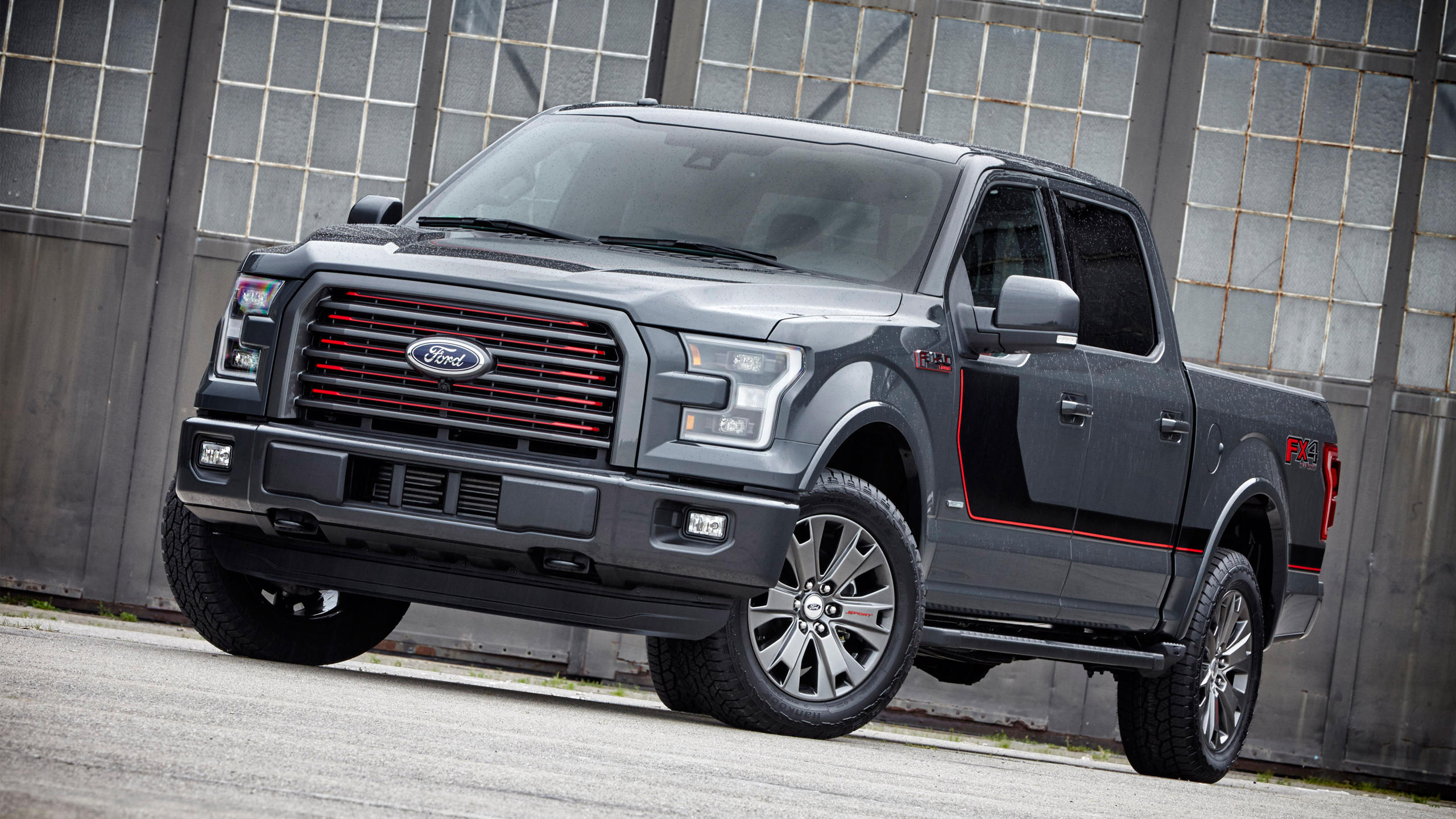
3. Ford F-150 (2011–2014, 3.5L EcoBoost V6)
The Ford F-150, particularly the 2011 to 2014 models equipped with the 3.5L EcoBoost V6 engine, is widely praised for its durable transmission pairing.
This generation of F-150 trucks benefited from a 6-speed automatic transmission specifically designed to handle the considerable torque output of the EcoBoost engine.
What sets this transmission apart is its heavy-duty internal components, advanced cooling systems, and refined electronic controls, all contributing to a unit that can withstand heavy towing, off-road use, and everyday driving without giving in to premature wear or failure.
Many owners report that their trucks run smoothly and shift seamlessly, even after tens or hundreds of thousands of miles under tough conditions.
A major factor in the transmission’s durability is its robust design, which was developed with input from Ford’s extensive experience in building trucks for demanding applications.
The transmission features strengthened clutches, reinforced gears, and a highly effective transmission cooler, which helps to dissipate heat and prevent damage during heavy use.
This is especially important for trucks that frequently tow trailers or haul heavy payloads, as overheating is a common cause of early transmission failure in these vehicles.
The transmission’s electronic control module was also updated to provide smooth and timely gear changes, reducing mechanical stress and improving fuel efficiency.
In addition, Ford’s wide availability of replacement parts and service knowledge means that maintenance is straightforward and repairs can be done efficiently when needed.
This ease of service is critical in extending the life of the transmission, as timely fluid changes and software updates help maintain optimal performance and reliability.
The 3.5L EcoBoost F-150 has become a favorite for fleet operators and individual owners alike, thanks to its reputation for combining power and transmission durability in a single package.
Furthermore, the success of this transmission goes beyond just the mechanical strength; it also offers a comfortable driving experience, with quick and smooth shifts that make the F-150 easy to drive both on highways and rough terrain.
The balance of power delivery and reliability has made this truck one of the benchmarks in the full-size pickup market.
For anyone looking for a powerful, modern pickup with a transmission that can truly handle tough conditions without fail, the 2011–2014 Ford F-150 EcoBoost models remain a solid choice.
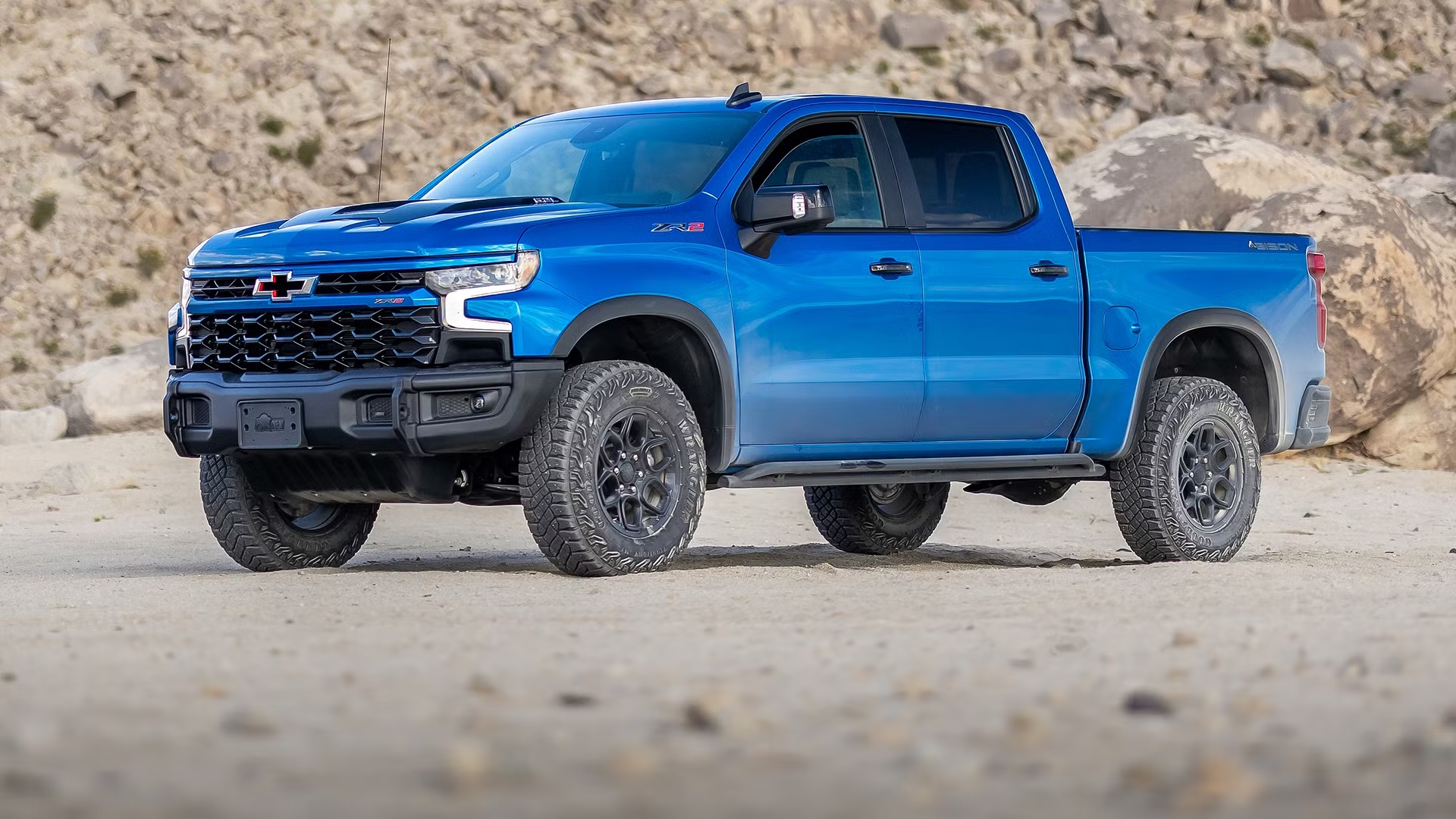
4. Chevrolet Silverado 1500 (2007–2013)
The Chevrolet Silverado 1500 models manufactured between 2007 and 2013 are well-known for their strong and reliable transmissions, particularly those equipped with the 4L60E automatic gearbox.
This transmission, widely used in General Motors trucks and SUVs, has undergone a series of refinements that greatly improved its durability in Silverado applications.
Many Silverado owners report that their vehicles have shifted smoothly and consistently for well over 200,000 miles without the need for major transmission repairs.
The 4L60E’s reputation as a workhorse transmission stems from its rugged internal components, including reinforced clutches, durable gear sets, and reliable hydraulic controls.
The Silverado’s transmission benefits from GM’s engineering focus on balancing strength and efficiency. Despite its relatively simple electronic controls compared to newer transmissions, the 4L60E is capable of handling heavy loads and rough usage, which are common in full-size trucks.
Additionally, the transmission’s cooling system is designed to keep fluid temperatures in check, helping to prevent overheating, a key contributor to early transmission failure.
Many owners who adhere to the recommended maintenance schedules, including timely transmission fluid and filter changes, have found that the 4L60E can last well beyond the typical lifespan expected of automatic transmissions in this segment.
Another reason for the Silverado’s transmission reliability is the availability of aftermarket support and replacement parts. Because the 4L60E has been used in numerous GM vehicles, parts are abundant and relatively affordable.
This availability makes maintenance and repairs more accessible, allowing owners to keep their transmissions in good condition for longer. The mechanical simplicity of the 4L60E, compared to more complex modern transmissions, also means fewer points of failure and easier repairs.
Lastly, the Silverado’s transmission has earned a loyal following among truck owners who rely on their vehicles for heavy-duty tasks such as towing, hauling, and off-roading.
The transmission’s ability to deliver power smoothly and reliably under these conditions has made the Silverado a trusted vehicle for both personal and professional use.
In a market where transmission failures can lead to significant frustration and expense, the 2007–2013 Silverado stands out as a dependable choice with a bulletproof gearbox.
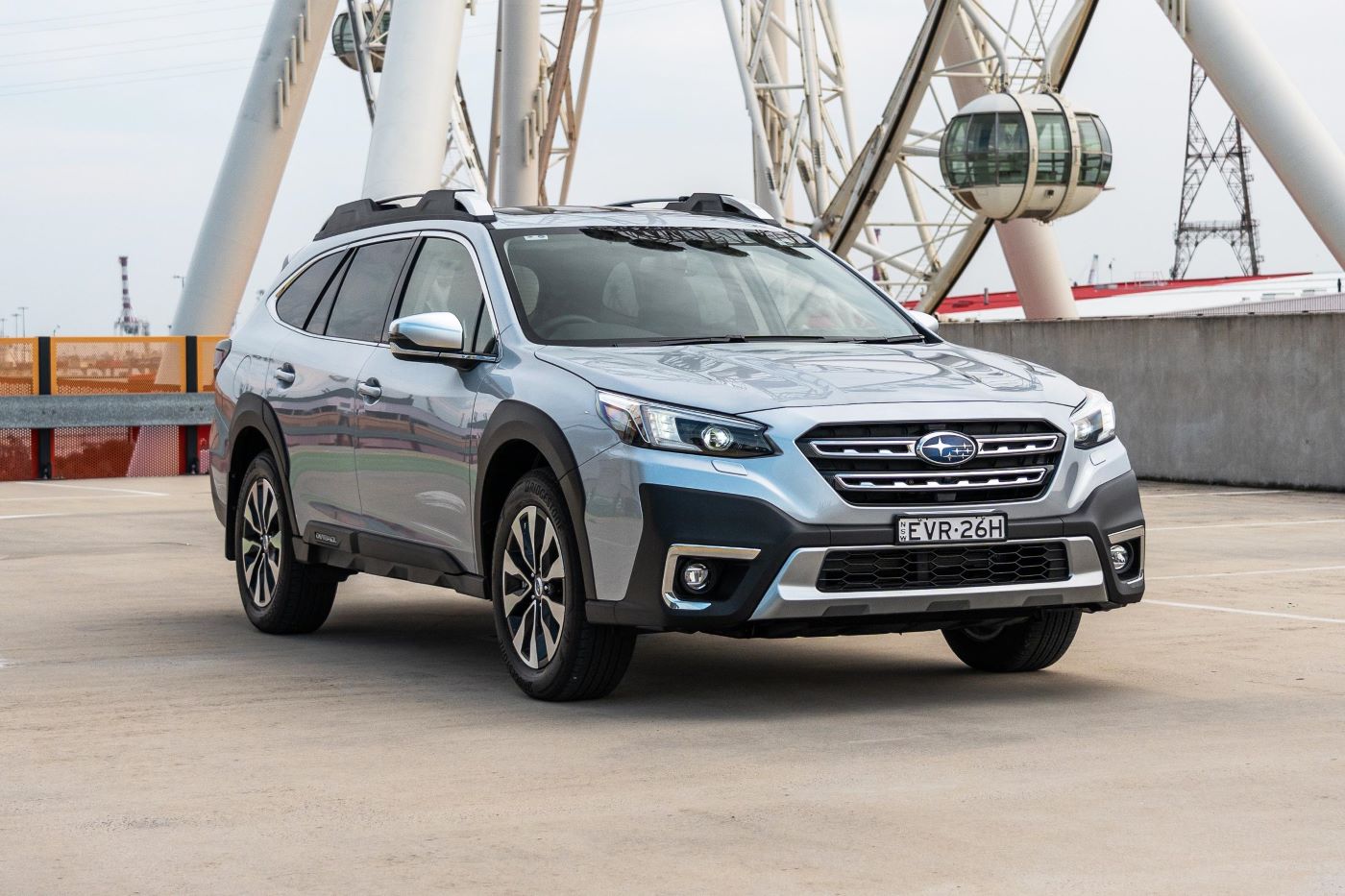
5. Subaru Outback (2009–2014)
The Subaru Outback models from 2009 to 2014 offer a unique example of durable transmissions, particularly because they feature continuously variable transmissions (CVTs), which are often criticized for reliability issues in other vehicles.
However, Subaru’s approach to CVT technology during this period resulted in units that many owners have found to be surprisingly robust and long-lasting.
These transmissions deliver smooth, efficient power delivery and contribute to the Outback’s reputation as a versatile and dependable crossover. Additionally, some Outback models from this era are equipped with manual gearboxes, which are also well-regarded for their durability and smooth shifting characteristics.
Subaru’s success with CVT durability can be attributed to several factors. First, the CVTs used in these Outbacks are designed with high-quality components and are engineered specifically for the unique demands of Subaru’s all-wheel-drive system.
The transmissions balance engine torque with the mechanical limitations of the CVT, ensuring that stress on the belt and pulleys is minimized.
This careful calibration reduces wear and extends transmission life. Secondly, Subaru owners who follow the manufacturer’s maintenance recommendations, including regular fluid changes with Subaru-specific CVT fluid, tend to experience fewer issues than those who neglect service intervals.
Another contributing factor is Subaru’s commitment to drivetrain integration, particularly the way the transmission works in tandem with the all-wheel-drive system to distribute power efficiently.
This results in less strain on the transmission components during acceleration, cornering, and slippery conditions. Unlike some CVTs that struggle with high torque or aggressive driving, the Outback’s CVT has been engineered to cope well with everyday use and moderate driving demands.
Although some owners have reported occasional CVT-related maintenance, such as software updates or minor repairs, the reliability record for these transmissions remains strong. The manual transmissions offered in certain models add another layer of appeal for drivers who prefer more mechanical engagement and proven durability.
For those seeking a vehicle that blends efficiency, versatility, and a gearbox that won’t let them down early, the 2009–2014 Subaru Outback models with either CVT or manual transmissions continue to be a reliable and trustworthy option.
Also Read: 9 JDM Legends That Rarely Need Repairs
5 Vehicles With Gearboxes That Fail Early

1. Land Rover Discovery 3 (2004–2009)
The Land Rover Discovery 3, produced between 2004 and 2009, has become infamous for its problematic transmission reliability. Despite the vehicle’s impressive off-road capabilities and luxury features, its automatic transmissions frequently encounter serious issues relatively early in their lifespan.
Many owners report transmission failures occurring well before reaching 100,000 miles, which is concerning for a vehicle positioned as a premium SUV. The most common symptoms include rough or delayed shifting, slipping gears, unexpected downshifts, and in some cases, total transmission failure.
This has led to costly repairs or complete transmission replacements, placing a financial burden on owners who expect a vehicle of this caliber to be more dependable.
Several factors contribute to these early failures. The Discovery 3 uses a 6-speed automatic transmission paired with complex electronic control modules and sensors that manage shifting and torque delivery.
These electronic components are often prone to faults or failures, causing erratic behavior or the transmission entering a limp mode to prevent damage.
The transmission is also known to suffer from overheating issues, especially under demanding off-road conditions or heavy towing, where the cooling systems are insufficient to maintain optimal fluid temperatures. Overheating accelerates wear on internal parts such as clutch packs and seals, leading to early failure.
Maintenance habits also heavily influence transmission longevity in the Discovery 3. The vehicle requires strict adherence to transmission fluid change intervals, using specific types of fluid suited to its complex systems.
Unfortunately, many owners either overlook these maintenance recommendations or are unaware of the importance of timely service, which exacerbates wear and degradation.
Additionally, repair costs for these transmissions are typically high due to the intricate design and limited availability of parts.
This combination of mechanical complexity, sensitive electronics, and demanding use conditions has earned the Discovery 3’s transmission a poor reliability reputation, often overshadowing the vehicle’s otherwise impressive qualities.
Owners facing transmission troubles with the Discovery 3 often express frustration over the high repair bills and downtime, which contrasts sharply with expectations for a luxury off-road SUV.
While Land Rover has made improvements in newer models, the Discovery 3 remains a cautionary example of how drivetrain issues can significantly impact ownership satisfaction.
Prospective buyers should be cautious and prepared for potential transmission maintenance challenges when considering this vehicle, especially in used markets where past maintenance history is uncertain.
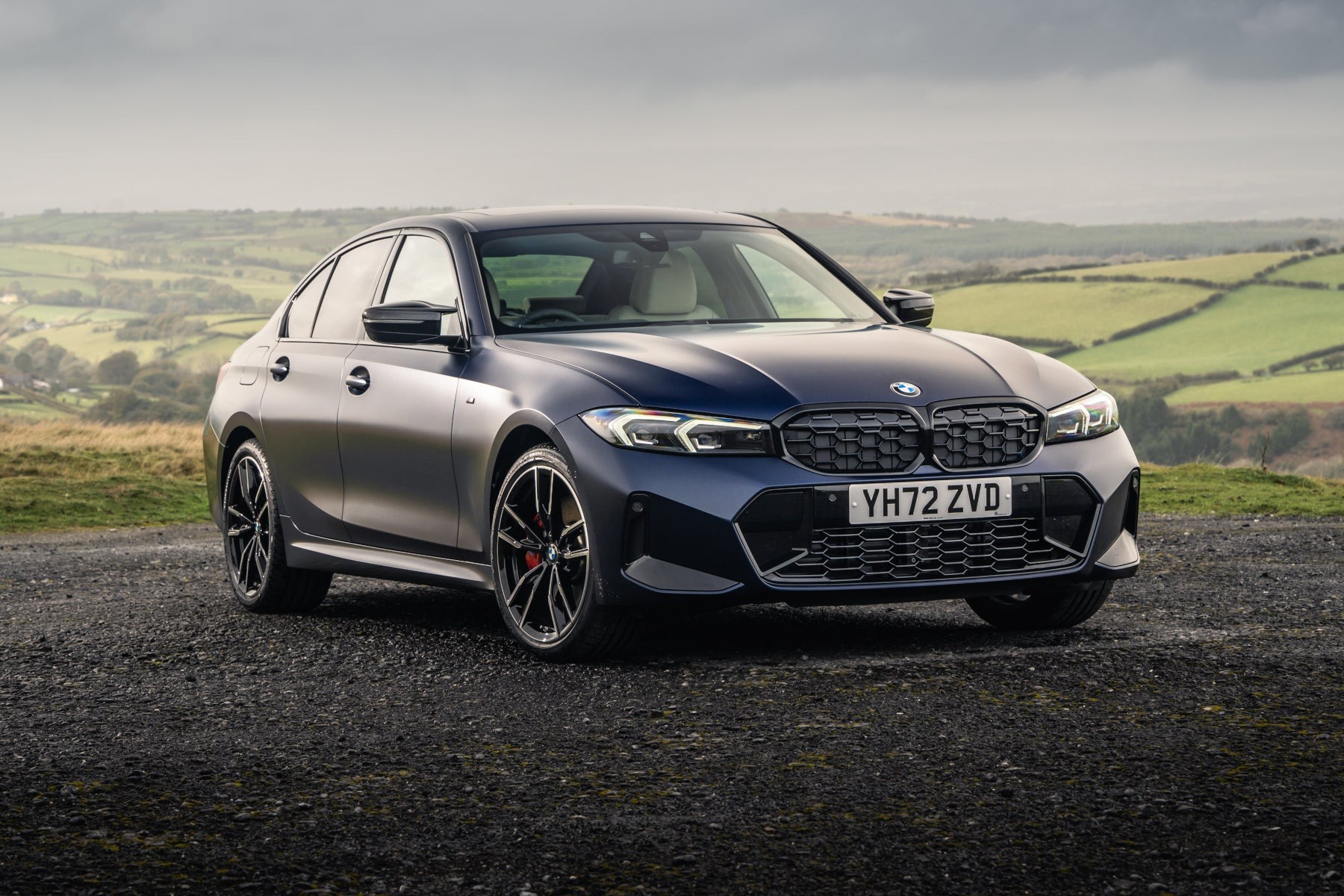
2. BMW 3 Series (E90/E92 2006–2011)
The BMW 3 Series, particularly the E90 and E92 models manufactured between 2006 and 2011, is another vehicle known for its early transmission troubles, despite its reputation for sporty performance and premium quality.
The 6-speed automatic transmissions used in many of these models are prone to a range of issues that can appear before the vehicle hits 100,000 miles, making it a concern for many owners and potential buyers.
Common problems include harsh or delayed gear shifts, erratic behavior such as unexpected downshifts or upshifts, and transmission warning lights that indicate electronic faults.
These symptoms often precede costly repairs or complete transmission replacements, which can be a significant financial setback.
One of the underlying reasons for these failures is the complexity of the ZF 6HP automatic transmission employed by BMW. While this transmission is technically advanced and offers smooth, rapid shifts under normal conditions, it is highly sensitive to fluid quality and maintenance intervals.
The valve body and clutch packs inside the transmission are particularly vulnerable to wear if the transmission fluid is not replaced according to BMW’s strict schedules.
Neglecting fluid changes leads to contamination and degradation of transmission components, which hastens failure. The transmission control module, responsible for managing gear shifts electronically, is also susceptible to glitches and failures, further complicating repairs.
Additionally, the cost and difficulty of repairs for these transmissions are high. BMW’s transmissions require specialized diagnostic tools and expertise to service properly, which increases labor costs and complicates the repair process.
Replacement parts, especially genuine BMW components, are also expensive and can be challenging to source.
Despite these drawbacks, diligent maintenance, such as regular fluid changes and prompt attention to warning signs, can extend the transmission’s lifespan.
However, the early failure tendency remains a significant concern, contributing to a mixed reputation for these popular performance sedans.
This situation has caused frustration among many BMW 3 Series owners, as the transmission issues contrast with the otherwise enjoyable driving dynamics and build quality of the vehicle.
While the 3 Series continues to be a favorite among enthusiasts, those considering these model years should weigh the potential for early transmission problems and factor in the cost of ownership and maintenance when making a purchase decision.
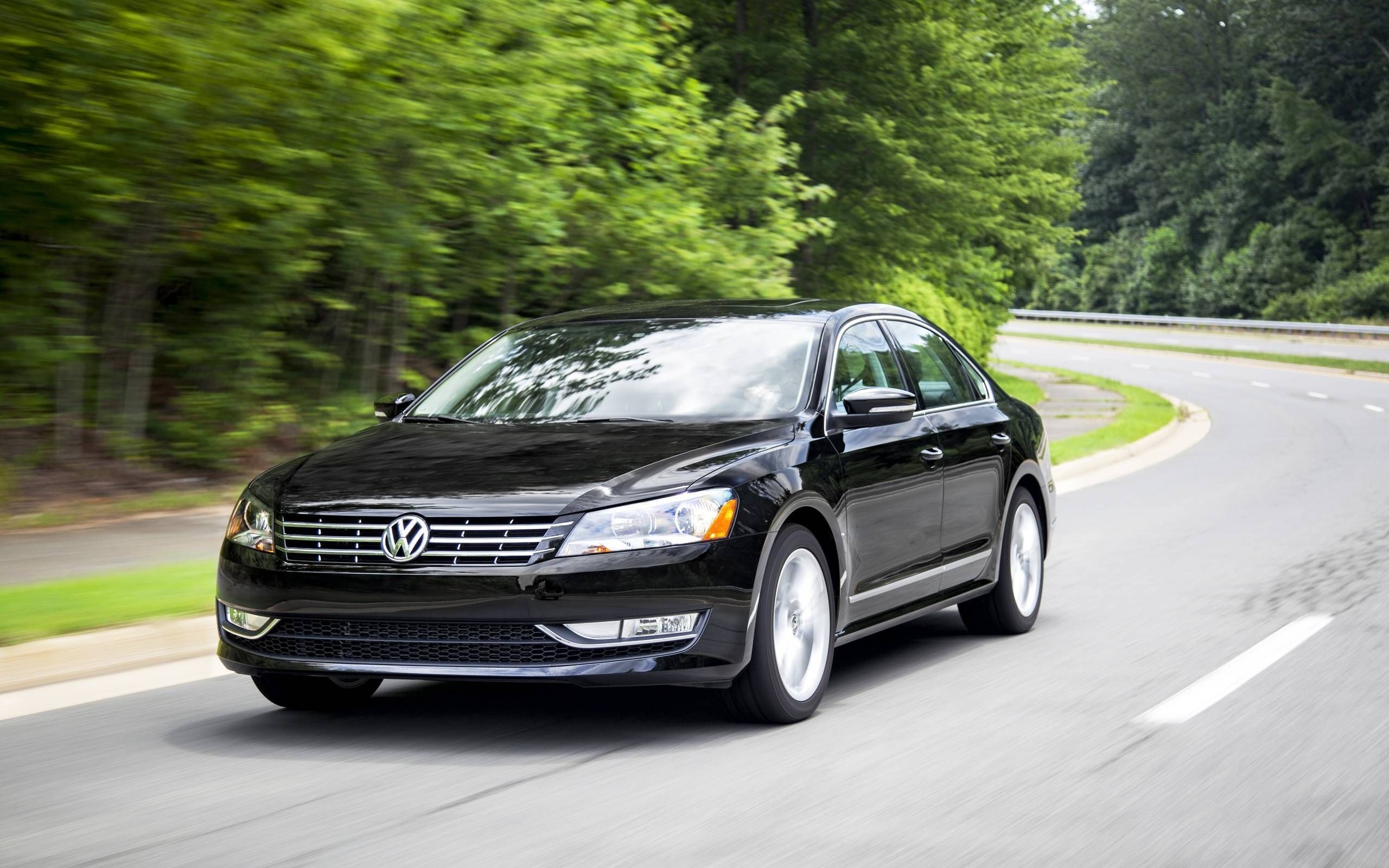
3. Volkswagen Passat (B6 2006–2010)
The Volkswagen Passat B6 generation, produced from 2006 to 2010, is often criticized for transmission problems, particularly with its Direct Shift Gearbox (DSG) units.
These dual-clutch transmissions promised fast, sporty shifts and improved fuel efficiency, but in reality, many owners experienced significant reliability issues well before the 100,000-mile mark.
The most frequently reported problems include clutch pack failures, jerky or delayed gear changes, and mechatronic unit malfunctions, which control the complex hydraulic and electronic systems within the transmission.
These issues frequently require expensive repairs or even complete transmission replacements.
The DSG transmission is inherently more complex than traditional automatics or manuals, relying on two clutches and a sophisticated control unit to alternate gear engagement seamlessly.
This complexity demands precise maintenance, including the use of specific transmission fluids and regular servicing of the mechatronic unit.
Unfortunately, many owners were unaware of the specialized maintenance required or faced service centers that were ill-equipped to handle the DSG’s unique needs. This lack of proper maintenance and understanding contributed to accelerated wear on clutch packs and electronic components, which led to widespread reliability problems.
Driving conditions and styles also impact the longevity of the DSG transmission. Frequent stop-and-go traffic, aggressive driving, or excessive clutch slipping can increase wear dramatically.
Since many Passat owners use their vehicles in urban environments with constant shifting, these transmissions often experience higher stress levels.
Volkswagen did improve DSG reliability in later models, but for the B6 Passat, the transmission remains a common source of owner complaints and mechanical failures.
Despite these issues, many drivers appreciate the DSG’s quick shift times and fuel economy benefits.
However, the trade-off in reliability and maintenance complexity makes it a less attractive choice for buyers seeking a dependable daily driver with minimal drivetrain headaches.
Prospective Passat buyers should be aware of the transmission’s reputation and ensure any vehicle they consider has been well-maintained with documented DSG service history.
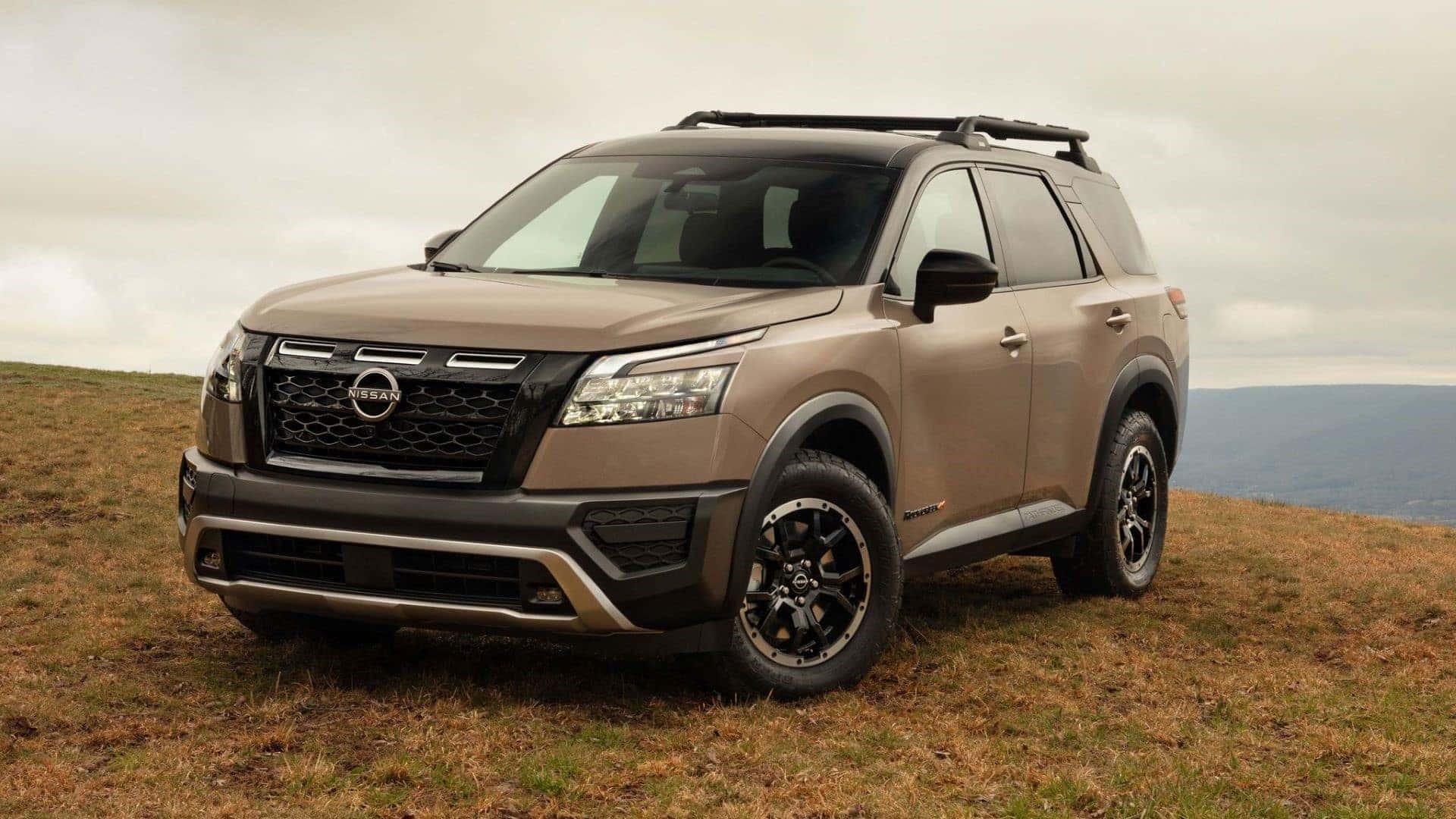
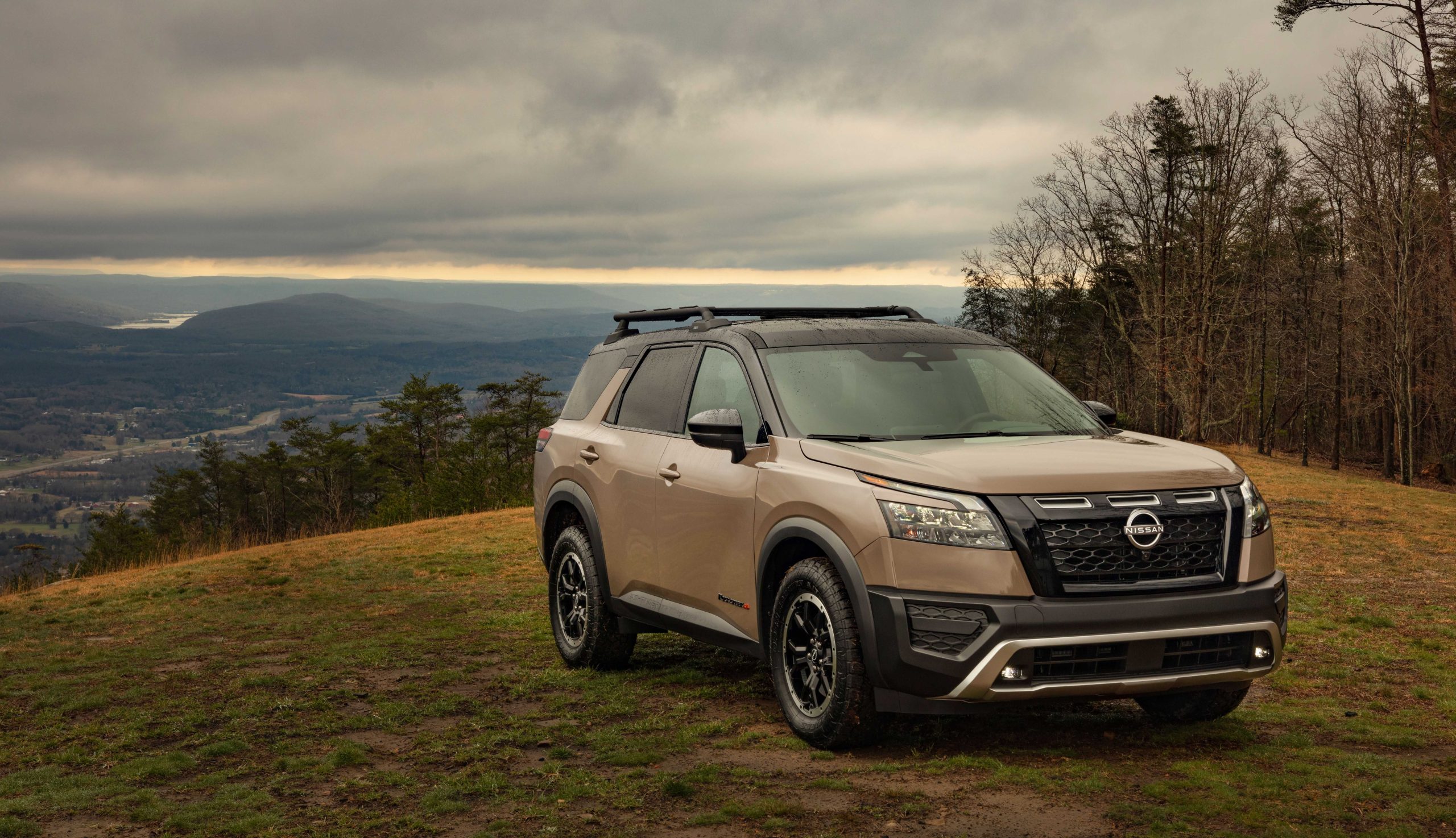
4. Nissan Pathfinder (2005–2012)
The Nissan Pathfinder models produced between 2005 and 2012 have developed a reputation for early automatic transmission failures, casting a shadow over an otherwise capable SUV.
These vehicles typically use a 5-speed automatic transmission that frequently exhibits symptoms such as slipping gears, harsh or delayed shifts, and sudden loss of drive.
Many owners report transmission-related problems emerging well before reaching 100,000 miles, resulting in expensive repairs or the need for full transmission replacements.
This reliability issue has detracted from the Pathfinder’s appeal, especially for buyers who rely on their SUVs for family transportation or occasional towing.
Several factors contribute to the Pathfinder’s transmission woes. Internal components such as clutch packs and valve bodies appear prone to premature wear, even under normal driving conditions. The transmission’s sensitivity to fluid quality and proper maintenance is another critical issue.
Nissan’s original maintenance recommendations were sometimes misunderstood or ignored by owners, leading to prolonged periods without fluid changes or the use of incorrect fluids. This neglect accelerates wear and contributes to early failures.
The transmission is also vulnerable to overheating, particularly in vehicles used for towing or driven in hot climates.
Overheating damages seals and internal components, increasing the likelihood of slipping and shifting problems. Repairing or rebuilding these transmissions can be costly, with many owners opting for complete replacements due to the expense and complexity of repairs.
The Pathfinder’s early transmission failures have affected its reputation in the competitive midsize SUV segment. While the vehicle offers good space, capability, and comfort, these transmission concerns cause many buyers to look elsewhere.
For those considering a Pathfinder, careful inspection of the transmission’s condition and maintenance history is essential to avoid costly problems down the line.
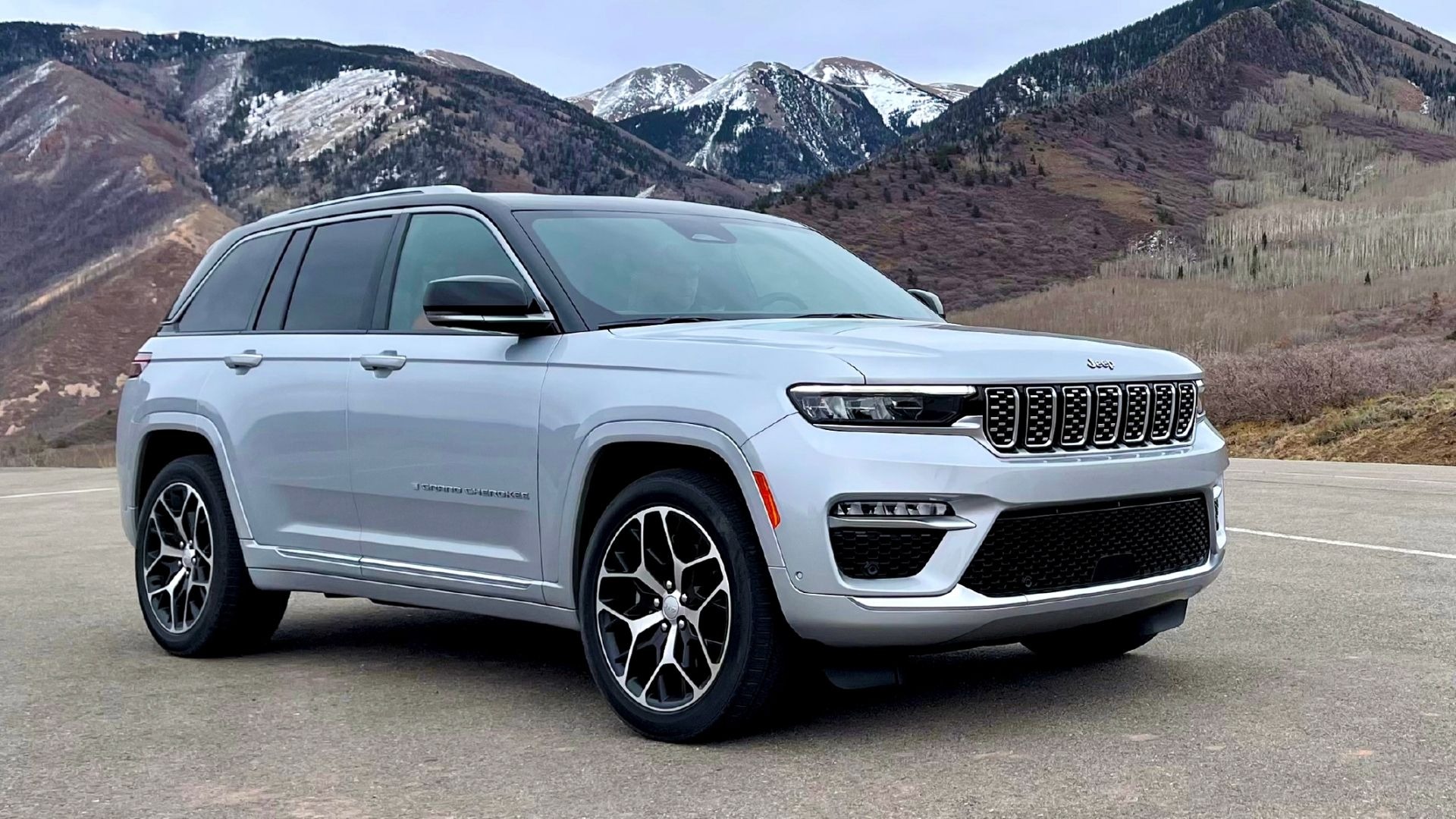
5. Jeep Grand Cherokee (2011–2013, 3.6L V6)
The Jeep Grand Cherokee models from 2011 to 2013, especially those powered by the 3.6L V6 engine and paired with the 5-speed automatic transmission, have been plagued by early transmission issues that cause significant frustration for owners.
Common problems include delayed gear engagement, harsh or slipping shifts, and in some cases, complete transmission failure occurring at surprisingly low mileage.
These issues are often accompanied by warning lights and error codes related to transmission control, signaling electronic or mechanical faults that impair performance.
One root cause of these problems is the transmission control module and its software, which can fail or malfunction, leading to improper shift timing and mechanical wear.
The transmission itself features clutch packs and bands that are prone to wear under normal driving conditions, which can be exacerbated by poor maintenance or overheating.
The Grand Cherokee’s transmission also struggles with heat management; insufficient cooling during demanding use or in hot weather accelerates the breakdown of fluid and internal parts.
Repairing these transmissions can be costly due to the complexity of the components and the labor-intensive nature of the work. Transmission replacements are sometimes necessary, adding to the total cost of ownership.
This is particularly disappointing for Jeep enthusiasts who value the Grand Cherokee for its off-road capabilities and rugged design but find that transmission reliability issues overshadow these strengths.
The early transmission failures in these Grand Cherokees have led many buyers to approach these model years with caution.
While Jeep has made improvements in later models, the 2011–2013 Grand Cherokee with the 3.6L V6 remains a vehicle where transmission problems are a common complaint. Prospective buyers should conduct thorough pre-purchase inspections and be prepared for potential transmission maintenance or repairs.
