
Electric vehicles (EVs) have steadily become a popular choice for many drivers around the world. As concerns about climate change grow and the technology behind electric powertrains continues to improve, EVs offer a cleaner and often more efficient alternative to traditional gasoline-powered cars.
One of the key factors for anyone considering buying an EV is the battery. The battery pack is not only a critical component determining range and performance but also the most expensive part to repair or replace.
For this reason, battery life and replacement cost are essential considerations for prospective EV owners.
Over the years, automakers have made great strides in improving battery durability, extending the range, and reducing costs. However, battery quality and replacement expenses can still vary widely between different EV models.
Some vehicles have gained a reputation for exceptional battery longevity, maintaining capacity for many years and thousands of miles without significant degradation.
On the other hand, certain EVs are known for having costly or complicated battery replacements, which can deter buyers concerned about long-term ownership costs. This article examines five electric vehicles known for excellent battery life and five others that are associated with expensive battery replacement issues.
By understanding these aspects, drivers can make more informed decisions when investing in an electric car, ensuring the benefits of sustainability and performance without unexpected financial burdens.
The lifespan of an EV battery depends on many factors, including the chemistry used, the quality of battery management systems, charging habits, and climate conditions.
Some manufacturers use advanced cooling systems or sophisticated algorithms to slow down battery degradation, while others may not invest as much in these technologies.
Additionally, the warranty offered on batteries can vary, sometimes covering 8 years or 100,000 miles, which provides some peace of mind but not a guarantee of low replacement costs.
As EV adoption continues to increase, battery recycling and second-life applications are becoming more common, which might influence future replacement costs.
However, for the current generation of vehicles, knowing which EVs are reliable in terms of battery longevity and which might be costly to maintain remains crucial.
This article aims to highlight key models in both categories, providing a clear picture of what buyers can expect regarding battery life and replacement expenses.
Also Read: 10 Muscle Cars That Still Affordable and Reliable
5 Electric Vehicles With Excellent Battery Life
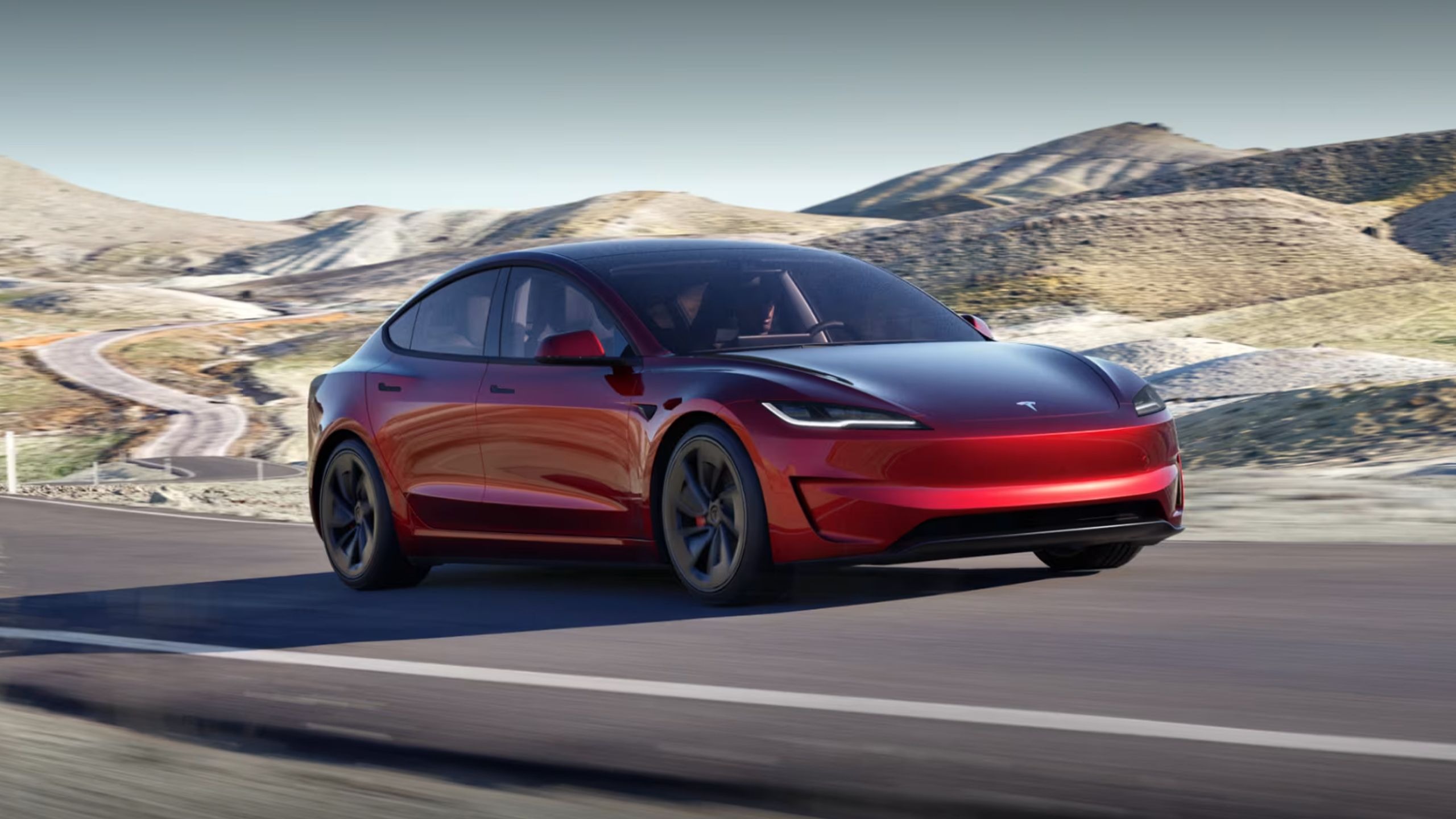
Tesla Model 3
Tesla’s Model 3 is widely regarded as a benchmark in electric vehicle technology, particularly when it comes to battery longevity.
Since its introduction in 2017, the Model 3 has set a high standard for electric cars by offering a combination of range, performance, and durability that many competitors strive to match.
One of the main reasons the Model 3 stands out is Tesla’s consistent focus on improving battery chemistry and the design of its battery packs.
Unlike many other manufacturers who rely on passive cooling methods, Tesla incorporates an advanced liquid cooling system that actively regulates battery temperature.
This thermal management system is crucial because it prevents the battery from overheating during fast charging or in hot climates, which are common causes of battery degradation in electric vehicles.
Many Model 3 owners report that their battery capacity drops very little even after 100,000 miles or more, with degradation typically in the range of only 5 to 10 percent.
This durability means owners can expect a longer vehicle lifespan and maintain a high resale value, both important considerations in the EV market.
Tesla’s battery management system (BMS) is another key factor contributing to the Model 3’s excellent battery life. The BMS continuously monitors the voltage and temperature of individual battery cells, balancing their charge levels to ensure uniform performance.
This careful management prevents certain cells from being overstressed or overcharged, which can lead to premature wear.
Moreover, Tesla frequently rolls out over-the-air software updates that fine-tune battery performance, optimize charging protocols, and even introduce new features that help reduce wear on the battery pack.
This ability to update software remotely is unique among automakers and gives Tesla an edge in maintaining battery health over the life of the car.
The company also employs sophisticated battery chemistry using nickel-cobalt-aluminum cathodes, which provide high energy density and stability, further enhancing longevity.
Another important element behind the Model 3’s long battery life is Tesla’s investment in quality control and manufacturing techniques. Tesla’s Gigafactories utilize advanced automation and quality assurance to produce battery cells that are more consistent and less prone to defects.
This consistency ensures the battery pack can operate efficiently for a longer period without performance drops. Additionally, Tesla has prioritized improvements in charging infrastructure through its Supercharger network.
While fast charging can, in theory, increase battery wear, Tesla’s system is designed to regulate charging speeds intelligently based on battery temperature and state of charge.
This careful calibration helps mitigate the harmful effects fast charging could otherwise cause, making it safer for the battery to be charged frequently on long trips.
Tesla also backs the Model 3’s battery life with a strong warranty, offering 8 years or between 100,000 and 120,000 miles, depending on the version of the car, with a minimum retention of 70% battery capacity. This warranty provides consumers with confidence that Tesla stands behind its battery technology.
The combination of cutting-edge chemistry, advanced thermal and battery management, regular software updates, and a well-thought-out charging ecosystem has allowed the Model 3 to maintain an excellent reputation for battery longevity, positioning it as one of the best choices for buyers who want reliability over many years of driving.
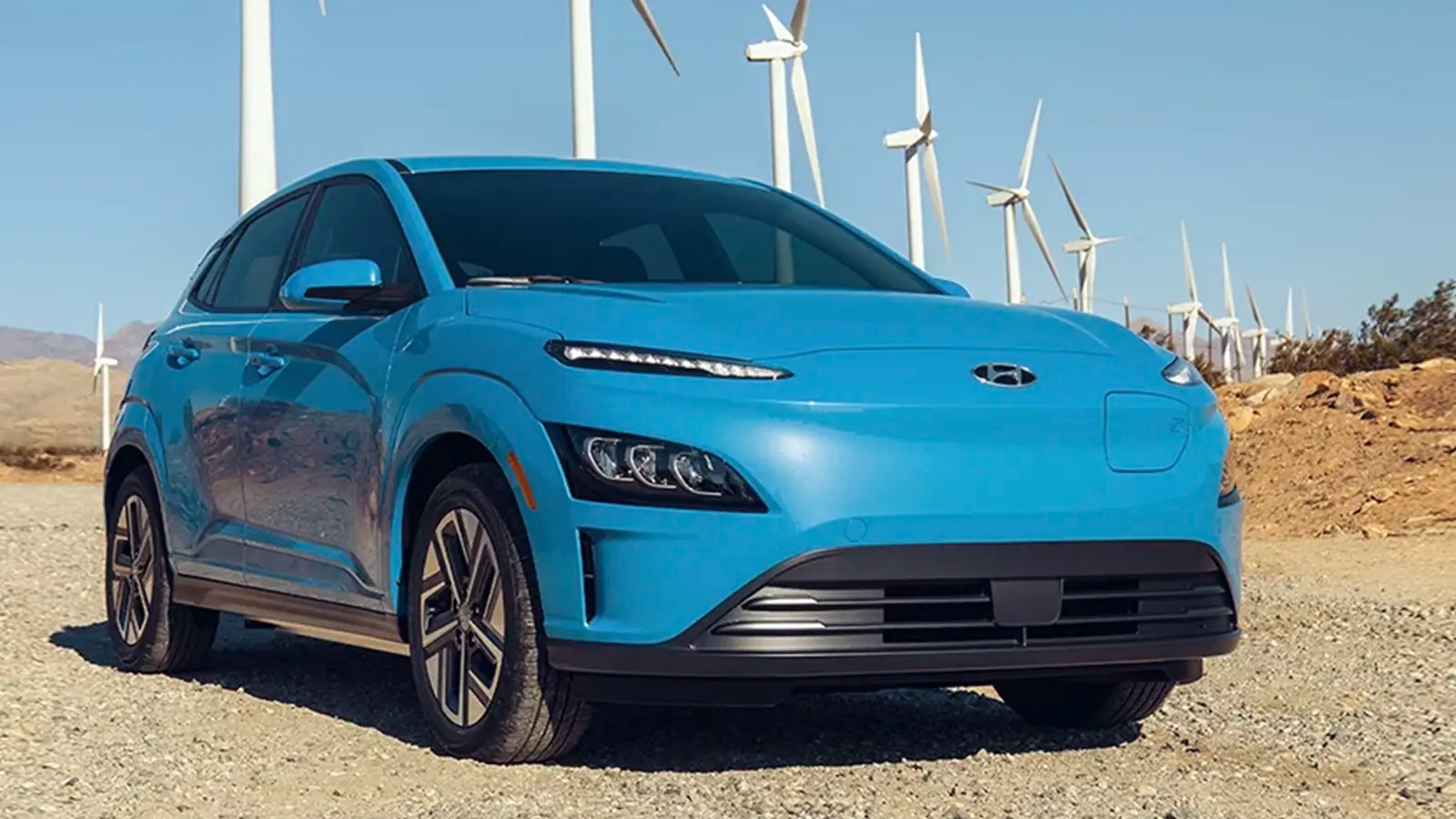
Hyundai Kona Electric
The Hyundai Kona Electric has emerged as a strong contender in the EV market, particularly praised for its durable battery pack and reliability. This vehicle features a 64 kWh lithium-ion polymer battery, which gives it a competitive range of around 258 miles on a full charge.
One of the most significant advantages of the Kona Electric is its well-engineered battery thermal management system. The battery is liquid-cooled, which means coolant circulates through the battery pack to keep temperatures stable.
This system is critical for protecting the battery from overheating during rapid charging or driving in hot climates, conditions that are known to accelerate battery degradation in electric vehicles.
Unlike some earlier EVs that relied solely on passive air cooling, the Kona Electric’s active thermal regulation contributes significantly to its ability to maintain battery health over time.
Hyundai has also shown a strong commitment to battery longevity through the design of the vehicle’s battery management system.
The BMS in the Kona Electric carefully controls the charging and discharging processes, preventing overcharging or deep discharging that can damage the cells.
It also balances the charge among individual battery cells, ensuring that no part of the battery is overstressed. Hyundai provides clear recommendations for charging habits, such as limiting frequent use of DC fast chargers and avoiding fully depleting the battery, which can help owners maximize the battery’s lifespan.
As a result, many Kona Electric owners have reported that their vehicles retain a high percentage of the original battery capacity even after several years and extensive driving.
Hyundai’s warranty for the Kona Electric’s battery pack is generous, covering 10 years or 100,000 miles. This extended warranty reflects Hyundai’s confidence in the durability of its battery technology and offers peace of mind to potential buyers.
Beyond just warranty coverage, Hyundai’s dedication to battery quality extends to its supply chain. The company sources battery cells from well-regarded manufacturers with a reputation for producing reliable, high-quality battery cells.
This ensures the battery packs used in Kona Electric vehicles meet strict quality standards. The vehicle’s relatively affordable price point, combined with strong battery performance and warranty, makes the Kona Electric a practical choice for those who want a dependable EV for everyday use.
Finally, the Kona Electric’s user-friendly charging system and relatively fast charging capability make it convenient for long trips, while the thermal management system ensures the battery remains protected.
The Hyundai Kona Electric demonstrates that it is possible to have an affordable electric vehicle without compromising on battery longevity, positioning it as a great option for drivers who want a balance between cost, reliability, and range.
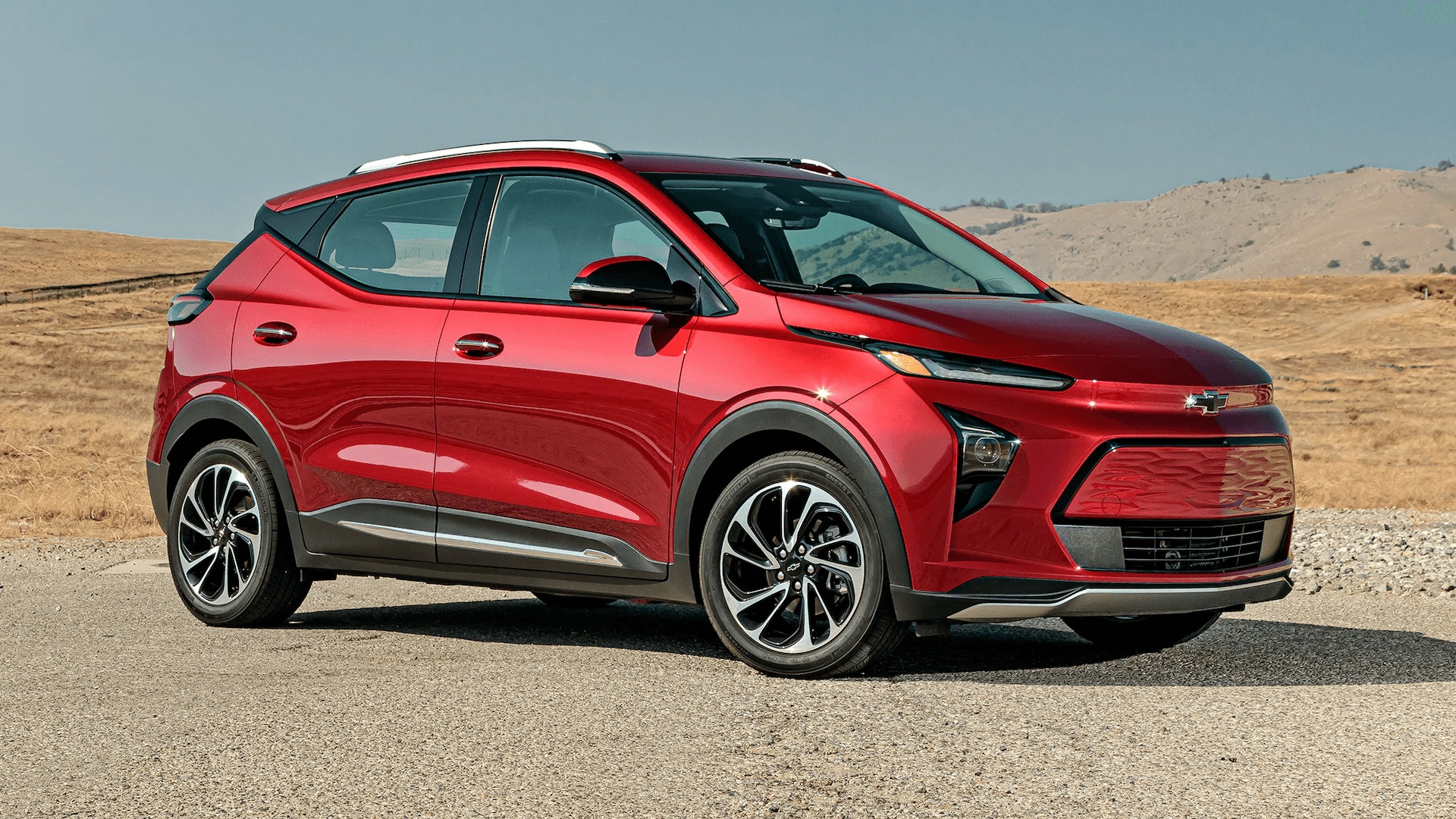
Chevrolet Bolt EV
The Chevrolet Bolt EV has gained popularity for offering a solid all-electric range at a reasonable price, and its battery life has been generally praised by owners and experts alike.
Launched in 2017, the Bolt was one of the first affordable EVs to provide over 200 miles of range on a single charge, powered by a 60 kWh lithium-ion battery pack.
The battery system benefits from an active liquid cooling system, which helps regulate temperature during both charging and driving.
This thermal management capability protects the battery cells from the damaging effects of heat, a common culprit in accelerated battery degradation. Many Bolt EV owners report retaining over 90 percent of their battery capacity after 80,000 miles or more, a strong indicator of battery durability in real-world conditions.
General Motors, the parent company of Chevrolet, has invested heavily in battery technology and management for the Bolt. The vehicle’s battery management system continuously monitors battery health and controls charge rates, ensuring that the cells are not subjected to undue stress.
This includes limiting the speed of DC fast charging when necessary to prevent overheating.
While early Bolt EV models faced some battery-related recalls and safety concerns, most issues related to the battery’s potential for thermal runaway, GM addressed these problems with updated battery modules and software fixes. As a result, more recent and repaired Bolt EVs demonstrate improved reliability and battery life.
Chevrolet provides an industry-standard warranty on the Bolt’s battery, covering 8 years or 100,000 miles, which helps protect owners from high replacement costs during that period. The battery chemistry used in the Bolt is a nickel-cobalt-manganese (NCM) blend, which balances energy density, longevity, and thermal stability.
This chemistry choice, combined with GM’s continual software updates and attention to battery pack design, contributes to the Bolt’s reputation as an EV with excellent battery durability.
For many drivers, the Bolt EV offers an affordable, practical electric car experience without the concern of rapid battery degradation.
In addition, the Bolt’s widespread availability and robust service network ensure that maintenance and battery monitoring are accessible, allowing owners to catch potential issues early.
The Bolt EV’s combination of a high-capacity battery, liquid cooling, solid chemistry, and warranty support makes it one of the best EVs in terms of battery life, especially for those who want a vehicle that can handle daily use for several years with minimal battery wear.
Nissan Leaf (Second Generation)
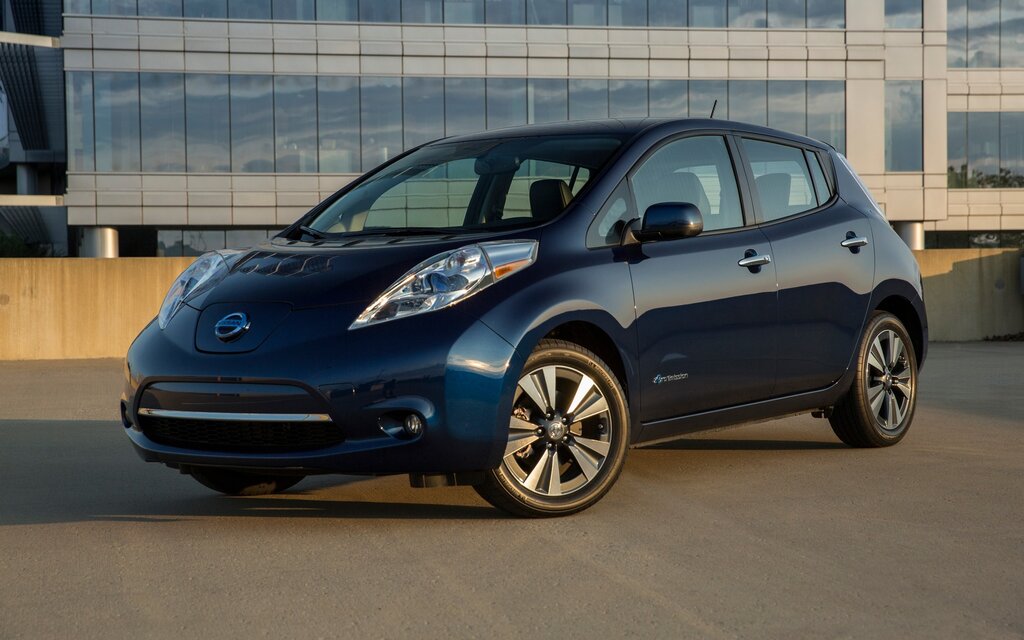
The Nissan Leaf is one of the most recognizable names in the EV industry, thanks to its pioneering role as one of the first mass-market electric vehicles.
While the original Leaf was criticized for its lack of battery thermal management and resulting rapid battery degradation, the second-generation Leaf, introduced in 2018, brought significant improvements in battery life and performance.
The newer Leaf offers larger battery options, including 40 kWh and 62 kWh packs, which provide more range and better efficiency.
Although the Leaf does not feature a liquid cooling system like some of its competitors, Nissan has refined its battery chemistry and management systems to enhance battery durability and reduce capacity loss over time.
One of the key changes Nissan implemented was an updated battery chemistry that improves resistance to degradation caused by heat and repeated charging cycles.
The company also introduced better software controls that help manage charging speeds and battery temperature indirectly, which contribute to improved longevity.
While some capacity loss still occurs, many second-generation Leaf owners report retaining a substantial portion of their battery capacity even after several years of driving. This marks a considerable improvement over the first-generation Leaf, which was prone to quicker battery wear, especially in warmer climates.
Nissan provides an 8-year or 100,000-mile warranty on the Leaf’s battery, offering reassurance to buyers about the long-term reliability of their investment.
Additionally, Nissan has educated consumers on best practices for battery care, such as avoiding frequent use of rapid chargers and maintaining a moderate state of charge.
These guidelines are designed to help owners extend the battery’s lifespan. The Leaf’s widespread adoption has created a solid support ecosystem for repairs and battery replacements when necessary, although such replacements are generally less frequent in newer models.
With the second-generation Leaf, Nissan has successfully addressed many of the battery concerns that affected earlier versions.
The vehicle now offers a practical and relatively affordable electric car option with a battery pack that holds up well over time. This progress makes the Nissan Leaf a dependable choice for drivers prioritizing battery life and cost-effective ownership.
Kia EV6
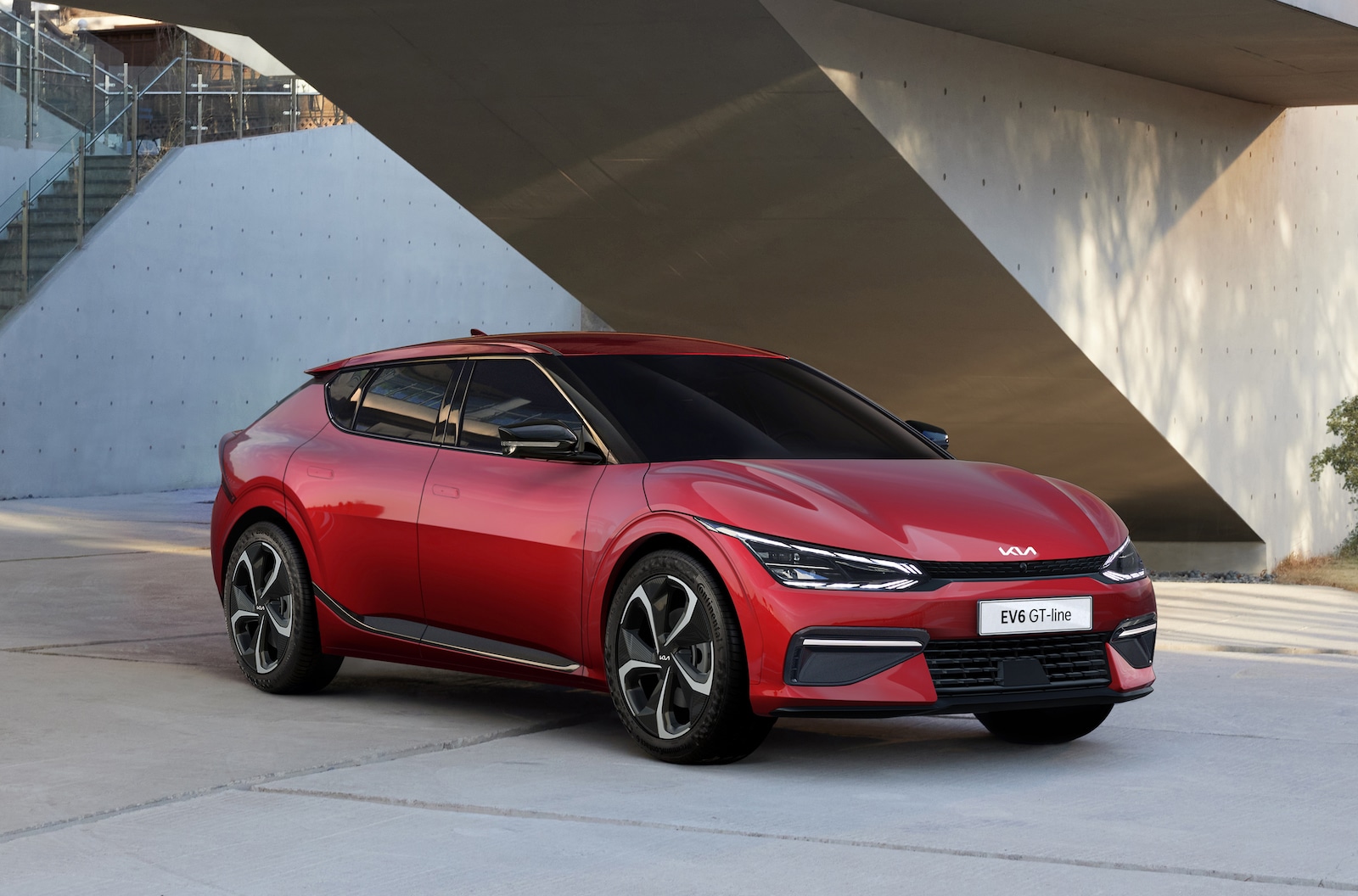
The Kia EV6 is one of the newest electric vehicles to hit the market and has quickly made a strong impression due to its combination of modern design, long range, and battery durability.
Sharing much of its underlying technology with Hyundai’s EVs, the EV6 benefits from a sophisticated 77.4 kWh battery pack equipped with an advanced liquid cooling system.
This cooling system is vital for maintaining battery health during both high-performance driving and rapid charging, as temperature extremes can significantly degrade battery cells.
Early feedback from EV6 owners and automotive reviewers indicates that the battery retains capacity very well, with minimal signs of degradation even after extended use. This is especially impressive considering the EV6’s high power output and fast charging capability.
The EV6’s battery management system is highly developed, actively balancing the state of charge among individual cells and regulating charging speeds to optimize longevity.
Kia’s engineering team designed the EV6 to withstand the stresses of fast charging by incorporating software algorithms that adjust charging rates based on battery temperature and usage patterns.
This intelligent charging approach helps prevent excessive heat buildup, which is a common cause of battery wear in many EVs.
Furthermore, the battery chemistry used in the EV6 is formulated to provide high energy density while maintaining thermal stability, contributing to the pack’s long life.
Kia’s confidence in the EV6 battery durability is reflected in their generous warranty, covering 10 years or 100,000 miles. This extended warranty period goes beyond industry standards and offers significant peace of mind to prospective buyers.
The company also actively supports regular software updates that improve battery management, charging efficiency, and system health. These updates ensure that the EV6’s battery remains optimized throughout its life cycle, a benefit not available in many older electric vehicles.
In addition to technology and warranty support, the EV6 offers practical advantages for owners concerned about battery health.
The vehicle’s design allows for rapid charging on widely available DC fast chargers, while still protecting the battery from degradation through its advanced thermal and charging management.
As a result, the Kia EV6 represents a modern electric vehicle that balances performance and battery longevity, making it an excellent option for drivers seeking a long-lasting, dependable EV.
Also Read: 9 JDM Legends That Rarely Need Repairs
5 Electric Vehicles With Costly Battery Replacements
BMW i3
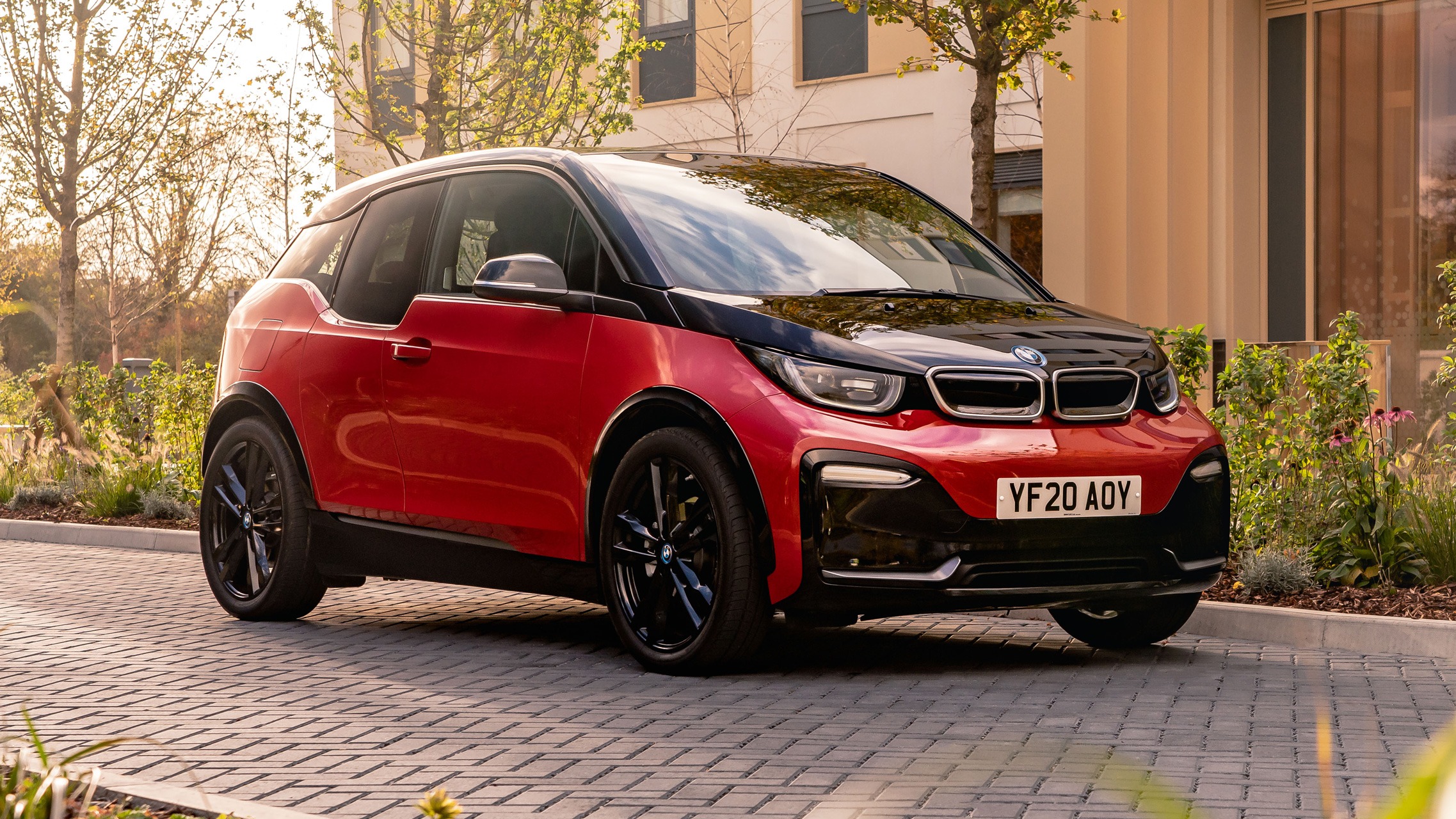
The BMW i3 was one of the early entries into the premium electric vehicle market and gained attention for its distinctive design and innovative use of sustainable materials. However, when it comes to battery replacement costs, the i3 tends to be on the higher end of the spectrum.
Initially launched with a relatively small 22 kWh battery, later models upgraded to a 33 kWh pack, providing more range but still less than many competitors.
The smaller battery size means the vehicle’s total range is limited, which can lead to higher rates of battery cycling, meaning more frequent charging and discharging that accelerates battery wear.
Unfortunately, BMW’s modular battery design, while innovative, makes replacement a complex and costly process. The limited production volumes of the i3, combined with specialized components, mean that battery replacements are less commoditized and parts tend to be expensive.
Another factor contributing to costly battery replacements for the i3 is its unique battery chemistry and pack design.
BMW used lithium-ion batteries with a nickel-cobalt-aluminum cathode, similar to others in the industry, but the proprietary design of the i3’s pack and the vehicle’s compact architecture mean that replacing the battery requires specialized labor and handling.
The i3’s battery pack is integrated tightly into the vehicle’s floor structure, complicating removal and installation. This integration is beneficial for driving dynamics and weight distribution, but results in higher service costs.
Additionally, as the i3 ages, the availability of replacement batteries can be limited due to the car’s relatively small production run and BMW’s shift toward newer EV models, which means parts may become scarcer and more expensive over time.
BMW’s warranty coverage on the i3’s battery was standard for its time, offering 8 years or 100,000 miles. While this warranty provides some reassurance for early owners, once it expires, battery replacement can be a significant financial burden.
Unlike some newer electric vehicles, where battery prices have steadily declined due to economies of scale and advances in technology, the i3’s battery replacements have not seen as much cost reduction.
This is partly because BMW’s batteries are more customized, and the i3 itself is no longer a flagship model with large-scale production, limiting cost efficiencies.
Therefore, owners considering the i3 need to factor in potentially high battery replacement costs, especially as the vehicle ages beyond warranty.
Lastly, the i3’s relatively small battery pack and shorter range mean that owners may feel more pressure to replace the battery sooner than those driving longer-range EVs. This accelerated timeline, combined with the high cost of replacement, can impact the vehicle’s long-term affordability.
Despite these challenges, the i3 remains appreciated for its innovative design and urban-friendly dimensions, but prospective buyers should be aware of the potential for expensive battery maintenance down the road.
Jaguar I-PACE
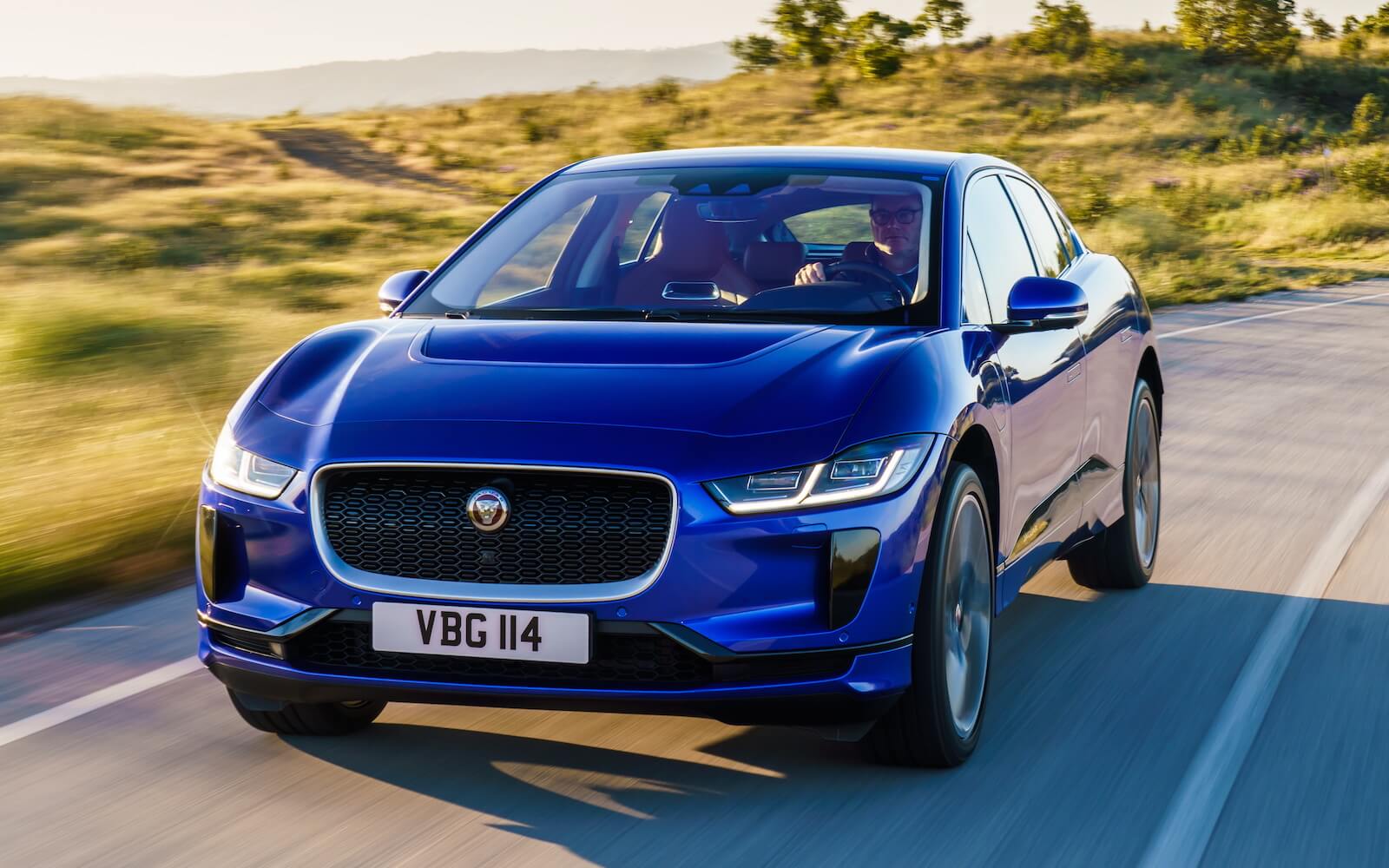
The Jaguar I-PACE was Jaguar’s ambitious entry into the luxury electric SUV market and received praise for its sleek design and impressive performance. However, battery replacement costs for the I-PACE are high, reflecting the premium nature of the vehicle and its complex battery system.
The I-PACE is equipped with a 90 kWh lithium-ion battery pack, which provides a substantial range but also means that the battery replacement involves a large, expensive pack with costly cells.
Additionally, Jaguar’s battery pack is carefully integrated with advanced cooling and heating systems designed to maintain optimal battery temperature for performance and longevity, but these systems add to the complexity and cost of replacement.
The I-PACE’s warranty provides coverage of 8 years or 100,000 miles for the battery, which aligns with industry standards, but this does not fully mitigate the replacement cost for owners after the warranty expires.
Given the high cost of replacement battery packs for the I-PACE, which can run into several thousands of dollars, owners need to be prepared for this eventual expense.
The vehicle’s luxury status and relatively low production volume compared to mass-market EVs mean that Jaguar battery replacements have not benefited from the same scale efficiencies that companies like Tesla or Hyundai enjoy. This makes the cost of replacement parts and service significantly higher.
Finally, the high-performance nature of the I-PACE may encourage some owners to use rapid charging frequently, which, while convenient, can contribute to battery wear and the need for earlier replacement. Jaguar owners often prioritize performance and luxury, but they must also be ready for the financial implications of maintaining the battery over time.
Despite these costs, the I-PACE remains a well-regarded electric SUV, but the expensive battery replacements add a layer of consideration for long-term ownership costs.
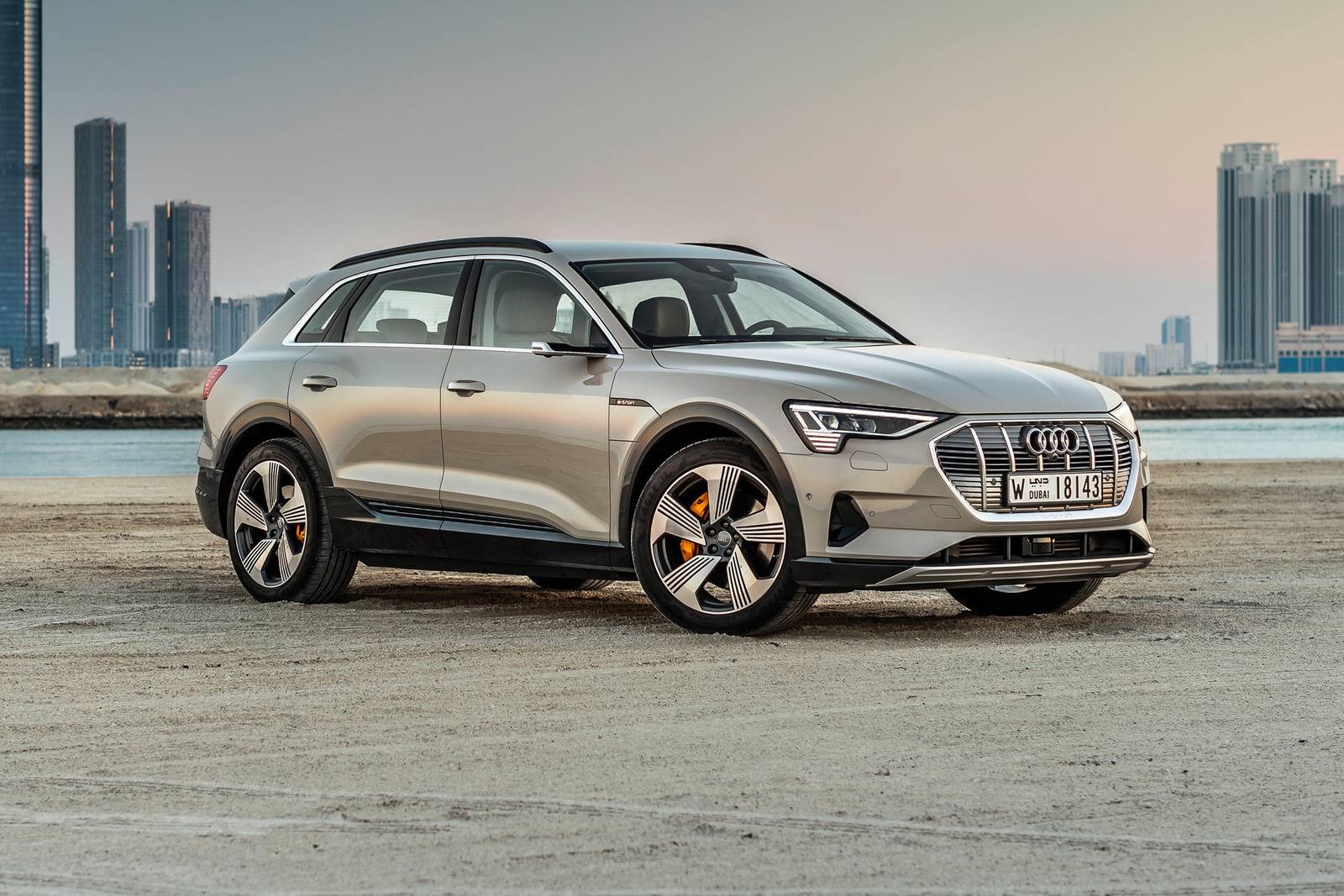
Audi e-tron
Audi’s e-tron SUV was introduced as a luxury electric vehicle designed to compete with other high-end electric SUVs in terms of comfort, technology, and driving experience. Its battery system, while advanced, tends to come with expensive replacement costs, partly due to the size and complexity of its 95 kWh lithium-ion battery pack.
The e-tron uses a liquid-cooled battery pack that allows for effective thermal management, which helps improve longevity but also adds complexity when it comes time for service or replacement. Audi’s commitment to premium build quality extends to the battery pack, with tightly integrated components that require specialized knowledge and equipment for maintenance.
The design of the e-tron’s battery pack integrates both cooling and structural elements, which, while beneficial for vehicle dynamics and safety, makes battery replacement a labor-intensive and costly process.
The pack’s modular design is sophisticated, with multiple interconnected cells and cooling circuits that must be carefully managed during repairs.
This intricacy, combined with Audi’s focus on luxury and precision engineering, means that replacement batteries and associated parts are priced at a premium.
Additionally, because Audi’s EV production volume is lower compared to mainstream manufacturers, parts availability and competition between suppliers is more limited, contributing to higher costs.
Audi provides an 8-year or 100,000-mile warranty on the e-tron’s battery pack, which is in line with industry standards but does little to alleviate the high cost for replacements beyond this period.
The battery chemistry involves nickel-cobalt-manganese (NCM) cells optimized for energy density and longevity, but the replacement cost remains high due to the vehicle’s premium status.
For owners, this means that maintaining an older e-tron can become increasingly expensive if the battery shows signs of significant capacity loss, which may prompt replacement sooner than expected.
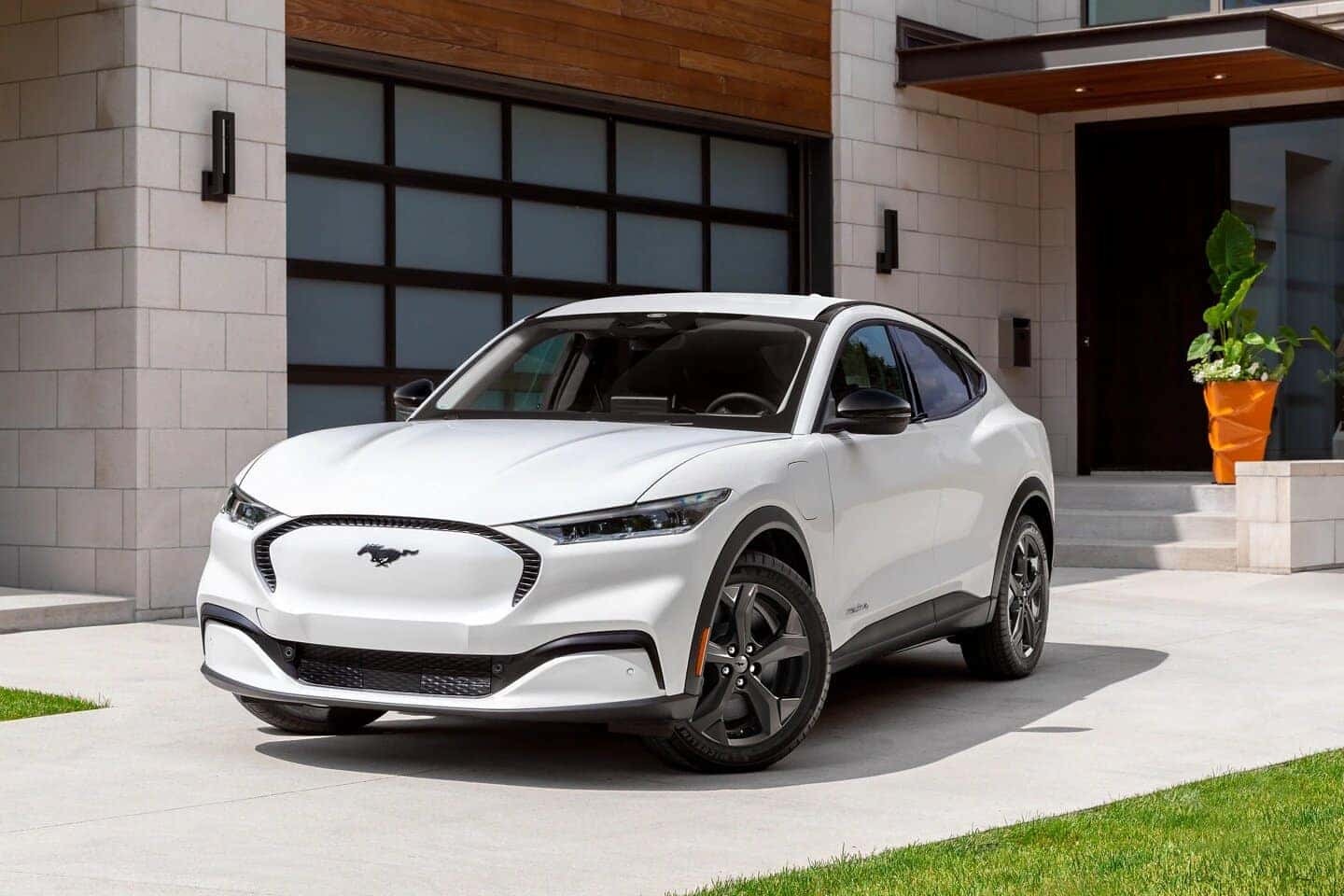
Ford Mustang Mach-E (Early Models)
The Ford Mustang Mach-E has been a popular electric vehicle since its launch, combining sporty styling with impressive range and technology. However, early models of the Mach-E have been reported to have costly battery replacement issues, primarily due to software glitches and hardware defects that affected battery performance and longevity.
The Mach-E uses a lithium-ion battery pack available in different sizes, with the larger packs offering up to about 300 miles of range.
While the battery design incorporates liquid cooling and heating for thermal management, some early production units experienced problems that resulted in accelerated battery degradation, leading to the need for early replacements or extensive repairs.
The early battery problems in the Mach-E were compounded by the complex nature of the battery management software, which in some cases failed to properly balance cells or regulate temperature, leading to uneven wear and reduced battery capacity.
Ford issued recalls and software updates to address these issues, but the damage to some batteries was already done.
Replacement battery packs for the Mach-E are relatively expensive, due in part to the vehicle’s newer technology and the cost of manufacturing large-capacity lithium-ion batteries with advanced cooling systems. Additionally, the Mach-E’s battery pack is integrated into the vehicle’s floor and chassis, making replacement labor-intensive and adding to the total cost.
Ford offers an 8-year or 100,000-mile warranty on the Mach-E’s battery, but for owners outside of warranty coverage or those affected before software fixes were implemented, the replacement cost can be substantial.
Battery pack replacement expenses often run into the thousands of dollars, sometimes rivaling the cost of purchasing a new vehicle for those who are older models.
This financial impact has led some early Mach-E owners to weigh the costs of battery replacement against selling the vehicle or opting for different EVs.
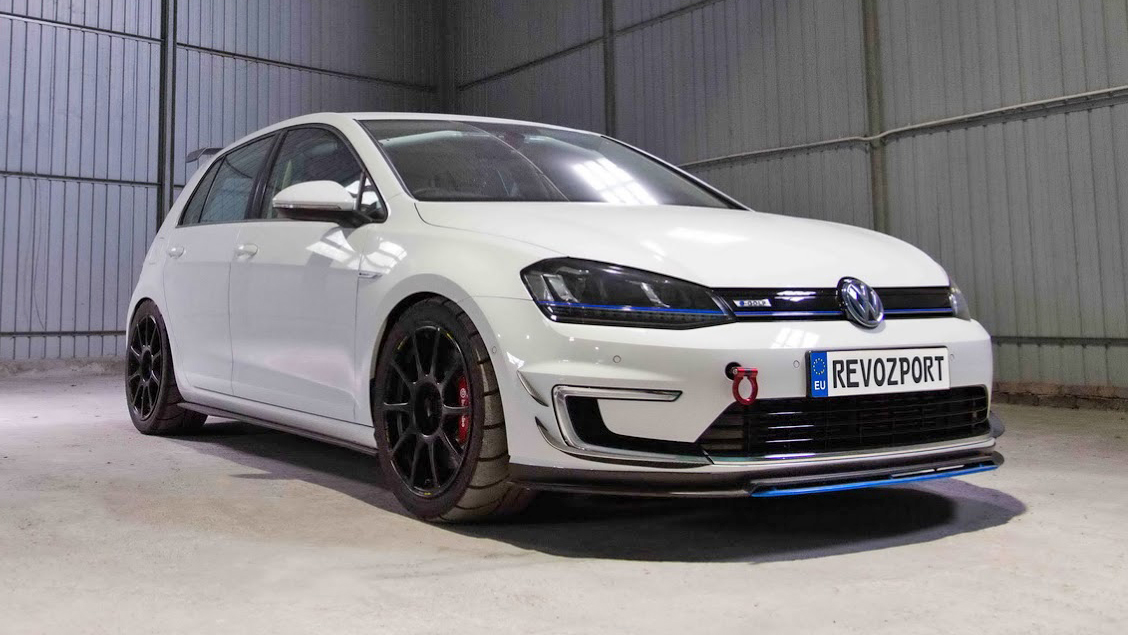
Volkswagen e-Golf
The Volkswagen e-Golf was an important early electric vehicle for Volkswagen, offering a familiar hatchback design with an electric drivetrain. However, the e-Golf has been known to have relatively costly battery replacements compared to some other EVs in its class.
The e-Golf features a lithium-ion battery pack with a capacity of around 35.8 kWh, providing a modest range suitable for city driving and short commutes.
Despite its early success, the e-Golf’s battery management system and thermal controls were somewhat less advanced than newer EVs with liquid cooling systems, relying mostly on passive cooling methods.
This can lead to increased battery wear, particularly in warmer climates or under frequent fast charging, which can necessitate earlier battery replacements.
Replacing the battery pack in the e-Golf can be expensive because the vehicle was not produced in the same volumes as some other mainstream EVs, limiting parts availability and driving up prices.
Additionally, the e-Golf’s battery is integrated into the vehicle’s underbody, requiring significant labor to remove and install a new pack.
The battery cells themselves, while reliable, have chemistry and packaging that are no longer state-of-the-art, meaning the pack may degrade faster than newer designs optimized for longevity.
For owners, this means that while the e-Golf is a solid vehicle, the cost of battery replacement after warranty can be a significant expense, especially as the vehicle ages.
Volkswagen’s warranty coverage for the e-Golf battery typically lasts 8 years or 100,000 miles, which helps reduce concerns for early ownership years. However, as vehicles reach higher mileage or warranty expiration, the likelihood of needing a battery replacement increases.
The lack of active thermal management means the battery is more susceptible to degradation under adverse conditions, potentially reducing the vehicle’s usable lifespan.
While Volkswagen has introduced more advanced electric models since the e-Golf, such as the ID series, owners of the e-Golf must consider battery replacement costs as a critical factor in long-term ownership.
