
For many car owners, hitting 100,000 miles used to feel like crossing a finish line. However, as engineering has improved, that milestone has become just a warm-up. Some cars aren’t just getting older, they’re thriving well past what most would consider their expiration date.
A few vehicles, without any flashy marketing or hype, are quietly surpassing the 400,000-mile mark. These aren’t always the cars featured in glossy advertisements or winning beauty contests at car shows. Many of them are modest-looking workhorses built with reliability at their core.
Reaching 400,000 miles is no small feat. It’s the equivalent of driving around the Earth more than 16 times.
Not every car can make it, and for those that do, it’s often a combination of solid engineering, smart maintenance, and a little luck. But some makes and models are simply better designed to handle long-term wear and tear.
While many cars today are built with efficiency and safety in mind, only a select few are constructed with a longevity-first mindset. And it’s not always the expensive brands either, some of the most surprisingly durable models come from affordable, everyday manufacturers.
This article will look at 12 vehicles that have consistently proven they can go far beyond what most would expect. These aren’t just based on a few isolated reports either; in many cases, entire communities of owners have shared stories of clocking 400,000 miles or more with only routine maintenance.
These cars may not all be new or flashy, but they’re dependable, built-to-last, and frequently praised by long-time owners and mechanics alike.
Whether you’re a commuter, a road-tripper, or someone who just doesn’t want to buy a new car every few years, these models might be worth a closer look. They’ve earned a reputation not through marketing campaigns but through sheer endurance and years of real-world performance.
Also Read: 5 Vehicles With Bulletproof Transmissions and 5 With Gearboxes That Fail Early
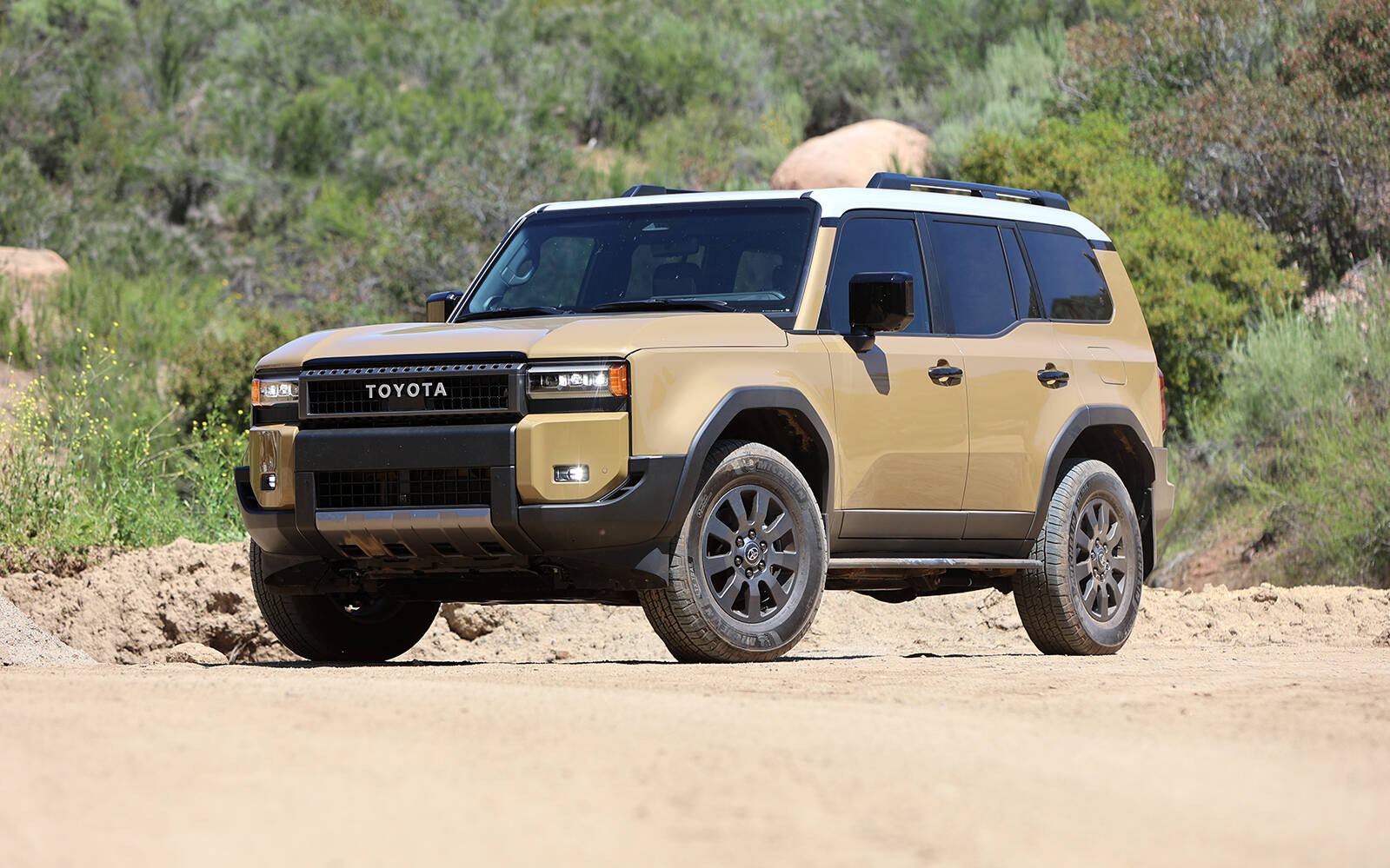
1. Toyota Land Cruiser
The Toyota Land Cruiser has become almost legendary for its long-lasting performance. Originally designed for rugged terrain and global utility, its durability isn’t just good, it’s exceptional. Owners across the world report hitting 400,000 miles with regular maintenance and only occasional repairs.
The Land Cruiser’s large, overbuilt components were never about being the most stylish or even the most fuel-efficient. Instead, it was engineered with an emphasis on longevity, simplicity, and ease of repair.
The powertrain in most Land Cruisers is designed to take abuse. Whether it’s harsh desert conditions, icy mountain roads, or rural work routes, the engine and transmission combinations are proven to hold up.
Many owners who reach these high-mile milestones do so with the original engine and transmission still in place. It’s also one of the rare vehicles where high mileage doesn’t drastically drop resale value, people trust what it can do, even with a heavy odometer reading.
In many markets, the Land Cruiser is the go-to vehicle for government agencies, aid organizations, and remote businesses. That’s not just due to its off-road prowess; it’s also because of its predictability and the ease with which parts can be found and replaced.
The Land Cruiser’s reputation was earned over decades, often in environments that would destroy other vehicles in just a few years. The fact that it’s still being used for such tasks today is a testament to how well it was originally designed.
One of the lesser-known aspects of the Land Cruiser’s longevity is its frame construction and rust resistance.
While many SUVs suffer from body rust or frame corrosion in snowy areas, the Land Cruiser tends to hold up much better over time. That might not make headlines, but it plays a huge role in a vehicle’s ability to make it to 400,000 miles and beyond.
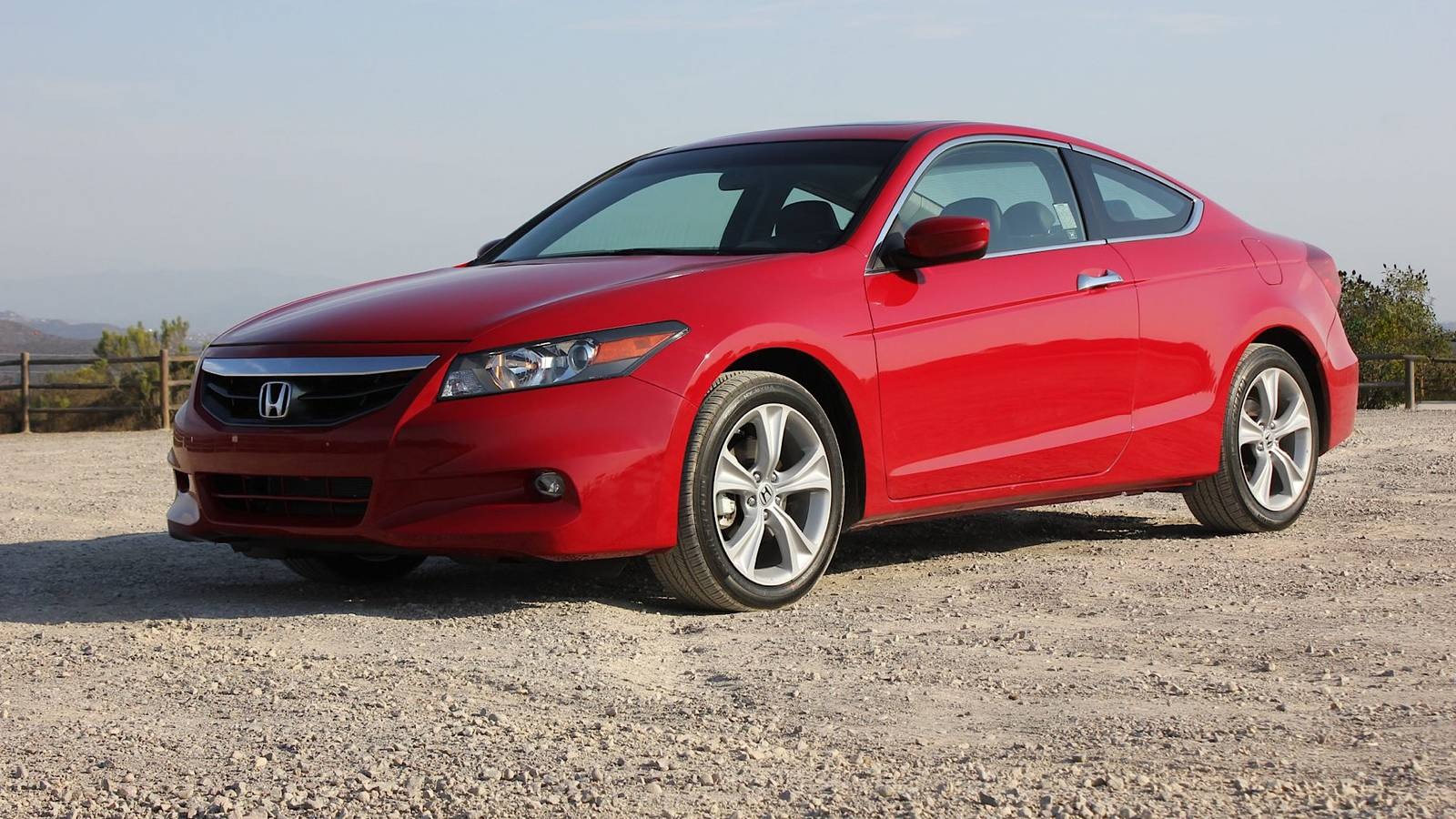
2. Honda Accord
The Honda Accord has long been considered one of the most reliable sedans on the market, and its reputation for longevity is well-earned. Many owners report hitting 300,000 miles with minimal issues, and a significant number break the 400,000-mile mark with little more than regular oil changes, timing belt replacements, and scheduled maintenance.
The Accord’s formula is straightforward: simple engineering, reliable powertrains, and an efficient design that doesn’t overcomplicate things.
Unlike luxury cars that sometimes overload themselves with electronic systems that are expensive to replace, the Accord keeps things user-friendly and easy to repair. The engines, especially the 2.4-liter four-cylinder and older V6 models, are well-balanced and known for lasting long under consistent maintenance.
Transmission issues, which plagued some other cars from the same era, are relatively rare in Accords, especially with the manual variants.
The real secret to the Accord’s longevity may lie in its build quality and owner base. Honda owners often take pride in maintaining their vehicles well, and the Accord rewards that attention with mile after mile of steady performance.
Even with high mileage, many Accords still deliver smooth rides, reliable handling, and minimal engine noise, something that starts to fade in other cars past the 200,000-mile point.
It’s also important to mention that parts availability plays a big role in the Accord’s extended lifespan. Because it’s been such a popular car for so long, replacement parts are everywhere and affordable.
This makes major repairs less daunting and contributes to the vehicle’s ability to keep going far beyond typical limits. Many mechanics are familiar with the Accord’s common problems and fixes, which helps keep maintenance straightforward and cost-effective.
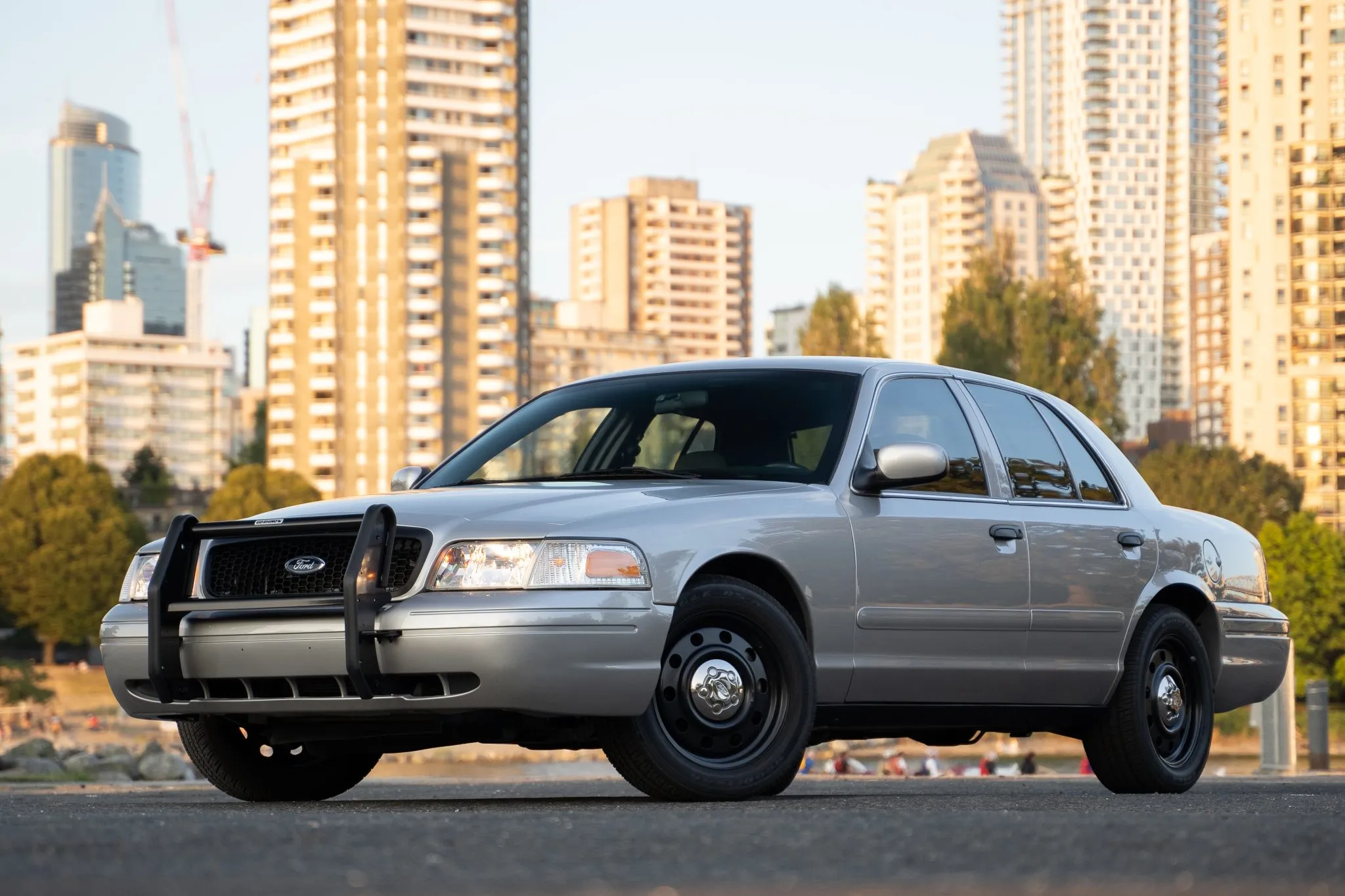
3. Ford Crown Victoria
If you’ve ever taken a taxi in a major American city or watched a police chase on television, you’ve likely seen the Ford Crown Victoria in action. Known for its large size, simple mechanics, and heavy-duty construction, this full-sized sedan is more than just a leftover from a bygone era.
It’s a machine built to handle abuse, and it routinely proves its worth by passing the 400,000-mile threshold, often in high-stress environments like police fleets and cab companies.
The backbone of the Crown Victoria’s longevity is the tried-and-true 4.6-liter V8 engine. While not the most fuel-efficient, it is remarkably durable.
The body-on-frame design, a rarity among modern sedans, allows the car to take more punishment than most unibody vehicles. Whether it’s being rear-ended or jumping curbs, the Crown Vic keeps going. Add to that a relatively simple suspension setup and a transmission that can be rebuilt without massive costs, and you’ve got a recipe for longevity.
Fleet usage has actually helped this car prove its staying power. Unlike personal vehicles that might get retired once they become outdated, fleet Crown Vics are often driven until the wheels practically fall off.
The data from taxi and police departments shows a clear trend: this car just doesn’t quit. Maintenance costs are relatively low, and many owners say that even after 300,000 miles, the Crown Vic still feels stable and powerful on the road.
Outside of fleets, there’s a devoted fan base that keeps these cars alive. Enthusiasts swap parts, rebuild engines, and keep detailed logs of maintenance techniques.
With a strong aftermarket and plenty of used parts available, keeping a Crown Victoria on the road isn’t just doable, it’s practical. It may not be flashy, but it’s one of the most underrated long-haul vehicles ever built.
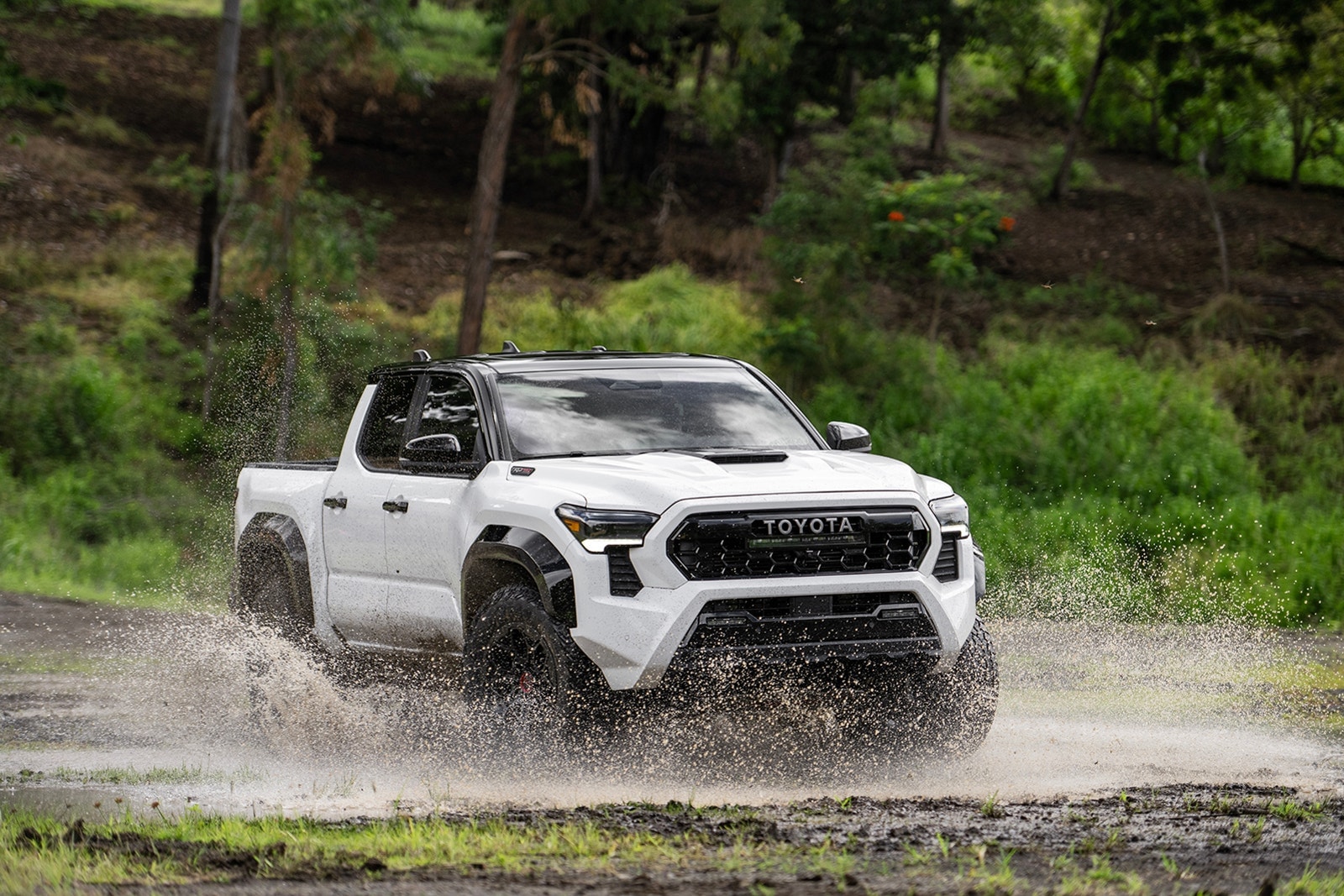
4. Toyota Tacoma
The Toyota Tacoma has long held a reputation as one of the most dependable midsize trucks ever produced. While it’s often praised for its off-road capability and solid resale value, many owners know it for something even more valuable: longevity.
There are countless documented cases of Tacomas crossing the 400,000-mile mark with minimal engine issues. What makes this even more impressive is that many of these trucks are used for tough jobs, including hauling, towing, and daily driving in rugged terrain.
Part of what makes the Tacoma last so long is the simplicity and strength of its core components. The engines, particularly the 2.7-liter four-cylinder and the 4.0-liter V6, are known for running smoothly even after hundreds of thousands of miles. They’re not high-strung or over-tuned; instead, they focus on steady, reliable performance.
The transmissions, both automatic and manual, have proven to be just as reliable. And because the truck doesn’t rely heavily on overly complicated electronics, it ages more gracefully than some competitors.
The build quality of the Tacoma is another factor that contributes to its impressive lifespan. The frame and suspension are designed to take abuse, which is one reason you’ll see older Tacomas still holding their own off-road. That said, early models did face issues with frame rust, particularly in cold climates.
Toyota addressed the problem through extended warranties and free frame replacements for many owners, which further cemented the brand’s reputation for standing behind its products. Once the rust issue was resolved, the mechanical longevity remained as strong as ever.
Another major advantage Tacoma owners enjoy is a massive aftermarket support system. Whether you’re replacing suspension components or rebuilding a transmission, parts are readily available.
Mechanics are familiar with the truck, and many owners take pride in doing the maintenance themselves. It’s a vehicle that’s not only capable but also extremely maintainable. That combination makes it more than just a truck, it’s a long-term investment for those who take care of it.
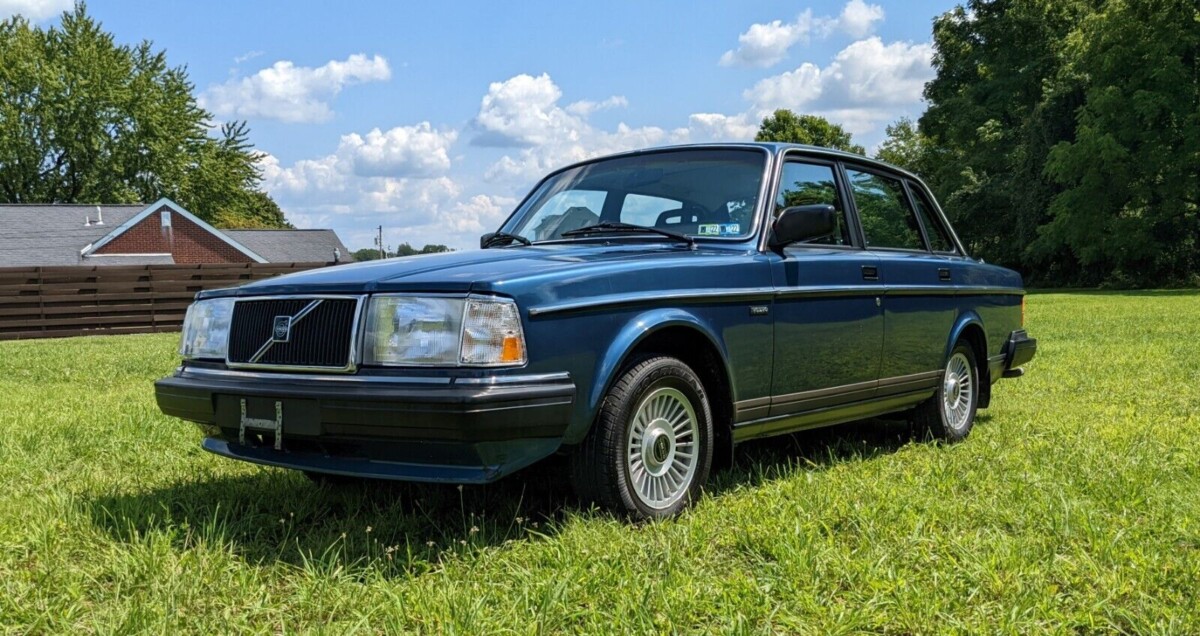
5. Volvo 240
The Volvo 240 is an icon of durability from a time when cars were built to be simple, practical, and endlessly reliable. While it may not win any awards for style or speed, this boxy Swedish sedan and wagon has earned a loyal following because of how incredibly long it lasts.
Many Volvo 240s have crossed the 400,000-mile mark, with some approaching half a million miles while still operating on the original engine block. Its secret isn’t high-tech innovation, but rather solid, no-frills engineering.
The 240’s engine, particularly the B21 and B230 four-cylinder units, is practically indestructible if maintained properly. These engines are overbuilt and designed to run under stress without overheating or developing major mechanical failures.
With proper oil changes, timing belt replacements, and occasional valve adjustments, they just keep going. The rear-wheel-drive layout is also a plus for long-term drivability and simplicity. Fewer drivetrain complications mean fewer things that can go wrong over the decades.
The 240’s long lifespan is also helped by its easy-to-service design. The engine bay is spacious, parts are logically placed, and repairs don’t require removing half the car to access basic components. This ease of maintenance has helped older models stay on the road, often passed down between generations in the same family.
Mechanics familiar with the 240 often describe it as one of the easiest vehicles to work on. It’s a great car not just for longevity, but also for learning how to do your own repairs.
Another unsung feature of the Volvo 240 is its body and chassis durability. Despite its age, the car resists rust fairly well compared to others from the same era, particularly when properly maintained or garaged.
The suspension is also surprisingly tough, and while it may feel soft and floaty by modern standards, it does an excellent job absorbing road abuse over time. For those who want a no-nonsense car that values function over form, the 240 remains one of the most enduring choices ever made.
Also Read: 5 Cars That Last With Minimal Maintenance vs 5 That Demand Constant Care
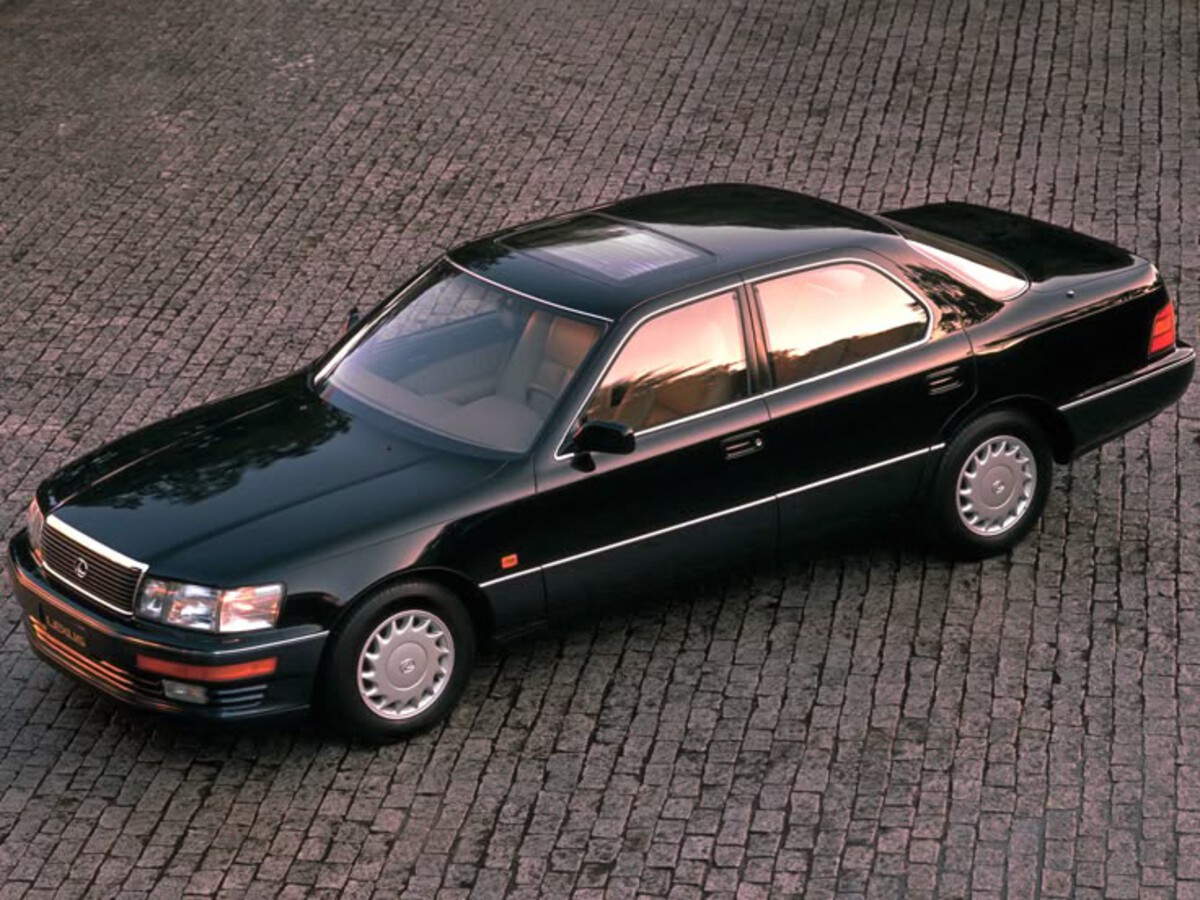
6. Lexus LS400
The Lexus LS400 was the model that launched Toyota’s luxury division in the late 1980s, and it did so with one of the most reliable powertrains ever built. The 1UZ-FE 4.0-liter V8 engine inside this car has become legendary in automotive circles, with many examples still running smoothly after 400,000 miles or more.
The LS400 was designed not just to compete with Mercedes and BMW but to outlast them. It was over-engineered in nearly every way, and that effort continues to pay off decades later.
One reason for the LS400’s extreme longevity is the precision with which it was built. Toyota engineers spent years perfecting every detail, from the smoothness of the engine to the strength of the transmission and suspension.
The result was a car that didn’t just feel luxurious but functioned like a Swiss watch. Even after hundreds of thousands of miles, the LS400 often idles quietly, shifts smoothly, and drives without the rattles and squeaks that plague many high-mileage cars.
Unlike many luxury cars from its time, the LS400 was designed with reliability in mind first, not just flash or brand prestige. Its electronics were relatively simple for a luxury vehicle, and its engine was built with high-quality materials and tight tolerances.
These decisions helped the LS400 age more gracefully than many of its rivals. Even the interior materials, leather, wood, and plastics- tend to hold up well, making the car feel less worn-out than others at similar mileage.
Perhaps most impressive is how well-supported the LS400 remains, even decades after production stopped. Enthusiast communities, YouTube DIYers, and long-term owners have created a wealth of knowledge on how to keep these cars going.
Parts are still available for most major repairs, and many common issues have well-documented fixes. It’s no wonder that the LS400 has become a cult classic, not because it’s flashy, but because it refuses to die.
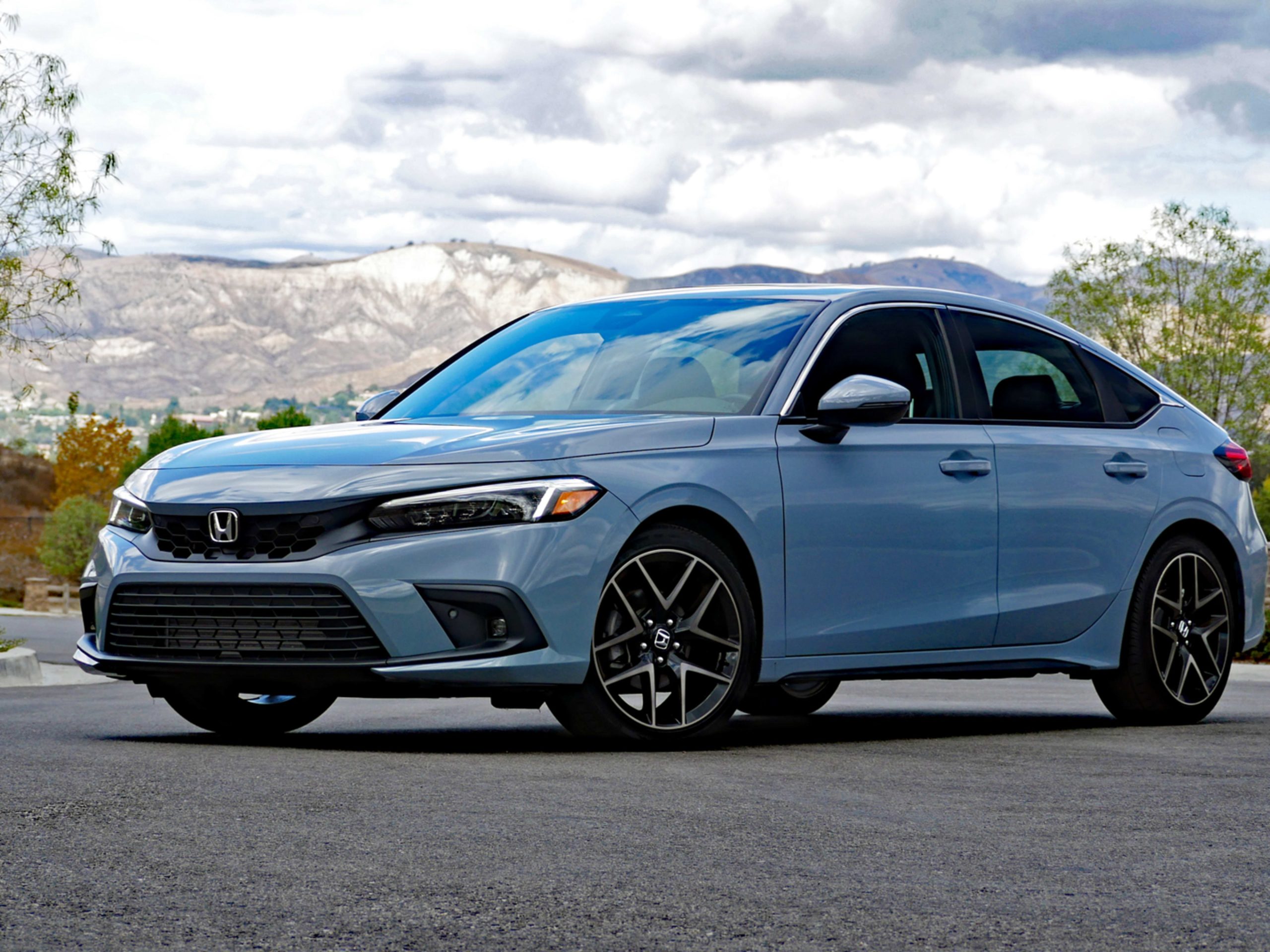
7. Honda Civic
The Honda Civic has been a staple of the automotive world for decades, and it has a well-earned reputation for being one of the most reliable and long-lasting compact cars ever built. From the early 1990s models to more recent generations, the Civic has consistently delivered high-mileage success stories.
Many owners find themselves with well over 300,000 miles and still going strong. The best-kept Civics, especially those with manual transmissions, can pass 400,000 miles without needing major overhauls.
What makes the Civic such a high-mileage champ is its simplicity and efficiency. Honda’s smaller engines are well-designed, featuring timing belts that are easy to replace, durable valve trains, and good thermal management.
Because Civics are relatively lightweight, the engine and drivetrain don’t have to work as hard to move the car. This reduces wear and helps extend the life of critical components. Proper maintenance, oil changes, valve adjustments, and fluid flushes can go a long way in making a Civic last for decades.
Another key factor in the Civic’s longevity is the way it’s built. Unlike some compact cars that feel disposable after a few years, the Civic holds up structurally and mechanically. The chassis is strong enough to resist long-term fatigue, and the suspension components, while basic, are durable and easy to replace.
Brake parts, belts, hoses, and sensors are affordable and widely available. As a result, owners often find it cheaper to keep their Civic running than to replace it, which only reinforces its longevity.
Civic owners are also among the most passionate when it comes to DIY repairs and modifications. There’s a massive online community dedicated to Civic maintenance and upgrades, making it easier than ever to learn how to keep the car in top shape.
Whether it’s replacing a clutch, rebuilding an engine, or just swapping out sensors, there’s a Civic guide for it. That knowledge-sharing culture, paired with an already durable car, helps turn many Civics into long-distance runners.
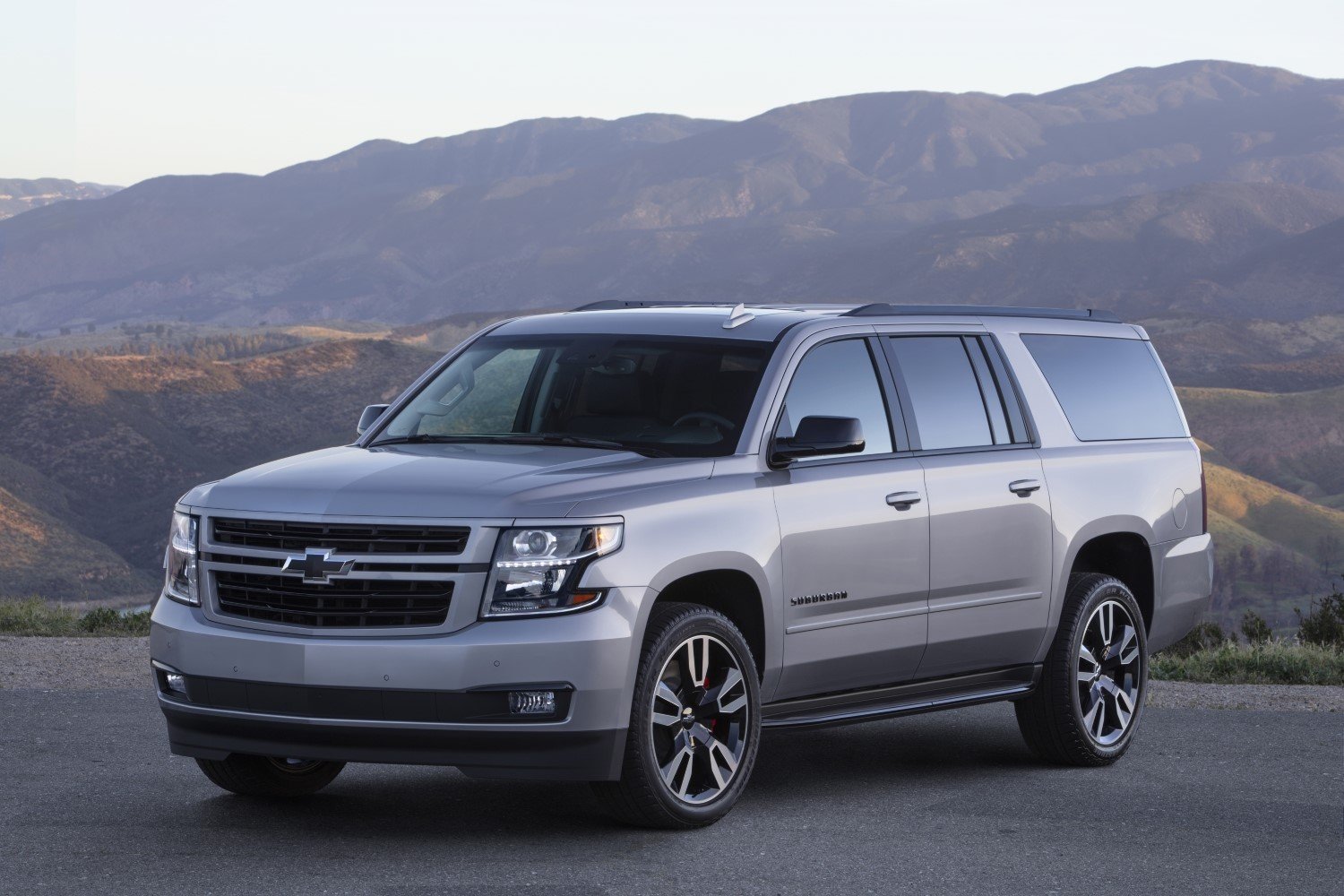
8. Chevrolet Suburban
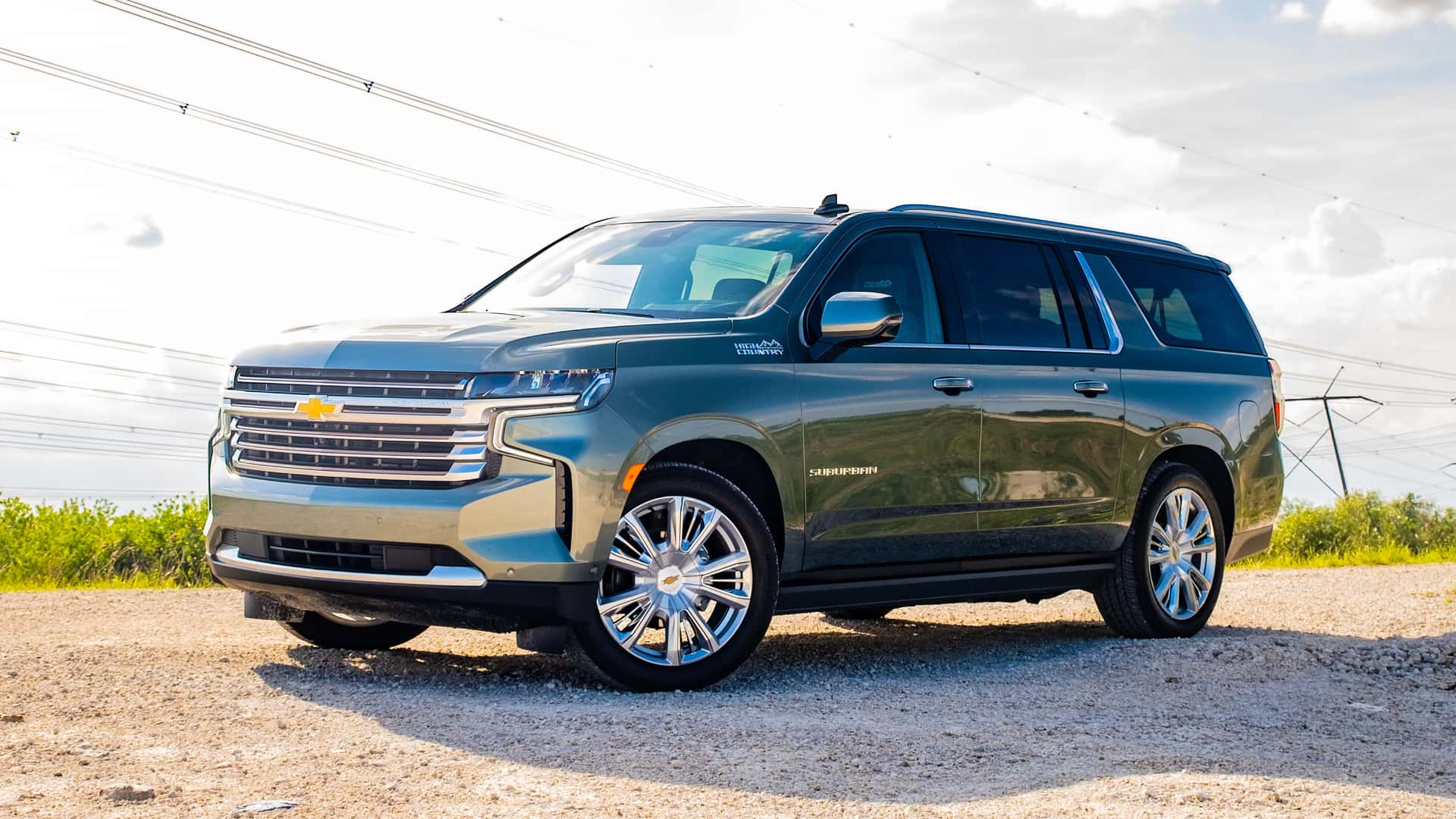
The Chevrolet Suburban is one of the longest-running nameplates in automotive history, and it’s known for being a dependable workhorse. Designed for families, fleets, and heavy-duty use, it has developed a loyal following among those who need a reliable vehicle that can carry people and cargo for hundreds of thousands of miles.
Many Suburbans on the road today are well past 300,000 miles, and it’s not uncommon to see ones pushing beyond 400,000, especially when powered by GM’s legendary small-block V8 engines.
Part of the Suburban’s endurance comes from its traditional body-on-frame construction. Unlike crossovers, which prioritize comfort and efficiency, the Suburban is built like a truck. This gives it the strength and durability needed to handle towing, rough roads, and heavy loads without falling apart.
The V8 engines, such as the 5.3L and 6.0L variants, are known for their toughness and easy maintenance. Combined with automatic transmissions that can be rebuilt or replaced relatively affordably, this platform is built to last.
The Suburban is also a favorite among fleet operators and law enforcement, which means that many of the long-running examples come from real-world usage, not just casual driving. These vehicles often undergo regular servicing and routine maintenance, and the data shows that they hold up better than most in the long haul.
It’s also a vehicle that’s relatively easy to work on, with a large engine bay, accessible components, and a strong parts network that includes both OEM and aftermarket suppliers.
What really sets the Suburban apart from other large SUVs is how gracefully it ages. The interior, while not luxurious, tends to be durable. The body panels resist rust better than other large vehicles from the same era, especially in southern or dry climates.
The simplicity of the dashboard electronics in older models means fewer electrical failures over time, while newer models benefit from improved corrosion protection and more refined engines.
Even with years of wear, a well-maintained Suburban can still feel composed on the road, with the kind of ride quality that makes long road trips comfortable, not punishing.
Families who need a dependable people mover and contractors who need to haul equipment are often drawn to the Suburban for its practicality.
When treated right, it returns that trust with miles of uninterrupted service. Maintenance is relatively straightforward: fluid changes, brake jobs, and periodic tune-ups go a long way.
The platform is also shared with the Chevrolet Silverado and Tahoe, which means parts are plentiful and cheap. This availability significantly reduces the cost of ownership over the long term.
There are also strong communities of Suburban owners who support each other in keeping these vehicles running. Online forums, social media groups, and even local mechanic shops have years of collective experience solving common Suburban issues.
From fuel pump replacements to transmission rebuilds, everything is well-documented. Owners often share their experiences pushing well past 300,000 and into the 400,000-mile range with relatively few headaches. It’s not just a truck; for many, it becomes part of the family.
While gas mileage will never be its strong suit, the trade-off for sheer mechanical reliability and hauling capacity is worth it for many drivers. In rural areas, these trucks are seen not just as useful but as essential.
A vehicle that can comfortably carry seven passengers, tow a trailer, and still feel solid after 20 years is rare. The Suburban doesn’t just make it to 400,000 miles; it often does so while carrying a full load and towing something behind it.
9. Subaru Outback (Pre-2015 Models)
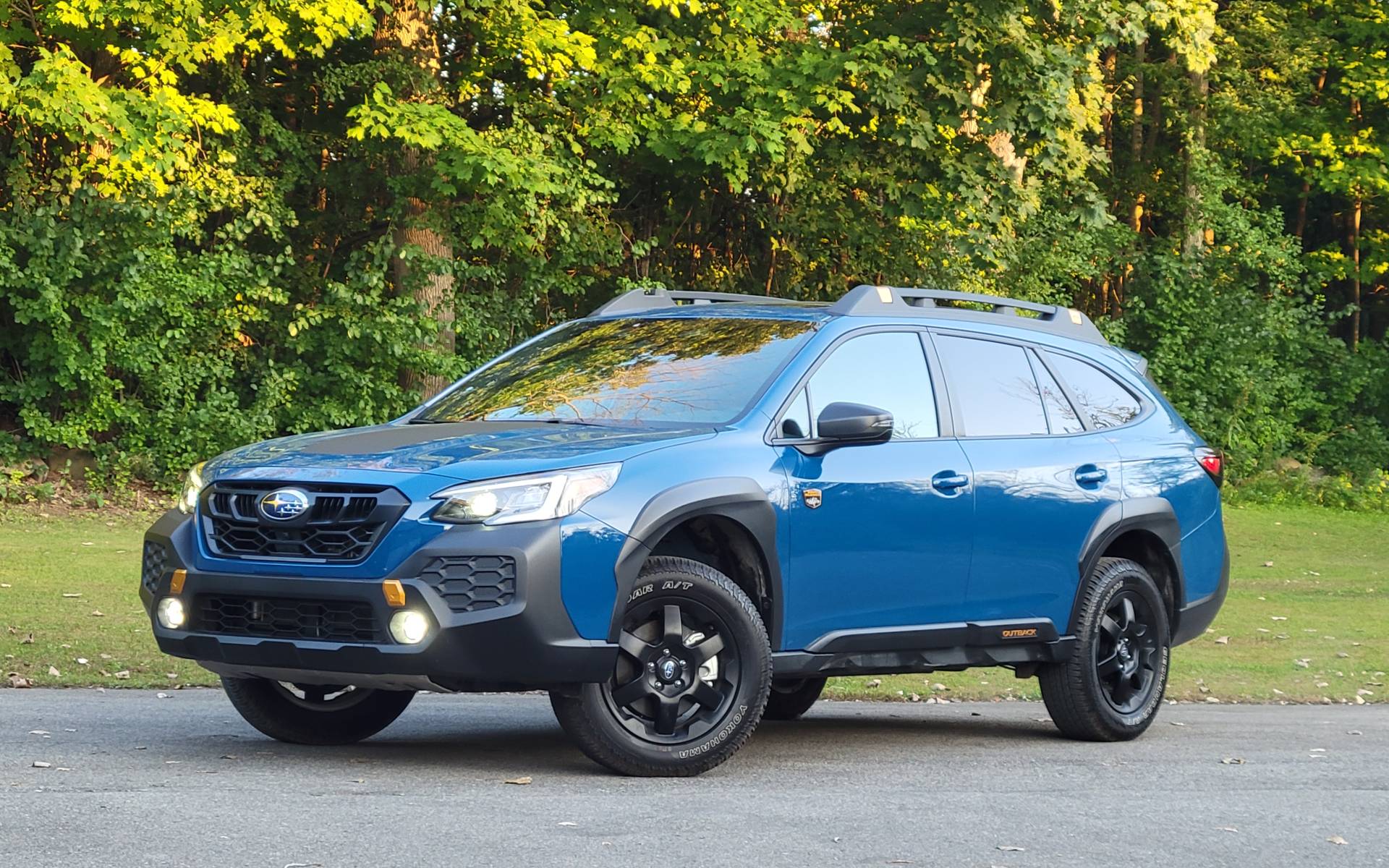
The Subaru Outback may not immediately come to mind when thinking about ultra-high-mileage vehicles, but it has quietly built a reputation for long-term durability, especially in models built before 2015.
Designed as a rugged crossover before that term became widespread, the Outback blends all-wheel drive capability with sedan-like comfort. It’s a favorite among outdoor enthusiasts, rural drivers, and commuters in snowy climates. Many early Outback owners have kept their cars running strong well into the 400,000-mile range.
One of the key reasons the Outback lasts so long is Subaru’s symmetrical all-wheel drive system. It offers excellent traction and handles inclement weather better than most vehicles in its class. More importantly, it’s mechanically reliable when maintained properly.
The drivetrain, particularly in four-cylinder variants with manual transmissions, is known for going the distance. Timing belt changes and regular fluid maintenance are key, but with those items addressed, the core components rarely give out.
Subaru’s flat-four “boxer” engine design does require some attention, particularly regarding head gaskets on older models, but many owners and independent mechanics are well-versed in addressing these issues. Once fixed properly, the engine has few weaknesses.
It’s also relatively easy to access for regular maintenance. When combined with a strong suspension system and durable frame, the result is a wagon that can take thousands of miles of back-road driving without complaint.
Another underrated factor is the loyal owner base that tends to care deeply about their vehicles. Subaru has cultivated a customer base that prioritizes reliability and maintenance, and many Outback owners perform their own oil changes, fluid swaps, and brake repairs. These habits directly impact longevity.
The Outback may not be flashy, but it has proved itself as a dependable and capable companion for those willing to give it consistent care.
10. Mercedes-Benz W123 (300D / 240D)
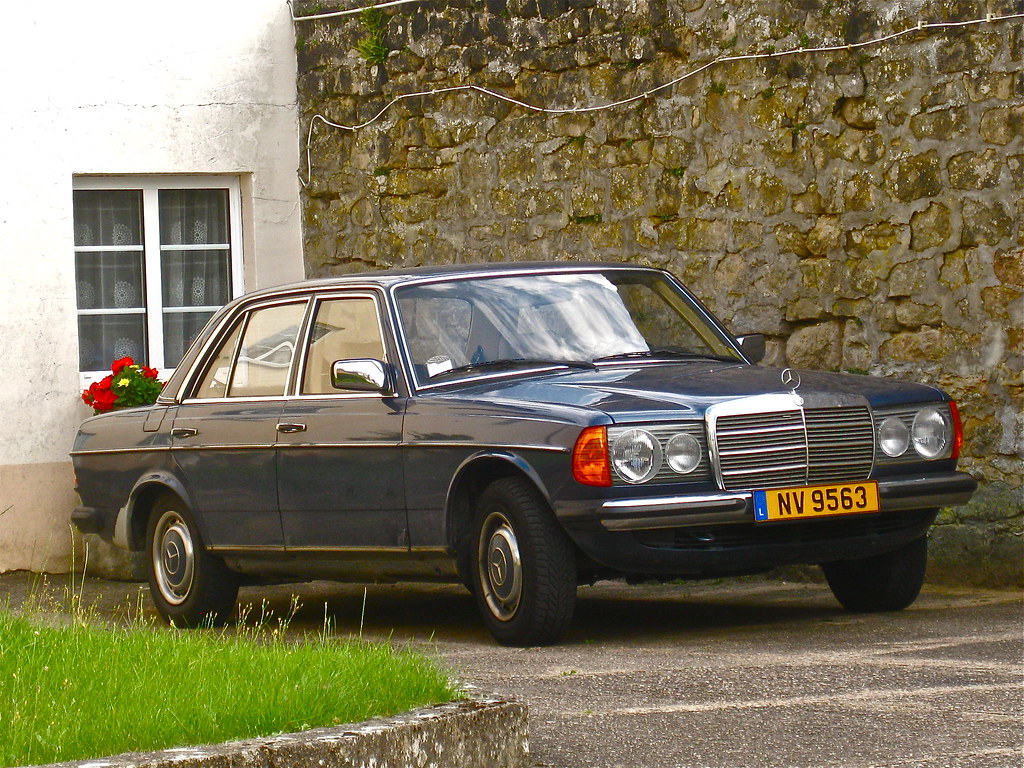
The Mercedes-Benz W123 series, especially the diesel-powered 300D and 240D models, is one of the most overbuilt passenger cars in automotive history. Produced from the late 1970s through the mid-1980s, these cars are known for their brick-like construction, mechanical simplicity, and near indestructibility.
While technology has moved on, the W123 still holds a revered place in automotive culture for its ability to reach and surpass, 400,000 miles without major component failure.
At the heart of this legendary longevity is the OM617 diesel engine found in the 300D. It’s slow, noisy, and far from efficient by modern standards, but it is built like a tank. This five-cylinder diesel engine can last a lifetime with routine maintenance.
Regular oil changes, valve adjustments, and fuel filter replacements are usually all it takes to keep it humming. The 240D, with its smaller four-cylinder diesel engine, is even simpler and arguably even more reliable, albeit slower.
Another contributor to the W123’s longevity is its mechanical nature. These vehicles were made before electronic fuel injection, digital sensors, and plastic engine parts took over. Nearly everything can be adjusted, repaired, or rebuilt with hand tools and a service manual.
That simplicity makes them ideal for drivers who want a hands-on approach to their vehicle’s upkeep. In many countries, W123s are still used as taxis, daily drivers, or even cross-continental tourers due to their dependable reputation.
The build quality of the rest of the car matches that of the powertrain. Doors shut with a solid thud, the interiors resist wear surprisingly well, and the suspension, though soft, is designed to soak up bad roads for decades. Parts availability is still strong thanks to global demand and Mercedes’ heritage support.
While they’re not fast or flashy, the W123 models are still running today because they were built with long-term service in mind, a philosophy that’s becoming rare.
11. Ford F-250 Super Duty (Diesel)
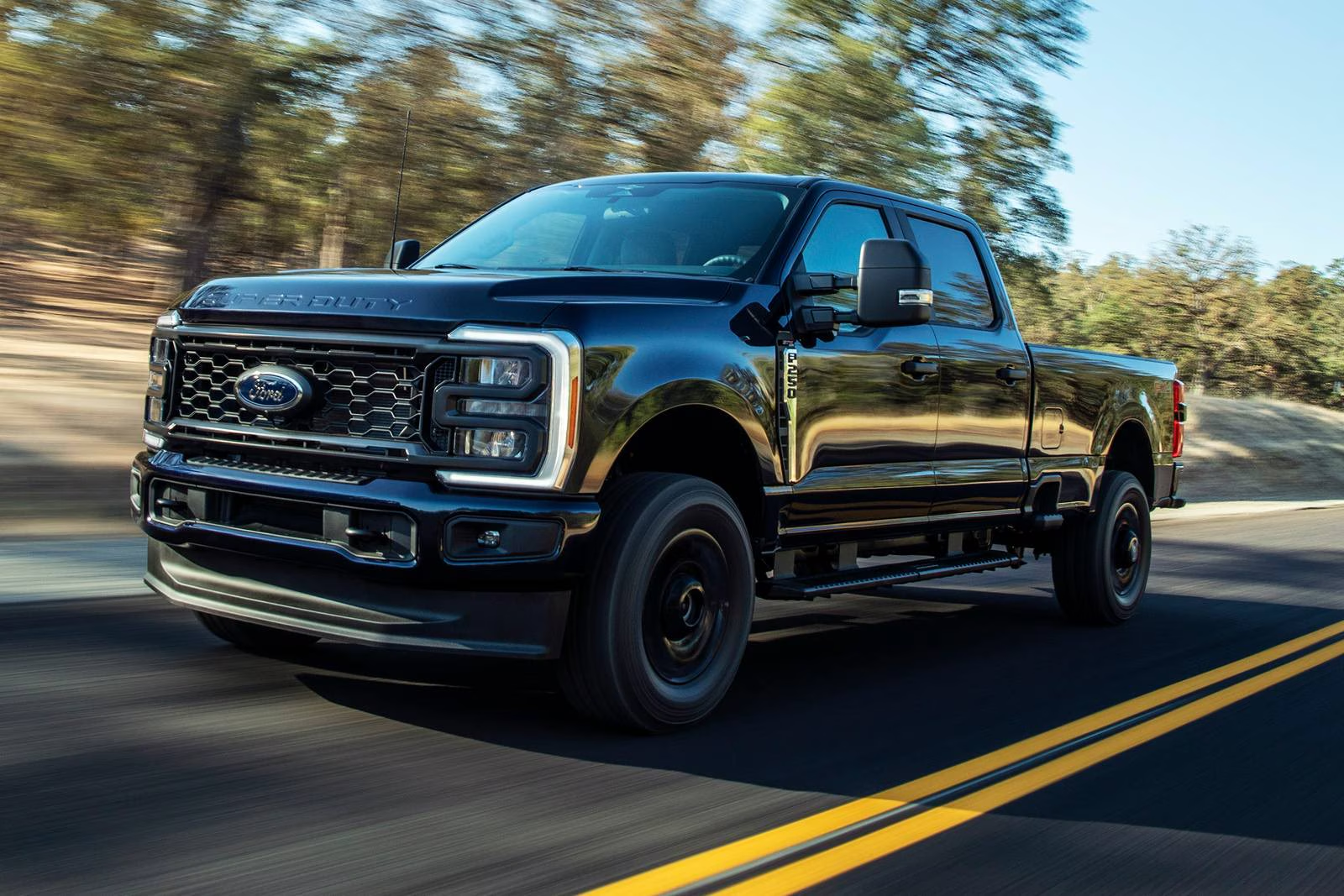
The Ford F-250 Super Duty diesel trucks, especially those equipped with the 7.3-liter Power Stroke engine, are legendary in work truck circles for their durability and lifespan.
Often used for commercial purposes, towing, and heavy hauling, these trucks regularly rack up over 400,000 miles, and in many cases, far beyond. The 7.3L Power Stroke, produced in the late 1990s and early 2000s, is widely regarded as one of the most reliable diesel engines ever put in a pickup.
This engine is known for its strength, but it’s the simplicity and robustness of the entire truck that makes it a high-mileage legend. The Super Duty chassis is designed to take serious abuse without compromising structure or function.
Whether it’s farm work, snow plowing, or daily highway driving with a trailer in tow, the F-250 holds up under stress. Owners who use their trucks hard also tend to maintain them well, which is key to reaching those high odometer numbers.
Another strength of the F-250 platform is serviceability. The truck was designed with commercial use in mind, meaning that parts are easy to source, and repairs can often be done quickly by experienced mechanics.
Because the Power Stroke diesel was built for long intervals and heavy loads, basic maintenance, fuel filter swaps, oil changes, and transmission services go a long way. Many owners also take preventative steps, like upgrading the transmission cooler or reinforcing suspension parts, to ensure long life.
Ford trucks also have one of the largest aftermarket and support networks of any vehicle in North America. Whether you’re looking for performance parts, repair kits, or full engine rebuilds, it’s all readily available. The culture around these trucks is one of pride and durability.
Owners often brag not about how new their truck is, but how long it’s lasted. That mindset is part of why so many of these machines are still going strong after hundreds of thousands of demanding miles.
