
When it comes to planning a road trip, choosing the right vehicle can make all the difference between a pleasurable experience and a grueling ordeal.
SUVs are often favored for road trips because of their spacious interiors, versatility, and ruggedness, but not all SUVs are created equal in terms of comfort during long drives.
Some models are thoughtfully designed with passenger comfort, ride quality, noise insulation, and convenience in mind, making them perfect for hours spent on the road.
Others, however, might seem promising on paper but fall short in practice, leading to backaches, fatigue, and discomfort as the miles pile up.
Comfort on a long road trip is about more than just plush seats. It encompasses ride smoothness, cabin quietness, interior space, ease of access, and user-friendly controls.
Factors such as how well the suspension absorbs bumps, how much road noise filters into the cabin, and whether the seats provide proper support can significantly affect the enjoyment of a journey.
Additionally, features like climate control, infotainment systems, and even cargo space contribute to the experience, making some SUVs stand out as ideal travel companions.
In this article, we will look at five SUVs that are widely recognized for their exceptional road trip comfort. These vehicles tend to have a combination of spacious and supportive seating, smooth rides, and thoughtful interior layouts that keep passengers feeling relaxed and refreshed even after many hours behind the wheel.
We will then contrast these with five SUVs that tend to be less suited for extended drives due to harsh rides, cramped interiors, or lack of essential comfort features.
Understanding these differences can help prospective buyers or travelers make informed choices when selecting an SUV for their next adventure.
Whether you prioritize luxurious amenities, quiet cabins, or simply want a vehicle that won’t wear you out on the highway, the following breakdown will provide valuable insights into which SUVs stand out for long-distance comfort and which ones you might want to avoid for extended road trips.
Also Read: 5 EVs With Excellent Battery Life and 5 With Costly Battery Replacements
Five SUVs with Great Road Trip Comfort
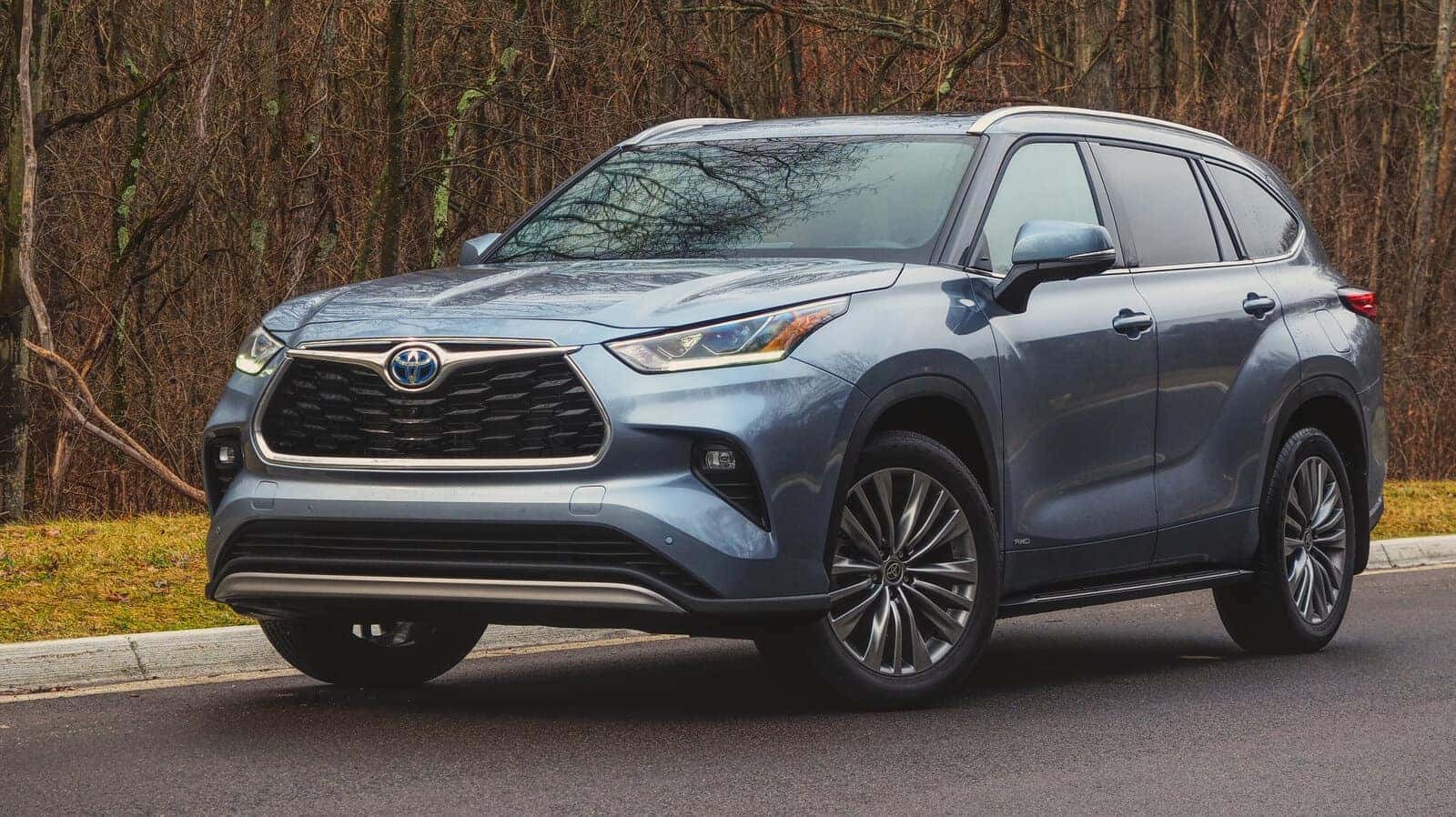
1. Toyota Highlander
The Toyota Highlander has established itself as a highly dependable and comfortable midsize SUV that many families and road travelers turn to for long-distance journeys.
One of the primary reasons for its outstanding road trip comfort is its well-engineered suspension system, which expertly balances firmness and softness.
This system smooths out rough patches of road and absorbs bumps in a way that prevents passengers from feeling every imperfection in the pavement.
Unlike some SUVs that trade comfort for sportier handling or off-road capability, the Highlander prioritizes a cushioned, controlled ride that keeps driver and passengers relaxed over many hours.
Furthermore, Toyota has placed a strong emphasis on reducing unwanted noise within the cabin. The insulation and acoustic glass work together to keep wind, road, and engine sounds to a minimum, creating a serene environment that supports conversation or quiet reflection.
Inside, the Highlander offers generous seating capacity for up to eight occupants, which is ideal for families or groups traveling together.
The second-row seats, which are often the most used for adult passengers, are especially comfortable, with a thoughtful balance of softness and firmness to provide support without feeling too rigid or overly plush.
The seat contours are designed to cradle occupants in a way that reduces pressure on key points like the lower back and thighs, which helps prevent discomfort or soreness during long drives.
Additionally, the Highlander’s cabin layout promotes ease of movement and accessibility, making it simple for passengers to enter and exit the vehicle even during frequent stops.
Climate control is another strong point, with options that range from dual-zone to tri-zone automatic systems, ensuring that each row can maintain an ideal temperature for maximum comfort regardless of outside weather conditions.
The vehicle’s infotainment and connectivity systems also play a crucial role in enhancing road trip comfort. The touchscreen interface is responsive and easy to navigate, allowing drivers to access navigation, music, and smartphone integration without distraction.
Multiple USB ports and wireless charging capabilities keep devices powered and ready, which is especially important on long journeys when passengers may want to stream media or keep in touch.
The sound system is generally of high quality, delivering crisp and clear audio that improves the enjoyment of music or podcasts.
Ergonomically, the controls are intuitively placed so the driver can operate them with minimal effort, keeping focus on the road. This thoughtful design minimizes driver fatigue and contributes to a safer, more enjoyable drive.
Beyond just comfort and convenience, the Highlander’s reputation for reliability adds an intangible but critical layer of peace of mind. Knowing that the vehicle is unlikely to encounter mechanical problems during a trip allows drivers to relax and enjoy the drive more fully.
This is especially reassuring when traveling through areas where service options may be limited. Combined, these elements make the Toyota Highlander a comprehensive package that excels at making road trips not just bearable but genuinely enjoyable for all occupants.
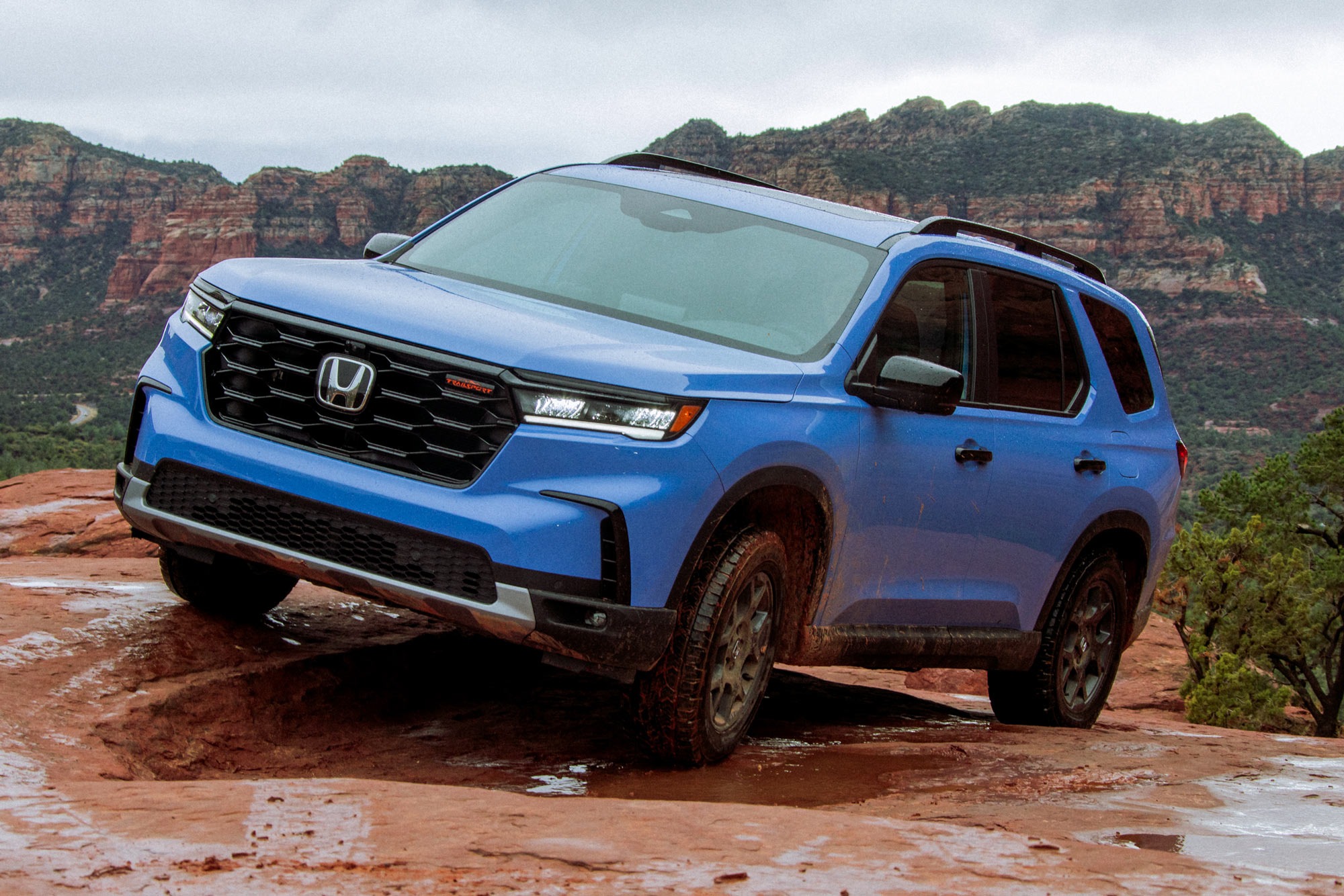
2. Honda Pilot
The Honda Pilot is widely regarded as one of the most comfortable and family-friendly SUVs on the market, making it an excellent choice for road trips that involve multiple passengers.
One of the Pilot’s standout features is its exceptionally spacious interior, which ranks among the most generous in the midsize SUV class.
This spaciousness translates directly into increased comfort, particularly on longer trips where the ability to stretch out and move freely can drastically improve the travel experience.
The second and third rows provide sufficient legroom and headroom, even for taller passengers, which is something that many other SUVs in this category struggle to achieve.
This extra space helps prevent the cramped feeling that can often lead to restlessness or discomfort, particularly on trips that last several hours or more.
The ride quality of the Pilot is finely tuned to offer a balance between a plush, smooth experience and confident handling.
The suspension does an excellent job of absorbing the majority of road irregularities while maintaining enough firmness to keep the vehicle stable and composed during cornering or highway maneuvers.
This results in a ride that is comfortable but never floaty or disconnected from the road. Additionally, the cabin of the Pilot benefits from thorough soundproofing efforts, resulting in a quiet interior that shields occupants from excessive wind, tire, or engine noise.
This quietness helps reduce fatigue by creating a peaceful environment where passengers can converse easily, listen to music, or simply relax.
The tri-zone climate control system further enhances comfort by allowing different temperature settings for the driver, front passenger, and rear passengers, ensuring everyone’s preferences are accommodated.
The Pilot’s seating is another key contributor to its road trip comfort. The front seats are well-cushioned and supportive, offering multiple adjustment options and often including features like heating and ventilation to suit different weather conditions.
The rear seats are no afterthought either, they provide firm yet comfortable support that keeps passengers from feeling stiff or sore after hours of sitting.
Storage and practicality are also thoughtfully addressed, with numerous compartments, cup holders, and a large cargo space that can handle luggage, gear, or other travel essentials without intruding on passenger comfort. This versatility is important for families or groups who need to bring a range of items along on their trip.
In terms of technology, the Pilot continues to impress with an intuitive infotainment system that includes Apple CarPlay, Android Auto, and a range of connectivity options. Multiple USB ports throughout the cabin ensure devices stay charged, and the interface is simple enough to minimize driver distraction.
These features combine to create an SUV that not only feels comfortable but also keeps all occupants entertained and connected during long drives. The Honda Pilot’s combination of generous space, smooth ride, quiet cabin, and smart technology make it one of the best SUVs for long-distance travel.
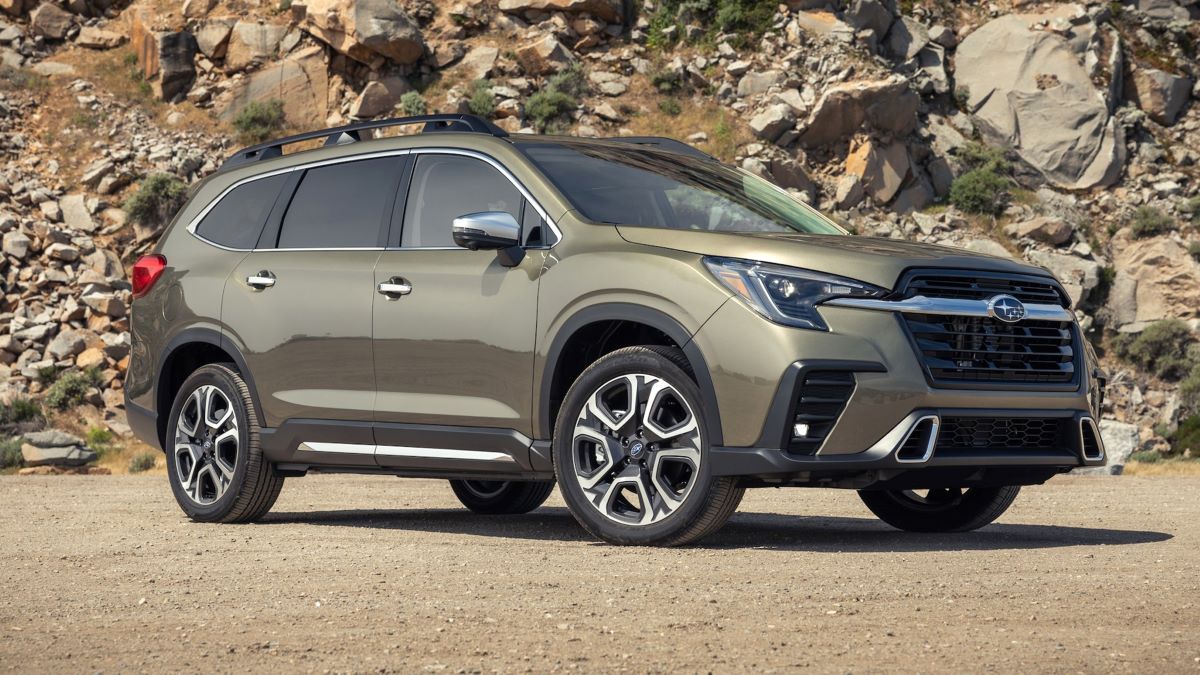
3. Subaru Ascent
The Subaru Ascent is a relatively newer entry into the midsize SUV segment but quickly gained praise for its practical design and passenger comfort, particularly when it comes to long road trips.
One of its most appealing attributes is its standard all-wheel-drive system, which offers enhanced stability and traction on various road surfaces, from wet highways to light off-road conditions.
This capability not only improves safety but also helps provide a more composed and confident driving experience. The suspension is tuned to balance comfort and control, absorbing road imperfections without sacrificing handling precision.
This balance is crucial for long-distance driving, as it prevents passengers from feeling jolted or fatigued while maintaining a sense of connection with the road.
The interior space of the Ascent is impressive, with a three-row layout that accommodates up to eight passengers. The seating is designed with comfort in mind, featuring generous legroom and headroom in all rows, a feature that is especially important for road trips involving multiple adults or older children.
The seats are well-padded with thoughtful contours that provide good lumbar support and reduce pressure points, which helps mitigate discomfort on extended drives. Subaru also places a strong emphasis on noise reduction within the cabin.
High-quality insulation and acoustic treatments result in a quiet environment that makes it easy for passengers to engage in conversation or enjoy audio content without competing with outside noise.
Climate control in the Ascent is both effective and user-friendly, with tri-zone automatic systems that allow for customized comfort throughout the cabin. Storage solutions are plentiful, offering numerous cup holders, compartments, and a sizable cargo area that can hold a considerable amount of luggage or gear.
This functionality makes the Ascent an excellent choice for families or groups who need to pack extensively but don’t want to compromise passenger space.
The infotainment system, while not overly flashy, is straightforward and responsive, providing easy access to smartphone integration, navigation, and media. This simplicity helps reduce driver distraction and makes it easier to maintain focus on the road.
Safety and driver-assistance features also play an important role in the Ascent’s road trip appeal. Technologies such as adaptive cruise control, lane-keeping assist, and automatic emergency braking help reduce the mental load on the driver, especially on long highway stretches.
These systems contribute to a less stressful and more comfortable driving experience. Taken together, the Subaru Ascent’s blend of spaciousness, comfort, quietness, and technology makes it a solid contender for those seeking an SUV that can handle the demands of extended travel with ease.
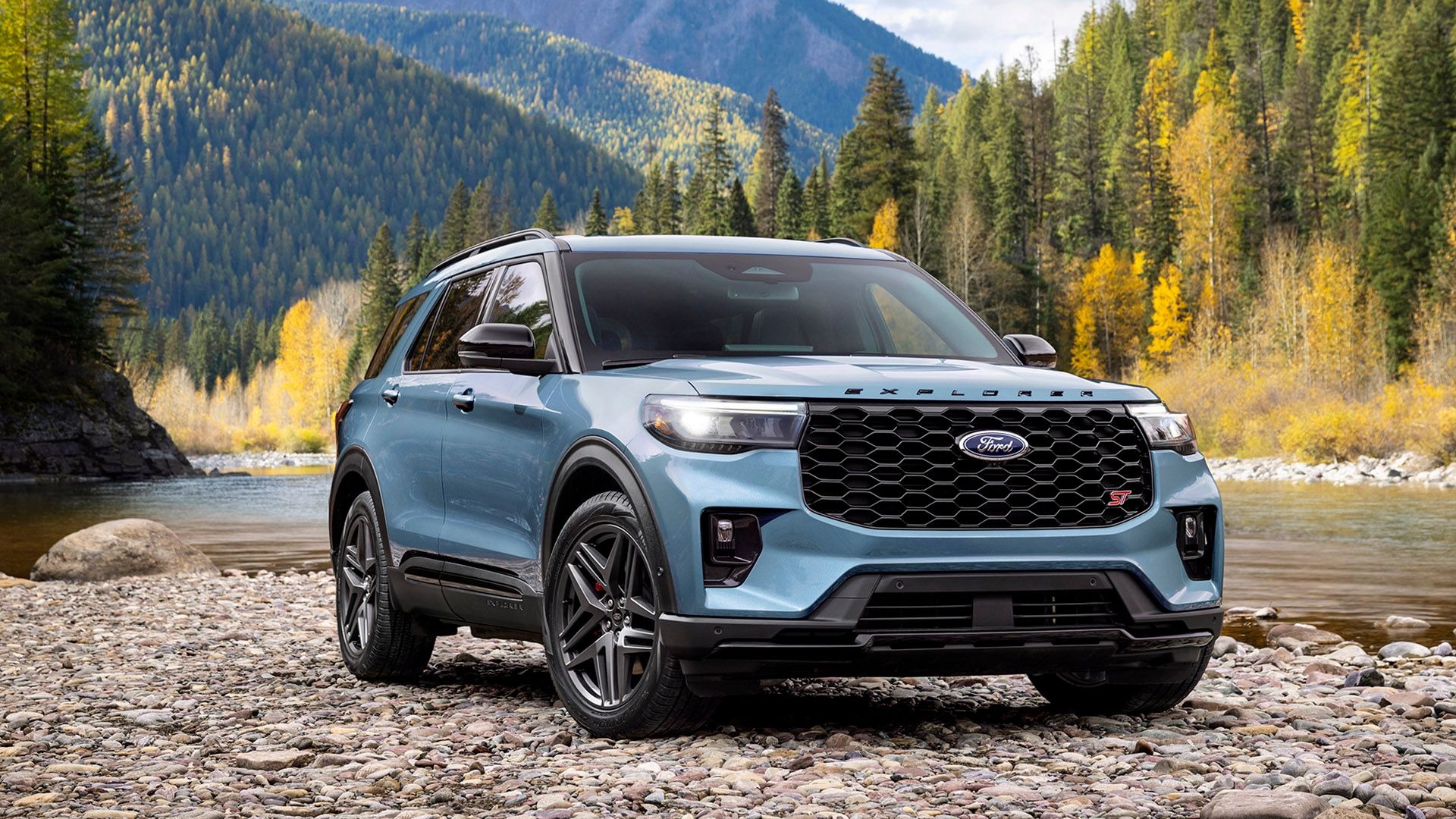
4. Ford Explorer
The Ford Explorer has been a staple in the SUV market for decades and continues to deliver on comfort and capability, making it a popular choice for road trip enthusiasts. One of the Explorer’s most significant strengths is its ride quality.
The suspension system is well-tuned to absorb the majority of road imperfections, smoothing out bumps and potholes in a way that minimizes discomfort for all passengers.
Unlike sportier SUVs that can feel stiff or jittery on rough pavement, the Explorer offers a stable yet comfortable ride that prevents fatigue during extended periods behind the wheel.
Noise insulation is also commendable, with the cabin designed to keep road, wind, and engine noise to a minimum. This quiet interior helps maintain a relaxed atmosphere conducive to conversation or listening to music at moderate volumes without distraction.
Space inside the Explorer is generous, with seating for up to seven passengers across three rows. The second and third rows are designed to comfortably accommodate adults, a feature that not all SUVs in this segment can claim.
The seats themselves are supportive and well-cushioned, providing excellent lumbar support that helps prevent back discomfort on longer drives.
Options like heated and ventilated front seats add an extra layer of comfort for varying climates and personal preferences.
The tri-zone climate control system allows individual passengers to set their own temperature preferences, ensuring that everyone remains comfortable regardless of the weather outside.
The Explorer’s technology offerings are modern and user-friendly. A large touchscreen infotainment system provides access to navigation, smartphone integration, and media controls.
Multiple USB ports and wireless charging options keep devices powered, which is important for long trips when passengers rely on their electronics for entertainment or communication.
The sound system is typically of high quality, delivering crisp and clear audio that enhances the driving experience. Storage space is plentiful, with well-placed cup holders, compartments, and a roomy cargo area that can easily handle luggage or outdoor gear.
Finally, the Explorer offers strong engine choices that provide ample power for highway cruising, passing, and climbing steep grades without strain. This power translates into a driving experience that feels effortless and confident, helping to reduce driver fatigue on long road trips.
The combination of spaciousness, quietness, comfortable seating, technology, and performance makes the Ford Explorer a versatile and attractive option for anyone seeking an SUV that can handle both daily driving and extended travel with ease.
5. Kia Telluride
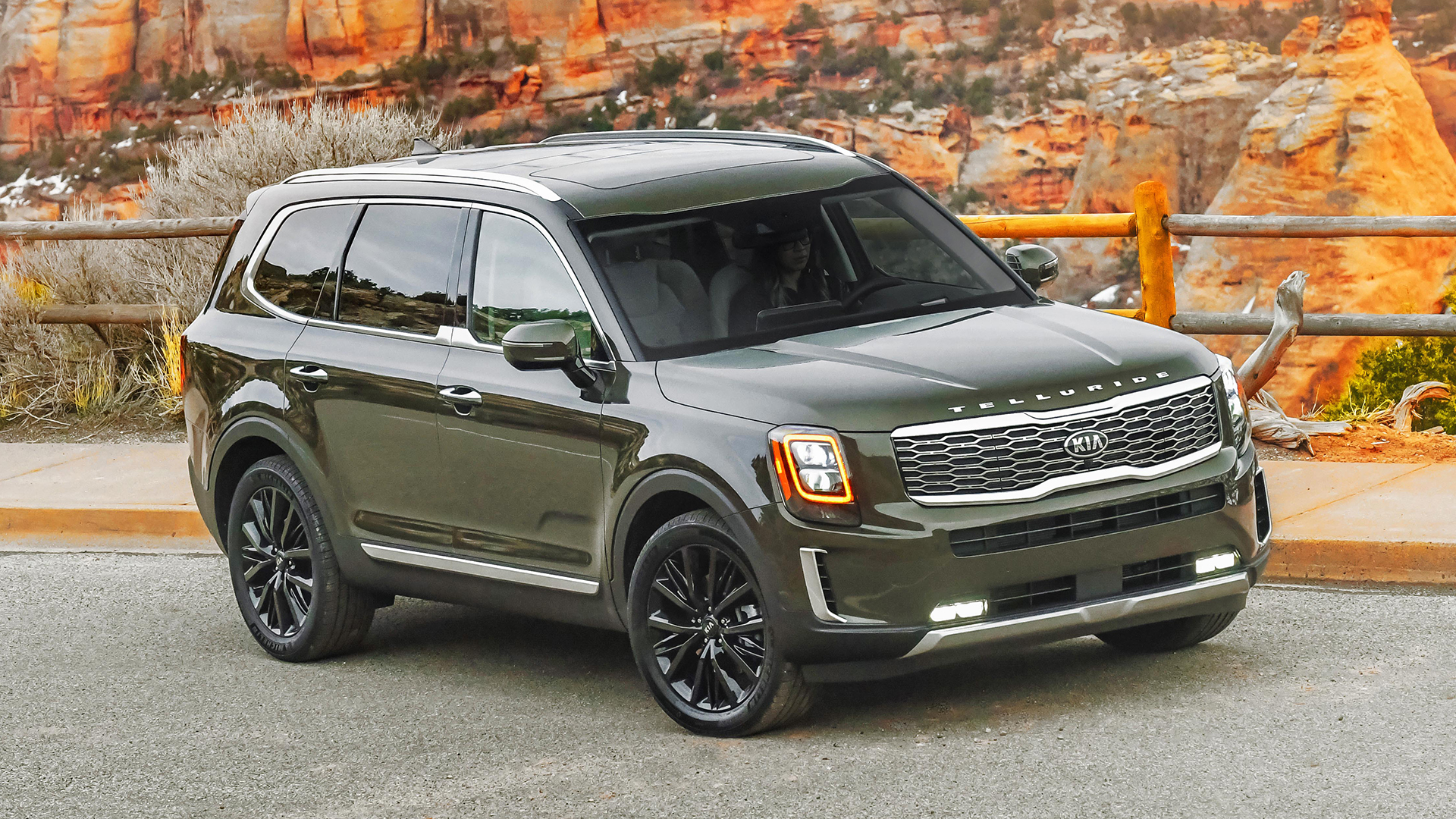
The Kia Telluride has quickly risen to prominence as one of the most comfortable and well-rounded SUVs in its class, earning praise for its near-luxury feel at a very competitive price point. One of the key reasons the Telluride excels on road trips is its exceptional ride quality.
The suspension is carefully tuned to deliver a smooth, composed ride that effectively cushions passengers from bumps and rough patches in the road.
Unlike some SUVs that compromise comfort for sportier handling, the Telluride manages to absorb road imperfections gracefully, minimizing vibrations and jolts that can cause fatigue during long drives.
Inside, the Telluride offers a spacious and meticulously designed cabin that can seat up to eight passengers comfortably.
The second-row seats, often the most heavily used by adults, are particularly noteworthy for their generous legroom and the option for captain’s chairs, which add a level of personal space and comfort.
The seats themselves strike a fine balance between firmness and softness, providing excellent support that helps prevent aches and pains over many hours on the road.
The cabin materials and finishes contribute to an upscale atmosphere, with soft-touch surfaces and quality trim that make the interior feel inviting and well-crafted.
Noise insulation is another area where the Telluride shines. The vehicle maintains a quiet cabin environment even at highway speeds, reducing the intrusion of wind and road noise.
This quietness contributes to a relaxing atmosphere that makes it easier for passengers to converse, enjoy music, or simply rest.
The climate control system is sophisticated and easy to operate, with tri-zone automatic controls that allow each occupant to customize their temperature settings independently, ensuring maximum comfort for everyone.
Technology and convenience features are abundant in the Telluride. The infotainment system is intuitive and responsive, supporting Apple CarPlay, Android Auto, and multiple USB ports to keep devices charged and connected.
Storage space is ample, with numerous compartments and a large cargo area that accommodates luggage, sports equipment, or other road trip essentials with ease.
The Telluride’s combination of smooth ride, spacious and supportive seating, quiet cabin, and advanced features makes it one of the best SUVs available for comfortable and enjoyable long-distance travel.
Also Read: 9 EVs Already Proving Reliability Beyond 100K Miles
Five SUVs That Are Miserable for Road Trip Comfort
1. Jeep Wrangler
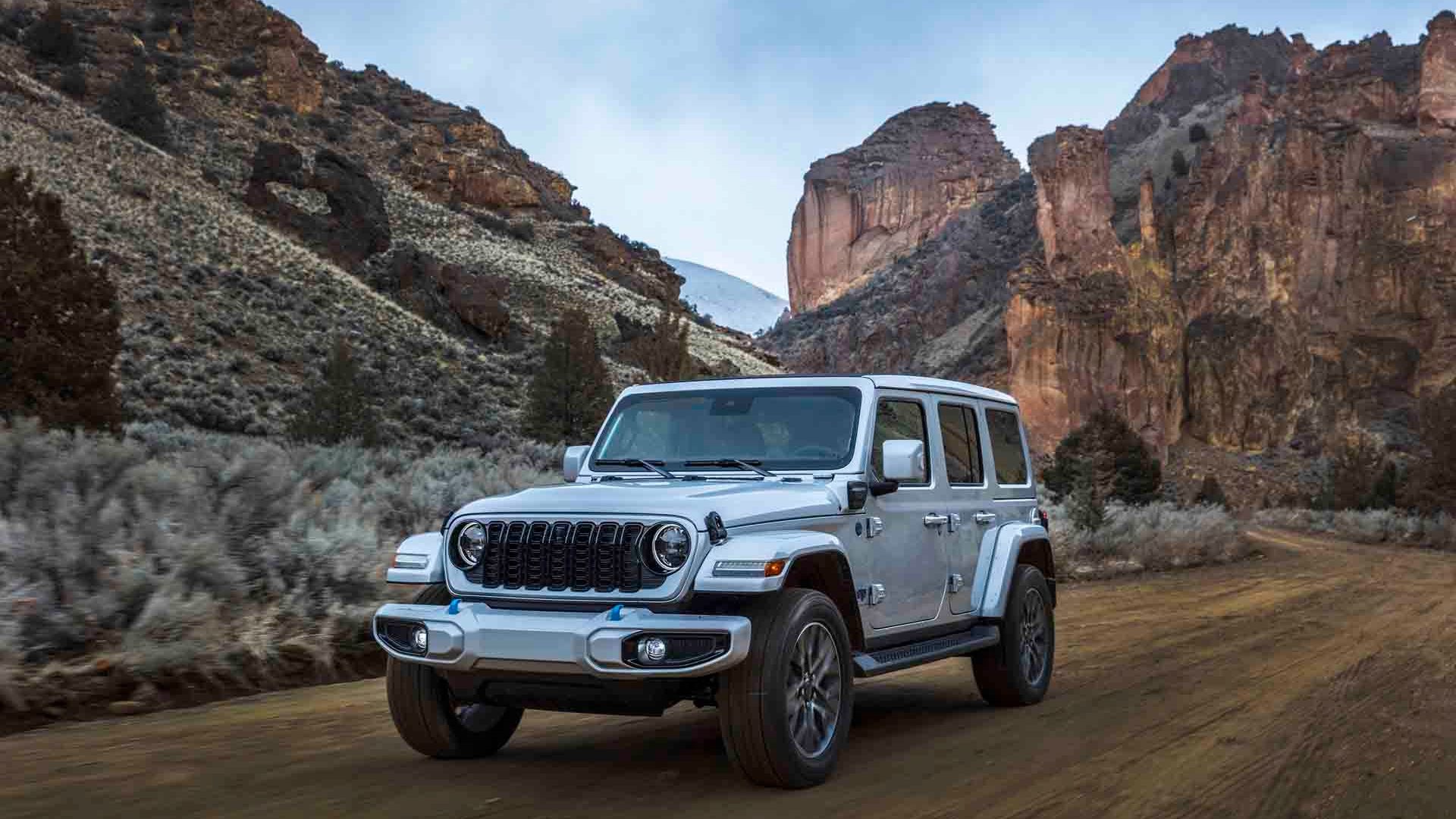
The Jeep Wrangler is one of the most recognizable vehicles on the road, beloved by off-road enthusiasts and those who value a rugged, adventurous lifestyle.
However, when it comes to road trip comfort, the Wrangler struggles in several key areas that make it far from ideal for long-distance travel. Its primary strength, off-road capability, comes at the expense of ride smoothness and on-road refinement.
The suspension system is designed to handle rocky trails, deep ruts, and uneven terrain, which means it lacks the softness and composure that highway cruising typically demands.
As a result, even minor imperfections in the pavement can lead to noticeable jolts inside the cabin. Over time, this bouncing and jarring sensation can cause fatigue, discomfort, and frustration, especially for passengers sitting in the back where the ride tends to be rougher.
Another major drawback of the Wrangler is its notoriously noisy interior. Unlike most modern SUVs that prioritize sound insulation, the Wrangler’s boxy design and removable roof panels allow substantial amounts of wind and road noise to permeate the cabin, particularly at highway speeds.
Even with the hardtop version, wind noise can be quite pronounced, and in the soft-top versions, it’s nearly constant. Holding a conversation without raising your voice becomes difficult, and listening to music or podcasts at normal volume is a challenge.
The noise can be so intense that it causes mental fatigue over long stretches of driving, making the journey feel even longer. For many people, the constant hum and buffeting can be a dealbreaker when choosing a road trip vehicle.
Finally, the Wrangler’s interior features are relatively sparse, especially in lower trims. While newer models have made improvements in infotainment and convenience technology, they still trail behind many competitors in terms of intuitive controls, screen size, and ease of use.
Climate controls are basic, and air circulation throughout the cabin isn’t particularly efficient, especially in extreme heat or cold. Storage space is also quite limited for a vehicle of its size, and packing for a road trip often involves making sacrifices.
While the Jeep Wrangler excels in what it was built for, off-roading and weekend adventures, it simply isn’t equipped to deliver the kind of comfort and refinement most people want or expect for long-haul travel on paved roads.
2. Nissan Juke
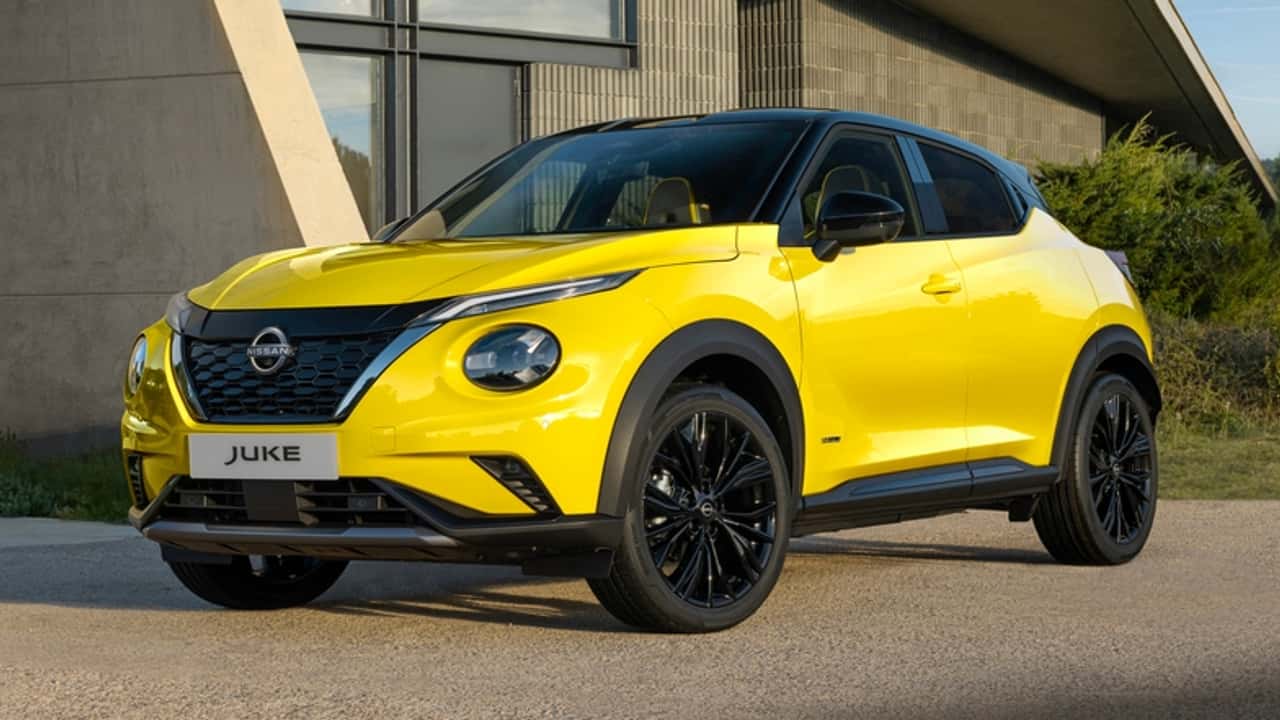
The Nissan Juke was introduced as a quirky, compact crossover aimed at younger drivers looking for something sporty, stylish, and unique. While it certainly offers a bold look and peppy handling for city use, its road trip credentials fall far short of expectations.
One of the most glaring weaknesses of the Juke is its extremely cramped interior, which becomes painfully evident during long-distance travel. The front seats offer minimal space, and the back seats are so tight that adult passengers often struggle to sit comfortably for more than a short drive.
The low roofline, aggressive exterior styling, and coupe-like shape cut into headroom, while legroom is limited to the point where taller passengers simply won’t fit. This is not a vehicle designed with rear-seat passengers in mind, and on a long trip, it becomes clear that the Juke is better suited for two people than for a group.
Ride comfort in the Juke is another issue that quickly reveals itself once you’re on the open road. The suspension is tuned more for sporty responsiveness than for comfort, which results in a stiff, unforgiving ride.
Even minor road imperfections, such as expansion joints or shallow potholes, are transferred directly to the cabin, and passengers will feel every bump and dip.
This can make even moderately long drives tiring, as the jostling over rough pavement becomes repetitive and wearing. The cabin does not do a great job of isolating road noise either, which amplifies the discomfort.
While this might be acceptable during short city hops or weekend errands, it quickly becomes exhausting during multi-hour highway trips.
The cargo space is similarly compromised due to the Juke’s small size and unusual design. The trunk is shallow and narrow, which limits how much luggage or equipment you can bring on a road trip. This lack of practicality can be frustrating, especially for travelers who need space for coolers, gear, or multiple suitcases.
The infotainment system and cabin controls also feel dated compared to many newer vehicles in this segment, with smaller screens and limited functionality.
For road trips that rely heavily on navigation, entertainment, and connectivity, the Juke simply doesn’t offer the level of features or comfort needed to make the trip enjoyable or stress-free.
3. Fiat 500X
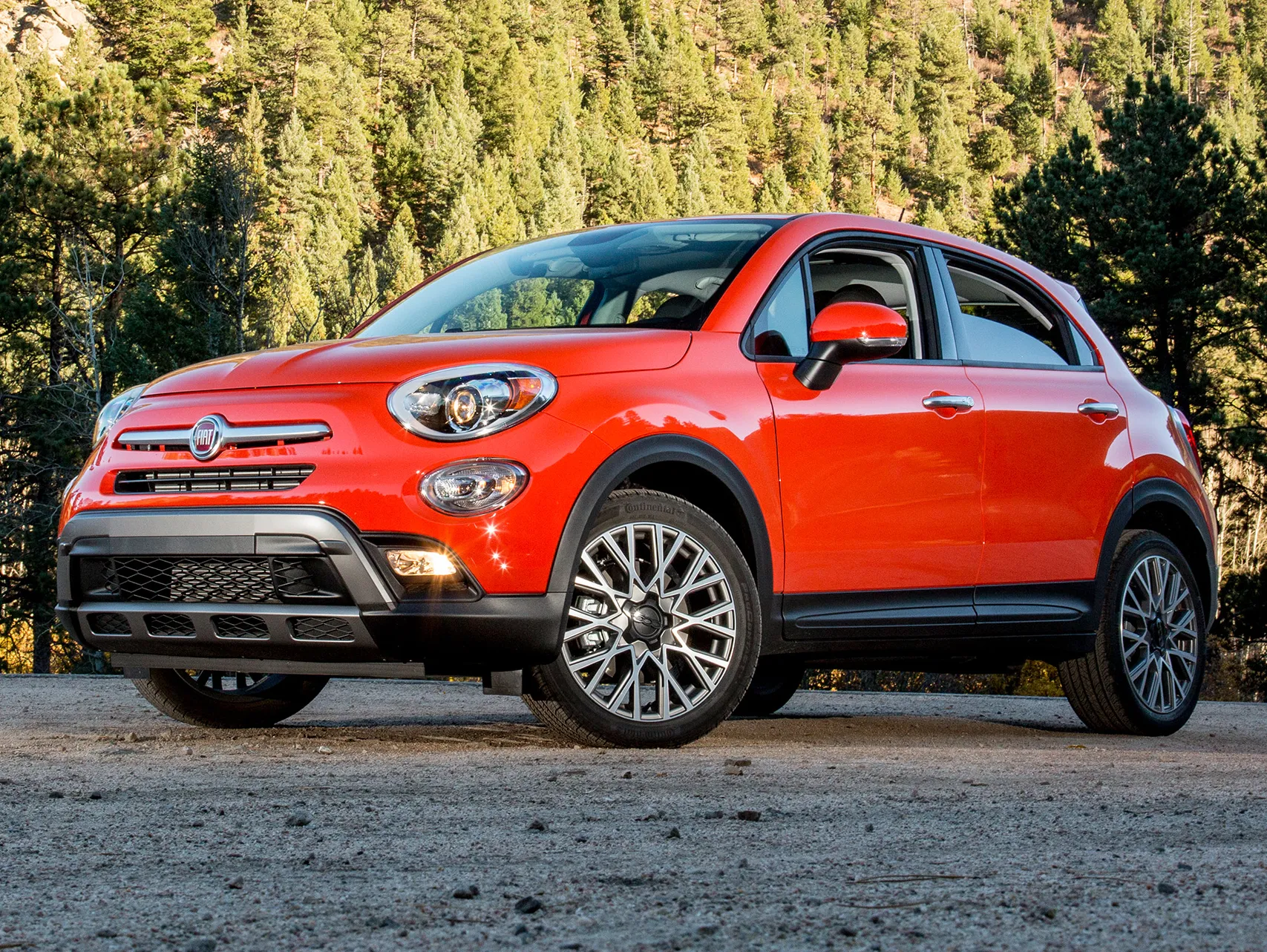
The Fiat 500X is a stylish and compact crossover that brings European flair to the segment, but when it comes to road trip comfort, its charm fades quickly.
One of its biggest limitations is space. The cabin is tight in all dimensions, especially in the rear seats, which offer minimal legroom and headroom.
Adults relegated to the back seats will quickly find themselves in awkward, cramped positions that lead to discomfort within the first hour of travel.
The front seats are slightly better but still narrow and firm, lacking the kind of cushioning and support needed for longer journeys. The small size of the 500X simply doesn’t translate well into a vehicle built for extended comfort or long-distance utility.
Ride quality is another area where the 500X stumbles. While it handles nimbly in the city, thanks to its compact size and light steering, the tradeoff is a choppy and unsettled ride on highways.
The suspension is firm and can become jarring when driving over broken pavement or long stretches of poorly maintained road.
Road imperfections are transmitted directly to the passengers, and the short wheelbase makes the ride feel twitchy and restless at higher speeds.
This can make it difficult for passengers to relax or even get comfortable on long drives, as the constant bouncing and movement create a sense of instability and weariness.
Storage capacity is also a letdown. The trunk space is limited by the vehicle’s small dimensions and sloping rear hatch, which restricts how much luggage or equipment can fit.
This becomes a logistical challenge for anyone planning a trip involving more than two people or more than a single overnight bag.
The infotainment system, while visually modern, is also relatively simple and lacks the full functionality or ease of use that you’d expect from a road trip-friendly vehicle.
While the Fiat 500X might appeal to buyers seeking a fun city car, it’s a poor fit for road trips that demand space, comfort, and stability.
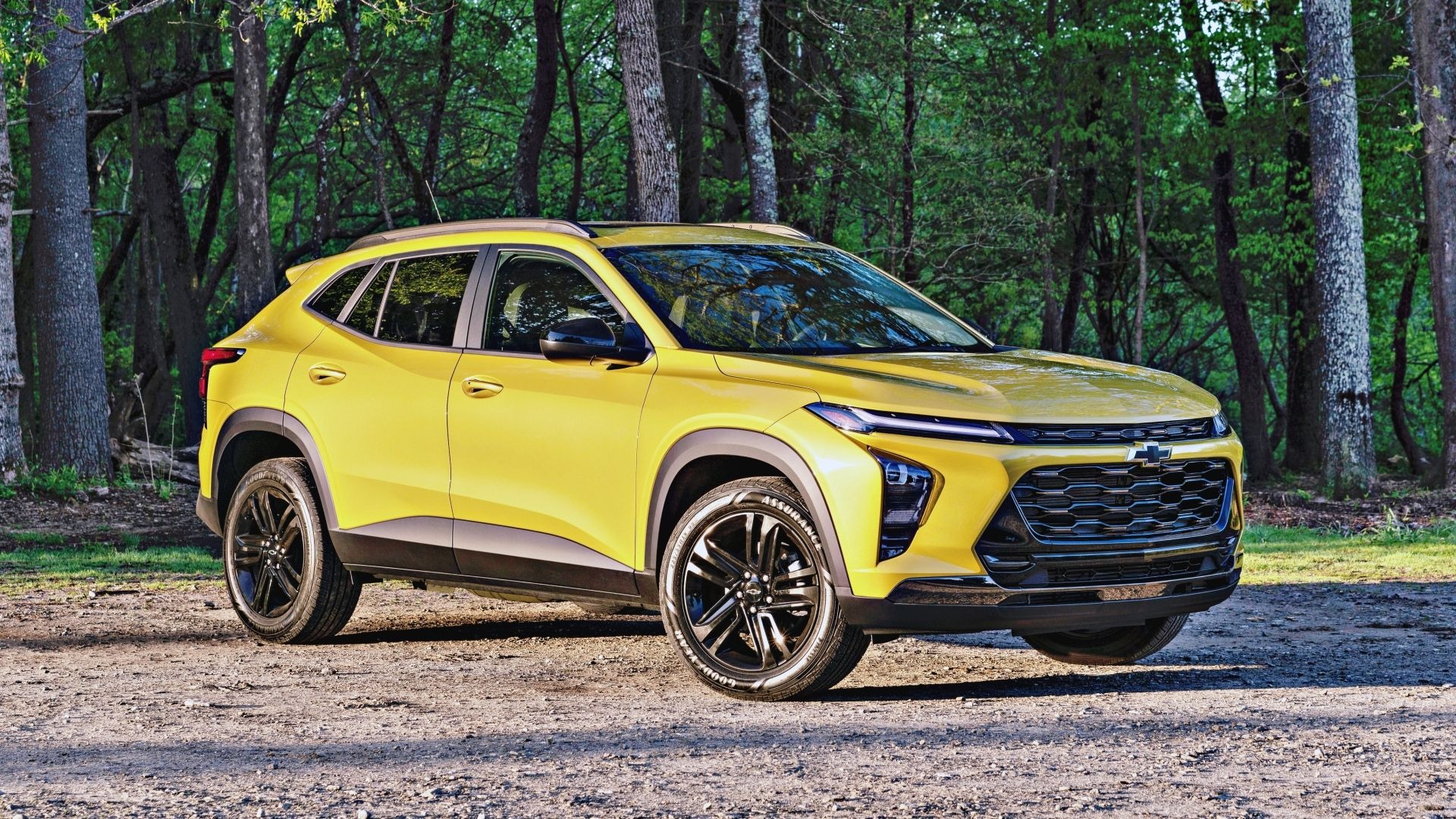
4. Chevrolet Trax
The Chevrolet Trax is marketed as an affordable, city-friendly SUV that offers a higher driving position and modest utility, but its shortcomings become apparent very quickly during road trips. The most immediate issue is the limited space throughout the cabin.
Although it’s classified as a compact SUV, the interior feels more like a small hatchback. The front seats are serviceable, but they lack the adjustability and support found in more comfort-focused vehicles.
The rear seats, meanwhile, offer extremely tight legroom and narrow cushioning, making them uncomfortable for adult passengers. For families or groups, this lack of space can create tension and discomfort on long drives, especially when passengers feel trapped or restricted in their movements.
Ride comfort is not a strong point for the Trax either. Its suspension is tuned on the firmer side, which can make the vehicle feel overly stiff on the highway. Small bumps and road imperfections are transmitted directly into the cabin, and the vehicle tends to jitter over uneven surfaces.
This can be particularly uncomfortable on longer trips, where passengers are hoping for a smooth, composed ride to help pass the time.
The short wheelbase and light chassis also contribute to a sense of instability at higher speeds, particularly on highways where passing trucks or strong crosswinds are common. The ride feels less planted and secure, which can add stress to both driver and passengers.
Finally, the technology in the Trax is fairly rudimentary compared to more modern competitors. While it offers basic smartphone integration and a touchscreen interface, the system is often slow and limited in function.
USB ports are few, and higher-end audio systems are either absent or only available in more expensive trims.
Luggage space is limited, especially if you’re traveling with multiple people or planning to bring camping gear or larger items.
When all of these issues are combined, limited space, harsh ride, cheap interior, and low practicality, the Trax clearly struggles to meet the needs of anyone seeking a comfortable road trip vehicle.
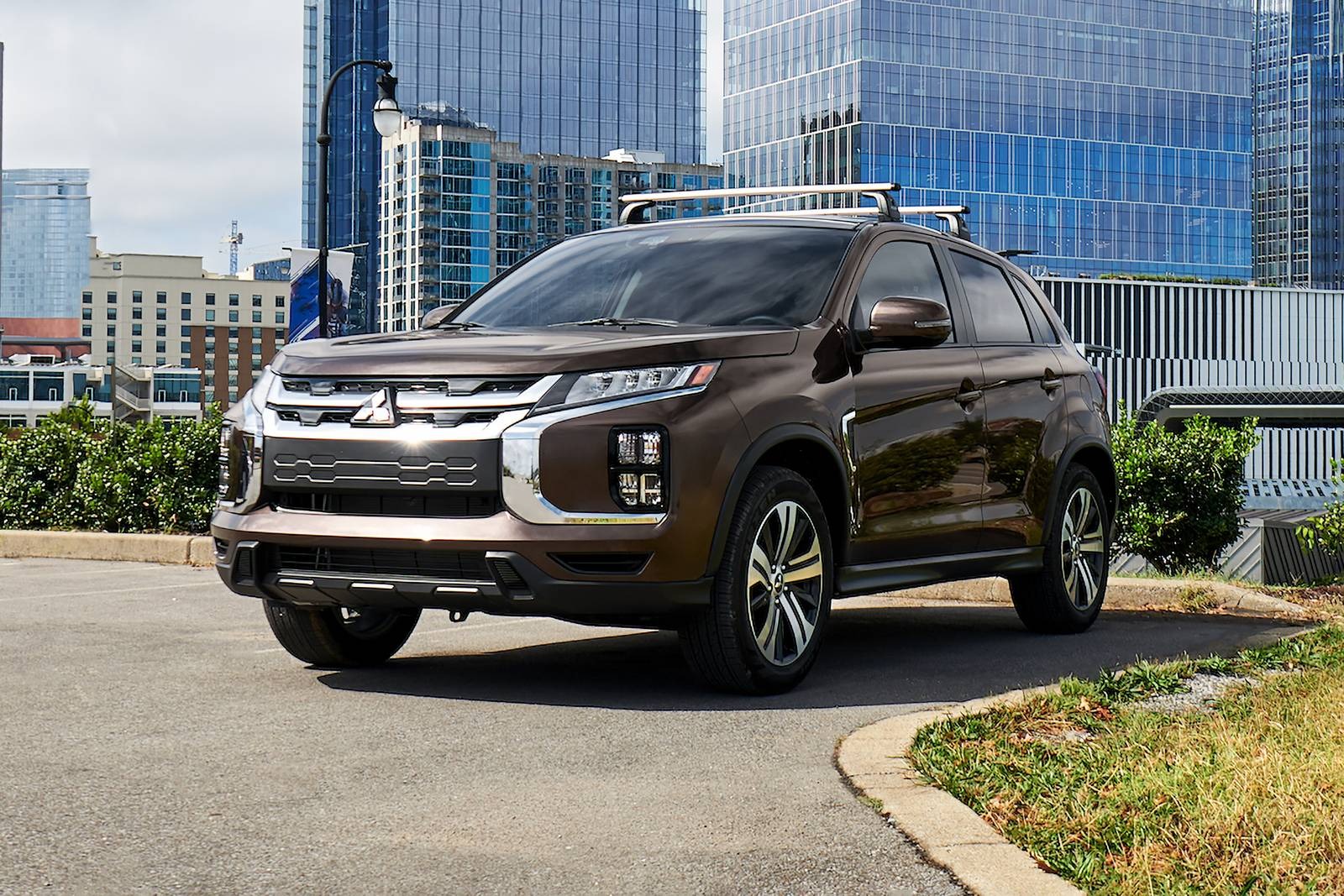
5. Mitsubishi Outlander Sport
The Mitsubishi Outlander Sport attempts to offer a compact SUV experience at a budget-friendly price, but its drawbacks are impossible to ignore once you put in serious miles.
First and foremost, the seating comfort is lacking across the board. The front seats are thinly padded and offer minimal lumbar support or lateral comfort.
During long drives, this lack of ergonomic support leads to soreness in the back, shoulders, and hips. The rear seats are even less accommodating, with a bench that feels upright and unyielding.
For taller passengers, the low roofline and tight legroom add to the discomfort, creating a cramped and uninviting space that’s difficult to tolerate for more than short trips.
The ride quality of the Outlander Sport is firm, unsettled, and frequently jarring on anything other than perfect pavement.
It lacks the kind of suspension damping found in more refined crossovers, and the result is a bouncy, uncomfortable experience that becomes especially taxing on long-distance drives.
Road imperfections are transmitted clearly into the cabin, and there’s a constant sense that the vehicle is working hard to maintain its composure at highway speeds.
The ride never truly settles down, and the jittery nature of the suspension makes it hard for passengers to relax or sleep during extended travel.
Finally, the vehicle’s technology offerings are basic and outdated. The infotainment system is slow, the graphics are uninspired, and connectivity options are limited.
USB ports are scarce, and there’s little in the way of advanced driver aids or luxury features that would make road trips more pleasant.
Storage capacity is mediocre at best, and the small cargo area makes it difficult to pack for more than two people without careful planning.
For travelers hoping for a relaxing and convenient long-distance experience, the Mitsubishi Outlander Sport falls well short of expectations.
