
When people are shopping for a vehicle, the first things that usually come to mind are fuel economy, appearance, price, and maybe how well it handles on the road.
What often gets overlooked is the reliability of a car’s transmission. The transmission is one of the most vital parts of a vehicle’s internal mechanics.
It controls how power from the engine is distributed to the wheels and determines how well a car accelerates, shifts, and runs under different speeds and loads.
If the transmission fails, you’re looking at one of the most expensive repairs in the auto world, often costing thousands of dollars. For some drivers, this becomes a nightmare that occurs sooner than expected, while others might never deal with a transmission issue for the life of their car.
The way a car is driven and maintained can obviously affect how long its transmission lasts, but some models are simply built with stronger, more reliable systems. There are certain cars that almost never come into the shop for transmission problems.
Mechanics often report seeing the same cars again and again for transmission failures, while others seem to run forever with only basic servicing. Design, quality control, and even regional assembly plants can all play a role in how transmission systems perform.
Some manufacturers have invested in better materials and smarter engineering, while others seem to cut corners or push new, untested transmission technologies onto the market too early.
There is a noticeable difference between vehicles that have a reputation for long-lasting transmissions and those that are notorious for needing replacement or repairs before they hit 100,000 miles.
While performance and driving experience are important, there’s a long-term cost to owning a car that needs frequent transmission work.
This article compares five cars known for their solid, low-maintenance transmissions and five cars that are often criticized for transmission problems.
The list includes models from different brands and production years, giving a wide perspective for anyone interested in reliable transportation versus vehicles that could become a financial burden.
Also Read: 12 Fixes That Extend a Hyundai Sonata’s Engine Life
5 Cars That Rarely Need Transmission Work
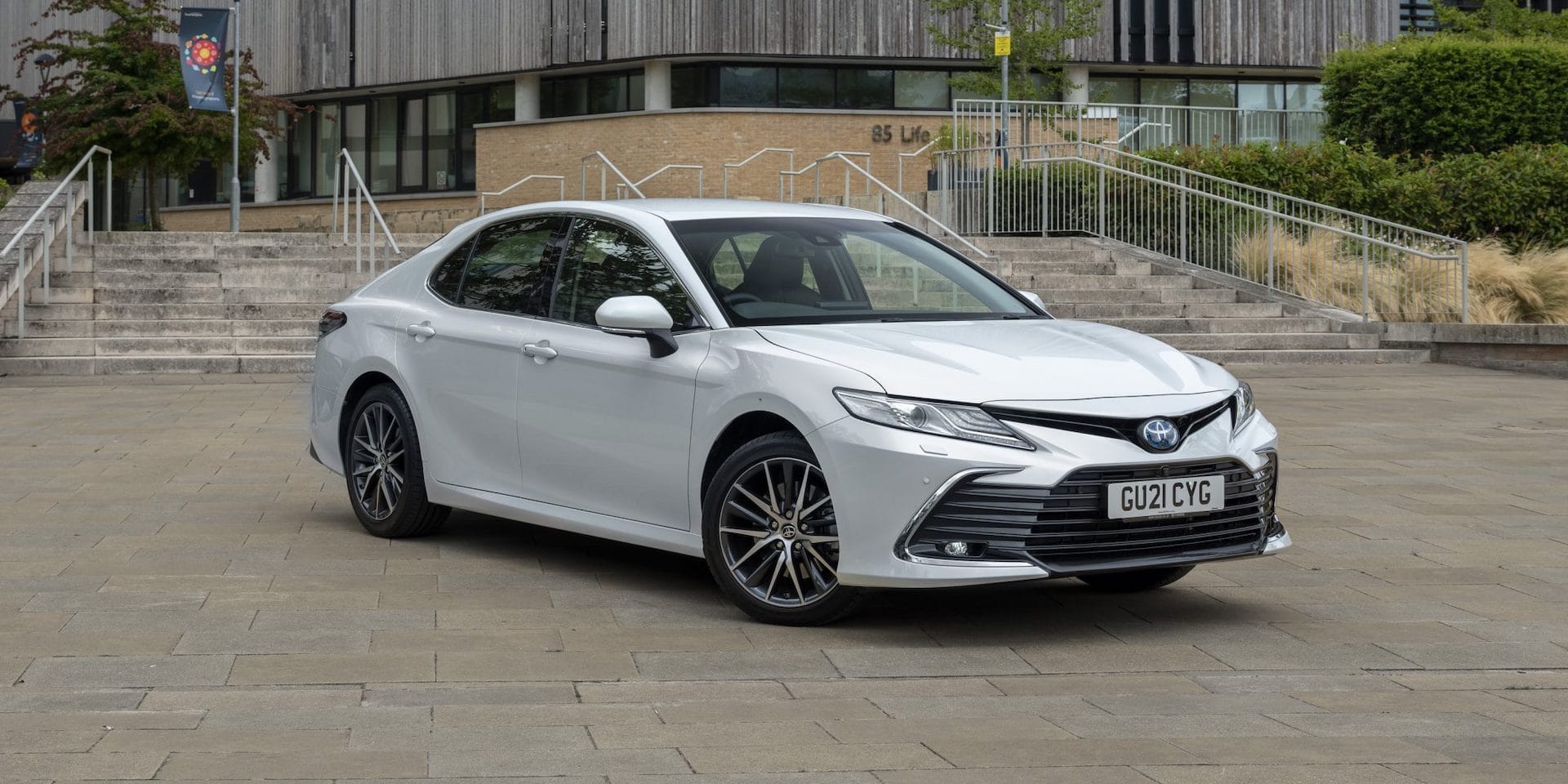
1. Toyota Camry
The Toyota Camry has built a solid reputation as one of the most reliable sedans on the road. Its long-lasting components are one of the reasons it is often a top seller year after year. Among those components, the transmission stands out.
Toyota has kept a consistent approach to engineering, and with the Camry, they have relied on proven automatic transmissions that are neither overly complicated nor delicate.
The Camry’s transmission shifts smoothly and holds up well under daily driving, city commuting, and even long-distance travel. Many Camry owners have driven their cars well past 200,000 miles with the original transmission still in good condition.
Toyota’s philosophy of not rushing new technologies into every generation of the Camry has helped it avoid the kinds of problems that come with experimental transmission systems.
While other brands were quick to adopt dual-clutch automatics or continuously variable transmissions, Toyota stuck with more traditional setups in most Camrys.
This conservative approach may not always win innovation awards, but it earns the loyalty of drivers who prioritize dependability. Mechanics often report that Camry transmissions rarely require more than routine maintenance like fluid changes.
Another factor that helps the Camry is the quality of its transmission cooling system. Overheating is one of the major causes of transmission failure, and Toyota has done a good job making sure the Camry stays within safe temperature ranges.
This helps extend the life of internal components like clutches and torque converters. In addition, the powertrain control software in the Camry is well-calibrated, avoiding harsh or premature shifting that puts strain on the system.
For anyone looking to buy a car that won’t drain their wallet in repair bills, the Camry is a smart choice. It’s not just marketing hype.
The car’s actual performance over many years backs up its reputation. While it may not be the most exciting car to drive, the Camry offers peace of mind that few sedans in its class can match when it comes to long-term transmission health.
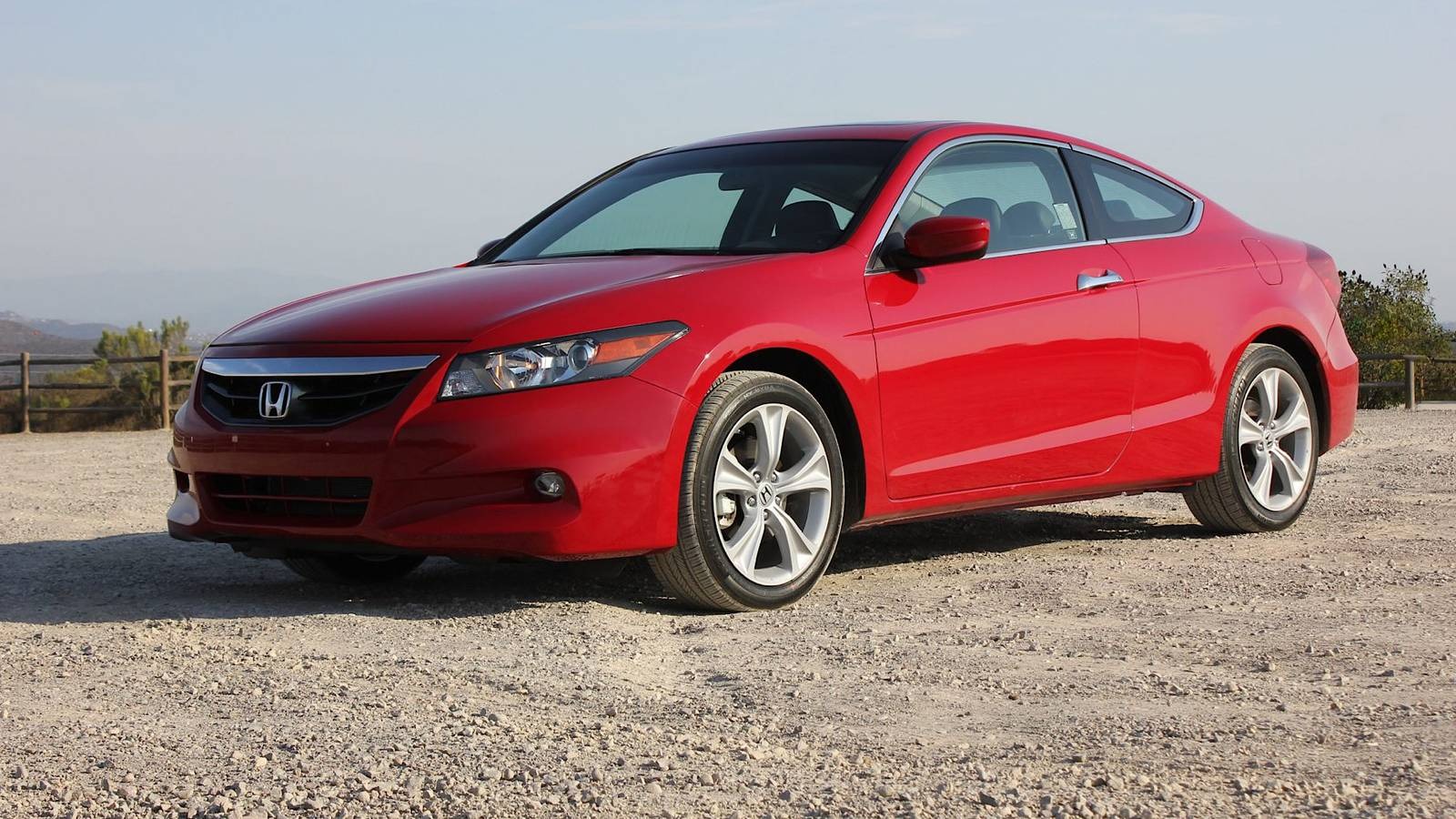
2. Honda Accord
The Honda Accord has long stood beside the Toyota Camry as one of the most dependable midsize sedans available.
While Honda has had its share of transmission issues in the past, especially with early 2000s automatic gearboxes, recent generations of the Accord have shown remarkable improvement.
The latest versions use transmissions that are smooth, durable, and well-matched to the engine. Whether it’s a traditional automatic or Honda’s newer CVT system in some trims, they have shown the ability to last without serious repairs when properly maintained.
One of the key factors behind the Accord’s reliable transmission performance is Honda’s tight manufacturing tolerances and quality control. Components are machined to fit together precisely, reducing wear and minimizing the risk of mechanical failures.
Honda also uses synthetic transmission fluids that improve lubrication and resist breaking down under heat. These small details add up to transmissions that are capable of handling a wide range of driving styles and conditions.
Accord owners who keep up with regular service schedules often report going over 150,000 or even 200,000 miles without ever needing to open up the transmission.
Even in high-mileage used Accords, it’s not uncommon to find the original transmission still functioning without issues.
Honda’s ongoing refinements in software have also played a role. The Accord’s control systems have been updated to allow for smoother shifts and better gear management, especially in stop-and-go traffic.
The Accord strikes a balance between being fun to drive and being reliable. It’s one of those rare cars that can be both practical and satisfying without punishing its owner with expensive mechanical problems.
For many buyers, especially those who plan to keep their car for the long haul, the Accord offers a level of transmission reliability that makes it a standout in its class.
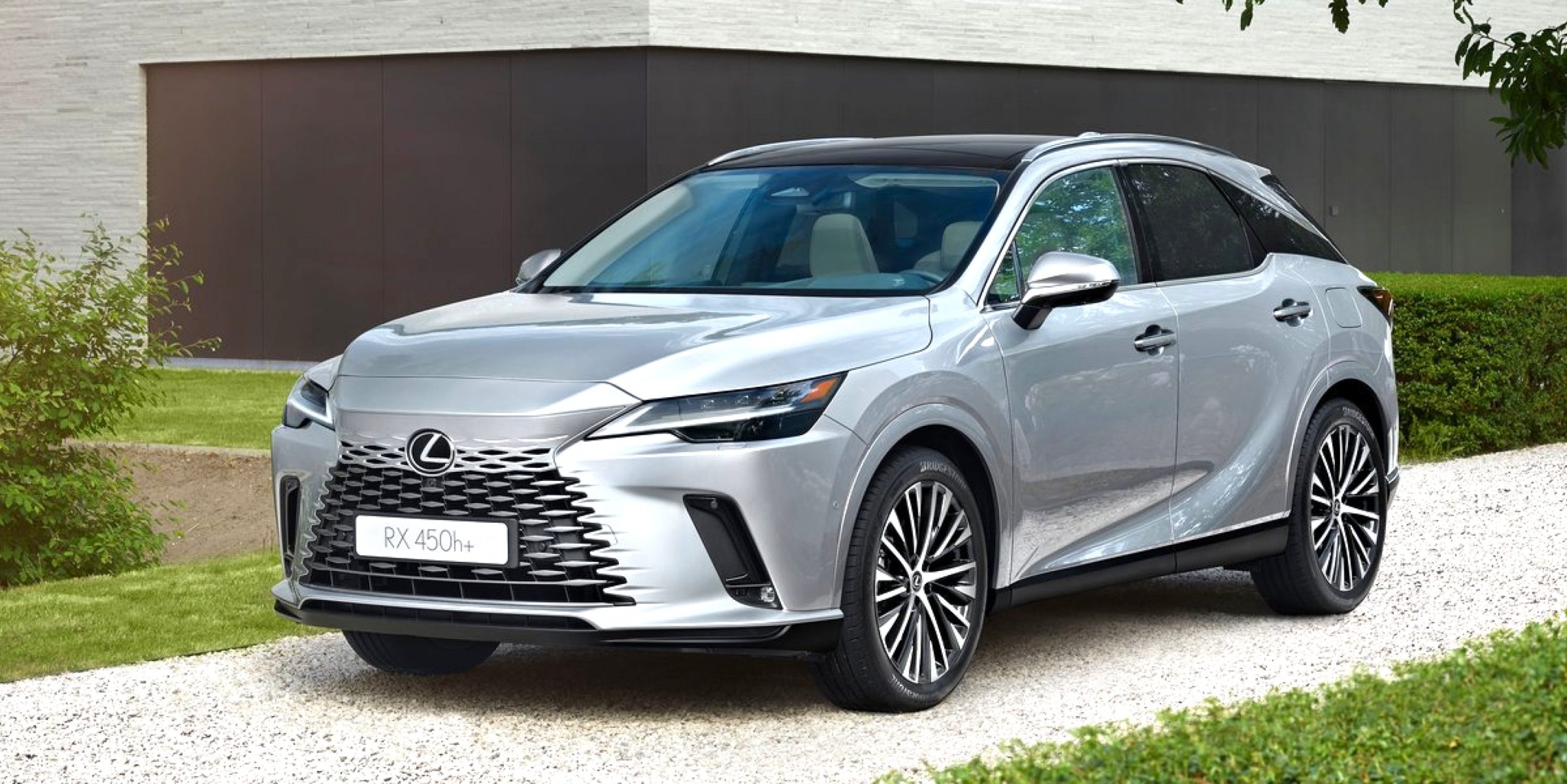
3. Lexus RX
The Lexus RX has earned its place as a luxury SUV that doesn’t sacrifice reliability for features. Unlike some high-end brands that pack their cars with complex, finicky technology, Lexus has kept things relatively simple where it matters most.
The RX’s transmission is a great example of this. It uses a solid, well-built automatic transmission that doesn’t require frequent repairs or specialized care.
Most models come with a smooth-shifting 8-speed or 6-speed automatic, depending on the year, and they’ve been praised for their consistent performance.
Lexus, being Toyota’s luxury division, benefits from the same quality engineering seen in vehicles like the Camry, but with extra refinement. The RX’s transmission is designed to handle the higher torque of a V6 engine, and it does so without hesitation.
Even under heavier loads or spirited driving, the gearbox holds up extremely well. Reports of major transmission failures in the RX are rare, even among older models with high mileage. That kind of dependability is rare in the luxury SUV market.
Part of what makes the RX transmission so resilient is the vehicle’s smooth driving characteristics. It doesn’t encourage aggressive acceleration or high-speed cornering, so the transmission isn’t under constant stress.
The vehicle’s software tuning is also excellent, managing gear changes in a way that minimizes wear on internal parts. There’s also less tendency for hard downshifts or jerky starts, which helps preserve the longevity of the system.
For luxury SUV buyers who want a premium feel without premium headaches, the Lexus RX is a logical choice. You don’t need to be a mechanic or transmission expert to appreciate a vehicle that just works every day without needing expensive repairs.
The RX offers comfort, reliability, and long-term value, and the transmission is one of its most impressive and dependable components.
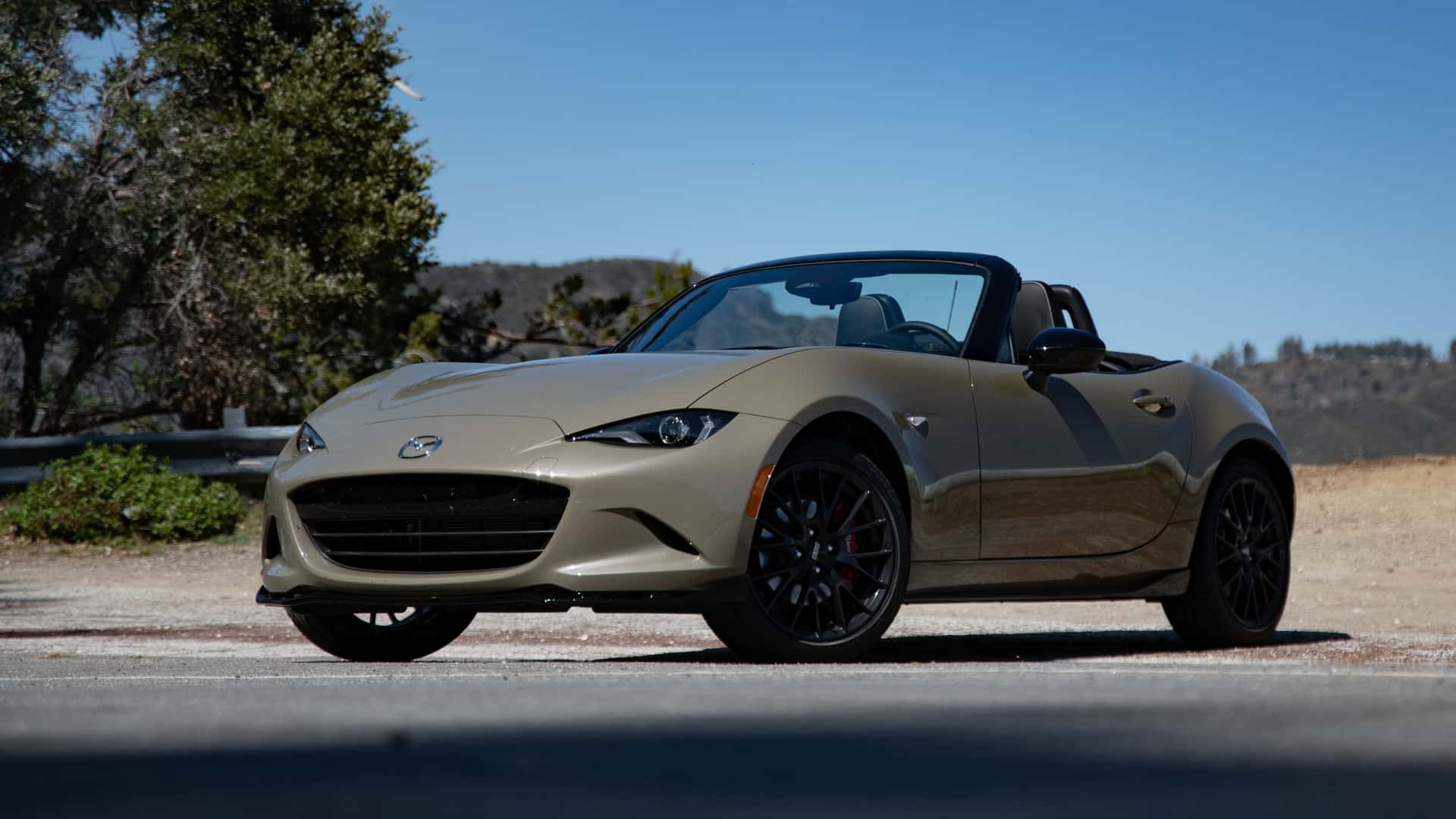
4. Mazda MX-5 Miata
The Mazda MX-5 Miata may be a small sports car, but it’s built with the kind of mechanical simplicity and precision that leads to long-term reliability.
One of the standout features of the Miata is its manual transmission. While automatic versions are available, it’s the manual gearbox that gets the most praise. It’s not only fun to use but also incredibly durable.
The Miata’s manual transmission is built with fewer moving parts than an automatic, which means there’s less that can go wrong.
Enthusiasts often point to the Miata’s gearbox as one of the best-feeling manuals on the market. But beyond feel, it has proven itself to be almost bulletproof when taken care of.
Owners who perform regular fluid changes and avoid abuse often see their Miatas cross the 200,000-mile mark without any major transmission issues. This level of durability is unusual for a car that’s often driven hard for fun rather than just commuting.
Mazda has kept the MX-5 design consistent over the years, avoiding unproven technology. The focus has always been on lightweight performance and mechanical honesty, and that philosophy extends to the transmission.
Instead of chasing higher gear counts or complicated automatics, Mazda has refined a design that simply works. It may not have the latest tricks, but it doesn’t need them. What it has is proven reliability and strength.
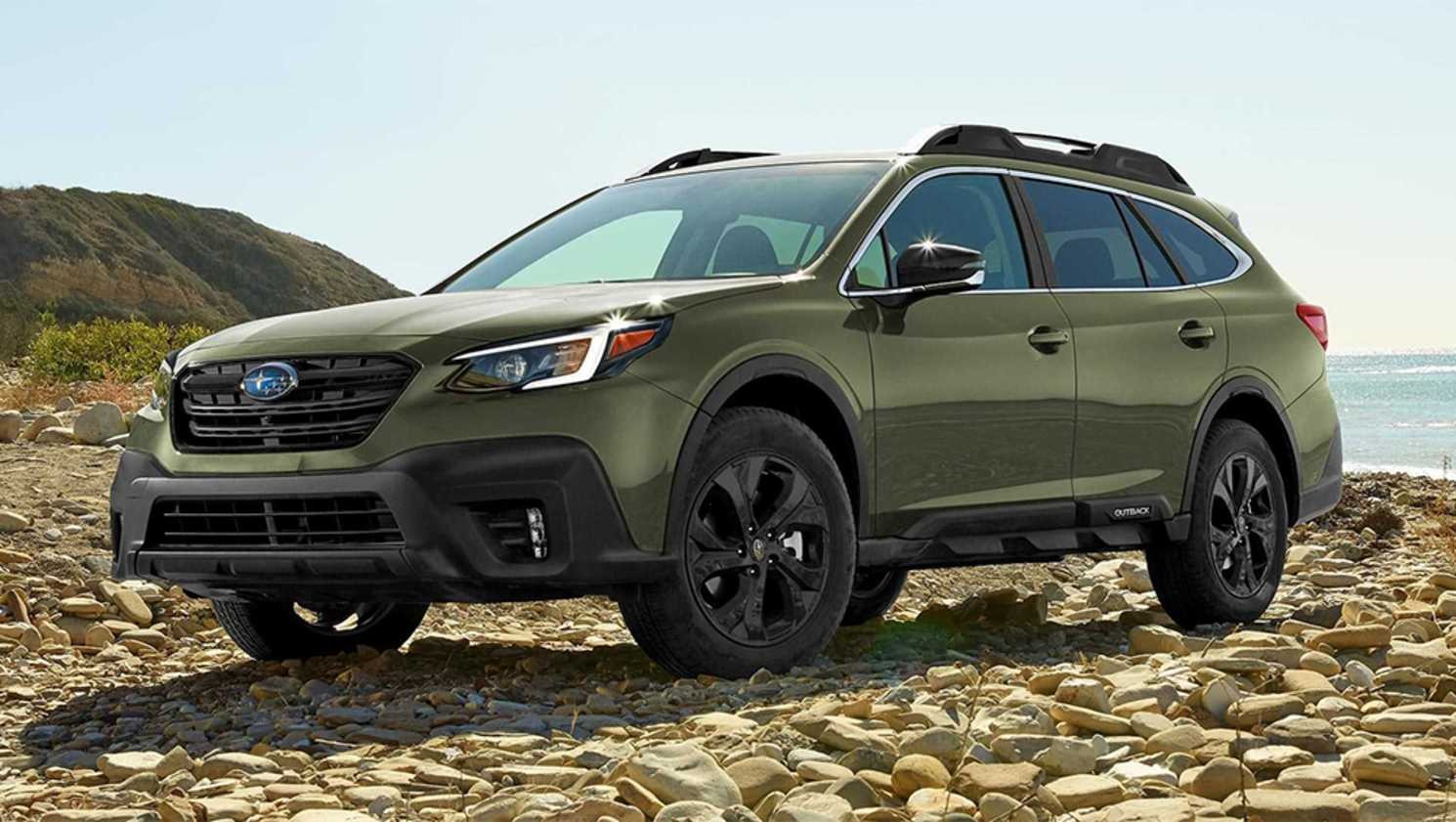
5. Subaru Outback (with Manual Transmission or Older 4-Speed Automatics)
The Subaru Outback has had a mixed reputation when it comes to transmissions, but specific versions of this vehicle have proven themselves to be incredibly durable over time.
Older Outbacks equipped with manual transmissions or the 4-speed automatic units, especially models from the mid-2000s and earlier, tend to hold up extremely well.
These gearboxes are simple, time-tested, and less prone to the complex failures associated with more modern transmission designs.
Subaru’s traditional approach with these older setups focused on basic reliability rather than cutting-edge performance or fuel economy gimmicks, which has helped them last longer with fewer issues.
Manual transmission versions of the Outback benefit from driver control and the absence of transmission computers or complex valve bodies, which are often the source of failures in automatics.
These gearboxes use well-machined synchronizers and shift linkages that rarely cause trouble when the fluid is kept clean and the clutch is not abused.
On the other hand, the older 4-speed automatics, while not the most efficient, were built like tanks. These transmissions don’t hunt for gears or rely on overly sensitive sensors. Their simplicity has proven to be an asset, as fewer things can go wrong over time.
Another factor contributing to the Outback’s strong performance in this area is Subaru’s attention to drivetrain cooling and engineering harmony. The Outback has long been an all-wheel-drive vehicle, which puts extra demands on the transmission.
Subaru’s engineers took this into account, especially in earlier models, where the balance between engine torque and gear ratio was carefully managed.
This helped reduce internal stress and avoid situations where the gearbox was pushed beyond its design limits. Routine service, such as fluid flushes, remains the main requirement to keep these transmissions in top shape.
That said, it’s important to be specific when discussing the Outback, as not all versions have the same reputation. Newer models equipped with CVTs (continuously variable transmissions) have experienced more complaints, especially when not properly maintained.
But for those who stick to manual gearboxes or the rugged 4-speed automatics, the Subaru Outback stands out as a car that rarely needs transmission work. These versions have earned respect from both mechanics and owners alike for how long they can stay on the road with minimal mechanical intervention.
Also Read: 12 Hyundai Cars That Last Longer Than Expected
5 Cars That Constantly Need Transmission Work
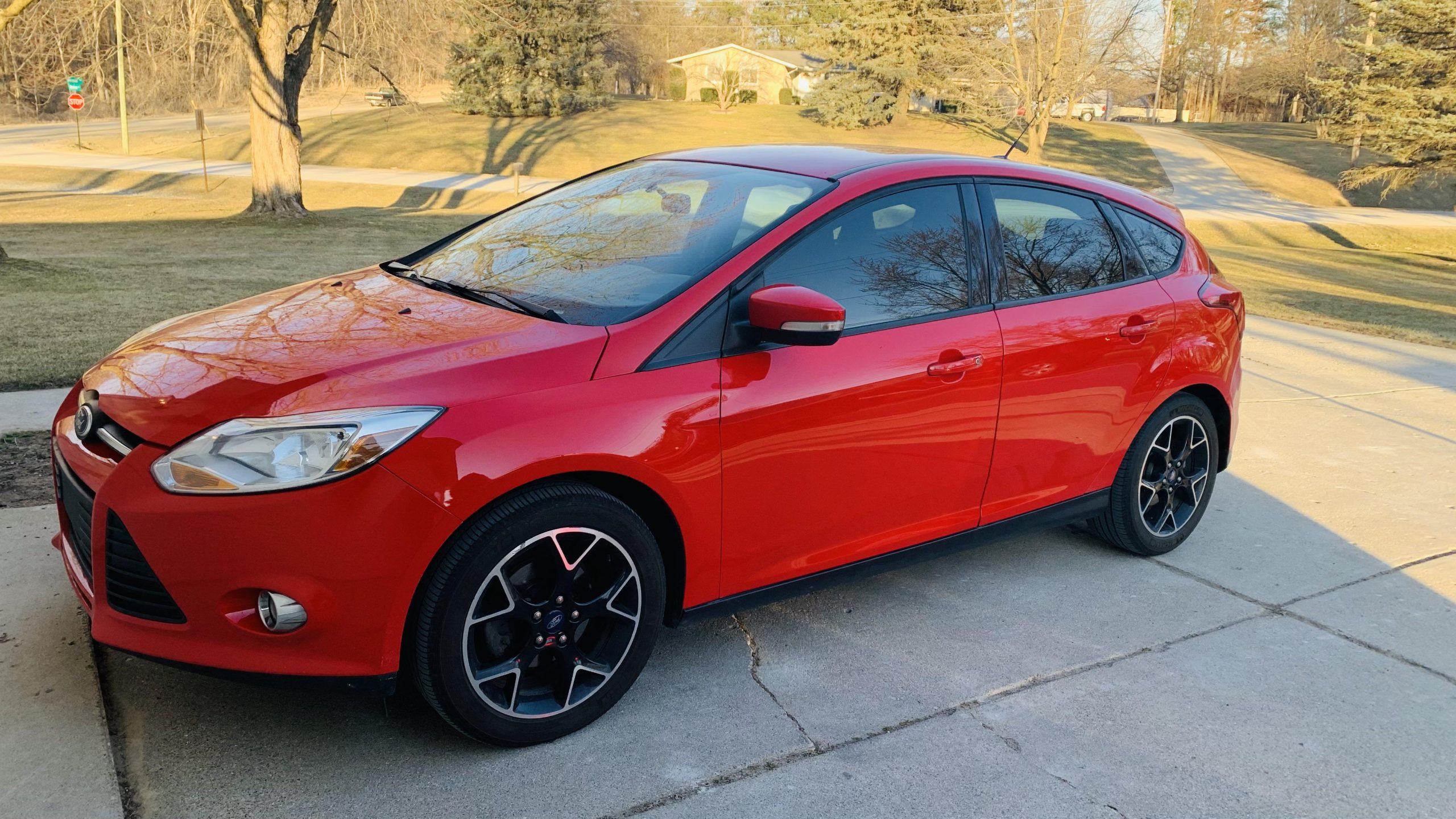
6. Ford Focus (2012–2016, Especially with Dual-Clutch Automatic)
The Ford Focus, particularly the 2012–2016 models with the PowerShift dual-clutch automatic transmission, has gained a strong reputation for frequent and frustrating transmission problems.
What was meant to be an advanced and fuel-efficient transmission ended up being one of the most problematic systems Ford has released in years.
The core issue lies in the dry-clutch design of the dual-clutch system, which often leads to jerky shifts, hesitation, and premature failure of key components.
Drivers reported a wide range of symptoms, including slipping gears, rough engagement, and warning lights coming on well before the car reached 60,000 miles.
The problem wasn’t just mechanical but also systemic. Many of these vehicles were sold with flawed software that failed to properly manage the clutch engagement process.
This caused the transmission to overheat, wear out faster, or even go into a “limp mode” where it refused to shift out of second gear.
Despite several technical service bulletins and even a class-action lawsuit, the issues remained widespread.
Some owners had their transmissions replaced more than once, only to experience the same symptoms again within a short timeframe. This created a lot of frustration and shook consumer confidence in the Focus.
Mechanics often faced a difficult time diagnosing the root causes, as the issues varied from control module faults to worn clutch packs to sensor errors. Ford issued several updates, but many were band-aid fixes that didn’t solve the underlying problems.
Even when repairs were made under warranty, the labor was time-intensive, and in many cases, the replacement parts were no better than the originals. The level of inconsistency in transmission behavior led some owners to sell the car early, while others simply accepted the poor shifting as a part of ownership.
The lasting effect is that the Focus from this era became a cautionary tale for consumers. While the car offered good fuel economy and styling, its transmission woes far overshadowed its positive traits.
Anyone considering a used model from these years needs to be fully aware of the risks. Unless it’s a manual version, which did not suffer from the same issues, the automatic-equipped Focus remains one of the most frequently serviced cars in terms of transmission repair.
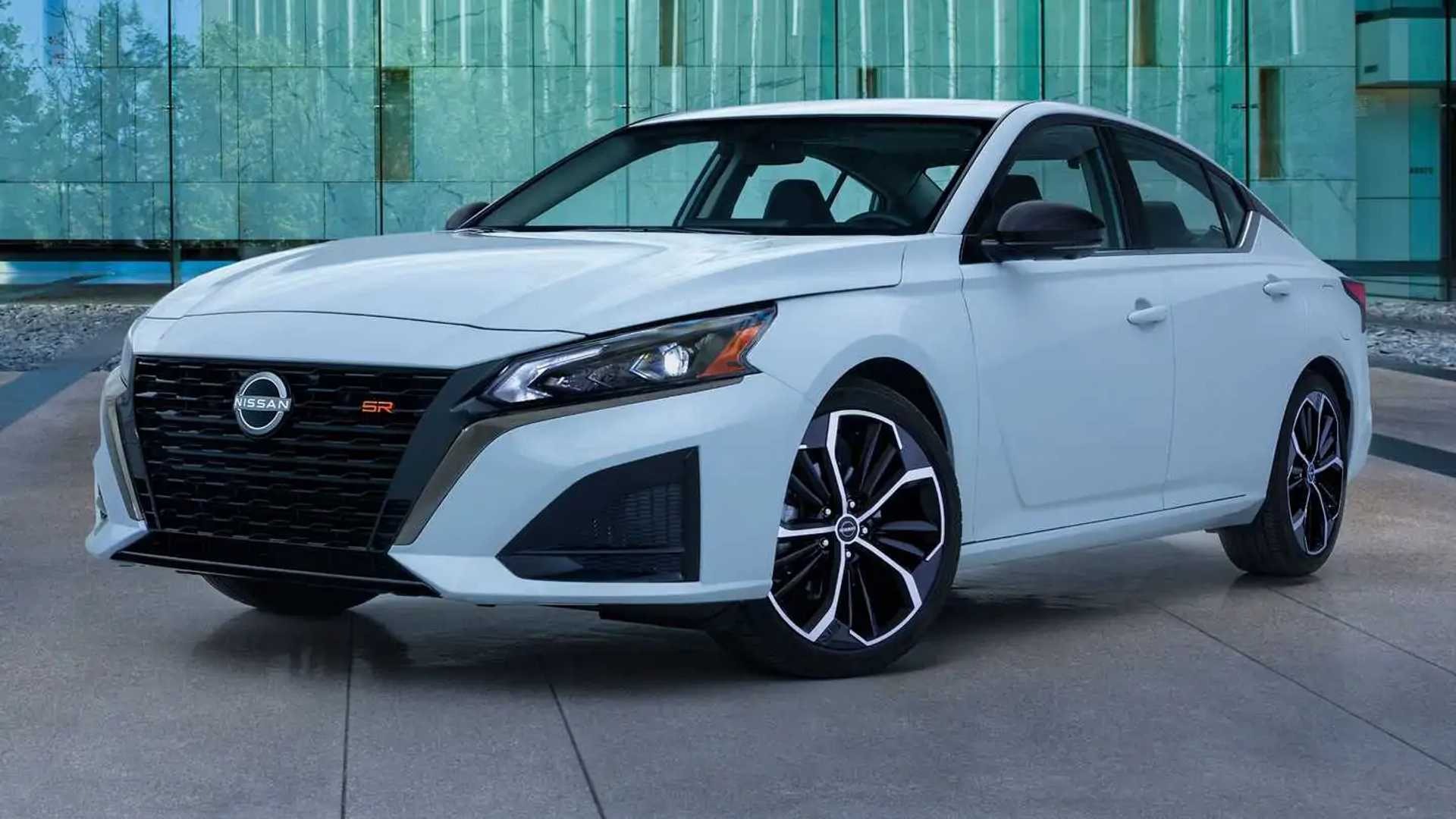
7. Nissan Altima (2013–2019 CVT Models)
The Nissan Altima, particularly the 2013 to 2019 models, has become well known for ongoing issues related to its continuously variable transmission (CVT). While CVTs are designed to offer smoother acceleration and improved fuel efficiency, the design in these Altimas has been highly problematic.
Reports of early failure, noisy operation, and unpredictable shifting behavior are widespread. In many cases, drivers notice a high-pitched whining sound, shuddering during acceleration, or even a complete inability to move the vehicle out of park. These symptoms often begin well before the car hits 100,000 miles.
The core of the problem lies in the construction and heat management of the transmission. Nissan’s CVT lacks the robust cooling system necessary to handle the stress of long commutes or aggressive driving. As heat builds up, the internal belts and pulleys begin to wear out.
Unlike traditional automatic transmissions, CVTs rely on a system that can degrade quickly if lubrication and cooling are not optimal.
Unfortunately, the CVT fluid used in these transmissions also has a narrow range of effectiveness, and even slight contamination or degradation can lead to major issues.
Nissan responded to the wave of complaints by extending transmission warranties and issuing some technical updates, but for many owners, these changes came too late. The perception of poor quality stuck.
A high number of Altima owners ended up replacing their CVTs entirely, a repair that typically costs between three to five thousand dollars.
Even then, some replacement units failed again within a few years. Unlike traditional automatics, CVTs cannot be rebuilt in most shops, which limits repair options and increases costs for the consumer.
The Altima CVT issues are so well known that many independent mechanics recommend avoiding these models entirely unless one is prepared for potential transmission replacements.
While Nissan has made some improvements in more recent models, the damage to the brand’s reputation during these years remains significant. Buyers looking for dependable midsize sedans are often advised to consider alternatives, particularly if they plan to keep the car long-term and want to avoid costly repairs.
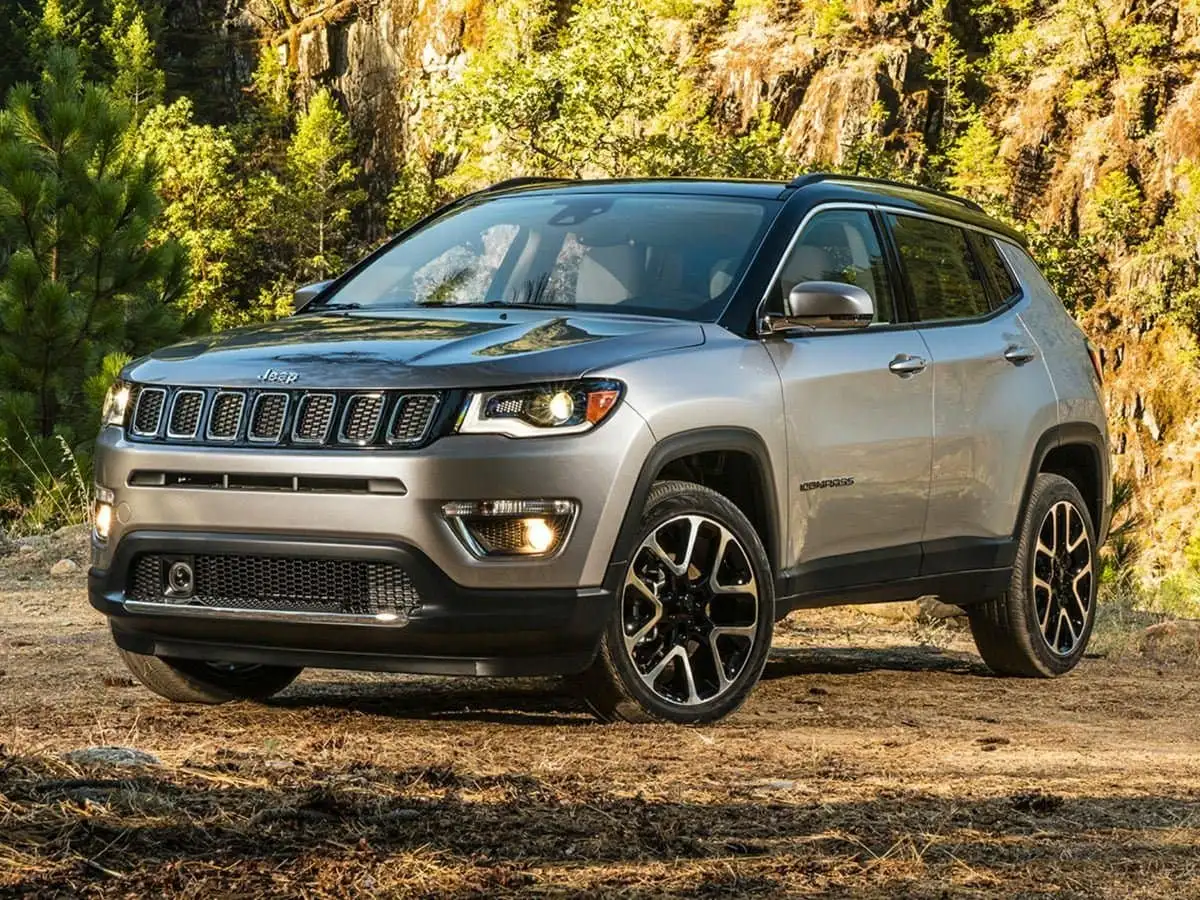
8. Jeep Compass (2007–2016 Models with CVT)
The first-generation Jeep Compass and some early second-generation models were plagued by reliability problems, and among the most serious were issues with the CVT transmission.
Unlike traditional Jeeps that were built for durability and off-road performance, the Compass aimed for urban appeal and fuel efficiency, which led to the adoption of a CVT sourced from a third-party supplier.
Unfortunately, this transmission proved to be one of the weakest points in the entire vehicle. Owners experienced frequent issues such as overheating, shuddering, and total failure before the vehicle reached mid-life mileage.
One of the key challenges was that this CVT was not well-suited to the demands placed on it by an SUV. The Compass, while not a heavy-duty off-roader, still had a higher curb weight and was marketed with the idea that it could handle various terrains.
In reality, the transmission struggled with moderate inclines, towing, or even extended high-speed driving. The CVT would frequently overheat under stress, leading to warning lights or loss of power. In severe cases, the transmission would simply stop responding altogether.
Repairing these CVTs was difficult due to the cost and lack of rebuild options. Many shops refused to service them altogether, recommending full replacements instead.
The cost and availability of parts further complicated matters, making the Compass a car that not only failed often but was expensive to fix.
Some owners reported multiple transmission replacements over the life of the car. Others chose to sell their Compass as soon as the warranty expired, rather than risk the looming cost of a new transmission.
For an automaker with a history of rugged reliability in some of its other models, the Compass was a disappointing exception. Its transmission problems contributed heavily to its poor resale value and long-term reliability scores.
While newer models have moved away from the original CVT and adopted better options, the damage to the Compass’s reputation remains. It serves as a clear warning that not all Jeeps are created equal, and that the wrong transmission can drag down the entire driving experience.
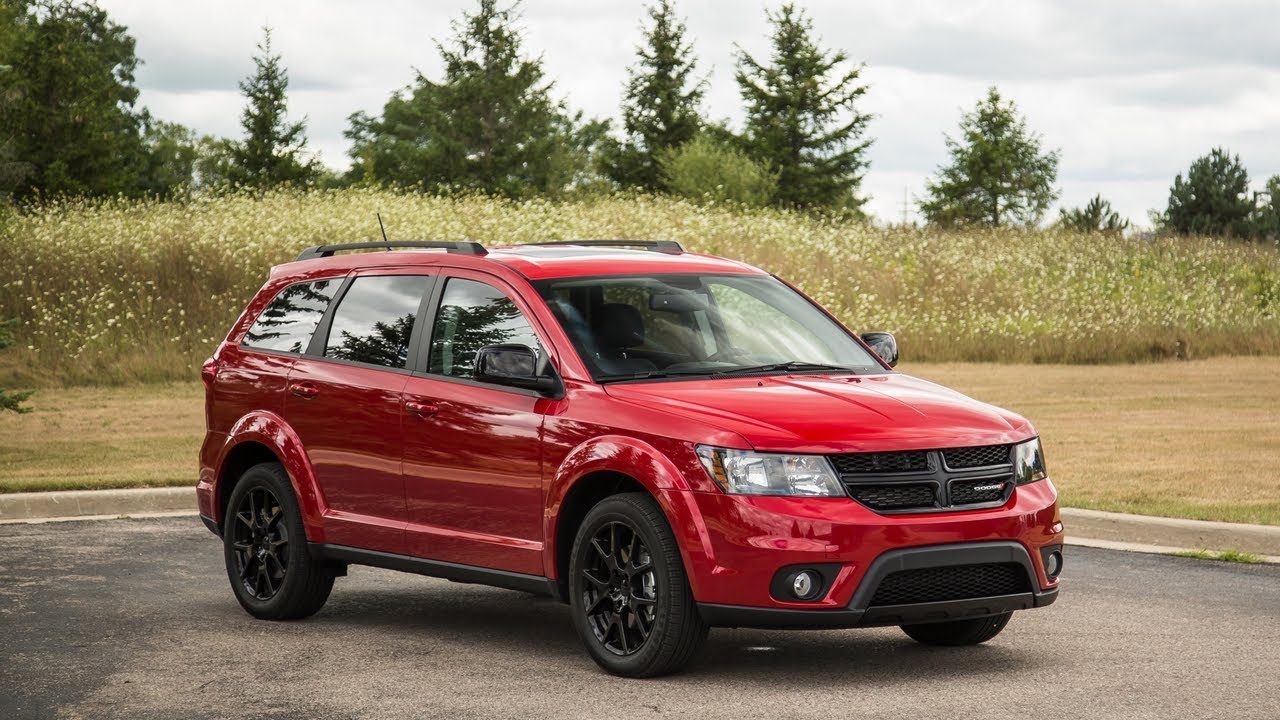
9. Dodge Journey (2009–2020 Models)
The Dodge Journey is a vehicle that consistently underperforms in reliability rankings, and one of the most frequently cited problems is the automatic transmission. Across multiple model years, owners reported sudden failure, slipping gears, delayed engagement, and total transmission failure.
Part of the problem is the use of aging transmission designs that were not updated significantly over the vehicle’s long production run.
The 4-speed and 6-speed automatic gearboxes used in the Journey lacked the refinement and durability expected in more modern drivetrains, especially for a family vehicle designed for hauling passengers and cargo.
The transmission’s internal components were often not up to the task of handling real-world demands.
Worn solenoids, overheating, and torque converter issues were all common. These problems were often made worse by limited access to transmission cooling in base models, especially in warmer climates or under load.
Combined with software that didn’t always shift at the right time or adjust appropriately to driving conditions, these transmission problems turned the Journey into a vehicle known more for its headaches than its value.
Many drivers found the shifting unpredictable, hard jolts when moving from first to second gear, late upshifts that stressed the engine, or sudden drops in gear at highway speeds that made acceleration difficult or even dangerous.
These weren’t isolated incidents, either. The complaints poured in consistently, year after year, without any major overhauls to fix the core design flaws. Dodge continued using the same transmission architecture, seemingly ignoring the growing list of dissatisfied owners and repair bills.
For a car that was often marketed to families as a practical, affordable crossover, the poor reliability of the transmission seriously undercut that promise.
Budget-minded buyers often hoped the Journey would be a cost-effective way to get a three-row vehicle, only to find themselves facing $3,000–$5,000 repairs within the first 80,000 miles.
In many cases, transmission replacements had to be performed more than once. Dodge’s limited support and warranty coverage on these issues didn’t help, leading to class-action lawsuits and a damaged reputation for the brand.
Even basic transmission fluid changes proved tricky due to poor access and vague maintenance schedules in the owner’s manual.
The bigger issue was that the Journey never really evolved. While many competitors updated their drivetrains to better handle modern demands, the Journey stayed stuck in place with outdated components and limited improvement.
Dodge tried to offset these problems with styling updates and infotainment improvements, but the core of the vehicle remained flawed.
For mechanics, it became one of those models that was easy to predict: if a Journey came in with shifting complaints, there was a high chance the diagnosis would lead to some kind of major transmission work.
Used car buyers are often drawn to the Journey due to its lower prices, but that savings can quickly disappear once the repair bills start to stack up.
While some owners were lucky and avoided issues through light usage and perfect maintenance habits, the majority didn’t fare as well.
The vehicle’s transmission remains one of its most significant weak points, making it a risky long-term investment for anyone not prepared to deal with costly repairs.
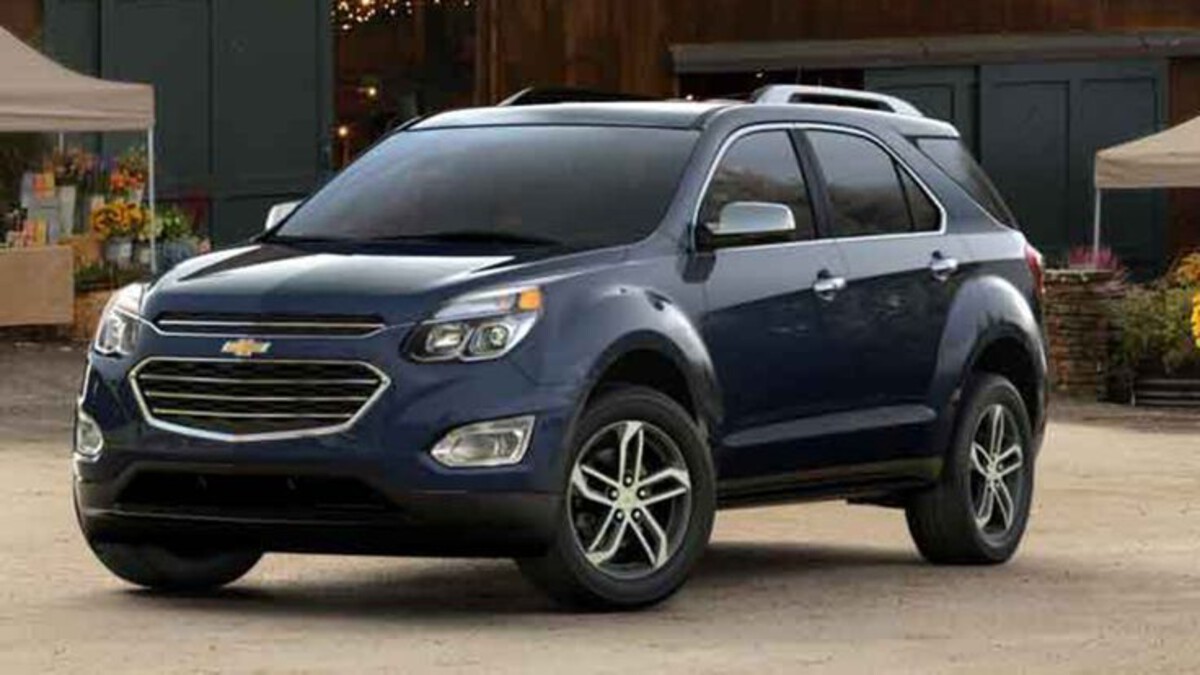
10. Chevrolet Equinox (2010–2017 Models)
The Chevrolet Equinox, particularly from model years 2010 through 2017, has seen its share of transmission troubles. While the vehicle gained popularity for its size and affordability, the automatic transmission used during these years often couldn’t keep up with real-world usage.
Many owners reported early failures, harsh or delayed shifting, and sudden loss of power at inopportune moments. The problem wasn’t just isolated to high-mileage vehicles either, some transmissions began showing signs of trouble before the car even hit 60,000 miles.
This caught many owners off guard and led to frustration when warranty coverage expired or didn’t fully cover the necessary repairs.
One of the main contributors to these problems was the transmission’s inability to handle the torque generated by the Equinox’s engines, particularly the 2.4L inline-four. While this engine was fuel-efficient on paper, it put stress on a gearbox that was already prone to heat issues and wear.
The result was a system that frequently overcompensated with aggressive shifting or sluggish performance. Mechanics often traced the issue to weak clutch packs and problematic solenoids inside the valve body.
Once these parts began to fail, the entire transmission often had to be replaced or rebuilt, a costly and time-consuming process.
In addition to the mechanical issues, there were numerous complaints about how the Equinox’s transmission behaved in traffic.
Owners reported the vehicle lurching forward after stopping, hesitation when trying to merge onto highways, or strange noises coming from the transmission housing.
These weren’t just annoyances; they posed real safety concerns in some cases. The software calibration that governed the shifting logic often failed to match driving behavior, causing unpredictable and uncomfortable changes in speed.
General Motors issued several service bulletins in response, but no complete fix ever made its way into a full recall or redesign during these years.
For anyone considering a used Equinox from this era, the transmission is a major red flag. Even vehicles with relatively low mileage need to be carefully inspected, and service records should be reviewed to see if any transmission-related repairs have already been done.
Without documented maintenance and proper fluid changes, the chances of needing a new transmission are much higher.
While newer models have improved and switched to more reliable 9-speed automatics, the 2010–2017 Equinox models remain among the most commonly serviced for transmission failures. It’s a disappointing mark against what could have been a very practical and competitive small SUV.
