
For many truck owners, the sound of a solid, well-built vehicle is more than just about engine performance or exhaust growl. It’s about how the cabin feels during a drive, how tightly everything fits together, how silent or noisy the ride is, and whether the interior stays quiet as the miles stack up.
Few things are as frustrating as buying a powerful truck only to have it start squeaking and rattling inside after a year or two of use. Those small interior noises may seem harmless at first, but they gradually chip away at the driving experience and leave owners questioning the vehicle’s long-term durability.
While no truck is completely immune to interior wear and aging, some hold up better than others. Factors like cabin design, the quality of plastics and fasteners, how the dashboard and trim are put together, and even how the suspension handles road imperfections can all play a role in keeping those annoying squeaks and rattles at bay.
Some trucks stay whisper-quiet even after hitting 100,000 miles, while others develop creaks and groans before they even reach their first oil change. It’s not always a matter of price or luxury, either, some budget-friendly pickups outperform more expensive ones when it comes to cabin silence.
This article breaks down five trucks that are known for their quiet, tightly-assembled cabins, trucks that rarely squeak inside even with regular use. It also highlights five trucks that have a reputation for interior noises, whether due to lower-grade materials, poor fitment, or simply bad luck in certain model years.
This list isn’t just for enthusiasts or brand loyalists; it’s a practical comparison for anyone considering a new or used pickup who wants to avoid the frustration of a noisy ride.
Whether you’re commuting daily, hauling loads, or just taking weekend trips, a quiet cabin can make a big difference. So if you’re tired of dealing with creaky dashboards and vibrating door panels, keep reading.
Also Read: 10 Engines That Keep Running With Zero Drama
5 Trucks That Rarely Squeak Inside
1. Toyota Tundra
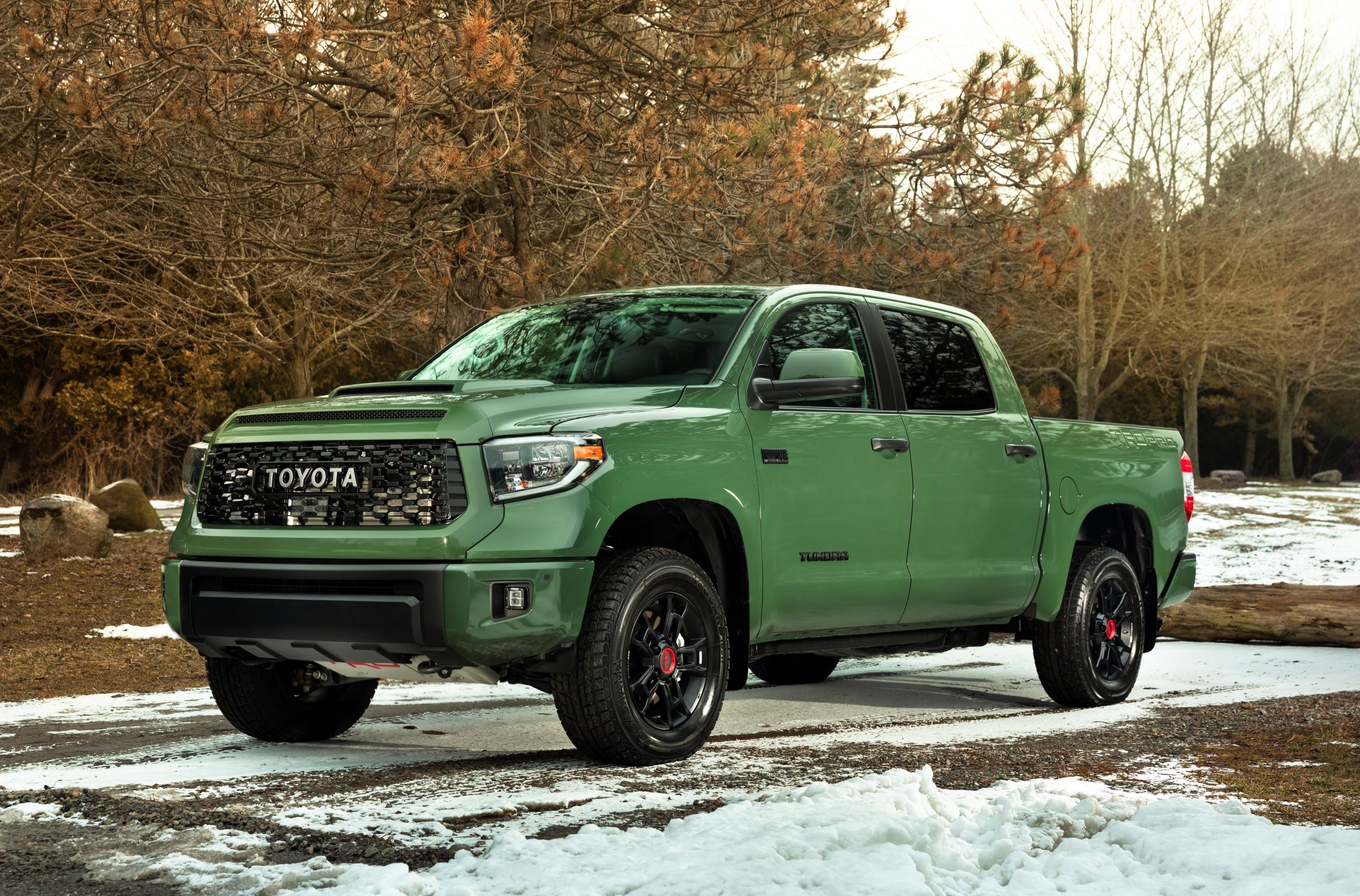
The Toyota Tundra has long held a reputation for rugged reliability, but what often gets overlooked is how well its interior holds up over time. Owners frequently report that the cabin stays tightly put together, even after years of off-road driving or long highway hauls.
While Toyota may not pack the Tundra with the most luxurious materials in the segment, the quality of assembly is where it stands out. Panels fit snugly, dashboard components don’t flex easily, and seat frames remain stable without producing unwanted noises.
Part of the Tundra’s cabin resilience comes from Toyota’s conservative design choices. Instead of chasing trends or adding flashy trims that might wear out quickly, the brand tends to focus on tried-and-true materials that can withstand daily abuse.
Whether it’s the center console, door cards, or roof liner, everything tends to stay in place well, even as the suspension absorbs rough terrain. That level of restraint helps prevent the type of material fatigue that often leads to squeaks and rattles.
Many Tundra owners drive their trucks well past the 200,000-mile mark. Throughout that lifespan, the silence inside the cabin becomes more appreciated. Even base models avoid the hollow, echo-like acoustics found in some other trucks.
The vehicle may not be completely silent at freeway speeds, especially due to wind noise, but interior creaks are unusually rare, making it an ideal truck for those who hate minor distractions while driving.
It’s also worth noting that Toyota’s manufacturing process includes strict quality control steps focused on panel alignment and torque specifications for interior fasteners.
These small details, often overlooked by buyers, contribute significantly to the long-term quietness of the cabin. With regular maintenance and a bit of care, the Tundra can go years without a single squeak coming from inside.
2. Ford F-150 (Recent Models)
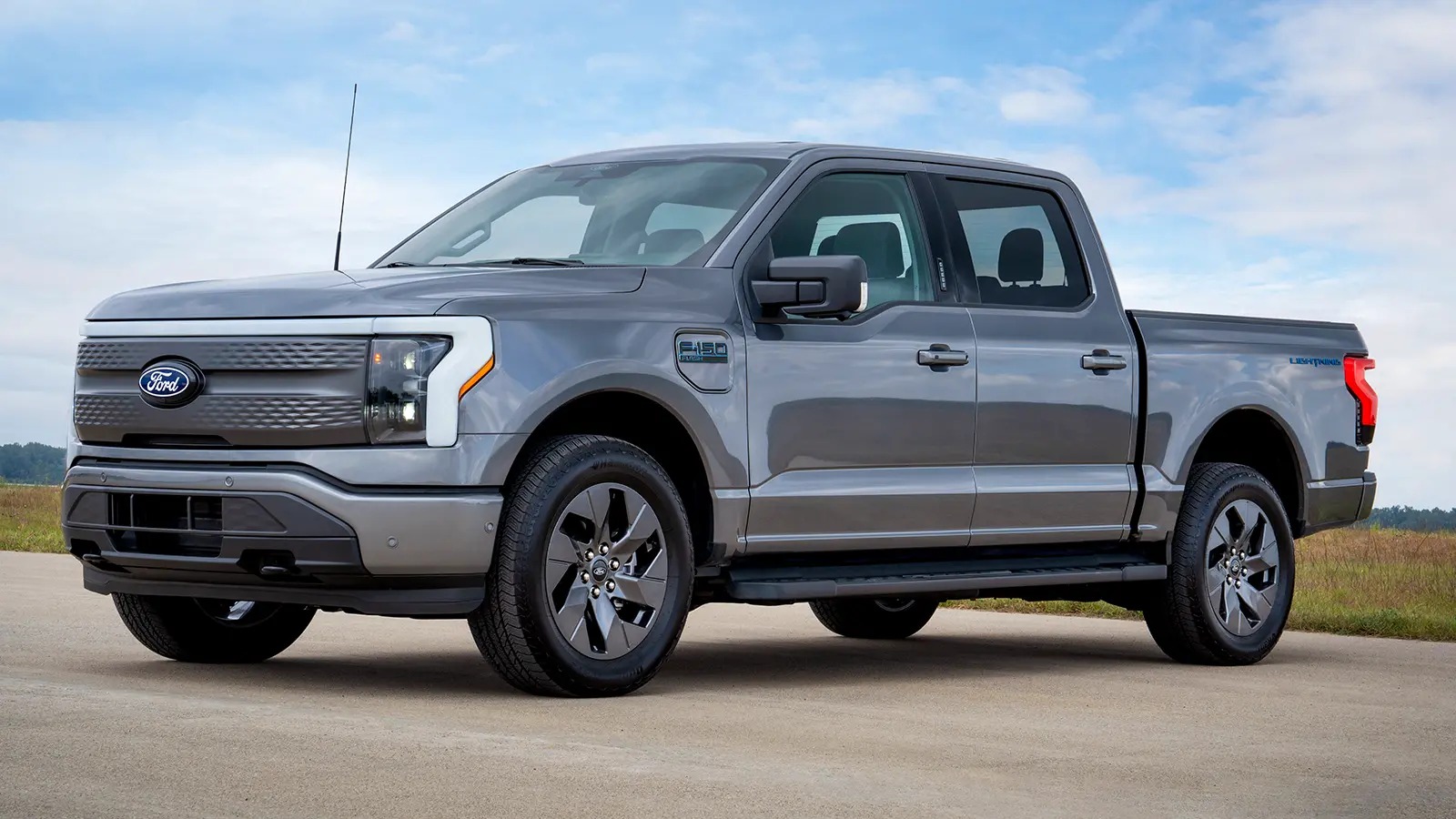
Recent generations of the Ford F-150, especially those produced after 2018, show a major improvement in interior quality. Ford made a noticeable shift in design philosophy, focusing not just on tech upgrades but also on noise reduction and panel fitment.
As a result, the F-150 now competes with more premium vehicles when it comes to cabin silence and sturdiness. Squeaks and rattles, which were common complaints in earlier models, are far less frequent in the latest versions.
One of the big differences is the structural rigidity introduced with the aluminum body redesign. While aluminum gets a lot of attention for its weight-saving benefits, the way Ford engineered the cab to handle vibrations has helped reduce internal movement.
Doors shut solidly, dashboards don’t wiggle over bumps, and trim stays put even in tough conditions. Ford also added more insulation, both in the doors and under the carpet, which cuts down on resonant noises that might otherwise amplify minor squeaks.
Another factor is the advanced suspension tuning that has helped the truck ride more smoothly, particularly on uneven roads. Less vibration reaching the cabin means less opportunity for parts to shift or loosen.
Combined with improved mounting points for interior panels, this keeps things quiet inside. Even after thousands of miles on rough terrain, the cabin tends to stay free of the clicks and ticks that plague some competitors.
It’s not just high trims that benefit, either. Even lower-trim models with cloth seats and minimal features show the same careful assembly.
While materials may feel less upscale in the base versions, they don’t compromise on fit and finish. This consistency across the lineup is one of the reasons the newer F-150 models make the list of trucks that rarely squeak inside.
3. Ram 1500 (5th Generation)
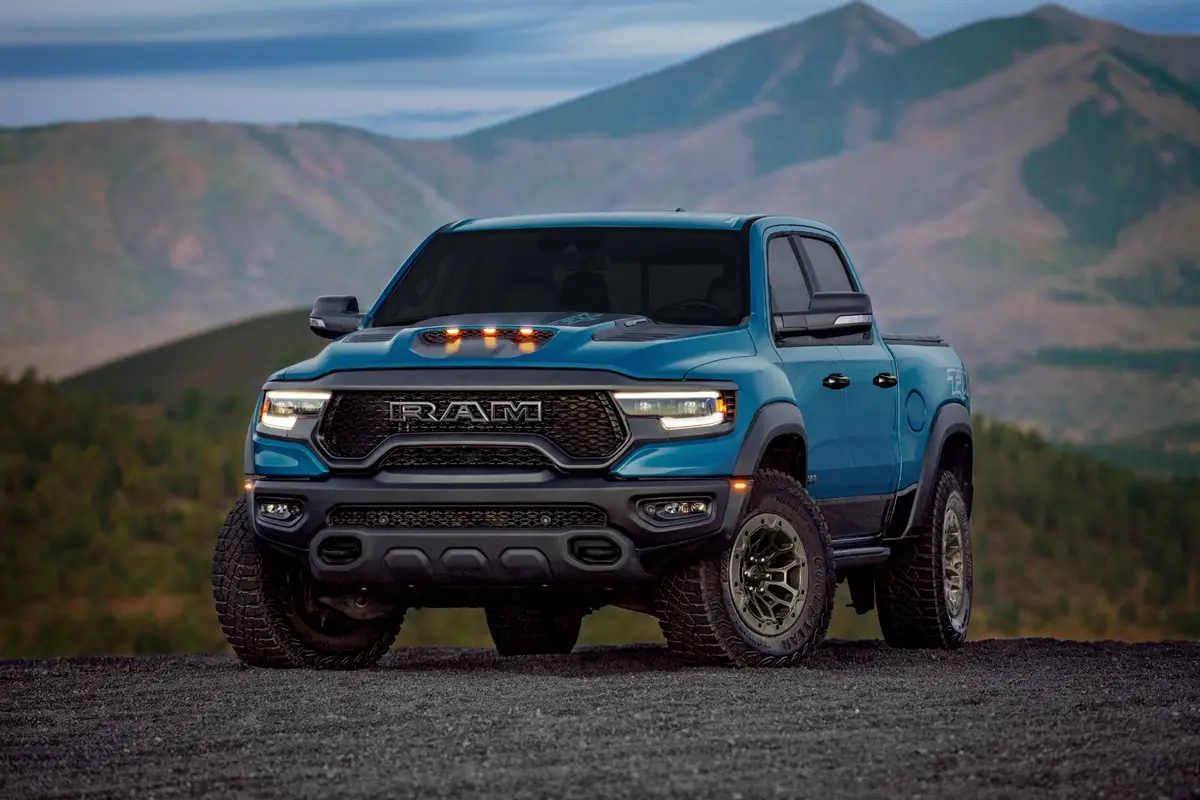
The fifth-generation Ram 1500, introduced in 2019, is widely praised for its luxurious interior, but more importantly, it stands out for how solidly it’s put together.
Across different trims, from the Tradesman to the Limited, the Ram 1500 maintains a quiet and squeak-free interior. This consistency is a reflection of the brand’s commitment to improving build quality and focusing on long-term owner satisfaction.
A major contributor is the way Ram isolates road noise and vibration. Multi-link coil spring rear suspension provides a smoother ride than the typical leaf spring setup found in many full-size trucks.
Because there’s less jarring motion transmitted to the body, interior components remain stable and secure. You don’t hear door panels shifting, seat mounts creaking, or consoles rattling when driving over bumpy roads.
Ram also invested in better materials and construction techniques. Soft-touch surfaces and leather-wrapped areas aren’t just for show, they tend to hold up better over time and don’t shift or crack as easily.
Even the dashboard and center stack feel like they’ve been assembled with tight tolerances. That level of craftsmanship helps prevent the small gaps that eventually lead to creaks.
The quietness of the cabin continues even with age. High-mileage Ram 1500s from this generation are still reported to be quieter than many new competitors.
This makes it a great option not just for short-term comfort but also for long-term use. For drivers who plan to keep their truck for many years, avoiding squeaks and rattles becomes just as important as horsepower or towing specs.

4. Honda Ridgeline
The Honda Ridgeline isn’t often grouped with traditional trucks, but when it comes to interior noise, it deserves a place near the top.
Its unibody construction, shared with the Honda Pilot, gives it a car-like feel and helps eliminate many of the structural gaps that cause squeaking in body-on-frame trucks. For those who want a quiet, rattle-free ride without giving up the utility of a pickup bed, the Ridgeline is a top choice.
Because the frame and body are one piece, the Ridgeline doesn’t flex as much as traditional trucks. That rigidity prevents interior components from twisting or loosening over time.
As a result, the dashboard, doors, and roof liner all stay tightly secured. This structural advantage is one reason Ridgelines continue to feel “new” even after years of driving.
Honda is also known for its meticulous engineering, and that’s evident in how the Ridgeline is assembled. Clips and fasteners are securely attached, and panels are fitted with precision.
Even under heavy use or during temperature changes, the materials don’t expand or contract in a way that leads to squeaks. Many owners report that their Ridgeline remains silent even after long road trips or rough dirt roads.
It may not be the most rugged or the most powerful truck, but when it comes to cabin silence and user comfort, the Ridgeline outperforms many traditional full-size pickups. If your priority is a quiet, smooth ride over towing heavy loads or rock-crawling, it’s hard to find another truck that stays this squeak-free over time.
5. Chevrolet Silverado (2020 and Newer)
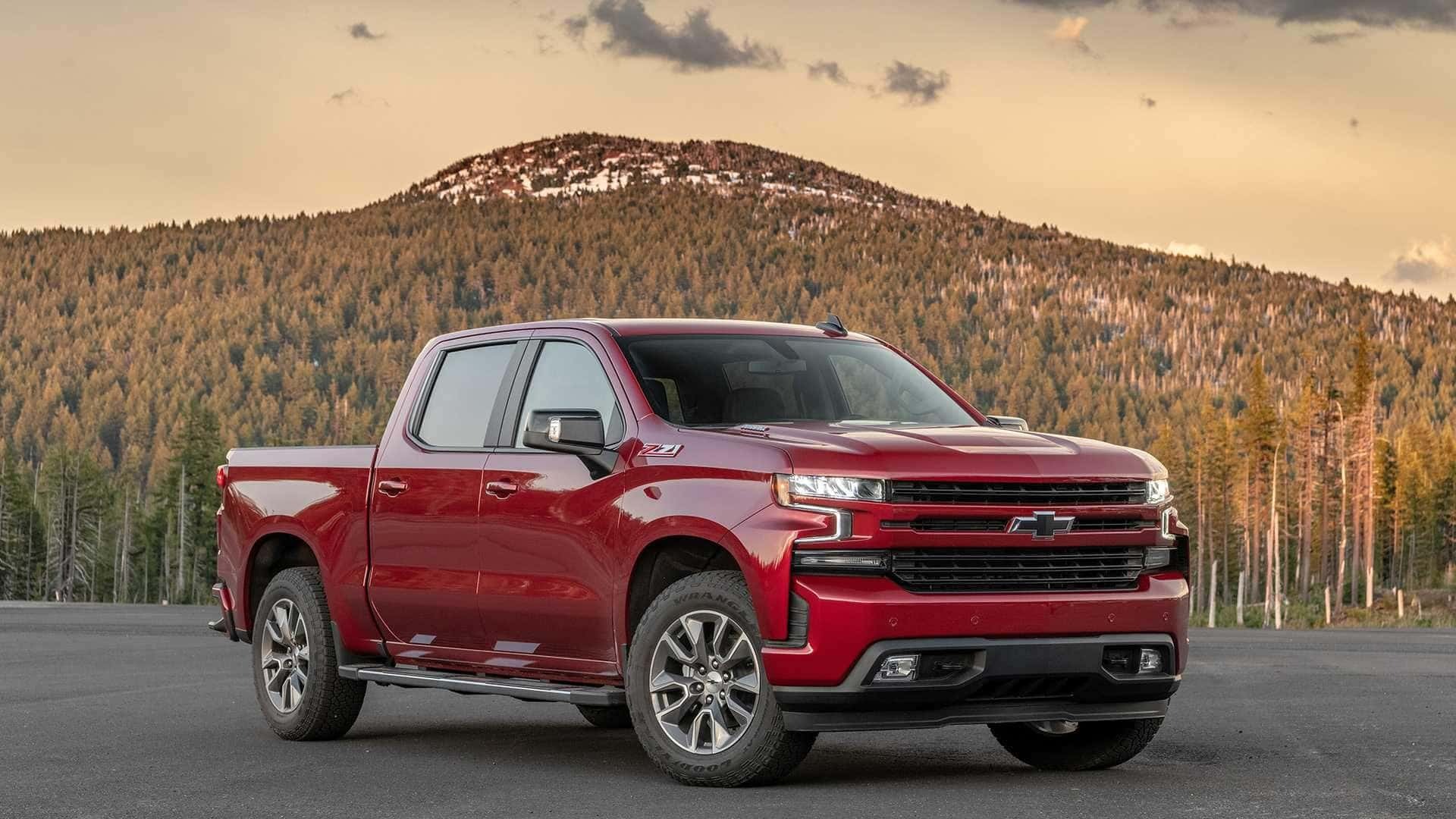
The Chevrolet Silverado has gone through several changes over the years, but the 2020 and newer models show a noticeable leap in interior build quality.
Earlier versions were criticized for rattling dashboards and cheap-feeling plastics, but the newer generation has tightened everything up. Chevrolet listened to feedback and put more focus on materials that don’t just look good but hold up over time.
Improved weld points and revised panel fasteners make a big difference. The dashboard, in particular, feels more anchored and doesn’t shift around when going over bumps. Door panels are thicker and more securely mounted, reducing the kind of flexing that leads to interior noises during driving.
Whether you’re taking a corner on city streets or hitting uneven country roads, the cabin components remain impressively stable.
Chevrolet has also reworked the seat mounting brackets, which were previously a source of creaks in some older Silverados. In the newer models, seats feel firm, well-anchored, and don’t shift or produce noises when someone adjusts their position while driving or during entry and exit.
The redesigned dashboard layout also contributes to long-term noise prevention. By using fewer individual pieces and opting for larger, more solid structures, GM has minimized the number of seams and joins that can loosen over time.
That helps reduce dashboard squeaks, especially in areas around the infotainment screen and HVAC controls, where earlier models often developed rattles. Additionally, a more rigid steering column design further cuts down on creaks that drivers may hear while turning the wheel or going over rough terrain.
Another often-overlooked improvement is the placement and density of insulation. GM added more acoustic padding under the floor and behind the door panels in the latest Silverado models, not only to reduce road noise but also to dampen internal echoes that can make even the smallest squeak seem louder than it is.
This design choice, paired with tighter panel alignment and improved bonding adhesives, shows that Chevrolet is paying closer attention to the subtle things that affect the user experience over time.
All of these changes come together to produce a truck that feels more durable and solid even under frequent use. Whether you’re hauling construction materials, towing a trailer, or just taking your family on a road trip, the Silverado keeps its interior noise to a minimum.
While it’s not perfect and some owners may still experience occasional rattles, these are the exception rather than the rule in the 2020 and newer models. For a full-size truck that blends utility with quiet refinement, the newer Silverado deserves recognition.
5 Trucks That Constantly Squeak Inside
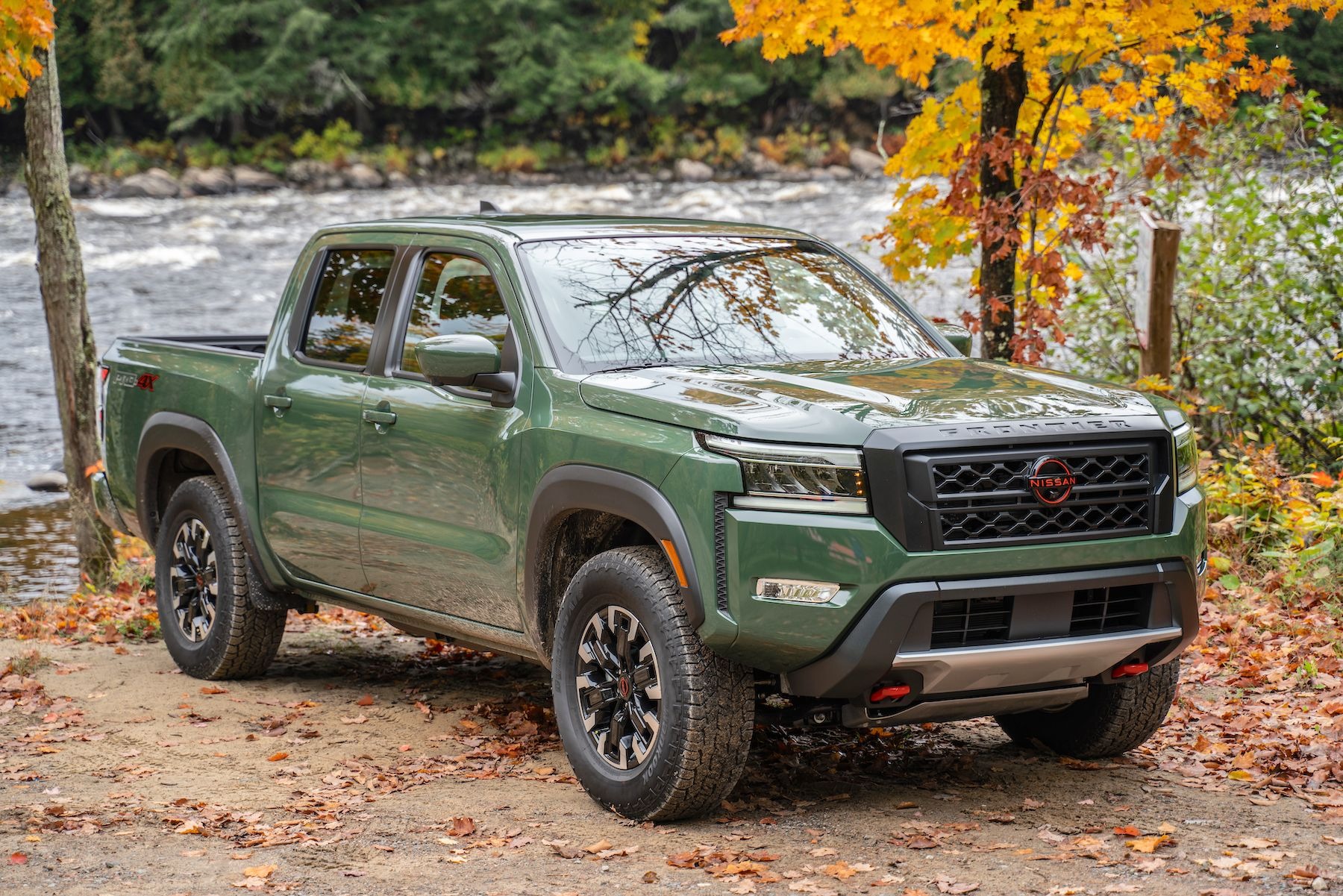
1. Nissan Frontier (Pre-2022 Models)
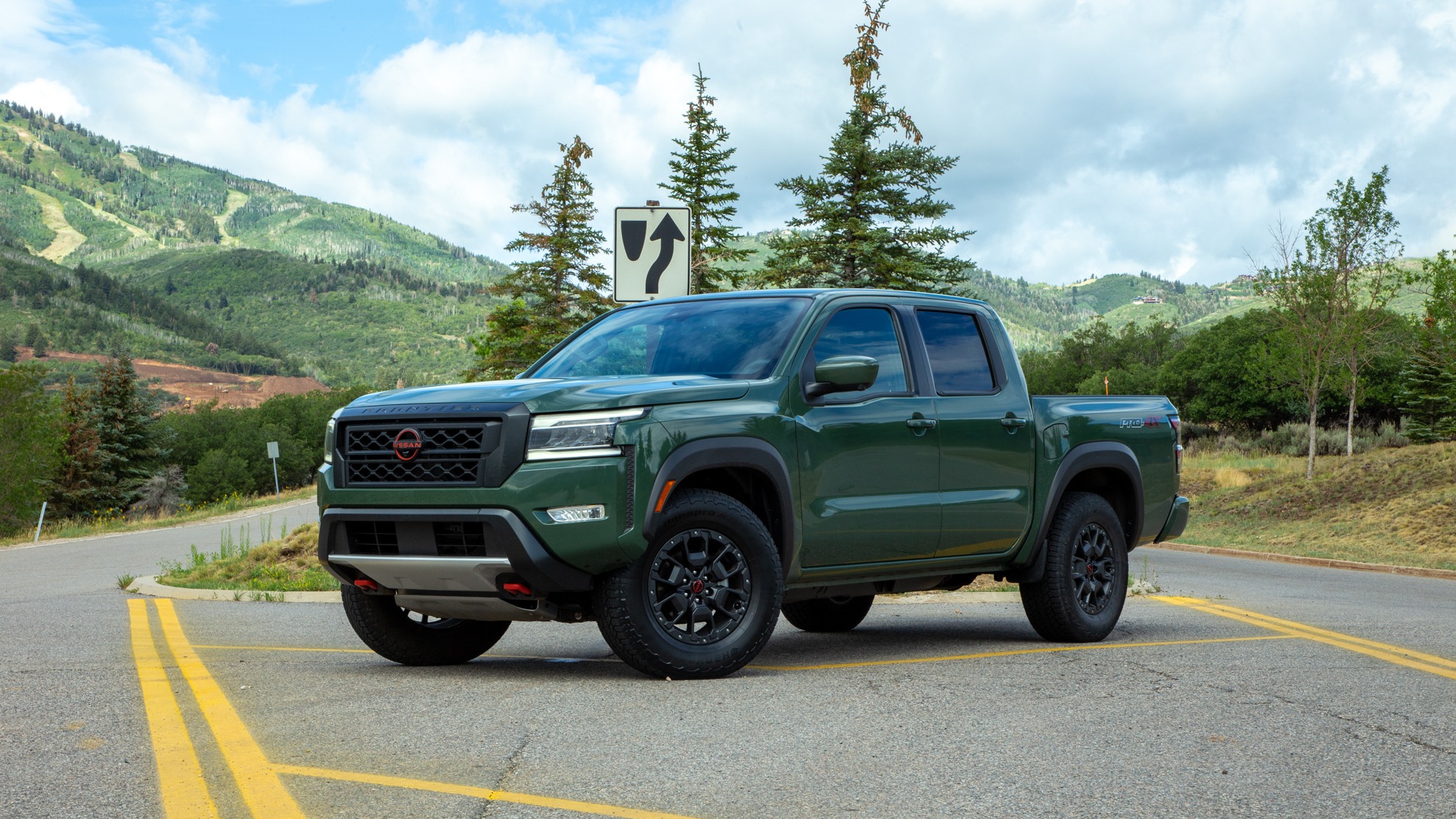
The Nissan Frontier has long been considered a budget-friendly, reliable midsize pickup, but interior noise has been one of its weak points, especially in the models released before the 2022 redesign.
Owners frequently reported squeaky dashboards, rattling door panels, and creaking seat mounts, often within the first 20,000 miles. While the powertrain and drivetrain have a reputation for lasting durability, the cabin tells a different story. The issue isn’t just wear and tear; it’s the way these trucks were put together during the earlier production years.
One of the key problems with older Frontiers is the use of hard plastics and minimal soft-touch materials inside. These plastics don’t absorb vibration well, and when the vehicle hits a bump or pothole, the lack of damping causes panels to rub or knock against one another.
The dashboard area, particularly around the center stack and glove compartment, often develops creaks that are hard to isolate and even harder to fix without disassembly. Combine that with the fact that these trucks were often used in harsh environments, and the noise levels climb rapidly with age.
Another contributor to the squeaks is the relatively simple and rigid suspension system. While it performs well enough off-road and doesn’t require frequent maintenance, it doesn’t do a great job of isolating the cabin from road impacts.
This means more vibration is transmitted into the cabin structure, loosening fasteners and joints over time. The result is a driving experience that feels increasingly less refined as the truck ages. Even routine tasks like turning the steering wheel or closing the doors can produce minor squeaks and clicks, especially in colder weather.
It’s not uncommon for Frontier owners to attempt DIY fixes like adding insulation tape, replacing plastic clips, or using foam inserts to eliminate noises. Some success has been found through these efforts, but it highlights the fact that Nissan didn’t invest much in cabin durability during this era.
The newer 2022-and-beyond models have addressed many of these issues, but for those buying used trucks or still driving earlier versions, persistent interior squeaks remain a regular part of ownership.
2. Chevrolet Colorado / GMC Canyon (2015–2021)
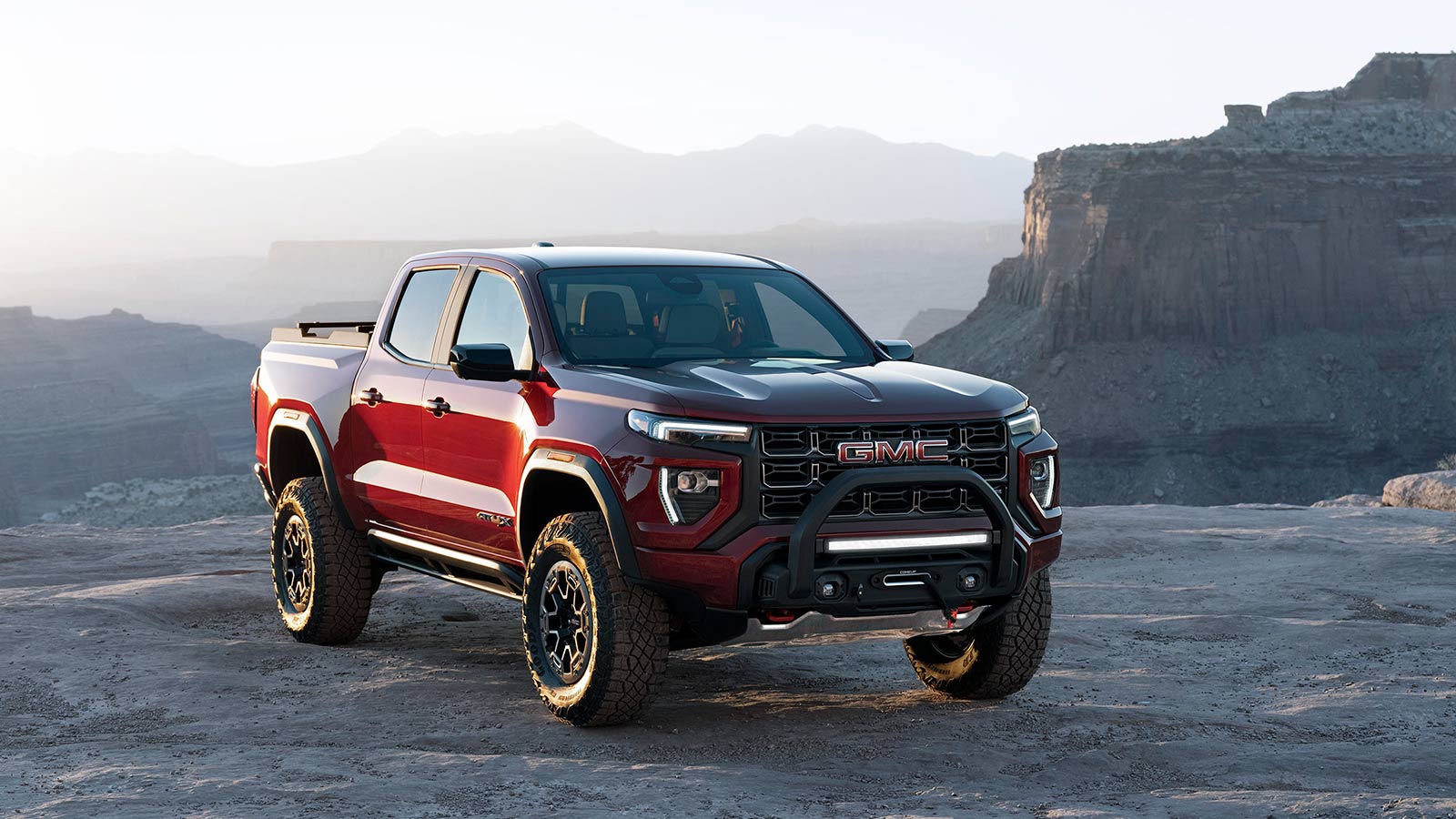
The second generation of the Chevrolet Colorado and GMC Canyon brought fresh styling and better technology, but one issue that stuck with these trucks was their noisy interiors.
Owners have regularly cited problems with squeaking dashboards, rattling door cards, and even clicking sounds from the seats and console. While GM did a solid job of improving drivetrain performance and comfort compared to the first generation, the attention to interior durability fell short, particularly as the trucks aged past 40,000 miles.
One of the most common complaints involves the dashboard and center console area. Many drivers noticed that after a few months of driving, especially in areas with extreme temperatures, plastic trims would start to creak when the vehicle was in motion.
These sounds often worsen on uneven pavement or gravel roads. Unlike some competitors that use soft touch points and well-insulated cabin joints, the Colorado and Canyon often relied on low-cost plastics that did not wear well and became loose with time.
Another issue is the seating design and mounting hardware. Some owners report a subtle squeaking noise every time they shift their weight in the driver’s seat, especially on extended drives.
The culprit is usually a loose or flexing seat bracket under the carpet, which can be hard to reach and tighten without partial disassembly. Additionally, the seatbelt anchors and headrest posts sometimes develop minor clicking noises, which can grow increasingly irritating on long trips.
Lastly, the door seals and window tracks are another source of cabin noise. While not always a squeak in the traditional sense, these areas produce a rubbing or groaning noise when the truck is in motion, especially during windy days or rain.
Water and dust can sometimes enter the tracks and dry out the seals, which then scrape against the glass or plastic window channels. The result is an audible distraction that feels out of place in a truck meant for modern daily use. For all their strengths in handling and utility, these trucks fall short in delivering a squeak-free interior experience.
3. Ford Ranger (2019–2023)
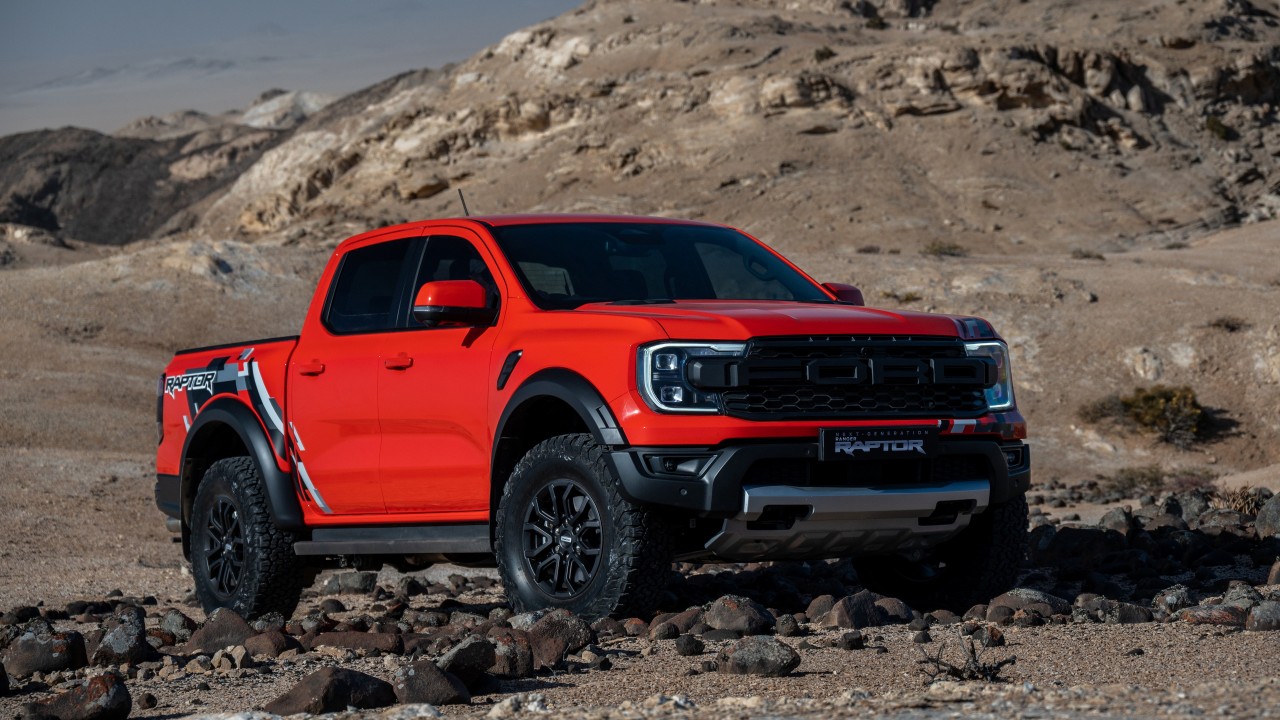
When the Ford Ranger returned to the U.S. market in 2019, there was a lot of excitement about its potential as a midsize workhorse. And while it did offer respectable towing, solid fuel economy, and updated tech features, one persistent issue owners noted was the interior noise.
Particularly, squeaks and rattles would develop early on, sometimes as soon as the vehicle passed 10,000 miles. The build quality inside the cabin was inconsistent, and Ford’s use of low-cost hard plastics did not help matters.
The most common area for squeaks is the dash and A-pillar trim, which tends to shift slightly when the truck flexes over uneven ground. This results in high-pitched plastic-on-plastic noises that can become constant background irritation.
The issue is more noticeable in colder temperatures, where materials contract and lose their fit. Attempts to get these fixed under warranty often result in temporary solutions, with the noise returning later due to the same underlying problems.
Seat brackets and rear headliner sections also become a source of sound over time. In extended cab or crew cab configurations, the rear seats and back wall tend to vibrate slightly on rough roads, leading to dull creaking sounds that are hard to track down.
Even with limited passengers or cargo in the back, the motion from the suspension seems to create just enough shift to trigger small interior movements. These minor sounds aren’t safety issues, but they do reflect a lack of refinement in assembly.
Owners also mentioned frequent problems with the center console and door pockets, especially when used frequently or loaded with heavier items like tools or water bottles.
The pressure on these areas causes the clips and fasteners behind the panels to wear out or lose their hold, leading to a constant rattle whenever the vehicle accelerates or turns sharply. For drivers who prize silence or use their trucks for commuting, the Ford Ranger in this generation presents a frustrating experience despite its mechanical strengths.
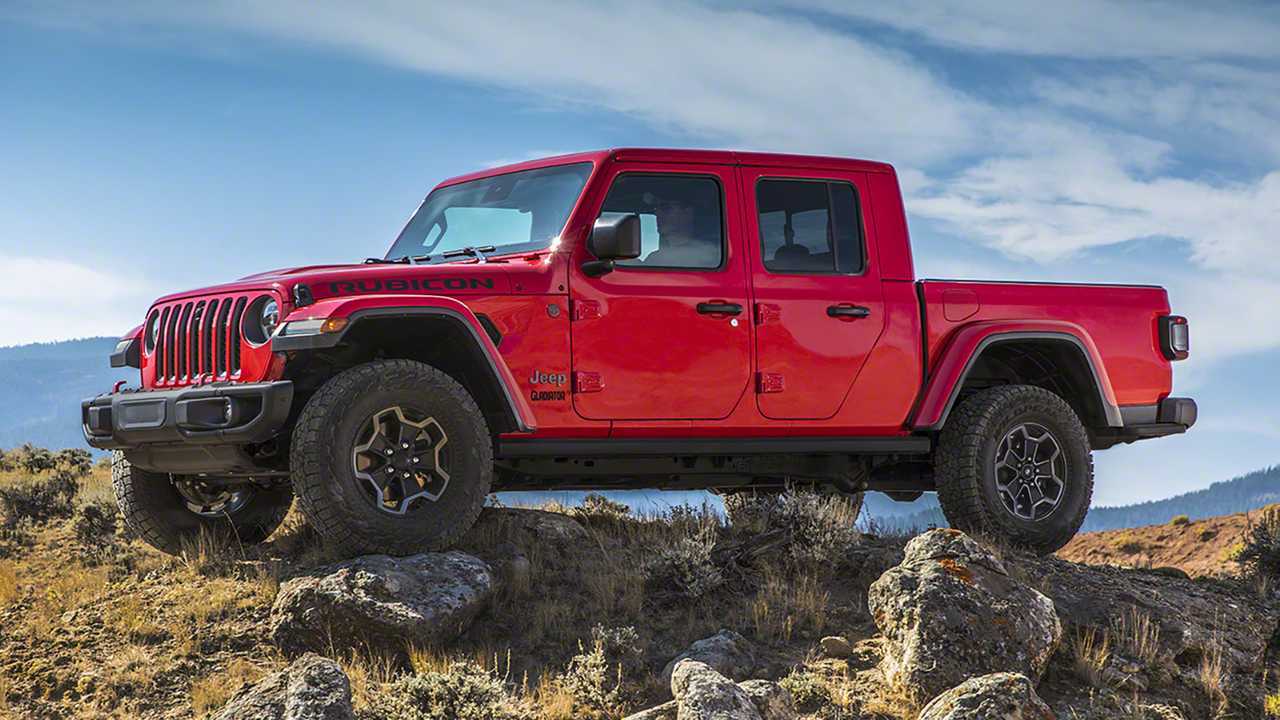
4. Jeep Gladiator
The Jeep Gladiator offers an exciting blend of off-road prowess and pickup practicality, but one of its glaring weaknesses is the amount of interior noise it produces, especially squeaks, rattles, and creaks that appear with surprisingly low mileage.
While it shares many components with the Jeep Wrangler, including the removable roof and doors, this modular design comes at a cost.
The interior panels, mounts, and plastic fittings are prone to movement, particularly when driving off-road or over cracked pavement. These movements gradually produce a range of annoying sounds that can be difficult to silence without modifications or constant adjustments.
A key contributor to the squeaking problem in the Gladiator is its roof design. Whether you opt for the soft top or hard top, numerous seams, clamps, and seals don’t always sit flush once removed and reinstalled a few times.
These elements tend to shift and flex while the vehicle is in motion, creating intermittent creaks that come and go depending on driving speed, temperature, or even body flex during cornering.
The situation is made worse in colder climates, where the materials shrink slightly and lose their secure fitment. Owners have tried applying weatherstripping grease or foam padding, but the fixes are often temporary.
Inside the cabin, plastic panels and trim near the A-pillars, center console, and rear seat area are frequent sources of noise. These parts are subject to high levels of vibration due to the Gladiator’s rugged suspension and solid axle design, especially when driving on uneven ground or gravel roads.
The constant bouncing and body movement lead to early wear on plastic clips and fasteners, which then start to loosen and make noise. Even new Gladiators with just a few thousand miles on them have been reported to develop these types of interior sounds, particularly among owners who use their truck for outdoor adventures or trail use.
Beyond mechanical and structural causes, some of the noises can also be traced back to building variability. Jeep’s manufacturing process, while adequate in many areas, does not prioritize luxury-level fit and finish, especially in lower trims. As a result, some Gladiators leave the factory with inconsistencies in panel alignment or clip tension.
Over time, those small issues grow into full-blown rattles that degrade the cabin’s sense of quality. Even though the Gladiator is built for off-road durability, it doesn’t offer the same sense of solidity in its interior assembly, which can be frustrating for those who spend significant time behind the wheel or use the truck as a daily driver.
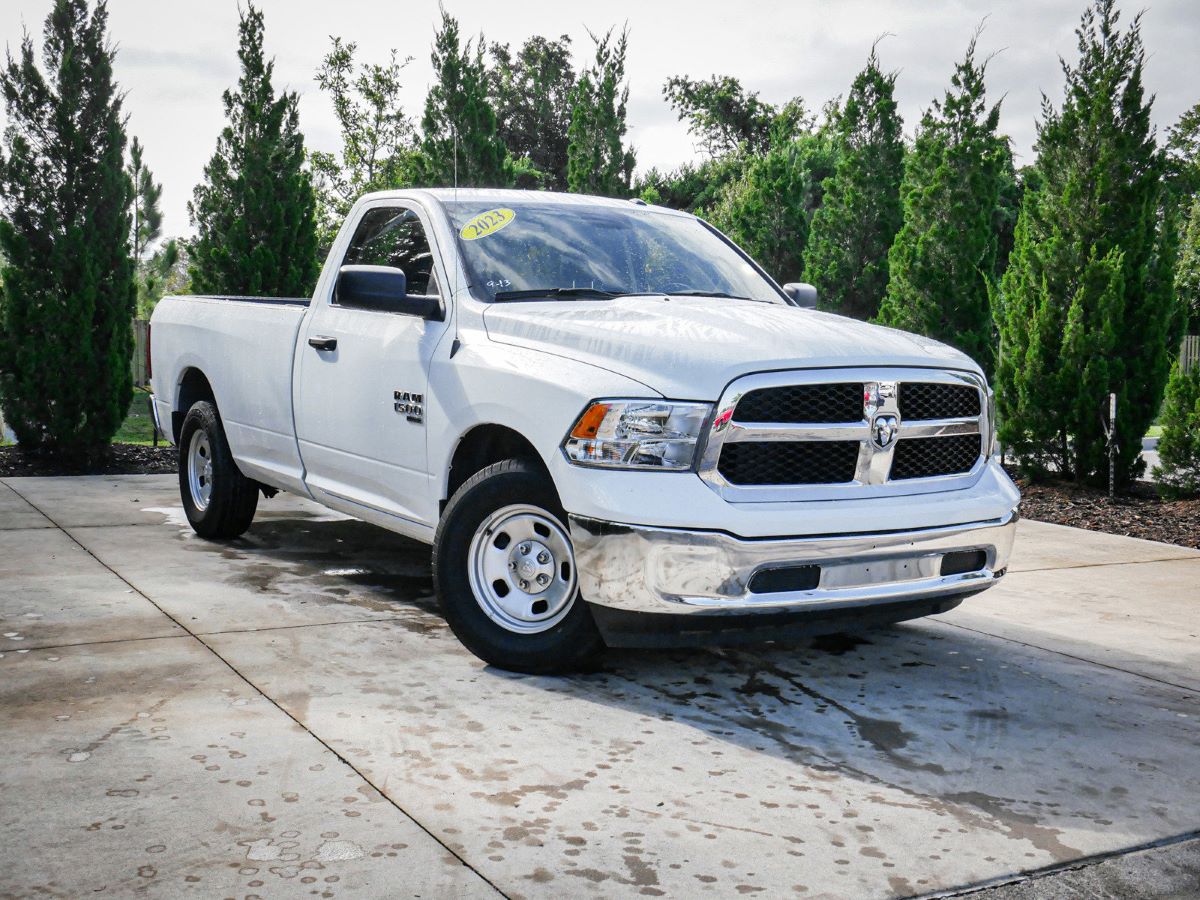
5. Ram 1500 Classic
The Ram 1500 Classic, which continued production alongside the fifth-generation Ram 1500, has long been marketed as a value-oriented full-size truck. While it offers competitive towing numbers and a strong V8 engine option, it falls behind in terms of interior refinement.
One of the most frequent owner complaints involves cabin noise, particularly squeaks from the dashboard, door panels, and even the headliner. Because this model retains the older-generation design and materials, it lacks the structural upgrades found in the newer Ram 1500, making it much more prone to these issues.
Dashboard squeaks are a common theme with this truck, especially near the instrument cluster and center vents. These noises usually occur when driving over rough pavement or during sharp turns, where body flex and suspension movement introduce stress to the dash mounting points.
The materials used in this part of the cabin don’t offer much flexibility or vibration dampening, which means they tend to rub or click against adjacent surfaces. Drivers have often noted that these sounds are persistent and grow worse in extreme temperatures, when the expansion and contraction of parts become more noticeable.
Another major issue lies in the door panels and window seals. Unlike the updated design in the newer Ram 1500, the Classic uses older components with less insulation and less precise fitment. This creates a perfect storm for internal panel movement, especially on extended trips.
Door cards often make a rattling or buzzing sound that can become quite distracting, particularly at higher speeds. Even something as simple as leaning against the door while driving can trigger plastic creaks or vibration sounds that indicate a lack of panel rigidity.
The suspension system, while reliable and relatively simple, doesn’t do a great job of isolating the cabin from road imperfections. Each pothole or washboard road sends vibrations through the body, which in turn affects how interior parts respond.
Over time, clips loosen, mounts begin to shift, and the combination of all these small movements results in a noisy driving environment.
Although the Ram 1500 Classic provides a solid mechanical platform and budget-friendly price tag, its aging design leaves it vulnerable to the types of interior noises that many truck buyers are actively trying to avoid.
