
When it comes to choosing an SUV, one of the most important considerations is how well the vehicle stands up to rust over time. Rust can not only damage the appearance of a vehicle but also severely affect its structural integrity and safety.
Some SUVs are built with superior materials, coatings, and engineering practices that help them resist rust, while others are more prone to corrosion due to factors like design flaws, poor-quality materials, or insufficient rust-proofing measures.
SUVs that rarely rust tend to come from manufacturers who prioritize durability and long-term reliability. These vehicles often feature enhanced rust protection in critical areas such as the undercarriage, wheel wells, and door sills. They may also use galvanized steel or aluminum parts that resist oxidation better than regular steel.
Such SUVs often come with comprehensive warranties that include corrosion coverage, demonstrating the manufacturer’s confidence in their rust resistance. For buyers, these SUVs offer peace of mind, especially if they live in regions with harsh winters or heavy use of road salt, which can accelerate corrosion.
On the other hand, SUVs that rot away quickly generally suffer from neglect in terms of rust prevention or design choices that trap moisture and dirt. Certain models might have seams, joints, or poorly protected metal surfaces where water can accumulate, leading to early signs of rust.
In some cases, manufacturers may have cut corners on protective coatings or used lower-quality steel that is more susceptible to rusting. These SUVs often develop problems within a few years, requiring expensive repairs or even early retirement of the vehicle. For owners, this can be frustrating and costly, reducing the value and lifespan of the SUV.
Understanding the differences between rust-resistant and rust-prone SUVs is crucial for anyone looking to invest in a durable vehicle. It’s important to research the model’s reputation, manufacturer warranties, and any recalls related to rust issues.
Additionally, proper maintenance, including regular washing and undercarriage cleaning, can help extend the life of any SUV. However, starting with a model known for its rust resistance gives owners a significant advantage in terms of longevity and lower maintenance costs.
The choice between an SUV that rarely rusts and one that is prone to rapid corrosion can have a profound impact on ownership experience. Rust-resistant SUVs offer reliability and durability, while rust-prone models carry hidden risks that may lead to premature deterioration. Being informed and cautious when selecting an SUV can save time, money, and headaches in the long run.
Also Read: 5 Cars That Collectors Love and 5 That Nobody Wants
5 SUVs That Rarely Rust
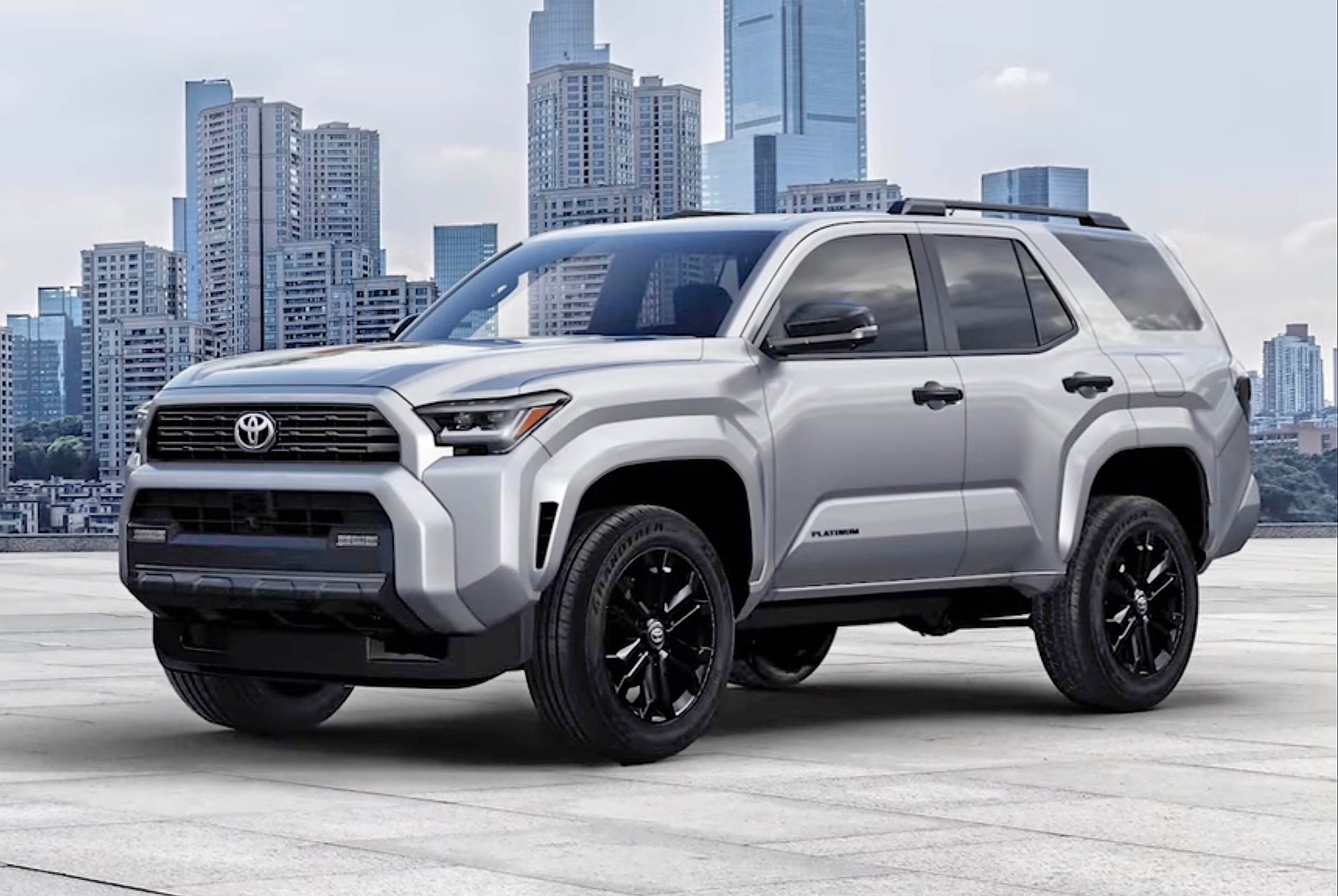
1. Toyota 4Runner
The Toyota 4Runner is often seen as a textbook example of a long-lasting, rust-resistant SUV. Its reputation has been built over decades of real-world use, particularly in environments that are harsh on vehicles. From salty coastal roads to snowy mountain passes, the 4Runner consistently holds up where other SUVs start showing signs of decay.
Toyota’s emphasis on quality manufacturing and durable materials plays a major role in this. The body panels are made from galvanized steel, and the frame is treated with anti-corrosion coatings during assembly. These measures are not just technical features, they translate into years of worry-free ownership for most 4Runner drivers.
Another advantage the 4Runner has is its engineering simplicity. While it offers modern features and comforts, its rugged body-on-frame design is easier to maintain and inspect for early signs of rust compared to unibody SUVs. This traditional construction also helps it survive longer in off-road conditions where scratches and minor dings are common.
Even when the undercarriage is exposed to mud, sand, or salty water, it resists corrosion better than many competitors. Toyota also uses durable rubber seals and high-quality paint that hold up against environmental wear, minimizing water intrusion into sensitive areas like door sills or the rear hatch.
Owners frequently note that the 4Runner resists rust not just during the first few years but well into its second and third decades of use. It’s not uncommon to see 20-year-old models with original bodywork still intact, especially if they’ve been washed regularly and serviced properly.
This kind of long-term performance is rare and is one of the reasons the 4Runner has such strong resale value. Buyers looking for a vehicle that will last beyond 300,000 miles without turning into a rust bucket often gravitate toward this SUV.
Toyota also encourages proactive maintenance with clear guidelines on rust prevention, particularly for those living in areas that use salt on roads during the winter.
The company advises regular underbody cleaning and has even included additional corrosion-resistant features in models sold in cold-climate regions. This attention to climate-specific issues sets the 4Runner apart. In addition, Toyota dealerships often offer aftermarket rust-proofing services tailored to local conditions, giving owners peace of mind.
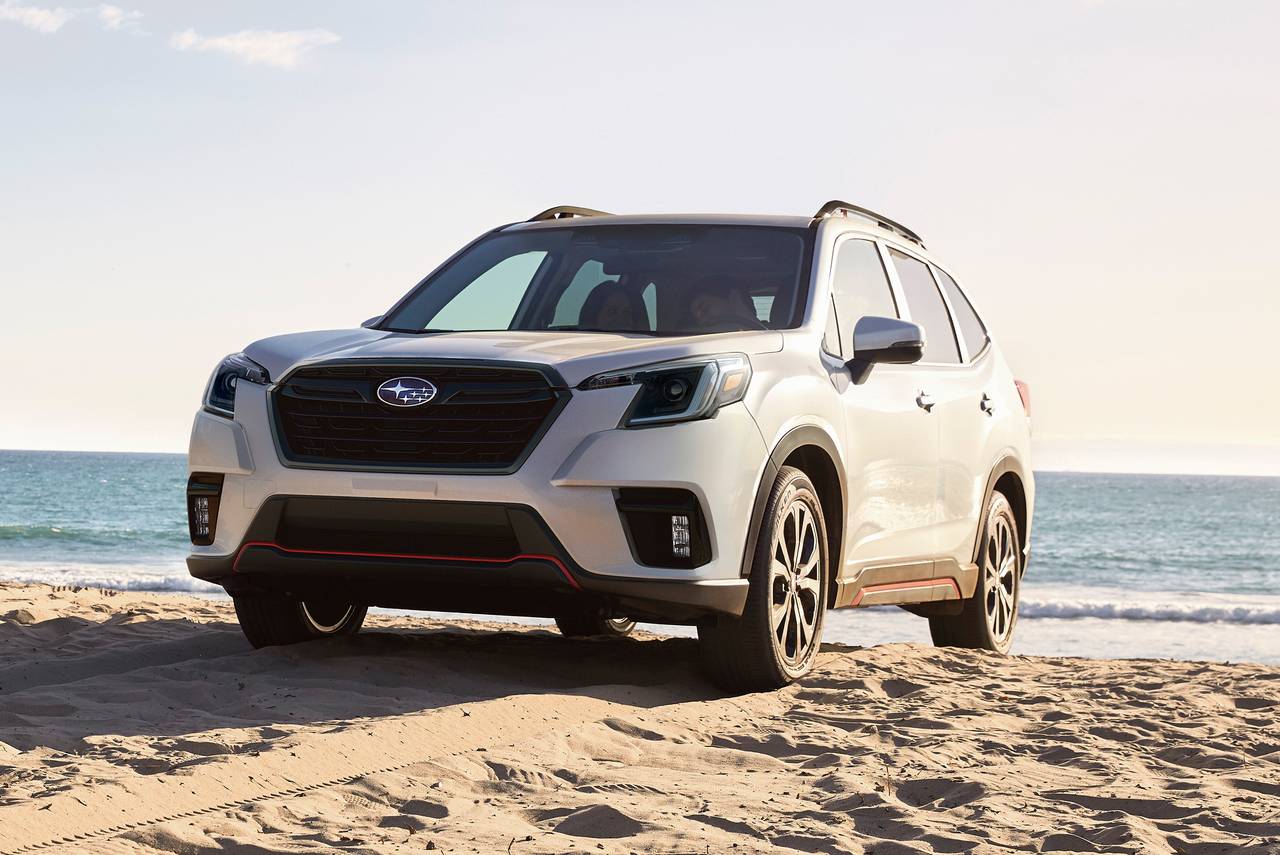
2. Subaru Forester
The Subaru Forester has long been associated with outdoor enthusiasts and drivers who need a dependable all-weather SUV. Its strong resistance to rust is one of the reasons why it’s a popular choice in areas with tough winters or rainy climates.
Subaru’s manufacturing improvements over the years have included extensive use of galvanized steel and undercoating, especially in areas that tend to be exposed to salt, such as the wheel arches and rocker panels. This makes the Forester particularly resilient in states and provinces where road salt is a winter staple.
Unlike many SUVs in its class, the Forester benefits from tight body seals and well-thought-out drainage systems that reduce the chances of water getting trapped in hidden areas. The vehicle’s unibody construction is complemented by rust-resistant coatings applied not only to the visible bodywork but also to internal seams and underbody components.
These layers act as a barrier against moisture, road salt, and debris. Subaru also uses a high-quality paint process that helps maintain a strong outer shell, protecting against chips that could otherwise become starting points for rust.
Another factor that helps the Forester stand out is the company’s consistent approach to quality across different model years. While some automakers improve rust protection sporadically, Subaru has made a continuous effort to refine its corrosion-prevention methods over time.
This means that even older Foresters tend to age well in terms of rust resistance, especially when compared to competitors from the same era. It’s not uncommon to find 10- or 15-year-old Foresters with minimal rust damage, even in regions with heavy snowfall.
In addition to design and materials, Subaru’s culture of proactive ownership plays a major role in rust prevention. Subaru drivers often belong to tight-knit communities and enthusiast groups that promote vehicle upkeep, share tips, and encourage preventive care.
This includes regular underbody washes, inspections of common rust-prone spots, and early treatment of any chips or scratches in the paint. For many Forester owners, rust prevention becomes part of routine vehicle care, extending the SUV’s lifespan and reducing long-term costs.
Lastly, Subaru has made rust prevention a key part of its regional adaptation strategy. For example, models sold in Canada or northern U.S. states often come with extra underbody protection or factory-installed rustproofing options.
Dealerships are also trained to offer climate-specific services, like annual rust protection packages or inspections. All of these factors combine to make the Forester a smart choice for those who want a compact SUV that can take a beating from the elements and still come out looking good years down the line.
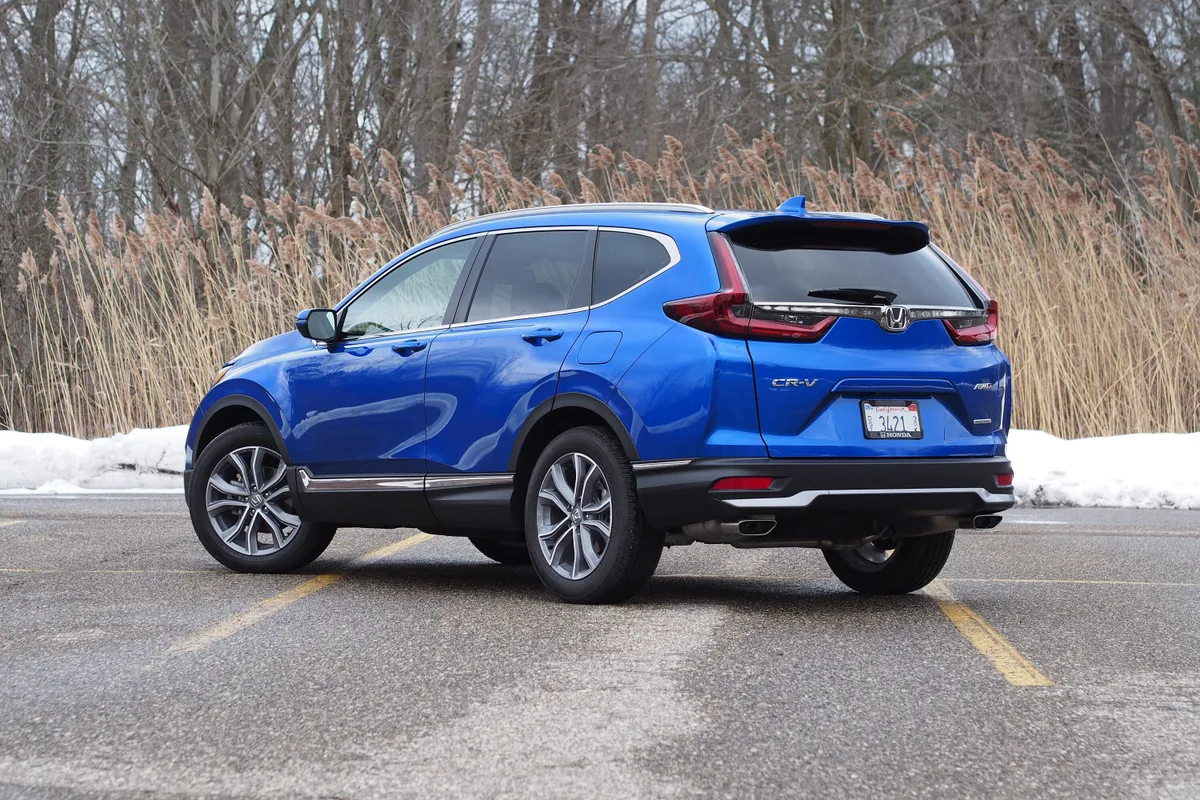
3. Honda CR-V
The Honda CR-V has built its reputation on reliability and practicality, but it also performs well in the area of rust resistance. Over multiple generations, Honda has consistently equipped the CR-V with rust-inhibiting features, including galvanized steel body panels, well-sealed door seams, and durable undercoating materials.
These features are especially important for a vehicle that sees a lot of year-round use, including in climates where winters can be punishing. Rust-prone areas like the wheel wells and lower door edges are given extra attention in the manufacturing process.
Honda’s advanced paint application process is another reason the CR-V fares well against corrosion. The company uses a multi-stage coating system that includes electro-deposition primer, base coats, and clear coats, all of which protect the metal underneath from the corrosive effects of water, salt, and UV radiation.
Even when stone chips occur, common in areas with rough or gravel roads, the underlying primer helps resist the formation of rust until repairs can be made. This layering system has proven effective over time and contributes to the CR-V’s longevity.
Honda also provides a good owner experience when it comes to rust-related concerns. Many dealerships offer rust protection options at the time of purchase, including sprays and undercoating packages.
Honda’s warranties in certain countries cover rust-through for multiple years, adding an extra layer of confidence for buyers. Owners who follow routine cleaning, particularly in winter, and who promptly repair scratches and chips usually find their CR-V remains rust-free well into its second decade.
The CR-V’s global popularity has led to a large ecosystem of aftermarket rust-prevention solutions as well. From rust inhibitors to ceramic coatings, CR-V owners have access to tools and services that help them stay ahead of corrosion.
The model’s reliability already makes it a top pick for families and commuters, and its resistance to rust only reinforces its status as a vehicle that holds its value and stands the test of time, even in rust-prone regions.
4. Lexus GX
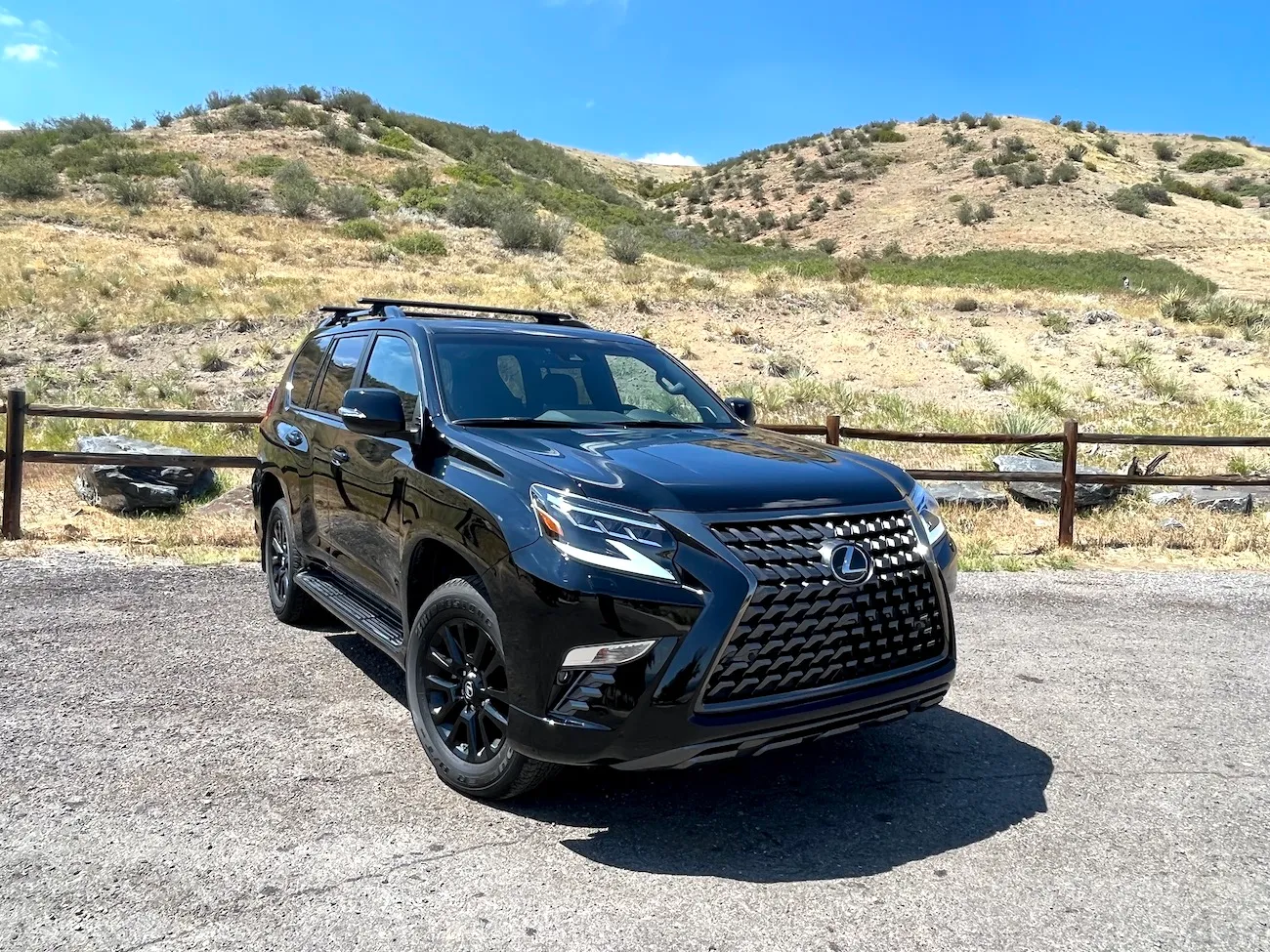
The Lexus GX is a luxury midsize SUV that benefits from rugged, body-on-frame construction, making it as tough as it is refined. Sharing much of its structure with the Toyota 4Runner, the GX inherits many of the same rust-resistant advantages.
Lexus goes further by implementing additional corrosion-prevention strategies during production. The GX receives multiple layers of protective coating, both visible and hidden, to ensure the frame and body panels remain intact through years of exposure to moisture, salt, and debris.
Unlike many luxury SUVs that prioritize style over substance, the GX is built for real-world durability. Its suspension components, frame welds, and undercarriage are all treated for long-term corrosion resistance.
Even the bolts and brackets used in the suspension system are made from corrosion-resistant materials, which helps prevent the spread of rust from one part to another. This attention to detail is especially important in off-road conditions, where mud and water are unavoidable.
In colder climates, where road salt is prevalent, the GX has proven its durability. Many long-term owners report that, with regular cleaning and maintenance, their SUVs remain rust-free even after a decade of exposure to harsh winters.
Lexus also offers rust warranties in certain markets, and some dealerships provide additional rustproofing treatments tailored to regional needs. Combined with the vehicle’s luxury finish and strong mechanical components, this level of durability is part of what justifies its premium price tag.
Finally, Lexus owners tend to be more proactive in maintaining their vehicles, particularly with rust prevention. Luxury vehicle buyers often invest in annual detailing, ceramic coatings, and rustproofing treatments, all of which extend the life of the vehicle.
When you combine Toyota’s tried-and-true engineering with Lexus’ premium finishes and the careful attention of the average owner, the GX stands out as a truly rust-resistant SUV that can withstand both time and the elements.
5. Jeep Wrangler (JL and Newer Models)
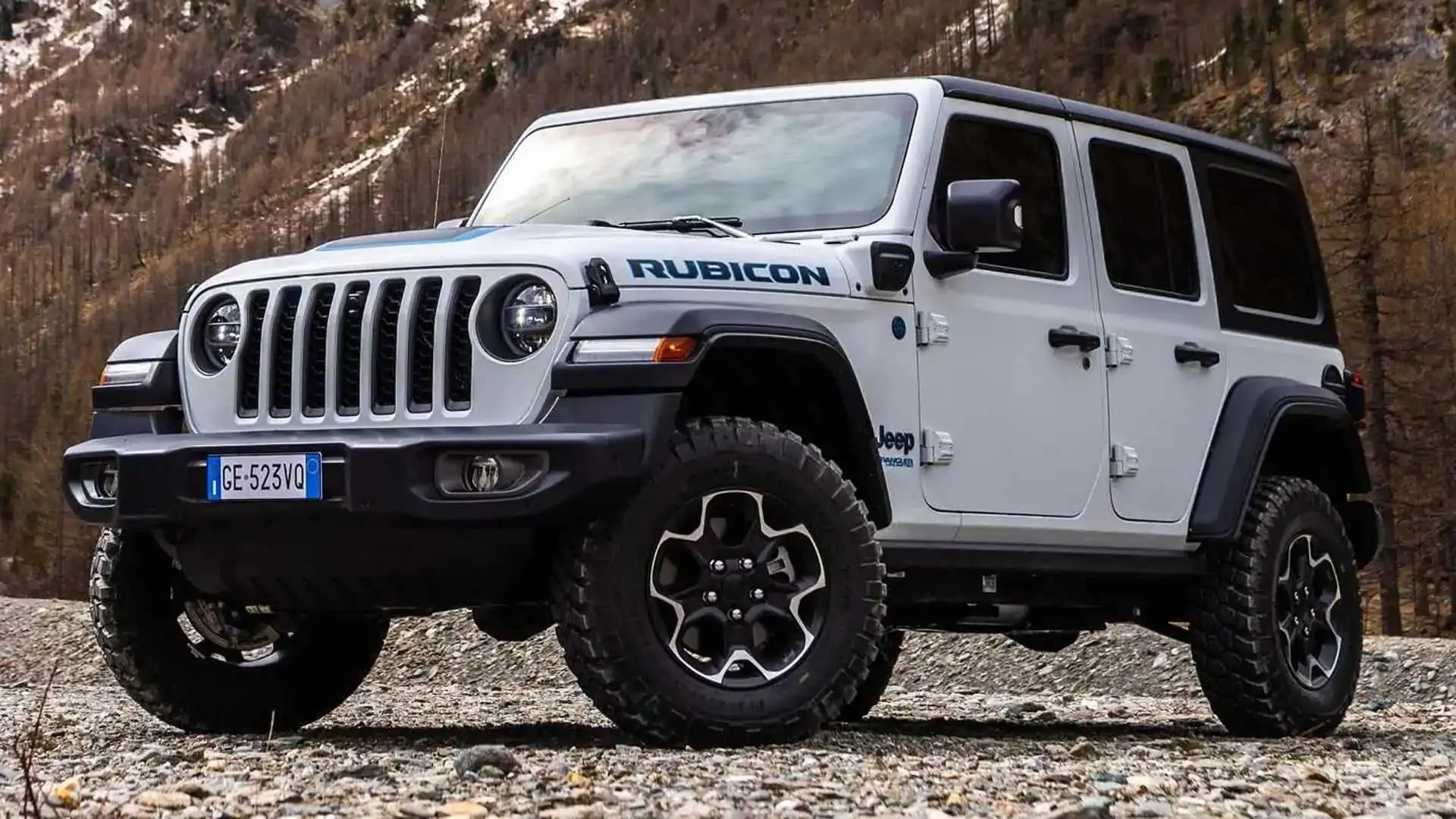
The Jeep Wrangler has undergone significant improvements in rust resistance, particularly starting with the JL generation introduced in 2018. Earlier models had their share of rust complaints, especially around door hinges, floorboards, and frame rails.
However, Jeep made a noticeable shift with the JL by introducing better quality control, new materials, and modern coatings that help the vehicle stand up better to moisture, salt, and dirt. Owners of newer Wranglers now find that, with basic upkeep, rust is far less of an issue than in previous generations.
The use of aluminum in the JL model has helped reduce the risk of rust in certain areas, particularly the hood, doors, and fenders. Aluminum doesn’t rust the same way as steel, and while it can corrode under certain conditions, it does not form the flaky, structural-damaging rust that steel is known for.
This material switch was a deliberate move by Jeep to improve long-term durability, especially for drivers who frequently take their vehicles off-road or live in wet climates.
The JL’s undercarriage also benefits from improved coatings. Jeep now applies a more durable protective layer to the frame and suspension components, which helps guard against the typical rust buildup that occurs from road salt and mud.
The design includes more sealed areas and better water drainage features that help prevent corrosion from getting a foothold. Newer models are also easier to clean underneath thanks to the open, accessible layout of the frame.
One unique factor with the Wrangler is its enthusiast community, which tends to be extremely knowledgeable and proactive about vehicle care. Jeep owners are known for customizing and upgrading their rides, and this often includes aftermarket rust prevention.
From high-end undercoating kits to frame rust inhibitors, many JL owners go above and beyond to protect their vehicles. This culture of maintenance makes a big difference in how well these SUVs hold up over time.
In addition, the modular nature of the Wrangler means that even if rust does appear in a localized area, parts can be easily replaced without dismantling the entire vehicle.
For example, doors and fenders are bolted on and can be swapped out if they begin to show rust. This ease of replacement, combined with the JL’s improved construction, places the newer Wrangler among the SUVs that rarely rust, provided the owner takes even basic care to keep it clean and protected.
Also Read: 10 Cars That Still Sell Above MSRP in 2025
5 SUVs That Rot Away Quickly
1. Jeep Grand Cherokee (Older Models, Especially 1999–2004)
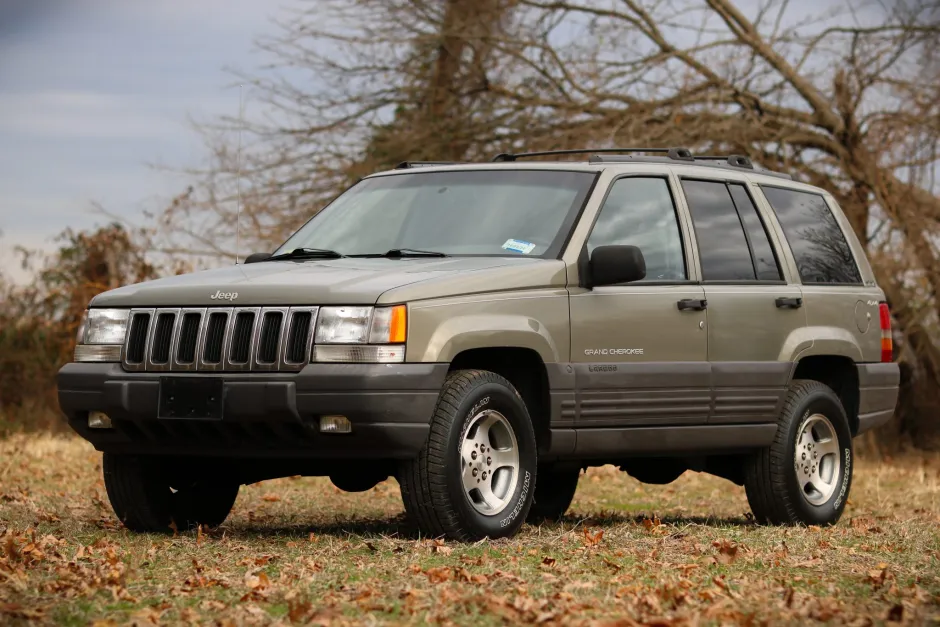
The Jeep Grand Cherokee, while respected for its off-road capability and smooth ride, has a history of rust issues, especially in the late 1990s and early 2000s models. Vehicles produced during this era are widely known in automotive circles for exhibiting rust much earlier than expected.
Problem spots often include the rocker panels, rear quarter panels, underbody frame rails, and even the floorboards. Owners in snowbelt regions frequently reported corrosion within the first five to eight years of ownership, even with reasonable maintenance.
One of the main reasons these older Grand Cherokees rusted so quickly is due to cost-cutting measures in manufacturing. The metal used in some body panels and structural components lacked comprehensive galvanization, leaving them exposed once the paint or factory coating wore away.
Combined with welding methods and open seam designs that allowed moisture to collect, these structural flaws gave rust a foothold. Over time, water and road salt would settle in critical areas, where it would begin to eat through metal components from the inside out.
The underbody protection on these models was also minimal. The factory undercoating, when applied, was thin and wore off quickly when exposed to road debris. Suspension mounts, brake lines, and crossmembers were all prone to corrosion.
In some cases, owners discovered that their vehicle’s frame had rusted to the point where suspension components were no longer safely secured, prompting expensive repairs or full retirement of the vehicle. For an SUV intended to be rugged and long-lasting, this kind of vulnerability came as a major disappointment.
Another challenge was that rust would often develop in hidden places where it remained unnoticed until serious damage had already occurred. By the time surface rust was visible on the body, the structural components underneath might have already been compromised.
This problem made it hard for owners to intervene early or prevent the spread without extensive disassembly and treatment. Combined with a lack of widespread rust prevention awareness at the time, many owners unknowingly allowed the corrosion to progress until it was too late.
To this day, prospective buyers looking at older Grand Cherokees are strongly advised to check the undercarriage and rocker panels thoroughly before purchasing. Some owners have attempted rust remediation or undercoating after the fact, but the design of the vehicle often makes it difficult to access all rust-prone zones.
While the Grand Cherokee continues to be a solid SUV in terms of performance, the 1999–2004 generation has become a cautionary tale about how poor rust prevention can undermine even the most capable vehicles.
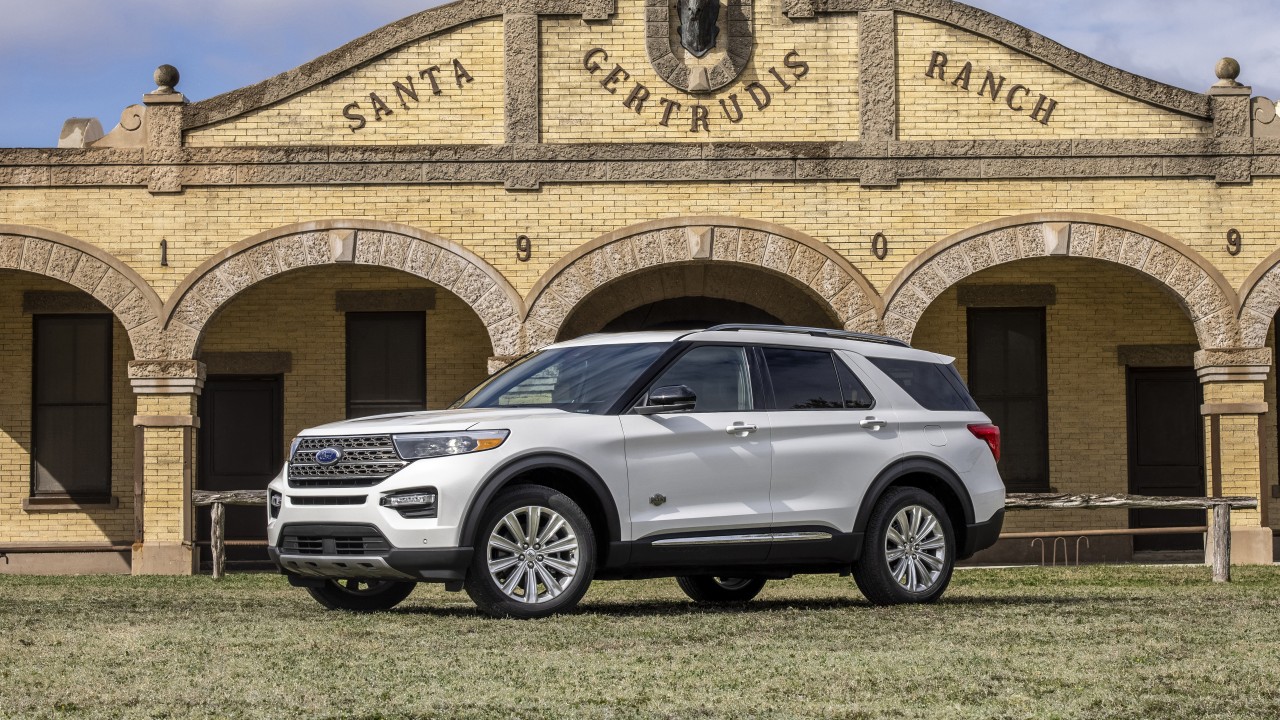
2. Ford Explorer (Early 2000s Models)
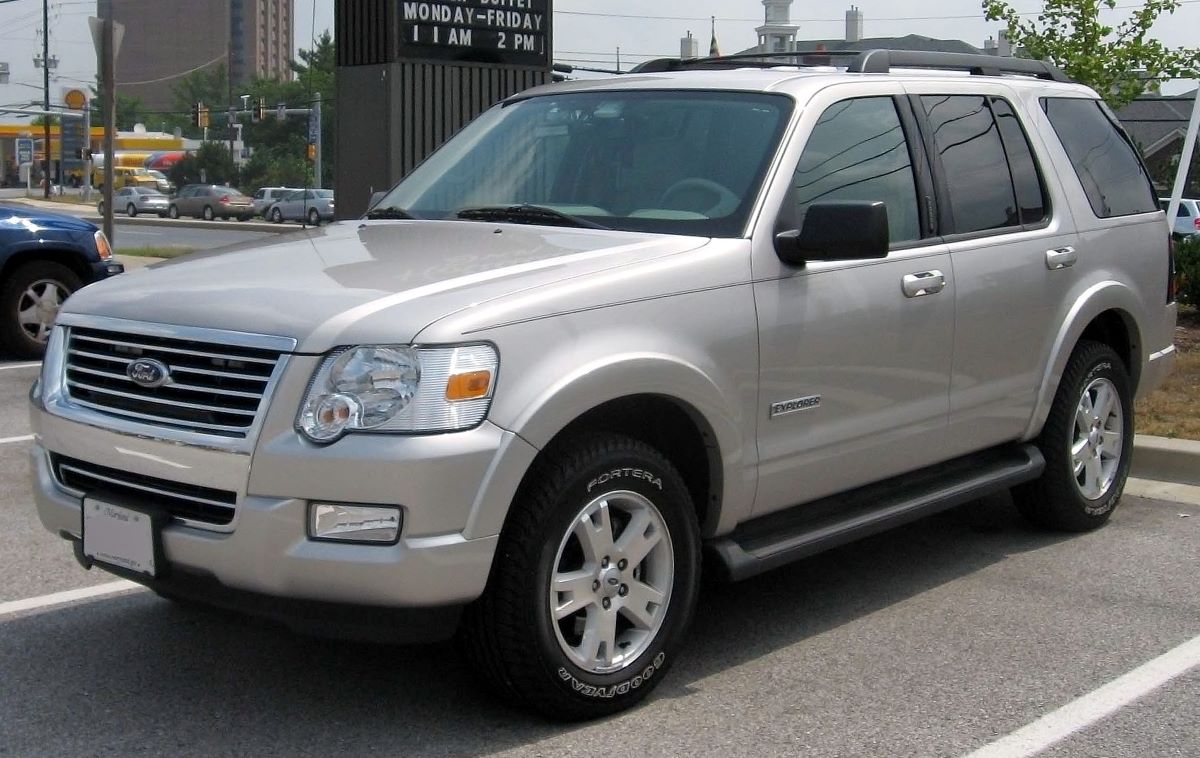
The early 2000s Ford Explorer models, particularly those built between 2002 and 2005, are often cited for severe rust problems. These SUVs were extremely popular at the time, but many of them aged poorly due to their vulnerability to corrosion.
Rocker panels and wheel wells were often the first areas to show signs of damage, followed closely by the tailgate and the lower portions of the doors. In states that used heavy amounts of road salt in winter, some Explorers began to rust visibly within five years of ownership.
A primary cause of this rapid corrosion was insufficient rustproofing during manufacturing. Ford’s use of mild steel with minimal galvanization in key areas left much of the vehicle susceptible to moisture and salt.
The factory paint and coatings didn’t offer long-term protection, especially once they were chipped or scratched. Rust often started at the seams or inside the rocker panels, where trapped moisture would begin the rusting process without being visible from the outside. This made it difficult for owners to intervene early.
Adding to the problem, the underbody of the Explorer was prone to rust in areas like the frame rails, rear suspension mounts, and fuel tank brackets. These parts often received little or no protection, and once corrosion set in, it spread quickly. Some owners reported structural rust so bad that it compromised towing capacity or ride quality.
In extreme cases, the SUV became unsafe to drive due to frame deterioration. Given that these models were often used for family transport or towing, this created major safety concerns.
Aesthetic rust also posed a problem for resale value. Explorers of this generation often showed bubbling paint near the rear fenders and bottom door edges even when the rest of the vehicle appeared to be in good condition. Paint bubbling, flaking, and orange staining were common and hard to stop once they began.
Efforts to repaint or touch up the damage were often unsuccessful, as the rust would reappear within a short period if not fully addressed through grinding and sealing.
Many owners tried to combat the rust with aftermarket undercoating, rust converters, or by welding in replacement panels. However, due to the design of the vehicle, fully accessing all the rust-prone areas was difficult and expensive.
These efforts sometimes only delayed the inevitable. As a result, these early 2000s Explorers have become notorious for rusting out well before the engine or drivetrain has reached the end of its service life.

3. Chevrolet Tahoe (Late 1990s to Early 2000s Models)
The Chevrolet Tahoe, particularly models from the late 1990s through the early 2000s, has a reputation for developing rust early and aggressively. While the Tahoe is known for its strong drivetrain and full-size utility, it unfortunately suffered from design and material shortcomings that left it vulnerable to corrosion.
The rear wheel arches, rocker panels, tailgate, and frame components are the most commonly affected areas. Many owners have reported seeing visible rust spots after just a few winters, especially in the Midwest and Northeast regions.
One of the major problems was the thin protective coatings applied at the factory. These coatings offered only limited defense against salt, sand, and moisture. Once breached, whether through a rock chip or scratch, the underlying steel was quickly compromised.
The rocker panels and wheel wells were particularly problematic due to their design, which allowed debris and water to accumulate behind the plastic trim pieces. These areas often rusted from the inside out, making detection and treatment difficult.
Frame corrosion was another significant issue. While the Tahoe used a sturdy body-on-frame design, the frame itself was not always well protected.
Salt and mud could accumulate in crossmembers and crevices, slowly eating away at the metal over time. In severe cases, rust would compromise the integrity of the rear frame rails, which would affect towing capacity and safety. Owners who used their Tahoes for heavy-duty work or trailering were especially likely to run into these problems.
Many Tahoe owners turned to rust repair shops or invested in heavy-duty undercoating to prolong the life of their vehicles. Some enthusiasts even preemptively removed the plastic trim around rust-prone areas to apply rust inhibitor directly.
However, without early intervention, the rate of corrosion was often too fast to keep up with. While newer Tahoes have improved in rust resistance, those from the late 90s and early 2000s still remain among the most rust-prone full-size SUVs on the used market.
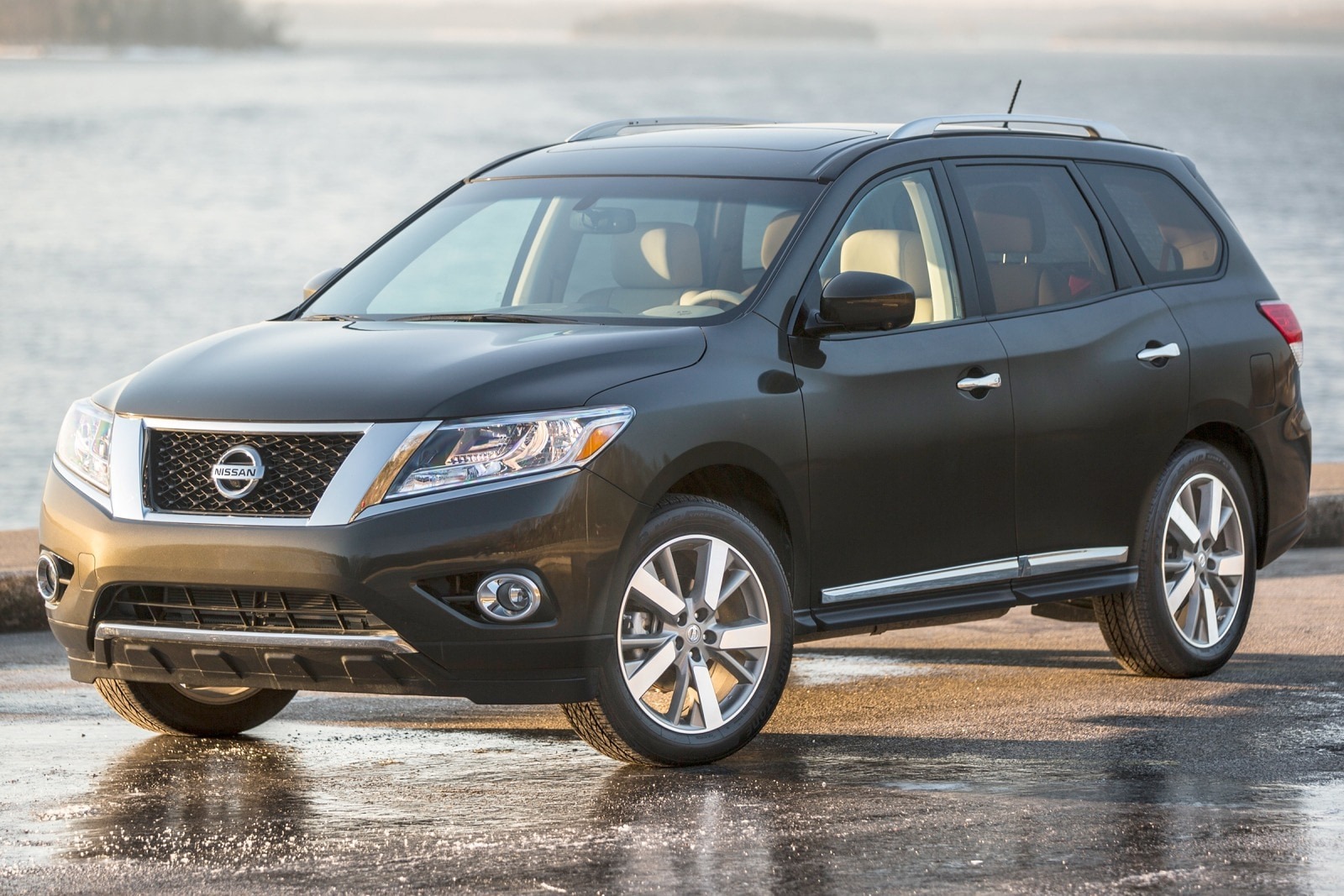
4. Nissan Pathfinder (Early 2000s Models)
The early 2000s Nissan Pathfinder is another SUV that, unfortunately, earned a reputation for rust problems, particularly in cold-climate areas. While the Pathfinder was praised for its strong V6 engine and off-road capability, it also suffered from premature corrosion that led to significant repairs or even early retirement in some cases.
Rocker panels, subframe components, and control arm mounts were common problem areas, often becoming visibly compromised after only a few winters of road salt exposure.
The most notorious issue with these Pathfinders involved rust in the front strut tower areas. In certain models, the frame near the front suspension mounts would corrode to the point where the strut towers would separate from the body.
This problem was so widespread that Nissan was forced to issue a recall in the United States and Canada. The corrosion not only posed a safety hazard but also undermined trust in the vehicle’s long-term reliability. Some owners were faced with either major structural repairs or scrapping the vehicle altogether.
Compounding the issue was Nissan’s design layout, which created pockets and seams where moisture and salt could collect. The rear quarter panels, floor pans, and lower doors were all vulnerable to water intrusion.
Once moisture entered these cavities, it was difficult to remove or dry out. Even owners who regularly washed their vehicles during the winter months sometimes found rust forming in hidden areas. In many cases, by the time the rust was visible, it had already done significant internal damage.
Though later Pathfinders have addressed many of these issues with improved materials and coatings, the early 2000s generation continues to be viewed with caution on the used market.
Owners in rust-prone areas often consider rustproofing essential to keep the SUV roadworthy. Even then, some critical areas may be too difficult or expensive to fully protect. The Pathfinder’s reputation for mechanical durability was undermined by these widespread corrosion issues.
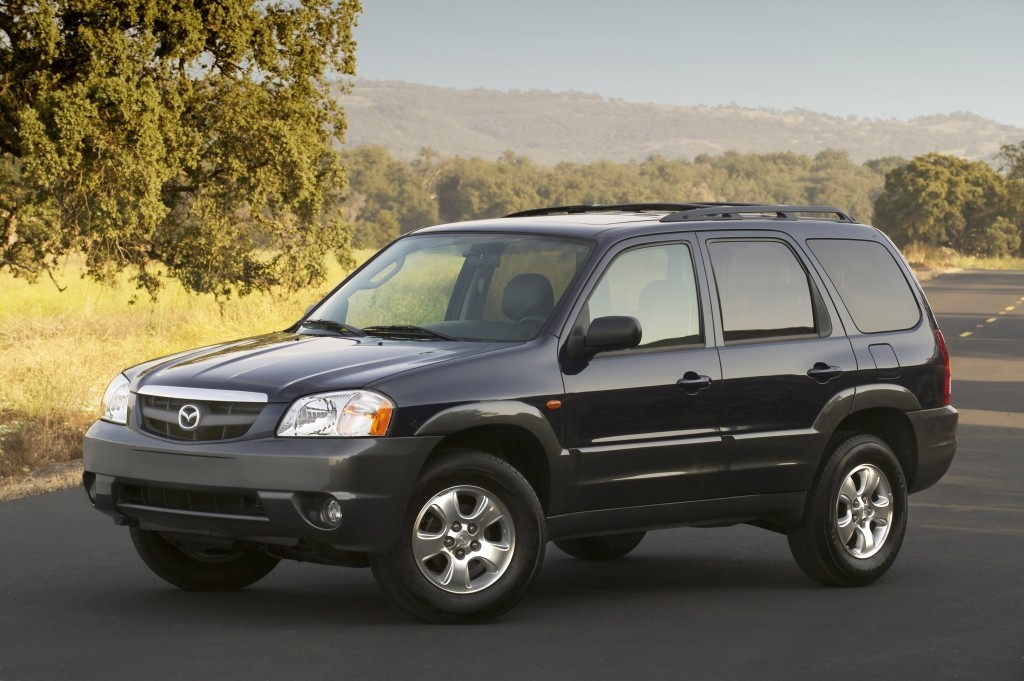
5. Mazda Tribute (2001–2006 Models)
The Mazda Tribute, which shared much of its design with the Ford Escape during the early 2000s, is a compact SUV that quickly gained notoriety for rust problems. While the Tribute offered decent handling and affordability, its long-term durability suffered due to rust-prone design choices.
The wheel arches, rear hatch, and lower rocker panels often began showing rust within five to seven years of ownership, especially in areas where winter road salt was common.
One of the Tribute’s major design flaws was insufficient drainage in the rear fender wells and rocker panel area. Water and debris could easily get trapped in these spaces, and because there was no good drainage system, moisture often sat for long periods.
This created the perfect environment for corrosion to develop. Once rust began in these areas, it quickly spread and often went unnoticed until body panels started to flake or bubble, making surface repairs largely cosmetic.
Another problematic area was the subframe. Like its Ford sibling, the Tribute suffered from front subframe rust that could compromise steering and suspension performance.
In fact, the issue was so severe that it prompted recalls for subframe inspection and replacement in some regions. For a vehicle marketed toward families and everyday drivers, this structural rust issue raised serious concerns about safety and reliability.
The vehicle’s paint quality and underbody protection were not sufficient for regions with harsh climates. The factory paint was relatively thin and prone to chipping, which exposed the underlying metal to moisture and air. Once the rust began, the corrosion often progressed quickly through the panels.
Owners reported that even with regular washing and waxing, it was hard to keep the Tribute looking clean and free from oxidation for more than a few winters.
