
The world of SUVs has transformed dramatically over the past few decades. Once considered purely utilitarian vehicles designed for off-road adventures or hauling heavy loads, SUVs have evolved into some of the most desirable and versatile vehicles on the market.
They offer a blend of comfort, space, power, and style that appeals to a broad spectrum of drivers. However, one aspect that often influences buying decisions is how well an SUV retains its value over time. For many, purchasing a vehicle is not just about enjoying it during ownership but also about the potential resale value down the line.
Resale value is influenced by several factors, including brand reputation, reliability, demand, maintenance costs, and market perception. Some SUVs manage to hold their value exceptionally well, becoming near-classics that maintain strong demand even years after purchase.
Others, despite initial popularity or low price points, lose their value rapidly, leading owners to face significant depreciation soon after driving them off the lot. Understanding which SUVs maintain value and which ones depreciate quickly can help buyers make smarter financial decisions.
This article looks closely at five SUVs that consistently keep their value over time, often regarded as smart investments in the automotive world. These models tend to have strong fan bases, proven reliability, and timeless appeal.
In contrast, the article will also cover five SUVs known to depreciate almost overnight, making them less ideal for those concerned with resale value. By comparing these two categories, readers can get a clearer picture of the factors that contribute to vehicle depreciation and retention and learn what to prioritize when purchasing an SUV.
Whether you are shopping for a family vehicle, an adventure companion, or a daily driver, understanding depreciation trends can significantly impact your financial outcome. This insight becomes even more important in a market where vehicle prices fluctuate, and new models continuously enter the scene.
The following sections present detailed overviews of SUVs that stand the test of time and those that lose value quickly, helping you make an informed choice.
Also Read: 5 Cars That Survive Harsh Winters and 5 That Rust Immediately
5 SUVs That Keep Their Value Forever
Toyota Land Cruiser
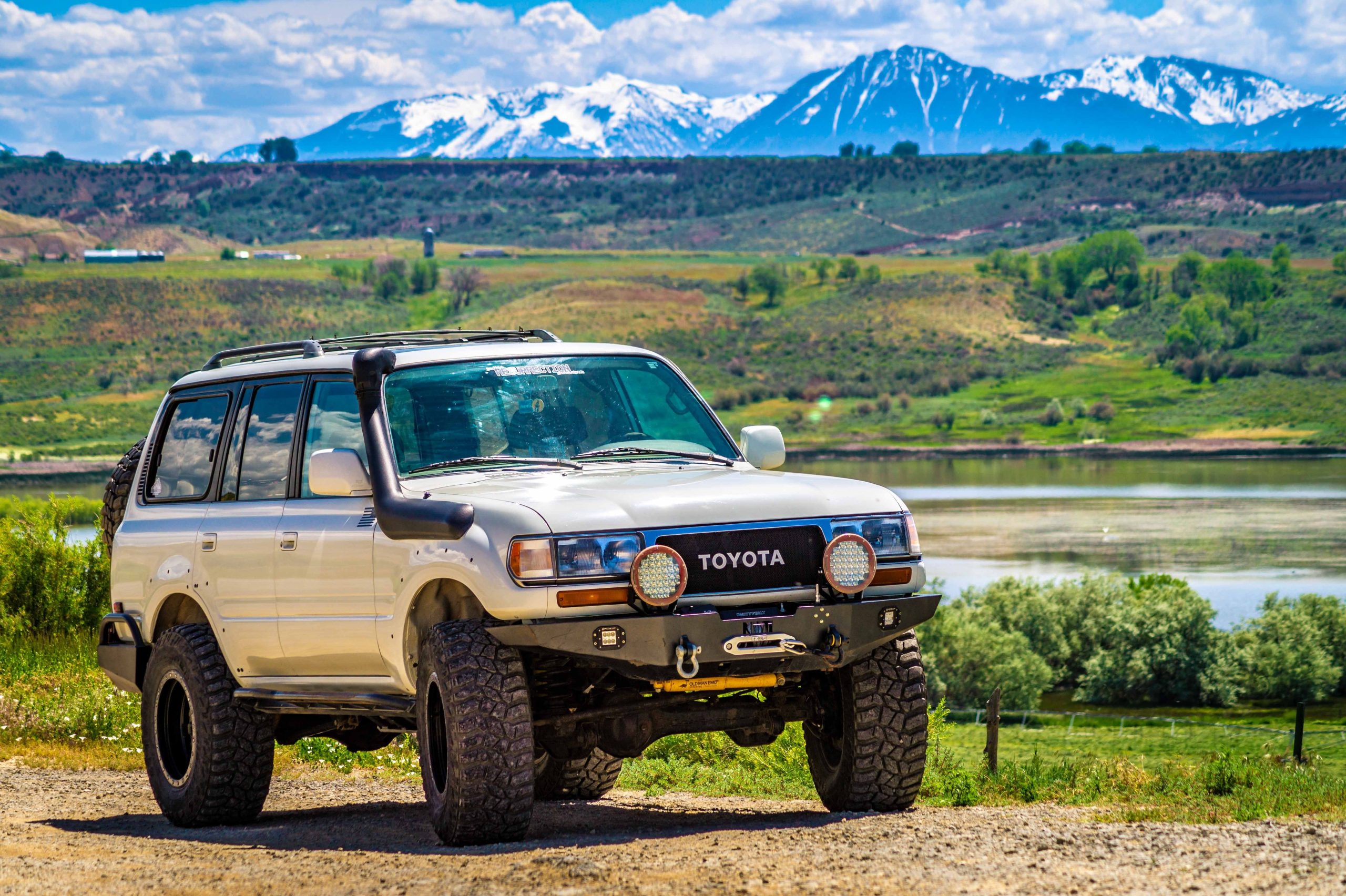
The Toyota Land Cruiser stands as a symbol of durability and dependability in the SUV market. Known worldwide for its rugged construction and unparalleled off-road capabilities, this vehicle has earned a near-mythical status among enthusiasts and practical drivers alike.
The Land Cruiser’s ability to withstand harsh environments, from scorching deserts to freezing mountains, has helped solidify its reputation as one of the most reliable SUVs ever made. Its legendary reliability means that many Land Cruisers are still operational decades after their initial release, a testament to Toyota’s commitment to engineering excellence.
Owners trust that the vehicle will perform consistently, regardless of how demanding the conditions are. This confidence is a significant factor in maintaining the vehicle’s resale value because buyers in the used market know they are getting a product that will not only last but also require minimal costly repairs.
Furthermore, Toyota’s robust global service network ensures parts and maintenance are readily available, which further reduces the long-term cost of ownership.
The Land Cruiser’s brand loyalty is another crucial element in its value retention. Buyers who have owned or driven Land Cruisers tend to be fiercely loyal, often purchasing subsequent models from the same line. This sense of community and trust creates a steady demand in the resale market, keeping used prices high.
This loyalty also means that dealers and private sellers can expect competitive offers for their Land Cruisers even when the vehicles are several years old.
Importantly, this loyalty isn’t just about the mechanics; it extends to the vehicle’s iconic status as a symbol of adventure and reliability. For many, owning a Land Cruiser is more than just having transportation; it is about owning a piece of automotive history that represents toughness and freedom.
The vehicle’s design has also contributed significantly to its long-lasting appeal. Unlike many SUVs that frequently update their looks to chase trends, the Land Cruiser has maintained a classic and functional design philosophy that has aged gracefully. Its boxy, muscular appearance exudes confidence and strength, elements that never go out of style in the off-road community.
While the interior has modernized over the years to include current technology and comfort features, the Land Cruiser’s exterior remains true to its rugged roots. This timeless styling attracts buyers who prefer a vehicle with character and history rather than something overly trendy or gimmicky, which can quickly become outdated.
Because design trends in the automotive industry can fluctuate wildly, a classic, dependable aesthetic like the Land Cruiser’s gives it a resale advantage over vehicles that appear dated or overly stylized within a few years.
Jeep Wrangler
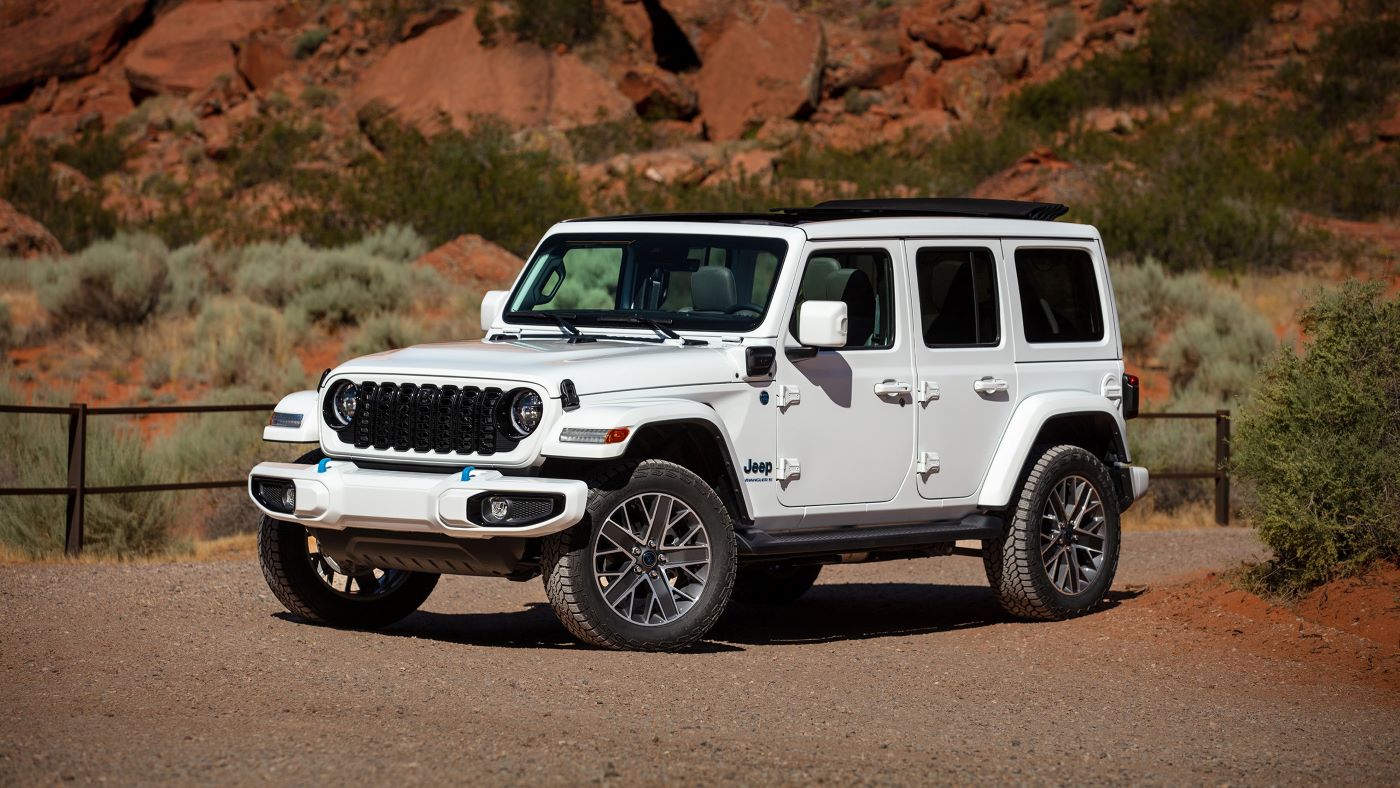
The Jeep Wrangler is a vehicle that has become almost synonymous with the idea of off-road adventure and freedom. Its iconic design, rooted in military history, has remained remarkably consistent over the years, creating a loyal following that drives strong resale demand.
The Wrangler’s unique appeal lies in its rugged construction combined with a lifestyle statement. Unlike most SUVs that prioritize comfort or fuel economy, the Wrangler is unapologetically built for the outdoors, featuring removable doors, a fold-down windshield, and solid axles designed for tough terrain.
These features appeal to a passionate niche of buyers who seek authenticity and utility in their vehicles. The Wrangler’s reputation for toughness and simplicity has made it a favorite for those who want a vehicle that can go anywhere and do anything.
This reputation means that even older Wranglers retain significant value because buyers recognize they are purchasing a machine that offers genuine off-road capability and long-term durability.
Another important factor in the Wrangler’s value retention is its vibrant enthusiast community. Jeep owners often form tight-knit groups centered around their vehicles, organizing events, off-road trips, and modification projects.
This culture supports the resale market by keeping demand high for Wranglers with certain trim levels, special editions, or aftermarket modifications.
Jeep’s commitment to offering various trims such as the Rubicon, Sahara, and Willys editions enhances this appeal by catering to different types of off-roaders and lifestyle users. These special editions often feature upgraded suspension, tires, and technology that increase their desirability and resale value.
Furthermore, the ability to customize a Wrangler extensively, through lifts, bumpers, winches, and lighting, means owners can invest in their vehicle and expect to recoup much of that value when selling. This customization factor is unique compared to most other SUVs and plays a big role in maintaining strong resale prices.
The Wrangler’s durability also extends to its mechanical simplicity. Its body-on-frame construction, solid axles, and straightforward drivetrain layout make repairs easier and parts more affordable, which is a significant advantage in the used market.
Buyers are often wary of complex electronics and costly repairs, so the Wrangler’s straightforward engineering provides peace of mind. This simplicity, combined with the vehicle’s proven off-road credentials, gives buyers confidence that the Wrangler will remain reliable and capable for many years.
As a result, Wranglers often command higher resale values than more complex SUVs that may have a steeper learning curve for maintenance or be prone to expensive issues.
Lexus GX
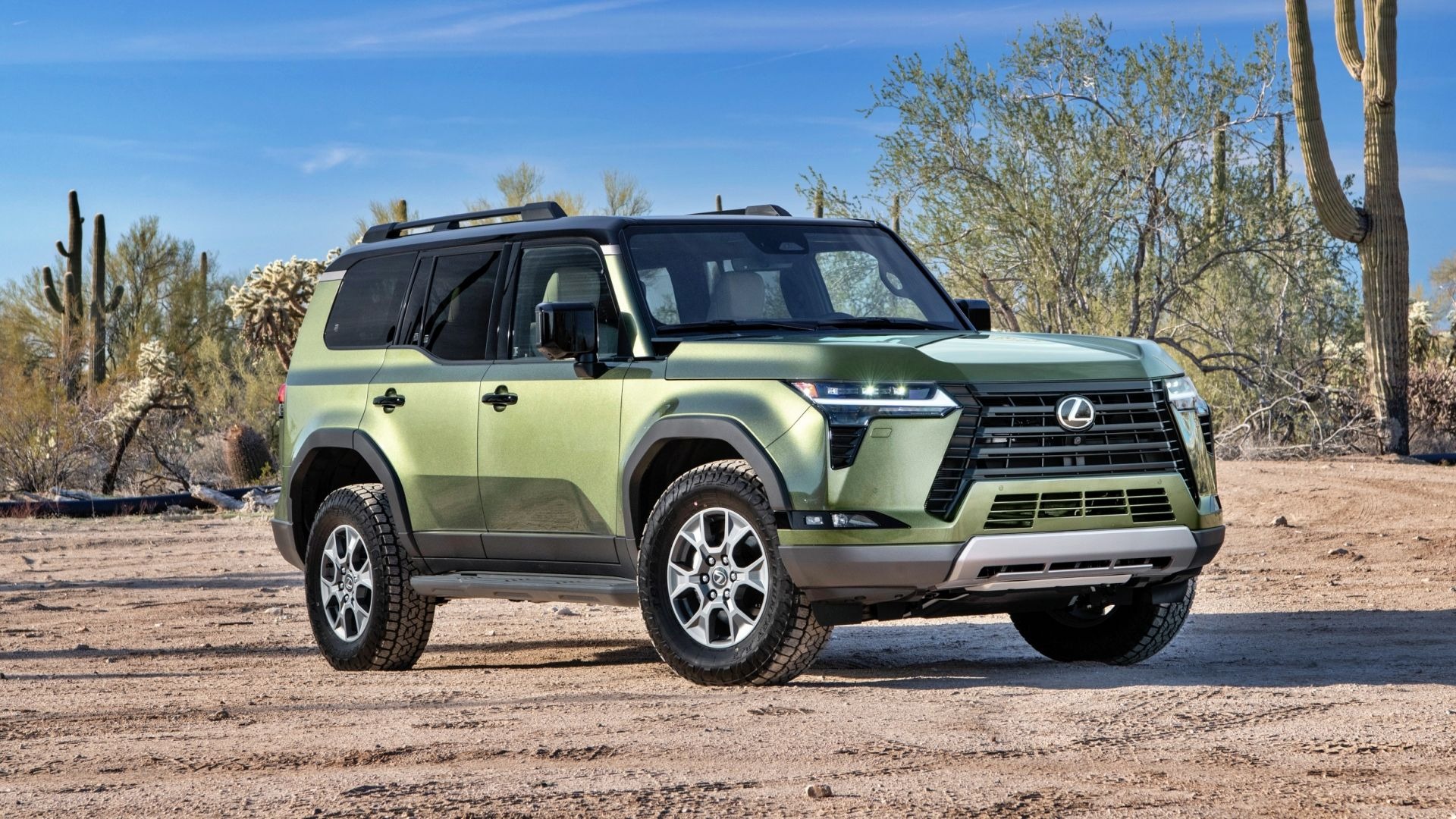
The Lexus GX is a luxury SUV that strikes a balance between rugged capability and refined comfort, making it a unique player in the market. Its value retention can be largely attributed to Lexus’s well-earned reputation for quality, reliability, and customer satisfaction.
The GX is built on the same durable platform as the Toyota Land Cruiser Prado, which gives it solid off-road chops and proven mechanical reliability. This combination appeals to buyers who want a luxury SUV that can handle both urban environments and challenging terrain without compromising comfort or performance.
Lexus’s commitment to using high-quality materials and offering a well-appointed interior ensures that the GX stands out in the luxury segment, attracting buyers who desire an upscale experience along with utility.
The interior of the Lexus GX is a major selling point and contributes greatly to its resale value. It features leather upholstery, advanced infotainment systems, and an array of comfort amenities that elevate the driving experience.
The vehicle offers seating for seven, making it a practical choice for families who need space but don’t want to sacrifice luxury.
Over time, the GX has been updated with improved technology, including advanced safety systems and connectivity options, keeping it relevant in a competitive market.
Buyers in the used luxury SUV market often seek out the GX because it provides the perfect blend of ruggedness and refinement, which many other vehicles struggle to balance.
Lexus’s stellar reputation for reliability is also central to the GX’s value retention. Known for its meticulous engineering and rigorous quality control, Lexus produces vehicles that consistently outperform competitors in long-term dependability studies.
Owners of Lexus GX models report fewer major repairs and maintenance issues compared to other luxury SUVs, which creates confidence in the used market.
This reputation helps maintain higher resale prices because potential buyers feel assured they are purchasing a dependable vehicle that will continue to deliver a premium experience for years to come.
Lastly, the GX’s versatility is a key factor in its sustained popularity. Unlike some luxury SUVs that focus mainly on style and on-road comfort, the GX is equally at home tackling rough roads, snow, and other challenging conditions. This dual capability expands its appeal to a wider audience, including those who want a luxury vehicle that won’t be limited by weather or terrain.
Its reputation as a “go-anywhere” SUV attracts buyers who see the GX as a smart investment, offering luxury, space, and the confidence that comes from owning a proven, durable vehicle. This combination of features ensures that the Lexus GX remains in demand on the resale market and continues to hold its value well over time.
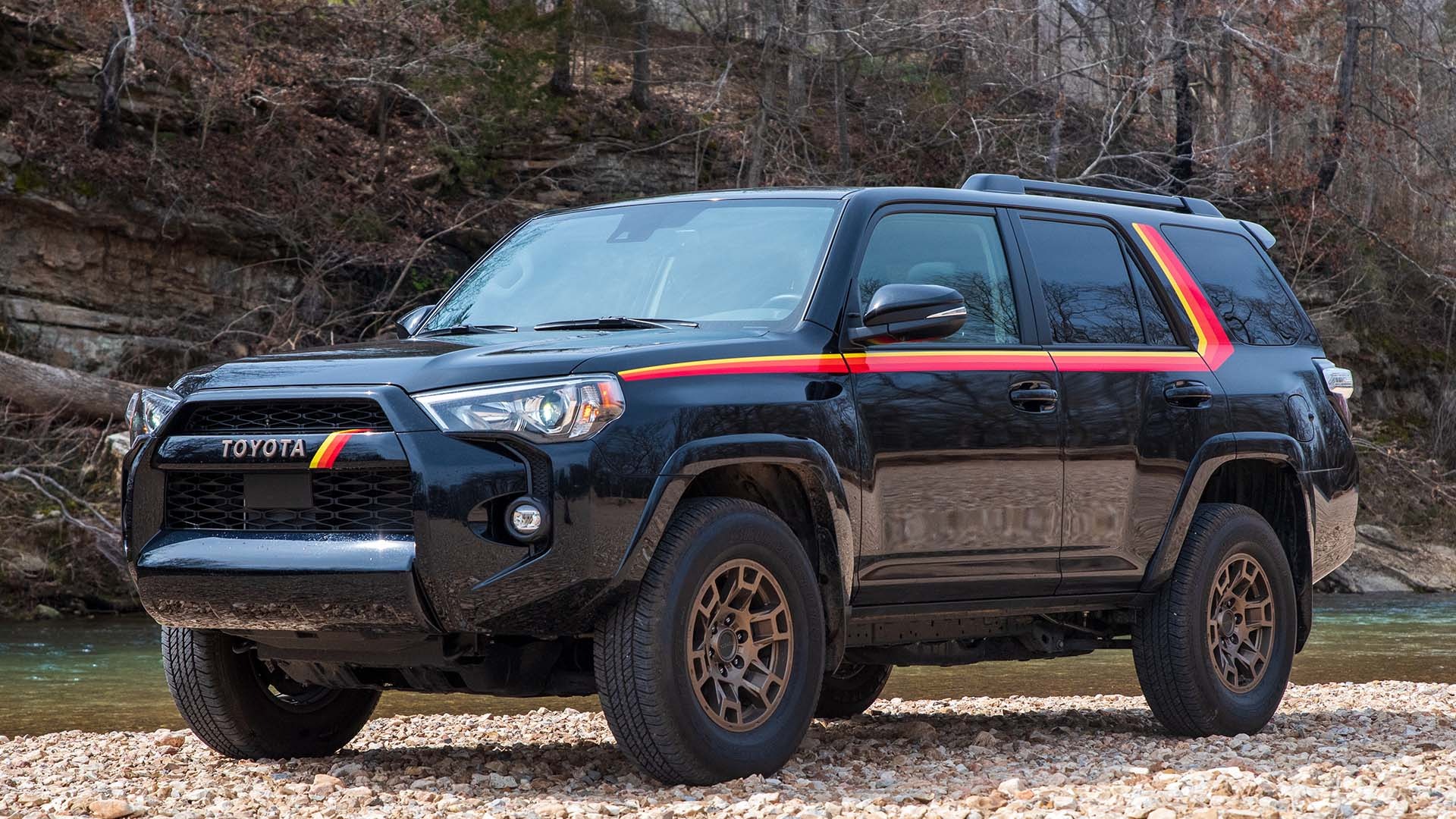
Toyota 4Runner
The Toyota 4Runner is a midsize SUV that has built its reputation on durability, reliability, and practicality. Its body-on-frame construction, borrowed from trucks, gives it an edge over many crossover SUVs that use unibody designs.
This traditional SUV architecture enables the 4Runner to handle rough roads and off-road challenges with ease, attracting buyers who need a vehicle that can perform under demanding conditions. The 4Runner’s mechanical simplicity and robust engineering are major contributors to its long-lasting appeal.
Unlike more complicated SUVs that are packed with electronics and features that can fail over time, the 4Runner focuses on proven technology and solid components, which translates into fewer repairs and lower maintenance costs. This reputation helps maintain its resale value, as buyers know they are purchasing a vehicle that will remain reliable for many years.
Toyota’s brand strength and dealer network further support the 4Runner’s high resale values. With Toyota being one of the most trusted automakers worldwide, buyers often look to 4Runner models when shopping for used SUVs because of the assurance that comes with the brand name.
Additionally, Toyota’s widespread dealership and service network make it easier and more affordable to maintain these vehicles, which is a significant selling point for used buyers. The availability of parts and qualified service technicians reduces ownership worries, contributing to a better value proposition for the 4Runner in the secondary market.
Finally, the 4Runner’s off-road heritage contributes significantly to its desirability and value retention. The vehicle’s ability to handle challenging terrains, such as rocky trails, mud, and snow, without sacrificing reliability attracts a loyal following of adventure enthusiasts.
The 4Runner offers various off-road-focused trims, like the TRD Pro, which includes upgraded suspension, skid plates, and other rugged features. These versions tend to command even higher resale prices because of their specialized capabilities and limited availability. Toyota 4Runner combines a proven mechanical foundation, versatility, brand strength, and off-road capability to maintain strong value retention that few other SUVs in its class can match.
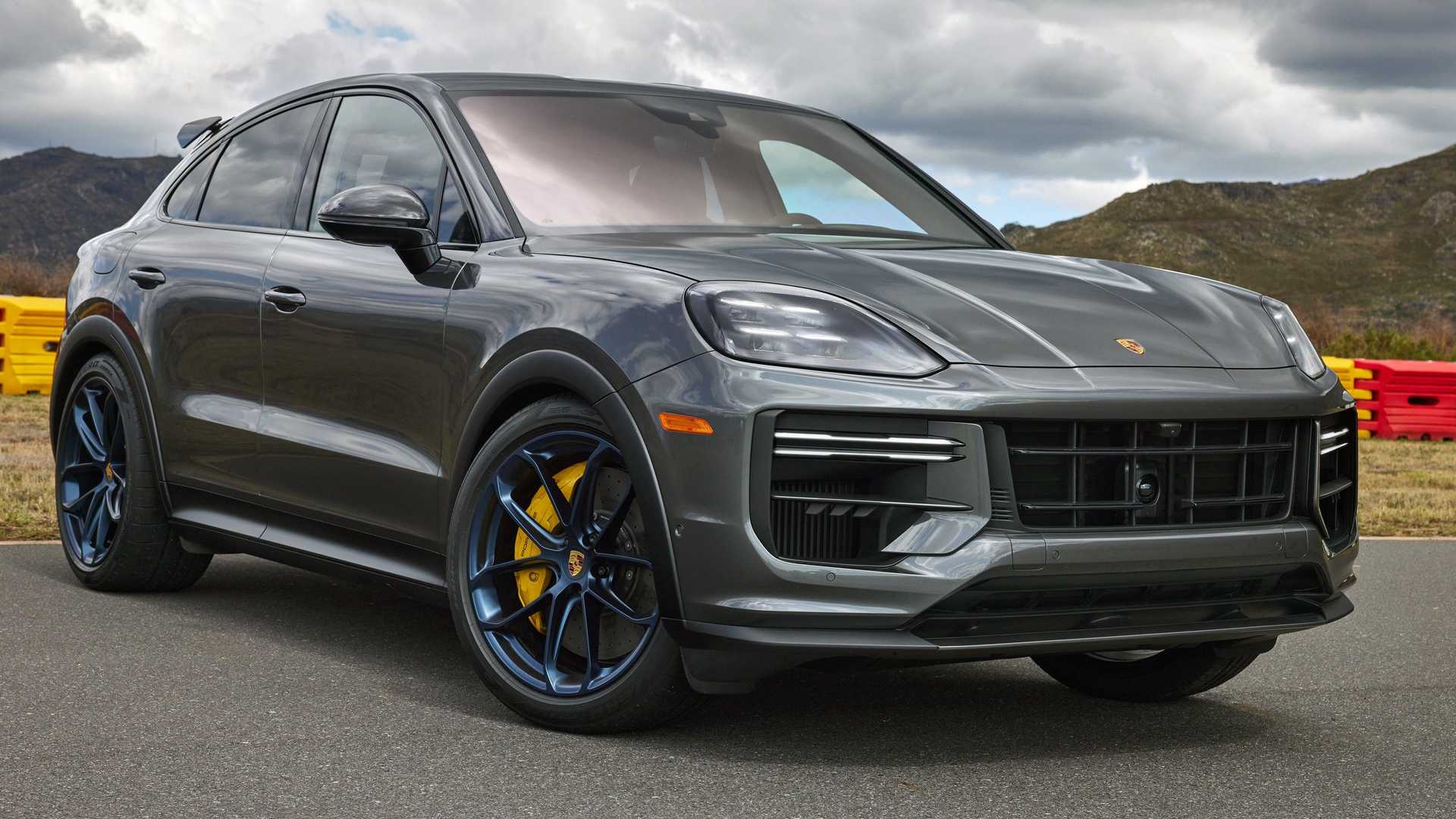
Porsche Cayenne
The Porsche Cayenne is a luxury SUV that brings a unique combination of performance, prestige, and practicality to the segment. Unlike many luxury SUVs that emphasize comfort or style, the Cayenne injects a sports car DNA into its design and engineering.
This performance focus makes it stand out in a crowded market and helps it retain value well. The Cayenne’s powerful engine options, including turbocharged V6 and V8 variants, deliver exhilarating acceleration and handling that are rare in the SUV world.
Its sharp steering, responsive brakes, and well-tuned suspension provide a driving experience that rivals many sports cars, attracting buyers who want an SUV that does not compromise on driving dynamics. This appeal translates into strong resale demand, especially among buyers who appreciate Porsche’s commitment to engineering excellence.
Porsche’s brand prestige is another major factor behind the Cayenne’s value retention. Porsche is globally recognized as a manufacturer of high-quality, high-performance vehicles with meticulous attention to detail. The Cayenne benefits from this brand image, as it is often considered an entry point into the Porsche world for those who need the practicality of an SUV.
Buyers looking for a used luxury SUV with both performance and status in mind often turn to the Cayenne, maintaining its desirability. This prestige also means that Porsche owners tend to take excellent care of their vehicles, keeping them well-maintained, which in turn supports higher resale values.
Lastly, the Cayenne’s versatility enhances its appeal and value retention. It serves well as a comfortable daily driver, a family vehicle, and a capable performer on longer trips or even light off-road excursions. This combination of luxury and utility broadens its market reach.
The Cayenne is also offered in hybrid variants, appealing to environmentally conscious buyers without sacrificing performance. This adaptability means the Cayenne maintains strong resale demand across multiple buyer groups, which is a significant reason why it keeps its value better than many other luxury SUVs.
The Porsche Cayenne is a unique blend of speed, style, and practicality that continues to command respect and high resale prices in the SUV market.
Also Read: 5 Cars That Rarely Need Transmission Work vs 5 That Constantly Do
5 SUVs That Depreciate Overnight
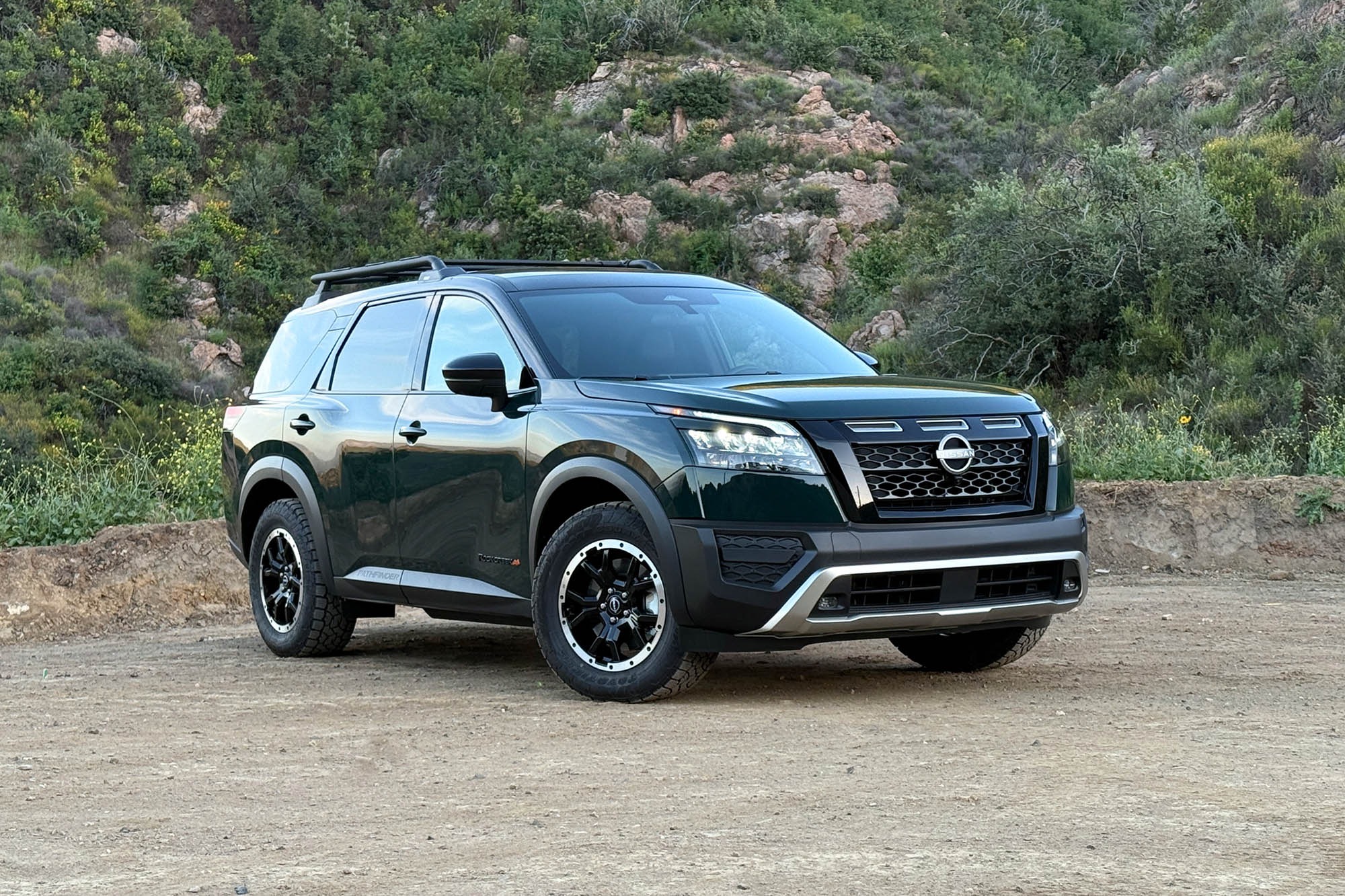
Nissan Pathfinder
The Nissan Pathfinder, once a solid contender in the midsize SUV segment, has struggled to maintain its value over time, primarily due to inconsistent reliability and mixed market reception.
Despite Nissan’s attempts to modernize the Pathfinder and reposition it as a family-friendly crossover, it has often failed to shake off a reputation for mechanical issues that plague certain model years.
One of the most significant concerns buyers and industry critics have highlighted over the years is the reliability of the Pathfinder’s continuously variable transmission (CVT).
Many owners have reported problems such as jerky acceleration, transmission slipping, and premature failures that lead to expensive repairs. Such issues naturally erode consumer confidence, causing the used market to devalue these vehicles more quickly than competitors with better reputations.
The Pathfinder also suffers from stiff competition in a segment crowded with well-established SUVs like the Toyota Highlander, Honda Pilot, and Ford Explorer, all of which offer better reliability records and stronger resale values.
These competitors often provide more refined driving experiences, improved fuel efficiency, and higher-quality interiors, which make the Pathfinder appear less attractive in comparison.
As a result, buyers looking for used midsize SUVs often overlook the Pathfinder, leading to increased depreciation. Nissan’s frequent redesigns and changing platforms have not helped either, as buyers are left uncertain about the model’s long-term dependability and resale prospects.
Another contributing factor to the Pathfinder’s rapid depreciation is the inconsistent quality of its interior and features. While Nissan has made efforts to enhance the cabin materials and technology offerings, many versions of the Pathfinder have been criticized for subpar fit and finish, as well as outdated infotainment systems compared to rivals.
This lack of refinement can be a deal-breaker for buyers who prioritize comfort and modern conveniences, further diminishing the vehicle’s appeal in the resale market. The interior’s perceived cheapness and aging design language often cause the vehicle to feel outdated sooner than expected, accelerating its loss of value.
Finally, the Pathfinder’s fuel economy and driving dynamics often lag behind competitors, which affects its desirability. In an era where buyers are increasingly focused on efficiency and smooth handling, the Pathfinder’s heavier build and less refined powertrains make it less competitive.
These factors, combined with the negative perceptions surrounding its reliability, create a perfect storm that causes the Nissan Pathfinder to lose value much faster than many other SUVs. Buyers who prioritize long-term value and reliability typically steer clear, which further drives depreciation rates down in the used car market.
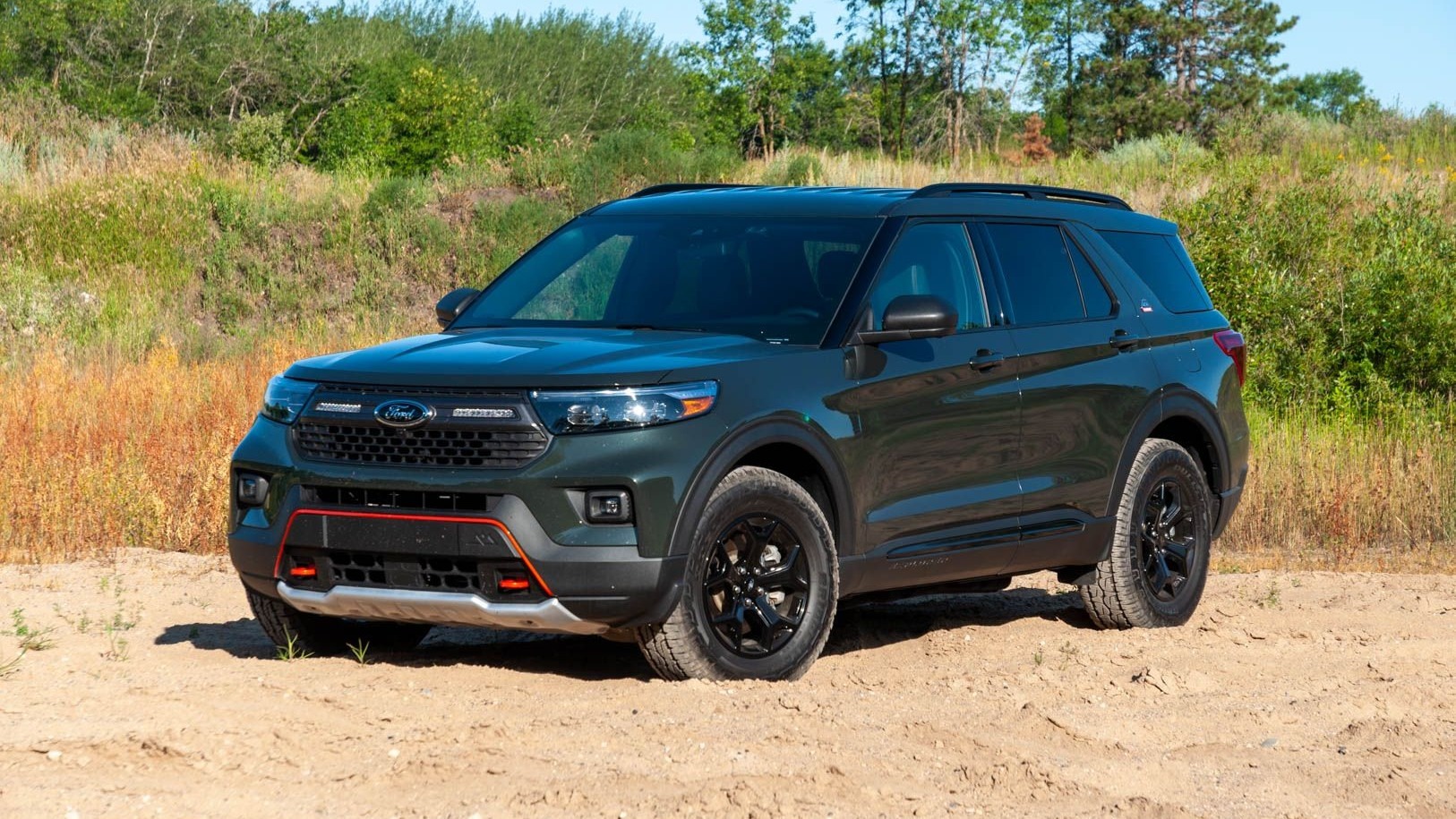
Ford Explorer
The Ford Explorer, despite being one of the most recognizable SUVs in America for decades, often suffers from steep depreciation for several reasons. While it has historically been a popular choice due to its spacious interior and practical features, many model years of the Explorer have been plagued by reliability concerns that impact resale value.
Earlier versions of the Explorer, especially those produced in the late 2000s and early 2010s, had a range of mechanical problems, including issues with transmissions, engine performance, and electrical systems. These recurring problems have given the Explorer a reputation for requiring costly repairs, discouraging used car buyers and causing prices to drop rapidly.
The competitive midsize SUV market also plays a role in the Explorer’s depreciation. With many rivals offering more advanced safety features, better fuel economy, and higher-quality interiors, the Explorer can sometimes feel outdated or less appealing by comparison.
The rapid pace of innovation in the SUV segment means that vehicles that don’t keep up with technology and design improvements quickly fall out of favor. In many cases, the Explorer’s interior materials and infotainment system have been described as less polished than those found in competitors like the Toyota Highlander or Honda Pilot, which further reduces its resale appeal.
Another challenge for the Explorer is its styling, which has gone through several radical changes over the years, not all of which have been well received. Some design refreshes were seen as either too conservative or awkward, making the vehicle less desirable to style-conscious buyers in the used market.
Because many used vehicle buyers prefer designs that age gracefully, the Explorer’s inconsistent styling has contributed to its rapid depreciation. Vehicles with a timeless or elegant design tend to hold their value better, and the Explorer’s shifting looks haven’t always aligned with this principle.
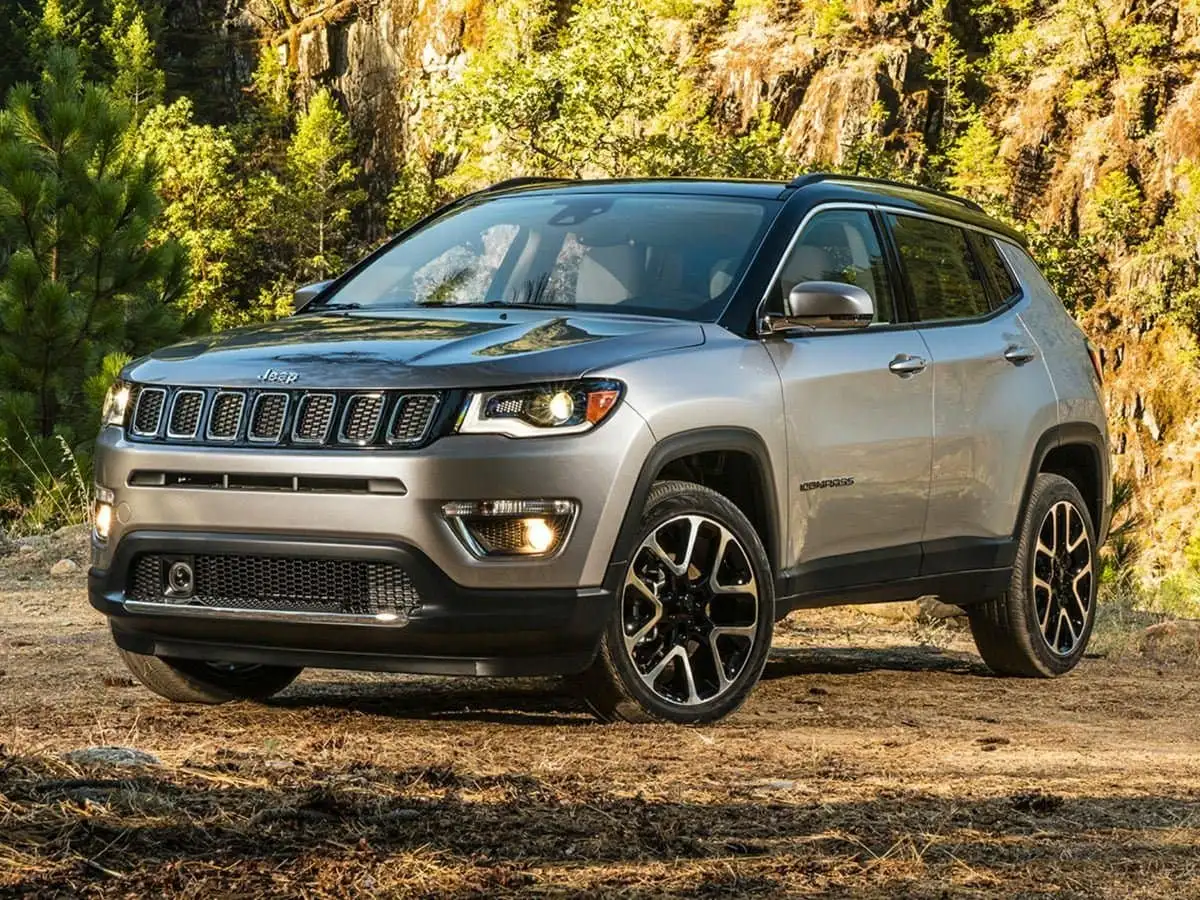
Jeep Compass
The Jeep Compass, positioned as an entry-level option in the Jeep lineup, suffers from depreciation issues that stem from a combination of unmet expectations and inconsistent performance. While the Compass benefits from the Jeep brand’s strong off-road heritage, it does not offer the same level of capability or ruggedness as the Wrangler or Grand Cherokee.
This disparity can disappoint buyers who are drawn to the Jeep name but find the Compass lacking in terms of powertrain options and off-road prowess. The Compass’s front-wheel-drive platform and limited ground clearance mean it cannot fully satisfy the expectations of traditional Jeep enthusiasts, leading to lower demand in the used market.
Reliability concerns further exacerbate the Compass’s rapid depreciation. Over several model years, owners have reported a variety of mechanical and electrical issues, including transmission glitches, engine stalling, and faulty sensors.
These problems have negatively impacted the vehicle’s reputation, making potential used buyers wary of investing in a Compass. The fear of costly repairs combined with the Compass’s relatively modest performance has caused its resale prices to decline swiftly. This is particularly damaging given that the Compass competes in a segment crowded with more reliable and refined crossovers.
Finally, the Compass’s fuel economy and driving dynamics, while adequate, do not significantly impress. Its lack of engaging driving characteristics makes it less desirable for buyers who want a crossover that offers both practicality and enjoyment behind the wheel.
These factors, coupled with reliability concerns and sometimes confusing product positioning, have made the Jeep Compass a model that depreciates quickly. For buyers focused on long-term value retention, the Compass is generally not recommended.
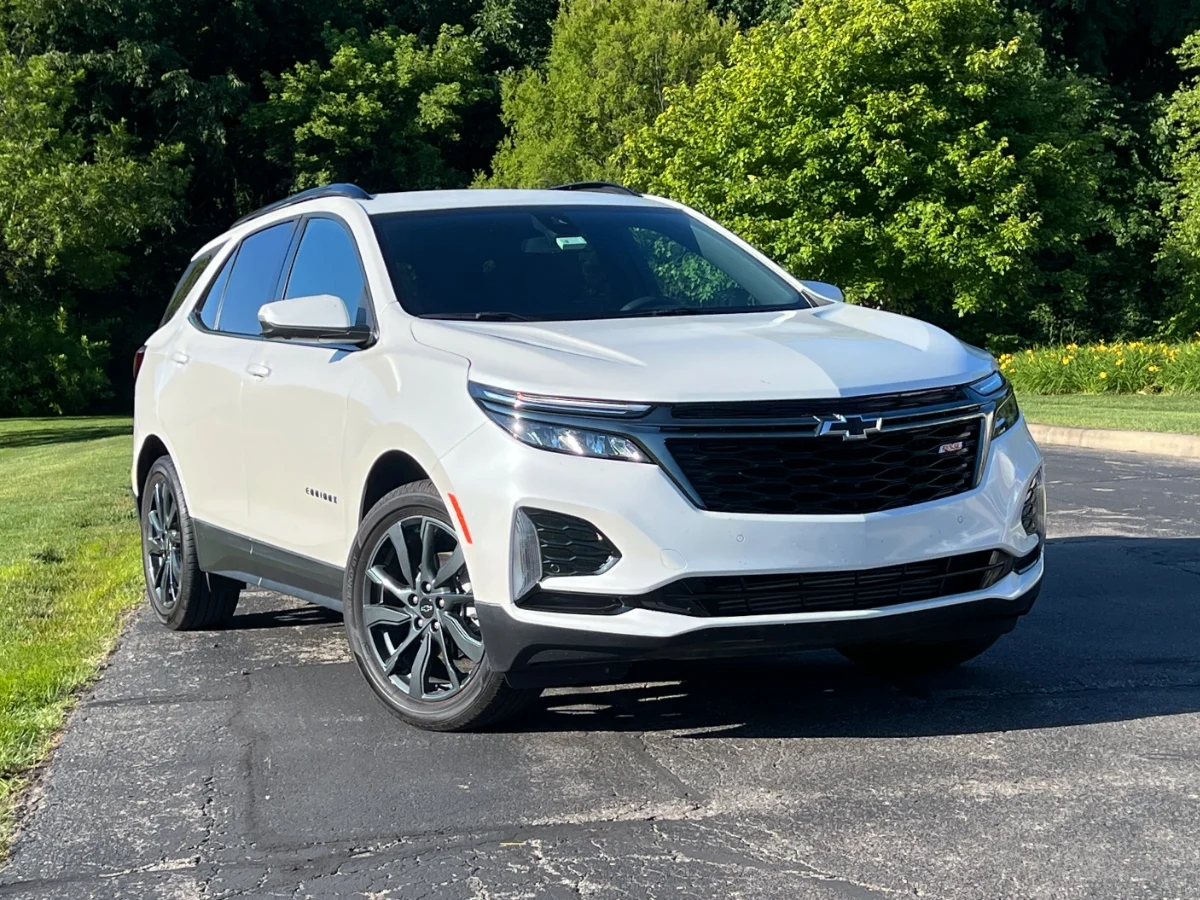
Chevrolet Equinox
The Chevrolet Equinox is a well-known compact SUV, but it tends to lose value more quickly than many of its competitors due to various factors relating to reliability and market perception. While the Equinox offers a comfortable ride and ample interior space, it has struggled with some engine and transmission issues in recent model years.
The introduction of turbocharged engines brought initial excitement, but also brought reliability concerns. Some owners have reported problems such as engine hesitation, rough shifting, and occasional stalling, which have dented consumer confidence. The cost and inconvenience of repairs contribute to lower resale values, as buyers generally prefer vehicles with a solid track record of dependability.
The compact SUV market is one of the most competitive and rapidly evolving segments in the automotive industry. Equinox faces tough competition from rivals like the Honda CR-V, Toyota RAV4, and Mazda CX-5, all of which boast strong reputations for reliability, fuel efficiency, and refinement.
The Equinox often falls short in these areas, making it less appealing when buyers weigh their used car options. Additionally, the interior of the Equinox, while spacious, is sometimes criticized for its bland design and use of lower-quality materials compared to its peers. This lack of premium feel can make the vehicle feel dated faster, which negatively impacts resale value.
The Equinox’s styling and brand perception also play a role in its depreciation. Chevrolet’s brand strength varies across different regions and demographics, and for many buyers, it does not carry the same cachet as Japanese rivals known for reliability or European brands known for luxury.
In a market increasingly driven by efficiency and eco-consciousness, these shortcomings can cause potential buyers to look elsewhere. The combination of reliability questions, interior quality issues, and fierce competition leads to the Chevrolet Equinox depreciating faster than many of its rivals.
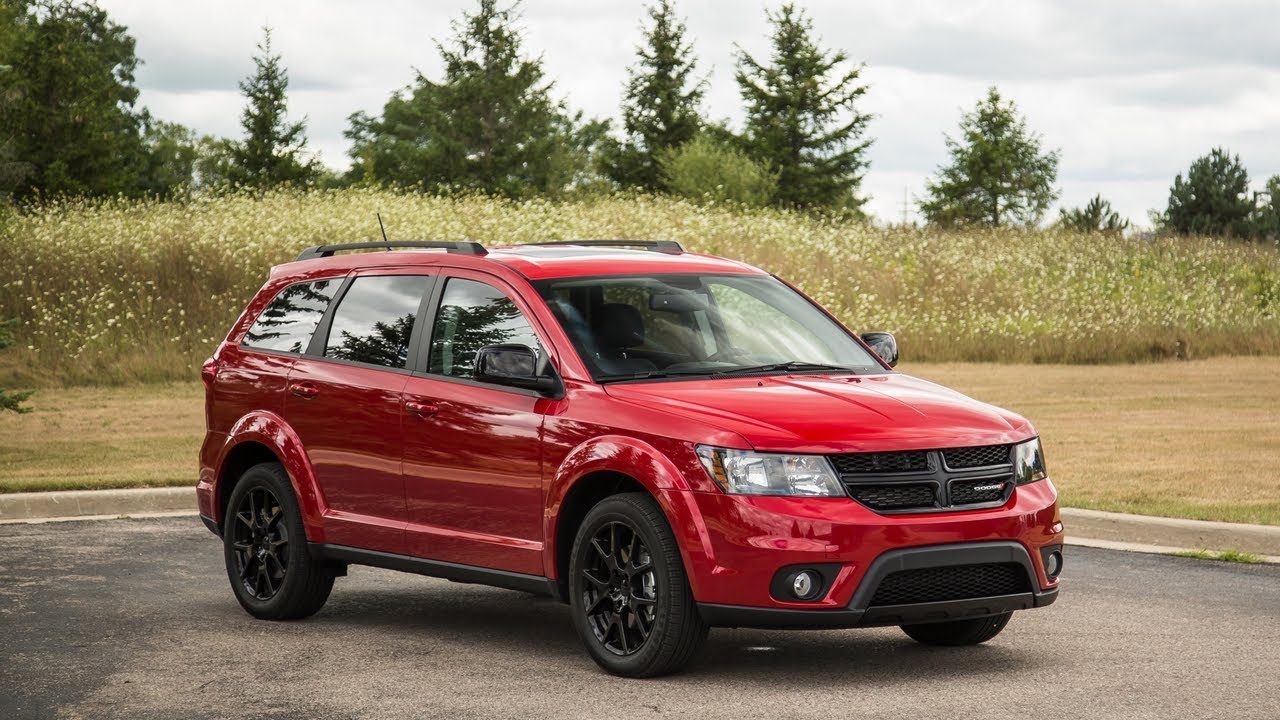
Dodge Journey
The Dodge Journey is often cited as one of the SUVs that experience rapid depreciation due to a host of shortcomings in design, performance, and reliability. From its inception, the Journey has been criticized for being an uninspiring vehicle that fails to stand out in an already saturated midsize SUV market.
Its dated design, both inside and out, has not aged well and often appears clunky or awkward compared to more modern and stylish competitors. This lack of aesthetic appeal makes it difficult for the Journey to retain interest among buyers, especially those who prioritize contemporary looks and comfort.
Performance-wise, the Journey has struggled with underwhelming engine options and poor fuel economy. The base four-cylinder engine is frequently described as sluggish, and even the optional V6 fails to deliver the kind of spirited driving experience that many buyers expect from an SUV.
This mediocrity in performance further diminishes its appeal, especially in comparison to newer models that offer more power and efficiency.
Reliability is another major issue that contributes to the Journey’s rapid depreciation. The vehicle has been known to suffer from a variety of mechanical problems, including transmission failures, electrical glitches, and suspension issues. These problems not only lead to costly repairs but also harm the vehicle’s reputation in the used market.
Potential buyers are often wary of investing in a Dodge Journey because of concerns about maintenance and long-term durability. This hesitancy translates directly into lower resale prices and steeper depreciation curves.
