
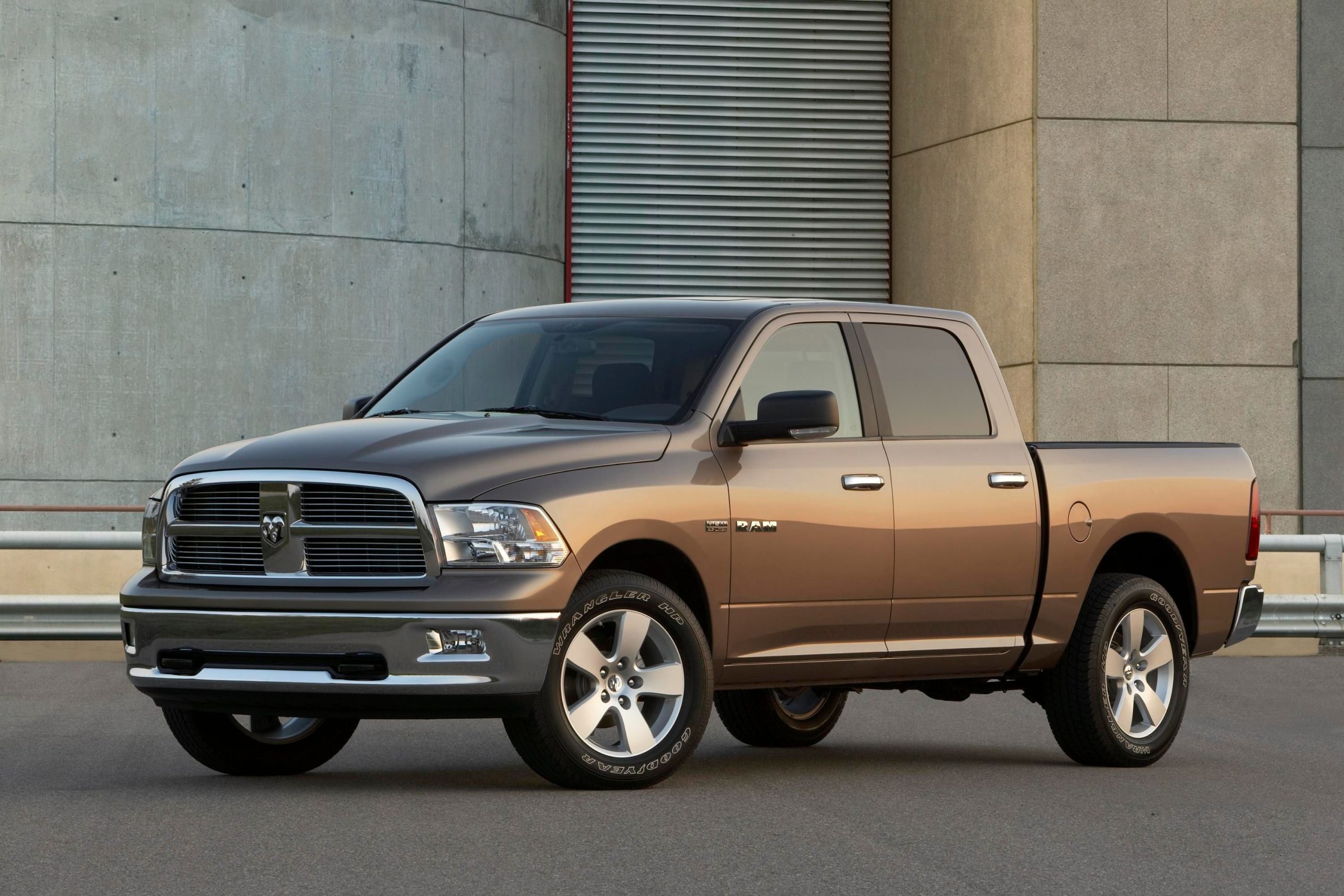
Trucks are the backbone of many industries and lifestyles, prized for their ability to haul heavy loads and endure tough conditions. For those who rely on their truck to tow trailers, boats, or heavy equipment, choosing the right vehicle is crucial. A reliable tow vehicle not only provides peace of mind but also saves time and money on repairs and replacements.
However, not all trucks are created equal when it comes to towing durability. Some models have earned reputations for towing “forever,” maintaining strength and mechanical integrity over many years and miles. Others might look tough on paper but tend to wear down or develop issues much sooner, especially under the strain of frequent towing.
Understanding the difference between trucks that stand the test of time and those that falter is essential for anyone who depends on their truck for heavy-duty towing tasks. The trucks that tow forever often share qualities like robust engines, strong transmissions, durable frames, and well-engineered cooling systems designed to handle constant stress.
Meanwhile, trucks that burn out quickly typically have weaker components or designs that don’t cope well with the constant heat and load of towing.
In this article, we will compare five trucks known for their exceptional towing longevity with five trucks that are notorious for burning out or needing major repairs sooner than expected when used frequently for towing. This comparison will help highlight the factors that influence towing durability and give insights into making a smart purchase or upgrade decision.
Also Read: 10 Cars Known For Smooth Ride Quality vs 10 That Become Bumpy Messes
5 Trucks That Tow Forever
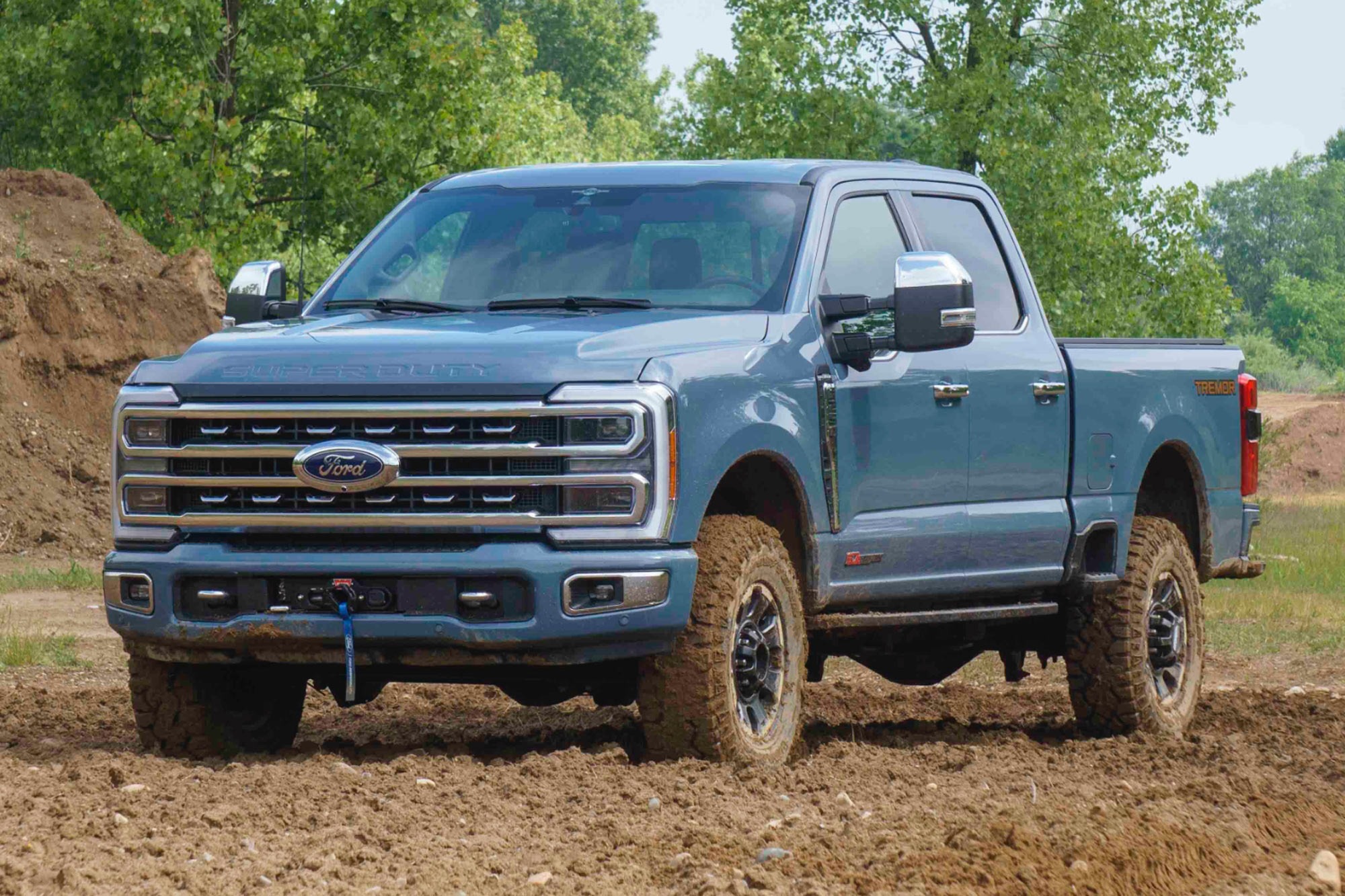
1. Ford F-250 Super Duty
The Ford F-250 Super Duty stands as a benchmark for durability and towing capability in the heavy-duty truck segment. It has earned its reputation over decades of consistent performance and engineering refinement. One of the core reasons this truck tows “forever” is its robust 6.7-liter Power Stroke diesel engine, which is specifically designed to provide massive torque output at low RPMs.
This characteristic is critical for towing heavy loads as it reduces the stress on the engine, transmission, and drivetrain components. Ford has paired this engine with a heavy-duty TorqShift transmission built to withstand the intense demands of commercial and industrial towing.
The frame itself is constructed from high-strength steel, which contributes to durability by providing a rigid foundation that resists twisting and bending under heavy loads. This structural integrity is essential when towing large trailers, as it helps maintain vehicle control and prolongs the life of suspension components.
Another vital factor is Ford’s commitment to advanced cooling technology. Towing generates considerable heat within the engine and transmission, which, if not properly managed, leads to premature wear and failure. The F-250 features a sophisticated cooling system with larger radiators, upgraded fans, and extra transmission coolers.
These features prevent overheating during long hauls or uphill climbs, conditions under which many trucks might struggle or fail. Beyond the mechanical and structural advantages, Ford’s extensive network of service centers and availability of OEM parts make maintenance easier and less costly over time. This is a significant advantage because even the best-built trucks require routine servicing, especially when used heavily.
Owner feedback consistently praises the F-250’s reliability and endurance. There are countless stories of these trucks towing heavy equipment, livestock trailers, and massive fifth-wheel campers for hundreds of thousands of miles without major engine or transmission rebuilds.
Many owners also report that routine maintenance, such as regular oil changes, transmission fluid swaps, and monitoring cooling systems, can extend the life of these trucks beyond what seems reasonable given the heavy loads they carry.
The F-250 also benefits from improvements in electronic controls and diagnostics, helping drivers monitor engine health and address minor issues before they become major problems. This proactive approach to truck management contributes to the model’s legendary towing longevity.
Lastly, the F-250’s design philosophy leans toward commercial-grade reliability rather than flash or luxury alone. This focus is reflected in the truck’s solid build quality, rugged interior materials, and proven mechanical systems.
While Ford does offer upscale trim levels, the heart of the F-250’s towing strength lies in its no-nonsense, hard-working engineering. For those who depend on their truck for daily towing work or who want a vehicle that can be counted on in challenging conditions year after year, the Ford F-250 Super Duty remains a top contender and a wise investment.
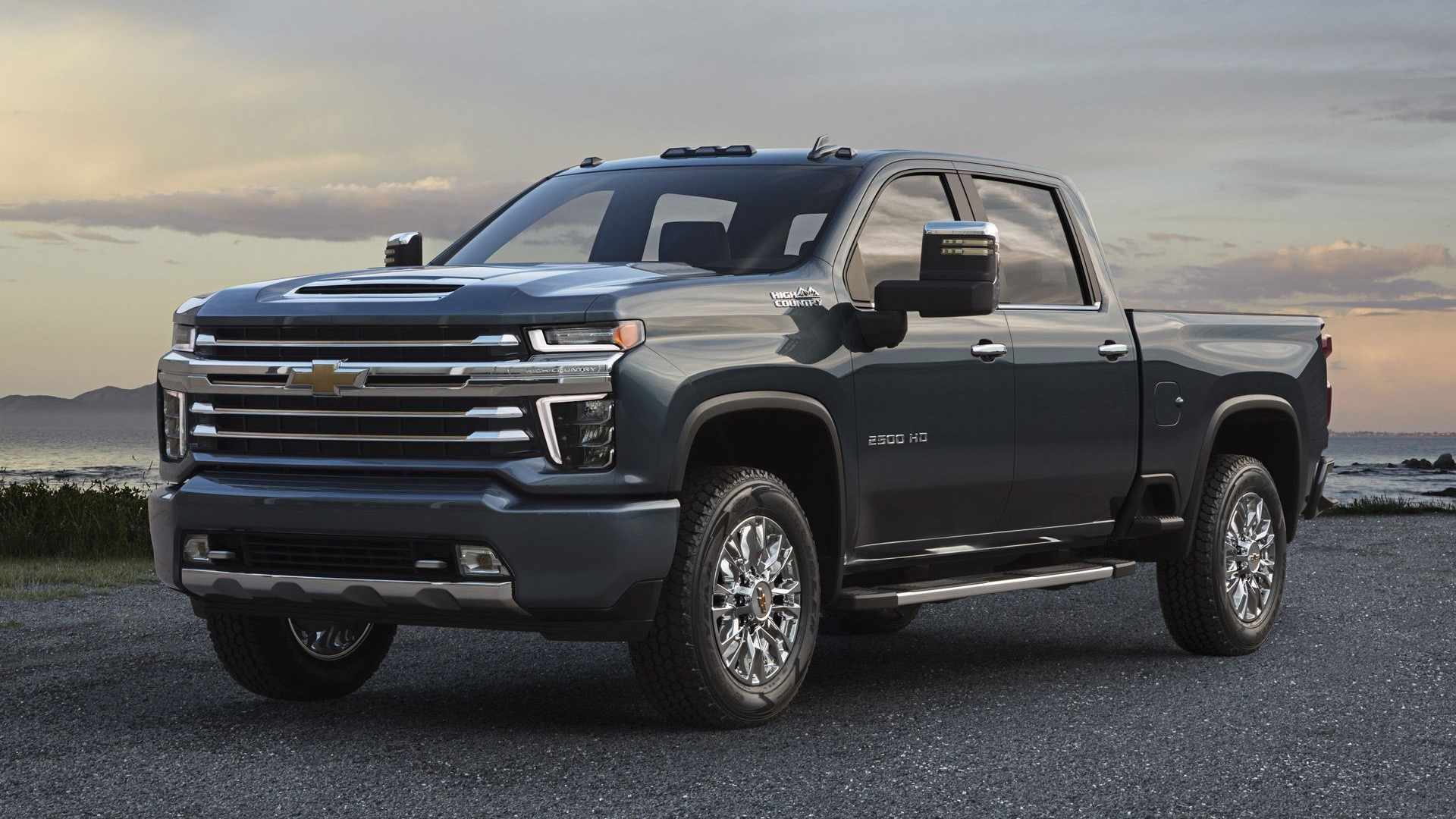
2. Chevrolet Silverado 2500HD
The Chevrolet Silverado 2500HD has earned its reputation as a reliable, heavy-duty towing machine through a combination of engineering prowess and years of field-tested durability. At its core, the Silverado 2500HD is powered by the Duramax 6.6-liter turbo diesel engine, which is widely praised for its strong torque output and longevity.
This engine uses advanced fuel injection technology and a robust construction that minimizes wear under heavy load conditions. What makes this truck particularly suited for long-term towing is the pairing of this diesel engine with Allison’s automatic transmission, known for its smooth shifts and durability under heavy strain.
The transmission is designed to handle the high torque loads generated by the Duramax engine, and its cooling system is optimized to avoid overheating during extended towing tasks.
In addition to its powertrain, the Silverado 2500HD features a frame made of high-strength steel with reinforced cross members to reduce flexing under load. This structural strength is critical for maintaining the truck’s alignment and suspension geometry, which in turn preserves tire life and driving stability.
The truck’s suspension system is tuned to handle heavy trailers while still providing a relatively comfortable ride, which helps reduce driver fatigue during long hauls. Additionally, Chevrolet has implemented corrosion-resistant materials and coatings to extend the truck’s life, especially in areas prone to rust, such as the undercarriage and wheel wells.
Maintenance plays a key role in the Silverado’s towing longevity. The widespread availability of parts and service centers reduces downtime and makes it easier for owners to keep up with regular servicing. This accessibility is important because timely oil changes, filter replacements, and inspections of cooling and braking systems prevent breakdowns and costly repairs.
Furthermore, Chevrolet’s commitment to technological enhancements, such as trailer sway control and integrated trailer brake controllers, improves towing safety and reduces mechanical stress on the truck.
Owners of the Silverado 2500HD frequently report driving their trucks well past 200,000 miles without major engine or drivetrain failures. Many users rely on this truck for commercial towing applications such as construction, farming, and hauling heavy recreational trailers. The Silverado’s balance of power, durability, and comfort continues to make it one of the most trusted choices for those needing a truck that will reliably tow heavy loads for many years.
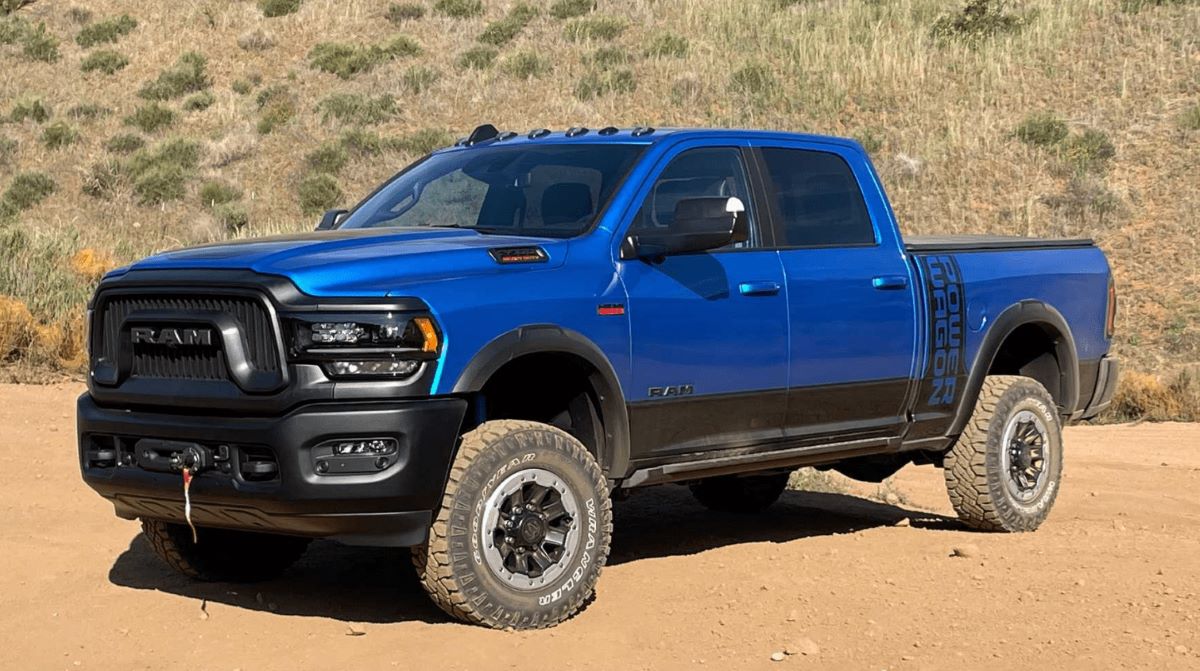
3. Ram 2500
The Ram 2500 has built a strong reputation for towing durability, particularly when equipped with the Cummins 6.7-liter turbo diesel engine. This powerplant is well-known for its exceptional torque and robust construction, which contribute to its ability to handle prolonged towing tasks with minimal wear.
Cummins engines have long been favored in commercial applications because of their simple yet durable design, using high-quality components and efficient turbocharging systems that provide consistent power delivery without overstressing parts. The Ram 2500’s frame is engineered for toughness, with reinforced sections and heavy-duty suspensions that can absorb the stresses of heavy trailer loads and uneven terrain.
One key feature that aids the Ram 2500’s towing longevity is its advanced thermal management system. This includes an upgraded radiator, extra cooling fans, and dedicated transmission coolers, all designed to keep temperatures within safe limits during long periods of towing.
Excessive heat is a common cause of accelerated wear in trucks, leading to transmission failures and engine damage, but the Ram’s thermal system helps prevent this. The transmission itself is also built to withstand the torque generated by the Cummins engine, offering reliable shifts even under heavy loads.
Driver comfort and technology are also priorities for Ram. The truck’s cabin is designed to minimize fatigue with supportive seating and modern infotainment, which is important when towing long distances. Reducing driver fatigue can indirectly improve towing longevity by encouraging careful driving and timely maintenance.
The Ram 2500 also features advanced towing aids like trailer brake control, backup cameras with trailer assist, and integrated towing apps that help monitor trailer conditions. These features help prevent accidents and reduce stress on the vehicle.
Ram owners consistently praise the truck for lasting well beyond 200,000 miles in towing conditions, often with only regular maintenance. The truck’s design prioritizes durability, with heavy-duty parts sourced and tested for commercial applications.
Whether towing large campers, work trailers, or livestock, the Ram 2500’s combination of engine strength, chassis rigidity, and thermal management makes it a trustworthy option for those who need a truck that will keep pulling year after year.
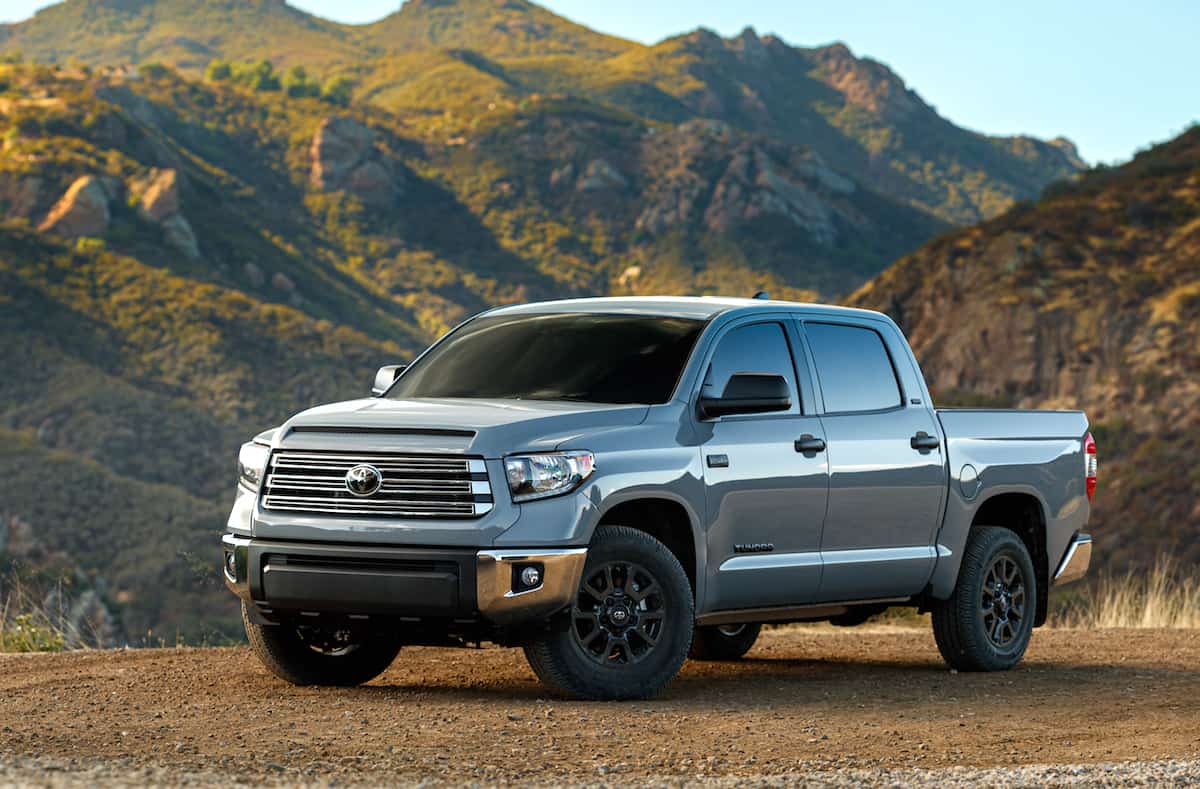
4. Toyota Tundra
Though the Toyota Tundra is classified as a full-size, half-ton pickup, it has developed a reputation for exceptional towing durability relative to its class. The Tundra is powered by a reliable 5.7-liter V8 engine that produces enough torque and horsepower to handle moderate towing tasks with ease.
Toyota’s philosophy behind the Tundra’s engineering focuses on reliability and conservative design rather than pushing the envelope on towing capacity. This means the truck often exceeds expectations in real-world towing conditions because its components are designed to operate well within safe limits.
One important factor in the Tundra’s towing longevity is the truck’s use of oversized and high-quality parts throughout the powertrain and chassis. For example, the cooling system is designed with higher capacity radiators and fans, which help the truck maintain proper operating temperatures even when towing heavier trailers or driving in hot climates.
This attention to thermal management prevents overheating, which is a common reason other trucks might burn out early. The Tundra’s frame is also built with high-strength steel and reinforced areas, ensuring it can withstand the stresses of towing without bending or developing cracks over time.
Toyota’s reputation for build quality and reliability also plays a major role. The company’s rigorous manufacturing standards and quality control ensure that Tundras come off the assembly line with fewer defects or weak points. This reduces early failures and increases the likelihood that the truck will perform well for many years. Owners often report minimal issues related to towing even after hundreds of thousands of miles, which is a testament to Toyota’s engineering choices.
Another advantage of the Tundra is the extensive dealer and service network, which makes it easy to obtain genuine parts and service. This accessibility encourages proper maintenance, which is crucial for any truck to tow reliably for the long term. When paired with Toyota’s strong resale value, the Tundra becomes a practical and durable choice for those who tow moderate loads regularly and want a truck that won’t require premature repairs or replacements.
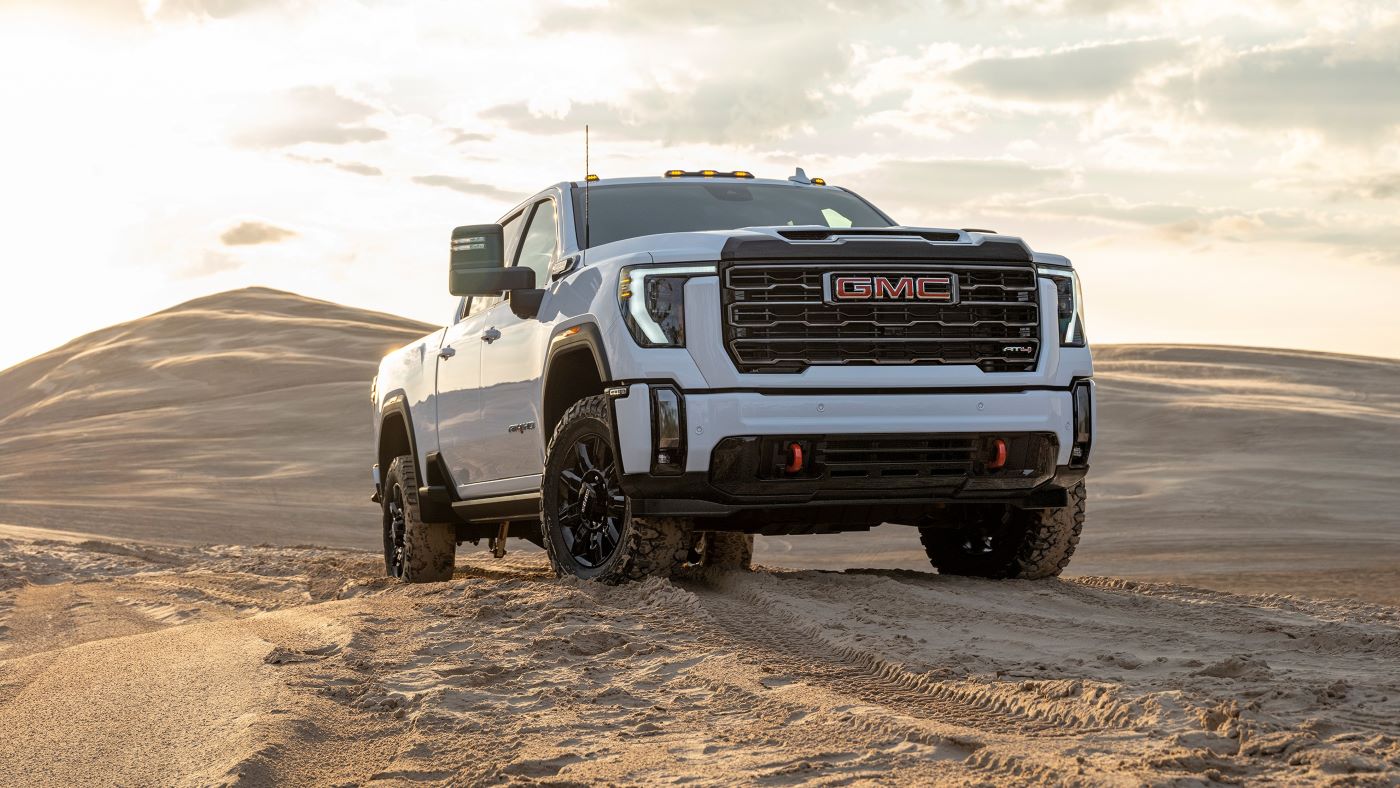
5. GMC Sierra 2500HD
The GMC Sierra 2500HD is often regarded as a slightly more refined alternative to the Chevrolet Silverado 2500HD, sharing much of the same underlying architecture but offering additional luxury and comfort features.
Underneath its upscale exterior, the Sierra 2500HD is built for serious towing tasks, equipped with the same Duramax 6.6-liter turbo diesel engine that is celebrated for its torque and durability. The engine, coupled with Allison’s heavy-duty transmission, provides reliable power and smooth shifting, which is critical for towing large loads safely and without strain.
The Sierra 2500HD benefits from a strong frame made from high-strength steel with strategically reinforced areas. This frame construction prevents flexing and twisting, which can cause premature wear to suspension components and tires when towing heavy trailers.
The truck’s suspension system is tuned to provide stability and reduce sway, incorporating features such as trailer sway control and integrated trailer brake controllers. These systems not only improve safety but also help reduce mechanical wear on the truck caused by trailer movement.
Cooling systems in the Sierra are designed to handle the heat generated by extended towing. Larger radiators, additional fans, and dedicated transmission coolers work together to keep temperatures within safe ranges, preventing overheating and extending the life of critical components. This engineering detail is crucial because excessive heat is one of the leading causes of failure in towing vehicles.
Finally, the Sierra 2500HD’s strong support network of dealers and parts suppliers helps ensure that maintenance and repairs can be conducted quickly and efficiently.
Many owners praise the truck for continuing to perform well after hundreds of thousands of miles, often citing its combination of power, comfort, and toughness as reasons they keep choosing this model. Whether for commercial hauling, agricultural use, or recreational towing, the Sierra 2500HD proves itself as a dependable, long-lasting towing truck.
Also Read: 10 Cars That Rarely Fail Their Owners vs 10 That Constantly Disappoint
5 Trucks That Burn Out Quick
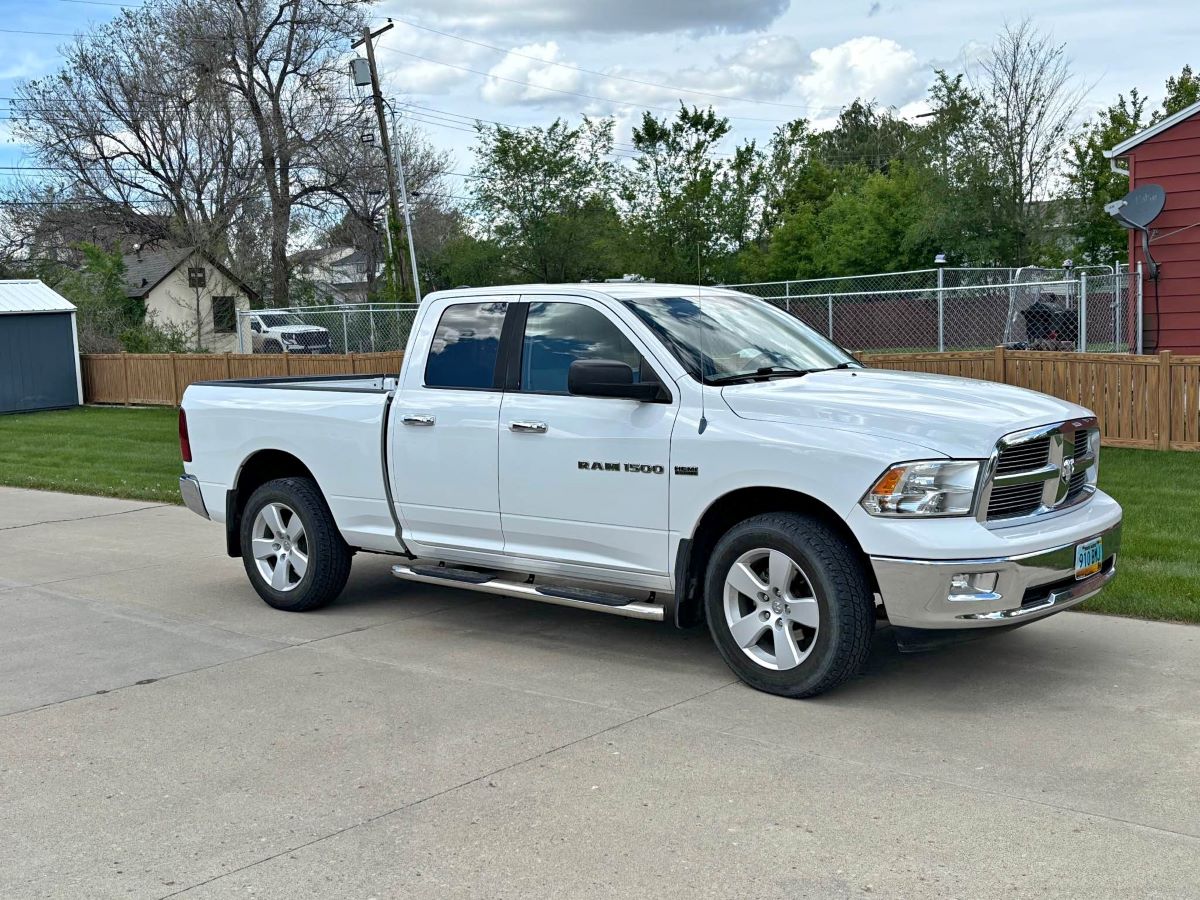
1. Dodge Ram 1500 (Early Gen Models)
The early generation Dodge Ram 1500 trucks, especially those from the early 2000s up to around 2010, have a reputation for struggling with towing durability. While the Ram 1500 was designed primarily as a light-duty half-ton truck, many owners pushed it hard for towing tasks closer to or even above its rated capacity.
This often led to a range of mechanical problems that manifested earlier than expected. One of the most common issues was transmission failure, largely due to overheating. The stock cooling systems and transmission coolers were not always adequate for handling the prolonged heat generated by towing heavy trailers, especially in hot weather or mountainous terrain. Transmission slipping, erratic shifting, and eventual transmission rebuilds or replacements became frequent complaints.
Another contributing factor to the Ram 1500’s towing struggles was its lighter frame and suspension setup compared to heavy-duty trucks. The frame tends to flex more under load, and the suspension components, including springs and shocks, wear out faster when tasked with towing heavy trailers regularly.
This wear leads to poor ride quality, reduced handling stability, and uneven tire wear, further complicating the truck’s reliability as a towing vehicle. Additionally, the truck’s engine options in earlier models, while powerful, sometimes faced overheating and wear issues if towing heavy loads consistently without proper maintenance.
Owners often report frustration with repair costs, as the transmission and suspension repairs can be expensive and time-consuming. While aftermarket upgrades exist, such as better cooling systems and heavy-duty transmissions, these are not standard and require additional investment.
Furthermore, the resale value of these earlier Rams can be lower because of the known mechanical vulnerabilities, making them less desirable for towing-heavy use in the long term. While the Dodge Ram 1500 remains a capable and popular truck, early generations are generally not recommended for those needing consistent, heavy-duty towing over many years.
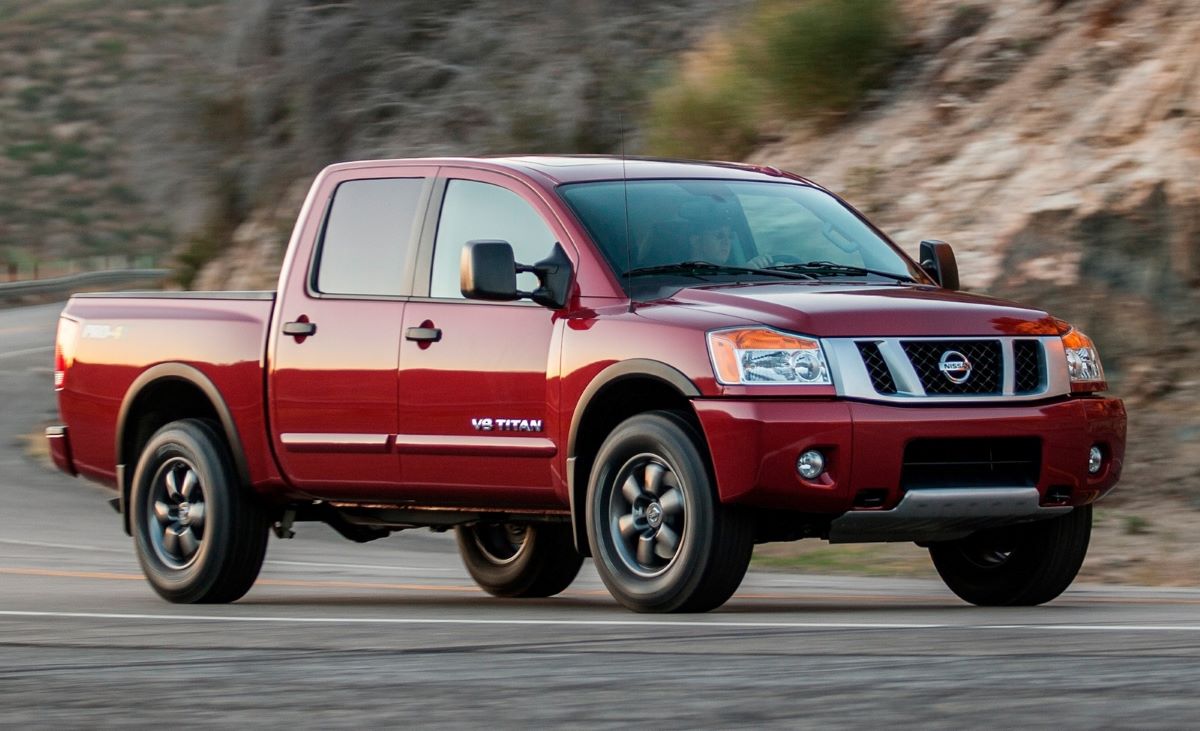
2. Nissan Titan
The Nissan Titan is a full-size pickup that on paper appears capable with its 5.6-liter V8 engine and decent towing ratings. However, its real-world durability under towing stress has often been questioned by owners and industry experts alike. One major weakness lies in the truck’s transmission and drivetrain robustness.
The Titan’s transmission has been known to overheat during frequent or heavy towing, which leads to early wear and failure. This is partly due to the cooling system design, which in many cases does not effectively manage the heat generated under prolonged load conditions. Transmission slipping, hard shifts, and eventual transmission replacement are commonly reported issues for Titan owners who regularly tow heavy trailers.
The engine, while capable, is also not as durable as some of its competitors. The Titan’s powertrain components can suffer from accelerated wear due to insufficient cooling and less robust internal parts compared to heavy-duty diesel-powered trucks. Over time, this leads to reduced engine performance and the potential for costly repairs.
Additionally, the truck’s frame and suspension components are not engineered for sustained heavy towing loads. Owners have reported problems such as frame sagging, suspension failure, and premature tire wear, all of which diminish towing safety and reliability.
Another factor affecting the Titan’s towing longevity is the relatively limited dealer and service network compared to more established truck brands. While Nissan offers support, parts availability and specialized service for heavy towing repairs can be more limited and expensive.
For users towing frequently or over long distances, this can lead to increased downtime and higher maintenance costs. Although Nissan has made improvements in newer Titan models, earlier versions continue to be viewed as less durable and more prone to burning out quickly under towing stress. This makes the Titan a less attractive option for those seeking a long-lasting tow vehicle.
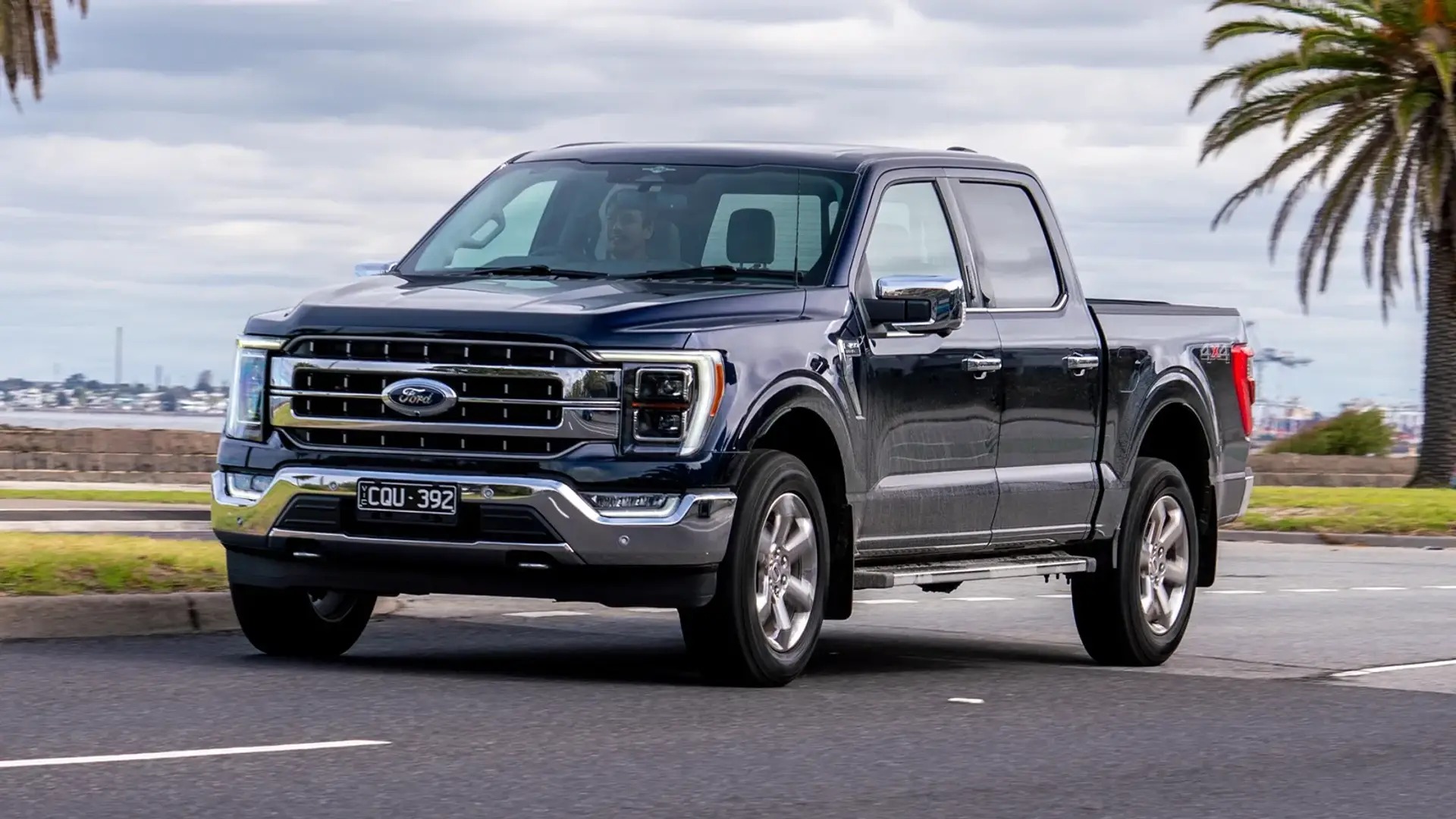
3. Ford F-150 (Earlier Models)
The Ford F-150 is one of the most popular trucks ever produced, but earlier models, especially those before the 2015 redesign, have mixed reviews when it comes to towing durability. The F-150 was primarily designed as a light-duty pickup truck, which means it is not built to handle constant heavy towing in the same way that the Super Duty line is.
Many owners who consistently towed near the maximum capacity of these earlier F-150 models experienced mechanical failures that reduced the truck’s lifespan. A significant number of complaints revolve around transmission overheating and failure. The stock cooling systems and transmission coolers in these trucks were not always sufficient to dissipate the heat generated when towing heavy loads for long periods.
In addition to transmission issues, the engines in these earlier F-150s sometimes experienced accelerated wear. Prolonged towing, especially in hot climates or mountainous regions, put excessive strain on the cooling system, causing engine overheating and potential damage to internal components.
Frame and suspension durability were also areas of concern. The truck’s lighter frame and suspension components were prone to premature wear and damage when subjected to frequent towing. Owners reported sagging suspensions, alignment problems, and uneven tire wear, which impacted both safety and towing performance.
Maintenance costs can quickly add up for those who push these trucks beyond their intended limits. Replacement of transmissions, suspension components, and even engine repairs became more common as towing demands increased. While aftermarket upgrades can improve durability, they come with additional expenses and are not factory standard.
For those relying on their truck for regular heavy towing, earlier F-150 models may require more frequent repairs and maintenance than comparable heavy-duty trucks. Therefore, while the F-150 remains a versatile and popular truck, it is not typically recommended for heavy towing over the long term without significant upgrades and upkeep.
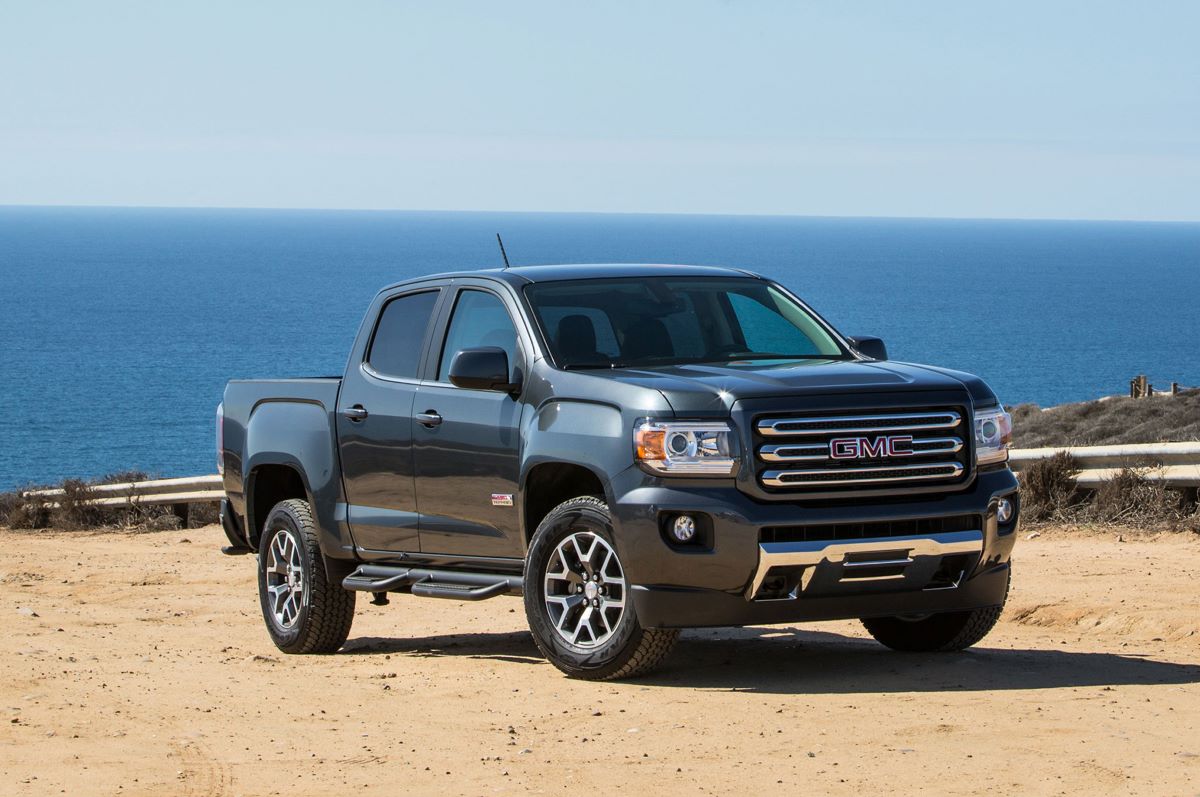
4. Chevrolet Colorado/GMC Canyon (First Generation)
The first-generation Chevrolet Colorado and GMC Canyon midsize pickups were designed as smaller, more fuel-efficient alternatives to full-size trucks, but their towing durability leaves much to be desired. While these trucks offer respectable towing capacity within their class, their components are not built for constant, heavy towing.
The engines and transmissions, especially in earlier models, often struggle to handle the heat and stress associated with frequent towing near the trucks’ limits. Owners have reported issues such as transmission slipping, overheating, and premature failure. The cooling systems in these trucks are not as robust as those in full-size or heavy-duty trucks, contributing to accelerated wear on powertrain components.
Beyond powertrain issues, the chassis and suspension in the first-generation Colorado and Canyon tend to wear out more quickly under towing stress. The lighter frame design means the truck is more susceptible to flexing and fatigue when hauling heavy trailers.
Suspension components like springs and shocks wear prematurely, resulting in degraded handling, reduced ride comfort, and safety concerns. Frame corrosion, especially in areas exposed to salt or moisture, has also been a problem for older models. Rust can weaken structural components and lead to costly repairs or even truck retirement.
Many owners have expressed frustration with the high maintenance costs associated with keeping these midsize trucks towing reliably over time. While the trucks perform well for everyday driving and light towing, those who depend on them for frequent heavy hauling often face early component failures.
The limited availability of heavy-duty aftermarket parts and less comprehensive dealer support compared to full-size trucks further complicates long-term ownership. As a result, the first-generation Chevrolet Colorado and GMC Canyon are not generally recommended for heavy-duty or frequent towing without significant modifications.
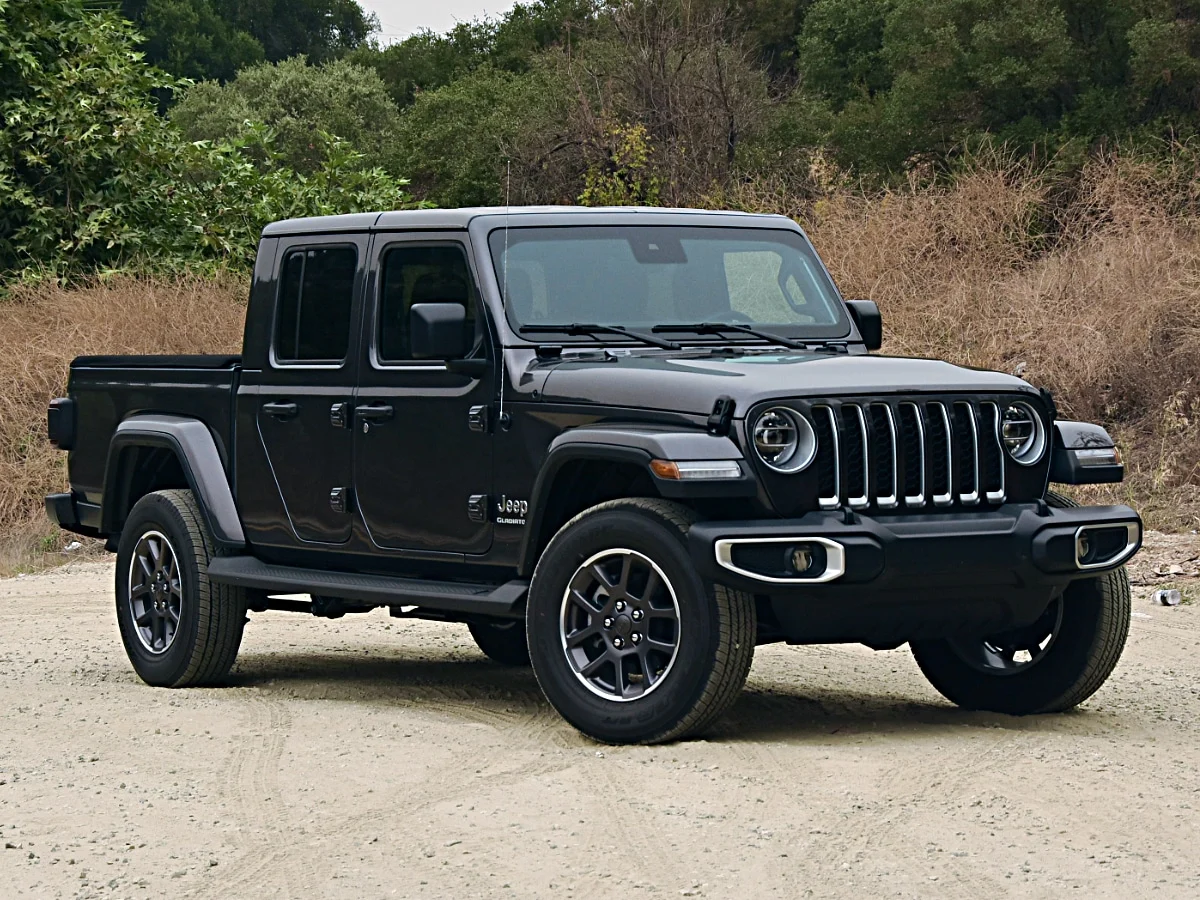
5. Jeep Gladiator (Early Models)
The Jeep Gladiator, which marked Jeep’s return to the pickup market, has attracted attention for its off-road capabilities and unique styling. However, early models of the Gladiator have faced criticism regarding their towing reliability and durability.
While the truck offers competitive towing numbers on paper, owners towing near the Gladiator’s upper limits have reported issues with drivetrain and transmission overheating. These problems are often linked to the truck’s cooling systems, which sometimes struggle to manage the thermal load during prolonged towing. Transmission overheating can lead to shifting problems, loss of power, and eventually costly repairs or replacements.
The Gladiator’s frame and suspension borrow heavily from Jeep’s SUV platforms, which means they are optimized more for off-road handling and comfort rather than heavy towing. This design approach results in components that may wear faster under towing stress, including suspension sagging and frame fatigue.
Some owners have reported noises and alignment issues after extended towing use, signaling premature mechanical wear. Additionally, the Gladiator’s drivetrain components, while robust for off-road use, do not always match the toughness of traditional pickup truck parts designed for frequent, heavy hauling.
Early Gladiator models also suffered from less widespread dealer support and fewer heavy-duty aftermarket parts compared to more established pickup trucks. This makes maintenance and repairs more expensive and complicated for owners who tow regularly.
While Jeep has made improvements in newer Gladiator models to address some of these concerns, early versions still lack the proven track record for towing longevity that buyers might expect. For those prioritizing long-term towing durability, the Gladiator may not be the best choice without careful load management and diligent maintenance.
