
Owning an SUV is often seen as a reliable choice for families, adventurers, and commuters alike. These vehicles provide space, power, and versatility that many drivers seek. However, as with any vehicle, durability becomes a critical factor as the miles add up.
One of the most frustrating issues for long-term SUV owners is the emergence of rattles and noises that can develop after many years and high mileage. These rattles can be signs of worn-out components, loose fittings, or inferior build quality, which ultimately detract from the driving experience and may hint at bigger underlying problems.
When considering an SUV for long-term ownership, it is important to understand which models maintain their structural integrity and solid feel over the years, and which are prone to annoying rattles and noises once they pass the 200,000-mile mark.
This distinction often comes down to engineering, build quality, material choices, and how manufacturers address aging parts and wear. In this article, we will compare five SUVs known for their durability and ability to stay rattle-free past the 200k milestone with five SUVs that tend to develop rattles and other annoying noises once they hit high mileage.
Understanding these differences can help current and prospective owners make better decisions about their vehicle investments.
A quiet, solid-feeling SUV not only offers a more enjoyable driving experience but also tends to have fewer maintenance headaches and better resale value. On the other hand, SUVs prone to rattling after high mileage may require more frequent repairs and can diminish the ownership experience.
This article is designed to provide a practical comparison based on commonly reported issues, reliability ratings, and owner experiences without getting too technical or promotional. By the end, readers should have a clearer picture of which SUVs are likely to serve well in the long run without becoming noise-prone, and which ones might need extra attention as they age.
Also Read: 5 Cars With Quiet Cabins for Life vs 5 That Get Loud Early
SUVs That Stay Rattle-Free Past 200k
1. Toyota Land Cruiser
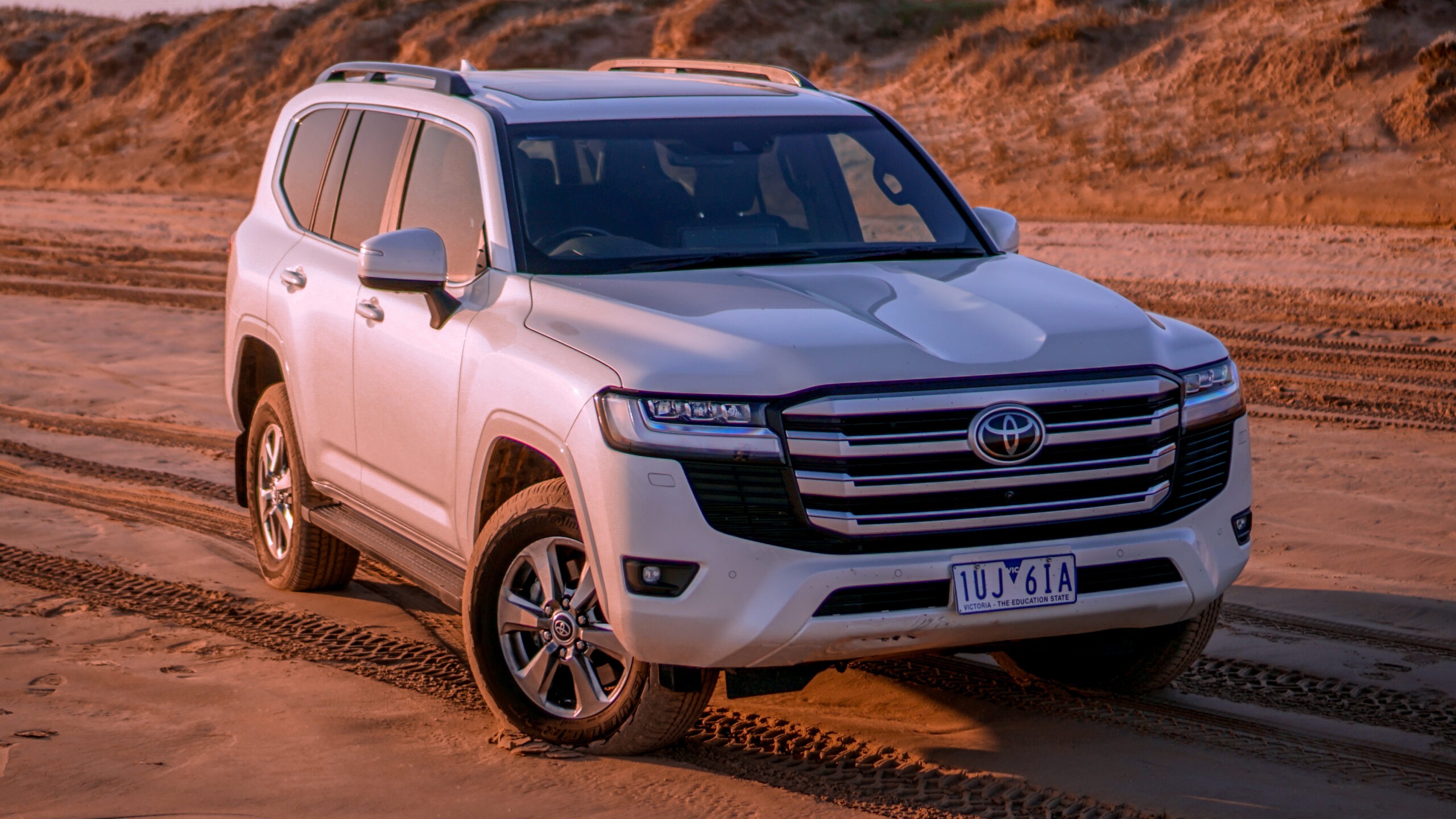
The Toyota Land Cruiser has long been celebrated for its exceptional durability and reliability, especially when subjected to extreme conditions. Built with a strong, rugged frame and engineered for serious off-road capability, the Land Cruiser is known not only for surviving rough terrains but also for maintaining a solid and quiet ride even as it racks up high mileage.
This SUV benefits from Toyota’s well-established reputation for producing vehicles that are designed to last well beyond 200,000 miles with minimal issues. One of the critical elements that contribute to the Land Cruiser’s ability to stay rattle-free is its high-quality materials and meticulous assembly standards.
Unlike many SUVs that rely on lighter or cheaper materials to cut costs, Toyota invests in thicker body panels, tightly secured trim, and resilient mounting points that resist loosening over time.
Additionally, the Land Cruiser’s suspension system is engineered to absorb shocks effectively without transferring excessive vibrations to the cabin. This design greatly reduces the stress placed on fasteners and interior components, preventing them from becoming loose and causing rattles as the vehicle ages.
Owners often mention that even after years of rough use, including off-road excursions and heavy loads, the Land Cruiser feels rock solid with minimal noise intrusion, a testament to its well-thought-out engineering.
Toyota’s maintenance philosophy also plays an important role; the company emphasizes preventative care and durable replacement parts, which means that owners who follow recommended service schedules rarely face the dreaded squeaks and rattles common in other vehicles.
Moreover, the Land Cruiser benefits from a relatively simple mechanical layout and robust build quality that make it less prone to parts degradation that causes noise. Its engine mounts, bushings, and other components are designed to handle wear and tear without breaking down prematurely.
Interior craftsmanship, too, focuses on precision fit and finish, where gaps between panels are minimal and sound-deadening materials are generously applied. This results in a cabin environment that remains serene and insulated even when the vehicle surpasses 200,000 miles. The Toyota Land Cruiser remains an iconic example of a rugged, high-mileage SUV that stays free from annoying rattles and noises, providing owners with a quiet, dependable driving experience for many years.
2. Lexus GX
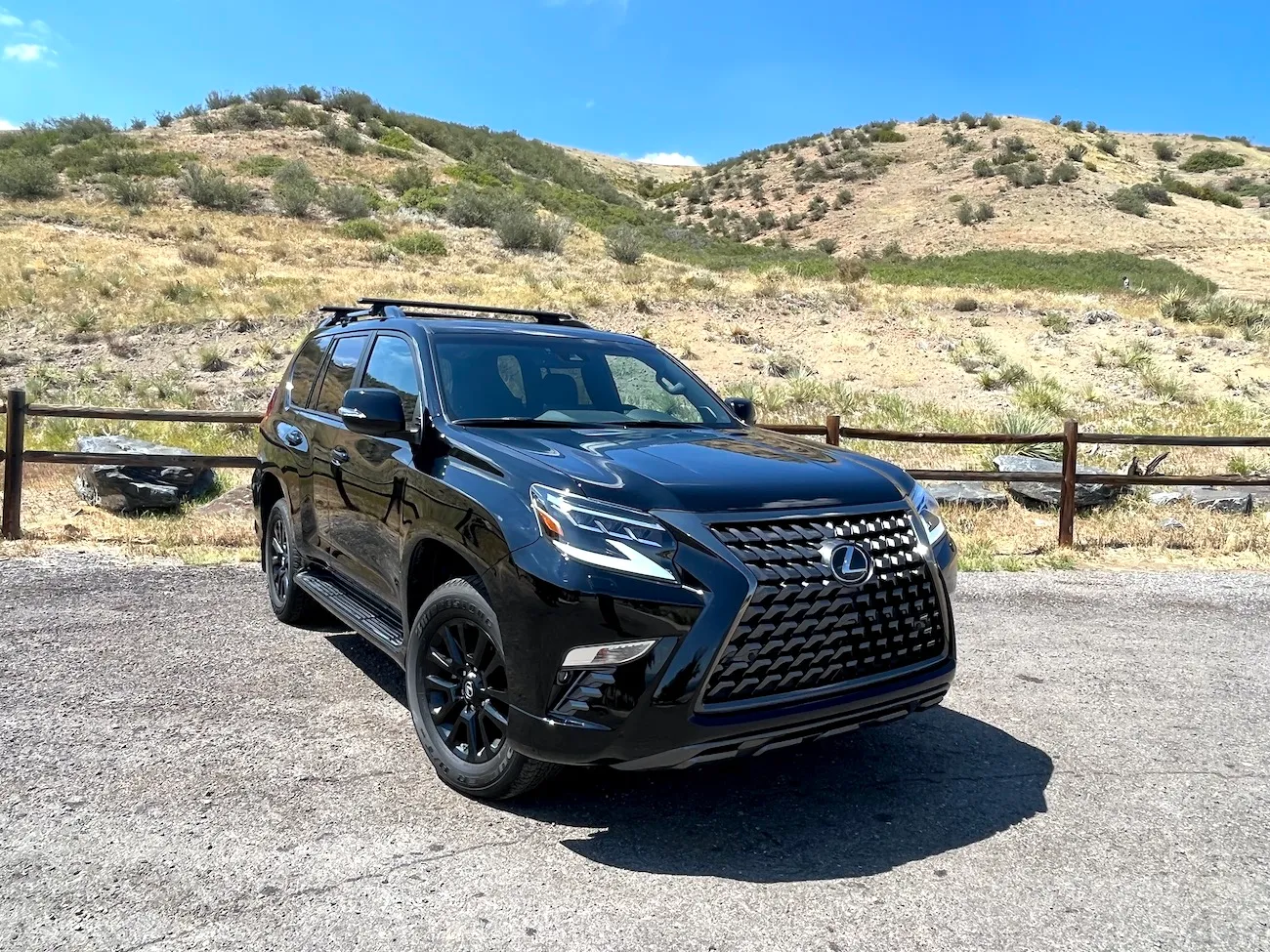
The Lexus GX is a luxury SUV built on a platform closely related to the Toyota Land Cruiser Prado, which lends it an inherent toughness and durability that few luxury SUVs can match. Despite being designed with upscale comfort and refinement in mind, the GX maintains the ruggedness necessary to remain rattle-free well into high mileage territory.
Lexus pays careful attention to the interior fit and finish, employing superior materials and advanced assembly techniques that minimize the chance of panel gaps or looseness developing over time. This attention to detail ensures that the GX delivers a quiet and composed ride even as it ages.
One of the key reasons the GX resists rattling lies in its suspension and chassis design. The vehicle uses a combination of solid axles and high-quality components that are built to endure heavy use without the typical wear-related noises that plague many SUVs after extended mileage.
The suspension absorbs bumps and vibrations effectively, which helps preserve the integrity of the cabin’s structure and trim. Furthermore, Lexus incorporates sound-deadening technology, such as acoustic glass and insulation materials, to further isolate the cabin from road noise and vibrations, keeping rattles at bay.
Owners of high-mileage GX models frequently report that the vehicle remains tight and quiet, with interior panels and fittings holding firmly in place despite years of use. The combination of Toyota’s reliable powertrain components and Lexus’s luxury touches creates a balance between ruggedness and refinement that few competitors achieve.
Additionally, the GX tends to receive timely maintenance and part replacements due to its premium status, which helps keep suspension bushings, engine mounts, and interior clips in good condition, avoiding the creaks and rattles common in lesser-maintained vehicles.
The Lexus GX proves that luxury and long-term durability can coexist in an SUV. Its robust engineering foundation and luxury-focused build quality make it an excellent choice for drivers seeking a rattle-free experience even after crossing the 200,000-mile mark.
The GX’s quiet ride, solid feel, and aging resilience contribute to its reputation as one of the most dependable luxury SUVs on the market.
3. Honda Pilot
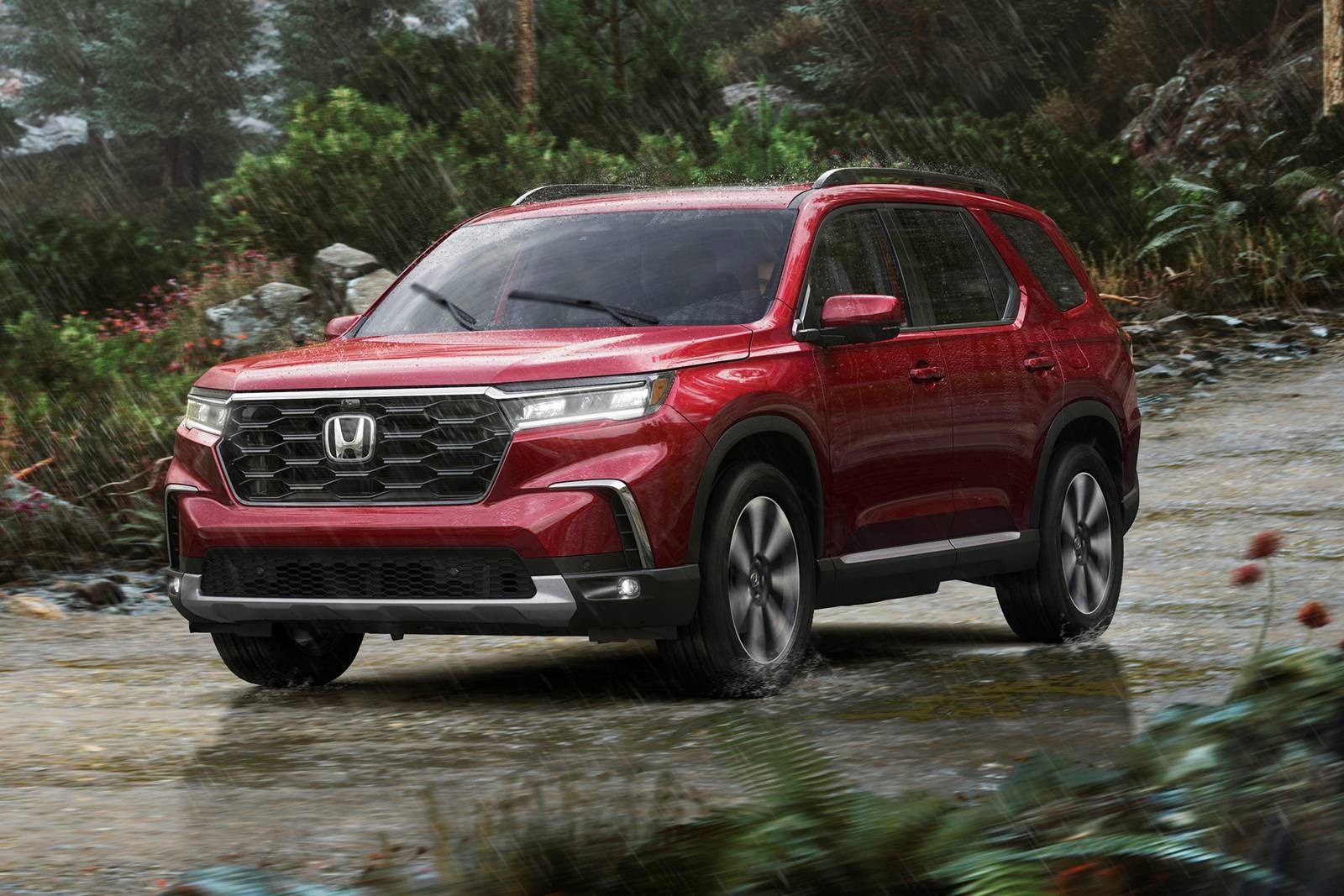
The Honda Pilot is a midsize SUV that has earned a reputation for reliability and practicality, making it a favorite among families and daily drivers. One of the reasons the Pilot stands out is its ability to maintain a quiet, rattle-free cabin even after accumulating significant mileage. Honda’s engineering philosophy places a strong emphasis on precision manufacturing and the use of durable materials, which helps prevent interior components from loosening or wearing prematurely.
The Pilot’s body structure is designed with rigidity in mind, reducing flex and minimizing noise caused by vibrations. Unlike some SUVs that prioritize cost savings over structural integrity, Honda invests in reinforcing critical points and using resilient fasteners that stay tight over time.
This approach prevents the common rattling issues that emerge when panels or trim pieces begin to shift. Additionally, the interior design includes sound insulation and vibration-dampening materials that keep road and engine noise from disturbing the cabin ambiance, even as the vehicle ages.
The suspension system of the Pilot also contributes to its quiet operation. While it is designed primarily for on-road comfort rather than extreme off-road conditions, the components are built to endure typical wear and tear without developing the clunks and creaks that plague many older SUVs.
Bushings and mounts tend to last longer than average, helping the Pilot maintain a smooth, rattle-free ride past the 200k mark. Moreover, Honda’s engines and transmissions are known for their durability, which reduces the chances of mechanical vibrations transmitting into the cabin.
Owners often praise the Pilot for its long-lasting quietness and solid feel, even when the vehicle has been used extensively for commuting, road trips, or light towing. The combination of Honda’s engineering precision, robust suspension, and thoughtful interior design results in an SUV that remains comfortable and quiet, providing a reassuring driving experience for many miles. For buyers seeking a reliable, rattle-resistant SUV that won’t lose its composure with age, the Honda Pilot remains an excellent choice.
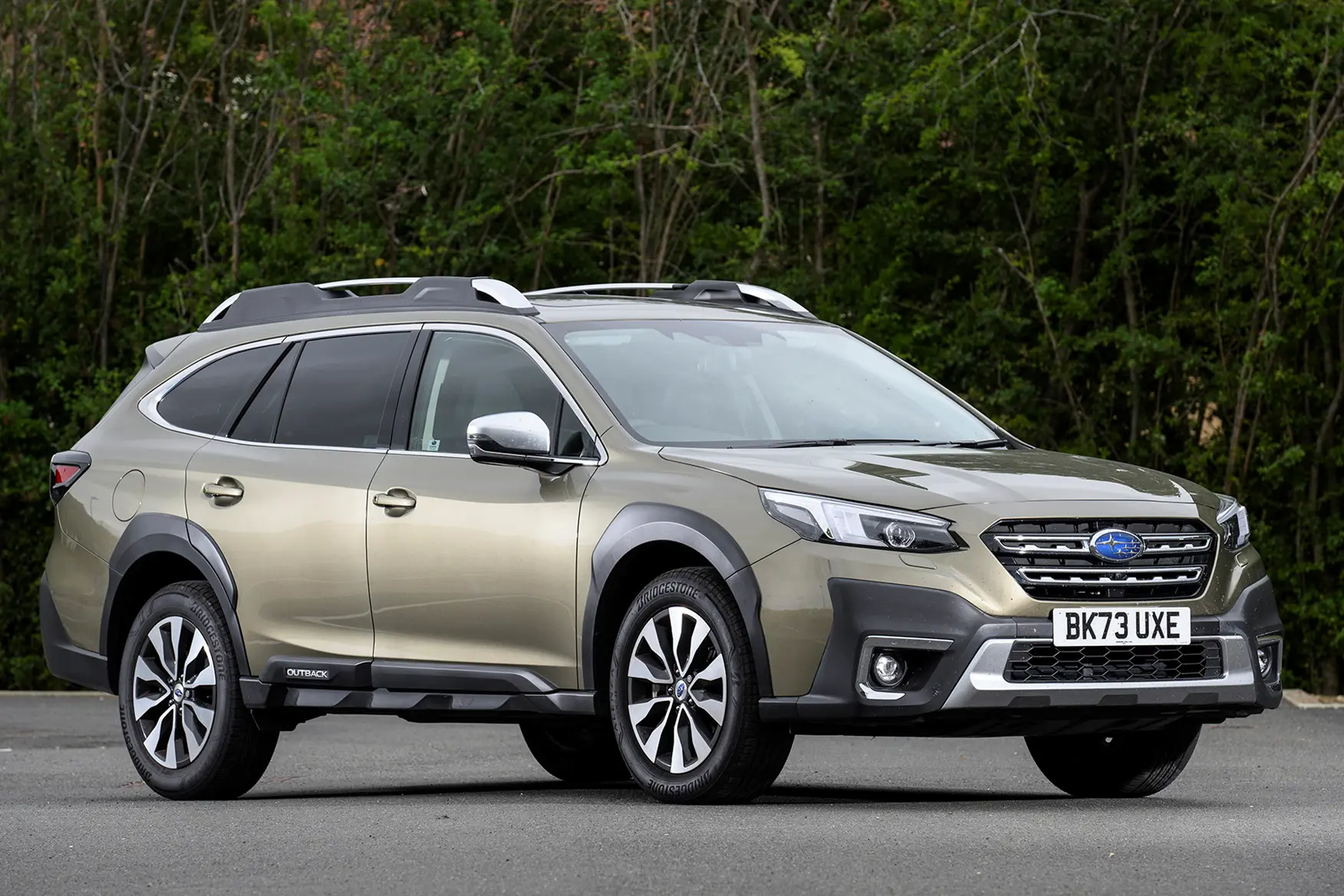
4. Subaru Outback
The Subaru Outback, although classified as a crossover wagon rather than a traditional SUV, offers many of the same benefits in terms of space, capability, and durability. One of the Outback’s most appealing qualities is its ability to maintain a solid and quiet ride even after high mileage, thanks to Subaru’s emphasis on engineering balance and durability.
The Outback’s symmetrical all-wheel-drive system and low center of gravity contribute to smooth, stable handling and reduced cabin vibrations, which play a crucial role in preventing rattling.
Subaru designs the Outback’s chassis and suspension components to absorb road irregularities efficiently, minimizing the transmission of noise and vibrations into the passenger compartment. The use of durable materials and sturdy mounting hardware helps ensure that interior panels and trim remain secure over time.
The fit and finish are generally tight, with minimal panel gaps that reduce the risk of noise-producing looseness. Sound insulation is also carefully applied to critical areas of the cabin, helping to block out engine and road noise, which adds to the feeling of solidity.
High-mileage Outback owners report that their vehicles often maintain a quiet, rattle-free cabin even after years of use in harsh weather conditions and challenging road surfaces. Subaru’s reputation for reliability extends to many mechanical parts, including suspension bushings, engine mounts, and body seals, which hold up well and don’t contribute to the common rattling problems found in other SUVs.
The Outback’s design also emphasizes durability over luxury, which means fewer delicate components might wear out and cause noise issues.
For those seeking a dependable and quiet SUV-like vehicle that can handle long-term use without rattling distractions, the Subaru Outback offers a compelling option. Its combination of durable engineering, balanced handling, and robust materials helps ensure a smooth and quiet ride well beyond the 200,000-mile milestone.
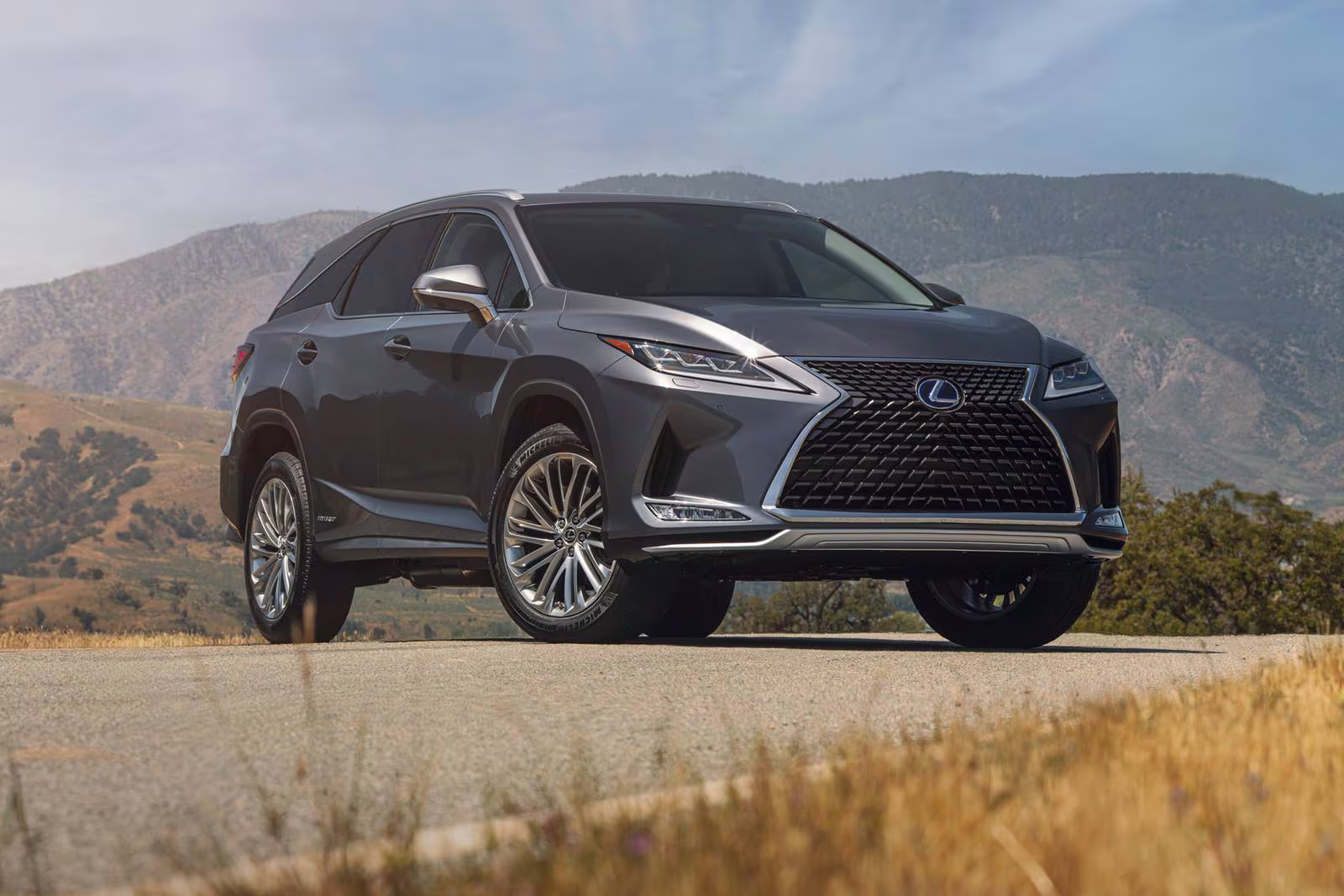
5. Lexus RX
The Lexus RX has been a benchmark for luxury SUVs since its introduction, thanks to its blend of comfort, refinement, and long-term reliability. One of the standout qualities of the RX is its ability to remain quiet and free of rattles even after accumulating extensive mileage. Lexus achieves this by combining meticulous build quality, premium materials, and advanced noise control technologies that ensure the cabin remains serene and composed as the vehicle ages.
The RX’s interior is constructed with tight-fitting panels and high-quality trim pieces that resist loosening, one of the most common causes of rattling in older vehicles. Lexus engineers employ extensive sound insulation throughout the cabin, including multi-layered door seals, acoustic glass, and vibration-damping materials applied to the floor, roof, and firewall.
These measures significantly reduce noise intrusion from the road, engine, and drivetrain, helping the RX retain its quiet character after many miles.
The SUV’s suspension and chassis are designed to provide a smooth, comfortable ride while maintaining structural integrity over time. High-quality bushings, mounts, and fasteners are used to prevent the common wear and looseness that generate rattling noises in aging vehicles.
The RX also benefits from Lexus’s strong track record of durability in powertrain components, which contributes to a vibration-free ride that minimizes noise generation.
Owners of high-mileage Lexus RX models frequently report that the SUV continues to feel solid and quiet well beyond 200,000 miles. This is a reflection of Lexus’s focus on craftsmanship, attention to detail, and use of durable materials. The RX stands as a prime example of how luxury and reliability can combine to produce an SUV that resists aging-related rattles and offers a consistently pleasant driving experience over the long term.
SUVs That Tend to Develop Rattles Past 200k
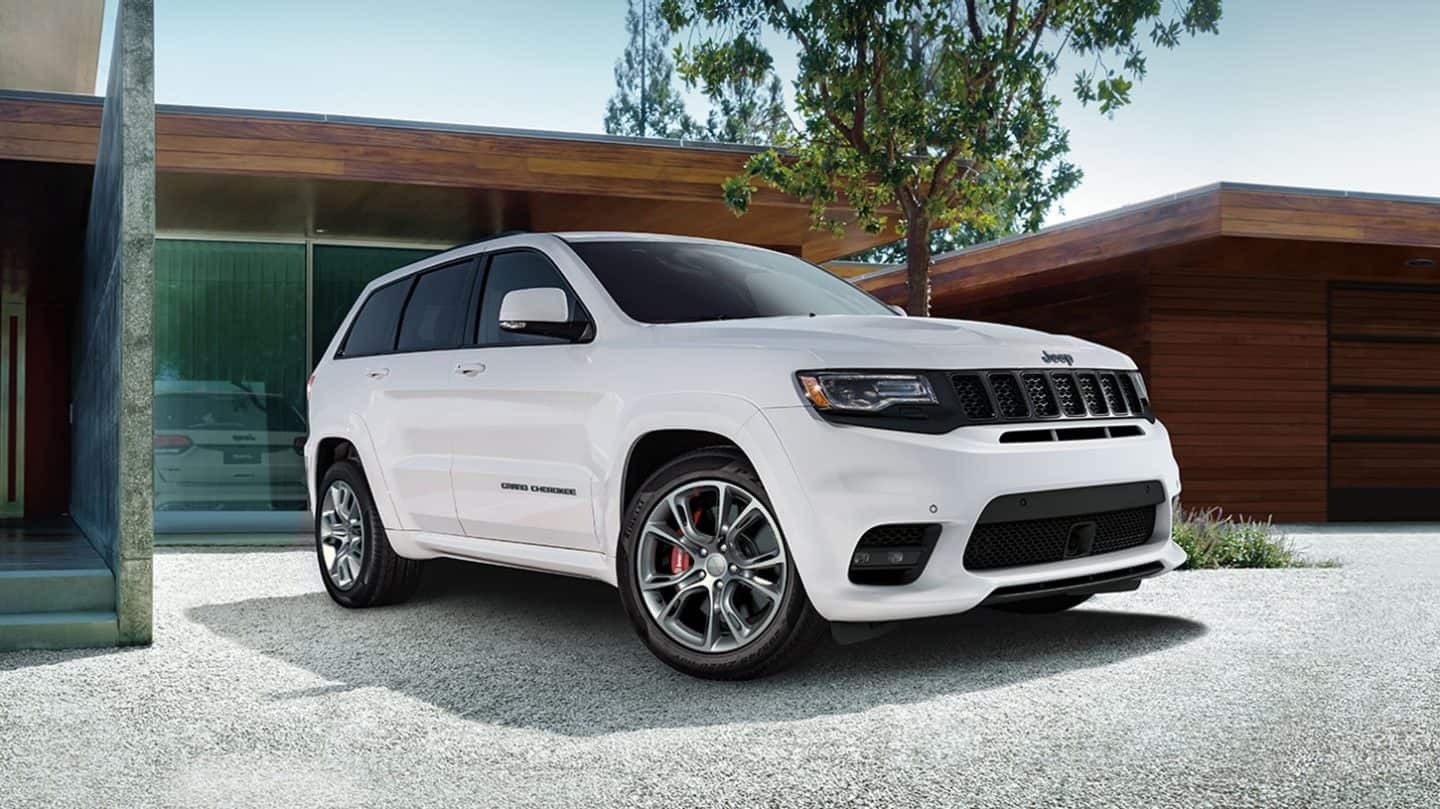
1. Jeep Grand Cherokee
The Jeep Grand Cherokee is a beloved SUV for many thanks to its impressive off-road capability and iconic design, but it has long been known to develop rattles and creaks once the odometer climbs beyond 200,000 miles.
This issue is often attributed to a combination of complex engineering, a wide array of electronic components, and material choices that, while adequate in the short term, don’t always hold up well over extended use.
The Grand Cherokee’s cabin is loaded with many plastic trim pieces, clips, and fasteners that tend to loosen or break as the vehicle ages. As the SUV experiences road vibrations, uneven terrain, and general wear and tear, these interior components become prone to movement, resulting in annoying rattling noises that many owners report.
Additionally, the suspension system, while designed to offer capable off-road performance and a comfortable ride, uses rubber bushings and mounts that degrade relatively quickly, especially if the vehicle is regularly used for rugged driving or carries heavy loads.
Once these components wear out, they introduce a series of clunks and creaks that can make the ride feel less refined and noisier. The body structure itself can also be a factor. The mix of unibody construction with various bolt-on panels and mounts may lead to fasteners loosening over time, contributing to the noise. Moreover, some models of the Grand Cherokee have been known to develop issues with electrical components and infotainment units, which can cause additional noises or vibrations inside the cabin.
Owners frequently express frustration with the increasing amount of rattles in their Grand Cherokees after long-term use, often needing to perform aftermarket fixes or frequent repairs to keep the noise down.
While the vehicle remains a solid performer in many respects, this tendency to develop rattling and creaking noises past the 200,000-mile mark is a downside for those seeking a quiet, refined driving experience. The Grand Cherokee is best suited for drivers who prioritize capability but are willing to accept some compromises in long-term cabin quietness.
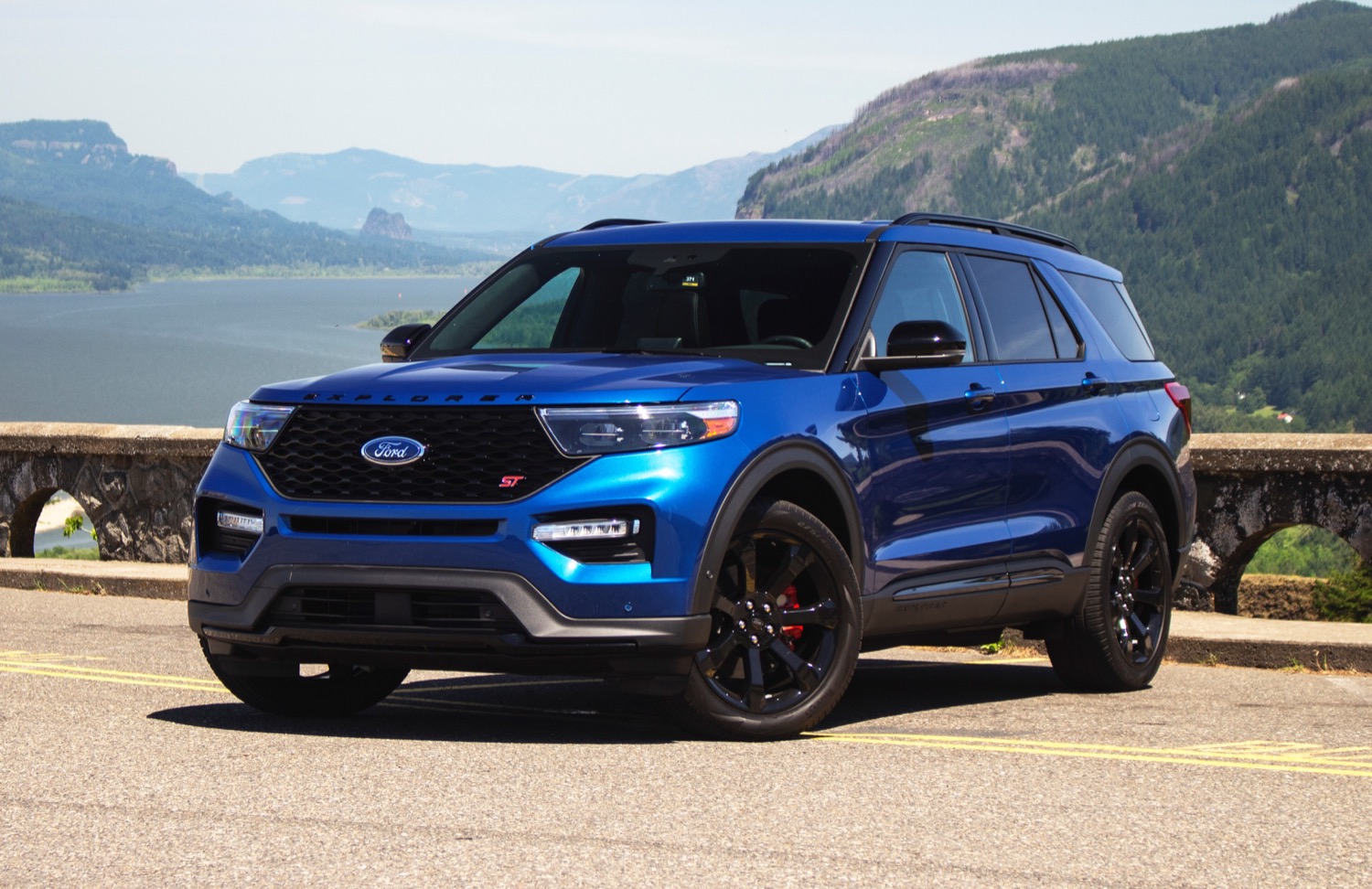
2. Ford Explorer
The Ford Explorer is one of America’s best-selling SUVs, popular for its family-friendly design and spacious interior. However, many Explorer owners report that their vehicles tend to develop rattling noises as the miles add up, especially once they cross the 200,000-mile threshold.
These noises often originate from interior trim pieces such as door panels, dashboard components, and plastic molding that begin to loosen or warp with age and temperature fluctuations. The Explorer’s interior, designed for cost efficiency, often uses materials and fasteners that may not withstand prolonged wear as well as some competitors, leading to creaks, rattles, and squeaks.
The suspension system is another source of rattles. Explorer suspensions use rubber bushings and mounts that wear down under typical use, especially on rough roads or in climates with extreme temperatures. Once these components degrade, they introduce knocking and clunking sounds over bumps and turns, negatively impacting ride comfort and cabin quietness.
Furthermore, body panel alignment issues can arise with time, causing gaps that lead to vibrations and rattles. Some model years have also faced complaints about the rear hatch or tailgate rattling, which can be especially noticeable on rough roads or highway speeds.
Ford has addressed some of these issues in later model years through improvements in materials and assembly techniques, but many older Explorers still suffer from persistent rattles. Maintenance can mitigate some noise issues, but some rattles require more extensive repairs or aftermarket modifications to fix.
This reputation means that while the Explorer is a solid all-around SUV, potential owners aiming for a vehicle that remains quiet and rattle-free beyond 200,000 miles should approach with caution and consider the likelihood of increasing cabin noise with age.
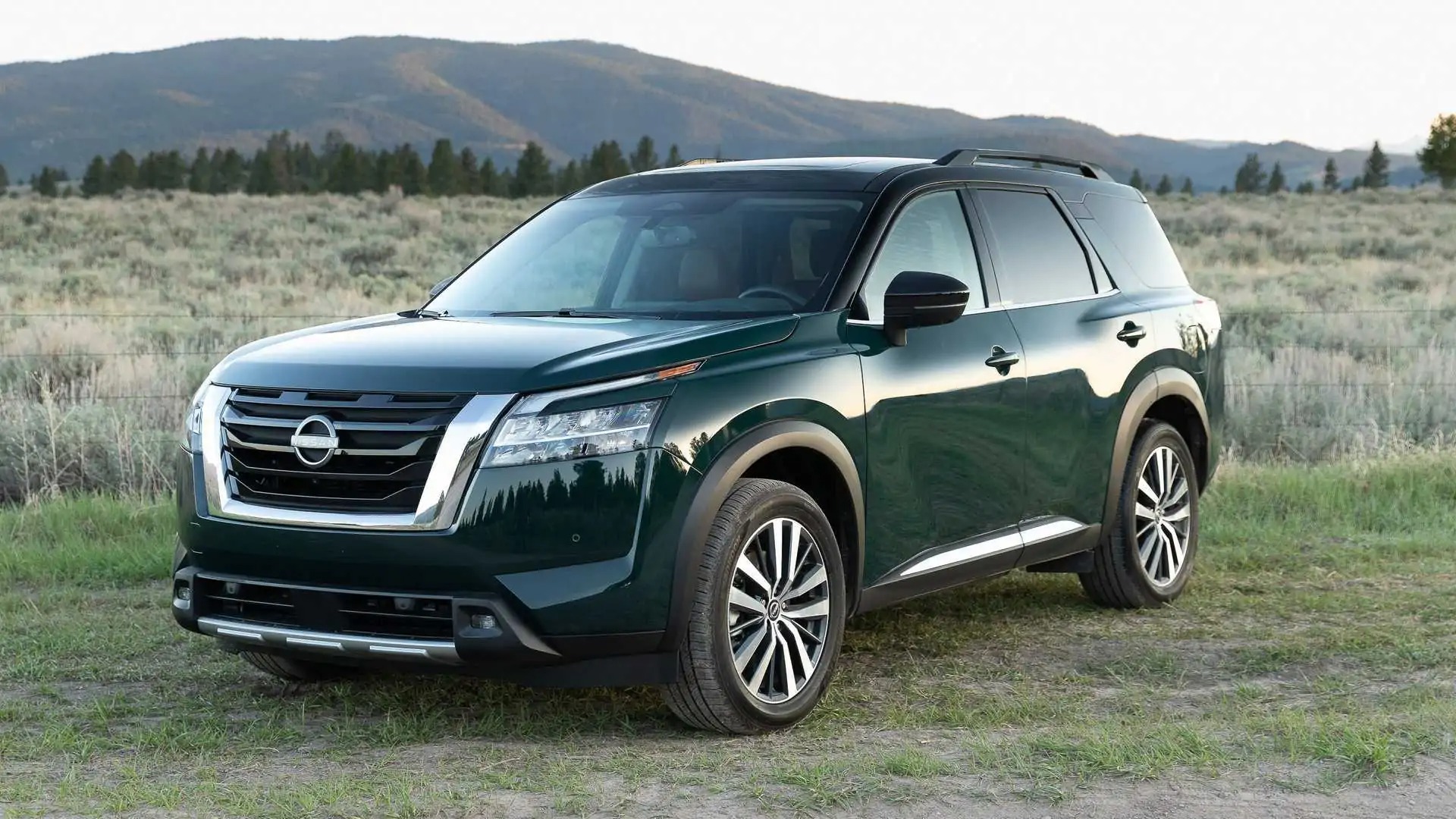
3. Nissan Pathfinder
The Nissan Pathfinder is a versatile SUV that has evolved significantly over the years, but like many vehicles, it has its share of long-term reliability issues, especially concerning rattling noises as it ages. Owners of Pathfinders with high mileage frequently report that interior trim pieces become loose or warped, resulting in persistent rattles inside the cabin.
This problem is often linked to the plastic clips and fasteners that hold interior panels in place. Over time, heat cycles, vibrations, and normal wear cause these clips to break or lose their grip, allowing panels to shift and create noise.
The suspension system of the Pathfinder also tends to be a source of rattles past the 200k-mile point. Bushings, sway bar links, and control arm mounts experience wear and degradation, especially if the vehicle is driven on rough roads or carries heavy loads.
When these suspension components fail, they cause clunks, knocks, and other noises that transmit through the chassis and into the cabin, detracting from the vehicle’s ride quality. Additionally, the Pathfinder’s body construction, while sturdy in many respects, includes areas where fasteners and bolts may loosen, further contributing to rattling.
Some models have been known to develop problems with door seals and window mechanisms that add to the noise inside the vehicle. Despite Nissan’s improvements in newer generations, older Pathfinders still face common rattling complaints that owners must address through maintenance or aftermarket solutions.
For long-term owners, regular inspection and replacement of suspension components and interior fasteners are essential to reduce rattling. While the Pathfinder remains a capable and comfortable SUV, its tendency to develop rattles with age is an important factor to consider for those seeking a quieter ride over the long haul.
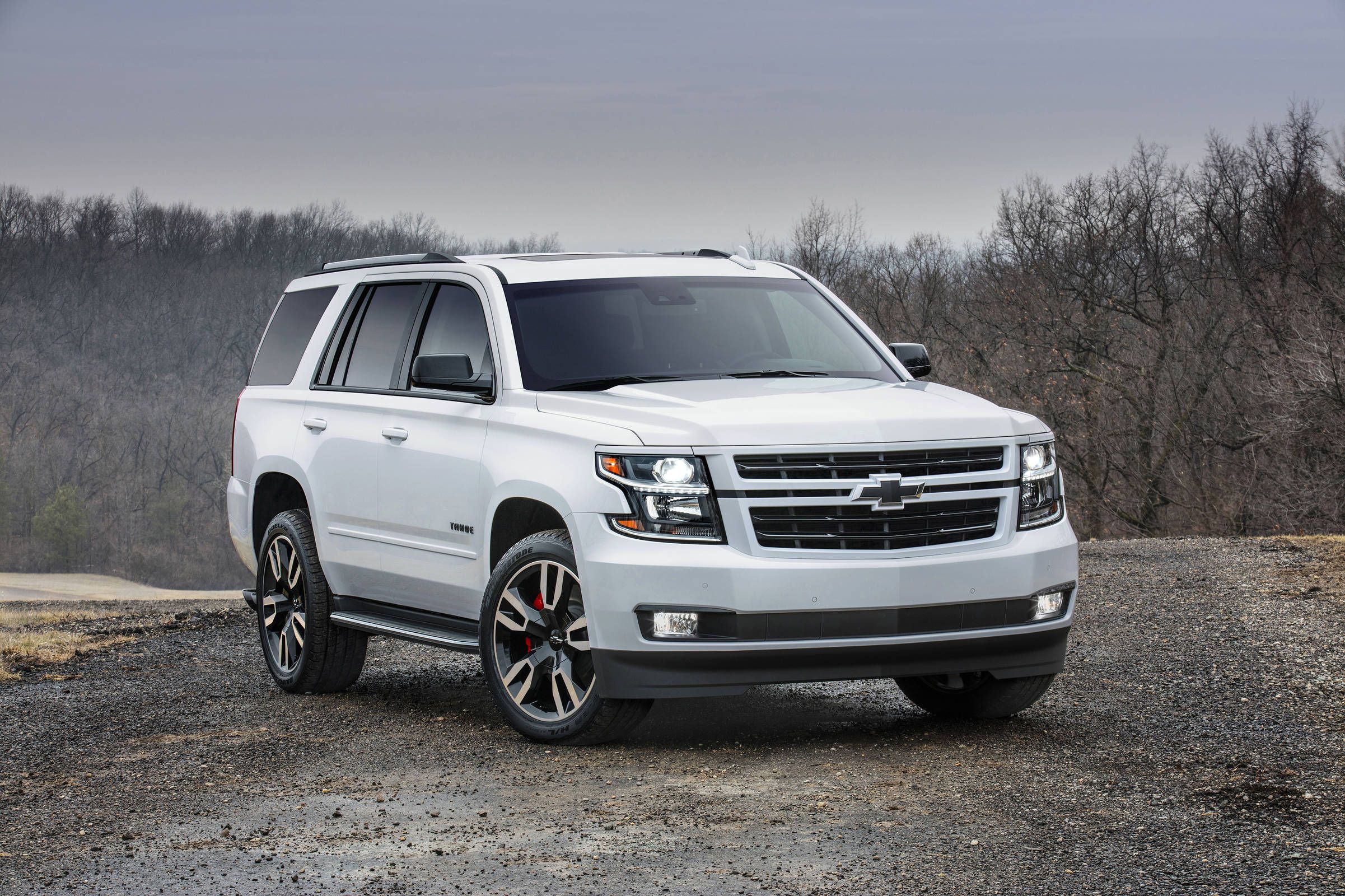
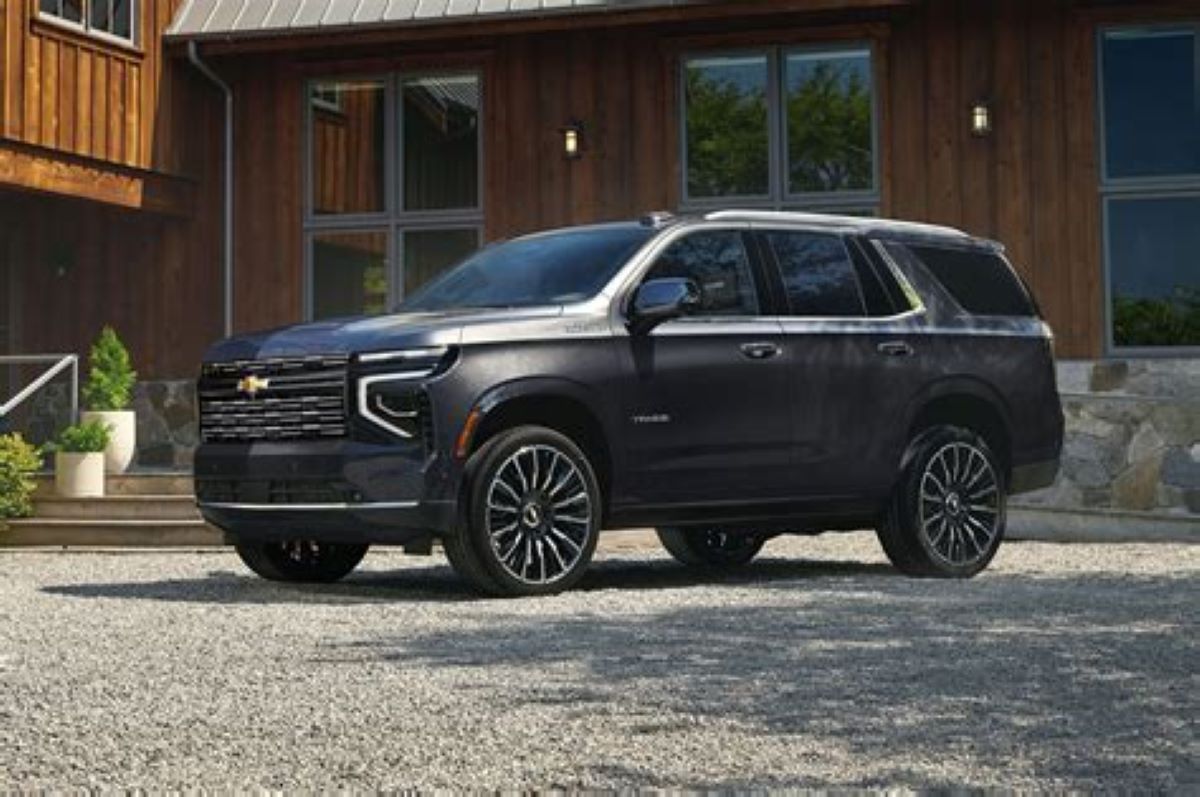
4. Chevrolet Tahoe
The Chevrolet Tahoe is a full-size SUV with a reputation for power, space, and utility, but it also has a history of developing rattling issues as it reaches higher mileage. Many Tahoe owners report that the vehicle’s large size and complex assembly create multiple points where parts can loosen and vibrate, especially after 200,000 miles.
Rattles frequently come from the dashboard area, door panels, and rear hatch, all of which are prone to loosening fasteners or broken plastic clips due to road vibrations and general wear.
The Tahoe’s suspension system, designed to support heavy loads and towing, utilizes bushings and mounts that can wear prematurely under constant stress. Once these components degrade, they generate clunking and knocking noises that are transmitted through the frame and into the cabin.
Additionally, the vehicle’s body-on-frame construction includes various bolted joints and mounts that may loosen over time, increasing the likelihood of rattle-inducing vibrations. The sheer size and weight of the Tahoe contribute to these problems, as more mass means more momentum and force being transferred through components, which can exacerbate loosening.
Furthermore, the interior’s plastic trim and moldings, which are essential for aesthetic appeal and functionality, often become brittle with age and heat exposure, leading to cracking and the potential for rattles. Electrical wiring and infotainment components may also contribute to buzzing or vibrating noises if mounting points degrade.
Many Tahoe owners find that consistent maintenance, including tightening fasteners and replacing worn suspension parts, is necessary to keep rattles under control. Despite these issues, the Tahoe remains a popular choice for those needing a large, powerful SUV but may not be ideal for those prioritizing long-term cabin quietness.
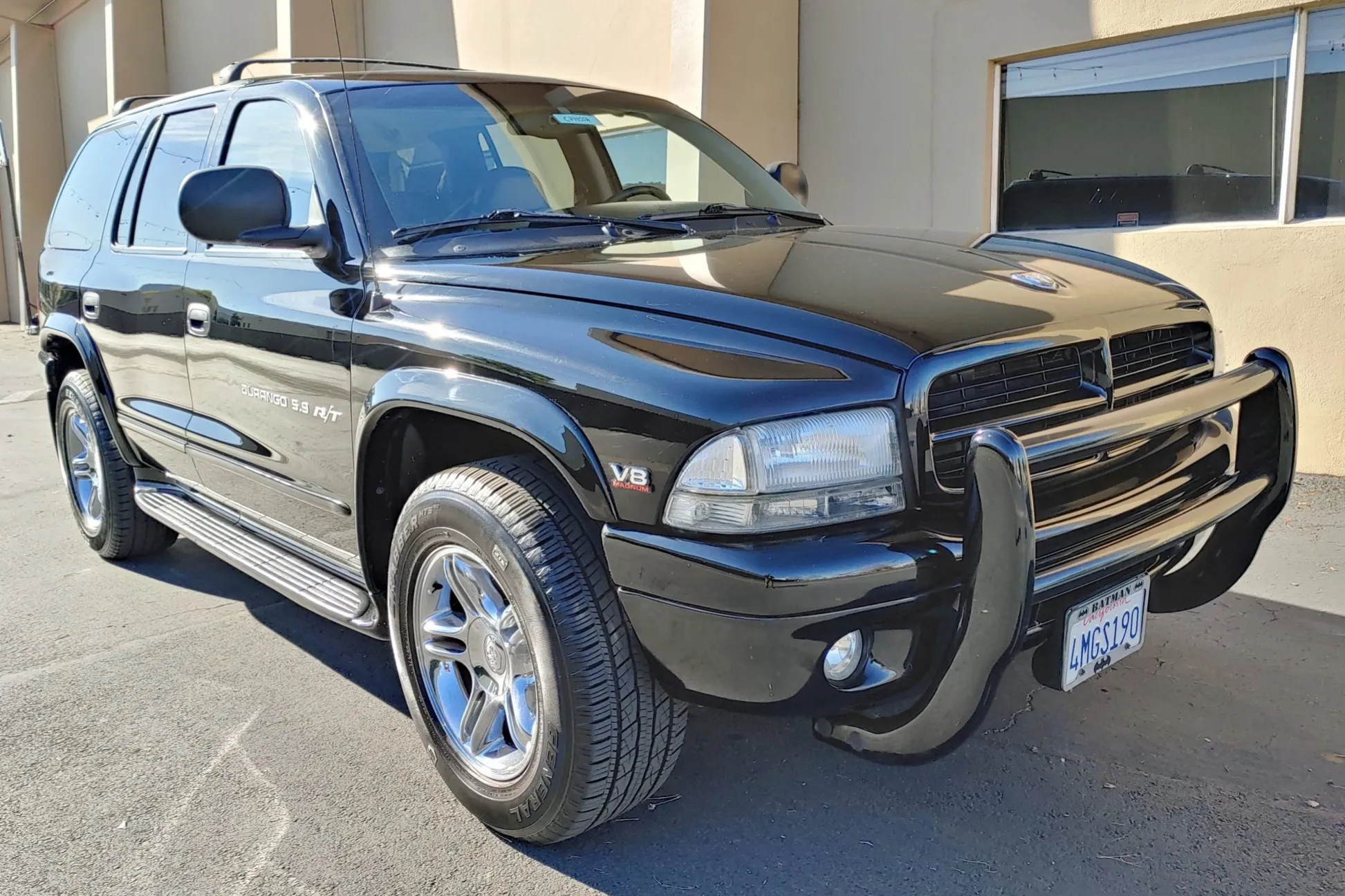
5. Dodge Durango
The Dodge Durango is known for its powerful engine options and bold styling, but it has often been criticized for developing rattling and squeaking noises as it accumulates miles. Interior rattles are particularly common in the Durango, with owners reporting that dashboard components, door panels, and center consoles begin to loosen, causing persistent creaks and rattles that detract from the driving experience.
The materials used in some interior parts tend to degrade and become brittle over time, especially when exposed to heat and sunlight, which makes the problem worse as the vehicle ages.
Suspension wear is another significant factor in the Durango’s noise issues. Rubber bushings, mounts, and sway bar links wear out and cause clunking noises over bumps or during turns. This not only creates an annoying rattle but can also impact ride quality and handling.
The chassis design, while sturdy, includes multiple attachment points and plastic fasteners that can loosen with age and use, contributing further to the noise problems. The Durango’s drivetrain vibrations, particularly from its powerful V8 engine options, may also transmit more noise into the cabin if engine mounts and vibration dampers degrade over time.
Many Durango owners find themselves performing repeated repairs or aftermarket modifications to mitigate rattling, such as reinforcing loose panels or upgrading suspension components. Although the Durango offers many appealing features, its tendency to develop rattles past 200,000 miles is a drawback for those who prioritize a smooth and quiet ride.
For long-term ownership, potential buyers should be prepared for the likelihood of increased cabin noise and the maintenance required to keep rattles under control.
Also Read: 10 Cars That Still Sell Above MSRP in 2025
When considering an SUV that will remain quiet and free of rattles well past the 200,000-mile mark, it is important to recognize that long-term durability depends heavily on build quality, engineering choices, and material selection.
The vehicles that tend to stay rattle-free over time, such as the Toyota Land Cruiser, Lexus GX, Honda Pilot, Subaru Outback, and Lexus RX, share common traits: a focus on sturdy construction, precise manufacturing, and the use of high-quality materials that resist wear and degradation.
These SUVs emphasize solid mounting points, durable suspension components, and well-secured interior panels, which minimize the potential for parts to loosen or degrade over time. Additionally, these models benefit from sound-deadening technologies and refined chassis designs that reduce vibrations and noise transmission into the cabin, maintaining a serene and comfortable driving environment despite the miles.
On the other hand, SUVs like the Jeep Grand Cherokee, Ford Explorer, Nissan Pathfinder, Chevrolet Tahoe, and Dodge Durango tend to develop rattling noises after extended use, especially past 200,000 miles. While these vehicles often offer impressive capabilities and features, their design choices and material quality sometimes fall short of the durability needed for a rattle-free experience in the long run.
Common issues include the use of plastic trim and clips that degrade with age, suspension components prone to wear, and body panels or fasteners that loosen due to vibrations and load stress. For owners, these problems can lead to an increasingly noisy and less refined cabin, which detracts from the driving experience.
That said, rattling issues are often manageable through regular maintenance, timely replacement of worn parts, and sometimes aftermarket modifications. Owners who prioritize upkeep and address suspension wear, fastener tightening, and interior panel care early may reduce the extent of rattling, even in SUVs with less-than-ideal longevity in this regard.
It’s also worth noting that driving habits, environmental conditions, and maintenance history significantly influence whether an SUV will develop rattles over time.
The choice between SUVs that stay rattles-free and those that tend to develop rattles comes down to priorities and expectations. For those seeking a quiet, comfortable, and dependable vehicle for the long haul, models with proven durability and solid build quality offer peace of mind.
Meanwhile, buyers who value features, performance, or off-road capability may accept some cabin noise as part of the trade-off, provided they remain diligent about maintenance. Understanding these differences helps prospective buyers make informed decisions that align with their driving needs and long-term ownership goals.
