
Some cars look good, perform well, and make their owners proud. Then some cars do something more meaningful, they stay on the road for decades, refusing to give up long after newer models have come and gone.
Among these vehicles, some sedans have earned a reputation not just for their comfort or performance, but for being nearly indestructible.
These are the models that mechanics respect, owners cherish, and younger generations sometimes inherit, still in good condition.
Their longevity becomes part of the family story, often passed down like a reliable old tool or a favorite leather jacket. When people talk about sedans that will “outlive their owners,” they are referring to a level of durability, reliability, and practicality that many modern cars lack due to their complexity or fragility.
Automotive trends come and go, with flashy new features, digital dashboards, and software updates dominating the conversation. But for those who care about lasting value, it’s not the touchscreen or the infotainment system that matters most. It’s whether the car can keep starting in the dead of winter.
It’s whether the transmission lasts past 200,000 miles without a hiccup. It’s whether the suspension handles rough roads year after year without falling apart. People are driving the same sedan they bought in the 90s, not out of nostalgia, but because it still runs as well as it did twenty years ago. These cars weren’t necessarily the most exciting or stylish when they were released, but they were built with a kind of engineering discipline that’s increasingly rare.
This article lists twelve sedans that have proven to stand the test of time. These aren’t guesses or wild assumptions. These are models that have built a reputation through actual use, across millions of miles and countless drivers.
Whether you’re a first-time car buyer, someone looking to invest in a practical second vehicle, or just curious about automotive durability, these sedans offer a strong case for being the most dependable long-term choice. With the right care, they just might still be around long after their original owners have driven their last mile.
Also Read: 5 Engines That Handle Stop-and-Go Traffic vs 5 That Break Early
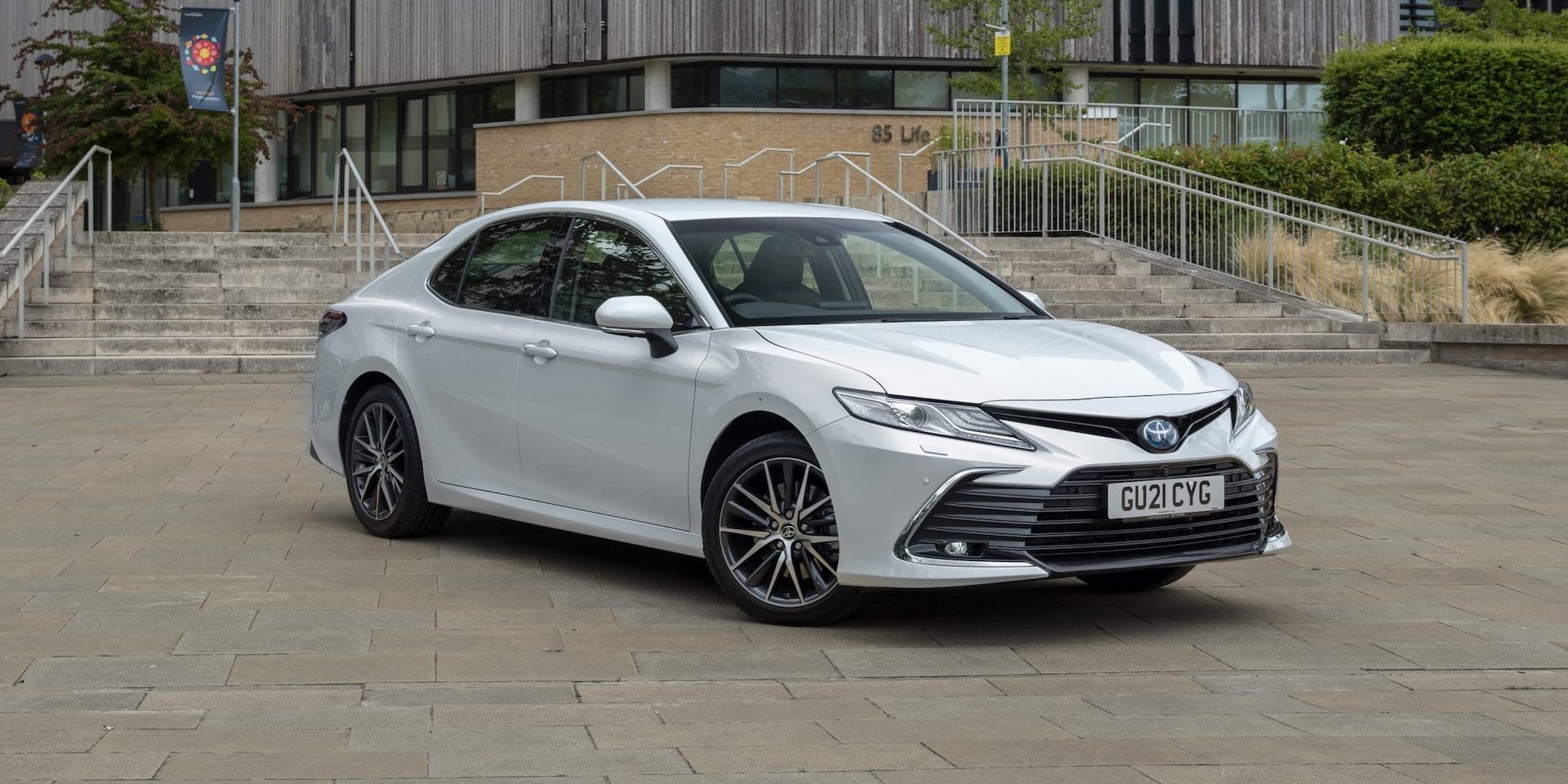
1. Toyota Camry
The Toyota Camry has been known for its dependability for decades. It’s not flashy, and it doesn’t try to be. That’s one of the reasons it lasts so long.
From the early 1990s models to the most recent generations, the Camry has consistently been built to handle daily driving, long commutes, and everything in between. Its engines, especially the 2.5-liter inline-four and the 3.5-liter V6, have proven themselves under all kinds of conditions.
One of the key reasons the Camry keeps going is its conservative engineering. Toyota has avoided unnecessary experimentation with this model. Instead of chasing trends, the company has stuck with proven parts and gradual improvements.
The result is a sedan that doesn’t suffer from complex systems breaking down over time. This is a car you can drive for 300,000 miles if you keep up with oil changes and routine maintenance.
Owners often report stories of passing their Camry down to their children or even grandchildren. The interiors might show their age, and the styling may lag behind more aggressive competitors, but the mechanical reliability holds firm.
There’s a strong aftermarket for replacement parts as well, making repairs more affordable and helping owners keep their Camrys on the road longer.
It’s not just private owners who benefit from the Camry’s durability. Fleet operators, taxi companies, and even police departments in some regions have used Camrys because of their ability to handle wear and tear.
That says something. These organizations don’t gamble with vehicles that are prone to problems. They choose what works. And time has shown that the Toyota Camry works for a very long time.
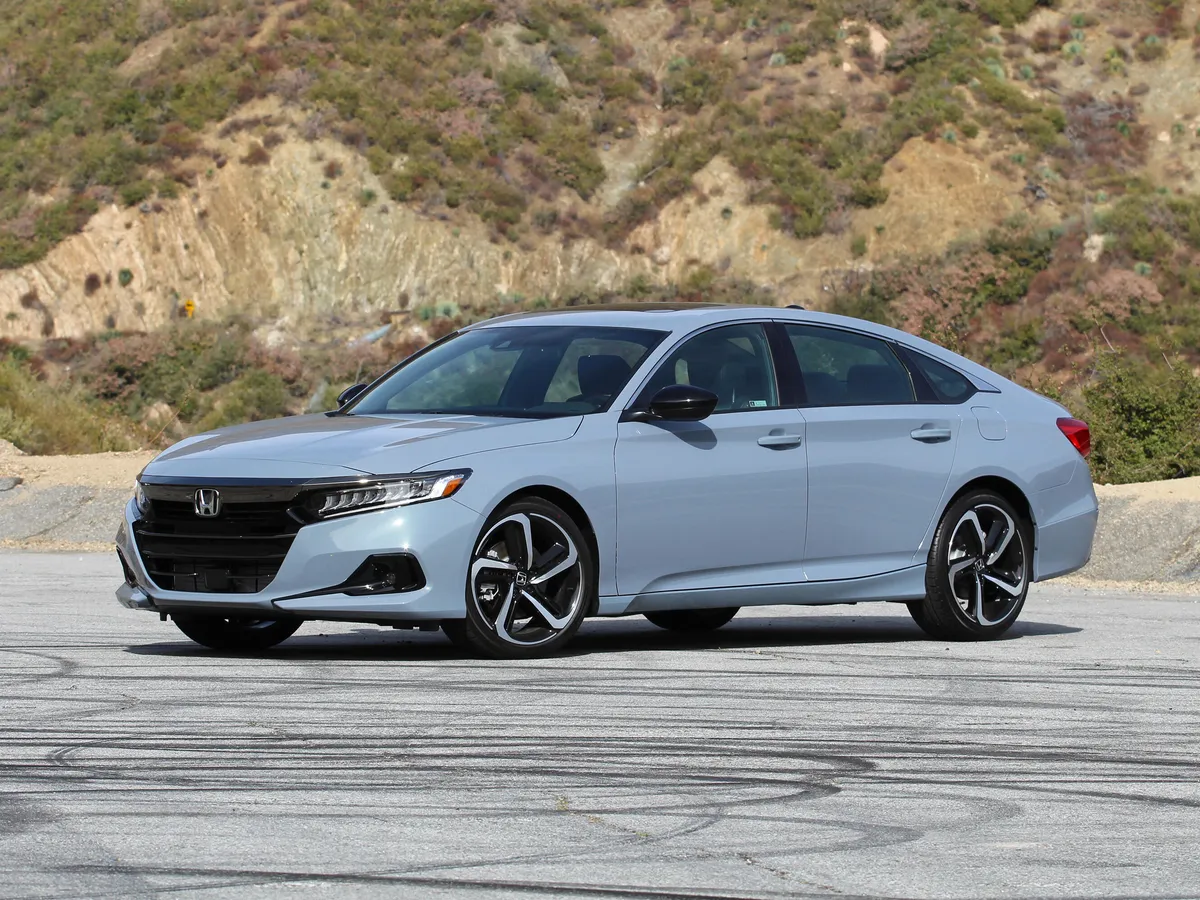
2. Honda Accord
The Honda Accord is another name that has become almost synonymous with reliability. It’s one of the few sedans that combines enjoyable driving dynamics with long-term mechanical strength.
From the early days of carbureted engines to the modern fuel-injected setups, the Accord has evolved without losing its solid foundation. Owners of 1990s Accords are still driving them with original engines and transmissions, and that’s not unusual.
What makes the Accord special is the attention to both form and function. Honda has always built the Accord with a mindset that focuses on long-term ownership.
That includes using high-quality metals in the engine bay, avoiding overly complicated electronics, and maintaining a balanced weight-to-power ratio. These choices reduce the likelihood of premature wear and stress on critical components.
Routine maintenance on an Accord is relatively simple. The timing belts, brake pads, and suspension parts are all straightforward to replace, and because of the sheer number of Accords on the road, parts are cheap and mechanics are familiar with the car’s layout.
You don’t need a specialist to work on an Accord, which keeps costs low and keeps people from giving up on their cars when problems do arise.
Many people buy Accords for their teenage children or hold on to them as backup vehicles long after they’ve upgraded to something newer. And more often than not, those Accords start right up after sitting for months.
That’s a sign of smart engineering and manufacturing consistency. If you’re looking for a car that will keep running for hundreds of thousands of miles, the Honda Accord deserves serious consideration.
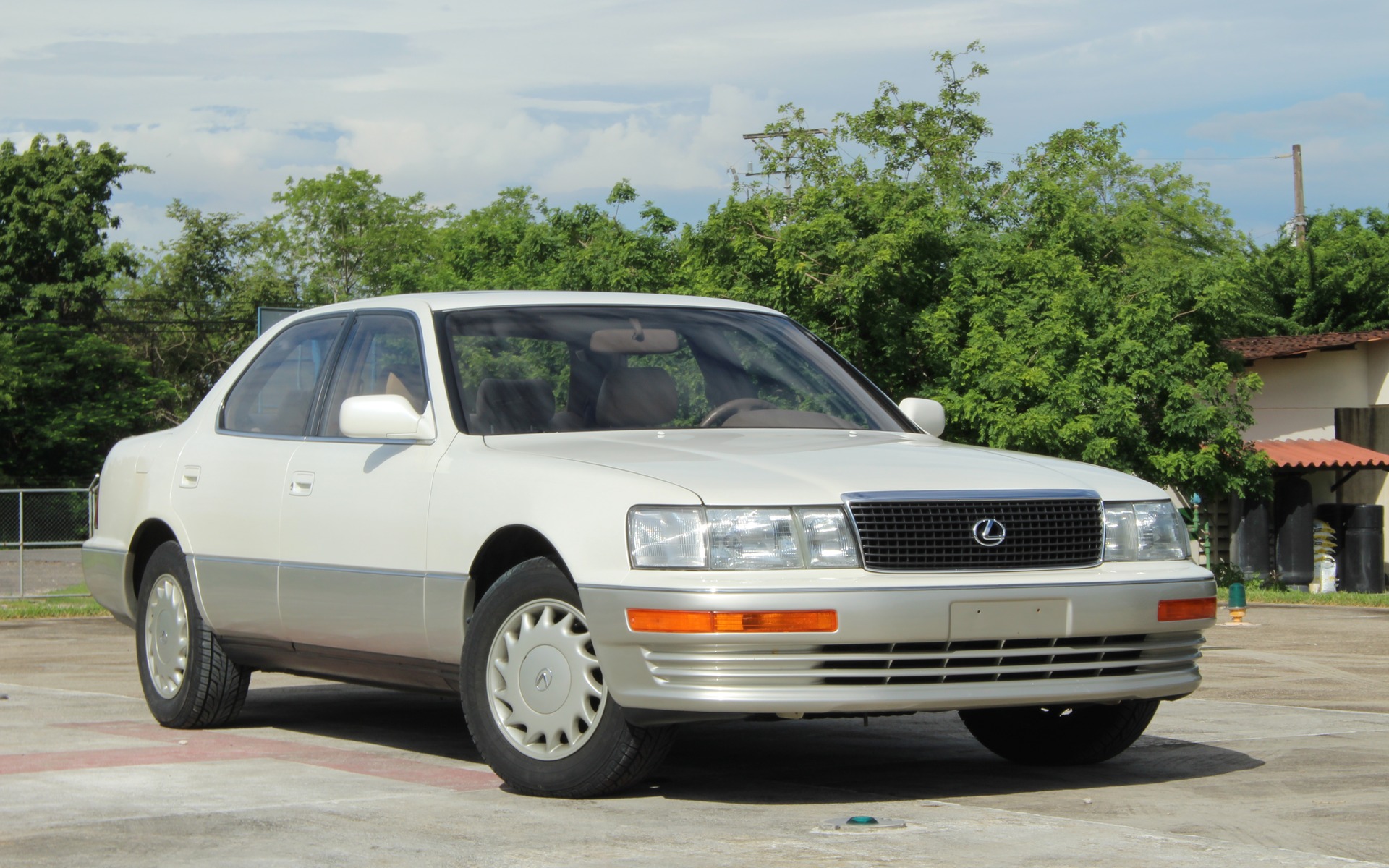
3. Lexus LS400
When Lexus released the LS400 in the late 1980s, it was a quiet revolution. This was a luxury sedan built to match the best from Germany, but with a level of durability and refinement that shocked the automotive world.
Unlike many luxury cars that become money pits over time, the LS400 has a reputation for lasting as long as its owners, and often longer. There are still LS400s from the early 90s on the road today with over 400,000 miles.
The LS400 was overbuilt in many ways. The engine, a 4.0-liter V8, was designed for smoothness and longevity. Paired with a reliable automatic transmission, it created a powertrain that rarely fails when maintained properly.
Everything from the suspension bushings to the door seals was engineered for quiet performance and long life. Lexus wasn’t just trying to impress buyers at launch. They were building a brand on the back of the LS400, and they took no shortcuts.
Unlike some luxury cars that rely on complex air suspensions and fragile electronics, the early LS400 kept things relatively simple under the skin. That simplicity helps the car age gracefully.
Even though it has luxury features, many of them still work decades later. The leather may crack, and the wood trim may fade, but the essential parts keep working.
There’s a growing fanbase around the LS400, and for good reason. It represents a high point in Japanese automotive engineering.
People still buy them today, not just for nostalgia, but because they trust them to get from point A to point B without drama. If a car built in 1991 can still operate like it was built yesterday, that says more than any advertisement or flashy commercial ever could.
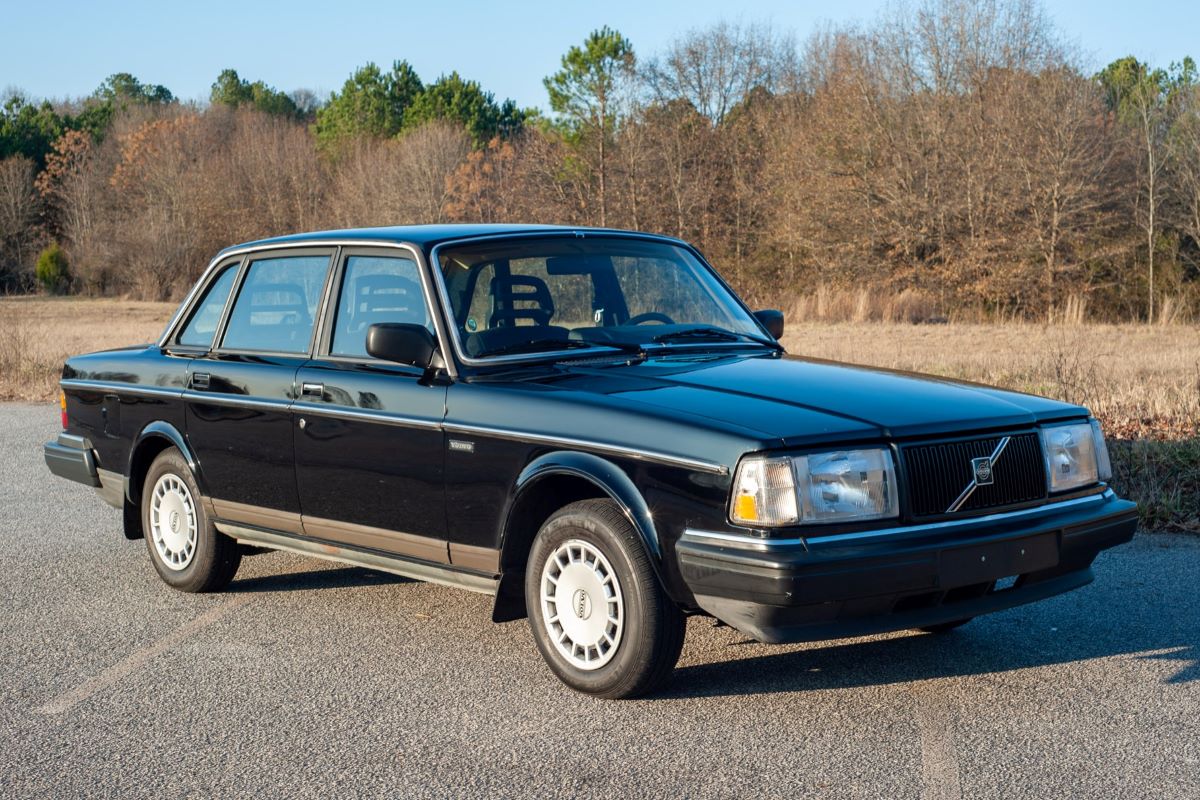
4. Volvo 240
Volvo has long been known for safety, but in the case of the 240, it also earned a reputation for indestructibility. Produced for nearly two decades, the Volvo 240 became a symbol of practicality and ruggedness.
While it may not have turned heads with its styling, it gained admiration from owners who valued substance over appearance. Today, many 240s are still on the road, used as daily drivers by people who simply trust them more than modern alternatives.
One of the most impressive things about the 240 is its build quality. The car feels solid in a way few modern sedans do. The steel used in the body panels is thicker than what you’d find on most competitors, and that contributes to its lasting structural integrity.
Under the hood, the engines are straightforward, tough, and known for clocking half a million miles or more with basic upkeep.
The 240 isn’t particularly fast, but it’s incredibly predictable. The rear-wheel-drive layout gives it a balanced feel, and its handling is simple and honest.
You won’t find electronic driving aids or high-tech wizardry here. What you will find is a machine that was built for the long haul. The mechanical systems are easy to understand, and repairs can often be done with simple tools.
Enthusiasts still restore and drive these cars not because they’re flashy, but because they’re trustworthy. There’s a unique satisfaction in owning a vehicle that just works.
The Volvo 240 embodies that mindset. It keeps going, through snowstorms, heatwaves, and daily commutes. Few cars have such a legacy of quiet, persistent usefulness. It’s no wonder so many are still out there, serving their fourth or fifth owner without complaint.
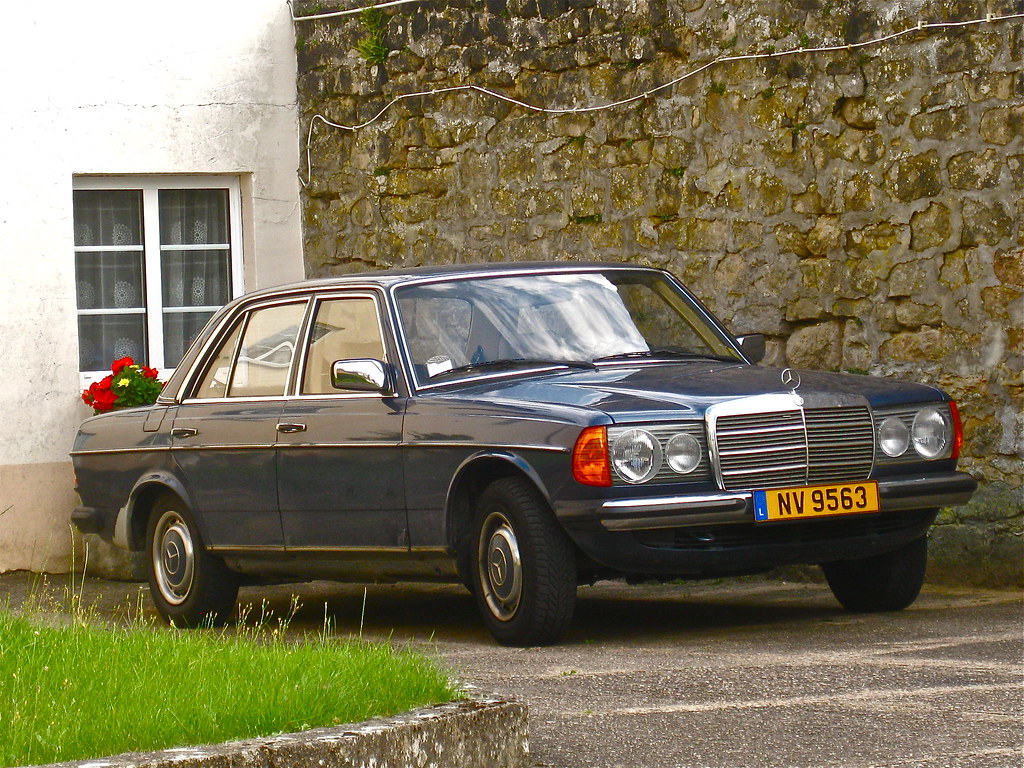
5. Mercedes-Benz W123
The Mercedes-Benz W123 is often considered the most reliable Mercedes ever made. Built between the mid-1970s and mid-1980s, it was a product of a time when Mercedes prioritized quality over cost-cutting. The result was a sedan that could run virtually forever.
These cars were built to a standard, not to a budget. You can still find W123s in service as taxis in parts of Africa, the Middle East, and Europe, proving just how indestructible they are.
Much of the W123’s longevity comes down to its simplicity. The engines, especially the diesel variants like the OM617 inline-five, were built with heavy-duty components and had very few electronic parts to fail.
These engines are known to surpass 500,000 miles with proper maintenance. They may be slow and noisy, but they’re nearly impossible to kill. In fact, many owners consider a properly maintained W123 diesel to be more durable than most modern SUVs.
The interior was built to last, with thick materials and a minimalistic design that aged well. Even after decades, many W123s still have functioning switches, intact upholstery, and working gauges.
Unlike modern luxury cars that rely on fragile infotainment systems and electronic convenience features, the W123 kept things analog. This approach allowed the car to age with dignity, rather than turning into a source of constant electronic failures.
People often talk about the W123 as being over-engineered. That’s not an exaggeration. From the suspension design to the door hinges, every part of the car was built to handle far more abuse than normal.
Mercedes didn’t make this car for a five-year lease. They made it to survive multiple owners, rough roads, and long-distance travel. If there’s a classic European sedan that deserves the reputation for outliving its owners, this is it.

6. Subaru Legacy (Non-Turbo Models)
The Subaru Legacy has built a quiet reputation for long-term durability, especially in its naturally aspirated versions.
While some turbocharged Subarus have suffered from reliability issues due to aggressive driving and high engine stress, the base Legacy models have consistently proven themselves as dependable, all-weather sedans. They aren’t the fastest or the most refined, but they are practical, tough, and made to endure.
Subaru’s all-wheel-drive system is a key part of the Legacy’s lasting appeal. It provides excellent traction in snow and rain, and it’s engineered to be robust enough for long-term use without major failures.
Combined with Subaru’s simple boxer engine design, these cars have earned their place among the most reliable sedans in colder climates, where harsh road salt and extreme temperatures put cars to the test every winter.
Maintenance is also relatively simple. Timing belt replacements and head gasket repairs are common in older models, but once addressed, the car often continues running well past the 200,000-mile mark. Subaru engines tend to thrive when maintained with quality fluids and filters.
There’s a learning curve for new owners, but once you’re familiar with the platform, it becomes one of the easiest cars to keep alive indefinitely.
The Legacy doesn’t try to impress with flashy tech or excessive styling. Its conservative design and rugged drivetrain give it a sense of honesty.
Many owners report driving the same Legacy for 15 or 20 years with minimal issues. You see these cars everywhere in snowy areas for a reason. They just keep going. If you want a sedan that doesn’t fear bad weather and sticks with you for life, the Subaru Legacy is worth serious attention.
Also Read: 5 Cars With Dependable Start-Stop Systems and 5 That Annoy Owners
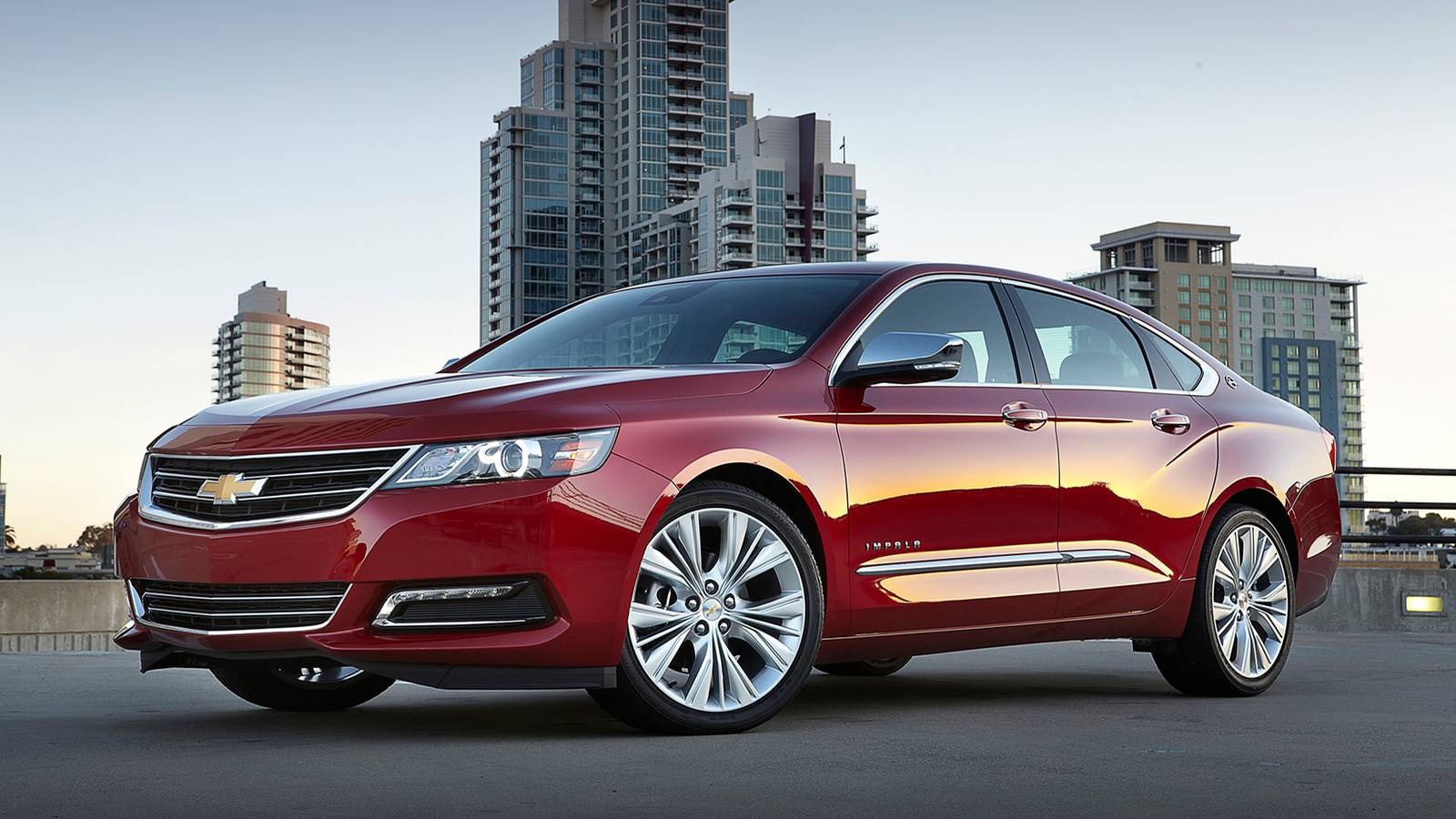
7. Chevrolet Impala (2000s–2010s Models)
The Chevrolet Impala, especially models produced between the early 2000s and mid-2010s, represents a kind of reliable American sedan that became a staple in both family garages and rental fleets.
While it may not have the most sophisticated technology or cutting-edge design, it delivers what many drivers care about most: a dependable, low-maintenance car that keeps starting every morning without complaint.
One of the Impala’s strongest points is its 3.8-liter V6 engine. This engine is practically a legend among mechanics for its durability and ease of maintenance.
It doesn’t make headlines for performance, but it’s smooth, torquey, and long-lasting. Many Impalas equipped with this engine have crossed 300,000 miles with only basic maintenance. The transmission, while not fancy, is also known for holding up well under daily driving conditions.
Inside, the Impala is comfortable and spacious, even if it’s not luxurious. The seats are soft, the ride is smooth, and the controls are straightforward.
This simplicity works in the car’s favor as it ages. Fewer complex systems mean fewer things to break. And when repairs are needed, they’re usually inexpensive. Parts are widely available, and almost every mechanic in North America has worked on an Impala at some point.
What’s perhaps most telling is how many of these cars were used as police vehicles or government fleet cars. Agencies don’t choose cars based on appearance.
They choose them based on cost, durability, and ease of service. The Impala checked all those boxes. Now that many of those fleet vehicles have trickled into the used market, private owners are discovering just how long these sedans can last when given even modest care.
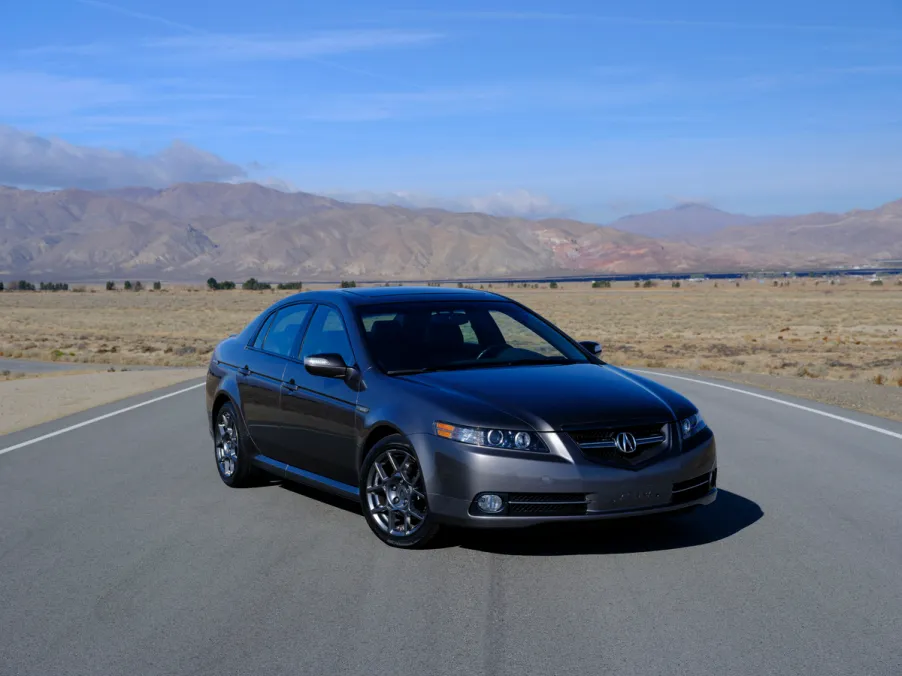
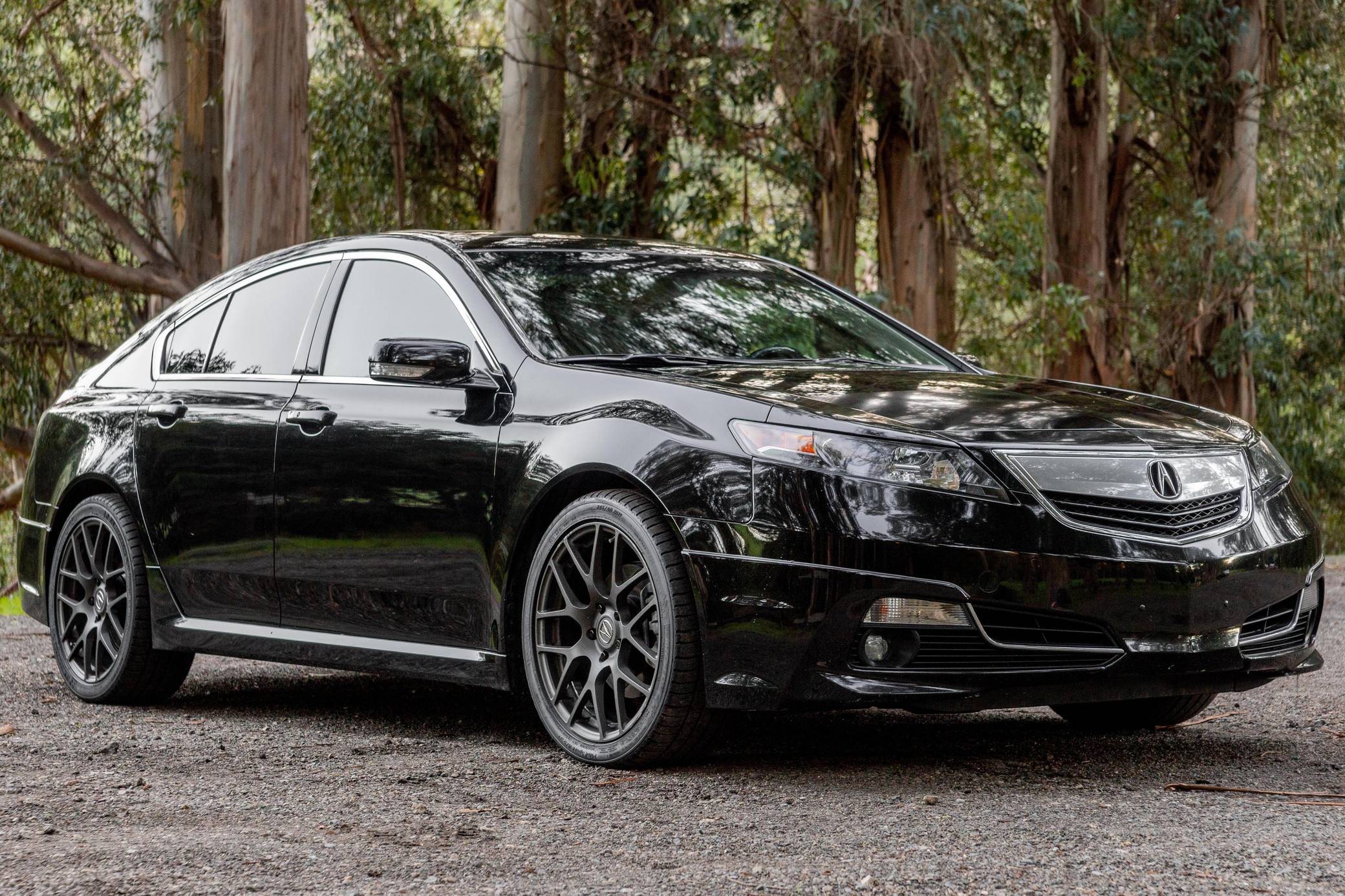
8. Acura TL (2004–2008 Models)
The third-generation Acura TL is one of those rare cars that balanced performance, reliability, and comfort without leaning too hard in any one direction. Built during a golden era for Honda’s engineering, the TL came with a strong V6 engine, excellent build quality, and timeless design.
It was a luxury car without the fragility of many European competitors, and it has become known for its ability to keep running long after its contemporaries have started falling apart.
Under the hood, the 3.2-liter and later 3.5-liter V6 engines were high-revving, smooth, and long-lasting. They used timing belts instead of chains, which require replacement at intervals, but otherwise these engines could endure serious mileage with minimal problems.
Honda’s VTEC system, while sometimes viewed as a performance gimmick, is also a well-tested and durable technology that gives these engines their unique character.
The TL’s interior holds up surprisingly well over time. The leather seats are thick and supportive, and while the dashboard design may look dated by modern standards, it remains clean and functional.
Buttons, knobs, and switches still operate smoothly in high-mileage examples. There’s also a sense of quality in the materials used, which resists the wear and tear you often see in cars from the same era.
Many Acura TL owners report driving their cars well past 250,000 miles without major engine or transmission issues. Regular maintenance is the key, but the car doesn’t demand much beyond oil changes, timing belt service, and the occasional brake job.
For a car that can be found on the used market for a reasonable price, the TL delivers a level of mechanical confidence that rivals far more expensive brands. It’s not uncommon for TL owners to keep the car until it’s well into old age, not because they have to, but because it still drives like new.
9. Buick LeSabre (1990s–2005)
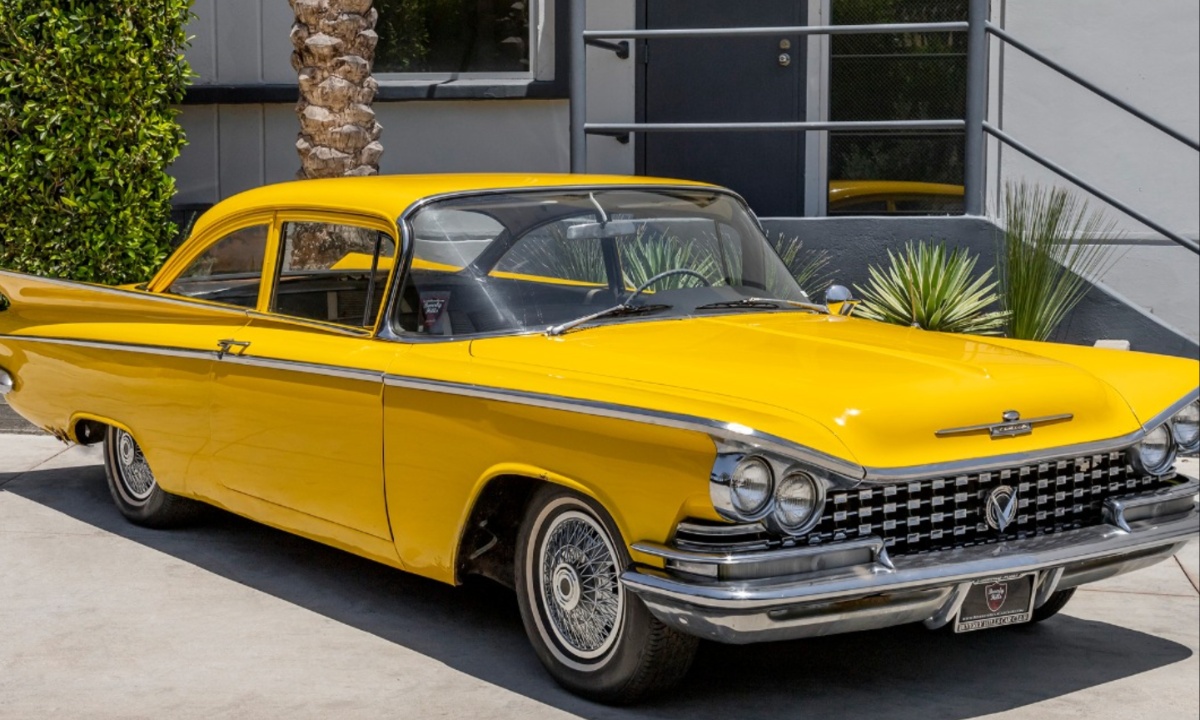
The Buick LeSabre is one of those underappreciated gems that quietly lasted far longer than most expected. Produced for decades and especially durable during the 1990s and early 2000s, the LeSabre was a favorite among older drivers for its comfort and ease of use.
But what people often forget is how reliable and long-lasting these sedans turned out to be. They may not win style awards, but they do something more important: they refuse to quit.
At the heart of the LeSabre’s reputation is the same 3.8-liter V6 engine found in the Impala and several other GM vehicles. This engine is one of the most reliable powerplants GM has ever produced.
It’s simple, doesn’t overheat easily, and can run hundreds of thousands of miles on basic maintenance. The transmission is also sturdy, making the LeSabre a low-stress vehicle for long-term ownership.
Comfort is where the LeSabre shines. The ride quality is soft and forgiving, especially on long highway drives. The suspension is designed for a floating, almost boat-like feel that soaks up bumps and road imperfections.
While this may not appeal to driving enthusiasts, it’s a perfect setup for those who prioritize ease and relaxation over performance. Many LeSabres were driven gently, which also contributes to their longevity.
Mechanics often praise the LeSabre for its simplicity. Repairs are easy, parts are cheap, and the layout under the hood is accessible.
There are no complex turbochargers or fragile electronic systems to worry about. It’s a car built for everyday life, not for showing off. And in that simplicity lies its strength. It just keeps going, year after year, mile after mile.
10. Toyota Avalon
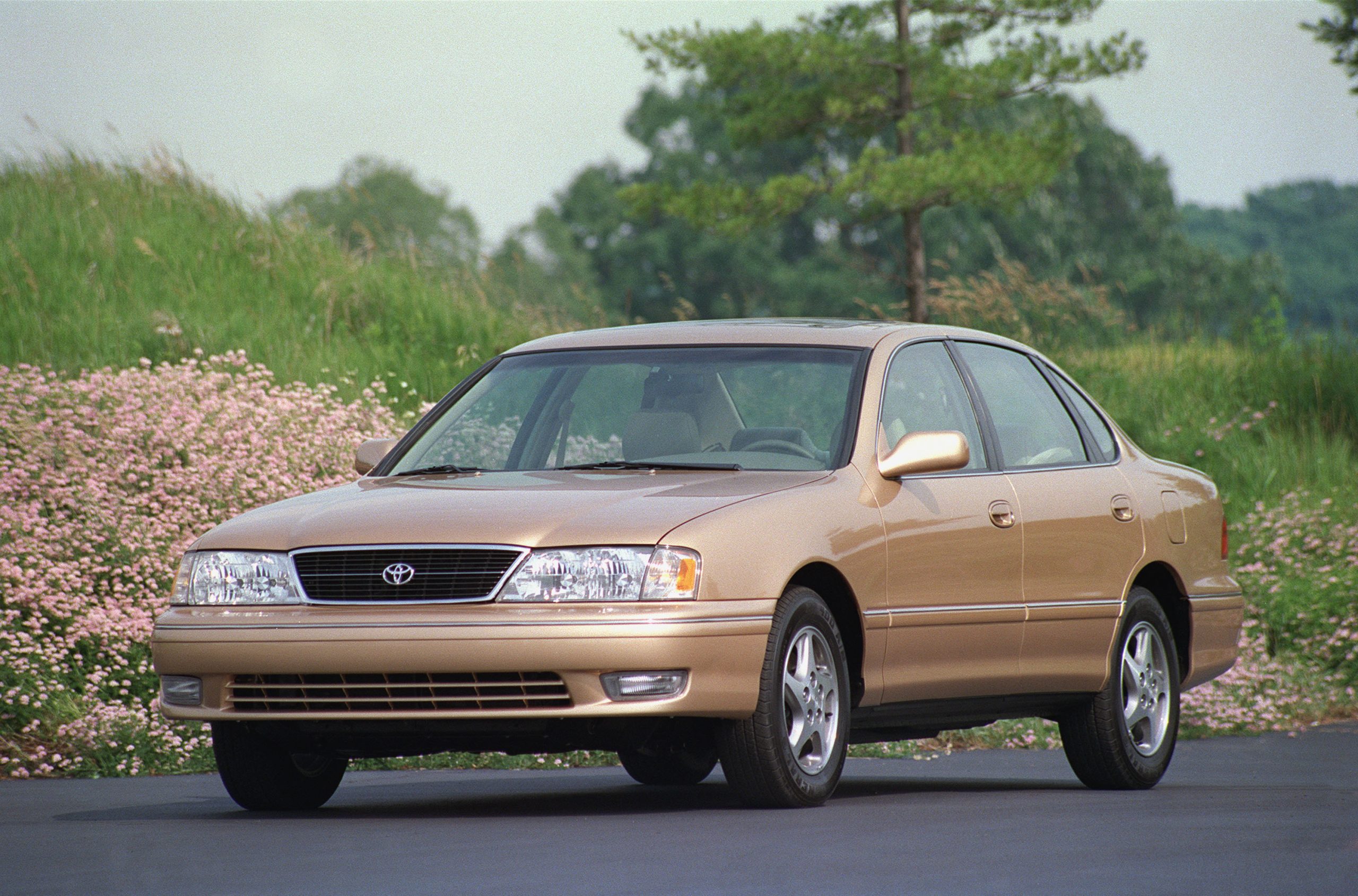
The Toyota Avalon has often been described as the more refined sibling of the Camry, offering more space, more power, and slightly more luxury while retaining the same commitment to reliability.
Built with the same philosophy that made the Camry a household name, the Avalon adds a bit of comfort without compromising on durability. Many consider it the perfect choice for those who want a dependable car with just a little more room to stretch out and a quieter ride on the highway.
One of the standout features of the Avalon is its powertrain. Most models come equipped with Toyota’s 3.5-liter V6 engine, a powerplant known for smooth operation and long life. This engine has been a workhorse for the brand across multiple vehicles, and in the Avalon, it’s tuned for quiet performance and minimal fuss.
It’s not uncommon for Avalons to reach over 250,000 miles with no more than routine oil changes, timing chain checks, and basic fluid replacements. The engine pairs well with the automatic transmission, which shifts smoothly and has a long lifespan when not abused.
The Avalon’s interior is another reason for its longevity. The materials are soft-touch and wear slowly, even after years of use.
The layout of the dashboard, controls, and infotainment is straightforward and functional. Unlike many sedans in its class, the Avalon does not rely on flashy tech to deliver satisfaction. It’s designed for comfort and predictability.
Owners often describe the experience of driving an Avalon as serene. The cabin is well-insulated, the ride is smooth, and nothing about the car feels forced or gimmicky.
While the Avalon may not stand out on the street, that understated presence is part of its charm. It doesn’t beg for attention, but it’s often still going strong when other cars in the neighborhood have long been sent to the scrapyard.
Retirees, commuters, and even young families have relied on Avalons for years because they are safe, dependable, and built with a level of care that reflects Toyota’s reputation for engineering that lasts. If there’s a car built to go the distance without ever needing the spotlight, the Avalon fits the bill perfectly.
11. Ford Crown Victoria
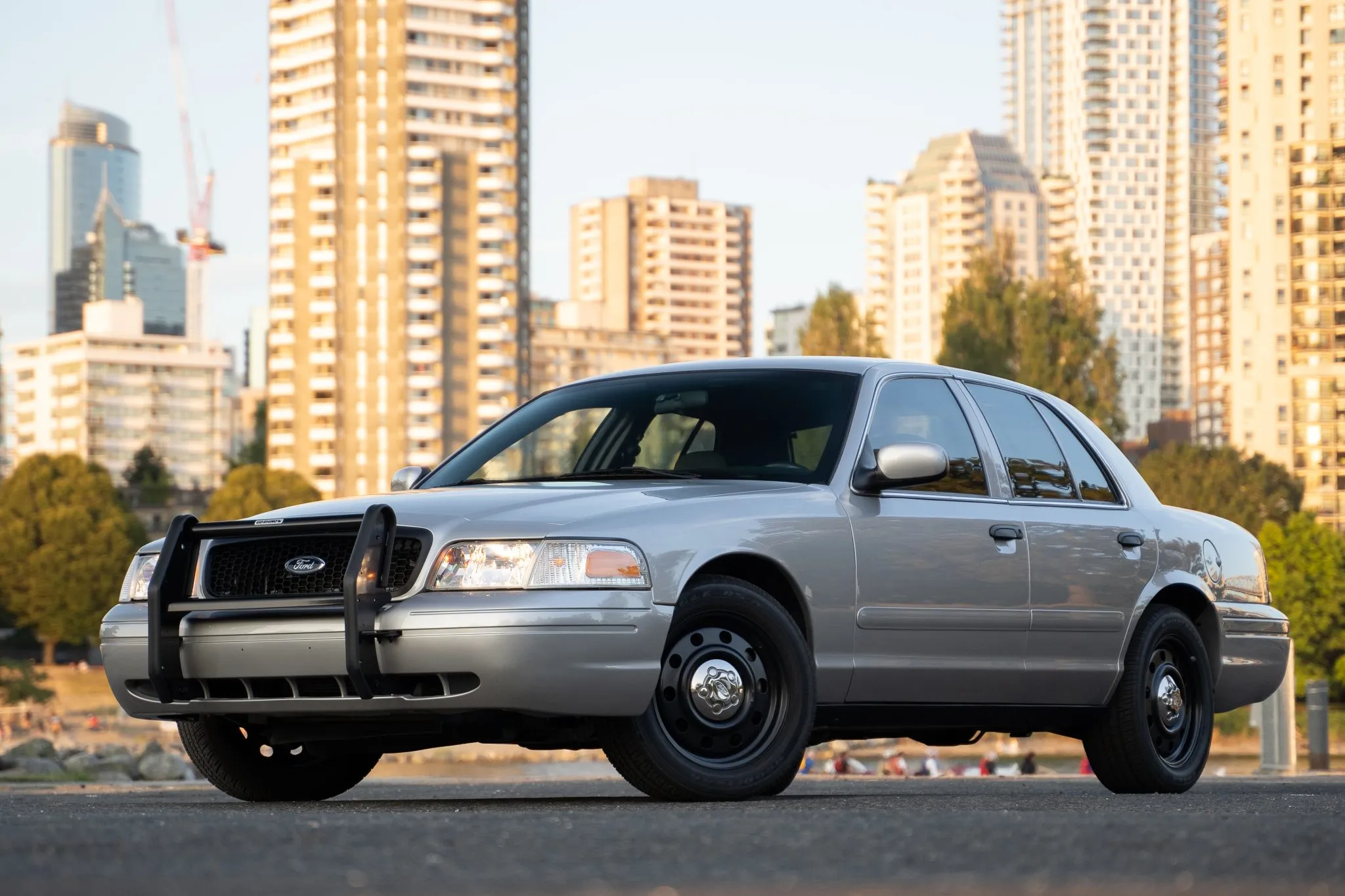
The Ford Crown Victoria holds a special place in automotive history as one of the most rugged and long-lasting full-size sedans ever produced. Built on the legendary Panther platform, this car was a favorite among police departments, taxi services, and government agencies across the United States for decades.
It’s a body-on-frame sedan, a rarity in today’s world, which gives it added strength and ease of repair compared to the unibody designs used in most modern vehicles.
The Crown Victoria’s 4.6-liter V8 engine is a key part of its durability. Though not designed for high performance, it was engineered for endurance. These engines are known to pass the 300,000-mile mark with minimal mechanical issues, even under heavy fleet use.
The power delivery is smooth, the torque is dependable, and the engine doesn’t strain under load. It’s the kind of motor that you can service in a driveway with basic tools and a repair manual. Paired with a stout 4-speed automatic transmission, the drivetrain is built to last through years of hard work.
Interior quality wasn’t flashy, but it was functional and tough. The seats were large, soft, and made to handle long hours behind the wheel. Dashboards are plain but hold up well over time, and electrical systems are relatively simple compared to modern sedans.
The steering and suspension components are basic and built for abuse, whether that’s jumping curbs in pursuit scenarios or handling thousands of stop-and-go city miles as a taxi. This simplicity in design is one reason why so many Crown Victorias continue to serve well beyond their expected lifespan.
Today, you’ll still see Crown Vics on the road, long after their official production ended. Many enthusiasts buy them for their old-school feel, while others appreciate them for their mechanical honesty. It’s not a car for those who want trendy features or a sleek look.
It’s for people who want something they can count on, even if that means sacrificing style for substance. There’s a reason why, even in retirement, the Crown Victoria is still seen cruising down the highway or parked in front of a hardware store; it just won’t quit.
12. Nissan Maxima (1995–2004 Models)
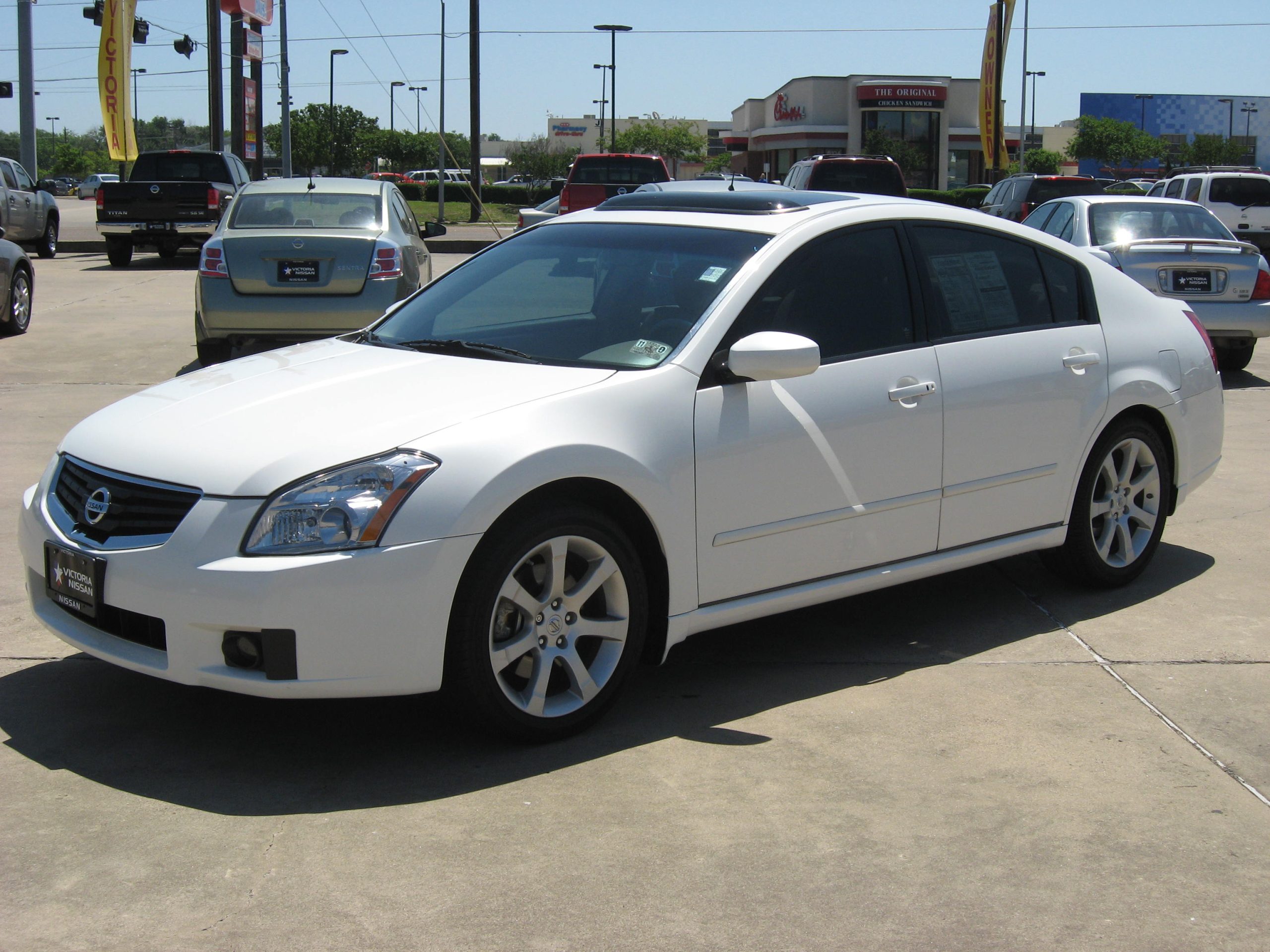
The Nissan Maxima from the late 1990s to the early 2000s represents a sweet spot in sedan manufacturing: powerful, well-built, and simple enough to last.
Often marketed as a “four-door sports car,” the Maxima balanced performance and reliability in a way that few competitors could match. It offered strong acceleration, confident handling, and a comfortable cabin, all wrapped in a package that could routinely exceed 250,000 miles with standard maintenance.
The heart of these Maxima models was the VQ-series V6 engine, particularly the 3.0-liter and later 3.5-liter versions. These engines have been praised industry-wide for their smooth operation and impressive durability.
Whether used for long commutes or daily stop-and-go driving, the VQ engine kept delivering consistent power without showing signs of wear too early. In fact, it has been so reliable that Nissan continued using this engine family in multiple vehicles for decades with only minor modifications.
Aside from the strong drivetrain, the Maxima also featured a well-built chassis and dependable transmission options. While the manual transmission models became enthusiast favorites, the automatic variants also held up well over time.
Suspension components were durable, and many owners appreciated how the Maxima managed to maintain a sporty feel without sacrificing comfort.
The interior, though not luxurious, was practical and age-resistant. Materials inside the car held up to years of use without falling apart, no rattles, no sagging headliners, just solid functionality.
Perhaps the Maxima’s only major flaw was that it lived in the shadow of the Camry and Accord when it came to resale value and name recognition. But for those in the know, it offered just as much, if not more, in terms of driving enjoyment and reliability.
Even today, it’s not uncommon to find a Maxima with over 200,000 miles being used as a daily driver. With basic care, they refuse to give up.
And for people who bought one new in the early 2000s, many of them are still driving the same car today, not because they’re stuck with it, but because it simply never gave them a reason to get rid of it.
