
Longevity in the automotive world doesn’t always come with a luxury badge. While high-end brands often get praise for performance, comfort, and cutting-edge technology, they sometimes fall short when it comes to staying on the road for the long haul. Expensive materials, complicated electronics, and repair costs can weigh down even the most prestigious names.
Meanwhile, some surprisingly modest vehicles quietly outlast them with fewer mechanical failures, lower maintenance costs, and better reliability over time.
These cars may not always have the flashiest interiors or the most advanced infotainment systems, but they’re often the ones still running strong at 200,000 miles or more.
This contrast between durability and prestige has always been an interesting one. Luxury cars are often built with a focus on refinement, but that doesn’t necessarily translate into ruggedness or practicality. Features that add comfort can also add complexity, and complexity is not always a friend of longevity.
On the other hand, cars that are built for functionality and simplicity tend to stand up better to daily abuse, harsh weather, and neglect. Whether it’s due to rock-solid engines, reliable transmissions, or time-tested engineering, some vehicles have earned reputations for lasting much longer than their fancier competitors.
In this article, we’ll look at 12 vehicles that consistently outlive many of their luxury rivals. These are the cars you see still going strong after two decades, often with only basic maintenance.
They aren’t necessarily the most exciting to drive or the best-looking on the road, but they make up for that with reliability that borders on legendary.
Some have loyal followings among drivers who prioritize dependability, while others have quietly built their reputations without much fanfare. What unites them is a proven record of resilience, often in conditions that would send a more delicate car to the junkyard.
If your goal is to buy a car that will keep going when others give up, these twelve models should be on your radar. They may not carry luxury brand names, but they’ve earned something far more valuable to many drivers: trust.
Also Read: 5 V8 Engines That Run a Lifetime vs 5 That Eat Oil Fast
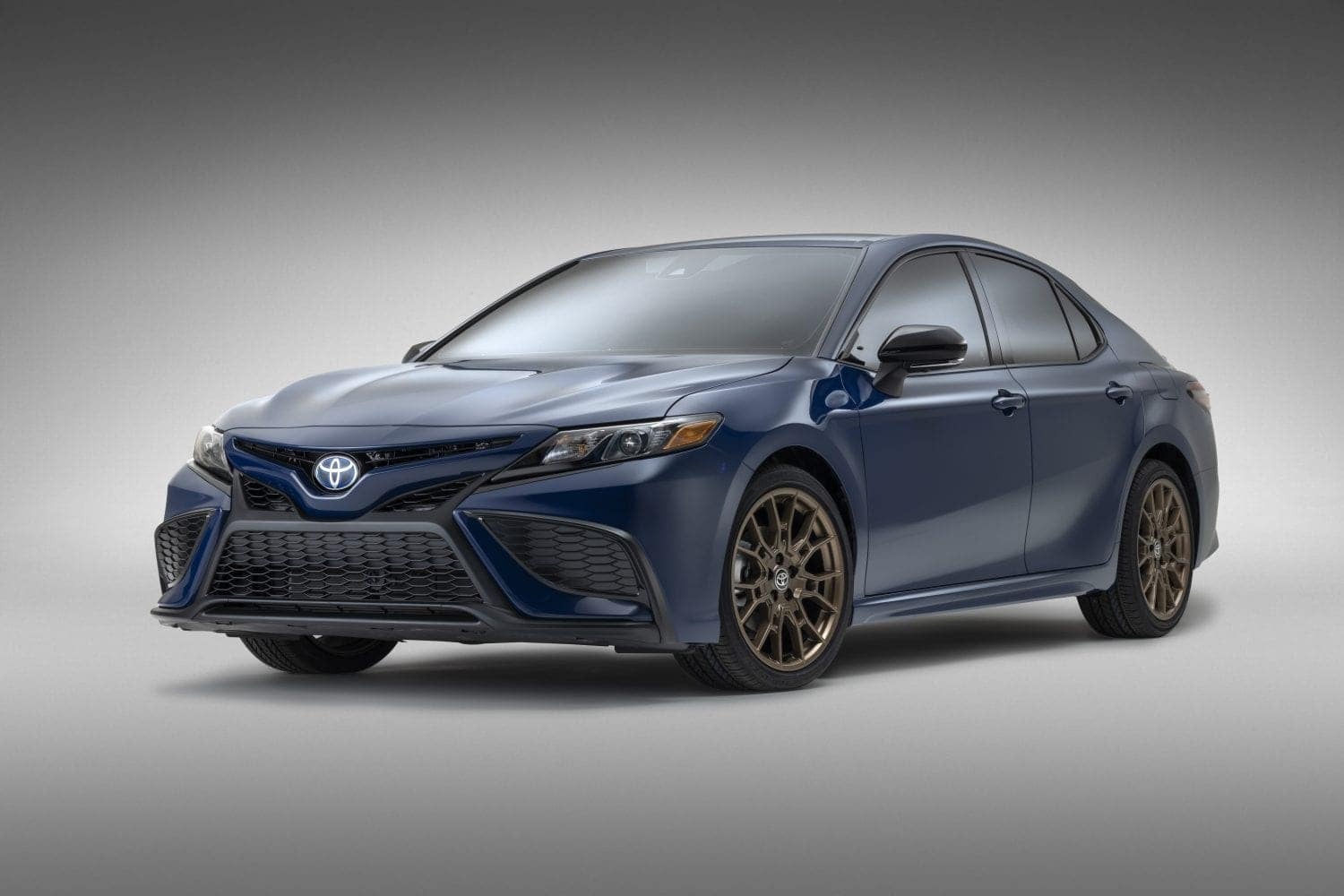
1. Toyota Camry
The Toyota Camry has earned its reputation as one of the most reliable sedans on the market, and for good reason. For decades, it has provided drivers with a combination of simplicity, solid engineering, and low maintenance costs. While it doesn’t carry the prestige of a German luxury sedan, it often outlasts them in real-world driving conditions.
Many Camrys from the early 2000s are still seen on the roads today, often with odometers well past 250,000 miles. The straightforward design of its engines and components helps reduce wear and tear, especially when properly maintained.
One of the key factors behind the Camry’s durability is Toyota’s conservative approach to innovation. Instead of constantly pushing the envelope with untested technology, the brand tends to refine proven systems. This consistency results in fewer bugs, less frequent recalls, and stronger long-term reliability.
It’s common for Camrys to need nothing more than oil changes, brake pads, and timing belts to keep running for years. While that may seem unimpressive compared to high-tech luxury features, it’s exactly the kind of dependability many drivers value.
Unlike some European cars that rely on air suspension systems or advanced electronics, the Camry stays relatively grounded in its engineering choices. The suspension components, steering systems, and transmissions are all designed with longevity in mind.
This also means that repair costs remain lower over time, since replacement parts are affordable and widely available. Independent mechanics are very familiar with the Camry, which helps keep labor costs manageable as well.
Even the newer generations of Camry, which have added more advanced features and stylish upgrades, retain the same fundamental focus on reliability.
Hybrid models also share this trait, with many taxi drivers choosing the Camry Hybrid for its combination of efficiency and toughness. Whether used for commuting, family hauling, or daily errands, the Camry remains one of the best examples of how practicality can triumph over prestige.
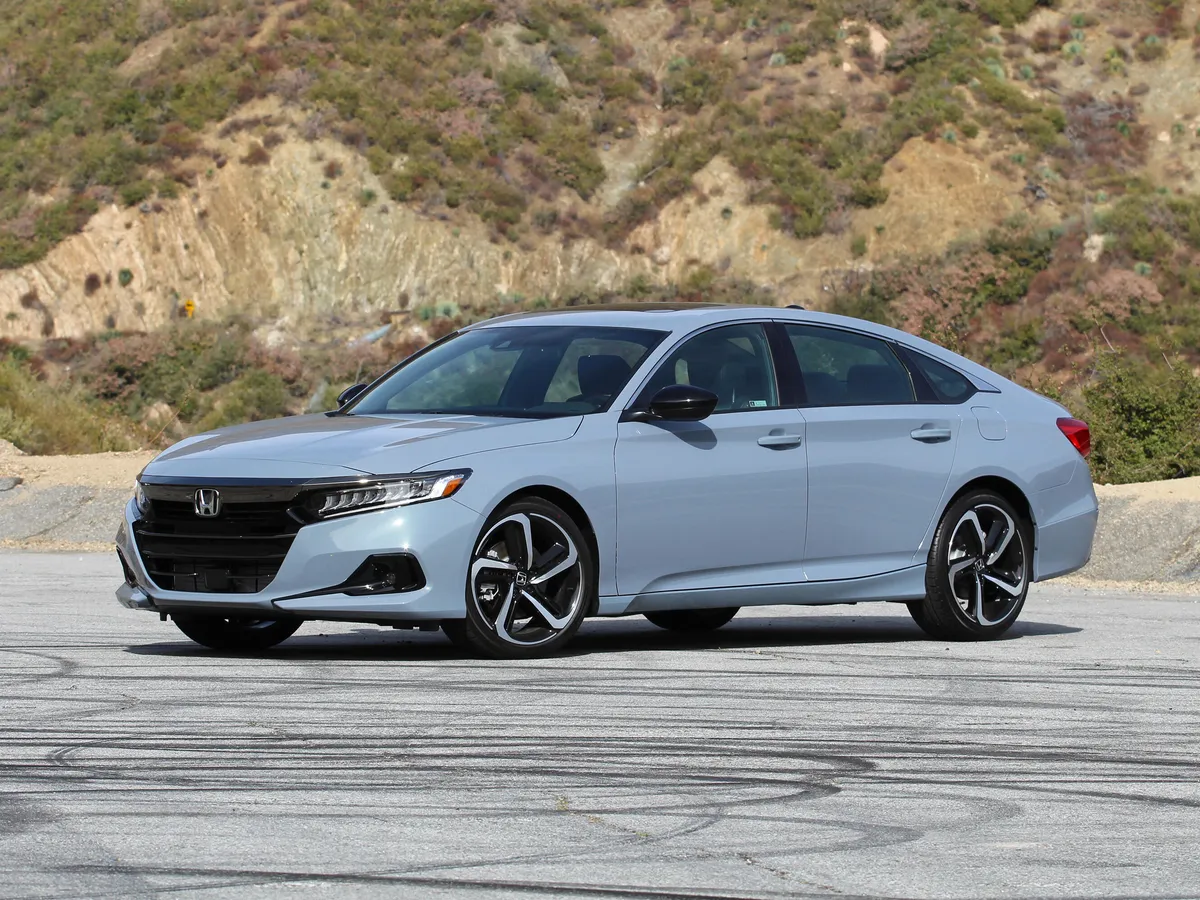
2. Honda Accord
The Honda Accord has long been a top choice for drivers looking for a reliable, comfortable sedan that doesn’t quit. It’s not uncommon to find older models with over 300,000 miles still on the road. What sets the Accord apart is its balance between drivability and durability.
Unlike some vehicles that sacrifice performance for reliability, the Accord offers both. Many luxury competitors may provide smoother rides or flashier cabins, but few match the Accord’s long-term reliability.
Part of the Accord’s success comes from Honda’s commitment to engineering. Engines are built with longevity in mind, featuring timing chains instead of belts in many models, reducing the need for costly replacements. Transmissions, particularly manual ones, are known to last with minimal issues.
The interior may not scream luxury, but the build quality ensures that buttons, switches, and seats hold up to daily use without falling apart or wearing down quickly.
What also makes the Accord stand out is how little it demands from its owners. Basic maintenance like oil changes, brake jobs, and fluid replacements are usually enough to keep these cars running for years.
There’s no need for specialized parts or expensive dealership-only service. This ease of ownership is something many luxury car owners struggle with, as higher-end brands often require specific maintenance routines and pricier components.
As the Accord has evolved, it’s added more features without losing its core strengths. Even newer models with touchscreen systems, turbocharged engines, and advanced safety features remain relatively dependable.
For buyers who want a car they can count on without spending a fortune on upkeep, the Accord has long been a smart and trustworthy option. It may not turn heads like a luxury coupe, but it will likely still be running long after that coupe is off the road.
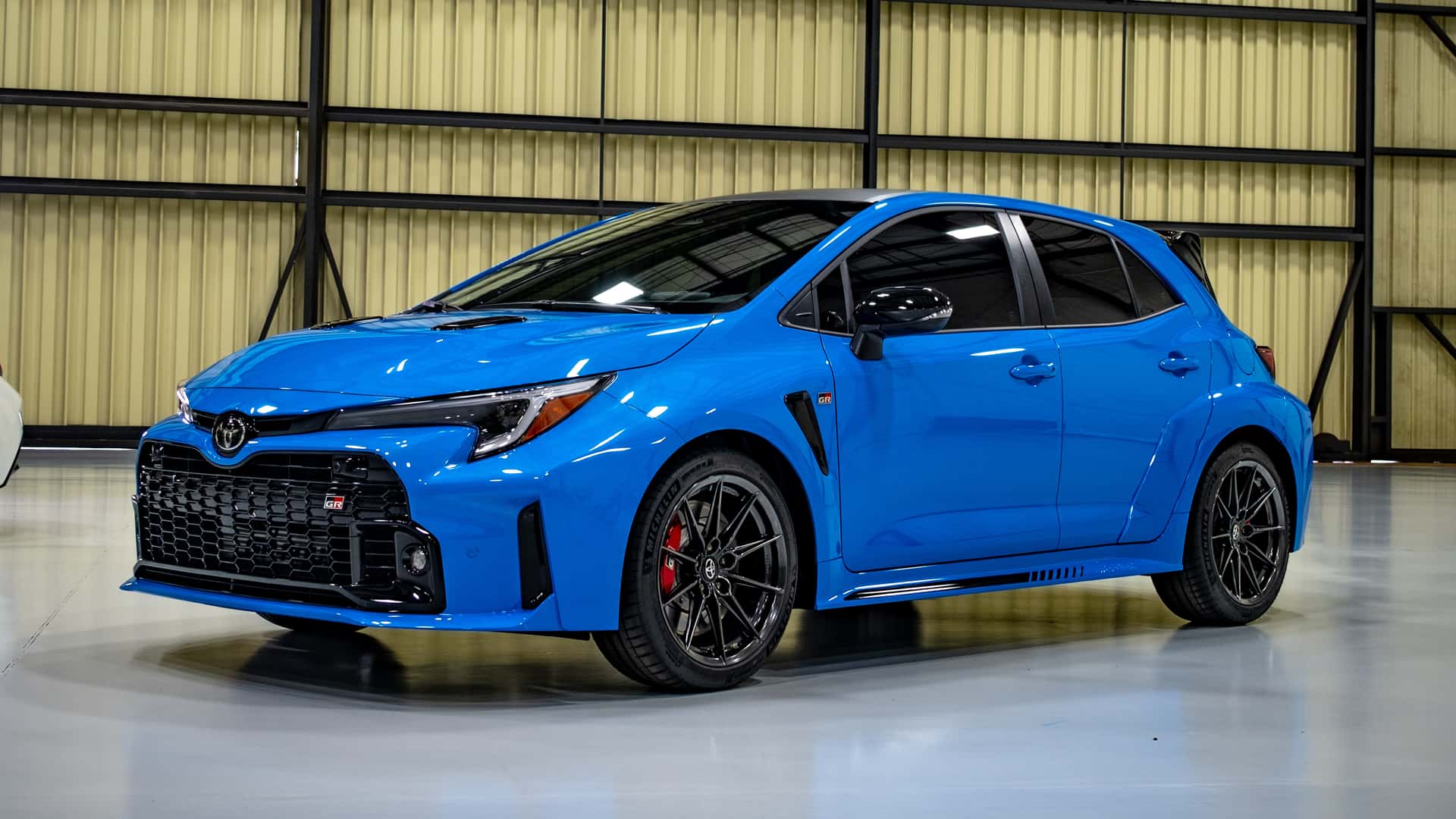
3. Toyota Corolla
The Toyota Corolla has become a symbol of bulletproof reliability. As one of the best-selling vehicles of all time, it has built a legacy on being affordable, easy to maintain, and nearly impossible to kill. The Corolla doesn’t try to be flashy or sporty, and that’s exactly why it works.
Its simplicity is its strength. Many older Corollas are still in operation decades after they rolled off the lot, often with original engines and transmissions.
Mechanically, the Corolla is about as straightforward as a car can get. The engines are often under-stressed, meaning they’re not pushed to their limits like performance-oriented powertrains. This allows them to run cooler and last longer.
The automatic transmissions in most models are known for their smooth operation and durability. With basic care, these powertrains often last far beyond 200,000 miles, making the Corolla a favorite among used car buyers, college students, and anyone looking for a long-term ride.
Maintenance on the Corolla is refreshingly simple. Parts are cheap and readily available, and repairs don’t require specialized knowledge. Even when something does go wrong, fixing it is usually affordable.
The car’s size and configuration make it easy for mechanics to access components, further reducing labor time and cost. It’s the kind of vehicle that doesn’t surprise its owner with unexpected repair bills, which is more than can be said for many luxury models.
Even with the addition of modern safety and infotainment features, Toyota has stayed true to the Corolla’s purpose. Recent models still prioritize reliability and efficiency above all else.
While it may lack the refined materials or performance specs of a high-end sedan, the Corolla is often still running strong when more expensive cars have long since been traded in or scrapped. That kind of staying power earns it a spot among the most dependable cars on the road.
4. Honda Civic
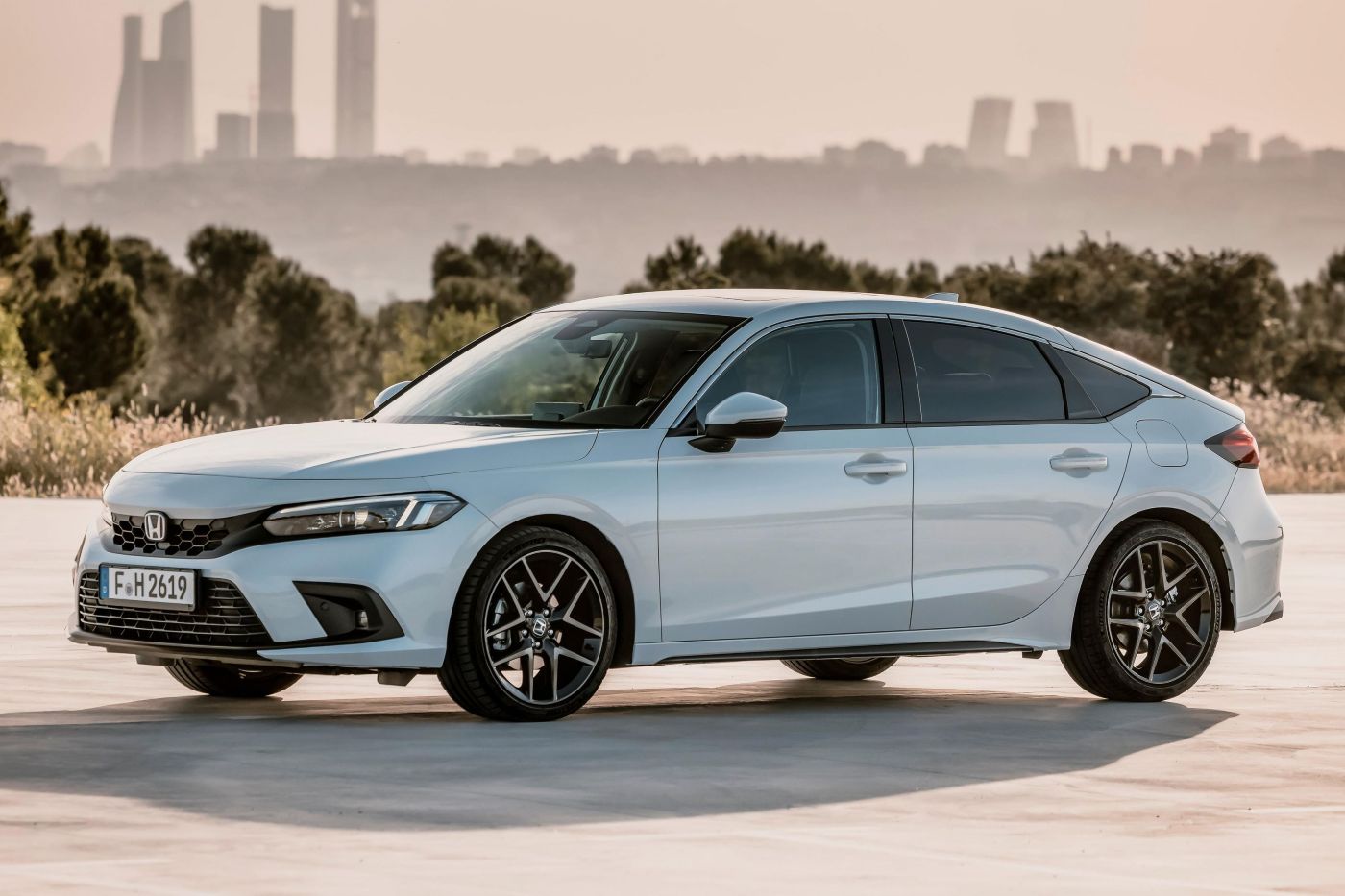
The Honda Civic has long been a favorite for drivers seeking a blend of efficiency, affordability, and dependability. While it’s often thought of as a compact, budget-friendly car, it performs far beyond its price point when it comes to longevity.
Many Civics from the late 1990s and early 2000s are still on the road today, with hundreds of thousands of miles on the clock. Despite being smaller and lighter than some of its peers, the Civic is tough, with a strong engine and solid construction.
One of the Civic’s major advantages is its consistent design philosophy. Honda doesn’t chase every new trend or load the car with complicated systems. Instead, it focuses on refining what works. This makes each generation of Civic feel familiar to mechanics, and repairs are typically simple and inexpensive.
The engines are efficient and often run smoothly well into high mileage territory without major issues. Timing chains, rather than belts, help reduce long-term maintenance costs, and the transmissions are among the most reliable in the segment.
Another reason the Civic has such a long lifespan is its community of drivers and enthusiasts. There’s a wealth of shared knowledge, DIY guides, and aftermarket support for Civic owners, which makes it easy to keep these cars running.
Whether it’s finding used parts or replacing worn components, Civic ownership is supported by a wide network. This grassroots reliability, built on decades of positive experiences, makes the Civic more than just a car; it’s a long-term investment for people who value simplicity and dependability.
As Honda has added more features and technology to newer Civics, it has done so without sacrificing the qualities that made the car famous.
Even models with turbocharged engines or advanced driver assistance systems have proven to be reliable in the long run. While some luxury vehicles may offer more comfort or status, the Civic quietly outperforms them
5. Subaru Outback
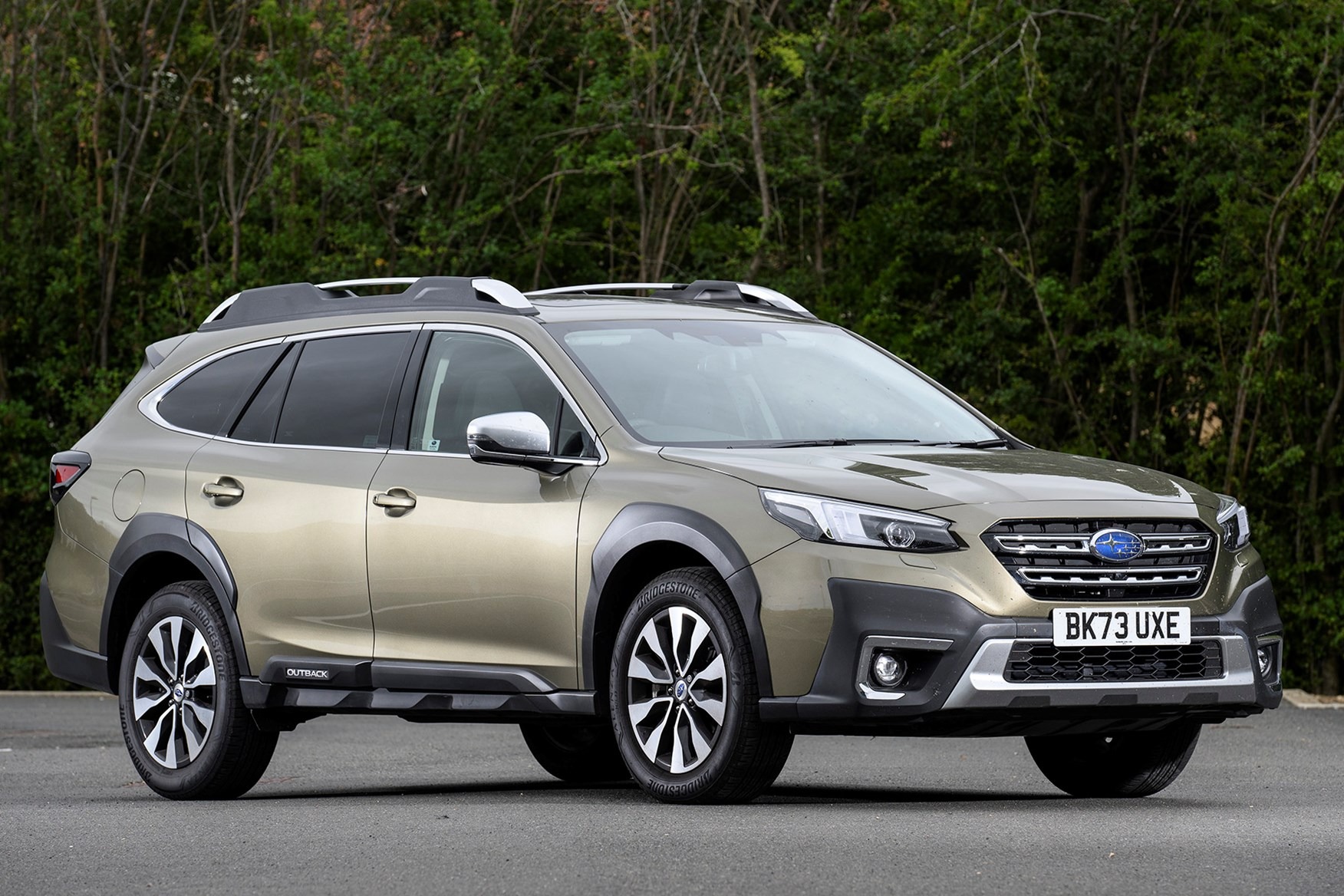
The Subaru Outback has built a loyal following over the years, and one of its biggest strengths is how well it holds up over time. Built for people who need a car that can handle rough terrain, bad weather, and daily family duties, the Outback has proven to be far more rugged than most give it credit for.
It’s often compared to SUVs because of its all-wheel-drive system and higher ground clearance, but it maintains the comfort and practicality of a station wagon. While luxury crossovers often lean heavily on image and convenience features, the Outback keeps its focus on function, which helps it stay on the road much longer.
Subaru’s all-wheel-drive system is one of the best in the industry, and it’s standard on the Outback. Unlike some systems that activate only when slip is detected, Subaru’s setup is always engaged, offering better grip and reducing stress on tires and suspension components.
This system isn’t just useful in snow or rain; it also helps maintain consistent handling on uneven or gravel roads. And because it’s built into the platform from the start, it doesn’t cause the kind of reliability headaches that can plague aftermarket or adapted systems used in other brands.
The Outback also benefits from Subaru’s flat-four engine design, known as the “boxer” engine. This type of engine has a lower center of gravity, improving balance and reducing engine strain over time. While some older models had issues with head gaskets, Subaru eventually addressed these problems, and more recent models have proven much more robust.
Owners who keep up with regular maintenance often report their Outbacks running well beyond 200,000 miles. It’s not uncommon to see them being used in harsh conditions like rural mail routes or mountainous regions, where their mix of durability and capability truly shines.
What really gives the Outback an edge over many luxury crossovers is its practicality. The interior is straightforward to clean, the seats are comfortable for long drives, and there’s plenty of cargo space for everything from groceries to camping gear.
Unlike some premium vehicles that require specialized tires or sensitive electronics, the Outback uses components designed for everyday use. It doesn’t have to be babied, and it forgives a level of neglect that would send a luxury SUV into the repair shop. That resilience is what makes it outlast so many of its upmarket competitors.
Also Read: Top 10 Cars That Are Built Like Tanks
6. Toyota 4Runner
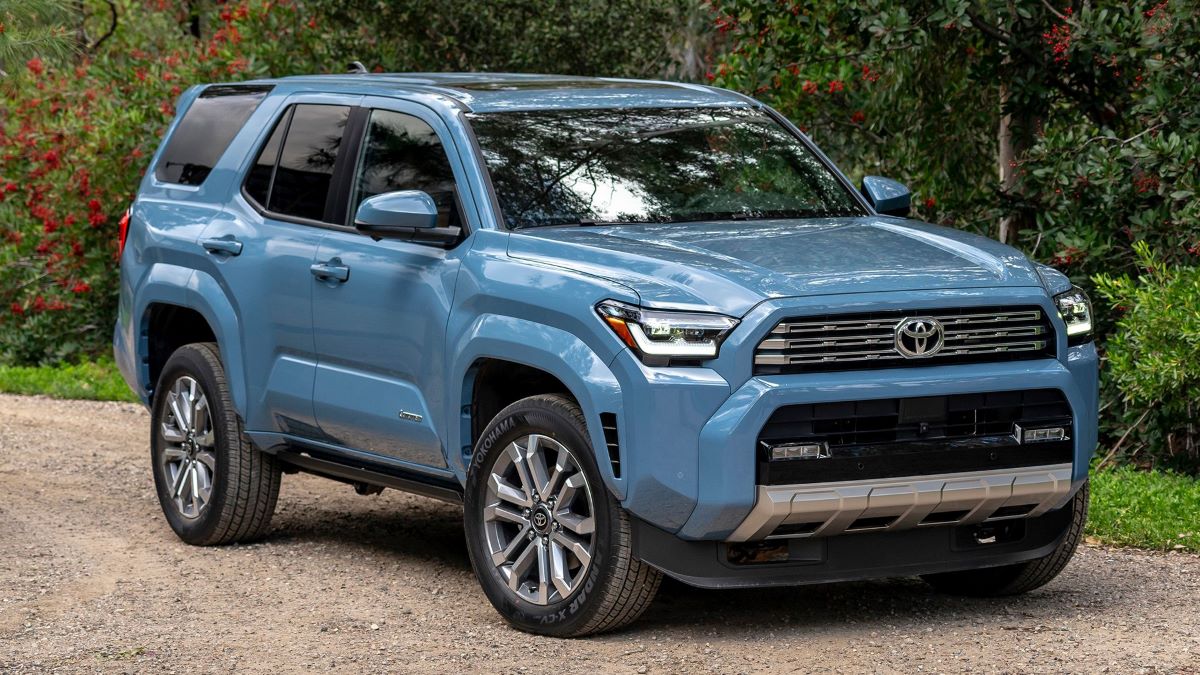
The Toyota 4Runner is a vehicle that seems almost immune to time. While many luxury SUVs come with a long list of advanced features and sleek interiors, few can compete with the raw longevity of the 4Runner. Built on a rugged body-on-frame chassis more commonly found in pickup trucks, the 4Runner is designed to take abuse and keep going.
It’s the kind of vehicle you’ll see with rust on the bumpers and dents on the doors but still starting up every morning without hesitation. Its longevity is so well-known that used models often sell at surprisingly high prices, even with six-digit mileage.
Much of the 4Runner’s durability comes from its old-school engineering. Toyota has resisted the urge to overcomplicate the 4Runner with unnecessary features, and that decision has paid off.
The engines, especially the V6s, are under-stressed and overbuilt. They rarely suffer from major internal failures, even after years of off-roading, towing, or high-mileage commuting.
The transmission, transfer case, and suspension components are all designed to handle much harsher conditions than most drivers ever put them through. This level of durability allows the 4Runner to outlive many luxury SUVs that rely on more delicate, electronically managed systems.
Another big factor in the 4Runner’s success is the ease of maintenance. Because the vehicle’s design hasn’t drastically changed over the years, parts are widely available and relatively inexpensive. Many components can be replaced with hand tools, making it an ideal choice for DIY mechanics.
Even professional repairs tend to cost less than what you’d pay for similar work on a European luxury SUV. That matters a lot in the long run, because it encourages owners to keep the vehicle maintained instead of abandoning it when things go wrong.
The 4Runner’s interior, while not particularly luxurious, is built with the same focus on long-term use. Switches are large and tactile, materials are tough rather than delicate, and everything feels like it’s meant to last. It’s not trying to impress with glossy screens or leather stitching; it’s trying to stay functional for as long as possible.
That straightforward durability gives the 4Runner an edge over more glamorous competitors that start to falter after the warranty ends. It might not win style points, but it wins where it counts: longevity.
7. Lexus LS 400
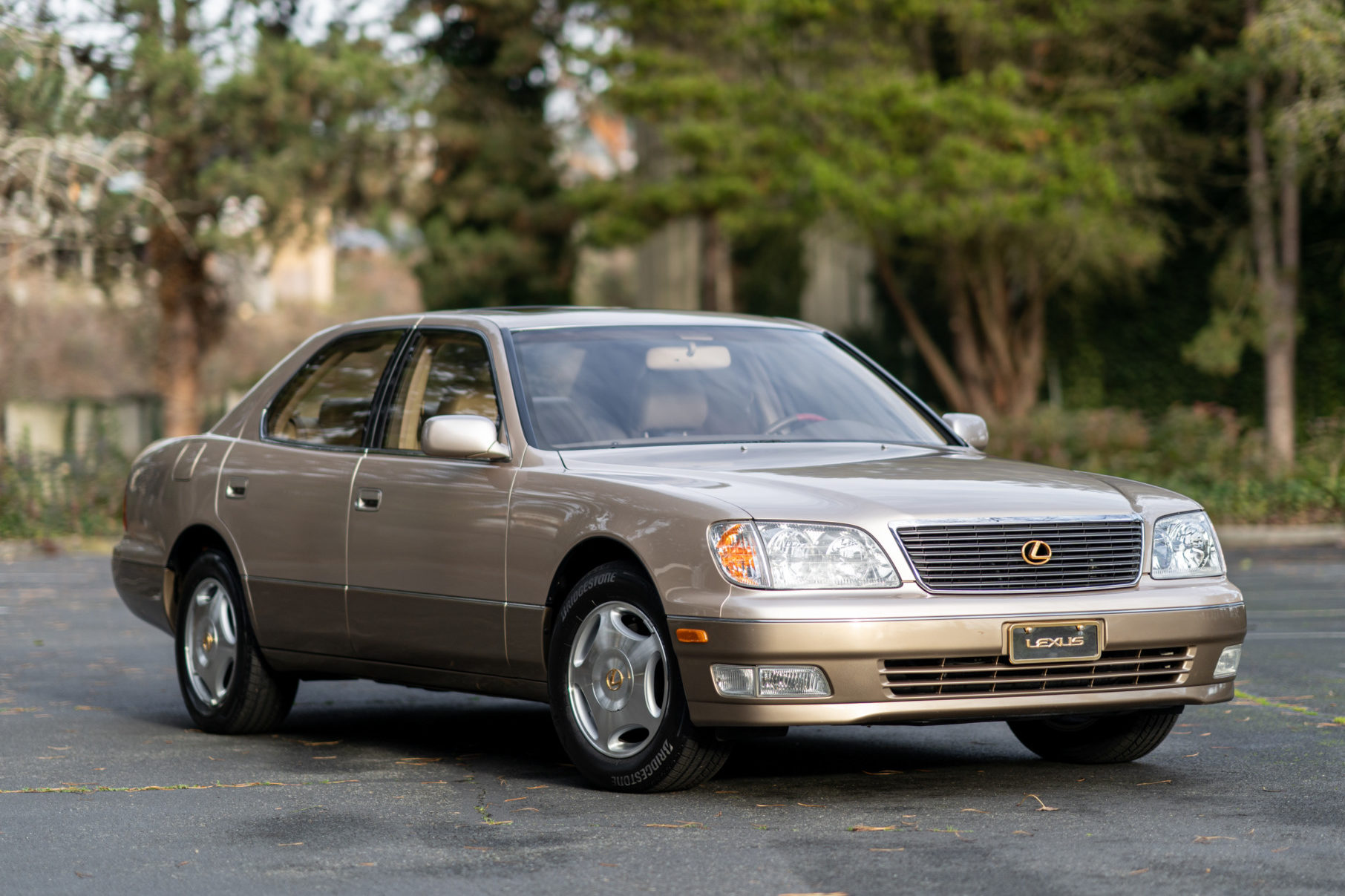
The Lexus LS 400 is one of the few luxury vehicles that belong on a list like this. It was designed in the late 1980s to compete directly with high-end European brands, but it did so with a unique approach. Instead of focusing on flashy design or sporty performance, Toyota engineers concentrated on building something that was flawlessly reliable and unbelievably smooth.
The result was a luxury sedan that didn’t just offer comfort, it offered endurance. Decades later, the LS 400 has proven to be one of the most dependable luxury vehicles ever made, often outlasting its German counterparts by a wide margin.
What made the LS 400 so special was its attention to detail during development. The V8 engine was engineered with incredible precision, designed to run smoothly at high mileage with minimal issues. Everything from the wiring to the suspension bushings was carefully tested for long-term durability.
The car was overbuilt in ways that most luxury manufacturers no longer do, partly because of cost and partly because they rely more on frequent model changes and updates. The LS 400 was meant to be a long-lasting machine, and that intention shows.
Mechanically, the LS 400 is a masterpiece of reliable engineering. The engine runs quietly and efficiently, even with 200,000 or more miles on the clock. The transmission shifts smoothly and rarely suffers from major problems. Electronics, often a weak point in luxury vehicles, are surprisingly stable in the LS 400.
While newer luxury models struggle with aging infotainment systems and temperamental sensors, the LS 400 sticks to basics that were well-tested and built to last. The fact that many of these cars are still on the road today, nearly three decades after their release, speaks volumes about their staying power.
While newer luxury sedans often struggle with rising repair costs and electronic failures, the LS 400 continues to be a favorite among enthusiasts and long-term drivers alike. It’s one of the rare cases where a luxury car offers both refinement and reliability without compromise.
Many people buy them used simply because they know they’ll keep running. It may be older, but it has aged better than many newer competitors, proving that you don’t have to sacrifice luxury for longevity, you just have to choose the right kind of luxury.
8. Honda CR-V
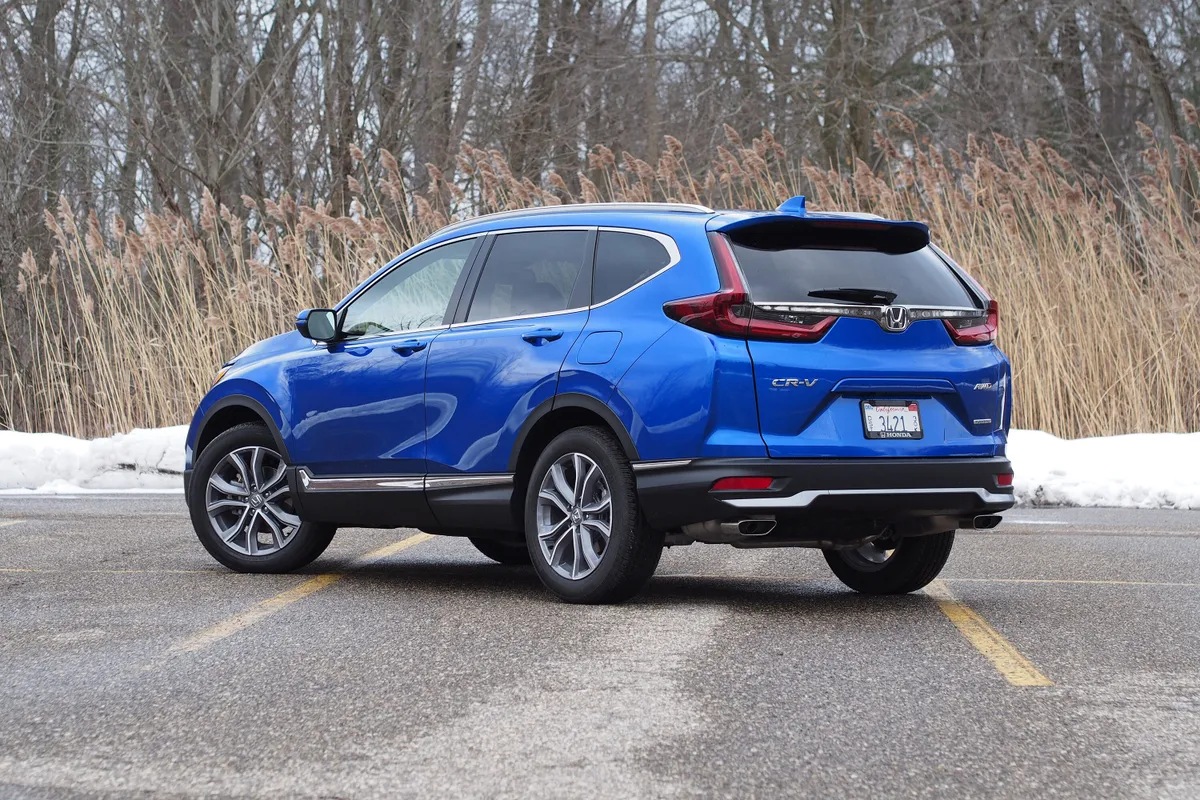
The Honda CR-V is another standout when it comes to vehicles that last longer than their more luxurious peers. Introduced in the late 1990s as a compact SUV, it quickly gained a reputation for being dependable, efficient, and practical.
While many luxury SUVs struggle with complex electronics and high maintenance costs, the CR-V keeps things relatively simple. This simplicity, combined with Honda’s well-earned reputation for quality, has helped it remain one of the most reliable crossovers on the market. It’s not uncommon to find CR-Vs with 250,000 miles or more, still being used as daily drivers.
The CR-V’s engines are among its strongest assets. Most models use naturally aspirated four-cylinder engines that are tuned more for reliability than power. These engines tend to have fewer moving parts than turbocharged ones, reducing the risk of internal damage or wear.
The transmissions, both automatic and CVT in newer models, have also proven to be long-lasting when properly maintained.
Regular fluid changes and routine maintenance are usually all it takes to keep a CR-V going strong. This is in stark contrast to some premium models that demand specialized service and have a reputation for early transmission failure.
Another reason the CR-V holds up so well is the design of its body and suspension. It’s built to be a practical utility vehicle, not a flashy status symbol. This means that materials are chosen for durability rather than visual appeal. Plastic interior panels, while not luxurious, resist scratches and wear.
Suspension parts are relatively simple and easy to replace. Owners who keep their CR-Vs long-term often praise the low cost of upkeep and the rare need for expensive repairs, even after a decade of use.
While newer models have added more features and styling, the CR-V hasn’t lost its focus on function. Even with things like touchscreen interfaces and advanced safety systems, Honda has managed to maintain a reputation for trouble-free performance.
For buyers who want something that can handle everything from road trips to daily errands, and keep doing it year after year, the CR-V remains one of the smartest choices available. It may not have the leather seats or high-end trim of a luxury brand, but it will still be running long after those bells and whistles have faded.
9. Ford Crown Victoria
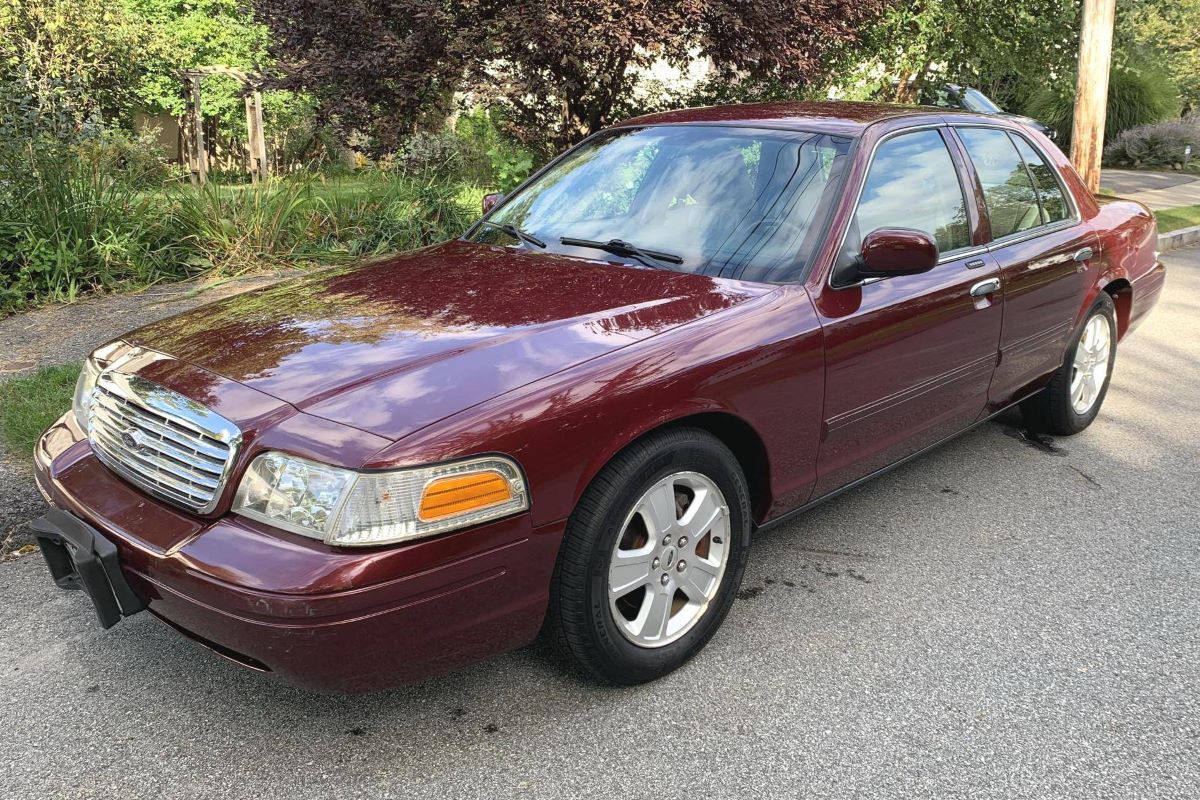
The Ford Crown Victoria, especially in its Police Interceptor trim, is one of the most famously durable American sedans ever built.
While not luxurious in the conventional sense, it was commonly used by government agencies, police departments, and taxi fleets, all of whom chose it for one reason: it could take a beating and keep running.
The Crown Vic is built on a traditional body-on-frame platform, which is rare among sedans, giving it incredible strength and resistance to structural fatigue.
Many were driven hard, idled for long hours, and still surpassed 300,000 miles with basic maintenance. Compared to high-end European sedans that struggle to stay reliable past 150,000 miles, the Crown Vic easily outlives them.
One reason the Crown Victoria lasts so long is its drivetrain. The 4.6-liter V8 engine is not especially powerful by modern standards, but it’s rock solid and under-stressed. It’s known for running smoothly even under constant abuse, and it rarely experiences major internal failures.
The 4-speed automatic transmission that comes with it is similarly bulletproof. There’s nothing fancy about it, just a solid, reliable unit that gets the job done.
This mechanical simplicity is what makes it so tough. There are no complicated turbo systems, air suspensions, or electronics to worry about. What you get is a straightforward platform that works day in and day out.
Servicing the Crown Vic is also refreshingly simple. Because the car was mass-produced and widely used, parts are incredibly cheap and easy to find. Even major repairs like transmission replacements or suspension overhauls can be done at a fraction of what similar work would cost on a luxury sedan.
Many independent shops are very familiar with these cars, so owners don’t have to worry about specialized labor. And because the car is physically large and easy to work on, even DIY mechanics often tackle their own repairs without much trouble.
This lowers the barrier to ownership and extends the life of the vehicle far beyond what’s typical in the luxury segment.
While it’s no longer in production, the Crown Victoria’s legacy lives on. It’s still a favorite among ride-share drivers, security companies, and enthusiasts who appreciate its old-school design and ruggedness.
Compared to luxury sedans that come loaded with finicky sensors, low-profile tires, and fragile bodywork, the Crown Vic is a tank in disguise. It may not have the style or prestige of a European badge, but it more than makes up for that with staying power. It simply refuses to quit.
10. Mazda MX-5 Miata
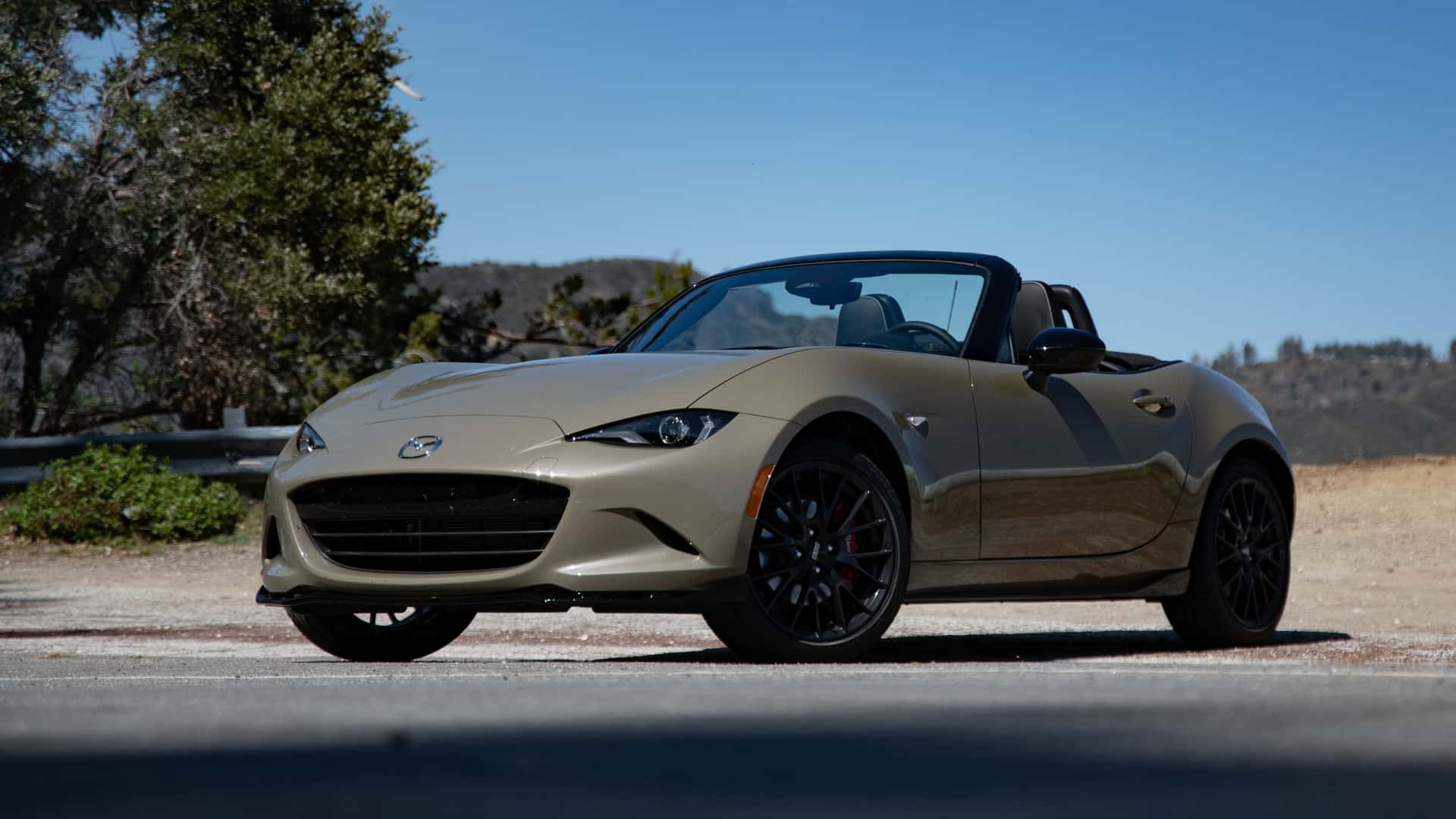
The Mazda MX-5 Miata may not be a large family sedan or SUV, but when it comes to longevity, it stands tall among giants. Despite being a lightweight roadster, the Miata has a long-standing reputation for reliability, consistency, and mechanical resilience.
It’s the kind of sports car that doesn’t require deep pockets to own or maintain, and it’s been winning over drivers since the late 1980s.
While luxury sports cars often come with astronomical upkeep costs and frequent mechanical issues, the Miata just keeps going. Owners regularly report crossing the 200,000-mile mark with no major problems, something few luxury convertibles can claim.
What makes the Miata so durable is Mazda’s design philosophy: keep it simple, keep it light, and keep it proven. There’s no unnecessary weight, no overly complicated technology, and no fragile performance gimmicks. The engines are typically small 4-cylinder units, built more for balance and efficiency than outright speed. But that’s exactly why they last.
These engines aren’t pushed to the limit, which means they suffer less wear and tear over time. Cooling systems, electrical components, and even drivetrain parts tend to have long service lives because they’re not overburdened or crammed into tight, inaccessible engine bays.
Another major contributor to the Miata’s long life is the community that surrounds it. Because the car has been in production for so long, parts are readily available, and aftermarket support is strong. Enthusiasts love working on these cars, and the internet is full of step-by-step guides and forums where any problem can be diagnosed and fixed.
This creates a culture of maintenance rather than abandonment. Whereas luxury sports cars often become too expensive to repair and end up sitting idle, Miatas are more likely to be fixed and kept on the road, even when they’re over 20 years old.
Despite being a convertible and a sports car, the Miata doesn’t suffer from the usual pitfalls of its class. The soft tops last a surprisingly long time, and the chassis is well-built. Rust can be an issue in some regions, but many owners go out of their way to preserve their cars, knowing that they’re worth holding onto.
In the long-term reliability race, the Miata embarrasses far more expensive performance cars from Germany or Italy. It may be light on horsepower, but it’s heavy on dependability, and that makes it a long-term winner.
