
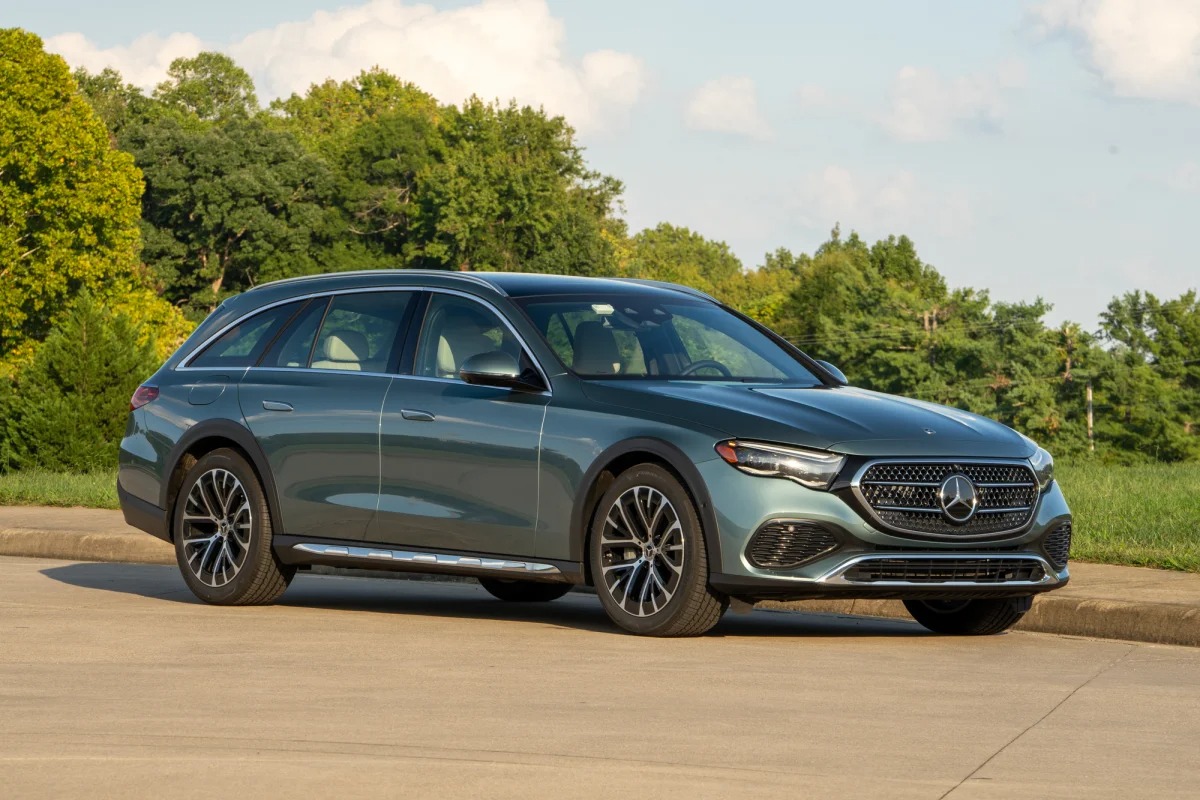
Some automobiles achieve legendary status because they quietly roll past 300,000 miles with little more than routine maintenance. These high-mileage survivors are more than machines; they are testimonies to engineering, build quality and thoughtful owner care.
At the same time there are many other vehicles that do not survive past even 150,000 miles, showing serious faults in design, material choices or reliability. In this article I compare five cars that are known to run quietly after 300,000 miles with five that often fail well short of that mark.
Quietness here means low noise from engine, transmission, road or wind at high mileage assuming proper maintenance has been followed. Cars that fail early often show issues in engine, electronics or structural durability. The purpose is to highlight which models tend to reward long term ownership and which tend to disappoint in longevity.
Each car is considered on its mechanical durability, parts wear, costs of maintenance and common failure points. Comparisons serve buyers, enthusiasts or anyone interested in which models age gracefully and which ones do not. The first part lists those five that last long and maintain quiet operation after 300,000 miles.
The second part lists five whose lifespan tends not to reach half as many miles cleanly. After that I offer thoughts on what attributes help long life and what warning signs to look for. This article does not rely on specific current market data but on cumulative reputation, frequent reports and common owner experience.
That experience often comes from enthusiast communities, repair shops and long term owner feedback. Whether you are buying used or planning for long term ownership this contrast may help you set expectations and understand what to look for beyond just price, style or features.
Also Read: Top 10 Cars That Are Built Like Tanks
Five Cars That Run Quietly After 300,000 Miles
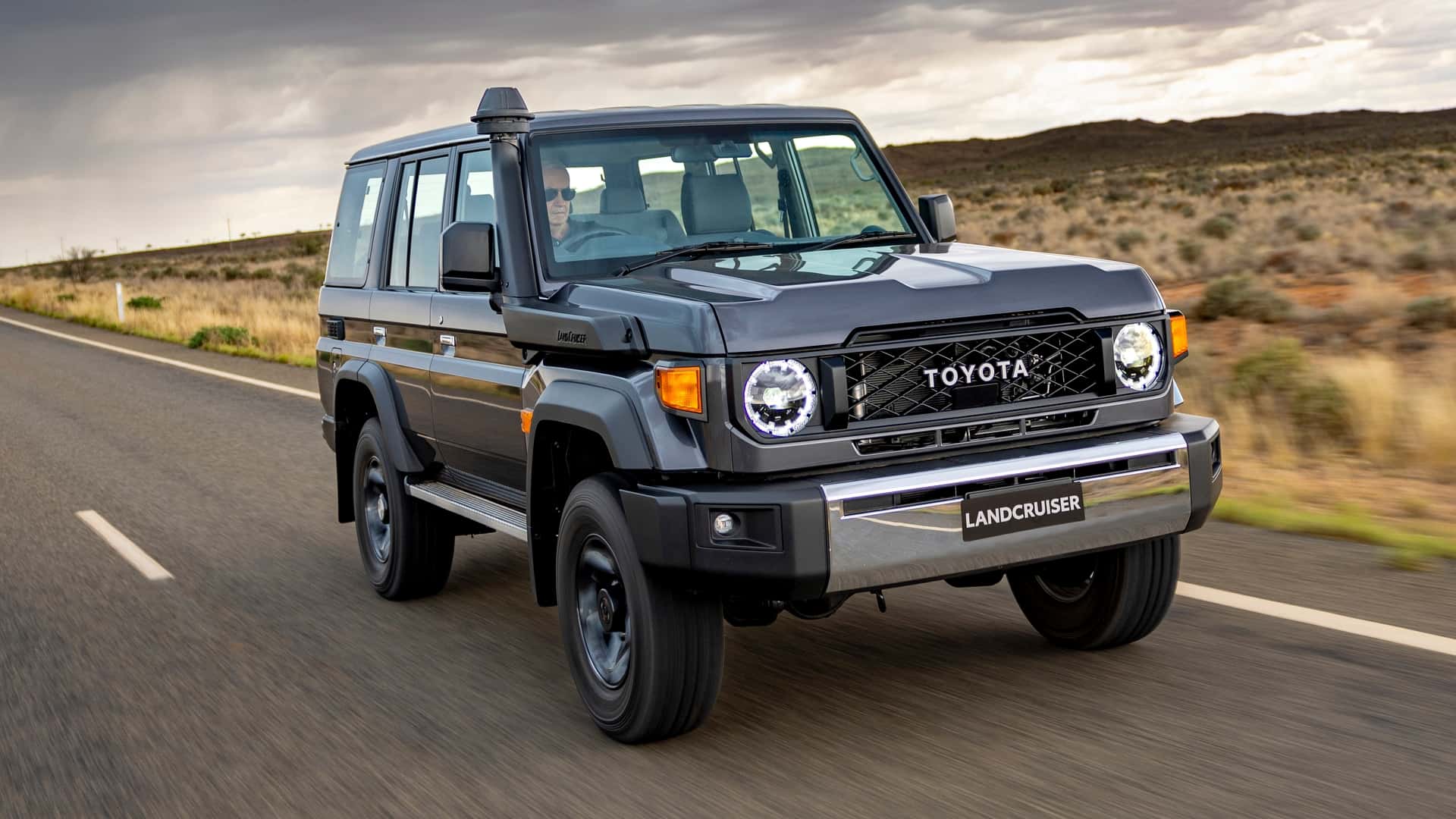
1. Toyota Land Cruiser (older generations)
The Toyota Land Cruiser is often the first name mentioned when discussing vehicles that go the distance with minimal drama.
This SUV wasn’t built for show, it was designed to perform in the harshest environments around the world. From the deserts of the Middle East to the mountainous roads of Central Asia, it built a reputation for mechanical endurance.
The engines used in older Land Cruisers, like the 4.5L inline-six (1FZ-FE) and the later 4.7L V8 (2UZ-FE), are known for simple, overbuilt internals and outstanding thermal management.
With proper oil changes and a watchful eye on the cooling system, many of these engines can hum along well beyond 300,000 miles with barely noticeable change in engine note.
One reason these trucks stay quiet even at high mileage is the nature of the drivetrain. Land Cruisers were given full-time or part-time 4WD systems with robust transfer cases and gearboxes that rarely complain if maintained. These drivetrains are designed to handle off-road abuse, so when used mostly on pavement, they tend to wear very slowly.
Additionally, the solid axles or heavy-duty independent suspension setups, when paired with properly maintained bushings and joints, keep unwanted road noise to a minimum. Owners who refresh suspension components like shocks and control arm bushings every 100,000 miles often find the vehicle retains a composed and quiet ride for decades.
The Land Cruiser’s cabin isn’t luxurious in the traditional sense, but it is remarkably well sealed and engineered to avoid squeaks and rattles. The interior uses thick carpets, strong panel clips, and durable fasteners. Window seals, door gaskets, and body insulation are built to resist years of dust, rain, and heat.
Even after long-term exposure, these materials maintain their integrity. It’s not uncommon to find Land Cruisers from the 1990s or early 2000s with minimal interior noise, even on the highway, if the doors still close tightly and the rubber seals haven’t been neglected.
Another aspect that keeps the Land Cruiser impressively quiet over time is the quality of its engine mounting and sound insulation. Engine mounts are generously sized and made of heavy-duty rubber, absorbing vibration that could otherwise transfer into the cabin.
The firewall and floor are covered with insulation designed for off-road sound dampening, which translates well to highway use.
Even with large tires, the cabin stays relatively hushed if owners choose appropriate tread types. All of these elements combine to produce a driving experience that remains calm, stable, and free of irritating noise, even when the odometer has passed well into six figures.
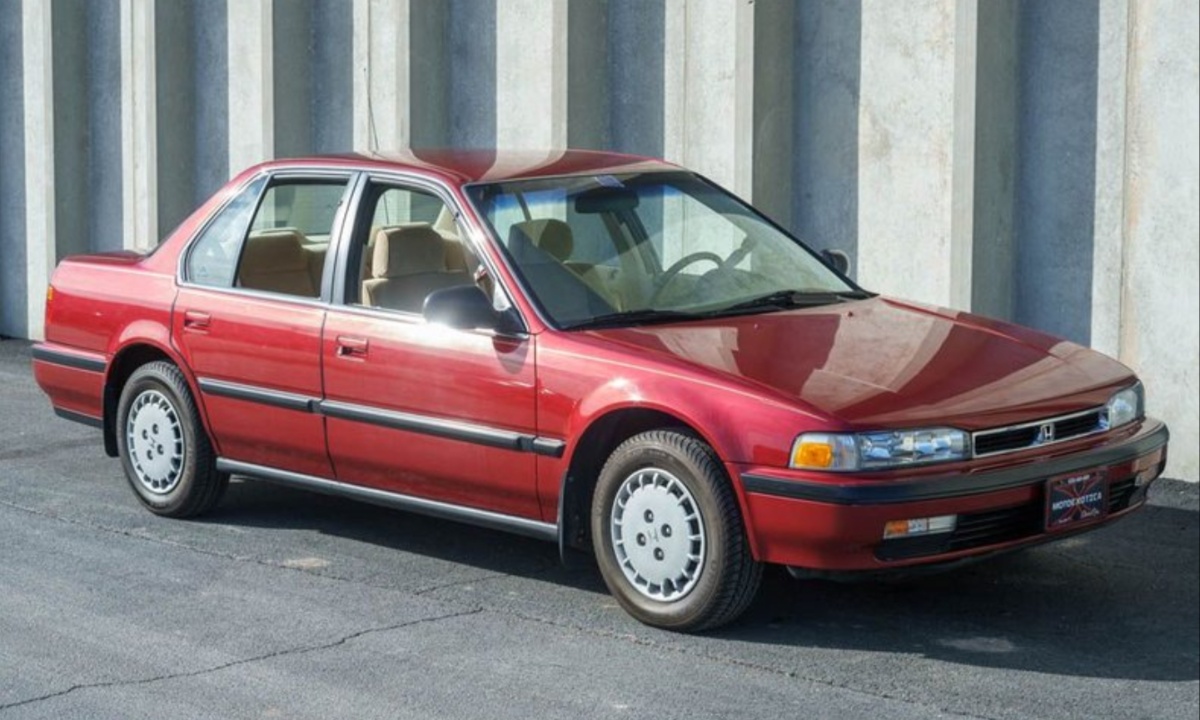
2. Honda Accord (1990s–2000s models with automatic transmission)
The Honda Accord has long been viewed as a reliable family sedan, but its long-term quietness is something that often gets overlooked. Older models from the late 1990s and early 2000s, particularly the sixth and seventh generations, were engineered with refinement and longevity in mind.
The engines, like the F23A and K24, are extremely smooth at idle and maintain that smoothness even at high mileage. These four-cylinder engines use forged internals in some versions, chain-driven or belt-driven camshafts with solid engineering behind them, and well-tuned intake/exhaust systems that avoid harshness at high RPMs.
Transmission behavior in these Accords is another factor that helps them remain quiet over time. The automatics used in this period, especially the updated versions after early issues were addressed, are generally smooth and unobtrusive. They rarely produce whine or vibration if the fluid is changed at recommended intervals.
When driven moderately and serviced properly, these gearboxes shift with consistency and barely announce their presence, even after 200,000 or 300,000 miles. Drivers who take care of the transmission often find it to be one of the quieter components of the aging vehicle.
Sound deadening in these models was respectable for a mid-range sedan of its time. Honda included foam insulation behind door panels, under the carpet, and around the firewall to block outside noise. The result is a surprisingly composed interior when compared to other economy-focused vehicles from the same era.
The doors close with a satisfying thump, the windows are well-sealed, and there’s very little panel flex even on rough roads. When the weather stripping is preserved and road tires are selected wisely, these Accords maintain a quiet cabin experience that many newer cars struggle to match.
The interior build quality also plays a significant role in how well these vehicles age. Dashboards, headliners, and center consoles are put together with clips and fasteners that resist loosening. Even after years of use, many Accords don’t develop the squeaks or plastic-on-plastic noise common in other cars of the same vintage.
The HVAC system remains quiet, the sunroof tracks don’t rattle, and seat rails stay firm unless they’ve been abused. As a result, the cabin of a well-maintained Accord feels stable and quiet well into old age, making it a top choice for long-term comfort.
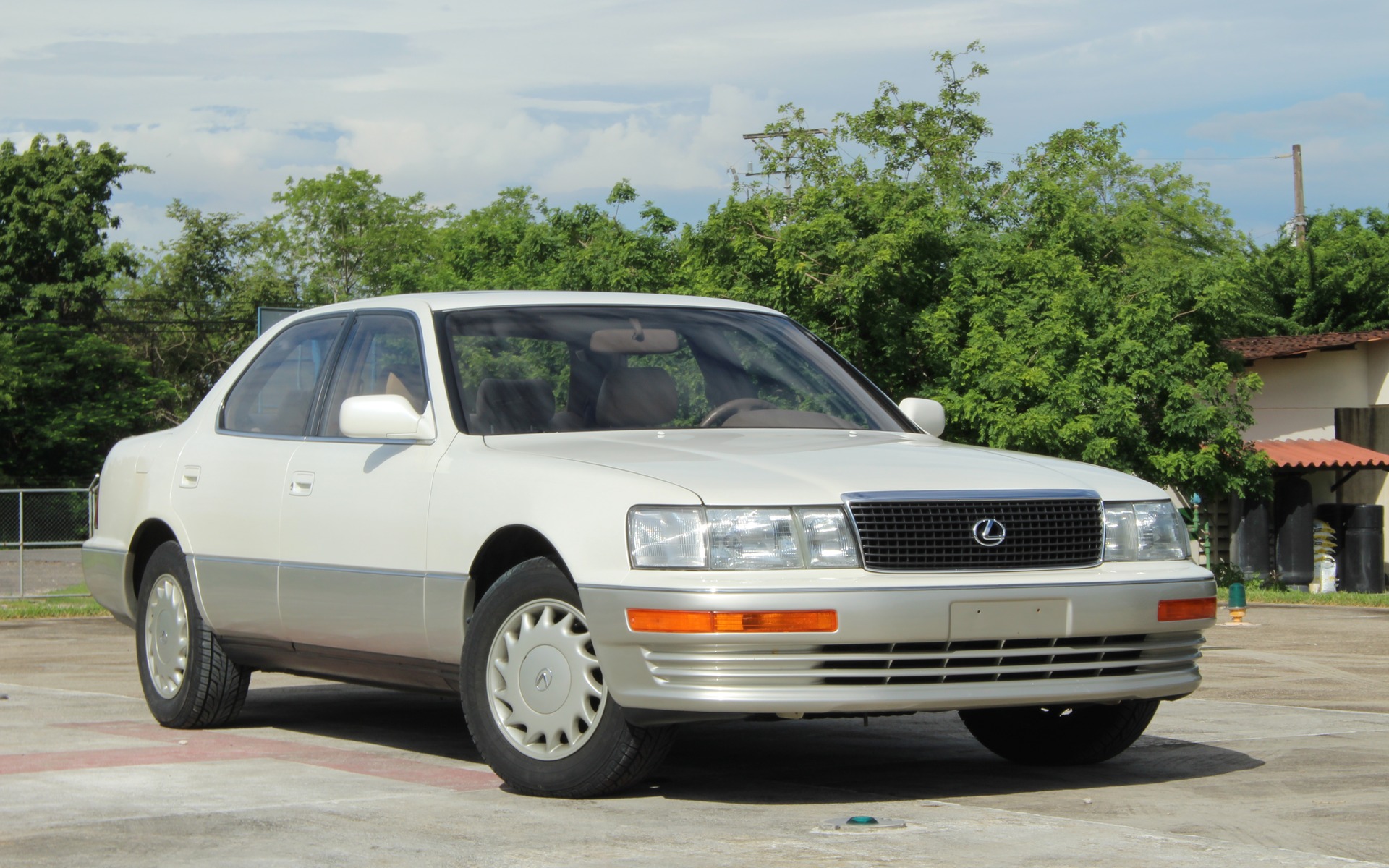
3. Lexus LS 400 / LS 430
The Lexus LS 400 and LS 430 are often used as benchmarks when discussing quiet, long-lasting luxury cars. These full-size sedans were Toyota’s flagship entries into the high-end market, and they were designed with obsessive attention to detail. The UZ-series V8 engines used in these models are incredibly smooth and known for outliving the cars they’re in.
With a timing belt instead of a chain, and high-quality seals, the engine stays smooth and silent when serviced regularly. After hundreds of thousands of miles, the engine retains a calm idle and effortless acceleration that is practically whisper-quiet.
Transmission systems in these sedans were engineered for seamless operation. The LS 400 used a four-speed automatic that was revised several times to improve durability and smoothness. The LS 430 introduced a five-speed version that enhanced performance while reducing noise under load.
These gearboxes are almost completely silent when shifting, especially when compared to more performance-oriented vehicles. Even after extended use, these transmissions do not introduce clunks, whining, or inconsistent gear engagement unless maintenance has been severely neglected.
Another impressive aspect of the LS series is its structural rigidity and chassis design. Lexus built these cars with extremely tight tolerances and extensive use of sound-insulating materials. The floorpan, firewall, and door panels are layered with vibration-dampening foams and materials that absorb road and engine noise.
The result is a cabin experience that feels isolated from the outside world. After 300,000 miles, owners often report that the vehicle still drives with serenity and silence on the highway, outperforming many newer luxury vehicles in noise isolation.
The interior craftsmanship also helps these vehicles stay quiet and solid. The use of real wood trim, high-quality leather, and durable switches means fewer parts degrade over time. Dashboard rattles are rare, even on early models.
Power seat motors, window regulators, and HVAC fans are long-lasting and rarely produce excessive noise. Climate control systems are electronically managed and rarely fail noisily. It’s common to find a twenty-year-old LS 430 with fully functioning systems and a near-silent cabin, a level of aging grace that few cars can match.
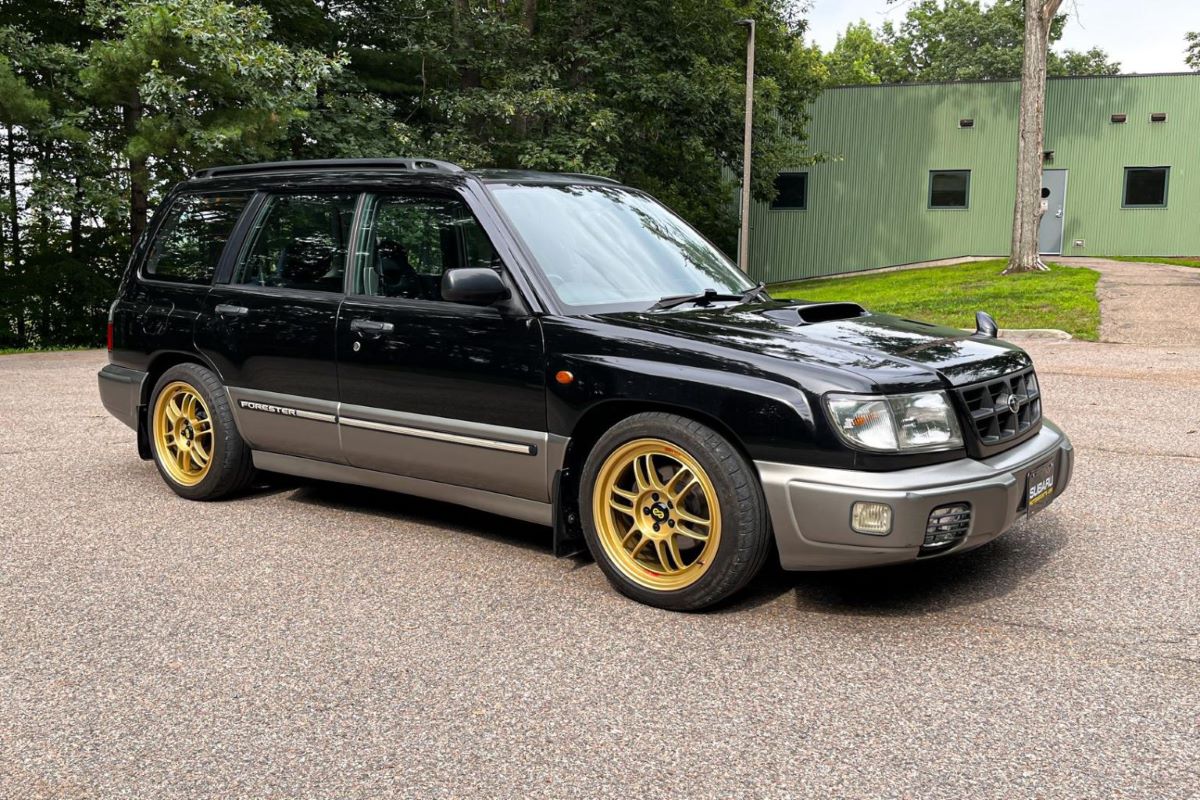
4. Subaru Forester / Legacy (late 1990s–early 2000s with EJ engines)
The Subaru Forester and Legacy from the late 1990s to early 2000s hold a cult following for a reason: they were simple, capable, and surprisingly well built. These vehicles commonly used the EJ25 and EJ22 engines, which, when properly maintained, can operate quietly and reliably past the 300,000-mile mark.
Unlike many inline engines, Subaru’s flat-four layout allows for a lower center of gravity and better engine balance. This contributes to smooth and quiet operation, especially when valve clearances are adjusted and timing belt intervals are followed closely.
While Subaru did have some head gasket concerns during this era, many owners found that once the issue was addressed with improved gaskets and sealants, the engine remained robust and low-noise. After repairs, these engines often returned to smooth and whisper-quiet operation.
Properly maintained, the EJ engines don’t develop serious piston slap or valve ticking, and they hold their tune well over long periods. Routine care of accessory belts, idlers, and timing components keeps engine noise in check.
Subaru’s suspension and chassis designs in this period were also part of their quiet endurance. While not as isolated as high-end luxury vehicles, these cars use independent suspension on all four corners, and the ride is well cushioned.
With regular strut replacement and bushing maintenance, noise from the road is minimal. Even after high mileage, the Forester and Legacy don’t develop loud squeaks or rattles from their undercarriage. Steering racks and CV joints wear slowly and typically only become noisy if neglected.
Inside, the design is functional rather than plush, but this has its advantages. Fewer gimmicky features mean fewer things to break or make noise. Dashboards, door panels, and seat frames are mounted securely. The HVAC system is simple and tends to remain quiet.
Cabin noise is kept low thanks to solid weather stripping and a fairly well-insulated cabin. When combined with sensible tire selection and modest speed driving, these Subarus remain quiet companions even as they age into the 300,000-mile range.
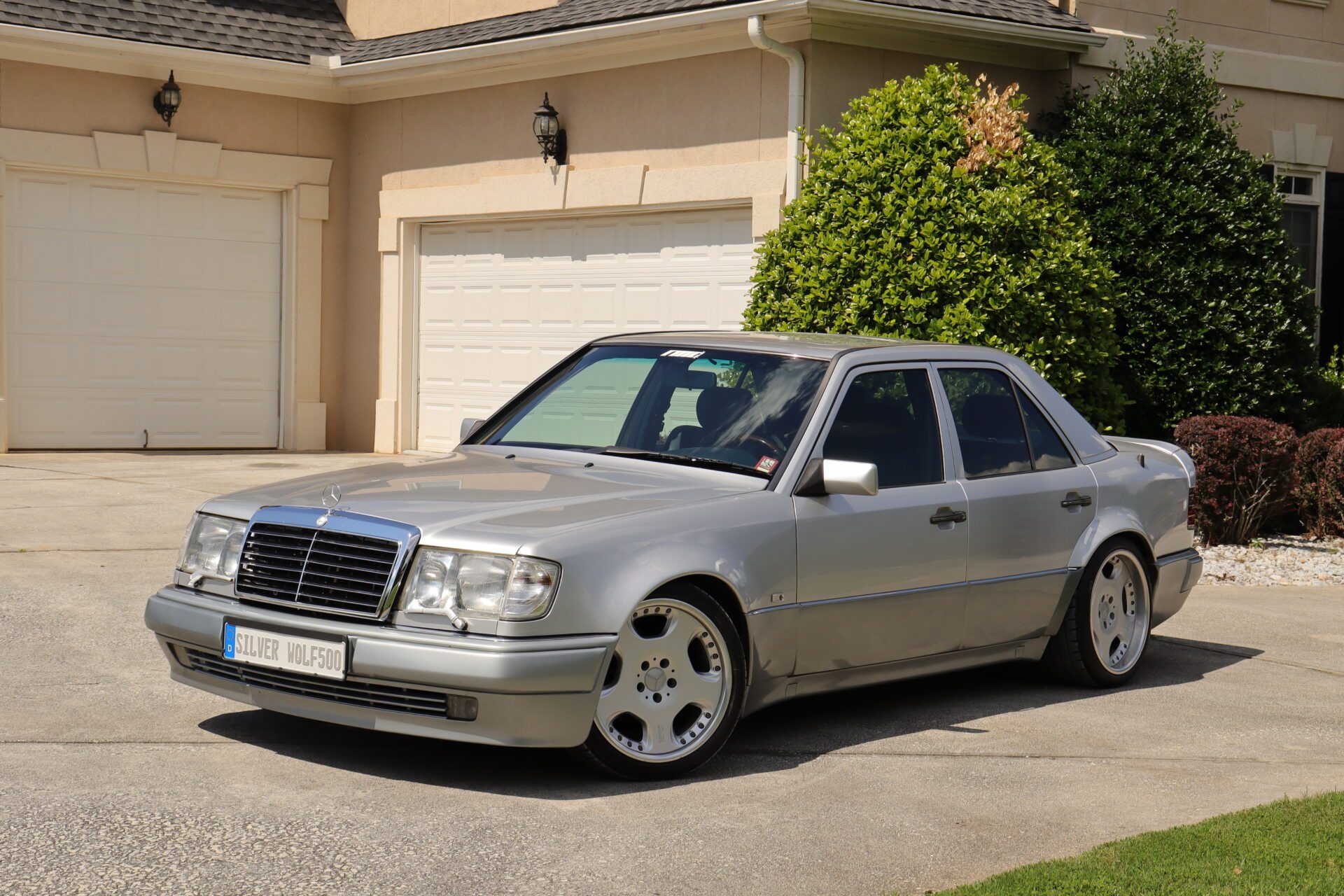
5. Mercedes-Benz W124 / W126 Series
The Mercedes-Benz W124 (E-Class) and W126 (S-Class) represent some of the best examples of old-world automotive engineering. Built in the late 1980s and early 1990s, these vehicles were created with longevity and quiet operation as top priorities.
The engines used in these models, including the inline-sixes and V8s, are overbuilt and often referred to as “million-mile motors.” Their cast iron blocks, low-stress performance, and smooth operation mean that, even with high mileage, they continue to run quietly when properly maintained.
One key reason these cars stay quiet so long is their build philosophy. Mercedes engineers designed every part to last decades, not just years. The doors close with a signature “thunk” that never goes away. The body shell is solid, heavily reinforced, and designed to resist flex or vibration.
As a result, creaks, rattles, and wind leaks are rare even after long exposure to rough roads. Soundproofing in these vehicles includes heavy mats under the carpet, firewall insulation, and thick undercoating beneath the floor.
The suspension system is also designed for quiet operation. Even though the ride may feel firmer than modern cars, it’s controlled and noise-free when maintained.
Rubber bushings, linkages, and hydraulic dampers are robust and replaceable. Mercedes’ use of subframe mounts also helps isolate the cabin from road noise. When these components are refreshed at intervals, the result is a ride that feels far younger than the vehicle’s age suggests.
Interior components in these older Mercedes models resist aging better than almost anything else in their class. Real wood trims, soft-touch plastics, and solid switchgear were used throughout the cabin.
These materials not only look good but avoid the creaking and rattling that plague many modern vehicles after years of use. The climate system, even when analog, works quietly and reliably. When a W124 or W126 is properly cared for, the experience remains stately and serene, even when the odometer reads numbers most cars never reach.
Five Cars That Do Not Last Half as Long
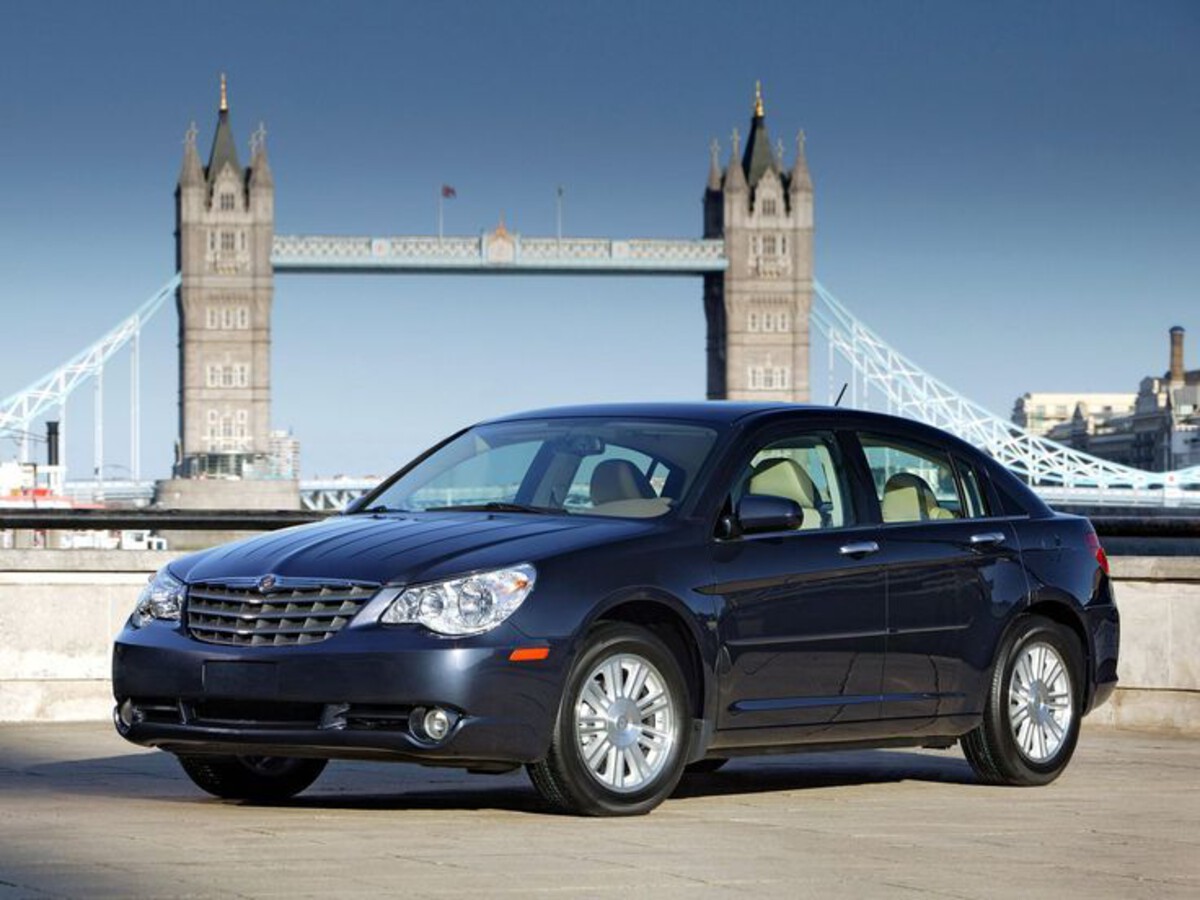
1. Chrysler Sebring (2001–2010)
The Chrysler Sebring, particularly the models produced between 2001 and 2010, has become somewhat infamous for poor reliability and short-lived components. The engines used in this model, such as the 2.7L V6, were prone to sludge buildup, oil starvation, and internal wear at low mileage.
Many owners experienced serious mechanical problems before reaching 100,000 miles. These engines often ran rough as they aged, and once internal wear began, it wasn’t long before ticking, knocking, or overheating followed. The cost of engine repair often exceeded the car’s value, leading to many being scrapped early.
The transmission, especially in automatic models, added to the car’s reputation for early failure. Harsh shifting, fluid leaks, and torque converter issues often appeared well before 80,000 miles. Even with regular servicing, some units struggled with shift logic and reliability.
Over time, the vehicle developed a noticeable whine or clunk during operation, making it an unpleasant experience for anyone behind the wheel. Compared to competitors from Japan, Sebring’s drivetrain simply didn’t hold up in the long run.
Interior quality was another common complaint. The materials used in the cabin, including hard plastics and loosely fitted trim pieces, aged quickly and poorly. Dashboards warped, door panels separated from their fasteners, and glove compartments sagged.
As the miles added up, rattles and squeaks became frequent companions. The seats often lost their shape early, and many interior components, such as window regulators and locks, failed prematurely. For owners hoping to drive the Sebring well into six-figure mileage, cabin deterioration was a loud and consistent reminder of the car’s limits.
Wind and road noise were also poorly managed. Factory weather sealing degraded quickly, and as gaps formed in the doors and windows, whistling and buffeting noise became noticeable even at moderate speeds.
Suspension components like struts, sway bar links, and bushings also wore out quickly and contributed to clunks and rattles from underneath the car. Sebring simply lacked the durability, refinement, and engineering depth needed to become a high-mileage, quiet runner.
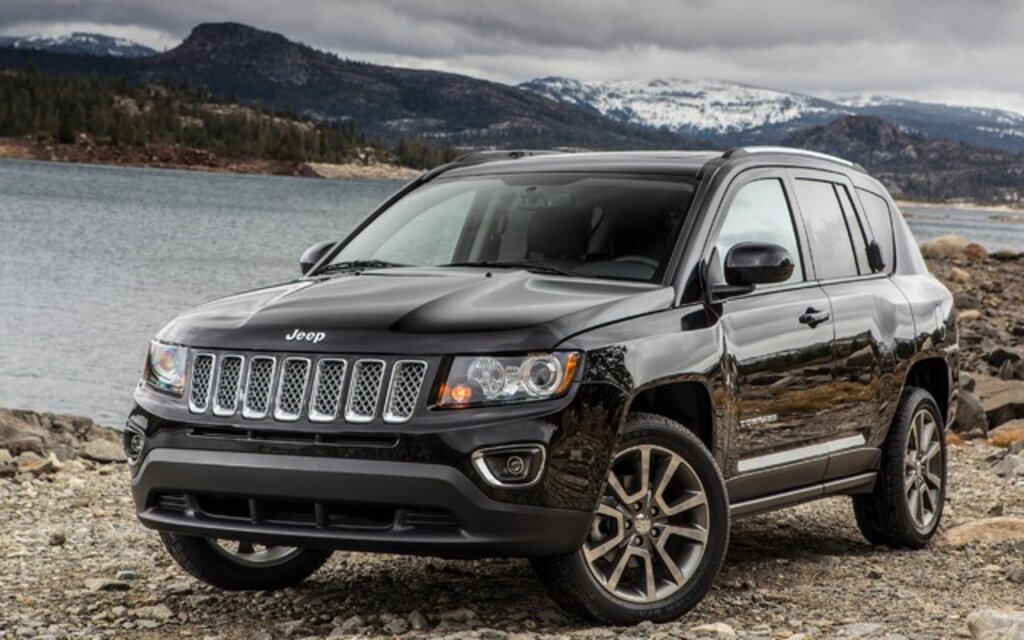
2. Jeep Compass (2007–2016)
The first-generation Jeep Compass was a disappointment for many reasons, particularly for those who expected Jeep’s usual toughness. Built on a car-like platform and aiming for the compact crossover market, it didn’t deliver the durability or long-term refinement buyers hoped for.
The standard 2.4L “World Engine” shared with other Chrysler vehicles developed vibration and excessive engine noise early in its life. Timing chain issues, oil consumption, and poor NVH (noise, vibration, harshness) characteristics made the powertrain feel tired before it reached even 100,000 miles.
The CVT transmission used in many Compass models was another weak point. Jittery acceleration, rubber-band effect, and early failure were common. Many owners experienced high-pitched whining, belt slipping noises, and complete transmission failure between 60,000–90,000 miles.
Replacements were expensive, and even newer units didn’t guarantee long-term silence or reliability. This drivetrain setup not only lacked longevity but contributed heavily to the poor driving experience even in relatively young vehicles.
Build quality also failed to inspire confidence. Body panels were loosely aligned, and door seals often wore out within a few years. Rainwater leaks, wind noise, and interior squeaks were a recurring problem.
As the Compass aged, the cabin grew noisier due to rattling dashboards, failing door hinges, and vibrations transmitted through a poorly isolated body. It simply wasn’t constructed to endure the passage of time and mileage in the way a daily driver should be.
Suspension noise became another chronic issue. Strut mounts, control arms, and sway bar links wore rapidly, leading to thumps and clunks over even small imperfections in the road.
The ride felt stiff yet unrefined, and as miles accumulated, the car became more prone to bottoming out and groaning over bumps. For owners expecting a quiet and confident crossover beyond 100,000 miles, the Compass was a letdown, both in comfort and longevity.
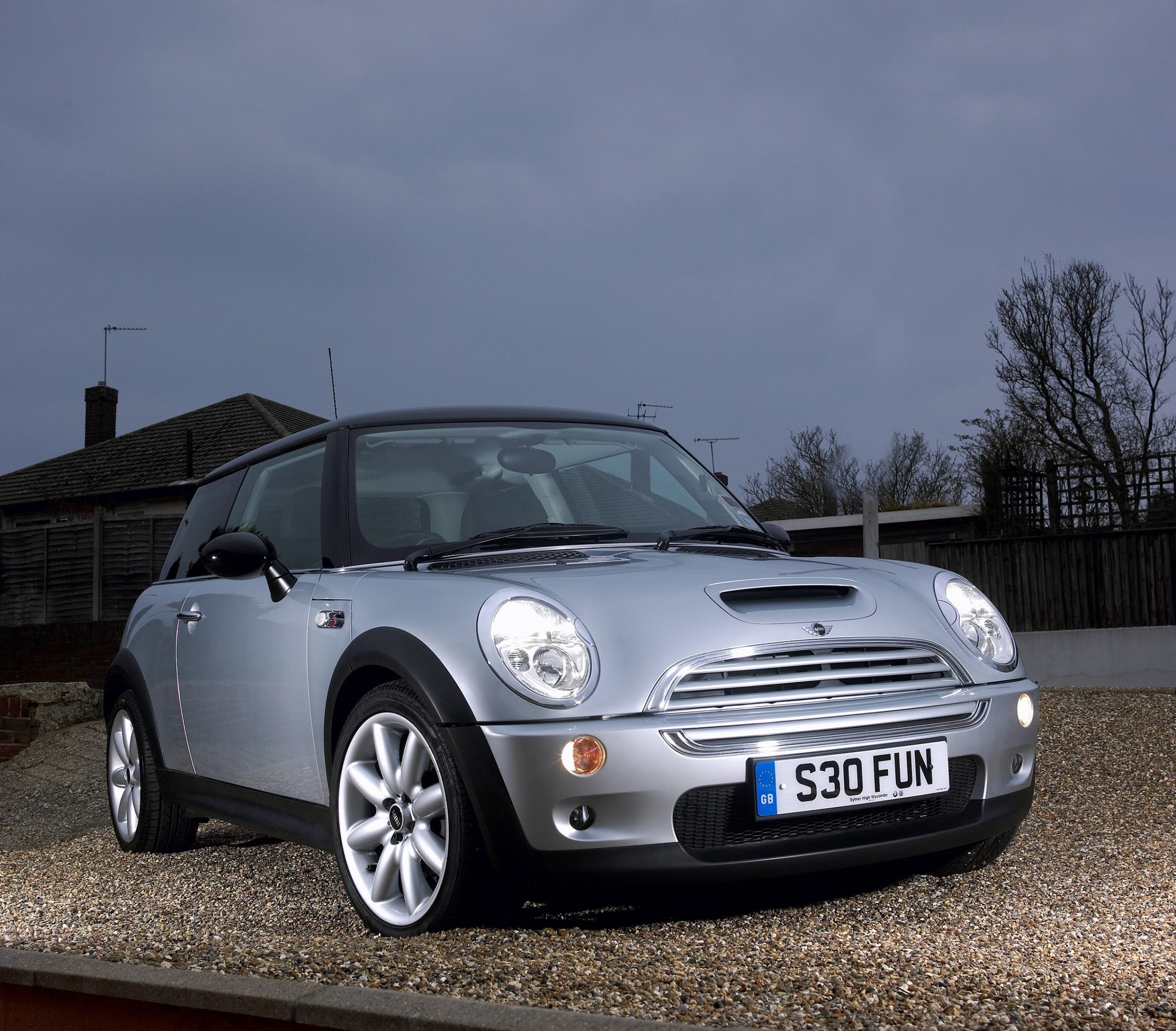
3. Mini Cooper (2002–2010 models, especially with CVT or turbo engines)
The Mini Cooper has long been celebrated for its quirky design and fun driving experience, but early models, especially those made between 2002 and 2010, have a poor track record when it comes to durability and long-term quiet operation. The base engines, while lively at first, developed issues with timing chain tensioners, carbon buildup, and oil leaks.
The turbocharged models were even more vulnerable to early failure, with turbo seals leaking and intake components clogging. By the time these cars reached 70,000–90,000 miles, many began to suffer from increased engine noise, rough idling, and poor performance.
Transmissions were another major weak spot. The CVT used in early automatic models was notoriously unreliable and often failed before 100,000 miles, producing whining, shuddering, or sudden loss of drive. Even manual transmissions weren’t immune, with clutch wear and throw-out bearing failures becoming common issues.
Shifting became notchy, noisy, or unpredictable, and repair costs were frequently too high for the vehicle’s value. As these problems compounded, they contributed to a louder, rougher driving experience with no clear path to recovery.
Interior quality in early Mini Coopers wasn’t built to last. While the design was charming, the materials did not stand the test of time. Dash panels creaked, toggle switches broke, and door handles loosened with regular use. Squeaks and rattles in the cabin became persistent over time, especially in areas with variable temperatures or humidity.
This was made worse by subpar weather stripping that allowed road and wind noise to creep into the cabin early in the vehicle’s life.
Suspension design, tuned for sporty handling, suffered from long-term durability issues. Control arm bushings, strut mounts, and ball joints wore out rapidly, particularly in urban or poorly maintained roads. The result was a noisy undercarriage, clunking over bumps, and a ride that felt far less composed than it did out of the showroom.
Despite its strong brand identity, the early Mini Cooper models proved difficult and expensive to maintain, making them unlikely candidates for a quiet, reliable long-term driving experience.
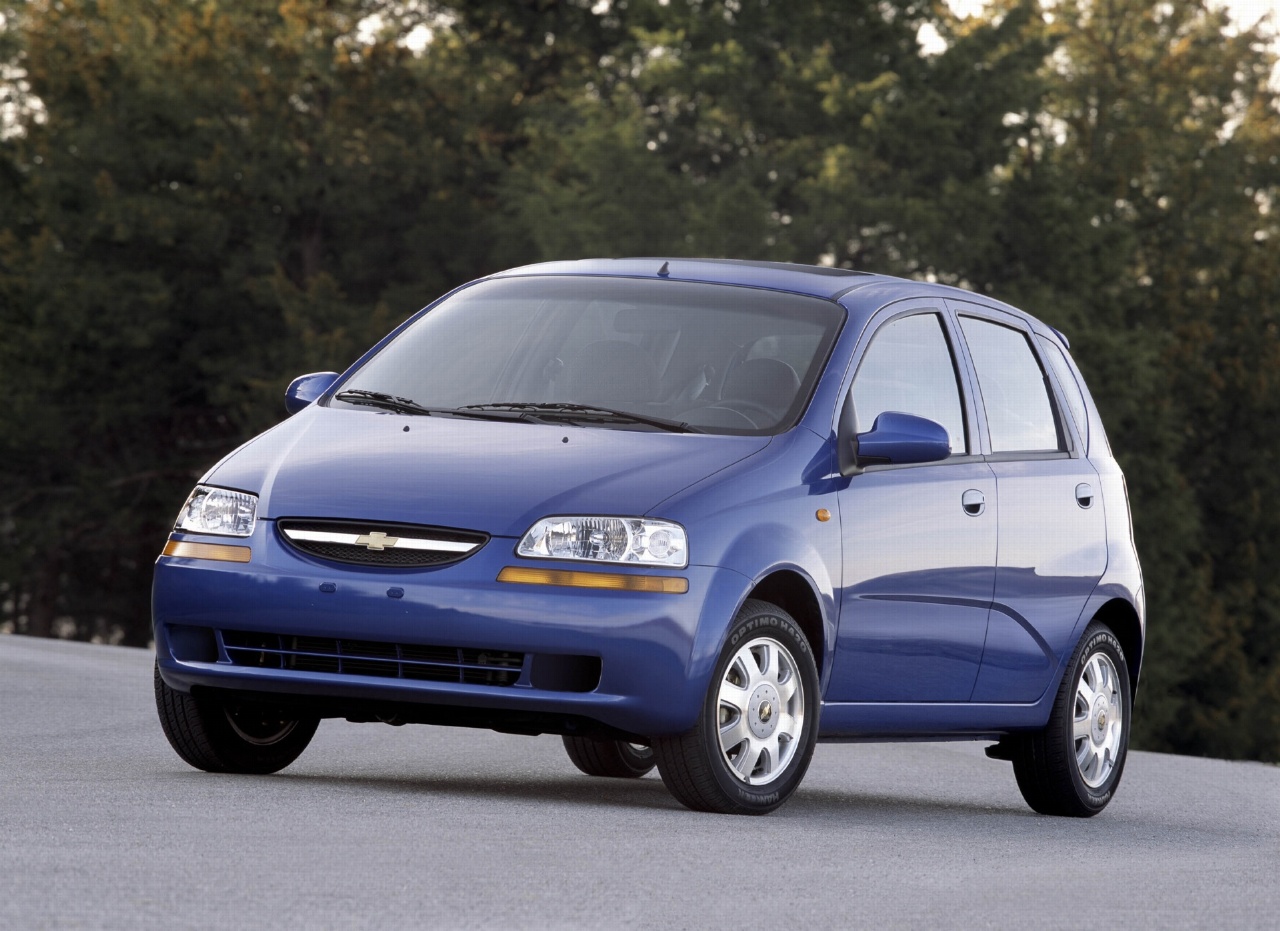
4. Chevrolet Aveo (2004–2011)
The Chevrolet Aveo was designed as a budget-friendly compact car, and unfortunately, its long-term quality reflected that positioning. Originally developed by Daewoo and rebadged for the U.S. market, the Aveo suffered from mechanical and structural shortcuts that became obvious as mileage increased.
The engines, usually 1.6L four-cylinders, were known to develop valvetrain noise, oil leaks, and internal wear well before hitting 100,000 miles. Poorly calibrated timing belts and cooling systems only added to the car’s reputation for mechanical fragility.
The transmission systems, especially the four-speed automatics, were prone to jerky shifts and early failure. Many Aveos developed transmission slip, rough shifting, and torque converter issues that led to early replacements or costly repairs.
Over time, gear engagement became loud and imprecise, especially when accelerating from a stop. These issues caused the car to feel more worn out than it actually was, even if the mileage was still under six figures.
Interior construction was extremely basic, and the materials used were not designed for long-term durability. Plastic dash panels faded and warped, center consoles came loose, and seat fabrics tore or collapsed quickly. Squeaks and rattles inside the cabin developed within a few years of ownership.
Road and engine noise entered the cabin easily due to minimal insulation. The driving experience became loud, hollow, and uncomfortable as the car aged, even with average use.
The suspension and steering components were similarly underbuilt. Control arms, tie rods, and sway bar links frequently needed replacement, and they often produce clunking or knocking sounds after only a few years. Rust also became a serious issue in northern climates, affecting wheel wells, underbody structures, and even suspension mounts.
For a vehicle that already lacked refinement from the start, these problems only further eroded its ability to operate quietly and reliably over time.
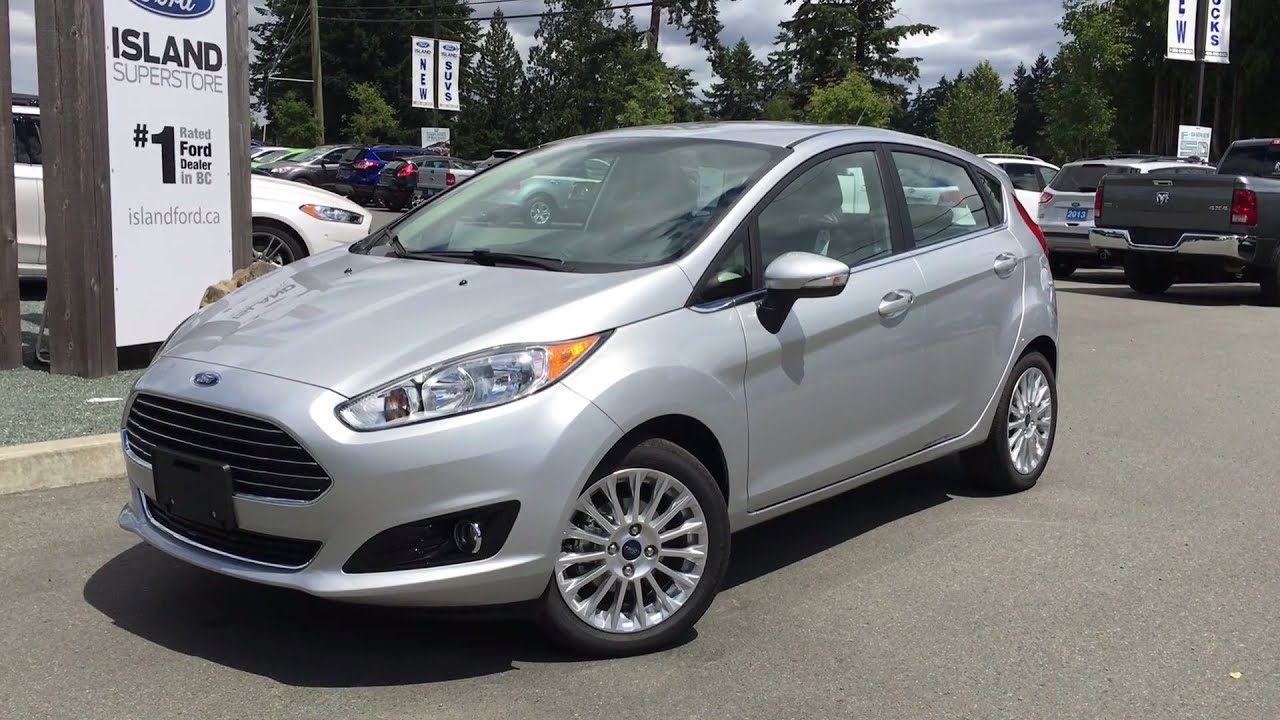
5. Ford Fiesta (2011–2019 models with Powershift transmission)
The Ford Fiesta from this generation is best remembered for the problematic dual-clutch Powershift automatic transmission. While the Fiesta was praised for handling and style, the ownership experience quickly soured for many drivers due to shuddering, jerky gear changes, and early transmission failure.
Owners reported grinding sounds, rough engagement, and even sudden loss of power under normal driving. Ford faced numerous lawsuits and recalls over this issue, but even repaired units often failed again, undermining long-term confidence in the car.
The engine options in the Fiesta weren’t particularly unreliable, but they suffered from noise and vibration at high mileage. The 1.6L naturally aspirated engine became rough with age, while the turbocharged 1.0L three-cylinder option was known for rattling timing belts and unusual engine noise.
Both engines became louder and less smooth as they passed 80,000 miles, particularly if maintenance wasn’t perfectly followed. Mounting points and insulation also degraded quickly, contributing to engine noise in the cabin.
Interior quality was modest, and while it felt solid at first, many components did not wear well. Door panels began to loosen, center consoles creaked under pressure, and the dashboard became prone to rattling.
Wind noise increased as door seals wore out, and the cabin began to feel hollow and less insulated by the time most owners reached 60,000–70,000 miles. Combined with the transmission issues, this left drivers with an experience that became more frustrating and noisier over time.
Suspension components weren’t terrible by design, but they wore quickly in real-world driving conditions. Clunking struts, worn bushings, and noisy steering racks were common complaints. In areas with rough roads, these issues emerged even earlier.
Brake components also became noisy, with squealing and vibration during braking becoming common after just a few years. As these problems accumulated, it became clear that the Fiesta wasn’t built to offer a quiet, dependable experience past 100,000 miles especially in models with the dual-clutch transmission.
Also Read: 5 V8 Engines That Run a Lifetime vs 5 That Eat Oil Fast
When it comes to vehicles that stand the test of time, there is a clear distinction between those engineered with longevity in mind and those that fall short of expectations. Cars like the Toyota Land Cruiser, Honda Accord, Lexus LS series, Subaru Forester, and Mercedes-Benz W124/W126 have proven their ability to run quietly and reliably well beyond 300,000 miles.
Their success is no accident; it comes from careful engineering, durable materials, and design choices that prioritize both mechanical simplicity and sound insulation. These vehicles tend to have robust engines with strong internals, well-built transmissions, and suspensions designed to minimize noise and harshness.
Inside the cabin, attention to detail in materials and construction helps keep rattles and vibrations at bay even after years of service. This combination results in cars that not only last but continue to provide a pleasant driving experience over many miles.
On the other hand, certain vehicles illustrate the challenges of balancing cost, performance, and long-term durability. Cars such as the Chrysler Sebring, Jeep Compass, early Mini Coopers, Chevrolet Aveo, and Ford Fiesta with the Powershift transmission show how early design compromises, weak components, or persistent mechanical issues can dramatically reduce a car’s lifespan.
These models often suffer from engines and transmissions that develop noise and operational problems much earlier than expected. Additionally, interiors built with cheaper materials tend to degrade quickly, increasing cabin noise and discomfort.
Suspension and body components may wear prematurely, further contributing to a noisier, less refined ride as mileage adds up. For owners hoping to drive their cars well beyond the 100,000-mile mark, these vehicles often prove disappointing in both reliability and quietness.
The contrast between these two groups emphasizes how important it is to consider a car’s engineering philosophy and build quality when looking for a vehicle that will age gracefully. Quietness and durability are deeply connected; a car that runs smoothly and avoids mechanical wear naturally maintains a quieter cabin.
Similarly, a well-sealed, vibration-resistant interior enhances the feeling of refinement, making it easier to enjoy long drives without fatigue. Choosing a vehicle with a proven track record of longevity can save money and frustration over time while providing peace of mind.
In the end, selecting a car with lasting quietness and reliability often means prioritizing thoughtful design, proven mechanical components, and quality materials over flashy features or short-term appeal. These qualities are what help certain vehicles quietly cross the 300,000-mile threshold and beyond, remaining comfortable companions for many years.
