
When it comes to vehicle reliability, one of the most frustrating issues a driver can face involves the car’s electrical system. From flickering dashboard lights to malfunctioning power windows, electrical problems often disrupt daily driving and lead to costly repairs.
Unlike engine troubles, which can be somewhat expected with mileage and age, electrical failures are often unpredictable and can arise due to a variety of causes, from faulty wiring to problematic control modules.
Because cars have become increasingly dependent on electronic components to manage everything from safety systems to infotainment, understanding which vehicles tend to be more reliable in this regard is important for both current owners and those looking to purchase a new or used car.
The complexity of modern electrical systems means that not all vehicles are created equal. Some manufacturers have built reputations for producing models that maintain their electrical integrity over many years and thousands of miles.
These cars usually feature well-designed wiring harnesses, quality components, and straightforward diagnostics, which reduce the likelihood of issues and make repairs easier if they do occur. Conversely, some models are known for persistent electrical gremlins, problems that may arise early and often, creating ongoing maintenance headaches and, in some cases, diminishing the ownership experience.
In this article, we’ll examine five cars that are known for their electrical durability. These vehicles rarely require electrical repairs, saving their owners time, money, and frustration. At the same time, we’ll highlight five other cars with a reputation for frequent electrical problems.
By understanding the factors behind these trends, readers can make more informed decisions when choosing a car, especially if electrical reliability is a priority. The goal is not to criticize brands but to present patterns based on common experiences and reported data that point to the strengths and weaknesses of different models in terms of their electrical systems.
Also Read: Top 10 Cars That Are Built Like Tanks
5 Cars That Rarely Need Electrical Repairs
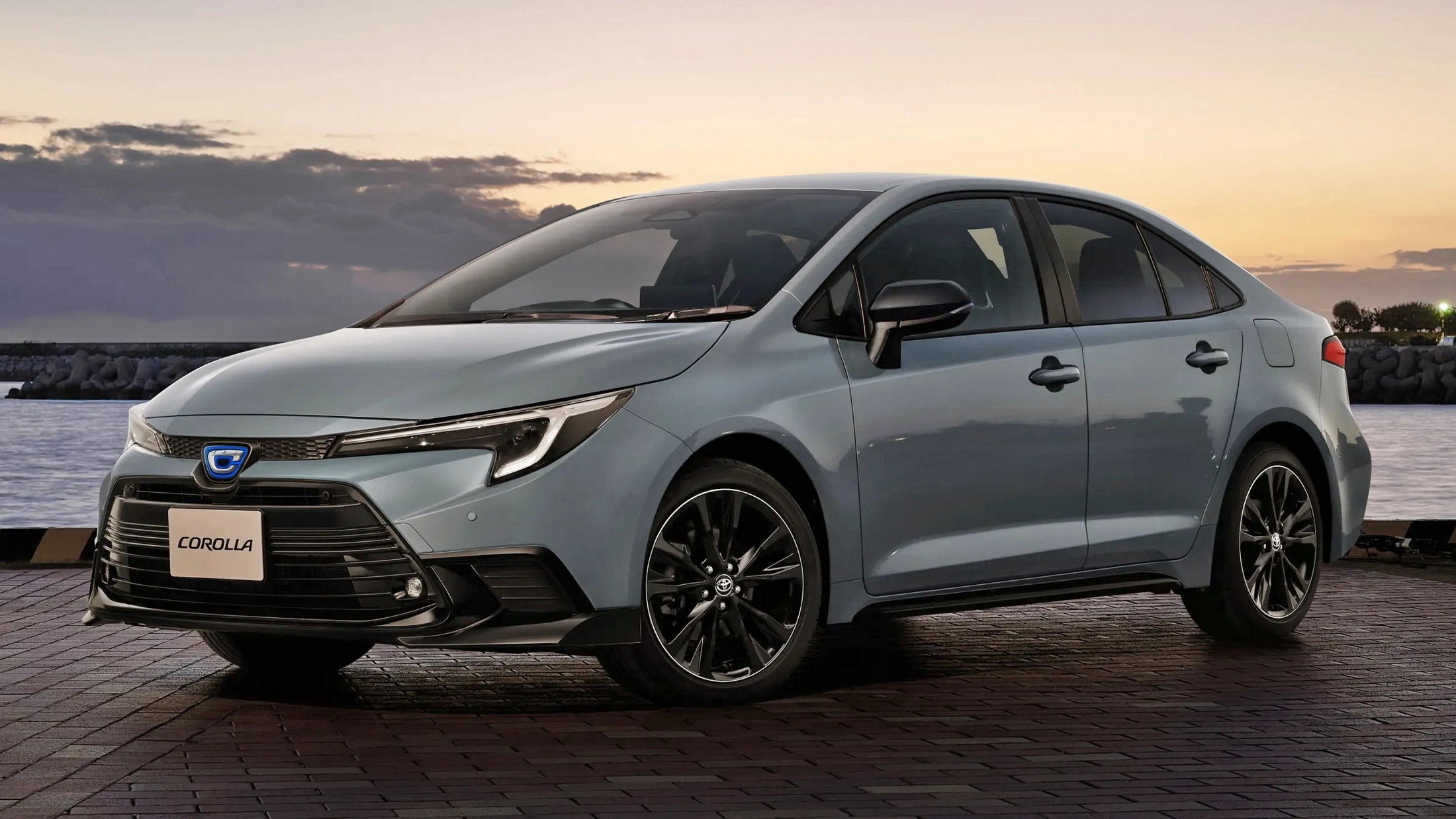
Toyota Corolla
The Toyota Corolla has earned its reputation for outstanding reliability through decades of consistent performance, and this extends to its electrical system as well. One of the fundamental reasons why the Corolla rarely needs electrical repairs is the brand’s commitment to simplicity and durability in design.
Toyota engineers prioritize reliable, straightforward wiring and electronics that serve their function without unnecessary complication. This means the Corolla often avoids the common pitfalls of over-engineered or overly complex electrical systems that can lead to frequent failures. Toyota uses high-quality materials in wiring insulation and connectors, which helps protect against common issues like corrosion or short circuits that can plague less carefully built vehicles.
Furthermore, the Corolla benefits from a proven track record of quality control during the manufacturing process. Toyota’s stringent standards reduce the chances of defective parts being installed, which is a significant factor in preventing electrical faults before the car even leaves the factory.
The company’s extensive experience with the model also means that any minor issues are quickly identified and addressed in future production runs, further improving the reliability of newer Corollas. The layout of the electrical system is also designed for ease of access and repair, so when any problem does arise, it is typically straightforward and less costly to fix compared to other vehicles with more complicated setups.
Another important factor contributing to the Corolla’s electrical resilience is its moderate integration of electronic features. Unlike many modern vehicles that bombard drivers with flashy infotainment systems, touchscreens, and numerous sensors, the Corolla keeps its electronics functional and essential, limiting exposure to parts that are prone to failure.
This approach significantly reduces the risk of electrical glitches. Additionally, Toyota’s widespread dealership network and strong parts availability mean that repairs can be completed quickly and with genuine components, which further prolongs the lifespan of the electrical system. For owners, this translates to fewer trips to the mechanic, lower maintenance costs, and a car they can depend on for years.
The Corolla’s reputation is reinforced by countless owner testimonials and reliability studies that consistently place it near the top for electrical durability. Drivers report minimal issues even after hundreds of thousands of miles, underscoring the car’s longevity.
This consistency in performance makes the Corolla a smart choice for those who prioritize reliability and peace of mind in their vehicle purchases. Whether used as a daily commuter, family car, or first vehicle for young drivers, the Corolla’s electrical system remains remarkably robust, supporting a worry-free ownership experience that few competitors can match.
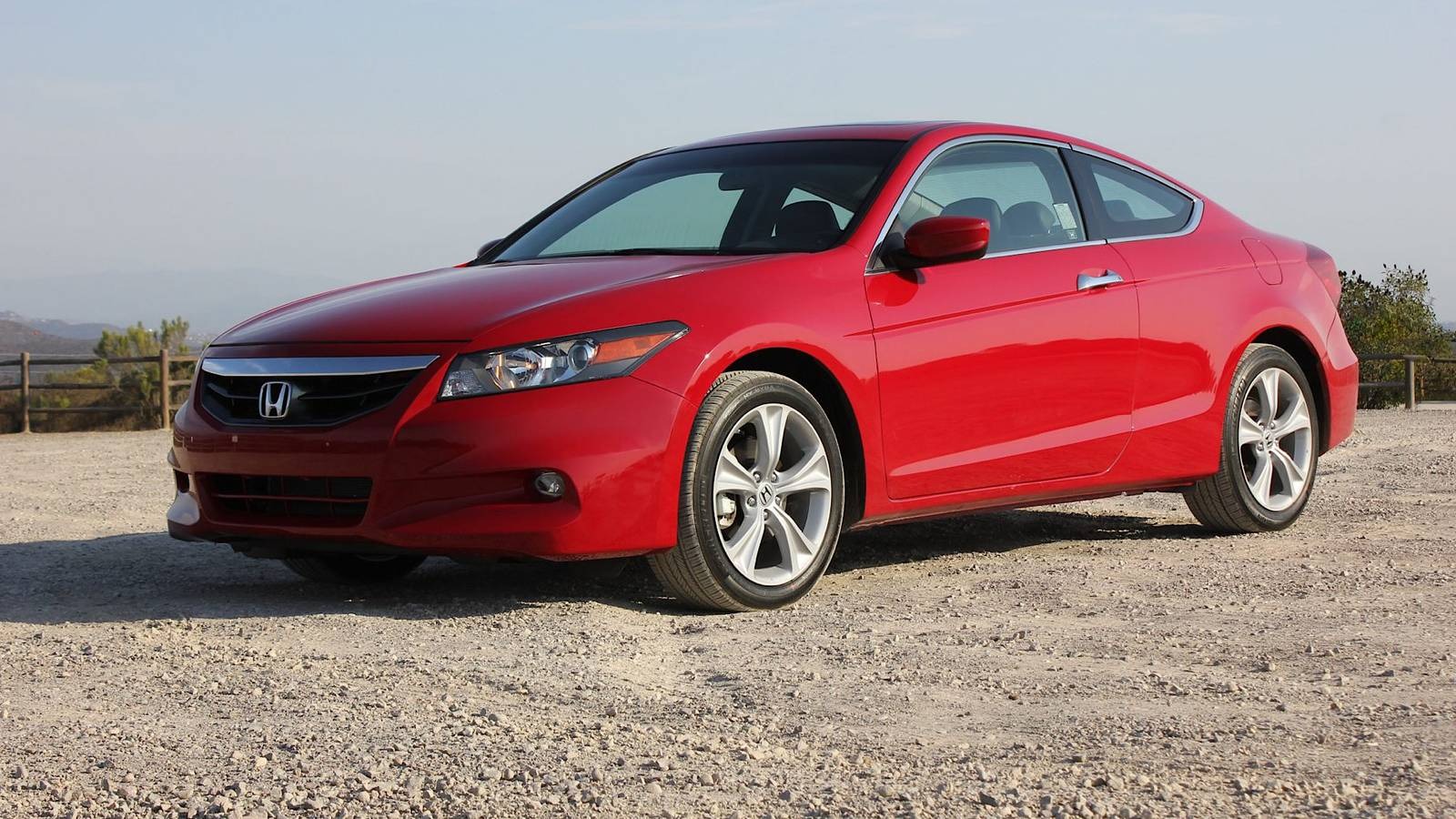
Honda Accord
The Honda Accord has long been a benchmark for reliability in the midsize sedan segment, and its electrical system is a key contributor to this reputation. Honda’s engineering philosophy emphasizes robust design and user-friendly repairability, which is clearly reflected in the Accord’s electrical architecture.
The vehicle incorporates well-organized wiring harnesses, durable connectors, and standardized components that are built to withstand daily wear and tear. These features minimize the risk of shorts, broken wires, or connector failures that often cause electrical headaches in other vehicles.
Moreover, the Accord’s electrical system benefits from a modular design approach. Many of the car’s electronic control units (ECUs) are separate, self-contained modules that can be individually replaced or repaired without disturbing other components.
This modularity not only streamlines the repair process but also reduces the likelihood of cascading electrical problems. For example, if one sensor or control unit malfunctions, it is less likely to affect the entire system. Honda also tends to use components that have been extensively tested in other models, ensuring reliability and ease of sourcing replacement parts.
Environmental resilience is another strength of the Accord’s electrical system. The wiring and connectors are designed to resist corrosion, moisture intrusion, and temperature extremes, which are common causes of electrical failures in many vehicles. This durability is especially important for drivers in areas with harsh winters or humid climates.
The car’s lighting systems, power windows, and infotainment electronics have been known to perform consistently well, even after years of use. Many Accord owners praise the vehicle’s ability to maintain smooth electrical operation without unexpected failures, adding to its reliability appeal.
In addition to its robust hardware, Honda provides detailed service manuals and diagnostic tools that facilitate quick and accurate troubleshooting of electrical problems. Technicians and owners alike find it easier to identify issues when they do occur, resulting in efficient repairs that restore full functionality.
This support infrastructure, combined with Honda’s reputation for reliability, helps the Accord maintain its status as a dependable sedan with an electrical system that stands the test of time. For buyers focused on a vehicle with a solid electrical record, the Honda Accord continues to be a top choice.
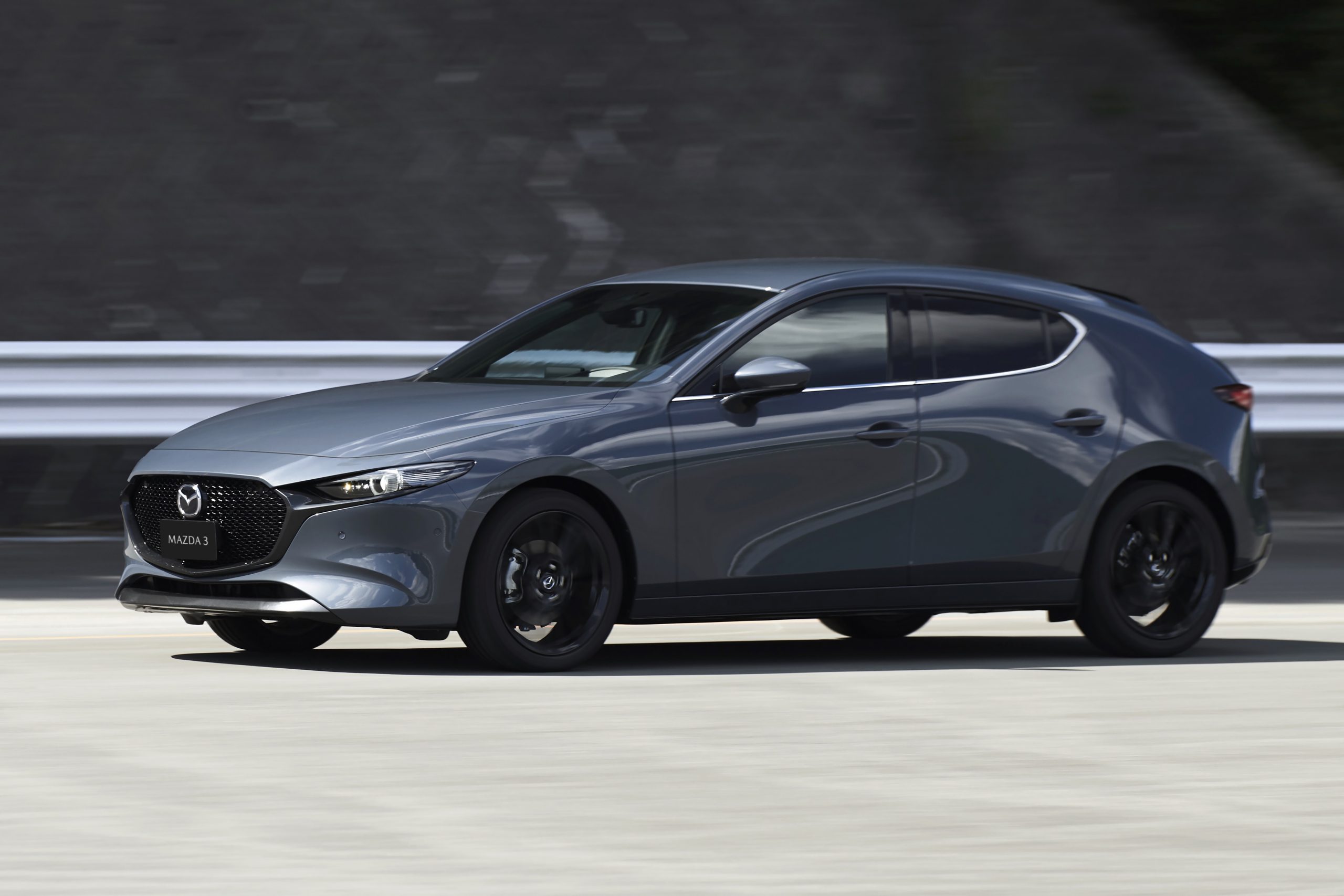
Mazda3
The Mazda3 is widely praised for combining style, performance, and reliability, with its electrical system playing a significant role in the latter. Mazda takes a balanced approach to integrating technology, focusing on systems that enhance the driving experience without overwhelming the vehicle with unnecessary complexity.
This philosophy leads to an electrical design that is clean, well-organized, and resistant to the common faults that affect more feature-heavy competitors. Mazda’s commitment to quality control ensures that wiring and connectors are carefully tested to meet high durability standards before the vehicle reaches customers.
One aspect of the Mazda3’s electrical system is its emphasis on high-quality materials. The wiring harnesses use superior insulation that protects against abrasion, heat, and moisture, factors that typically degrade electrical performance over time.
Connectors are designed to maintain strong, corrosion-resistant contacts that prevent signal loss or short circuits. This engineering foresight reduces the need for repairs caused by environmental damage or wear. In addition, many of the Mazda3’s components, such as alternators and sensors, come from reputable suppliers, ensuring reliability and longevity.
Mazda’s software and electronic control strategies also contribute to the car’s electrical dependability. The systems are designed to self-monitor and alert drivers to potential issues before they escalate into more serious problems.
When faults do arise, the diagnostic processes are straightforward, which helps technicians pinpoint the root cause quickly and accurately. Unlike some vehicles with overly complicated electrical systems that require extensive troubleshooting, the Mazda3’s setup is practical and easy to manage. This user-friendly approach reduces downtime and repair costs.
Finally, the Mazda3’s electrical reliability is supported by its consistent performance in consumer reports and owner reviews. Drivers frequently comment on the lack of electrical issues, even in models that are several years old and have been driven extensively.
This ongoing track record makes the Mazda3 an excellent option for buyers who want a car that blends modern conveniences with a solid, trouble-free electrical system. The result is a vehicle that offers peace of mind alongside enjoyable driving dynamics.
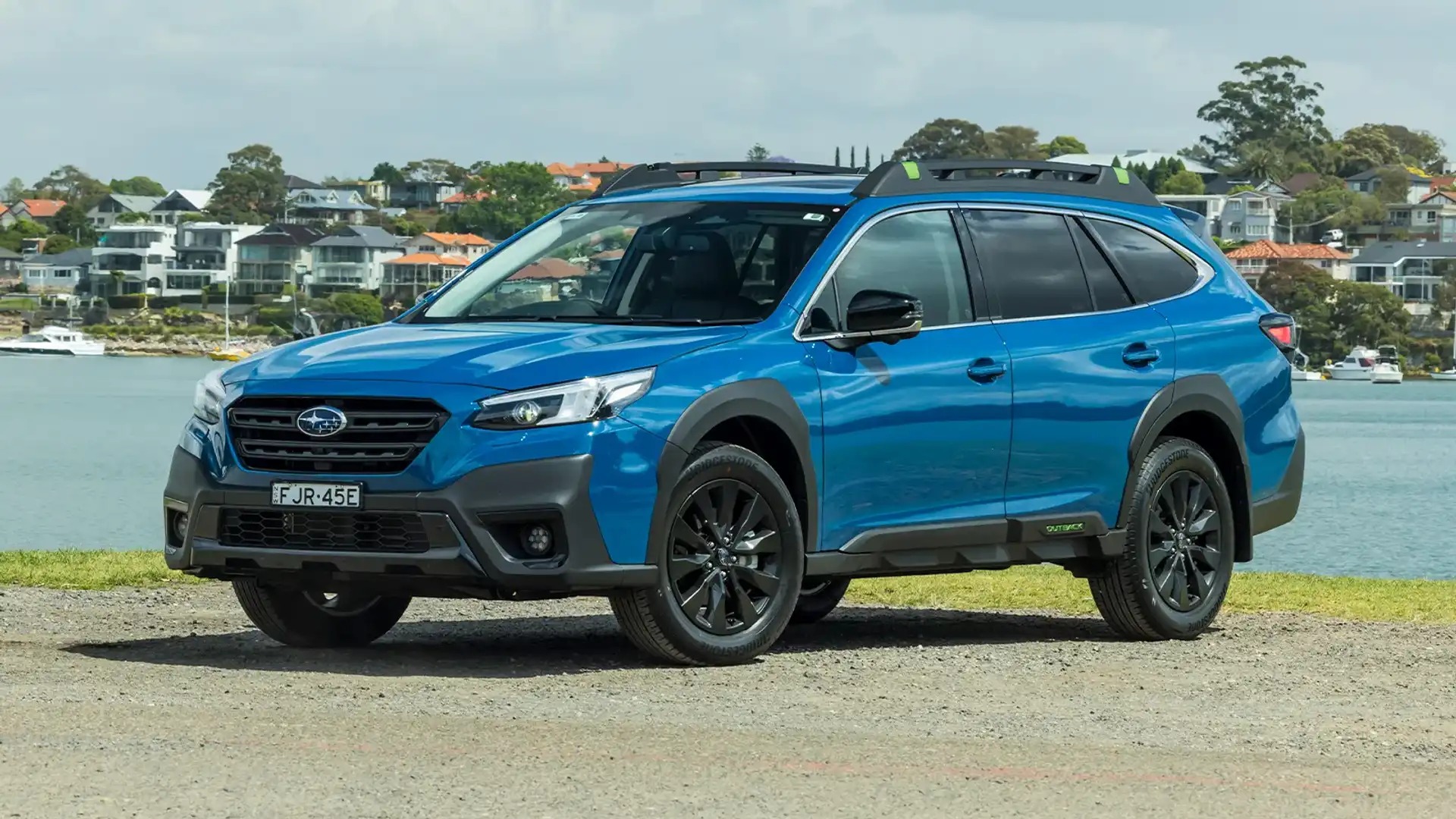
Subaru Outback
The Subaru Outback is well-known for its ruggedness and adaptability, often serving drivers who demand reliability in challenging conditions. This reputation extends to its electrical system, which Subaru has engineered to endure a variety of environmental stresses.
The wiring in the Outback is typically shielded with weather-resistant materials that protect against moisture intrusion, a primary cause of electrical faults in many vehicles. This feature is especially important for drivers who live in rainy or snowy regions where water and salt exposure can damage vulnerable wiring and connectors.
In addition to robust physical protection, Subaru designs the Outback’s electrical layout with logical routing and secure connections. This reduces the risk of damage caused by vibrations, friction, or accidental disconnections.
The vehicle’s sensors and control modules are positioned strategically to minimize exposure to harsh elements while maintaining accessibility for repair. This thoughtful design approach lowers the likelihood of electrical malfunctions and helps keep maintenance manageable over time.
The Outback also employs proven electronic components that have demonstrated reliability in other Subaru models. These include ignition systems, lighting units, and accessory controls that tend to perform consistently well even as the vehicle ages.
By avoiding overly complex or experimental technology, Subaru ensures that the Outback’s electrical systems remain durable and straightforward. Owners frequently note the absence of mysterious or intermittent electrical problems, which is a testament to Subaru’s engineering philosophy.
Finally, Subaru’s commitment to quality assurance plays a role in maintaining the Outback’s electrical dependability. Rigorous testing during production and attention to detail help prevent the introduction of defective parts or wiring errors.
The brand’s strong support network and parts availability further contribute to smooth, timely repairs if any issues do arise. For those who prioritize an all-weather vehicle with a reliable electrical system, the Subaru Outback continues to be a solid and trusted choice.
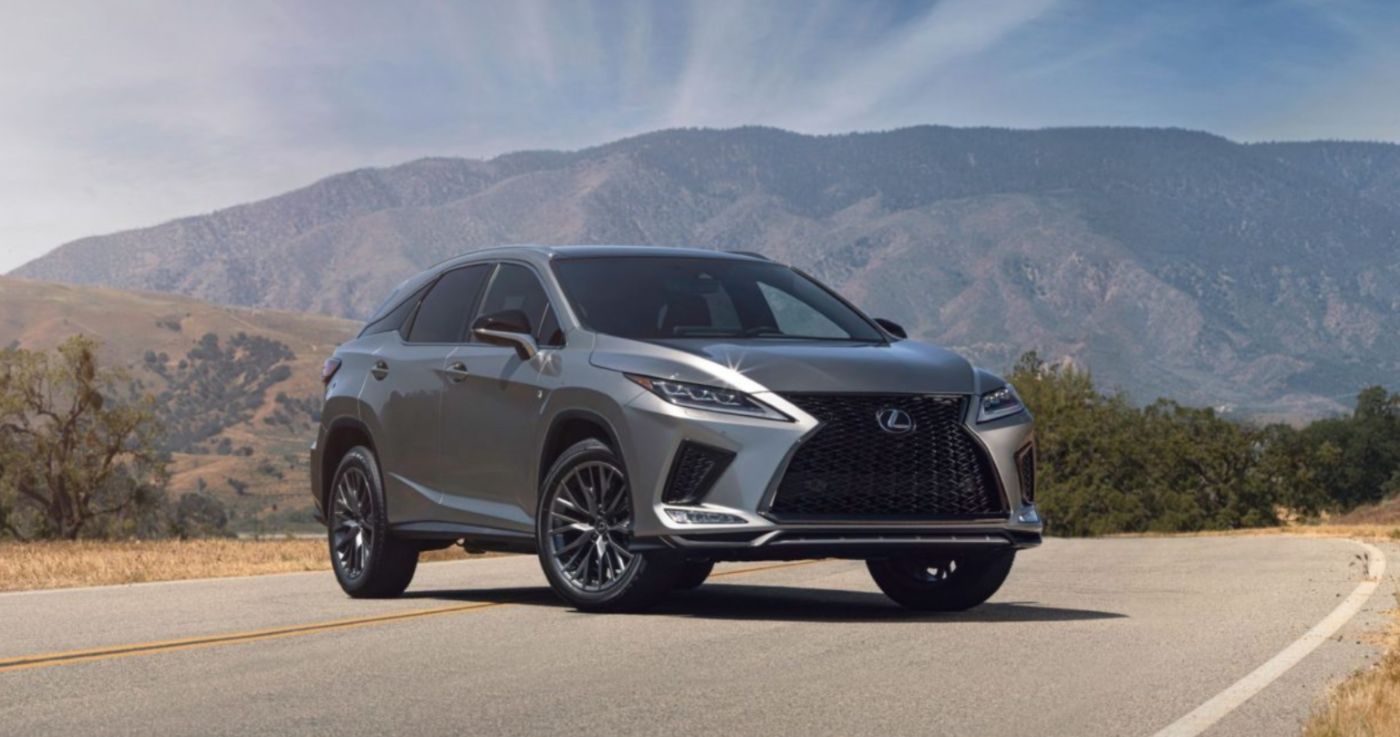
Lexus RX
The Lexus RX stands out as a luxury SUV that combines advanced technology with renowned Japanese reliability. As a division of Toyota, Lexus benefits from the parent company’s deep expertise in building durable, high-quality vehicles, especially in electrical systems.
The RX incorporates numerous sophisticated features, including adaptive lighting, premium audio, and advanced safety electronics, all integrated with meticulous attention to detail. This careful engineering helps ensure that these systems operate reliably over the long term, which is often not the case with many luxury vehicles burdened by complex and finicky electronics.
One of the key strengths of the Lexus RX’s electrical system is the use of premium-grade wiring and connectors. These components are designed to withstand temperature fluctuations, moisture, and mechanical stress better than many standard parts.
The wiring is carefully routed and shielded to prevent abrasion and interference, which reduces the risk of shorts or signal loss. Additionally, the RX’s control modules are built with durability in mind, incorporating redundancy and self-checking features that help detect and correct potential faults early.
Beyond the hardware, Lexus invests heavily in software reliability and user-friendly diagnostics. The vehicle’s electronic systems provide clear alerts and self-diagnostics that make troubleshooting more precise and less time-consuming.
This not only enhances owner confidence but also helps service technicians resolve issues efficiently, minimizing repair costs and downtime. The combination of excellent hardware, rigorous testing, and comprehensive support makes the RX a leader in electrical system reliability among luxury SUVs.
Finally, the Lexus RX’s reputation is backed by owner experiences and reliability ratings that consistently place it at the top of its class. Many owners report that their vehicles continue to operate flawlessly even after extensive use and high mileage. This outstanding electrical reliability adds significant value to the RX, making it a preferred choice for buyers who desire the best of luxury, technology, and dependable performance in one package.
Also Read: 5 V8 Engines That Run a Lifetime vs 5 That Eat Oil Fast
5 Cars That Constantly Need Electrical Repairs
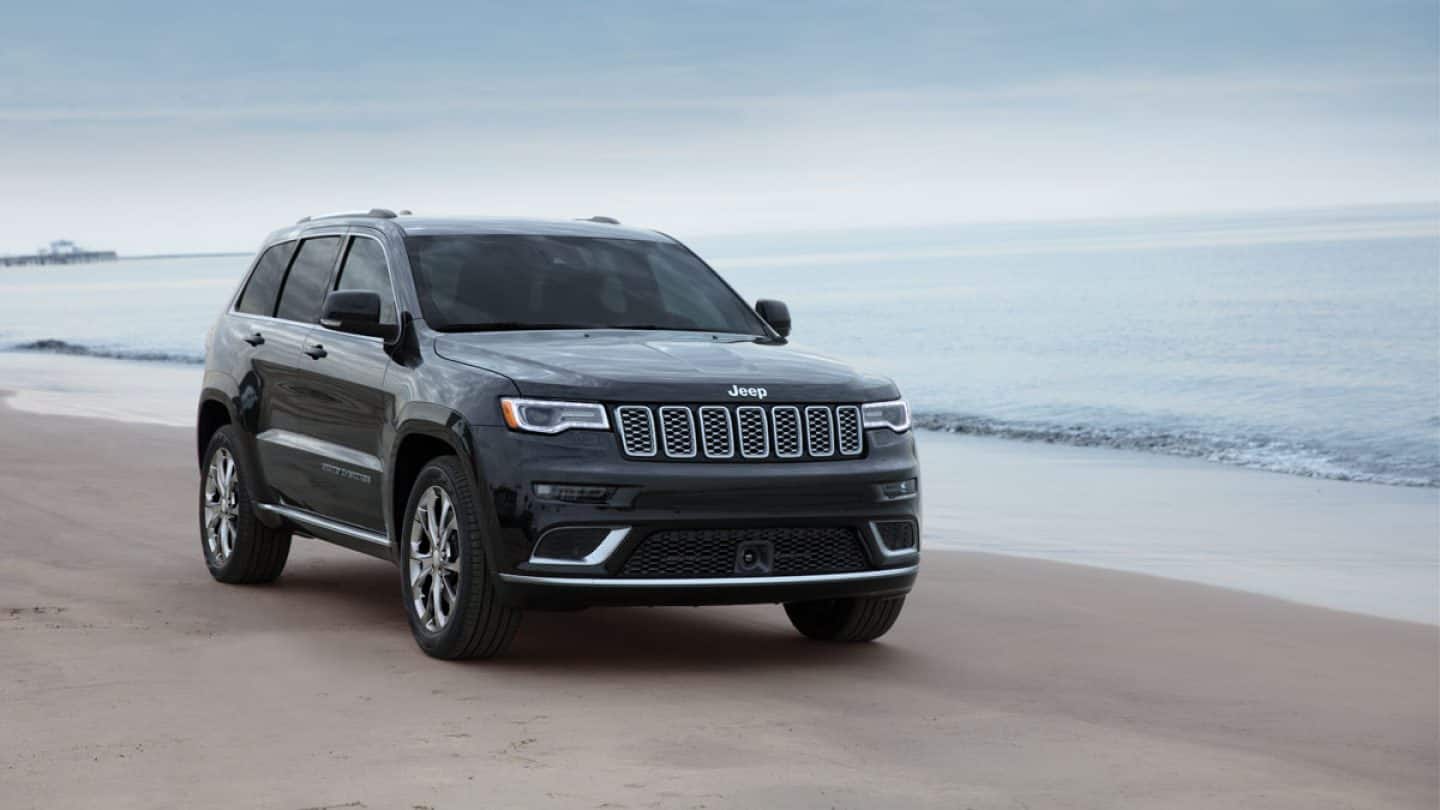
Jeep Grand Cherokee (Older Models)
The Jeep Grand Cherokee, particularly in its older generations, has developed a reputation for frequent electrical problems that frustrate many owners. One of the main reasons behind this recurring issue is the vehicle’s intricate electrical system, which includes numerous interconnected modules controlling everything from the engine to interior amenities.
While complexity can offer advanced functionality, it also creates multiple points of potential failure. In older Grand Cherokees, wiring harnesses were often routed through areas susceptible to moisture and dirt infiltration, which can cause corrosion and shorts. The vehicles were also frequently used in off-road environments, exposing their electrical systems to harsher conditions that accelerate wear and damage.
Many owners report persistent issues such as malfunctioning power windows, unresponsive door locks, erratic dashboard warning lights, and intermittent loss of power to accessories. These symptoms often trace back to faulty body control modules or corroded connectors, which can be challenging to diagnose and repair without specialized knowledge.
Another contributing factor is the use of early electronic components that have not aged well, coupled with manufacturing inconsistencies that allowed defective parts to slip through quality control. Consequently, owners often find themselves repeatedly returning to repair shops, sometimes facing costly and time-consuming fixes that do not always guarantee a permanent solution.
The Jeep Grand Cherokee’s electrical troubles are compounded by the difficulty of sourcing original replacement parts for older models. Aftermarket components sometimes lack the quality and reliability of OEM parts, which can lead to recurring issues or new faults.
Additionally, the complexity of the system means that even minor electrical faults can trigger a chain reaction of malfunctions, further complicating repairs. For consumers, this translates to a less satisfying ownership experience and diminished confidence in the vehicle’s reliability, despite its other strengths in performance and off-road capability.
Despite improvements in newer generations, the older Jeep Grand Cherokee remains a cautionary example for buyers who prioritize electrical reliability. Those considering these models should be prepared for potential maintenance challenges and budget accordingly for repairs.
Having a knowledgeable mechanic familiar with Jeep’s electrical systems is often essential to managing these issues effectively and keeping the vehicle running smoothly.

Land Rover Range Rover
The Land Rover Range Rover is a vehicle celebrated for luxury and off-road prowess, but its electrical reliability has historically been problematic, especially in earlier and mid-2000s models. The Range Rover’s elaborate electronic systems include numerous control modules, advanced lighting, sophisticated infotainment, and multiple sensors designed to enhance both comfort and safety.
Unfortunately, this complexity often works against the vehicle when it comes to maintaining dependable electrical performance. Components are densely packed within the vehicle’s chassis, making wiring harnesses and connectors vulnerable to wear, moisture, and vibration damage.
Owners frequently experience electrical glitches such as faulty instrument clusters, erratic lighting, malfunctioning power seats, and problems with infotainment systems.
These issues are often exacerbated by the vehicle’s exposure to harsh driving environments and weather conditions, particularly in wet or cold climates where moisture can seep into connectors and cause corrosion. Additionally, Land Rover’s quality control in some model years was less stringent compared to competitors, leading to the use of substandard components prone to early failure.
Repairing electrical problems in a Range Rover can be particularly challenging due to the advanced technology and proprietary diagnostic systems involved. Faulty modules often require replacement rather than repair, and parts are expensive and sometimes difficult to source quickly.
This contributes to high maintenance costs and extended downtime for owners. The complexity and cost of repairs have led many consumers to view the Range Rover as a vehicle that demands patience and financial readiness for ongoing electrical maintenance.
In recent years, Land Rover has made strides in improving the electrical reliability of its vehicles, but the legacy of past model years still affects buyer perception. Potential owners of older Range Rovers should be aware of these electrical concerns and consider them carefully when evaluating the total cost of ownership and long-term reliability.
For those who value luxury and capability but are wary of electrical issues, extensive research and inspection by qualified technicians before purchase are advisable.

BMW 5 Series (E60 Generation)
The BMW 5 Series E60 generation, produced from 2003 to 2010, is often praised for its driving dynamics and styling but is notorious for electrical problems that plague many owners.
This generation marked a significant technological leap, introducing numerous electronic features such as advanced iDrive infotainment, complex lighting systems, and numerous control modules managing various vehicle functions. While these innovations improved the driving experience, they also increased the potential points of failure within the car’s electrical system.
Many E60 owners report frequent electrical malfunctions including erratic behavior of dashboard instruments, issues with central locking, and problems with power windows and mirrors. One common culprit is the failure of the vehicle’s control modules, which can become unreliable over time due to heat, moisture, or internal component wear.
Additionally, BMW’s electrical wiring in this model is densely packed and somewhat fragile, making it prone to damage from vibration and age. These factors create a challenging environment for maintenance and repair.
Diagnosing electrical faults in the E60 can be particularly complicated, often requiring specialized BMW diagnostic tools and expertise. Some owners face recurring issues even after repairs, due to the intricate interdependence of the vehicle’s electronic systems.
Repair costs can be substantial, as many components are expensive to replace and labor-intensive to install. The complexity of the E60’s electronics often deters DIY repairs and necessitates professional intervention.
Despite its electrical issues, the E60 remains a desirable car for enthusiasts due to its performance and design. However, prospective buyers should weigh the risk of electrical maintenance against the car’s strengths. Thorough inspection and maintenance history review are crucial steps to avoid unpleasant surprises. For current owners, proactive maintenance and addressing electrical concerns early can help mitigate long-term problems.
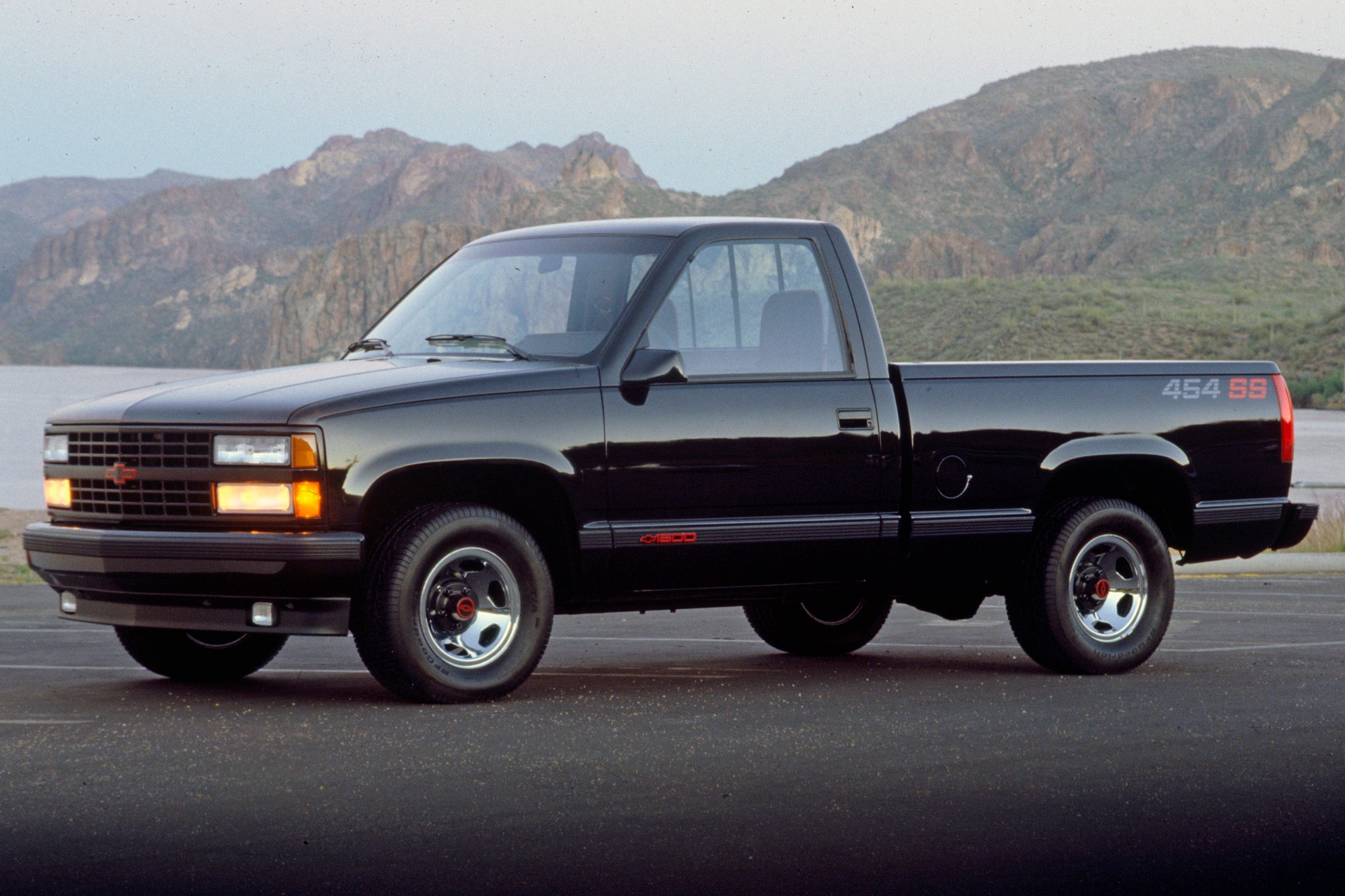
Chevrolet Silverado (Early 2000s Models)
Chevrolet Silverado trucks from the early 2000s are popular workhorses but are also known for persistent electrical problems that can complicate ownership. Many Silverado owners have experienced issues related to faulty wiring harnesses, corroded connectors, and malfunctioning control modules.
These electrical problems can affect vital systems such as the instrument cluster, lighting, power windows, and even the engine management system. A significant factor contributing to these issues is the truck’s exposure to demanding working conditions, including heavy-duty use and exposure to dirt, water, and road salt.
The wiring in early 2000s Silverados is sometimes prone to becoming brittle and cracked over time, especially in high-stress areas such as the engine bay and undercarriage. Moisture infiltration often accelerates deterioration, leading to shorts and intermittent faults that are difficult to trace.
Corrosion of connectors and ground points can cause erratic electrical behavior and affect the truck’s drivability. These electrical challenges often result in inconsistent performance of essential systems, frustrating owners who rely on their trucks for daily tasks.
Repairing electrical faults in these Silverados can be a complicated process. The complexity of the wiring and the use of multiple control modules mean that technicians must perform detailed diagnostics to pinpoint issues.
Replacement of wiring harnesses or control units can be expensive and time-consuming, and the availability of high-quality replacement parts varies. For some owners, recurring electrical problems detract from the truck’s otherwise solid mechanical reputation.
Despite these issues, the Silverado remains a favorite among pickup truck buyers, largely due to its durability and versatility. However, buyers of early 2000s models should be prepared for the possibility of ongoing electrical repairs and factor this into their maintenance budgets. Regular inspections and preventative care can help reduce the risk of severe electrical failures over time.
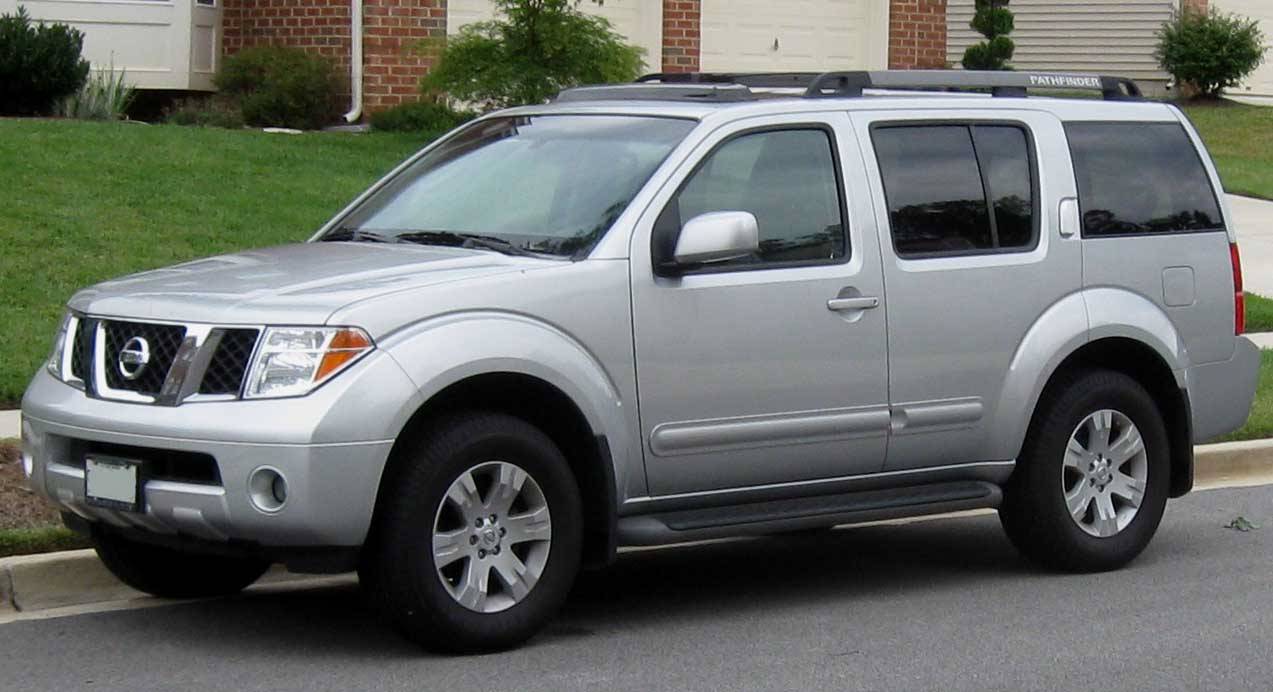
Nissan Pathfinder (Third Generation)
The third-generation Nissan Pathfinder, produced from 2005 to 2012, has earned a less-than-stellar reputation for electrical reliability. Owners frequently report persistent electrical problems involving faulty wiring harnesses, failing electronic control units, and unreliable sensor systems.
These issues manifest as power accessory failures, erratic dashboard warning lights, intermittent engine starting problems, and sometimes complete electrical shutdowns. A significant cause of these problems is the vehicle’s wiring design and insulation, which has proven vulnerable to moisture and mechanical wear.
One common issue with the Pathfinder is moisture intrusion into wiring connectors and harnesses, leading to corrosion and short circuits. Additionally, some models have had problems with ground connections, which can cause irregular electrical behavior and make diagnosing faults more difficult.
These issues are compounded by the vehicle’s use as an off-road capable SUV, where exposure to dirt, mud, and water is frequent. The electrical system, unfortunately, does not always hold up well under these conditions.
The complexity of the Pathfinder’s electrical system also complicates repairs. Many faults require the replacement of entire wiring harnesses or electronic control modules, which are costly and labor-intensive to replace.
Diagnostic procedures can be challenging due to the system’s intricacy, leading to prolonged troubleshooting periods and increased repair expenses. These factors combine to give the Pathfinder a reputation for requiring frequent and often frustrating electrical repairs.
Potential buyers and current owners should be aware of these issues and ensure thorough inspections are performed before purchasing or when electrical problems arise. Maintenance practices that include protecting wiring from moisture and regular electrical system checks can help mitigate some of these problems. Still, the third-generation Pathfinder remains a model that demands caution regarding its electrical reliability.
