
When people buy a car they often think about the sticker price first. But what matters even more over time is how much that car will cost to keep on the road. Maintenance, parts, labour, reliability, resale value and how often repairs are needed together shape the true cost of ownership.
Some vehicles are easier and cheaper to repair because their mechanical designs are simpler, parts are widely available, many technicians know them well, and they tend to break less often. Other models may look flashy but end up costing a great deal just to fix small problems.
The difference between a car that costs very little in repairs over its lifetime and one that gradually drains money can become huge.
Knowing which models tend to have lower lifetime repair costs helps buyers make smarter decisions, budgeting more confidently for fuel, servicing, insurance and resale. In this article I list twelve cars known for having some of the lowest repair costs over their lifespan.
For each I explain what makes them cheap to maintain, what typical repair issues are, and how they compare to others.
Someone planning to keep a car for ten or twenty years benefits from choosing models that minimise repair cost burden. These twelve examples are not perfect in every respect but they offer excellent value if low repair cost is a priority.
Whether you want simplicity, durability, good engineering, or ease of finding parts these cars tend to deliver. After reading this you will have a clearer picture of which cars tend to cost least across time and service intervals and which might end up surprising you with upkeep expenses.
Also Read: 10 Cars Mechanics Say Will Easily Hit 400k Miles
1. Toyota Corolla
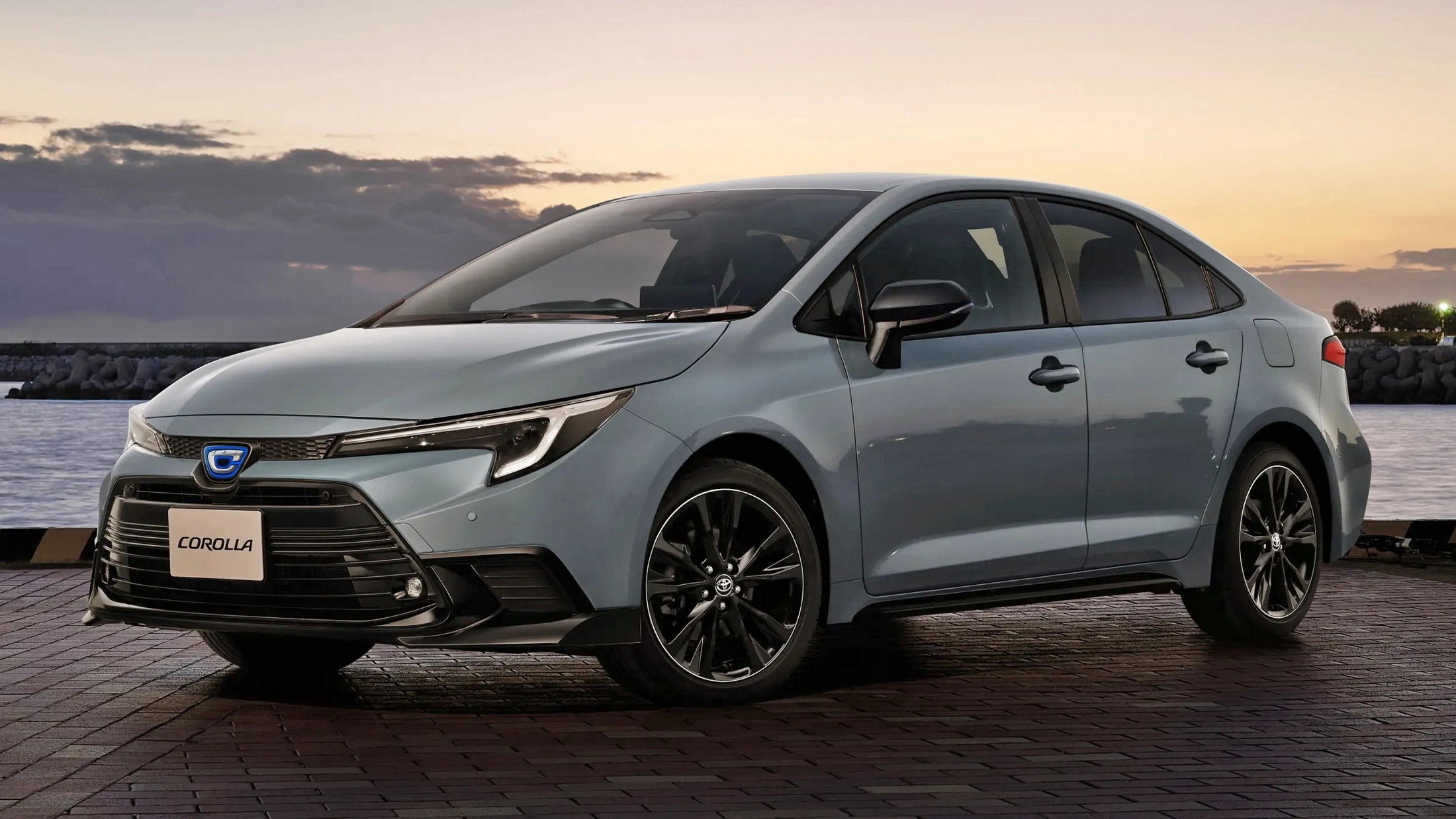
The Toyota Corolla has long been a benchmark for reliability and low maintenance cost. Its engine and transmission are well proven, parts are abundant, and many repair shops are familiar with common failure modes.
Because production has been huge, used Corollas are widespread so spare parts are inexpensive. Additionally labor times for typical job items like brakes, belts, filters are well known and often quicker since mechanics have encountered them many times.
Typical problems for Corollas are things like wear on suspension bushings, occasional issues with oxygen sensors or coil packs, but nothing that tends to catastrophically fail early.
The electronics are usually simple, no overcomplicated infotainment systems that often need warranty-like repair. Key service items are straightforward oil changes, timing belt or chain service in certain years, and regular fluid changes. This simplicity keeps both parts and labor costs down.
Corollas tend to hold value well partly because of their reputation for reliability. That means resale values are decent which reduces net lifetime cost when you factor depreciation.
Insurance premiums are often lower because the car is modest in speed and power, often regarded as safe and predictable, which means repair claims tend to be modest. Fuel economy tends to be respectable, reducing one of the “other” costs that accompany lifetime ownership.
Owners who drive many miles gain benefit from a car with good fuel economy, low repair frequency, and cheap parts.
A Corolla will typically rack up hundreds of thousands of kilometers with nothing more serious than routine maintenance, maybe replacing suspension parts or exhaust components eventually.
Repair costs over ten years or more are among the lowest in its class making it a frequent top recommendation for anyone seeking minimal long‑term cost.
2. Honda Civic
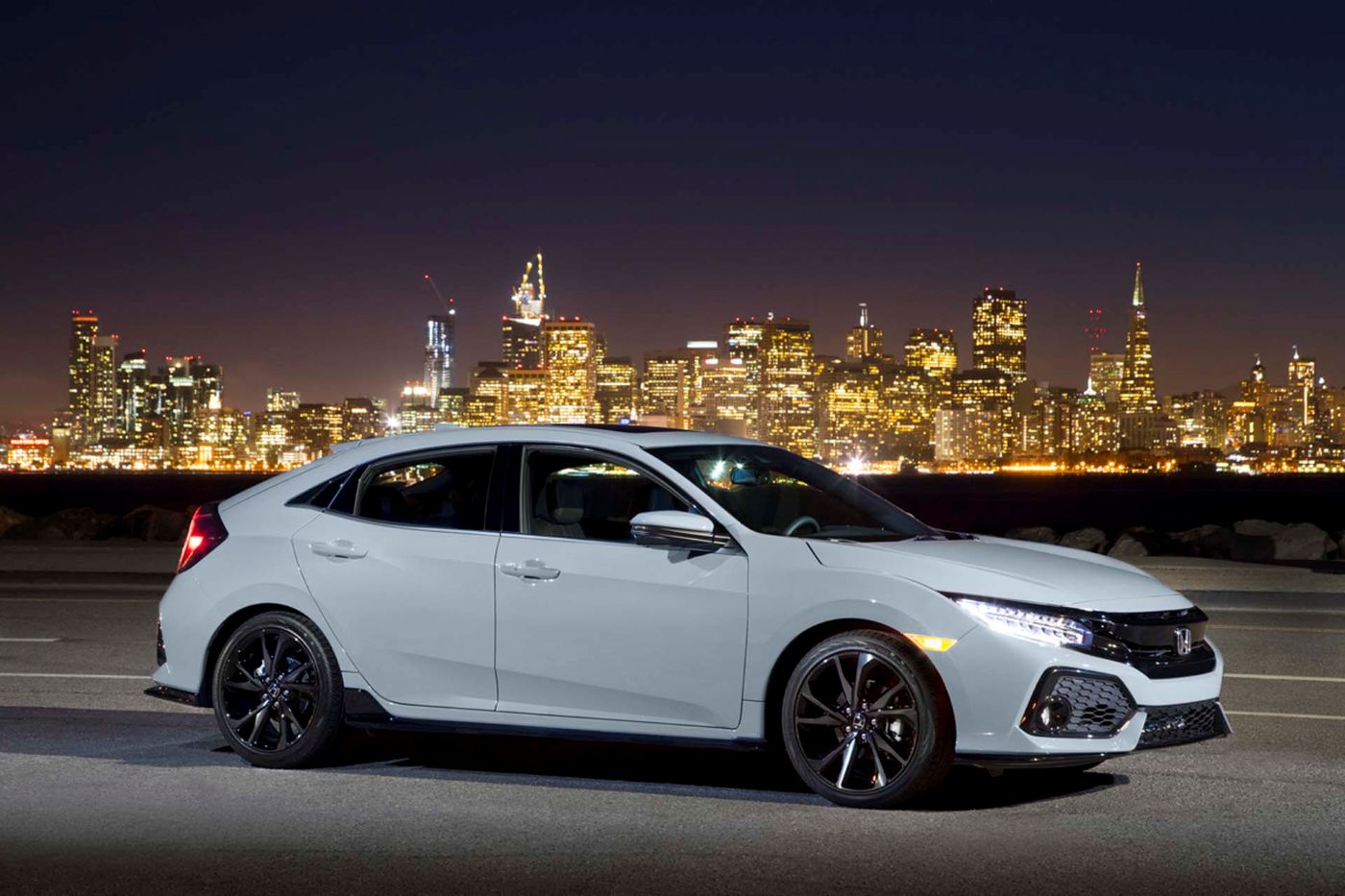
The Honda Civic has similar virtues in terms of long lasting mechanical components. Its engine technology has improved over years, but earlier models used very simple designs that aged gracefully.
Spare parts are also very accessible. Because many Civics are sold, there is large aftermarket support. Brake pads, filters, belts, sensors are plentiful, often with generic alternatives that match quality without large price tags. Labor tasks are usually well defined and familiar in repair shops world wide.
The Civic’s failures tend to involve items of wear from long use rather than poorly engineered parts. For example shocks and struts wear out, bushings degrade, maybe certain sensors misbehave.
Major failures are rare if maintenance schedule is followed. It helps that many components are modular and easier to access. For instance valve cover gaskets, timing belt replacements in specific years are known items so parts are stocked and labor is predictable.
Resale value for Civics tends to be strong because many people trust them to last. Buyers looking for a solid used car often pick Civics because of their history. That means depreciation is reduced.
Insurance costs often are reasonable because repair parts tend to be mid‑priced, and the car is not expensive to work on. Fuel economy also usually is good, especially for smaller displacement naturally aspirated engines that are less complex.
Long term ownership of a Civic typically means getting minimal surprises. Owners who treat routine maintenance carefully, oil changes, timing belt or chain, fluids, rarely see outrageous bills.
Even when components fail, mechanic labor hours are moderate. Therefore over maybe 200‑250 thousand kilometers or over 10‑15 years, lifetime repair cost tends to remain low relative to many other models. Civic is often seen in lists of cars with lowest lifetime cost for good reason.
3. Mazda3
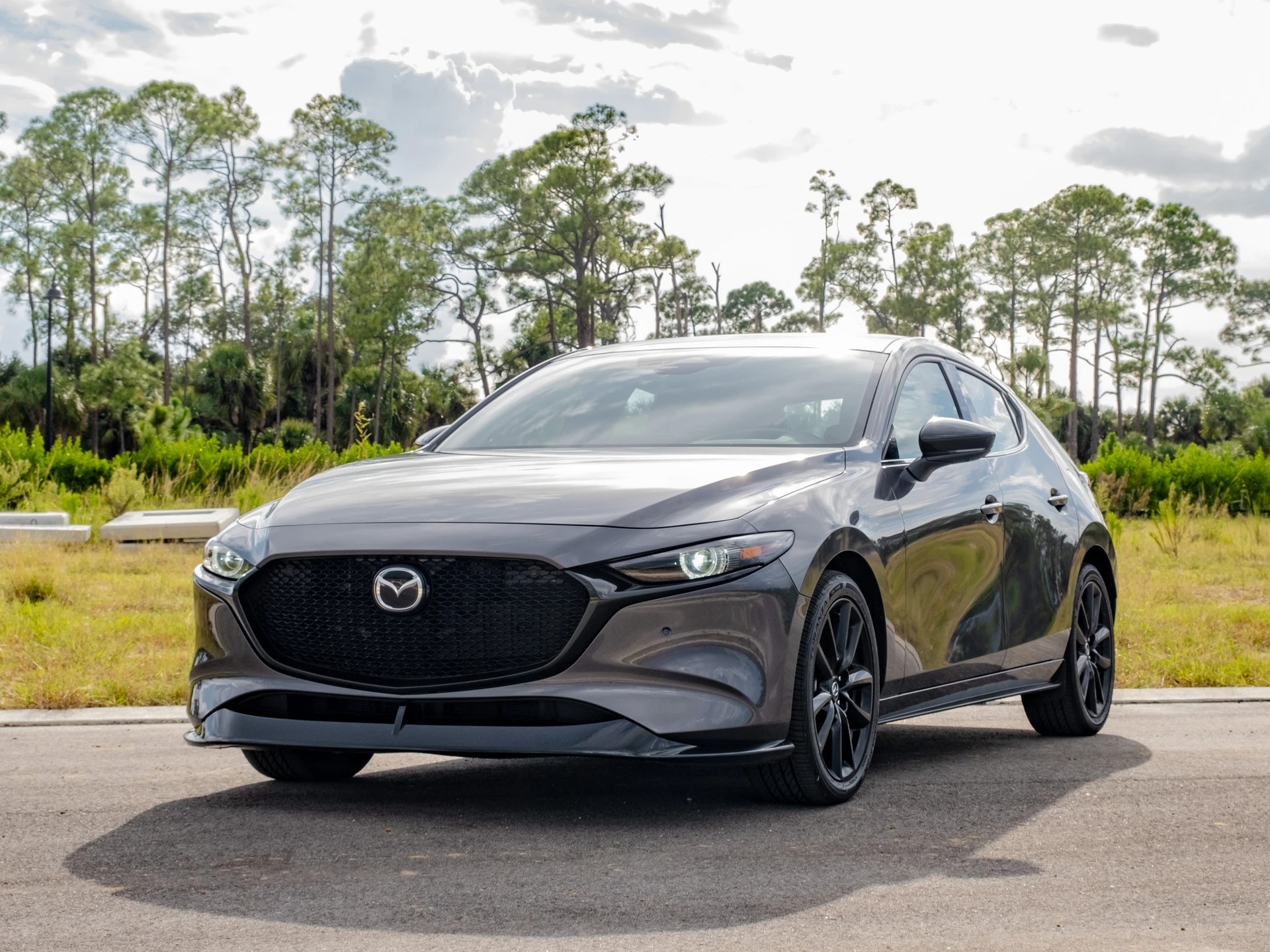
Mazda3 blends a somewhat sportier drive with many of the maintenance cost advantages of simpler compact cars. Its engineering emphasizes reliability, and although certain later models added more tech, many mechanical parts remain robust and widely available.
Brake, suspension, exhaust items are reasonably priced, and many shops are familiar with Mazda service practices. Because Mazda shares parts sourcing with other manufacturers or uses components common across similar models, parts cost is moderated.
Some common repair issues include worn shocks, occasional sensor failures or minor leaks, aging bushings.
Electronics may need attention in higher trim models, but base mechanical issues tend to dominate repair jobs. Timing chains in certain engines are known to be durable though inspection intervals are important.
Preventive maintenance is accessible rather than prohibitive. Regular oil changes, air filter and fuel filter replacements are sorts of tasks that remain cheap.
Resale value is decent given Mazda’s reputation for sporty handling and reliability. For buyers who want decent driving dynamics while paying modest repair bills, Mazda3 offers appealing compromise.
Insurance costs can be somewhat higher than very basic compact cars but still low compared to luxury or performance models. Fuel consumption is good which helps reduce ongoing cost burdens.
Over many years Mazda3 tends to be reliable so long as owners do not push abuse. Lifespan of many components is extended when servicing is kept up. When repair becomes necessary, costs are balanced by parts availability and moderate labor.
Thus lifetime repair cost often falls in lower percentiles among compact cars. For someone driving tens of thousands of kilometers every year this can translate into thousands saved relative to less reliable or more high‑tech vehicles.
4. Toyota Prius
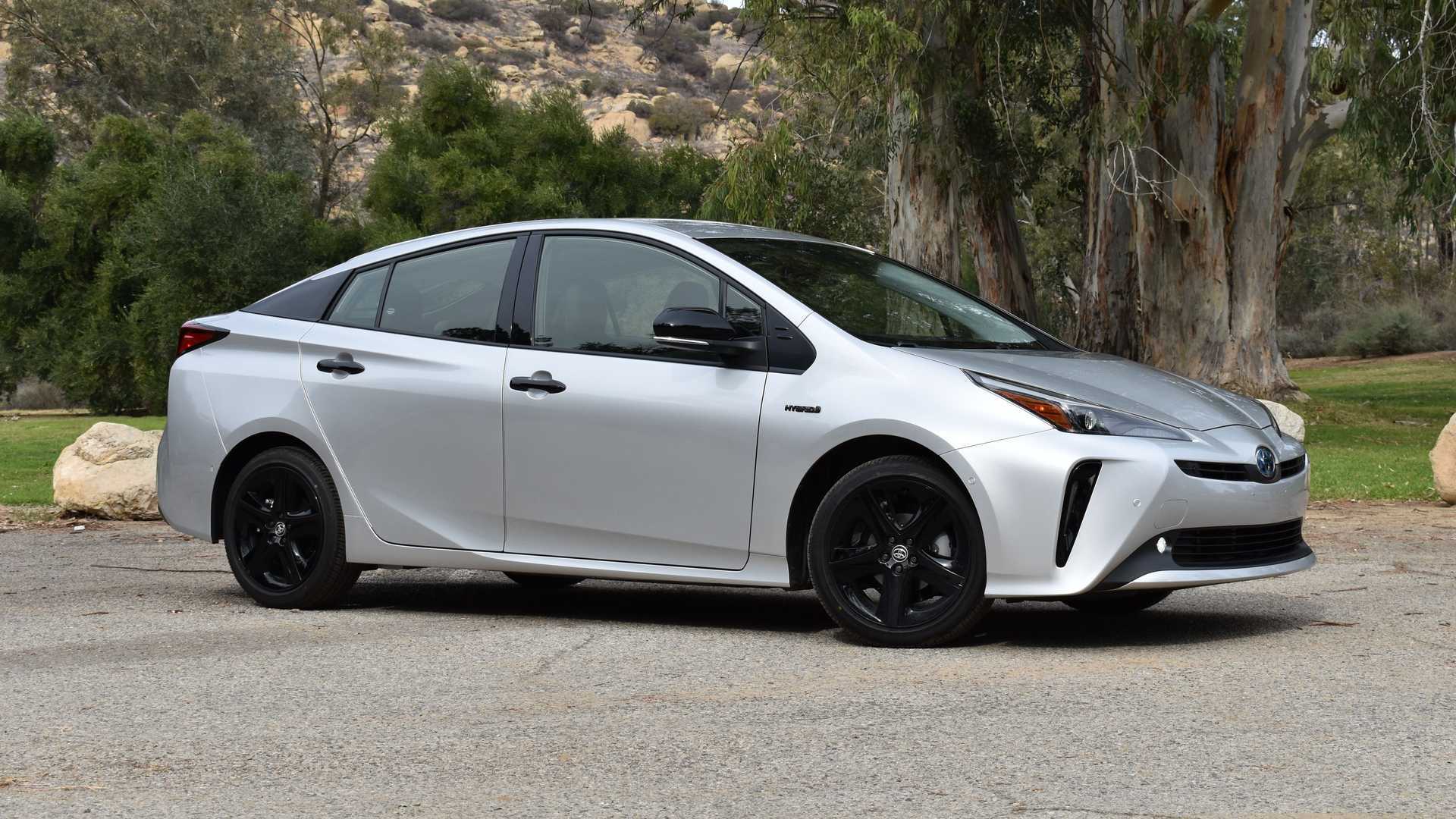
Hybrid vehicles sometimes bring concerns about battery replacement and complex electronics. Toyota Prius is an exception in many respects. Its hybrid system is well engineered, has been improved over generations, and spare hybrid parts are now much more available.
The battery packs have shown decent longevity. Many Prius owners report minimal issues beyond normal wear items for many years of service. Because Toyota has invested heavily in hybrid technology development, known failure modes are well understood and easier to mitigate.
Routine maintenance for Prius includes the usual oil, filters, brakes, suspension, but also attention to hybrid‑related fluids and cooling for battery/inverter units.
When hybrid battery problems do appear they are often late in life and sometimes refurbished or reconditioned battery solutions are cheaper than full replacement. For many Prius owners the trade‑off in fuel savings and low maintenance of the engine portion offsets periodic hybrid system costs over long service.
The parts for common repairs in the Prius are more expensive than for simple non‑hybrid cars in some cases, especially when dealing with electronic components.
But because failures are relatively rare, and because many repairs are scheduled rather than unexpected, lifetime cost tends to stay lower. Also labor cost for hybrid parts has come down as more technicians are trained and authorized to work on hybrids.
In terms of resale the Prius often holds value quite well. Eco cars in many markets are in demand, especially those with reputations for durability.
Insurance sometimes may be higher due to perception of complexity, but often balanced by usually lower fuel costs and fewer trips to repair shop. Over a long life span the Prius can turn out to be among the least expensive hybrid or mid‑size vehicles to maintain.
5. Honda Fit
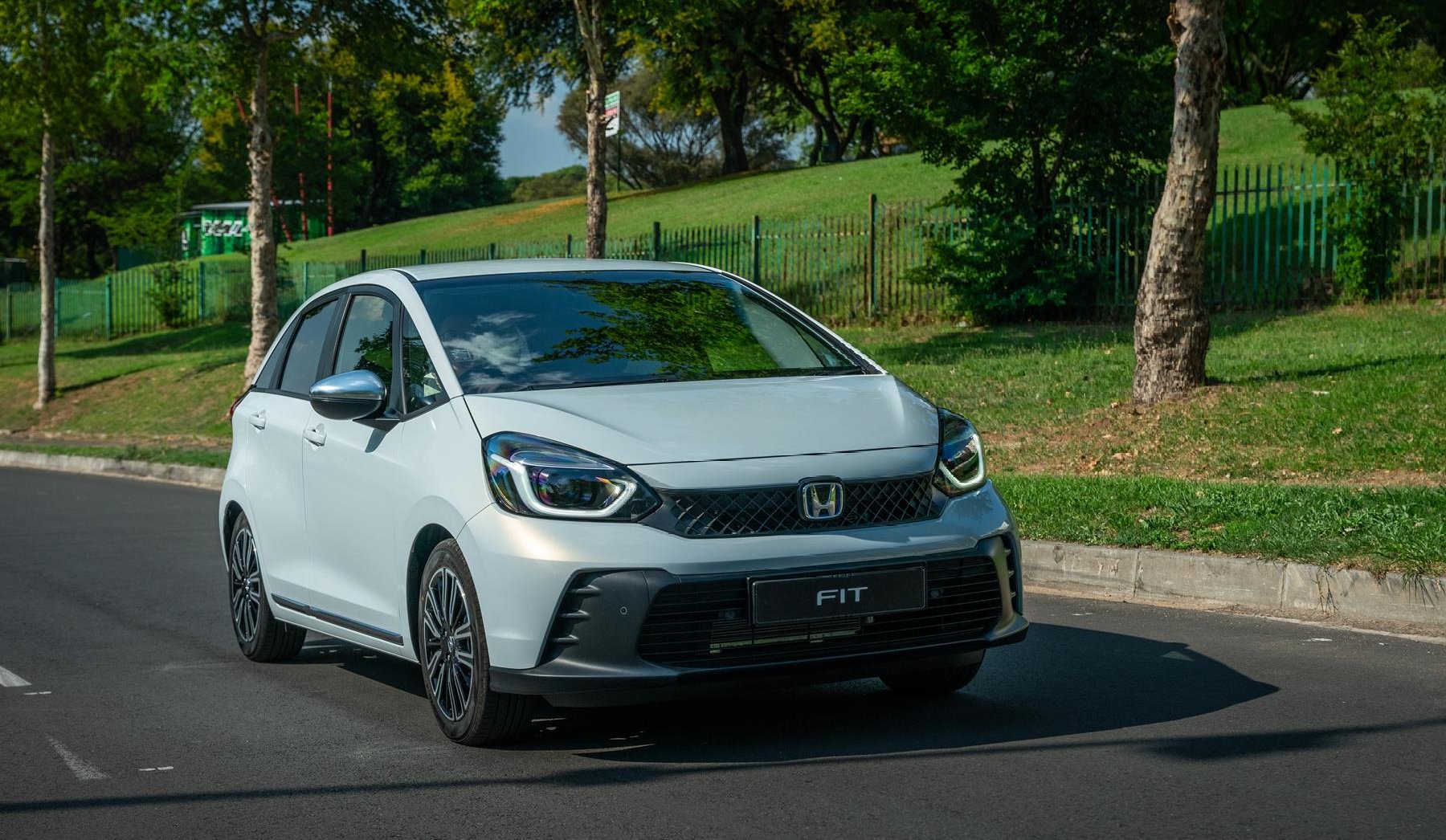
A small hatchback such as the Fit tends to be cheap to own and repair over long term. The Fit’s mechanical simplicity, modest power train, and minimal high‑cost features help keep things straightforward.
Batteries, brakes, tires, filters are standard and common parts. Because the car is small, labor and parts are easier to access. Less body structure, smaller components, fewer luxury features that might break make maintenance costs lower.
Common wear items include suspension parts, small leaks, perhaps issues with small electronic components after many years, but these tend to remain owed more to age than design flaws. Engines in many Fits are reliable, transmissions solid.
When owners keep up oil change intervals, avoid aggressive driving, the power train often lasts well past what many expect. The Fit tends not to have expensive large motors or forced induction so less risk of high repair cost events.
Fuel economy is often excellent which helps reduce running cost. Insurance is usually low given small size, modest speed and power.
Resale value tends to be reasonable though perhaps less than larger popular brands; still many used car buyers value the reliability and cheap upkeep. Tire and brake replacements still occur, but those costs are smaller given smaller component sizes.
Over long service, a Fit often costs little unexpected maintenance. Many owners find that for many years maintenance bills remain largely routine rather than urgent.
Even after high mileage the Fit frequently continues functioning without major engine or transmission overhaul, especially with early attention to oil, cooling, and drivetrain care. Thus it makes the list of cars with cheapest lifetime repair cost.
6. Subaru Impreza
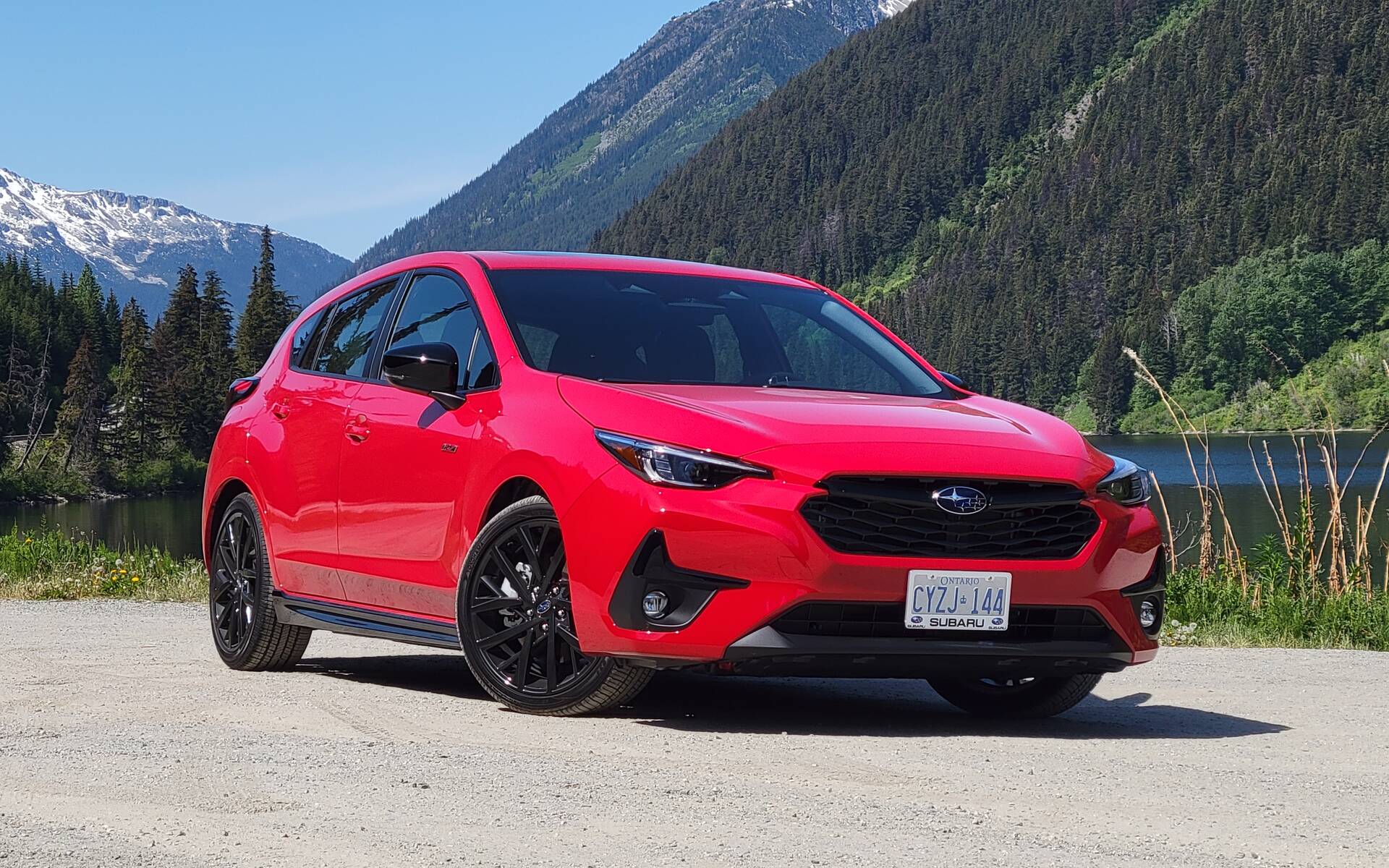
Subaru Impreza offers all‑wheel drive and solid performance while often not incurring huge repair bills if properly maintained. The boxer engine layout has both pros and cons, but many older Imprezas have shown durability if owners service cooling system, head gaskets, and timing belts.
Parts are reasonably available in many areas for older Subaru models. Because AWD systems may need more attention, costs can increase, but for versions with simpler drivetrain those costs remain manageable.
Usual repair items include wear on suspension components, occasional head gasket issues in older models, leaking seals. Timing belt and water pump replacements, regular fluid changes are essential for longer life.
Electronics tend not to be overly complex in basic trims, so sensor failures or infotainment problems are fewer. Brake and tire replacement costs are moderate though tires for AWD can be a little more because they wear evenly across wheels.
Resale value can be decent, especially where AWD is valued such as in climates or areas with snow. Owners who buy an Impreza expecting low repair costs need to choose model years known for reliability.
Insurance can be slightly higher due to AWD and possibly higher damage risk in tougher weather driving, but repair shops generally know Subarus well, which helps keep labour costs from inflating too much.
When run carefully, an Impreza can deliver many years of reliable service. If the owner invests in cooling, oil, belts, and replaces wear‑parts before serious issues develop, the lifetime repair cost remains relatively low compared to many performance SUVs or luxury sedans.
The combination of drivetrain durability, decent parts cost, and broad service knowledge helps.
Also Read: 12 Cars That Constantly Drive Owners Crazy
7. Toyota Camry
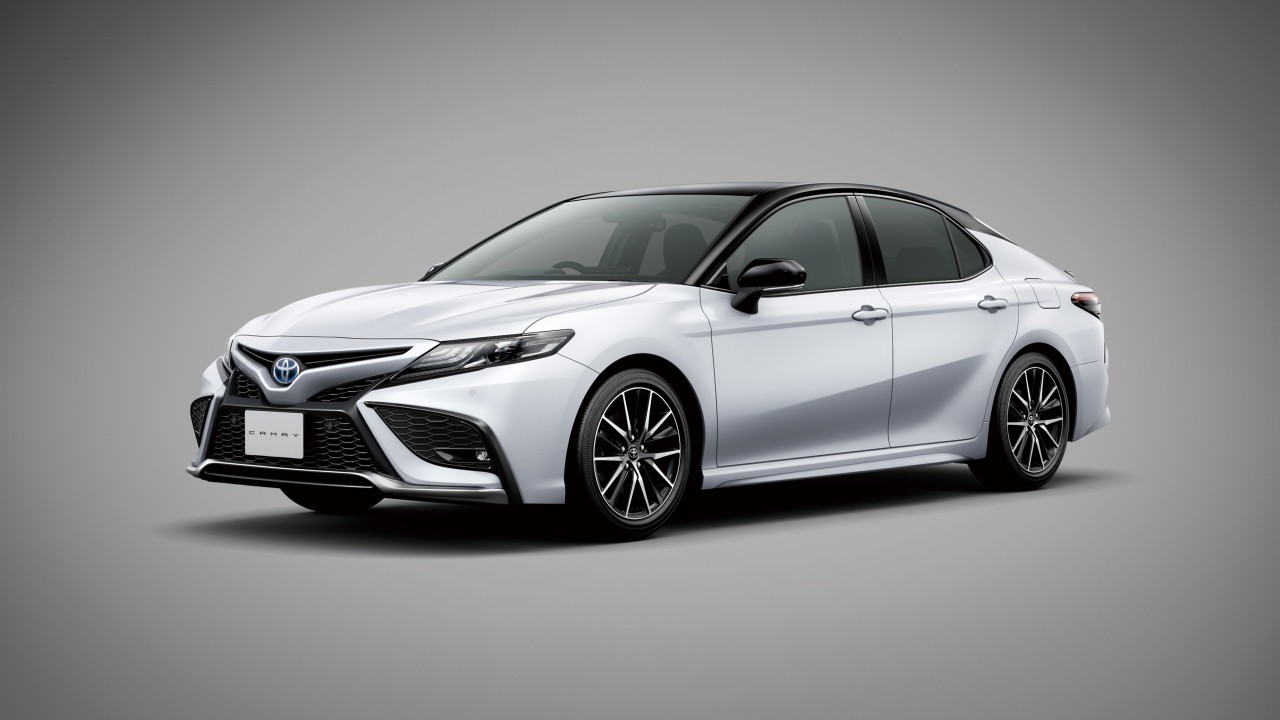
The Camry is larger than many compact cars yet often nearly as inexpensive to maintain. Toyota designed its mid‑size sedan lines for durability, reliability and ease of service.
Many parts are shared across models, many design features are mature. Engines and transmissions have undergone many generations of refinement so that failure rates are relatively low. These traits reduce both frequency of repairs and cost when they occur.
Common maintenance items: brakes, suspension, filter replacements, cooling system servicing, occasional sensor replacement. Major engine or transmission problems are comparatively rare in well kept Camrys.
If coolant hoses or radiator parts fail those are usual wear items. Interior and electronic components in base or mid trims tend to be simpler; luxurious or tech‑heavy upgrades add complexity but basic trims retain simplicity which helps repair costs stay low.
Depreciation and resale value are favorable because many people trust a Camry to last. That trust means demand for used Camrys is strong. Insurance also tends to be moderate because repair costs for common damage tend to be known and parts fairly priced.
Fuel consumption in many Camrys is acceptable given their size. Hybrid Camrys may have higher upfront costs but repair costs often stay manageable over time for the non‑hybrid mechanical parts.
If owners maintain fluid schedules, address minor issues early, the Camry tends to provide tens or hundreds of thousands of miles of service without catastrophic repairs.
Costs rise slowly and predictably rather than spiking unexpectedly. For someone owning one for 10 to 15 years or more, lifetime repair cost per year or per mile often ends up quite low relative to costlier luxury sedans or uncommon foreign models.
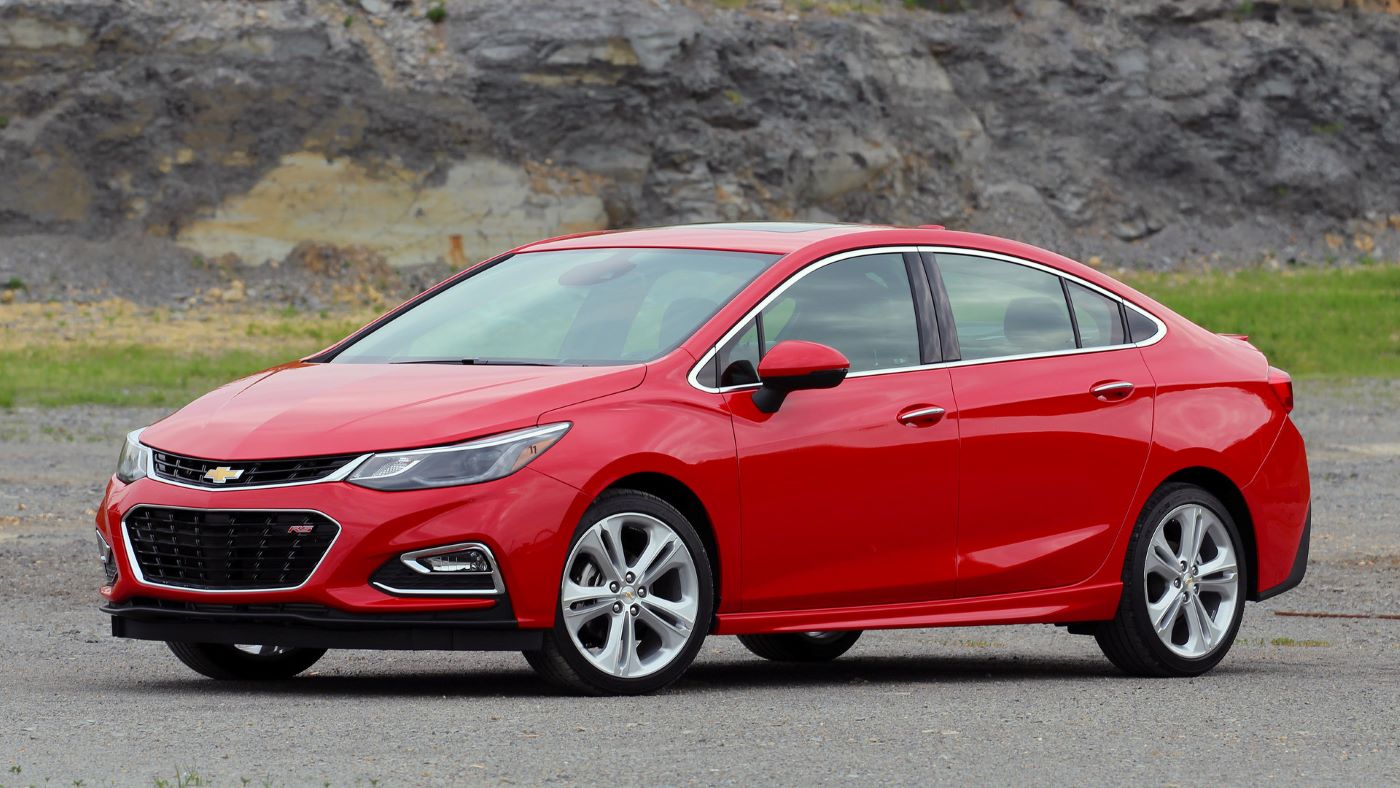
8. Chevrolet Cruze
Chevy Cruze models from recent generations are not luxury cars but often offer good value and low repair cost. Parts are generally accessible in North America and many used models elsewhere.
Because Chevy is a mainstream brand many aftermarket parts are available, increasing competition and lowering prices for common wear items. Engine and transmission designs are relatively simpler in non‑turbo versions, which helps reduce risk of expensive repairs.
Frequent repair concerns include oxygen sensor failure, problems with water pumps or cooling system, brake pad and rotor replacement, maybe issues with sensors or minor electrical faults.
However none of these are usually severely expensive and many can be repaired without major engine disassembly. Transmission or engine overhaul tends to be less common if regular maintenance is followed.
Resale values may not be as high as some Japanese rivals but initial cost is often lower, which partially offsets that. Insurance rates are also often less for non‑performance trims.
Fuel economy is decent especially for smaller engine options. All of this contributes to lower “other” ownership costs beyond just repairs.
Over long ownership periods a well maintained Cruze can be inexpensive. With periodic servicing, replacing fluids, dealing with simple wear parts early, repair costs stay modest.
Because so many Cruzes were sold, used parts tend to be plentiful which cuts down both wait times and cost. For drivers who do not demand premium finishes or high performance, it represents good value.
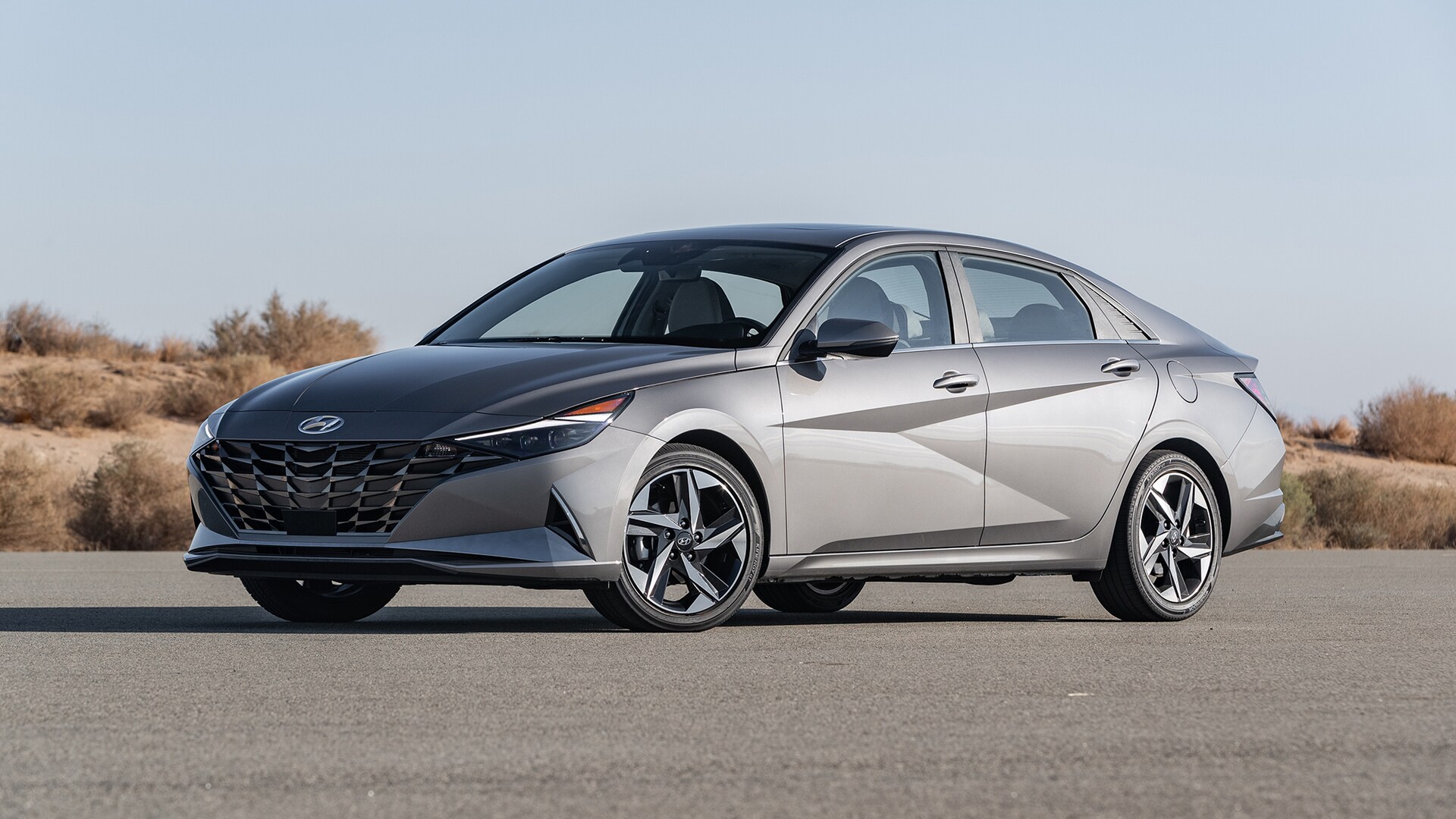
9. Hyundai Elantra
Hyundai has improved reliability significantly over years, and the Elantra is one of its standout models in that respect.
Many Elantras have relatively simple mechanical setups, modest turbo or naturally aspirated engines depending on trim, and decent build quality. Parts are widely available, labor costs tend to be predictable. Routine maintenance is easy and many wear items inexpensive.
Common wear issues include braking system parts, small leaks, sensors, exhaust components, possibly suspension depending on road conditions.
Turbocharged versions may carry somewhat higher risk of engine stress but in many markets the naturally aspirated versions are common and cheaper to maintain. Regular oil changes, cooling system maintenance, timing belt or chain service where applicable are the critical preventive tasks.
Resale value has been rising as Hyundai makes gains in quality. Buyers often recognize that newer models have warranty backing, good safety equipment, and acceptable durability.
Insurance rates for Elantras are often reasonable given their class. Fuel economy tends to be among the better side of compact sedans which helps reduce ongoing expenses.
Over many years, an Elantra tends to cost less in repairs than many rivals. Parts and repair shops are common, competition helps keep shop rates and parts pricing down.
Owners who follow maintenance schedules rarely run into catastrophic component failures. Repair cost curve for the Elantra tends to be more gradual and gently rising rather than steep jumps.
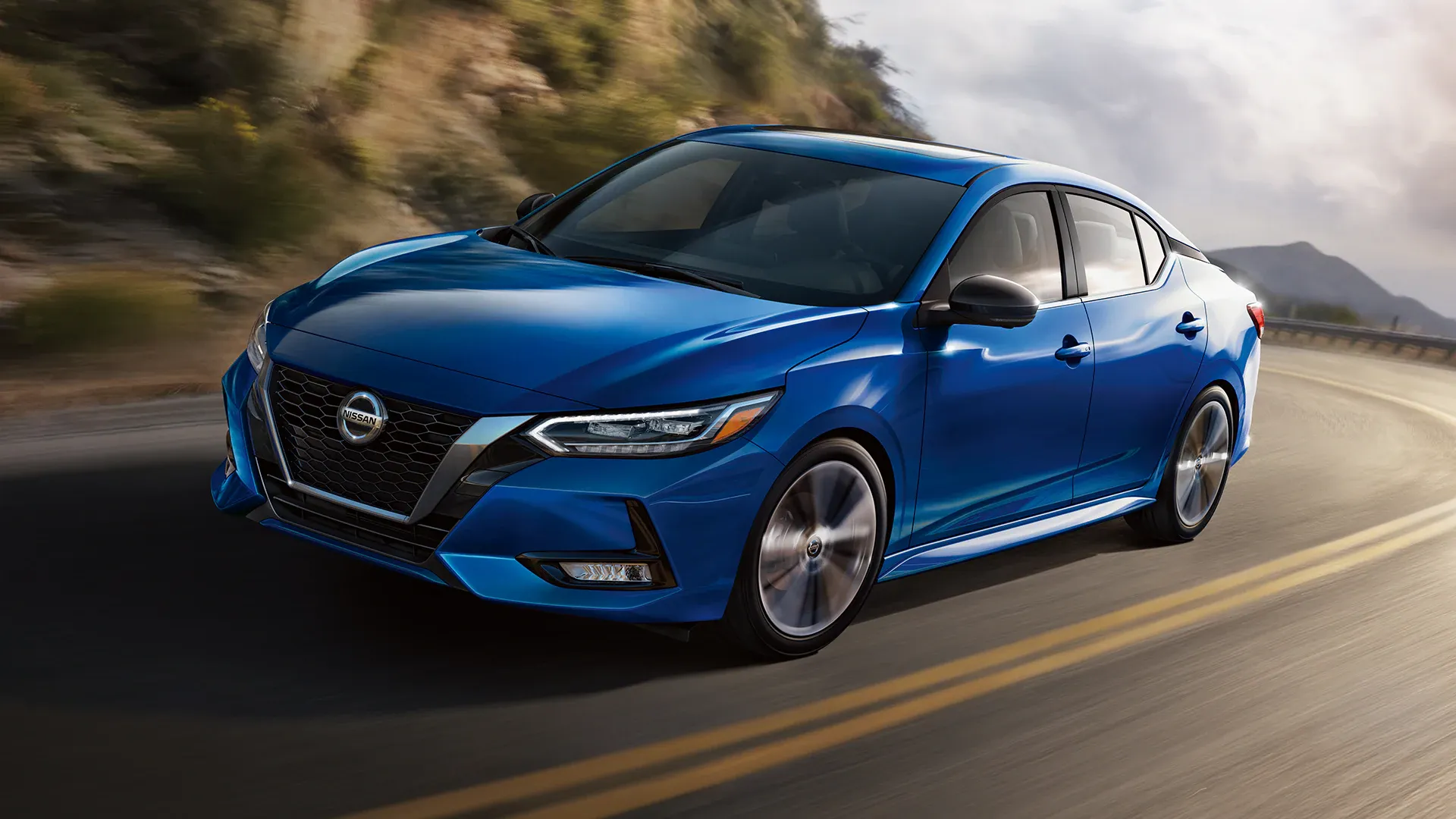
10. Nissan Sentra
The Sentra is another compact sedan that often delivers good value through low repair demand. Its engines are usually modest in power, transmissions relatively simple, electronic extras fewer in basic trim levels.
Because Nissan has sold many in most markets, parts are reasonably available. Mechanics are generally familiar with common failure modes, which keeps diagnostic time shorter and labour costs lower.
Typical repairs involve brakes, tires, suspension wear, occasional electrical sensor faults. Engine or transmission failure is uncommon if regular fluid and filter changes are done.
Belt or chain service intervals are known, coolant and thermostat replacements are usual wear items. Because basic versions have less luxury tech, costs remain lowered for many repair aspects.
Resale value is average; not as high as some Japanese rivals but acceptable. Insurance tends to be moderate due to cost of parts being affordable. Fuel consumption is acceptable, particularly in non‑turbo models.
Steering, brake work, etc tend to be accessible without specialized tools, which helps do‑it‑yourself owners or smaller shops do work cheaply.
Long term ownership of a Sentra generally means moderate predictable expenses instead of major surprises.
When road conditions are not extreme, repair parts last well. Repair shops know this model, stock parts, and are efficient at servicing. Owners who avoid pushing the car too hard often see low lifetime repair bills.
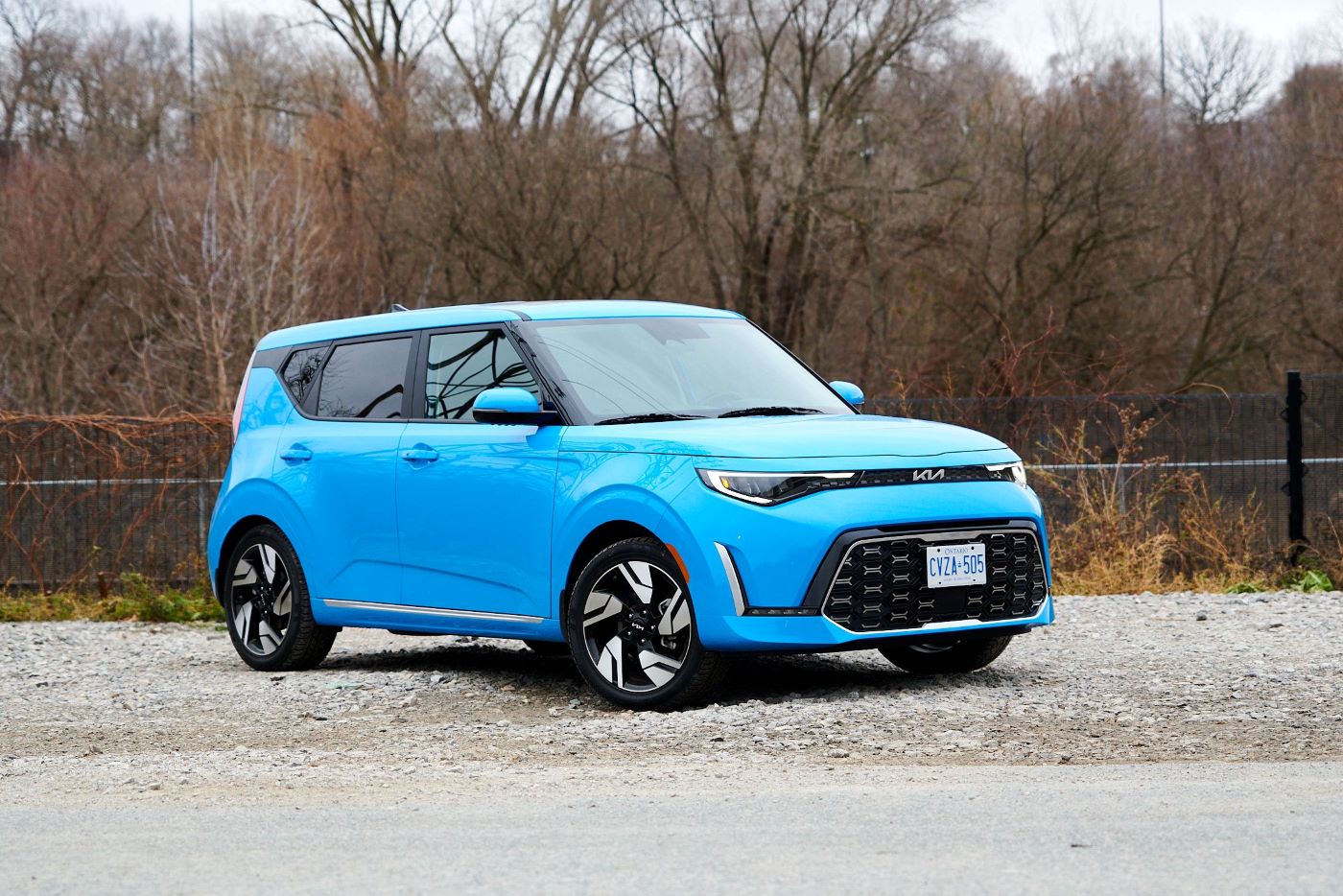
11. Kia Soul
The Kia Soul is a compact crossover that often comes with higher utility while keeping repair and maintenance costs relatively low.
Although it adds some height and extra body structure over a normal sedan or hatchback, many mechanical parts are shared with sedans, and engineering tends to favour reliability. Spare parts are widely available in many markets. The design avoids extremely complicated drivetrains in most trims.
Wear items on the Soul include brakes, tires, suspension parts, minor leak points, sometimes small electrical or sensor‑related components. Because it is not a high‑performance vehicle, stress on parts is generally moderate.
Engines tend to be modest size and power which reduces stress and the risk of early failure. Transmissions are often conventional automatic or manual rather than exotic dual clutch or other complex designs.
Ownership cost beyond maintenance includes fuel, insurance, depreciation. The Soul often does decently in resale value in used compact‑crossover market because consumers appreciate its utility, boxy shape and practicality.
Insurance tends to be moderate. Fuel economy might be a bit less good than small sedans but not hugely bad. The trade off of more space for slightly more fuel cost is often acceptable compared to much more expensive SUVs.
Over many years a well cared for Kia Soul tends to remain dependable. Long term repair bills usually include scheduled maintenance and wear component replacement rather than major engine, transmission, or electrical failures.
For many owners this means that while repairs occur, they are seldom costly or frequent enough to make ownership painful. For someone who wants a little more room without huge cost, Soul is often a good choice.
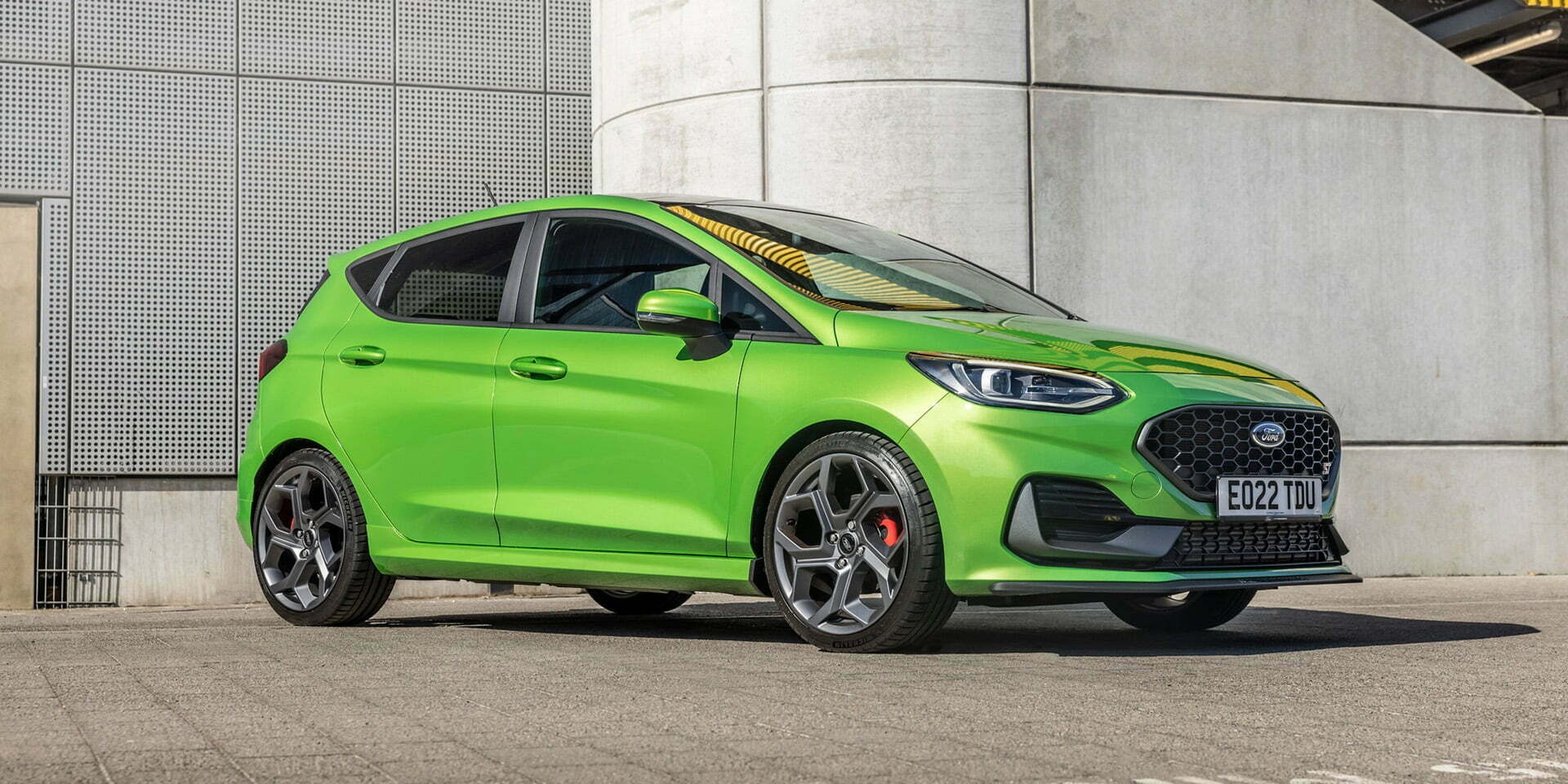
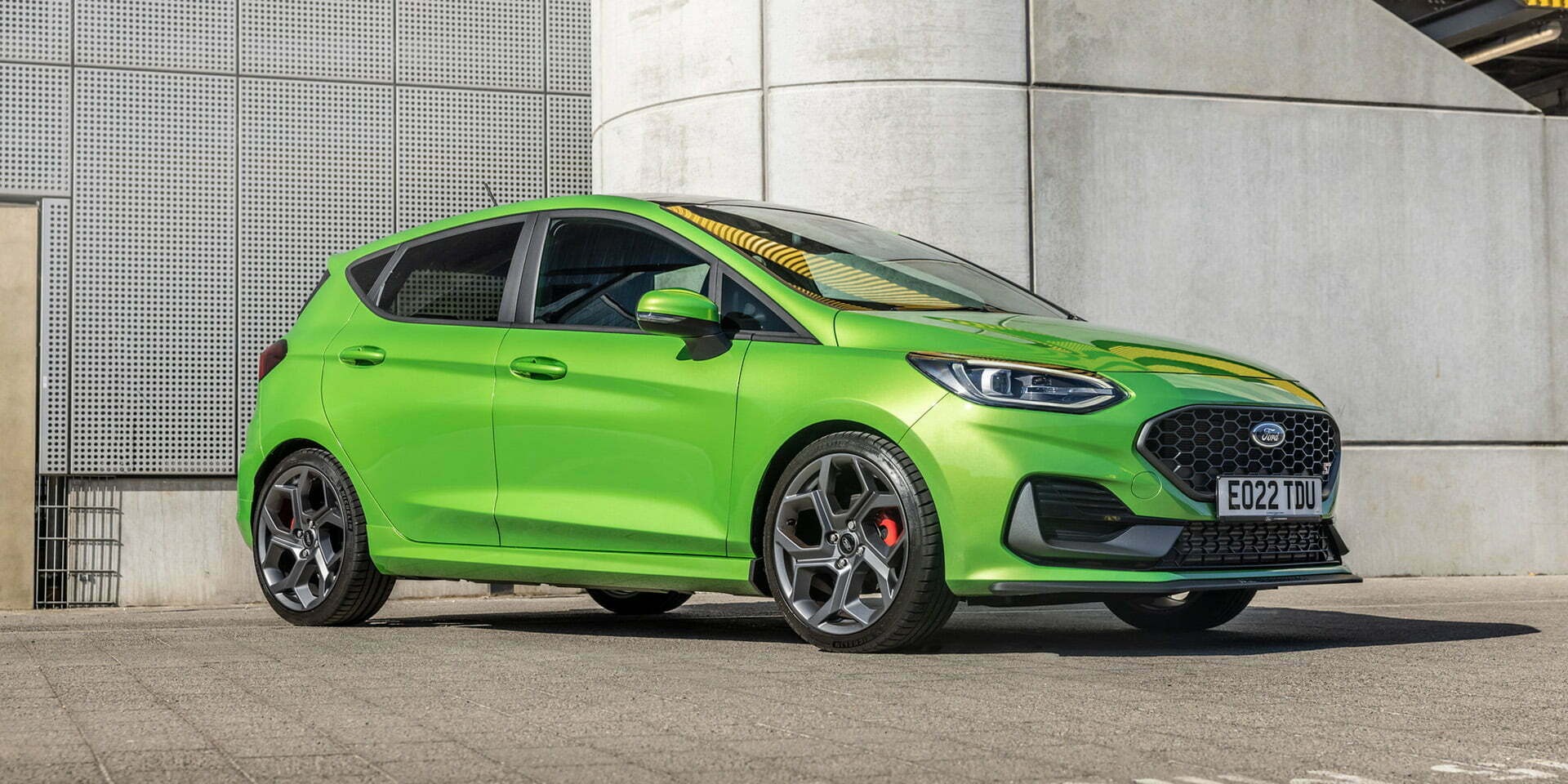
12. Ford Fiesta
The Ford Fiesta is a small car known for economical operation. Because it is compact and light, normal wear on brakes, tires, suspension is lower than in heavier vehicles.
Engine and transmission are sometimes basic and shared across many other models, which helps with cost of parts and labour. In many markets there are strong aftermarket alternatives for common consumables, which reduces cost of replacement.
Common repair issues include clutch wear (for manual versions), wheel bearings, suspension bushings, possibly occasional electrical glitches or sensor issues.
Engines are modest, so stress tends to be lower, but turbocharged versions may need more attention. Basic trims are simple so fewer features that could break. Regular servicing of fluids, filters and cooling system is important to avoid corrosion or engine damage.
Resale value of Fiesta may not be high compared to premium brands, but its low running and repair costs often compensate. Insurance tends to be low.
Fuel economy is strong, especially in small engine versions. Because parts are simple and labor is usually standard without need for special tools, many regular service and repair shops can handle it affordably.
Across many miles and years Fiesta tends to cost little beyond the routine. When owners replace wear and tear parts as needed, keep up with maintenance, do not ignore small problems, lifetime repair costs stay modest.
For budget‑oriented car buyers who expect to drive for many years with minimal surprises, Fiesta is often among the cheapest.
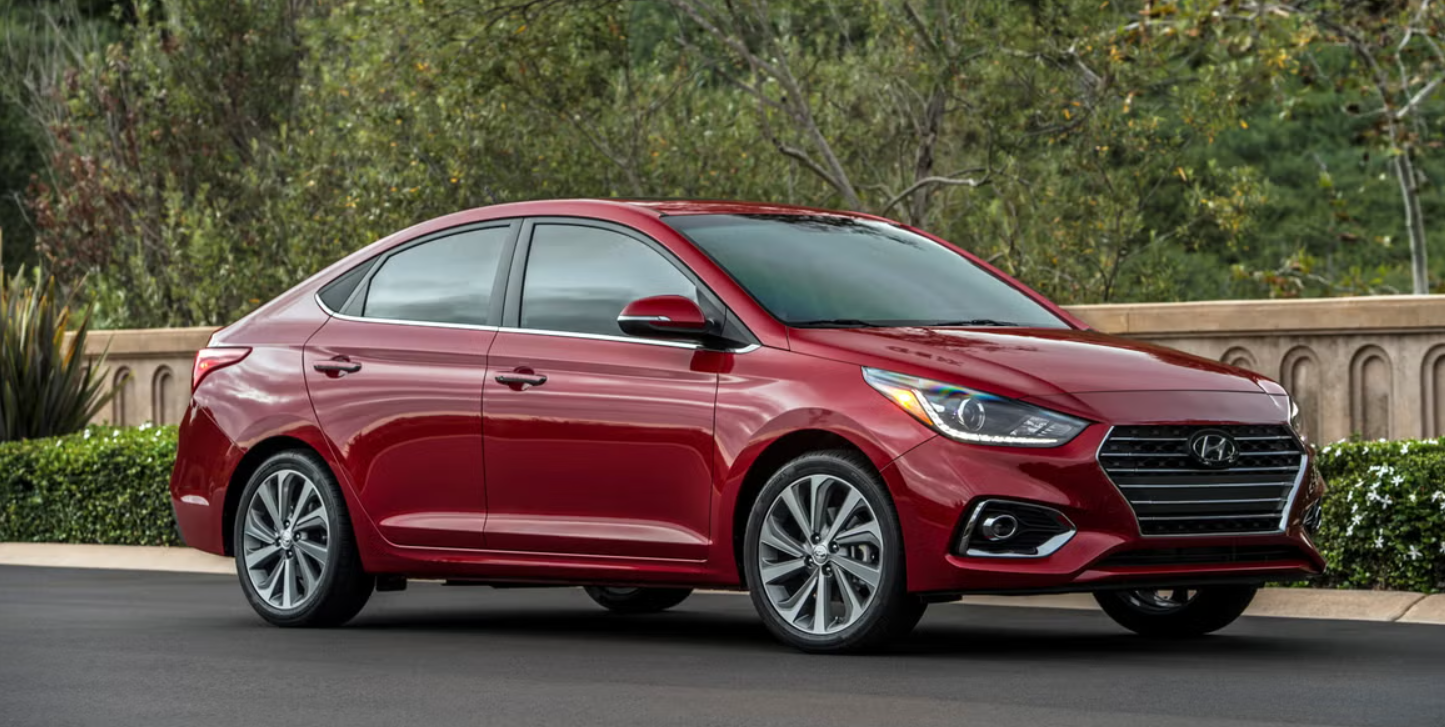
13. Hyundai Accent
The Hyundai Accent is a subcompact car well known for being budget‑friendly not just in purchase price but also in upkeep. Its mechanical layout is simple, with fewer moving parts that might fail.
Engines tend to be small displacement, generally naturally aspirated rather than turbocharged, which reduces strain and complexity. The parts supply is good, both OEM and aftermarket, which keeps replacement costs down. Labour costs are usually modest because many shops are familiar with its systems.
Typical wear and repair items for the Accent include things like brake pads and rotors, suspension bushings and shocks, basic cooling system components, maybe some exhaust corrosion over time.
Electronic systems are less complex in earlier or base models, so there are fewer sensors or modules to fail.
Regular preventive maintenance, oil changes, coolant flushes, filter replacements, goes a long way toward avoiding costly failures. Without pushing the car hard, many Accents go many years with only these minor repair bills.
Resale value of the Accent isn’t always high compared to some rivals, but that disadvantage is often countered by its low operating cost. Insurance premiums tend to be lower for subcompacts, especially those without high horsepower.
Fuel economy is favorable, reducing repeated fuel expense, which contributes indirectly to lower lifetime ownership cost. For many owners the trade‑off of fewer luxury features is acceptable given the cost savings.
Over long use, the Accent tends to excel in cost predictability. Owners rarely report big surprise mechanical failures; instead maintenance and minor parts replacements are the norm.
Because parts are inexpensive and labour is usually straightforward, each service incident tends to be affordable. Across perhaps 10‑15 years or more, lifetime repair costs of an Accent are often among the lowest in the non‑luxury segment.
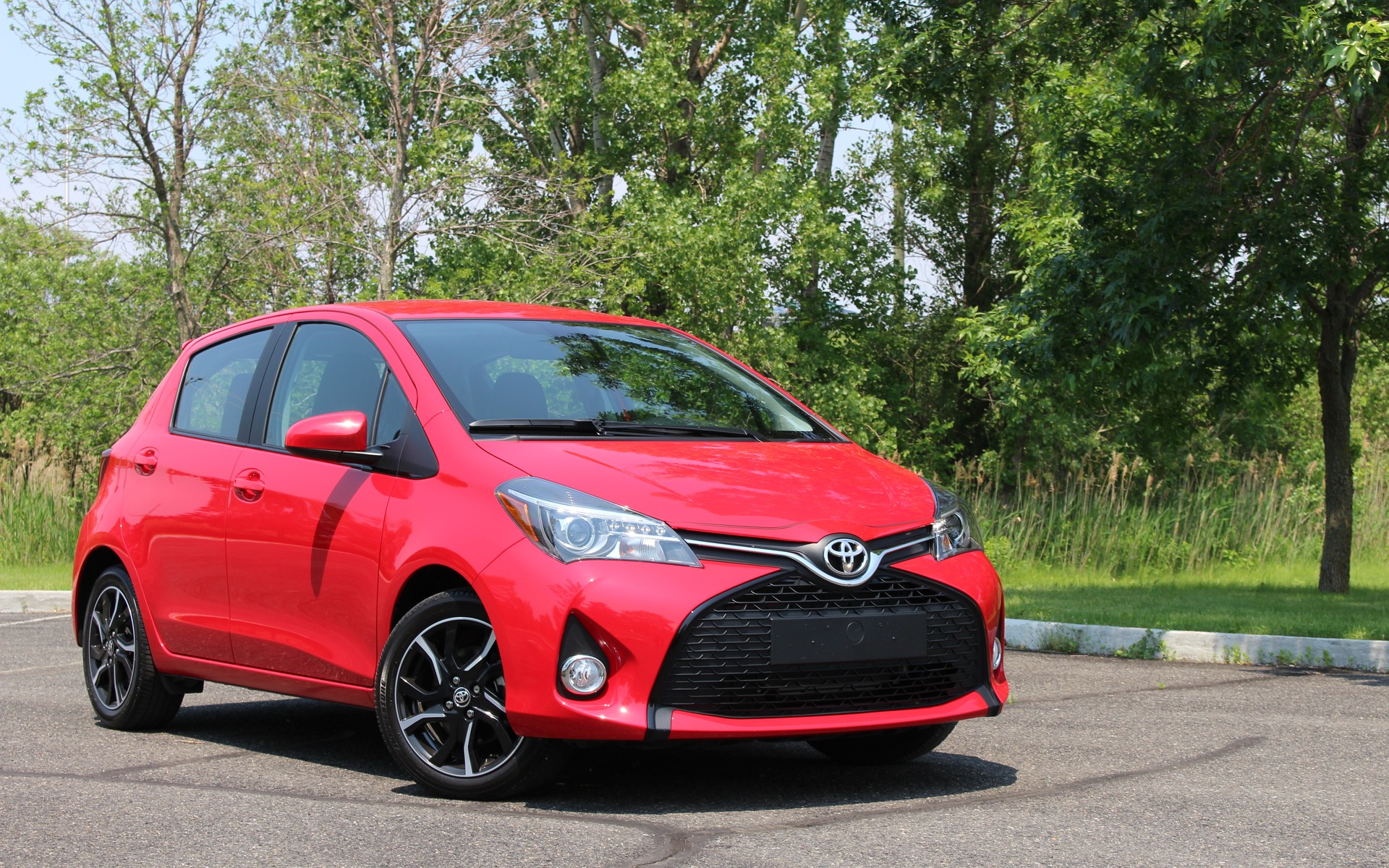
14. Toyota Yaris
The Toyota Yaris is another compact car that consistently sees low repair costs over its lifespan. Toyota’s reputation for building reliable small engines, durable transmissions and simple but effective component layout helps the Yaris keep its repair bills modest.
When issues arise, they often are in well‑known areas with established fixes. Spare parts are generally reliable, moderately priced, and plentiful, especially for common wear components.
Common maintenance or repair‑related tasks for the Yaris include items such as brake system upkeep, small exhaust issues, suspension wear (shocks, struts, bushings), minor leaks or gasket issues.
Electronics and luxury features are usually minimal in base or mid‑trim levels, so there is less scope for failure in infotainment, complex sensors, or advanced driver assist systems. The cooling system, belts, filters, fluids are typical areas where care is needed, but these do not tend to produce expensive surprises.
Resale value tends to be good because many buyers value reliability and low running costs. The Yaris often holds value due to Toyota’s brand perception.
Insurance rates are often lower, particularly for models with smaller engines and less powerful output. Fuel economy is strong given the small size and efficient engine, further reducing running costs over many years of driving.
When used for years with routine care, a Yaris tends to deliver dependable service without frequent large repair bills. Most owners will spend on small‑to‑moderate parts and labour rather than big overhauls.
Because Toyota service network is extensive, diagnostics tend to be efficient, avoiding expensive labour hours. Lifetime repair cost, when averaged over many years or high mileage, is usually very modest for the Yaris compared to many pricier or more complex vehicles.
