
Choosing a vehicle that won’t cause constant trips to the mechanic is one of the smartest decisions a driver can make.
While all vehicles require some level of care and attention, there are a few models out there that stand apart from the rest. These are the SUVs that tend to last longer, perform well with minimal upkeep, and have a solid reputation for reliability.
For many buyers, peace of mind is just as important as performance or styling. An SUV might look impressive or feel powerful on the road, but if it spends more time in the shop than on the street, that appeal fades quickly.
This is why many people prioritize low-maintenance vehicles over flashy designs or cutting-edge tech features.
Low-maintenance SUVs are typically known for simple engineering, dependable engines, and fewer complicated systems that could fail over time. These vehicles usually come from brands with a history of quality control and practical design choices.
While no SUV is completely free of service needs, some models routinely last over a decade with only routine oil changes, brake replacements, and tire rotations.
These are the ones people often recommend to friends and family, not because of style points but because they consistently work. In the long run, buying a reliable, low-maintenance SUV can save thousands of dollars and plenty of frustration.
Another key factor in this discussion is how parts are priced and how widely available they are. Some brands, especially those with strong domestic or global service networks, make it easier to find replacement parts. This plays a huge role in keeping long-term repair costs low.
In contrast, even the smallest problem in some luxury SUVs could cost more than an entire year’s worth of maintenance on a more practical model.
When looking for a low-maintenance vehicle, buyers often turn to brands with long reputations for durability, and these vehicles rarely surprise owners with unexpected issues.
This list features nine SUVs that have gained reputations for being as close to maintenance-free as it gets. They’re not necessarily the most powerful, nor the most luxurious, but they offer the kind of consistency that matters most.
Whether used for commuting, road trips, or everyday family needs, these SUVs tend to keep going strong year after year.
Also Read: 12 EVs That Keep Their Range Surprisingly Well
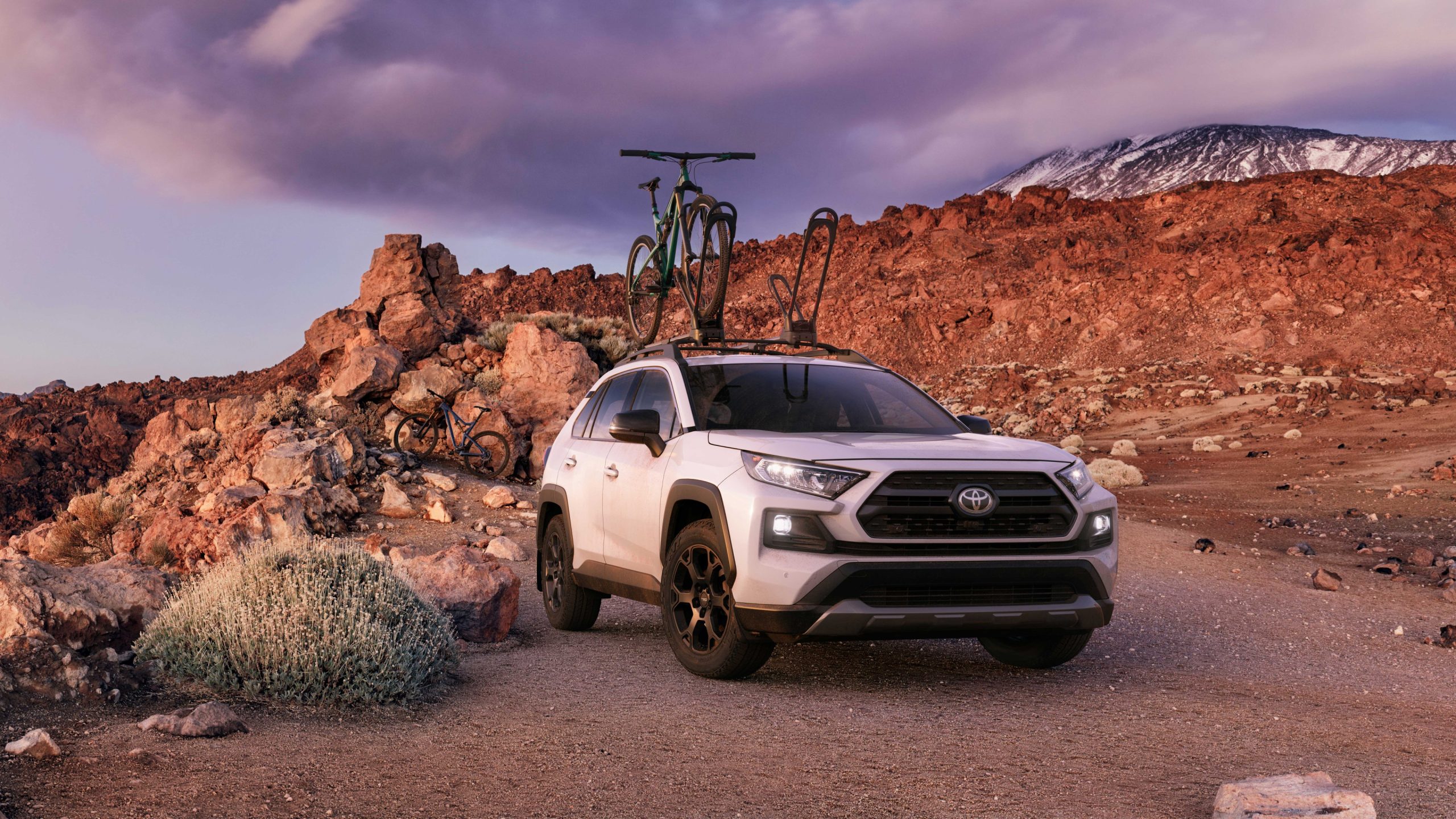
1. Toyota RAV4
The Toyota RAV4 has been a long-standing favorite among compact SUV buyers, and reliability is one of the biggest reasons why. Year after year, it ranks high in customer satisfaction when it comes to long-term durability.
The engine is known for being simple, efficient, and long-lasting, with many RAV4 owners reporting well over 200,000 miles with very few major issues.
Part of what makes the RAV4 so dependable is the balance between useful technology and restraint. Toyota tends to avoid experimental features in this model, which means fewer things can go wrong over time.
Another factor that helps the RAV4 stand out is the availability of parts and widespread knowledge among mechanics.
Whether you’re in a large city or a small town, it’s easy to find someone who knows how to service a Toyota. This lowers the cost of ownership and ensures that small problems don’t turn into big headaches.
The hybrid versions of the RAV4 are also surprisingly easy to maintain compared to other hybrid SUVs, which often require expensive servicing. Toyota’s hybrid system has matured enough that it rarely causes concern even after years of use.
The simplicity of the RAV4 also contributes to its long-term value. The model doesn’t overdo it with flashy design or unnecessary performance features.
Instead, it stays within a range that most drivers find reliable, efficient, and easy to manage. From a maintenance perspective, this is a huge advantage.
Owners don’t need to worry about complicated suspension systems, temperamental electronics, or hard-to-reach engine components. Regular oil changes and scheduled servicing are usually enough to keep the vehicle in good shape for years.
Fuel efficiency also plays a part in keeping maintenance needs low. A more efficient engine doesn’t have to work as hard, which reduces wear and tear over time.
With strong resale value and a long history of reliability, the RAV4 has become one of the top choices for anyone who wants an SUV that won’t demand too much in return.
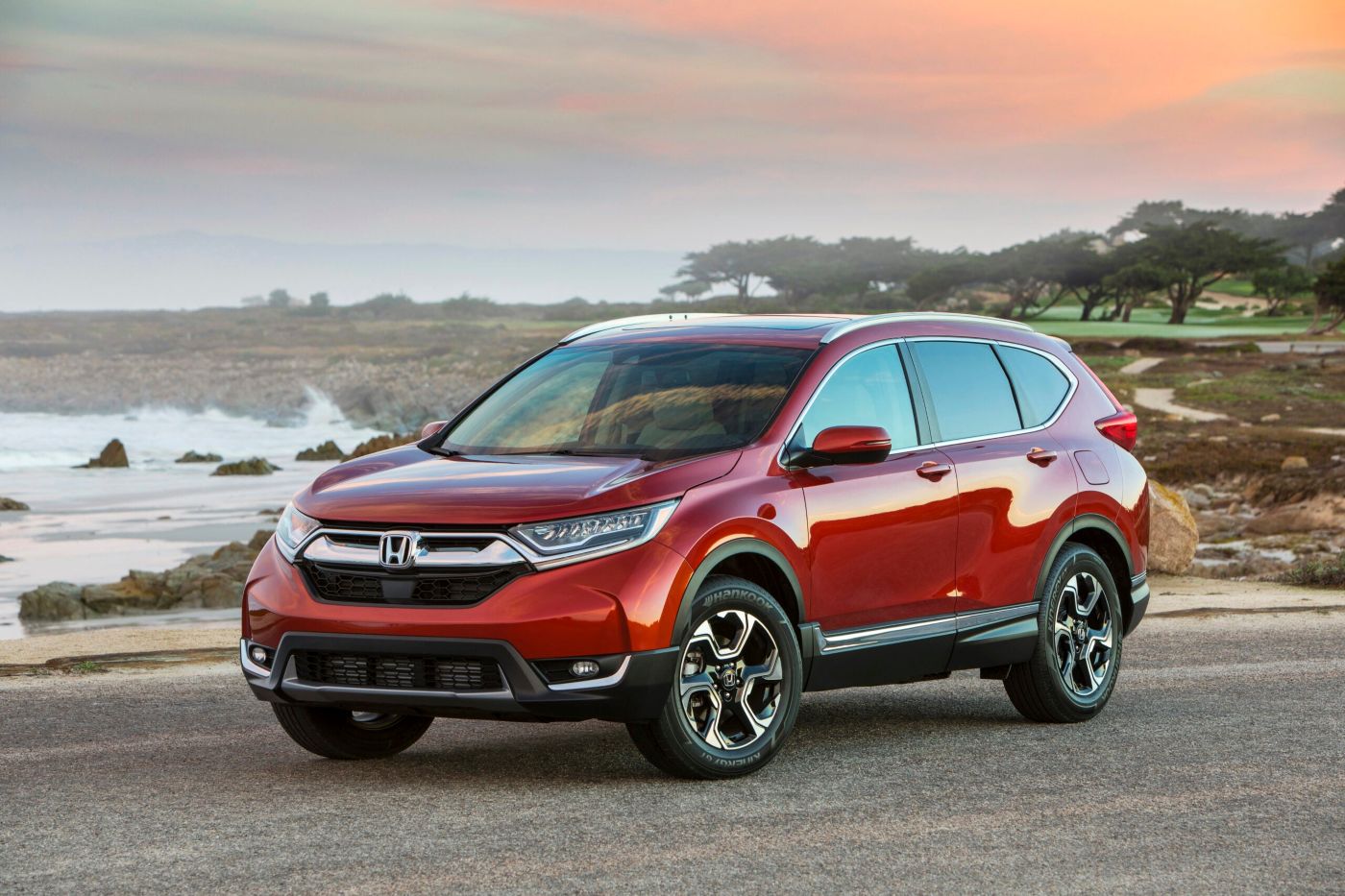
2. Honda CR-V
The Honda CR-V consistently ranks among the most reliable vehicles in its class. It has earned a reputation as a no-nonsense SUV that delivers strong performance with little drama. The engine options across the years have been dependable, with a good mix of power and efficiency.
The CR-V doesn’t try to be something it’s not, and this practical mindset has helped it stay low on the list of vehicles with frequent mechanical problems. Many owners go years without needing anything more than oil changes, tire rotations, and fluid top-offs.
Honda also benefits from a well-organized parts supply and service network. This makes repairs faster and more affordable, especially when compared to some European brands that require special tools and rare parts. Even when something does go wrong, it’s usually a straightforward fix.
The vehicle’s layout makes it accessible for most mechanics, and owners can often get back on the road without major delays or expenses. This ease of service has kept the CR-V at the top of many reliability lists for years.
In addition to mechanical dependability, the CR-V offers strong build quality throughout.
Interior materials tend to last just as long as the drivetrain, and electronic features don’t suffer from early wear or glitches. This contributes to a remarkably consistent ownership experience.
Drivers don’t have to second-guess whether something is going to stop working unexpectedly. Even after long use, many of the controls and cabin features still function like new.
The CR-V’s modest design also works in its favor. It avoids the added complexity that comes with more experimental or luxurious features.
This helps prevent issues with electrical systems, advanced driver aids, or suspension components that might require specialized maintenance.
By keeping the engineering focused on what works, Honda has created a vehicle that remains low-stress and cost-effective to own, year after year.
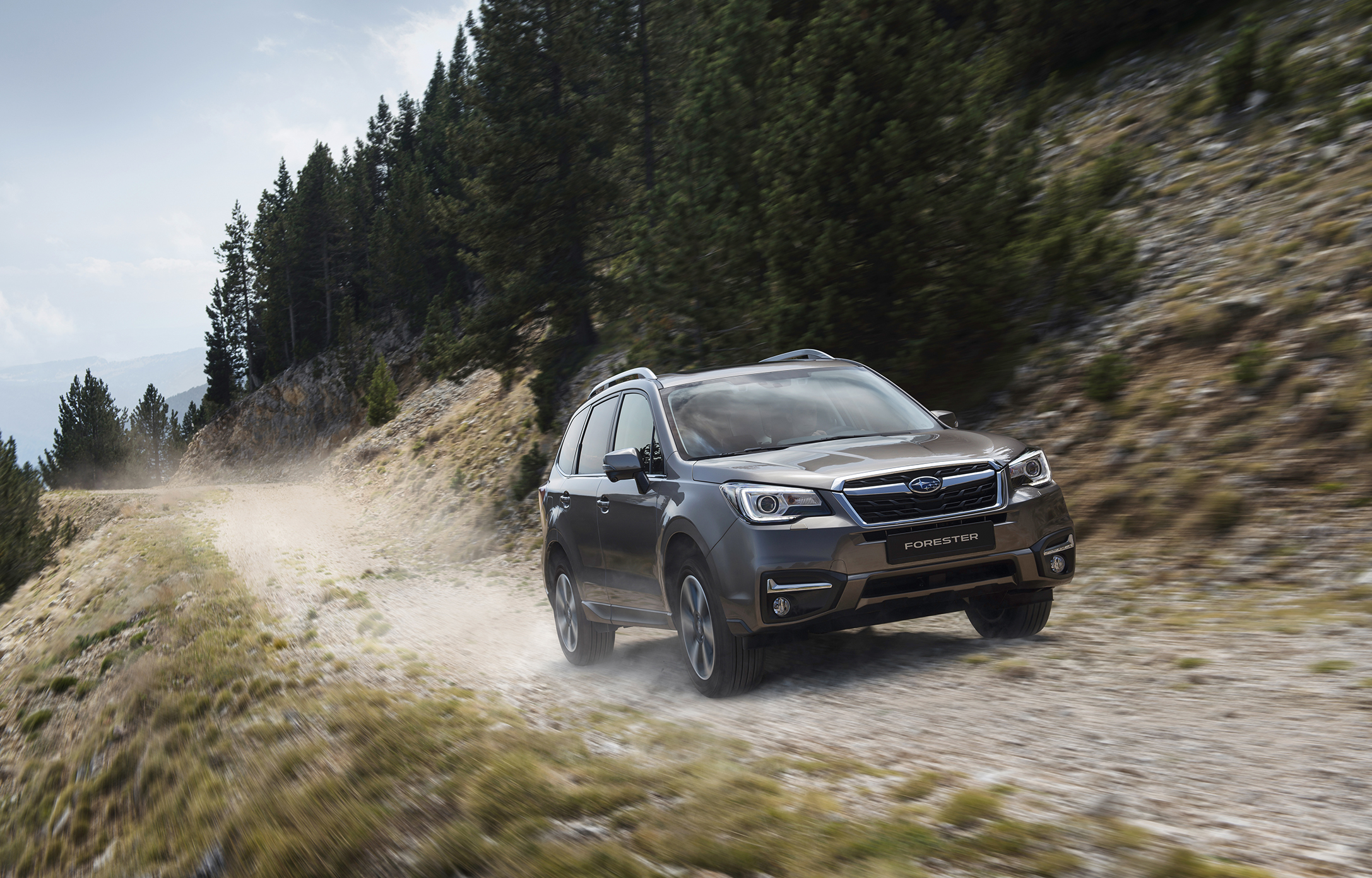
3. Subaru Forester
The Subaru Forester brings a unique appeal thanks to its standard all-wheel-drive system and strong reliability record. While AWD can sometimes complicate maintenance in other vehicles, Subaru has refined its system over the years to require little attention.
The Forester performs well in all seasons, with few issues surfacing even after years of daily use. Its engines, particularly the 2.5-liter flat-four, are known for their durability when properly maintained with scheduled servicing.
One thing that helps the Forester stand out is its straightforward mechanical setup. While it offers some modern features, it doesn’t push the envelope too far.
This balance makes it a good fit for drivers who want capable performance without constant upkeep.
The vehicle’s systems are designed with longevity in mind, and Subaru often makes small, smart improvements rather than major, risky overhauls. That gradual development results in a vehicle that consistently performs well across different generations.
Subaru has also built a loyal following, which contributes to widespread mechanic familiarity. Whether at a dealership or an independent shop, it’s common to find technicians who are comfortable working on a Forester.
This familiarity reduces the likelihood of costly or time-consuming mistakes during servicing. Additionally, the availability of reasonably priced parts keeps long-term maintenance costs manageable, even after several years of ownership.
Another benefit is how well the Forester holds up in challenging conditions. Many owners drive their vehicles in snowy climates or on unpaved roads without seeing much wear. The suspension system is well-built and doesn’t require constant adjustment.
Cabin materials are also chosen for durability, and the design avoids the kinds of fragile components that often wear out in more premium vehicles. Altogether, the Forester combines ruggedness and reliability in a way that very few compact SUVs can match.
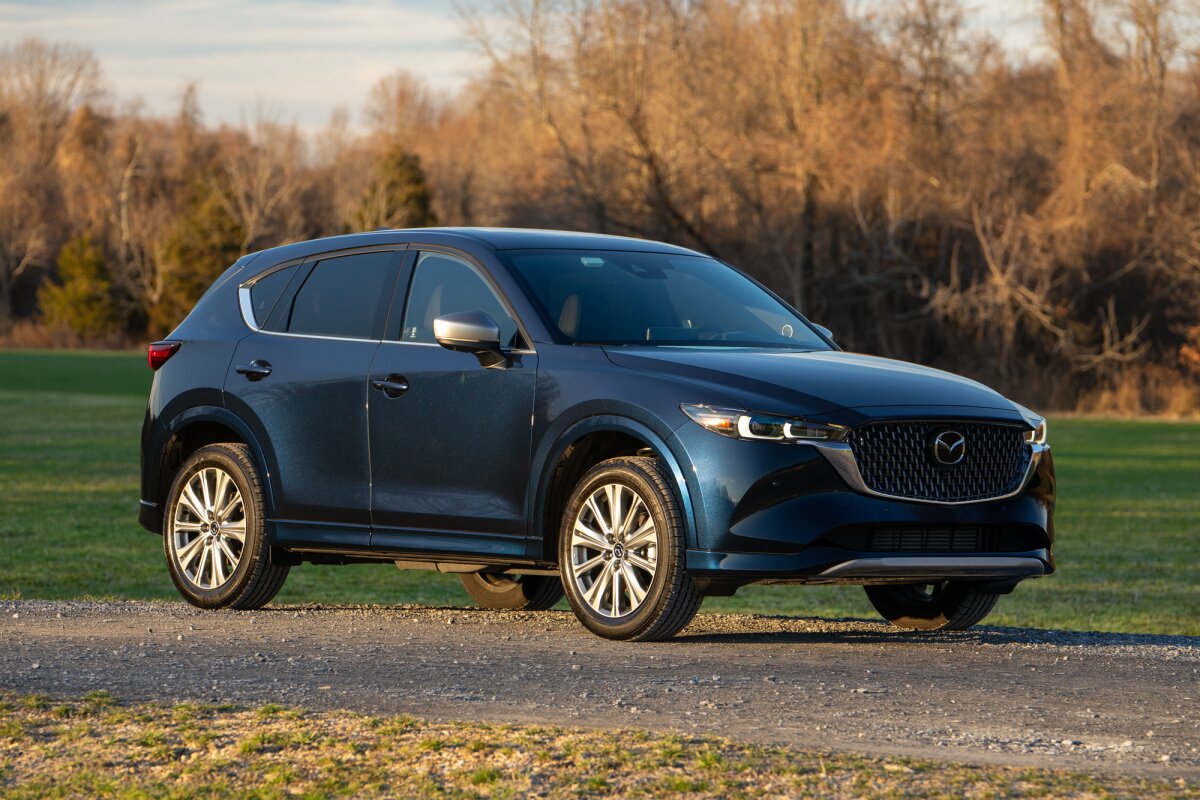
4. Mazda CX-5
The Mazda CX-5 brings together style, performance, and dependability in a very attractive package. While Mazda is often seen as a performance-oriented brand, the CX-5 proves that you don’t have to give up reliability to get a responsive, fun-to-drive SUV.
The SkyActiv engines used in this model are known for being efficient and long-lasting. Mazda’s focus on refining existing technologies, rather than chasing after experimental ideas, has resulted in a crossover that keeps its maintenance needs low.
One thing that contributes to the CX-5’s dependability is how well the components are integrated. Unlike some brands that mix parts from various platforms, Mazda designs most of its systems to work together.
This harmony reduces the number of unexpected issues that can arise from poor compatibility or rushed engineering.
As a result, the CX-5 tends to age well. Mechanical problems are rare, and even after five or six years of use, many vehicles run like they did on day one.
Mazda’s interiors are also built with long-term ownership in mind. While the design feels premium, the materials are chosen for durability. Buttons, knobs, and touchscreens don’t degrade quickly, and the seating holds up well to daily wear.
Many CX-5 owners report that the inside of the car still looks new even after years of family use. Electrical systems also tend to remain stable over time, which isn’t always the case in more complex vehicles.
Another key factor is affordability in maintenance. Oil changes, brake replacements, and tire services are all standard procedures with reasonable costs. The CX-5 doesn’t require premium fluids or specialized tools, and it shares many parts with other Mazda models.
This allows for greater parts availability and lower labor costs. Even as it reaches higher mileage, most maintenance items remain predictable and relatively cheap.
That predictability is one of the reasons the CX-5 is favored by people who want something stylish without sacrificing long-term practicality.
It’s also worth noting how well the CX-5 handles compared to many of its competitors.
Better handling doesn’t just improve driving experience; it also puts less strain on the vehicle’s suspension and tires. Drivers often take turns more smoothly and brake more effectively in a well-balanced vehicle.
This extends the life of brake pads, tires, and suspension components. Because the CX-5 offers a solid and composed ride, many of its parts endure less wear under normal use. This contributes to lower maintenance costs over time.
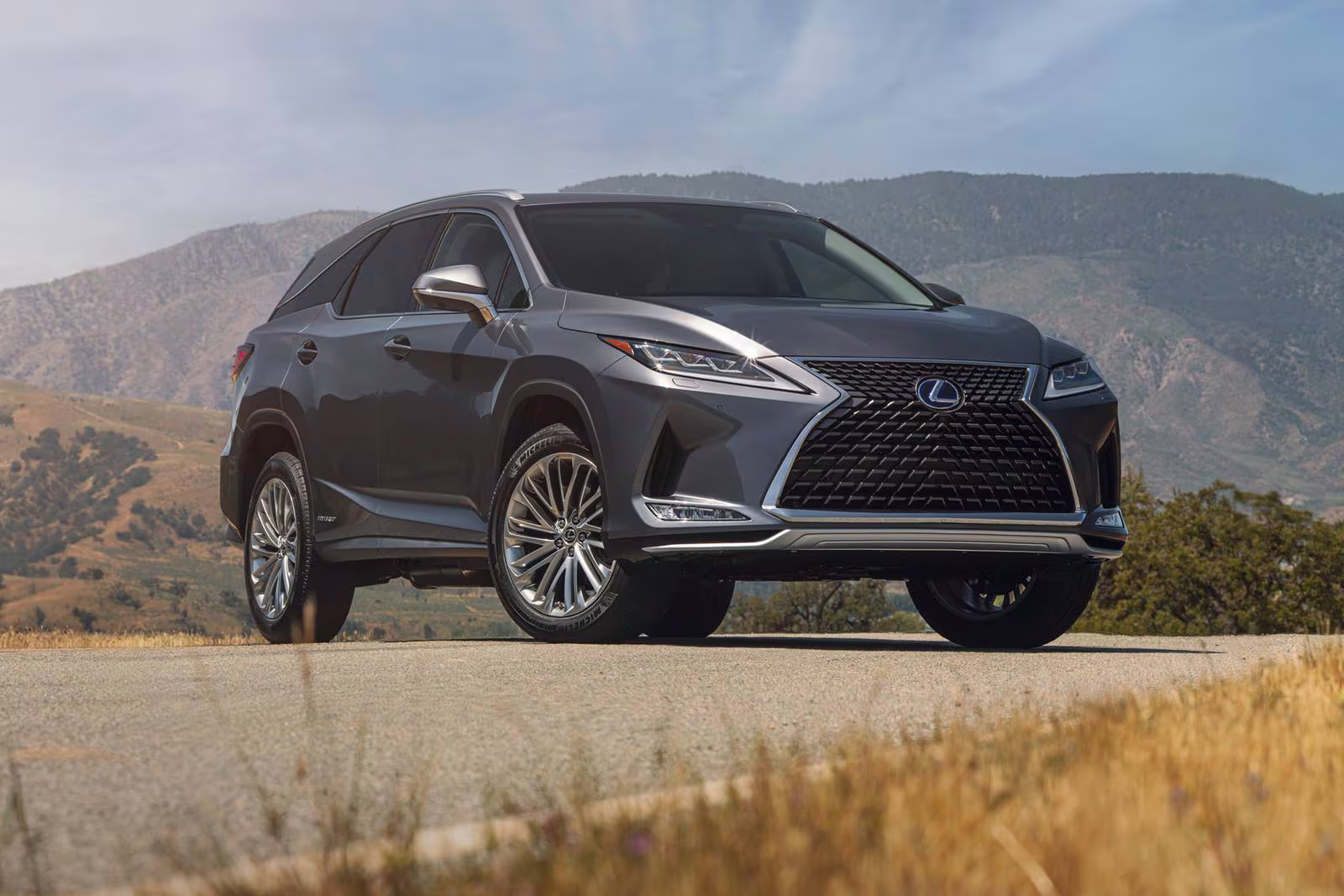
5. Lexus RX
The Lexus RX is a standout example of how luxury and reliability can go hand in hand. As a mid-size SUV, it offers a comfortable and refined ride while still maintaining an impressive track record for low maintenance needs.
This is no accident, Lexus, as Toyota’s premium division, is built on the same foundation of long-term durability and quality engineering.
Many RX owners report trouble-free operation well beyond 150,000 miles, often requiring nothing more than basic service throughout its life.
This level of dependability is rare in the luxury segment, where complicated systems often lead to expensive repairs.
One of the main reasons the RX maintains such a strong reliability record is the conservative approach Lexus takes to new technology. While other brands frequently push out newer, untested features, Lexus tends to introduce innovations slowly and only after they’ve been proven.
This results in fewer recalls, fewer software issues, and fewer unexpected failures. Owners benefit from systems that are not only comfortable and modern but also tested and stable. This attention to detail is what makes the RX feel like a smart investment rather than a gamble.
The RX is also known for having an exceptionally smooth and efficient powertrain. Whether it’s the standard V6 engine or the hybrid variant, the mechanical components are well-matched and operate with minimal stress.
Lexus engineering is built around balance and precision, which reduces strain on the transmission, cooling systems, and drivetrain.
Fewer mechanical failures mean fewer unexpected costs and less time spent at the repair shop. The hybrid version, in particular, is praised for its reliability, which is not always the case with hybrids from other luxury brands.
Beyond the engine and mechanicals, the interior and electronics of the RX are built to last. The dashboard materials don’t crack easily, the seats remain supportive over time, and even older models maintain their premium feel after years of daily use.
Electrical systems tend to hold up well, avoiding the glitches and software malfunctions that are common in other luxury vehicles.
All of these factors contribute to the Lexus RX being one of the most worry-free luxury SUVs to own. It’s a vehicle that delivers quiet confidence, offering both comfort and peace of mind.
Also Read: 9 Cars That Stay Worth Owning Even After 20 Years
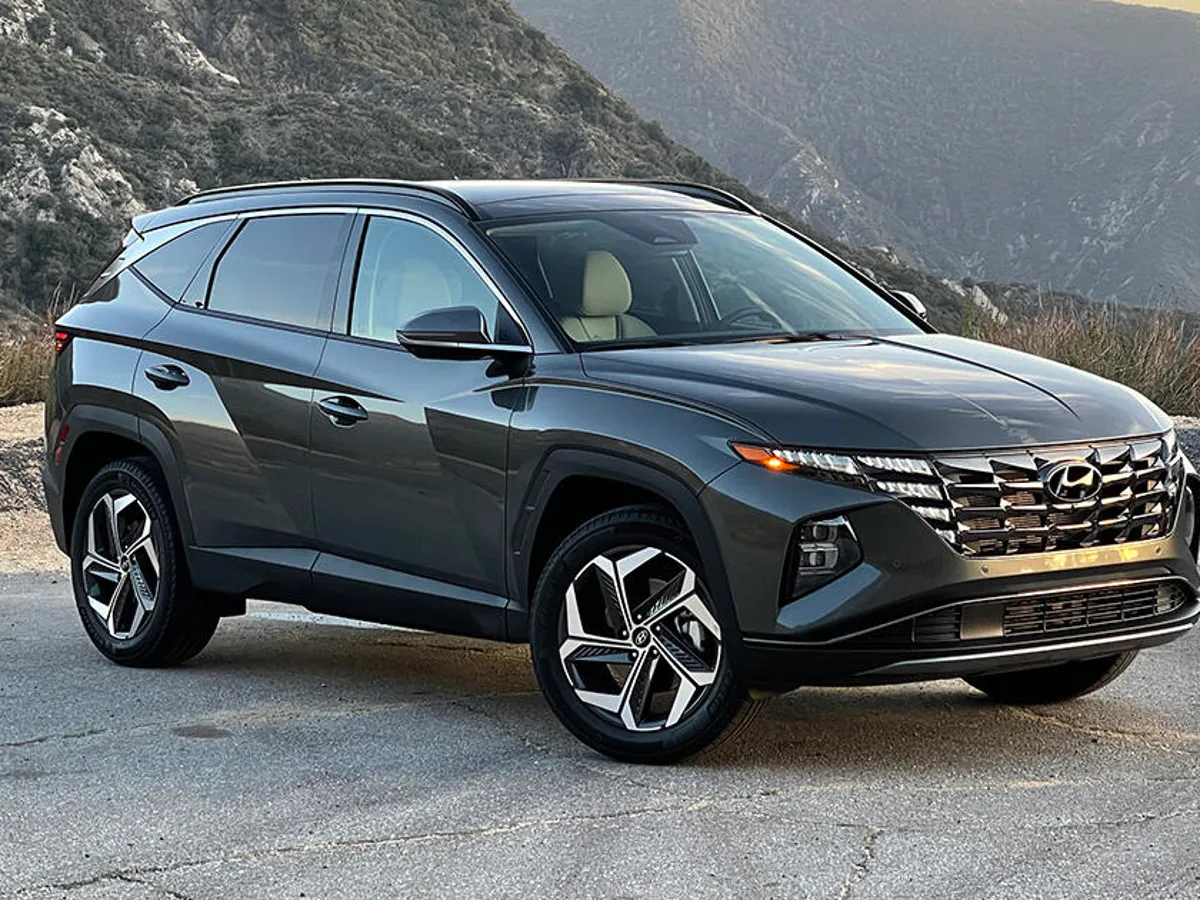
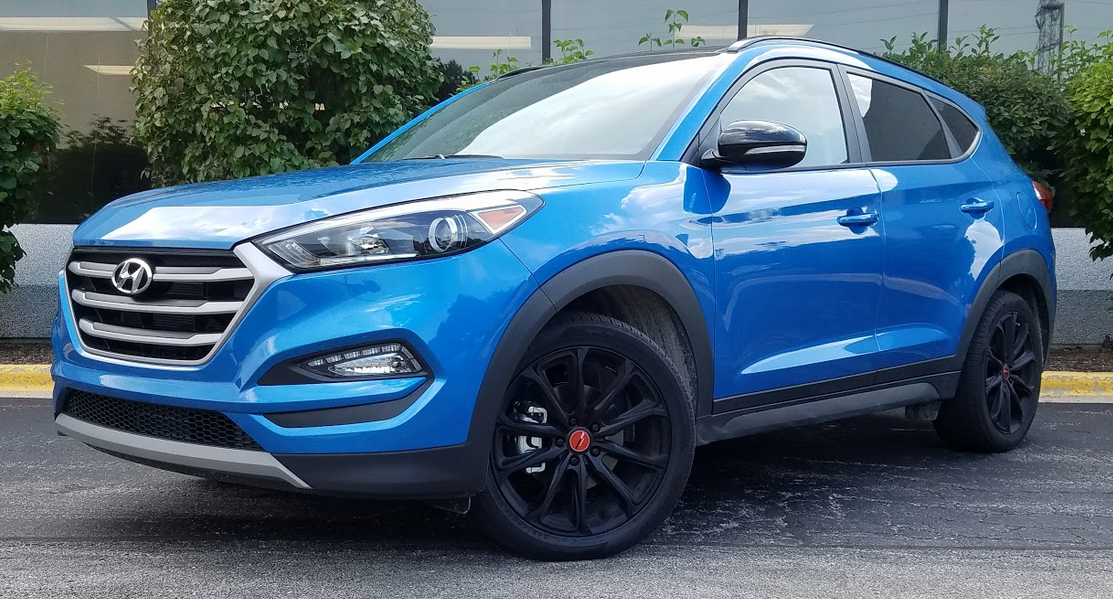
6. Hyundai Tucson
The Hyundai Tucson has steadily improved over the years, turning into one of the most reliable and low-maintenance compact SUVs in its class. What used to be a budget-friendly alternative has now matured into a smart choice for those who want quality without complexity.
Hyundai has focused on improving build quality, engine reliability, and long-term durability, and the Tucson reflects all of those efforts.
Many owners have noted that it rarely experiences serious issues, especially when maintained according to the factory schedule. Its affordability doesn’t come at the cost of reliability, which makes it an appealing option for practical buyers.
One of the main strengths of the Tucson lies in its simplicity. The engine and transmission options are straightforward, avoiding the kind of over-engineered features that can lead to maintenance headaches.
Hyundai’s naturally aspirated engines, in particular, have shown to be durable and require minimal attention.
They don’t push performance limits, but they do offer consistent power with little drama. This makes the Tucson an ideal daily driver that won’t burden owners with constant repairs or high upkeep costs.
Hyundai has also made strong progress in terms of interior quality and electronic reliability. The infotainment systems and cabin features are not only user-friendly but also stable over time. Buttons, displays, and controls remain functional after years of use, which reduces the need for small but frustrating fixes.
The Tucson’s seats and upholstery materials also hold up surprisingly well, even in older models. This reduces the need for interior restoration or part replacements and contributes to a longer vehicle lifespan.
Another point in Tucson’s favor is its impressive warranty coverage. Hyundai offers one of the best warranties in the business, and that support often encourages more consistent maintenance, which leads to better long-term performance.
Owners feel more confident bringing their cars in for service when they know the costs are covered or minimized.
This regular attention to scheduled maintenance helps keep the vehicle in better shape as it ages. Combined with improved parts quality and more advanced manufacturing, the Tucson has become one of the most practical choices for anyone looking to minimize maintenance over the years.
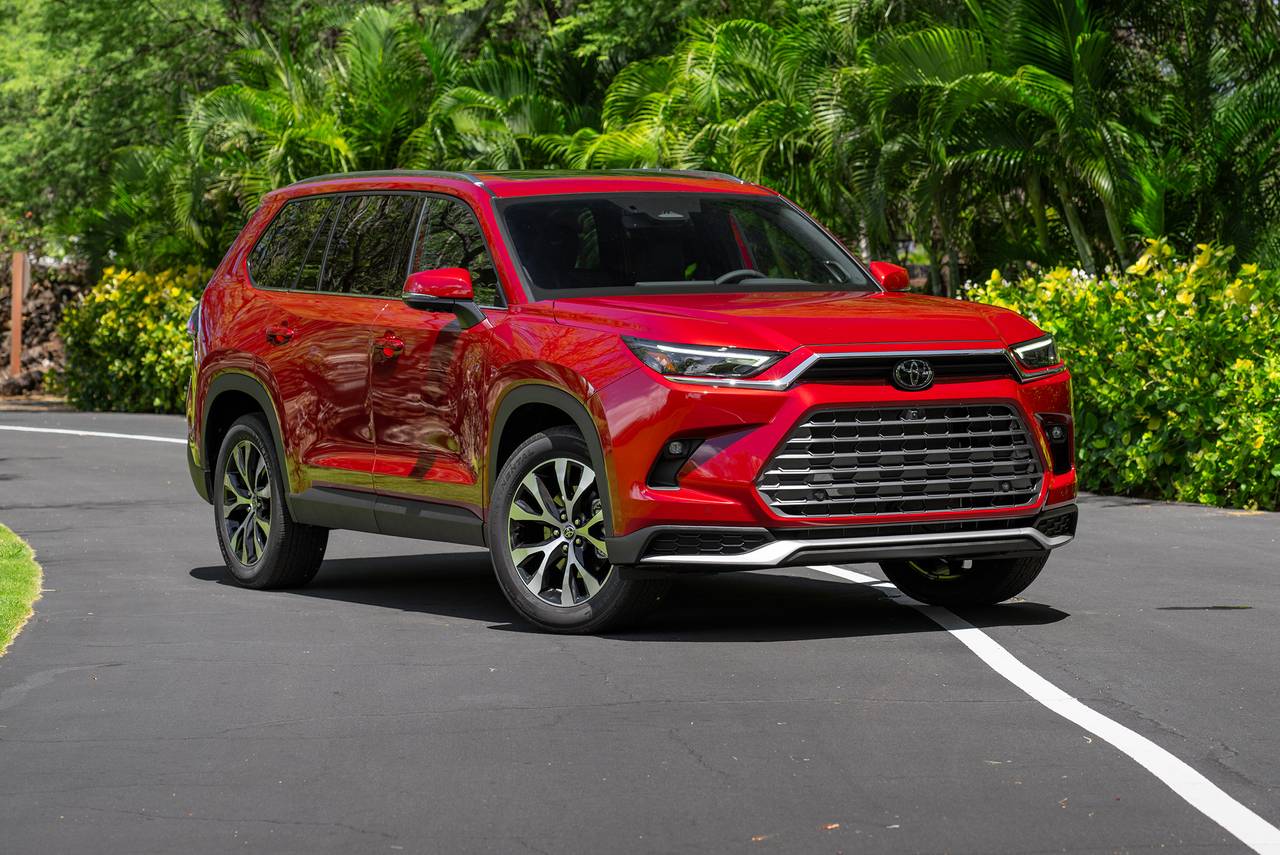
7. Toyota Highlander
The Toyota Highlander is a go-to option for families and long-distance drivers who want room, power, and long-term dependability.
It has built a reputation for being nearly unstoppable when cared for properly. Many Highlanders are still on the road after a decade of use with very few issues beyond routine wear-and-tear.
The V6 engine that powers most models is particularly robust and can handle heavy use without needing major repairs. The Highlander doesn’t try to be a luxury vehicle or a sports SUV, it simply does its job and keeps going.
Toyota’s emphasis on quality control plays a big role in the Highlander’s low maintenance profile.
Parts are made with high precision, and the vehicle is assembled with a level of care that’s consistent across multiple production years. This attention to detail translates into fewer issues over time.
Things like premature gasket wear, transmission slips, or suspension noises are rarely associated with this model. Even in areas with harsh weather, the Highlander tends to resist rust and corrosion better than many of its peers.
Another benefit is how well the Highlander handles heavy usage. Many owners use it for long commutes, road trips, or hauling kids to and from school and sports events.
Despite this, the interior tends to stay in good condition. The seats remain firm, the electronics stay responsive, and the climate systems rarely lose performance.
Even the third-row seats, which are often prone to breaking down in other SUVs, maintain their structure and function. The Highlander was designed with practicality in mind, and it shows in how well the entire vehicle holds up under daily stress.
Resale value is another indicator of long-term reliability, and the Highlander does exceptionally well in this area. Buyers are willing to pay more for a used Highlander because they know it’s likely to keep performing.
This isn’t just based on brand perception, it’s backed up by thousands of drivers who report very few major problems over long ownership periods. That strong track record means lower depreciation, fewer unexpected costs, and a better return on investment in the long run.
8. Kia Sportage
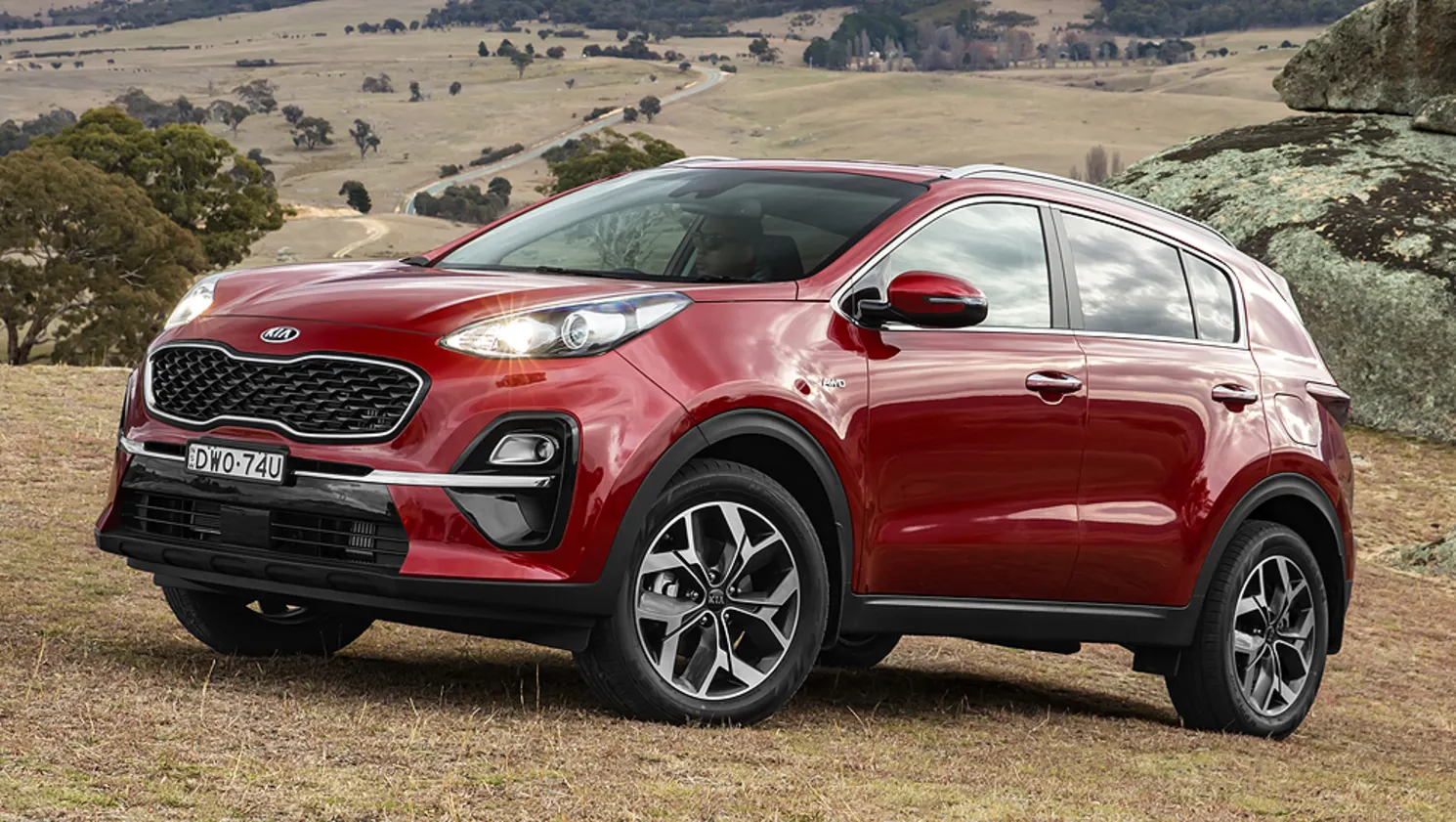
The Kia Sportage has gone through significant changes over the years, and in recent generations, it has earned recognition for being a dependable and easy-to-maintain vehicle. Once seen as a budget brand, Kia has invested heavily in improving build quality and long-term durability.
The result is a compact SUV that performs reliably, rarely suffers from major problems, and offers features that compete with more expensive models. Many drivers now see the Sportage as a serious competitor when looking for a reliable vehicle that won’t break the bank in repairs.
The engines used in the Sportage are well-tested and tend to be low-stress designs. Most models use naturally aspirated engines or conservative turbocharged options that are tuned more for efficiency than power. This helps avoid common problems associated with high-strain performance engines.
In most cases, regular oil changes, fluid checks, and simple inspections are enough to keep the Sportage running smoothly for years. The transmission systems, particularly the automatic variants, have also proven to be durable and responsive with very few reports of early failure.
Inside the cabin, Kia has paid more attention to material selection and long-term comfort. Controls and electronics are laid out in a way that’s both intuitive and durable.
Unlike some competitors that use fragile touch panels or overcomplicated interfaces, the Sportage sticks to practical solutions.
Buttons, knobs, and other controls tend to remain in working condition long after the vehicle has passed the 100,000-mile mark.
This is especially important in daily-use vehicles where wear and tear often appear first in the cabin. With the Sportage, even the base models come with controls that don’t feel cheap or prone to failure.
The design team clearly prioritized user experience over flashiness, which results in a cabin that remains usable and dependable well into the later years of ownership. Fewer electronic glitches and control issues mean fewer trips to the dealership for annoying, time-consuming repairs.
Another factor that contributes to the Sportage’s low-maintenance nature is the availability of parts and straightforward service requirements.
Kia vehicles now share many parts with Hyundai models, which increases the ease of finding replacements and reduces the cost of labor.
Even non-dealer mechanics are usually comfortable working on these vehicles, which opens up more affordable options for repairs and service.
The simplicity of the drivetrain also means fewer high-risk components can lead to major breakdowns, even after years of regular driving.
Kia has also made improvements in corrosion resistance and long-term structural integrity. Early models from the 2000s sometimes struggled with rust issues, particularly in colder climates, but the newer generations have improved dramatically.
Underbody coatings, better sealants, and tighter construction standards help protect the vehicle from premature aging.
This matters not only for appearance but also for the safety and integrity of suspension mounts, frame connection points, and other load-bearing areas that tend to be expensive to repair once compromised.
The final benefit worth highlighting is the long warranty coverage, which rivals some of the best in the industry. Kia’s 10-year/100,000-mile powertrain warranty gives owners peace of mind and incentivizes them to stay on top of regular service.
This regular maintenance, combined with Kia’s improved reliability, means that major issues are rare.
Even owners who have kept their Sportage well beyond the warranty period often report minimal unexpected repairs. It’s a dependable, reasonably priced SUV that holds up well in real-world conditions.
9. Ford Escape
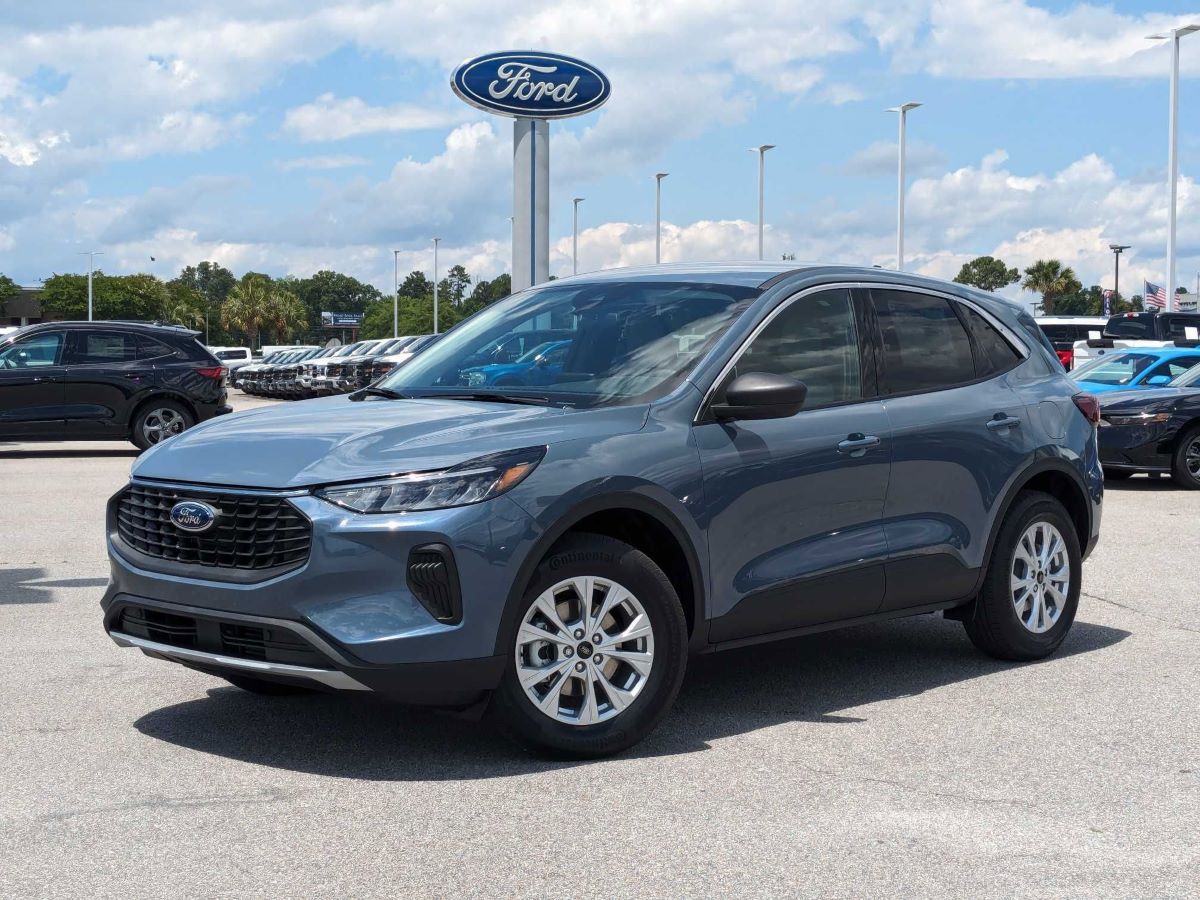
The Ford Escape has become a familiar name in the compact SUV market, offering a balance between comfort, practicality, and ease of ownership. Over the years, it has undergone several redesigns, and in its more recent forms, it has proven to be surprisingly low-maintenance.
The most reliable models are those equipped with the naturally aspirated engines, which avoid the complexity and strain often associated with turbocharged options.
These engines, paired with a basic but solid automatic transmission, offer dependable performance that doesn’t require much more than the usual service intervals.
One of the Escape’s strongest qualities is how approachable it is for everyday drivers. The vehicle doesn’t rely on complicated systems or niche parts that require specialized knowledge to fix. This makes it a favorite among independent mechanics and DIY owners alike.
Oil changes, brake service, and other common maintenance jobs can often be done quickly and affordably.
Ford also provides clear documentation and service manuals, making it easier for technicians to diagnose and repair issues when they do occur. This results in less downtime and lower repair bills for the owner.
Interior durability is another area where the Escape performs better than expected. While it may not have the most luxurious materials, the components are solid and hold up well against normal use.
The seats, flooring, and control panels tend to maintain their shape and appearance over time, even when the vehicle is used heavily.
Many owners who have driven their Escapes for over a decade report that the interior remains functional and relatively intact, with few of the small failures that often plague older vehicles, such as malfunctioning buttons or broken switches.
In terms of long-term ownership, the Escape offers a reassuring experience. Routine maintenance items are affordable, parts are widely available, and the vehicle’s layout is designed with simplicity in mind.
Although it may not be the flashiest or most innovative SUV on the market, the Escape continues to be a practical and cost-effective choice.
Its solid construction, familiar engineering, and reputation for reliability make it one of the easier SUVs to maintain, especially for those who value consistency over trends or cutting-edge technology.
