
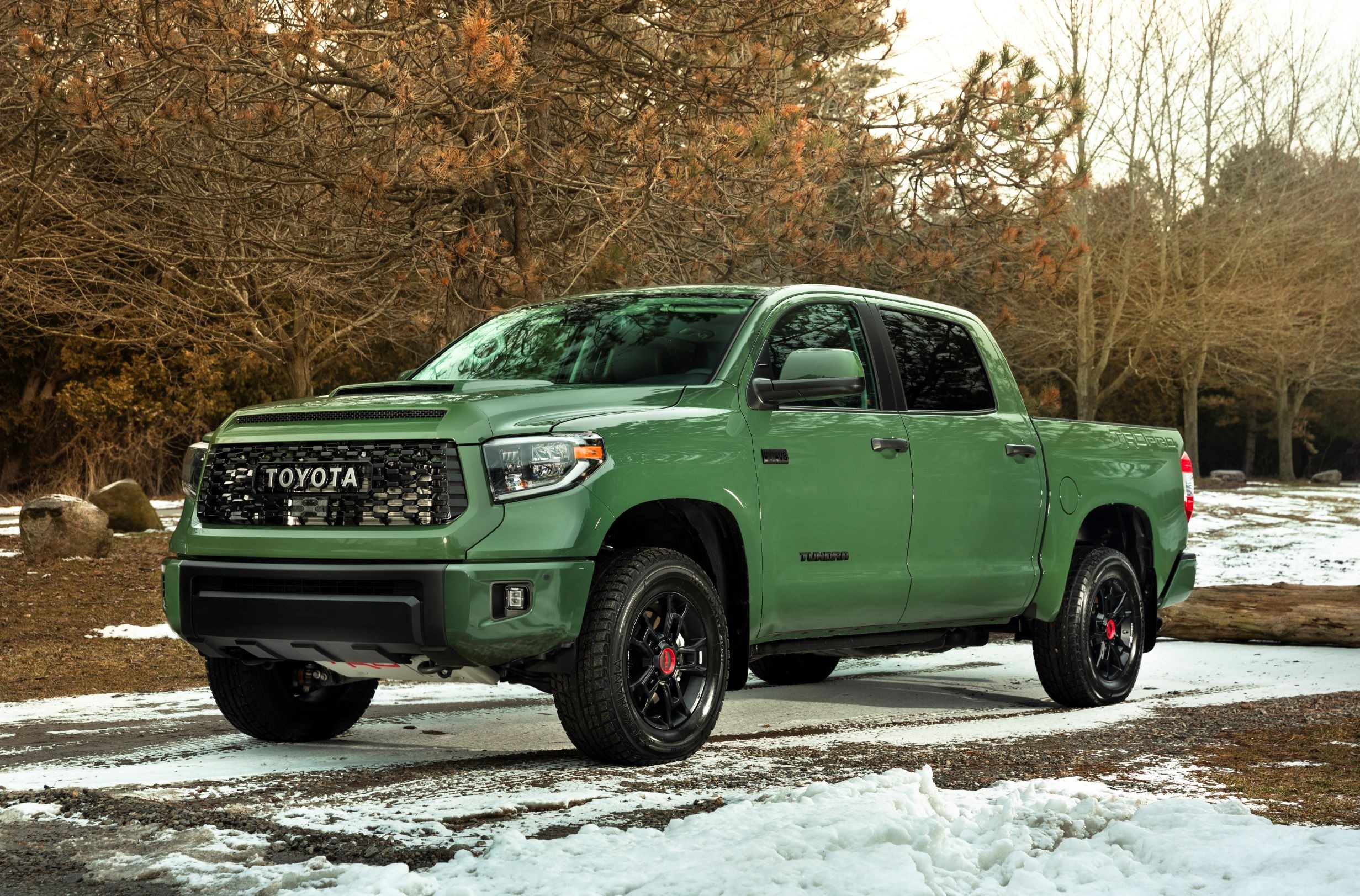
Modern SUVs offer comfort, technology, and versatility, but when it comes to long-term durability, some trucks continue to prove themselves more dependable over time. While SUVs are often marketed for their off-road capability and rugged design, many are built more for style and passenger comfort than for enduring harsh conditions.
Trucks, by contrast, are generally constructed to handle heavy workloads, challenging terrains, and years of punishment from both daily driving and work-related demands. This is not just about toughness on paper; real-world results show that several trucks outlast even the most reliable SUVs when it comes to mileage, resilience, and aging components.
Durability in vehicles can be measured in many ways. One of the most obvious is the number of miles a vehicle can travel without requiring major repairs. Another is how well it retains its structural integrity after years of use. Trucks that remain solid after hundreds of thousands of miles, endure harsh climates, or tow heavy loads repeatedly without breaking down are often the ones people count on for the long haul.
Owners of these durable trucks are often loyal for a reason. They’re not just holding onto a vehicle for nostalgia or brand loyalty; they’re keeping it because it continues to do its job without complaint.
Many of these trucks are not flashy or luxurious. They’re not designed with the latest infotainment systems or driver-assist features in mind. Instead, their value lies in their simplicity, robust construction, and ability to keep going even when newer models have long since retired.
That kind of staying power matters to contractors, farmers, outdoor enthusiasts, and even families who need a reliable second vehicle. In fact, it’s often older trucks, not the shiny new ones, that people pass down to their kids or keep in the driveway for 20 years.
This article outlines nine trucks known for their exceptional durability. These aren’t necessarily the most popular or the most expensive. They’ve just proven, again and again, that when properly maintained, they can go farther and last longer than many of the SUVs produced in the same era.
Some of them are still running strong after decades on the road. Each truck listed here has a reputation for withstanding the test of time and work, often with fewer problems than modern SUVs in the same mileage range.
Also Read: 12 EVs That Keep Their Range Surprisingly Well
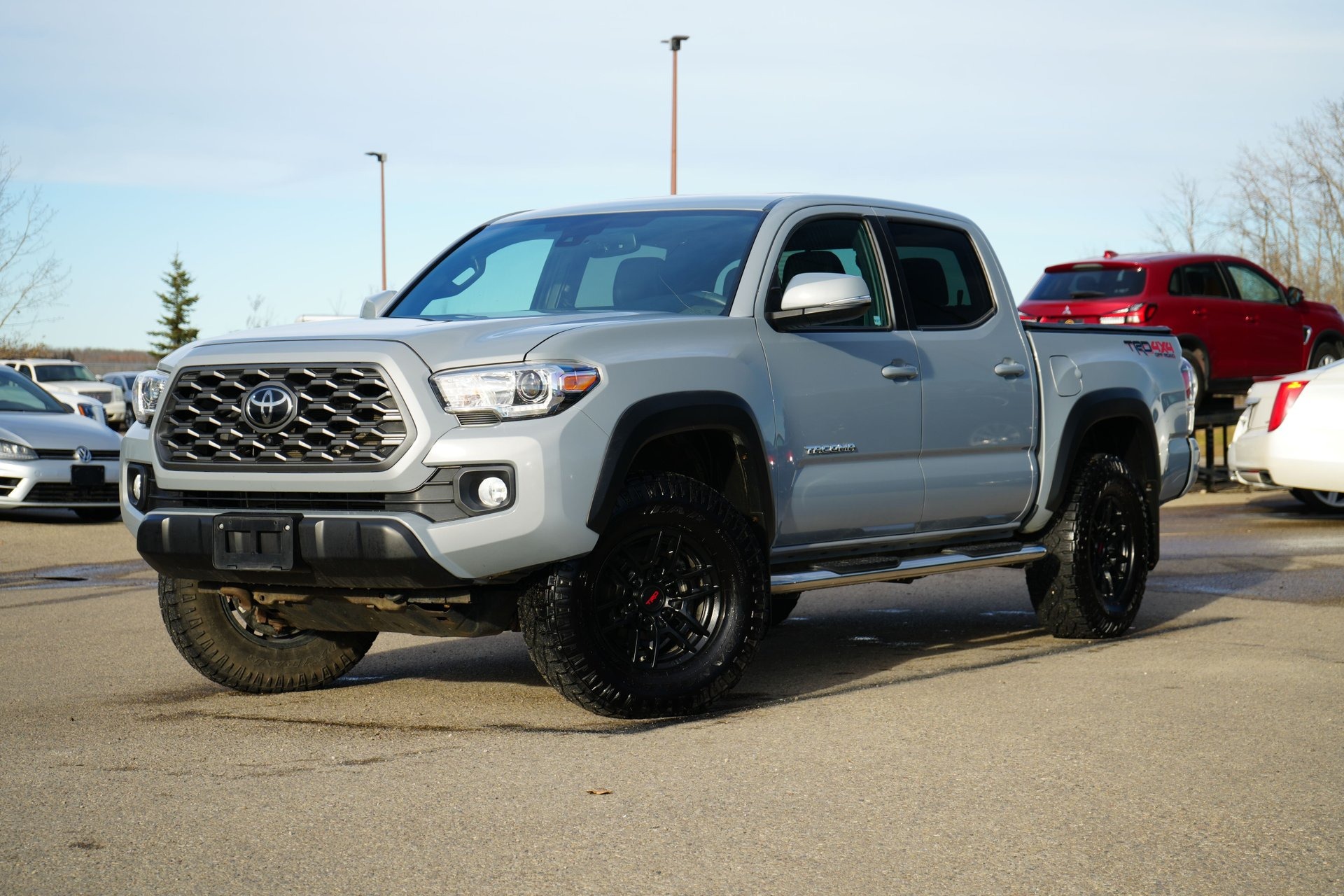
1. Toyota Tacoma
The Toyota Tacoma has long been considered one of the most dependable midsize trucks ever built. What sets it apart from many modern SUVs is how well it holds up over time, especially in extreme conditions.
It’s common to find Tacomas from the early 2000s still in daily use, often with over 300,000 miles on the odometer. The Tacoma doesn’t try to be overly luxurious or complex, and that’s part of its appeal. It does one thing very well: it keeps going when other vehicles give up.
The chassis and suspension are both built with serious off-road use in mind. This makes the Tacoma more than just a city or commuter truck. It’s been used in deserts, mountains, and snow-covered regions across the world.
Whether hauling gear or taking a beating on unpaved roads, the frame and body tend to resist corrosion and structural fatigue far better than many SUVs. Combine that with a strong V6 engine option and you’ve got a platform that rarely fails when properly cared for.
Another advantage is the simple yet effective design of its components. The engines used in older Tacoma models are straightforward and built without the electronic complexity that plagues many modern vehicles. This means fewer electronic failures and less dependency on dealership visits.
Owners can often do much of the maintenance themselves, saving money and extending the life of the truck. It’s a level of user-friendly engineering that’s hard to find in today’s SUV market.
Even though newer Tacomas have adopted more technology, the base structure and drivetrain still carry the DNA of a workhorse. Toyota’s emphasis on over-engineering core components means that even newer models continue the tradition of long-term durability.
While SUVs are often updated to follow trends, the Tacoma remains true to its original purpose: being a reliable, tough machine that will last for hundreds of thousands of miles without needing a major overhaul.
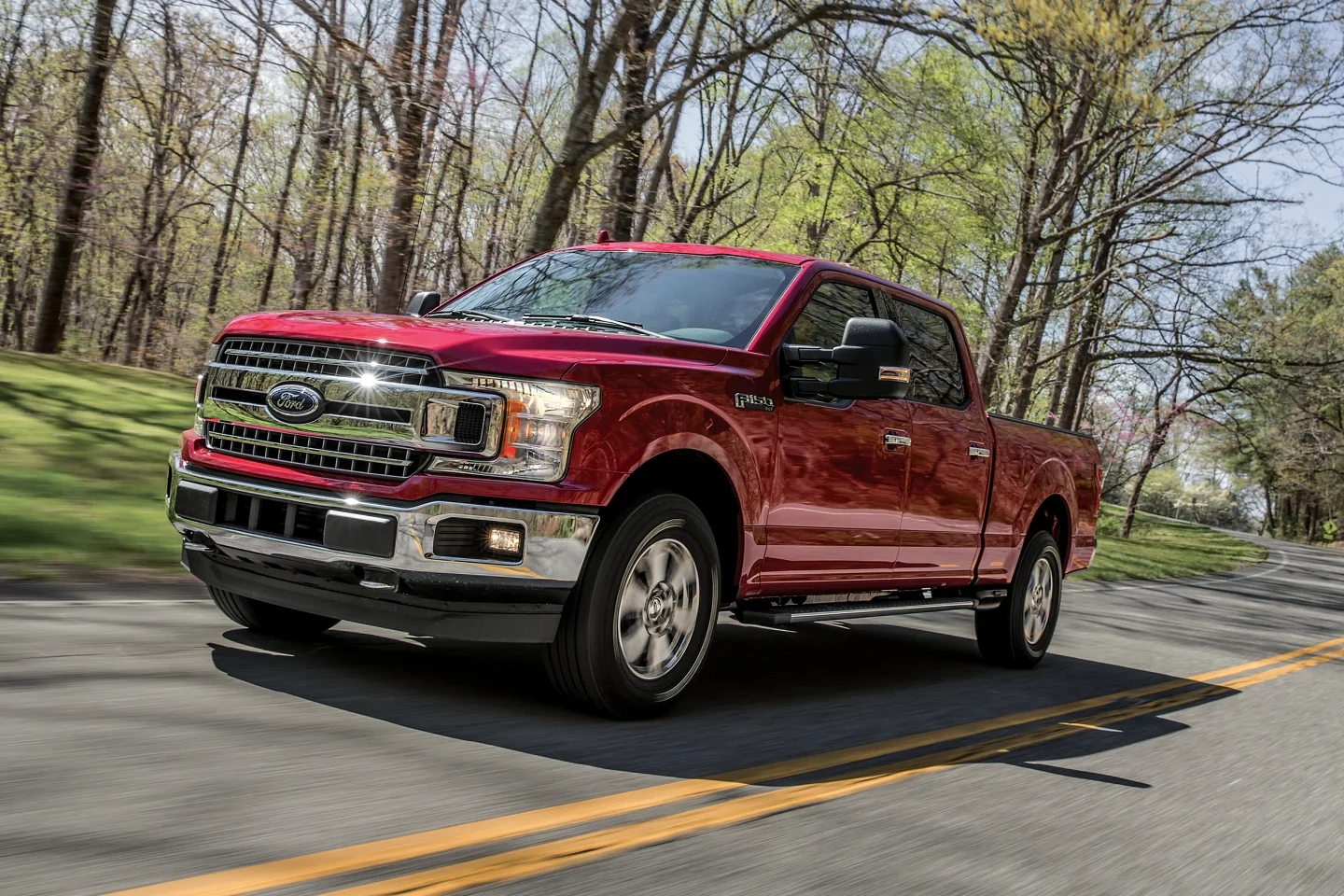
2. Ford F-150
The Ford F-150 is not just a best-seller; it’s a symbol of reliability in the truck world. For decades, this full-size pickup has been trusted by both workers and families, and it has earned its place as one of the most durable vehicles on the road.
You can still see older F-150s from the early 90s running strong, often used as daily drivers or worksite vehicles. That kind of longevity doesn’t happen by accident. It’s a result of solid engineering, consistent improvements, and real-world reliability.
The F-150 is built to be used, not just driven. It’s designed with heavy-duty hauling, towing, and off-road use in mind. Where many SUVs might struggle after a few years of regular strain, the F-150 keeps performing under pressure.
Its frame is stronger than what you’ll find in most consumer SUVs, and its suspension is built to handle tough jobs day in and day out. It’s one of the few vehicles that gets better with wear, especially when well-maintained.
One of the reasons the F-150 stands out is its wide variety of reliable engine options. From the old-school 4.9L inline-six to the dependable 5.0L V8, these engines are known for lasting hundreds of thousands of miles.
They’re not overly complex, which means they don’t fail as easily as newer turbocharged or hybrid systems found in modern SUVs. Mechanics often comment on how easy these engines are to work on, which encourages long-term upkeep and fewer junkyard retirements.
Even with technological updates in recent years, the F-150 continues to deliver on its promise of durability. The newer aluminum-bodied models may spark debate, but many owners report that the newer designs remain just as capable and sturdy as the older steel versions.
When compared to modern SUVs that are often built more for comfort than capability, the F-150 proves that strength and staying power still matter.
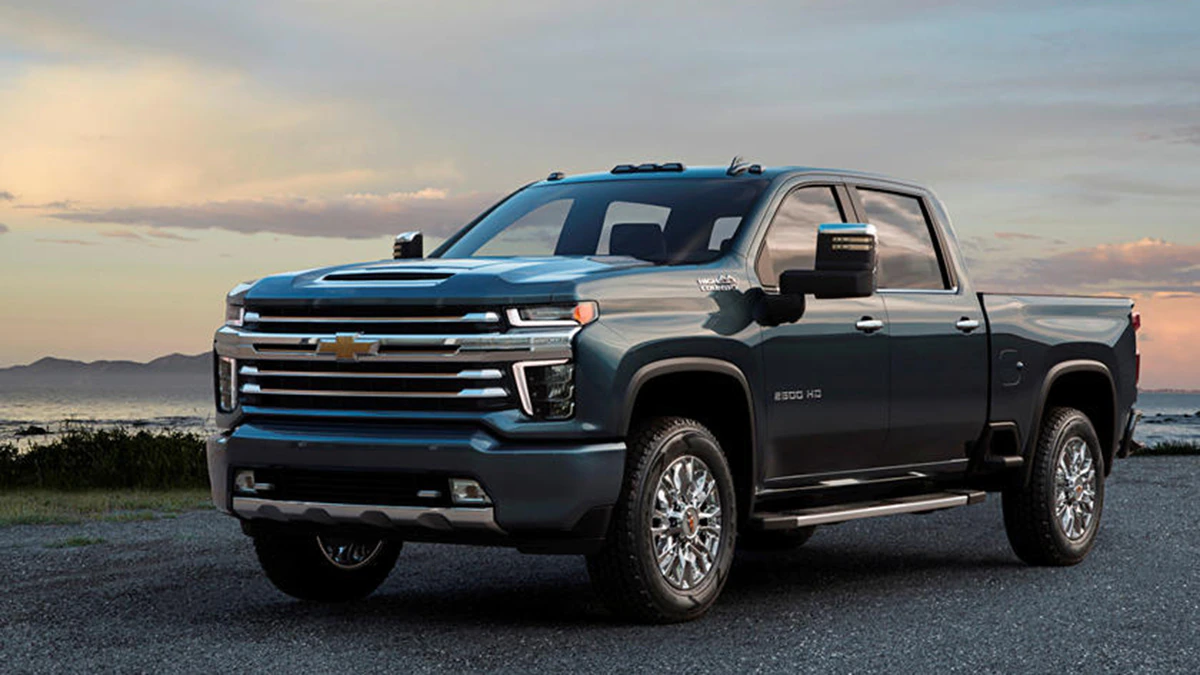
3. Chevrolet Silverado 2500HD
When it comes to serious work, the Chevrolet Silverado 2500HD often comes up in conversation for good reason. It’s a heavy-duty truck built for hauling, towing, and taking punishment.
This is not a vehicle designed for weekend grocery runs or soccer practice. It was made to endure, and in doing so, it often outlasts many SUVs that were released in the same generation. Whether used on a farm, at a construction site, or for cross-country towing, the 2500HD proves itself again and again.
Durability is built into every part of this truck. The frame is stronger, the suspension is heavier, and the driveline is reinforced to handle stress that would cause many SUVs to fall apart.
One of the standout elements is the available Duramax diesel engine paired with the Allison transmission, a combination that has gained a reputation for running strong well past the 300,000-mile mark. That kind of performance puts most modern SUVs to shame, especially those built for nothing more than light-duty family use.
Another reason for its long lifespan is the simplicity and strength of its components. While some trucks rely on plastic parts or unnecessary electronic systems, the Silverado 2500HD leans toward function over flair. This makes it easier to repair and maintain.
Mechanics know this truck well, and parts are widely available, reducing downtime and cost of ownership. Many of these trucks are still on the road with original drivetrains and only minor cosmetic wear.
Unlike SUVs, which are often built on unibody platforms, the Silverado 2500HD uses a traditional body-on-frame design. This makes it inherently stronger and more resistant to bending or cracking under heavy use. It’s a truck that was engineered with endurance in mind.
When properly cared for, it’s not uncommon for these trucks to serve multiple owners over decades, proving that toughness still has a place in an industry often focused on comfort and style.
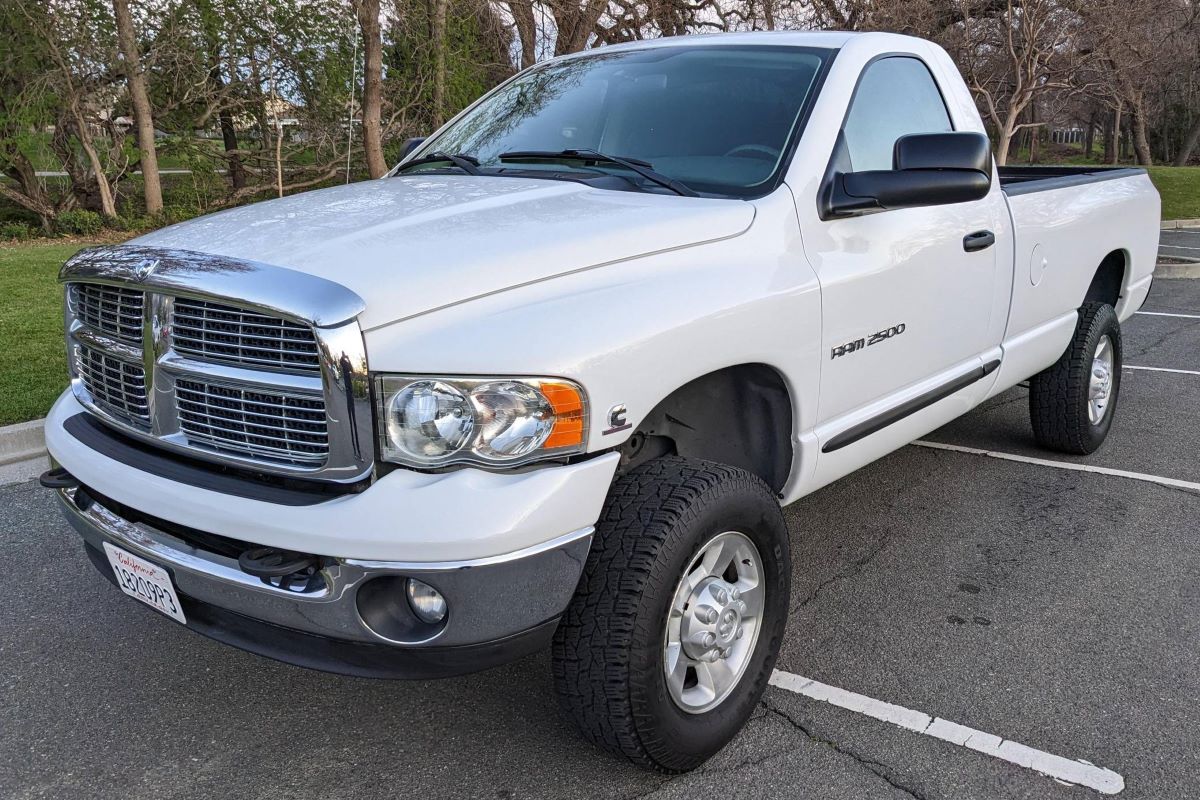
4. Dodge Ram 2500 (Pre-2010 Models)
Before Ram split off from Dodge as its own brand, the Dodge Ram 2500 earned a reputation for being a workhorse that refused to quit. Especially those models built in the early 2000s, these trucks were powered by some of the most reliable engines ever placed in a pickup.
Chief among them was the 5.9L Cummins diesel, a straight-six powerhouse that could outlast just about anything else on the road. Trucks equipped with this engine routinely pass 400,000 miles with original internals.
Durability in these trucks wasn’t just about the engine. The solid front axle, strong frame, and reliable manual transmission options gave drivers confidence in every situation. Whether it was pulling a trailer through mountain passes or serving as a fleet vehicle for heavy construction, the Ram 2500 was built to survive.
This kind of strength is something many modern SUVs simply cannot match, especially when their components are optimized for ride comfort instead of raw performance.
Owners often praise these trucks for their mechanical simplicity. With fewer electronics and less reliance on computer systems, they tend to have fewer points of failure.
Maintenance is straightforward and parts are widely available, which keeps them on the road longer. Unlike many SUVs where a failed sensor can disable the vehicle, these trucks can still be driven with minor issues until repairs are made.
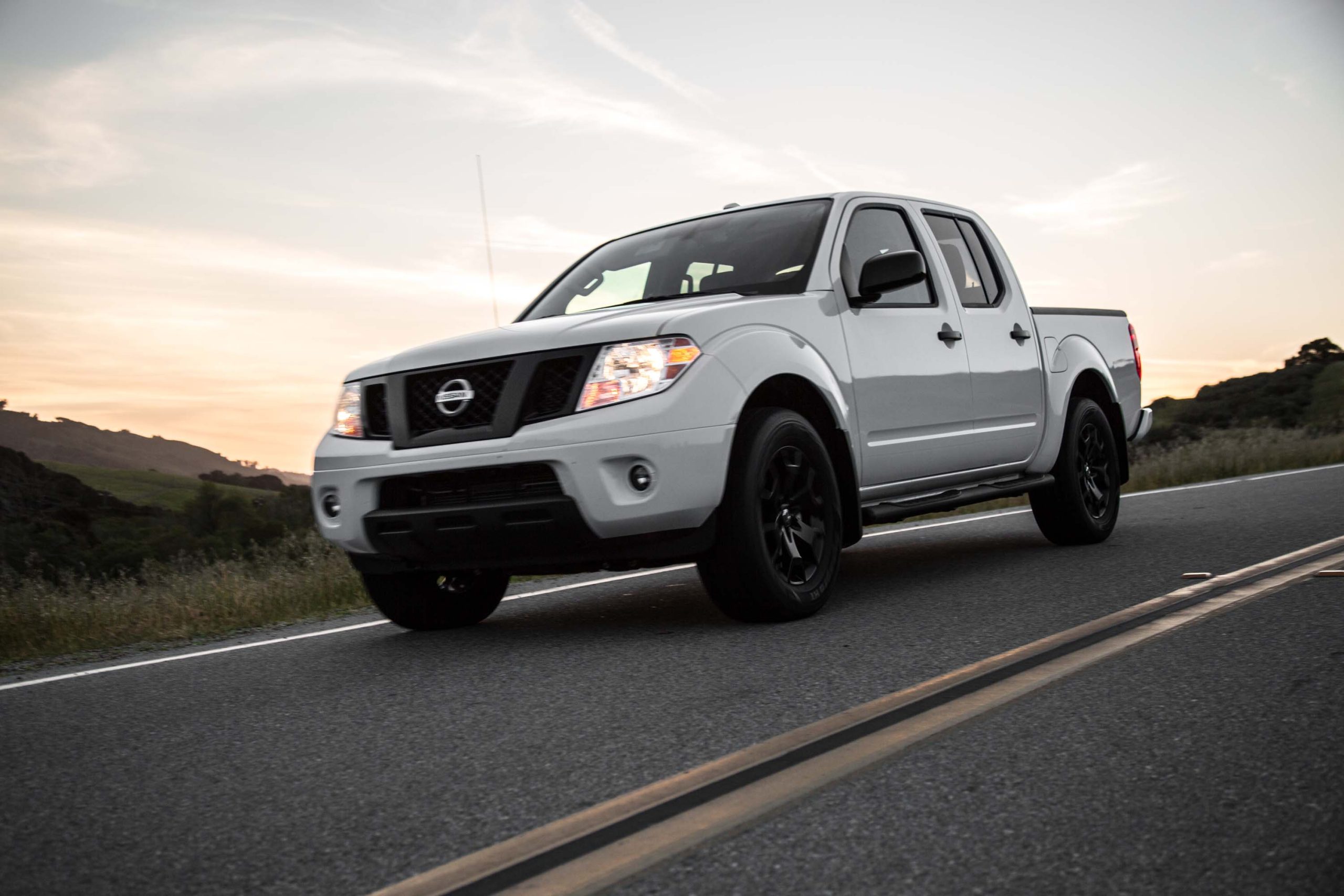
5. Nissan Frontier (Pre-2016 Models)
The Nissan Frontier is often overlooked in discussions about durable trucks, yet it has quietly built a strong reputation for longevity. Especially models produced before 2016, the Frontier delivered impressive reliability without unnecessary complexity.
It was one of those trucks that simply worked. You won’t find luxury interiors or cutting-edge tech in older Frontiers, but what you will find is a well-built frame, a reliable drivetrain, and a platform that’s proven itself in daily driving, light off-roading, and even small-scale commercial use.
One of the main reasons for its lasting power is the VG and later VQ-series V6 engines that powered these trucks. These engines have a track record of crossing 250,000 miles with routine maintenance, and they rarely suffer from catastrophic failures.
While modern SUVs often deal with turbo issues, complicated timing systems, or fragile electronics, the Frontier relies on a naturally aspirated motor that’s built to run and built to last. These engines are often paired with manual transmissions in base models, and those gearboxes have also shown exceptional resilience.
The Frontier’s body-on-frame construction and simple suspension design contribute to its ability to handle wear and tear far better than many unibody SUVs. While SUVs in the same class might be prone to underbody rust, frame damage, or worn suspension bushings, the Frontier holds up with less frequent repairs.
Many owners report that their trucks have withstood years of winter driving and salty roads with minimal corrosion, especially when cared for properly. The lack of fancy electronics also means fewer electrical gremlins and easier DIY maintenance.
Even though newer models have started to include more features and complex design elements, older Frontiers remain on the road doing what they were built to do. Whether it’s being used as a small work truck or a long-distance commuter, the Frontier holds its own in real-world durability.
It might not have the name recognition of some of the bigger American brands, but its ability to perform consistently over time has earned it a loyal following among drivers who value dependability over flash.
Also Read: 9 Cars That Stay Worth Owning Even After 20 Years
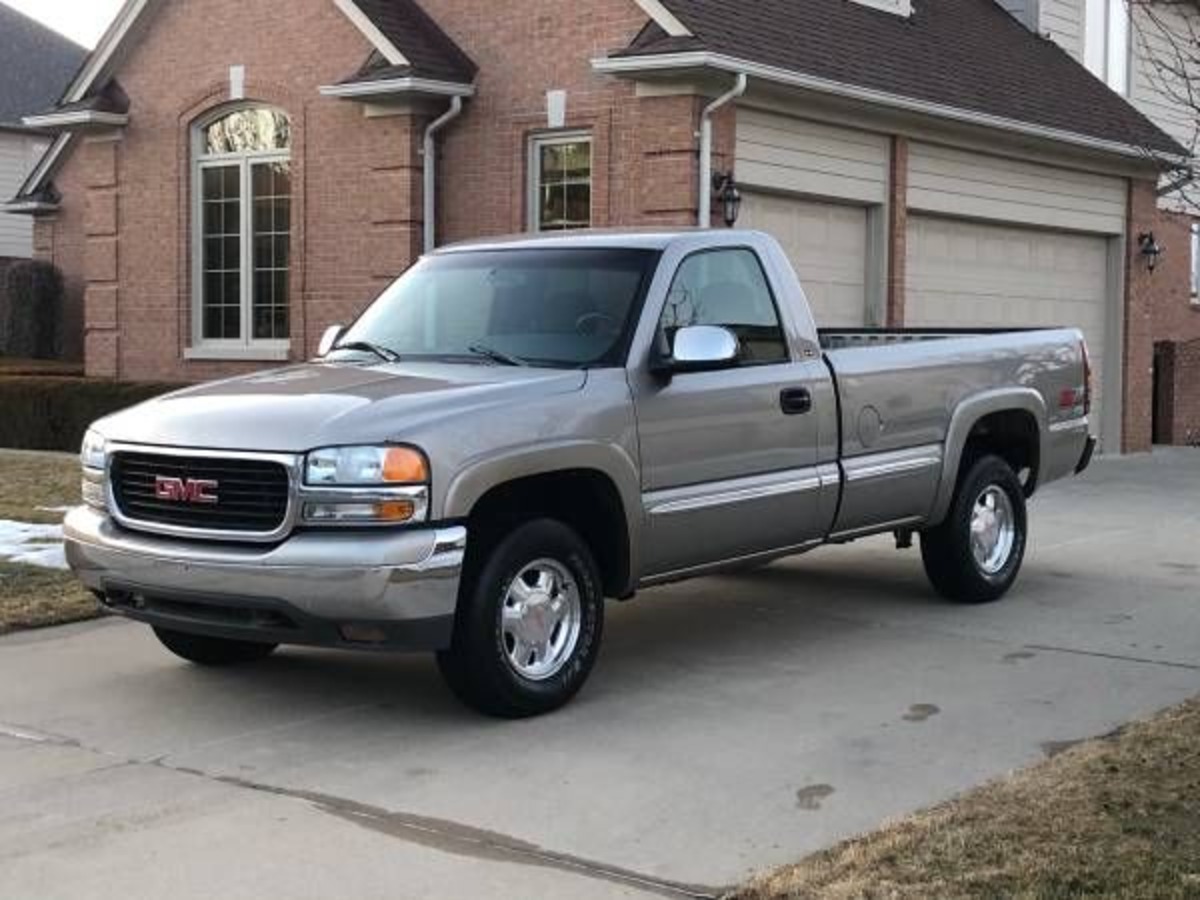
6. GMC Sierra 1500 (1999–2006)
The GMC Sierra 1500 models from the late 90s and early 2000s are a textbook example of long-lasting American trucks. Built during a period when reliability and mechanical simplicity were still priorities, these trucks have remained in service for decades in both personal and professional roles.
Many owners report that their Sierras have surpassed 300,000 miles with few major repairs, and it’s not uncommon to see these trucks in active use today. That level of endurance easily puts them ahead of many modern SUVs that start developing issues once they cross the 150,000-mile mark.
The Sierra’s durability is largely thanks to the proven small-block V8 engines like the 5.3L Vortec, which is known for its solid performance and minimal maintenance needs. These engines have earned a cult following for a reason: they keep running.
Combined with GM’s 4L60E transmission in earlier models, the drivetrain offers a good balance of power and long-term survivability. While SUVs from the same era might have more features, those extra bells and whistles often introduce additional points of failure, something the Sierra smartly avoided.
Beyond the engine and transmission, the build quality of the Sierra 1500 holds up remarkably well. The frame is strong and resistant to stress fractures, while the interior materials, though not luxurious, tend to wear slowly.
Even after 20 years, it’s not unusual for door panels, seats, and dashboard components to remain intact and fully functional. This resilience gives these trucks a strong resale market and keeps them on the road longer than many of the SUVs they once shared showrooms with.
One of the biggest advantages the Sierra has over SUVs is its versatility combined with durability. It’s capable of towing, hauling, and moderate off-road use, yet still functions as a comfortable daily driver. Many newer SUVs sacrifice that mix of strength and usability for technology and aesthetics.
The Sierra, especially in its early 2000s form, represents a balance that’s hard to find in today’s more complex and less rugged SUV offerings.
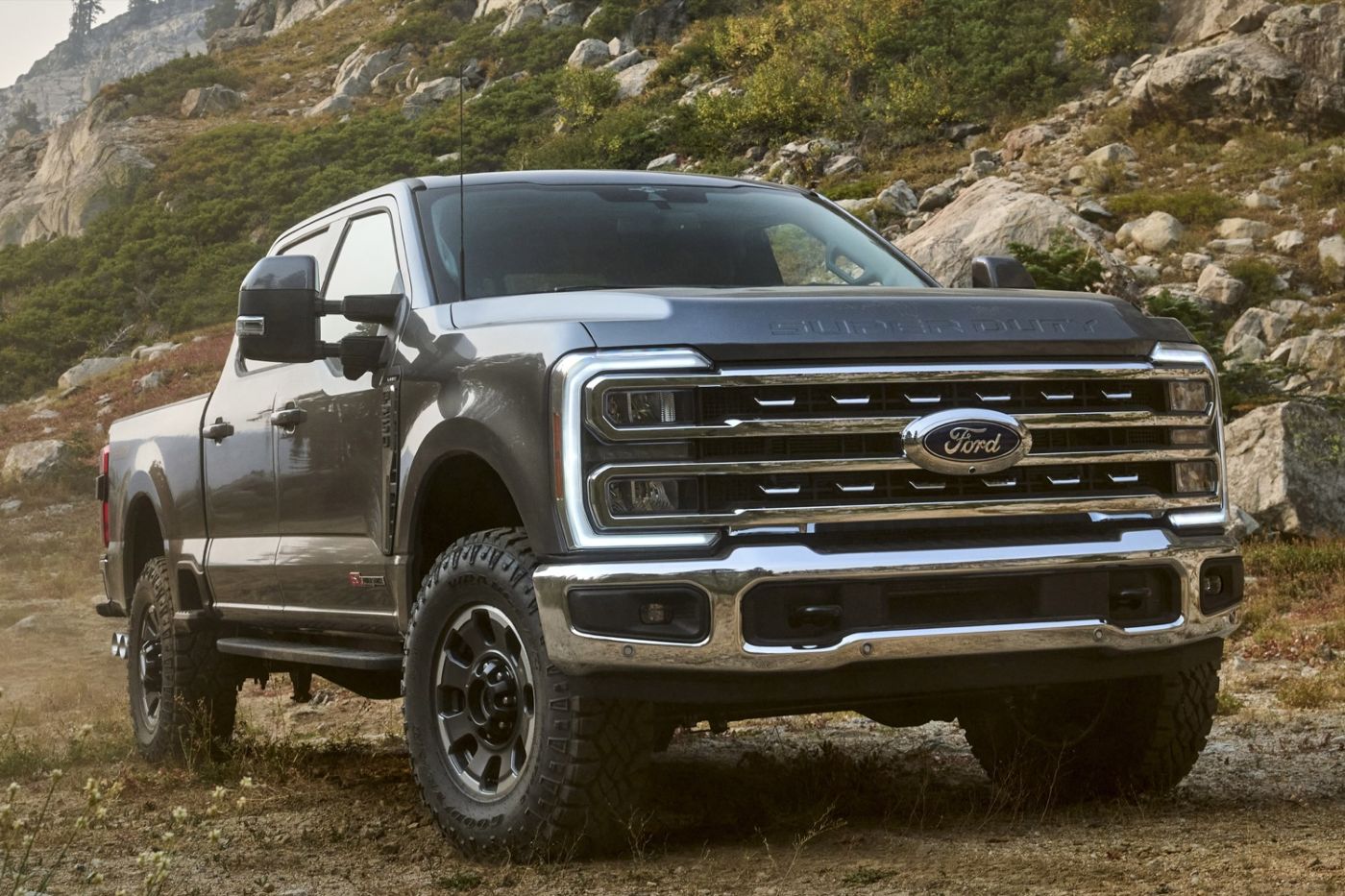
7. Ford Super Duty (F-250 and F-350, 7.3L Power Stroke Era)
Few trucks carry the same reputation for sheer strength and reliability as the Ford Super Duty models powered by the 7.3L Power Stroke diesel engine. These F-250 and F-350 trucks from the late 90s and early 2000s were built to last, and many of them are still operating today in demanding industries like farming, towing, and construction.
The 7.3L engine in particular is legendary for its durability, often crossing 500,000 miles with basic maintenance. That kind of performance simply doesn’t exist in most modern SUVs, which are typically not built for such extreme longevity.
The Super Duty line was never about refinement. These trucks were designed from the ground up to take abuse, pull heavy trailers, and survive extreme conditions. The frame is massive, the axles are oversized, and the transmission options were matched carefully to handle the immense torque of the diesel engine.
While some SUVs struggle with their transmissions after a few years of light-duty use, these Super Duty models take on heavy-duty work every day and keep going. This kind of engineering translates directly into years of reliable service.
Another benefit is that these trucks were built in an era before emissions regulations started to complicate diesel technology. The 7.3L engine doesn’t have the finicky exhaust treatment systems or sensitive electronic fuel injection components that modern diesels do.
This makes them easier and cheaper to maintain in the long run. A failure in one of these systems in a modern diesel SUV can cost thousands to repair, while older Super Duties can be fixed at a fraction of the cost by knowledgeable owners or mechanics.
Many of these trucks are still in use as primary work vehicles, a testament to how well they were made. They’ve become popular not just for their reliability but also for their ability to be repaired and upgraded over time.
While SUVs of the same generation are often found rusting in junkyards or sold for parts, the Ford Super Duty trucks keep hauling, towing, and working like it’s still the early 2000s. That kind of staying power puts them in a different category when it comes to durability.
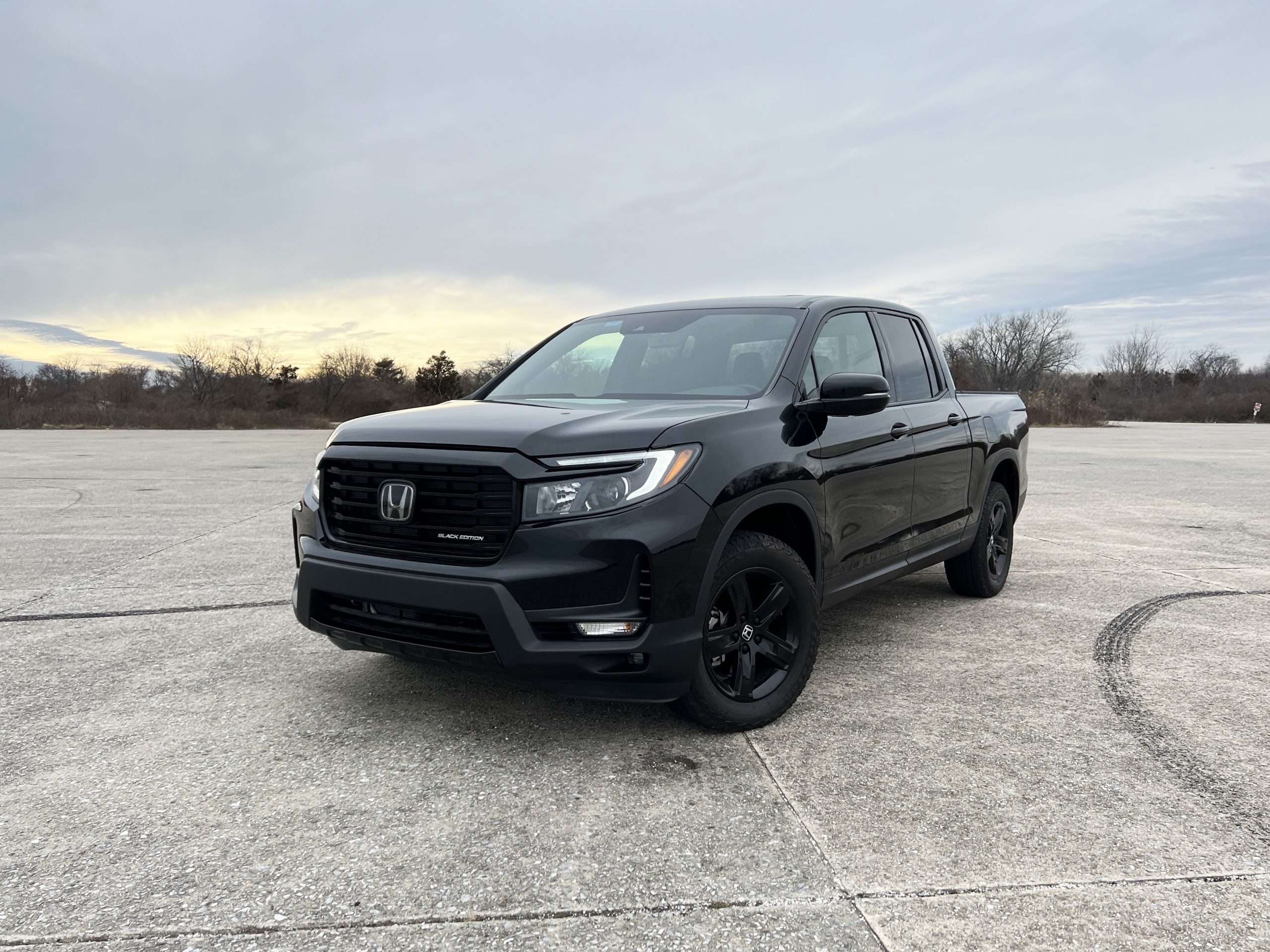
8. Honda Ridgeline (First Generation)
While not a traditional body-on-frame truck, the first-generation Honda Ridgeline still deserves recognition for its unexpected durability. Produced from 2006 to 2014, this truck was initially dismissed by purists for not being a “real” truck.
However, over time, it proved to be one of the most reliable mid-size pickups on the market. Its unibody design, while different from most traditional trucks, was executed in a way that maintained strength and longevity, making it more durable than many crossovers or SUVs produced in the same era.
The Ridgeline benefited from Honda’s legendary engineering consistency. It used the same 3.5L V6 engine found in many of the brand’s most reliable vehicles, and it was tuned for truck duty without compromising reliability.
These engines regularly hit the 300,000-mile mark with minimal mechanical issues, provided routine maintenance was followed. The transmission, often a weak point in SUVs of that time, held up better than expected in the Ridgeline, and many early models are still on the road today with original drivetrains.
One of the Ridgeline’s strengths was its clever design that reduced long-term wear. The independent rear suspension provided a smoother ride and more even wear on suspension components.
While traditionalists might prefer solid axles for heavy-duty use, the Ridgeline’s setup made it more suitable for a wide variety of users, from contractors to families who needed something tougher than an SUV but more refined than a full-size truck. Over time, this unique positioning allowed it to carve out a niche where durability was more important than style.
Though some criticized it for its appearance or lack of high towing capacity, the Ridgeline made up for those limitations with real-world reliability. It avoided many of the problems that plagued both trucks and SUVs in its class, including rust-prone frames, unreliable electronics, and failing transmissions.
While many SUV owners from that era moved on to newer models due to mechanical issues, Ridgeline owners often kept theirs because they simply didn’t break down. It’s that level of quiet consistency that earns it a place on this list.
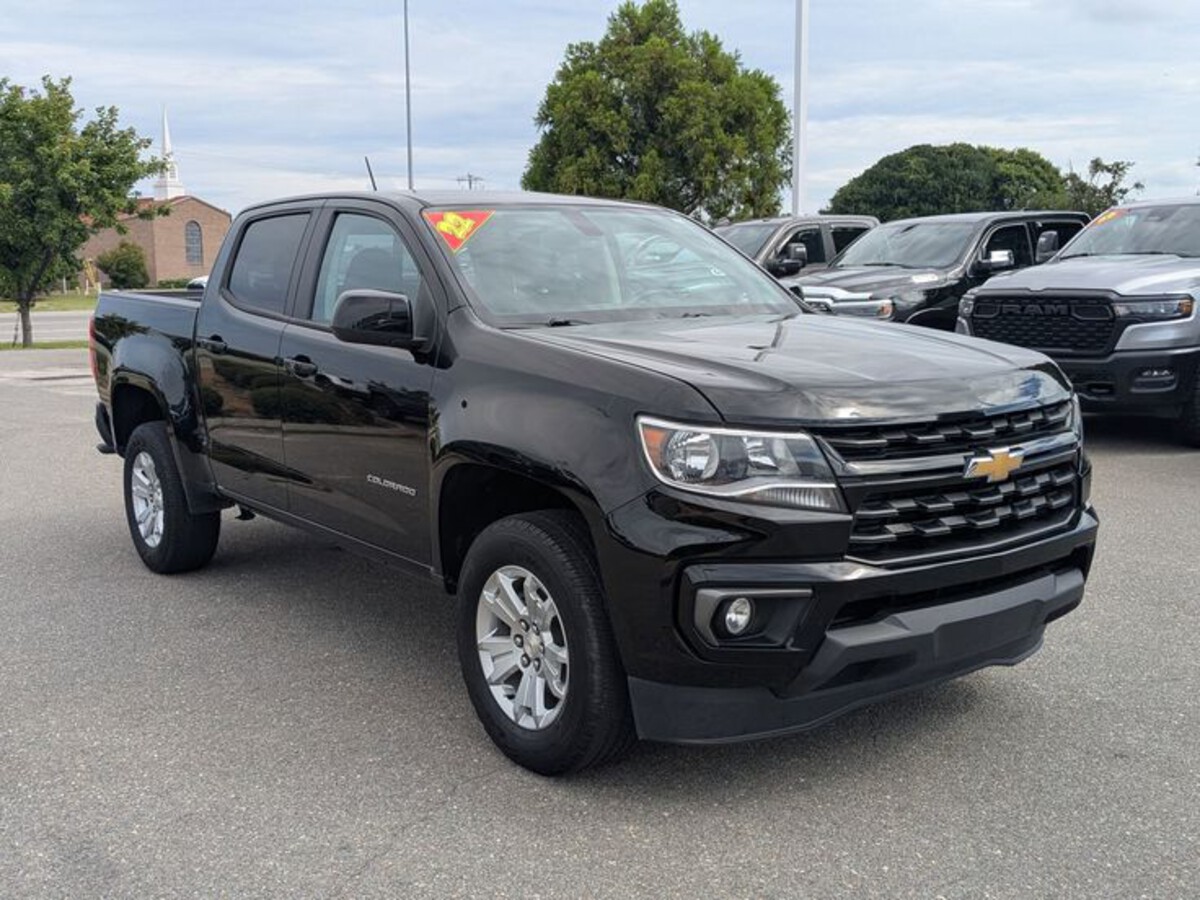
9. Chevrolet Colorado (2004–2012)
The first-generation Chevrolet Colorado might not be the flashiest truck ever built, but its staying power tells a different story. Built during a time when GM was focused on making a smaller, more fuel-efficient truck, the Colorado turned out to be surprisingly tough.
Many of these trucks are still in use today, especially in areas where road conditions are poor or vehicles are expected to handle more than just city driving. Unlike many SUVs of the same era, which began to falter under high mileage, the Colorado showed it could take a hit and keep going.
The most reliable versions were those equipped with the 3.5L and 3.7L inline-five engines. These engines were often criticized for being unrefined, but they proved to be mechanically solid and very long-lasting. They handled high mileage well, and while they didn’t deliver the same power as a V6, they made up for it in consistent performance.
Paired with a simple automatic or manual transmission, the drivetrain in these Colorados was built for everyday use and didn’t suffer from the same failure rates that plagued compact SUVs of the time.
The Colorado’s body-on-frame construction gave it a durability edge over unibody SUVs in the same size range. While SUVs like the Chevrolet Equinox or Ford Escape from that era often dealt with structural fatigue, the Colorado held its shape and strength under long-term use.
The frame was built to take moderate abuse, including gravel roads, light towing, and daily hauling duties, without showing early signs of failure. Many Colorado owners have reported trucks still running after 200,000 or even 300,000 miles, often with minimal repairs beyond wear-and-tear items.
The simplicity of the Colorado also helped extend its life. Without an overload of electronic systems or high-maintenance luxury features, there were fewer things to go wrong. The HVAC systems, gauges, lighting, and switches may have felt basic, but that’s exactly what made them so reliable.
You didn’t have to worry about power-folding mirrors breaking or complex infotainment systems failing like in many SUVs. When a truck is kept simple, it’s easier to fix, cheaper to maintain, and more likely to survive long-term usage.
Another overlooked quality of the Colorado was its versatility in various climates and road conditions. It handled snow well, thanks to its available 4WD system, and the ground clearance allowed it to navigate mild off-road trails.
For owners living in rural or mountainous areas, it became a reliable tool for getting around when many SUVs would struggle with traction, ground clearance, or reliability. The compact size also made it easier to drive and park compared to full-size trucks, making it a practical solution for people who wanted durability without a giant footprint.
Many Colorados from this era are still in daily service, whether on farms, in small businesses, or as secondary household vehicles. They may not look fancy or offer the modern tech found in newer SUVs, but they earn their place through consistent performance and minimal breakdowns.
Their design emphasized function over flair, and that makes all the difference when it comes to vehicles that truly last. For those who care more about long-term durability than first impressions, the Colorado continues to prove its worth year after year.
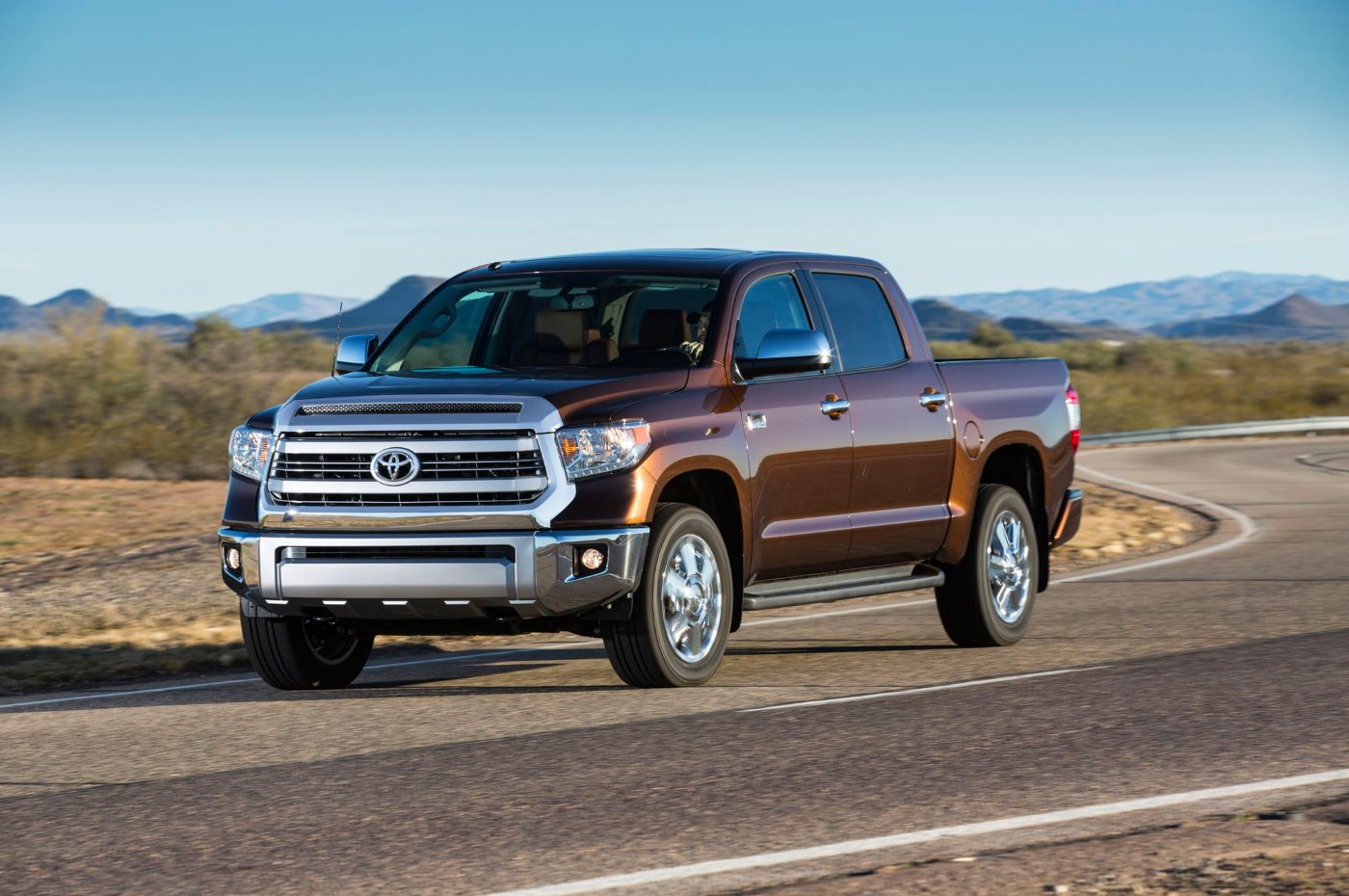
10. Toyota Tundra (2000–2006 Models)
The early Toyota Tundra models, particularly those built between 2000 and 2006, earned a reputation for being incredibly tough, well-built, and unusually long-lasting. While they didn’t have the size or brute strength of American heavy-duty pickups, these trucks consistently proved that reliability and long-term performance don’t always require massive engines or oversized frames.
Owners of these first-generation Tundras often report that their trucks have passed the 300,000-mile mark with original engines and transmissions still intact, a level of consistency that’s rare even among full-size trucks, and even more so when compared to SUVs of the same era.
One of the strongest points of these early Tundras is the 4.7L i-Force V8 engine. This motor is not only smooth and relatively fuel-efficient for its class but also incredibly resilient. It was engineered with longevity in mind, utilizing timing belts instead of timing chains and featuring a robust design that could handle sustained workloads without overheating or suffering from premature internal wear.
Combined with Toyota’s attention to manufacturing precision and quality control, the 4.7L V8 has gone on to become one of the most praised truck engines in terms of long-term durability. Very few SUVs from the early 2000s can claim to have such bulletproof powertrains.
In terms of construction, the Tundra’s body and chassis were designed with work capability in mind. The frame was solidly built, rust-resistant when properly cared for, and able to withstand moderate towing and hauling tasks. The suspension, while not as stiff as that found in heavy-duty trucks, struck a great balance between ride comfort and durability.
The simplicity of the design extended to the drivetrain and interior electronics, meaning fewer things to break down over time. Even the interior materials were built to last, with many early models still featuring fully functional dashboards, knobs, and climate controls long after many SUVs of the same vintage had started to show signs of decay.
What truly makes the Tundra stand out in terms of durability is its reliability under daily conditions. These trucks are not just used as work vehicles; they are also trusted family haulers, road trip machines, and sometimes even mild off-road rigs. They’re known for starting in any weather, enduring long stretches between major repairs, and aging with grace.
In contrast, many early 2000s SUVs, even those from luxury brands, suffered from failing electronics, drivetrain issues, and build quality problems that began showing within 100,000 miles. The Tundra, on the other hand, remains a favorite among used truck buyers who want a reliable, long-term investment that doesn’t compromise capability.
