
When people think of luxury vehicles, they often picture something brand new, loaded with high-end features and modern tech. However, not all luxury comes with a new-car price tag. Some vehicles manage to retain that upscale feel long after they’ve left the showroom. For SUV enthusiasts, this can be particularly appealing.
Many older SUVs continue to deliver a premium experience, even as newer models enter the market with flashy gadgets and reworked interiors. What makes an SUV feel luxurious over time isn’t always about touchscreen size or wireless charging; it often comes down to quality materials, timeless design, smooth performance, and how well the vehicle was engineered in the first place.
Luxury in an SUV isn’t just about leather seats or wood grain trim. It’s about how the vehicle makes you feel while driving it. There’s a sense of calm, confidence, and class that well-built luxury SUVs continue to offer years after their release. Some brands have built their reputation on this longevity.
Others may not have been known for luxury first, but produced a few models that surprised everyone by aging gracefully. While reliability and performance matter in any used car decision, this list focuses on vehicles that offer more than function. These are SUVs that feel refined and premium, even if they’re a decade or more old.
Not every aging SUV manages to preserve its elegance. Some begin to feel dated quickly due to cheaper materials or trendy designs that don’t stand the test of time. Others, however, manage to age like fine wine, still turning heads and providing a refined ride that rivals newer options.
Whether it’s the hushed interior, well-damped suspension, or solid craftsmanship, something about them keeps them relevant. These vehicles may not be loaded with the latest tech, but their luxury DNA still comes through every time you step inside.
In this article, we’ll look at nine SUVs that continue to feel luxurious despite their age. Whether you’re considering a used purchase or simply curious about which models have stood strong against the passage of time, this list highlights those vehicles that maintain their upscale presence and comfort. Each one brings something unique to the table while proving that true luxury doesn’t fade with time.
Also Read: 9 Cars That Stay Worth Owning Even After 20 Years
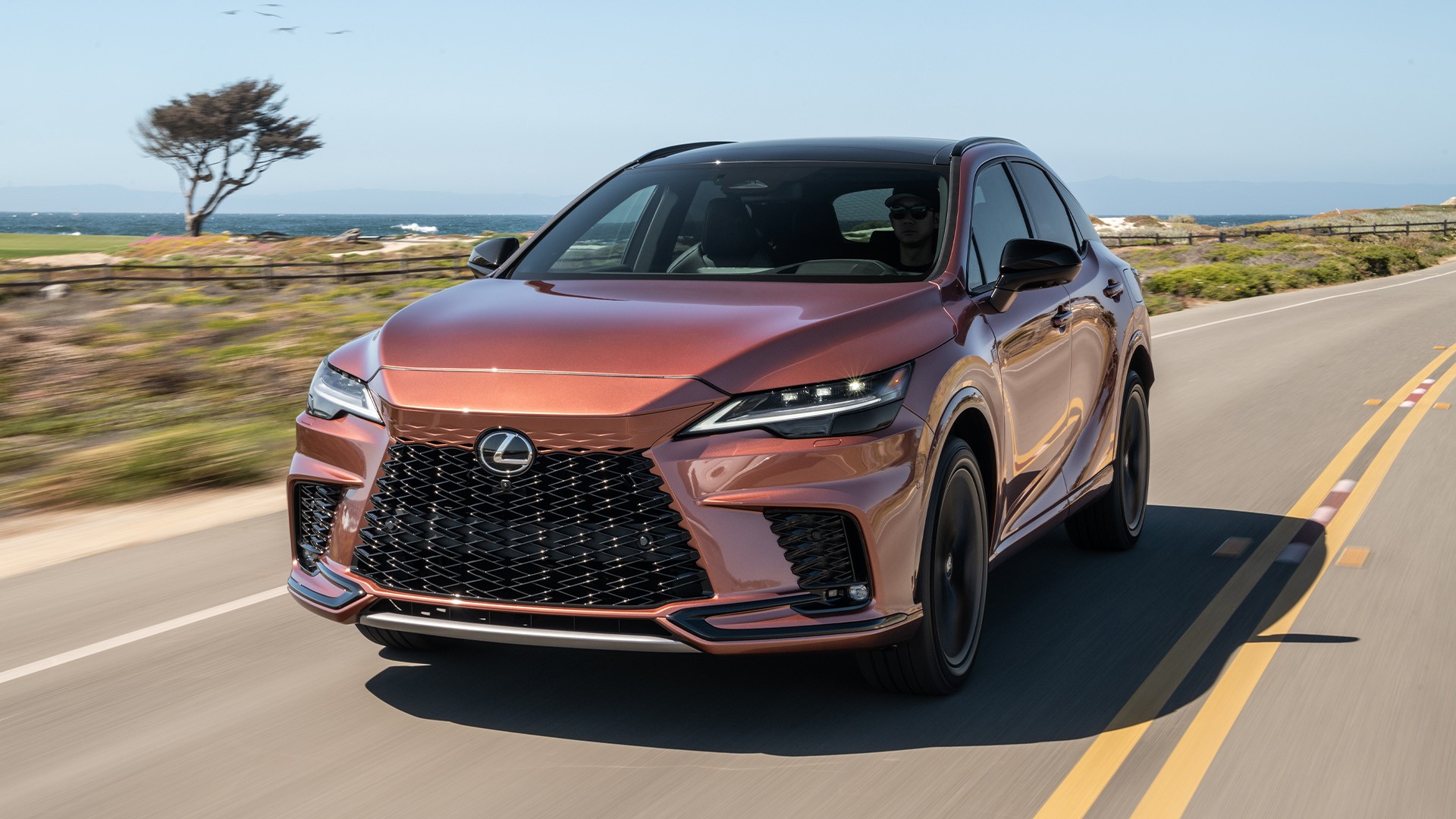
1. Lexus RX (2009–2015)
The Lexus RX has long been a staple in the luxury crossover segment, and the third-generation models from 2009 to 2015 still manage to feel premium today. The design may not scream for attention, but the lines are clean and mature, which helps it age gracefully. The quality of materials used in the cabin makes a big difference.
Soft-touch surfaces, genuine wood accents (in higher trims), and well-cushioned seats create a relaxing environment that rivals newer luxury models. The overall interior layout is logical and free from gimmicks, giving it a timeless quality.
Driving the RX from this era still feels smooth and composed. The suspension does an excellent job absorbing road imperfections, and the cabin stays impressively quiet, even at highway speeds. The 3.5-liter V6 engine used in the RX 350 provides enough power for most drivers while maintaining a refined character.
The hybrid RX 450h also delivers a near-silent driving experience, which adds to its luxurious feel. While some may argue that the technology is outdated, it’s functional and easy to use, which isn’t always the case with newer models overloaded with features.
Another aspect that helps the RX keep its upscale nature is reliability. Owners of these vehicles often keep them for many years, thanks to Toyota’s engineering and Lexus’s high build standards. Wear and tear in the interior are typically minimal compared to other brands, and resale values remain strong. This isn’t a flashy SUV, but it offers a quiet confidence and quality that holds up year after year. Whether you’re in the front or back seat, the RX still feels like a cut above most mainstream options.
Even in a crowded used SUV market, the Lexus RX stands out for its consistency and grace. The ride quality, cabin isolation, and material choices all contribute to a driving experience that still feels distinctly premium. While newer luxury crossovers may feature more tech or aggressive styling, few can match the RX’s proven formula for long-term comfort and elegance.
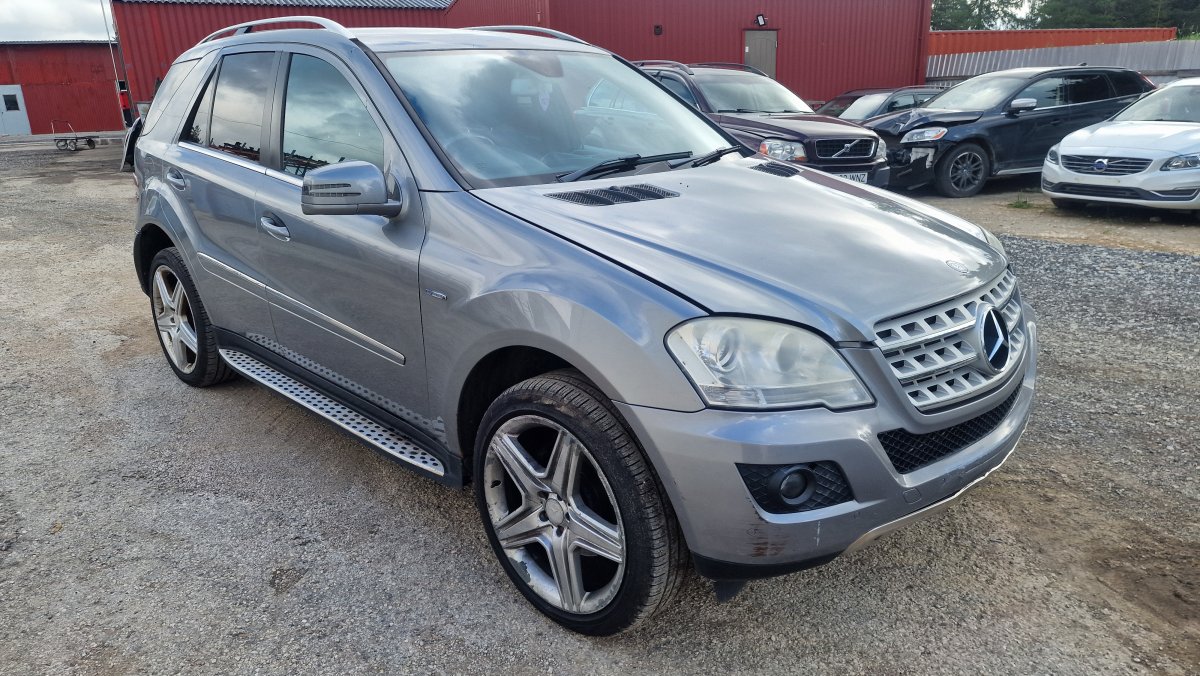
2. Mercedes-Benz ML-Class (2012–2015)
The ML-Class from Mercedes-Benz, particularly the third-generation model released from 2012 to 2015, represents a well-balanced luxury SUV that continues to feel special over time. At the time of its release, it was one of the most refined midsize SUVs on the market. Its design remains contemporary even today, with bold proportions and a strong presence on the road. More importantly, the ML-Class delivers a solid driving feel and interior refinement that still hold their own against newer luxury rivals.
Step inside, and the ML’s cabin feels like it was built to last. Mercedes didn’t cut corners with materials, using real wood trims, brushed metal accents, and high-quality leather that resists aging. The seating is supportive, with excellent cushioning for long drives. The dash design avoids being too busy, and the analog-style gauges remain easy to read and classy.
Sound insulation was another strong point, with road and engine noise kept well in check. These touches add up to a driving environment that remains peaceful and premium, even if some infotainment features feel outdated now.
The driving experience also contributes to its lasting appeal. It may not be as sporty as some other German SUVs, but the ML focuses more on ride comfort and control. Whether cruising through town or hitting the highway, it feels composed and stable.
The steering is smooth and accurate, and the suspension balances softness with just enough firmness to avoid wallowing. Higher trims, like the ML 550 or the diesel-powered BlueTEC models, offer plenty of power while maintaining that calm demeanor that defines a true luxury ride.
While maintenance and repairs can be more expensive than with other brands, well-kept examples of the ML-Class reward their owners with an SUV that still feels indulgent. It may not have all the digital screens or modern driver aids of newer models, but what it offers is real substance. The ML-Class remains a smart pick for those seeking lasting refinement without the price tag of something new.
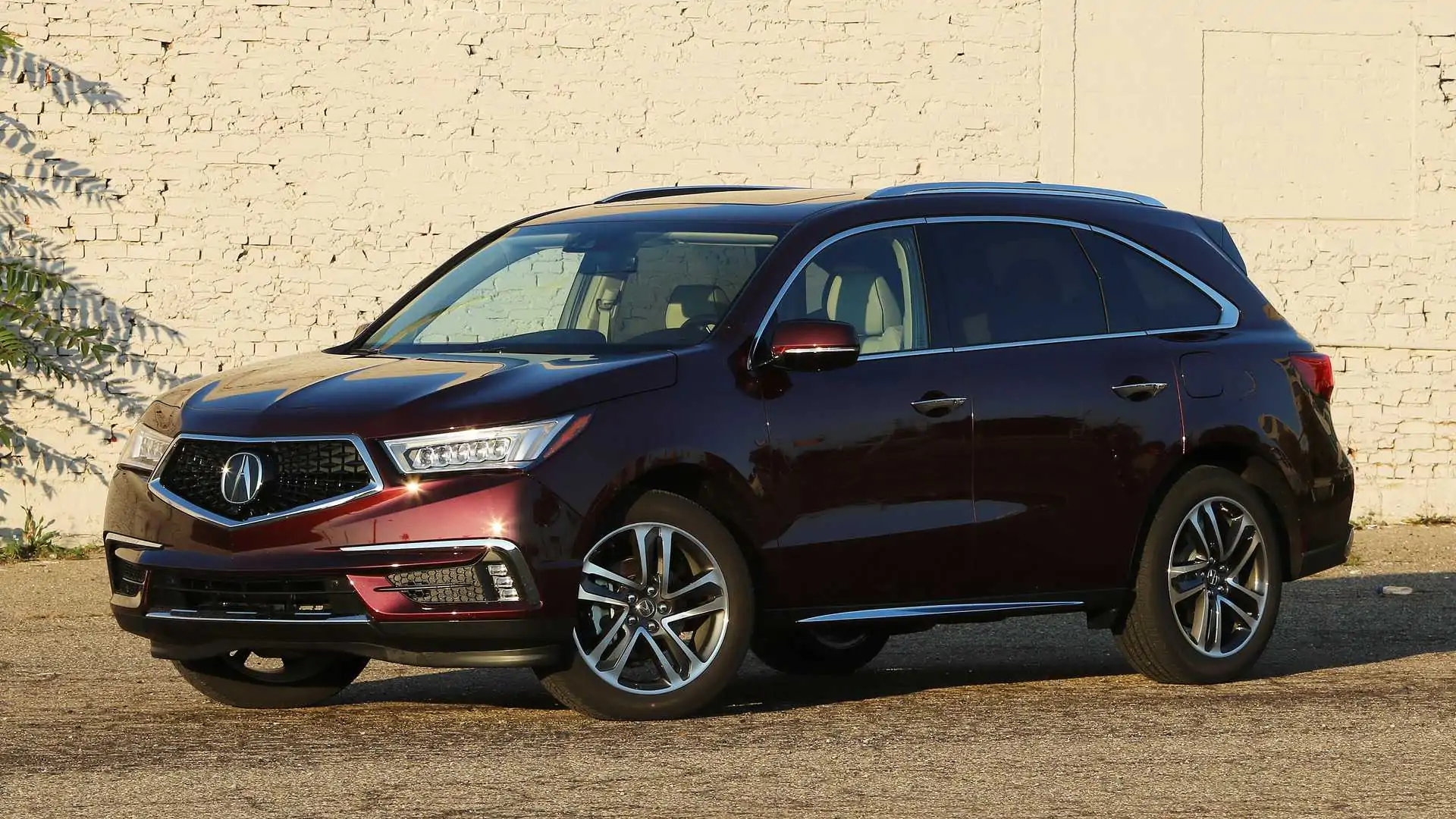
3. Acura MDX (2010–2013)
The second-generation Acura MDX, built between 2007 and 2013, with the facelifted models from 2010 onward being the most desirable, still delivers a strong luxury experience. Acura might not always get the same attention as its European counterparts, but this MDX showcases how thoughtful design and engineering can create lasting value. It’s a three-row SUV that doesn’t just offer space but also provides a level of comfort and driving pleasure that remains impressive years later.
Inside the MDX, there’s a clear sense of quality. The materials used may not be as flashy as in a BMW or Mercedes, but they hold up well over time. Soft-touch panels, leather seats, and a logical control layout make it feel modern even after all these years.
The available Technology and Advance packages added features like a premium audio system, navigation, and rear-seat entertainment, which help it feel well-equipped compared to others in its class. The seats remain supportive, and visibility is excellent, giving drivers a strong sense of control and comfort.
Performance-wise, the MDX strikes a good balance. Its 3.7-liter V6 engine produces smooth, consistent power, and the SH-AWD (Super Handling All-Wheel Drive) system gives it a planted feel around corners. It’s not a sporty SUV, but it does handle better than many other three-row options from that era.
The ride is firm without being harsh, and the steering feels confident. While it might lack some of the whisper-quiet qualities of top-tier European brands, the cabin remains subdued enough to maintain a premium feel.
What also helps the MDX stay relevant is Acura’s reputation for reliability. Owners often report fewer mechanical issues, which adds to the ownership experience. The overall look of the vehicle, especially the post-2010 models with updated styling, remains clean and appealing. For families who want space without giving up that luxury feel, a used MDX is still a smart and rewarding choice.
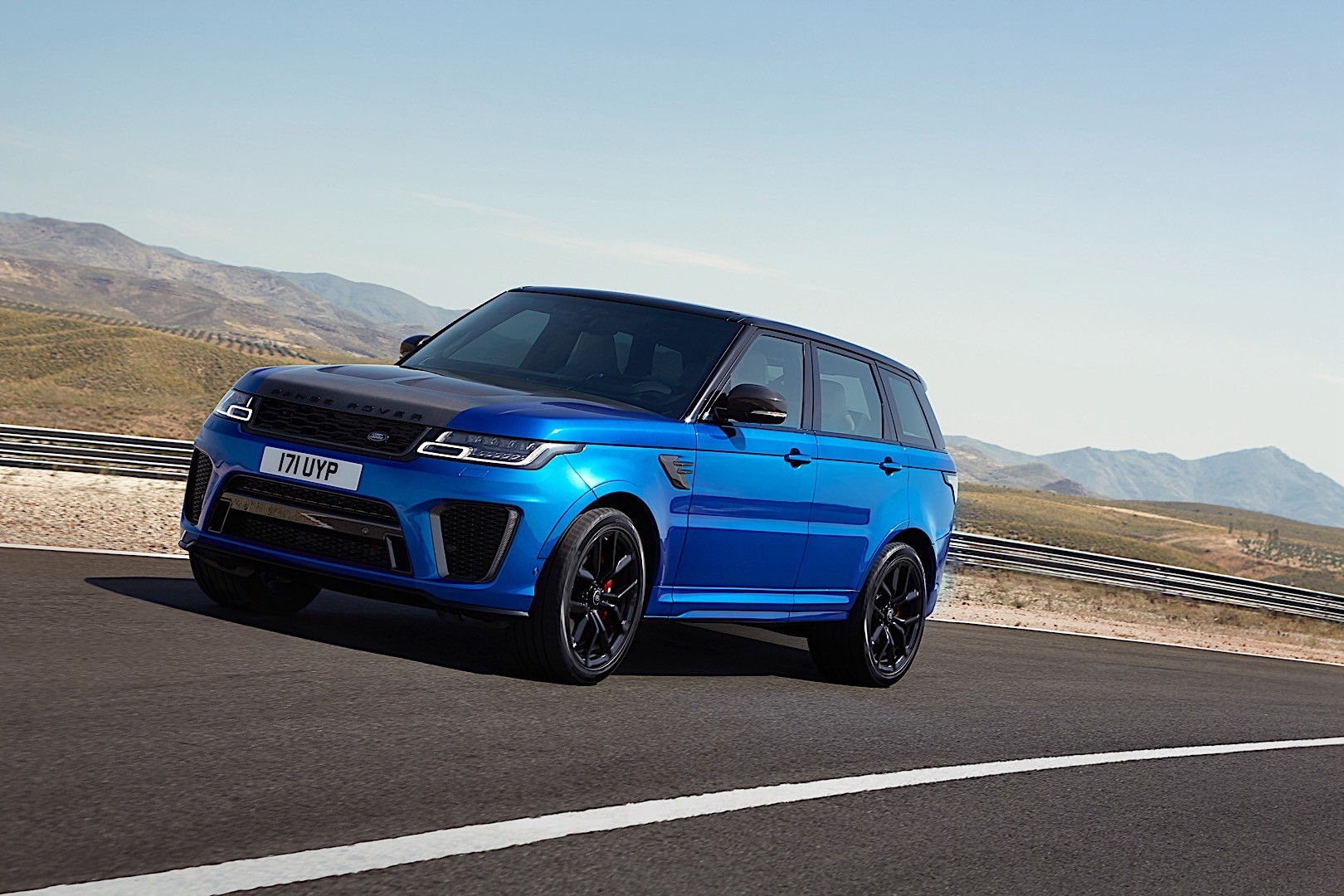
4. Range Rover (2006–2012)
Land Rover’s Range Rover has always been associated with luxury, but the third-generation model, produced between 2002 and 2012, particularly the later models from 2006 onward, represents a high point in its design and craftsmanship. Despite their age, these SUVs continue to feel upscale in ways that many modern crossovers simply can’t replicate. Whether it’s the elevated driving position or the signature mix of rugged capability and elegant design, the Range Rover continues to carry itself with distinction.
The interior of the third-gen Range Rover is what truly defines it. Even today, stepping inside feels special. High-grade leather wraps nearly every surface, real wood accents are generously applied, and the seats are wide, deep, and extremely comfortable.
There’s a certain charm in the simplicity of the design, everything feels solid, well-proportioned, and built with a clear attention to detail. While the infotainment system is definitely dated now, it was advanced for its time, and it doesn’t take away from the luxurious atmosphere.
Driving one is a unique experience. The air suspension offers an incredibly smooth ride, particularly on highways or broken pavement. The engine options, especially the V8s, deliver smooth power, and the steering has a steady, relaxed quality that fits the vehicle’s personality. It’s not a performance SUV, but it doesn’t need to be. It’s built for comfort and road presence. Even as newer models have become more aggressive in design, the older Range Rover holds on to that classic, stately look that still turns
Even though the vehicle is now well over a decade old, the third-generation Range Rover still feels substantial. The doors shut with a satisfying weight, the seating position remains one of the best in the industry, and the visibility is commanding. Everything about the Range Rover is geared toward a refined experience, whether you’re in the driver’s seat or lounging in the back.
While some other SUVs from that era start to feel cramped or noisy as they age, the Range Rover holds its composure. It offers a ride quality and sense of isolation that reminds you why it once commanded such a high price. That sense of prestige hasn’t faded, even as the tech inside has become a bit outdated.
Another feature that contributes to its lasting luxury is its off-road capability, oddly enough. While most owners never take their Range Rovers far from pavement, the fact that it can perform so well in rugged conditions adds a layer of depth. This isn’t just a pretty SUV, it was engineered with strength and resilience in mind.
The Terrain Response system and adjustable air suspension allow the vehicle to adapt to various environments with grace. That blend of true utility and upscale comfort is rare, and it gives the Range Rover an identity that’s not easily duplicated. Even if it’s never used to climb a mountain or cross a river, the knowledge that it could do so adds to the feeling of owning something exceptional.
However, luxury comes with trade-offs, and in the case of this Range Rover, it’s the cost of upkeep. Maintenance can be high, especially as these vehicles age. Electrical systems can be temperamental, and repairs aren’t cheap.
But for those willing to invest in regular servicing and proactive care, the reward is a vehicle that continues to feel like a high-end sanctuary on wheels. A well-maintained model can still hold its head high in any valet line or parking garage. The longevity of the interior materials and the structural solidity of the chassis make the effort worthwhile for those who value classic luxury.
Overall, the third-generation Range Rover remains a compelling used option for those seeking old-school luxury with a British flavor. It may lack the sleek tech interfaces of newer models, but the comfort, design, and presence it offers are undeniable.
It’s not for everyone, particularly those looking for bulletproof reliability or cheap maintenance, but for the right buyer, it continues to feel like a true flagship SUV, even well into its second decade on the road.
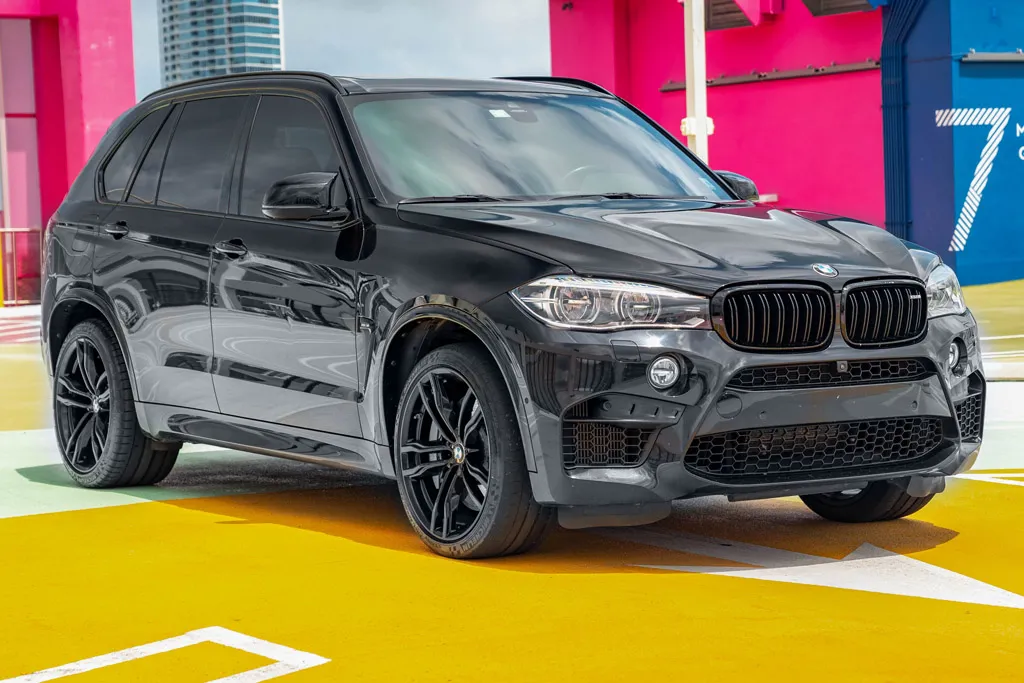
5. BMW X5 (E70, 2007–2013)
The second-generation BMW X5, known internally as the E70, stands out as one of the few midsize luxury SUVs that successfully combined sportiness with comfort without compromising long-term quality. Launched in 2007 and continuing until 2013, this X5 brought with it a strong mix of driving dynamics and upscale feel.
Even as newer models have entered the market with more screens and features, the E70 still feels confident and rewarding to drive, with a sense of refinement that continues to impress today. The cabin design is classic BMW, driver-focused, well-organized, and built with high-quality materials that have aged surprisingly well.
Inside, the E70 X5 holds up remarkably well. Leather surfaces, soft-touch plastics, and brushed metal accents create an interior that still feels luxurious today. Even base models came with a decent array of features, and higher trims offered options like heated rear seats, panoramic sunroofs, and upgraded sound systems.
The iDrive infotainment system from this era was still maturing, so while it may not be the easiest to navigate by today’s standards, it functions reliably and doesn’t distract from the overall experience. The seating is supportive in all rows, and the cargo area is usable, making it both a stylish and practical choice for daily use.
One of the challenges with this generation of X5 is maintenance cost. BMW’s complexity and engineering precision mean repairs and parts can get expensive, especially if the vehicle wasn’t well-maintained by previous owners.
However, for those who take the time to find a clean, well-serviced example, the payoff is a vehicle that continues to offer a high-end feel without the price tag of a new luxury SUV. The E70 X5 remains a smart option for buyers who appreciate German craftsmanship and driving enjoyment but don’t want to compromise on comfort and prestige.
Also Read: 12 EVs That Keep Their Range Surprisingly Well
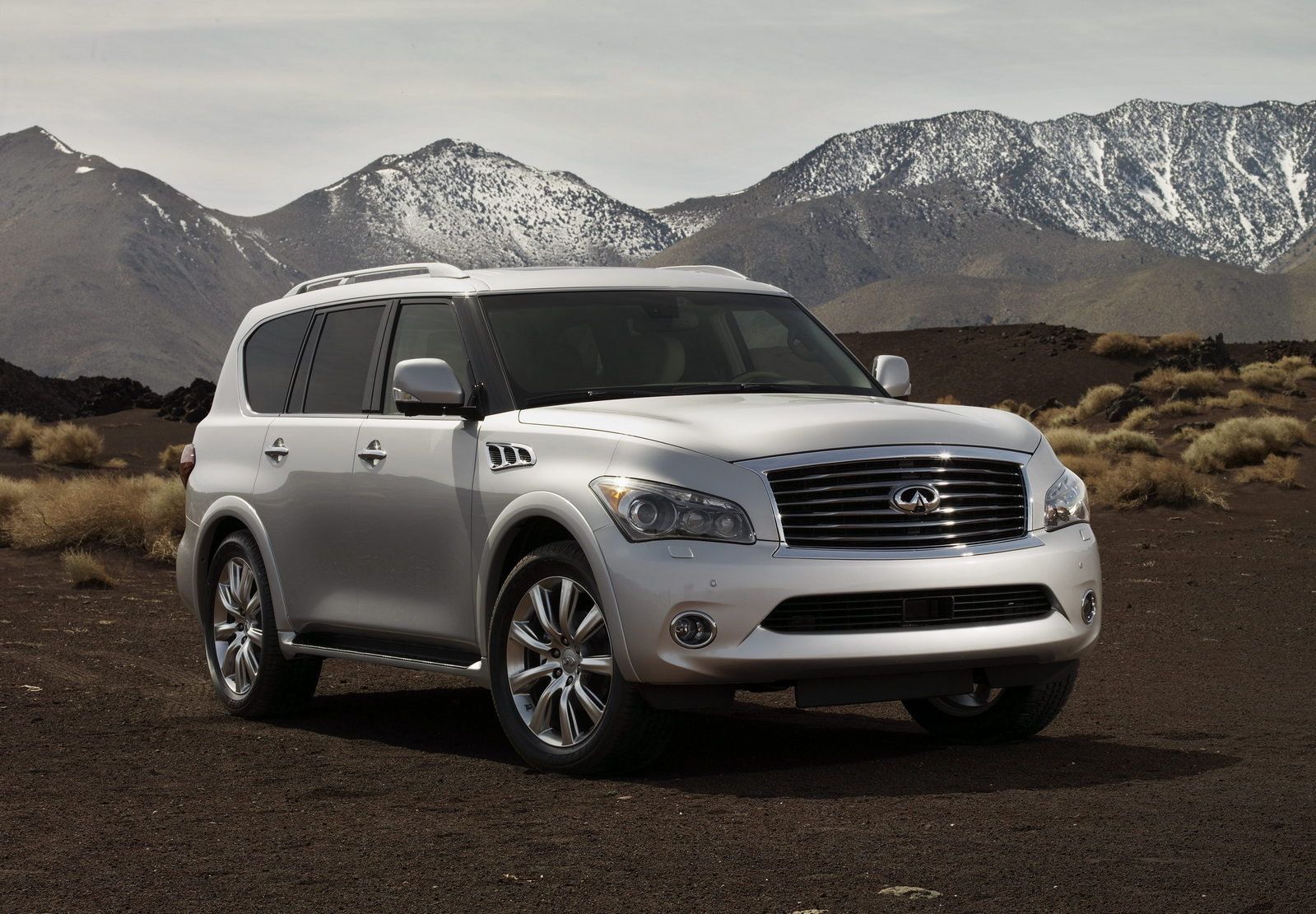
6. Infiniti QX56 (2011–2013)
Before it was renamed the QX80, Infiniti’s full-size SUV went by the name QX56, and the second generation introduced in 2011 marked a massive leap forward in luxury and quality. Even more than a decade later, this version of the QX56 still holds onto its upscale feel.
Its bold, rounded exterior design helped it stand out at the time, and its generous dimensions give it a commanding road presence. While the styling may not appeal to everyone, it’s undeniable that the QX56 feels substantial and well-appointed, especially when compared to many mainstream full-size SUVs of its era.
The interior is where the QX56 really shines. Infiniti used plush, perforated leather on the seats, wood trim throughout the cabin, and soft materials on every surface that the driver or passengers are likely to touch. The dashboard design wraps gently around the driver, and the center stack features intuitive controls.
Even early models offered features like heated and cooled seats, a rear entertainment system, and a premium Bose audio system. Third-row seating was surprisingly comfortable, making this a solid choice for families who needed real space but didn’t want to sacrifice comfort and refinement.
Under the hood, the QX56 featured a powerful 5.6-liter V8 engine that delivered strong acceleration and quiet cruising performance. The seven-speed automatic transmission shifts smoothly, and the suspension was tuned more for comfort than agility.
As a result, this SUV glides over imperfections and offers a ride that feels serene, especially on highways. It may not have the handling finesse of German competitors, but it doesn’t try to be something it’s not. It excels in delivering a luxurious, composed ride with plenty of confidence and presence. Towing capacity is another plus, making it not only a comfortable ride but also a practical one.
Used models of the QX56 tend to hold their luxury appeal thanks to their robust construction and above-average reliability. They often come well-equipped, and many previous owners kept them in good condition due to their original high price tag.
With its upscale interior, strong V8, and quiet ride, the QX56 continues to provide that high-end feel even years down the line. For buyers looking for a full-size SUV that still feels premium without the premium cost, the 2011–2013 QX56 remains an excellent option.
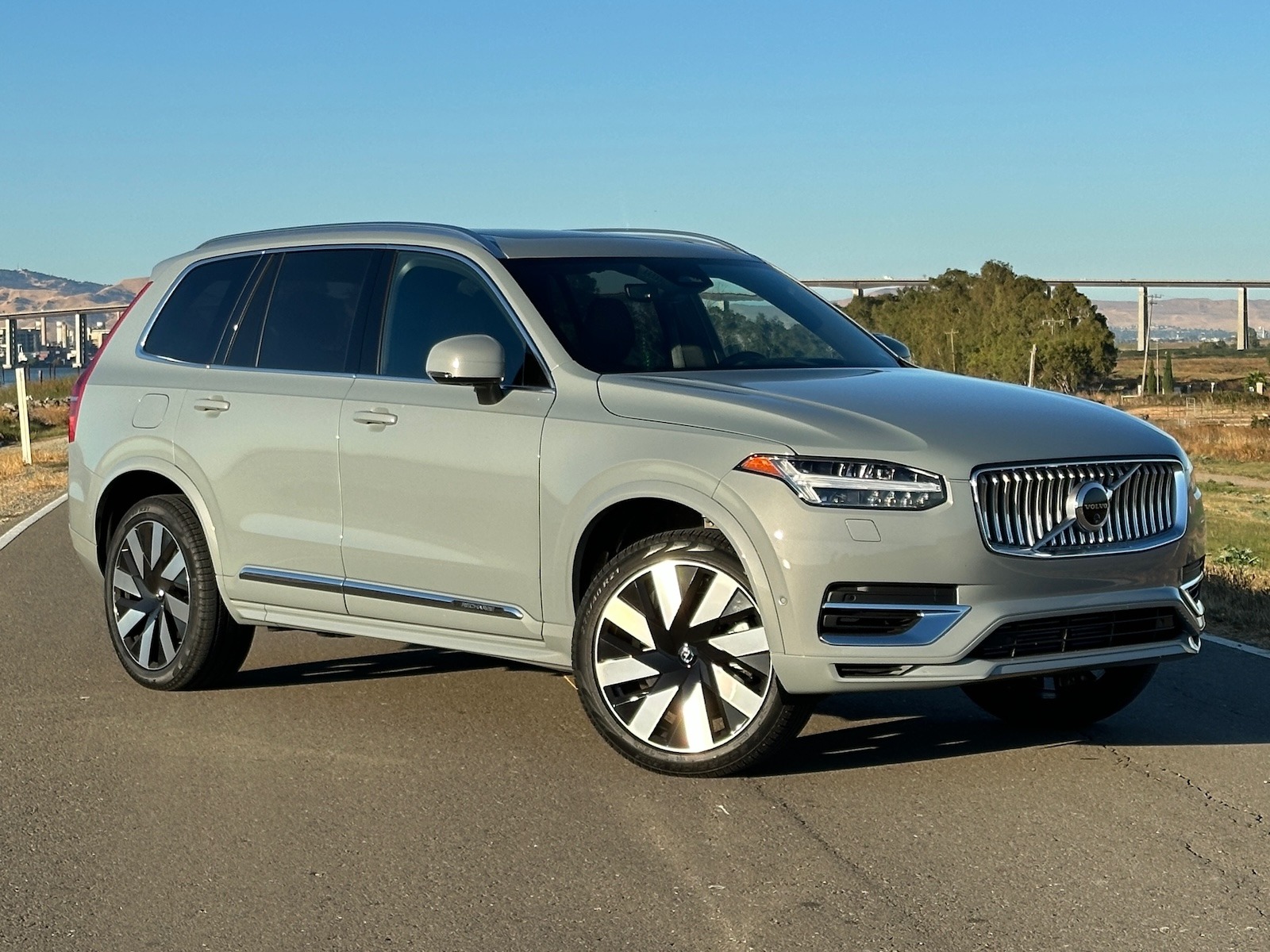
7. Volvo XC90 (2007–2014)
Volvo’s first-generation XC90, which ran from 2003 to 2014 with several updates along the way, remains a symbol of understated luxury. The 2007 to 2014 models benefited from improved engines, better interior features, and refined styling that made the vehicle more competitive in the premium segment.
Even today, the XC90 feels like a thoughtful and well-made SUV. It doesn’t shout for attention, but it rewards its driver and passengers with comfort, quality, and a sense of calm that’s increasingly rare in modern vehicles chasing flash and tech overload.
One of the reasons the XC90 has aged well is its interior design. Volvo focused on ergonomics, safety, and comfort, and it shows. The seats are some of the most comfortable in the business, even after years of use.
The materials may not have the polish of German rivals, but they feel solid and durable, with soft plastics, real wood accents in upper trims, and well-padded surfaces. The cabin layout is clean, the controls are easy to understand, and visibility is excellent. There’s a simple elegance to how everything is arranged, and it contributes to a stress-free driving experience.
On the road, the XC90 offers a composed and refined ride. It’s not particularly sporty, but that’s not its aim. The suspension smooths out rough roads, and the steering is light but responsive. Engine choices during this period included a 3.2-liter inline-six and, in some cases, a V8, both of which provide adequate power for daily driving.
The XC90 doesn’t try to be a performance machine, it delivers quiet, comfortable transportation with a premium feel. For families, the third row adds versatility, and the cargo area is generous, making it a solid all-rounder that still competes with more recent entries.
Another factor in the XC90’s enduring appeal is how well it wears over time. The interior materials don’t degrade quickly, and many owners report that their cabins still feel solid and intact even after 10 or more years of use. The design doesn’t follow short-term trends, so it doesn’t look as dated as other SUVs from the same period.
Controls are clearly labeled, and the gauge cluster remains easy to read, with no unnecessary clutter. If you’re buying used, you can often find well-maintained models with good service histories, making them a more confident purchase than many aging European luxury SUVs.
Volvo also emphasized safety above all, and that shows in the way the XC90 was engineered. It came with multiple airbags, stability systems, roll-sensing curtain airbags, and a robust body structure. These vehicles were built to protect, and even older models maintain a high standard of crashworthiness.
That peace of mind is an important part of the luxury experience, especially for families. Knowing that you’re in a vehicle that was built to shield you from harm adds to the overall sense of quality and value, even if the badge doesn’t carry the same weight as some German competitors.
All things considered, the first-generation Volvo XC90 proves that luxury doesn’t have to be flashy or expensive. It simply needs to be thoughtful, comfortable, and built to last. These vehicles were ahead of their time in many ways, especially when it came to user-focused design. Even though the newer XC90 models have pushed the brand further into high-end territory, this earlier generation still holds its ground with quiet dignity and practical luxury that stands the test of time.
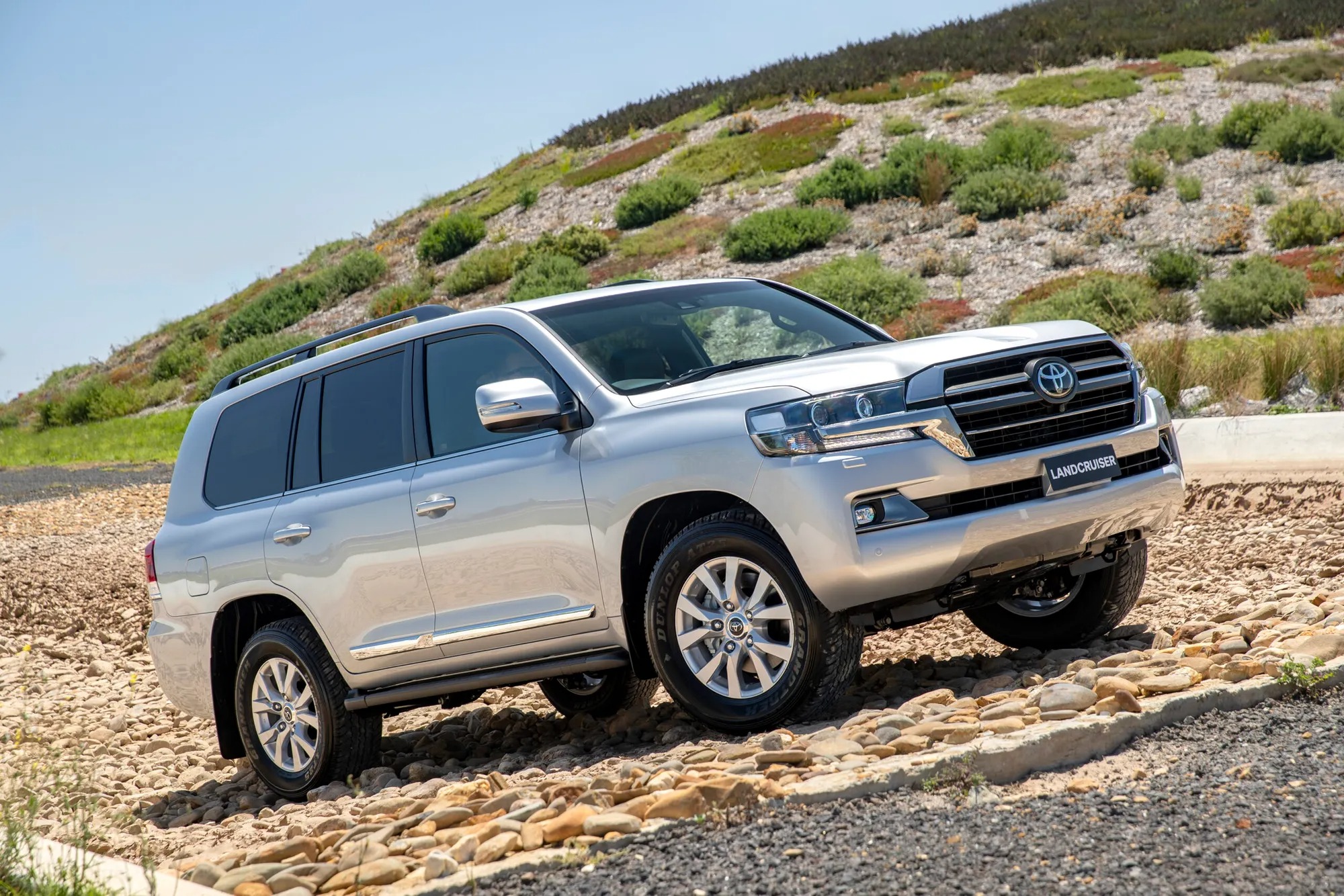
8. Toyota Land Cruiser (2008–2021)
The Toyota Land Cruiser is one of the rare vehicles that carries its luxury not in delicate materials or cutting-edge technology, but in its uncompromising quality, smooth ride, and undeniable presence. The 200 Series Land Cruiser, sold in many markets from 2008 through 2021, is a unique blend of rugged durability and understated elegance.
While its design has always leaned toward function over form, it still manages to feel upscale, thanks in part to Toyota’s meticulous attention to build quality and refinement. Even in older examples, nothing feels loose or flimsy, everything operates with a sense of quiet assurance that speaks to its engineering depth.
Inside, the Land Cruiser doesn’t overwhelm with complexity. Instead, it delivers a balanced environment that combines comfort, space, and utility. Leather seating surfaces, high-grade plastics, and intuitive control layouts make it easy to use without ever feeling cheap.
Upper trims often came equipped with ventilated seats, four-zone climate control, rear-seat entertainment systems, and adaptive cruise control. The layout avoids clutter, and while the tech interface may seem old-fashioned today, it is remarkably reliable. What stands out more is how well the materials hold up. After 10 or 12 years of use, the interior often still feels fresh, with few signs of serious wear, especially when well maintained.
Where the Land Cruiser truly earns its luxurious feel is in the way it drives. The suspension is tuned for comfort without feeling sloppy, and the powertrain, centered around a silky 5.7-liter V8 in many markets, delivers a refined, consistent surge of power.
There’s almost no drama in how it moves; it glides more than it roars. The cabin remains quiet, even on rougher roads, and the ride comfort is excellent for a body-on-frame SUV. That’s a rare feat, and it contributes heavily to the sense of premium quality. Whether navigating city streets or rolling across remote terrain, the Land Cruiser always feels in control and poised.
Finally, the Land Cruiser’s legacy as a near-indestructible machine enhances its luxury perception. There’s a certain prestige in owning something that is both supremely capable and almost guaranteed to outlast most other vehicles. It’s not about flashy badges or the newest features; it’s about confidence, comfort, and character.
Owners know they’re sitting in something special, not because it demands attention, but because it has earned respect over decades. Few SUVs of any era manage to feel this luxurious after so many years on the road. For those seeking long-term refinement paired with bulletproof dependability, the Land Cruiser continues to be one of the finest options available.
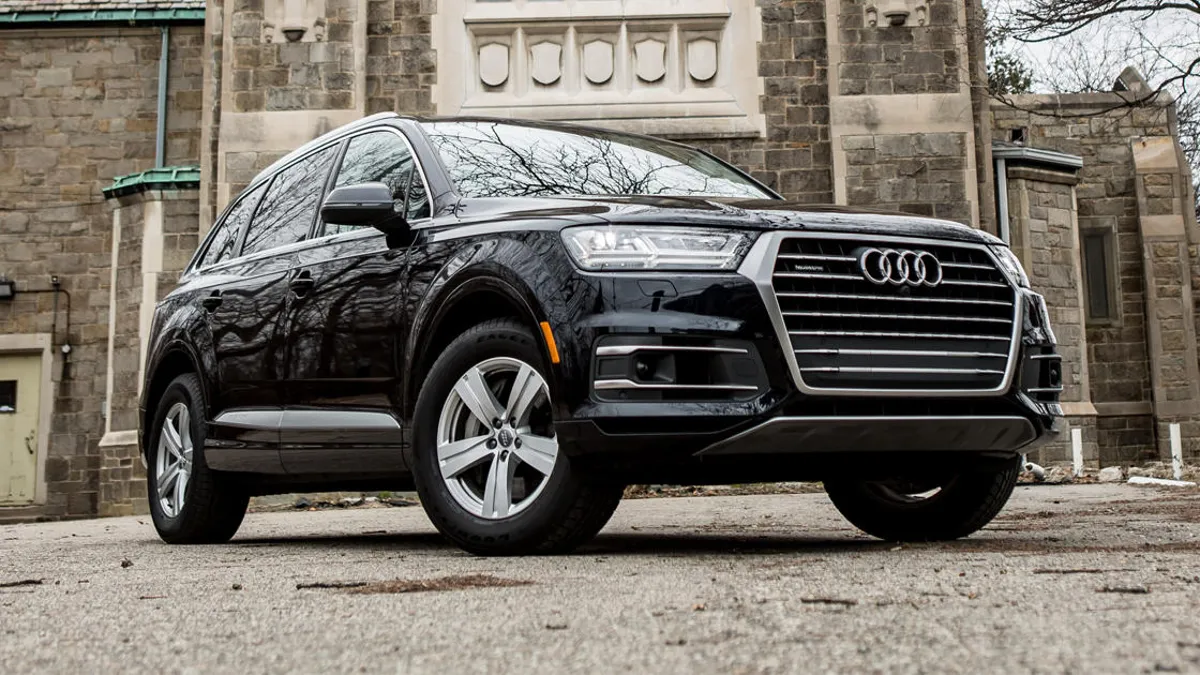
9. Audi Q7 (2007–2015)
The first-generation Audi Q7, produced from 2007 to 2015, was Audi’s introduction to the full-size luxury SUV segment, and it arrived with a clear statement: comfort, design, and engineering would be at the forefront. Even now, these models continue to impress with their elegant interiors, composed ride, and confident presence.
While newer generations have leaned into more aggressive styling and cutting-edge tech, the original Q7 carries a classic feel that holds up surprisingly well. The clean, understated lines, the balanced proportions, and the sense of solidity give it a luxurious character that doesn’t fade with time.
The Q7’s cabin is one of its strongest points. Audi has long been praised for its interior craftsmanship, and this model was no exception. Soft leather, rich wood inlays, and high-quality switchgear define the space. Every touchpoint feels solid and deliberate, from the buttons on the dash to the weight of the doors.
It was one of the first SUVs to truly bring the cockpit-like feel of a luxury sedan into a family-sized vehicle. The seats are wide and comfortable, especially in the front and second rows, and the third row, while tight, is usable for short trips. The MMI infotainment system, though a bit dated now, still functions cleanly and looks integrated rather than tacked on.
Driving the Q7 today still provides a composed and confident experience. The suspension was tuned for a smooth ride, and it absorbs road imperfections with grace. Steering is light but accurate, and there’s a sense of quiet isolation inside that enhances the premium atmosphere.
Several engine options were available during its run, from the reliable 3.6-liter V6 to the torque-heavy TDI diesel, and even a 4.2-liter V8. Regardless of the powertrain, the Q7 offered smooth acceleration and excellent highway comfort, which is where it truly shines. It wasn’t built to be a sports SUV, but it handled its size well and always felt secure on the road.
While maintenance costs can be a concern, particularly for models that weren’t regularly serviced, the Q7 rewards ownership with long-lasting quality. Many examples still run quietly and cleanly with well over 100,000 miles, especially the diesel variants.
It’s a vehicle that was overbuilt in many ways, and it shows in how well it continues to drive and feel luxurious years after production ended. For those seeking a used luxury SUV with genuine sophistication, timeless styling, and a rich driving feel, the first-generation Q7 remains one of the most satisfying choices in the segment.
