
Plug-in hybrid vehicles (PHEVs) have been gaining popularity over the last decade as a transitional option between traditional internal combustion engine (ICE) vehicles and fully electric vehicles (EVs). They combine a gasoline engine with a rechargeable battery that allows for limited all-electric driving.
The advantage is flexibility. When the battery runs out, the gasoline engine kicks in, which removes the range anxiety that many associate with EVs.
However, while people often choose plug-in hybrids for fuel savings or tax incentives, not everyone expects them to last long in the same way older gasoline-only cars were known to do.
There’s a perception that hybrids, especially plug-ins, are more complex and therefore more prone to problems over time. This assumption, while understandable, doesn’t always hold up.
A surprising number of PHEVs are showing excellent long-term reliability, holding up over 100,000 miles with relatively low maintenance issues. The durability of these vehicles isn’t just limited to the gasoline engine. Many of them have batteries and electric motors that continue to perform well after years of regular use.
This lasting performance has not only satisfied early adopters but has also started to shift the public’s trust in electrified powertrains.
Unlike fully electric vehicles, plug-in hybrids benefit from having two systems that can balance each other out. If one encounters a minor issue, the other can often compensate temporarily. This hybrid nature also distributes wear and tear across two powertrains rather than placing all the load on just one.
In this article, we’ll look at eight plug-in hybrid models that have proven to last longer than most people expect. These are not necessarily the flashiest or fastest vehicles on the market, but each has demonstrated a strong track record of dependability, even past the 100,000-mile mark.
Some have gained a loyal following among owners who appreciate long-term value, while others have quietly racked up mileage with little fanfare. Whether you’re considering buying a new or used plug-in hybrid, this list may change your perception about how long these vehicles can truly last.
Also read: 10 Family Cars That Outlast the Kids Who Grew Up in Them
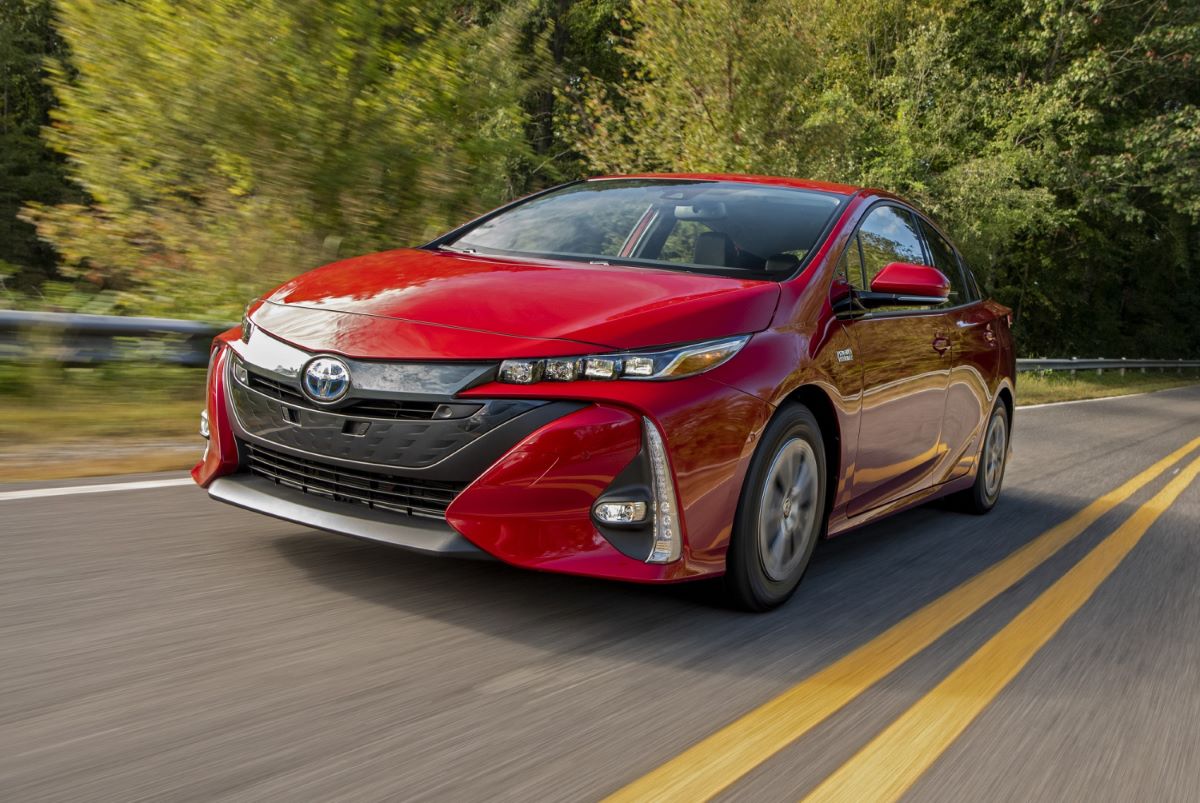
1. Toyota Prius Prime
The Prius name has become synonymous with hybrid technology, and Toyota’s plug-in version, the Prius Prime, has followed in that legacy. Known for its fuel efficiency, the Prius Prime is also one of the most reliable plug-in hybrids on the market.
It uses a smaller battery than some rivals, which contributes to less stress over time and greater long-term durability. While some plug-in vehicles suffer from battery degradation within the first few years, many Prius Prime owners report only minor losses in electric range even after tens of thousands of miles.
The gasoline engine in the Prius Prime is based on Toyota’s long-proven hybrid system, which has been refined over two decades. It requires little maintenance, and the transition between electric and gas power is generally smooth and trouble-free.
The Prime doesn’t push its components too hard, and that kind of mechanical gentleness pays off in terms of longevity. There are also fewer reports of electrical failures or software glitches compared to many newer plug-in hybrids that try to offer more tech-heavy experiences.
Another reason the Prius Prime lasts so long is the type of driver it attracts. Many Prius owners drive conservatively, take regular maintenance seriously, and often stay within the electric range during their daily commutes. This driving pattern puts less strain on both the electric motor and the gas engine.
Add to that Toyota’s approach to quality control and parts durability, and it’s not hard to see why so many Prius Primes are still going strong with over 150,000 miles.
While some may dismiss the Prius Prime for being too conservative in style or performance, it shines in areas that matter most for long-term ownership. It may not be flashy, but it is consistent.
Many owners have kept their cars longer than planned simply because they haven’t had a compelling reason to replace them. As more plug-in hybrids enter the market, the Prius Prime continues to be a gold standard for what reliable electrified driving can look like.
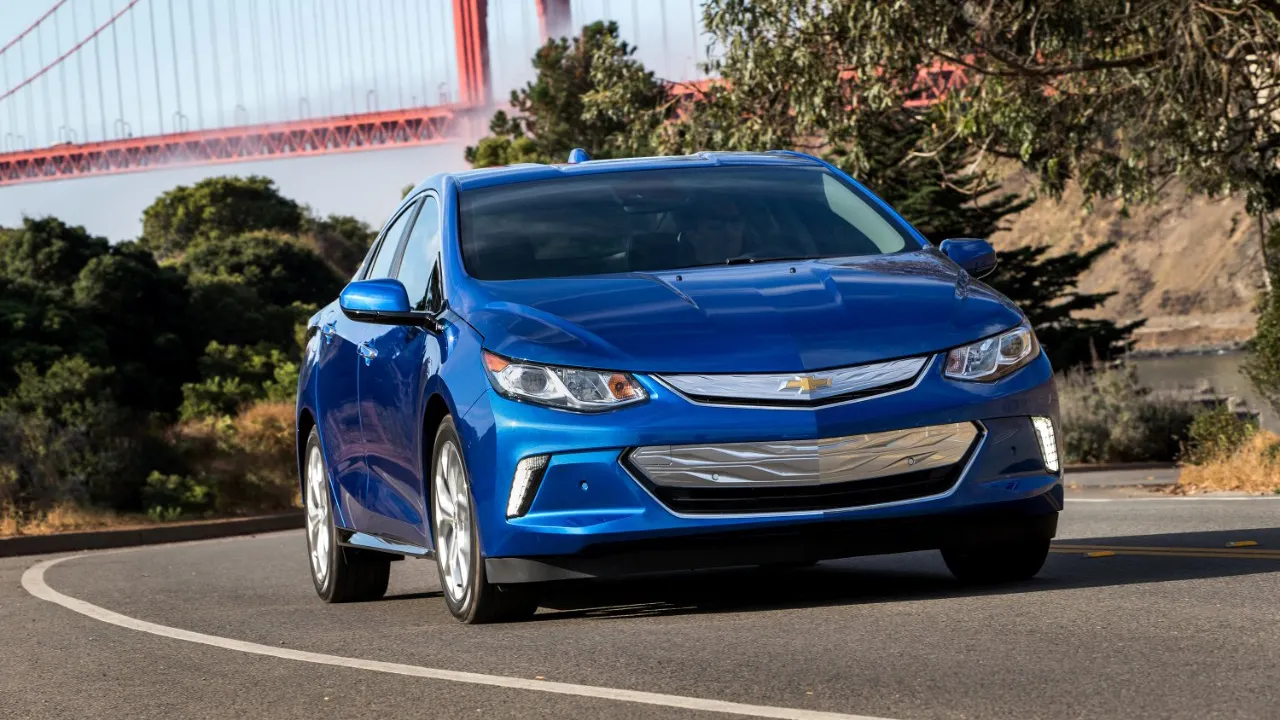
2. Chevrolet Volt (Second Generation)
The second-generation Chevrolet Volt, produced from 2016 to 2019, is one of the most resilient plug-in hybrids ever built. Unlike many other plug-in hybrids, the Volt was designed to run primarily on electric power, with the gasoline engine acting more like a backup generator.
This emphasis on electric driving meant that many Volt owners were able to rack up thousands of electric-only miles, reducing wear on the gas engine and extending the vehicle’s life as a whole.
The Volt’s battery system has been surprisingly durable. Owners often report minimal degradation even after 100,000 miles, which is impressive for a car introduced nearly a decade ago. The second-generation Volt improved on the first with a larger battery, better electric range, and a more refined driving experience.
It also eliminated many of the minor issues that plagued the first-generation model, making it a more dependable option over the long haul. Chevrolet’s engineers focused heavily on thermal management systems for the battery, and that attention to detail has paid off.
In addition to strong battery performance, the Volt also has a tough and reliable 1.5-liter gasoline engine. It doesn’t need to run all the time, which means it typically sees far fewer operating hours than a traditional gas engine over the same mileage.
The regenerative braking system helps reduce wear on brake components, while the design keeps service needs fairly low. Many owners report going years between major maintenance events.
Though Chevrolet discontinued the Volt in 2019, it remains a popular choice in the used market, particularly among drivers looking for a plug-in hybrid that offers real electric capability without giving up the reliability of a gas engine. Its departure from the lineup was more about shifting market strategy than vehicle performance.
Even now, it’s not uncommon to find Volts with 150,000 or even 200,000 miles still being driven daily. The Volt’s ability to remain useful and efficient long after the warranty period is a testament to its thoughtful engineering and quality.
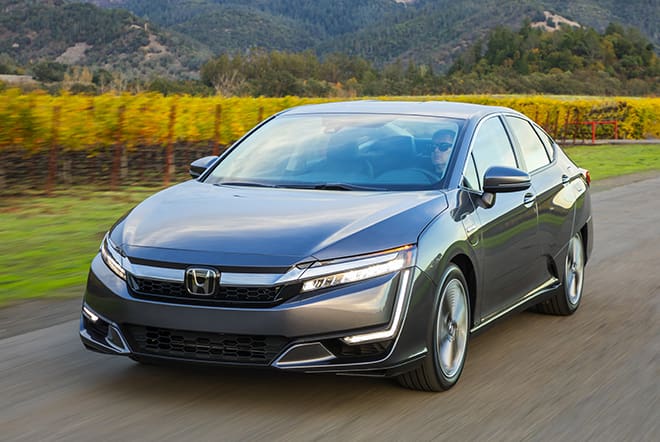
3. Honda Clarity Plug-In Hybrid
The Honda Clarity Plug-In Hybrid stood out in its class by offering a roomy interior, a well-rounded powertrain, and solid electric-only range. Though Honda has since pulled the Clarity from its lineup, it continues to perform well on the road.
This vehicle often gets overlooked in discussions of long-lasting plug-in hybrids, but it deserves more credit. Owners who have kept their Clarity models for years report few serious issues, even as the odometer climbs well past six figures.
One reason for the Clarity’s durability is the way Honda engineered its hybrid system. The electric motor does most of the work in everyday driving, with the gas engine providing power when needed or when the battery is depleted. This setup minimizes wear on both systems by allowing each to work within its optimal range.
The battery cooling system is also robust, reducing the risk of overheating and long-term damage. Honda’s experience with hybrids, going back to the original Insight, has clearly helped shape the Clarity into a dependable option.
Inside the Clarity, the build quality is high for its segment. Materials hold up well over time, and the seating is comfortable enough for long commutes or road trips. While some plug-in hybrids feel like their cabins begin to age quickly, the Clarity retains a modern feel thanks to Honda’s restraint in design.
The infotainment system may not be the most advanced, but it’s functional and rarely a source of problems. Electrical issues are relatively rare, and basic maintenance like oil changes, brake servicing, and fluid checks are straightforward.
The biggest proof of the Clarity’s long-lasting nature is its continued popularity in the used market. Many of these cars are now past their manufacturer’s warranty period but still performing reliably.
Buyers who pick up a used Clarity often find that it’s still able to deliver most of its original electric range. While it’s no longer available new, the Clarity remains a smart buy for anyone who wants plug-in hybrid efficiency combined with Honda’s well-known durability. It’s not just a good hybrid; it’s a good car, period.

4. Ford Fusion Energi
The Ford Fusion Energi may not have made waves when it launched, but it has quietly become one of the more dependable plug-in hybrid sedans available in recent years.
Based on the standard Fusion platform, the Energi model added an electric motor and a small battery to allow for limited electric driving. While the electric range was modest compared to some rivals, the Fusion Energi made up for it in long-term reliability and low-cost maintenance.
One of the key strengths of the Fusion Energi lies in its mechanical simplicity. Unlike some plug-in hybrids that try to push the limits of technology, Ford kept things relatively conservative. The powertrain was adapted from Ford’s proven hybrid system used in other models like the C-Max and Escape Hybrid.
This meant that parts were readily available and mechanics were familiar with the layout, both of which are advantages for long-term ownership. Many owners report clocking over 100,000 miles with only routine service.
The battery system in the Fusion Energi, though smaller than others, is well protected and rarely suffers major issues. Ford used active cooling for the battery pack, which helps preserve its health over time. And because the electric range was relatively short, the car often switched between gas and electric power during a single drive.
This blend actually extended the life of both systems by reducing the load on any one component. As a result, these vehicles tend to avoid the sort of catastrophic failures that can sometimes affect more complex systems.
Although Ford no longer produces the Fusion Energi, the vehicle still holds value in the used market for drivers who want a plug-in without breaking the bank. Its long-term performance, comfortable ride, and familiar sedan layout make it a practical choice for daily driving. Owners appreciate the low cost of upkeep and the ability to handle high
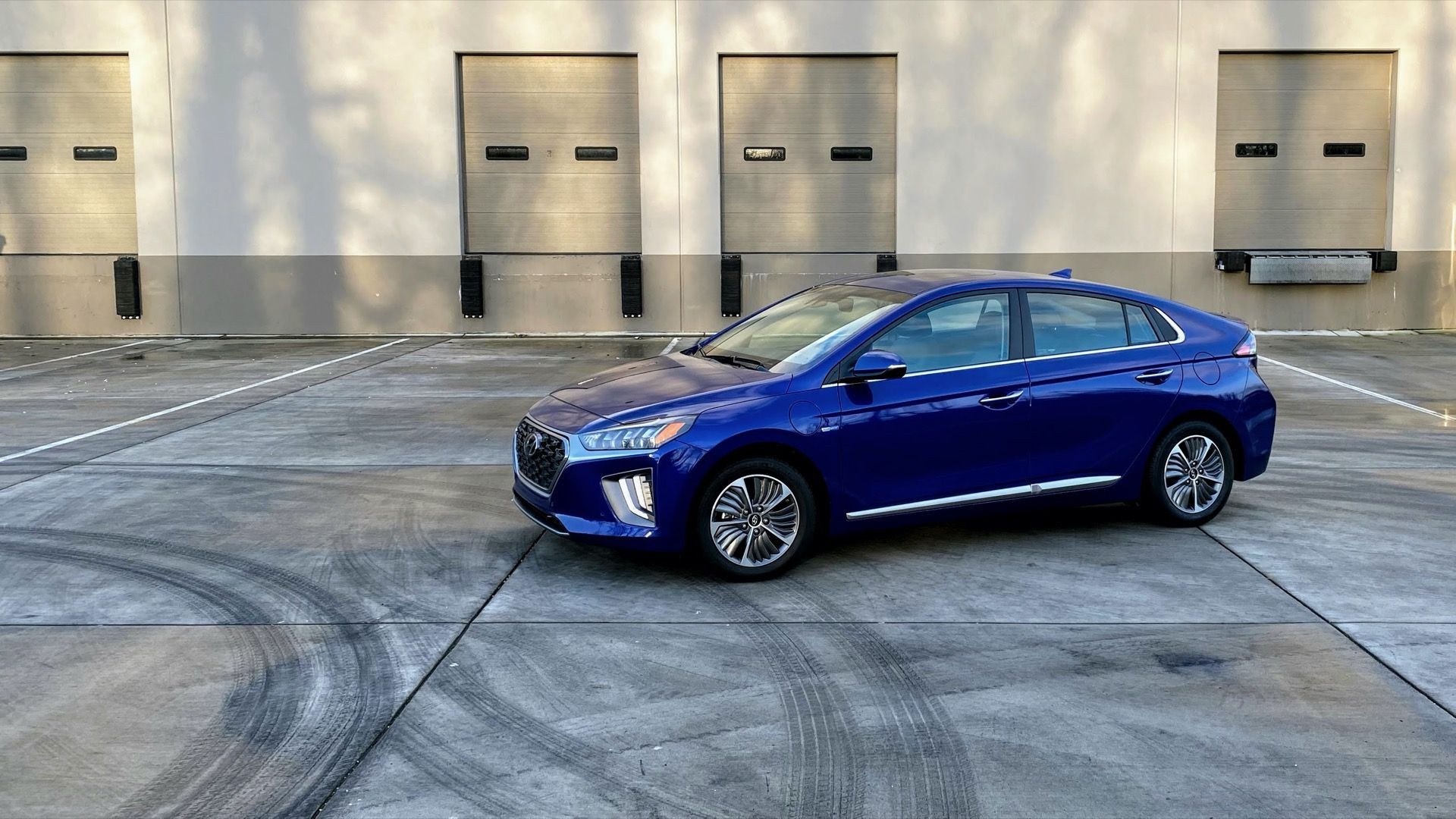
5. Hyundai Ioniq Plug-In Hybrid
The Hyundai Ioniq Plug-In Hybrid is often overshadowed by its fully electric and hybrid siblings, but it has quietly established itself as a highly dependable plug-in option.
Hyundai designed the Ioniq platform from the ground up to accommodate all three drivetrain types, hybrid, plug-in hybrid, and fully electric, so the Ioniq Plug-In Hybrid benefits from thoughtful engineering and efficient packaging.
Unlike some PHEVs that feel like gas cars with a battery thrown in, the Ioniq was built to maximize the strengths of both systems. As a result, the plug-in hybrid version offers a smooth and predictable experience, with no major compromises in ride quality or cabin space.
Long-term reliability has proven to be a strong point for the Ioniq Plug-In Hybrid. The 1.6-liter Atkinson-cycle engine used in the car is a known quantity, having been used in multiple Hyundai and Kia models with great success. It’s paired with a dual-clutch automatic transmission rather than the continuously variable transmissions often found in hybrids.
This gives it a more traditional driving feel and, in some cases, better long-term durability. The electric components, including the battery and motor, have shown minimal degradation over time according to many owners who’ve crossed the 100,000-mile mark.
The battery management system is one of the most efficient in the segment, helping to maintain performance even as the vehicle ages.
Hyundai also made sure the Ioniq Plug-In Hybrid included a suite of safety and driver-assist features, many of which were optional or unavailable in other plug-ins at the same price point. This includes things like adaptive cruise control, lane-keeping assist, and blind-spot detection.
These systems have generally aged well and aren’t prone to failure, which contributes to the vehicle’s reputation for being hassle-free over the long run.
Even the infotainment system, which features Apple CarPlay and Android Auto, has remained functional and reliable without major software issues, a key concern in many older hybrids where touchscreen and tech failures are common.
Another important factor in the Ioniq’s long life is its efficiency. With its aerodynamic design and light weight, the car doesn’t ask too much of its powertrain components. The gasoline engine isn’t overworked, and the electric motor gets plenty of use during city driving.
This shared load means reduced wear over time. Routine maintenance costs are relatively low, and the car doesn’t seem to suffer from any major weak spots that plague its competitors.
Owners looking for a plug-in hybrid that’s low-cost to run and unlikely to surprise them with expensive repairs often find the Ioniq Plug-In Hybrid to be an ideal long-term partner.
Also read: 10 Cars From the ’90s Still Daily Driven in 2025
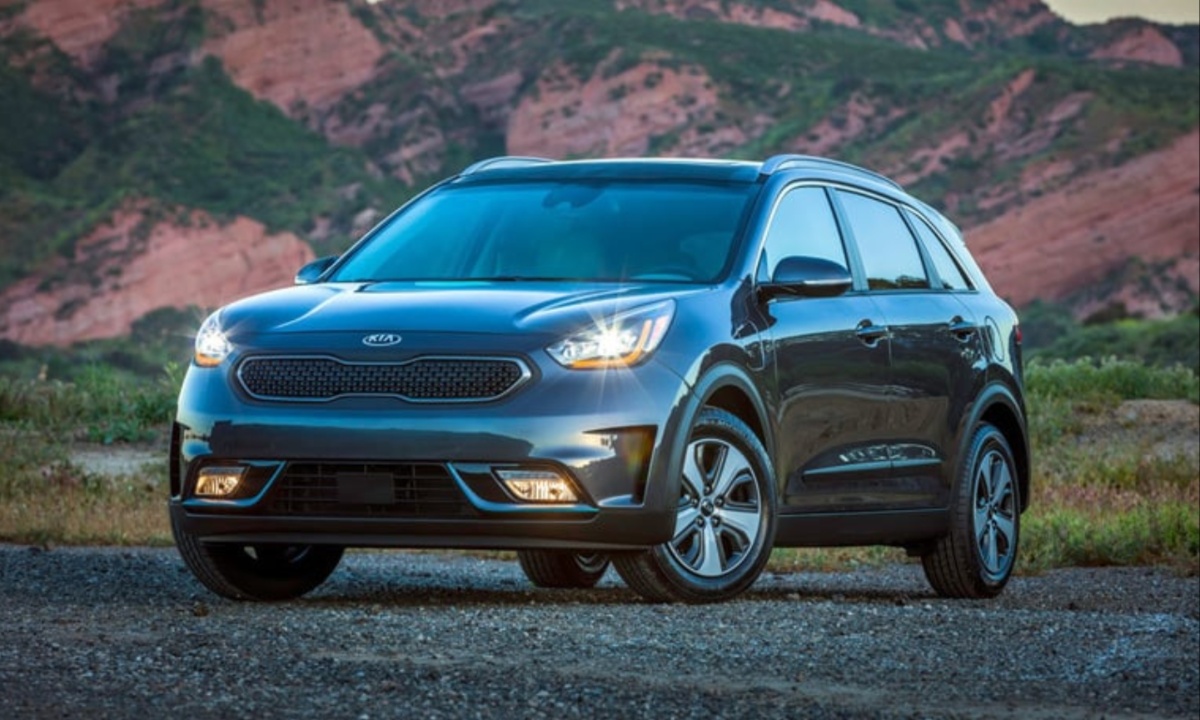
6. Kia Niro Plug-In Hybrid
The Kia Niro Plug-In Hybrid, built on the same platform as the Hyundai Ioniq, offers a more crossover-like experience while retaining many of the same strengths. It has a slightly taller stance, making it more appealing to drivers who prefer a higher driving position without stepping up to a full SUV.
Like its Hyundai cousin, the Niro PHEV benefits from a carefully balanced plug-in system that has proven to be both practical and durable over time. Owners who’ve driven their Niros past the 100,000-mile mark often report that the vehicle continues to function much like it did when new, which is a strong indicator of long-term reliability.
One of the main appeals of the Niro Plug-In Hybrid is how well it blends fuel efficiency with real-world versatility. It offers a usable amount of cargo space, a comfortable ride, and all the benefits of electric driving for short commutes.
The electric-only range, while modest, is more than enough for many daily needs, and when the battery depletes, the gas engine kicks in seamlessly.
This allows the powertrain to distribute its workload effectively, and over the life of the vehicle, that helps prevent major mechanical wear. Both the gas engine and electric motor are tuned for efficiency rather than performance, and this restraint works in favor of long-term durability.
Kia’s warranty program has also encouraged confidence among buyers. With a 10-year/100,000-mile powertrain warranty and coverage for battery components, many early adopters felt more comfortable committing to the Niro. In practice, most owners never end up needing the warranty, as the vehicles have shown minimal issues outside of standard wear items.
Brakes, tires, and fluids are usually the only regular maintenance costs. Reports of battery degradation have been few and far between, even in harsher climates where plug-in vehicles sometimes suffer due to temperature extremes.
Beyond the drivetrain, the Niro Plug-In Hybrid holds up well in terms of interior quality and user interface. The cabin materials resist premature wear, and the infotainment system remains responsive even as the car ages.
Electrical gremlins that sometimes affect other PHEVs are uncommon in the Niro, and its build quality has improved with each model year. Even though it’s no longer the newest plug-in on the market, the Niro PHEV continues to be a practical, reliable option for those looking to hold on to a vehicle for the long haul.
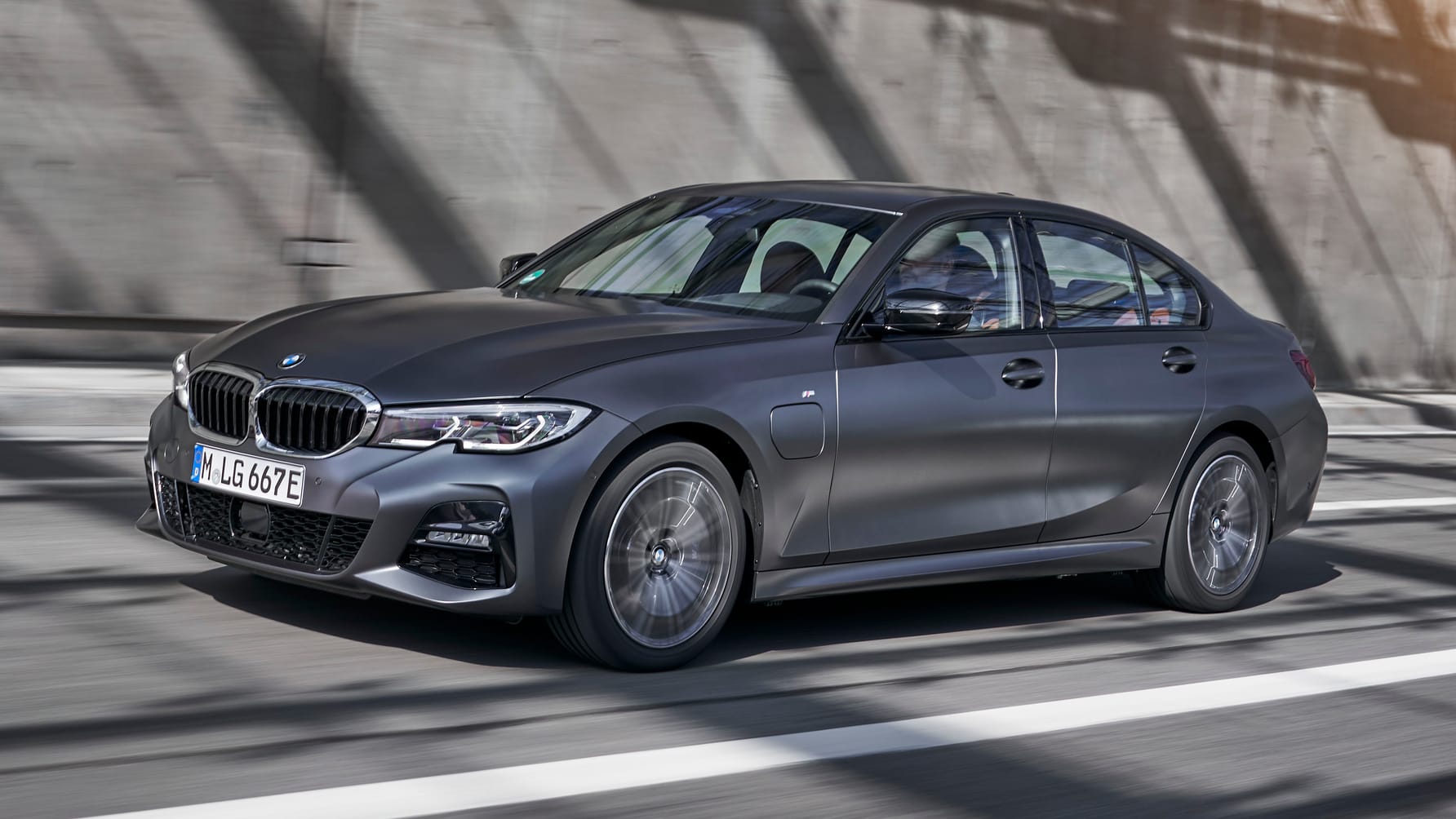
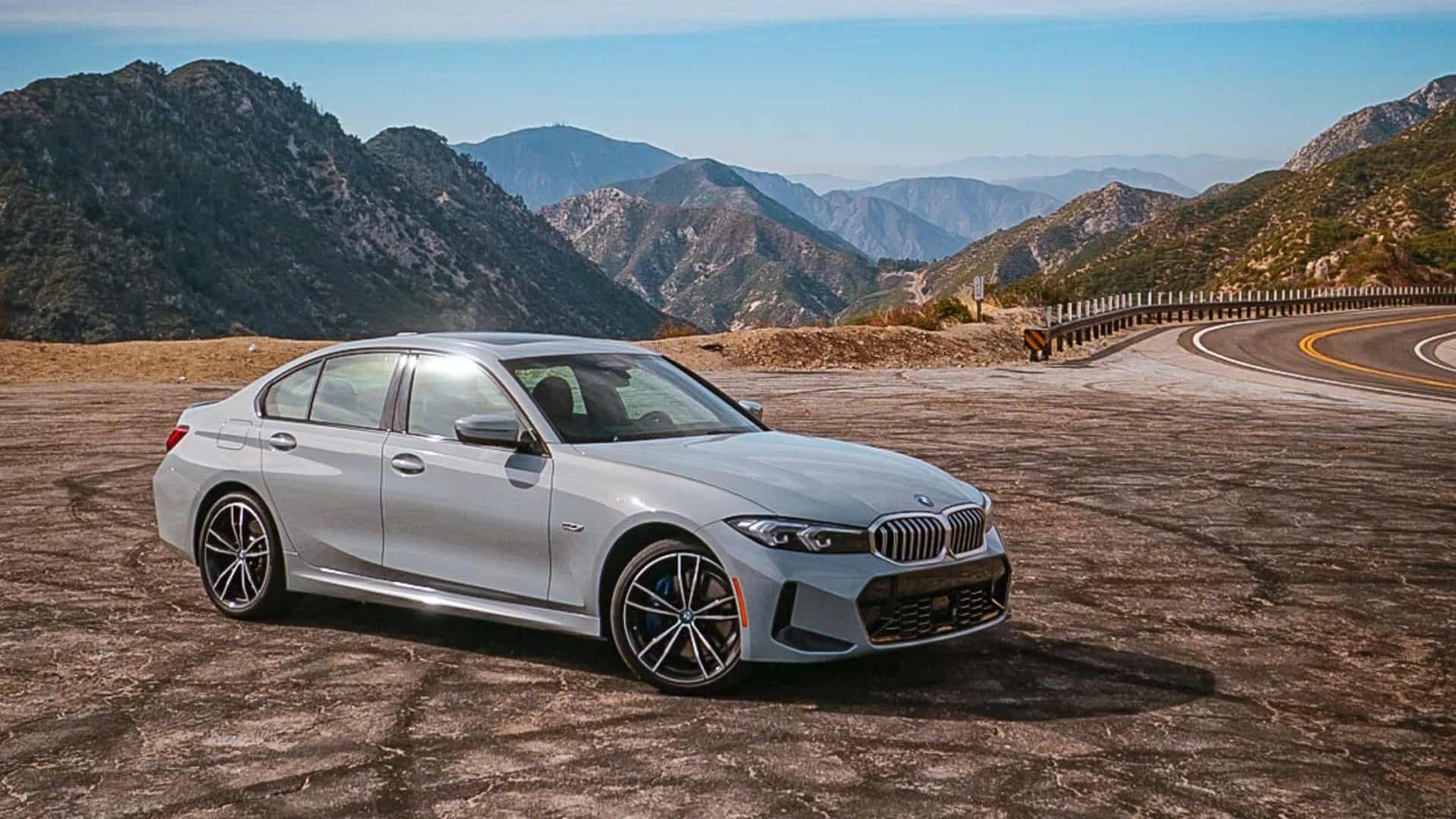
7. BMW 330e
Luxury plug-in hybrids don’t always have the best reputation when it comes to long-term reliability, but the BMW 330e has stood out as a solid exception. Originally introduced as a plug-in variant of the popular 3 Series sedan, the 330e combines sporty driving dynamics with plug-in efficiency.
While many assumed the added complexity of a plug-in powertrain would compromise the legendary longevity of the 3 Series, the 330e has proven to be surprisingly durable, particularly when properly maintained.
BMW engineered the 330e to be performance-focused first, with electric driving as a bonus rather than the core function. The result is a car that doesn’t push its battery too hard, helping extend the life of the electric system. The gasoline engine is a turbocharged 2.0-liter inline-four, which has already seen years of refinement in other BMW models.
When paired with the electric motor, it offers both efficiency and strong acceleration. While it’s more complex than a standard hybrid, owners who keep up with regular service intervals have found the vehicle to be relatively free of major problems, even as the miles add up.
One of the reasons the 330e lasts longer than expected is due to its intelligent energy management system. BMW invested heavily in software that optimizes how and when power is drawn from the battery or engine. This leads to a more balanced system usage, which reduces wear.
The regenerative braking system is also well-tuned, allowing for smoother stops and longer brake component life. While some early owners expressed concern about the long-term viability of a luxury PHEV, the 330e has generally aged better than many predicted. It’s not uncommon to find models with 120,000 or more miles still being driven daily.
Of course, as a luxury vehicle, the cost of parts and repairs can be higher, but the actual frequency of major repairs has remained relatively low for this model. Those who have owned the car for several years often note that it still drives like a BMW should, tight steering, smooth acceleration, and confident handling.
This continued performance is part of what makes the 330e a surprise in terms of longevity. It’s not just about how long the car lasts; it’s about how long it continues to feel refined. For those who want a plug-in hybrid without sacrificing driving enjoyment, the 330e remains a dependable choice that stands the test of time.
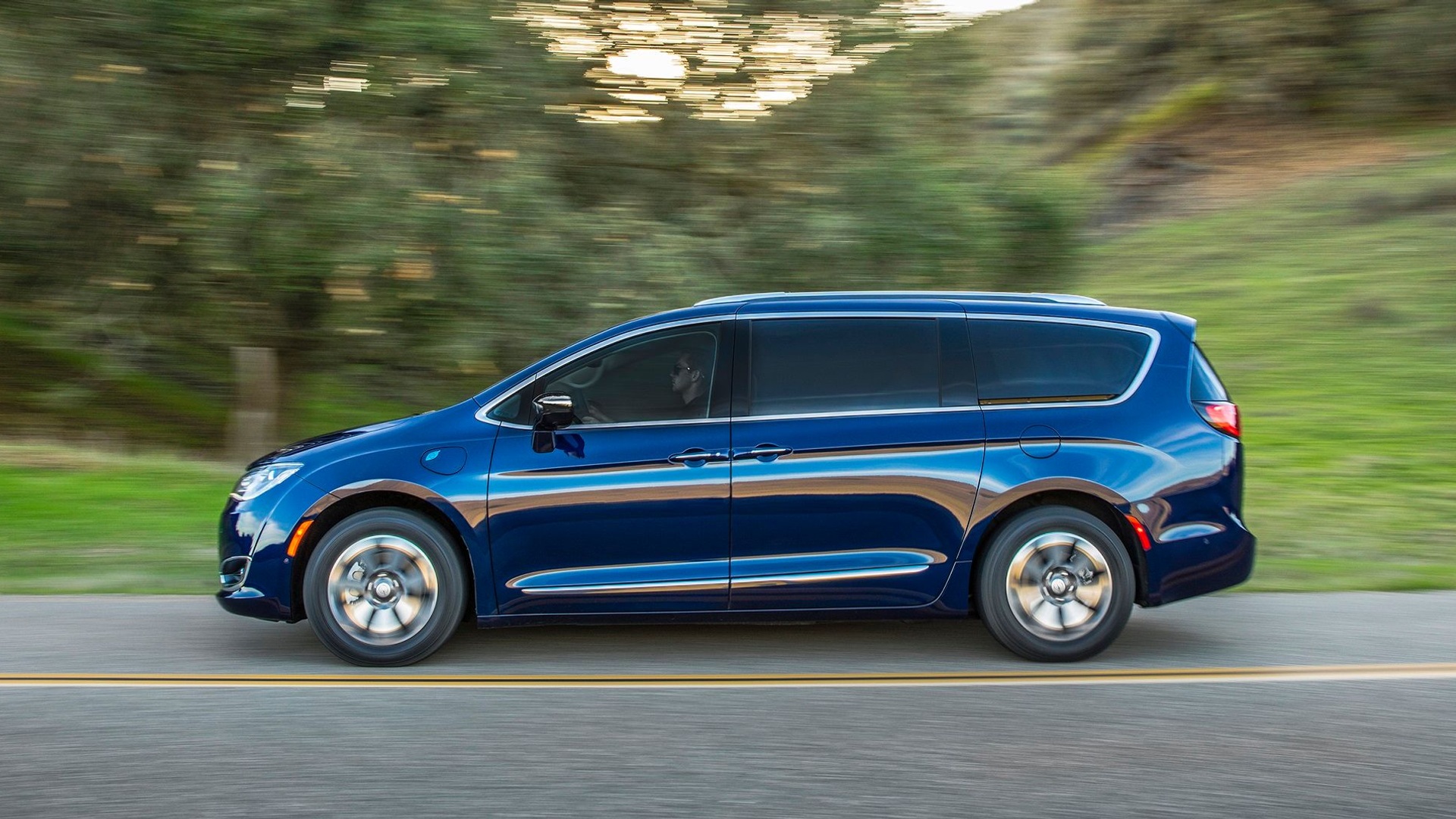
8. Chrysler Pacifica Hybrid
Minivans aren’t usually associated with advanced technology, but the Chrysler Pacifica Hybrid was one of the first plug-in minivans on the market and has proven to be more durable than many expected.
Built to carry families over long distances, the Pacifica Hybrid needed to combine the utility of a minivan with the efficiency of electric power, and it largely succeeded.
While some people were skeptical about a plug-in drivetrain in such a large vehicle, the Pacifica has shown it can handle daily driving, long trips, and heavy use without breaking down prematurely.
The Pacifica Hybrid offers about 30–35 miles of electric range, which is impressive for a vehicle of its size. Many families find that this covers their daily errands and school drop-offs, meaning the gas engine only comes on for longer drives. This pattern of use has helped the powertrain last longer, as neither the gas engine nor the electric motor gets overworked.
The vehicle seamlessly switches between modes, and unlike some hybrids, the transitions feel natural even after years of use. Chrysler’s plug-in system has matured well over time, with fewer reported issues in later model years.
Mechanically, the Pacifica Hybrid benefits from a proven V6 engine paired with an electric motor and a continuously variable transmission. While CVTs can sometimes be a concern for longevity, the one used in the Pacifica has held up reasonably well in real-world usage.
The battery cooling system, critical in such a large plug-in vehicle, has also been reliable. Owners who perform regular maintenance, particularly on transmission fluid and cooling components, have found that the Pacifica
Hybrid can exceed 150,000 miles without major breakdowns. It helps that Chrysler prioritized parts availability and repairability in their design, making it easier and less expensive to fix when issues do arise.
The interior of the Pacifica Hybrid is another reason it continues to feel solid over time. High-quality materials, especially in the upper trims, wear well, and the infotainment system is one of the more user-friendly in the segment. Features like Stow ’n Go seating, advanced driver-assist systems, and a spacious cabin make it ideal for long-term family use.
Many Pacifica Hybrid owners have returned to the model for second purchases after experiencing how well the vehicle holds up over time. Despite being a complex piece of machinery, combining a V6 engine, a hybrid transmission, and a large lithium-ion battery pack, it continues to provide a smooth and reliable driving experience even after years of family use.
In fact, for many families, the Pacifica becomes more than just a vehicle; it becomes a trusted part of their daily routine. It hauls groceries, commutes, road-trips, and handles school carpooling without missing a beat. The long-term satisfaction reported by these owners speaks volumes about the Pacifica’s ability to age gracefully in a demanding environment.
It’s worth noting that the Pacifica Hybrid has seen improvements over its production run. Early models had a few teething issues, mostly related to software bugs and occasional charging glitches, but these were largely addressed by software updates and improved components in later models.
Owners of 2019 and newer Pacificas tend to report fewer problems and better electric range consistency over time. The plug-in system has matured, and Chrysler has made quiet updates behind the scenes that have contributed to stronger long-term reliability.
More importantly, these vehicles are still proving themselves every day as high-mileage workhorses for families who don’t want to compromise on space or efficiency.
The Pacifica Hybrid also sets itself apart in terms of long-term cost-effectiveness. While the upfront cost may be higher than a traditional minivan, many owners find the fuel savings over time more than make up for it. Additionally, federal and state incentives (at the time of purchase) made it more affordable to buy in the first place.
With the added benefit of lower maintenance needs compared to traditional gas-only vans, thanks in part to regenerative braking and less frequent engine use, the long-term operating costs stay manageable, especially for large families trying to reduce expenses.
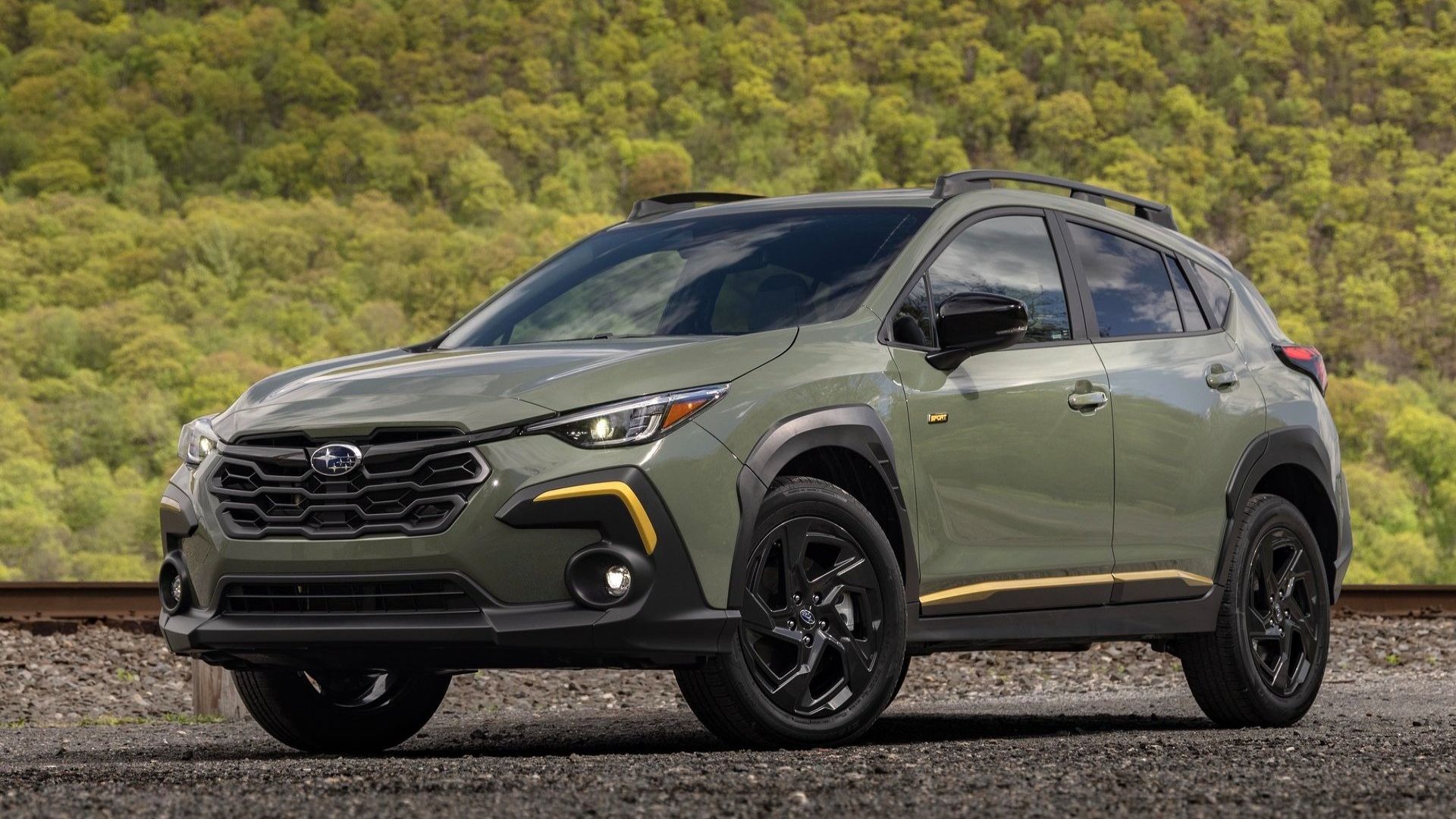
9. Subaru Crosstrek Hybrid
The Subaru Crosstrek Hybrid, despite being less talked about than others on this list, has proven to be a quiet achiever in the plug-in hybrid space. Based on the popular Crosstrek compact SUV, this version includes a plug-in hybrid powertrain developed in collaboration with Toyota, blending Subaru’s rugged, all-weather design with electrified driving.
While it doesn’t boast the longest electric range or the flashiest tech, the Crosstrek Hybrid benefits from Subaru’s focus on long-term reliability and practical performance.
It appeals to drivers who value versatility, and for those living in regions with rough weather or challenging roads, its standard all-wheel drive gives it an edge over many other plug-in options.
Under the hood, the Crosstrek Hybrid uses a 2.0-liter four-cylinder engine paired with an electric motor and an 8.8 kWh battery pack. While the electric-only range is limited to around 17 miles, that’s often enough for daily errands and short commutes. More importantly, the integration between the gas and electric systems is smooth and durable.
Unlike some plug-ins where transitions between power sources feel clunky, the Crosstrek Hybrid handles them with little drama. The hybrid components, thanks in part to Toyota’s input, have shown strong durability, with few widespread issues reported even after several years of ownership.
One thing that sets the Crosstrek Hybrid apart is how its hybrid system works within Subaru’s all-wheel drive framework. Many plug-in hybrids sacrifice mechanical AWD for efficiency, relying instead on traction control systems or front-wheel drive.
The Crosstrek Hybrid keeps true to Subaru’s identity by retaining symmetrical all-wheel drive, which provides reliable handling in snow, rain, and rough terrain.
Even with the added complexity of integrating an electric motor and battery, the drivetrain has remained sturdy and dependable. That durability makes the Crosstrek Hybrid a strong option for drivers in mountainous or rural areas, where reliability and traction are more important than pure range or speed.
From a maintenance standpoint, the Crosstrek Hybrid remains affordable and easy to care for. Owners have noted that routine servicing is straightforward, and because the vehicle shares many components with the regular Crosstrek, parts are widely available and relatively inexpensive.
Brake wear is reduced thanks to regenerative braking, and the gas engine operates under lower stress due to the electric assist. Many Crosstrek Hybrids are now reaching high mileage milestones, over 100,000 miles, with minimal degradation in performance.
For those looking for a plug-in hybrid that combines practicality, all-weather ability, and long-term reliability, the Subaru Crosstrek Hybrid holds up better than most expect.
