
Owning a car that has passed the 100,000-mile mark is often seen as a milestone. For many, it represents reliability, endurance, and a good investment. However, certain cars start to reveal their true maintenance and repair costs once they reach this threshold.
What once seemed like a solid vehicle can turn into an expensive nightmare as parts begin to wear out, repairs become frequent, and specialists are required to keep them running.
Understanding which cars tend to escalate in maintenance costs after 100,000 miles can save you a lot of headaches and unexpected expenses down the road.
Many car owners assume that if a vehicle has lasted this long, it will continue to run without major issues. Unfortunately, this is not always the case. Some cars have hidden design flaws, costly parts replacements, or require expensive labor that is not apparent in the earlier years.
The complexity of newer models, expensive electronic components, or niche engine designs can make repairs difficult and costly.
Furthermore, cars that are less common or luxury-oriented may also require special parts that are hard to find and carry a premium price tag. This combination of factors can quickly turn a once-reliable car into a money pit.
For budget-conscious drivers or those planning to buy a used car, knowing which vehicles become costly after 100,000 miles is crucial. It allows them to prepare for potential maintenance expenses or steer clear of models known for high repair costs.
The problem is not limited to one brand or class of vehicles; it affects everything from family sedans to performance cars and SUVs.
Some cars may have relatively low upfront costs but demand heavy investment once they reach this stage in their lifecycle. This article focuses on ten such cars, highlighting the reasons behind their expensive upkeep after the 100k mark, from mechanical issues to costly parts replacements.
By understanding these common pitfalls, you can better assess your options when buying a used car or deciding whether to keep your current vehicle after it hits this mileage.
While many vehicles can last well beyond 100,000 miles with proper maintenance, some models inevitably require more care, time, and money than others. The following list will help shed light on which cars tend to become financial burdens and why that happens.
Also read: 10 Cars From the ’90s Still Daily Driven in 2025
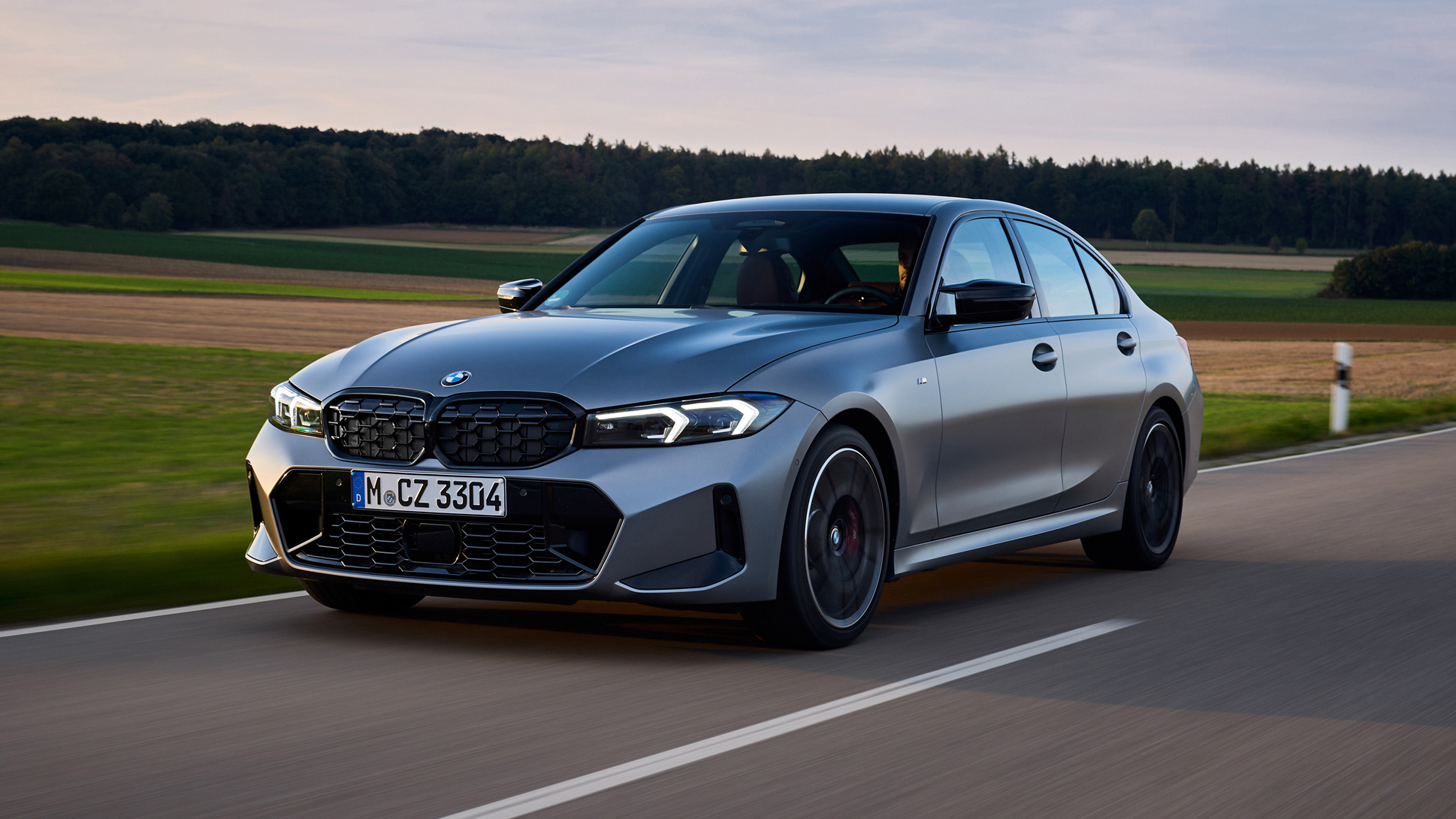
1. BMW 3 Series (E46 and E90 Models)
The BMW 3 Series, especially the E46 and E90 models produced in the early to mid-2000s, are frequently sought after for their blend of sporty driving dynamics, premium interiors, and prestige. Enthusiasts love these models for their responsive handling and inline-six engines that offer a balance of performance and refinement.
However, once these vehicles cross the 100,000-mile mark, many owners find that the initial allure starts to fade as maintenance costs increase substantially. One of the primary contributors to this shift is the complex nature of BMW’s engineering, which relies heavily on high-precision components that are prone to wear after extended use.
The engines, for instance, while robust when properly maintained, are sensitive to cooling system issues, and failures here can lead to catastrophic damage if ignored.
Routine maintenance items like water pumps, thermostats, and radiators, which are relatively affordable on other cars, become expensive replacements due to BMW’s specific part requirements and labor-intensive installation process. It’s not uncommon for owners to face thousands of dollars in repairs once these cooling components start to fail after 100k miles.
Electrical gremlins also begin to surface around this mileage. BMWs of this era are known for their intricate electrical systems, including numerous sensors and control modules that regulate everything from engine management to comfort features. These components can fail or give false readings, triggering warning lights and intermittent issues that are difficult to diagnose.
Fixing these electrical problems often requires specialized diagnostic tools and a deep understanding of BMW’s software, which can result in higher labor costs and longer shop times.
On the mechanical side, the suspension components such as control arms, bushings, and ball joints wear out due to the car’s sporty setup that prioritizes performance over longevity.
Because BMW uses complex suspension geometries and sometimes proprietary parts, these repairs can be pricier than those for average sedans.
Additionally, a known weak spot on some E46 models is the rear subframe, which can develop cracks and corrosion over time. This issue, if left unchecked, can lead to costly frame repairs or replacements and compromises safety.
Another factor driving up the expense of maintaining a BMW 3 Series past 100,000 miles is the cost of genuine parts and the specialized nature of the required labor.
BMW’s brand cachet comes with premium parts that are priced significantly higher than aftermarket alternatives, and the car’s design means mechanics must often spend more hours on tasks that would be quicker on simpler vehicles.
While independent BMW specialists can sometimes offer a more affordable alternative to dealership service, even these shops face higher part costs. Additionally, maintenance intervals for critical components tend to be more frequent for these cars than for typical economy vehicles.
As a result, owners find that the combination of costly parts, specialized labor, and higher frequency of repairs turns their once affordable “ultimate driving machine” into a financial challenge after 100k miles.
While the BMW 3 Series E46 and E90 are fantastic cars for those who prioritize driving enjoyment and luxury, they come with a steep price for upkeep once they reach high mileage.
Enthusiasts willing to invest in preventative maintenance and shop carefully for parts and labor may keep these cars running well beyond 100,000 miles, but casual owners should be prepared for the spike in expenses that commonly arises after this milestone.
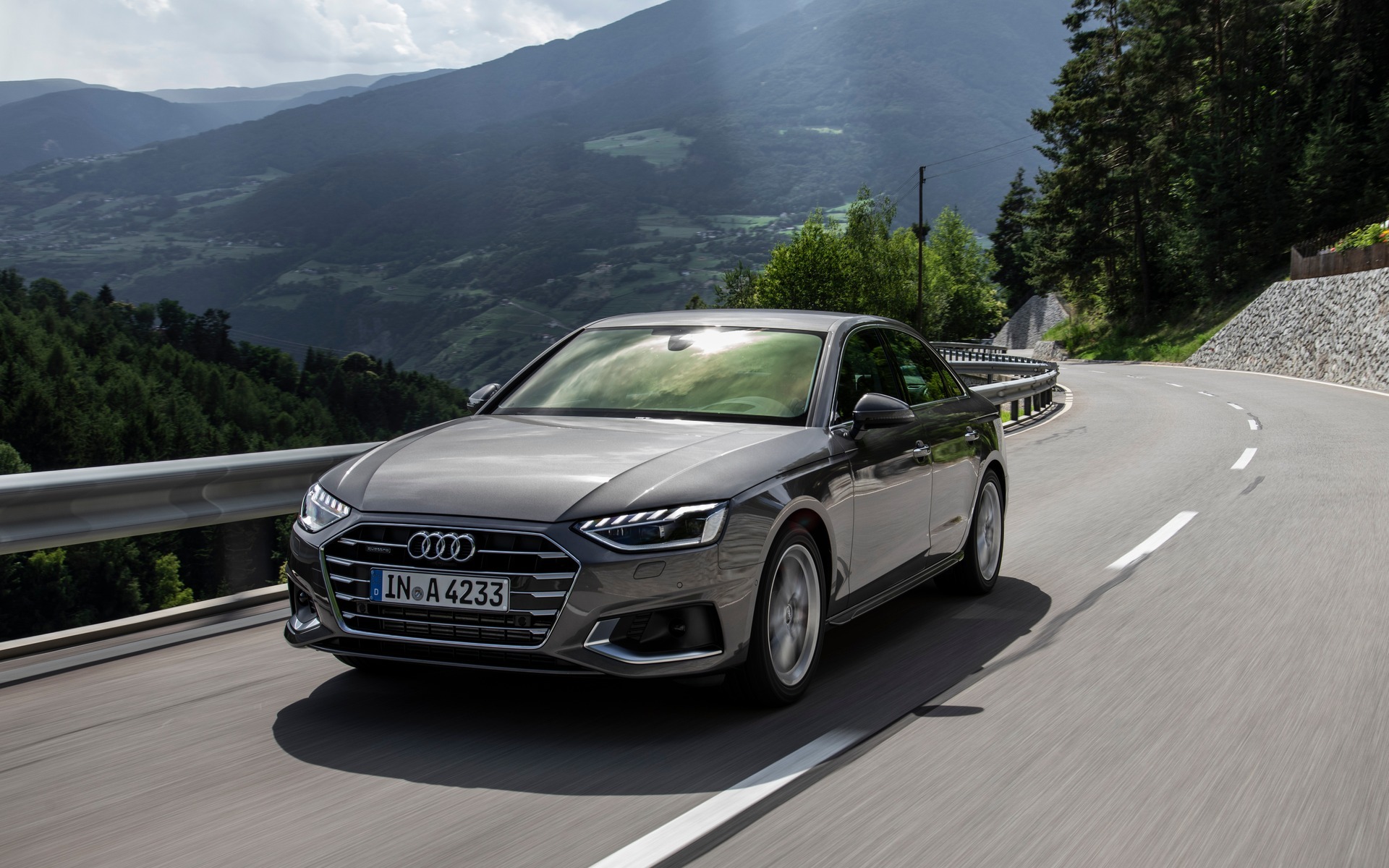
2. Audi A4 (B6 and B7 Generations)
Audi’s B6 and B7 A4 generations are often praised for their high-quality interiors, smooth rides, and impressive all-wheel-drive systems. They combine the appeal of German engineering with luxury features that were ahead of their time when introduced in the early 2000s.
However, like many European cars of this era, these Audis reveal significant maintenance challenges after 100,000 miles.
One of the most pressing issues relates to the engine’s oil consumption and reliability. Many owners report that the engines begin burning excessive amounts of oil as the piston rings and valve guides wear down, a problem that tends to escalate with mileage.
This oil burning can cause further engine damage over time if not addressed properly, potentially leading to costly overhauls or replacements. Unlike many mainstream vehicles where oil consumption is minimal, the Audi engines often require regular monitoring and topping off, making ownership more demanding.
In addition to engine issues, the timing chain tensioners are a critical weak point on many B6 and B7 A4 models. These components maintain proper timing chain tension and their failure can lead to serious engine damage, including bent valves and ruined pistons.
Timing chain tensioner replacement is an expensive and labor-intensive repair, often costing thousands of dollars, and it becomes more likely as the car approaches or surpasses the 100,000-mile mark.
The complexity of the engine design means that not all mechanics can perform this repair reliably, pushing owners toward dealerships or specialists who charge premium rates. This issue alone can transform the Audi A4 from a reliable daily driver into a costly project car after significant mileage.
The Quattro all-wheel-drive system, while a key selling point for these vehicles, also adds to their maintenance burden. The additional drivetrain components, including the transfer case and front and rear differentials, require routine servicing and can develop leaks or mechanical problems as the car ages.
Repairing or replacing these parts is expensive due to their complexity and the need for OEM components. The suspension system, which features bushings, control arms, and other components tailored to Audi’s precise handling characteristics, often requires more frequent replacement than simpler setups.
These replacement parts are typically pricier than those on non-luxury sedans, contributing further to maintenance costs.
Another often overlooked aspect of the B6 and B7 A4’s maintenance woes is their interior electronics. Power windows, locks, climate controls, and infotainment systems are all known to become unreliable after years of use.
When these systems malfunction, repairs are complicated and costly, often requiring replacement of expensive control modules or wiring harnesses.
This combination of engine, drivetrain, suspension, and electrical problems means that owning an Audi A4 beyond 100,000 miles demands not only a healthy budget but also access to specialized expertise to keep the vehicle running well.
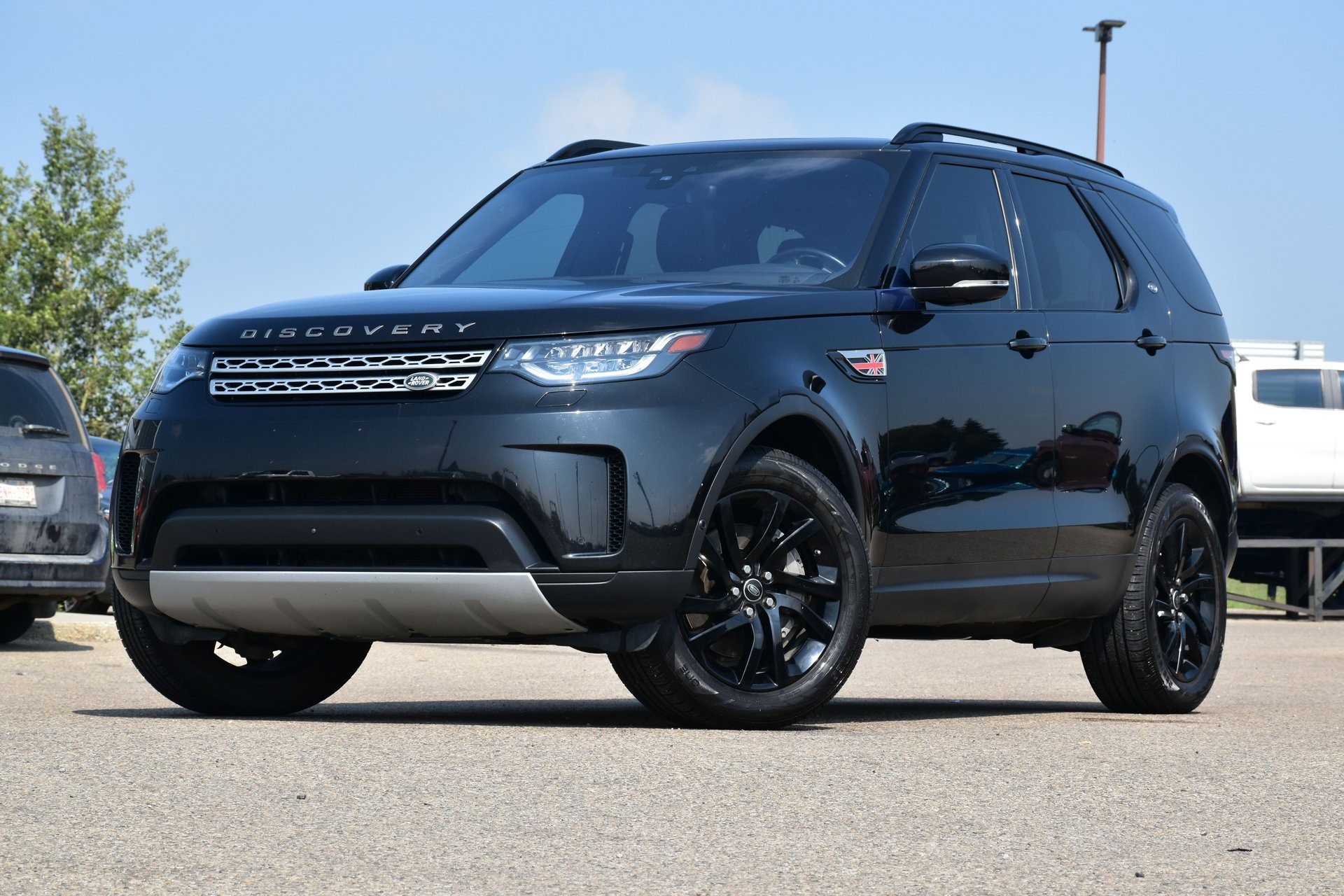
3. Land Rover Discovery 3 / LR3
The Land Rover Discovery 3, also known as the LR3 in North America, represents a bold attempt to combine rugged off-road capability with luxury and technology. Released in the mid-2000s, it featured advanced features such as an air suspension system that adjusts ride height and comfort, powerful engines, and a high-tech interior.
Unfortunately, while it is an impressive vehicle on paper, many owners find that the Discovery 3 becomes a financial headache once it surpasses 100,000 miles. One of the most common and expensive problems is with the air suspension system. Unlike traditional steel springs, the air suspension relies on airbags and compressors to maintain ride height and comfort.
Over time, these airbags tend to develop leaks, and compressors fail from overuse, resulting in an uneven or sagging ride. Replacing air suspension components is extremely costly, as the parts themselves are expensive and labor is intensive, often requiring the removal of wheels, control arms, and other components.
Beyond suspension, the engines in the Discovery 3, whether petrol or diesel, show signs of wear and tear that require costly repairs. Diesel models are especially prone to injector failure, a repair that involves removing the cylinder head and is known for high parts and labor costs.
Turbocharger issues are also common in both petrol and diesel variants, with worn or failing turbos leading to poor performance and expensive rebuilds or replacements.
In addition, the cooling system in these vehicles is complex and can develop leaks or component failures that cause overheating. Transmission issues, although less common, can be costly when they do arise, particularly given the vehicle’s heavy off-road use and complex drivetrain.
Electrical issues plague the Discovery 3 as well. This SUV is packed with sensors, control units, and electronic modules that can fail or give false readings as the car ages. Problems with the onboard computer systems affect everything from the engine to the suspension to the infotainment, leading to expensive diagnostics and repairs.
Finding a qualified mechanic who specializes in Land Rover repairs is also more difficult and costly compared to more mainstream brands. Coupled with the high price of genuine Land Rover parts, this means that the Discovery 3 often becomes a very expensive vehicle to maintain after 100,000 miles, despite its impressive off-road and luxury credentials.
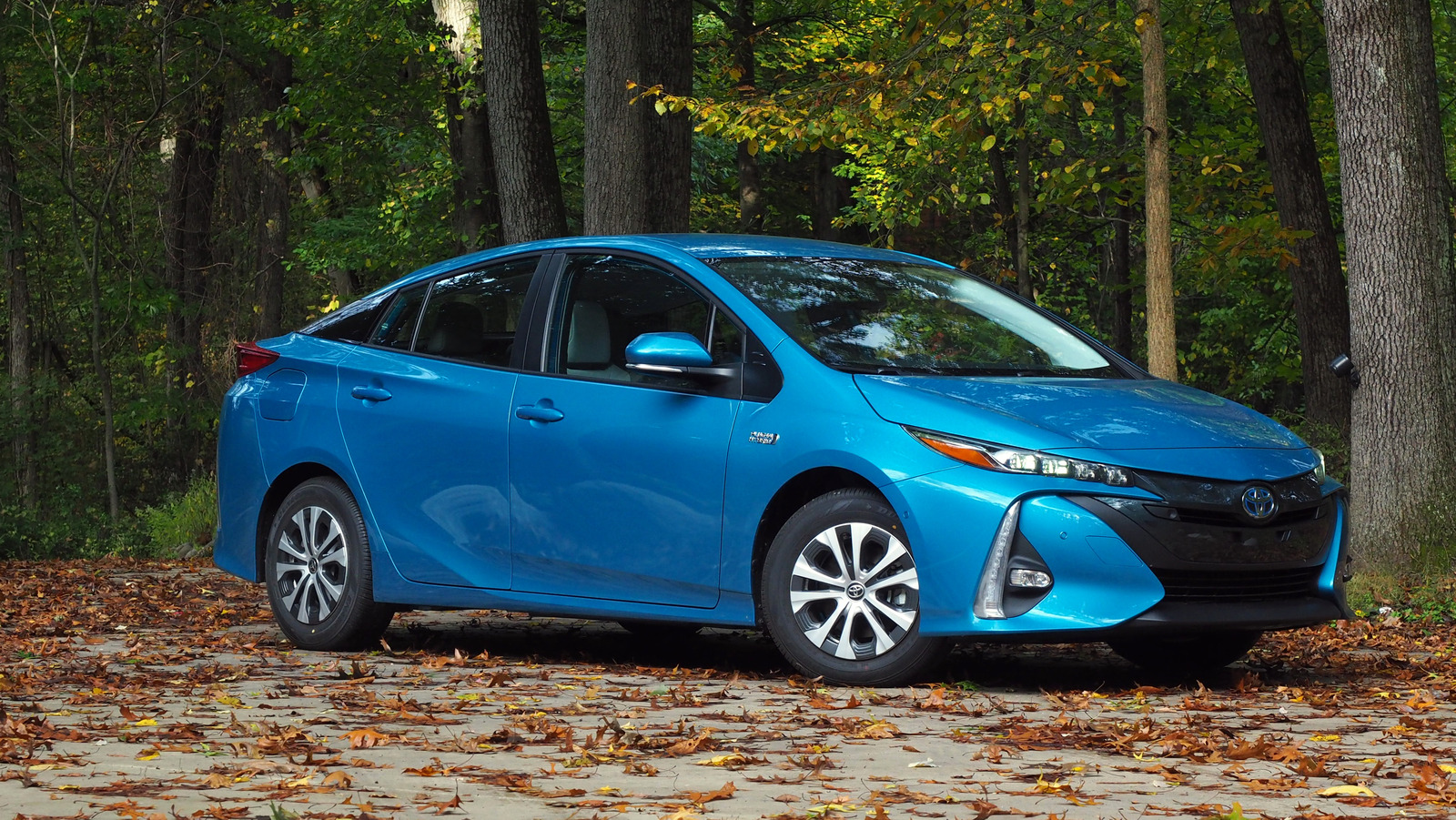
4. Toyota Prius (Second Generation)
The second-generation Toyota Prius, produced from around 2004 to 2009, is one of the most popular hybrid vehicles of all time, well-known for its outstanding fuel efficiency and relatively low maintenance costs compared to other hybrids. However, even this reliable hybrid is not immune to expensive problems once it passes the 100,000-mile mark.
The most significant maintenance concern for these Priuses is the hybrid battery pack. While Toyota’s battery technology is robust and often lasts well beyond 100,000 miles, battery degradation is inevitable with time and use.
When the battery’s capacity drops below a certain threshold, the vehicle’s fuel efficiency and electric-only range suffer, and eventually, a battery replacement becomes necessary.
These battery packs are expensive, often costing several thousand dollars if replaced outside of warranty, which can be a major surprise for owners who assumed their Prius would be nearly maintenance-free.
In addition to the battery, other components related to the hybrid system can also develop faults. The inverter, which converts DC electricity from the battery into AC electricity for the motor, and the associated electronic control modules sometimes fail or degrade with age.
Repairs to these components require specialized knowledge and can be costly due to the high-tech nature of the system. On the mechanical side, some Prius owners report problems with the water pump, which unlike traditional pumps is often driven electrically and can fail without warning.
The exhaust gas recirculation (EGR) valve is another part that may develop issues after prolonged use. The EGR valve helps reduce nitrogen oxide emissions but can become clogged or fail, leading to rough idling or engine warning lights.
While none of these repairs are typically as expensive as those seen in luxury European cars, the combination of hybrid-specific repairs and regular maintenance can add up, particularly for older Priuses out of warranty. This makes ownership more costly than many expect once the mileage climbs above 100,000 miles.
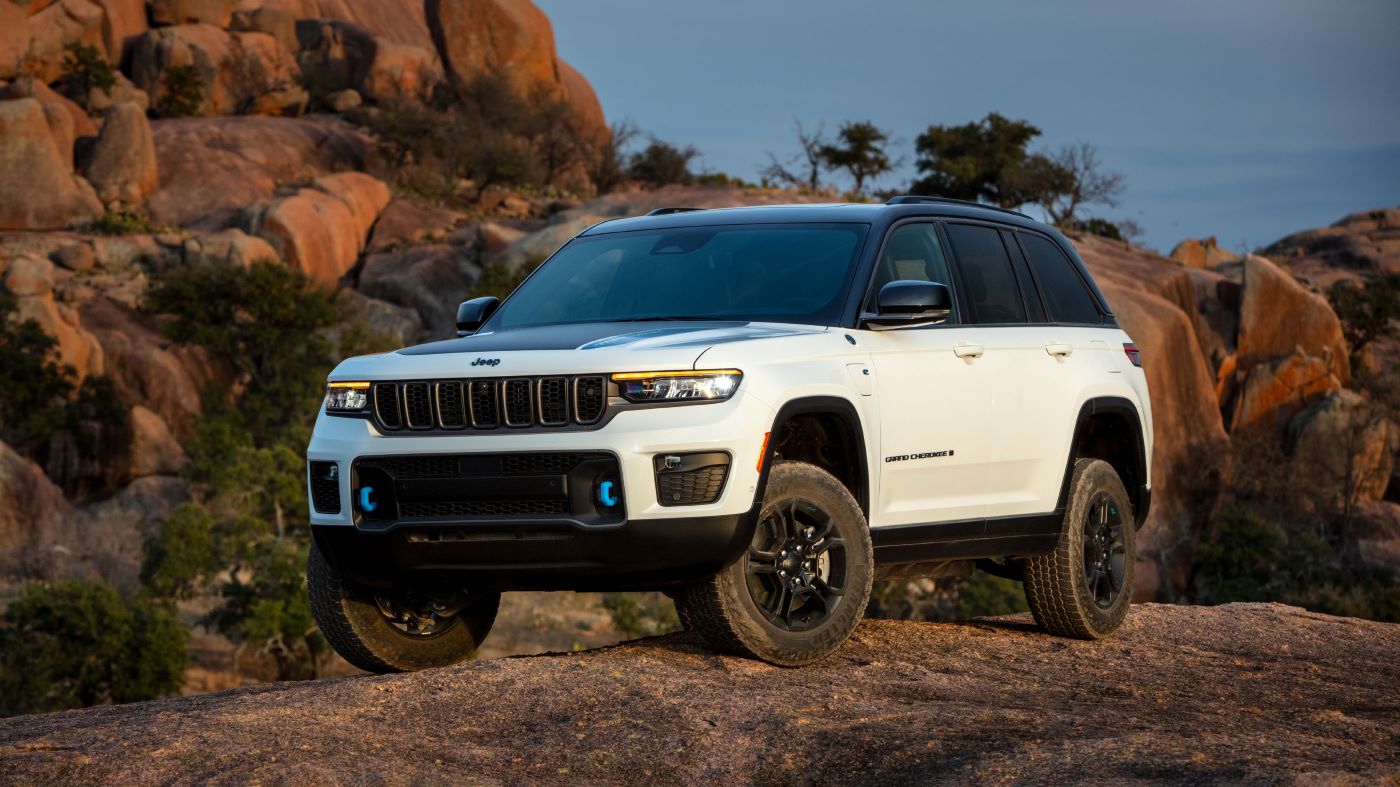
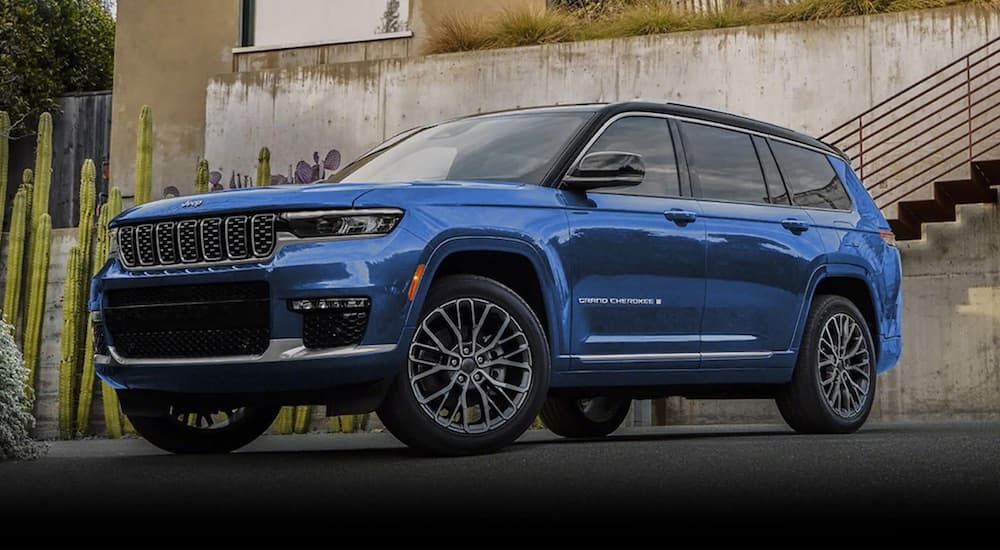
5. Jeep Grand Cherokee (WK2 Models)
The Jeep Grand Cherokee WK2, produced from 2011 onward, is a well-regarded SUV that balances off-road capability with everyday comfort and technology.
It’s popular for its rugged looks, powerful engine options, and advanced features, but many owners find that the vehicle’s maintenance costs escalate after 100,000 miles.
One of the biggest concerns is the eight-speed automatic transmission, which is praised for its smooth shifts and efficiency but is also prone to problems as it ages.
Transmission failures in these vehicles can be sudden and expensive, often requiring a full rebuild or replacement that costs several thousand dollars. The complexity of the transmission means that DIY repairs are nearly impossible, and even professional servicing carries a hefty price.
The transfer case, an integral part of the Grand Cherokee’s four-wheel-drive system, is another source of costly repairs. Leaks and mechanical faults in the transfer case can lead to drivetrain noises, poor performance, or even failure to engage four-wheel drive.
Repairing or replacing this component involves specialized labor and expensive parts, adding to the maintenance burden. The air suspension system, available on many WK2 Grand Cherokees, often begins to fail after extended use.
Air springs can leak and compressors may burn out, resulting in a sagging ride height and diminished comfort. Replacement of these components is costly and requires significant labor.
Engine-related problems also appear after 100k miles. Oil leaks from valve covers and intake manifold gaskets are common, requiring attention to prevent damage to other components.
The Jeep’s sophisticated electronics also become a problem source, with sensors and control modules occasionally malfunctioning, leading to warning lights and drivability issues that require dealer-level diagnostics.
All these factors combined mean that while the WK2 Grand Cherokee is an attractive SUV for many, owners need to be prepared for rising repair bills once the odometer crosses the 100,000-mile mark.
Also read: 10 V8 Sedans From the 2000s That Are Now Gold
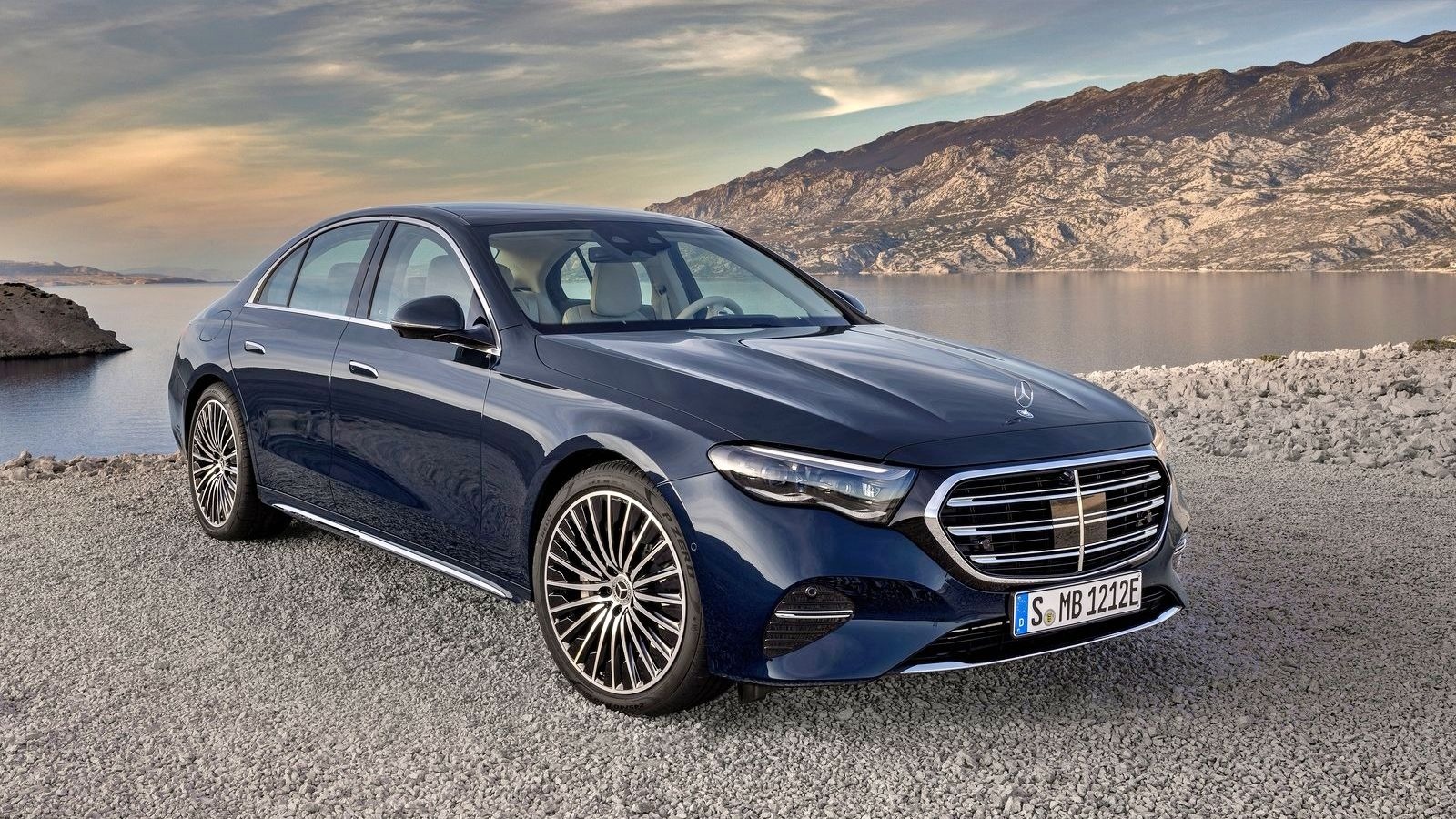
6. Mercedes-Benz E-Class (W211 and W212)
The Mercedes-Benz E-Class, particularly the W211 (2002–2009) and W212 (2010–2016) generations, has long been seen as the gold standard of midsize luxury sedans. They are admired for their elegant design, strong performance, and excellent ride quality.
Many models come with powerful V6 or V8 engines and smooth automatic transmissions that make driving enjoyable. However, once these vehicles reach 100,000 miles, ownership can become significantly more expensive, and not just because of luxury-brand pricing.
The problem lies in the car’s complex engineering and the aging of high-tech systems that begin to wear out. Many of the luxurious features that once made the E-Class appealing become liabilities as they start failing, and fixing them often requires skilled technicians and genuine parts, both of which are costly.
A major problem area is the air suspension system, particularly in models equipped with Mercedes’ AIRMATIC system. While it offers a cloud-like ride when new, the system relies on air struts, compressors, and sensors that tend to fail with age. Owners often find themselves having to replace one or more of these components after the 100k mark.
Not only are the parts expensive, but the labor can also be intensive, making the total bill painful. The failure of the air suspension can also cause other related issues, such as uneven tire wear and poor handling, further driving up repair costs.
Some owners choose to retrofit traditional coil springs to reduce future costs, but this also removes one of the features that defined the driving experience in the first place.
Then there are the electronics, which in typical Mercedes fashion, are both advanced and temperamental. As the vehicle ages, sensors and control modules that manage everything from safety systems to climate control and infotainment start to fail.
Diagnosing and fixing these issues is not something most independent shops can handle without Mercedes-specific tools and software, which means trips to the dealership become more frequent. Combined with the high cost of genuine parts and specialist labor, these failures add up quickly.
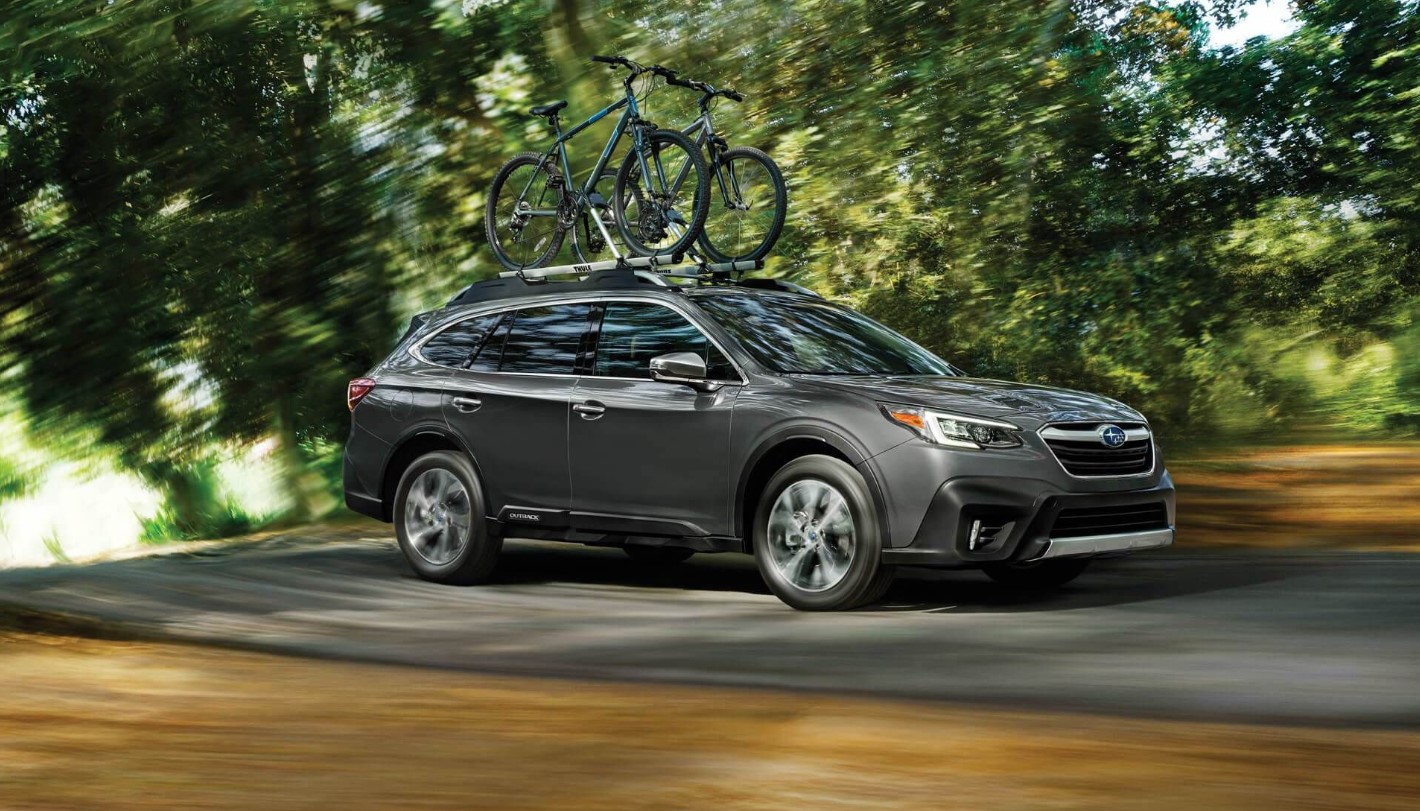
7. Subaru Outback (Third Generation)
The third-generation Subaru Outback, produced from 2005 to 2009, became a favorite among outdoor enthusiasts and families alike for its practicality, reliability, and excellent all-wheel-drive system. It offers a smooth ride, decent ground clearance, and a reputation for handling rough terrain and bad weather with ease.
However, once these vehicles surpass the 100,000-mile milestone, certain mechanical issues start to surface that can require expensive repairs if not caught early.
One of the most widely reported problems in these models is the infamous Subaru head gasket failure. Despite Subaru’s reputation for durability, their horizontally opposed “boxer” engines are particularly prone to developing leaks at the head gasket area after prolonged use.
Head gasket replacement is not only labor-intensive but also costly, as it often requires the removal of the engine to do the job properly. This is not a quick repair, and the bill for parts and labor can climb into the thousands. If left unaddressed, a leaking head gasket can lead to coolant loss, engine overheating, or even complete engine failure.
Subaru did make some improvements in later years, but many third-generation Outbacks still suffer from this issue.
It’s a known weak point, and many mechanics will advise inspecting or replacing the head gaskets as a preventative measure once the vehicle nears or exceeds 100,000 miles. Unfortunately, this repair alone can turn an otherwise affordable car into a much pricier investment.
Suspension wear is another issue that adds to the cost of ownership after 100k miles. Control arm bushings, struts, and sway bar links tend to wear out due to the vehicle’s higher center of gravity and common use on rough terrain.
Replacing these components isn’t terribly complicated, but the cost can add up if multiple components need attention at once.
In addition, aging exhaust systems and catalytic converters are not uncommon to replace around this mileage, particularly in vehicles driven in harsh climates.
These repairs, combined with the head gasket and timing belt concerns, make the third-generation Outback more expensive to maintain than many expect once it gets past 100,000 miles.
8. Volvo XC90 (First Generation)
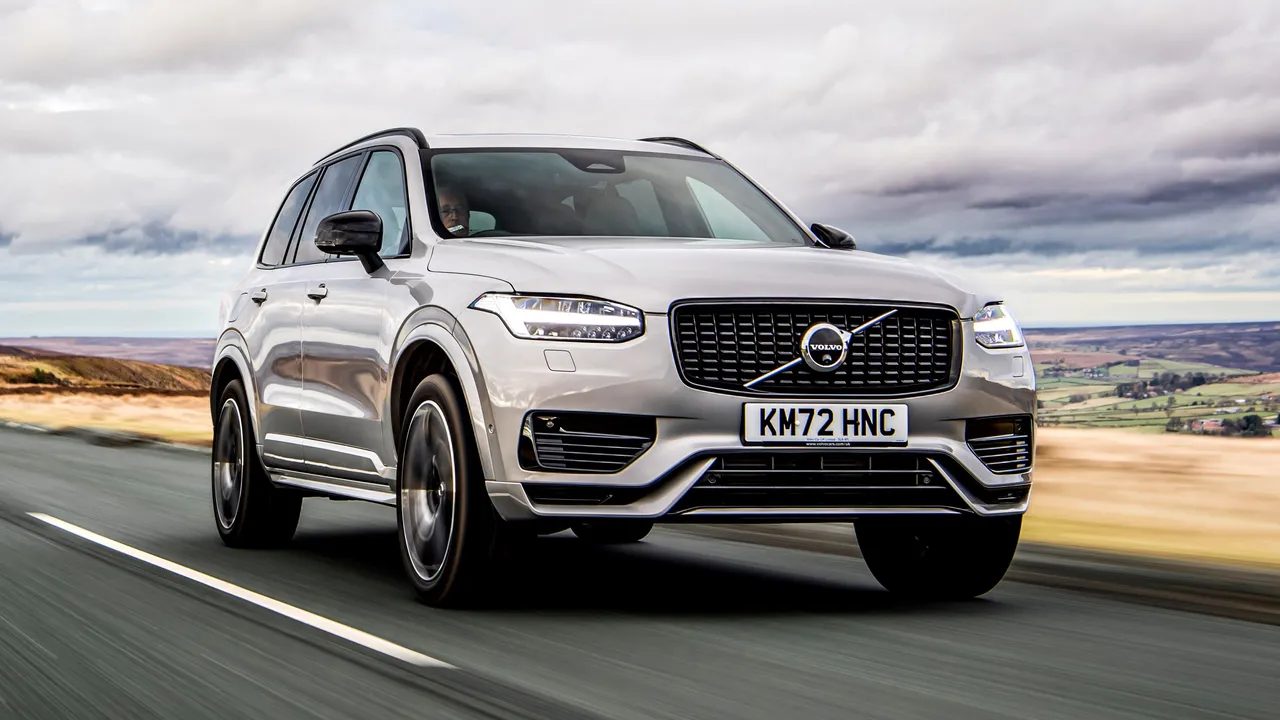
The first-generation Volvo XC90, produced from 2003 to 2014, was Volvo’s entry into the midsize SUV market and quickly became known for its safety, comfort, and family-friendly practicality. It featured seating for seven, numerous safety innovations, and a refined driving experience.
Despite these strengths, however, the XC90 becomes a maintenance-intensive vehicle once it reaches the 100,000-mile mark. A key issue stems from the use of turbocharged engines, which, while offering strong performance, are known to wear out prematurely if not meticulously maintained.
The turbochargers on both the T5 and T6 engine options are especially vulnerable, and replacements can cost thousands once they begin leaking oil or losing boost pressure.
The six-cylinder models in particular are notorious for transmission issues. Many early XC90s came equipped with transmissions that were not well-matched to the weight of the vehicle or the torque from the turbocharged engines. As a result, transmission failures became a frequent problem, especially after 100,000 miles.
Rebuilding or replacing the transmission is a costly endeavor that requires significant labor. In some cases, it’s more cost-effective to replace the vehicle entirely than to repair it.
This single issue has caused many XC90 owners to part with their vehicle sooner than planned, especially if they purchased it secondhand and inherited the problems without prior warning.
9. Cadillac CTS (First Generation)
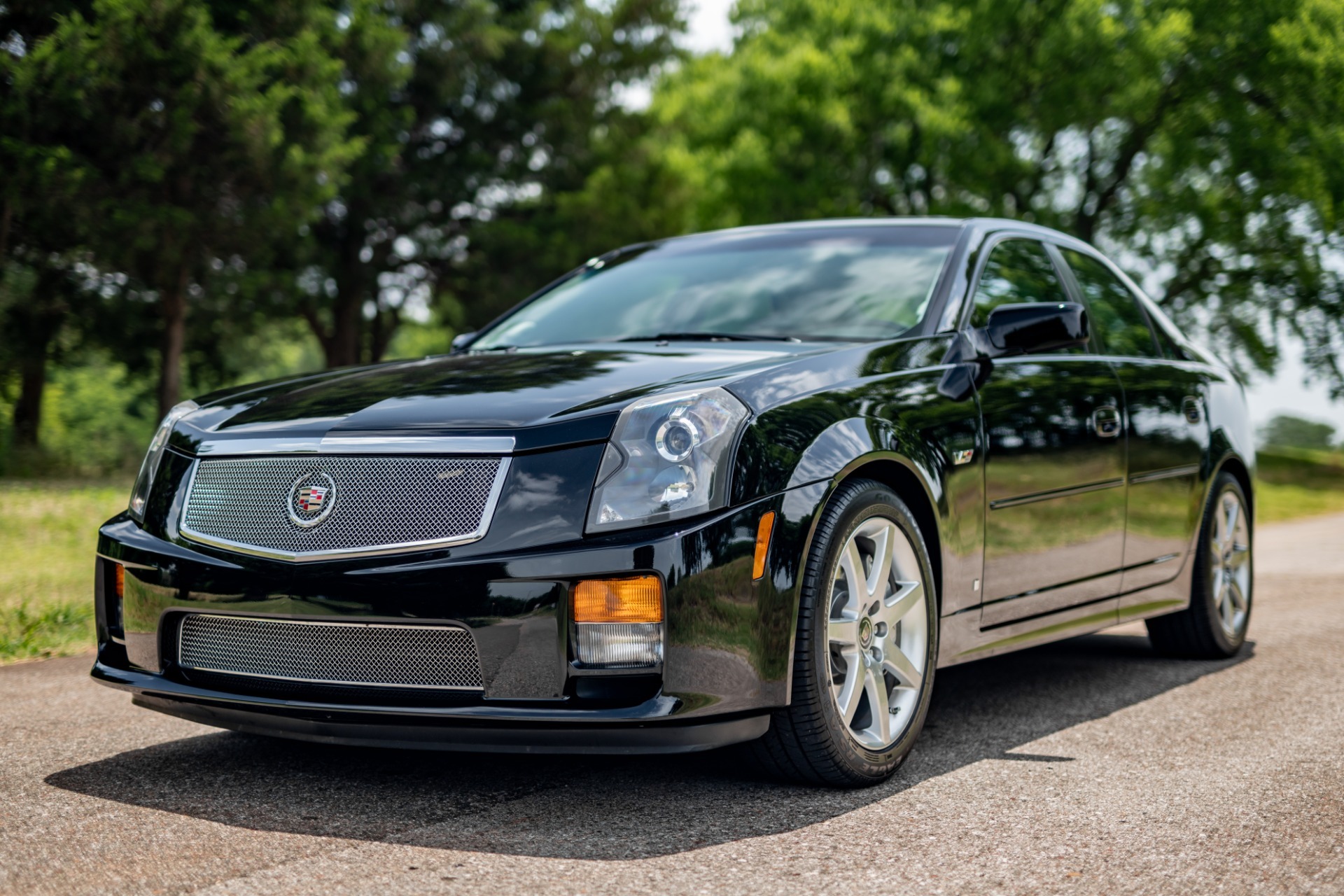
The first-generation Cadillac CTS, introduced in 2003, was a bold move by General Motors to re-establish Cadillac as a brand capable of competing with European luxury cars. With a sharp design and rear-wheel-drive layout, the CTS offered an engaging driving experience and respectable performance, especially with the available V6 engines.
However, as these vehicles age, especially beyond 100,000 miles, their ownership experience often becomes far more expensive and frustrating. One of the most common complaints centers around the engine’s long-term durability. The 3.6L V6, while powerful, is notorious for timing chain problems and excessive oil consumption.
Once the timing chains stretch, which is not uncommon around the 100k mark, the engine’s timing can become erratic, triggering warning lights and causing drivability issues.
Replacing the timing chain is a major job involving the removal of many engine components and special tools. It is not something most independent mechanics will tackle casually, and at the dealership, the repair can easily run into thousands of dollars. If not addressed in time, a stretched chain can cause internal engine damage, making the issue even more expensive.
Furthermore, this generation of CTS also struggles with other engine-related issues such as oil leaks from the rear main seal and valve cover gaskets, which are both costly and labor-intensive to repair due to the engine’s packaging.
Add in occasional overheating issues and misfires caused by worn ignition coils or clogged injectors, and the engine alone becomes a consistent source of high maintenance costs.
The CTS’s suspension and steering systems also start to show signs of wear after 100,000 miles. Bushings, control arms, and steering components tend to wear out quicker than in other vehicles in this class. Owners often notice clunking noises, poor ride quality, or wandering steering.
These problems require replacing multiple parts at once to properly restore the car’s handling. The rear differential, particularly in performance models, can develop leaks or whine, necessitating either a rebuild or costly replacement.
With all of these systems wearing down at once, the CTS transforms from a stylish sedan into a car that constantly demands time and money from its owner.
10. Nissan Murano (First Generation)
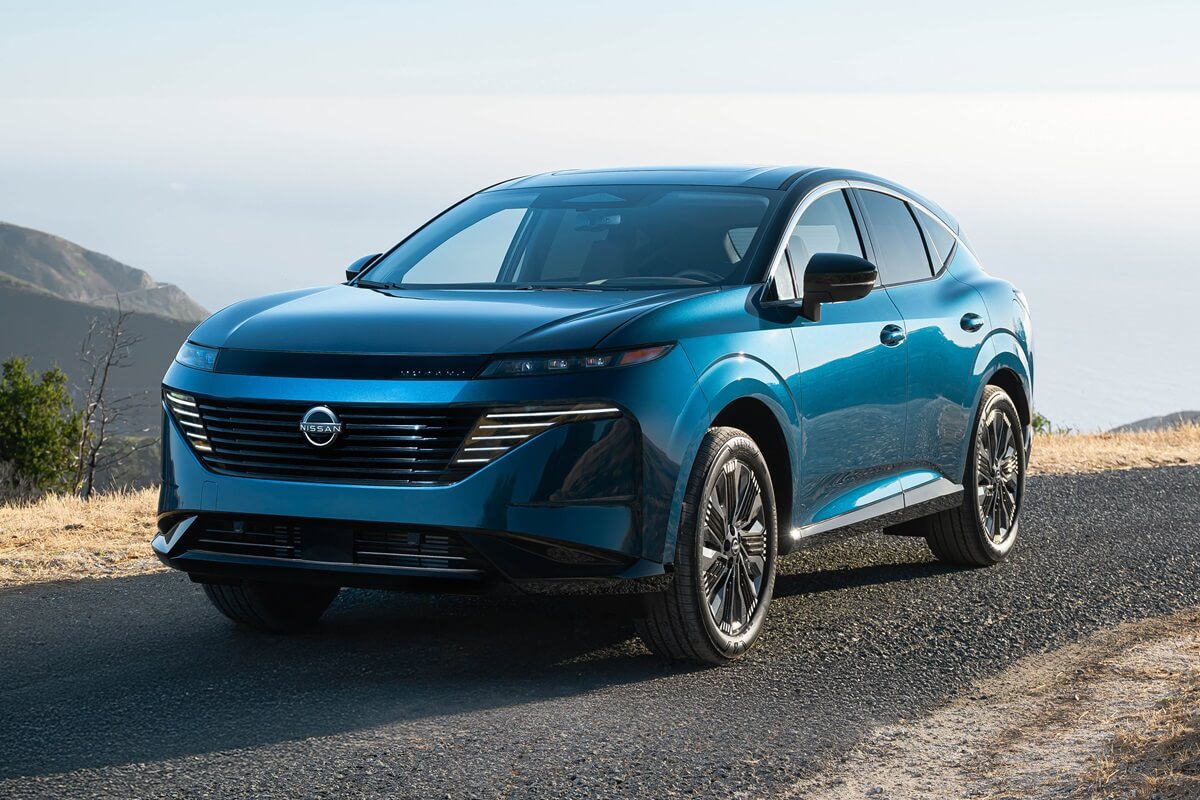
The first-generation Nissan Murano, launched in 2003 and running until 2007, was one of the early entries into the crossover SUV segment. It offered a smooth ride, stylish design, and strong V6 performance through its 3.5L engine, the same one used in many other Nissan and Infiniti models.
For many, the Murano represented a nice middle ground between a car and an SUV, with ample cargo space and good highway manners.
However, it also came with one major flaw that becomes increasingly apparent after 100,000 miles: the continuously variable transmission (CVT). Nissan was one of the first manufacturers to adopt CVTs widely across its lineup, but the early CVT technology in the Murano proved unreliable and expensive to repair.
Many owners experience transmission shuddering, slipping, or outright failure after the vehicle crosses the 100k mark. Unlike traditional automatic transmissions, CVTs are harder to repair and often cannot be rebuilt. In most cases, they must be completely replaced, and the cost of a new or remanufactured CVT often exceeds the value of the car itself.
Worse, failure can happen with little warning, leaving owners stranded or faced with a difficult decision about whether to invest more into a high-mileage vehicle. Nissan did eventually improve their CVT technology in later models, but for the first-generation Murano, the CVT remains its biggest and most expensive weakness.
Beyond the transmission, the Murano also suffers from other common issues as it ages. The front suspension components, including control arms, ball joints, and struts, wear out and can cause clunking noises, poor handling, and uneven tire wear. The cost to replace all these components adds up, especially when combined with other aging vehicle needs.
Brake calipers are another known weak point, often seizing and causing uneven braking or additional wear on the rotors. While these issues are not uncommon in aging vehicles, they tend to happen all at once in the Murano, driving up maintenance costs significantly in the post-100k-mileage phase.
