
Trucks have long been symbols of power, reliability, and endurance. Built to haul heavy loads, navigate rough terrain, and handle long hours on the road, they are the backbone of many industries and a reliable choice for personal use as well. For most people, the life of a truck is often tied directly to its engine.
When the engine fails, the vehicle is typically considered finished. However, there is a unique category of trucks that defy this expectation.
These are the trucks that manage to keep rolling even after their engines give out. Sometimes it’s because of the sheer resilience of the body, the robustness of the transmission, or the strength of the frame.
In other cases, it’s due to smart design choices or ease of engine replacement that keeps them running for decades. These trucks prove that there’s more to a vehicle’s longevity than just what’s under the hood.
This list focuses on fifteen trucks known for outlasting their original engines. While engine failure is usually a serious blow to any vehicle’s lifespan, these trucks are routinely given new life with replacement engines.
Owners often find it worthwhile to invest in rebuilding or swapping the engine, because the rest of the truck is still in excellent shape.
Whether it’s the interior, the chassis, the transmission, or the suspension, these components often show few signs of wear, even after hundreds of thousands of miles. Many of these trucks are also easy to work on, making repairs more accessible to mechanics and do-it-yourself owners alike.
Some of the trucks listed here are classics, others are workhorses that just keep going. They’re driven by farmers, contractors, off-road enthusiasts, and long-haul drivers who trust them through thick and thin.
In fact, many of these vehicles develop such a reputation for durability that people are more than willing to invest in a new engine rather than replace the whole truck.
Whether it’s through regular maintenance, durable construction, or simply a strong design philosophy, these trucks refuse to die, even when their engines do. This article takes a look at those 15 models that keep going long after their hearts stop beating.
Also Read: 10 Honda Civic Years Still Popular With Daily Drivers
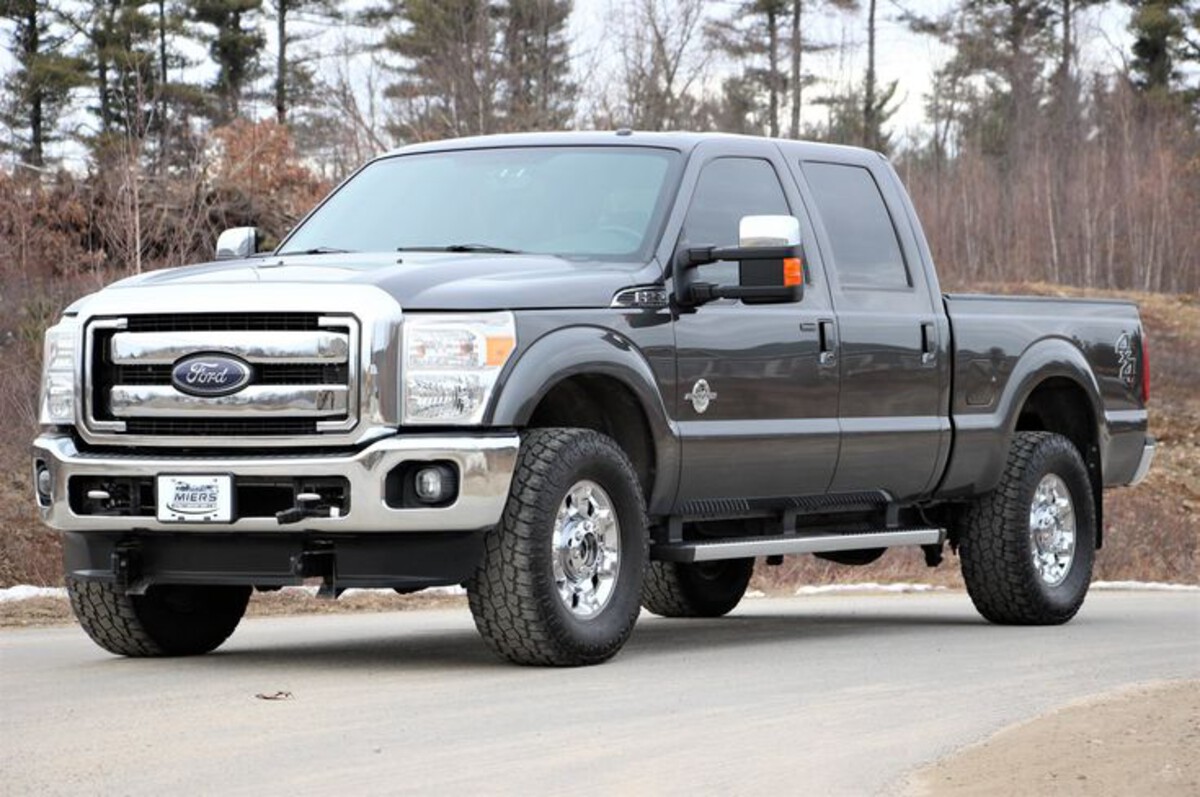
1. Ford F-250 Super Duty (1999–2007)
The Ford F-250 Super Duty from the early 2000s built its reputation around durability and sheer toughness. While some of the Power Stroke diesel engines, like the 6.0L, earned mixed reviews, the trucks themselves were built with solid components that could withstand years of abuse.
The frames were heavy-duty, and the suspension systems were designed to support towing and hauling capacities that went far beyond most consumer trucks of the time.
Despite the engine issues that plagued certain models, particularly the 6.0L diesel, the rest of the truck held up impressively well. Many owners experienced catastrophic engine failures after 150,000 to 200,000 miles, but instead of giving up on the truck, they opted to replace or rebuild the engine.
This was mainly because the rest of the truck, including the body, interior, and chassis, was still in great shape. It was often cheaper to swap in a new or rebuilt engine than to replace the entire vehicle.
The availability of parts also played a major role in the long life of this model. Aftermarket support for the F-250 Super Duty has always been strong. Enthusiasts and mechanics can easily find parts for the body, suspension, brakes, and transmission.
This allows the truck to stay functional even after the engine fails. With a new powerplant, many of these trucks go on to serve another decade or more.
These trucks are still a common sight on the road today, even though some are pushing twenty years of age.
Their ability to withstand heavy use in farming, construction, and towing scenarios makes them a favorite among people who need a reliable tool more than a flashy ride. The engine might give up eventually, but the rest of the truck holds strong.
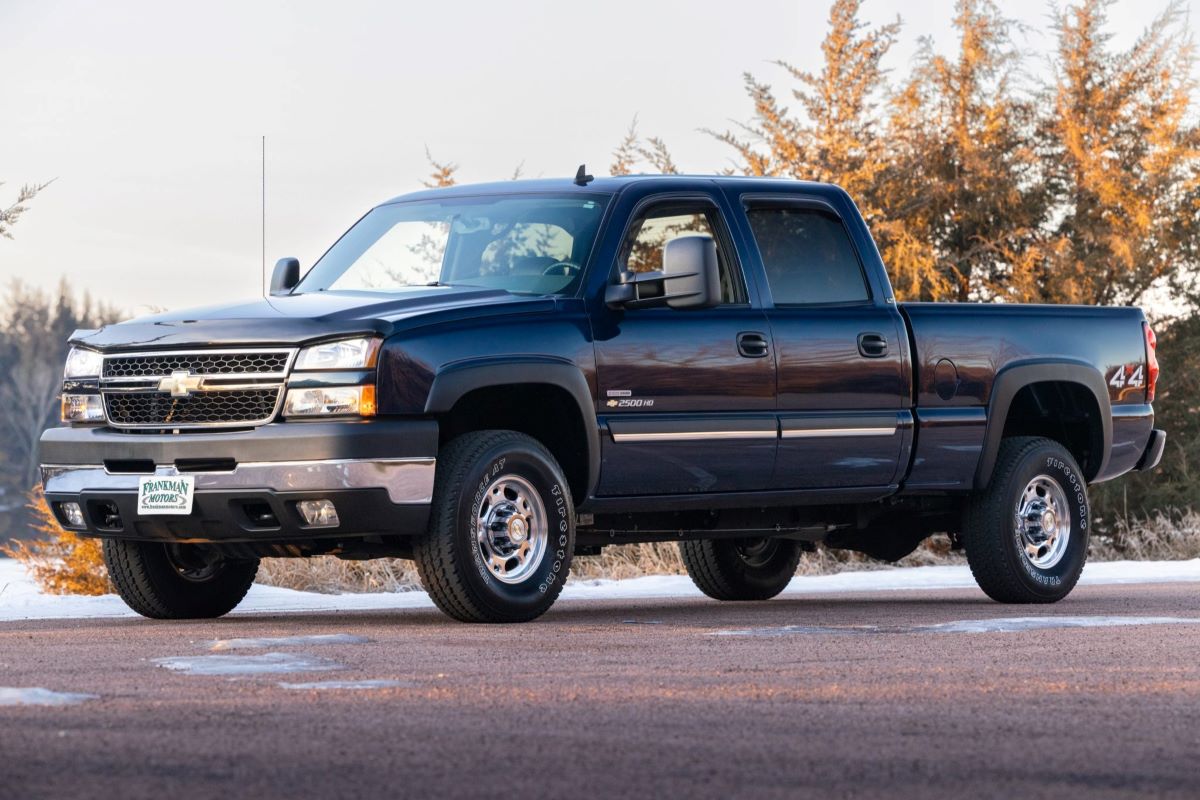
2. Chevrolet Silverado 2500HD (2001–2006)
The early 2000s Chevrolet Silverado 2500HD models were known for their powerful Duramax diesel engines and solid Allison transmissions. Even though the engines were generally reliable, high mileage and heavy use eventually took a toll.
Yet even after engine trouble set in, many owners decided to invest in a new engine instead of scrapping the truck. This is a reflection of how well the rest of the vehicle aged.
From the frame to the suspension, the 2500HD was overbuilt in the best way possible. It was designed to handle worksite abuse, cross-country towing, and constant hauling.
The interiors were utilitarian but held up surprisingly well. Seats, dashboards, and controls often remained intact long after the engine was due for retirement. Because of that, swapping out a failed engine for a fresh one made more sense than starting over with a new truck.
Another key factor is the strength of the transmission. The Allison 1000 transmission used in these trucks is widely regarded as one of the best in its class.
It often outlasts the engine by a wide margin. When the engine dies but the transmission is still shifting smoothly, it makes a strong case for simply doing an engine swap and continuing to use the truck.
Many owners of these trucks have been known to rack up 300,000 miles or more after replacing the original engine.
Thanks to solid design, a huge network of parts suppliers, and a reputation for durability, the Silverado 2500HD continues to see use in fleets and on farms across the country. It’s the kind of truck you fix, not toss away.
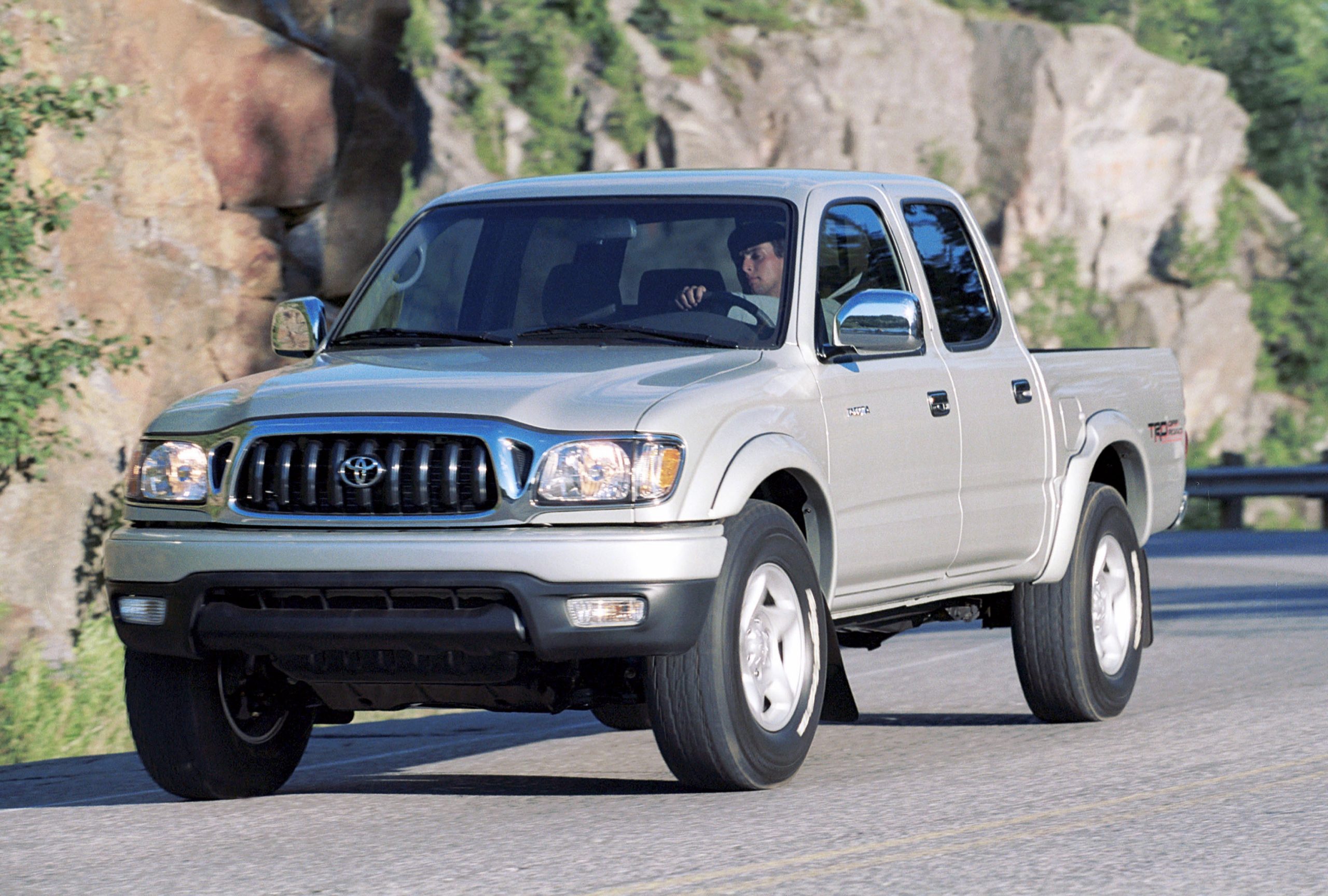
3. Toyota Tacoma (1995–2004)
The first-generation Toyota Tacoma is often celebrated for its bulletproof reliability, especially in areas like rust resistance and body durability. While the 2.7L and 3.4L engines were generally dependable, high-mileage use eventually caught up to them.
What’s interesting is that even when these engines fail, the rest of the truck often remains in excellent condition. This has led to a long tradition of engine swaps, rebuilds, and continued use for years afterward.
These trucks are lightweight but built with a tough frame that can take a beating. Off-roaders especially appreciate how well the Tacoma handles rocky trails, deep mud, and long drives over rough surfaces.
Many Tacomas see heavy off-road use but maintain a strong structural integrity. Even if the engine blows, the transmission, axles, and suspension usually hold up very well.
One of the reasons for their long life beyond the engine is the simplicity of design. These trucks are relatively easy to work on, which makes engine swaps and rebuilds less expensive and more accessible.
There’s a huge aftermarket scene, and finding replacement engines is usually not a problem. Even older Tacomas still have solid resale value because buyers know they can keep going with a new engine.
It’s not uncommon to find a first-gen Tacoma with over 400,000 miles and at least one engine swap in its history. Owners are loyal to the platform because it’s easy to maintain and worth the effort.
The body resists corrosion better than many domestic trucks, and the interiors age slowly. For a compact truck, the Tacoma punches far above its weight in long-term usability.
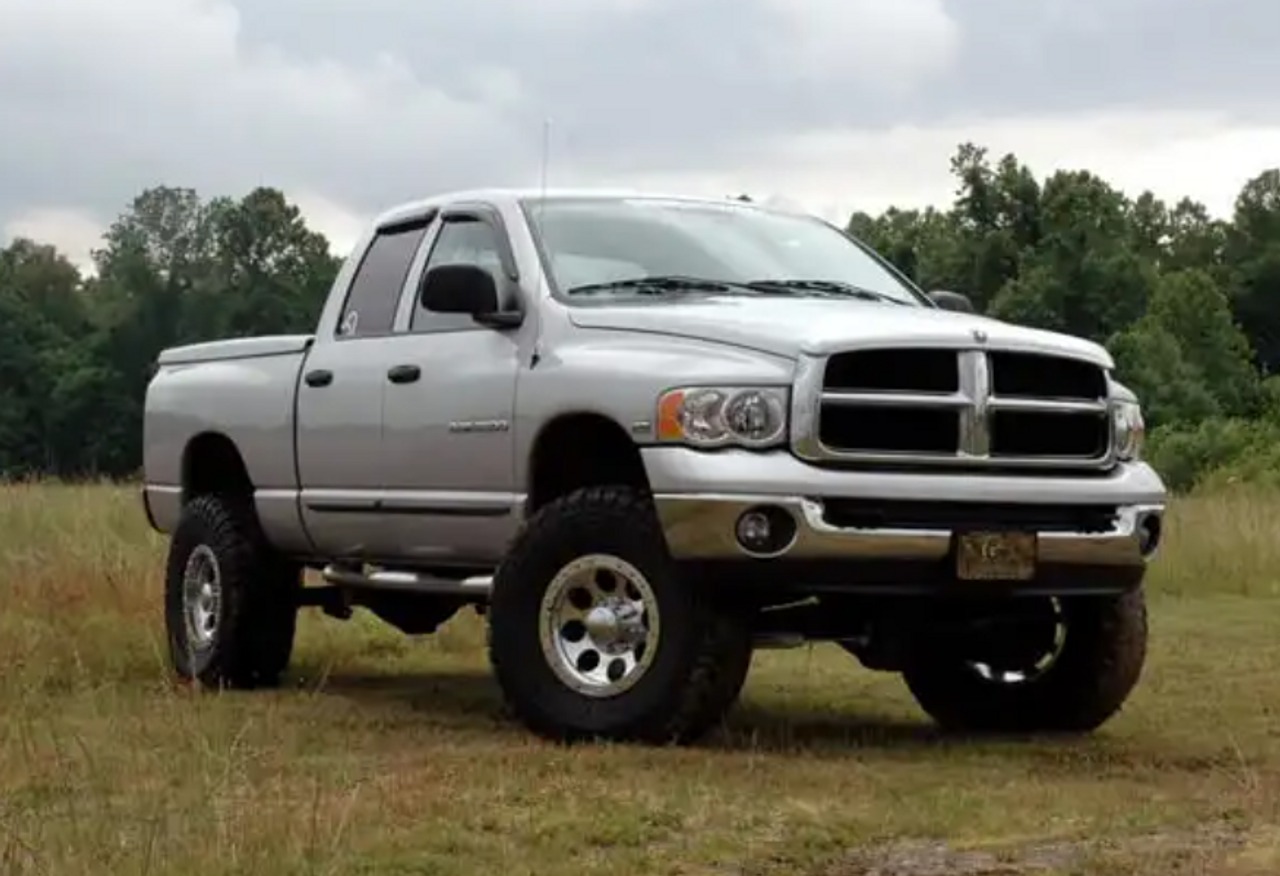
4. Dodge Ram 2500 (1994–2002)
The second-generation Dodge Ram 2500 became a legend primarily because of the 5.9L Cummins diesel engine. However, for models with gas engines, longevity was more of a mixed bag.
That said, the truck’s structure, drivetrain, and suspension made it worth keeping alive even if the engine gave out. Even Cummins-equipped models sometimes required engine work after decades of hard use, yet the trucks themselves remained in good condition.
This generation of the Ram 2500 was built with a tough frame and heavy-duty axles that made it popular among contractors and off-road enthusiasts.
The interiors were basic but functional, and many components held up over the years. Even if the engine failed, it was common for the rest of the truck to still be roadworthy, making an engine swap a smart investment.
One standout feature of these trucks was their solid front axles, which are prized for durability and ease of maintenance. This made them especially appealing for people who planned to keep the truck running for a long time. When the engine died, it was far more practical to replace it than to give up on the vehicle entirely.
Owners often describe these trucks as being built like tanks. That reputation has only grown stronger as many examples are still in use today, often with well over 300,000 miles on the odometer.
In rural areas and industrial settings, it’s not unusual to find a second-gen Ram 2500 with a swapped or rebuilt engine, still doing daily work decades after it rolled off the line.
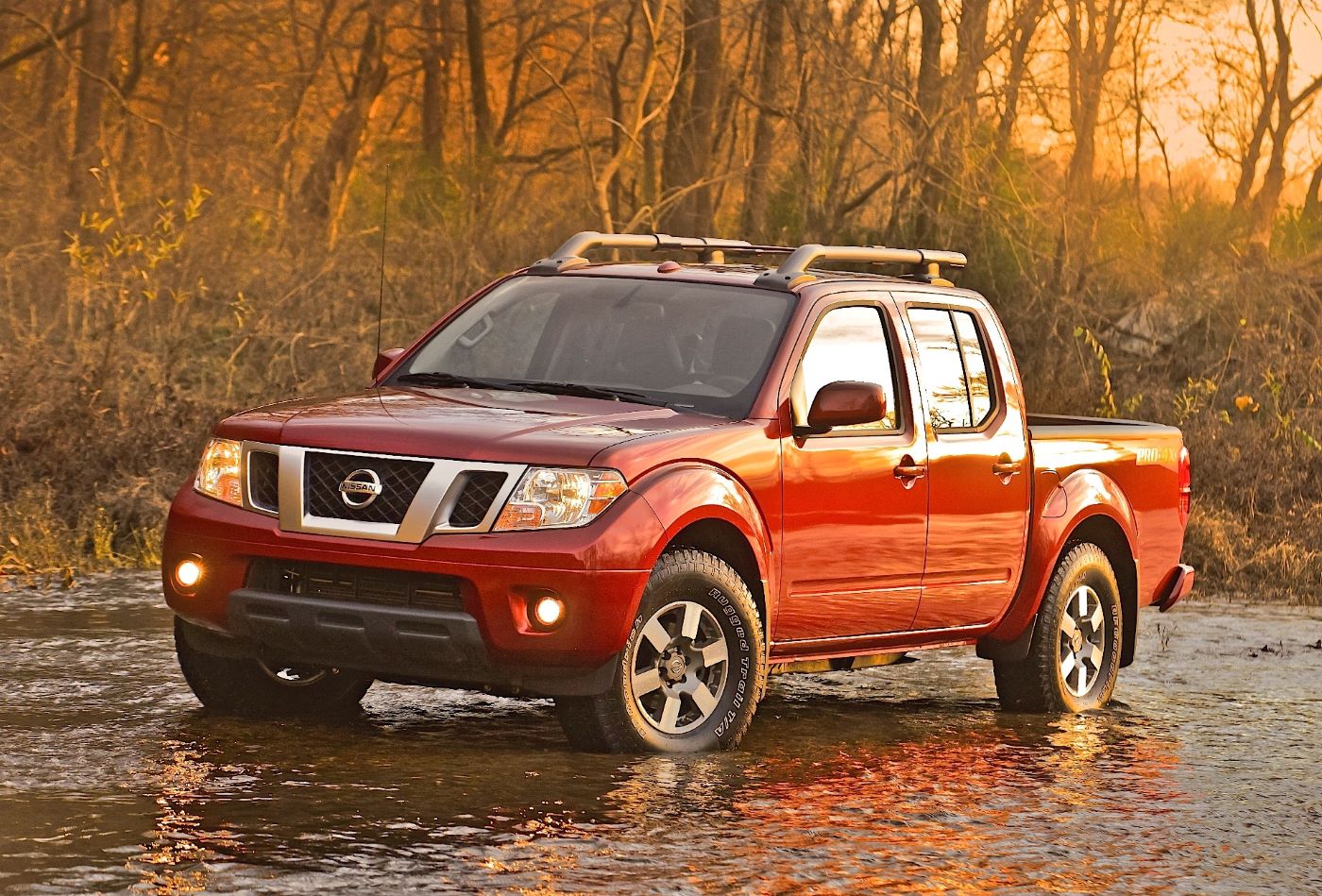
5. Nissan Frontier (1997–2004)
The late 1990s to early 2000s Nissan Frontier is another truck that surprised many with its lasting power beyond the engine. While not as large or heavy-duty as its American competitors, the Frontier proved itself to be a tough and dependable midsize truck.
It was built with simplicity and functionality in mind, making it easier for owners to perform repairs and keep it running even after the powertrain had seen better days.
Some of the V6 engines in earlier models were known to overheat or develop timing chain issues, but even when that happened, the rest of the vehicle remained solid.
One reason the Frontier could outlive its engine was its no-frills construction. The body panels were basic but strong, and the chassis was well-designed to endure both urban commuting and rougher rural terrain.
Owners who used their trucks for light hauling, camping, or long-distance travel often found the suspension and frame showed minimal wear, even after a decade or more of use.
Because the truck itself held up so well, engine problems didn’t mean the end, it just meant it was time for a new engine, which could often be sourced affordably from salvage yards or rebuilders.
Mechanics appreciated how accessible the engine bay was on these trucks. Engine swaps were relatively straightforward compared to more complex modern vehicles.
This made the Frontier a popular choice for those looking to experiment with rebuilding or engine conversions. VQ-series engine swaps, for example, became a common upgrade path. It gave the aging trucks more power while preserving the utility and solid structure they were already known for.
Even today, it’s not rare to find a Frontier from this era still on the road, often with 250,000 to 300,000 miles and counting. Many of these trucks are running on their second or even third engine, kept alive by a loyal following of owners who value reliability over aesthetics.
While newer models have become more sophisticated, the older Frontiers prove that a well-built truck doesn’t need to be flashy, it just needs to keep going, even when the original engine calls it quits.
Also Read: 10 Least Reliable Cars With CVT Transmissions To Avoid
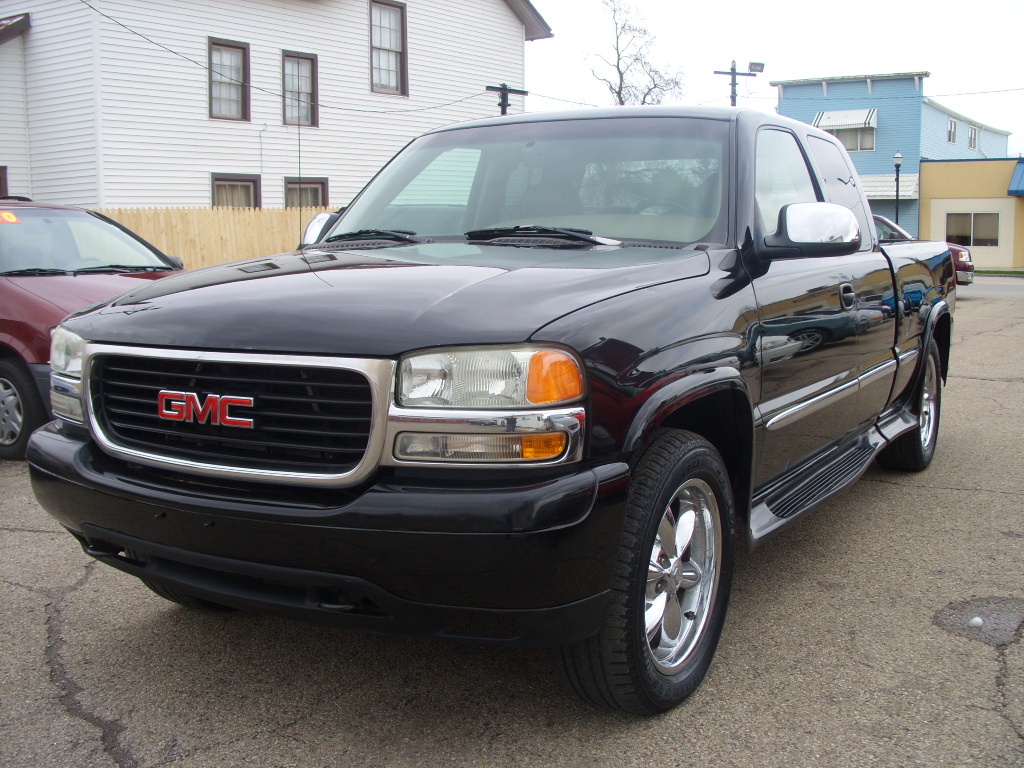
6. GMC Sierra 1500 (1999–2006)
The GMC Sierra 1500 from this era shares much of its DNA with the Chevrolet Silverado, which is no surprise considering their shared platform. However, the Sierra tended to carry slightly more upscale trims and features, making it a popular choice for both work and comfort.
Despite the strong reputation of its body and components, the engines, especially the 5.3L Vortec, didn’t always make it to the finish line without issues.
Excessive oil consumption and cracked cylinder heads were known to occur in high-mileage examples, yet many owners chose to repair or replace the engine because everything else about the truck still functioned well.
The interior of the Sierra was built to a slightly higher standard than most work trucks, with better insulation, smoother ride quality, and more refined features.
These aging interiors have held up better than many would expect, with seats, controls, and trim often remaining in decent shape long after the odometer passed 200,000 miles.
The attention to interior comfort encouraged many owners to keep their Sierras instead of replacing them, especially when the cabin still felt usable and familiar after years of use.
Another strength of the Sierra was its adaptable chassis and suspension setup. Capable of handling a variety of load conditions, the truck’s underpinnings remained solid even when the engine didn’t.
The availability of engine replacements and rebuild kits made it possible to keep these trucks on the road for a long time. The simplicity of the mechanical layout also made it easier for shade-tree mechanics and professionals alike to swap in new powertrains and get back on the road without too much downtime.
There’s a growing niche of Sierra 1500 owners who actively seek out used models with blown engines at discounted prices. They know that with a rebuilt or upgraded engine, the truck can easily serve another ten years.
These trucks have become reliable platforms for custom builds, workhorses, or daily drivers. Even though the engine may have given out, the rest of the Sierra often remains in such good condition that walking away from it doesn’t make sense, especially when a new engine can give it a whole second life.
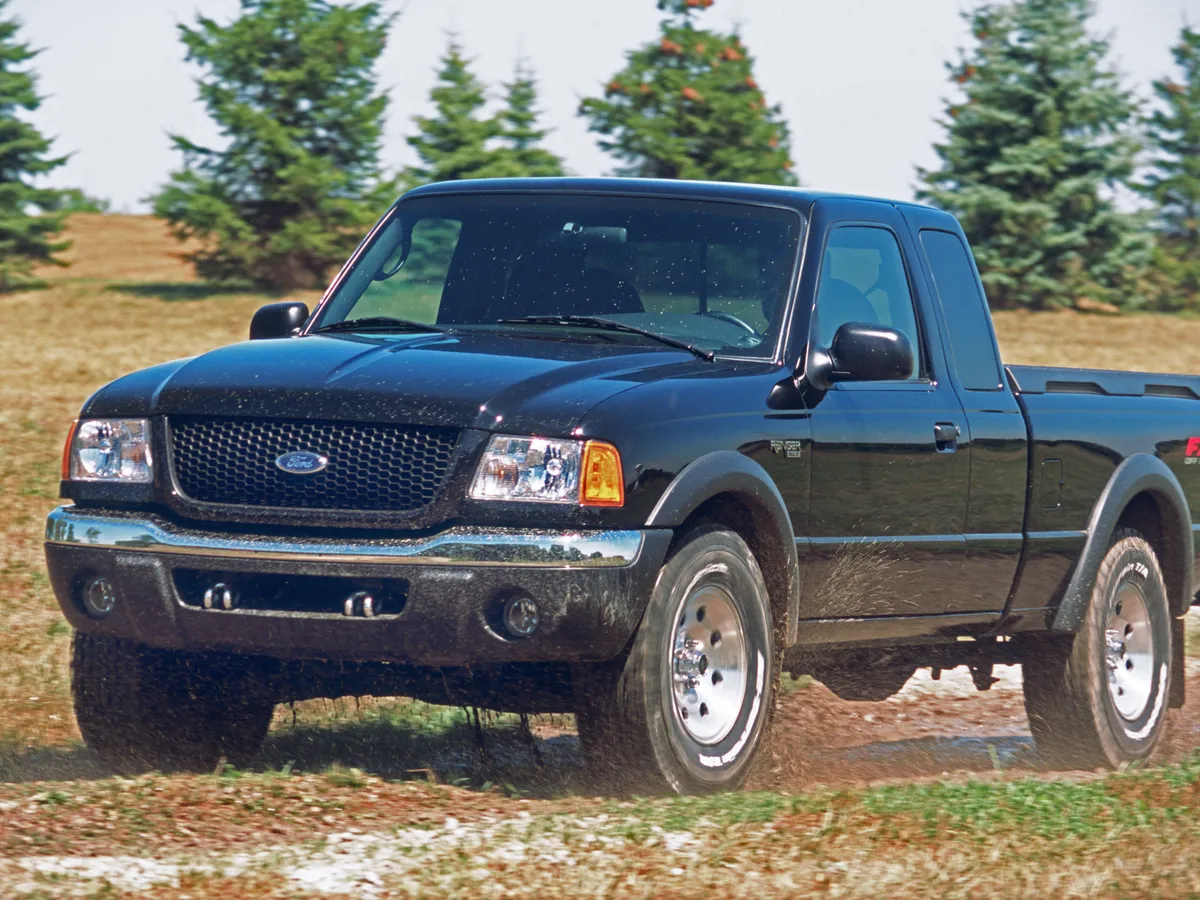
7. Ford Ranger (1989–2011)
The Ford Ranger has long held a place in the compact and midsize truck market as a dependable, low-cost option that could handle more than it looked capable of. Spanning several generations, the Ranger was a staple among tradespeople, students, and small business owners.
While many of the engines, especially the early four-cylinder options, were known for their longevity, others eventually wore out after years of consistent use.
However, this didn’t mark the end for most Rangers, as their solid frame and simple design made them prime candidates for engine replacement.
One of the standout features of the Ranger was how mechanically approachable it was. The layout under the hood was straightforward, with plenty of space to access critical components.
This encouraged not just mechanics but also hobbyists and first-time truck owners to get their hands dirty.
When the engine finally failed, it was far easier, and cheaper, to install a new one than it would be in most modern trucks. Many owners took this route without hesitation, especially when the rest of the truck still had life in it.
Rangers were built for practical use, and their interiors reflected that focus. Though basic, they were durable, easy to clean, and resistant to wear. You could spill a toolbox or drag in muddy boots, and the truck wouldn’t complain.
This utilitarian resilience extended to the frame and suspension, which held up well to repeated abuse. Whether used for light construction work or as a daily driver, the Ranger often kept running with only minor non-engine repairs. So, when the engine did wear out, most owners felt it was worth the effort to replace it.
Even now, older Ford Rangers are commonly seen with swapped engines, some even using upgraded V6 powerplants for added strength. These trucks continue to be valued for their reliability and simplicity. They aren’t flashy, but they’re dependable, and that makes all the difference.
The Ranger has shown again and again that it’s more than just its engine. It’s a truck that keeps going, even when the original motor doesn’t.
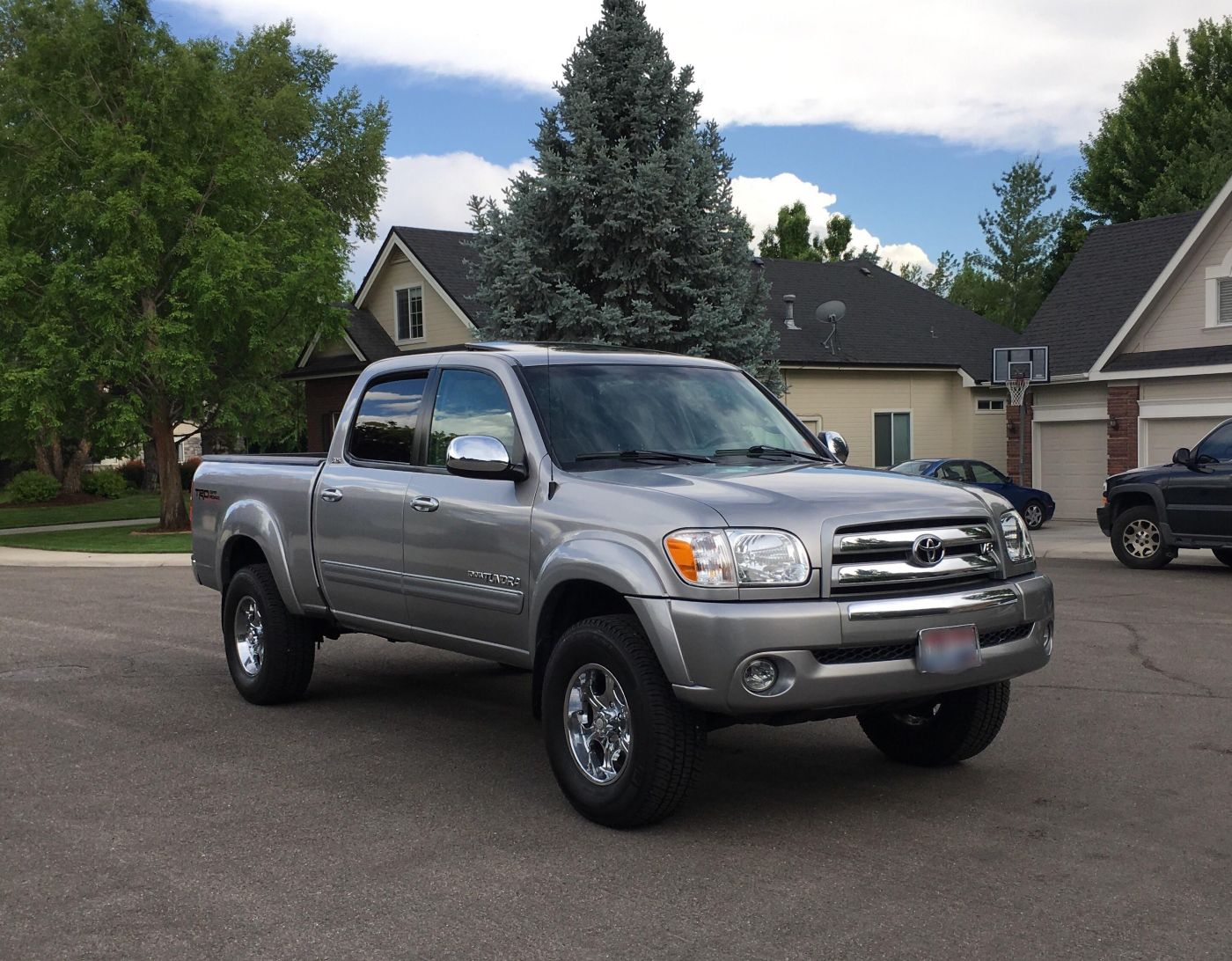
8. Toyota Tundra (2000–2006)
The first-generation Toyota Tundra was Toyota’s answer to the full-size truck market, and it hit the ground running with a mix of durability and performance. With a smooth V8 engine and a well-built body, it became a favorite among those who wanted a truck that could last.
Still, even the mighty 4.7L i-Force V8 wasn’t immune to wear, and over time, many engines developed oil leaks, timing belt issues, or simply wore out after crossing the 200,000-mile mark. But instead of letting the truck go, owners often chose to install a rebuilt or even a performance-tuned engine to keep the Tundra in service.
One of the reasons the Tundra lived beyond its engine was because of its build quality. The truck’s body panels were thick and resisted rust better than many domestic rivals. The paint held up well over the years, and the interiors were designed with quality materials that didn’t fall apart easily.
Even after hundreds of thousands of miles, it wasn’t unusual to find the seats, dash, and electronics still in good shape. So when the engine started to go, the rest of the vehicle still had value, and owners saw that.
Another point in the Tundra’s favor was the loyalty of its fanbase and the strength of its aftermarket support. Toyota engines are relatively easy to find, and the 4.7L engine was shared with other Toyota vehicles, making replacement options easier and more affordable.
Some owners even upgraded to newer versions of the engine or made performance tweaks while swapping, extending the usefulness and fun of the truck even further. This made the Tundra not just a candidate for engine replacement but a platform for long-term ownership and customization.
Today, first-gen Tundras are still widely respected for their reliability. You’ll often find them pulling trailers, working on farms, or hauling supplies for small businesses. Many are on their second engines, and some even their third.
These trucks didn’t just win owners over with their engines, they earned their place through smart design, rugged materials, and the kind of durability that doesn’t disappear when the engine dies.
They outlast their engines, not because the engines were weak, but because the rest of the truck refuses to quit.
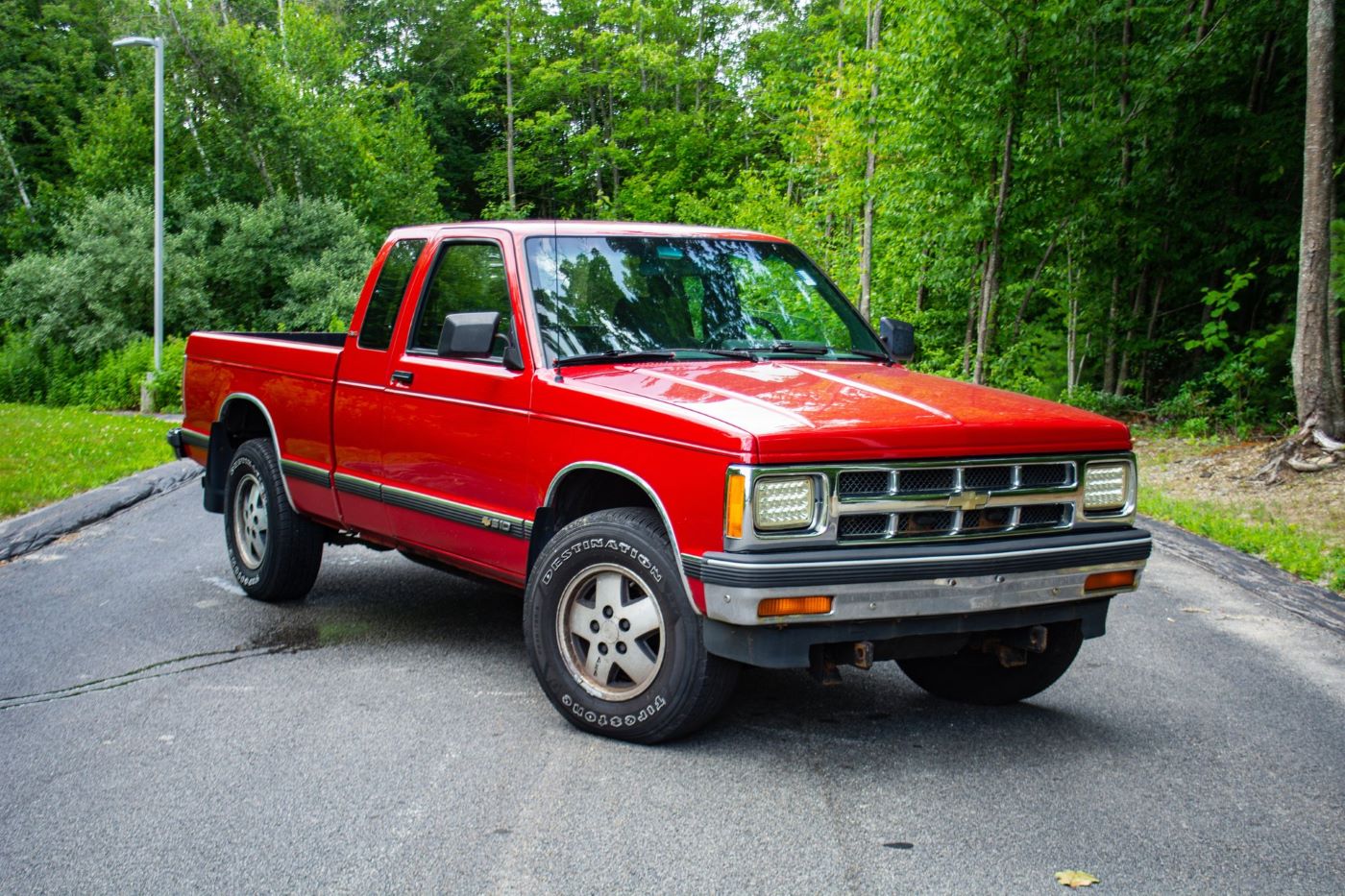
9. Chevrolet S-10 (1994–2004)
The Chevrolet S-10 is a compact truck that gained a reputation for being a reliable and cost-effective workhorse. It wasn’t flashy or overbuilt, but that was part of its charm. It did exactly what it was supposed to do: carry loads, get through tough winters, and last for years.
Still, many of the 2.2L inline-4 and 4.3L V6 engines eventually developed serious mechanical issues after prolonged use. Blown head gaskets, failing fuel systems, and worn timing chains became common after 150,000 miles. Yet, for some reason, owners didn’t just move on, they replaced the engine and kept the truck alive.
One of the reasons the S-10 saw a second life after engine failure was due to its rugged and well-proportioned frame.
It didn’t suffer from excessive body rust in most regions, and the suspension held up well even under moderate abuse. The layout of the undercarriage was simple, and replacement parts were inexpensive.
For many owners, replacing the engine made more economic sense than scrapping the vehicle altogether, especially if they’d already invested in maintaining the rest of the truck.
The interiors of the S-10 were not luxurious by any stretch, but they were practical and easy to clean. The seating materials often lasted far longer than expected, and electronic features were limited, which ironically increased long-term reliability.
This minimalism worked in the truck’s favor because it gave fewer points of failure. When the engine stopped working, it often felt like just one isolated problem in an otherwise solid truck. Many owners who replaced the engine were happy to do so, knowing that everything else still functioned without issue.
Even today, S-10s with engine swaps are a common sight, especially in rural areas and smaller towns. They are also favorites for customization and hot-rodding because of their lightweight frame and simple layout. These trucks often live well beyond what their factory engines were designed for.
Whether they’re used for work, hunting, or basic transport, they continue to run years after their original engines have given up. They’re an example of how simplicity and solid engineering can give a vehicle life beyond its core mechanical failures.
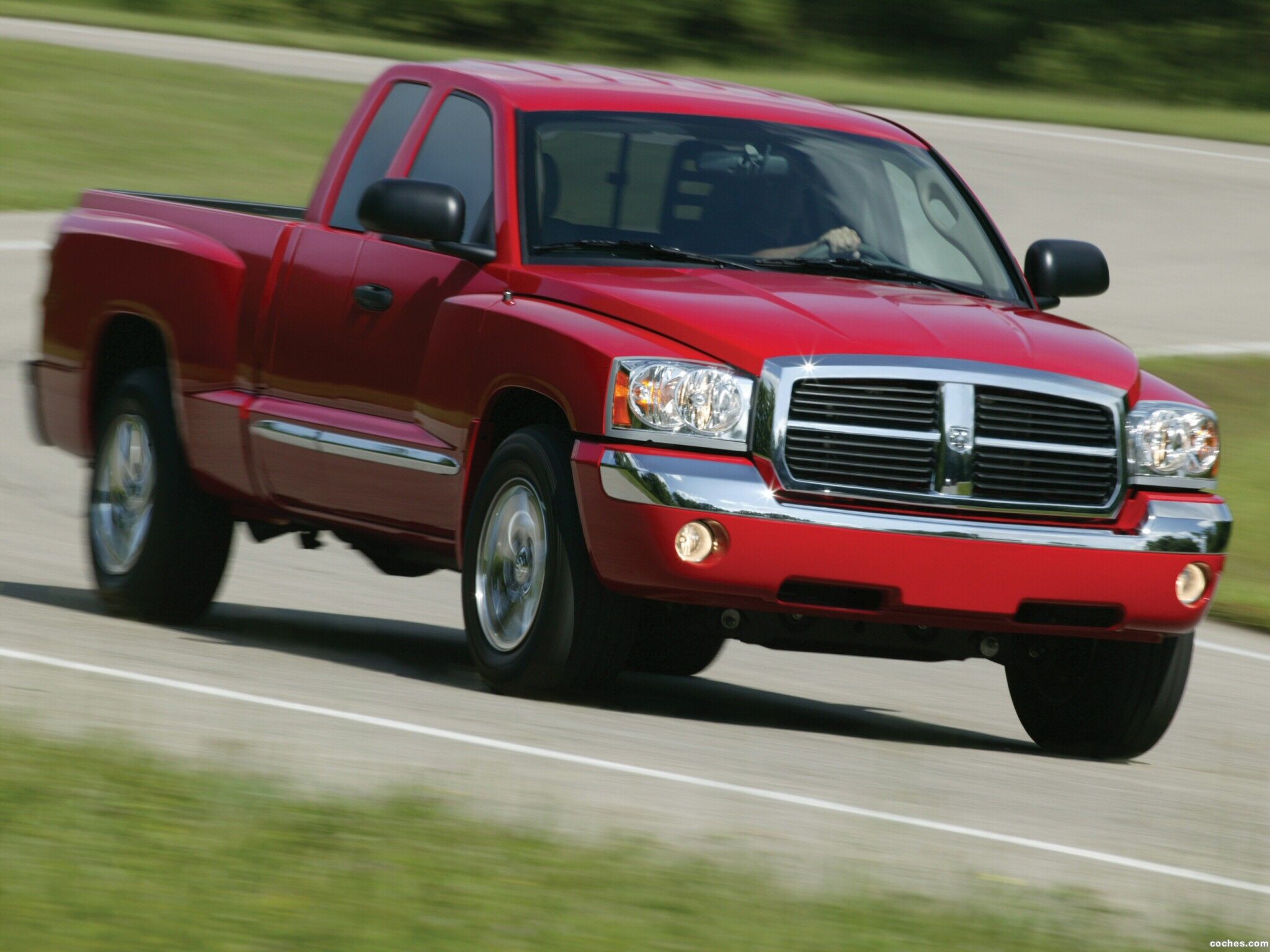
10. Dodge Dakota (1997–2004)
The Dodge Dakota filled a unique space in the truck world as a midsize option that offered the utility of a full-size truck without the bulk. It was the go-to option for drivers who needed something bigger than a compact truck but didn’t want the footprint of a Ram 1500.
The early 3.9L and 4.7L V8 engines provided solid performance, but many of them suffered from head gasket issues, oil sludge, or cooling problems after years of heavy use. Even though the engines had their flaws, the Dakota often remained structurally sound, which made engine replacement a viable option.
One of the standout features of the Dakota was its frame strength. While not as massive as full-size trucks, it was built with towing and payload in mind.
The suspension and chassis design helped absorb road abuse effectively, and that allowed the truck to remain mechanically competent long after engine problems appeared.
It wasn’t unusual for owners to tow small trailers or load the bed full of equipment, even with high-mileage trucks. When the engine finally gave out, many found it worthwhile to rebuild or replace the engine because the rest of the platform had more to give.
Another major factor in the Dakota’s post-engine longevity was the widespread availability of parts. Chrysler’s platforms were often shared among various models, making it easier to swap engines and components across vehicles.
Many used Dodge Dakotas with blown engines were brought back to life using junkyard parts or refurbished long blocks.
In some cases, owners even upgraded to more powerful engines to give the aging truck new capabilities. This kind of flexibility kept many Dakotas on the road long past their expected service life.
To this day, it’s not rare to see early-2000s Dakotas doing daily work across construction sites or family farms. They may not win beauty contests or push new technology, but they continue to serve a purpose.
That purpose doesn’t fade just because the original engine fails. With the right replacement, these trucks prove they’re more than just disposable machines, they’re capable tools that can survive a second life and keep going strong.
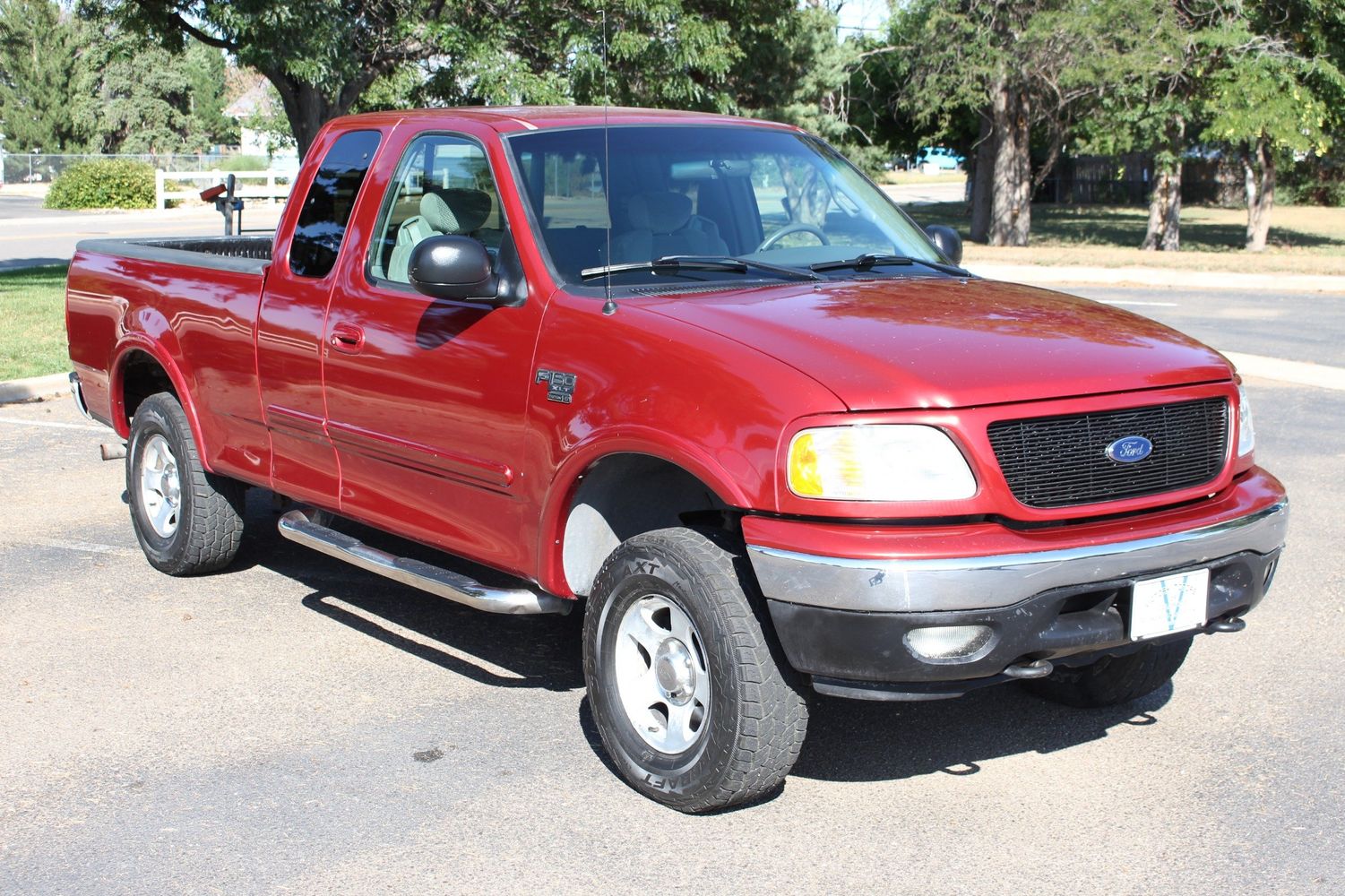
11. Ford F-150 (1997–2003)
The Ford F-150 has been America’s best-selling truck for decades, and models from the late ’90s and early 2000s are still widely respected for their capability. While the trucks themselves were built to last, not all of the engines shared the same level of reliability.
The 4.6L and 5.4L Triton V8s were notorious for problems with spark plug blowouts and timing chain wear. Over time, these engines would begin to show their weaknesses, especially when regular maintenance was skipped.
Still, even after the engines wore out, the rest of the truck often remained in solid condition, prompting owners to keep them alive through engine replacement.
The chassis and frame of this F-150 generation were remarkably strong, able to take the kind of punishment that would cripple less rugged trucks. Whether used for towing, off-roading, or hauling, the suspension and body components typically aged well.
Rust was an issue in certain regions, but trucks that avoided the salt belt often stayed remarkably clean underneath.
For many owners, the only major failure point was the engine itself. This made it an easy decision to invest in an engine swap rather than buying a new vehicle.
Interior features on these trucks were basic but functional, with just enough comfort to make long drives bearable without overcomplicating the design. Cloth seats and plastic dashboards aged better than expected, and electrical systems were generally straightforward.
Many trucks maintained full interior function even after the engine had failed. This reinforced the idea that the vehicle still had value and could be restored to full function with a replacement engine.
In many cases, owners had personal or business reasons to keep the same truck running, making an engine swap a practical solution.
Today, these F-150s continue to be restored and put back into service after engine failures. Some are used as fleet vehicles, while others become project trucks or family workhorses.
Their popularity means that finding parts is rarely a challenge, and engine replacement services are widely available. These trucks are clear examples of how a reliable platform can outlive its powerplant. Even when the heart gives out, the body and soul of the F-150 remain ready for whatever comes next.
