
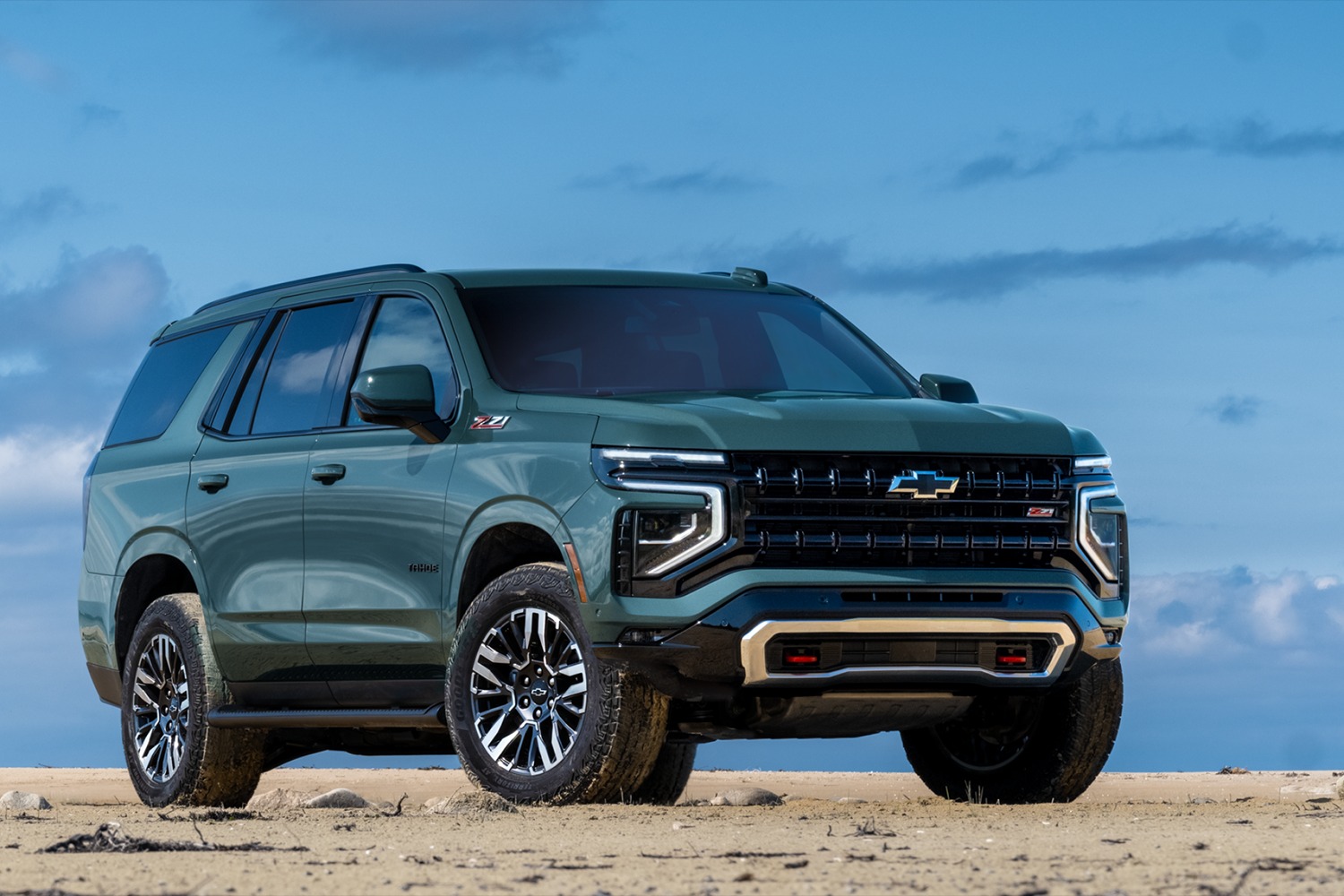
When most people think of a car hitting 300,000 miles, they imagine something barely hanging together, making strange noises, and threatening to quit at any moment. For the majority of vehicles on the road, that kind of mileage usually signals the end of the line.
Engine problems, transmission failures, electrical glitches, and suspension wear all tend to pile up after years of use. Maintenance costs go up, and reliability drops. Yet, there are certain cars that defy those odds. These are the machines that just keep going, long past the point where most others have already been hauled off to the scrapyard.
What makes them different isn’t always about having luxury features or modern technology. Instead, it’s a combination of solid engineering, consistent build quality, and design decisions that prioritize durability over flash.
Some drivers have put hundreds of thousands of miles on their cars with only routine maintenance like oil changes, brake pad replacements, and tire rotations. These aren’t rare exceptions. Certain makes and models have built reputations over decades for being nearly impossible to kill when properly cared for.
It’s not just about luck or getting a good one off the line. These vehicles often come from manufacturers that focus heavily on long-term dependability and have developed mechanical systems that are simple, efficient, and not prone to early failure.
Whether you’re a high-mileage commuter, a rideshare driver, or someone who simply doesn’t want to replace a car every few years, reliability should be high on your list. A car that can reach 300,000 miles without major mechanical failure can save you tens of thousands of dollars over time.
Not only do you avoid the cost of buying a new car every few years, but you also skip the financial and logistical headaches of frequent repairs and breakdowns. It’s the difference between owning a car that’s a tool and one that’s a burden.
This list focuses on eight specific vehicles that are known for reaching that 300,000-mile mark with minimal drama. They’re not necessarily the flashiest or fastest cars on the road, but they’re some of the toughest. Each has proven itself over time to be a true workhorse that asks for little and delivers a lot.
Also Read: 10 Honda Civic Years Still Popular With Daily Drivers
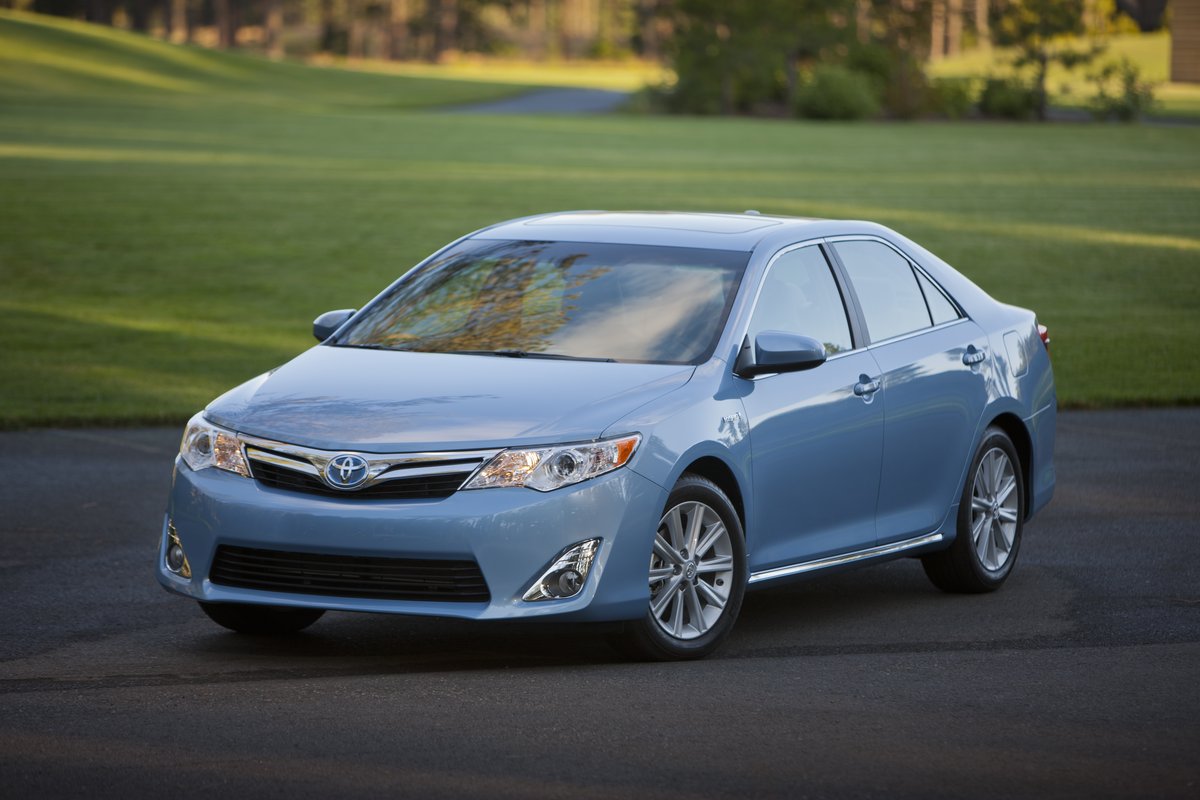
1. Toyota Camry
The Toyota Camry has long been a staple of reliability, and it’s one of those rare vehicles that can stay on the road for decades with proper care. It doesn’t rely on gimmicks or trend-chasing to win buyers. Instead, it sticks to a formula that has worked for generations: quality materials, straightforward engineering, and a reputation built on consistency.
Even the older models from the early 2000s are still found on the road today with odometers that roll past 300,000 miles without major engine or transmission work.
A big reason the Camry lasts so long is its simple but solid powertrain. Toyota’s four-cylinder engines, especially the 2.4L and 2.5L variants, are known for their longevity. They’re not the most exciting engines, but they get the job done without a fuss.
Timing chains instead of belts, minimal turbocharged components, and conservative power tuning help reduce stress on the internal components. The V6 models are also reliable, though the four-cylinders tend to have lower maintenance costs over time.
Another factor in the Camry’s longevity is how Toyota engineers its parts. The suspension components, electrical systems, and interior materials are designed to hold up over the long term. Seats don’t fall apart after 100,000 miles, buttons and switches keep working, and the body panels tend to resist rust better than average.
All of this contributes to a car that feels solid even as the miles add up. It’s not unusual for someone to pass down a Camry through multiple family members over a couple of decades.
Maintenance on a Camry is also easy and relatively affordable. Parts are widely available, and most repairs can be done by independent mechanics without needing specialized tools. This keeps running costs down and increases the likelihood that owners will stick with scheduled service. That consistency, in turn, helps the car last even longer. For anyone looking for a long-term, low-drama daily driver, the Camry continues to be one of the safest bets around.
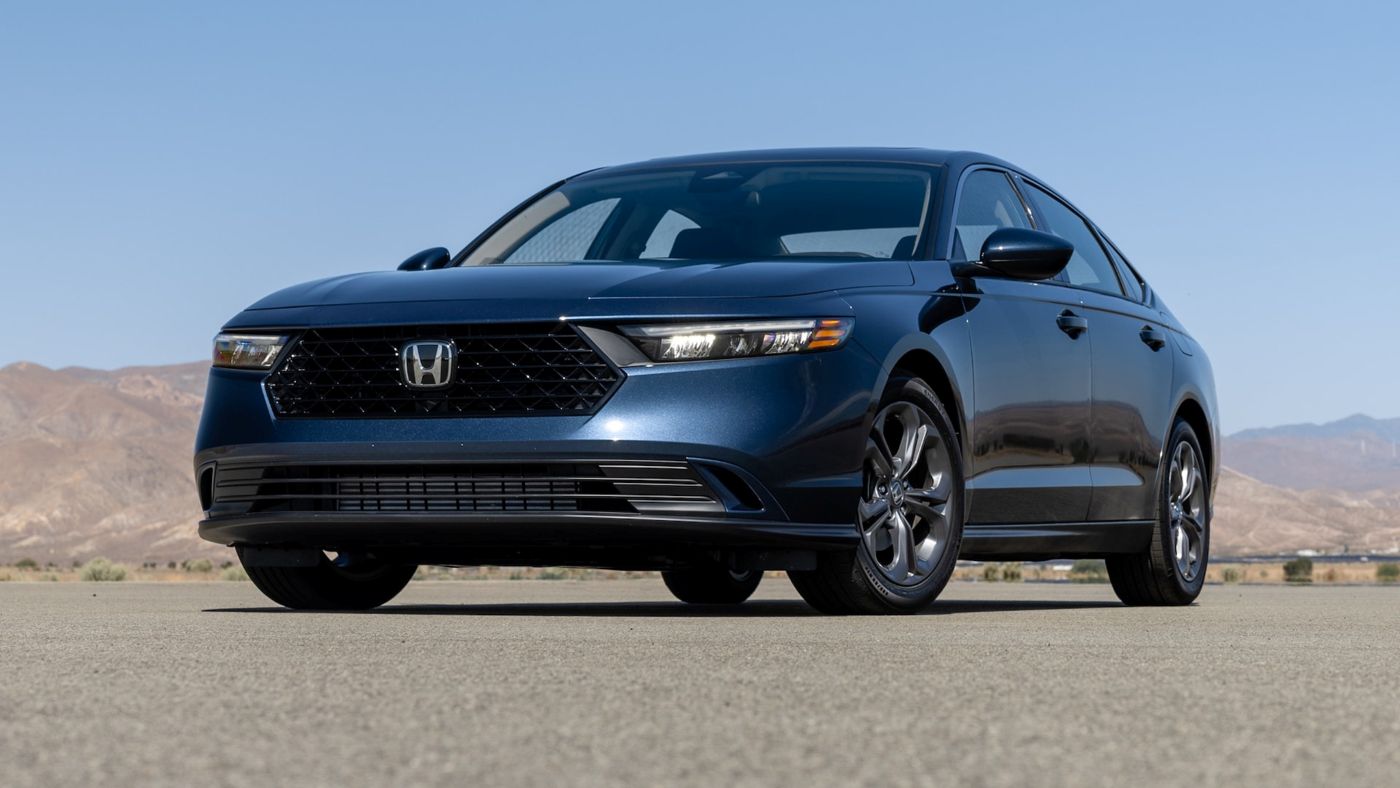
2. Honda Accord
The Honda Accord has a reputation for being a well-balanced vehicle that combines comfort, performance, and reliability in a way that few other midsize sedans can. Known for its smooth engines and strong resale value, the Accord is also one of the most reliable cars when it comes to long-term ownership. Many Accord owners have proudly reported surpassing 300,000 miles on the original engine and transmission, and there’s plenty of documentation to support these claims.
Honda’s engineering philosophy focuses on mechanical simplicity and balance. The engines are known for being particularly resilient, especially the K-series four-cylinder engines that have powered Accords for the better part of two decades.
These engines can handle high mileage without developing leaks, overheating issues, or major internal wear. They’re often mated to automatic transmissions that are not overly complex, which helps reduce the chances of expensive transmission repairs down the line.
One thing that sets the Accord apart is how well it handles wear and tear. It’s not just the engine that holds up. The steering components, wheel bearings, suspension arms, and bushings all seem to age gracefully. Even after years of use, many Accords continue to deliver a tight, responsive ride that doesn’t feel sloppy or unpredictable.
It’s this durability throughout the entire chassis that helps the car retain its value and usability well into the high-mileage territory.
Maintenance costs for the Accord are also manageable, and its popularity ensures that parts are always available. There’s a large network of independent shops that know these cars inside and out, which keeps labor costs down.
Whether it’s a 10-year-old model or one that’s been on the road for 20 years, the Accord is a car that rarely surprises its owners with costly repairs. For drivers who want reliability without giving up driving enjoyment, the Honda Accord remains a top choice.
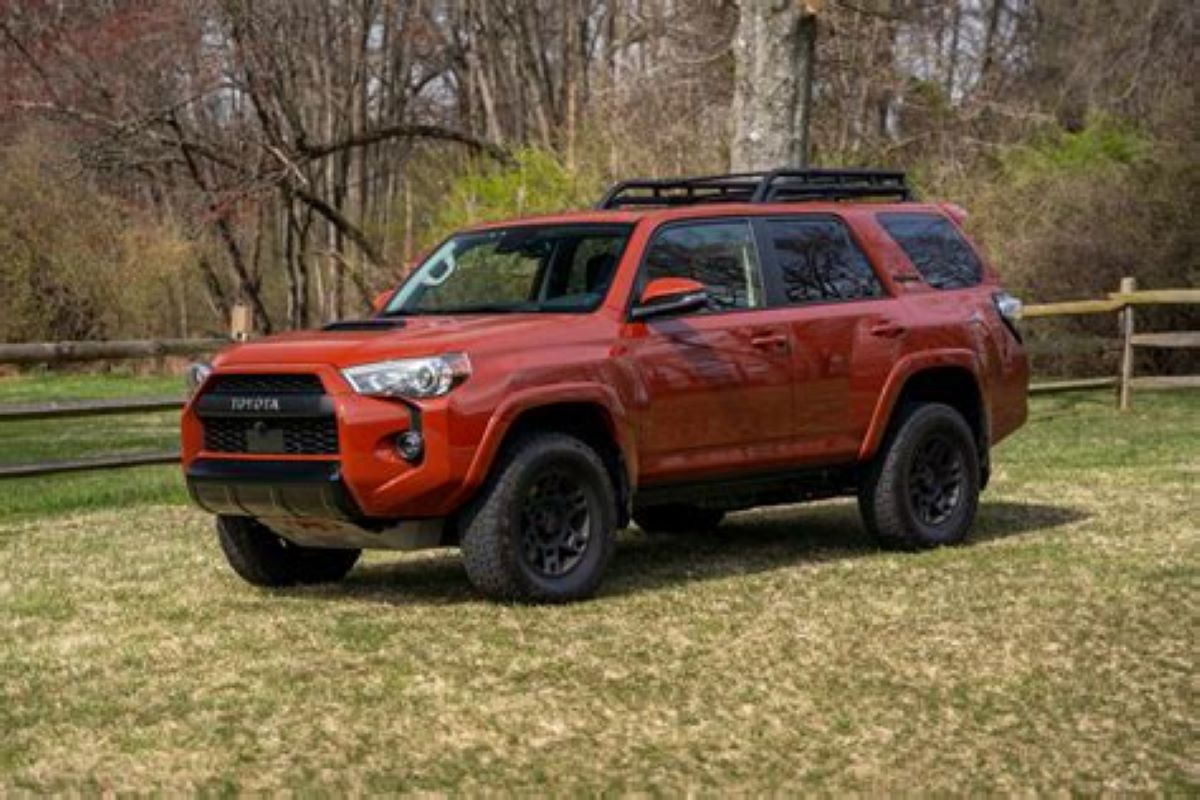
3. Toyota 4Runner
The Toyota 4Runner stands out as a rugged, body-on-frame SUV that continues to win fans for its durability and long-term reliability. Unlike many modern SUVs that prioritize comfort over toughness, the 4Runner maintains an old-school design that’s built for endurance. It’s not unusual to find one with over 300,000 miles still being used for daily driving or off-road excursions. It was built for hard use, and it shows.
One of the key strengths of the 4Runner is its engine. The 4.0L V6 is a proven workhorse that doesn’t struggle under load and doesn’t need to be babied to last. It’s not the most fuel-efficient option, but it is built to take abuse without falling apart. Paired with a strong transmission and solid axles, the drivetrain is one of the most dependable in the SUV category. There’s no fancy turbocharging or delicate components that can fail early. It’s just simple, reliable power.
Owners of 4Runners often praise the suspension setup as well. It’s made to handle tough terrain, which means it also takes city streets and highway miles in stride. The shocks and control arms are easy to replace, and they rarely need attention before very high mileage.
The frame and body structure are also robust, with rust protection and tough weld points that hold up even in rough climates. This makes it popular in northern states where winter salt destroys lesser vehicles.
Another thing working in the 4Runner’s favor is how simple it is to maintain. It was designed with accessibility in mind, so many common repairs can be done at home or at a trusted shop. Aftermarket support is huge, which means replacement parts are easy to find and often cheaper than one might expect for an SUV of this size.
For those who want a dependable, long-lasting SUV that can handle anything from daily commutes to backcountry trails, the Toyota 4Runner continues to be a solid pick.
4. Honda CR-V
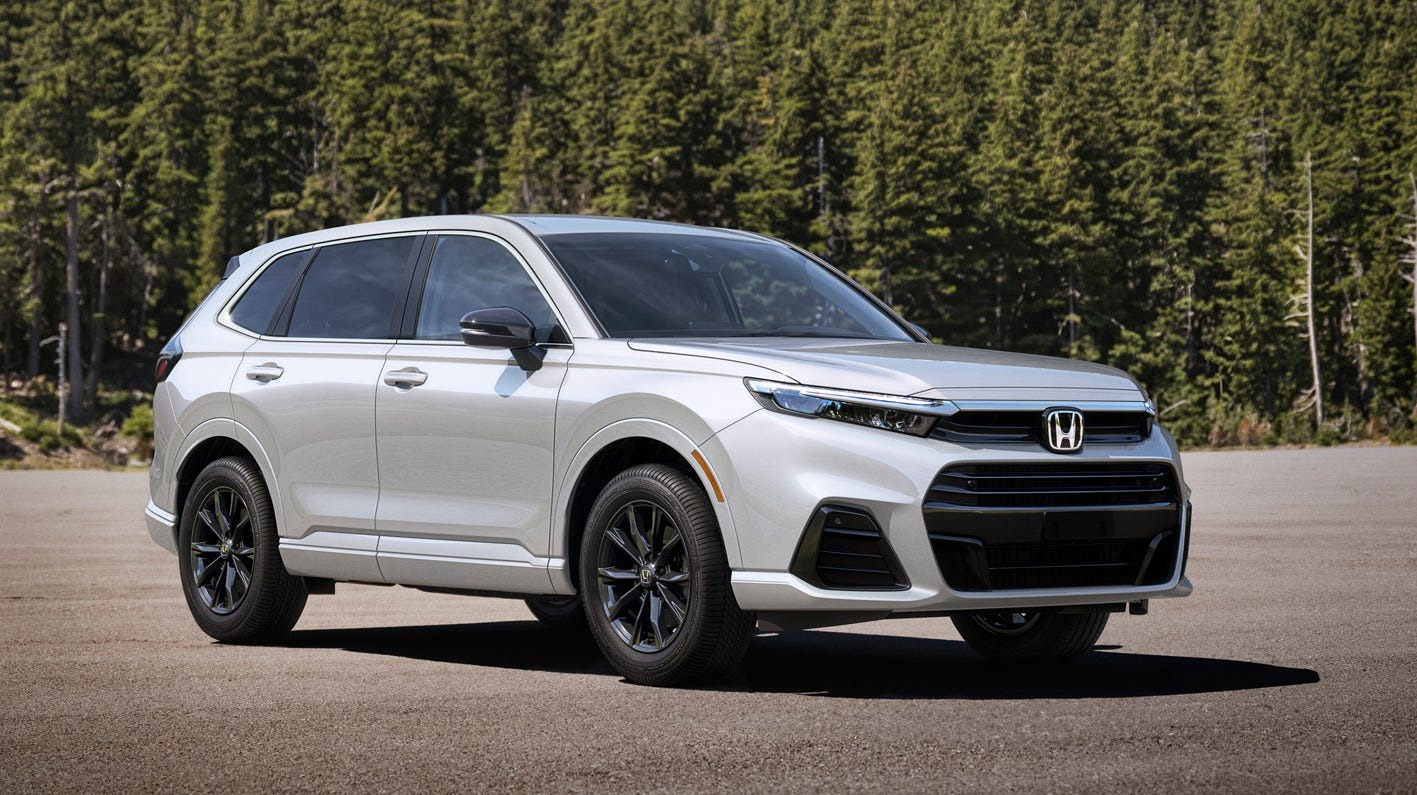
The Honda CR-V has been a mainstay in the compact SUV segment for years, and a big part of its appeal is how incredibly reliable it is. Many owners have driven these vehicles well past 300,000 miles without ever needing to do more than routine maintenance. While it’s not built for off-road adventures or high-performance driving, it excels in one critical area: staying on the road, year after year, with minimal mechanical drama.
The CR-V uses Honda’s famously durable four-cylinder engines, particularly the 2.4L variants from earlier generations. These engines are well-known for their longevity. They don’t suffer from chronic issues like blown head gaskets or faulty timing systems.
Most of them use timing chains, which reduces long-term maintenance. Combined with well-calibrated automatic transmissions, the powertrain is simple, efficient, and able to withstand hundreds of thousands of miles without any major breakdowns.
Where the CR-V really shines is in daily usability. The steering and suspension systems age gracefully, and the interior holds up better than many competitors in its class. Seats don’t fall apart, controls continue to function correctly, and the cabin doesn’t feel like it’s disintegrating after a decade.
The compact size makes it easy to drive, while the large cargo area makes it versatile enough for small families, solo travelers, or even light utility work.
Because it’s so common, the CR-V is also one of the easiest vehicles to repair. Independent shops are familiar with it, parts are readily available, and maintenance is straightforward. You won’t find a maze of unnecessary tech features or complex hybrid components in the older models. This simplicity is one of the biggest reasons it lasts so long. If you want a vehicle that blends long-term reliability with everyday practicality, the Honda CR-V is one of the safest options available.
5. Lexus LS400
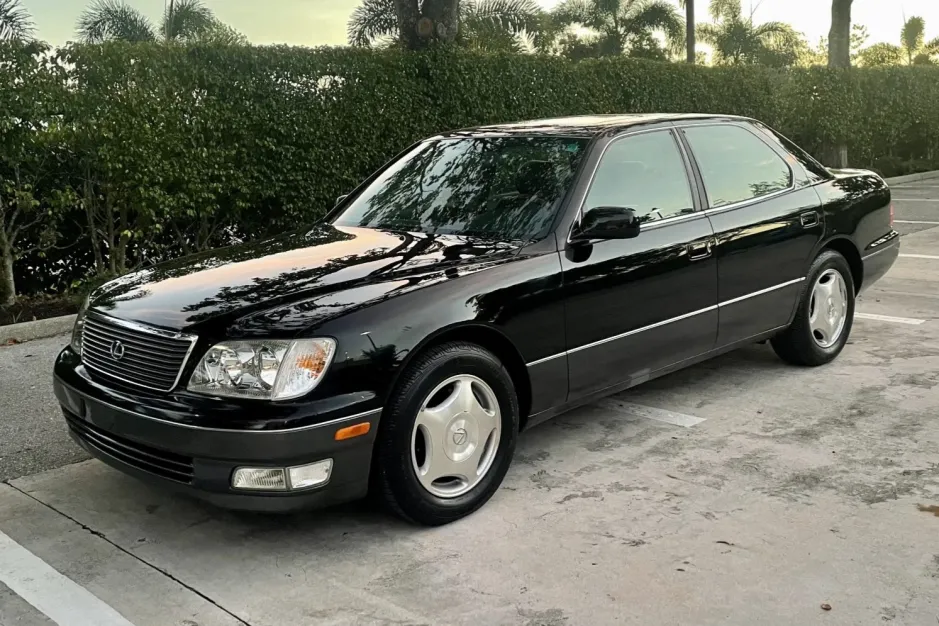
The Lexus LS400 was the vehicle that introduced the world to Lexus as a brand, and it did so with a level of durability and refinement that shocked many. Beneath its quiet luxury exterior, the LS400 is one of the most mechanically solid vehicles ever made.
There are well-documented examples of LS400s reaching 400,000 or even 500,000 miles with only basic upkeep. It was designed to rival the best from Germany, but with a Japanese approach to longevity and reliability.
At the heart of the LS400 is the legendary 1UZ-FE V8 engine. This engine is known for being almost impossible to destroy. Built with an over-engineered block, forged internals, and extremely tight tolerances, it runs quietly and smoothly for hundreds of thousands of miles. It’s not a high-revving sports engine, but it was built for endurance and comfort. Paired with a reliable automatic transmission, this powertrain is one of the most robust ever fitted to a sedan.
The LS400’s suspension system, while refined and smooth, was also built to last. Even with soft ride characteristics, the components don’t fail prematurely. Bushings, mounts, shocks, and ball joints all seem to go the distance when maintained.
The body panels and paint also resist rust, and the interior uses materials that hold up to sun, heat, and wear far better than many competitors. It’s a luxury car that feels far more solid than its price tag might suggest.
Part of what makes the LS400 such a long-lasting vehicle is the simplicity of its design. While it has features typical of a luxury car, it avoids the overly complex electronics and air suspension systems that tend to plague other high-end vehicles.
The result is a luxury experience without the long-term headaches. For those who want comfort, quiet, and unmatched reliability in a sedan, the Lexus LS400 remains a standout even decades after its debut.
Also Read: 10 Least Reliable Cars With CVT Transmissions To Avoid
6. Toyota Land Cruiser
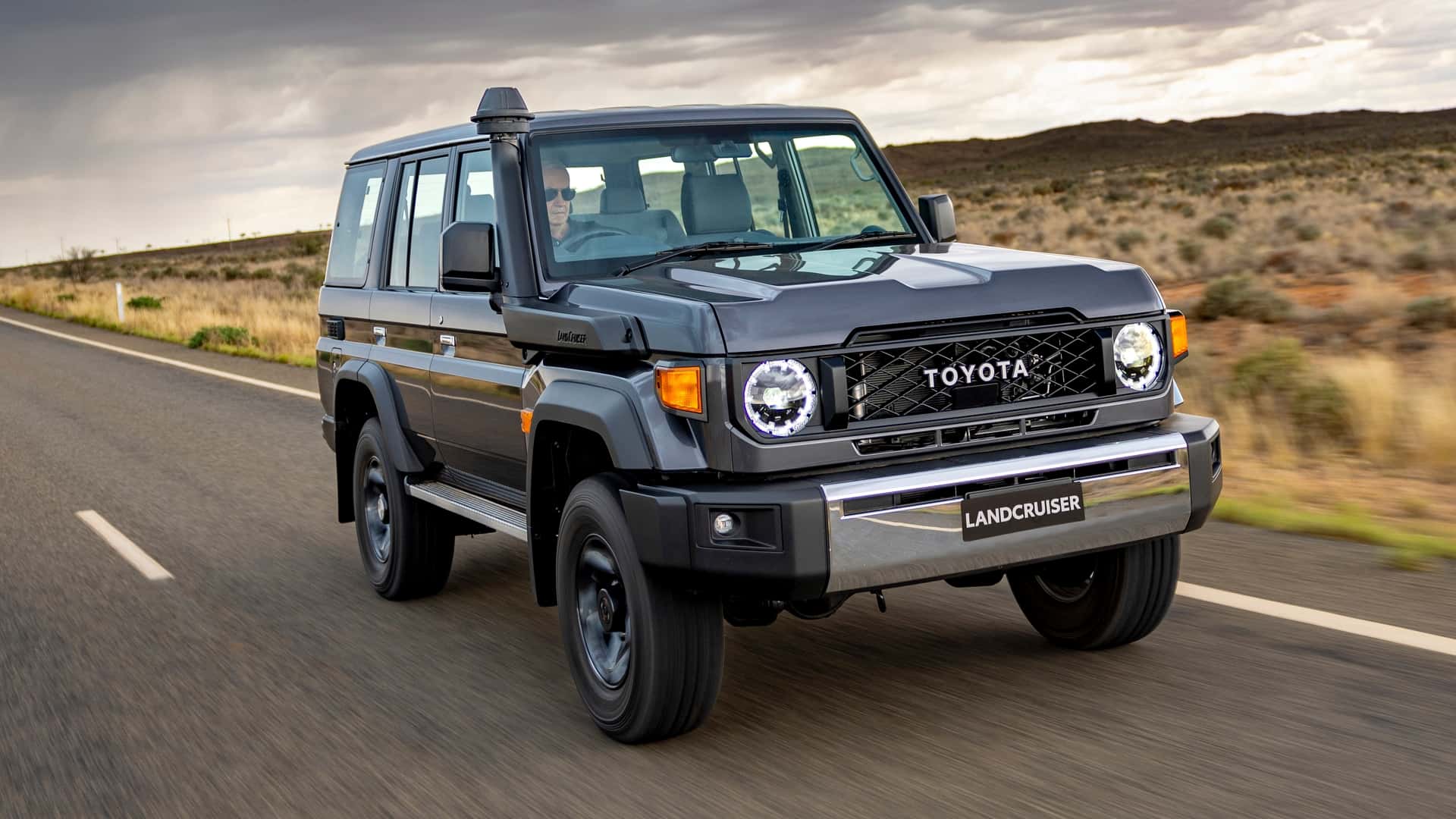
The Toyota Land Cruiser has earned a reputation worldwide for being nearly indestructible. From remote villages to crowded cities, the Land Cruiser has become the go-to vehicle for those who need something that simply will not fail. Built for endurance and tough terrain, it often surpasses 300,000 miles with only basic service. It’s not just an SUV, but a tool designed for longevity in the harshest conditions.
The most common Land Cruiser engine configurations, such as the 4.7L V8 or the older straight-six engines, are incredibly resilient. These engines were built with reliability as the top priority, not performance. They can handle extreme temperatures, poor fuel quality, and heavy towing without skipping a beat. The transmission and drivetrain are equally tough, with full-time 4WD systems and differentials that can endure years of abuse without failure.
The body and frame of the Land Cruiser are also engineered for the long haul. It uses a body-on-frame construction that provides strength and isolation from vibration. The suspension is designed to support both on-road comfort and off-road stability, and many components like the control arms and shocks are overbuilt to handle far more than the average SUV ever will. Corrosion resistance is also strong, especially in markets where the vehicle is used in rough environments.
Another reason for the Land Cruiser’s longevity is its global support network. Since it’s sold in so many countries, parts are widely available and often interchangeable between generations. It’s a vehicle designed to be fixable in the middle of nowhere, which means it’s easy to repair in a typical garage as well.
For those who want a large SUV with true go-anywhere durability and the ability to hit 300,000 miles without losing its edge, the Land Cruiser stands in a class of its own.
7. Subaru Outback
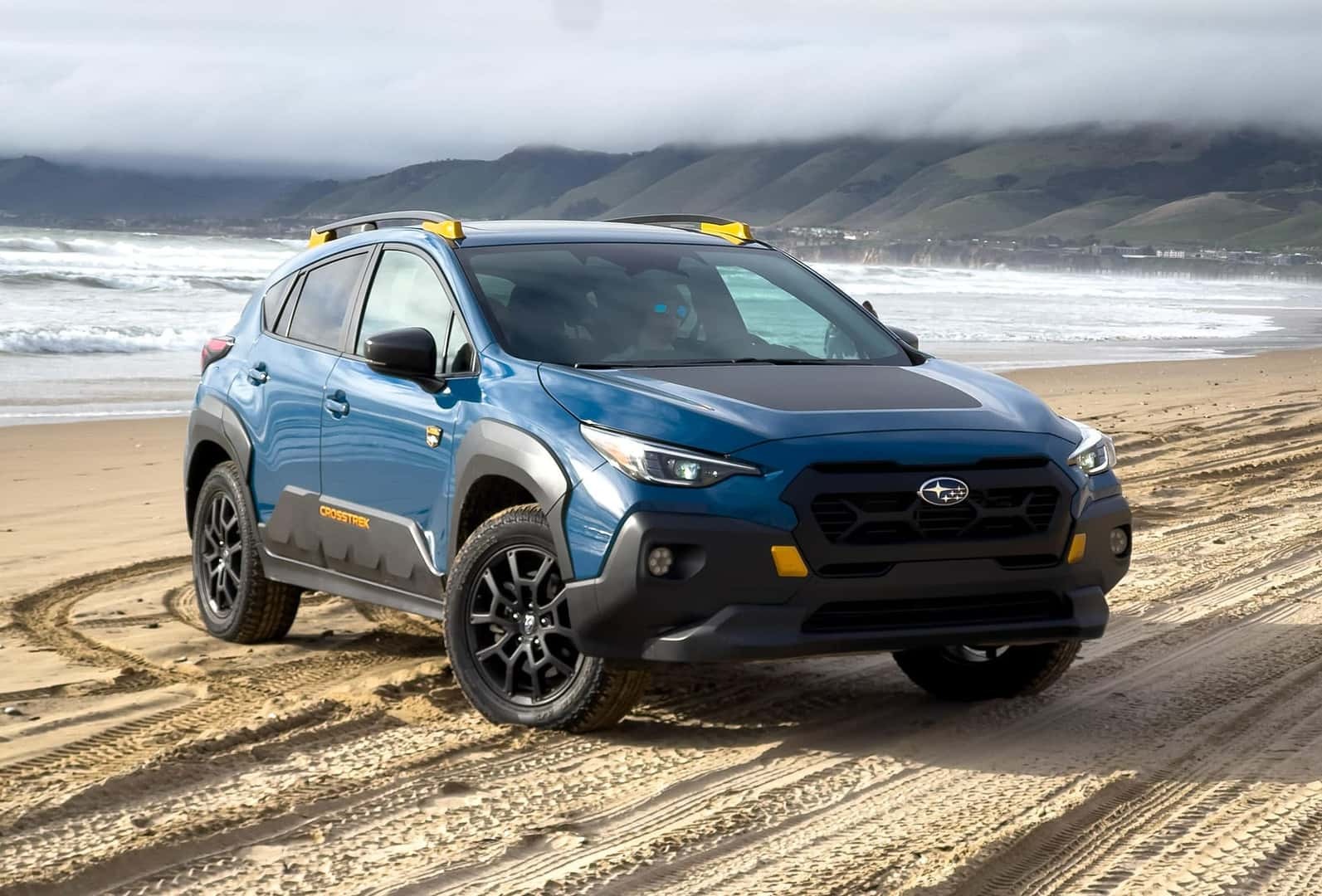
The Subaru Outback is a favorite among outdoor enthusiasts, rural commuters, and people who value a mix of utility and comfort. While Subaru hasn’t always had a perfect track record for reliability, the Outback models from the mid-2000s onward have proven themselves to be capable of going well beyond 300,000 miles when maintained properly. With its all-wheel-drive system and wagon-like practicality, it’s a car that was built to be driven often and driven far.
Subaru’s flat-four engines, especially the non-turbo variants, tend to last the longest. Older models had some head gasket issues, but the company addressed those problems in later generations.
With regular oil changes, cooling system maintenance, and valve inspections, these engines have been known to survive for decades. They’re not designed for high performance, but they are built to keep going mile after mile without excessive wear.
The symmetrical all-wheel-drive system is another major factor in the Outback’s long-term usability. It gives the car excellent traction in all weather conditions without adding complexity or maintenance challenges.
Unlike some other AWD systems, Subaru’s setup is fully integrated into the drivetrain and doesn’t rely on electronic clutches or secondary differentials that can fail prematurely. As long as the fluids are kept clean and the tires are matched, it stays reliable for the long haul.
Interior materials in the Outback are also built with durability in mind. Seats, trim pieces, and cargo areas tend to resist wear and tear better than many competitors. The car’s design favors practicality over luxury, which means fewer fragile features that could break. For drivers who face snow, dirt roads, and long trips into remote areas, the Outback continues to be a dependable companion that can take punishment and keep on rolling.
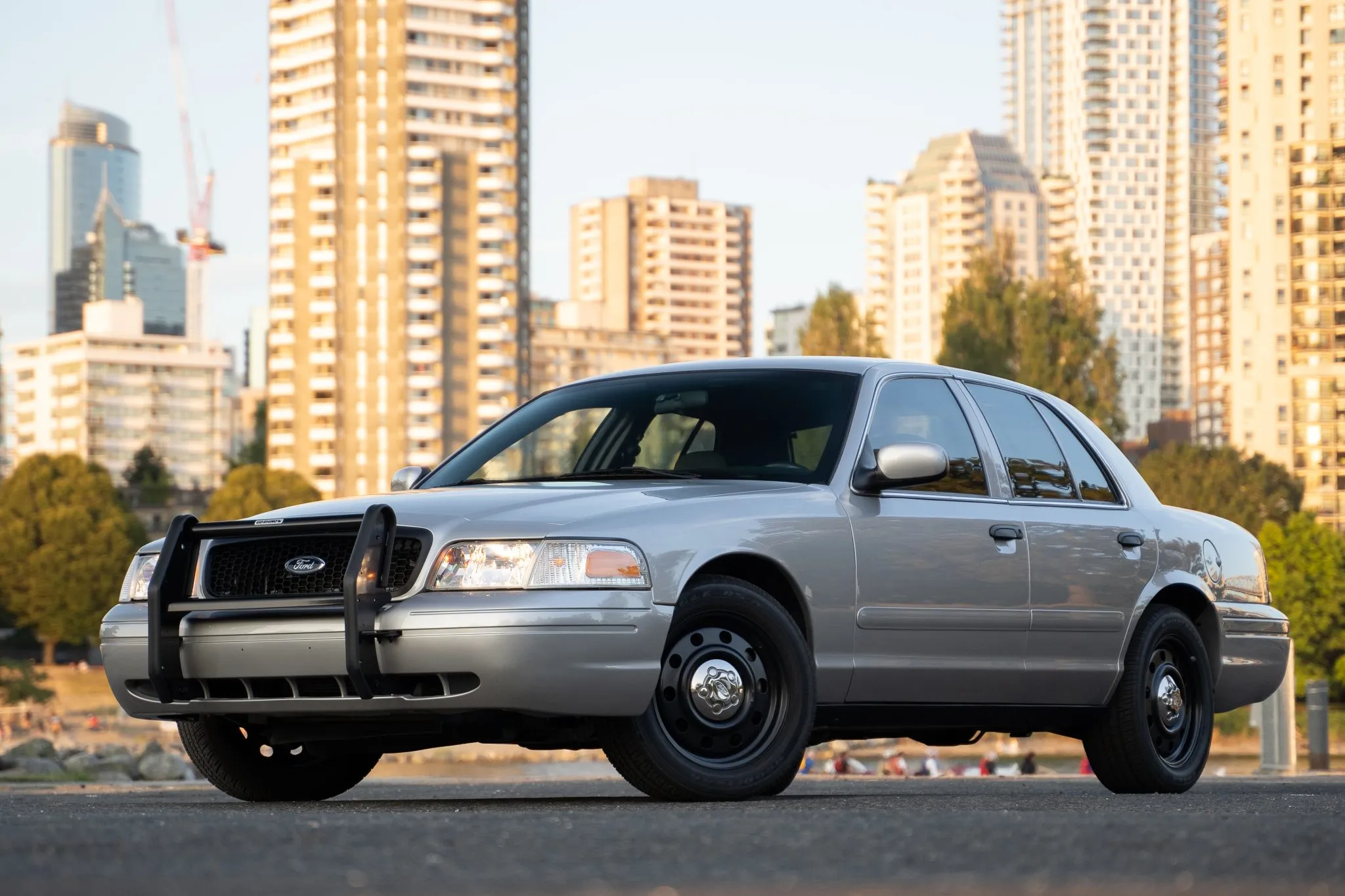
8. Ford Crown Victoria
The Ford Crown Victoria, once the standard for police cruisers and taxis, has earned its reputation as one of the most durable American sedans ever built. While it’s no longer in production, many examples are still on the road today with odometers far past 300,000 miles. It’s not flashy or modern, but it was designed to last through hard use and minimal pampering.
The Crown Vic’s 4.6L V8 engine is a big part of its long-term success. It’s not a powerhouse by today’s standards, but it’s built to run for hundreds of thousands of miles without major problems.
Paired with a solid 4-speed automatic transmission and a traditional rear-wheel-drive layout, the powertrain is straightforward and incredibly dependable. There’s very little in the way of complex technology to go wrong, which helps keep repair costs low.
The suspension system, particularly the front control arms and rear solid axle, was designed with simplicity and durability in mind. These cars were built to handle curbs, potholes, and constant use in city environments. The frame itself is a full-length steel construction, making the car extremely resistant to structural fatigue. Even with high mileage, many Crown Vics still feel solid on the road.
Another strength of the Crown Victoria is how cheap and easy it is to work on. Parts are inexpensive and widely available, thanks in part to the sheer number of units produced. Because it shares many components with other Ford models, mechanics are familiar with it, and there’s plenty of information available for do-it-yourselfers. If you’re looking for a car that will keep going with minimal investment, the Crown Victoria is about as close to indestructible as a full-size sedan can get.
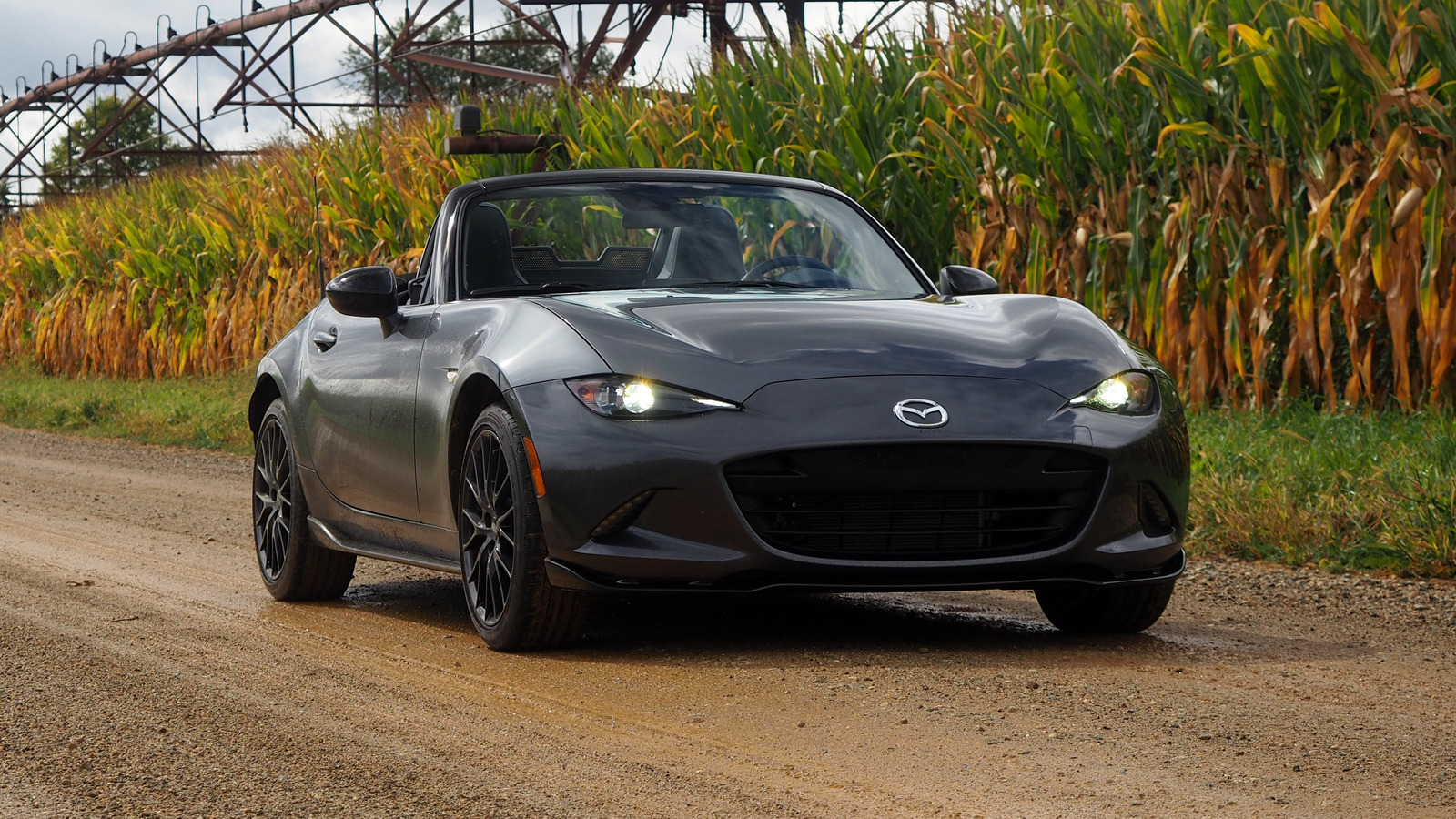
9. Mazda MX-5 Miata
The Mazda MX-5 Miata might surprise some people by making this list, but it absolutely earns its place among long-lasting vehicles. While most sports cars are associated with high-strung engines and complex components, the Miata bucks that trend by focusing on simplicity and mechanical balance.
That focus is a big reason why so many Miatas are still on the road after decades of use. In fact, some owners have driven their cars past 300,000 miles without needing major drivetrain work.
The Miata’s engine choices over the years, particularly the 1.6L and 1.8L inline-fours, are part of what makes the car so resilient. These engines are not pushed to the limit in terms of power output, which gives them breathing room when it comes to wear and tear. With regular oil changes and timing belt or chain maintenance, these motors just keep going. There are countless examples of Miatas with original engines still running strong after hundreds of thousands of miles.
Another key factor is the car’s lightweight construction and simple suspension setup. Because the car is so light, its components don’t wear out as quickly. Brake pads last longer, the clutch takes less of a beating, and the tires don’t wear unevenly as fast.
Even though the Miata is often driven enthusiastically, its minimal curb weight and balanced design keep stress off major components. This helps extend the life of everything from wheel bearings to shocks.
Miata ownership also tends to involve engaged and responsible drivers. The car attracts enthusiasts who often go above and beyond when it comes to maintenance and care. Replacement parts are relatively cheap, the layout is straightforward, and repairs can be done at home with basic tools.
If you want a fun-to-drive car that won’t leave you stranded or break the bank, the Miata is a rare blend of enjoyment and dependability that lasts well beyond 300k with the right attention.
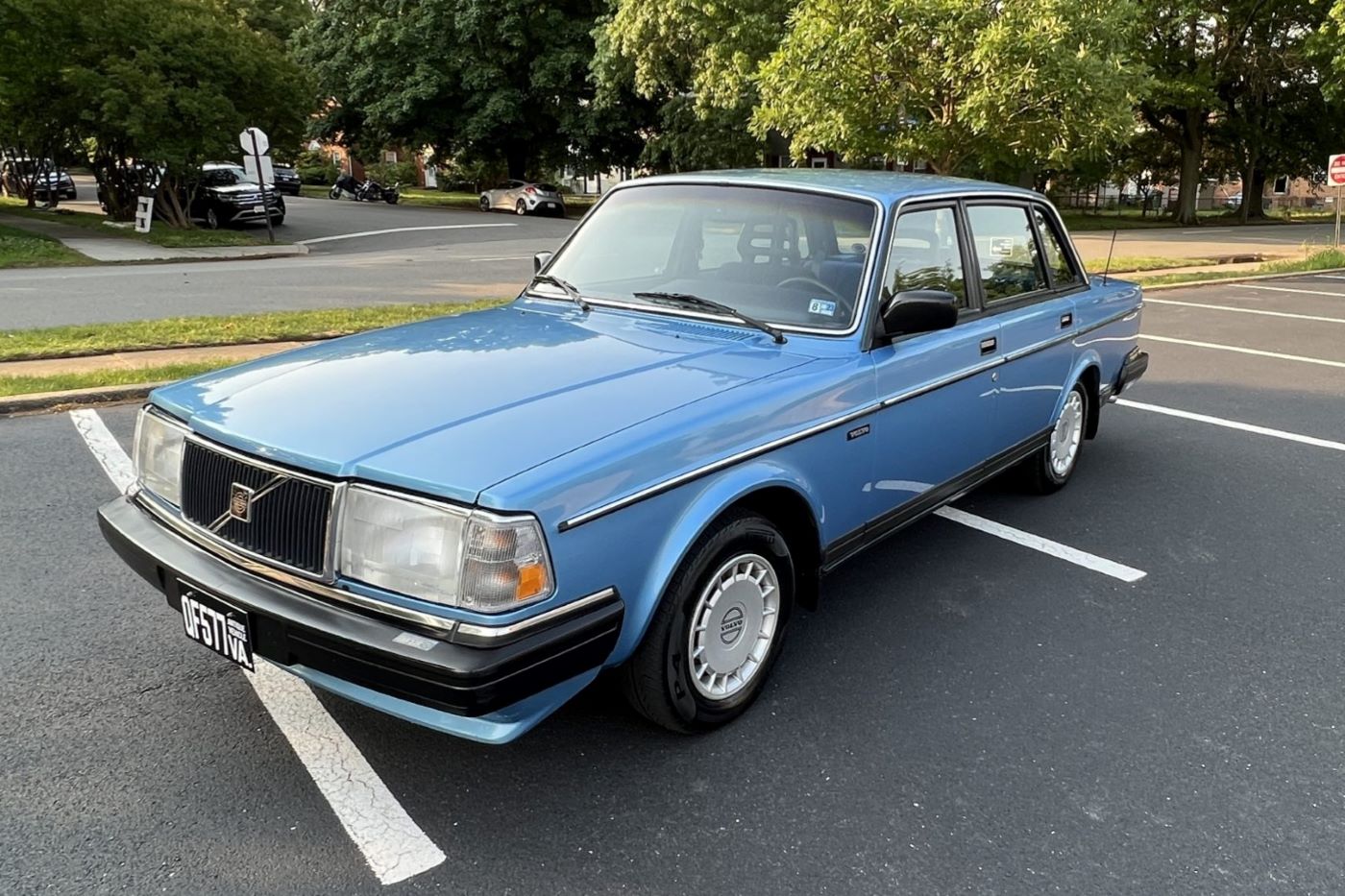
10. Volvo 240
The Volvo 240 has become a cult classic for a reason: it’s practically unkillable. Produced from the mid-1970s through the early 1990s, this boxy Swedish sedan and wagon gained a reputation for reliability, safety, and ease of repair. Many of these cars are still on the road today, often with original engines and transmissions well past the 300,000-mile mark. It’s not flashy or quick, but it gets the job done, and it just keeps doing it, year after year.
One of the biggest reasons the 240 lasts so long is the B21/B230 series of inline-four engines. These motors are incredibly simple, rugged, and designed to run under less-than-ideal conditions. They don’t suffer from overheating, oil starvation, or complicated timing systems. With just basic oil changes and cooling system upkeep, these engines can last almost indefinitely. The lack of turbocharging on most models also reduces internal stress, contributing to engine longevity.
The chassis and suspension are equally overbuilt. Everything from the control arms to the steering rack was designed with durability in mind. You won’t find aluminum arms or complex multi-link rear suspensions here, just straightforward, solid parts that can take abuse without wearing out prematurely.
The 240 was also built with real steel, and its body panels and frame tend to hold up better to rust than many cars from the same era, especially when garaged or kept in drier climates.
The 240’s minimal electronic systems make it less prone to the types of electrical gremlins that plague newer cars. The dashboard, wiring harness, and sensors are easy to diagnose and cheap to replace. This mechanical simplicity means owners can keep their 240s running without frequent trips to a specialist.
There’s a whole community of Volvo enthusiasts that support DIY repair, and the parts availability is surprisingly good even decades later. If you want a classic that refuses to die, the Volvo 240 is about as close to immortal as you can get on four wheels.
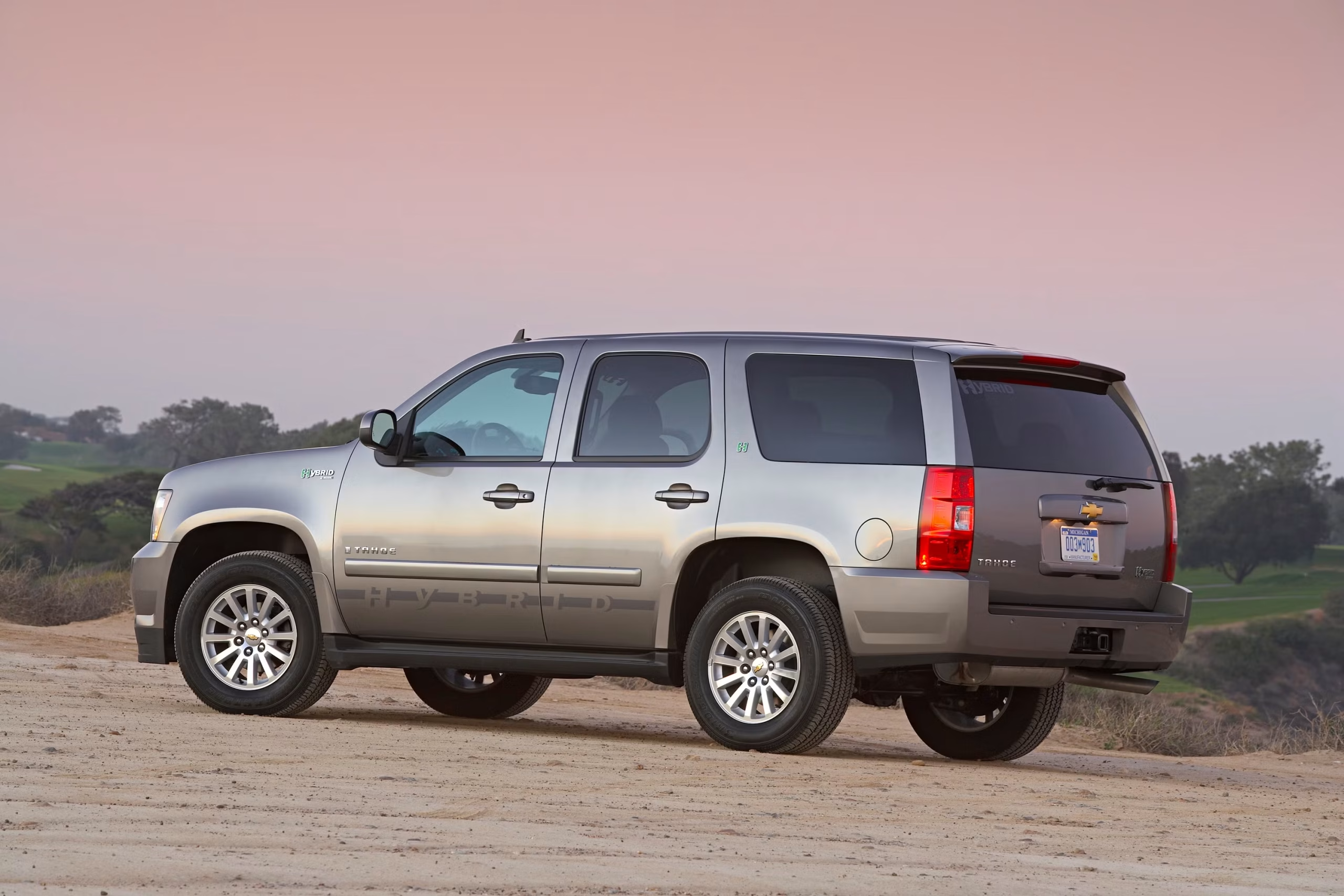
11. Chevrolet Tahoe (2000s Models)
The Chevrolet Tahoe, particularly the models from the early to mid-2000s, has developed a strong reputation for long-term reliability and toughness. Built on the same platform as the Silverado pickup, the Tahoe combines truck-like durability with SUV practicality.
Many of these vehicles have comfortably surpassed the 300,000-mile mark, especially those equipped with the 5.3L Vortec V8 engine. It’s a vehicle that was built to be used, not babied, and it holds up to daily driving, towing, and long-distance travel alike.
The 5.3L V8 engine is one of General Motors’ most durable powerplants. It’s a cast-iron block with aluminum heads and a proven pushrod design. The Vortec V8 is known for running smoothly even after hundreds of thousands of miles, as long as it receives regular oil changes and cooling system maintenance.
Many owners report only minor issues even as the odometer climbs past 300,000 miles, things like sensors or fuel pumps, which are relatively easy fixes compared to a major engine or transmission failure.
The automatic transmission used in these Tahoes, particularly the 4L60E, has a mixed reputation, but when maintained properly with fluid changes and not abused through heavy towing beyond its rating, it often lasts well past 200,000 miles.
Even if a rebuild is needed at some point, it’s a known and relatively inexpensive transmission to repair. The simplicity of the mechanical systems in these models is part of what helps them reach high mileage; you won’t find complex turbo systems or CVTs here.
Another reason the Tahoe lasts is the sheer number of them on the road. Being such a popular SUV in North America, parts are everywhere, and mechanics are familiar with every inch of them. Whether it’s suspension components, drivetrain parts, or body hardware, almost everything is still in production or easily sourced from salvage yards.
Combined with the roomy interior, body-on-frame strength, and straightforward electronics, the Tahoe is a great choice for those looking for a large, long-lasting vehicle that can take years of use and keep going strong.
