
When it comes to cars, most people want something they can rely on. Fancy features and sleek designs are nice, but what matters most to many drivers is a car that starts every time, runs with minimal fuss, and lasts well past the point when others have been sent to the junkyard.
For mechanics, those who deal with the reality of repairs, breakdowns, and wear over the years, certain cars stand out as especially dependable. These are the vehicles that refuse to die.
Some might not be flashy. Some may not even be fast. But year after year, mechanics continue to praise them for their resilience and low maintenance needs.
These cars are not immune to all problems. Every vehicle will need maintenance if it’s driven enough. But the difference here is how these models keep going even when abused, neglected, or driven well past their intended lifespan. Some of them run reliably even after passing 300,000 miles.
Others keep going with original transmissions and engines, even after years of rough use. Mechanics call them “unkillable” not because they’re perfect, but because they hold up better than anything else in their class.
They’re the cars that make their owners shrug when someone asks if it’s time for an upgrade. The answer is usually, “Not yet.”
This list spans different categories, sedans, SUVs, trucks, and even a few unexpected models.
Each one has earned its reputation not through marketing or hype, but through years of real-world testing in garages, shops, and highways. Ask any seasoned mechanic, and chances are you’ll hear these names mentioned often when talking about longevity.
Whether you’re looking for a used car that won’t fall apart or just enjoy hearing about the toughest machines on the road, these 15 vehicles stand as a testament to smart engineering and simple, durable design.
Some have been around for decades, others have newer versions carrying on the legacy, but all of them share one key trait: they’re incredibly hard to kill.
Also Read: 10 Honda Civic Years Still Popular With Daily Drivers
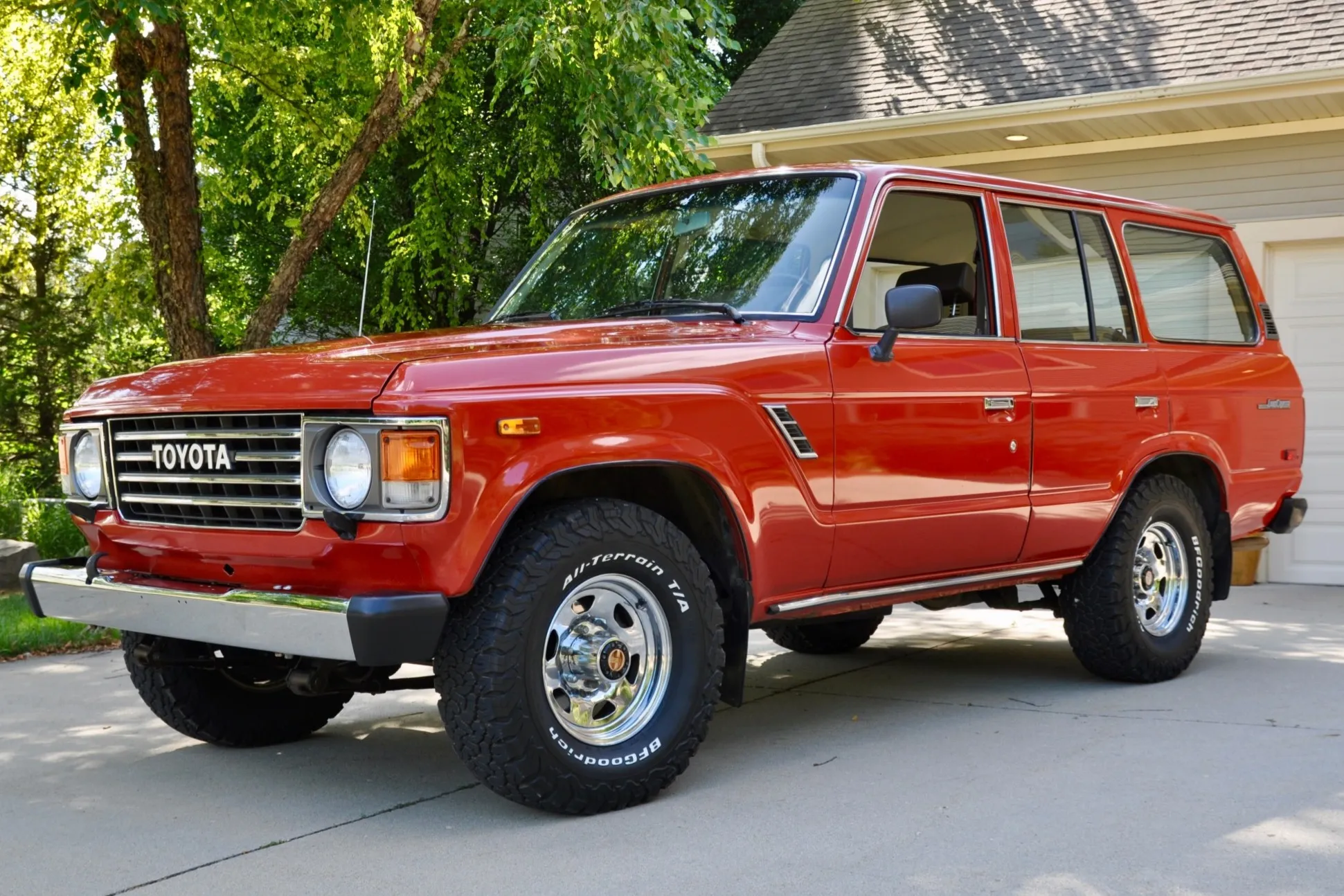
1. Toyota Land Cruiser
Mechanics have long considered the Toyota Land Cruiser one of the toughest vehicles ever built. Its roots stretch back to the 1950s, originally designed as a military vehicle. Over the years, it evolved into a comfortable but highly capable SUV without losing the ruggedness it was known for.
What makes the Land Cruiser nearly impossible to destroy is its over-engineered components. From its powerful inline-6 and V8 engines to its bulletproof drivetrain, the Land Cruiser doesn’t just survive harsh conditions; it thrives in them.
Whether it’s used in city streets, deserts, jungles, or high-mileage road trips, this vehicle has proven it can handle it all.
Even high-mileage Land Cruisers often maintain solid resale value. That’s a sign not just of a loyal following but of confidence in its mechanical integrity. Mechanics frequently report minimal issues with these SUVs even after 200,000 miles, especially when regular maintenance is performed.
Common wear items like brakes and suspension might need replacement, but the core engine and transmission typically stay strong for decades. This isn’t just theory; many Land Cruisers are still operational in remote regions where reliability isn’t a luxury but a necessity.
Some mechanics even describe the Land Cruiser as being built “like a tank.” The suspension is sturdy, the frame is designed to take punishment, and the engine bays are surprisingly easy to work in.
With straightforward electronics and minimal dependence on fragile sensors, older Land Cruisers, in particular, tend to have fewer issues related to electrical failures compared to newer SUVs.
This is a key reason many prefer the older 80- and 100-series models. Fewer electronics mean fewer things to go wrong.
Owners tend to form emotional bonds with their Land Cruisers. Part of that comes from knowing the vehicle won’t let them down. It’s a workhorse, capable of towing, off-roading, or daily commuting without complaint.
For those looking for a long-lasting SUV that can perform in virtually any condition, the Land Cruiser is often at the top of the list.
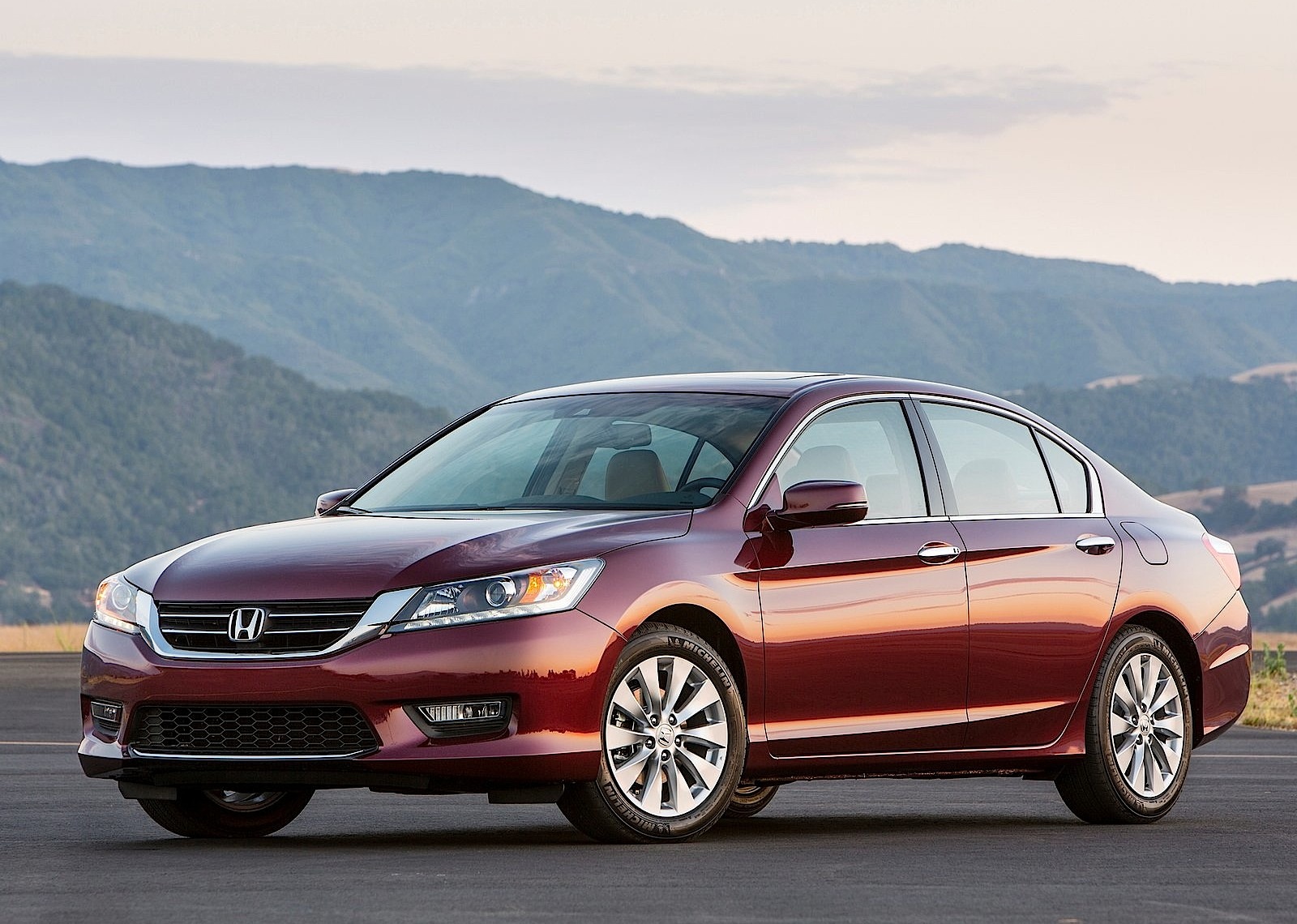
2. Honda Accord
The Honda Accord has built its name on being one of the most practical sedans around. While it may not grab headlines for extreme off-road capability or towing power, it earns its place on this list through sheer endurance.
Mechanics regularly see Accords with well over 250,000 miles still running smoothly. Honda’s approach to design has always emphasized balance, efficient engines, durable transmissions, and straightforward engineering. This makes the Accord not just a smart buy, but a car that doesn’t wear out easily.
One of the strongest points of the Accord is its engine lineup. From the late 1990s onward, Honda produced a series of four-cylinder and V6 engines known for smooth operation and long life. These engines, when maintained properly, tend to have few issues with oil consumption, valve wear, or major internal failure.
Timing belt and water pump changes are routine at higher mileage, but most mechanics find these jobs simple due to the smart engine layout. It’s one of the few cars where mechanics say, “It’s not exciting, but it never breaks.”
Transmission reliability varies by year, but the manual transmissions in particular have an outstanding reputation. Even some automatic versions, especially after the mid-2000s, have proven very dependable.
The chassis is solid, the electrical system rarely suffers from major flaws, and parts are widely available at low cost. From a mechanic’s perspective, the Accord is one of the easiest cars to keep on the road year after year.
The real key to the Accord’s unkillable reputation lies in its owners. Many people buy an Accord and simply never let it go. They service it, use it daily, and eventually hand it down to family members or sell it to someone who needs a cheap, reliable vehicle.
Mechanics love them because they’re easy to repair. Owners love them because they rarely need major repairs. That mutual respect helps keep these cars running far longer than most others in their class.
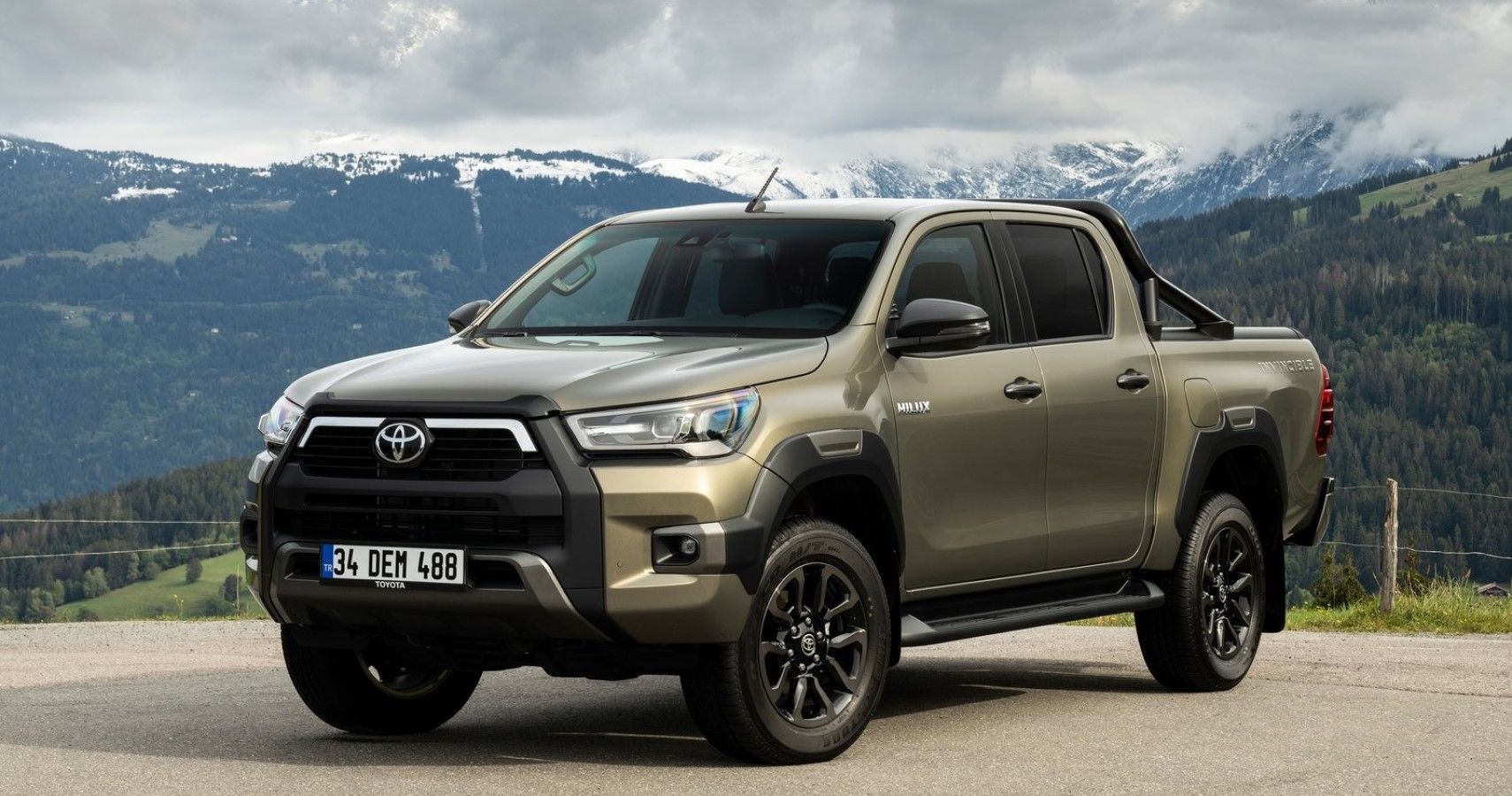
3. Toyota Hilux
If there’s one truck that has earned worldwide recognition for being practically indestructible, it’s the Toyota Hilux. While not sold in the United States under that name, versions of it (like the Toyota Tacoma) have made their way into American garages.
In many parts of the world, especially in rural or developing areas, the Hilux is considered the go-to vehicle for harsh terrain and unreliable road conditions. Mechanics consistently rank it among the most durable trucks ever built.
The Hilux is known for its tough frame, strong diesel engines, and mechanical simplicity. These elements allow it to take a beating and still keep running. It has been tested in extreme environments, from war zones to deserts and frozen tundras.
Some even say that if you drop a Hilux off a cliff, it will still start when you get it to the bottom. That might be an exaggeration, but the reputation exists for a reason. These trucks are simply hard to kill.
Mechanics often point to the older generations of the Hilux, especially those made before electronics took over most systems. These models relied on mechanical fuel injection and manual transmissions, which made them easy to service and unlikely to fail.
They were built with serviceability in mind, making them perfect for environments where parts are scarce and tools are basic. For this reason, they’ve become a favorite among aid workers, explorers, and anyone needing a reliable machine far from civilization.
The Hilux doesn’t win awards for comfort or speed. It’s not luxurious, and many models have a bare-bones interior. But it does what it’s supposed to do: it works.
Mechanics rarely have to deal with serious engine or drivetrain issues, and when they do, the repairs are usually straightforward. As long as basic maintenance is done, the Hilux will usually keep going longer than just about anything else on the road.
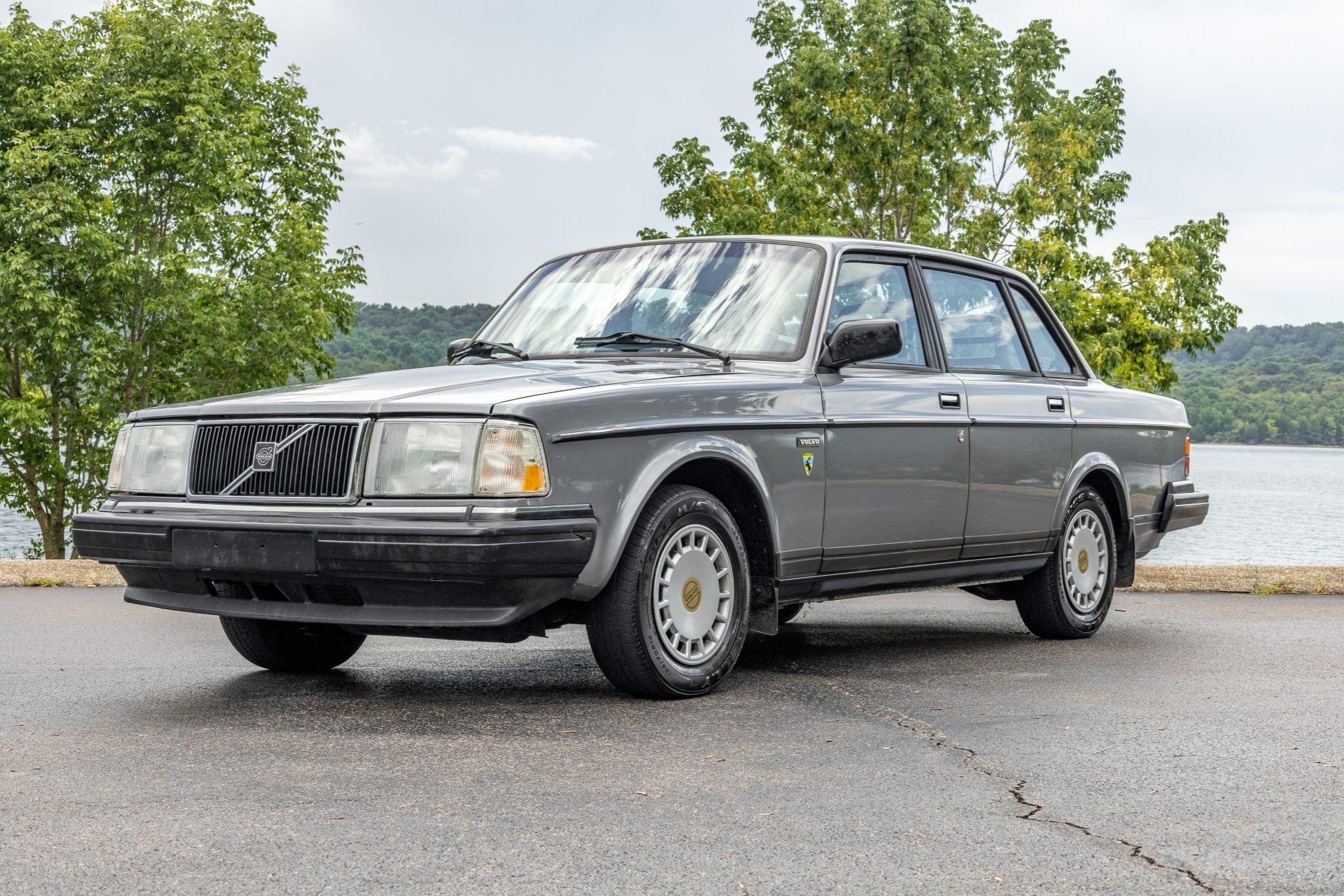
4. Volvo 240
The Volvo 240 is a car that seems frozen in time, both in looks and reliability. Manufactured from the mid-1970s through the early 1990s, it became a symbol of Swedish durability and safety.
While its boxy shape and modest performance may not impress by modern standards, the 240 is a favorite among mechanics for one main reason: it just keeps going.
The car was designed with longevity in mind, and it shows in the materials used, the layout of the components, and the ease with which repairs can be made. Many 240s are still seen on the road today, often with odometers well past the 300,000-mile mark, and mechanics often say they are some of the simplest cars to keep alive.
The engine, especially the B21 and B230 series inline-four engines, is practically immune to abuse. These engines are known for their sturdy construction, thick engine blocks, and straightforward design.
Oil changes, timing belt replacements, and even cylinder head work are easy tasks on these engines, and it’s not uncommon for them to still run like new after hundreds of thousands of miles.
The transmissions, both manual and automatic, are also surprisingly long-lasting, with very few complaints about failure. Combine that with a rear-wheel-drive layout and a nearly indestructible suspension setup, and you’ve got a car that’s not just tough, it’s designed to be easy to keep tough.
Mechanics also appreciate the Volvo 240 for its simplicity. There are few sensors, minimal electronics, and very little to go wrong that can’t be diagnosed with a multimeter and some mechanical knowledge.
This makes it ideal for budget-conscious owners who want to keep their car on the road without needing specialized diagnostic tools.
Parts availability is still good in many places, and used parts are abundant due to the number of 240s that have been parted out over the years. As a result, keeping one alive isn’t just possible, it’s relatively cheap and straightforward.
Another factor that adds to the Volvo 240’s reputation is its design philosophy. It was built with safety and longevity as top priorities, meaning the materials used were more robust than necessary.
Thicker sheet metal, heavy-duty suspension arms, and overbuilt engine components all contribute to the car’s incredible ability to withstand time and abuse. It’s not the fastest or most exciting car ever made, but to many mechanics, the 240 is a masterpiece of simple, smart engineering that refuses to quit.
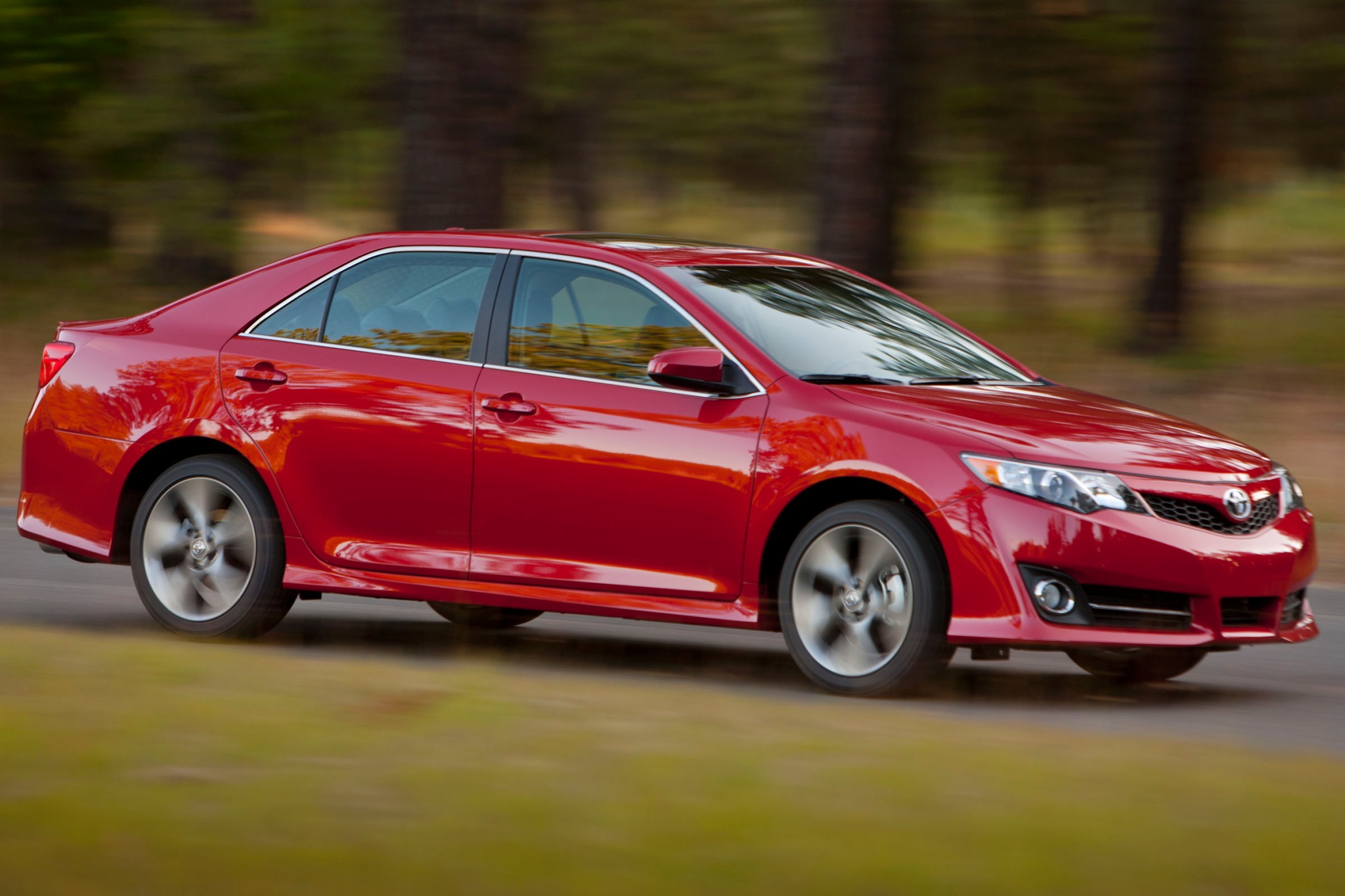
5. Toyota Camry
The Toyota Camry is one of the best-selling sedans in automotive history, and for good reason. It offers a comfortable ride, decent performance, and strong fuel economy.
But what really cements its legacy is its reliability. Mechanics often say that the Camry is the car they recommend when someone just wants something that “won’t give them trouble.”
It may not have the personality of a sports car or the cargo space of an SUV, but it consistently delivers year after year, sometimes for decades. It’s not uncommon to see Camrys from the 1990s still running smoothly with over 300,000 miles on the original engine and transmission.
The most reliable Camry models typically come from the mid-1990s to early 2000s. During this time, Toyota perfected the formula for dependable sedans. The engines, especially the 2.2-liter four-cylinder and the 3.0-liter V6, are known to run smoothly with minimal issues, assuming regular oil changes and timing belt replacements.
These engines are forgiving, even in cases of neglect, and many mechanics have stories of Camrys that came in barely maintained but still ran without any significant engine problems.
The transmissions are equally impressive. With regular fluid changes, even the automatic versions can last hundreds of thousands of miles without requiring a rebuild.
Mechanics also appreciate the Camry’s simplicity. Repairs are usually easy, parts are widely available and affordable, and there are no strange engineering choices that make repairs frustrating.
Everything is laid out logically in the engine bay. Sensors and electronics are minimal, especially in older models, which reduces the number of potential failure points.
Even when something does go wrong, it’s rarely catastrophic and often inexpensive to fix. That’s part of the reason mechanics often describe the Camry as a “set it and forget it” type of vehicle, just do the basics and it will reward you with years of trouble-free driving.
Another reason the Camry is considered unkillable is that it was built for the masses. Toyota designed the car to handle a wide range of conditions, from stop-and-go traffic in hot climates to long-distance driving in colder regions. This versatility required durable parts, flexible engine tuning, and a chassis that could withstand both potholes and long-term use.
For this reason, Camrys tend to age gracefully. Even after 20 years, many are still quiet, smooth, and surprisingly solid-feeling. Mechanics may not get excited working on Camrys, but they certainly respect them for their incredible durability.
Also Read: 10 Least Reliable Cars With CVT Transmissions To Avoid
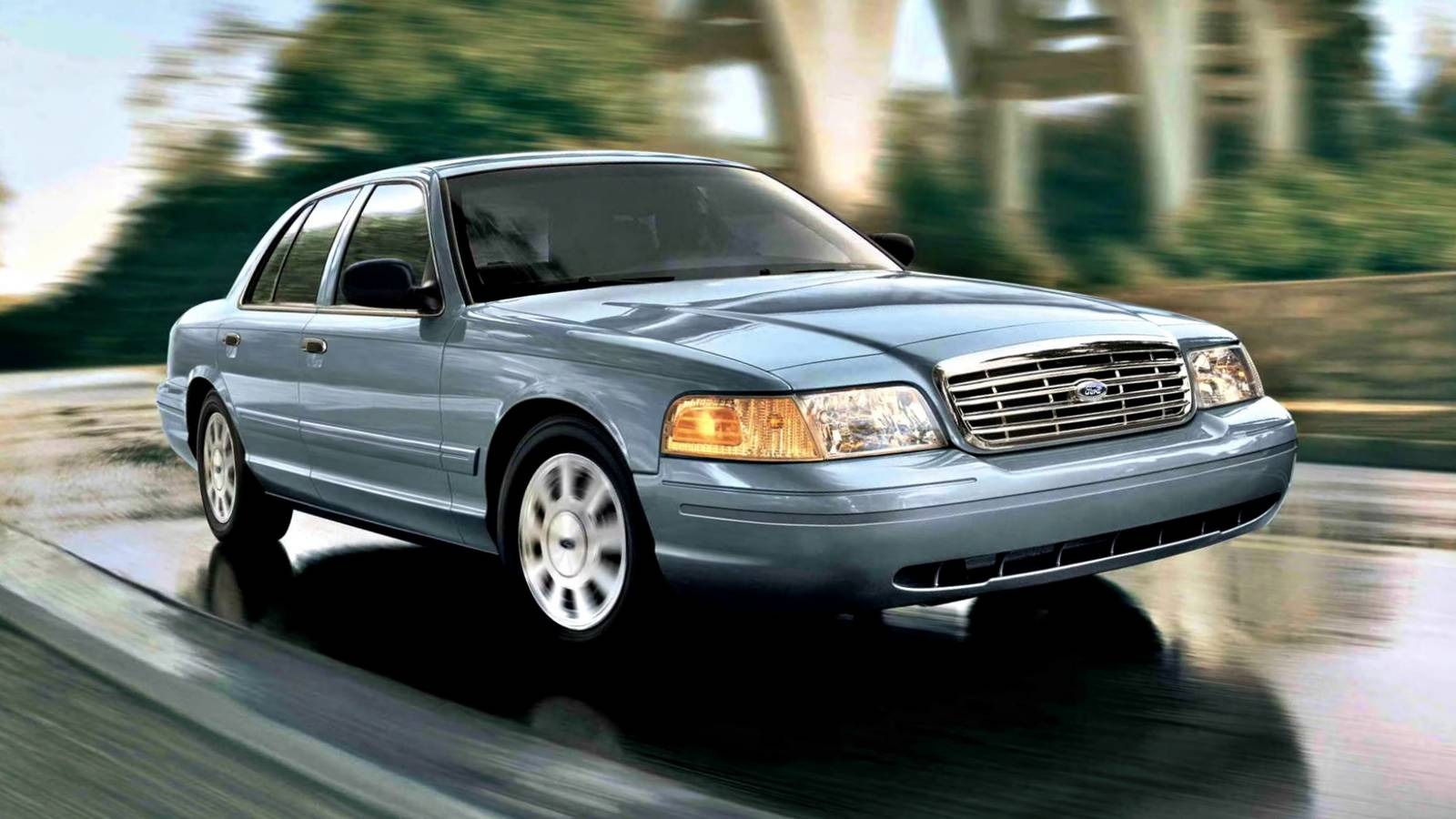
6. Ford Crown Victoria
The Ford Crown Victoria is the unsung hero of American durability. Long used by police departments, taxi services, and government fleets, the Crown Vic earned a reputation as a car that could handle abuse better than almost anything else on the road.
Mechanics regularly worked on these cars throughout the 1990s and 2000s, and they often marveled at how little actually went wrong despite heavy usage. Many Crown Vics racked up 250,000 miles or more with minimal engine or transmission trouble. When maintained properly, they just kept running, often with a bit of cosmetic wear but very few mechanical failures.
Much of the Crown Victoria’s strength lies in its body-on-frame construction, a design more commonly seen in trucks. This made it more durable in accidents and better able to withstand years of hard use, especially in cities. Under the hood, the 4.6-liter V8 engine is a masterpiece of simple American engineering.
It doesn’t produce huge horsepower numbers, but it’s smooth, dependable, and rarely breaks down. Mechanics often point out that the engine is easy to service, with plenty of space in the engine bay and very few design quirks that complicate basic repairs.
Another key component of the Crown Vic’s reliability is its transmission. The 4-speed automatic is known to be robust, particularly in later models that had some upgrades from earlier years. Mechanics rarely see major issues unless the car was severely neglected or driven beyond reason.
The rear-wheel-drive layout also helps with longevity, keeping things simple and tough. Suspension components like bushings and shocks do wear out over time, especially in fleet vehicles, but they’re easy to replace and don’t require specialized tools or training. This ease of maintenance contributes heavily to the car’s long-term survival rate.
What makes the Crown Victoria especially appealing to mechanics is that it’s a car built for punishment. Whether used in high-speed chases or stop-and-go city traffic, these vehicles were expected to take a beating.
And they did, without giving up. Retired police cruisers, even with very high mileage, are often snatched up by buyers who know how long these cars can last with a little care.
The Crown Vic might not have modern tech or styling, but when it comes to toughness and staying power, it’s still one of the most respected sedans on the road.
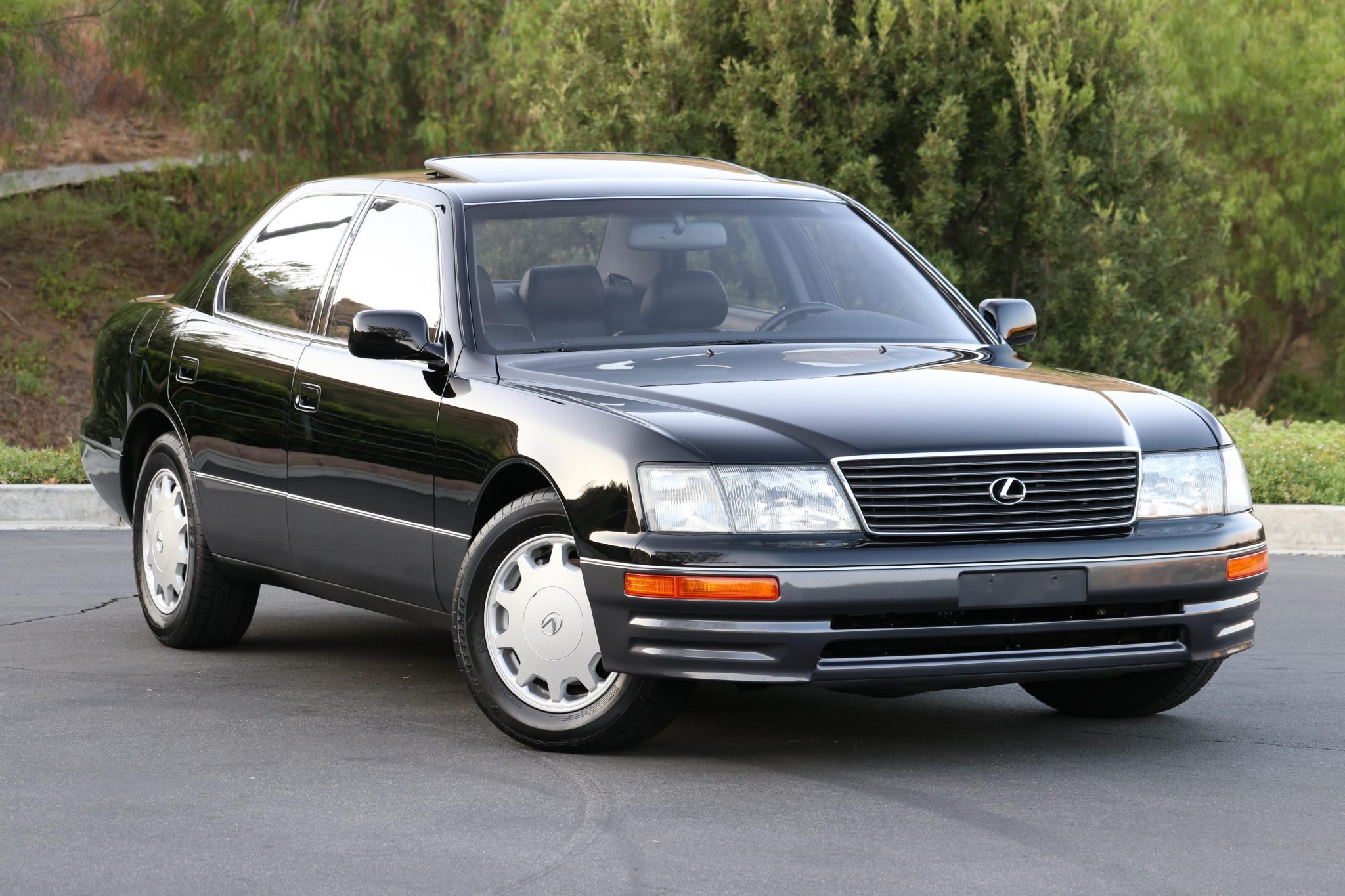
7. Lexus LS400
When Lexus launched the LS400 in 1989, it shocked the automotive world. Here was a new brand, from Toyota no less, entering the luxury car market dominated by European manufacturers, and doing it better.
The LS400 wasn’t just comfortable and quiet; it was built with a level of attention to detail and durability that stunned both buyers and mechanics.
More than three decades later, the LS400 remains one of the most respected long-lasting luxury sedans ever made. Many mechanics still consider it the gold standard for combining comfort, performance, and bulletproof reliability.
The heart of the LS400 is the 1UZ-FE V8 engine, widely regarded as one of the most reliable engines ever built. It features a cast-aluminum block and heads, a strong bottom end, and a timing belt setup that, if maintained, runs for hundreds of thousands of miles with minimal issues.
Many LS400s have crossed 400,000 miles on the original engine and transmission, still operating smoothly.
The powertrain was engineered for quietness and strength, and mechanics frequently praise it for how well it ages, even after years of daily driving. It’s not just reliable; it’s silky smooth and still performs like a much newer car.
One aspect of the LS400 that helps its reputation among mechanics is its overbuilt nature. Many of the components, from the drivetrain to the suspension and even the interior materials, were built to last far beyond typical luxury car expectations.
The electronics were cutting-edge for the time, but they were also built with extreme quality control. Unlike many other luxury cars from the 1990s, the LS400 doesn’t suffer from major electrical gremlins or systems that slowly fail over time. That’s a rarity in any car, but especially in one packed with advanced features.
For mechanics, the LS400 represents a rare combination: a luxury car that is also easy to work on and doesn’t break down often. Most luxury vehicles, particularly older ones, are known for being complicated and expensive to maintain. The LS400 flips that stereotype on its head.
Parts are still relatively affordable, especially considering the vehicle’s class, and many of the repairs can be done without advanced equipment. It’s no wonder that many mechanics end up owning one themselves, because they know it won’t let them down.
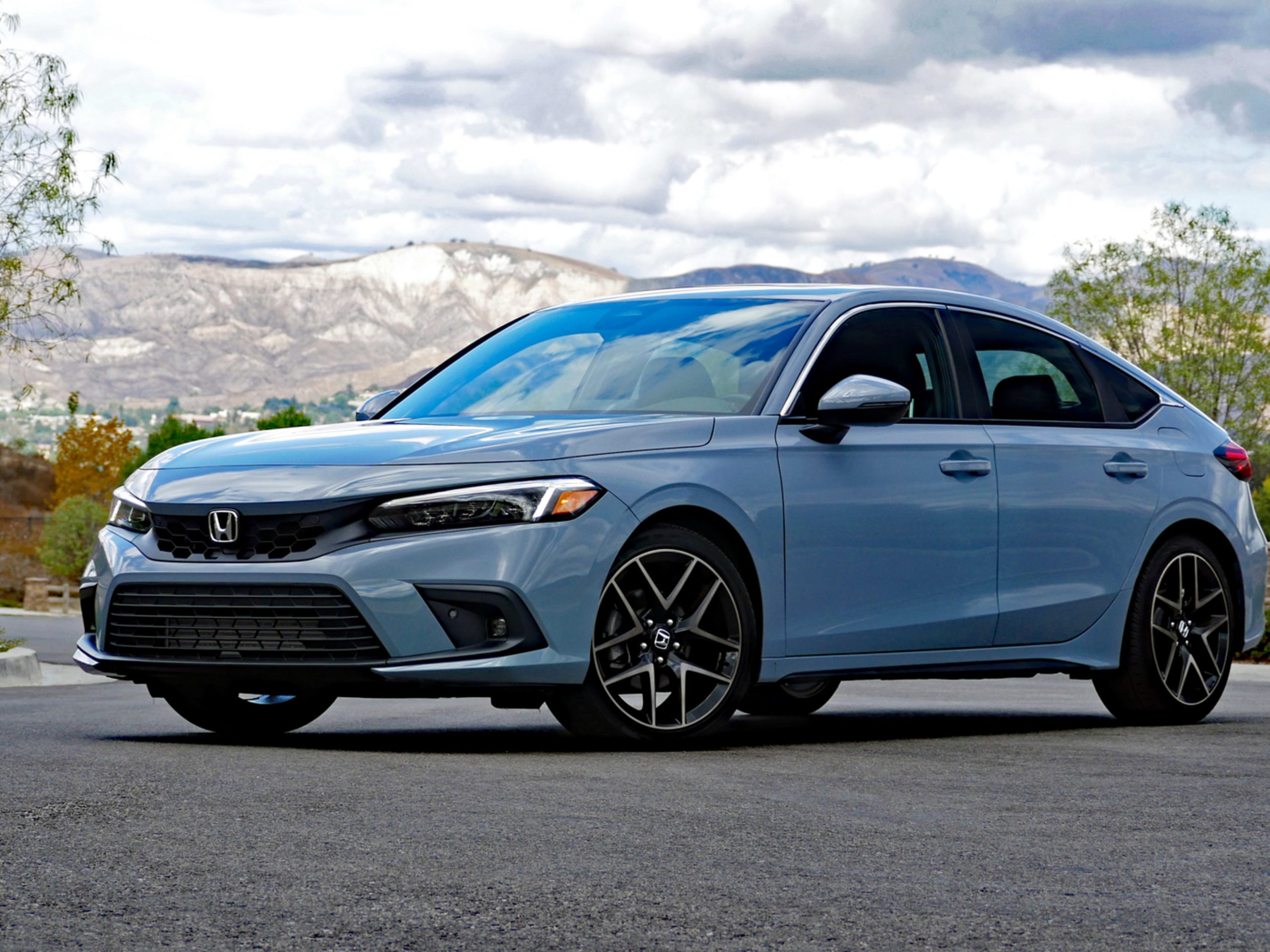
8. Honda Civic
The Honda Civic has earned a near-legendary reputation among both drivers and mechanics for being one of the most dependable compact cars ever built.
For decades, it has been the go-to option for people who want affordable, efficient, and reliable transportation without the worry of constant repairs or expensive maintenance.
Mechanics are quick to point out that the Civic is one of the few cars they’ve seen regularly hit 250,000 miles or more without needing a major engine or transmission overhaul.
While newer Civics are packed with more features and technology, the older models, especially those from the late 1990s to early 2000s, are often considered the high point in terms of long-term dependability and simplicity.
Another strength of the Civic is its ease of maintenance. The engine bays are laid out in a logical and spacious way, making it easier for mechanics to reach important components. Parts are widely available, usually very affordable, and interchangeable across many different years and trims.
This makes repairs quick, cheap, and efficient, qualities every mechanic appreciates. Electrical systems in older Civics are minimal and rarely cause trouble.
When something does go wrong, it’s usually minor and easily diagnosed. Even newer Civics have retained much of this straightforward engineering, making them easier to keep on the road compared to many other modern compact cars.
Perhaps what truly cements the Civic’s place on this list is the loyalty it inspires. These cars are often passed down through families or kept as daily drivers long after they’ve technically been “paid off.”
Mechanics who work on Civics repeatedly see owners coming in only for basic maintenance, brakes, fluids, tires, because nothing else breaks.
It’s not a flashy car, and it’s rarely the centerpiece of a conversation about performance or luxury. But when it comes to long-term durability and staying out of the shop, the Civic is one of the most quietly impressive cars ever built.

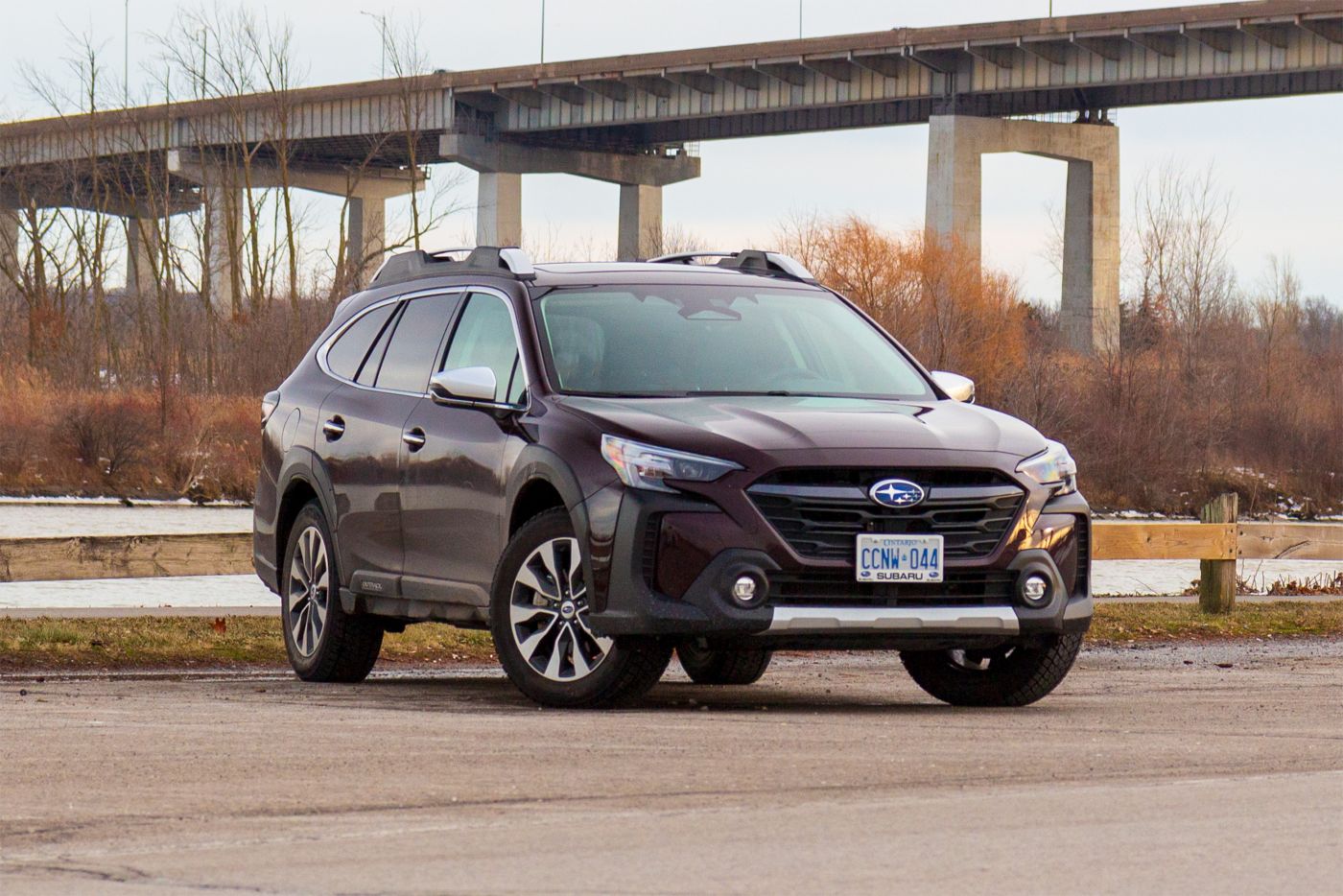
9. Subaru Outback (with EJ25 Engine)
The Subaru Outback has carved out a unique space for itself in the automotive world. It’s not quite a car, not quite an SUV, but rather a blend of both, a rugged, practical wagon that appeals to drivers who need all-weather capability and cargo space without the bulk of a full-size SUV.
While Subaru’s mechanical reputation has had ups and downs, the Outback models equipped with the EJ25 engine, particularly those built in the late 1990s through the early 2000s- have earned the respect of many mechanics for their longevity and toughness.
These vehicles are especially popular in mountainous and snowy regions, where their all-wheel-drive systems are put to the test daily.
The EJ25 engine, when maintained correctly, is capable of reaching extremely high mileage. Known for its horizontally opposed (boxer) layout, the engine offers a low center of gravity and good balance. Early versions of the EJ25 had issues with head gaskets, a problem that gave Subaru a bit of a reputation for leaks.
However, when the head gaskets are replaced with updated versions and proper torque specifications are followed, the engine becomes extremely reliable. Many mechanics note that once the head gasket issue is resolved, usually somewhere around the 100,000-mile mark, the engine becomes a nearly bulletproof unit, capable of hitting 250,000 miles or more with only standard maintenance.
Subaru’s attention to usability and owner satisfaction plays a role in the Outback’s unkillable reputation. These cars are often bought by people who actually use them, hikers, campers, parents, commuters, and they tend to be driven hard. Despite this, the Outback holds up remarkably well.
Mechanics often comment on how they see these cars come in dirty, dented, and scratched, but still running strong after hundreds of thousands of miles. While not every Subaru has the same reliability track record, the EJ25-equipped Outbacks from this era are widely regarded as some of the toughest wagons ever built.
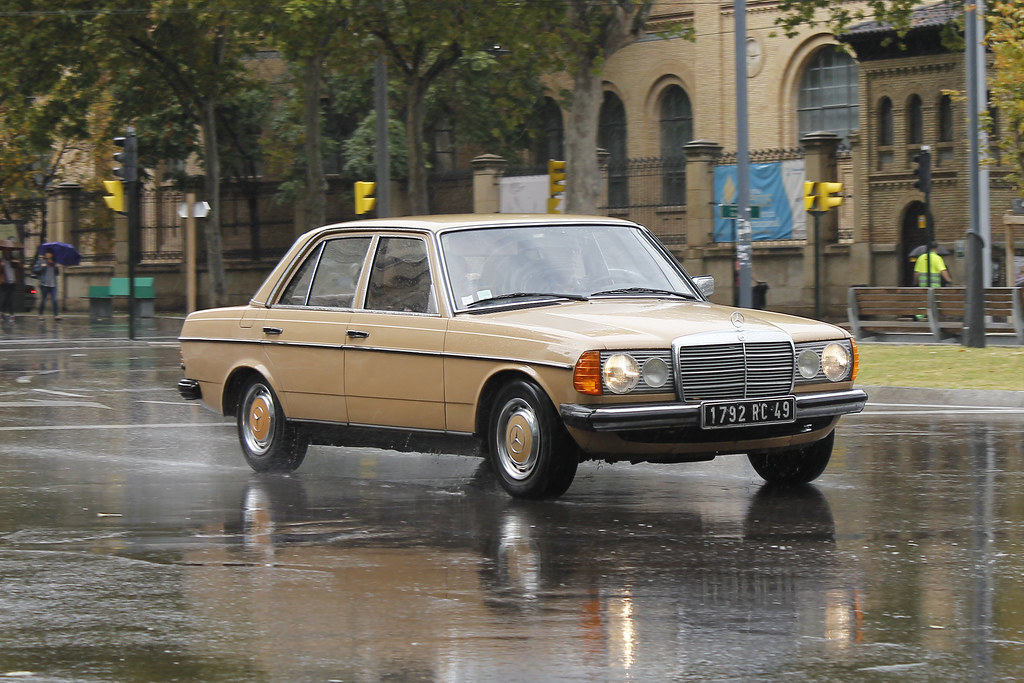
10. Mercedes-Benz W123
The Mercedes-Benz W123 is often called the last “overbuilt” Mercedes, and for good reason. Produced between 1976 and 1985, this mid-size sedan and wagon series represents a time when Mercedes engineering was focused almost entirely on durability rather than cost-cutting or gadgetry.
Mechanics who specialize in older European cars often hold the W123 in especially high regard, with many considering it one of the most dependable luxury vehicles ever made.
Whether it’s the diesel-powered 240D or the slightly more powerful 300D, the W123 series was built to last and designed to be serviced indefinitely.
The diesel engines in these models are slow but nearly indestructible. The 240D, in particular, is known for being one of the most underpowered sedans ever made, yet mechanics constantly praise it for being one of the most durable.
These engines are often described as “tractor-like,” not in a negative sense, but because they’re built for endurance, not speed. Properly maintained, these engines can last upwards of 500,000 miles or more, and many have. Even in cases of neglect, the motors often keep running, albeit with reduced performance. Mechanics often say that as long as it has fuel and oil, the engine will run, even if it’s leaking from every gasket and covered in soot.
What truly sets the W123 apart in a mechanic’s eyes is that it was designed to be a long-term investment. These weren’t disposable vehicles. Mercedes expected owners to keep them for decades, and it shows in the engineering.
Parts availability remains strong thanks to the car’s cult following, and many mechanics actually enjoy working on them due to their simplicity and quality. The W123 isn’t just reliable, it represents a philosophy of automotive design that prioritizes endurance over novelty. That’s something you rarely find in modern cars.
