
There are few vehicles more tested, scrutinized, and relied upon than SUVs. For families, adventurers, workers, and road trippers alike, the SUV represents strength, utility, and versatility. But not all SUVs are built the same.
Some are engineered with longevity in mind, absorbing years of harsh weather, rough terrain, and relentless driving without turning into a noisy, fragile shell of their former self.
Others begin to show their age early, rattling over speed bumps, groaning during sharp turns, and creaking whenever the chassis flexes. For many buyers, long-term durability isn’t just a bonus, it’s a necessity.
What sets certain SUVs apart from the pack isn’t flashy tech or luxurious finishes; it’s the quality of materials, structural rigidity, and mechanical reliability.
Vehicles that can take abuse without rattling or falling apart often share a few things in common: a solid frame, proven powertrain, minimal gimmickry, and engineering aimed at function over flair.
Whether it’s hauling gear on rural backroads, navigating rough city streets, or simply enduring thousands of hours behind the wheel, the SUVs on this list have proven they can handle punishment and keep their composure.
Many vehicles start strong but lose their structural integrity over time. These SUVs maintain a tight ride, resist squeaks and vibrations, and still feel confident even after high mileage. This list isn’t just about reliability in the mechanical sense, it’s also about build quality.
No one wants to feel like they’re driving a tin can after only 80,000 miles. The vehicles below show remarkable resistance to the wear and tear that would leave lesser SUVs rattling like a toolbox in the back of a delivery van.
Here are 11 SUVs that have stood the test of time, proven their toughness in real-world use, and earned reputations as the go-to choices for those who don’t go easy on their vehicles. If you’re looking for something that won’t fall apart no matter how rough you are with it, this list is a solid place to start.
Also Read: 5 Cars With Great Handling and 5 That Shake Apart
1. Toyota 4Runner
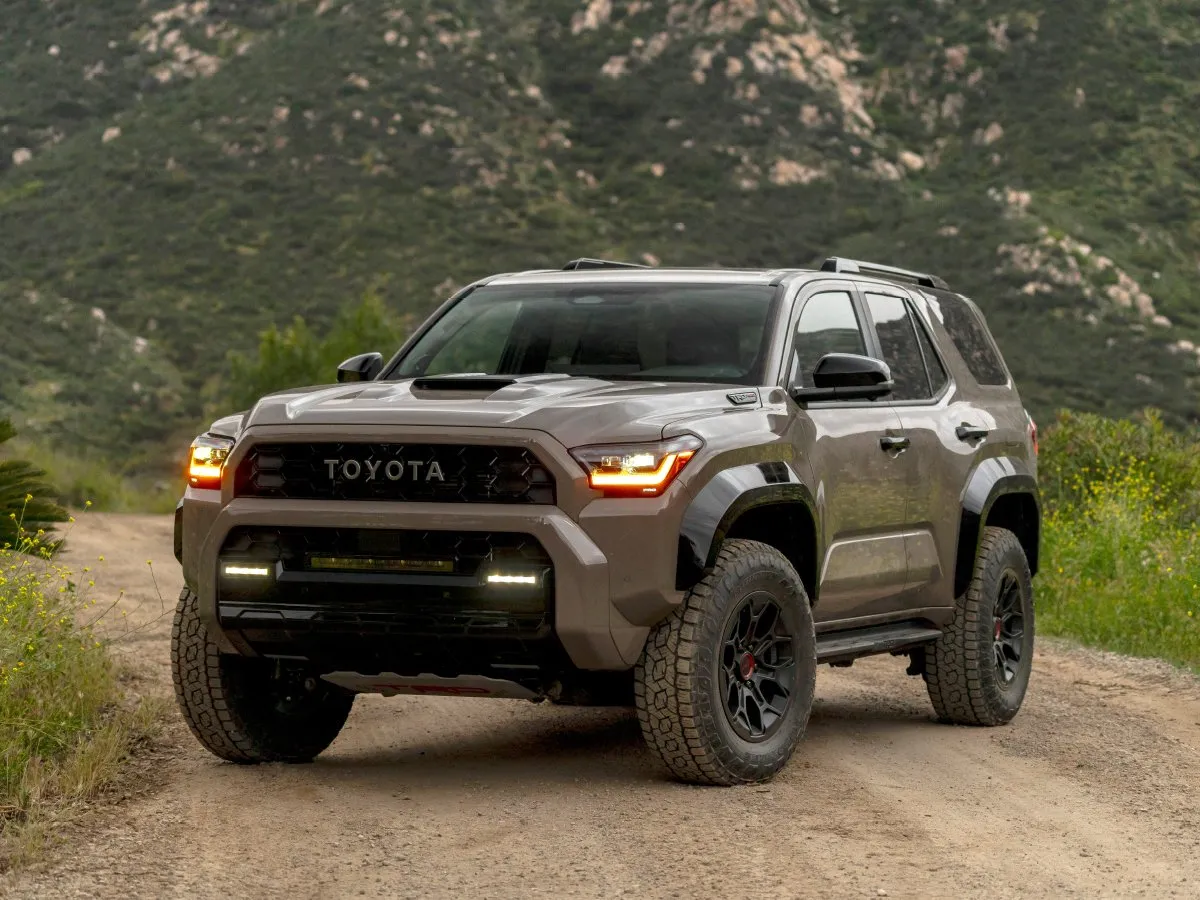
The Toyota 4Runner has long held a reputation for being nearly indestructible. Built on a truck-like body-on-frame platform, it’s designed more like a utility vehicle than a family crossover.
This foundation gives it a level of ruggedness that’s hard to match in the midsize SUV category. Even after years of off-road abuse, towing, and constant exposure to elements, 4Runners remain tight and composed, with minimal cabin noise or structural wear.
Owners often report that their 4Runners are still quiet and smooth even after passing 200,000 miles. The body panels don’t creak, the suspension holds up, and even interior trim remains remarkably intact.
While the interior design might be considered outdated by some, the materials are selected for longevity, not just aesthetics. That means fewer cheap plastics and more durable components that resist cracking, warping, or coming loose over time.
Mechanically, the 4Runner is powered by Toyota’s famously reliable 4.0-liter V6 engine, paired with a strong five-speed automatic transmission.
This simple powertrain combination may lack modern flash, but it rarely breaks down, and more importantly, it doesn’t cause the kind of vibration or wear that leads to interior rattles. It’s one of the few SUVs where drivers can go years without hearing a single squeak from the dashboard or doors.
What also helps the 4Runner’s tightness over time is the fact that it’s overbuilt. Everything from the door hinges to the rear axle is designed to handle more stress than typical midsize SUVs are ever exposed to.
That means when you’re just using it for commuting or grocery runs, the vehicle is barely working. And when you do push it to its limits, it doesn’t flinch. That toughness shows up not just in its mechanical reliability but also in how solid it feels, year after year.
2. Lexus GX
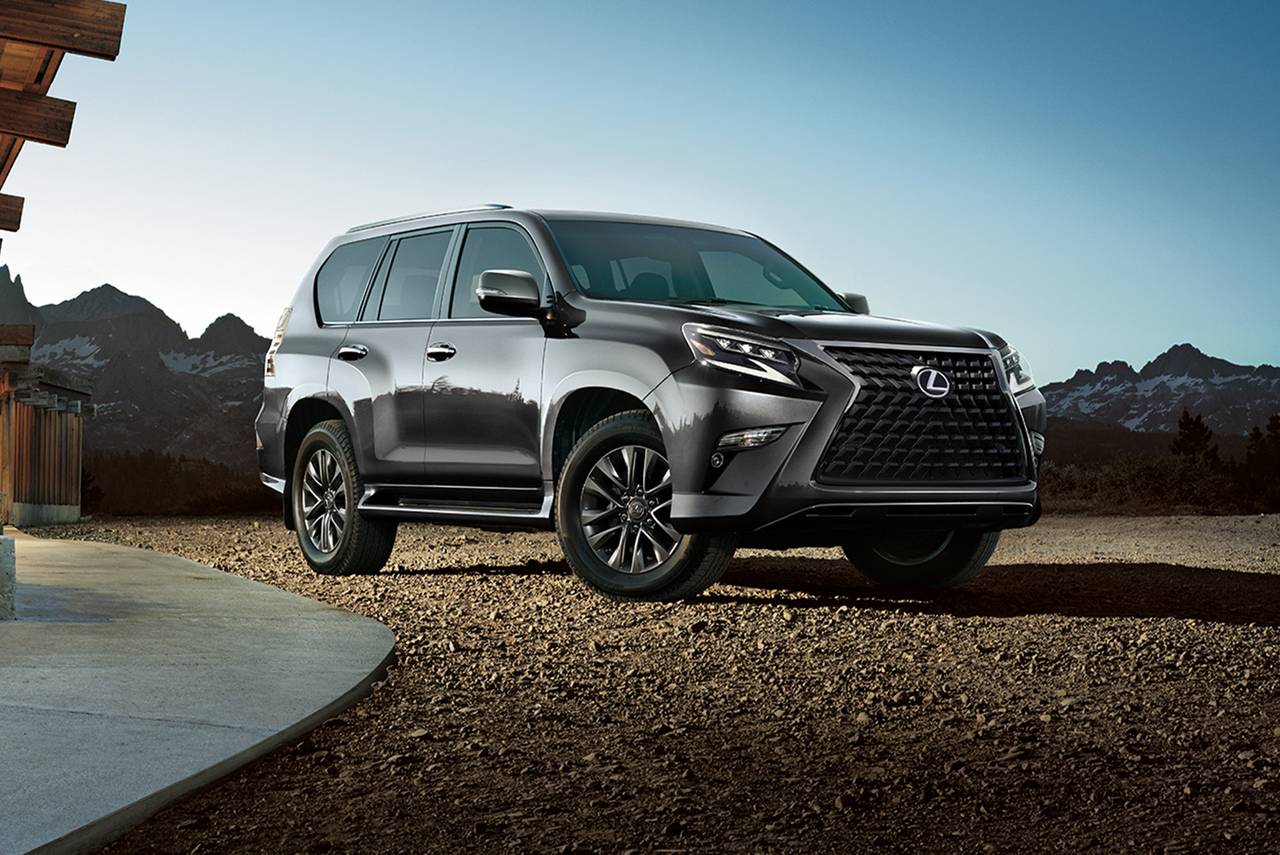
The Lexus GX is essentially a luxury 4Runner under the skin, and it inherits that same rugged DNA. But it also adds sound-deadening materials, higher-quality interior fittings, and tighter tolerances during assembly, which means even fewer rattles over time. For those who want a go-anywhere SUV without sacrificing quiet refinement, the GX strikes an ideal balance.
Because it shares its body-on-frame construction with the Toyota Land Cruiser Prado sold in other markets, the GX benefits from a global platform tested in extreme environments.
That sort of durability carries over into how it holds together, even as the years and miles add up. Many owners praise the vehicle for its lack of wind noise, minimal chassis flex, and almost complete absence of interior vibrations, even after over a decade of use.
Under the hood, the GX uses a 4.6-liter V8, which is both reliable and smooth. Paired with a six-speed automatic transmission, this powertrain delivers steady performance without introducing harshness into the cabin. More importantly, it doesn’t need to strain itself under normal conditions, which helps reduce wear and tear that can lead to rattling parts and loosened components.
While some may consider the GX to be an aging platform in terms of design and technology, that dated architecture is also part of its strength. It’s built with a focus on long-term durability rather than chasing trends.
Every part feels solid, from the steering wheel to the door handles, and that tactile quality doesn’t disappear with age. The GX may not win design awards, but it consistently wins over drivers who want something that stays quiet and composed, even when life gets noisy.
3. Honda Pilot
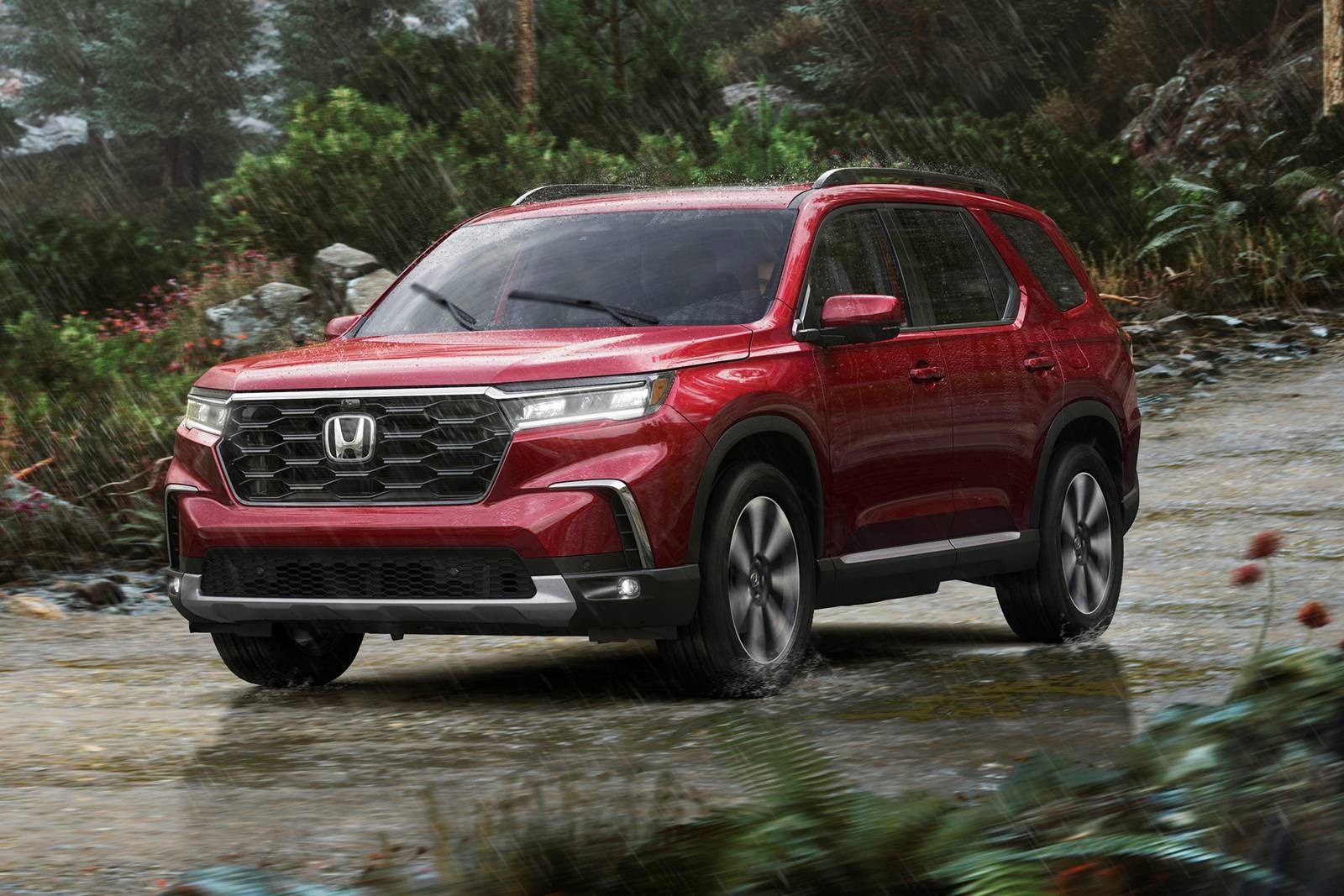
The Honda Pilot stands out in the midsize SUV segment for its well-balanced approach to utility and comfort. While it doesn’t have the same off-road prowess as some of the body-on-frame SUVs on this list, it’s exceptionally well put together.
Honda’s attention to detail in chassis rigidity, noise insulation, and material durability makes the Pilot one of the most rattle-resistant unibody SUVs available.
One of the main reasons the Pilot holds together so well over time is Honda’s engineering focus on chassis integrity. The body structure is designed to flex as little as possible, which helps keep components from shifting or rubbing against each other as they age.
That translates to fewer creaks and groans as the miles stack up. Whether you’re driving on broken pavement or gravel roads, the interior stays quiet and composed.
Inside, the Pilot uses materials that are not just family-friendly, but also wear-resistant. You won’t find ultra-luxury finishes, but the plastics, fabrics, and leathers are selected with longevity in mind.
Even the seat frames and door panels hold up impressively over time. Many owners note that their vehicles still feel “tight” well past the 150,000-mile mark, with no signs of loose fittings or annoying dashboard buzz.
Mechanically, the Pilot features Honda’s tried-and-true V6 engine, paired with a reliable automatic transmission or a more recent 9-speed in newer models.
These powertrains deliver consistent, smooth performance without straining the components, which contributes to the vehicle’s long-term structural integrity. It’s a solid choice for anyone who wants a practical SUV that won’t start sounding like a haunted house after a few rough winters.
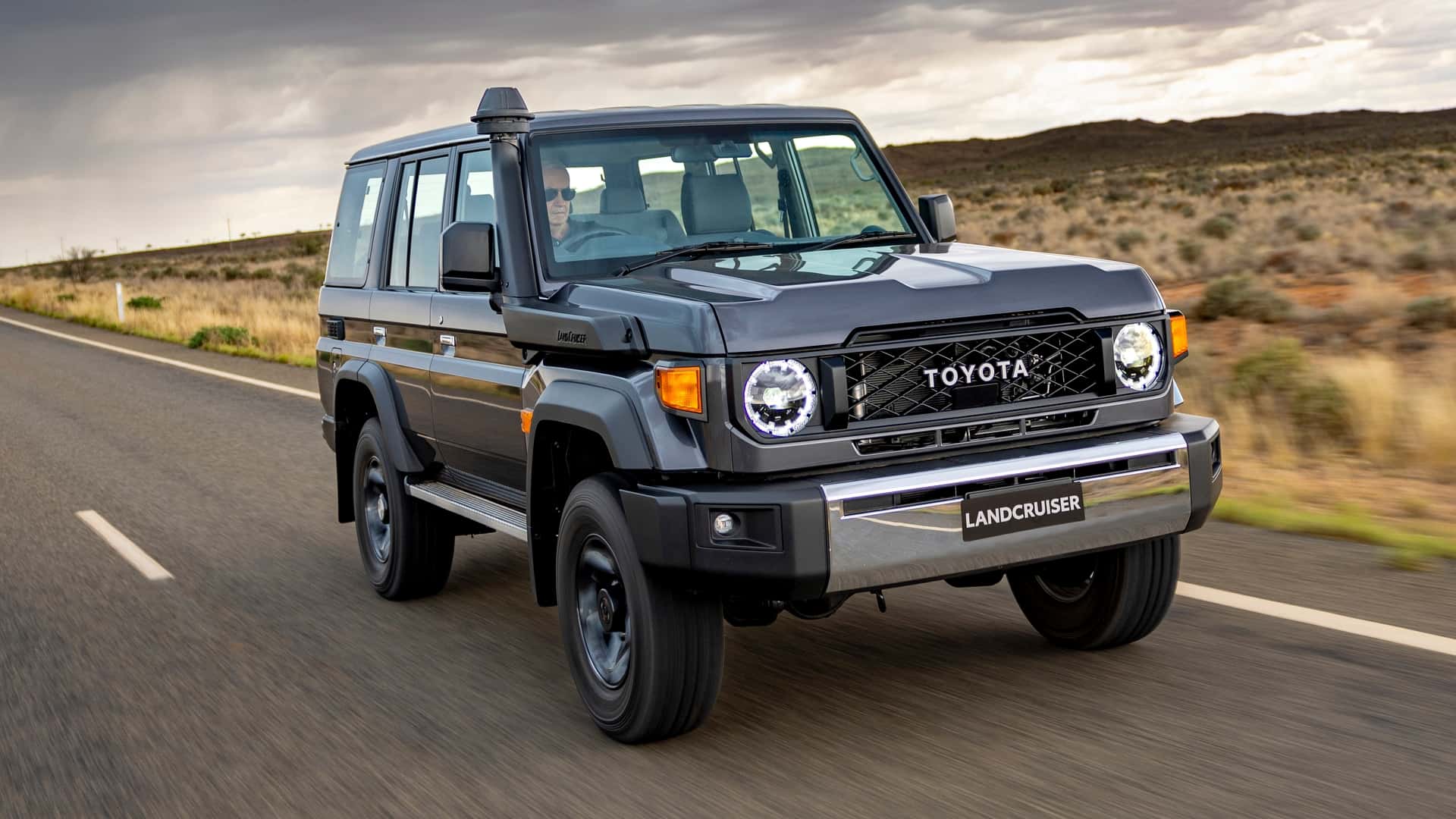
4. Toyota Land Cruiser
The Toyota Land Cruiser has earned its legendary status not from style or speed, but from its unmatched durability. Built for extreme conditions, it has proven itself in some of the harshest environments on Earth. That same engineering translates to an SUV that stays rock solid after years of abuse, whether you’re using it for urban commuting or off-road adventuring.
The body-on-frame construction, combined with overbuilt suspension and drivetrain component,s ensures that the Land Cruiser doesn’t fall apart under stress.
You can drive this SUV across thousands of miles of unpaved roads, through snowstorms, deserts, or heavy rain, and it still won’t produce the rattles that plague lesser vehicles. That’s because every bolt, panel, and seam is engineered for long-term endurance.
Inside, the Land Cruiser may not be flashy, but it’s deeply functional and built to last. The dashboard doesn’t crack, the door panels don’t shake loose, and the center console doesn’t develop the annoying squeaks you find in more cheaply made SUVs. There’s a reason Land Cruisers are used by aid organizations and militaries around the world: they’re made to last, inside and out.
Power comes from a strong V8 engine in most generations, which provides smooth and consistent performance. The transmission and four-wheel-drive system are just as dependable.
Because the vehicle is never operating at the edge of its capabilities, it avoids the kind of stress that often leads to loosened joints, failing mounts, or the dreaded roof liner rattle. The Land Cruiser doesn’t just last, it stays quiet and controlled the whole way.
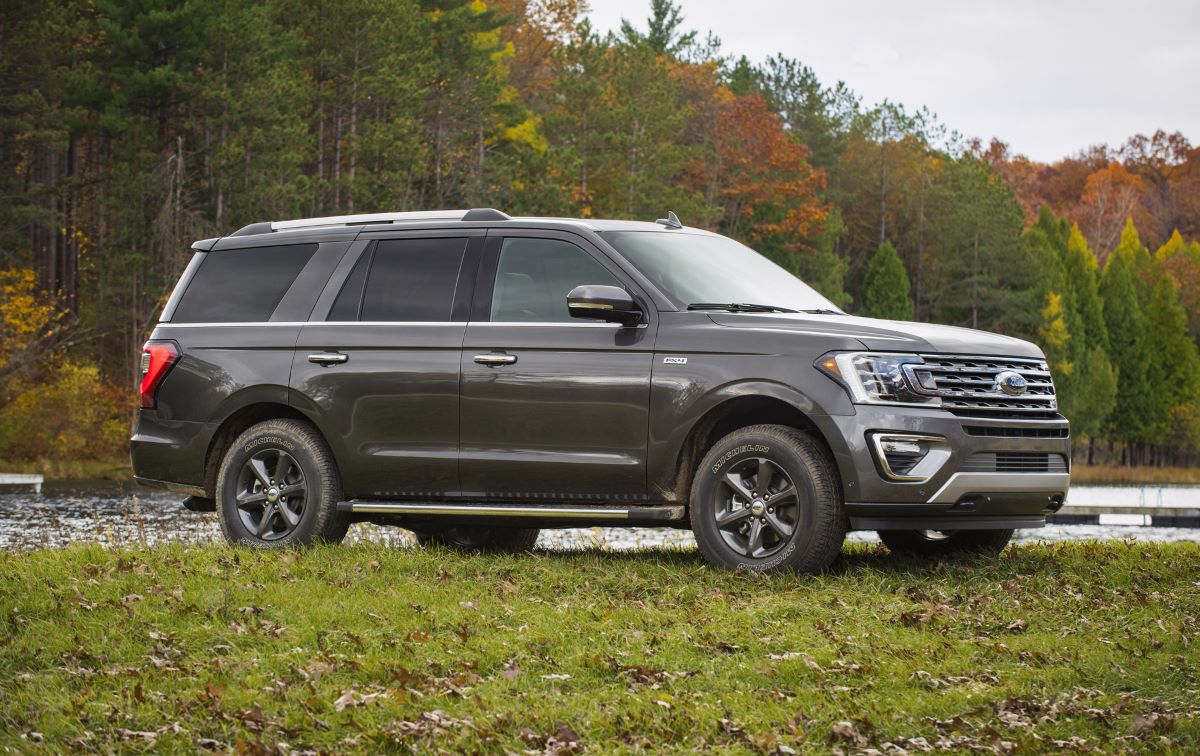
5. Ford Expedition
The Ford Expedition has carved out a reputation as one of the most durable full-size SUVs built in America. Designed with families, towing, and long-distance travel in mind, the Expedition has to carry a heavy load, literally and figuratively.
Built on a truck-based platform borrowed from the F-150, the Expedition benefits from the same robust underpinnings that have made Ford trucks so popular.
That solid foundation translates directly into long-term stability and resistance to the creaks and rattles that tend to develop in high-mileage vehicles. It’s particularly impressive how well the cabin holds up when the vehicle is subjected to constant movement, weight shifts, or road vibrations.
The attention Ford has paid to ride quality and cabin construction becomes evident once the vehicle accumulates mileage. Many Expedition owners report that even after a decade of use, the doors close with a reassuring thud, the dashboard doesn’t buzz at idle, and the suspension continues to feel composed over uneven surfaces.
Ford has clearly made strides in the way interior parts are bolted and bonded to the body, resulting in fewer squeaks and structural shifts as the vehicle ages. Even under heavy towing or with a full load of passengers and gear, the Expedition maintains a sense of quiet solidity that’s hard to match in vehicles of its size.
The Expedition’s 3.5-liter EcoBoost V6 engine, introduced in more recent generations, offers a nice mix of performance and durability. While turbocharged engines can sometimes cause more stress on drivetrain components, Ford has tuned this powerplant to work efficiently without pushing the mechanicals too hard.
Combined with a 10-speed automatic transmission and an independent rear suspension, the vehicle delivers a smooth and composed ride without the kind of harsh feedback that often contributes to cabin rattles. The engine and transmission are also well-isolated from the cabin, helping maintain a serene environment even during acceleration or hill climbs.
What helps the Expedition age gracefully is the level of refinement Ford has steadily added over the years. From the advanced bushings in the suspension to thicker soundproofing material in the cabin, the SUV is designed to feel substantial and stay that way.
Even after years of kids climbing in and out, tailgates being slammed, or long-distance road trips through harsh weather, the Expedition resists becoming a noisy, worn-out machine. It remains a quiet, capable workhorse that rarely complains, no matter how hard you run it.
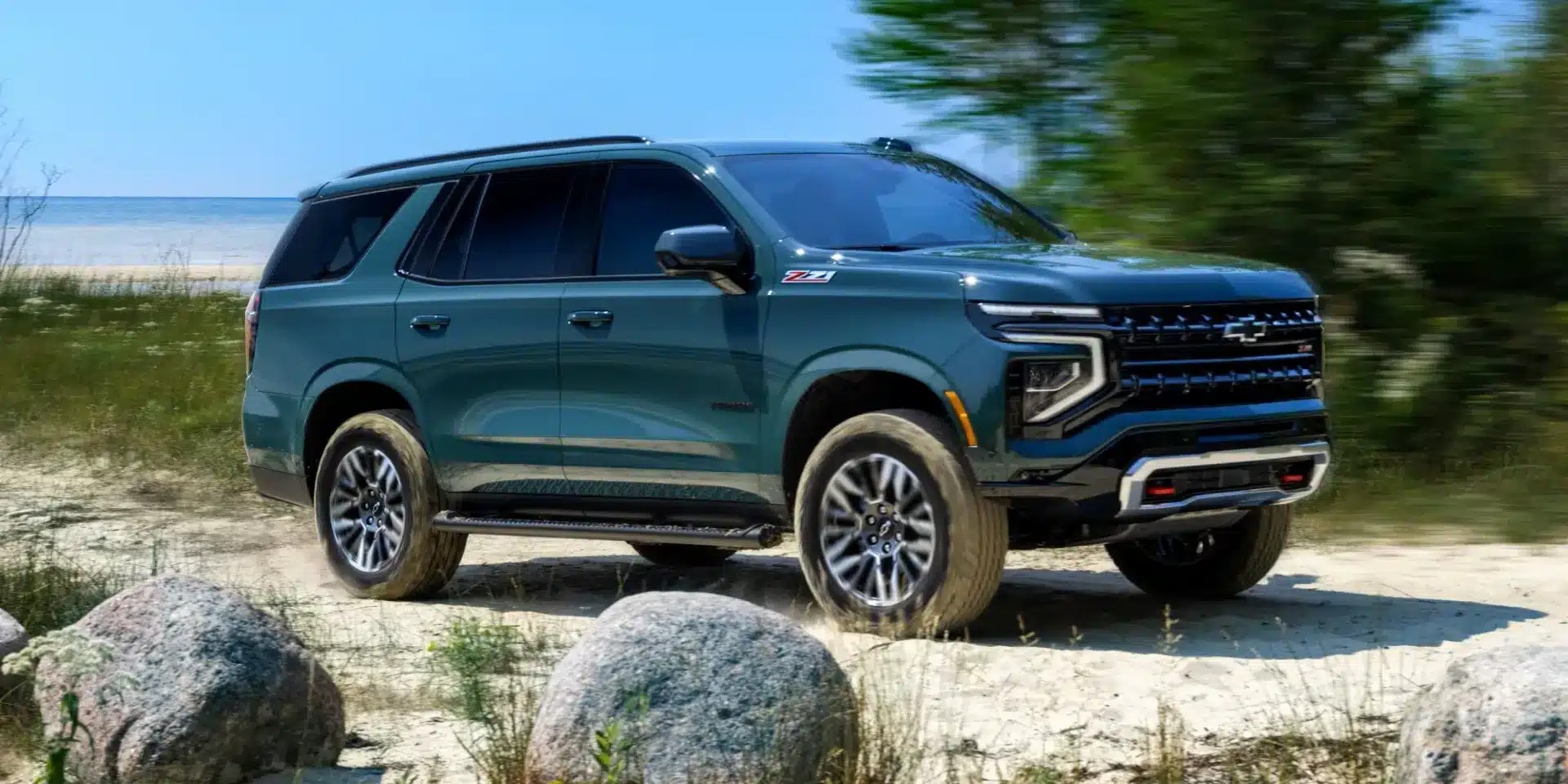
6. Chevrolet Tahoe
The Chevrolet Tahoe is another full-size SUV that consistently performs well in long-term durability, especially when it comes to resisting cabin deterioration. As one of the best-selling large SUVs in the United States, the Tahoe has been designed with both everyday and demanding use in mind.
Law enforcement agencies, municipal fleets, and large families have all relied on the Tahoe for years, and it’s not hard to see why.
Its body-on-frame construction, paired with a robust powertrain and refined ride, gives it an edge in holding together after many years of hard driving. Whether hauling trailers, climbing steep inclines, or simply running errands, the Tahoe shrugs off abuse better than many of its competitors.
One of Tahoe’s biggest strengths is its suspension setup. The vehicle uses a coil-spring rear suspension or, in newer models, a multi-link independent rear suspension that absorbs road imperfections without transferring excessive stress to the cabin.
This plays a key role in keeping the interior free from rattles and wear-related noise. It’s also worth noting that GM has refined the Tahoe’s chassis tuning over the years to enhance its on-road feel, helping it stay quiet and composed even on uneven pavement or gravel roads.
The result is a large SUV that not only rides smoothly but also resists becoming acoustically annoying after years of service.
Inside, the Tahoe’s build quality has steadily improved with each generation. GM has focused on using tougher plastics, better padding, and more durable materials in high-contact areas such as door panels, center consoles, and seat frames.
These design choices mean that even as miles add up and the vehicle is exposed to fluctuating temperatures, the components don’t loosen or start to make noise.
Many Tahoe owners proudly report that their vehicles still feel solid at well over 150,000 miles, with no major interior deterioration and only routine maintenance required to keep it in good shape.
Chevrolet has also done a good job with engine durability. The tried-and-true 5.3-liter V8, available in most Tahoe trims, is known for its longevity and smooth power delivery. Because the engine doesn’t have to work hard under normal conditions, it minimizes the kind of wear that leads to vibrating mounts or harsh resonance in the cabin.
Coupled with a proven automatic transmission and a well-insulated firewall, this helps keep the interior quiet and rattle-free, even during high-speed cruising or mountain driving. Tahoe continues to be a reliable choice for those who expect their SUV to last for the long haul, without sounding like it’s falling apart.
Also Read: 10 Cars Mechanics Call Unkillable Even After Long Service History
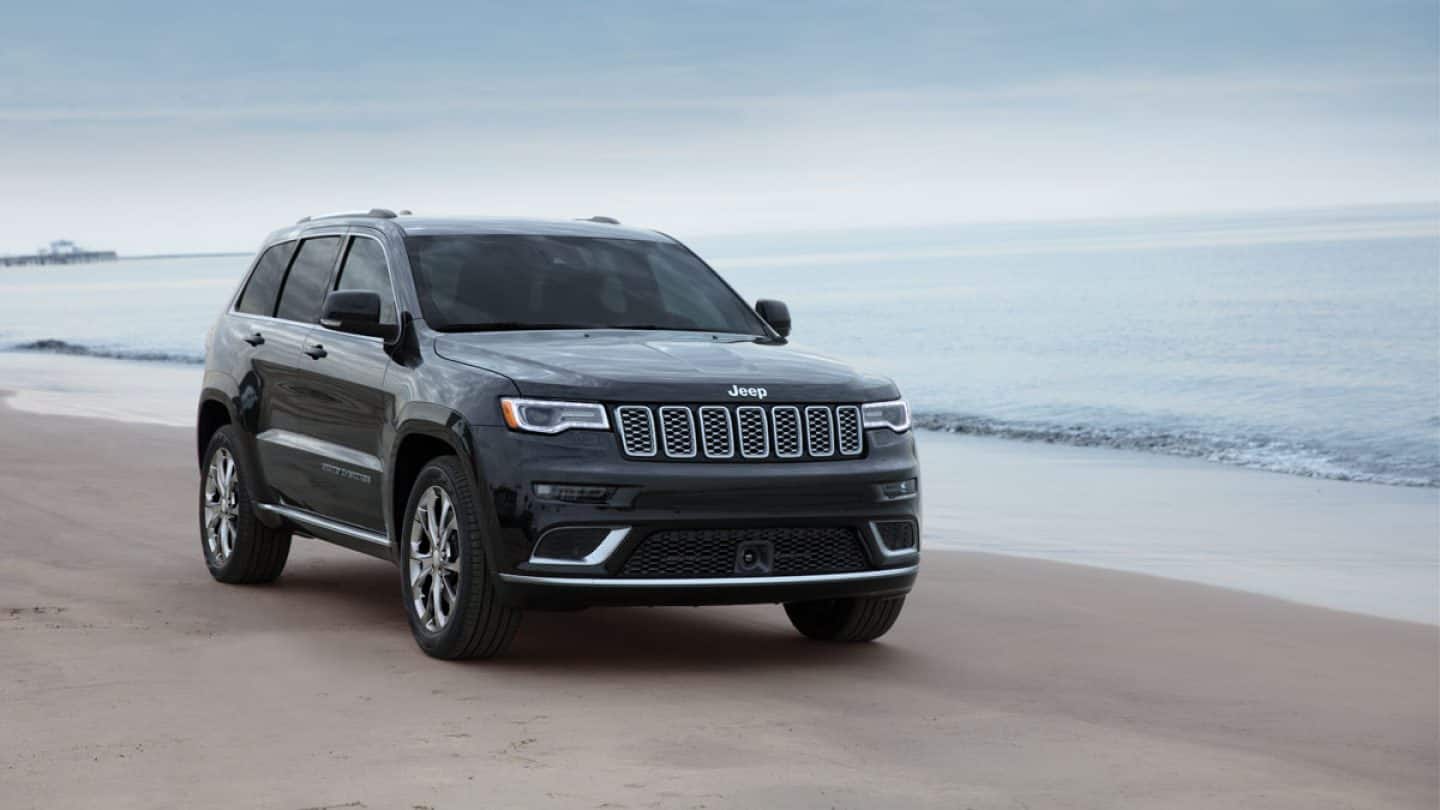
7. Jeep Grand Cherokee (Older Generations)
The Jeep Grand Cherokee has had a long and varied history, but certain model years, especially those from the mid-2000s to early 2010s, stand out for their unexpected toughness and resistance to aging-related cabin noise.
While Jeep as a brand has sometimes struggled with consistency, the Grand Cherokee has always been its most refined and best-built SUV.
It combines off-road ability with on-road comfort, and some of its older models are still impressively solid despite years of use. What separates these versions from other midsize SUVs of the era is their ability to handle abuse without coming apart at the seams.
Many owners of the WK generation (2005–2010) and WK2 (2011–2020) have noted how well the vehicles hold up structurally, even when used for regular towing, off-road excursions, or long highway drives. The unibody construction may not be as rugged as a body-on-frame setup, but it’s exceptionally well-executed.
Jeep invested in structural bracing, thicker metal panels, and high-quality welding techniques that kept the body tight and free from vibration.
These details result in a vehicle that feels solid even when traversing less-than-perfect roads. The doors continue to close with weighty confidence, and the dashboard remains silent even on rough terrain.
Interior materials have also aged better than expected. In many trims, Jeep used soft-touch plastics, genuine leather, and thick carpeting, which all contribute to a cabin that doesn’t degrade quickly. The seats hold their shape, the steering wheel remains intact, and the electronics typically don’t suffer from excessive wear.
It’s not uncommon to find Grand Cherokees with 180,000+ miles that still have intact dashboards and clean, rattle-free headliners. Even the buttons and switches feel more durable than those found in many competing SUVs from the same era.
Powertrain options varied during these years, but the most reliable and durable setup has been the 3.6-liter Pentastar V6, as well as the older 4.7-liter and 5.7-liter HEMI V8s. These engines are well-known for their robustness and ability to tolerate long intervals of hard use.
Because the drivetrain components are mounted with solid bushings and well-insulated from the cabin, the vehicle resists becoming noisy or loose-feeling over time. For those seeking a used SUV that offers both capability and long-lasting refinement, the Grand Cherokee from these years is a surprisingly good bet.
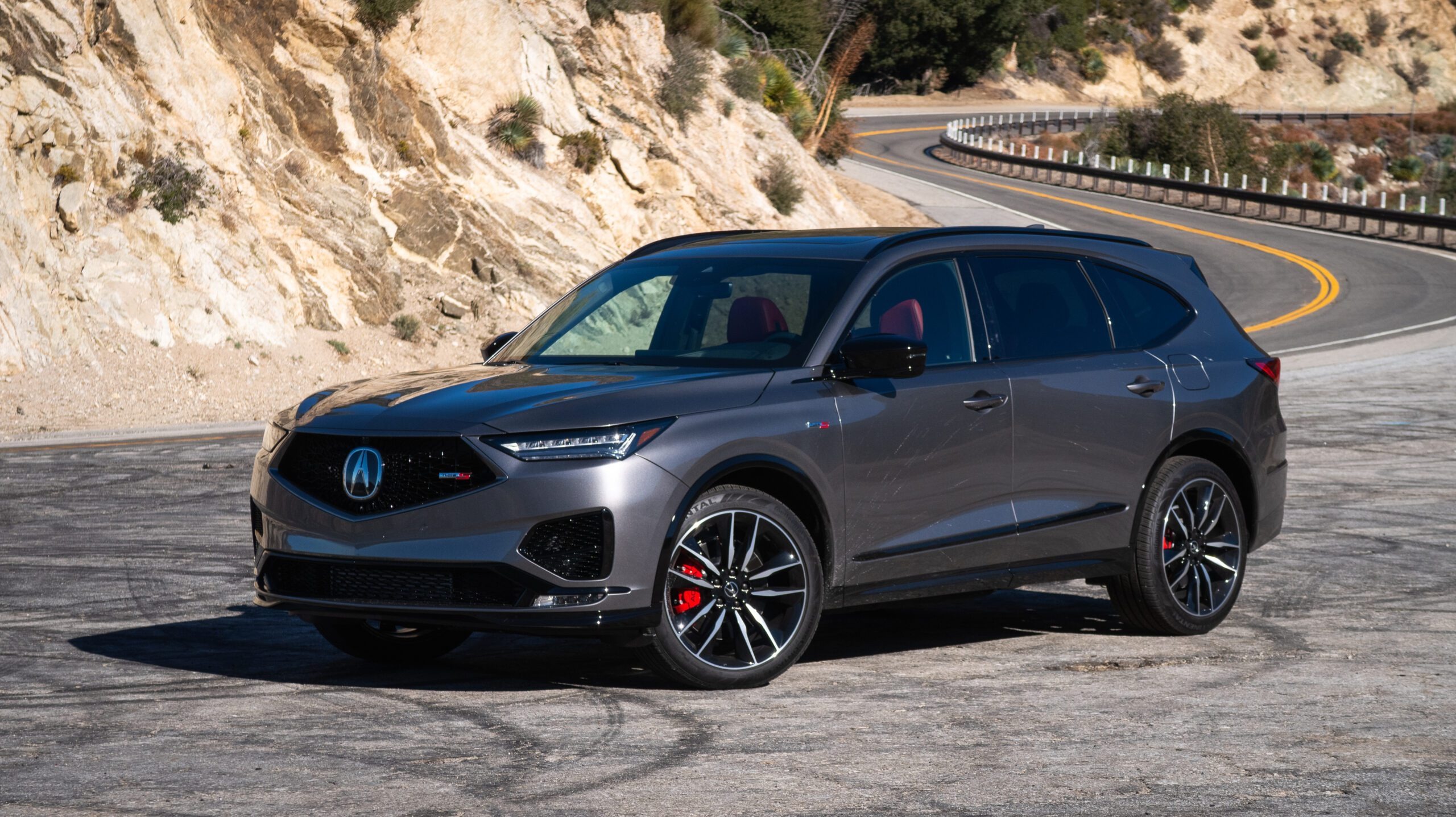
8. Acura MDX
The Acura MDX combines Honda’s reputation for reliability with Acura’s attention to premium build quality. The result is a midsize luxury SUV that not only resists mechanical breakdowns but also remains remarkably composed and rattle-free as the years go by.
Even in early models, the MDX was engineered with noise and vibration control in mind. Acura’s engineers focused heavily on NVH (noise, vibration, harshness) isolation during development, and it shows. Long after many other SUVs have started to feel loose or buzzy, the MDX keeps its composure and comfort.
Structurally, the MDX uses a unibody design that was reinforced from the start to handle family use, occasional hauling, and long-distance travel. The body doesn’t flex easily, and the suspension is tuned to absorb impacts without transferring excessive motion to the cabin.
This means that even when the vehicle is subjected to years of potholes, speed bumps, or hard braking, the interior doesn’t start to rattle apart. The doors, dashboard, and roof all stay properly aligned, and even components like sunroofs and windows resist the creaks that often develop in aging vehicles.
Inside, the MDX benefits from higher-end materials and thoughtful design. Soft leather, durable plastics, and well-padded surfaces help reduce interior wear. Acura also paid attention to how panels were joined together, using fewer clips and more secure fasteners to prevent long-term loosening.
The result is a vehicle that feels upscale not just when new, but also after 100,000 or even 200,000 miles. Owners consistently praise the MDX for retaining a high-quality feel even after years of family use and challenging driving conditions.
The powertrain has also played a major role in the MDX’s reputation for longevity. The 3.5-liter V6 engine used in most models is one of Honda’s most proven engines, known for its smooth power delivery and low maintenance requirements.
When combined with Acura’s SH-AWD system and a reliable transmission, the MDX delivers consistent, balanced performance that doesn’t punish the chassis or cabin. That gentle interaction between powertrain and body structure is part of why the MDX stays quiet and rattle-free longer than most vehicles in its class.
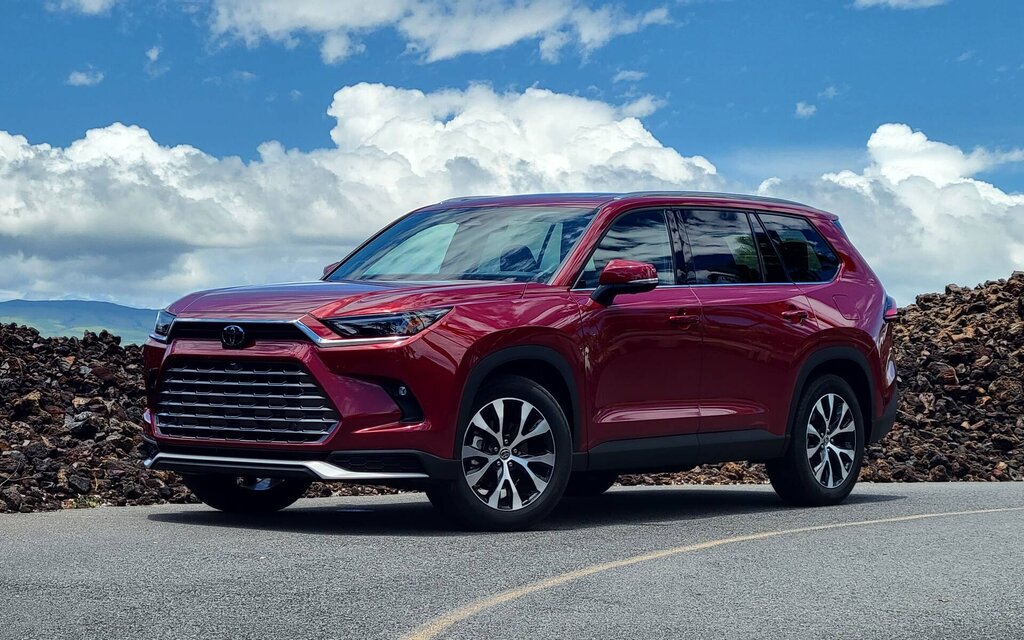
9. Toyota Highlander
The Toyota Highlander has earned a solid reputation as one of the most durable and rattle-resistant crossovers in the midsize category. While it doesn’t use a body-on-frame construction like the 4Runner or Land Cruiser, it more than makes up for it through excellent engineering, top-tier materials, and smart packaging.
It’s a unibody SUV built with long-term ownership in mind, which means Toyota has put in the work to ensure that it won’t start groaning or creaking after a few years of suburban driving or long commutes.
What surprises many owners is how “tight” the Highlander remains, even after surpassing 150,000 miles, an area where many other crossovers begin to show their age.
Part of the Highlander’s structural integrity comes from its well-designed chassis and extensive use of high-strength steel. This minimizes chassis flex during everyday driving, which in turn helps reduce strain on interior components. The result is fewer rattles from trim pieces, door panels, or the dashboard.
Even in older Highlanders, you’ll rarely hear the telltale buzzes or loose components that often plague similarly priced rivals. Toyota also designed the suspension to strike a balance between comfort and durability, so it absorbs road imperfections without transmitting harsh vibrations into the cabin, another key factor in preserving interior silence over the years.
Inside the Highlander, materials are carefully chosen not just for visual appeal but also for how well they wear over time. Toyota typically uses a mix of soft-touch plastics, high-quality cloth or leather upholstery, and solid-feeling controls that hold up well under constant use.
More importantly, the assembly quality is consistently excellent across the generations. Door seals remain tight, the HVAC system continues to operate quietly, and even power seats and windows resist developing the annoying creaks or moans that often show up in aging vehicles.
It’s a testament to Toyota’s focus on consistency and attention to detail, which pays off in long-term driving enjoyment.
Under the hood, the Highlander’s long-lasting V6 engine and smooth automatic transmission contribute to its refinement. These components don’t introduce the kind of strain or vibration that can cause mounts to weaken or panels to start buzzing.
Instead, you get a quiet, confident drivetrain that operates smoothly well into high mileage. For buyers who want a practical family SUV that can stay whisper-quiet even after a decade of use, the Highlander consistently delivers that experience without needing constant upkeep or repairs.
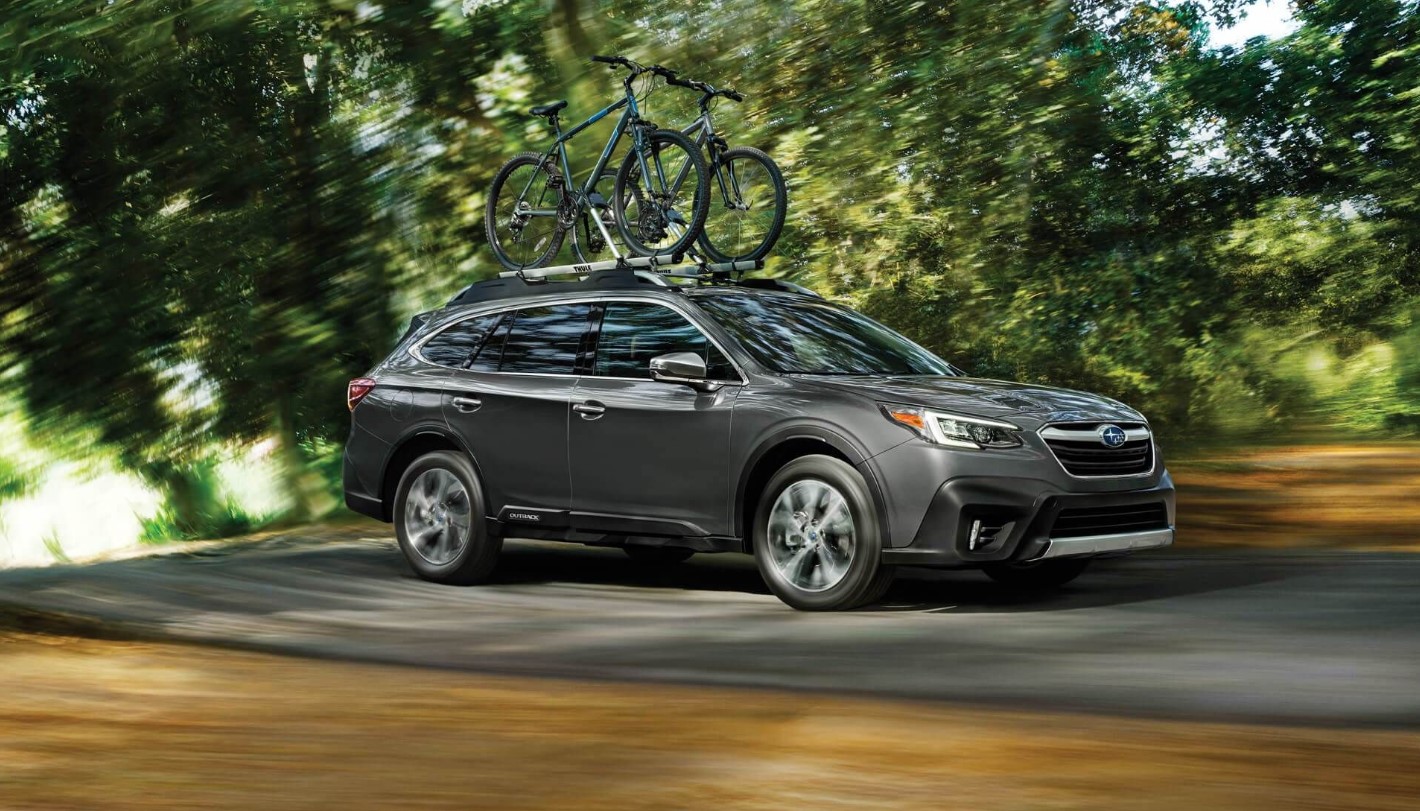
10. Subaru Outback
While it’s technically a crossover, the Subaru Outback deserves a place on this list due to its incredible ability to remain solid and composed even after years of real-world abuse. Many people treat their Outbacks like SUVs, using them for camping trips, long highway drives, and even light off-roading.
Despite that, the Outback holds together impressively well. Owners regularly report that even after 100,000–200,000 miles, the cabin remains mostly free of squeaks, rattles, or other signs of wear.
Subaru’s engineering focus on symmetry and balance, especially with their symmetrical all-wheel drive, contributes to the quiet and composed driving experience.
One major factor in the Outback’s long-term structural stability is its low center of gravity and unique chassis design. The flat boxer engine layout helps distribute weight more evenly across the vehicle, reducing stress on the frame and suspension.
This means fewer flexing forces are acting on the vehicle’s body, which helps maintain tight joints and minimizes interior shifting.
Additionally, Subaru’s use of high-tensile steel and thoughtful reinforcement of key structural points keeps the Outback from developing the dreaded “looseness” that tends to occur in other aging crossovers.
Interior quality, while not flashy, is smartly chosen for longevity. The seats resist sagging, the dash doesn’t crack or warp, and the center console holds up well to repeated use. Subaru avoids using overly glossy or delicate materials, which often degrade faster.
Instead, the interior feels intentionally sturdy, built more for functionality than luxury, and that’s part of why it lasts so well. The door seals remain effective even after thousands of open-and-close cycles, and even the plastic trim pieces along the cargo area stay put rather than becoming detached or noisy after extended use.
Subaru’s drivetrain and suspension tuning also help reduce the kind of wear that leads to rattling. The powertrain, while not the most powerful in the segment, is smooth and consistent. That lack of aggressive shifting or vibration helps keep the mounts and bushings in good condition for longer.
Coupled with a relatively soft suspension and generous ground clearance, the Outback manages to feel composed over broken pavement or gravel roads without shaking the cabin to pieces. All of this results in a vehicle that remains solid and confidence-inspiring long after it leaves the dealership lot.
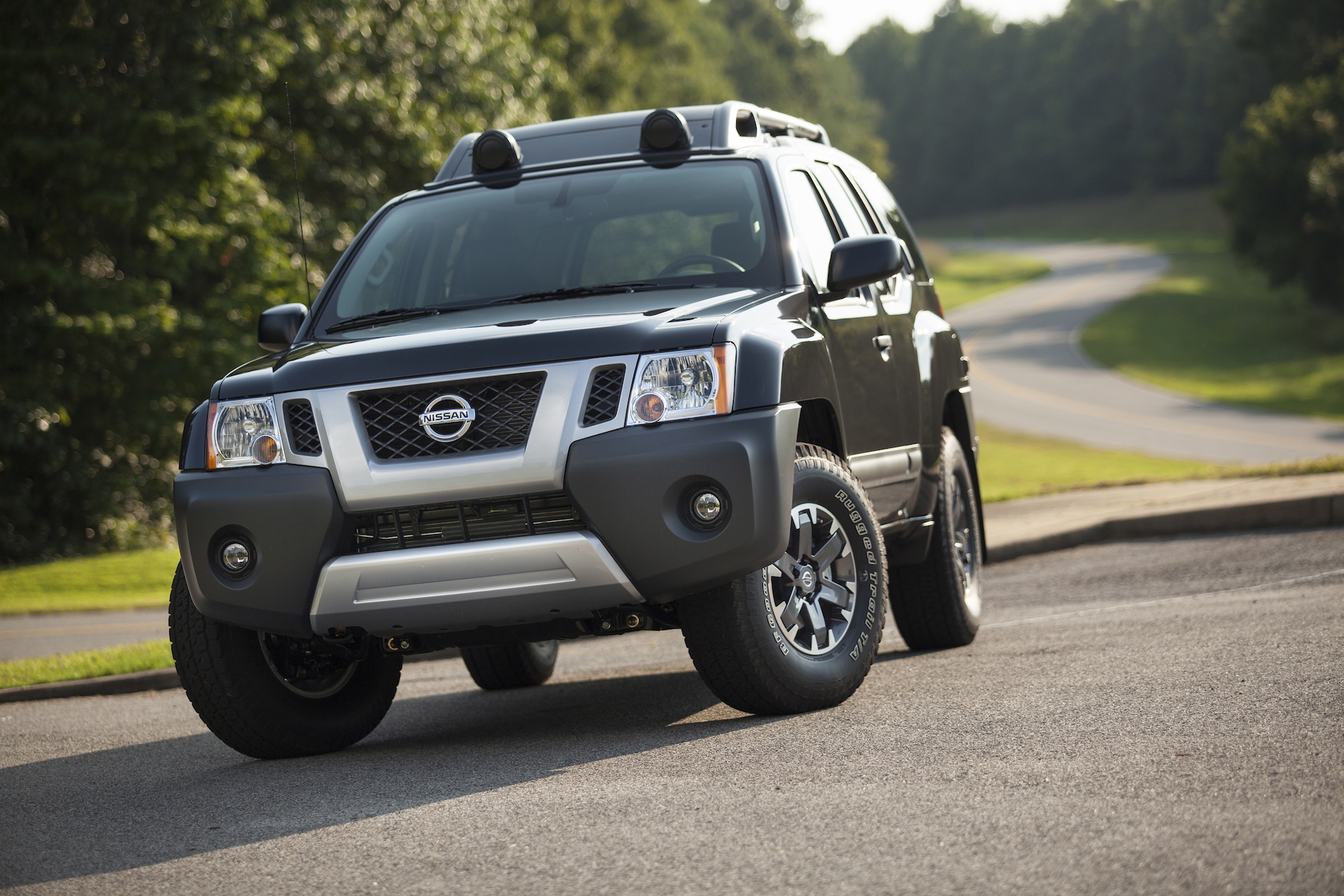
11. Nissan Xterra
The Nissan Xterra may no longer be in production, but its reputation for rugged durability lives on, especially when it comes to resisting the aging symptoms that many off-road-capable vehicles suffer from.
Built on a modified version of Nissan’s Frontier pickup platform, the Xterra was made for rough roads, rocky trails, and high-mileage adventure.
Its body-on-frame design gives it an inherent structural toughness that many modern crossovers simply can’t match. Even after years of hard off-road use, many Xterras remain surprisingly rattle-free, thanks to their solid construction and simple, straightforward engineering.
What makes the Xterra stand out is that it was never over-engineered for the sake of modern features. Nissan focused on durability and functionality. That means fewer electronic systems to malfunction and fewer plastic trim pieces to fall off or start buzzing as the miles climb.
The interior is basic but robust. Rubberized floors in some trims, thick cloth upholstery, and utilitarian panels make the vehicle feel more like a tool than a toy. And that’s exactly why it holds up. You won’t find easily cracked leather or delicate switchgear here, everything is built to survive use and abuse without complaint.
Even when the suspension is flexing over large rocks or potholes, the interior remains impressively quiet. The heavy-duty components resist loosening, and even after repeated off-road excursions, the Xterra retains much of its original structural integrity.
For those looking for a used SUV that can handle punishment and still feel tight on the road, the Xterra is a strong contender. Its honest, utilitarian build makes it less prone to the kinds of failures that lead to annoying interior noise.
