
Fuel efficiency has long been a top concern for drivers, particularly those who keep their cars for many years. While modern vehicles are getting better at conserving fuel, very few models maintain their original miles-per-gallon (MPG) performance over a decade and a half of use.
Most cars experience a slow decline in efficiency due to aging parts, less precise combustion, wear on tires and drivetrain components, and less responsive sensors. However, some vehicles are engineered so well and maintained so reliably that they continue delivering strong MPG performance even after 15 years on the road.
These cars share some common characteristics. Most are compact or midsize models, often powered by small, naturally aspirated engines that were designed for durability more than raw speed.
Others are hybrids that introduced advanced fuel-saving technology before it was common, and some just happen to have bulletproof drivetrains that resist wear better than others.
Regardless of how they do it, these cars can still get surprisingly close to their original fuel efficiency ratings, even when they’re closing in on two decades of use.
Owners often report minimal drop-offs in real-world MPG, and some vehicles even get better fuel economy later in life due to lighter driving habits and improved driving awareness.
This article will focus on ten specific vehicles known for their ability to maintain fuel economy performance over 15 years. They represent a mix of brands, types, and powertrains, but they all show that good engineering and responsible ownership can preserve MPG far longer than most people expect.
We’ll look at each model individually, highlighting why it holds up so well and what kind of maintenance helps keep it efficient. These are the kinds of cars that might not win drag races, but they’ll quietly rack up hundreds of thousands of miles while still sipping fuel like they did in their first few years.
Also Read: 5 Cars With Great Handling and 5 That Shake Apart
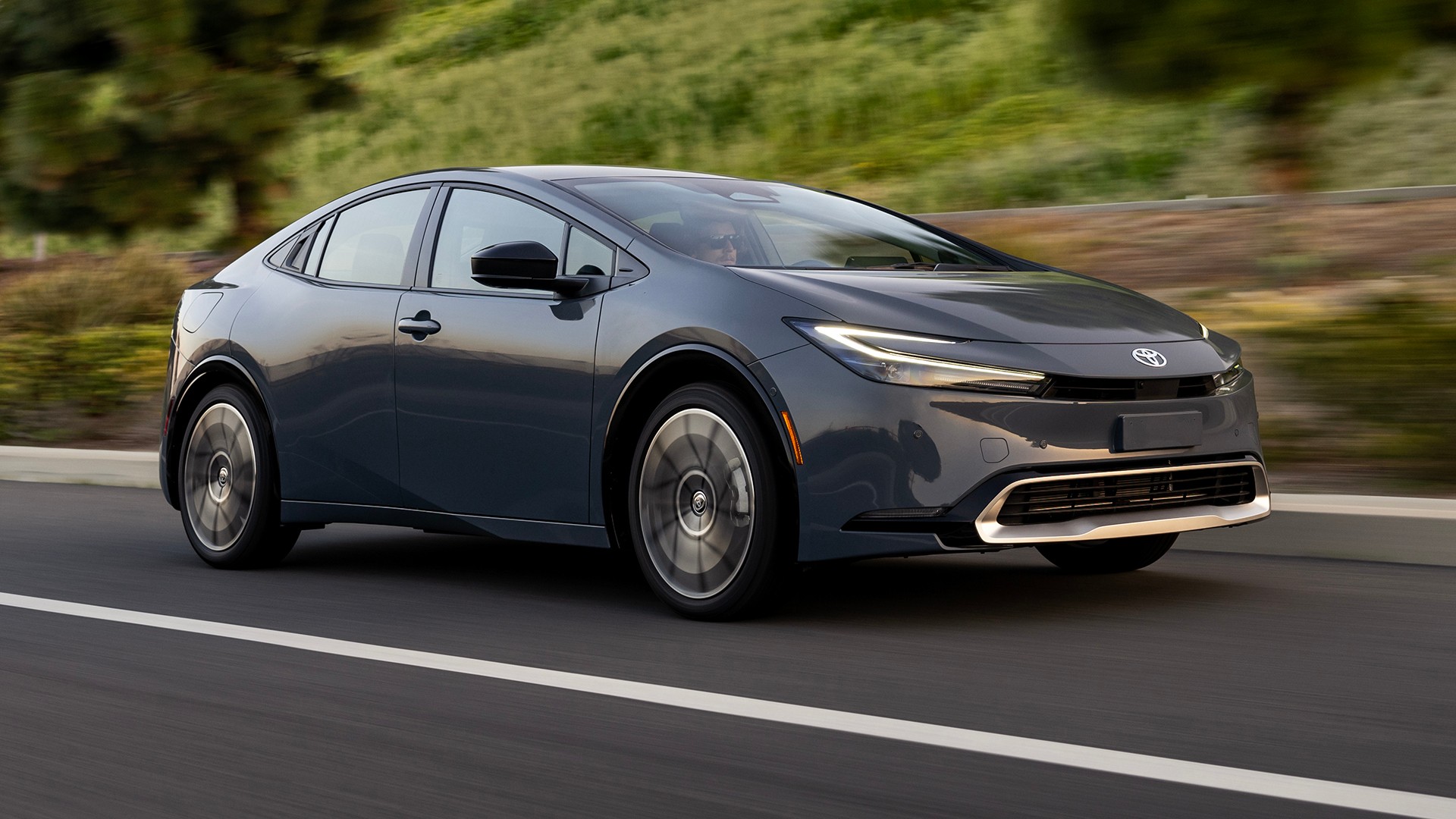
1. Toyota Prius (2004–2009)
The second-generation Toyota Prius is often considered the gold standard when it comes to long-lasting fuel efficiency. This model was one of the first mainstream hybrids to reach mass appeal, and it set the tone for hybrid vehicles across the board.
Even after 15 years, many owners report only a minor decrease in MPG. Originally rated at around 46 MPG combined, it’s not uncommon to see older Priuses still getting above 40 MPG in mixed driving conditions.
One of the reasons the Prius maintains such strong efficiency is its simple and reliable hybrid system. Toyota focused heavily on longevity when designing the Hybrid Synergy Drive. The electric motors and battery packs, while not immune to wear, tend to degrade slowly.
In many cases, owners who follow recommended maintenance schedules will see very few issues with the hybrid components over time. The gas engine, a 1.5-liter four-cylinder, is known for its smooth operation and low stress under normal driving conditions.
The aerodynamic design of the Prius also plays a role in keeping MPG up, even years down the line. Its shape reduces wind resistance significantly, and its regenerative braking system helps reduce wear on the conventional braking components.
These systems, working together, reduce the physical strain on the vehicle and lead to longer-lasting efficiency. Many long-term Prius owners note that the biggest threats to MPG over time are tires that aren’t low rolling resistance or heavy aftermarket modifications.
When maintained properly, the Prius’s efficiency doesn’t drop off a cliff. In fact, for drivers who ease into more relaxed habits over the years, fuel economy can remain remarkably stable.
It’s one of the few hybrids from the mid-2000s that can still function nearly as efficiently as it did brand new, which is why it continues to be a favorite among used-car buyers seeking low fuel costs.
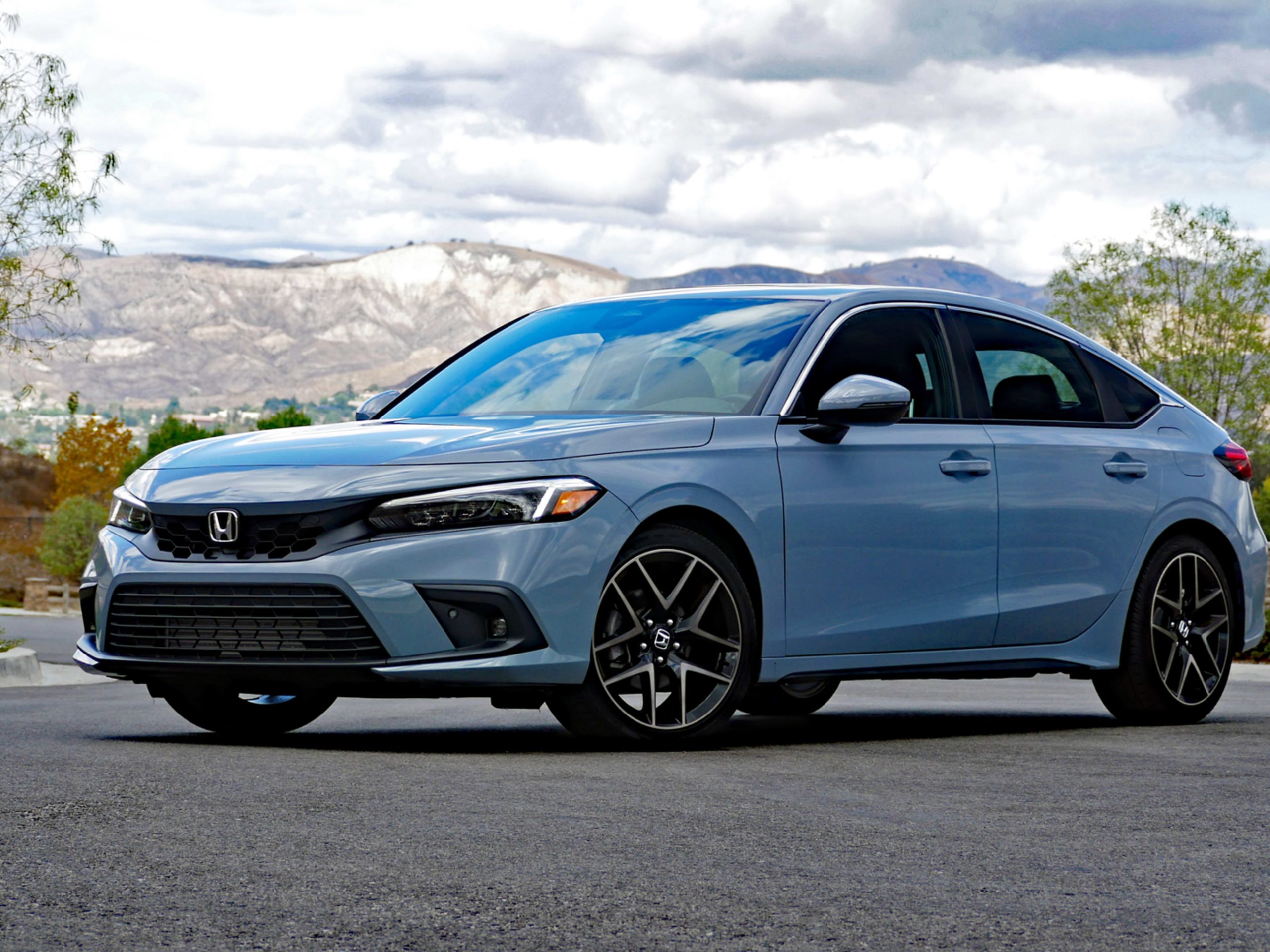
2. Honda Civic (2006–2011)
The Honda Civic has long been associated with fuel efficiency, especially in its eighth generation. This version of the Civic is known not just for its great MPG when new but for how well it maintains it over time.
With EPA estimates hovering around 30 MPG combined depending on the trim and transmission, it’s no surprise that some Civics can still manage similar numbers more than a decade later.
A big reason for the Civic’s long-term MPG consistency is the quality of its engine design. The 1.8-liter i-VTEC engine used in most trims of this generation was built for balance. It offers decent power while prioritizing smooth operation and longevity.
It’s not unusual to find Civics from this era with over 200,000 miles that still get within 10 percent of their original MPG ratings. The use of efficient multi-point fuel injection and precise timing helps minimize fuel waste over time.
Transmission reliability also plays a part. Many Civic owners chose manual transmissions, which are more mechanically straightforward and have fewer components that degrade with age.
Even the automatic transmissions in this generation tend to hold up well with regular fluid changes. When the transmission shifts correctly, the engine doesn’t need to work harder than it should, which helps maintain MPG over the years.
Finally, the Civic’s relatively light weight and tight construction help maintain efficiency. There are no overly complex systems that sap energy or drag down performance. Even with older suspension components or minor wear, the Civic continues to be one of the most frugal gas-powered sedans available.
Routine upkeep like keeping tires properly inflated and replacing air filters makes a noticeable difference, but the Civic starts from a solid foundation that keeps fuel economy from dipping too far over time.
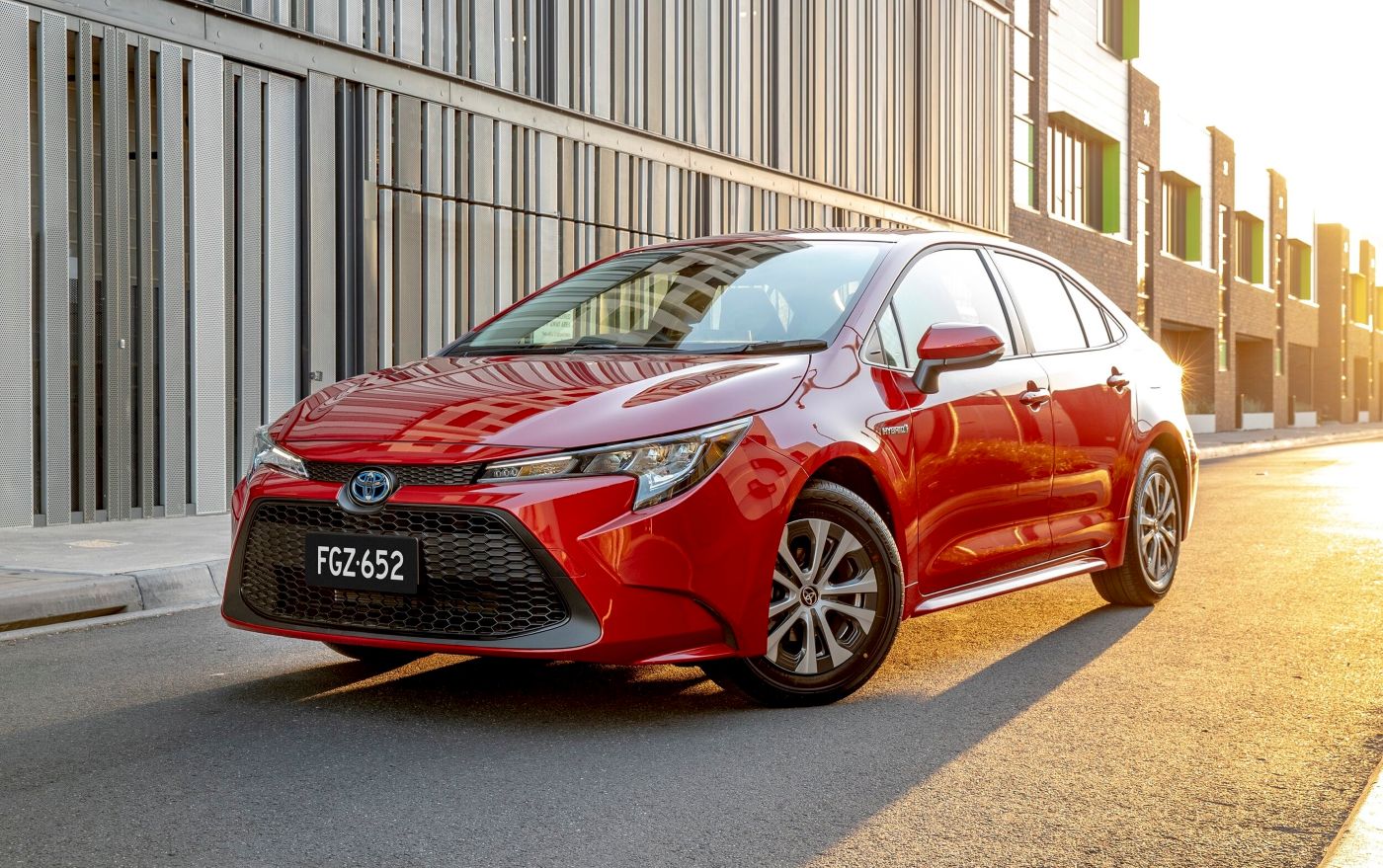
3. Toyota Corolla (2005–2010)
The Toyota Corolla is one of the most reliable nameplates in automotive history, and fuel efficiency is a big part of that reputation.
The ninth-generation Corolla, especially the 1.8-liter four-cylinder models with automatic or manual transmissions, is often praised for keeping close to its original MPG numbers long after its warranty has expired. With EPA ratings of 28–35 MPG, many 15-year-old models are still achieving numbers in the low 30s.
One reason the Corolla stays efficient is its minimalistic design. It avoids unnecessary complexity that can lead to fuel economy losses over time.
The engine isn’t turbocharged or highly tuned, which reduces the risk of wear-and-tear causing major MPG drops. Toyota’s engine management systems are also conservative, focusing on longevity rather than peak performance, which helps keep components working in harmony.
The weight and size of the Corolla also help. As a compact sedan, it doesn’t carry much bulk, and its aerodynamics are decent for its class.
The car’s structure doesn’t loosen up dramatically over time, which can sometimes reduce rolling efficiency or lead to alignment issues in heavier vehicles. If owners keep the car aligned and the suspension in decent shape, there’s little reason the Corolla can’t still return respectable MPG 15 years later.
Another key factor is driver behavior. Many people who bought Corollas new were not aggressive drivers. These habits carry over through the car’s life, putting less stress on the engine and drivetrain.
Even if a Corolla isn’t pampered, as long as it’s not abused and gets routine oil changes, it tends to reward its owner with low running costs and steady fuel economy. The formula is simple: good parts, modest demands, and consistent performance, even a decade and a half down the line.
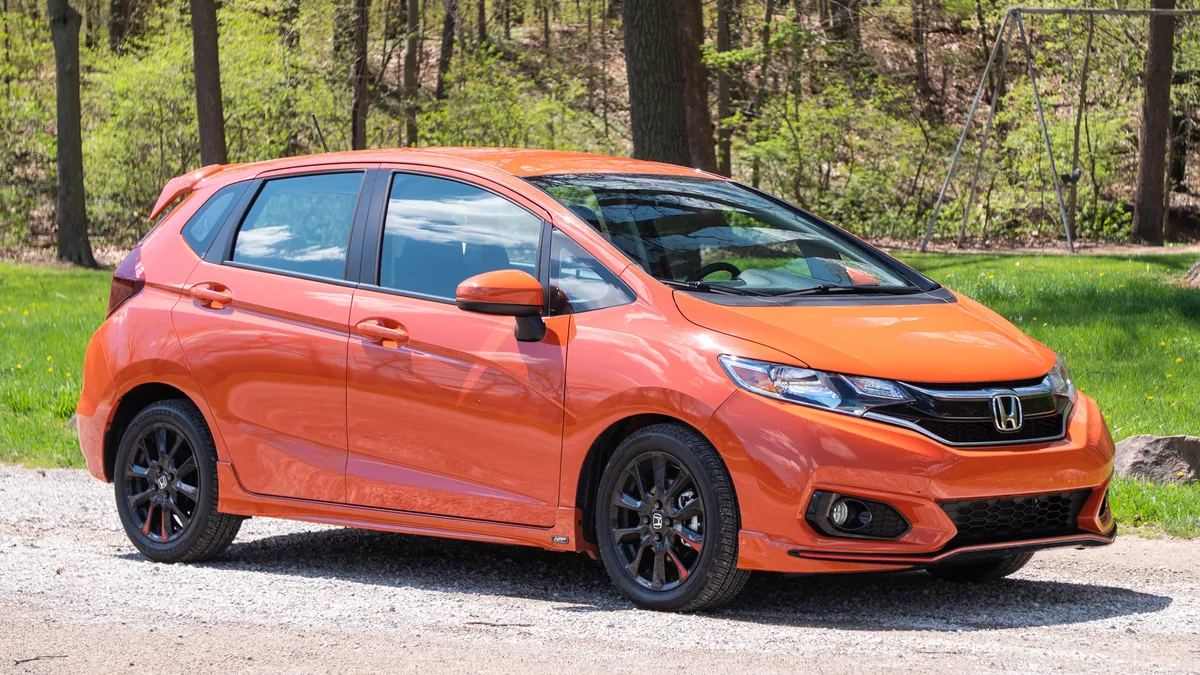
4. Honda Fit (2007–2013)
The Honda Fit quickly became known for being one of the most efficient and versatile subcompacts on the market. With its 1.5-liter engine and relatively low curb weight, the Fit consistently delivered high 30s to low 40s MPG in real-world driving.
Even after 15 years, many older Fits are still able to achieve this kind of fuel economy, making it a strong candidate for long-term efficiency.
Part of the Fit’s long-term MPG stability comes from how well-matched the engine and transmission are. The five-speed manual and automatic transmissions offered during this generation are responsive and dependable, which helps prevent fuel loss due to inefficient shifting or drivetrain strain.
The small engine doesn’t have to work very hard in normal conditions, and that keeps wear to a minimum. Its simplicity works in its favor, especially compared to newer models packed with more technology.
The Fit is also incredibly light and nimble, which means the engine doesn’t have to haul much weight. Its small footprint makes it ideal for urban driving and helps it stay efficient in stop-and-go conditions.
Even when these vehicles are used for commuting or deliveries, they often maintain their MPG better than expected. The car’s straightforward suspension and solid chassis design also contribute to consistent performance over time.
Many owners of the Fit are detail-oriented and practical, which often translates to good maintenance habits. Keeping up with oil changes, air filter replacements, and spark plug service can go a long way toward preserving fuel efficiency.
The Fit responds well to this kind of upkeep, and its forgiving nature means even small lapses don’t cause major MPG drops. For drivers who want a reliable and efficient small car that ages gracefully, the Honda Fit is often at the top of the list.
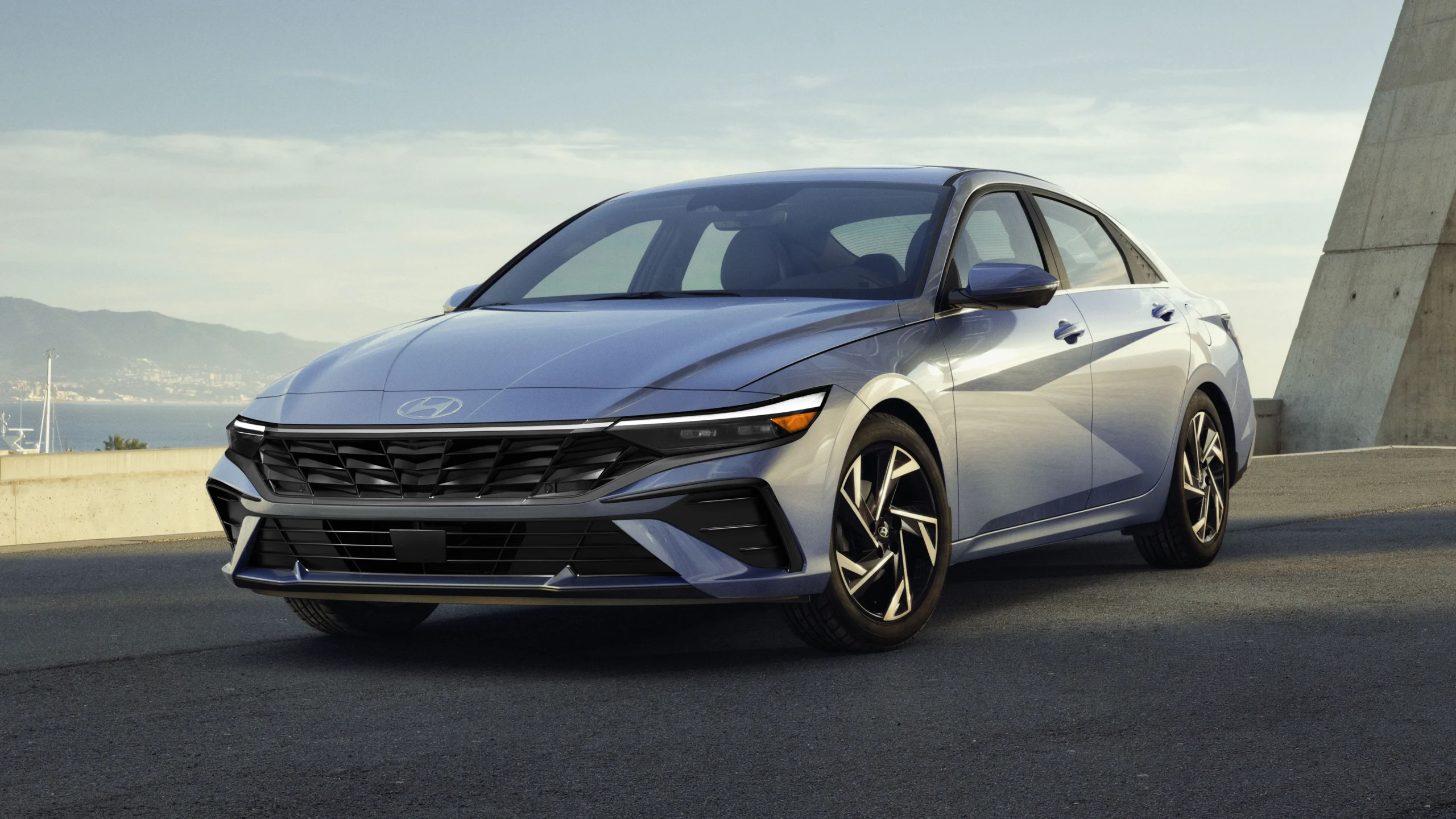
5. Hyundai Elantra (2007–2012)
The Hyundai Elantra from the late 2000s and early 2010s often surprises people with its long-term fuel efficiency. This compact sedan was one of the first Hyundai models to seriously challenge Japanese competitors in reliability and performance, and its fuel economy ratings reflected that effort.
Models from these years were rated between 28 to 38 MPG, depending on the transmission and trim, and many owners still report numbers within that range even after a decade and a half. While not as celebrated as some of its rivals, the Elantra quietly delivers when it comes to consistent MPG over time.
One reason the Elantra holds up well is its updated engine technology. Hyundai introduced the 1.8-liter Nu engine in 2011, replacing the older Beta series engine. This new powerplant was more efficient and lighter, reducing strain on the vehicle.
Even the older engines, though, were generally reliable and known for their simplicity. Fuel delivery systems in these cars are basic and durable, with few of the complex features that might degrade and reduce efficiency over time. Regular maintenance, such as changing spark plugs and air filters, keeps the combustion process efficient and helps preserve fuel economy.
Hyundai also made significant strides in aerodynamic design during this period. The 2011 Elantra, in particular, featured a more streamlined body with a drag coefficient similar to that of hybrid vehicles.
This design helps minimize wind resistance and allows the car to cruise at highway speeds with less effort, which is important for MPG preservation as the vehicle ages. Older models might see some minor dips in efficiency due to worn suspension or alignment issues, but these are relatively easy and inexpensive to fix compared to drivetrain problems.
The Elantra’s weight and construction contribute to its fuel efficiency over time. It isn’t overburdened with technology that requires heavy processing or energy draw. The electrical systems are straightforward, and the lack of turbocharging means the engine avoids the stress and wear that often affects more complex setups.
With regular oil changes, periodic fuel system cleanings, and reasonable driving habits, this car tends to reward long-term owners with mileage that doesn’t fall off dramatically, even after 150,000 miles or more.
Also Read: 10 Cars Mechanics Call Unkillable Even After Long Service History
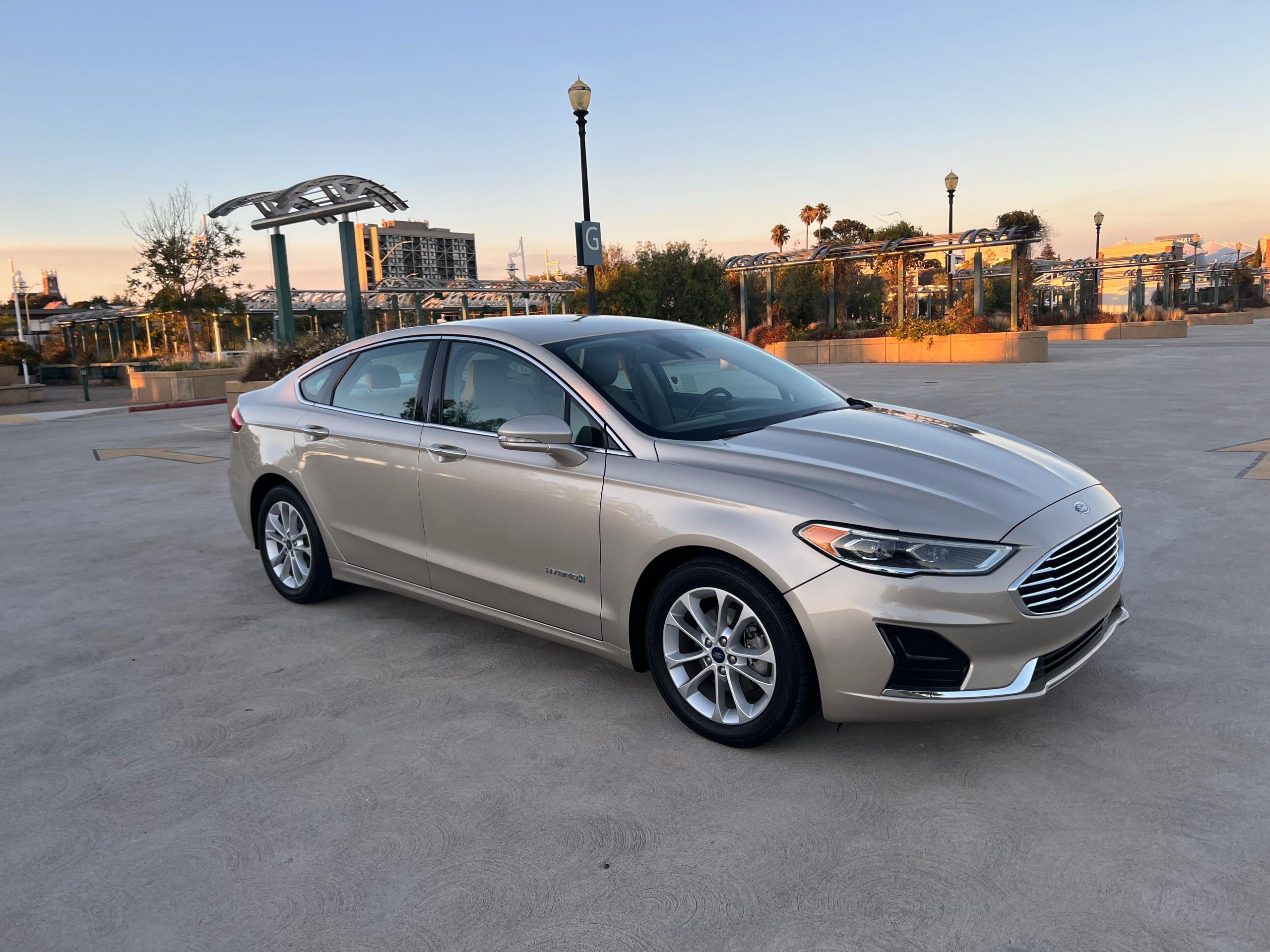
6. Ford Fusion Hybrid (2010–2012)
The first-generation Ford Fusion Hybrid marked a major step forward for American carmakers in the fuel efficiency race. Combining a 2.5-liter Atkinson-cycle engine with an electric motor, the Fusion Hybrid delivered a very respectable EPA rating of 39 MPG city and 37 highway.
What’s more impressive is how well this hybrid maintains its fuel economy over time. Many owners report that even 15 years later, their cars are still getting MPG in the mid to high 30s with minimal drop-off, which speaks to the durability of Ford’s hybrid technology from that era.
A major reason the Fusion Hybrid stays efficient is its well-integrated powertrain. The electric motor and gasoline engine work together in a seamless manner, and the electronically controlled continuously variable transmission (eCVT) plays a key role in optimizing power delivery.
Unlike traditional automatics that degrade with age due to shifting components wearing down, the eCVT has fewer moving parts and tends to maintain its performance longer. That means less wasted energy and more consistent MPG figures, especially for drivers who keep up with maintenance.
Battery longevity is another important factor. The Fusion Hybrid’s battery pack was built with long-term use in mind. While hybrids inevitably lose some battery capacity over time, the rate of decline for the Fusion is relatively slow, particularly when the vehicle is driven regularly and the battery cycles are consistent.
Many early Fusion Hybrids are still on the road without needing a replacement battery, which is unusual for early hybrid models. When the electric system continues functioning well, it keeps the car from relying too heavily on the gas engine, preserving MPG.
Lastly, Ford’s hybrid system includes regenerative braking, which reduces wear on traditional brakes and helps recharge the battery. This setup not only extends the life of the braking system but also supports the vehicle’s efficiency.
Since these cars tend to be driven in urban environments, regenerative braking is used frequently, which reinforces the hybrid advantage. When all these systems continue working in harmony, the Fusion Hybrid remains one of the better long-term choices for those wanting hybrid MPG without the premium price of a luxury brand.
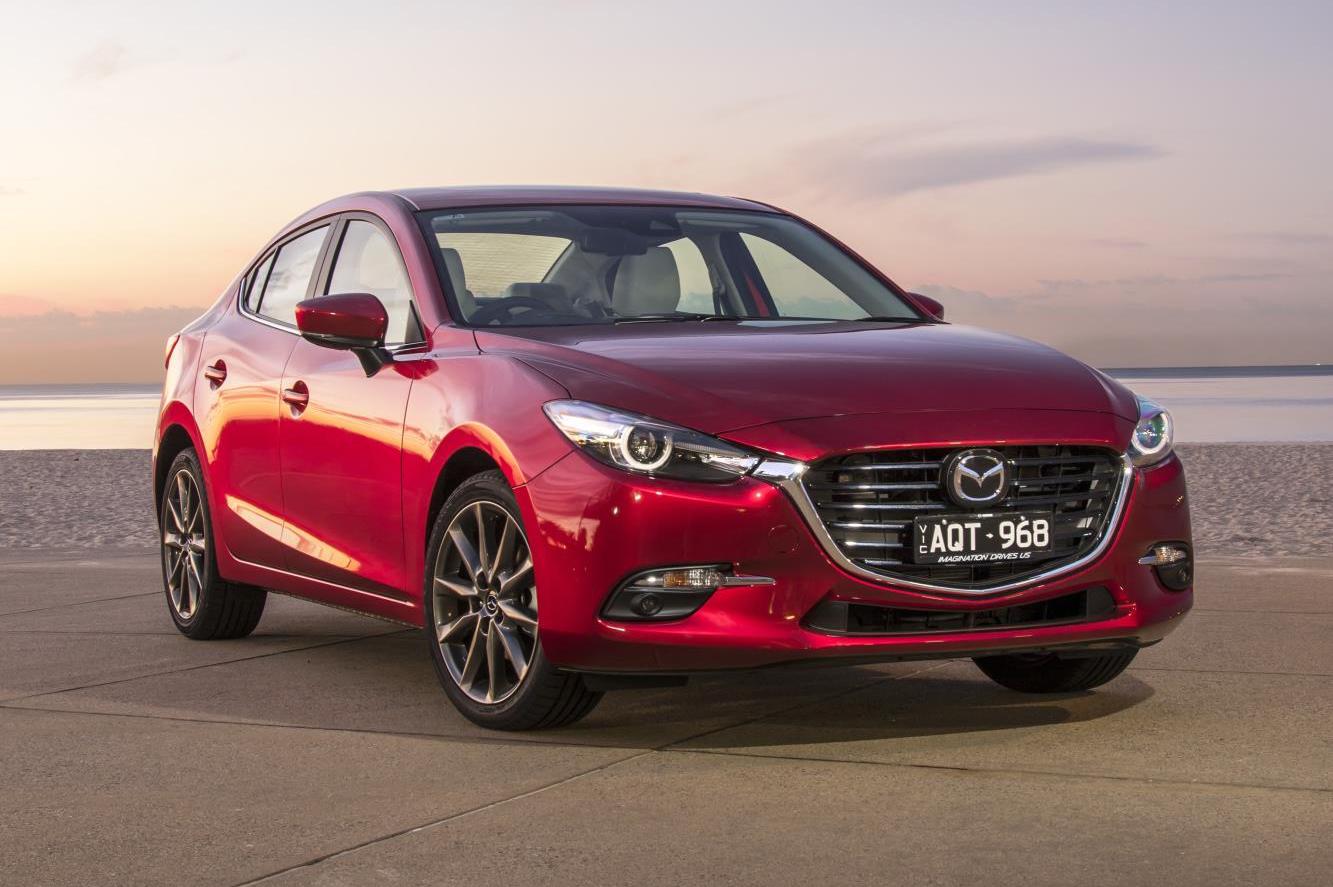
7. Mazda3 (2006–2011)
The first and second-generation Mazda3 stand out not only for being fun to drive but also for their surprisingly stable fuel efficiency. Originally rated between 24 and 33 MPG depending on the engine and transmission, the Mazda3 continues to impress owners with how little its MPG numbers drop after many years of use.
The combination of responsive handling, efficient engineering, and long-lasting components makes it a solid long-term option for those who want efficiency without sacrificing engagement behind the wheel.
Mazda’s approach to engine design during this era focused on practicality and durability. Most trims came with either a 2.0-liter or 2.3-liter naturally aspirated four-cylinder engine, both of which were known for their smooth performance and manageable maintenance costs.
Unlike turbocharged engines that often suffer performance and efficiency drops over time, these engines remain relatively stable if maintained. They don’t have complicated systems that deteriorate quickly, and their simple design means problems are easy to spot and fix early, preventing larger efficiency losses down the line.
Another reason the Mazda3 maintains MPG well is its sturdy chassis and suspension tuning. Even after years on the road, the car doesn’t suffer from the same amount of body flex or looseness that can affect fuel efficiency through drag or tire misalignment.
The structure stays tight, which helps keep rolling resistance low and ensures the drivetrain operates efficiently. If the suspension and tires are kept in decent condition, the car doesn’t require more effort to move than it did when new, which is a major factor in maintaining MPG.
Finally, the Mazda3 is a car that tends to be cared for by its owners. Many Mazda enthusiasts are attentive to things like oil changes, proper tire inflation, and driving behavior. Because of this, used Mazda3s are often in better mechanical condition than one might expect for their age.
All of this contributes to fuel economy that holds up well, especially for highway driving, where aerodynamics and engine health matter most. It’s the kind of vehicle that rewards both careful maintenance and efficient driving habits, keeping MPG up even after 150,000 miles or more.
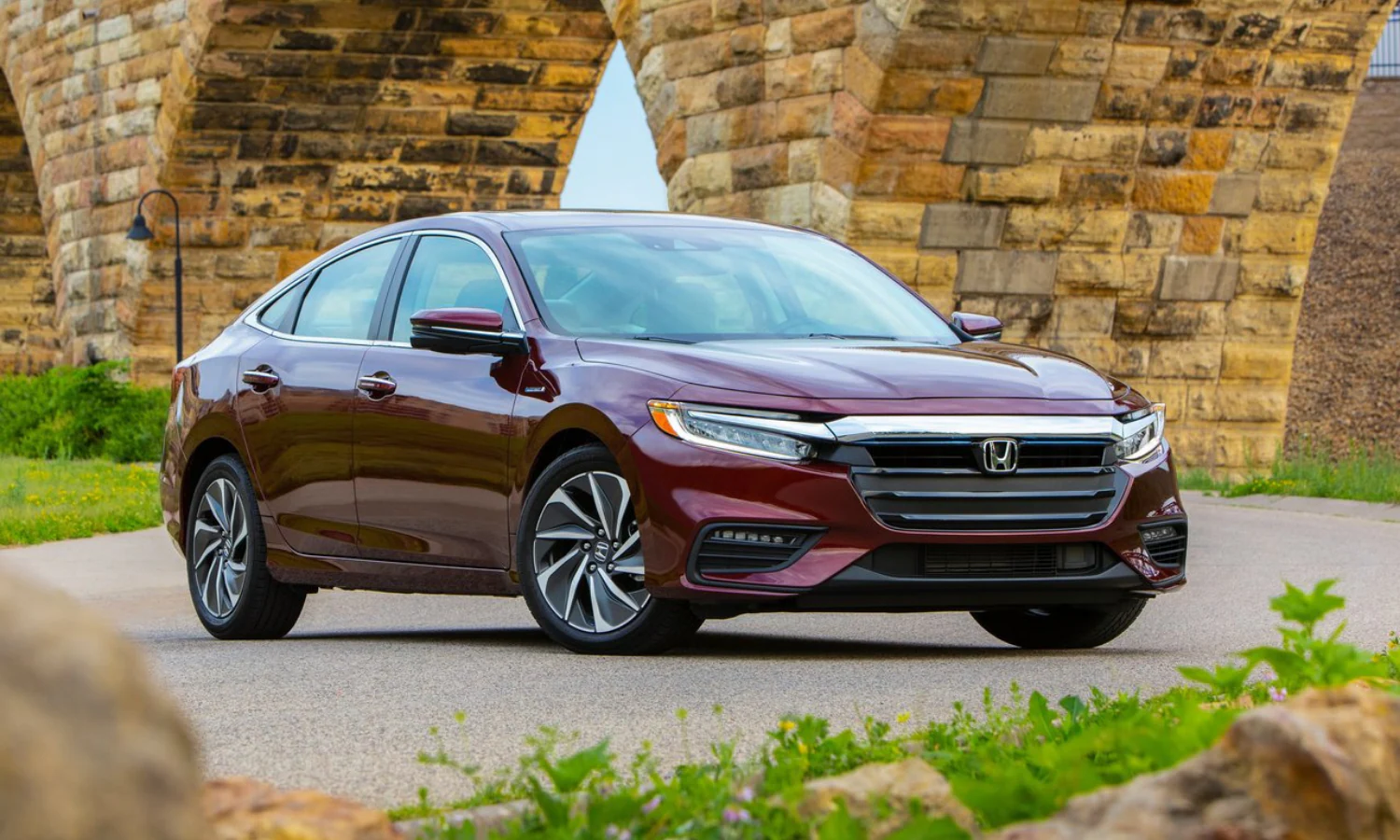
8. Honda Insight (2000–2006)
The first-generation Honda Insight was ahead of its time, both in design and fuel efficiency. With its ultra-lightweight construction, aluminum body, and manual transmission option, the Insight was a hybrid that could regularly achieve over 60 MPG when new.
Even 15 years later, well-maintained examples can still reach MPG figures in the 50s, a feat few other hybrids can claim. Though it had only two seats and a limited cargo area, its long-term efficiency has made it a cult favorite among hypermilers and efficiency enthusiasts.
The reason the Insight maintains its fuel economy so well is partly due to its extremely low curb weight. At around 1,850 pounds, it’s significantly lighter than almost any modern hybrid or compact car.
That weight reduction means less stress on the engine and battery, which translates to reduced wear and better long-term performance. Less weight also means fewer parts that can degrade and cause drag or inefficiency, such as worn suspension bushings or drivetrain slack.
Honda’s Integrated Motor Assist (IMA) system was simpler than Toyota’s Hybrid Synergy Drive, and that simplicity helped with reliability. While the electric motor doesn’t offer full EV driving, it assists the gasoline engine during acceleration, reducing the fuel demand.
The batteries in the Insight were relatively small and easy to replace or upgrade. Some owners have even fitted modern battery packs into older Insights, boosting performance and keeping MPG incredibly high. Even with original batteries, many drivers still report MPG in the high 40s or low 50s.
Another unique feature that helps preserve efficiency is the car’s aerodynamic shape. With full rear wheel covers, a tapered rear end, and a sleek front, the drag coefficient was one of the lowest ever seen on a production car. This design allows it to glide with minimal resistance, particularly on the highway.
Combined with its minimal mechanical complexity and low maintenance needs, the first-gen Insight remains one of the most fuel-efficient cars ever made, and it proves that smart design can age gracefully.
9. Scion xB (2004–2006)
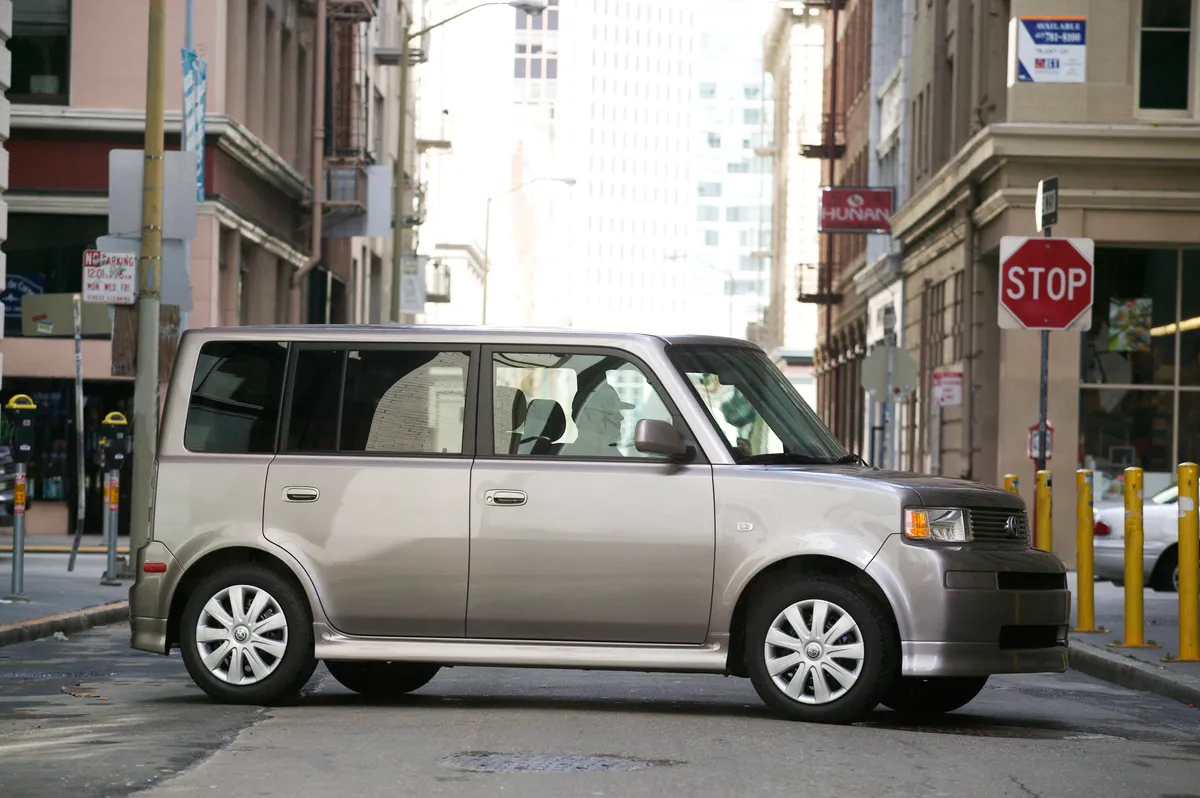
The original Scion xB may not seem like a fuel economy star at first glance. Its boxy shape and upright stance look like they’d fight against the wind rather than slip through it. But the xB, particularly the first generation, actually holds onto its MPG ratings surprisingly well over time.
Originally rated around 30 MPG combined with its 1.5-liter engine and lightweight build, many xBs still hit similar numbers after 15 years or more, thanks to its simple, no-nonsense mechanical setup.
The engine is key here. Borrowed from the Toyota Echo and Yaris, the 1.5-liter four-cylinder was never high-powered, but it was incredibly reliable and efficient.
It runs smoothly and doesn’t suffer much from carbon buildup or timing issues like more modern, high-compression engines.
It’s also easy to work on, making it accessible for DIY owners or inexpensive for mechanics to maintain. With a small displacement and modest power output, it avoids strain even when driven regularly, which helps preserve MPG over time.
The xB also benefits from being lighter than it looks. Weighing under 2,500 pounds, it’s far less bulky than its shape suggests. The upright design may hurt highway MPG slightly due to increased wind resistance, but its city driving numbers hold strong because the engine doesn’t need to fight inertia or mass.
Many of these cars were used for urban commuting or delivery driving, where stop-and-go fuel economy matters more, and in those conditions, the xB continues to perform well year after year.
Finally, like many Toyotas of the era, the xB’s quality components and thoughtful engineering contribute to consistent performance. Even if some suspension or drivetrain parts age, they rarely fail in ways that significantly harm MPG.
Owners who replace key wear items like spark plugs, oxygen sensors, and belts often find their fuel economy rebounds quickly. It’s a testament to Toyota’s philosophy of durable simplicity, and why the first-gen xB remains a dependable and efficient option long after its production ended.
10. Volkswagen Jetta TDI (2006–2009)
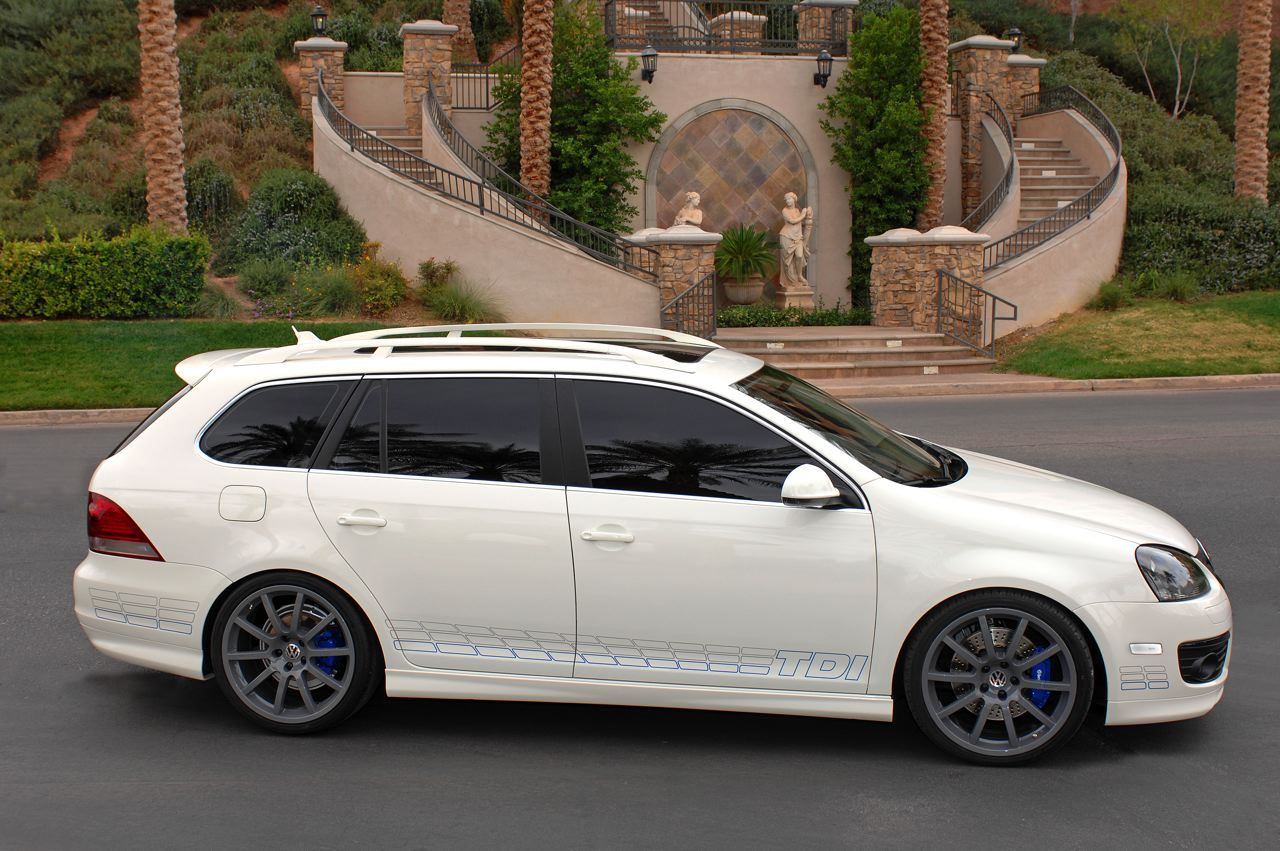
Diesel cars aren’t always associated with long-term MPG consistency, but the Volkswagen Jetta TDI bucks that trend. With its 1.9-liter and later 2.0-liter turbodiesel engines, the Jetta was capable of hitting 40–50 MPG on the highway when new.
Even after 15 years, many owners report real-world figures close to those numbers, provided the car has been maintained correctly. Diesel engines are known for their longevity, and when cared for, the TDI continues to provide fuel economy few gasoline cars can match over the long haul.
One reason the Jetta TDI maintains its MPG so well is the robustness of its engine. The 1.9-liter ALH and BEW engines, in particular, are overbuilt compared to modern standards.
These engines can run for several hundred thousand miles without major rebuilds, and they retain compression better than most gasoline engines as they age.
That strong compression is key to efficient combustion in a diesel, and it directly affects MPG. As long as injector timing and turbo function are preserved, the engine delivers consistent performance for many years.
Diesel fuel has a higher energy density than gasoline, and TDIs are optimized to use it efficiently. They also tend to operate at lower RPMs, which reduces wear and keeps internal engine temperatures more stable.
While newer TDIs have more emissions-related systems that can fail and reduce performance, the pre-2010 models were simpler and less prone to issues like diesel particulate filter (DPF) clogging. This simplicity helps ensure fuel economy doesn’t suffer as much over time.
Proper maintenance is essential, of course. Diesel engines need timely oil changes with the correct type, clean air filters, and occasional attention to EGR and turbo systems. However, many TDI owners are meticulous, often attracted to the car for its long-distance capability and frugality.
This owner behavior, combined with a strong drivetrain and efficient fuel usage, means the Jetta TDI remains one of the few 15-year-old cars that can still knock out 600 miles on a single tank without breaking a sweat.
11. Subaru Impreza (2008–2011)
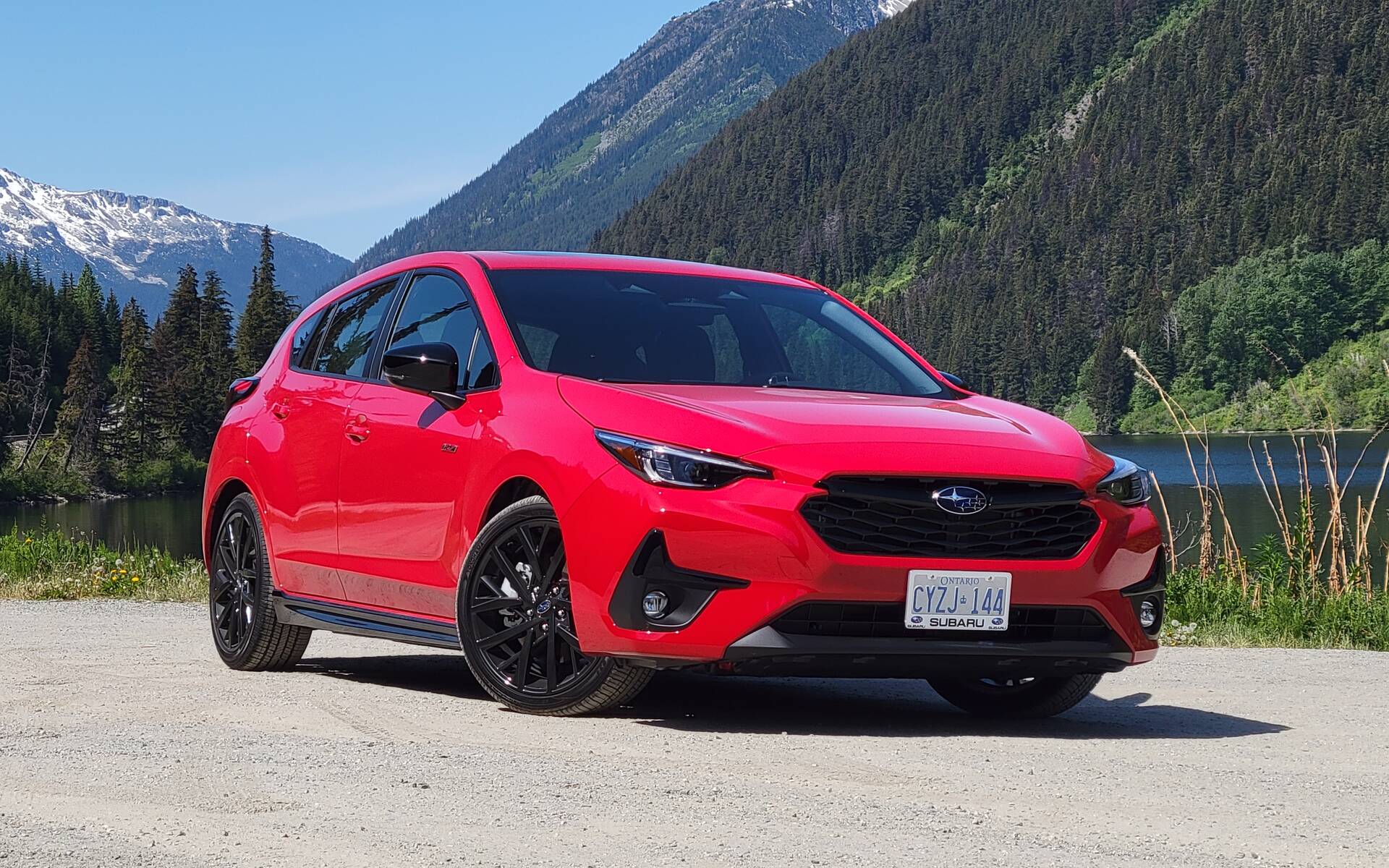
The Subaru Impreza is often recognized for its all-wheel-drive capability and winter-weather handling, but what’s often overlooked is how well it holds onto its fuel efficiency over time, especially considering the added weight and mechanical complexity of AWD.
While the Impreza may not have the sky-high MPG numbers of smaller FWD compacts, it still maintains impressive long-term economy for a car in its class. When new, these models were rated around 20–27 MPG depending on the transmission, and many long-term owners still report similar figures well after 150,000 miles.
The durability of Subaru’s flat-four “boxer” engine plays a big part in this. The engine is mounted low in the chassis and is designed to reduce vibrations while maximizing longevity. Although it requires regular maintenance, such as valve cover gaskets and timing components, it tends to age gracefully when looked after.
The powerband is wide and predictable, so drivers don’t need to push the engine hard to achieve steady driving. When the engine is maintained and properly tuned, fuel efficiency doesn’t drop significantly, even after years of use.
Another reason the Impreza stays efficient over time is its symmetrical all-wheel-drive system. Unlike part-time AWD systems that engage only under certain conditions, Subaru’s system is always active and mechanically balanced.
This means there’s less stress on individual components, fewer spikes in fuel demand, and a smoother wear pattern across the drivetrain. Many other AWD systems degrade over time, causing friction or parasitic losses that impact MPG, but the Impreza tends to avoid these issues when cared for properly.
Lastly, the Impreza benefits from a loyal and knowledgeable owner base. Subaru drivers are known for being proactive with maintenance, and that consistency pays off when it comes to MPG retention.
Replacing worn O2 sensors, keeping the tire pressure equal across all four wheels (critical in an AWD system), and using the correct fluids all make a measurable difference.
As a result, the Impreza offers not only dependable performance in rough weather, but also fuel efficiency that remains close to original numbers well into its second decade, making it a standout among long-lasting, AWD compact sedans and hatchbacks.
