
For years, SUVs were often seen as practical, family-friendly vehicles designed for functionality rather than investment potential. They were roomy, safe, and dependable, but not typically something that would turn heads at an auction or bring in profits over time. The idea of an SUV appreciating in value was rare.
Most of them, like the vast majority of everyday vehicles, were expected to depreciate rapidly after rolling off the lot. However, the automotive industry has shifted in recent years, and the perception of certain SUVs has undergone a surprising transformation.
Whether due to limited production runs, strong aftermarket support, cultural relevance, or simply being ahead of their time in design and performance, some SUVs have defied expectations and increased in value at an impressive pace.
The appreciation of these models didn’t always follow the traditional logic that governs collectibles or performance cars. Some gained traction in the used market because they filled a gap in modern vehicle offerings. Others found themselves boosted by nostalgia, rarity, or even celebrity associations.
In some cases, manufacturers stopped producing them just as demand began to surge, leading to a sharp increase in prices. Whatever the reason, these SUVs moved from practical utility to sought-after icons. What sets them apart is not just a sharp increase in market value, but the speed at which they achieved it. Unlike classic vehicles that required decades to be appreciated, these SUVs saw rapid growth in just a few years or even months.
This article takes a closer look at 10 SUVs that appreciated faster than anyone predicted. These aren’t just good-looking or high-performing models, they’re examples of timing, market shifts, and changing tastes coming together in unexpected ways.
While some of the names on this list might be familiar, their sudden value increase still comes as a surprise to many car enthusiasts and collectors. From rugged off-roaders to high-performance luxury crossovers, these SUVs have rewritten the rules about what can become desirable and valuable.
Also Read: 5 Cars With Great Handling and 5 That Shake Apart
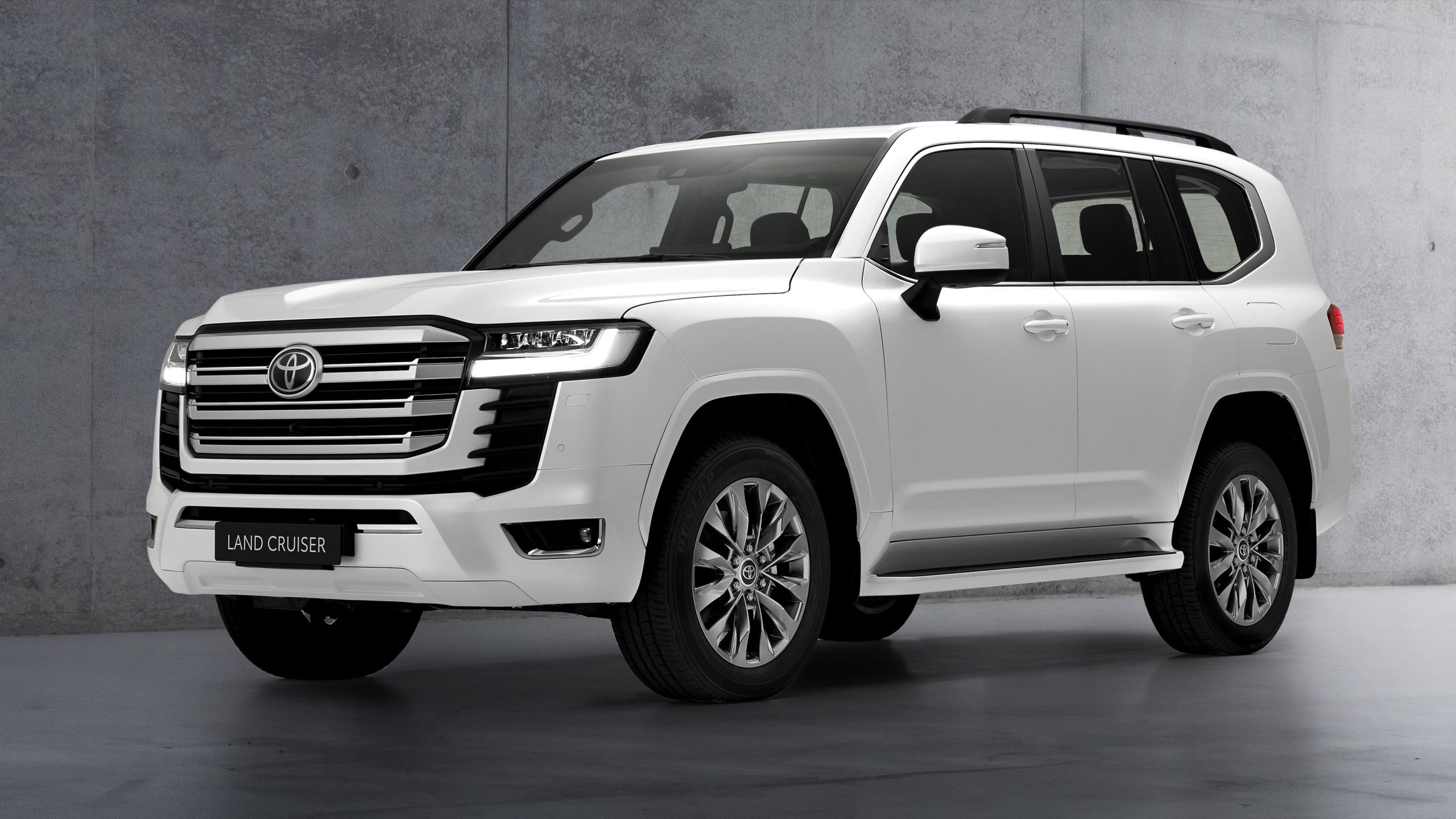
1. Toyota Land Cruiser (J80)
The Toyota Land Cruiser J80 is a rugged, reliable off-roader that was once overlooked in favor of more modern or luxury SUVs. Initially built for utility, it didn’t carry a premium resale value for many years.
Owners drove them hard, often using them for overland travel or off-road excursions, which led to a shrinking pool of well-maintained examples.
But as the years passed, the J80 developed a cult following. Today, clean and original units are commanding impressive prices, especially models with locking differentials and the 4.5-liter inline-six engine.
What fueled its appreciation was its unmatched build quality and capability. Unlike many SUVs from the 1990s, the J80 was overengineered. It was built to last in extreme conditions, and many examples are still on the road today with over 300,000 miles.
Enthusiasts began to recognize it as one of the last truly bulletproof 4x4s before the rise of electronics and luxury features that compromised simplicity. With the rising interest in off-roading and overlanding, buyers are now willing to pay a premium for original examples.
Another factor in its rising value is its timeless design. The J80 blends old-school SUV charm with a commanding presence. As newer SUVs have become more car-like in appearance and feel, the Land Cruiser J80 has held onto its authentic off-road DNA.
Collectors now see it as a milestone model that bridges the gap between classic and modern 4x4s. It represents an era of mechanical honesty that’s hard to find in today’s vehicles.
Production of this generation ended over two decades ago, and Toyota has since moved toward more luxurious interpretations of the Land Cruiser.
With each passing year, low-mileage, rust-free J80s become harder to find. That scarcity, paired with growing demand, has sent auction and private-sale prices climbing quickly, often surpassing $30,000 to $40,000 for well-preserved examples, a big jump from their value just a few years ago.
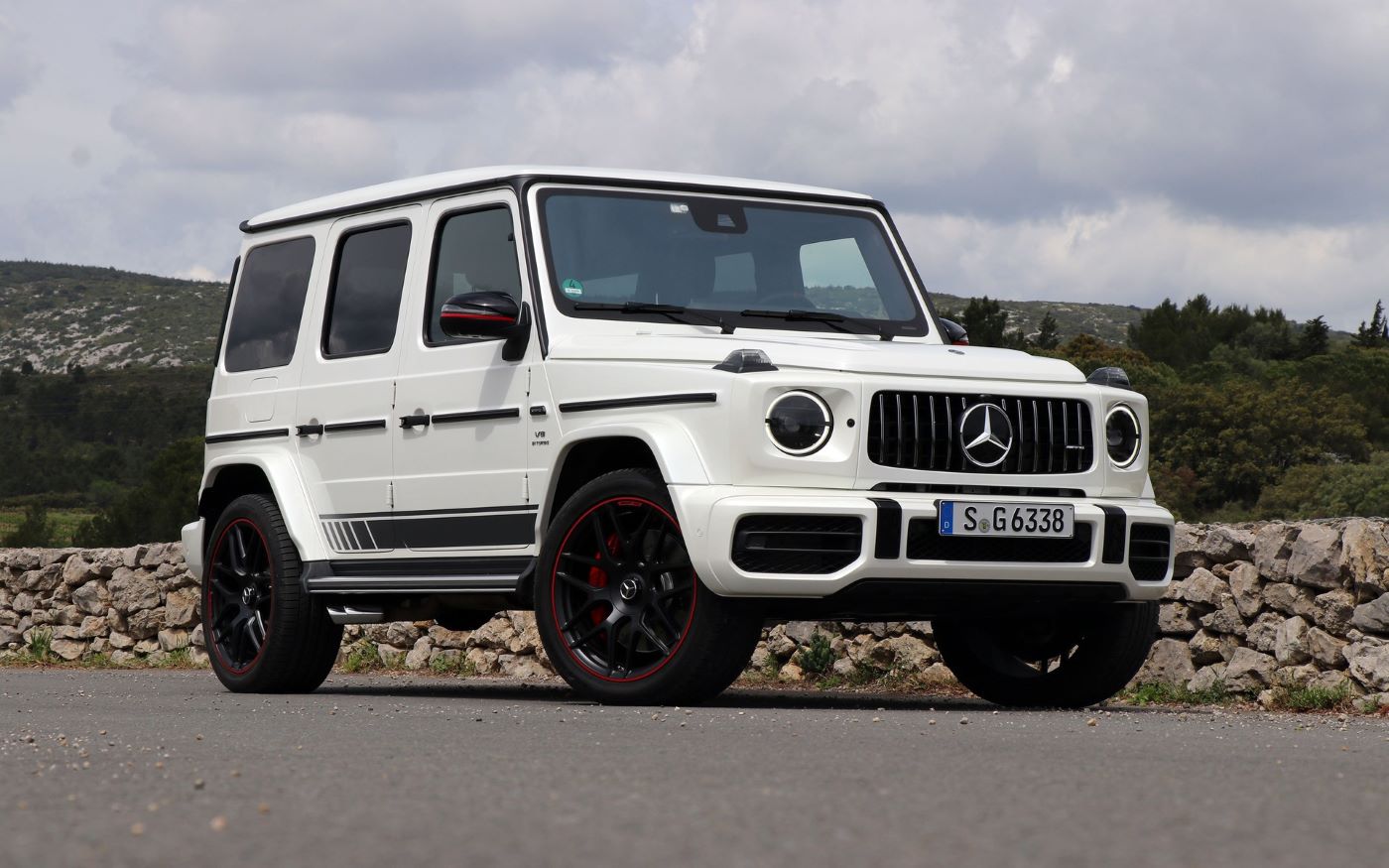
2. Mercedes-Benz G-Class (W463)
For many years, the Mercedes-Benz G-Class was a niche vehicle, primarily known in military and utility sectors. But the W463 generation, launched for the civilian market, quietly transformed the G-Wagen into a luxury icon.
While it always carried a high sticker price when new, used models didn’t initially retain that value. Then something shifted. In just a few years, the W463 G-Class, particularly the earlier models and AMG variants, skyrocketed in resale value.
The G-Wagen’s iconic boxy styling remained largely unchanged for decades, which played a big role in its sudden popularity. Unlike other luxury SUVs that go through complete design overhauls, the G-Class maintained its silhouette and mechanical ruggedness.
As trends shifted toward retro and utilitarian aesthetics, the G-Wagen found itself back in fashion. Influencers, celebrities, and athletes began showcasing their customized G-Wagens, creating a social media buzz that translated into renewed market interest.
One significant factor behind the G-Class appreciation was the discontinuation of older models. As Mercedes updated the G-Class with more electronics and safety features, purists and collectors turned to the older, more analog versions.
These earlier W463 models combined classic styling with durable mechanics, offering a driving experience that felt raw and engaging. AMG-tuned versions, with their hand-built engines and aggressive styling, became especially desirable.
Prices for used W463s, particularly those built between 2002 and 2012, surged dramatically. What was once a $40,000 vehicle just a few years ago could now fetch $80,000 or more, depending on condition and spec.
The rapid appreciation was not just a result of market hype but also a recognition of the G-Class’s unique place in automotive history. It was a rare blend of rugged off-roader and luxury statement that few SUVs have managed to replicate.
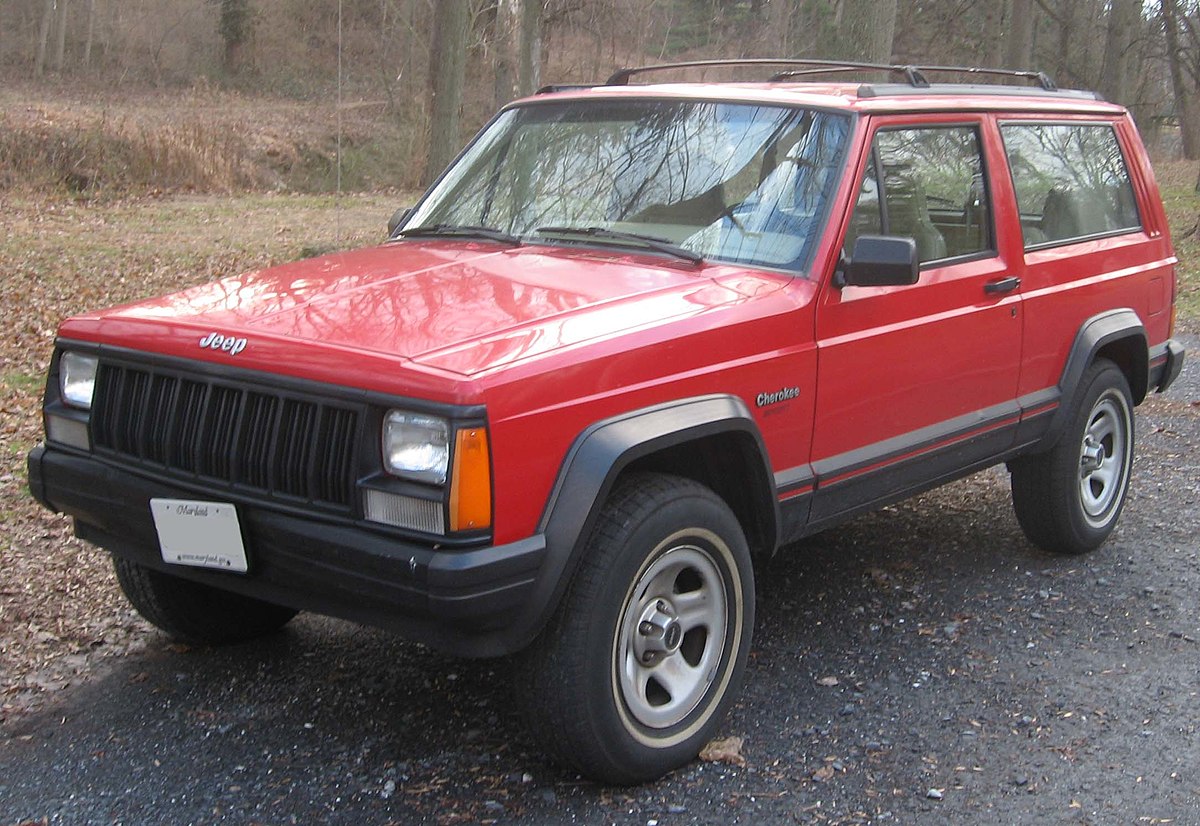
3. Jeep Cherokee XJ
The Jeep Cherokee XJ was once one of the most affordable used 4x4s on the market. Produced from 1984 to 2001, it was originally valued for its practicality, low cost of ownership, and off-road ability.
For years, it was the go-to SUV for first-time buyers, off-road beginners, and daily commuters alike. But a growing appreciation for simple, capable SUVs has completely turned the tide for the XJ.
At the heart of the XJ’s appeal is its straightforward engineering. The 4.0-liter inline-six engine is legendary for its durability and torque, and the solid front and rear axles make it ideal for off-roading.
It also lacks the overcomplicated electronics and luxury features that can become expensive to maintain in newer vehicles. This simplicity made it a favorite among DIY mechanics and off-road modifiers. As other SUVs became more digital and less rugged, the XJ stood out for its mechanical honesty.
Values began to rise when enthusiasts started realizing how few clean XJs remained. Many were heavily modified, rusted out, or driven into the ground.
Finding a bone-stock, unmolested XJ became difficult, and those that were still in good condition started fetching far more than expected. Suddenly, a model that was once found in high school parking lots or work sites was being listed for upwards of $15,000 to $25,000.
Part of the XJ’s surge in popularity also comes from its nostalgic pull. It represents an era when SUVs were more about utility than status. For those who grew up in the 1990s and early 2000s, the XJ holds emotional value, reminding them of road trips, camping adventures, or learning to drive.
Its boxy shape and utilitarian feel now attract not just Jeep loyalists but also collectors and off-road enthusiasts looking for a reliable and increasingly rare classic.
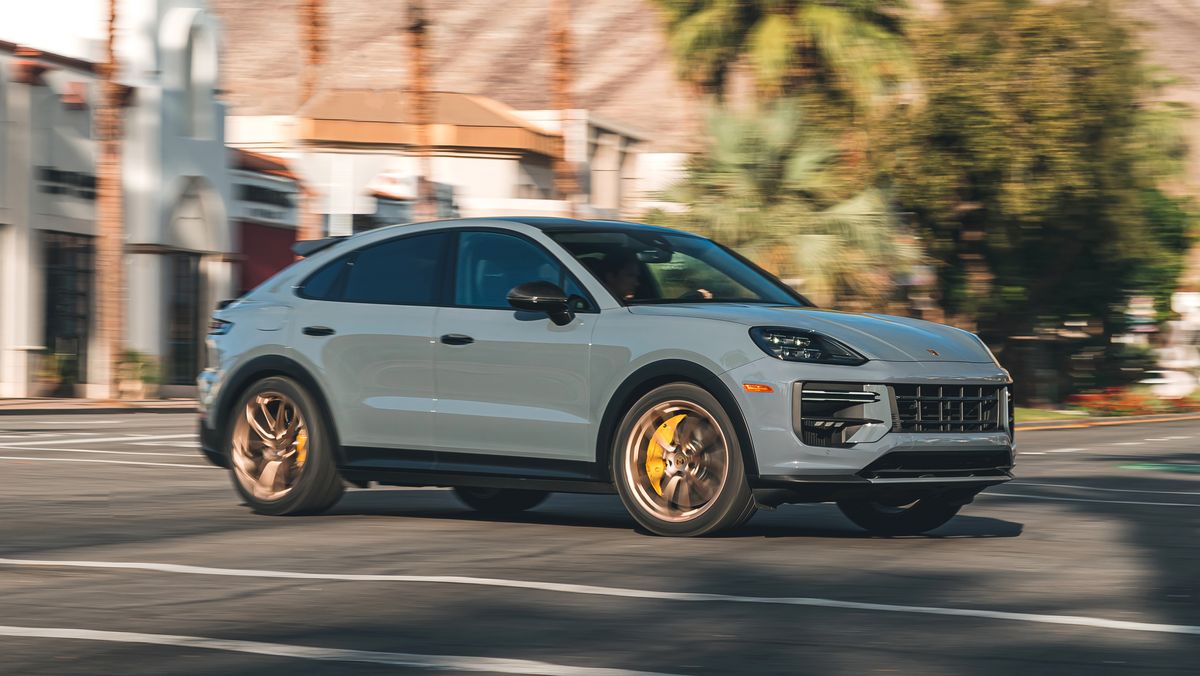
4. Porsche Cayenne Turbo (955/957)
When the Porsche Cayenne first arrived in the early 2000s, it was met with skepticism. A performance SUV from a brand known for sports cars didn’t sit well with purists.
Initially, resale values dropped fast, especially for the first-generation 955 and the updated 957. But as time passed, appreciation for what Porsche achieved with the Cayenne began to grow. The Cayenne Turbo, in particular, saw a surprising boost in value.
The 955 and 957 Turbo models came with powerful V8 engines, sharp handling for their size, and real off-road capabilities. Many were optioned with air suspension, locking diffs, and other performance tech that made them surprisingly capable in diverse conditions.
As time went on, enthusiasts realized that the first-generation Cayennes weren’t just rebadged Volkswagens. They were Porsche-engineered machines with serious performance credibility.
Their values started rising as younger buyers began seeking affordable entry points into Porsche ownership. The early Cayenne Turbo models, once neglected on the used market, suddenly became desirable.
Social media and YouTube content showcasing their capabilities added to the momentum. Enthusiasts began modifying and restoring them, and clean examples with service records started climbing above $20,000, a big leap from their rock-bottom days.
Part of their appeal is also the design. The first-gen Cayenne is now viewed through a nostalgic lens. Its rounded, slightly awkward shape has aged into a distinctive look that stands apart from today’s more generic SUV designs.
As Porsche embraced electrification and sleeker crossovers, the original Cayenne Turbo stood as a reminder of the bold, controversial move that proved performance SUVs could be legitimate. That legacy, combined with their rarity in clean condition, led to quicker-than-expected appreciation.
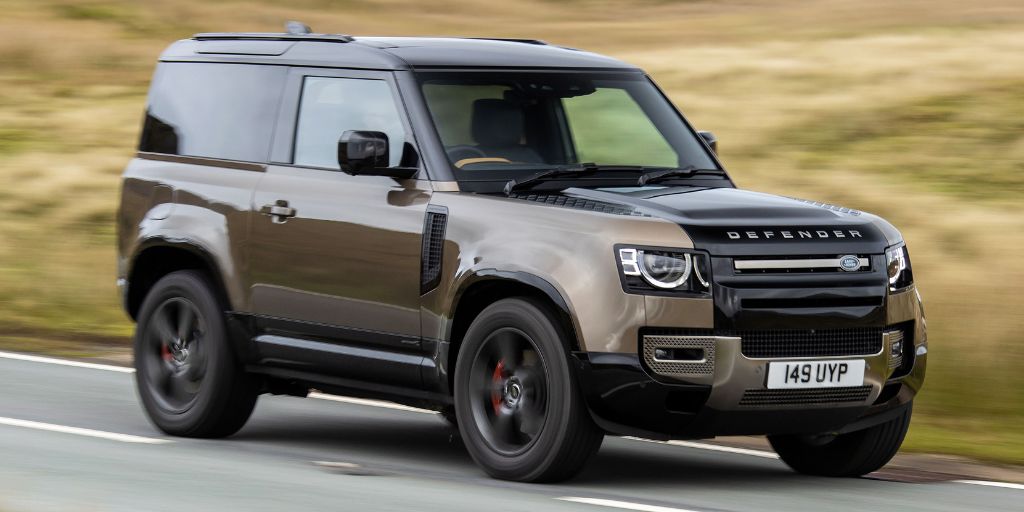
5. Land Rover Defender 90 (NAS)
The North American Specification (NAS) Land Rover Defender 90 is a prime example of how limited availability, heritage, and raw capability can create a perfect storm for rapid appreciation. Imported to the United States in very limited numbers during the mid-1990s, the NAS Defender 90 was already rare from the start.
While other parts of the world continued to enjoy the utilitarian Defender in its various forms, U.S. buyers had only a short window of access due to changing safety regulations that made it increasingly difficult to import new models.
At the time of its release, the Defender 90 was respected but not widely understood in the mainstream U.S. market. It was priced relatively high for what appeared to be a bare-bones off-roader, and as a result, it remained a niche choice.
Fast forward to the present, and that scarcity has paid off in a big way. Original NAS Defender 90s, especially the 1997 models equipped with automatic transmissions and factory air conditioning, have become some of the most sought-after classic SUVs in the U.S. market.
Prices for well-maintained, low-mileage units have soared well above $100,000, an eye-watering figure considering their original MSRP hovered around $30,000. Even examples in fair condition are consistently bringing in over $70,000, thanks to their collector status.
The key factors here are not just brand reputation and off-road capability, but the vehicle’s analog driving experience. With solid axles, a ladder-frame chassis, and minimal electronics, the Defender 90 offers an experience that modern SUVs can’t replicate.
Part of what fueled the rapid appreciation was also the global nostalgia for traditional, no-frills off-roaders. As the Land Rover brand shifted toward luxury and away from mechanical simplicity, older Defenders became icons of a bygone era.
Their utilitarian design, exposed rivets, upright windshield, and visible door hinges began to look more like unique styling cues than outdated traits.
This gave the Defender 90 a timeless, almost mythical presence, especially among enthusiasts who value authenticity over refinement. The Defender became more than just a vehicle; it became a symbol of rugged independence and off-road pedigree.
Adding to this value explosion is the increasing difficulty and cost of importing older Defenders from overseas. The NAS versions are federally legal, already equipped with U.S.-compliant features, and come with a known service history.
These traits make them more attractive to American buyers than the hassle of importing and modifying a foreign-market vehicle. As a result, the NAS Defender 90 has become a standout in the collector SUV market, gaining value at a pace that surprised even long-time Land Rover enthusiasts.
Also Read: 10 Cars Mechanics Call Unkillable Even After Long Service History
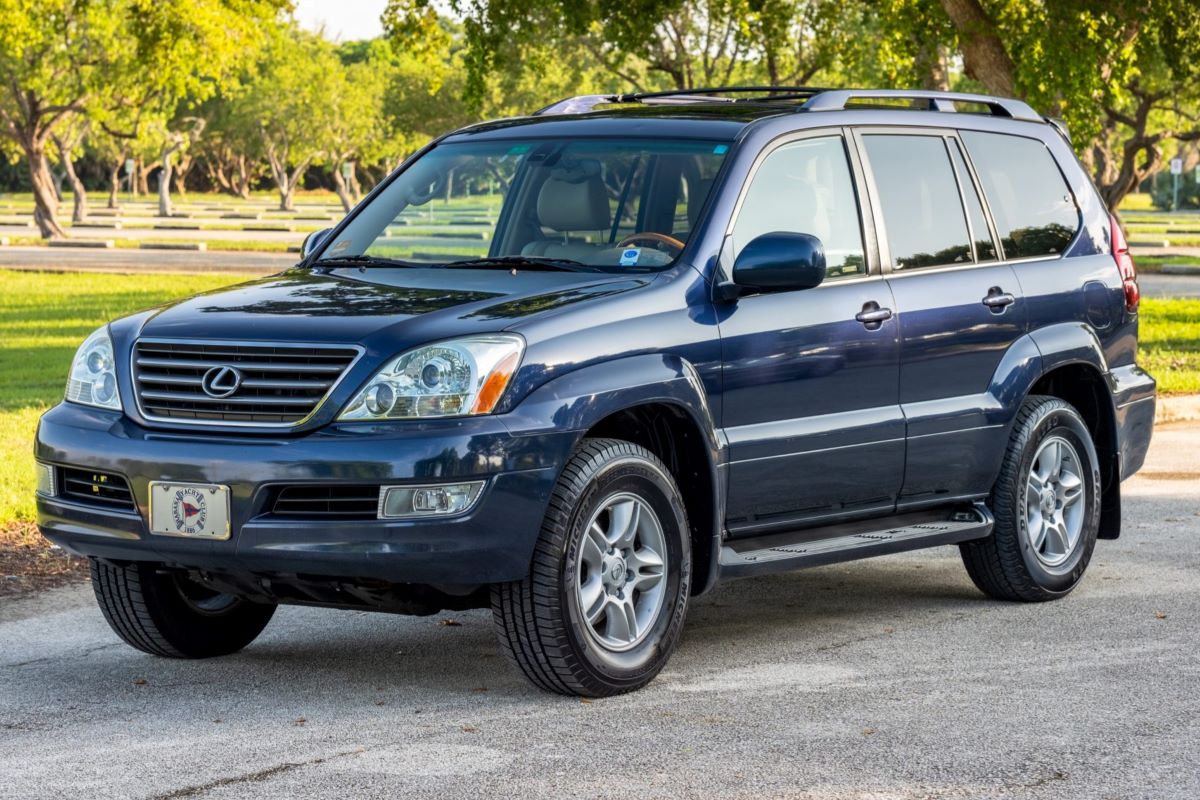
6. Lexus GX470
For years, the Lexus GX470 flew under the radar as a dependable but unexciting luxury SUV. It was often purchased by suburban families looking for comfort, reliability, and just a hint of off-road capability. Underneath the luxury badging, however, was a real off-road machine, essentially a rebadged Toyota Land Cruiser Prado.
It featured a body-on-frame construction, full-time four-wheel drive, and a V8 engine known for durability. Yet, despite all of this, it was long ignored by enthusiasts and collectors, mainly because it was seen as a soft-roader in a sea of luxury options.
Then something shifted. As overlanding and off-road modifications surged in popularity across North America, buyers began to reevaluate vehicles like the GX470. Suddenly, its Toyota roots became a strong selling point.
The aftermarket responded quickly, with companies producing lift kits, skid plates, roof racks, and bumpers tailored specifically for the GX.
As more modified examples began appearing on social media and off-road forums, demand skyrocketed. It wasn’t long before the GX470 went from being a forgotten luxury SUV to a respected and versatile off-road platform.
This change in perception led to a sharp increase in resale values. Clean, low-mileage GX470s that were once available for under $10,000 now regularly sell for $20,000 to $30,000, especially when equipped with factory options like KDSS (Kinetic Dynamic Suspension System).
The appreciation was so quick that many previous owners were surprised to learn their decade-old daily drivers were now highly desirable among a new generation of off-roaders. Part of the appeal is its reliability, the GX470 can run for hundreds of thousands of miles with routine maintenance, making it a smart long-term investment.
What makes its rise even more interesting is that it’s one of the few luxury SUVs that offers true duality. It provides a comfortable, refined ride on pavement while maintaining legitimate off-road credibility.
This versatility, combined with its Toyota-based mechanicals, has solidified the GX470’s position as a rapidly appreciating SUV. Many now consider it one of the best value-to-capability vehicles available on the used market, a sharp contrast to its earlier image as just another mid-2000s family hauler.

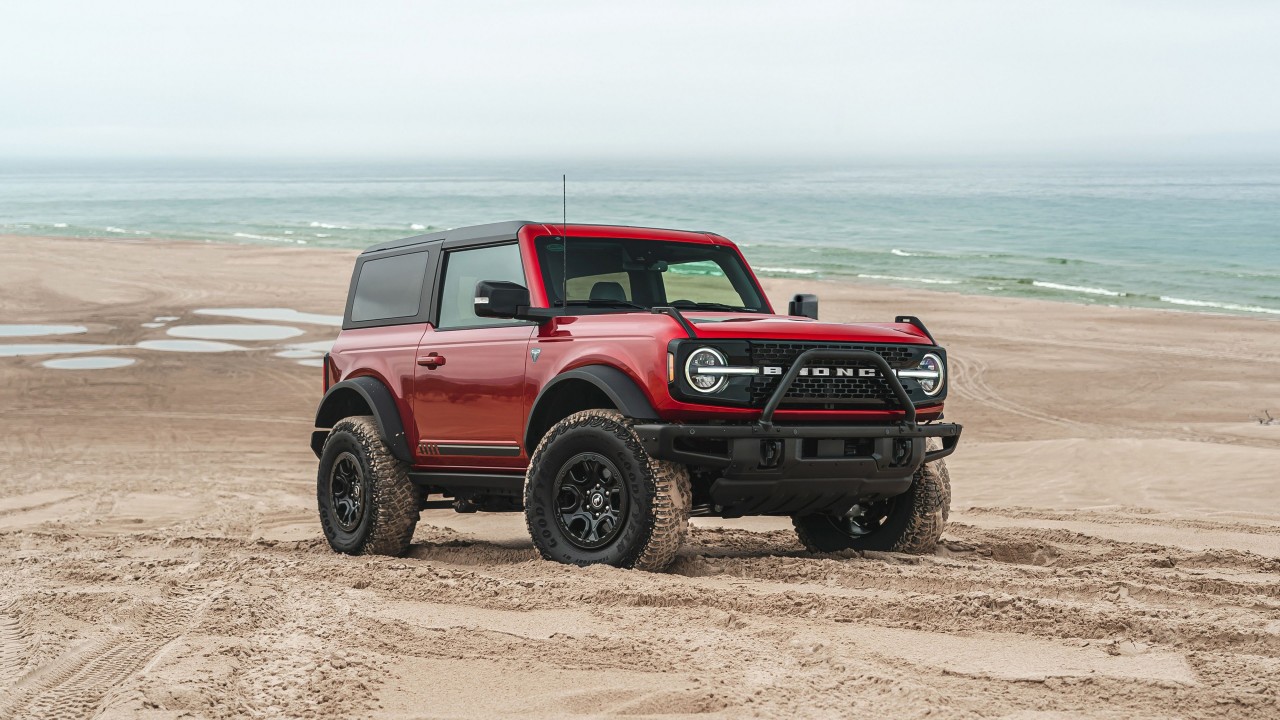
7. Ford Bronco (2021–Present)
When Ford reintroduced the Bronco in 2021 after a 25-year hiatus, expectations were high. What followed was an immediate frenzy of demand that far exceeded production capacity. Buyers lined up with deposits, waiting months, and in some cases, over a year, to receive their vehicles.
Some even paid over MSRP just to get their hands on the first few units. This extreme demand created a unique situation where the Bronco began appreciating before most buyers even received delivery.
Resellers were flipping newly delivered Broncos for $10,000 to $20,000 more than the original sticker price, a rare occurrence for any new vehicle, let alone a mass-market SUV.
One reason behind this rapid value increase was the Bronco’s design and positioning. Ford wisely chose to target the Jeep Wrangler’s market share by building a true off-roader, not just a lifestyle-themed SUV.
With features like removable doors and roof panels, a manual transmission option, and multiple off-road packages, the Bronco appealed directly to enthusiasts.
Ford also offered a wide range of trims and customization options, which only fueled consumer interest. Models like the First Edition and Wildtrak sold out almost immediately, with resale prices shooting far above MSRP.
The collector and enthusiast markets responded quickly. The Bronco was no longer just a new SUV; it was a statement. Its retro-inspired design, combined with modern tech and performance, made it feel like a future classic from day one.
Buyers who secured early allocations found themselves in possession of an asset that appreciated the moment it hit their driveway. Even base models experienced this pricing surge, as demand vastly outpaced supply due to production delays, chip shortages, and overwhelming interest.
While the long-term value of the modern Bronco remains to be seen, there’s no denying the pace at which it appreciated early on. Few new vehicles in recent memory have experienced such rapid resale growth.
For a vehicle that wasn’t a limited edition or exotic, the Bronco’s market trajectory surprised industry analysts and confirmed its status as one of the most impactful SUV launches in recent decades.
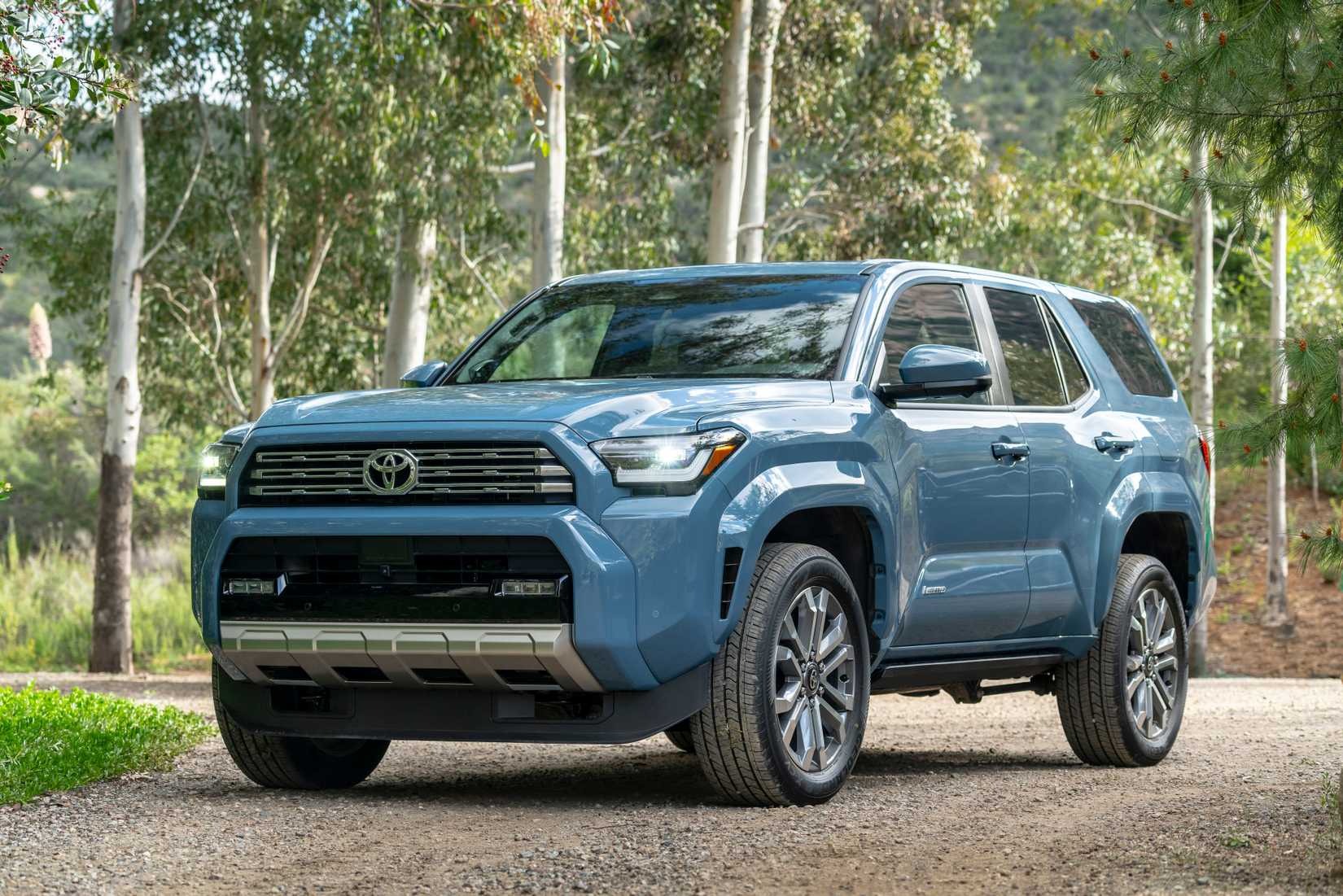
8. Toyota 4Runner (5th Generation)
The Toyota 4Runner has always enjoyed a reputation for durability, but the fifth generation, launched in 2010, experienced an unusual appreciation curve. Unlike most mass-produced SUVs, it began to increase in value as it aged, a rare phenomenon in the automotive world.
This wasn’t just about low depreciation. In some cases, used 4Runners were selling for nearly the same price as new ones, even with tens of thousands of miles on the clock. That’s not typical for a mainstream SUV that has been in production for over a decade with relatively few design changes.
One key reason for the 4Runner’s strong value retention is its reputation for reliability. Built on a traditional body-on-frame chassis, it remained mechanically simple compared to many of its competitors, which had moved to unibody construction and more complex electronics.
The 4.0-liter V6 engine and five-speed automatic transmission became known for their bulletproof reliability. This mechanical consistency made the 4Runner a top choice for adventurers, off-roaders, and buyers who prioritized long-term durability over tech features or fuel economy.
Another factor was Toyota’s decision to stick to a proven formula. While competitors were chasing trends, Toyota chose not to dramatically redesign the 4Runner. This consistency turned out to be a strength, as the vehicle built a loyal following among enthusiasts who appreciated its honest, no-frills approach.
Used models, especially the TRD Pro and Off-Road trims, began commanding prices that were surprisingly close to new ones, sometimes even higher in cases of high demand or limited availability.
Toyota’s slow refresh cycle has only added to the appeal, creating a situation where older models don’t feel outdated because the new ones haven’t changed much. It’s a rare case of consistency driving value, and it shows no sign of slowing down.
9. Hummer H1
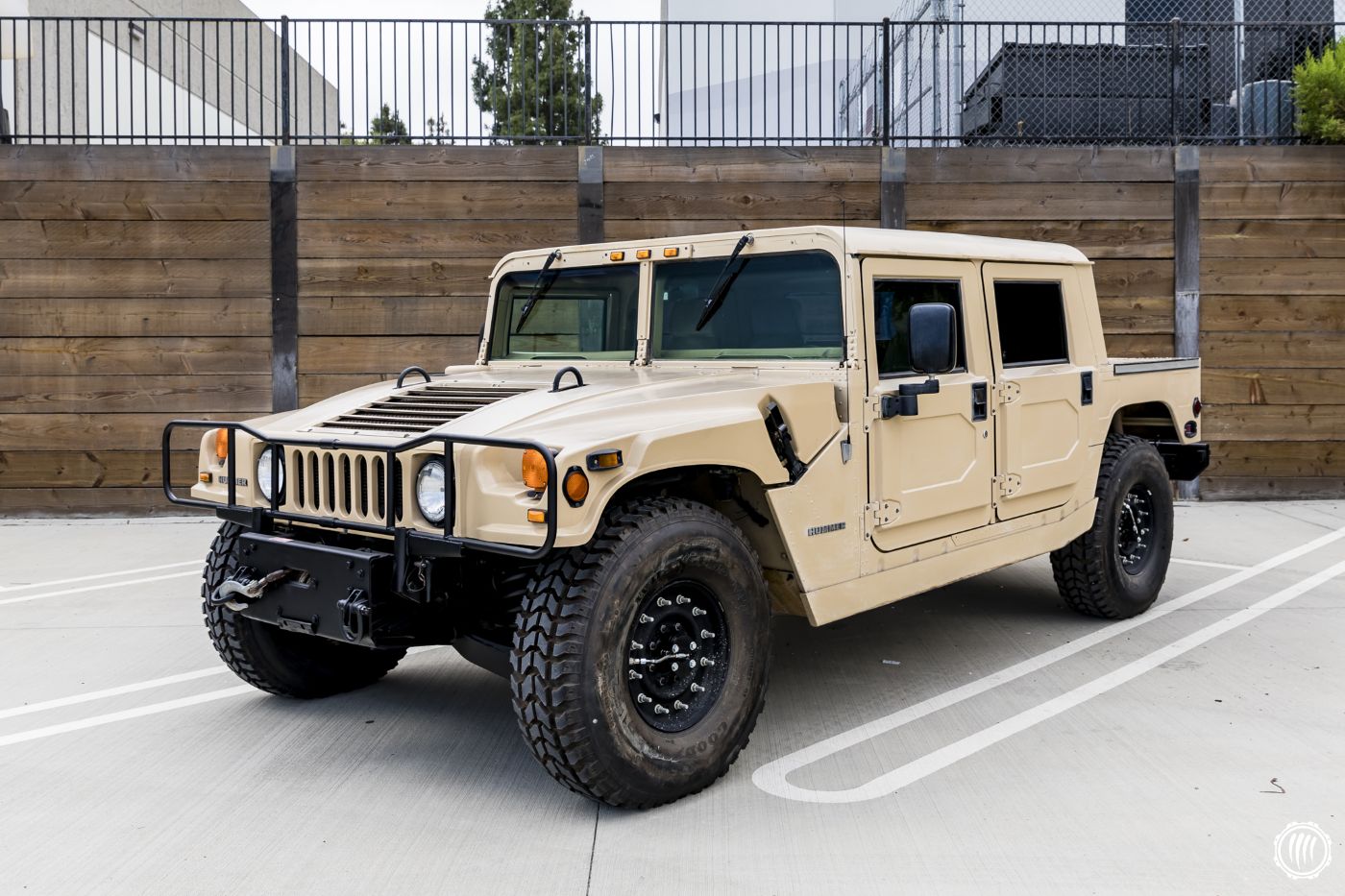
The Hummer H1 was never a subtle vehicle. Based on the military Humvee platform, it was big, loud, and unapologetically aggressive.
When it launched for the civilian market in the early 1990s, it was met with a mix of admiration and confusion. While some buyers appreciated its off-road dominance, others saw it as impractical and excessive.
For years, the H1 held niche status, a toy for celebrities or hardcore off-roaders with deep pockets. But what many didn’t expect was how quickly its market value would surge after production ended in 2006. In just a few short years, the H1 went from an oddity to a highly collectible vehicle.
One reason for this sharp rise in value is its sheer uniqueness. The H1 is not like any other SUV ever sold to the public. With a wide stance, portal axles, and an unmistakable silhouette, it’s in a category of its own.
Its off-road capability is second to none, with factory specs allowing it to ford deep water, climb steep grades, and tackle the most challenging terrain imaginable.
As off-roading culture gained popularity, the H1’s status shifted from extreme novelty to aspirational legend. Enthusiasts who initially dismissed it for its size or lack of refinement began to view it differently, as a symbol of rugged purity in an increasingly sanitized SUV market.
Another major factor in the appreciation of the H1 is its limited production and military heritage. Only a few thousand civilian H1s were ever made, and within that group, even fewer were well-maintained or tastefully modified. Clean, unmolested examples became highly sought-after almost overnight.
The diesel-powered models, particularly the later ones with the 6.5-liter turbo diesel, began selling for well over $100,000, sometimes double their original MSRP. Even higher-mileage or older examples began to rise in value as restoration shops started focusing on H1 builds and buyers accepted the cost of bringing them back to life.
What truly sets the H1 apart from other appreciating SUVs is that it isn’t just being bought by collectors, it’s also attracting off-road purists who actually use them. This dual appeal as both an investment and a serious tool is rare. Combine that with the growing cultural nostalgia for 1990s and early 2000s icons, and the H1’s place on this list becomes clear.
It appreciated quickly not just because of what it was, but because the world around it changed, and suddenly, it made perfect sense to a new audience.
10. BMW X5 M (E70)
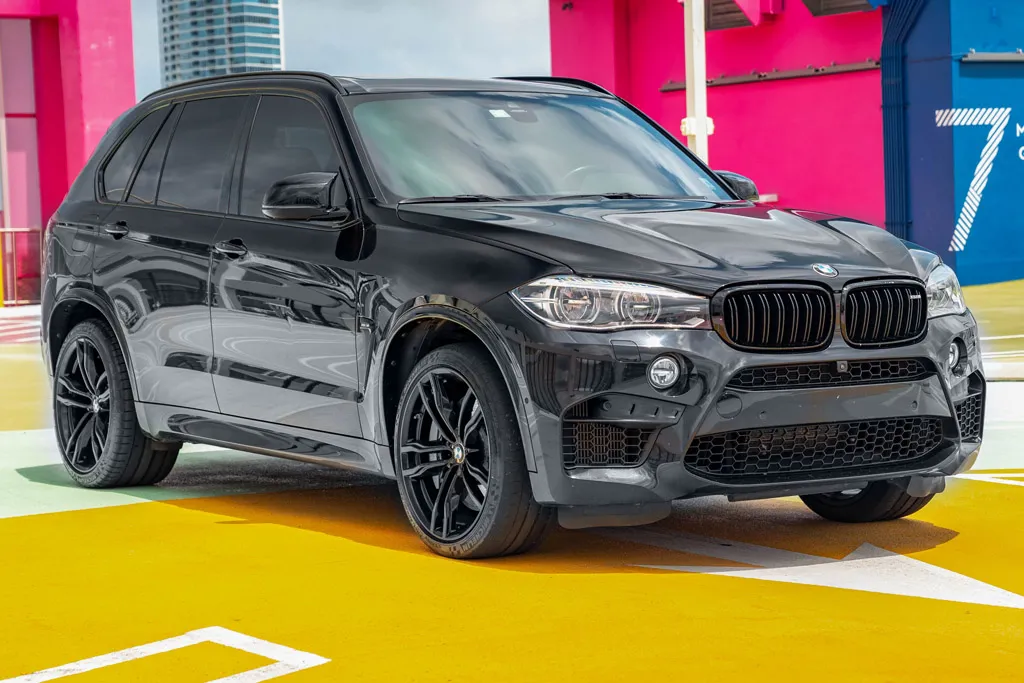
The BMW X5 M of the E70 generation is a surprising entry on this list because, when it launched, it wasn’t exactly embraced by traditional enthusiasts. Many questioned the logic of putting a high-performance engine in a heavy luxury SUV.
Purists scoffed at the idea, arguing that BMW’s M badge belonged on lightweight, rear-wheel-drive sports sedans and coupes, not on a 5,000-pound all-wheel-drive SUV. Despite those criticisms, the E70 X5 M quietly became a performance benchmark in its class. And in recent years, it has started to appreciate in a way that has caught many by surprise.
One of the key reasons for its sharp value increase is the performance it offers. The E70 X5 M came with a 4.4-liter twin-turbocharged V8 that produced 555 horsepower, an astonishing figure at the time. It could accelerate from 0 to 60 mph in under five seconds, making it quicker than many sports cars of its era.
For buyers looking for high performance wrapped in a practical SUV body, the X5 M delivered something that few others could match. As modern performance SUVs have grown more expensive and complex, the E70 began to look like a performance bargain, which sparked renewed interest.
Another driver of appreciation is rarity. Unlike standard X5s, the X5 M was produced in far lower numbers. Finding a clean, low-mileage example has become increasingly difficult. Many were heavily driven, tuned, or neglected, which has thinned the herd.
Enthusiasts who recognize the value in these first-generation M SUVs are now hunting for the few pristine ones that remain. This has led to a sudden spike in resale prices, with values for well-kept units climbing from $20,000 to over $40,000 in a very short window. That’s a significant shift for a vehicle once seen as a depreciation-prone luxury item.
What’s more, the E70 X5 M represents a unique chapter in BMW’s history. It was the first true M SUV, a bold step that opened the door for future M crossovers. That makes it historically significant in hindsight. Collectors often look for “firsts” in a brand’s evolution, and the E70 fits that mold perfectly.
It marked a turning point, both for BMW and for the performance SUV segment as a whole. Its appreciation is a reflection of that legacy, combined with real-world performance that still holds up today. It’s not just that the market caught up to the X5 M, it’s that the world finally realized what it had been overlooking all along.
