
When people buy trucks, especially pickups, durability is often the first quality they look for. Ford, as a brand, has built a reputation on toughness and reliability, and some of its pickups have become legends for how far they can go with the right care.
For truck owners who depend on their vehicles for work, travel, or hauling, reaching 500,000 miles isn’t just impressive; it’s a badge of honor. It tells a story of dependable engineering, good maintenance, and a design philosophy that doesn’t compromise under pressure.
Some Ford pickups seem almost built with this kind of longevity in mind, becoming known in communities, forums, and garages across the country as “million-mile trucks” even before hitting that halfway mark.
These long-lasting trucks usually come from the heavy-duty or full-size lines, although a few surprises pop up along the way. Models like the F-150, F-250, and even the F-350 have gained legendary status over the decades. Their V8 engines, diesel options, and solid frame construction give them the endurance to survive decades of wear.
What separates these models from other trucks isn’t just what’s under the hood, but how the entire vehicle works together over time. A truck that can handle 500,000 miles isn’t just about engine performance; it’s about the transmission, suspension, frame, electronics, and how well all these components age together.
Driving a truck that lasts that long requires some responsibility from the owner, too. Oil changes, proper fluid levels, tire maintenance, and avoiding bad driving habits go a long way. However, even with perfect care, not all vehicles are created equal. Some Ford pickups just have stronger bones than others.
They’re the ones known in the automotive world for lasting through decades of hard labor, extreme temperatures, and long-distance hauls. While modern trucks come packed with features and technology, many old-school models are still ticking today with original parts that defy expectations.
In this article, we look at ten Ford pickups that are widely recognized for their ability to hit 500,000 miles with ease. These are the trucks you’ll find still running on ranches, construction sites, and highways long after other vehicles have given up.
Some are classics, while others are still in production today. Whether you’re looking to buy one or just curious which models have proven themselves over the years, this list highlights the workhorses that truly stand the test of time.
Also Read: 10 Mercedes Cars That Outast The Owners’ Expectations
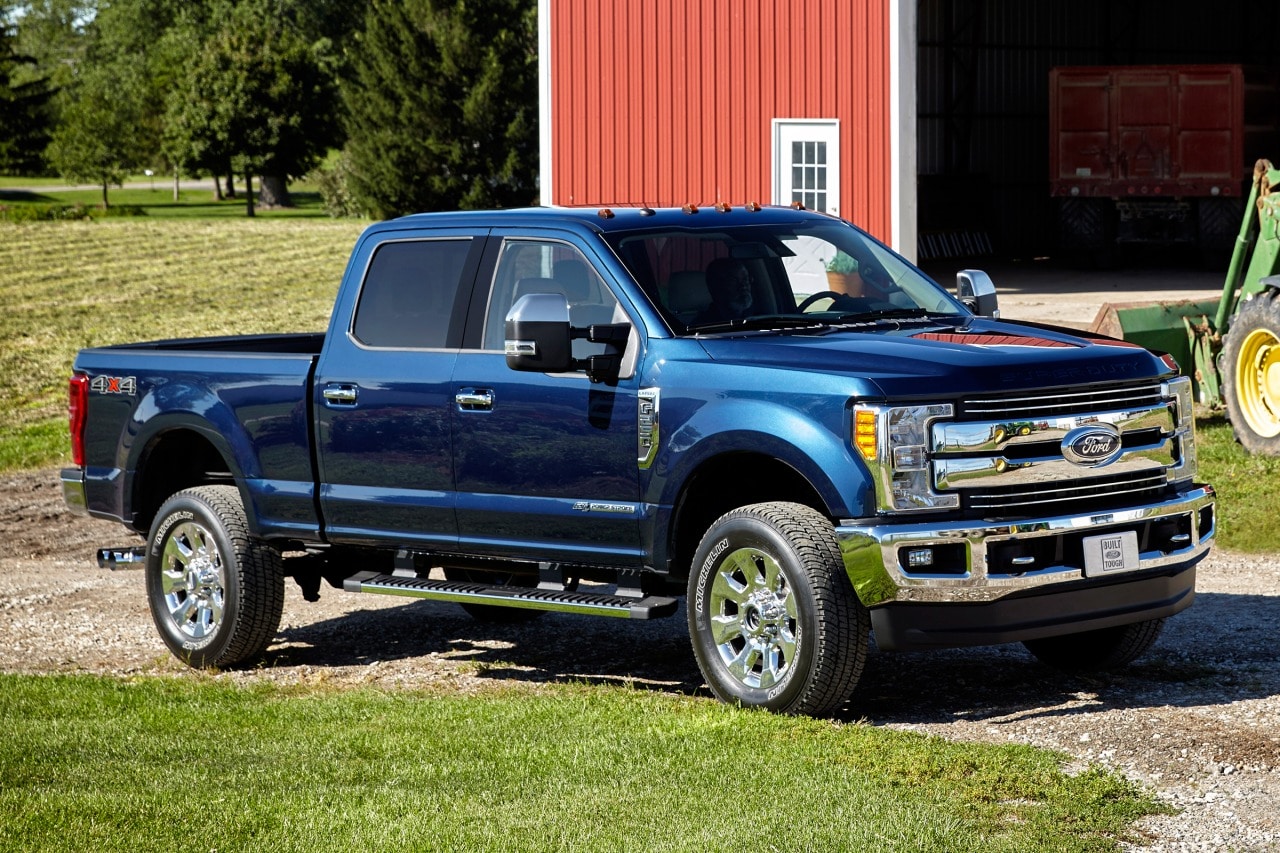
1. Ford F-250 Super Duty (1999–2007)
The 1999–2007 Ford F-250 Super Duty models are often considered among the toughest in Ford’s lineup. With options like the 7.3L Power Stroke diesel engine, these trucks gained a reputation for lasting longer than many expected.
The engine block was cast iron, the components were overbuilt, and the truck was designed with industrial strength in mind. This generation of the F-250 was a workhorse, popular among farmers, contractors, and towing professionals who needed a vehicle that wouldn’t quit.
One of the major advantages of the 7.3L Power Stroke engine was its simplicity and resistance to the kind of electronic issues that plagued later models.
It had fewer sensors, a reliable fuel system, and an mechanical feel that gave drivers confidence. People who owned this truck often reported it going 300,000 miles without much more than oil changes and routine maintenance. With additional care, half a million miles wasn’t unusual at all.
The transmission options, especially the manual ones, were another reason for this generation’s success. While automatic transmissions often require rebuilding after heavy use, the manual transmissions in these trucks could hold up for hundreds of thousands of miles.
Combined with a strong rear axle, a heavy-duty frame, and a suspension system built for real weight, the F-250 Super Duty from this era was over-engineered in the best possible way.
Rust resistance and durability of the frame also helped this truck survive in various climates. Whether in snow-heavy northern states or dry desert regions, the F-250 proved it could stand the test of time.
It’s still common to see these trucks on the road today, often hauling trailers or loaded down with construction equipment. Owners hang on to them for a reason: they’re built to keep going when others don’t.
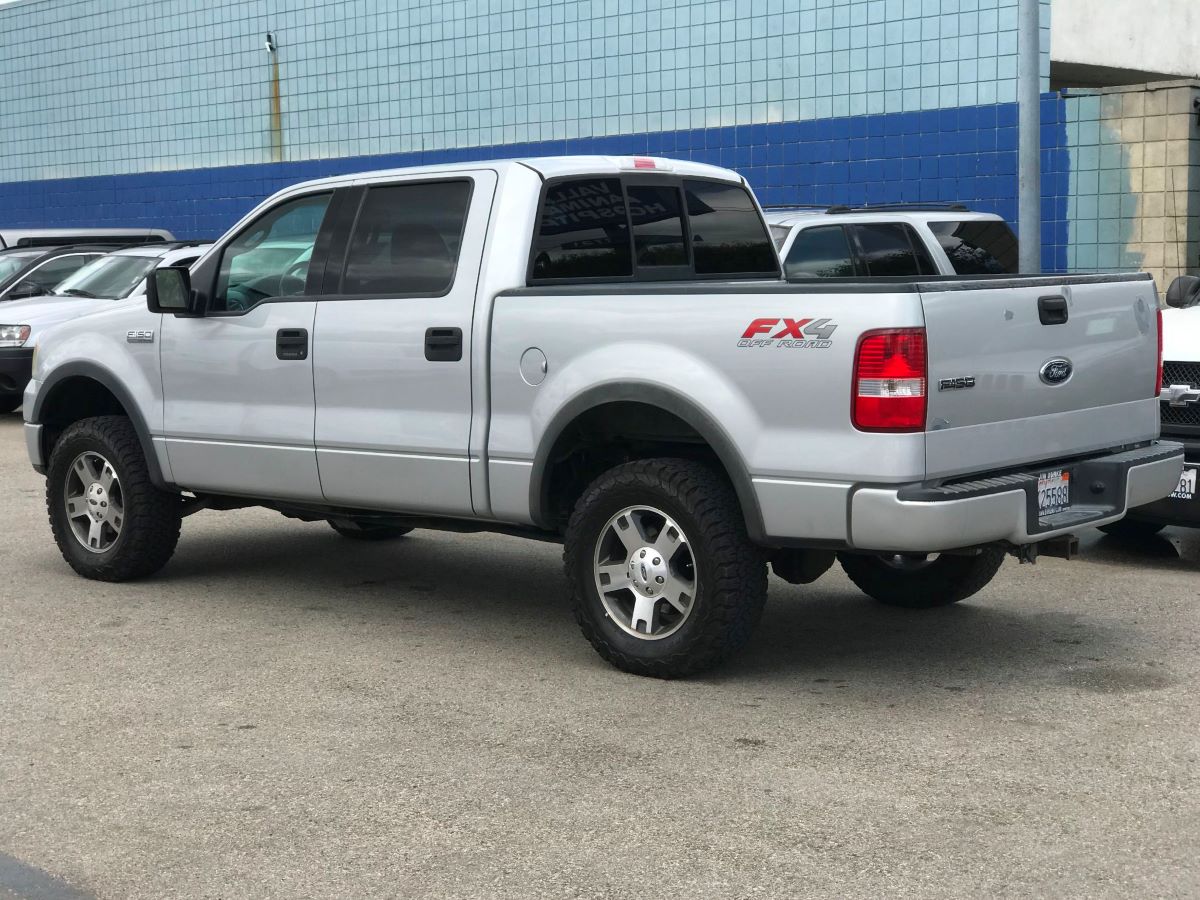
2. Ford F-150 (1992–1996)
The 1992–1996 Ford F-150 is widely remembered as one of the last “simple” pickup trucks before more electronics and complex features became the norm.
Powered by durable engines like the 4.9L inline-six, 5.0L V8, and 5.8L V8, these trucks were built with a focus on reliability and practicality. The straight-six engine, in particular, earned praise for its long life and minimal problems, with many examples crossing 400,000 miles and still running smoothly.
This generation of the F-150 used a robust frame and solid front axle setup that could take a beating. Whether it was used for farm work, snow plowing, or hauling, the F-150 was up for the challenge.
The suspension system wasn’t built for comfort so much as it was for strength, and that shows in how many of these trucks are still on the road today. Many owners describe them as “old tanks” that just refuse to break down.
One of the main reasons for this generation’s long-lasting reputation is the mechanical simplicity. There were fewer electronics to fail, no overly sensitive sensors, and minimal reliance on computers. When something did break, parts were cheap and easy to replace.
DIY mechanics loved these trucks because they could do most of the work themselves without needing a technician or dealership-level tools.
Interior wear and tear also wasn’t a major issue. The dashboards, vinyl seating, and door panels were built with thick materials. Sure, they may not have had luxurious features or touchscreen displays, but everything inside was made to last.
For people who just wanted a truck that would start every morning and keep moving through snow, mud, or dry heat, the 1992–1996 F-150 was a reliable companion for the long haul.
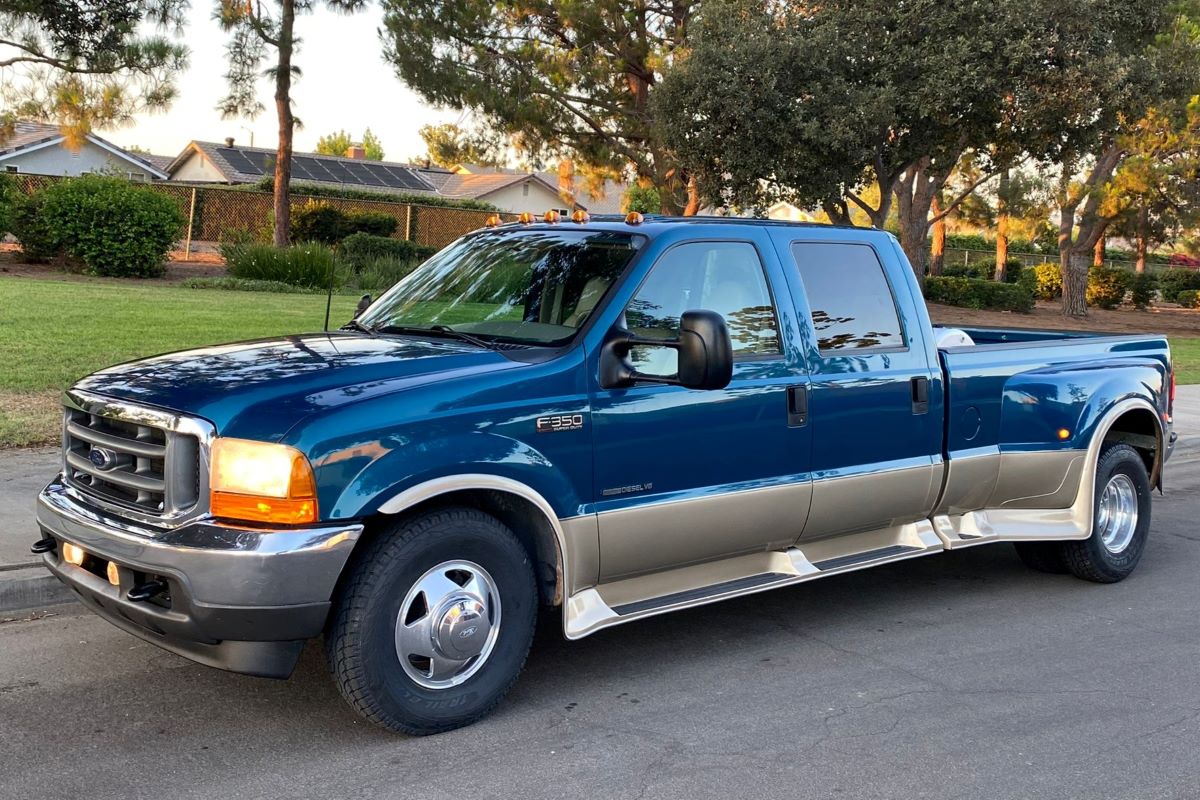
3. Ford F-350 Super Duty (2005–2007)
The 2005–2007 Ford F-350 Super Duty stands out for its raw strength and incredible towing capacity, but it’s also known for being one of the most durable trucks Ford has made.
The key to its longevity lies in the engine options, especially the 6.0L Power Stroke diesel, which, despite early concerns, proved capable of extraordinary mileage with the right upgrades and maintenance. Many of these trucks, when cared for properly, run well past 500,000 miles.
The F-350 from this period was not just a truck, it was a tool. With dual rear wheels, a reinforced frame, and heavy-duty suspension, it was designed for constant, demanding work. You’d see these trucks pulling horse trailers, RVs, and construction gear daily.
The transmission and axles were built to match the power output, and that balance contributed to its ability to endure years of abuse without falling apart.
Owners who invested in common preventative upgrades, such as EGR delete kits, oil cooler replacements, and better head studs, often found that the 6.0L engine could be transformed into a long-lasting powerplant.
Once these weaknesses were addressed, the rest of the truck held up exceptionally well. This model also featured strong braking systems, reliable 4×4 performance, and a solid chassis that resisted warping and cracking even under stress.
Inside the cabin, the materials and layout were designed for function. While it didn’t offer luxury touches, the truck’s interior aged slowly, showing wear mostly in seats and steering wheels after hundreds of thousands of miles.
The F-350 is still seen in fleets today, and many business owners hang onto them because replacing such a reliable vehicle isn’t easy or cheap. They are proof that with the right design and a bit of aftermarket help, even problematic engines can become champions of endurance.
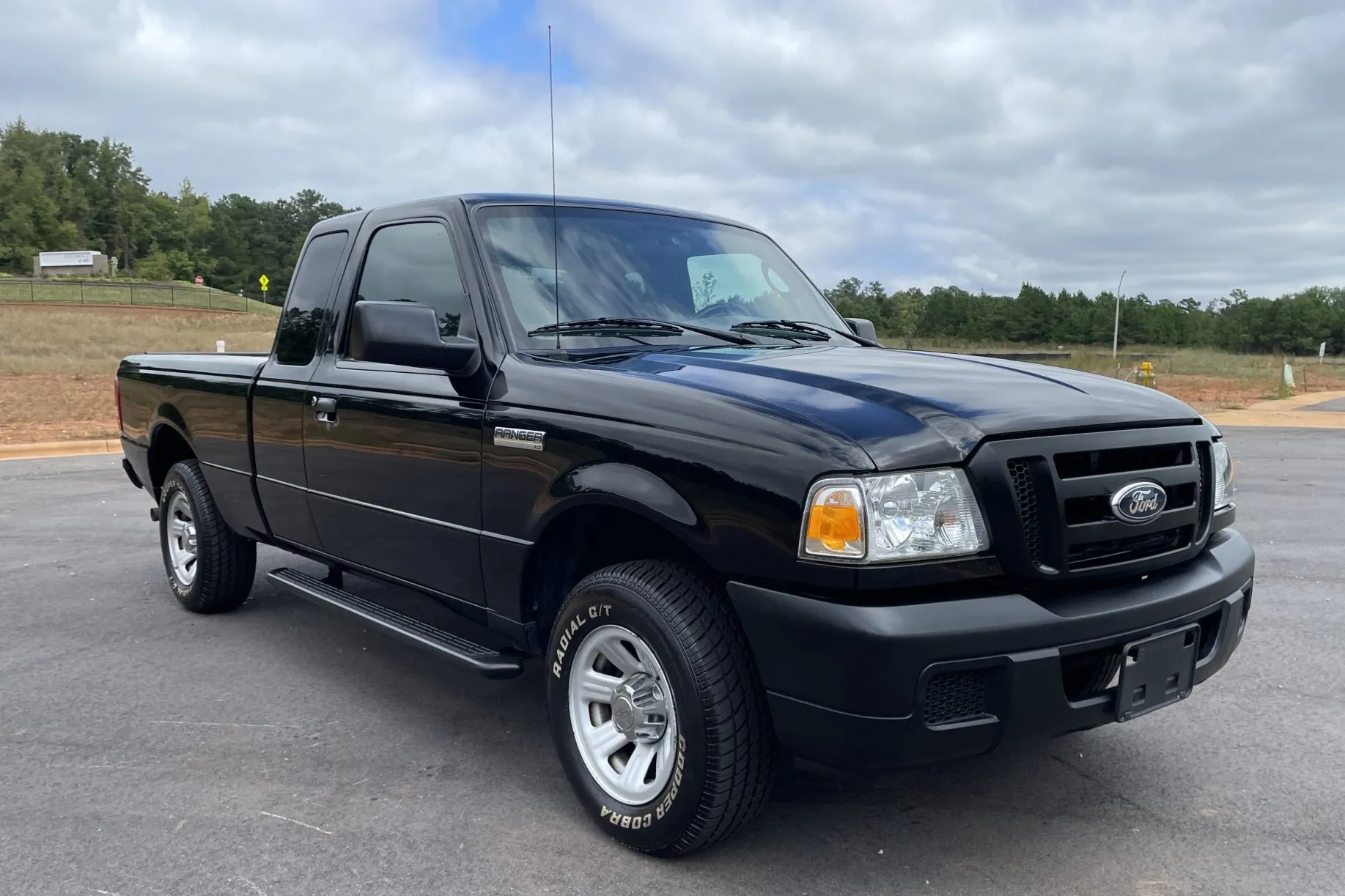
4. Ford Ranger (1998–2011)
The Ford Ranger might not be the first name that comes to mind when thinking about trucks that can reach 500,000 miles, but this compact pickup has more than earned its place on this list.
The 1998–2011 models, in particular, gained a cult following for their simplicity, reliability, and affordability. These trucks were often powered by the 2.3L Duratec or 3.0L Vulcan engines, both of which were known to run for hundreds of thousands of miles with minimal issues.
Part of the Ranger’s secret to longevity lies in its lightweight design. Because it didn’t carry the same weight or size as a full-size pickup, the engine and drivetrain weren’t under constant stress. The truck’s straightforward suspension and two-wheel or four-wheel-drive systems were easy to service, and replacement parts were cheap.
These qualities made the Ranger a favorite among small business owners, delivery drivers, and anyone who needed a daily work truck that didn’t break the bank.
The truck’s compact size also meant it was often spared the harshest jobs that F-250s or F-350s had to handle. This reduced strain helped extend the life of key components.
Many owners took pride in maintaining their Rangers well, reporting that the odometer rolled past 300,000 miles without ever opening the engine. The 5-speed manual transmission models were especially loved for their reliability and ease of repair.
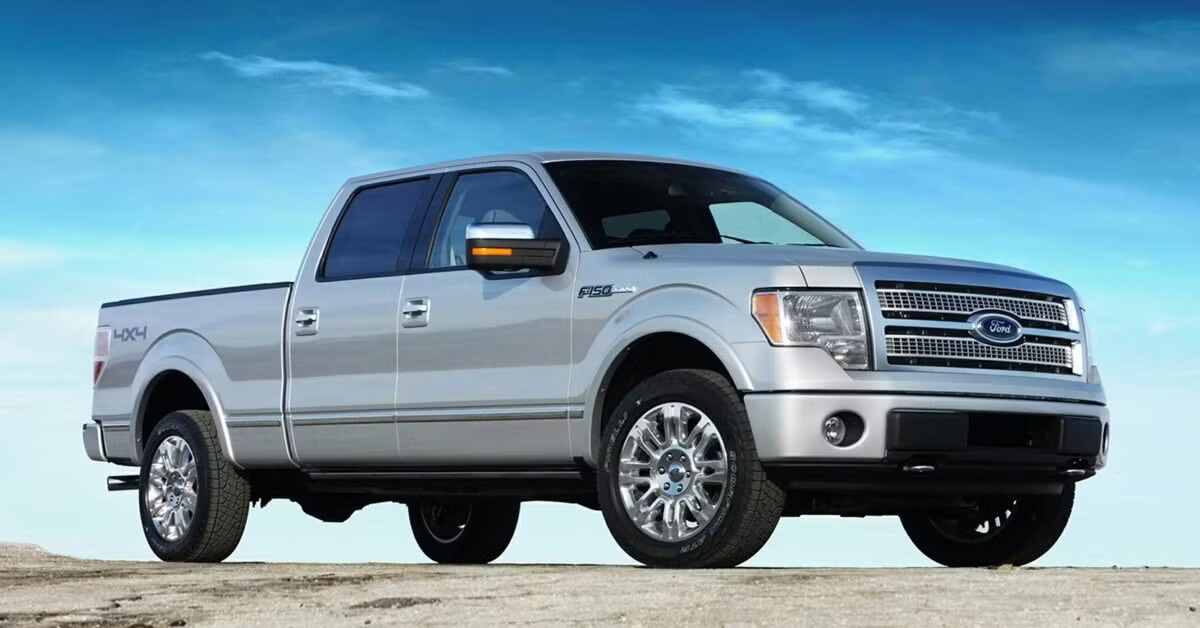
5. Ford F-150 (2009–2014)
The 2009–2014 generation of the Ford F-150 marked a solid evolution in both design and performance. During this time, Ford introduced more refined engines and a stronger frame structure, which helped boost not just towing capacity but durability.
One of the key standout engines in this era was the 5.0L Coyote V8, a naturally aspirated motor that quickly earned respect for its smooth power delivery and long-term reliability.
Unlike turbocharged engines that tend to be more sensitive to heat and pressure stress over time, the 5.0L proved itself to be a steady performer capable of racking up mileage without major mechanical breakdowns.
This generation also featured upgrades to the six-speed automatic transmission, which, when properly maintained, offered smooth gear changes and a decent lifespan. Though no transmission is completely immune to wear, many F-150s from this era have passed the 300,000-mile mark with original gearboxes.
The drivetrain components, axles, transfer cases, and driveshafts were also tough enough to handle both off-road challenges and daily driving conditions.
When treated to regular fluid changes and inspection, these systems held together under pressure, even for owners who used their trucks in demanding roles like snow removal or long-distance towing.
In terms of build quality, the 2009–2014 F-150 improved its cabin structure and materials without sacrificing toughness. The interiors had more creature comforts than previous generations, yet Ford still used durable materials that aged well.
Seat fabrics held up to years of wear, especially in the work-truck trim levels, and dashboard controls were built to be simple and resistant to dust and grime.
Even the electrical systems, often a pain point in newer trucks, were relatively stable in these years. You’ll find many of these trucks still running today with all their original switches, gauges, and infotainment systems functioning properly.
Another reason these F-150s rack up so many miles is that they’re driven by people who depend on them daily. Whether for small business use, ranch work, or highway commuting, these trucks were often in motion for long stretches.
Owners who stuck to the maintenance schedule and avoided heavy modifications saw excellent long-term performance.
In many cases, rust was more of a threat to these trucks than mechanical failure, especially in states with heavy road salt. But even with cosmetic wear, the mechanical core of these F-150s has stood the test of time, earning them a strong place on the list of half-million-mile contenders.
Also Read: 10 Best Trucks That Hold Value Decades Later
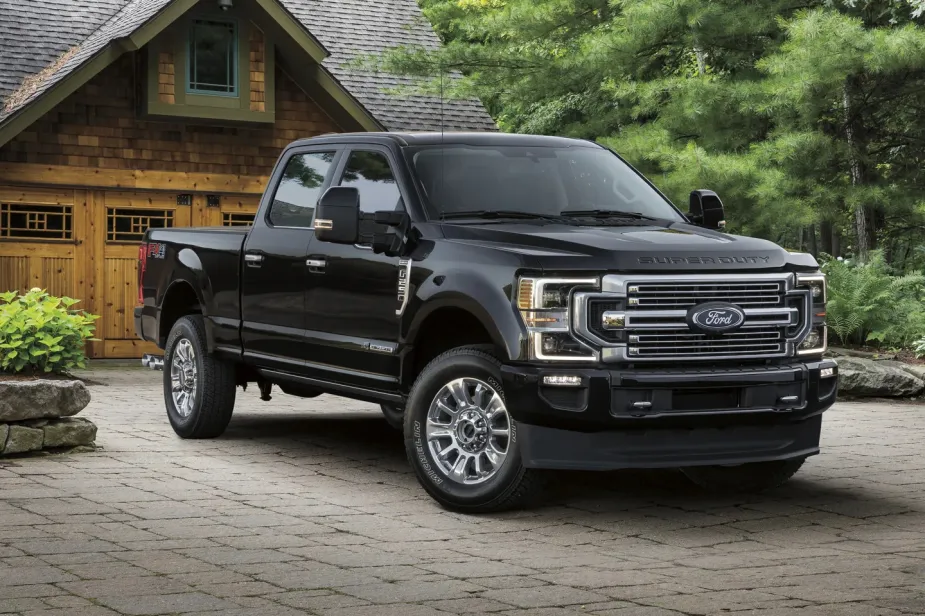
6. Ford F-250 Super Duty (2008–2010)
The 2008–2010 Ford F-250 Super Duty may not be as widely celebrated as the earlier 7.3L-era trucks, but it still holds its own when it comes to long-term durability.
During this period, Ford continued using the 6.4L Power Stroke diesel engine, which had a mixed reputation but has since developed a loyal following among diesel fans who understand how to maintain it properly.
While it’s true that the 6.4L requires more attention and better maintenance discipline than previous diesel engines, it’s also true that with proper care, these trucks can easily surpass the 500,000-mile mark. Fuel system maintenance, regular oil changes, and using high-quality filters are all part of the equation.
This generation introduced a stronger frame and improved suspension components, particularly in the rear, to handle heavier loads and frequent towing. The frame was fully boxed in some areas and made of high-strength steel, which provided better rigidity and load distribution.
This is one reason why these trucks continue to be used in fleet service roles, especially in construction and agricultural sectors. The truck’s ride was firm, as expected from a heavy-duty model, but it also meant that the vehicle was better equipped to deal with wear and tear from road imperfections, loads, and terrain changes.
Transmission-wise, the TorqShift automatic found in this era was built to be stout. Many drivers report this transmission lasting upwards of 300,000 miles with only basic maintenance. When paired with the diesel engine’s torque, it provided a solid and predictable performance, which is crucial for owners using the truck for towing.
Clutch packs, fluid coolers, and torque converters held up fairly well, especially when the vehicle was not overloaded or driven aggressively. The rear differential was also designed to handle heavy loads, and regular servicing helped prolong its life significantly.
Cosmetically, the 2008–2010 F-250 had a distinct, rugged look, and many trucks from this period still look modern today. The interiors were designed for workers and utility first, with rubberized flooring and durable seating in lower trims. The Lariat and King Ranch trims offered more luxury but still held up well over time.
Electrical reliability was hit or miss in some models, but the major mechanical systems were more than capable of long service lives. These trucks are still easy to spot on highways and job sites, often with toolboxes in the bed and trailers hitched behind them. It’s a good sign when people choose to keep using a truck long after it’s been paid off.
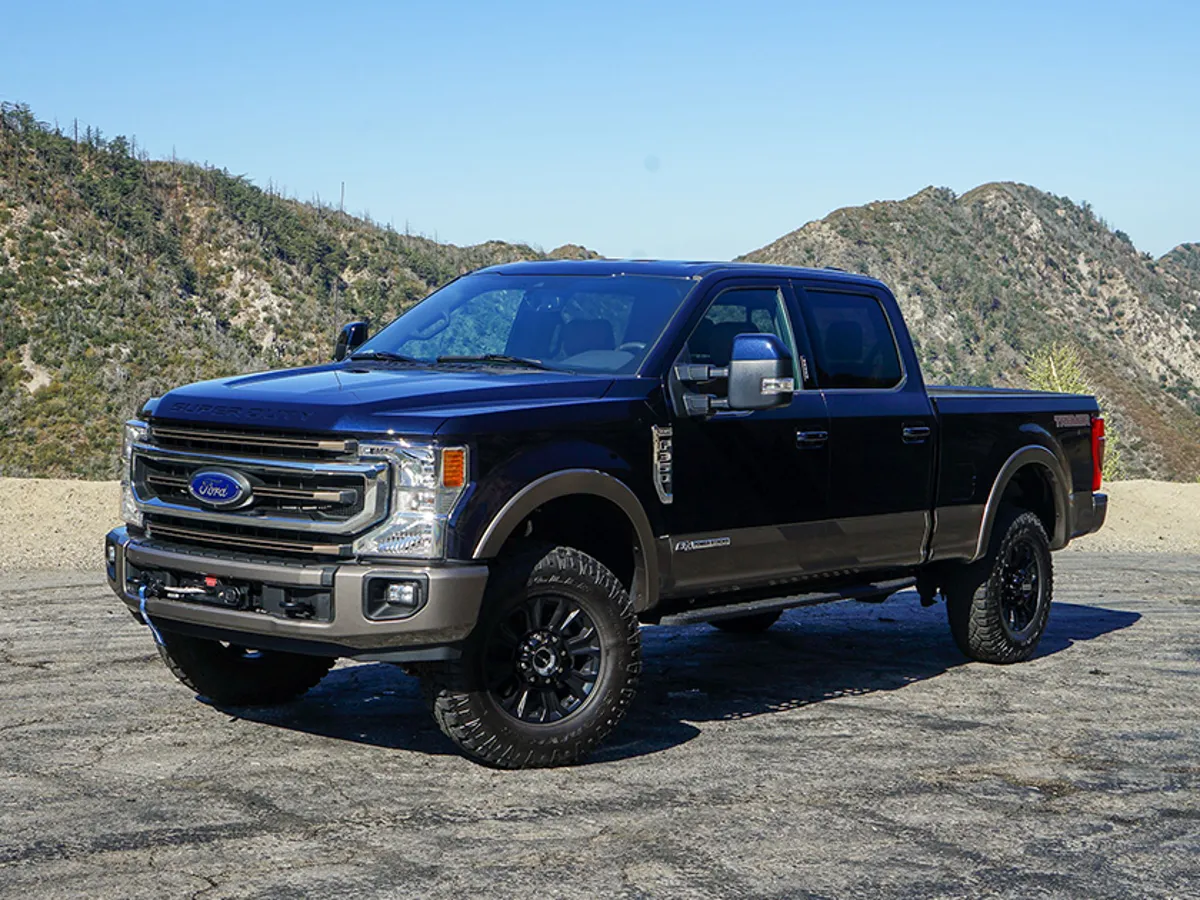
7. Ford F-350 Super Duty (2011–2016)
The 2011–2016 F-350 Super Duty models took a major leap in design and performance with the introduction of the 6.7L Power Stroke diesel engine. This engine replaced the 6.4L and brought with it major improvements in power, efficiency, and long-term durability.
The 6.7L engine featured a compacted graphite iron block, a single-sequential turbocharger, and high-pressure fuel systems that allowed for impressive towing numbers and daily drivability.
Over the years, this engine has proven to be one of the most reliable modern diesel engines Ford has built, with many owners reporting usage well beyond 500,000 miles with regular upkeep.
A major factor in this truck’s longevity is the improved cooling systems and more intelligent engine management software. The 6.7L was designed with the lessons learned from its predecessors, and Ford’s engineers aimed to create a more self-sufficient diesel platform.
The cooling system was capable of managing engine temperature under load, and the emissions systems, while complex, became more manageable as mechanics gained experience with them. DPF and DEF-related issues were common early on but became less of a burden with updated software and better maintenance practices.
The 2011–2016 F-350 also benefited from a revised suspension setup that could handle enormous payloads and trailers without breaking down prematurely. Ford reinforced the front end to support the heavier diesel engine, and it made improvements to the steering system that enhanced durability over time.
Owners hauling heavy loads day after day found that the truck’s suspension system could handle the stress without sagging or wearing out prematurely. With high-quality aftermarket parts available, many drivers extended the life of their suspension well beyond factory expectations.
Interior quality also saw improvements. Materials became more refined without sacrificing the hard-wearing nature needed for a heavy-duty truck. Technology became more integrated, but Ford made an effort to ensure core features like HVAC, 4×4 engagement, and lighting remained mechanical or manual wherever possible to avoid failure points.
The blend of old-school toughness with newer tech made the F-350 during these years a balanced choice for those wanting performance without sacrificing longevity. The fact that many are still used in commercial fleets today speaks volumes about their staying power.
8. Ford F-150 (1997–2003)
The 1997–2003 Ford F-150 represented a significant redesign in terms of aesthetics and comfort, but underneath the sleeker body was a platform that remained as dependable as ever.
Engines like the 4.6L and 5.4L Triton V8s powered millions of these trucks, and despite some well-known issues, such as spark plug blowouts in early 5.4L models, they became some of the most common work trucks on American roads. Owners who addressed these issues early and maintained their trucks properly often saw odometers roll well into the 400,000–500,000 range.
The 4.6L V8, in particular, was seen as the more bulletproof of the two. It didn’t offer the same power as the 5.4L, but it was more forgiving when it came to long-term wear. With a well-balanced design and fewer internal stress points, the 4.6L was often described as a “million-mile motor” by mechanics.
The engine bay allowed decent space for repairs, which made maintaining the truck easier than some of the cramped compartments seen in modern vehicles. Combined with simple electronics, it became a favorite for fleet services and work applications.
These trucks featured frames that were still based on the traditional Ford toughness, although they were slightly lighter than previous generations. That weight reduction didn’t negatively impact structural integrity as much as some feared, and with proper undercoating or rust prevention, the frames held up well.
Suspension parts were straightforward to replace and lasted a long time, especially in two-wheel-drive models that avoided the added wear of four-wheel-drive components.
Inside, these F-150s weren’t luxurious, but they were built with durability in mind. Simple plastics, fabric seats, and a basic control layout made them functional and easy to clean. For tradespeople and utility drivers, this truck was ideal. It did everything you asked and rarely complained.
Even now, these trucks are still used on job sites, farms, and small-town fire departments, a testament to how long they can last when treated with even moderate care.
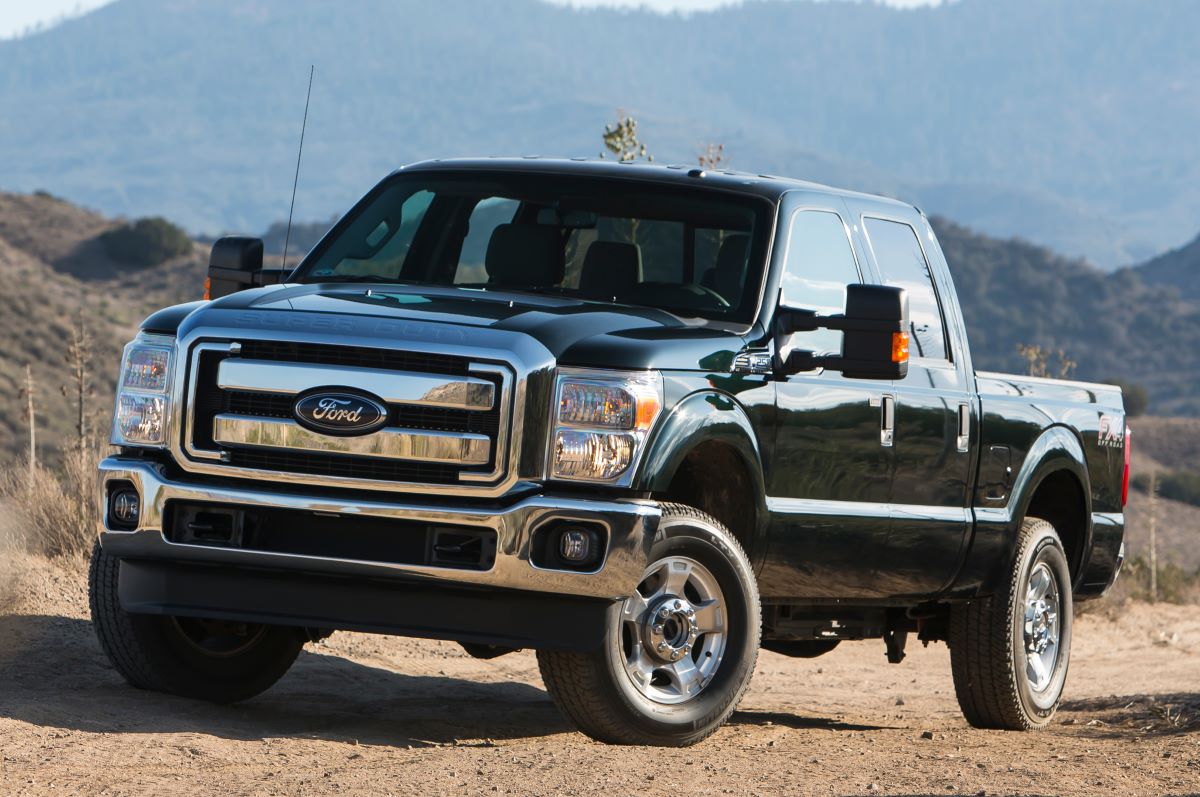
9. Ford F-250 Super Duty (2011–2016)
The 2011–2016 Ford F-250 Super Duty series carried over the strength and durability that drivers expected from the F-Series lineup, while introducing the highly capable 6.7L Power Stroke V8 turbo diesel engine. This was Ford’s first in-house designed diesel after moving away from Navistar, and the engineering changes showed immediate improvement.
The new engine had a graphite iron block and aluminum heads, which made it both lightweight and incredibly durable. Its fuel system, turbocharger design, and cooling systems were more advanced than its predecessors, and the result was an engine that could be relied upon for hundreds of thousands of miles.
These trucks weren’t just made for the job site, they were made to keep showing up to the job site every day for a decade or more.
One key feature of this generation was the redesigned chassis and suspension system. Ford introduced a stronger frame, built to withstand the increasing towing and payload demands customers placed on their Super Duty trucks. This wasn’t a minor upgrade; it was a major leap in structural strength.
The front suspension used coil springs in four-wheel-drive models and improved steering components that reduced wear during heavy usage.
Combined with a robust rear axle, the F-250 of this era could tow and haul with ease without compromising long-term reliability. Many owners reported regularly pulling trailers or equipment well within the truck’s capacity, racking up 400,000 or more miles without any major suspension failures.
Transmission options, particularly the 6R140 TorqShift automatic transmission, also supported the truck’s long-life potential. It was specifically developed to handle the high torque output of the 6.7L engine.
With proper fluid maintenance and cooling, this transmission proved reliable far beyond 250,000 miles, and many examples have gone double that without requiring a rebuild.
For people using the truck in commercial applications, such as hauling livestock, machinery, or materials, this reliability was a necessity, not a luxury. It wasn’t uncommon to see these trucks used seven days a week, year-round, often under load, yet still maintaining respectable fuel efficiency and mechanical stability.
Inside the cab, Ford struck a balance between comfort and practicality. Even base models offered a clean, durable interior with simple controls that were easy to use while wearing gloves.
Higher trims provided additional features like heated seats, integrated trailer brake controllers, and navigation systems, but all trims shared a focus on user-friendly functionality.
The dash layout was logical, and components were built to endure constant use. These trucks were meant to be lived in, whether by ranchers, oil field workers, or contractors spending 10-hour shifts behind the wheel.
Many of these trucks are still on the road today, wearing their mileage like a badge of honor, and with proper care, they have no trouble pushing beyond the 500,000-mile mark.
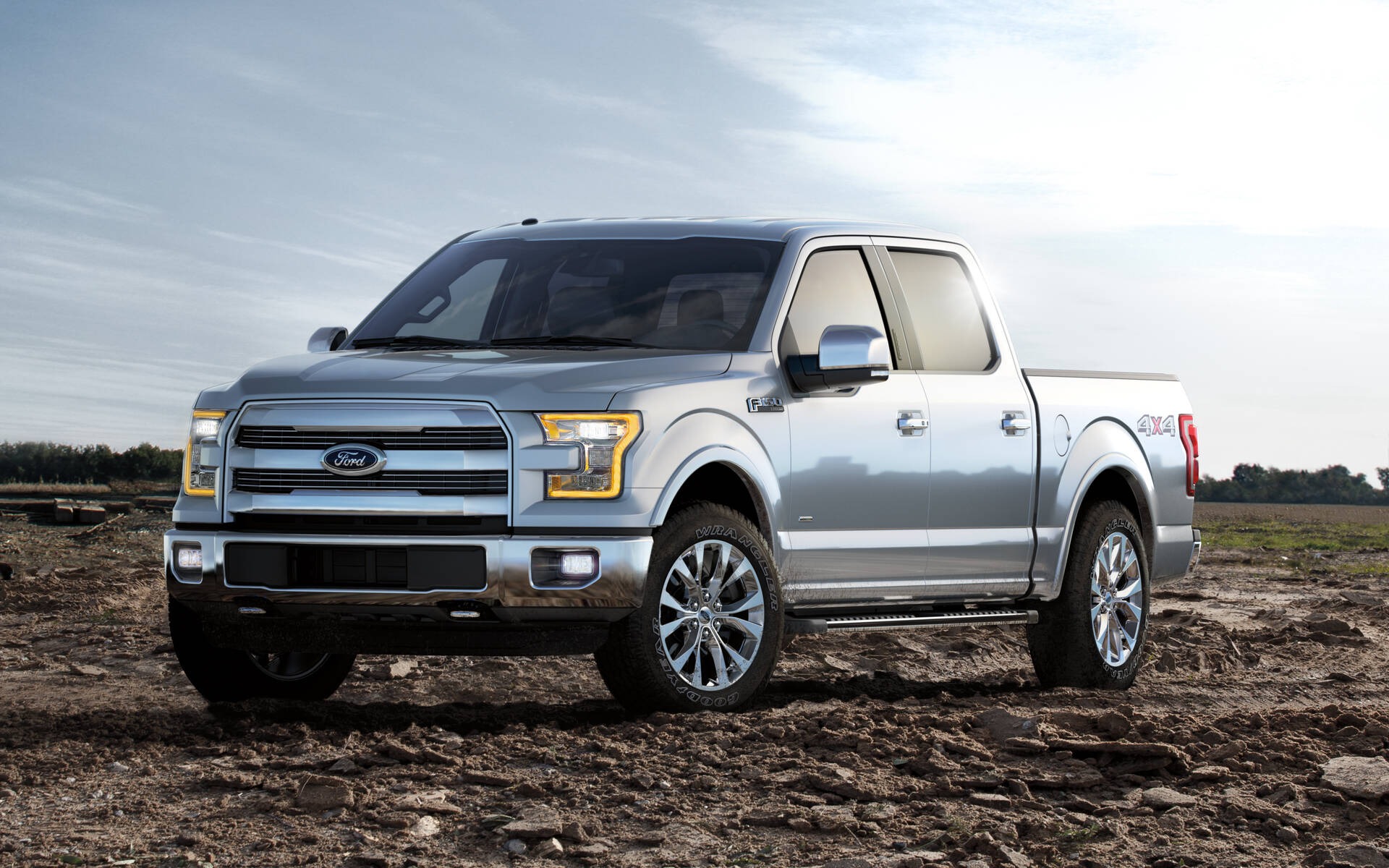
10. Ford F-150 (2015–2020)
The 2015–2020 Ford F-150 marked another turning point for the brand, as it introduced a high-strength, military-grade aluminum-alloy body that reduced weight without compromising strength. This was a bold move, and some critics initially questioned the long-term durability of aluminum in a work-truck application.
However, the years since have proven that the lighter body materials not only resist rust better than steel but also help reduce strain on key mechanical systems.
The lighter weight meant less wear on brakes, suspension, and tires, and when combined with improved powertrains, this generation of F-150 quickly became one of the most fuel-efficient and longest-lasting full-size pickups on the road.
Under the hood, several engine options were available, but the 5.0L Coyote V8 again stood out for its mix of simplicity and durability. It remained naturally aspirated, which meant fewer turbo-related maintenance issues, and it offered excellent power for towing and hauling.
The engine’s design, including forged internals and a robust oiling system, helped it withstand extended high-RPM use and long-distance driving. There are many examples of 2015–2020 F-150s with the 5.0L engine reaching well beyond 300,000 miles with only basic maintenance.
The 3.5L EcoBoost twin-turbo V6 also performed well, especially after software updates addressed early carbon buildup issues. When treated properly, even the EcoBoost variants have crossed 500,000 miles, proving that modern turbo engines can last when managed correctly.
The 10-speed automatic transmission introduced during this period also played a big role in the truck’s longevity.
Developed jointly with GM, the 10-speed brought smoother shifting and better power delivery across different driving conditions. While early versions had occasional quirks, Ford quickly refined the programming and mechanical components.
Drivers who performed fluid changes every 30,000 to 50,000 miles generally saw excellent long-term performance, with some reaching high-mileage figures without any transmission rebuilds.
The transmission’s ability to keep the engine in its most efficient RPM range also contributed to less engine stress and better fuel economy.
Inside, Ford took a noticeable step forward with interior quality and comfort without abandoning durability. The seats were built to endure long drives, the infotainment system became more intuitive, and materials like rubberized buttons and reinforced door panels helped the truck maintain its look even after years of hard use.
The aluminum body panels also meant fewer corrosion issues, especially in northern states where road salt is a constant concern.
This generation proved that modern technology and old-school toughness could live together in a truck capable of passing the half-million-mile mark with confidence. For daily drivers, weekend warriors, and job-site haulers, the 2015–2020 F-150 has shown it’s in it for the long haul.
