
The 1990s marked a time when automotive engineering focused heavily on durability, simplicity, and practicality. It was an era just before cars became highly computerized, but long after the major reliability pitfalls of the 70s and 80s had been worked out.
During this decade, several automakers managed to perfect the balance between comfort, performance, and long-lasting mechanical reliability. Sedans from this time were built to last, often with overengineered components, minimal electronic complexity, and powertrains designed for high mileage rather than marketing appeal.
While modern vehicles come packed with features and high-tech systems, many of these 90s sedans continue to outlast newer models on the road today with little more than basic maintenance.
What makes these cars so enduring isn’t just their engines or transmissions, but the mindset behind how they were built. Automakers in the 90s understood the importance of trust and reputation, especially when it came to longevity. Cars weren’t yet disposable; they were still viewed as investments, and their construction reflected that.
Sedans, in particular, were the workhorses of families, commuters, and taxi fleets. This meant that manufacturers needed to make them dependable, with few frills but solid underpinnings. As a result, many of these models earned reputations for being virtually indestructible.
Some of the most reliable 90s sedans continue to be found in rural towns, city streets, and even cross-country highways. Their mileage clocks have long passed six digits, and some have even crossed into the 300,000- to 400,000-mile territory. Many of them have outlived their original owners or changed hands multiple times.
What they have in common is a legacy of reliability that modern cars often struggle to match. These aren’t the flashiest vehicles, and they’re not filled with cutting-edge tech, but they continue to run because they were built with care, simplicity, and quality.
This list highlights twelve sedans from the 1990s that are known for their ability to keep going strong even after decades of service. They may not win many style points today, but when it comes to going the distance, they remain some of the most dependable cars ever made.
Also Read: 10 Mercedes Cars That Outast The Owners’ Expectations
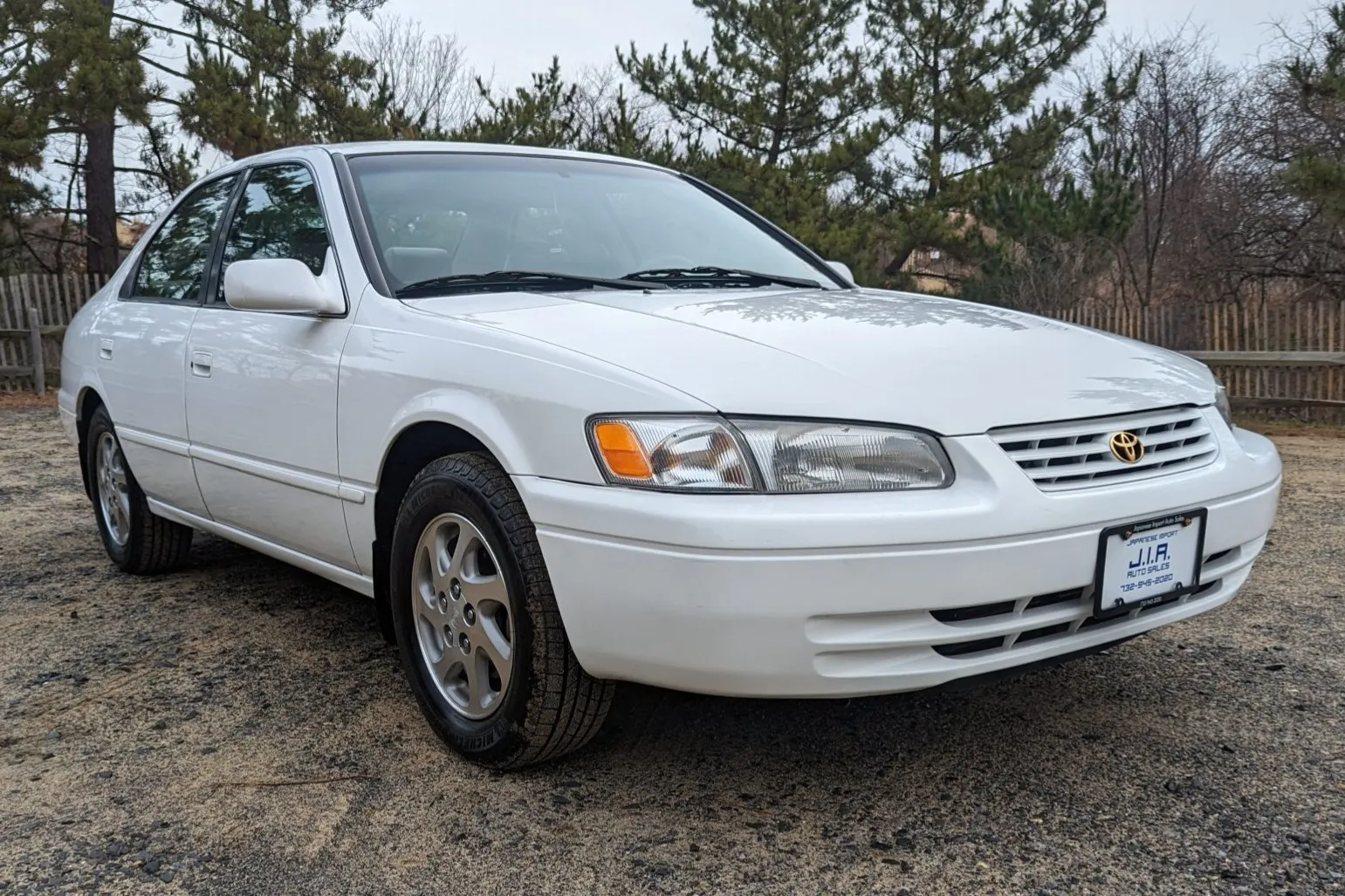
1. Toyota Camry (1992–1996)
The early 90s Toyota Camry models, particularly the XV10 generation (1992–1996), built a reputation that still holds strong today. These cars were assembled with an attention to detail that made them feel like miniature luxury sedans, especially considering their price.
The engines, including the 2.2-liter inline-four and the optional 3.0-liter V6, were refined, efficient, and built to last. They could regularly be seen passing 200,000 miles with minimal issues. Most of the common problems were minor, like window regulators or old bushings, and these were easy and inexpensive to fix.
What truly made the Camry of this era stand out was the level of overengineering. Toyota didn’t cut corners. The body structure was solid and well-insulated, giving it a quiet ride.
The suspension was soft yet composed, and it absorbed bumps with ease. Interiors were simple, but made of materials that held up well to aging and use.
Nothing in these cars felt cheap, and even the cloth seats resisted wear impressively. It was the kind of car that could be inherited by a teenager after a parent put 150,000 miles on it, and it would still start every morning without a fuss.
Many Camrys from this generation are still in daily use today. You’ll often find them being used for delivery work, long commutes, or even as learner cars for new drivers.
They don’t break the bank when it comes to parts, and there’s a huge supply of aftermarket support. The car’s layout is straightforward enough for a backyard mechanic to do oil changes, brake jobs, and even more in-depth repairs without needing advanced tools.
Reliability wasn’t just a buzzword for this Camry; it was a way of life. It’s no exaggeration to say that this car played a major role in shaping Toyota’s global reputation for durability. Even though modern Camrys are far more advanced, many still say the early 90s models are among the most solid ever built.
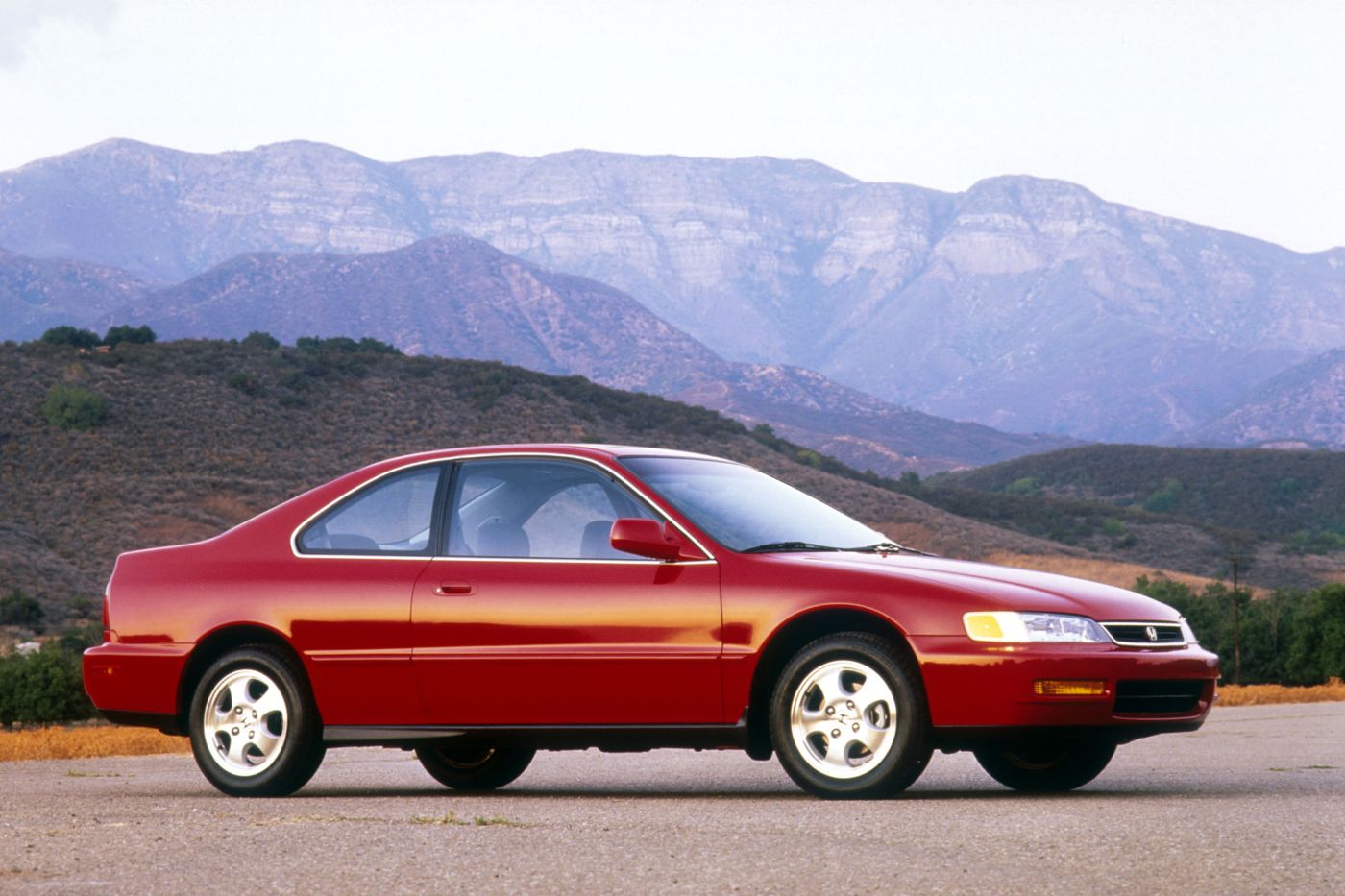
2. Honda Accord (1994–1997)
The fifth-generation Honda Accord, released in the mid-90s, was one of the most trusted and widely purchased sedans of the decade. It represented Honda at its mechanical best.
The available engines, particularly the 2.2-liter inline-four and the VTEC-equipped versions, were known for their smooth power delivery and exceptional reliability.
Honda managed to design these motors to run efficiently under strain, with many examples passing 300,000 miles without needing a rebuild.
The body was light yet strong, and the car’s weight distribution helped with handling and balance. These Accords felt sharp to drive, especially compared to some of their rivals.
That driving feel is one reason they’re still appreciated today, especially by enthusiasts who admire a car that’s both reliable and enjoyable to drive. Beyond performance, the layout of the engine bay made it relatively simple to work on, which only added to its appeal for long-term ownership.
Interior quality was another strong point. Honda used durable plastics, firm but comfortable seats, and an intuitive dashboard layout that aged gracefully.
The air conditioning systems were known to last, the gauges rarely failed, and electronic components like power windows and locks held up well. Compared to some of its American counterparts, the Accord felt better screwed together and more thoughtfully designed.
What truly makes the 90s Accord a survivor is how well it was built underneath its skin. Rust resistance was decent for the time, the suspension components were tough, and the transmissions, especially the manual ones, were known to last
Even today, finding one of these cars in decent condition is like finding a reliable old friend. They just keep going, and for many people, the Accord wasn’t just a car, it was a dependable companion through the years.

3. Lexus LS400 (1990–1994)
When the Lexus LS400 debuted in 1990, it shook the luxury car market. While it came from a brand-new luxury division, the engineering underneath told a different story.
Toyota, Lexus’s parent company, poured an incredible amount of resources into making the LS400 nearly bulletproof. The car featured a 4.0-liter V8 engine that was so well-built, it became legendary. Known internally as the 1UZ-FE, this engine could run for hundreds of thousands of miles with just routine maintenance.
This car wasn’t just about power; it was about refinement. The LS400 offered a quiet, composed ride thanks to its superb suspension and noise insulation. The build quality was so tight that early owners often commented on how silent it remained even after years of use.
Despite being a luxury sedan, it shared Toyota’s core principles of reliability and cost-efficiency when it came to maintenance. While parts might be more expensive than a Camry’s, they last long enough that the cost balances out over time.
Interiors were elegant but practical. The leather used held up well, and many of the switches and buttons feel as solid today as they did thirty years ago.
Electronic systems were ahead of their time, yet they rarely failed. Climate control modules, radio systems, and window motors were all high-quality components. While newer luxury cars often suffer from electrical gremlins as they age, the LS400 seems almost immune to those problems.
Many of these cars are still running with their original drivetrains. Taxi services in countries like the UAE and Australia even used LS400s due to their dependability.
It’s rare to find a luxury sedan that can offer this level of long-term durability. For people who want a comfortable, quiet ride without sacrificing reliability, the 1990–1994 Lexus LS400 remains one of the best-built sedans of all time.
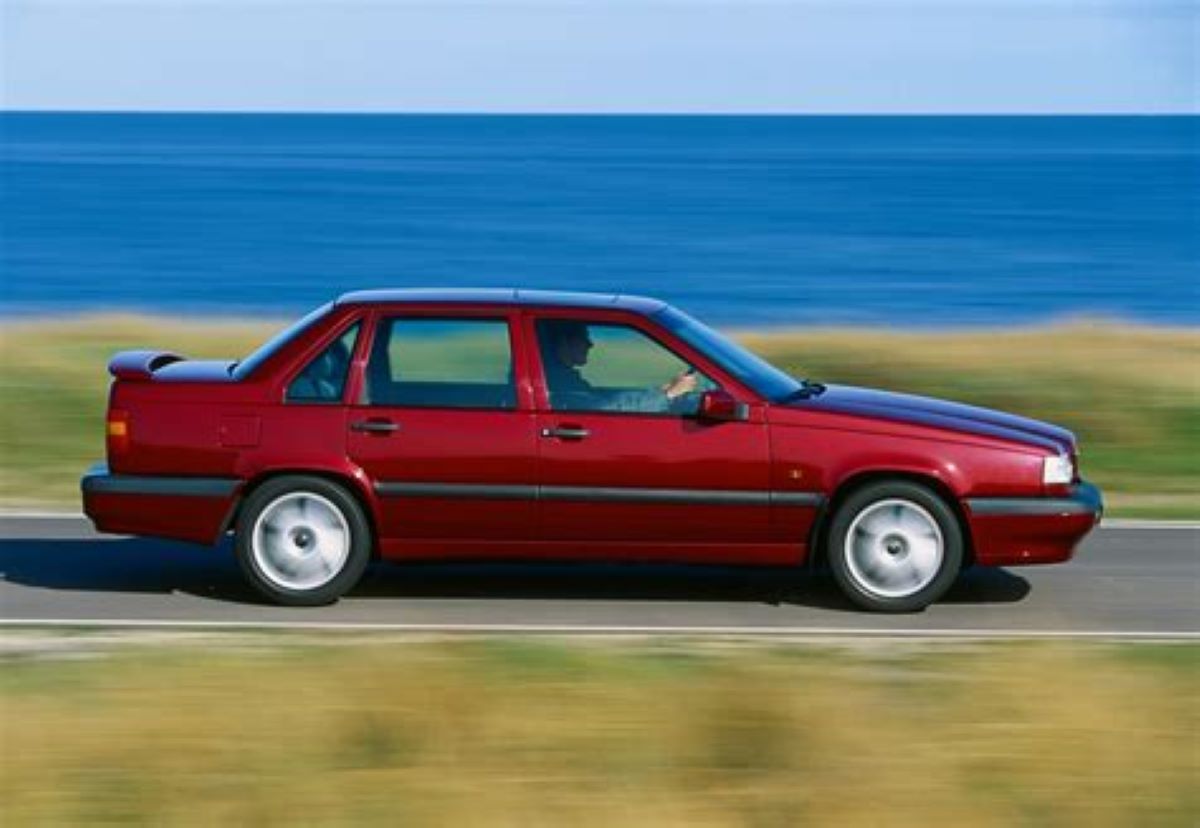
4. Volvo 850 (1993–1997)
The Volvo 850 was one of the most important models in Volvo’s history, marking a major shift from the company’s traditional rear-wheel-drive layout to a front-wheel-drive platform. This sedan brought new levels of performance, safety, and mechanical durability, and it helped redefine the brand for a modern audience.
Volvo’s engineers designed the 850 not just to survive long-term use, but to do so with composure and consistency. Its engines, especially the non-turbocharged inline-fives, were known for their endurance.
These powerplants could easily go 300,000 miles if maintained properly, and even higher-mileage examples rarely suffered catastrophic failures.
One of the standout features of the 850 was its rigidity and solid construction. The body panels were thick and heavy, with a solid door shut that inspired confidence.
Even after years of driving, the car didn’t rattle or shake like many of its contemporaries. It also included advanced safety features for the time, such as side-impact airbags, crumple zones, and the famous Side Impact Protection System (SIPS).
Volvo built these sedans with a clear focus on longevity and safety, and that shows in how many of them remain on the road today, particularly in northern Europe and parts of the U.S. where winter driving is brutal.
The interior of the 850 was designed to be functional, but it aged better than you might expect. The materials were durable and able to withstand wear and tear over decades. The controls were logically laid out, and the seating was typically Swedish in its comfort, upright, supportive, and surprisingly comfortable for long drives.
Many owners praised the cabin for being a relaxing place to spend hours, which was ideal given that the car was often used for road trips and daily commutes. HVAC systems and electronics, while simple by modern standards, held up far better than most cars of the era.
Maintenance on the Volvo 850 isn’t as cheap as a Honda or Toyota, but the cost is balanced by the fact that many components are built to last much longer. When repairs do come up, they’re usually straightforward for anyone familiar with European cars.
Enthusiast communities for the 850 are active and helpful, with guides, parts availability, and tips readily available online. If you’re looking for a car from the 90s that combines European engineering with rock-solid reliability, the Volvo 850 remains one of the most resilient options.
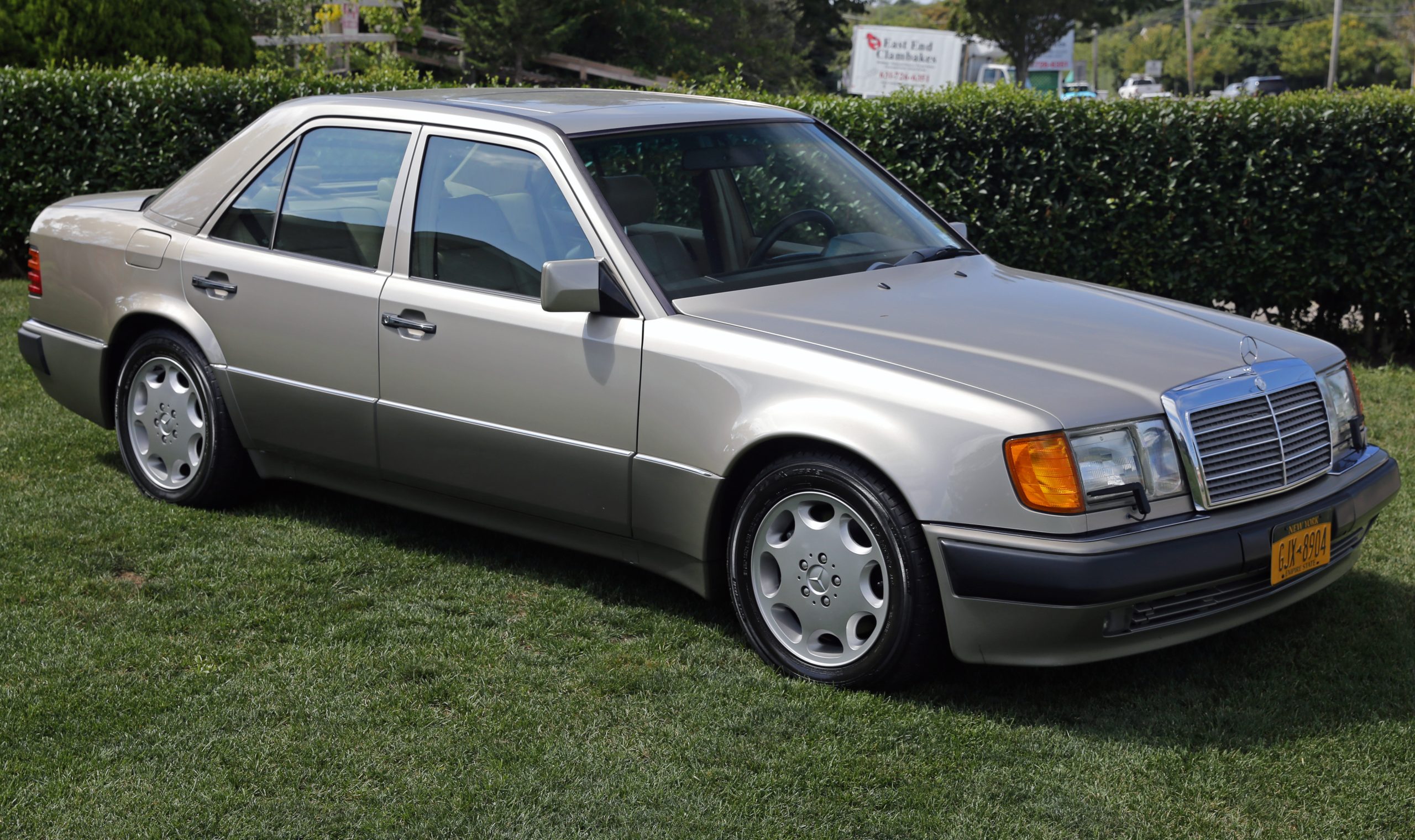
5. Mercedes-Benz W124 E-Class (1986–1995)
The Mercedes-Benz W124 is often regarded as one of the last “overbuilt” cars from the German automaker. Even though it was introduced in the late 80s, it continued production well into the 90s, and many of its best-known versions were sold during this time.
Mercedes engineers prioritized longevity and mechanical excellence with the W124. The engines, particularly the inline-fours and inline-sixes- were smooth, balanced, and practically indestructible when maintained.
Diesel variants were also popular and known to surpass 500,000 miles in some cases, especially the 300D and 300TD models.
What set the W124 apart from other sedans was its tank-like construction. Every part of the car felt purposeful and heavy-duty. The doors closed with a reassuring thunk, the dashboard was bolted down with intention, and the ride quality reflected a level of engineering that modern cars rarely match.
These sedans were not just vehicles; they were long-term assets, often passed down through generations in Europe and the U.S. Even 30 years later, many of these cars are daily drivers or weekend cruisers for enthusiasts who appreciate their blend of old-world craftsmanship and modern capability.
Inside, the W124 was all about function and endurance. The interior materials were chosen for their durability rather than flash. The seat upholstery, whether leather or MB-Tex vinyl, aged remarkably well, and even models with hundreds of thousands of miles often look surprisingly well-kept.
Switchgear, buttons, and climate controls were built to be used for decades, and many of them are still fully operational today. While these cars did include some early electronics, they were limited in scope and generally more robust than those found in later luxury models.
What really cements the W124’s legacy is the way it has aged. While many other luxury sedans from the 90s have become nightmares of failed electronics and expensive repairs, the W124 is still going strong.
It is common to see them in places like Eastern Europe, Africa, and the Middle East serving as taxis, daily drivers, or family cars. Their reputation was earned not through marketing, but through a consistent track record of reliability, comfort, and sheer build quality that is difficult to find in today’s luxury sedans.
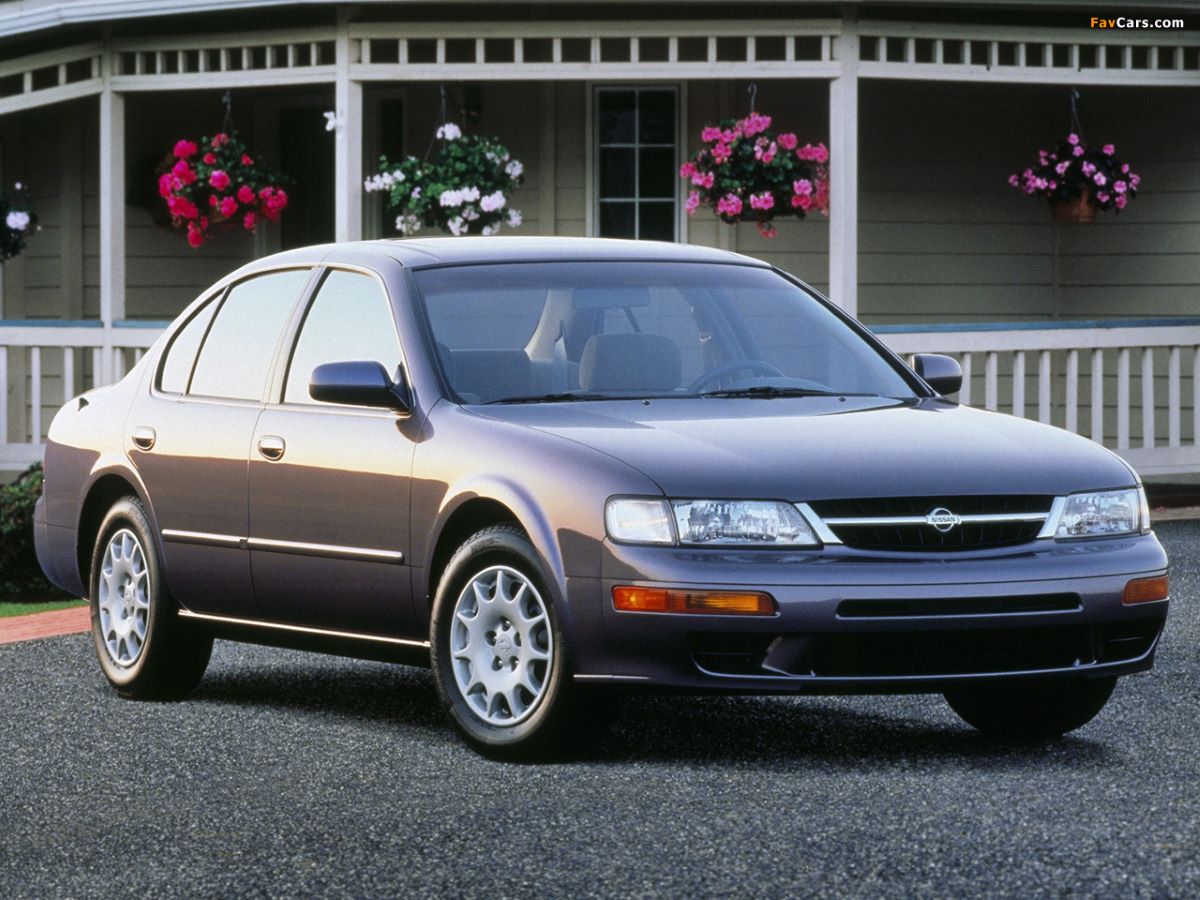
6. Nissan Maxima (1995–1999)
In the mid-to-late 90s, the Nissan Maxima was marketed as a “four-door sports car,” and for good reason. The fourth-generation Maxima, especially the models produced between 1995 and 1999, was a performance-oriented sedan with long-term reliability baked into its DNA.
Its standout feature was the VQ30DE engine, a 3.0-liter V6 that was part of Nissan’s legendary VQ engine family.
These engines were praised for their smooth power delivery, low maintenance requirements, and ability to keep running long after the odometer passed 200,000 miles. Nissan used this platform as a demonstration of how performance and durability could coexist.
What made the Maxima truly special was how it drove. It was more responsive than most sedans in its class, with steering and suspension tuning that favored drivers who wanted a little more excitement without sacrificing comfort.
The automatic transmission was smooth and dependable, but enthusiasts particularly sought out the five-speed manual version, which provided a more connected experience.
Despite the sporty nature of the Maxima, it didn’t compromise on long-term ownership costs. Oil changes, spark plugs, and brake work were all straightforward and affordable, making it an ideal car for someone who wanted a blend of speed and sensibility.
The Maxima’s interior was comfortable and well laid out, though not particularly flashy. It had a business-like feel, with supportive seats and a functional dashboard. Controls were easy to reach and aged well over time.
The materials weren’t luxurious, but they were built to hold up, and many Maximas from this era still have fully functional electronics and clean interiors despite high mileage. The car’s build quality exceeded expectations, especially considering its relatively affordable price point when new.
There are still thousands of these Maximas on the road today, a testament to how well they were built. They’re often found in the hands of second or third owners who continue to use them for commuting or long-distance trips.
While they might not get as much attention as Hondas or Toyotas, those in the know understand just how special these cars were. The 1995–1999 Maxima was one of the last sedans to perfectly balance sporty performance with long-term reliability.
Also Read: 10 Best Trucks That Hold Value Decades Later

7. Acura Legend (1991–1995)
The Acura Legend, particularly the second generation produced from 1991 to 1995, remains one of the most respected luxury sedans to ever come out of Japan. As Acura’s flagship model during that time, it combined smooth V6 performance with the kind of bulletproof engineering that Honda was known for.
The 3.2-liter V6 engine under the hood was a masterpiece of smoothness and dependability. These engines routinely went well past 300,000 miles with no major issues, so long as they were given regular oil changes and cooling system maintenance.
Driving the Legend was a refined experience. It delivered a balance between comfort and control, with a suspension that soaked up bumps yet stayed composed around corners. The steering was precise, and the road manners felt more German than Japanese.
This was Acura’s attempt to go toe-to-toe with brands like BMW and Mercedes, and they pulled it off in terms of build quality and reliability. Even today, a well-maintained Legend drives with the solidity of a modern luxury car.
The interior was another area where the Legend stood out. The design was conservative, but the quality was exceptional. Leather seats, wood trim, and a quiet cabin gave the impression of a much more expensive car.
Everything inside was built to last, and many owners still have fully functional power accessories, working air conditioning, and quiet interiors even after decades of use. Unlike many other luxury sedans from the era, the Legend aged gracefully without falling victim to common electrical issues or worn-out trim.
Part of what makes the Acura Legend so revered today is how it has stood the test of time. Enthusiasts continue to maintain and restore these cars because they understand the level of craftsmanship that went into them.
The aftermarket for replacement parts is still relatively healthy, and the online community is active and supportive. For anyone looking for a 90s sedan that mixes luxury, long-term reliability, and real-world usability, the Acura Legend is a clear standout.
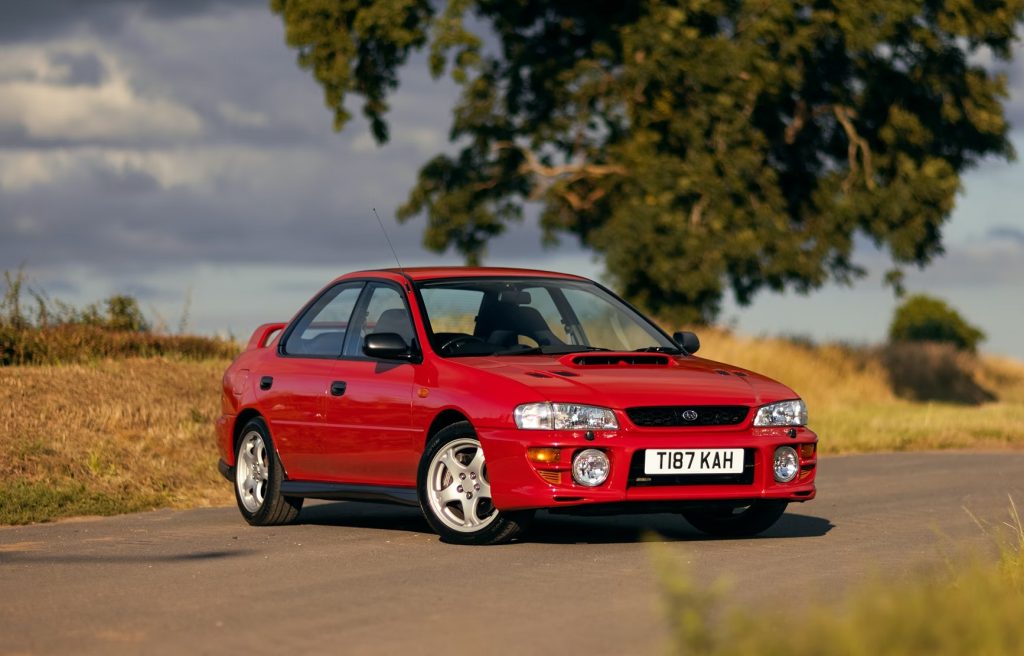
8. Subaru Legacy (1990–1994)
The Subaru Legacy from the early 90s was a breakthrough model for the brand, combining all-wheel drive capability with a sedan format that appealed to a broad range of drivers. This was a time when AWD systems were mostly reserved for SUVs or specialized vehicles, but Subaru made it accessible and reliable in a sedan.
Powered primarily by a 2.2-liter flat-four engine, the Legacy was designed to be a rugged, no-nonsense car that could handle a variety of driving conditions. Many of these early models remain on the road today, and their durability is a testament to Subaru’s engineering philosophy.
What made the Legacy stand out was not just the AWD system but the robustness of its mechanical parts. The boxer engine’s low center of gravity contributed to excellent handling and stability, while the drivetrain components were built to endure the extra strain that comes with powering all four wheels.
While some Subaru engines have had issues with head gaskets over the years, those early Legacy models generally avoided the more serious problems, especially when owners kept up with regular maintenance.
Transmission and differential parts are also known to be sturdy, making this sedan a favorite among drivers who need dependability in tough weather.
Inside, the Legacy’s cabin was practical and comfortable. It wasn’t luxurious by any stretch, but it was durable. Seats were often covered in cloth that resisted wear well, and dashboard components remained intact and free from cracking.
Controls were straightforward and intuitive, and many of these cars have maintained their original heating and cooling systems in working order decades later. The simple design meant there were fewer electronics to fail, adding to the car’s reputation for reliability.
The Subaru Legacy of this era is still popular in rural and colder climates where its AWD system shines. It’s common to find them as daily drivers, secondary cars, or even hobby project cars for enthusiasts. Despite being over 30 years old, these cars can still be driven in confidence, and replacement parts remain available.
The Legacy’s combination of mechanical simplicity, ruggedness, and all-weather capability has cemented it as one of the most durable sedans from the 90s.
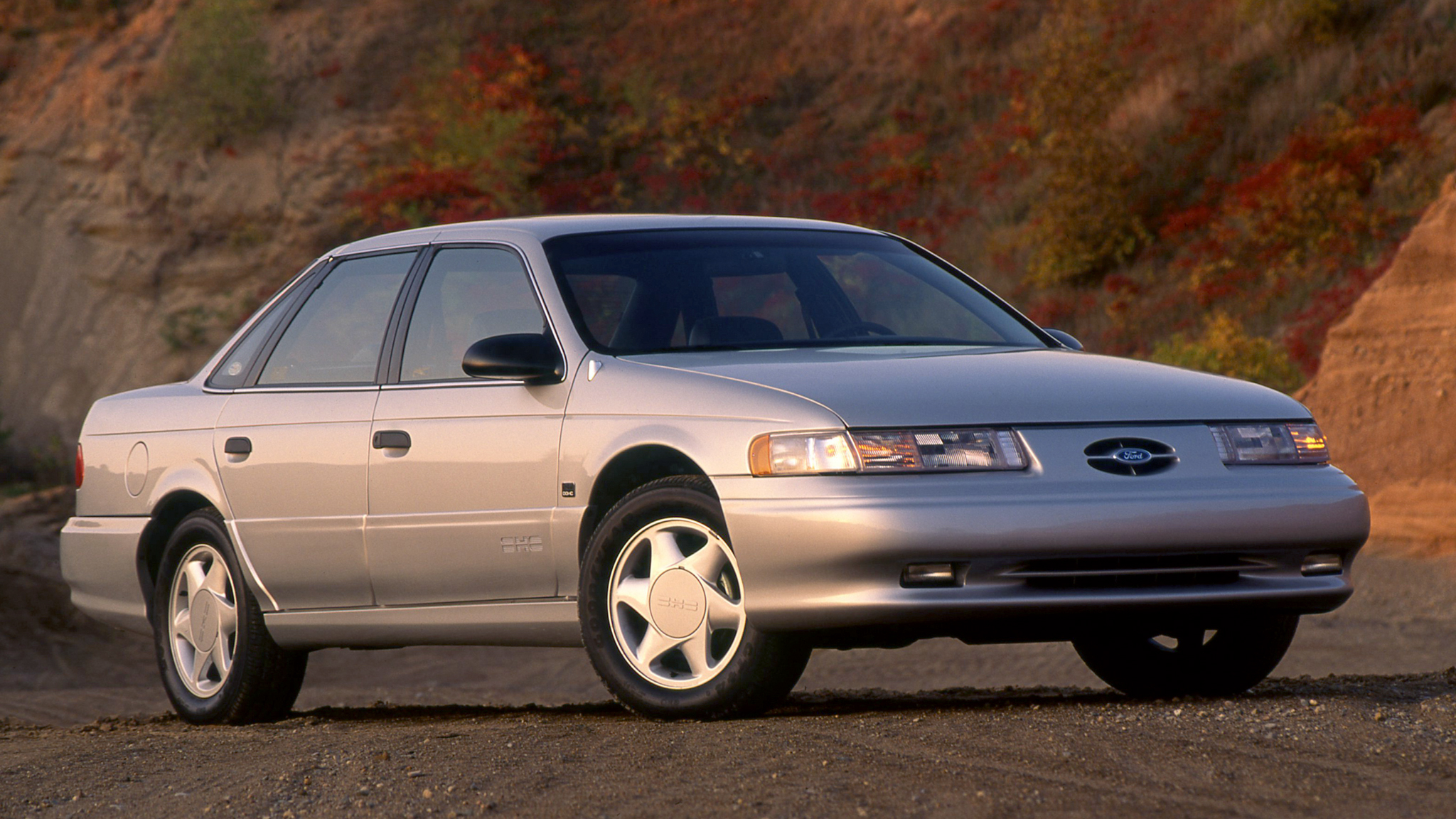
9. Ford Taurus (1992–1995)
The Ford Taurus from the early 90s is often overlooked in discussions of reliable sedans, but it deserves credit for the longevity many examples have shown over time. The Taurus was America’s best-selling car during much of this period and was responsible for redefining Ford’s reputation for quality and innovation.
Powered by the Vulcan 3.0-liter V6 and later the Duratec V6 engines, these sedans were built to be tough and dependable workhorses. While not immune to minor issues typical of American cars in the 90s, the Taurus was engineered to run for the long haul.
One of the Taurus’s strongest points was its user-friendly design and the availability of parts. Maintenance and repairs could be performed by a wide variety of mechanics or even savvy owners themselves, which contributed to its durability in the field.
The suspension system provided a comfortable ride, well-suited for long commutes or family trips. Body panels were prone to rust in certain climates, but with basic care, many owners have kept their cars in good shape well past 200,000 miles.
The interior of the Taurus was spacious and practical, with cloth or vinyl seats designed to withstand heavy use. Controls were designed with everyday usability in mind rather than luxury, but the dashboard remained functional for decades without succumbing to the wear and tear often seen in older vehicles.
The sound system and climate control units generally remained operable as well, contributing to the car’s reputation as a practical family sedan.
Despite its more mundane styling and less refined handling compared to Japanese rivals, the Taurus won over millions of buyers with its reliability and value.
Many original owners still keep theirs running, and it remains a common sight in areas where affordability and durability are essential. The early 90s Ford Taurus stands as proof that American sedans can also last a long time when designed with care.
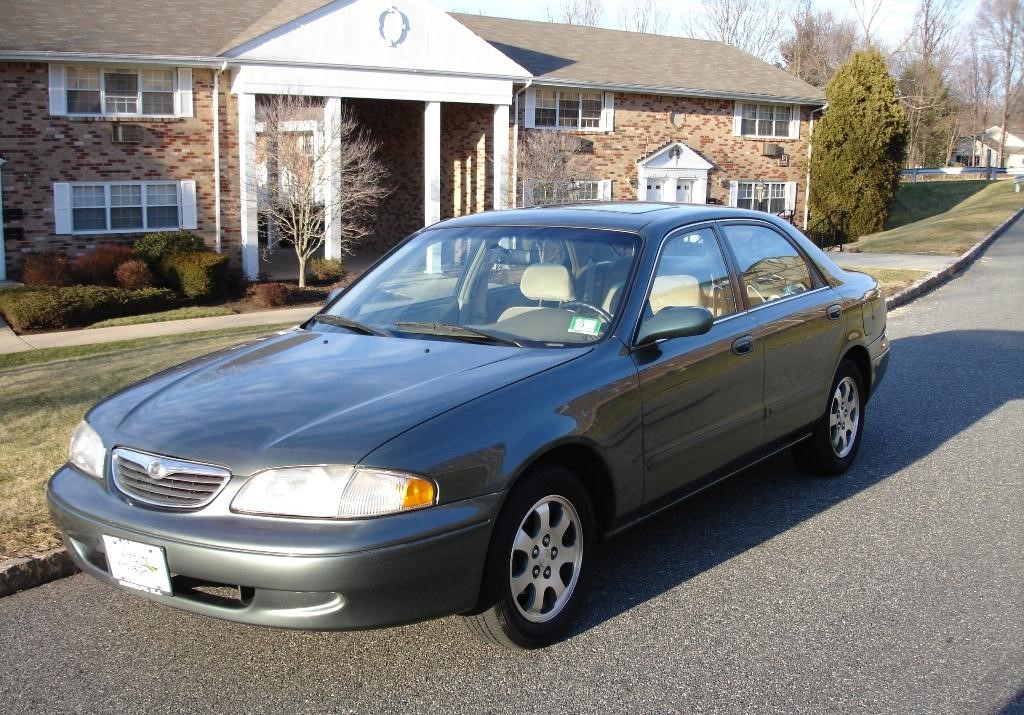
10. Mazda 626 (1993–1997)
The Mazda 626 from the mid-90s was a compact to midsize sedan that earned a strong reputation for mechanical reliability and driving enjoyment. It shared many components with the Ford Mondeo due to a partnership between Ford and Mazda but retained its unique Japanese engineering pedigree.
Powered mainly by the reliable 2.0-liter inline-four engine, the 626 was known for its smooth operation and reasonable fuel economy. Many of these engines have been documented to run well beyond 250,000 miles with standard maintenance.
Mazda’s emphasis on driving dynamics was evident in the 626’s suspension tuning. Unlike many of its contemporaries, the 626 offered a more engaging driving experience, combining comfort with responsive handling.
The chassis was well balanced, and the steering felt precise for a family sedan, which made it popular with drivers who wanted a car that could handle daily use but wasn’t boring to drive. This level of engagement was unusual for sedans of its size at the time and contributed to its long-lasting appeal.
Inside, the 626 was practical and well built. The materials used in the cabin stood the test of time, with seats that resisted sagging and plastics that didn’t crack easily. The layout was ergonomic, with controls and instruments that remained functional after years of use.
Even the optional features, such as power windows and locks, tended to hold up without frequent failure. This reliability in the cabin added to the feeling that the car was built for the long haul.
Many Mazda 626s from the 90s continue to serve their owners well, especially in markets where affordability and reliability are key concerns.
The availability of parts and relative ease of maintenance have allowed these cars to remain on the road for decades. Their combination of practicality, durability, and a touch of sporty flair makes the 626 one of the more underrated reliable sedans from this era.
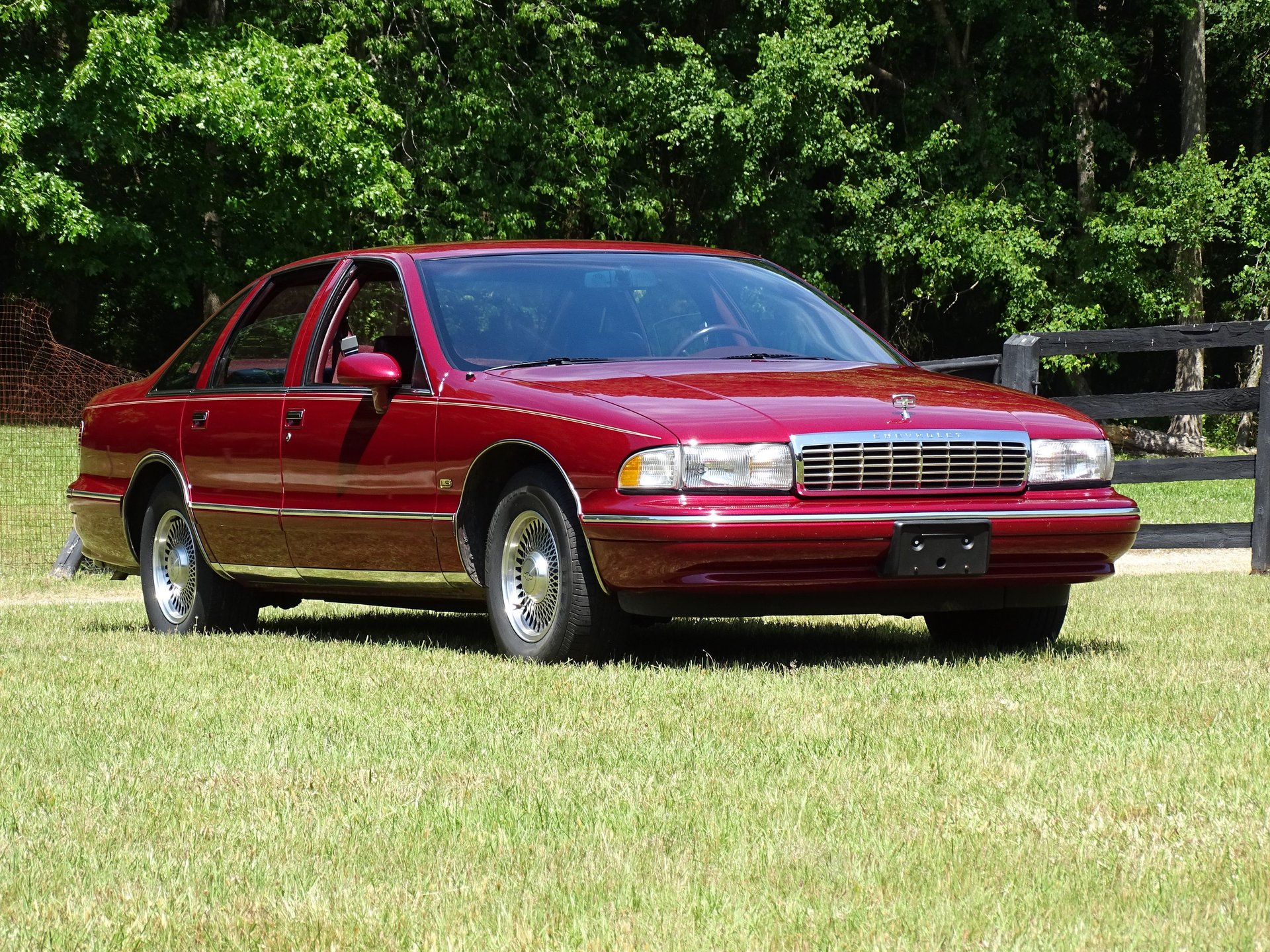
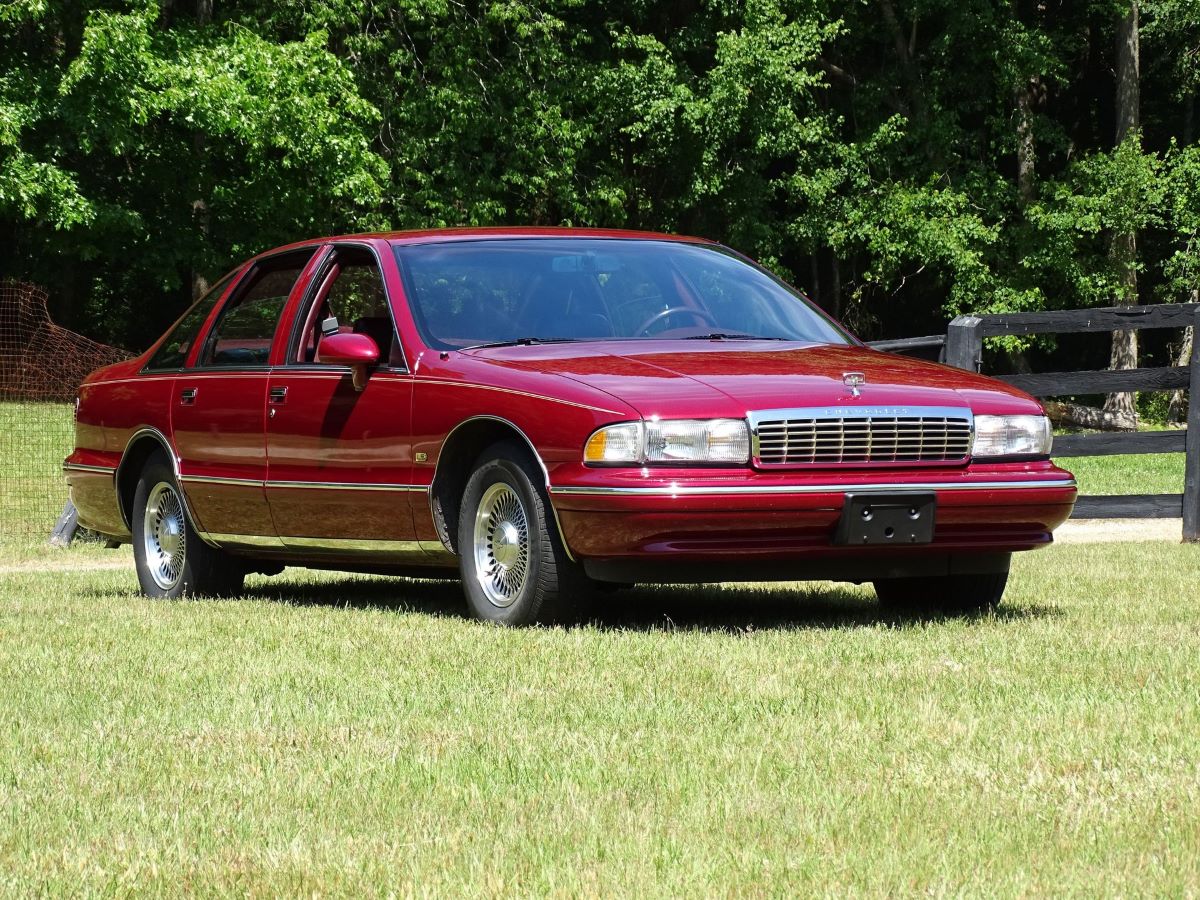
11. Chevrolet Caprice (1991–1996)
The Chevrolet Caprice of the early to mid-90s was one of the last full-sized American sedans built with a traditional body-on-frame construction. Known for its massive size and powerful V8 engines, the Caprice was a staple for police departments, taxi companies, and families who needed a spacious and dependable car.
The 5.7-liter LT1 V8 engine, carried over from the Corvette, was both powerful and durable, often running for hundreds of thousands of miles with minimal issues if properly maintained.
One of the key factors in the Caprice’s longevity was its mechanical simplicity. The body-on-frame design meant that the car could withstand rough treatment and still keep its structural integrity.
The suspension and drivetrain components were designed to endure heavy use, which is why many ex-police Caprices are still running today. The car was heavy and not particularly fuel-efficient, but its robustness made it ideal for those who prioritized reliability and space over economy.
Inside, the Caprice was spacious and built with materials that were meant to last. The vinyl and cloth seats in many trims resisted wear and stains, and the dashboard and door panels were solidly constructed. Controls were large and intuitive, making the car easy to operate even after many years.
While the interior wasn’t luxurious, it was functional and durable, able to handle the rigors of daily use without quickly deteriorating.
Though the Caprice lacked the refinement and handling finesse of some of its Japanese competitors, its toughness made it a favorite among drivers who needed a dependable, no-frills sedan. Its ability to keep running for hundreds of thousands of miles has earned it a reputation as one of the most enduring American sedans of the 90s.
