
The used SUV market has its own rhythm, influenced by everything from reliability and resale value to brand perception and owner satisfaction. For many buyers, a used SUV represents a practical choice, offering space, capability, and utility at a more affordable price than a new model.
However, not all SUVs are created equal when it comes to how fast they move off the lot once they’re listed for resale. Some used SUVs are snapped up within days of hitting the market, while others seem to linger endlessly, waiting for the right buyer, or any buyer at all.
This difference often comes down to a mix of factors: reliability ratings, ownership costs, availability of parts, brand reputation, fuel economy, and whether the SUV still meets the modern buyer’s expectations. Some SUVs have loyal fanbases and proven track records, making them attractive to used buyers who want a safe bet.
Others may look appealing on the surface but come with baggage that deters savvy shoppers, unreliable transmissions, expensive repairs, poor gas mileage, or a driving experience that feels outdated compared to the competition.
Interestingly, it’s not always about age or mileage. Some three- or four-year-old models sit untouched, while older SUVs with higher mileage are purchased almost instantly.
The distinction often lies in how well the SUV has maintained its value, how trusted the model is in the long run, and how easily it fits into the lifestyle of a new owner. Even exterior styling and brand image play a role in how quickly a used SUV sells.
Below, we’ll take a closer look at five SUVs that typically sell immediately when they hit the used market, followed by five that tend to sit around a lot longer than their owners would like. Each entry examines why the model falls into its category, considering both objective qualities and common buyer behavior.
Also Read: 10 SUVs With Rare Transmission Issues and Long Lifespan
5 SUVs That Sell Immediately
1. Toyota RAV4
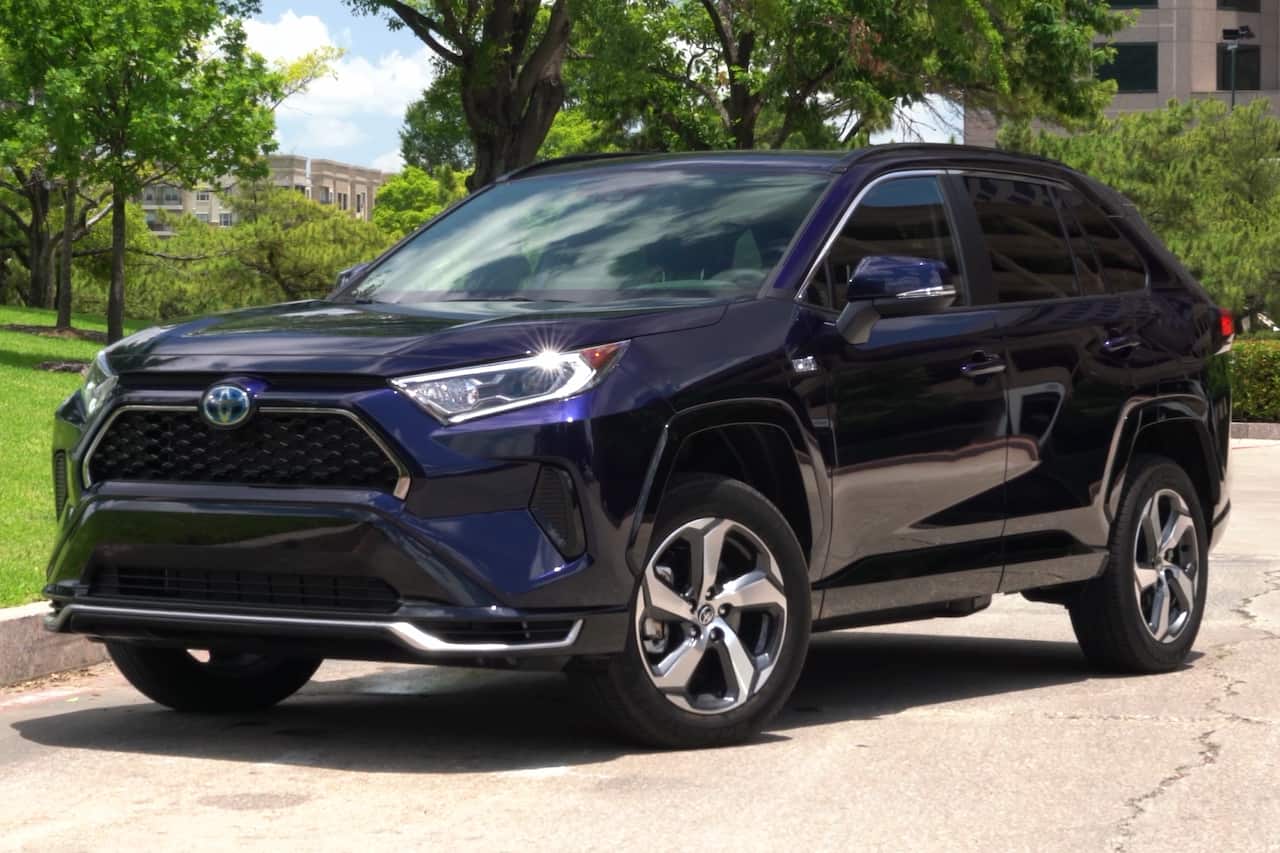
The Toyota RAV4 continues to be one of the most popular SUVs in the used market for a number of reasons, starting with its long-standing reputation for reliability. Buyers looking for a dependable, no-nonsense compact SUV almost always consider the RAV4 near the top of their list.
Whether it’s a base model or a higher trim, the RAV4 tends to hold its value and attract interest within days of being listed. Owners consistently praise it for being low-maintenance, fuel-efficient, and well-suited for both city and highway driving.
Another reason the RAV4 sells so quickly used is its wide availability of parts and affordable upkeep. Even older models are relatively easy to maintain, and mechanics are familiar with their layout and systems.
That reduces ownership anxiety, especially for second or third owners. Buyers who have done even minimal research know that the RAV4 offers solid resale value, which makes it a smart investment. The availability of both gas and hybrid models also allows it to appeal to a broad audience.
The RAV4’s practicality cannot be overstated. It offers good cargo space for its size, has a simple and intuitive interior layout, and can fit a small family comfortably.
The ride is generally smooth, and while it’s not a performance vehicle, it handles day-to-day commuting well. Its versatility is a key reason buyers gravitate toward it. It’s not flashy, but it gets the job done without complaints.
Even dealers often prioritize stocking used RAV4s because they know they won’t sit long. In some regions, it’s not unusual for them to be sold within 24 to 48 hours after being listed.
Buyers looking for reliable transportation who don’t want to gamble on something less proven often land on the RAV4. This SUV remains a textbook example of a used vehicle that practically sells itself.
2. Honda CR-V
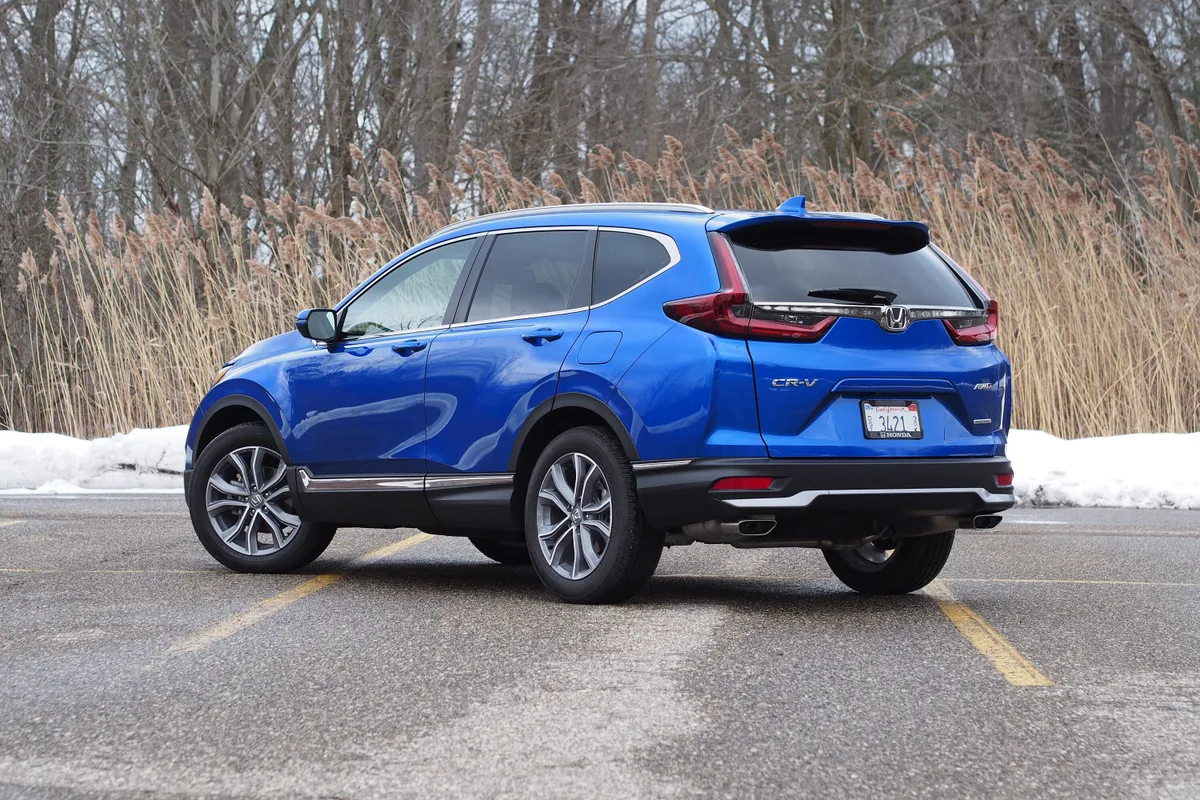
The Honda CR-V is another SUV that sells quickly in the used market, often rivaling the RAV4 in buyer interest. Known for its dependability, comfort, and fuel efficiency, the CR-V is a common choice for families, commuters, and retirees alike.
Its balanced approach to size, power, and practicality gives it mass appeal. Once listed, CR-Vs rarely last long, especially if they’re priced competitively and have service records in order.
Buyers are drawn to the CR-V for its spacious interior and clever storage options. Honda has a reputation for making the most out of interior space, and that holds true with this model.
Whether it’s an older generation or a newer one, used CR-Vs tend to look modern enough and drive smoothly, which reassures potential buyers that they’re getting value for their money. Many used CR-Vs also come with Honda’s well-regarded safety features, making them attractive to cautious buyers.
Another big reason the CR-V moves fast in the used market is its proven track record. It’s not uncommon to find owners who have driven their CR-Vs past 200,000 miles with minimal problems.
That kind of reputation spreads quickly, and buyers specifically seek out these models because they know what to expect. Even if the initial price is a little higher than other used SUVs, buyers are often willing to pay a premium for a vehicle that won’t leave them stranded or nickel-and-dime them over time.
From a seller’s perspective, listing a CR-V often results in immediate inquiries, sometimes within hours. There’s also less need to advertise heavily or lower the price significantly just to get attention.
Its strong reputation, combined with consistently positive ownership experiences, ensures that the Honda CR-V remains a hot commodity on the used SUV market.
3. Subaru Outback
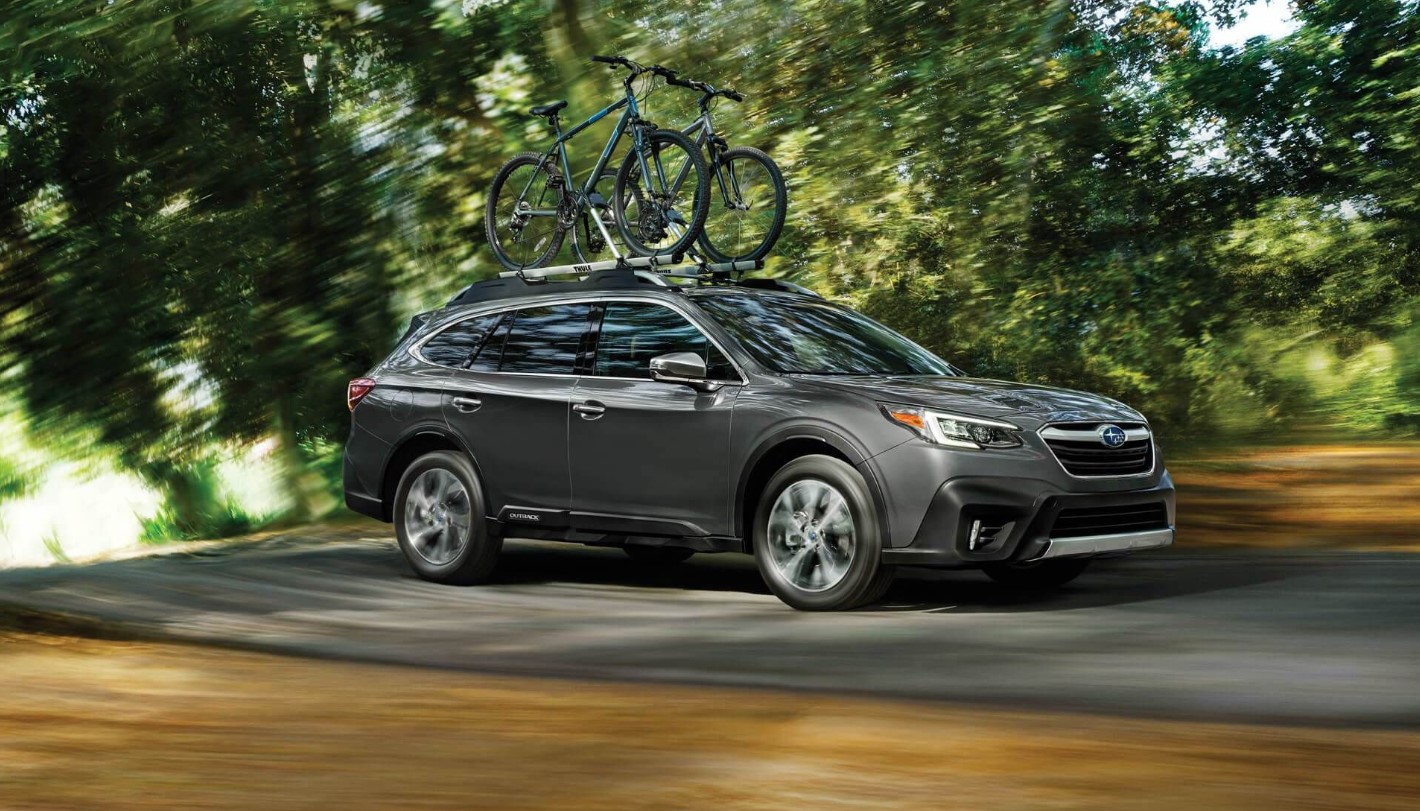
The Subaru Outback isn’t just a favorite among new car buyers; it’s also a star in the used market. Its strong resale value and consistent popularity among outdoorsy, practical-minded drivers make it one of the fastest-selling used SUVs.
Part wagon, part SUV, the Outback appeals to a specific type of buyer who values reliability, all-wheel drive capability, and a unique look that isn’t as generic as other crossovers.
One of the main reasons the Outback sells so fast is its all-weather capability. Thanks to standard all-wheel drive, even older models offer a strong sense of confidence on slippery roads or uneven terrain.
Buyers in colder climates often search specifically for Subarus, and the Outback is usually at the top of their list. This strong regional demand pushes used sales quickly, especially in mountainous or snow-prone areas.
Inside, the Outback often features a practical and rugged interior. It’s not luxurious, but it feels purpose-built. The cargo space is excellent for its class, and the low load height makes it easier to pack compared to some bulkier SUVs.
Drivers who need to transport gear, pets, or outdoor equipment frequently lean toward the Outback. That functionality gives it an edge in the used market.
From a mechanical standpoint, the Outback also performs well over time, provided it’s been maintained properly. While some early models had head gasket issues, more recent generations have shown good reliability.
As long as the vehicle history checks out, buyers are often eager to close deals quickly. It’s the kind of used SUV that seems to always find a buyer, even in crowded listings.
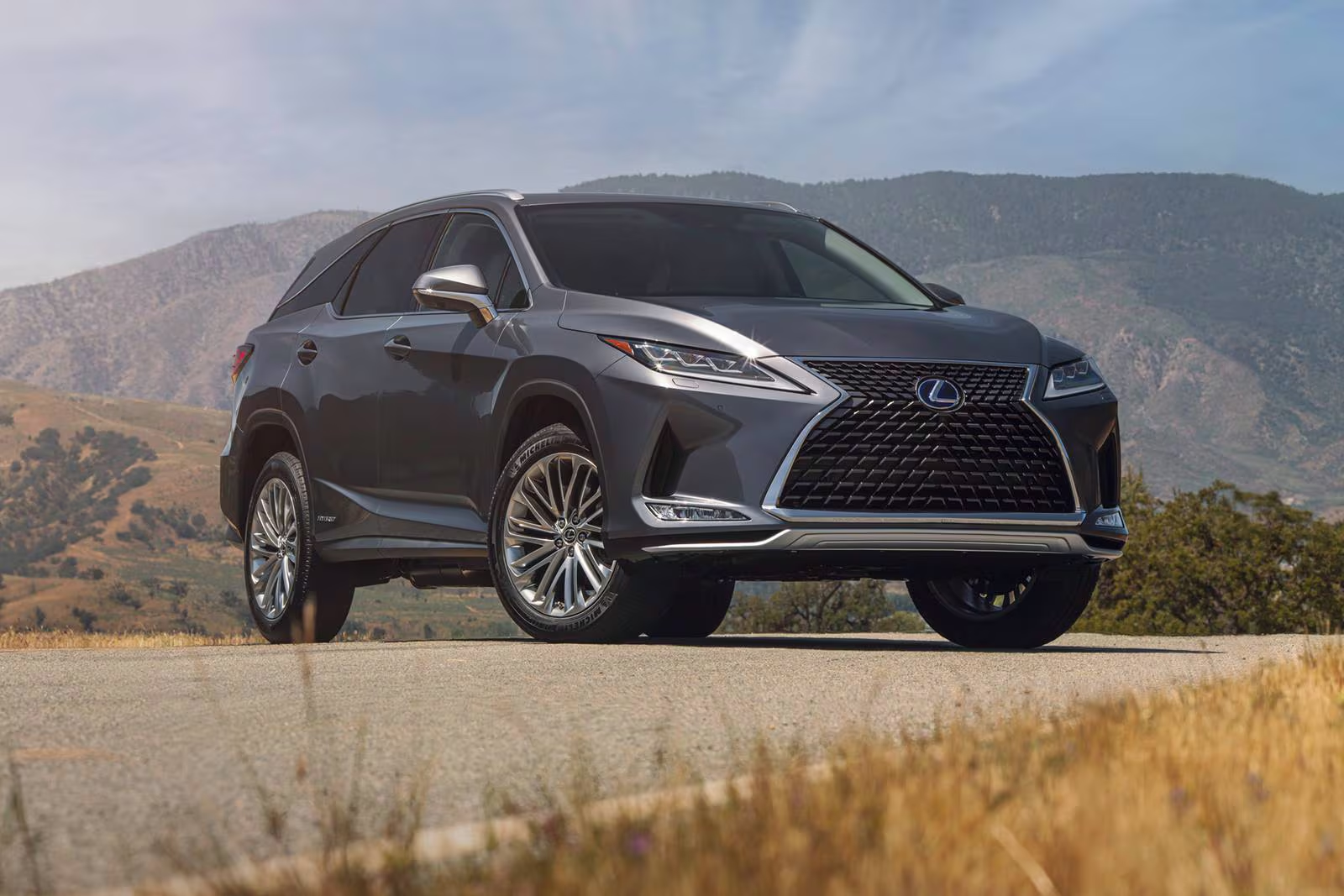
4. Lexus RX
Luxury SUVs don’t always move fast when used, but the Lexus RX is a clear exception. Its reputation for longevity, low maintenance costs (relative to other luxury brands), and a smooth, quiet ride makes it highly sought after in the second-hand market.
Even older models continue to attract buyers who want a taste of luxury without the steep upkeep or depreciation costs of a European badge. One key reason the Lexus RX sells quickly is its reputation for build quality. Lexus has spent years cultivating an image of reliability, and the RX is often the poster child for that reputation.
Buyers often prefer it over rivals like the BMW X5 or Audi Q5 because it typically costs far less to repair and maintain. For many, it’s a practical luxury vehicle that feels premium without becoming a financial burden.
Comfort is another reason buyers gravitate toward the RX. The seats are plush, the cabin is well-insulated, and everything from the materials to the interface feels refined.
The ride quality is consistently smooth, which makes it ideal for long drives or daily commuting. Even older RX models still feel luxurious, which keeps them attractive years after their initial release.
Because of these traits, Lexus RX models often sell in under a week when listed at a fair price. Buyers who know the brand often wait for these listings and act quickly when a clean example appears.
For sellers, that means less haggling, faster turnaround, and a smoother transaction. The Lexus RX continues to set the bar for what a used luxury SUV should be.
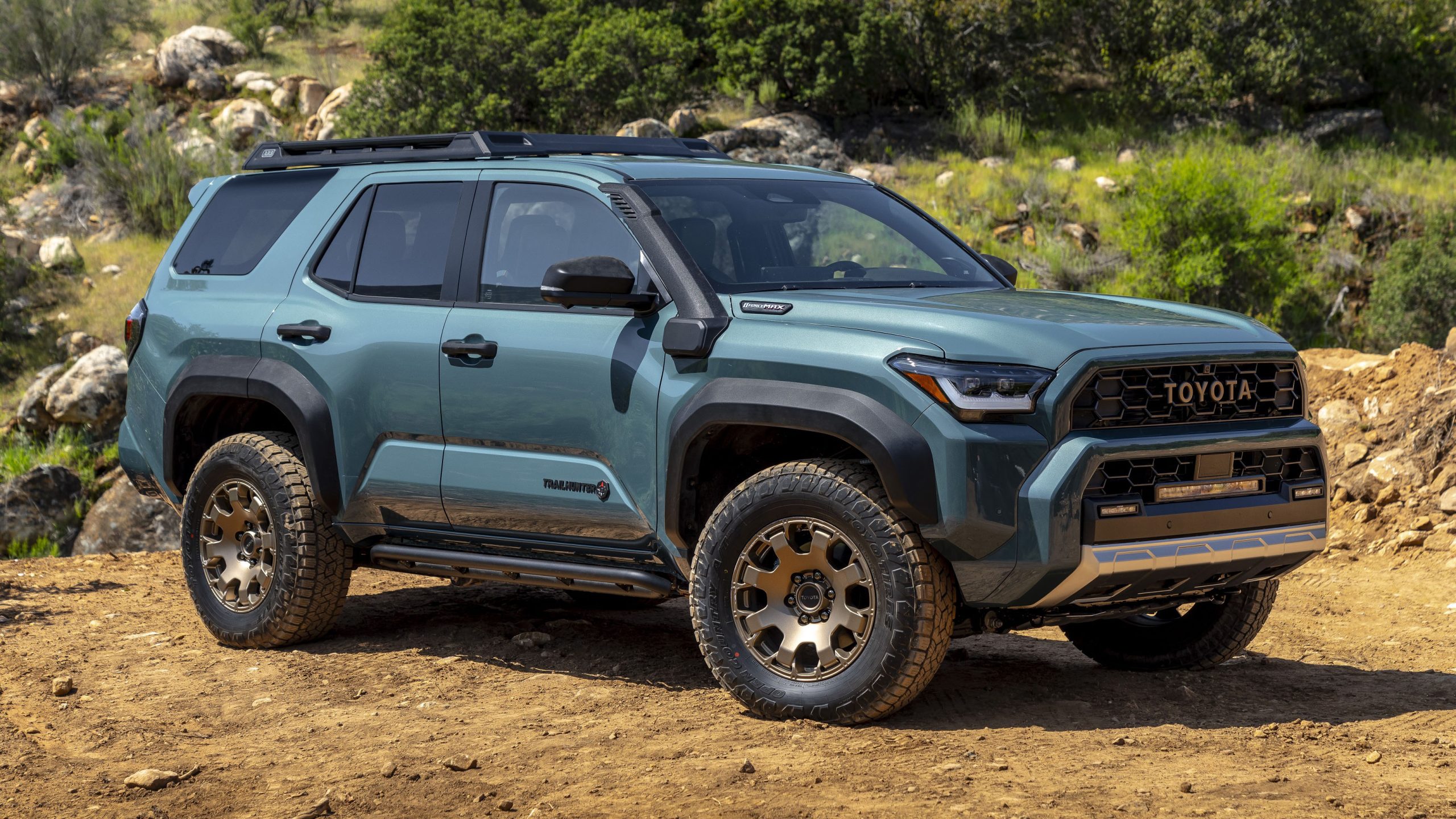
5. Toyota 4Runner
The Toyota 4Runner is a bit of a niche choice, but that hasn’t stopped it from being one of the fastest-selling used SUVs in its segment.
Built more like a truck than a crossover, the 4Runner appeals to off-road enthusiasts and those who need a rugged, body-on-frame SUV with genuine capability. Because of its unique build and long-term durability, demand in the used market remains high.
A major selling point of the 4Runner is its reliability. Toyota’s track record in this area is well known, and the 4Runner represents one of its most rugged offerings. Buyers in the used market often prioritize long-term durability, and the 4Runner checks that box in a big way.
Even high-mileage models can command surprisingly strong resale values simply because of how robust the platform is.
Its naturally aspirated V6 engine and traditional automatic transmission are viewed as tried-and-true, which gives peace of mind to secondhand buyers. People are generally willing to overlook the lack of modern conveniences in favor of that dependable drivetrain.
Off-road capability is another reason the 4Runner attracts serious attention in the used market. Unlike many crossovers that merely look rugged, the 4Runner can actually back up its appearance with genuine performance in rough terrain.
Its high ground clearance, available locking differential, and body-on-frame construction make it a favorite for overlanders and outdoor enthusiasts.
These buyers aren’t always looking for luxury, they want something that can get them deep into nature and back out again. Used 4Runners are often snapped up by this crowd quickly, especially those with off-road trims like the TRD Pro or Trail.
Even with fuel economy being far from impressive, buyers still flock to the 4Runner because it offers something fewer and fewer SUVs do: character. It has a solid, almost old-school feel to it that stands out in a market full of soft, rounded crossovers. It doesn’t pretend to be something it’s not.
That honesty, paired with Toyota’s engineering discipline, makes it extremely desirable. As a result, sellers rarely have trouble moving a clean 4Runner. Even cosmetically worn models tend to move fast if they’re priced reasonably. It’s a very specific type of SUV that consistently finds a very eager type of buyer.
Also Read: 10 SUVs That Stay Quiet on Rough Roads
5 SUVs That Sit Forever
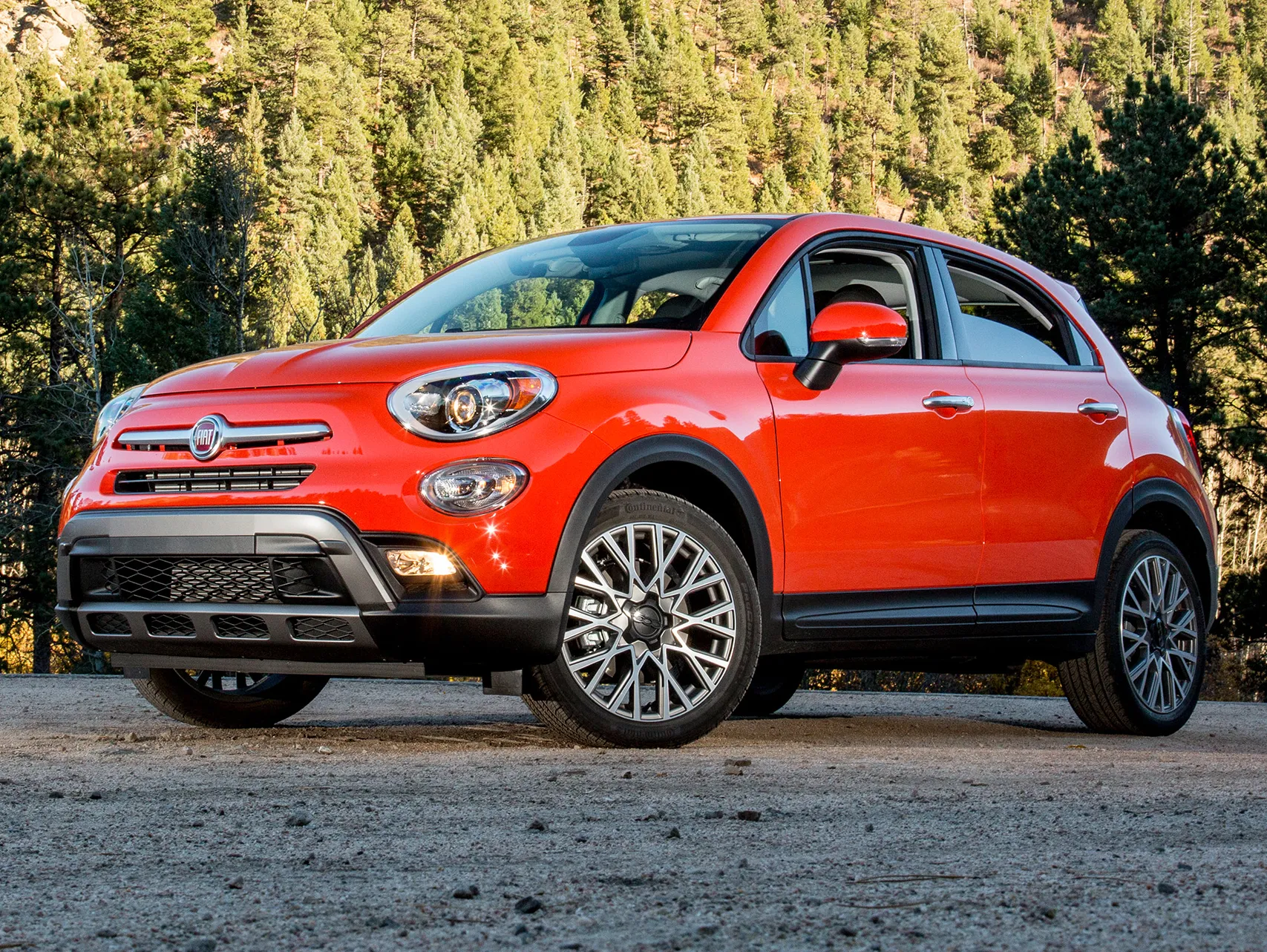
1. Fiat 500X
The Fiat 500X may have some charm at first glance, especially for buyers who value European styling in a compact form, but that appeal fades quickly in the used market. One of the main issues is the brand’s reputation. Fiat has struggled to establish credibility in North America, and many used-car buyers are aware of that.
When it comes time to part with their 500X, owners often find that the market is either uninterested or hesitant. Unlike mainstream compact SUVs that benefit from well-established reputations for reliability, the 500X tends to generate concern about long-term durability and maintenance costs.
Mechanically, the Fiat 500X has not impressed many reviewers or owners over time. The transmission, in particular, has been a common complaint, with reports of rough shifting and early wear in some models. Additionally, parts availability and service expertise can vary widely depending on the region, which further dissuades potential buyers.
A used buyer who isn’t already familiar with the Fiat brand may pass it over simply due to the lack of support in their area. Even when priced below similar-sized crossovers, the 500X often sits longer on used car lots because buyers are cautious about what they’re getting into.
Interior space and practicality are also limiting factors. The 500X looks compact and fun from the outside, but inside it falls short of competitors when it comes to passenger and cargo space. Buyers who need versatility typically go for something like a CR-V or RAV4.
Even the Subaru Crosstrek, which appeals to a similar type of buyer, offers more interior room and a more solid reputation. The Fiat may win some people over with its styling, but most practical shoppers don’t give it more than a passing glance once they check the specs or read user reviews.
This SUV tends to depreciate quickly, and that’s no accident. The used market often reflects the real-world value and demand of a vehicle, and in the case of the Fiat 500X, the demand simply isn’t there.
Sellers may end up reducing the price several times, offering incentives, or even trading it in at a loss just to move it. While the 500X might still work for some city dwellers or drivers who value something different, it’s far from a hot item on the used lot.
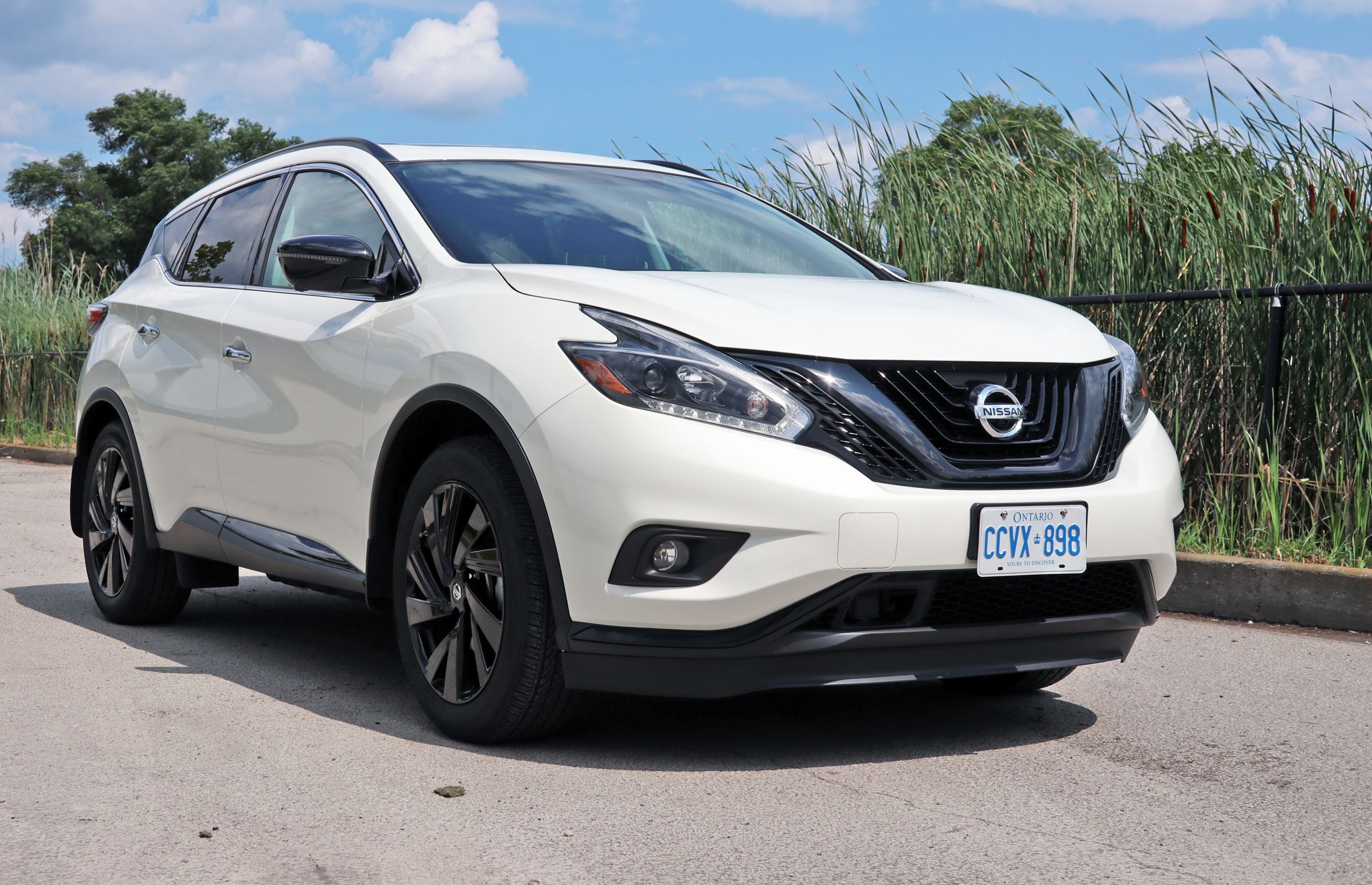
2. Nissan Murano
The Nissan Murano has gone through various design and feature updates over the years, but that hasn’t helped it shake its reputation for being a slow mover in the used market. Buyers often overlook it in favor of more straightforward or better-rated midsize SUVs.
While it may offer a comfortable ride and a somewhat stylish appearance, that’s often not enough to overcome concerns about reliability and long-term value. Once these vehicles hit the used market, especially after a few years, they often sit longer than sellers would like.
One of the major sticking points is the Murano’s continuously variable transmission (CVT). Nissan’s CVTs have long been the subject of complaints and class-action lawsuits, and many used-car shoppers actively avoid them.
Even if the particular vehicle in question hasn’t shown signs of trouble, the reputation is often enough to scare off buyers. This lack of confidence results in low offers, prolonged listings, and more negotiation than sellers typically expect. People want peace of mind in a used SUV, and the Murano doesn’t quite offer that.
Another issue is the Murano’s identity crisis. It doesn’t offer third-row seating like some of its competitors, and it isn’t particularly off-road capable either. It lands in a strange middle ground where it’s too big to be considered a nimble city SUV but lacks the practicality of a larger family vehicle.
That lack of clear purpose makes it easy for buyers to look elsewhere. When you combine that with middling fuel economy and somewhat outdated tech in older models, it’s easy to see why it struggles to gain traction once used.
Aesthetics also play a role, oddly enough. The Murano’s bold design language isn’t for everyone. While some buyers appreciate its unique shape and swooping lines, others find it too polarizing or dated, especially in earlier model years.
When people are scrolling through hundreds of used listings, appearance matters more than many realize. For the Murano, that often means getting passed over, again and again.
3. Jeep Compass
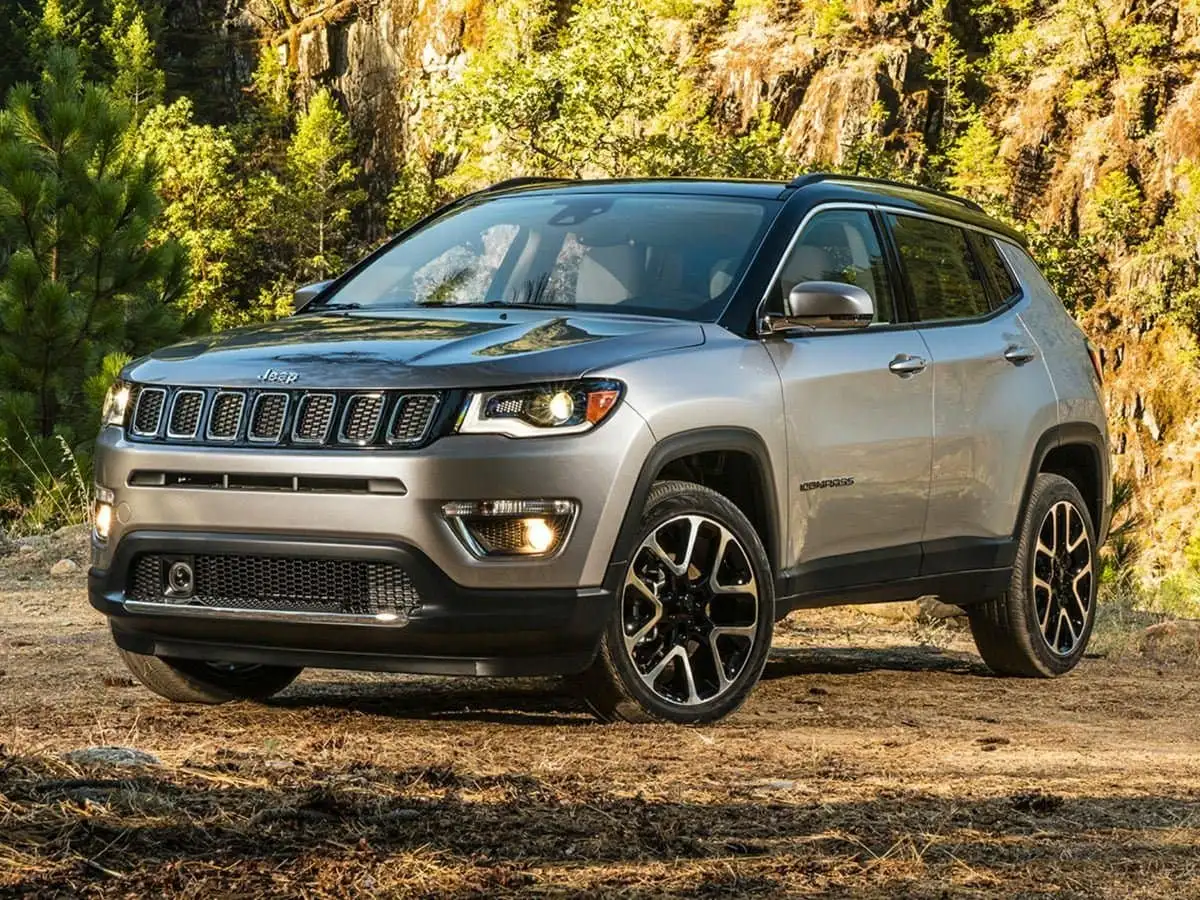
The Jeep Compass is a nameplate that has had a troubled existence, especially when it comes to used models. While newer versions have improved significantly in terms of interior design and tech features, older models, particularly from the early 2010s, are seen as some of the weakest vehicles in Jeep’s lineup.
These earlier versions have earned poor marks in reliability, comfort, and build quality, and that baggage has made its way into the used market. Even the improved newer models struggle to overcome that legacy when they’re put up for resale.
Buyers looking for a compact SUV are often seeking reliability and good fuel economy, two things the older Compass models rarely delivered consistently. There are also concerns with ride quality and noisy engines, especially in models equipped with the underwhelming CVT.
The steering often feels vague, and road noise intrudes into the cabin at higher speeds. When buyers test drive one of these models after sampling a CR-V or RAV4, the difference is stark, and not in the Compass’s favor. That makes resale a real challenge unless the seller is willing to slash the price significantly.
Part of the problem is that the Compass is stuck between trying to be a rugged Jeep and a comfortable urban SUV, and it doesn’t fully succeed at either.
The off-road capability is limited compared to its stablemates like the Cherokee or Wrangler, and the comfort and refinement don’t match its Japanese or Korean competitors. Buyers end up asking, “What is this SUV really for?” and when the answer isn’t obvious, they move on to something more straightforward and dependable.
Even dealerships sometimes avoid taking the Compass as a trade-in unless it’s in exceptional condition. Private sellers often find themselves fielding lowball offers or relisting the vehicle multiple times with lower prices.
It’s one of those SUVs that may still have value for the right buyer, but those buyers are few and far between. More often than not, the Compass just doesn’t make a compelling enough case for itself in the used market.
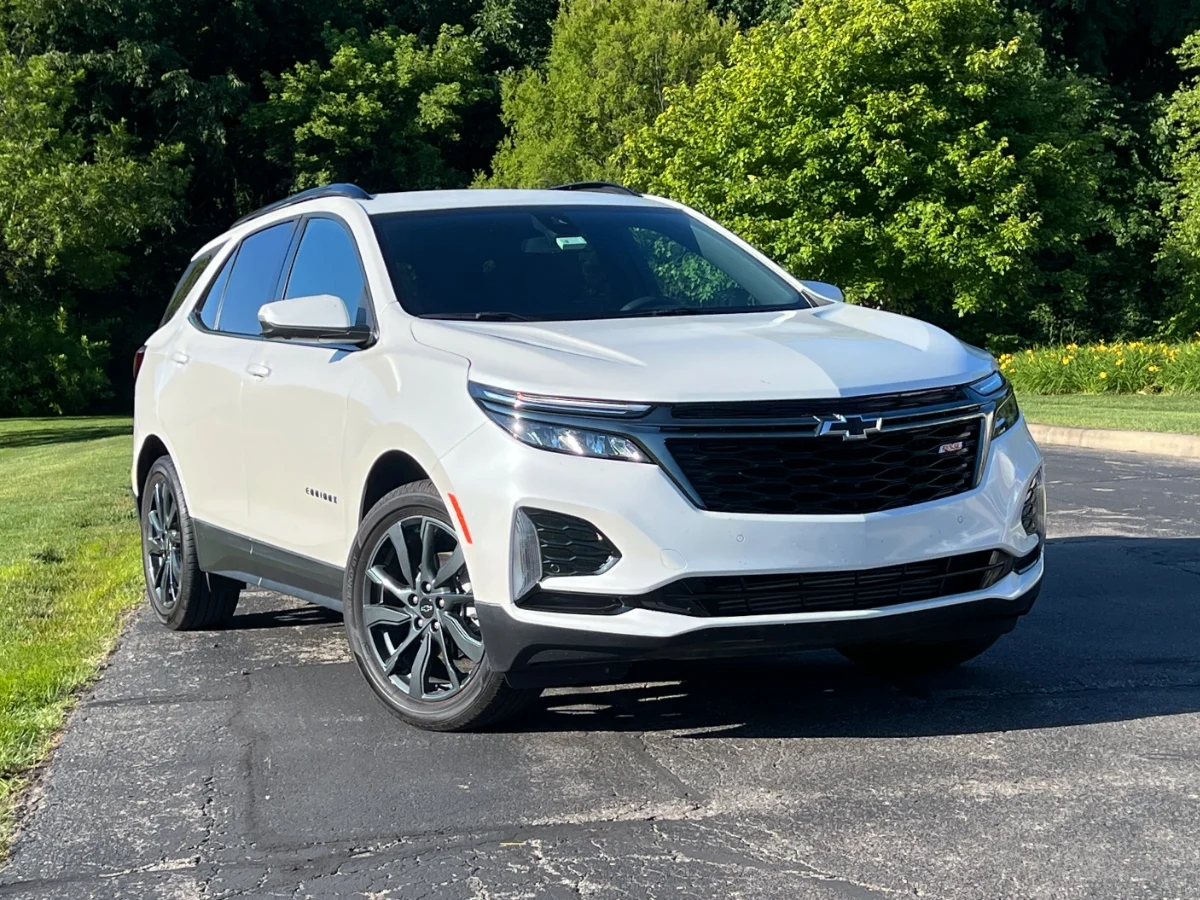
4. Chevrolet Equinox (Older Generations)
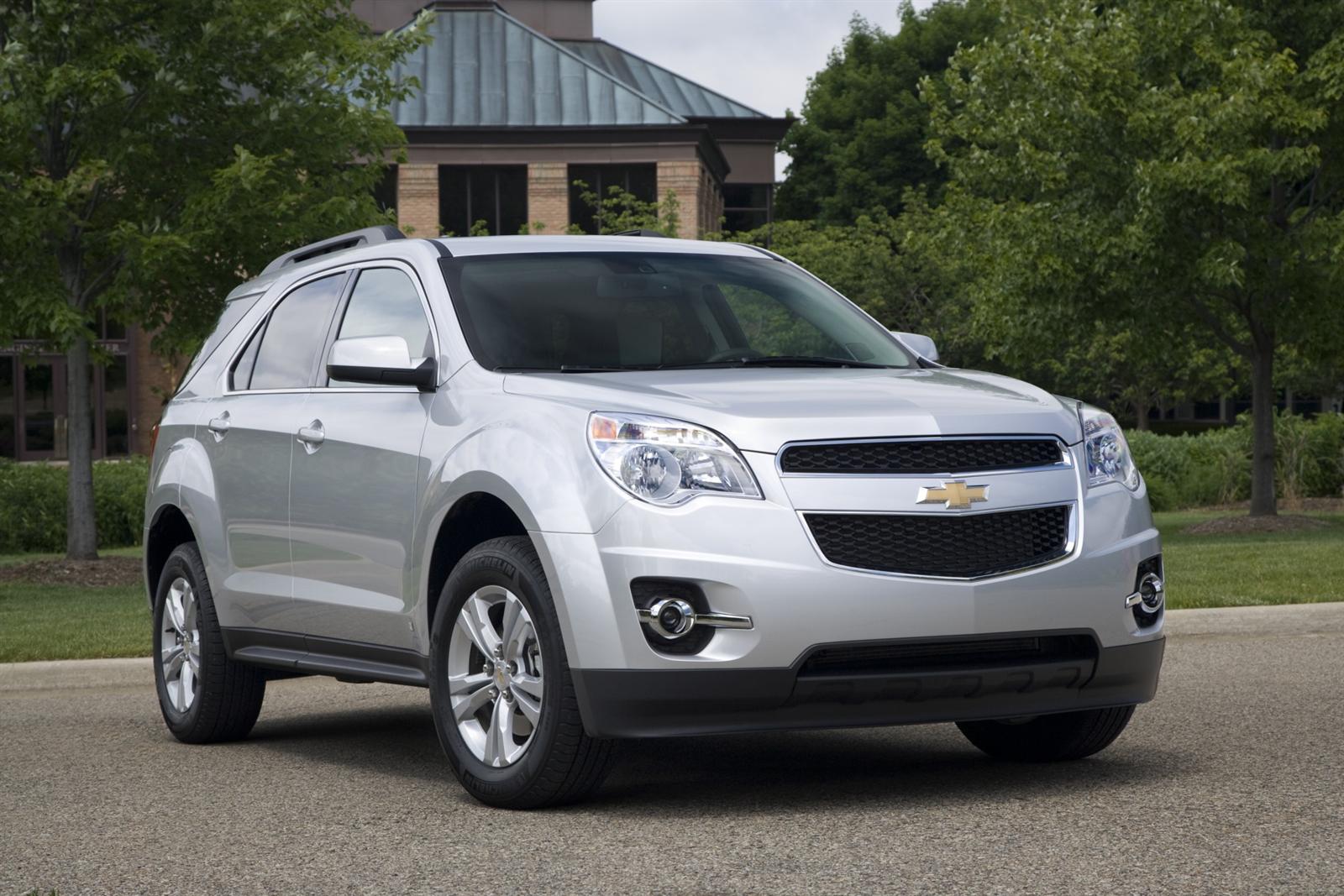
While the Chevrolet Equinox has seen some success in the new car market, especially due to aggressive pricing and fleet sales, its older used models are a different story. Units from the early 2010s up to around 2016 often sit for long periods once listed, and the reasons are clear to many who’ve owned or driven one.
Issues with the engines, particularly the 2.4-liter four-cylinder, are well-documented, including high oil consumption and reliability concerns. These red flags make buyers wary, especially those who’ve done their research.
Another factor working against the Equinox is that it’s often described as uninspired. The ride quality is passable, but the driving experience is largely forgettable. The interior quality varies from one trim level to another, but even in better-equipped models, it lacks the refinement found in competing brands.
Buyers looking for something that feels solid and reliable often walk away from the Equinox unimpressed. That leads to longer times on the market and often steeper discounts to attract attention.
Fuel economy is another mixed bag. The smaller engines struggle under load, especially when the vehicle is full of passengers or cargo. That mismatch between engine output and vehicle size affects both performance and efficiency, making it less attractive than more balanced offerings.
Buyers might initially be drawn to the Equinox because of its low asking price, but once they test it or look deeper into ownership costs buyers might initially be drawn to the Equinox because of its low asking price, but once they test it or look deeper into ownership costs, interest often fades.
The oil consumption issue alone is enough to raise red flags, as it can lead to costly engine repairs or premature failure. Many owners have reported having to add oil frequently between changes, or even experiencing total engine breakdowns before reaching 100,000 miles.
This kind of reputation spreads fast, especially in online buyer forums and local communities. In an era where transparency and access to user reviews are just a few clicks away, any hint of mechanical problems can doom a vehicle’s used-market value.
Styling also plays a subtle but important role in why the older Equinox models sit so long. The exterior design of those years is largely seen as bland and uninspired. It doesn’t stand out positively, and in a crowded field of compact and midsize SUVs, being forgettable is almost worse than being controversial.
Buyers scrolling through listings might skip right past the Equinox simply because it doesn’t excite visually. Even the interior design feels dated, with basic plastics, clunky infotainment systems, and limited feature availability in lower trims, further turning away prospective buyers.
Then there’s the fact that the Equinox is frequently found in rental and fleet sales, which means a large portion of used inventory comes from high-mileage, hard-driven examples. For savvy buyers, this immediately sets off alarms. V
ehicles that have spent their early lives as rentals often show more wear than privately owned counterparts and are less desirable in resale.
This only worsens the Equinox’s standing in the used market, as it becomes harder to convince someone that it’s a long-term investment rather than a short-term solution. For sellers, this means not only more time waiting for the right buyer but also less leverage during negotiations.
At the end of the day, the Chevrolet Equinox has name recognition, but that alone doesn’t keep it moving off used lots.
The market is competitive, and buyers have more options than ever before. When pitted against rivals that offer better reliability, stronger performance, and more modern designs, the Equinox from this generation simply struggles to make its case.
5. Mitsubishi Outlander (Pre-Redesign Models)
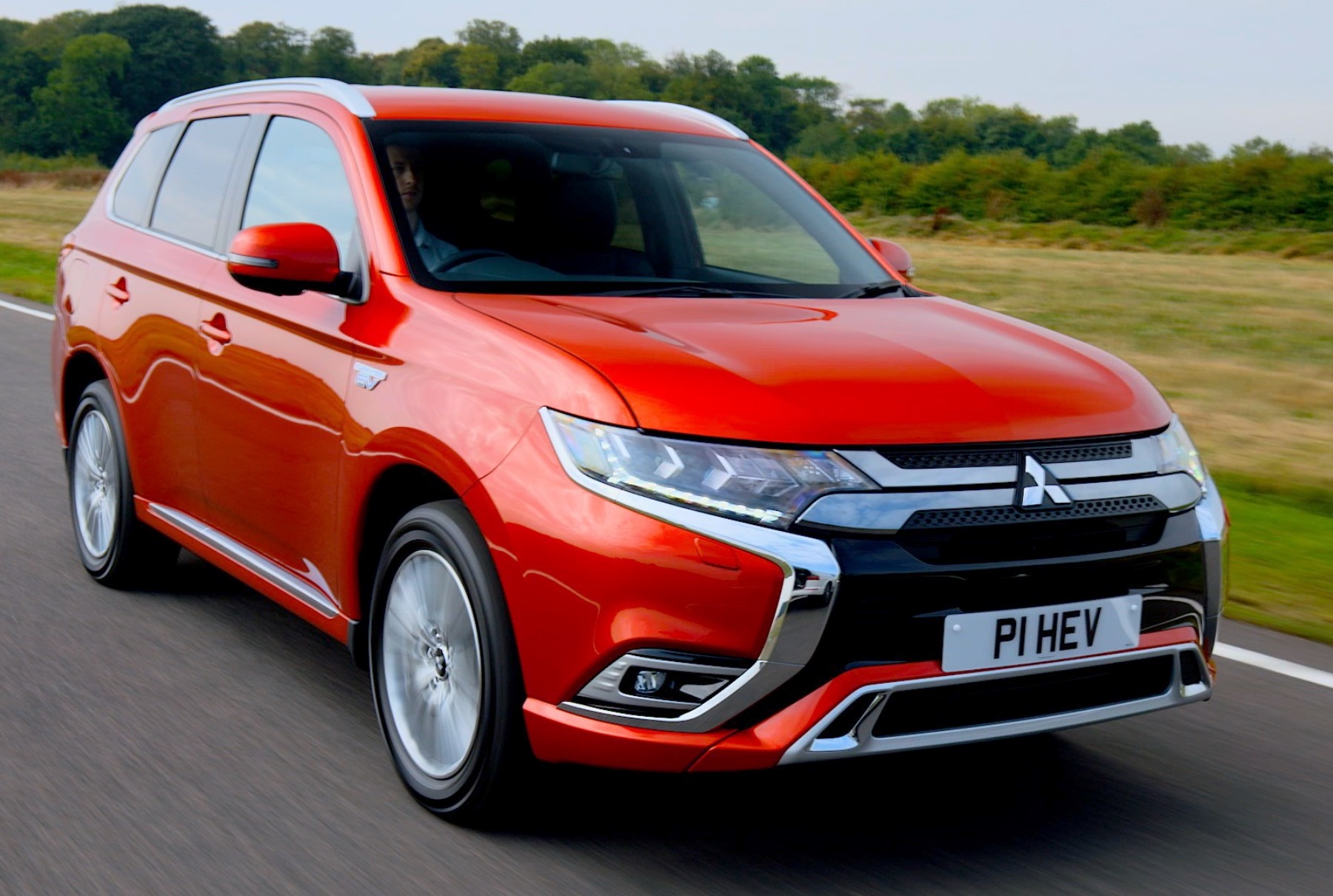
The Mitsubishi Outlander, particularly models built before its major redesign in 2022, tends to be a slow mover in the used market. While Mitsubishi has its loyal fans and the Outlander certainly has a few strengths, it’s generally overshadowed by better-known and better-performing competitors in the compact and midsize SUV segments.
Its biggest problem is perception; many buyers simply don’t see Mitsubishi as a major player in the SUV market, and that affects how much confidence they have in purchasing one used. Even when priced competitively, the Outlander often struggles to draw interest from more than a niche group of buyers.
A large part of this hesitation stems from the brand’s limited presence in the United States and its lack of a strong support network. There are fewer Mitsubishi dealerships compared to Toyota, Honda, or Ford, and that makes buyers wonder about long-term parts availability and service options.
This concern is especially prevalent among used-vehicle buyers, who are often on tighter budgets and looking to avoid complicated repair scenarios.
When someone is shopping for a practical family SUV, the prospect of driving several towns over just to get it serviced is a dealbreaker. This significantly narrows the Outlander’s appeal and often leaves listings sitting for extended periods.
Another issue is the driving experience. Pre-redesign Outlanders have often been criticized for feeling underpowered, especially when equipped with the smaller four-cylinder engine. Acceleration can feel sluggish, and the vehicle doesn’t inspire much confidence in terms of handling or ride quality.
The CVT used in many of these models is also a sticking point, as it tends to feel rubbery and unresponsive. While some drivers may find it acceptable for city commuting, it doesn’t hold up well under load or during longer highway trips.
This lack of driving refinement makes it difficult for the Outlander to compete with SUVs like the Mazda CX-5 or Hyundai Santa Fe, which offer better ride quality and more engaging dynamics.
