
When it comes to selling or trading in a car, value retention plays a critical role in determining how much money a vehicle can fetch.
Some cars maintain their worth exceptionally well, often due to a combination of reliability, brand reputation, low maintenance costs, and high demand in the used market.
Drivers who own these vehicles benefit from strong trade-in offers, ensuring that upgrading or switching vehicles is less financially painful.
On the other hand, certain cars quickly lose appeal to dealers. These vehicles may suffer from poor reliability records, expensive repairs, limited demand, or niche styling that fails to resonate with the broader market.
As a result, even if a car is well-maintained, it might be refused at trade-in or offered a fraction of its original value. Understanding which models stay valuable and which are often rejected can help buyers make informed decisions and avoid costly mistakes when it’s time to sell or trade.
This guide examines both sides of the spectrum. We highlight five cars that consistently hold strong trade-in value and five that dealers are frequently hesitant to accept.
Each selection includes detailed reasoning to show why these trends exist, helping readers navigate the resale market with confidence.
Also Read: 5 SUVs That Stay Valuable at Resale vs 5 That Drop Fast
5 Cars That Stay Valuable at Trade-In
Not all cars lose value at the same pace. Certain models have proven their ability to retain significant trade-in worth, often outperforming others in the same segment.
These vehicles are attractive to dealers because they combine reliability, low maintenance costs, strong brand reputation, and continued buyer demand in the used car market.
Owners of such vehicles benefit from higher trade-in offers, making upgrades or replacements less financially stressful.
Cars that stay valuable tend to have consistent performance, durable components, and a history of trouble-free ownership.
Factors such as fuel efficiency, practicality, and a timeless design can also enhance resale appeal. Dealers recognize these qualities and are more willing to offer fair value, knowing these vehicles will sell quickly in the pre-owned market.
In this section, we focus on five cars that consistently maintain their trade-in value. Each entry provides a thorough explanation of why these models hold strong resale appeal, including insights into reliability, market demand, and cost of ownership.
By highlighting these standout vehicles, potential buyers can make choices that minimize depreciation and maximize return when it’s time to sell or trade.
1. Toyota Tacoma
The Toyota Tacoma has earned a reputation as one of the most resilient and dependable pickup trucks on the market, which directly contributes to its strong trade-in value.
Its longevity and proven reliability make it highly desirable in the used vehicle market, especially among buyers looking for a versatile truck capable of handling work, outdoor adventures, or daily driving.
Tacomas are known for their durable engines and transmissions, with many surpassing 200,000 miles with minimal major repairs.
Another factor that enhances the Tacoma’s resale appeal is its consistent demand. The truck maintains popularity across urban and rural markets, which ensures that dealers are willing to pay top dollar when accepting trade-ins.
Its resale value is also boosted by a strong brand reputation; Toyota’s commitment to quality and low maintenance costs makes the Tacoma a safer investment compared to other mid-size trucks. Even older models retain value because of this trust.
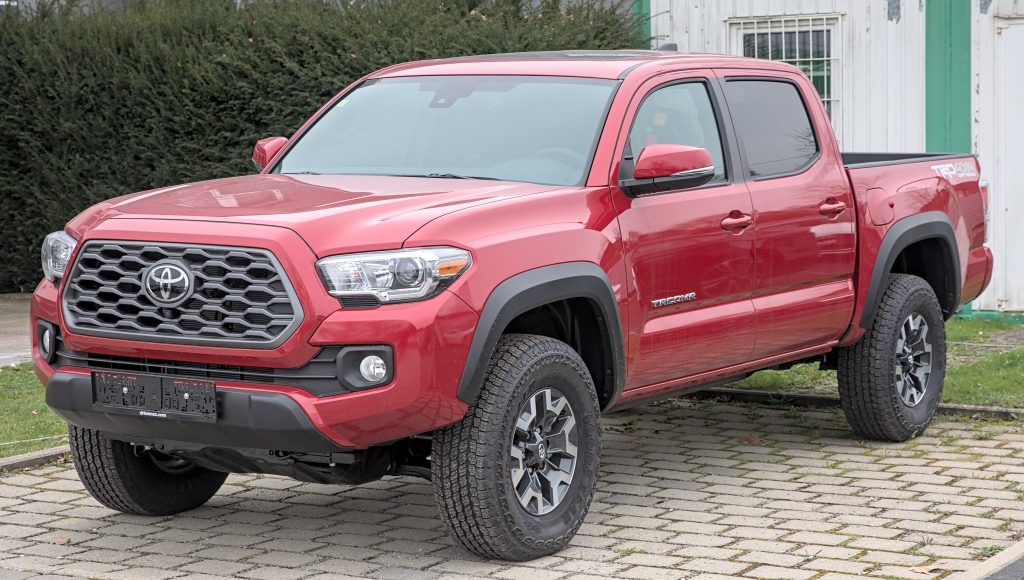
Furthermore, the Tacoma’s practicality, off-road capabilities, towing capacity, and comfortable interiors makes it attractive to a wide range of buyers. Accessories, aftermarket parts, and trim variations like TRD Pro increase desirability.
Dealers recognize that a used Tacoma will sell quickly and with minimal markdown, which explains why trade-in offers often remain high. For owners, this means the initial investment pays off even years down the line, making it one of the few vehicles that genuinely holds value over time.
2. Honda CR-V
The Honda CR-V has long been a benchmark for compact SUVs in terms of reliability and value retention. Its reputation for low maintenance costs, fuel efficiency, and overall dependability makes it a favorite among both buyers and dealers.
The CR-V’s longevity is well-documented, with many models exceeding 200,000 miles while remaining mechanically sound, which contributes to strong trade-in offers.
Market demand is another major factor. The CR-V appeals to a broad audience, including families, urban commuters, and retirees seeking practicality. Its spacious interior, cargo capacity, and comfortable ride create lasting appeal in the pre-owned market.
Dealers know that this combination ensures rapid resale with minimal depreciation, which is why trade-in offers for CR-Vs remain consistently high.
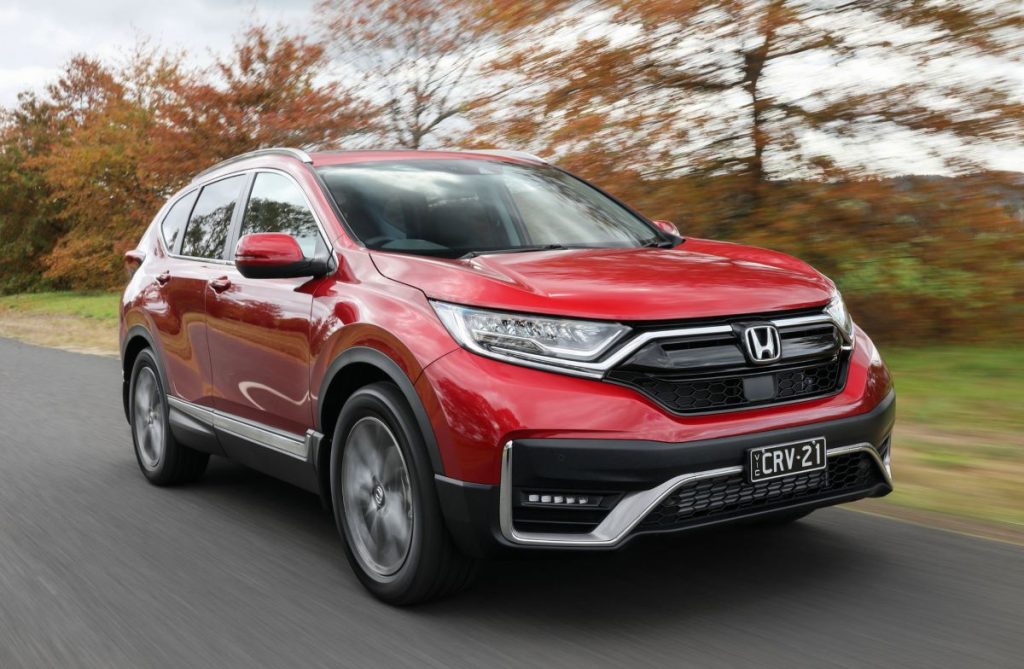
Honda’s consistent engineering quality also plays a role. Engines, transmissions, and electronics in the CR-V are built to withstand the test of time, reducing unexpected repair costs for both owners and future buyers. Trim options, safety features, and optional all-wheel drive further enhance its resale value.
For anyone considering a compact SUV that retains value, the Honda CR-V is a clear choice. Its balance of practicality, reliability, and market demand makes it a standout model that continues to offer strong trade-in returns even after years of ownership.
3. Subaru Outback
The Subaru Outback has established itself as a dependable and practical choice in the crossover segment, contributing to its impressive trade-in value.
Its standard all-wheel-drive system and rugged build make it appealing to buyers in regions with diverse weather conditions or a love for outdoor activities. The Outback’s reputation for reliability ensures that even older models continue to attract strong offers from dealers.
Longevity is a key factor in its resale strength. Subaru engines and drivetrains are known to endure, provided owners follow routine maintenance.
This reliability translates into higher trade-in values because dealers are confident in the vehicle’s ability to serve its next owner without costly repairs.
Additionally, safety features, ample cargo space, and user-friendly technology make the Outback a versatile option, further boosting its market desirability.
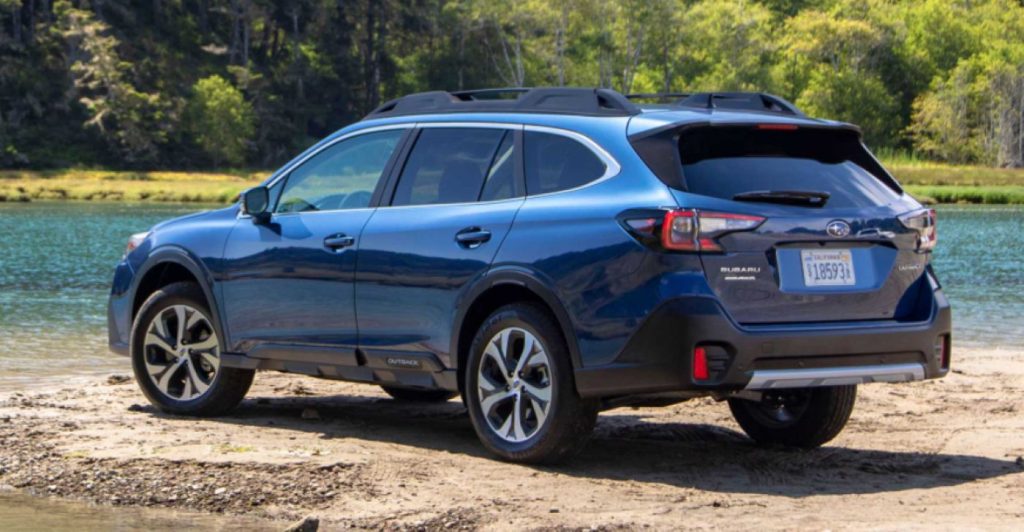
The Outback also benefits from consistent market demand. Families and adventure enthusiasts alike value its combination of comfort and utility, which keeps it in demand among used car buyers.
This demand allows dealerships to offer competitive trade-in prices. Trim levels like the Outback Limited and Onyx Edition, with premium features and advanced safety options, can retain even more value over time.
Overall, the Subaru Outback combines durability, practicality, and broad buyer appeal, making it a strong contender for anyone seeking a vehicle that maintains its trade-in value. Its consistent popularity ensures that both owners and dealers benefit from high resale returns.
4. Toyota RAV4
The Toyota RAV4 has long been one of the top compact SUVs in terms of value retention. Its combination of reliability, fuel efficiency, and a well-designed interior makes it a favorite among used car buyers, which keeps trade-in offers strong.
Toyota’s proven engineering reduces maintenance concerns, and many RAV4s easily reach high mileage without major mechanical issues.
One of the main reasons the RAV4 holds value is its consistent popularity. Families, urban drivers, and older buyers alike appreciate its practicality, which ensures a wide pool of potential buyers when the vehicle returns to the used market.
This sustained demand allows dealers to confidently offer high trade-in prices. Additionally, hybrid variants further enhance resale appeal, given the growing interest in fuel-efficient vehicles.
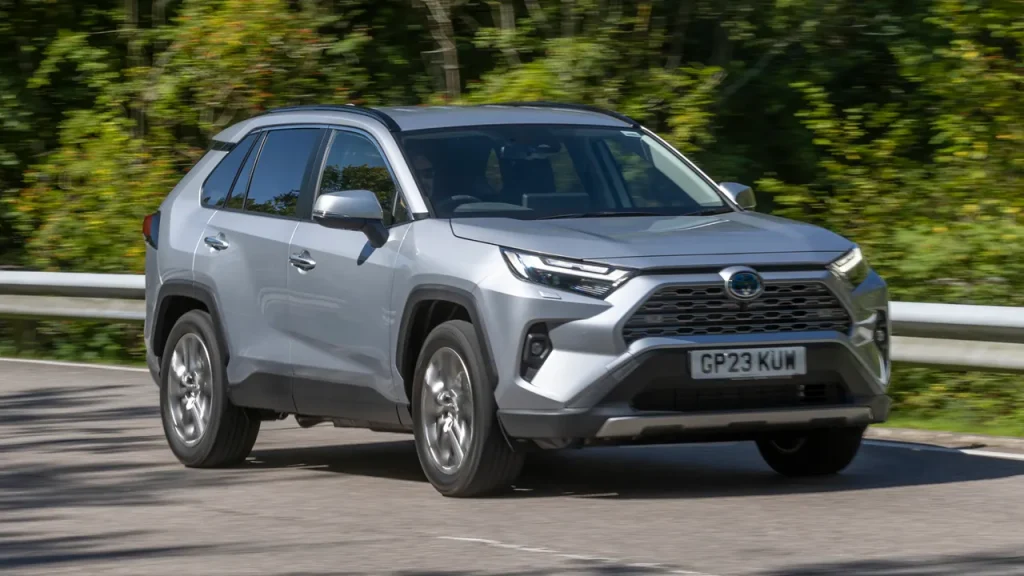
Durability and low ownership costs contribute to the RAV4’s resale strength. Its engines and transmissions are designed for longevity, and repairs tend to be manageable compared to other vehicles in its class.
Trim options such as the XLE, Limited, and Adventure cater to different preferences, adding to the vehicle’s versatility and broad appeal.
In summary, the Toyota RAV4’s combination of reliability, practicality, and sustained market demand makes it an excellent choice for anyone seeking strong trade-in value. Dealers recognize these qualities, which is why RAV4 owners consistently receive favorable offers.
5. Lexus RX
The Lexus RX stands out as a luxury SUV that consistently maintains strong trade-in value, combining reliability, comfort, and brand prestige.
Unlike many luxury vehicles that depreciate rapidly, the RX benefits from Toyota’s engineering backbone, ensuring durability and low long-term maintenance costs. This reliability makes it attractive to dealers who know the vehicle will sell quickly in the pre-owned market.
Longevity is a key factor in the RX’s trade-in appeal. Its engines, transmissions, and hybrid powertrains are engineered to withstand high mileage, and the SUV’s build quality ensures minimal wear and tear over the years.
The Lexus brand is associated with comfort, advanced safety features, and a smooth driving experience, all of which appeal to a wide range of buyers. This combination of durability and desirability keeps trade-in values high.
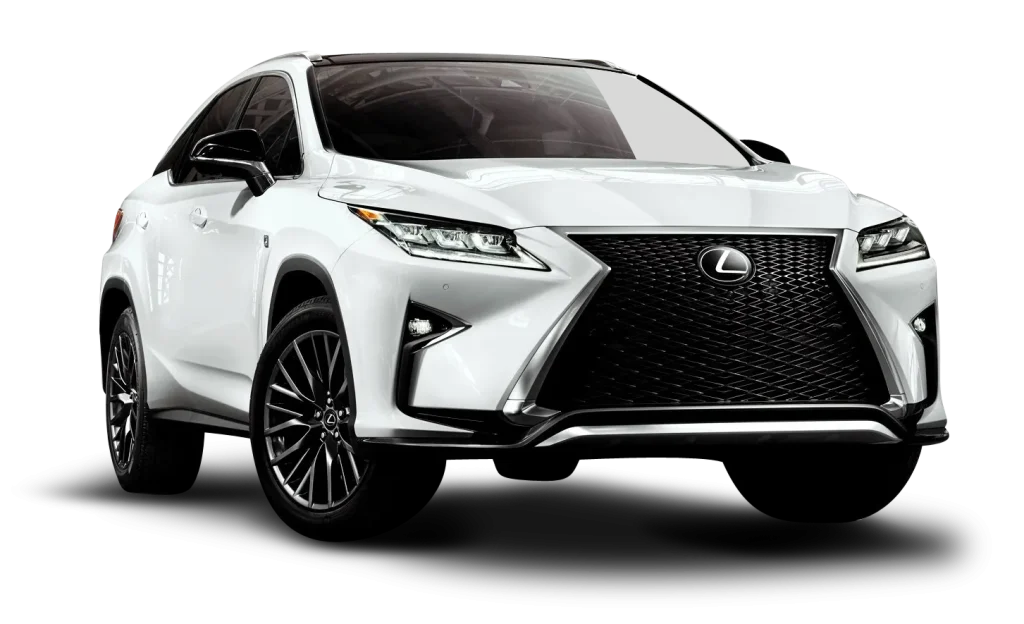
Market demand further enhances the RX’s resale strength. Families, professionals, and luxury enthusiasts value the balance of performance and practicality, while hybrid versions attract environmentally conscious buyers.
Well-equipped trims like the RX 350 and RX 450h retain higher value because of premium features, modern infotainment systems, and refined interiors.
The RX’s reputation for trouble-free ownership and strong resale potential makes it a standout in the luxury segment. Dealers are confident in offering competitive trade-in prices because they know the vehicle will continue to attract buyers in the used market.
For owners, this means that even after several years of ownership, the Lexus RX can deliver impressive returns, proving that some luxury SUVs are worth every penny of their initial investment.
5 Cars That Dealers Refuse
While some vehicles retain strong trade-in value, others often face resistance from dealers. Cars that fall into this category typically have poor reliability records, high maintenance costs, or limited buyer demand.
Even if they are well-maintained, these vehicles may struggle to find a new owner, which makes dealers hesitant to accept them at trade-in.
Several factors contribute to a car being refused or offered a low trade-in value. Frequent mechanical issues, expensive repairs, or uncommon parts can discourage dealers, who must consider the ease of resale.
Styling that does not appeal to a wide audience or a brand with a tarnished reputation may further reduce desirability. Additionally, cars with poor fuel efficiency, high insurance costs, or a history of recalls often face steep depreciation, making them unattractive in the used market.
This section examines five cars that dealers frequently avoid, providing insight into why they struggle to retain value. Each vehicle is analyzed for its reliability, market appeal, and ownership costs, highlighting the challenges that lead to low trade-in offers.
Understanding these pitfalls can help current and prospective owners make informed decisions, avoid costly surprises, and recognize which models may be difficult to sell when the time comes.
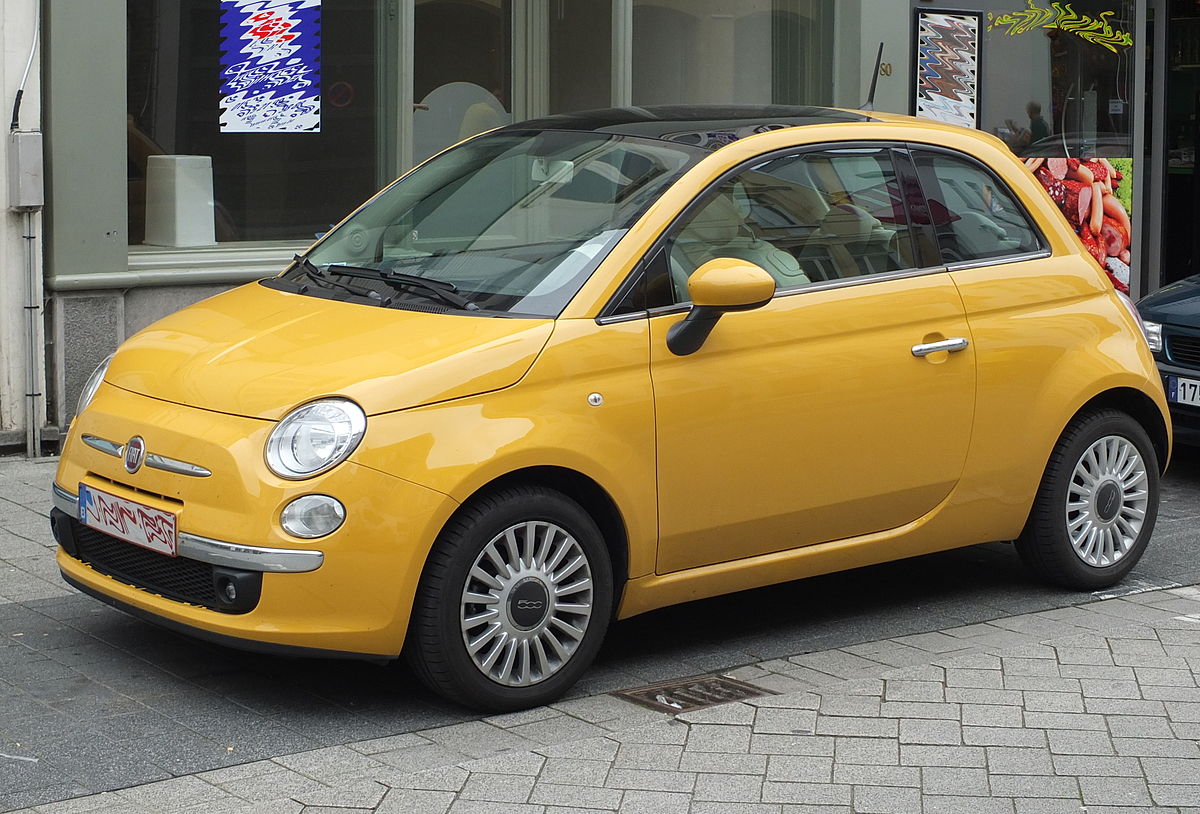
1. Fiat 500
The Fiat 500 is often avoided by dealers due to its limited reliability and niche appeal. While it may be stylish and compact, these traits do not translate into strong trade-in value.
Many owners report frequent electrical issues, engine troubles, and higher-than-average repair costs, which makes dealers cautious about accepting this model. Even when well-maintained, the Fiat 500’s mechanical quirks can scare off potential buyers in the used market.
Market demand also plays a significant role in its low resale appeal. The car’s small size limits its practicality, especially for families or those seeking cargo space. Its styling, while trendy at launch, appeals to a narrower audience, which further reduces resale potential.
Dealers are aware that a used Fiat 500 may sit on the lot longer than more mainstream vehicles, increasing their risk and lowering trade-in offers.
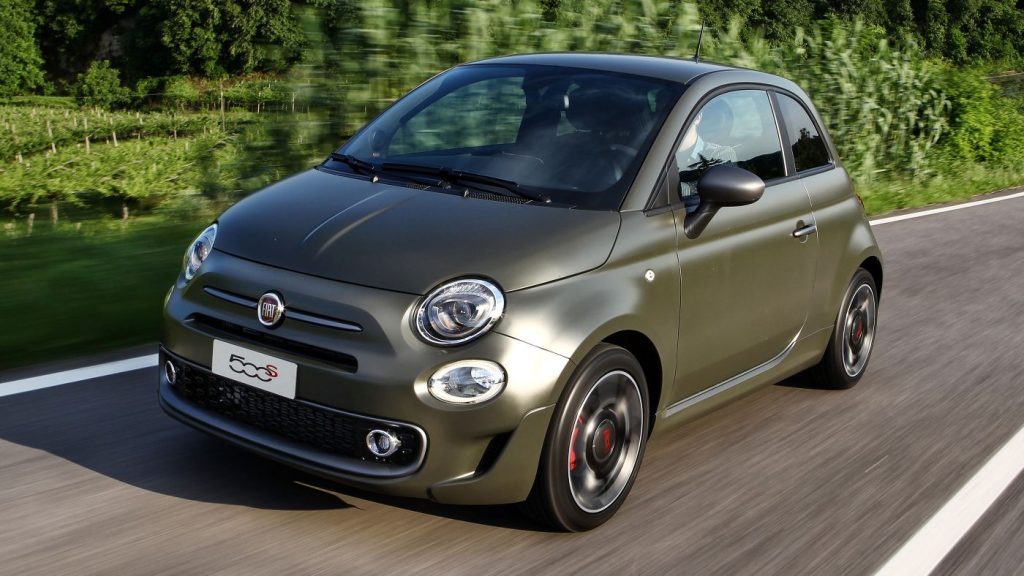
Additionally, parts and service availability can be a challenge. Repairing or maintaining a Fiat 500 often requires specialized knowledge or imported parts, increasing costs for both owners and dealers.
The combination of mechanical concerns, limited buyer appeal, and higher service costs explains why many dealerships are reluctant to take the Fiat 500 as a trade-in.
For prospective owners, this car may be fun and stylish, but it comes with trade-in and resale limitations that are difficult to ignore.
2. Land Rover Discovery
The Land Rover Discovery, while luxurious and capable off-road, frequently suffers from poor trade-in value due to reliability issues.
Common problems with electronics, air suspension, and drivetrain components make this SUV a risk for dealers. Even routine maintenance can be expensive, deterring dealerships from offering competitive trade-in prices.
Market perception also impacts the Discovery’s resale. While enthusiasts appreciate its off-road capabilities and premium features, the general used car audience often prioritizes reliability and lower ownership costs.
A vehicle that is costly to maintain and prone to breakdowns can be difficult to sell, which discourages dealers from accepting it at trade-in.
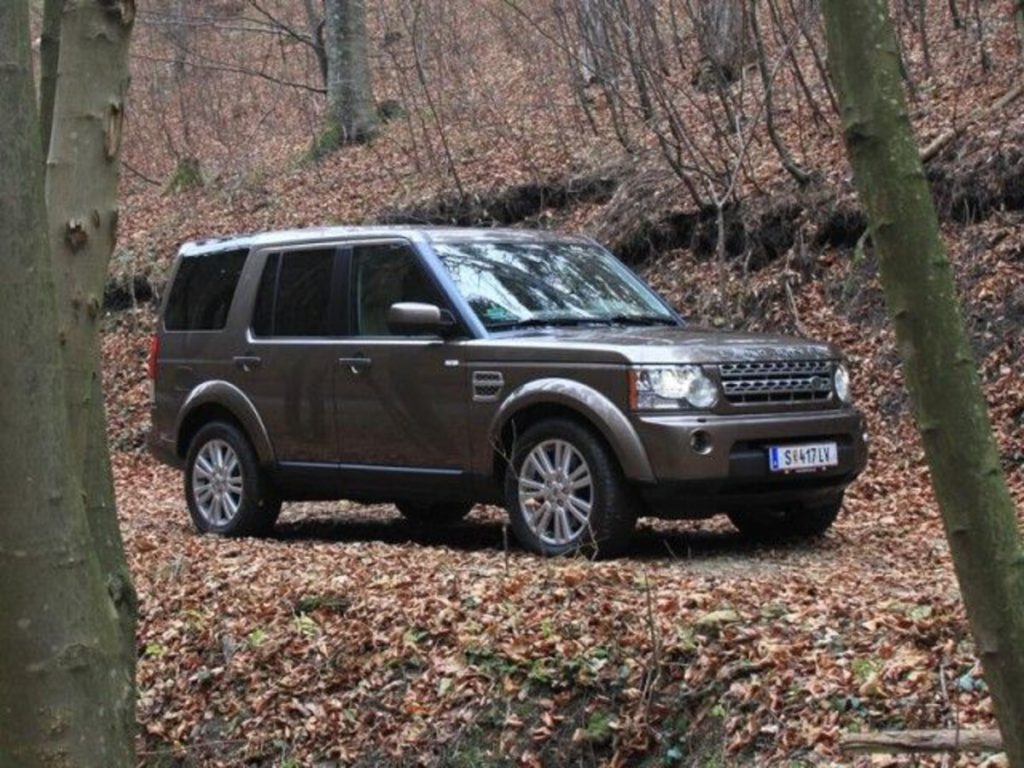
The cost of repairs and replacement parts further reduces its appeal. Land Rover parts tend to be expensive, and not all mechanics are equipped to handle the brand’s complex systems. This translates into higher expenses for both dealers and future owners, lowering the resale value.
Even with a luxurious interior and advanced technology, the Discovery’s frequent mechanical and electrical issues overshadow its positive qualities in the eyes of dealers. As a result, owners may struggle to find fair trade-in offers, making it one of the SUVs that often falls out of favor in the pre-owned market.
3. Chevrolet Spark
The Chevrolet Spark is a subcompact car that often faces low trade-in value due to its limited reliability and appeal. While it is affordable and fuel-efficient, the Spark has a reputation for frequent mechanical issues, particularly with its transmission and electrical systems.
These problems can make it a challenging vehicle for dealers to resell, resulting in low trade-in offers.
Its market appeal is also restricted. The Spark’s small size and minimal cargo capacity reduce its practicality for many buyers, particularly families or those needing more versatile transportation.
Additionally, the interior and features are basic compared to other subcompacts, which diminishes its attractiveness in the pre-owned market. Dealers recognize that it may take longer to sell, increasing their risk and discouraging high trade-in offers.
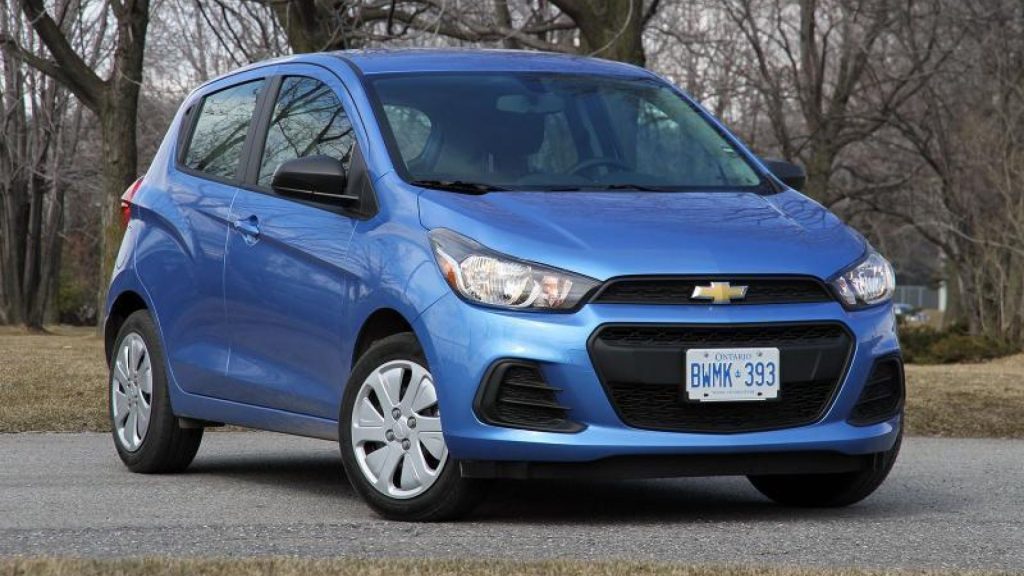
Ownership costs also affect resale value. While the Spark is inexpensive to purchase initially, repair costs and potential parts availability issues can make maintenance more burdensome over time. These factors collectively make dealers hesitant to accept the Spark at a reasonable trade-in price.
Even with its low purchase price and city-friendly size, the Chevrolet Spark struggles to retain value, demonstrating that affordability alone does not guarantee strong trade-in potential. Prospective owners should consider its limitations when assessing long-term value and resale prospects.
4. Nissan Juke
The Nissan Juke, known for its distinctive styling, often struggles with trade-in value because it polarizes buyers and has a mixed reliability record. While its unique appearance appeals to a niche audience, many potential buyers find it less practical or appealing, which reduces demand in the used market.
Reliability issues also contribute to low dealer acceptance. The Juke has been reported to experience frequent transmission, suspension, and engine problems, particularly in early model years.
Even minor repairs can become costly, making dealers wary of accepting it as a trade-in. Its quirky design, though eye-catching, limits resale appeal because mainstream buyers often prefer conventional styling and more practical interiors.
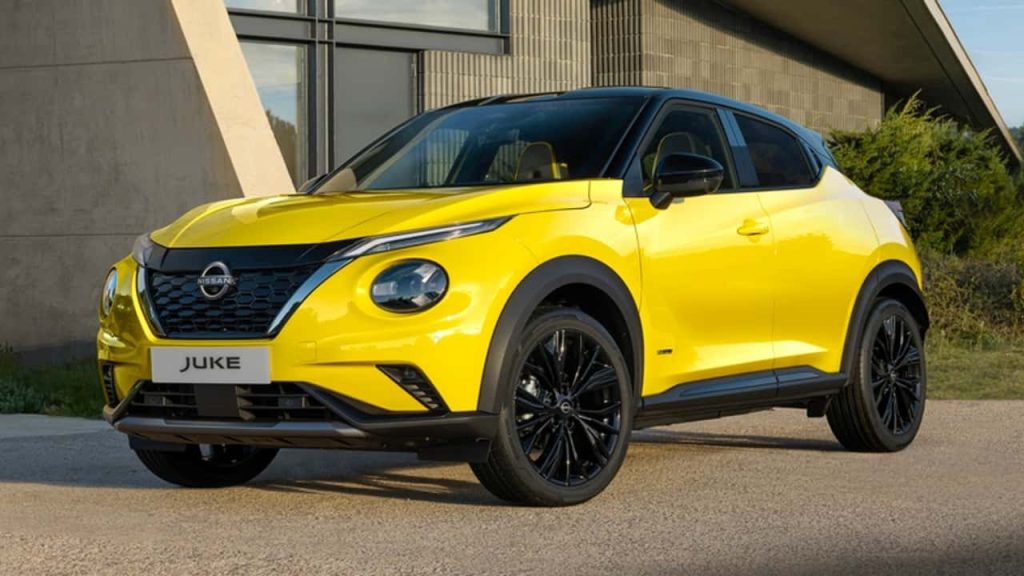
Parts and maintenance are additional concerns. Replacement components, especially for turbocharged variants, can be expensive, further lowering the vehicle’s attractiveness for resale. Dealers must consider the time and cost of selling a used Juke, often resulting in low trade-in offers or outright refusal.
Despite its fun-to-drive nature and compact agility, the Nissan Juke exemplifies a vehicle that suffers in trade-in value.
Its combination of polarized styling, reliability concerns, and higher maintenance costs makes it a model that dealers frequently avoid, signaling caution for prospective owners focused on long-term resale potential.
5. Jeep Compass
The Jeep Compass, despite its off-road branding, often struggles with trade-in value, making it a vehicle that dealers are hesitant to accept.
Reliability has been a consistent concern, particularly with early model years, which frequently experienced transmission failures, electrical problems, and engine issues. High maintenance costs and recurring repairs make dealers wary of accepting this SUV, even when it appears well-maintained.
Market appeal is another factor. While the Compass targets buyers seeking a rugged, adventurous vehicle, it falls short in comparison to competitors in terms of interior quality, performance, and overall driving experience.
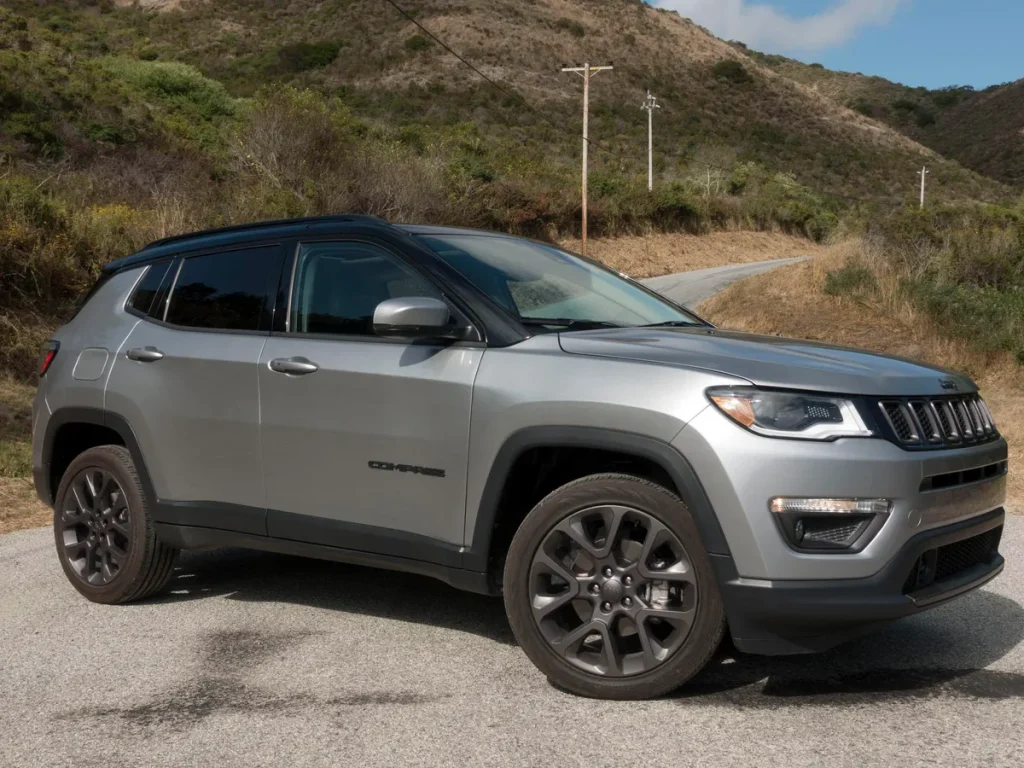
Its limited cargo space and lackluster fuel efficiency reduce practicality for many used car buyers, narrowing the pool of potential purchasers. Dealers know that a used Compass may take longer to sell, lowering trade-in offers.
Parts and service availability also contribute to its weak resale value. Repairs often require specialized knowledge, and replacement components can be costly, further discouraging dealerships from accepting the vehicle.
Additionally, the Compass faces stiff competition from other compact SUVs that are more reliable and practical, making it a less attractive option in the pre-owned market.
Despite its branding and styling, the Jeep Compass demonstrates that appeal and off-road capability alone do not guarantee strong trade-in value.
Owners looking for minimal depreciation and hassle-free resale are likely to encounter challenges with this model, which explains why many dealers prefer to avoid accepting it as a trade-in.
Understanding which cars retain strong trade-in value and which are often refused by dealers is essential for making informed vehicle decisions.
Cars that maintain their value, such as the Toyota Tacoma, Honda CR-V, Subaru Outback, Toyota RAV4, and Lexus RX, combine reliability, low maintenance costs, and consistent market demand.
Their durability and practicality make them attractive to dealers, ensuring that owners receive competitive trade-in offers even after several years of ownership.
Features like strong engines, dependable transmissions, versatile interiors, and fuel efficiency further enhance resale appeal, giving these vehicles a financial advantage over less reliable models.
In contrast, vehicles like the Fiat 500, Land Rover Discovery, Chevrolet Spark, Nissan Juke, and Jeep Compass face challenges that reduce trade-in value. Frequent mechanical issues, expensive repairs, limited practicality, and niche styling contribute to dealer hesitation.
Even when well-maintained, these models may be difficult to sell in the used market, resulting in low offers or outright refusal.
By comparing both categories, it becomes clear that reliability, practicality, and broad market appeal are critical for retaining value. Buyers seeking minimal depreciation and hassle-free resale should prioritize vehicles with proven performance and strong demand.
Conversely, niche or problem-prone models carry risks that can significantly impact trade-in outcomes, highlighting the importance of careful selection when purchasing a car.
Also Read: 15 Cars That Appreciate Faster Than Expected
