
Buying a new car usually means accepting that the moment it drives off the lot, its value will drop significantly. This depreciation is almost an inevitable part of vehicle ownership, with many cars losing 20 to 30 percent or even more of their original value within the first year.
For most new car buyers, this is simply a cost of convenience and having the latest features and technology. However, there are a rare group of vehicles that break this pattern and actually increase in value after leaving the dealership.
These vehicles defy the standard economic principle of depreciation, selling for more on the used market than their original Manufacturer’s Suggested Retail Price (MSRP). It’s a fascinating phenomenon that reveals a lot about the dynamics of car collecting, enthusiast culture, and the automotive market.
The reasons behind why certain cars appreciate in value are varied and complex. In many cases, limited production runs create scarcity, making these cars highly sought after by collectors and enthusiasts who want to own a piece of automotive history or a rare example of craftsmanship and performance.
Some cars become iconic due to their unique styling, performance capabilities, or cultural relevance, which only adds to their desirability. For instance, cars that appear in films, achieve racing success, or represent a technological breakthrough can generate fanbases that continue to grow years after production stops.
Additionally, changing market conditions, such as regulatory shifts or trends favoring electric vehicles, can make older, gas-powered models more valuable as nostalgia and rarity play bigger roles.
Moreover, these vehicles often offer something that newer models cannot: a pure driving experience, mechanical simplicity, or a direct connection to a particular era of automotive engineering. Enthusiasts prize this authenticity and are willing to pay premiums to own these cars.
The interaction between supply and demand is key; when a limited number of desirable cars remain in good condition, their market value naturally climbs. The vehicles on this list also show how brand heritage and community support can sustain or increase value. Owners often maintain these cars meticulously, and active enthusiast communities keep interest high through events, clubs, and online forums.
In this article, we explore 10 cars that have resold for more than their original MSRP, a rare achievement that showcases how passion, rarity, and performance combine to create automotive treasures. These cars range from exotic supercars to muscular American icons, and from Japanese performance legends to rugged off-roaders.
Each one offers insight into what makes certain vehicles defy depreciation and become coveted assets. Whether you’re interested in cars as investments, collectors’ items, or simply want to understand the exceptions to the usual depreciation rule, this list provides a detailed look at vehicles that have stood the test of time, and the market.
Also Read: 5 Most Popular Convertibles and 5 That Are a Nightmare to Own
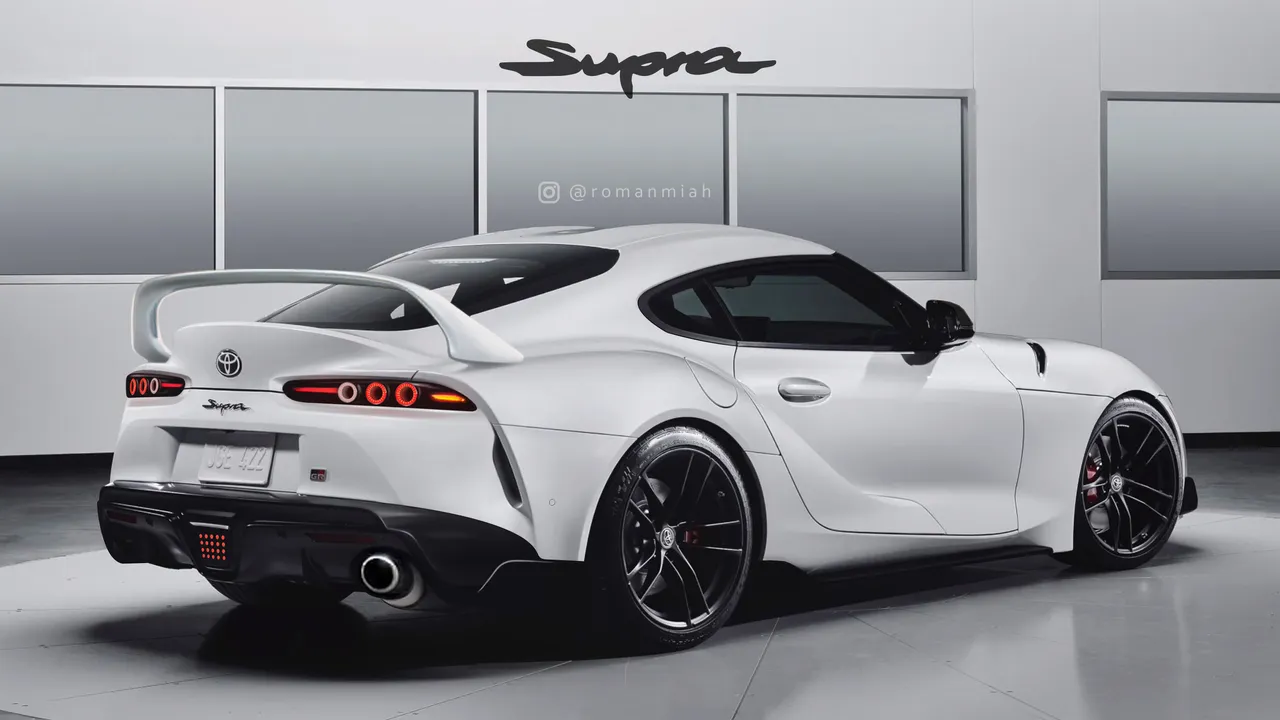
1. Toyota Supra A80 (Mark IV)
The Toyota Supra A80, produced between 1993 and 2002, has achieved near-mythical status in the sports car community. It’s widely celebrated for its combination of reliability, performance, and tuning potential, anchored by the legendary 2JZ-GTE engine, a 3.0-liter inline-six turbocharged powerhouse capable of handling immense power upgrades with relative ease.
The Supra A80 didn’t just offer impressive stock performance; it became a canvas for enthusiasts to push boundaries. Its appeal was amplified by its role in pop culture, especially its starring role in the “Fast & Furious” film series, which immortalized it as a symbol of Japanese tuning culture.
This cultural significance has driven demand far beyond what was anticipated during its production run, causing prices for well-maintained, original examples to soar well past their initial MSRP.
One major factor in the Supra A80’s rising value is scarcity. Although Toyota produced a respectable number of units, many Supras on the market have been heavily modified, wrecked, or simply neglected due to their appeal among tuners who often push these cars to the limit. Well-preserved, stock or lightly modified examples in excellent condition are increasingly rare.
Enthusiasts prize these versions not only for their performance but also for their originality, viewing them as investments that are becoming more difficult to find. This rarity, combined with a strong and passionate fanbase, creates a supply-and-demand dynamic that heavily favors sellers.
Additionally, the Supra A80 is one of the best-known examples of the golden era of Japanese sports cars, a period during which Japan produced some of the most innovative and reliable high-performance vehicles.
For a long time, Japanese cars were undervalued in the collector’s market compared to their European counterparts, but the Supra has helped change this perception.
Its combination of reliability, tuning potential, and outright performance ensures it is not only a collector’s item but also an enthusiast’s favorite. The release of the new Supra in 2019, a joint effort between Toyota and BMW, reinvigorated interest in the original generation, with collectors and fans eager to own the first iteration of this revived legend.
Finally, the Supra benefits from a thriving aftermarket that keeps the model relevant and highly desirable. Parts availability for performance upgrades and restorations is excellent, supporting a community that values both preservation and modification.
The Toyota Supra A80 remains one of the most iconic Japanese sports cars ever made and an exceptional example of a vehicle that appreciates in value over time.
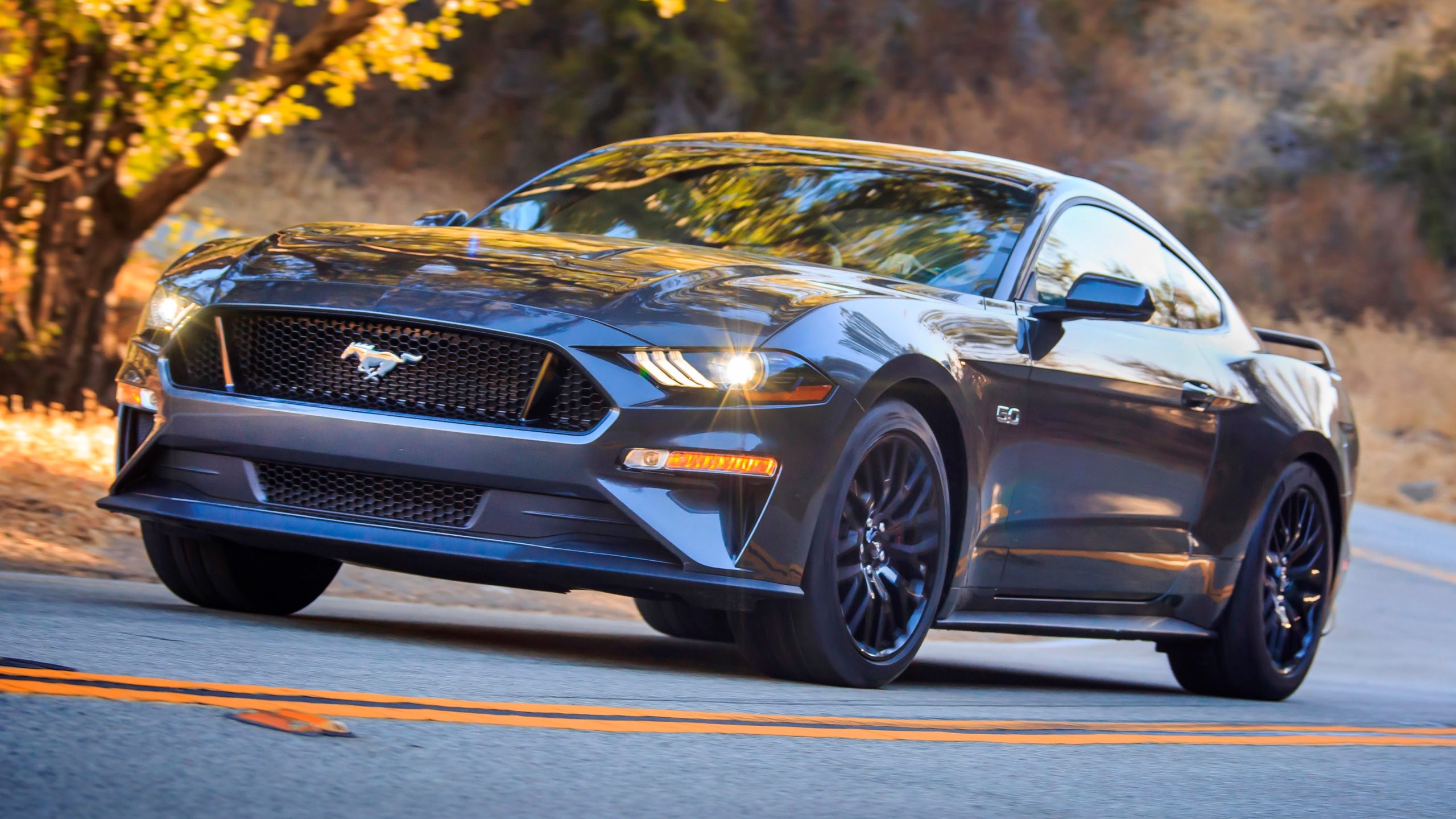
2. Ford GT (First Generation, 2005-2006)
The first-generation Ford GT was introduced as a tribute to the legendary Ford GT40, the car that famously ended Ferrari’s dominance at the 24 Hours of Le Mans in the 1960s. Produced in limited numbers between 2005 and 2006, this modern supercar combined cutting-edge technology with classic design cues.
From the outset, the Ford GT was positioned as an elite performance car with race-inspired engineering, including a 5.4-liter supercharged V8 engine producing over 500 horsepower, aluminum space frame chassis, and aerodynamic styling that was both functional and aggressive.
Although the initial MSRP made it relatively affordable for a supercar, the limited production and high demand meant that the Ford GT quickly became a collector’s item, with resale prices climbing well above the original sticker price.
Exclusivity is one of the main reasons the Ford GT commands such high resale values. Ford built only about 4,500 units during its brief production run, making the car scarce in comparison to mass-produced performance cars.
This limited availability created a market where demand far outstripped supply, especially as the Ford GT’s reputation grew among enthusiasts who appreciated its blend of American muscle and European-style engineering.
As production ceased, the Ford GT’s status as a modern classic was cemented, and the vehicle became a sought-after piece of automotive history.
The Ford GT also holds historical and cultural significance that adds intangible value. The original GT40 was one of the most successful race cars of its era, winning Le Mans four consecutive times. The modern GT carries that legacy forward and symbolizes Ford’s commitment to performance and engineering excellence.
This connection to motorsport history gives the car emotional appeal that goes beyond its technical specifications. Collectors prize this heritage, which is a major reason clean, well-maintained Ford GTs continue to sell for premium prices.
Lastly, the Ford GT is appreciated for its aesthetics and performance capabilities, which remain impressive even years after production. Its sharp, aerodynamic design still turns heads, and the driving experience is often praised for blending speed, precision, and excitement.
This combination of design, performance, and rarity keeps interest high, especially among collectors who view the car as an investment. As a result, many examples of the first-generation Ford GT trade hands for amounts exceeding their original MSRP, making it one of the few American supercars to appreciate after purchase.
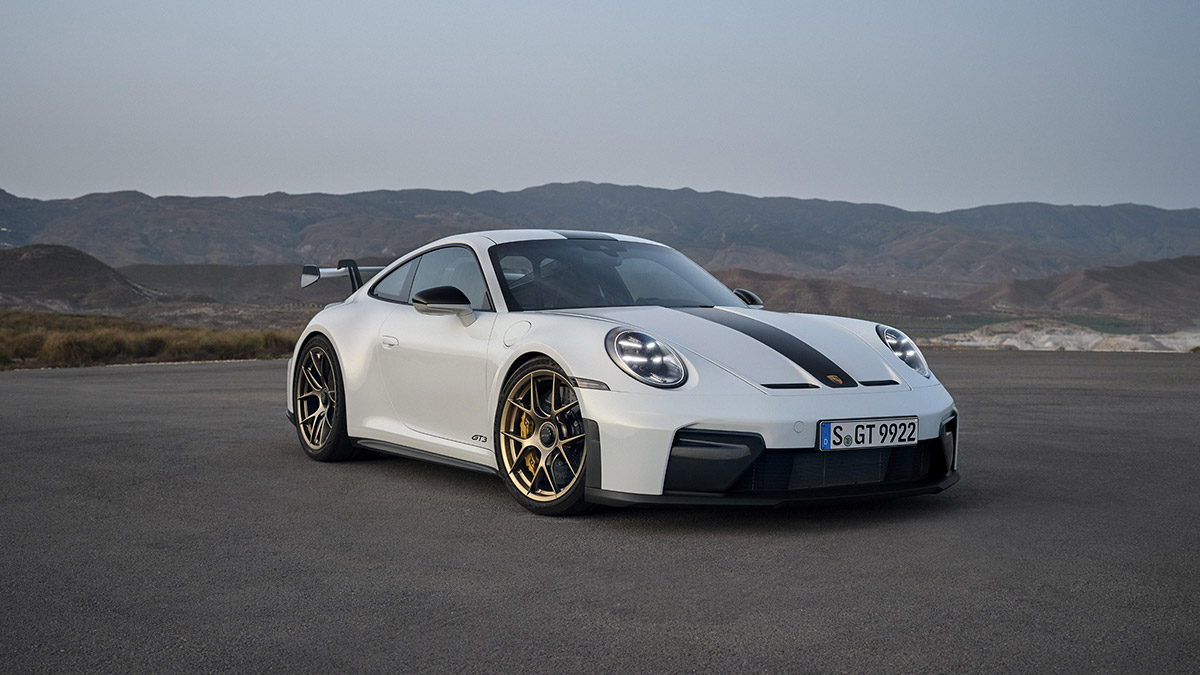
3. Porsche 911 GT3 RS (Various Generations)
The Porsche 911 GT3 RS has long been regarded as the expression of the 911’s track-focused potential. This variant strips away many creature comforts in favor of lightweight components, sharpened suspension setups, and a naturally aspirated, high-revving flat-six engine that delivers a thrilling and unfiltered driving experience.
Porsche produces the GT3 RS in limited numbers compared to standard 911 models, which adds a layer of exclusivity that drives up demand among driving enthusiasts and collectors alike.
Certain generations and special editions of the GT3 RS have become particularly valuable, with resale prices that exceed their original MSRP as enthusiasts seek to own one of the purest modern sports cars on the market.
The exclusivity of the GT3 RS is crucial to its appreciation in value. Porsche deliberately limits production to ensure the model remains rare and desirable. The GT3 RS focuses on driving dynamics above all else, sacrificing luxury and convenience to reduce weight and improve handling.
This approach appeals to purists who want a car that feels alive and responsive on both the street and the racetrack. The limited numbers and focused nature of the GT3 RS mean that when they come up for resale, especially in excellent condition with low mileage, they command prices well above what buyers originally paid.
Porsche’s reputation for quality engineering and durability also supports the GT3 RS’s resale value. The 911 platform has a storied history of holding its value better than many other sports cars, thanks to its build quality, reliability, and timeless design. The GT3 RS variants add to this legacy by offering race-derived technology and performance.
As emission regulations tighten and naturally aspirated engines become less common, these models represent the peak of a bygone era. This scarcity of naturally aspirated, track-ready sports cars further boosts the desirability and value of the GT3 RS.
Finally, the GT3 RS is supported by an active and passionate owner community that organizes track days, meets, and events focused on performance driving. This culture sustains enthusiasm for the car, keeping it relevant in a market that often favors newer, more technologically advanced vehicles.
Collectors and enthusiasts are willing to pay premium prices to secure these cars, knowing their value is likely to hold or increase. For these reasons, the Porsche 911 GT3 RS stands out as one of the few sports cars that can reliably resell for more than its original MSRP, even years after it was first sold.
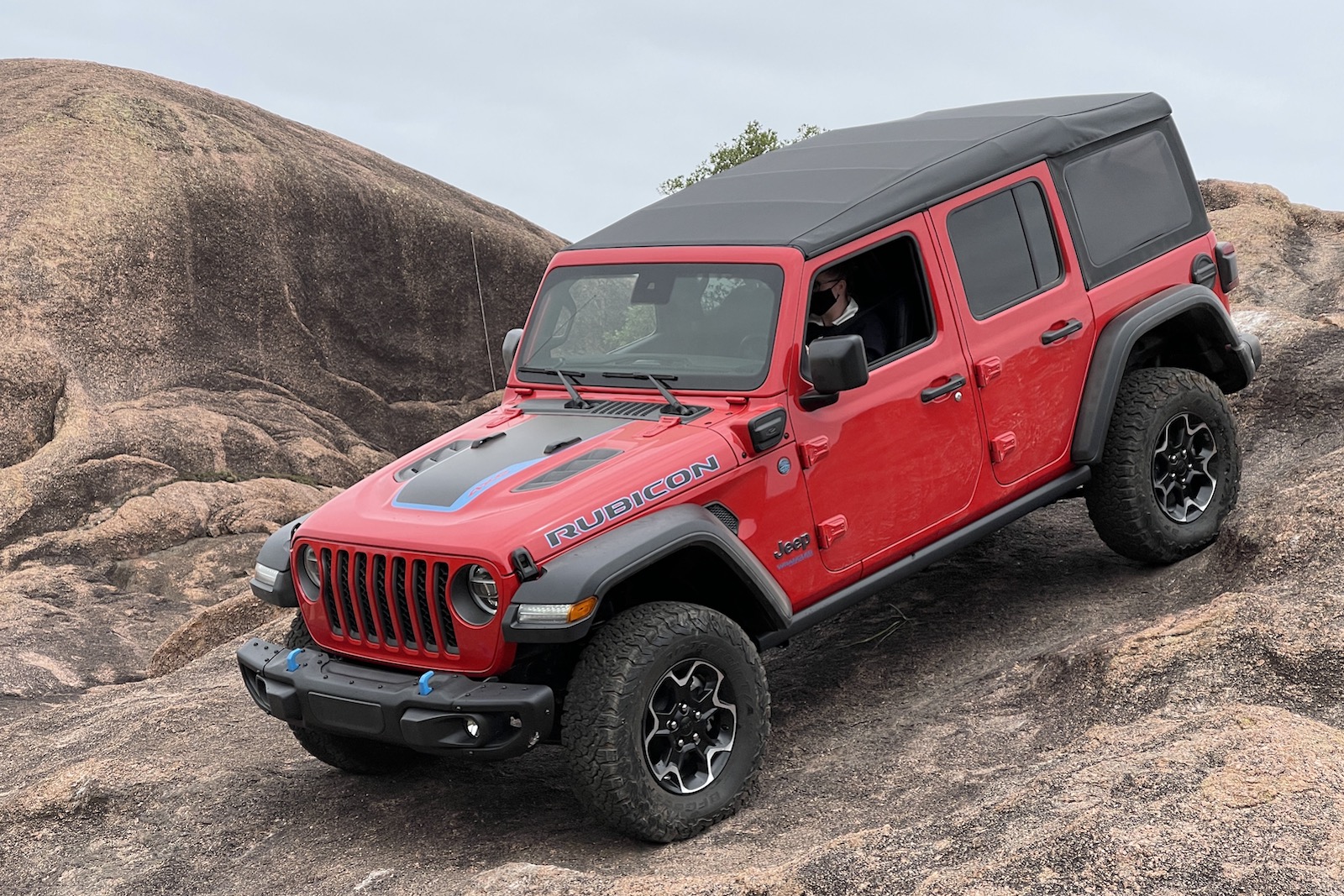
4. Jeep Wrangler Rubicon (Special Editions)
The Jeep Wrangler Rubicon is a legendary off-road vehicle that has earned a devoted following due to its rugged capabilities, timeless design, and versatility.
While the standard Wrangler is already popular, special edition Rubicons, especially those produced in limited numbers with unique features or color schemes, often achieve resale prices above their original MSRP.
These models combine the Wrangler’s proven off-road performance with exclusive styling and factory upgrades that appeal to enthusiasts who want both functionality and collectibility. The Rubicon’s reputation as one of the best factory off-road vehicles in the world fuels strong demand, especially for well-maintained, low-mileage examples.
One of the primary reasons certain Rubicon special editions appreciate is their enhanced off-road capabilities. These models often come with upgraded suspension, locking differentials, skid plates, and other features designed to conquer challenging terrain.
Jeep has cultivated a loyal customer base that values these factory-installed options, making these models highly sought after in the used market. Enthusiasts looking for a ready-made, trail-ready vehicle are willing to pay a premium rather than purchasing a standard Wrangler and retrofitting it with aftermarket parts.
Limited production runs of special edition Rubicons also contribute to their scarcity and desirability. Jeep frequently releases Rubicon variants with exclusive paint colors, badges, interior trims, and optional equipment packages that are not available on regular models.
These unique features enhance the vehicle’s exclusivity and appeal to collectors. Because fewer of these editions were made, competition among buyers to secure one often drives resale prices higher than the original MSRP.
The Jeep brand’s strong cultural impact and community support also help maintain the Rubicon’s value. Wrangler owners tend to be passionate about their vehicles, often participating in clubs, off-road events, and social groups.
This strong community involvement encourages owners to maintain their vehicles meticulously, which reduces the availability of well-preserved examples on the market. This, combined with the Wrangler’s classic design that has changed little over decades, means the Rubicon special editions age well and remain desirable.
Lastly, current market trends such as growing interest in SUVs and outdoor lifestyles contribute to the Rubicon’s increasing value. Consumers increasingly want vehicles that offer both daily practicality and serious off-road capability.
Limited edition Rubicons fill this niche perfectly, combining factory reliability with exclusive features. As a result, these vehicles often sell for more than their original MSRP, making them a rare example of SUVs that appreciate in value.
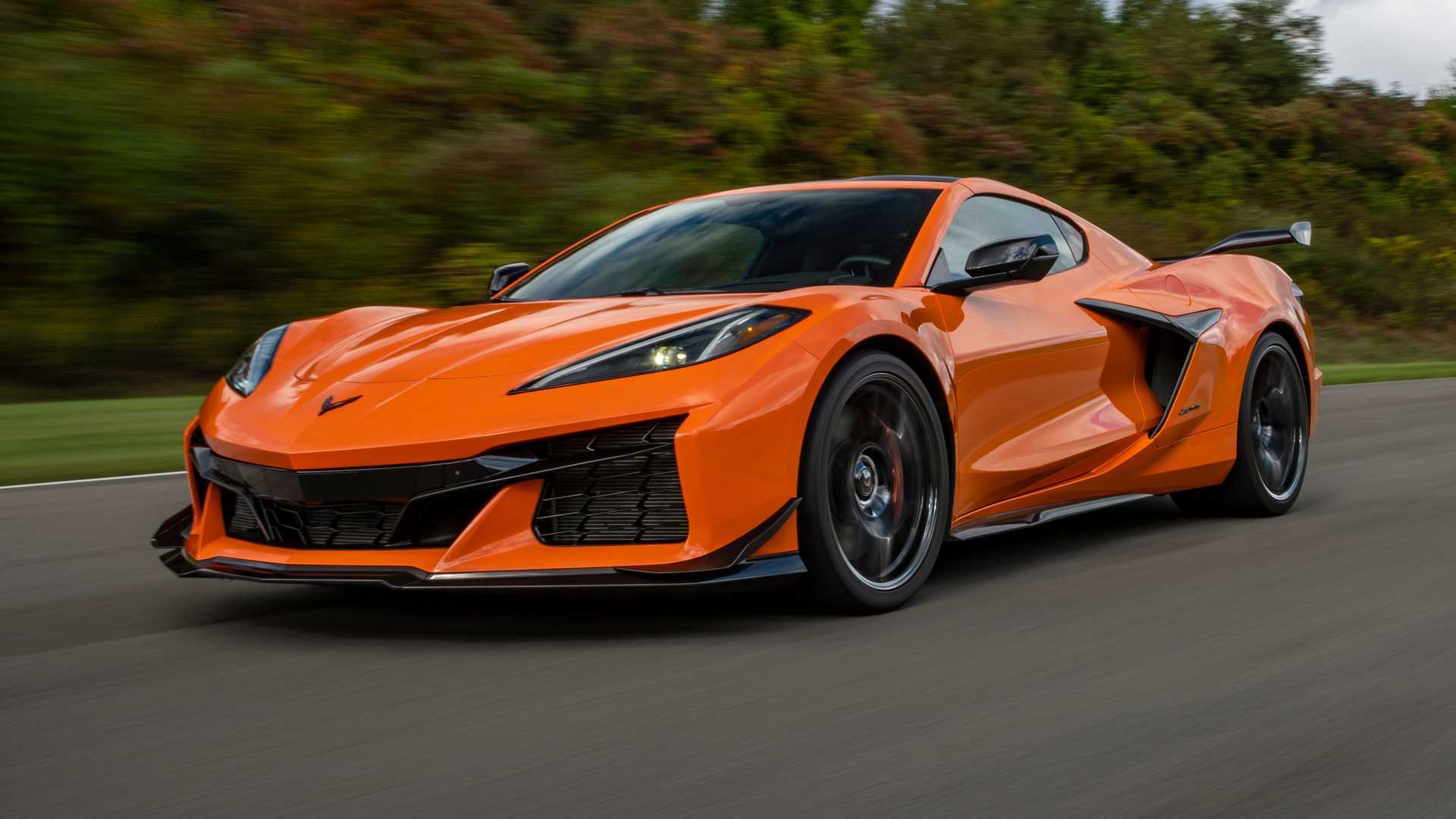
5. Chevrolet Corvette Z06 (C7 Generation)
The Chevrolet Corvette Z06 from the C7 generation, produced from 2015 to 2019, represents one of the most exciting eras for the American sports car.
With its supercharged 6.2-liter V8 engine producing over 650 horsepower, aggressive aerodynamic design, and track-ready suspension, the Z06 offered performance that rivaled much more expensive European sports cars.
This combination of power, handling, and relative affordability made it highly popular among enthusiasts. Its limited production numbers, combined with special edition models and strong fan loyalty, have resulted in some examples reselling for amounts higher than their original MSRP.
The heart of the C7 Z06’s appeal is its potent supercharged engine and track-focused technology. Delivering blistering acceleration and excellent handling, the Z06 redefined what a Corvette could be at this price point.
Enthusiasts prize the Z06 for its ability to perform well on both the street and the racetrack, providing versatility that few sports cars offer. The car’s performance credentials helped position it as an accessible supercar, broadening its appeal and ensuring strong demand in the resale market.
In addition to the base Z06, Chevrolet offered several special editions and performance packages that further boosted desirability. The Carbon Edition, Z07 Performance Package, and other variants introduced upgraded brakes, suspension components, and aerodynamic enhancements.
These models are often more limited in production, and their additional features add to their collectibility and resale value. Buyers seeking these rarer variants are willing to pay a premium, driving prices above MSRP.
The strong Corvette community also plays an important role in the Z06’s appreciation. Corvette owners are known for their enthusiasm and pride in their vehicles, often participating in clubs, shows, and track days.
This community encourages owners to keep their cars in excellent condition and supports a robust aftermarket for maintenance and upgrades.
Furthermore, as the Corvette evolves into new generations, the C7 Z06 is increasingly viewed as a standout model that captures the essence of the traditional American V8 sports car, especially since newer models embrace hybrid and mid-engine layouts.
Finally, the Z06’s reputation for reliability and ease of maintenance contributes to its enduring appeal. Unlike some exotic sports cars that can be costly to maintain, the C7 Z06 offers performance without excessive complexity, making it attractive for enthusiasts who want a daily driver capable of track use.
This combination of factors results in resale prices for certain Z06 models regularly exceeding their original MSRP, proving that this generation Corvette holds a special place in the market as both a performance icon and appreciating asset.
Also Read: 11 Best Engines That Stay Smooth After Decades of Use
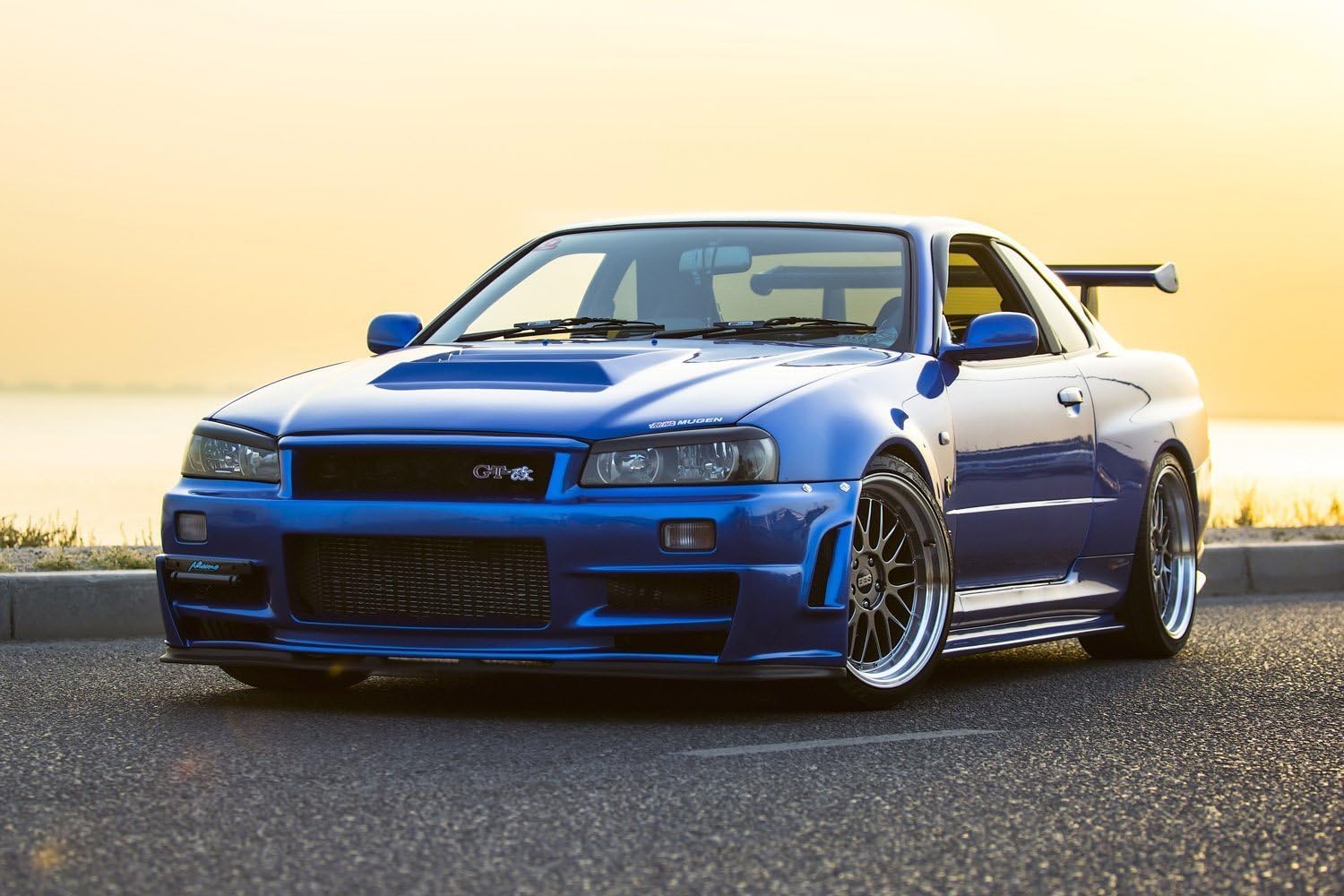
6. Nissan GT-R R34
The Nissan GT-R R34, produced between 1999 and 2002, has earned a legendary status that places it among the most revered Japanese performance cars ever made.
This generation of the GT-R built on the legacy of its predecessors, combining cutting-edge technology, advanced engineering, and a powerful RB26DETT twin-turbo inline-six engine that made it a dominant force in both street and motorsport scenes.
The R34’s appeal extends beyond raw performance; it’s also praised for its balanced chassis, all-wheel-drive system, and driver-focused design, making it one of the most well-rounded sports cars of its era.
What truly drives its resale value above MSRP, however, is the car’s cultural significance and scarcity, especially in markets where it was not originally sold, such as the United States until recent import legalization.
One of the biggest contributors to the R34 GT-R’s skyrocketing value is its rarity, especially outside Japan. The GT-R R34 was never officially sold in the U.S. during its production run, creating a pent-up demand once it became legal to import vehicles over 25 years old.
Enthusiasts and collectors, eager to own a piece of this icon, have driven prices well beyond the original MSRP.
Even in markets where it was sold, clean, low-mileage examples are difficult to find due to their age and the car’s popularity in tuning and racing communities, where many were heavily modified or worn out. This scarcity has fueled a competitive market for well-preserved or original-condition R34 GT-Rs.
Beyond entertainment, the R34 earned respect in motorsport circles, especially in Japanese touring car and endurance racing, further adding to its mystique.
These cultural touchpoints amplify the demand among collectors who see the GT-R as a symbol of automotive excellence and a tangible connection to the golden era of Japanese sports cars.
Technologically, the R34 was ahead of its time with features like an advanced multifunction display that showed real-time engine and performance data, a sophisticated all-wheel-drive system that provided exceptional grip, and a highly tunable engine platform.
This blend of innovation, reliability, and performance ensures the GT-R remains relevant and desirable decades later. Enthusiasts prize its combination of high-tech systems and analog driving feel, making it both a collectible and a thrilling driver’s car.
The Nissan GT-R R34 continues to be one of the rare vehicles where collector demand, cultural significance, and mechanical excellence align, pushing resale prices beyond original values.
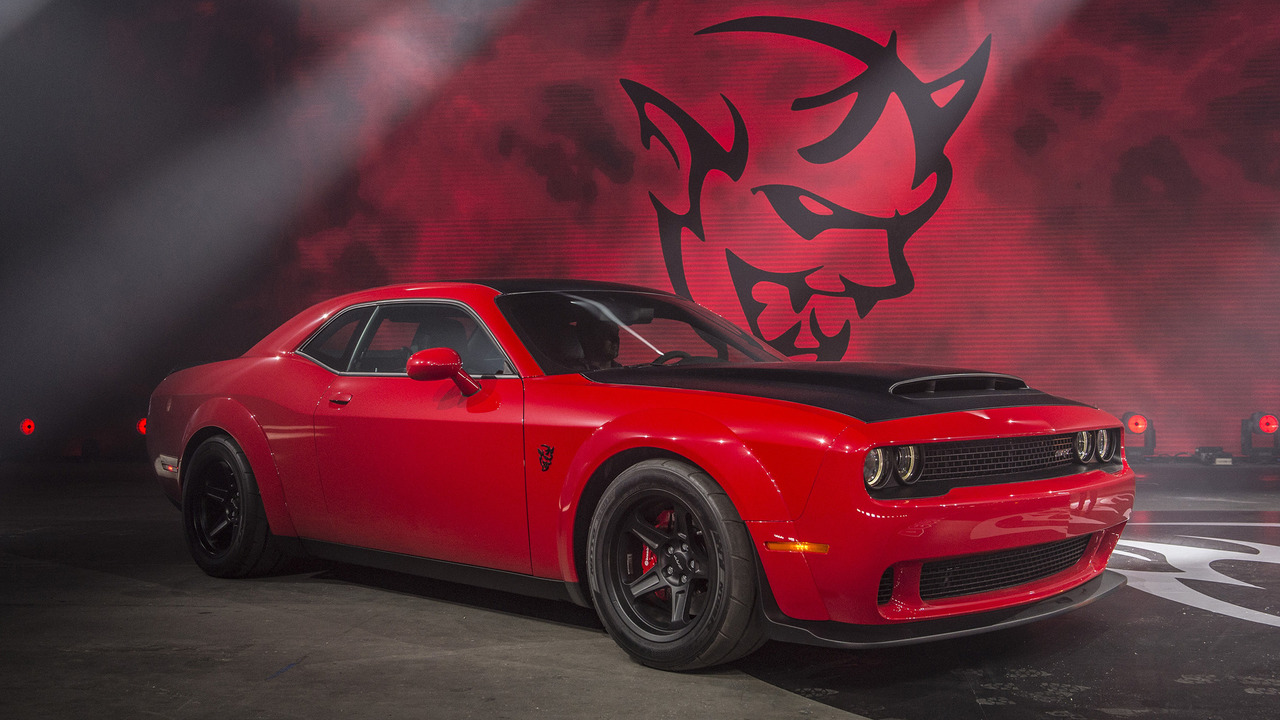
7. Dodge Challenger SRT Demon (2018)
The Dodge Challenger SRT Demon made a massive impact when it was introduced in 2018 as the most powerful muscle car ever produced. With a supercharged 6.2-liter HEMI V8 producing a staggering 840 horsepower on race fuel, the Demon was engineered specifically for drag racing and straight-line performance.
It pushed the boundaries of what a production muscle car could achieve, setting numerous records including the fastest quarter-mile time by a production car at the time.
What sets the Demon apart from other Challengers and muscle cars is not just its power, but the extreme focus on drag-strip capabilities and the limited production numbers, which together drive its resale values beyond the original MSRP.
Limited production plays a crucial role in the Demon’s appreciation. Dodge manufactured only about 3,300 units worldwide, and many buyers were collectors or enthusiasts who immediately recognized the car’s unique place in muscle car history.
Its extreme performance specs, combined with a factory-built drag racing package that included features such as TransBrake, line lock, and specialized tires, created a level of exclusivity rarely seen in muscle cars.
Because of the relatively small number of cars produced, well-maintained examples with low mileage have become rare commodities, pushing the prices higher on the secondary market.
The Demon’s cultural significance and media coverage also contribute to its high resale value. It captured headlines for its incredible performance numbers and was widely praised in automotive journalism and social media alike.
Its status as a modern muscle car legend appeals not just to performance enthusiasts, but also to collectors who view it as a symbol of the peak of combustion-engine muscle cars. This cultural cachet, coupled with its technical achievements, makes the Demon a highly desirable collectible.
Finally, the Dodge Challenger SRT Demon offers a combination of brute force and street usability that makes it attractive beyond just drag racing fans.
Despite its extreme capabilities, it is still a production car that can be driven on public roads, and many owners cherish the ability to have an ultra-powerful muscle car that remains comfortable enough for daily use.
This versatility adds to its appeal and market value, ensuring that the Demon is more than just a short-lived performance novelty, but a sought-after collector’s vehicle that often sells for prices above the original MSRP.
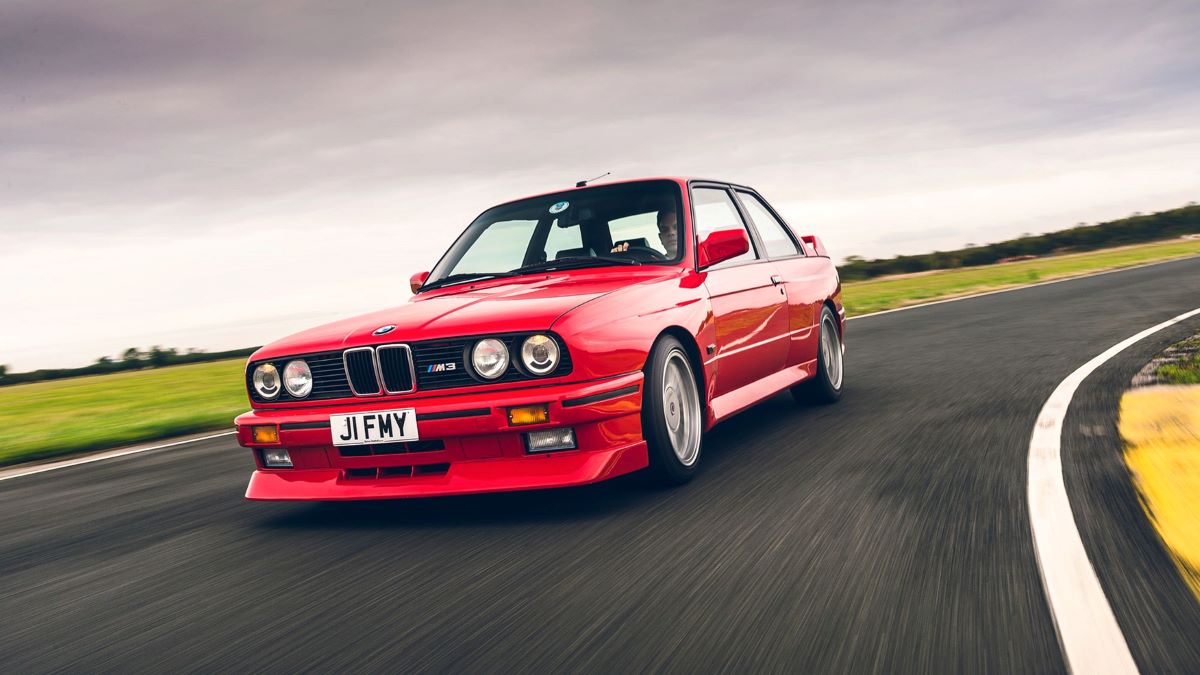
8. BMW M3 E30
The BMW M3 E30, produced from 1986 to 1991, is often regarded as the car that defined the modern sports sedan and set the standard for performance and handling in its class. As the first M3, it combined lightweight construction, precise handling, and a high-revving four-cylinder engine that delivered an engaging driving experience.
The E30 M3 was designed with motorsport in mind, homologated for Group A racing, where it achieved significant success.
This racing pedigree and its status as the original M3 have made the E30 an icon in automotive history, driving demand that has pushed its resale prices beyond original MSRP for well-preserved and rare variants.
The E30 M3’s limited production numbers contribute significantly to its collectible status. BMW built just over 18,000 units worldwide, including various versions like the coupe, convertible, and special editions such as the Sport Evolution.
Many surviving examples are in excellent condition, preserved by enthusiasts who recognize the car’s importance and value. The combination of rarity and demand from collectors who want an original M3 or a special edition means prices continue to climb, especially for low-mileage, unrestored cars.
Its motorsport success is another major factor driving the E30 M3’s appreciation. The car dominated touring car racing in the late 1980s and early 1990s, winning numerous championships and solidifying BMW’s reputation for producing driver-focused performance vehicles.
This racing history adds an emotional and historical layer of desirability that collectors prize. Owning an E30 M3 is owning a piece of racing heritage, which greatly influences its value in the collector market.
This purity and its timeless design contribute to the M3 E30’s status as a classic, making it one of the few performance cars that reliably resell above their original MSRP as their reputation grows and the number of surviving examples diminishes.
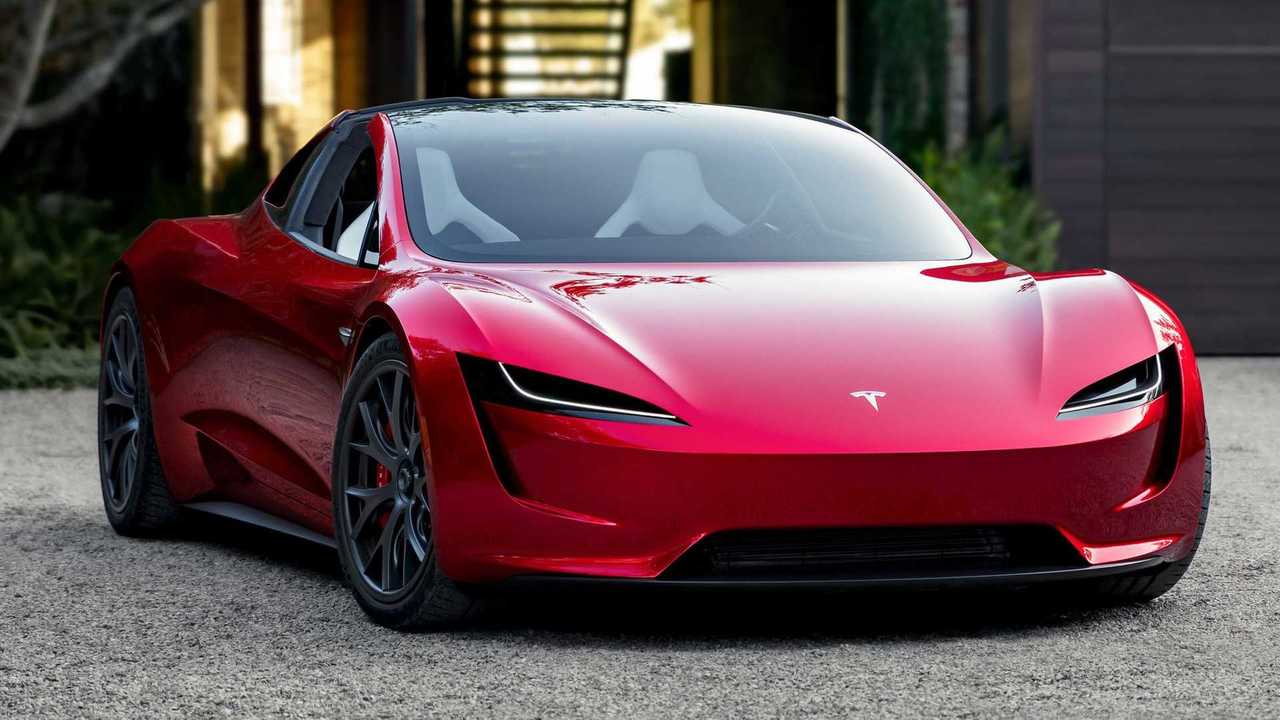
9. Tesla Roadster (First Generation)
The original Tesla Roadster, produced from 2008 to 2012, was a groundbreaking vehicle that changed perceptions of electric cars forever.
As Tesla’s first production model, it proved that electric vehicles could be both fast and desirable, offering impressive acceleration, innovative technology, and a stylish, sporty design based on the Lotus Elise chassis.
The Roadster’s role as a pioneer in the EV segment, combined with its limited production numbers and unique place in automotive history, has made it highly collectible.
Over time, resale prices for well-maintained first-generation Roadsters have risen above their original MSRP, reflecting growing interest in early electric performance cars.
The Roadster’s rarity is a key driver of its appreciating value. Tesla produced fewer than 2,500 units in the initial run, making it relatively scarce compared to gasoline-powered sports cars of similar performance.
Many early adopters cherished their Roadsters and maintained them carefully, but the car’s age means fewer remain in pristine condition.
This scarcity has led collectors and enthusiasts to compete for the best examples, pushing prices upward as the Roadster becomes a sought-after symbol of early EV innovation.
Tesla’s pioneering role in electric vehicle technology also contributes to the Roadster’s desirability. At the time of its release, few EVs offered comparable range or performance, and the Roadster helped change attitudes about what electric cars could achieve.
Its all-electric powertrain, lightweight construction, and technological features make it a historic vehicle in the shift toward sustainable transportation. As interest in electric cars continues to grow, early models like the Roadster are viewed not only as collectible cars but also as important artifacts in the history of automotive technology.
Finally, the Tesla Roadster’s continued influence on the brand and market adds to its value. Tesla’s rise as a dominant player in the automotive industry has increased interest in its early products.
The Roadster remains a tangible link to the brand’s origins and vision for the future, making it a prized possession among Tesla enthusiasts. Its blend of rarity, historical significance, and performance ensures that the original Roadster is one of the few electric vehicles to have appreciated in value, often selling for prices above the original MSRP.
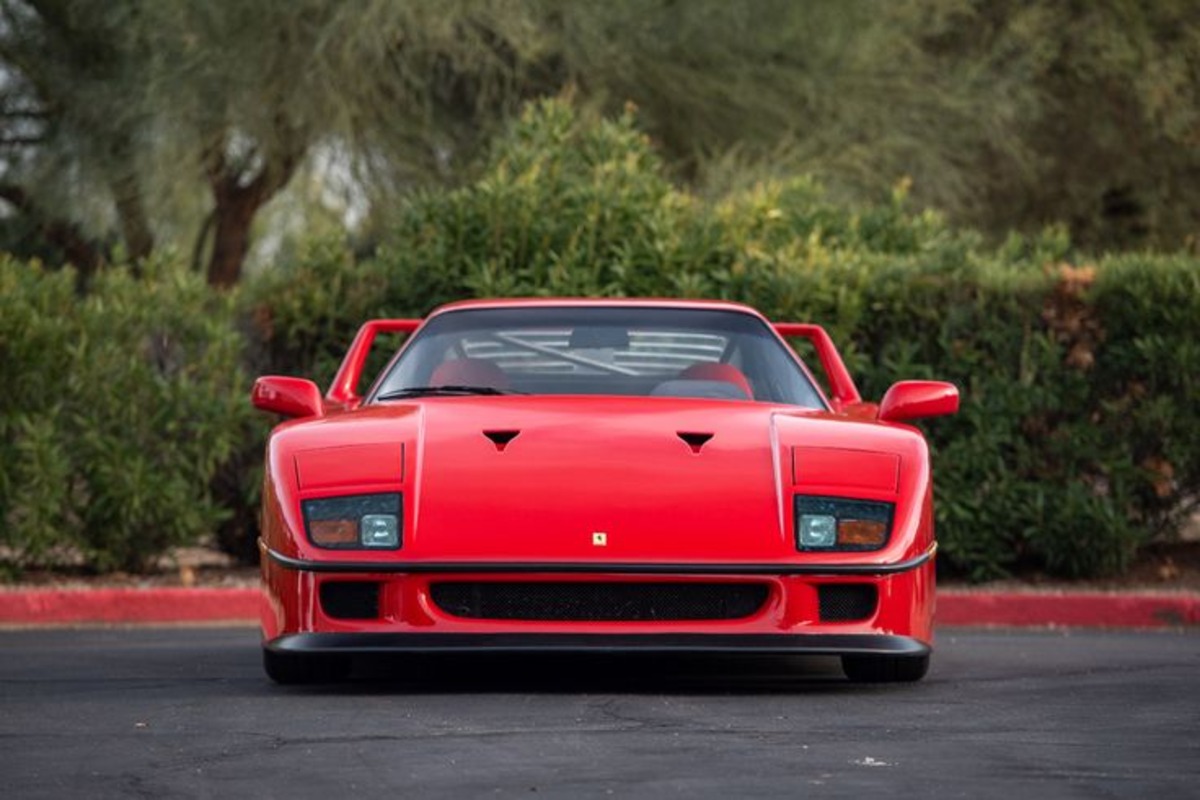
10. Ferrari F40
The Ferrari F40, produced from 1987 to 1992, is widely regarded as one of the most iconic supercars ever built. Developed to celebrate Ferrari’s 40th anniversary, the F40 was the last car personally approved by Enzo Ferrari before his death.
It was designed as a no-compromise, raw driving machine focused on lightweight construction, turbocharged performance, and aerodynamic efficiency.
With a twin-turbocharged V8 engine producing around 470 horsepower, the F40 was one of the fastest production cars of its time. Its rarity, legendary status, and raw driving experience have all contributed to its remarkable appreciation in value, often far exceeding the original MSRP.
Scarcity plays a major role in the F40’s collector appeal. Ferrari produced just over 1,300 units during its production run, and many of these cars have been preserved or carefully maintained by collectors. The F40’s exclusivity is enhanced by its status as a limited-edition, factory-built supercar from an era before electronic aids became standard.
This rarity, combined with the car’s reputation and desirability, means the supply of available cars for sale is extremely low relative to demand, pushing prices upwards.
The car’s status as the last model approved by Enzo Ferrari himself adds a layer of mystique and emotional appeal that collectors prize. It has been featured in countless automotive publications, documentaries, and enthusiast discussions, cementing its legendary status in the automotive pantheon.
Finally, the F40’s driving experience remains unmatched by many modern supercars. It is celebrated for its rawness and lack of electronic intervention, offering an unfiltered connection between driver and machine.
This purity of experience, combined with its timeless design and racing pedigree, ensures that the F40 remains one of the most desirable and valuable collector cars in the world. Its continued appreciation in value is a testament to its status as a true automotive masterpiece that transcends generations.
