
When it comes to cars, the enjoyment factor varies greatly from one model to another. Some vehicles manage to keep the thrill alive even after years of ownership, retaining their playful and engaging character no matter the mileage.
These cars have a special kind of charm that resists fading as time passes, making every drive something to look forward to. On the other hand, some vehicles start off exciting but lose their appeal quickly.
The initial thrill can wear off within months or a few years, often replaced by frustration, boredom, or a sense of mediocrity. This article breaks down five cars that maintain their fun factor long-term and five that tend to grow tiresome fast.
The distinction between these two groups can come down to many factors such as handling, power delivery, comfort, or even design and personality. A car that remains enjoyable is often well-rounded, balancing everyday usability with spirited driving qualities.
Meanwhile, cars that get old fast might suffer from harsh rides, awkward ergonomics, or uninspired performance once the new car smell fades. Sometimes the excitement is all hype and marketing, while other times it’s simply a mismatch between the vehicle’s design and the driver’s expectations.
Examining these contrasting examples sheds light on what makes a car genuinely engaging over time versus what causes it to become dull or frustrating.
Whether you’re someone who enjoys spirited drives or simply wants a car that doesn’t feel like a chore after a few months, this comparison can help you understand which types of cars to lean toward and which to be cautious about.
Without further ado, let’s take a look at five vehicles that retain their fun factor well after the honeymoon period and five that, unfortunately, tend to lose their luster quickly.
Also Read: 5 Most Popular Convertibles and 5 That Are a Nightmare to Own
5 Cars That Stay Fun to Drive
1. Mazda MX-5 Miata
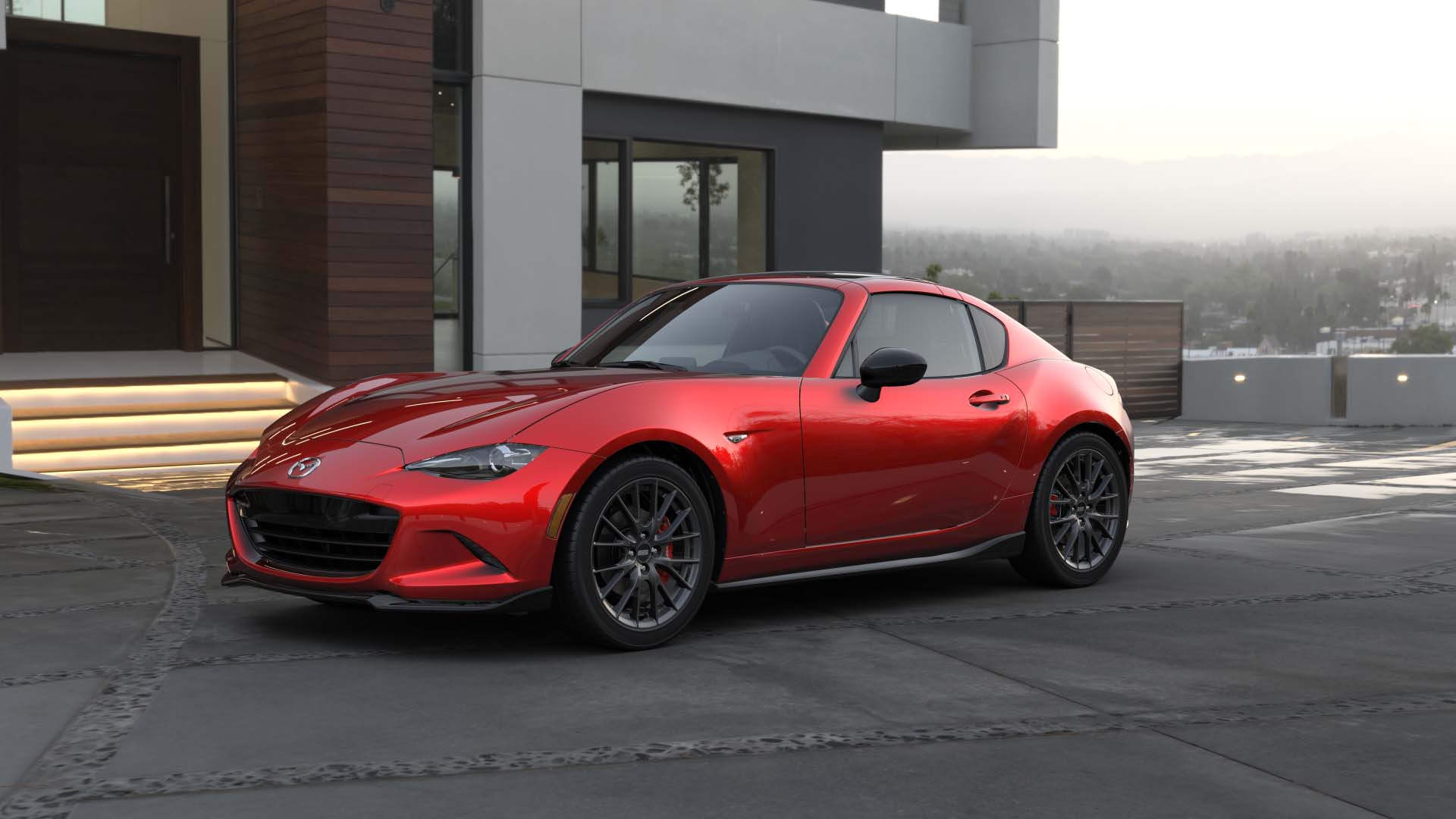
The Mazda MX-5 Miata is often regarded as a benchmark for pure driving enjoyment. Its lightweight design and superb balance make it incredibly responsive and agile, providing a connection between driver and road that few cars can match.
Unlike many sports cars that emphasize high horsepower or flashy features, the Miata’s philosophy is rooted in simplicity and driver engagement. The car’s modest engine size means it doesn’t rely on overwhelming power but instead encourages drivers to master the art of cornering and momentum.
This focus on skillful driving over raw speed helps maintain the car’s fun nature even after years of ownership. The manual transmission option further deepens the driver’s involvement, with short and precise shifts that feel satisfying and direct.
The rear-wheel-drive setup adds to the playful dynamics, enabling subtle oversteer and allowing experienced drivers to exploit the car’s full potential without feeling out of control.
The convertible roof enhances the Miata’s sensory experience, making every drive more immersive. The sensation of fresh air combined with the sounds of the engine and tires keeps the driving experience vibrant and alive.
Unlike cars with heavy soundproofing, the Miata embraces the noise and vibrations, which enhances the feeling of speed and connection to the environment.
This is especially noticeable on country roads or scenic routes, where the open-top experience makes driving feel like an event rather than a routine. The car’s compact size also helps it feel nimble in traffic and easy to park, adding to the joy of ownership.
Over time, the Miata’s straightforward mechanical setup also means fewer complex systems that can detract from the driving experience due to repairs or malfunctions, allowing owners to focus purely on the fun aspect of driving.
In addition to its driving dynamics, the Miata is practical enough for daily use, which helps keep it from feeling like just a weekend toy. Its relatively small footprint means it’s easy to maneuver through tight city streets, while its fuel efficiency is surprisingly good for a sports car, making it economical for regular commutes.
The interior, though minimalist, is thoughtfully designed with driver comfort in mind. The seats offer decent support for spirited driving, and the layout is uncluttered, allowing the driver to concentrate on the road without distractions.
This practical usability extends the car’s appeal because it doesn’t force drivers to sacrifice everyday convenience for driving pleasure, meaning the car stays relevant and enjoyable year-round.
Perhaps one of the strongest reasons the Miata remains fun long-term is the passionate community that surrounds it. Owners frequently share modifications, maintenance tips, and driving events, building a culture that fosters enthusiasm beyond just the mechanical aspect of the car.
This social element adds an additional layer of enjoyment, making the Miata more than just a machine but a lifestyle choice for many. Enthusiasts often tune their cars for performance or personalization, keeping the car feeling fresh and exciting through continuous improvement.
This strong support network ensures that the Miata’s reputation as an endlessly fun car continues to thrive, with many owners reporting that their passion for the car grows stronger rather than fades over time.
2. Porsche 911 (997 and 991 Generations)
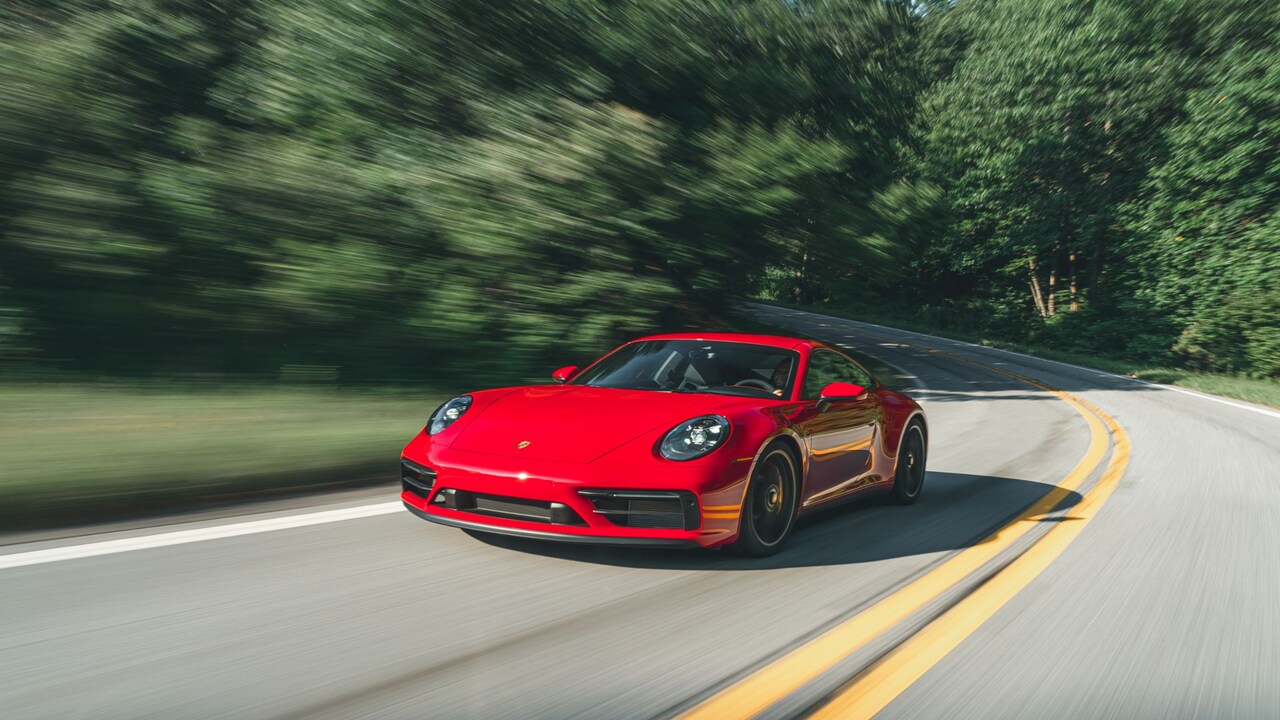
The Porsche 911, especially the 997 and 991 generations, is a standout model known for combining raw performance with everyday usability, which helps it remain engaging and enjoyable over long periods. Its unique rear-engine layout creates a distinctive driving experience that requires skill but rewards attentiveness with thrilling dynamics.
The 911 is famous for its ability to feel both fast and refined, offering blistering acceleration paired with a chassis that can handle tight corners with confidence. Unlike many other high-performance cars, the 911 strikes a remarkable balance between comfort and sportiness, enabling it to be a practical daily driver and a weekend track weapon.
The flat-six engine produces a smooth and linear power delivery, which means the car accelerates predictably and with grace, encouraging drivers to explore its capabilities without feeling overwhelmed.
The engineering behind the 911 is impeccable, with Porsche’s attention to detail evident in every aspect of the car’s design. The suspension setup provides a firm yet compliant ride, smoothing out bumps while maintaining precise handling. Steering feedback is sharp and direct, giving drivers an accurate sense of the road beneath them.
This connection to the pavement is vital in keeping the driving experience fresh and rewarding. Furthermore, the car’s chassis balance and weight distribution, despite the rear-engine configuration, are tuned to offer excellent traction and cornering stability.
The 997 and 991 models also introduced modern technologies like active suspension and advanced braking systems, which enhance both safety and driving pleasure, ensuring that the car remains competitive and enjoyable even as it ages.
Inside the cabin, the Porsche 911 continues its theme of excellence. The interior combines luxury materials with a driver-centric layout that prioritizes ergonomics and control accessibility. Seats are supportive and comfortable, making long drives less fatiguing.
Unlike many performance cars that sacrifice comfort for sportiness, the 911 manages to keep occupants comfortable without dulling the driving experience. The controls are intuitive, and the driving position is precise, putting the driver in complete command.
Additionally, the 997 and 991 generations include updated infotainment and connectivity features, which keep the car feeling modern and prevent the interior from becoming outdated quickly.
This thoughtful integration of comfort, technology, and sportiness means the 911 owners can enjoy the car in multiple settings, from daily commutes to spirited weekend drives.
The 911’s reputation as an iconic sports car adds to its appeal over time. Owners tend to take great pride in maintaining their cars and participating in enthusiast events, which adds a social and emotional dimension to ownership. The car’s value retention and strong aftermarket support also make it a viable option for those who want a fun car that holds its worth.
These factors create an environment where the 911’s fun factor isn’t just about the initial drive but also about the lifestyle and culture that comes with owning one. As a result, many owners find themselves deeply connected to their 911s for years or even decades, with the car’s character and driving dynamics continuing to excite long after the first purchase.
3. Ford Mustang GT (Modern Generations)
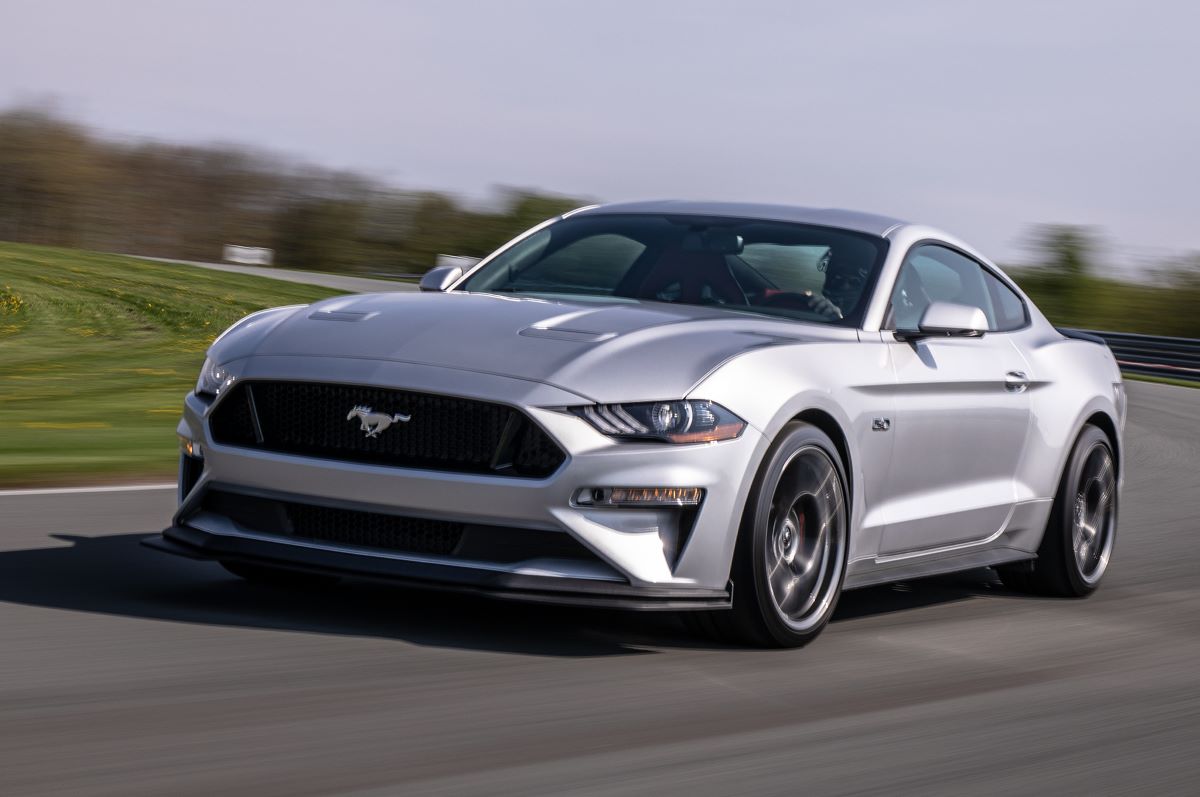
The Ford Mustang GT, particularly the recent models, has evolved into a car that offers a potent blend of power, style, and improved driving dynamics, which helps it maintain a sense of fun and excitement for an extended period.
The iconic V8 engine is a centerpiece, delivering a throaty exhaust note and plenty of horsepower that thrills both casual drivers and enthusiasts.
While earlier muscle cars sometimes suffered from unwieldy handling and outdated technology, the modern Mustang benefits from extensive engineering upgrades that make it more balanced and controllable.
The chassis rigidity, suspension tuning, and steering feel have all improved, resulting in a car that is much more enjoyable to drive on winding roads while still capable of powerful straight-line performance.
The Mustang GT’s powertrain remains one of its most compelling features. The naturally aspirated V8 engine offers immediate throttle response and a linear power curve, resulting in smooth and predictable acceleration. This predictability adds to the fun, as drivers feel in control even when pushing the car hard.
The availability of a manual gearbox ensures a traditional, hands-on driving experience that many purists appreciate. For those who prefer automatics, the latest versions also offer quick-shifting transmissions that don’t detract from the excitement.
This variety allows owners to tailor their Mustang to their personal driving style, which helps sustain enthusiasm over time.
Inside the cabin, the Mustang strikes a balance between retro styling cues and modern convenience. The interior is more spacious and comfortable than earlier generations, with supportive seats and a driver-oriented layout.
Infotainment systems and connectivity features have been updated regularly, preventing the interior from feeling dated as the car ages.
The improved materials and build quality also contribute to a more premium feel, which adds to the satisfaction of ownership. The Mustang’s aggressive styling and presence on the road further boost the sense of fun, as the car draws attention and creates a feeling of pride for its driver.
The Mustang’s rich heritage and passionate fan base amplify its long-term appeal. Enthusiast groups, track days, and car meets keep the ownership experience vibrant and social.
The Mustang’s broad aftermarket support means owners can continuously customize and improve their cars, ensuring that the driving experience evolves and remains exciting.
This culture surrounding the Mustang fosters a sense of belonging and passion that many owners find addictive. As a result, the Mustang GT holds its status as a fun car for years, resisting the tendency to grow dull or uninspiring.
4. Volkswagen Golf GTI
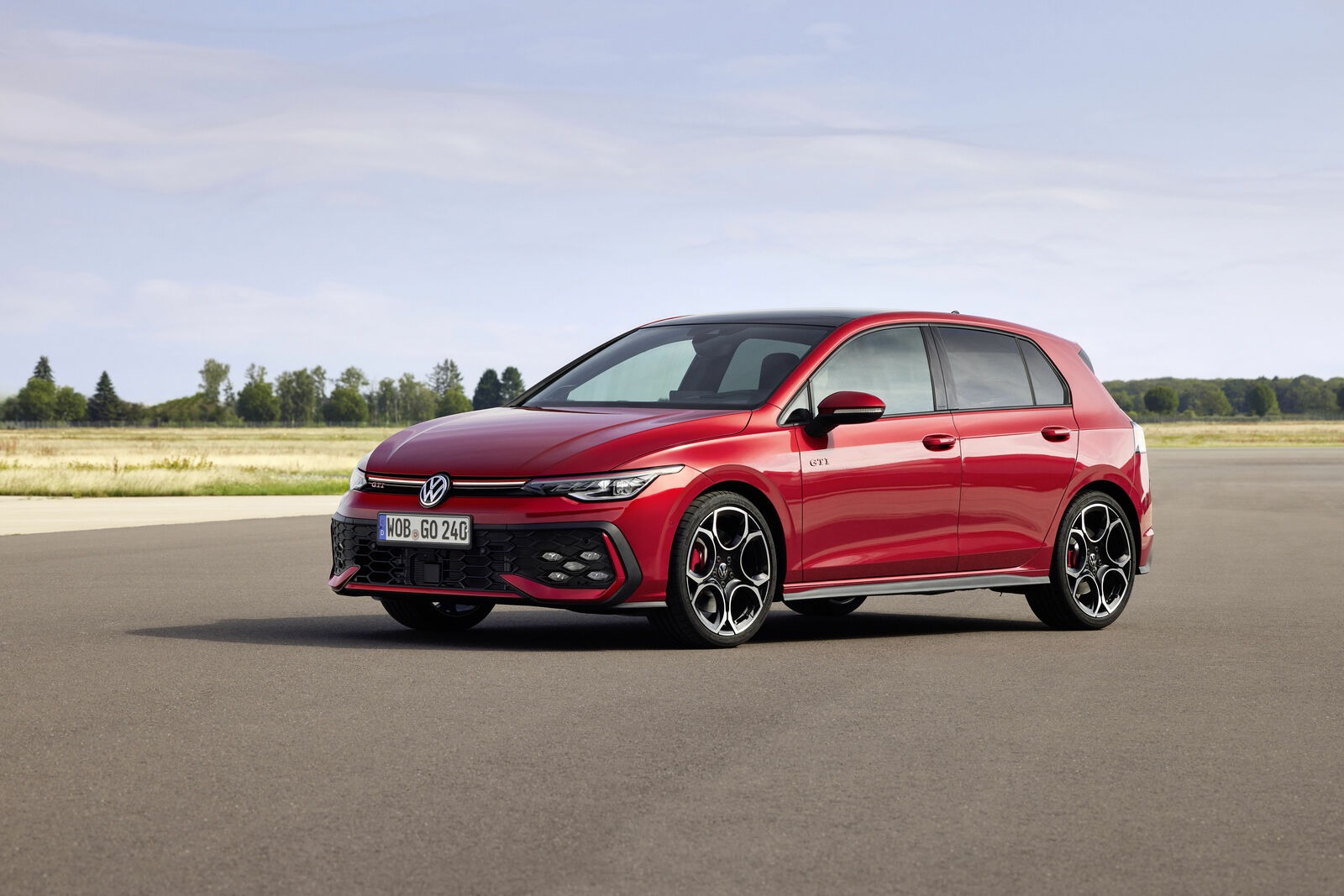
The Volkswagen Golf GTI has been a staple among compact performance cars for decades, prized for its ability to blend everyday practicality with sporty handling and performance that keeps drivers engaged. It strikes a rare balance by offering a turbocharged engine that delivers peppy acceleration and torque without feeling excessive or difficult to manage.
The GTI’s chassis is well-tuned to provide sharp and communicative steering, allowing drivers to feel connected to the road. This balance of power and agility means that the GTI is equally capable on city streets and winding backroads, making it a versatile and enjoyable companion.
The car’s handling dynamics are key to its enduring fun factor. The GTI responds to inputs with precision, providing confidence when cornering and quick direction changes. It encourages spirited driving by rewarding smoothness and technique rather than brute force.
This approachability means that drivers of all skill levels can find enjoyment in the car, from beginners looking for excitement to experienced enthusiasts who appreciate the nuances of its chassis.
Additionally, the GTI’s front-wheel-drive layout is well-engineered, minimizing understeer and keeping the car planted during aggressive maneuvers. The suspension strikes a good balance between comfort and sportiness, helping the car remain comfortable for daily use without dulling its responsiveness.
Inside, the Golf GTI combines a practical hatchback design with sporty touches that remind the driver of the car’s performance potential. The cabin is comfortable and well-built, featuring iconic plaid seats that add character and a sporty flair. The controls are intuitively laid out, making it easy to focus on driving.
Practicality is another major factor in the GTI’s lasting appeal. The hatchback layout offers generous cargo space and rear-seat room, which makes the car suitable for a variety of lifestyles, from daily commuting to weekend adventures.
Unlike some sports cars that sacrifice utility for excitement, the GTI manages to provide a compelling blend of both, making it an all-around fun vehicle. This practicality encourages owners to keep the car longer, as it doesn’t become a burden for everyday use.
The GTI’s combination of dynamic driving characteristics, comfort, and versatility make it one of the rare compact cars that truly stays fun to drive over many years.
5. Subaru WRX STI
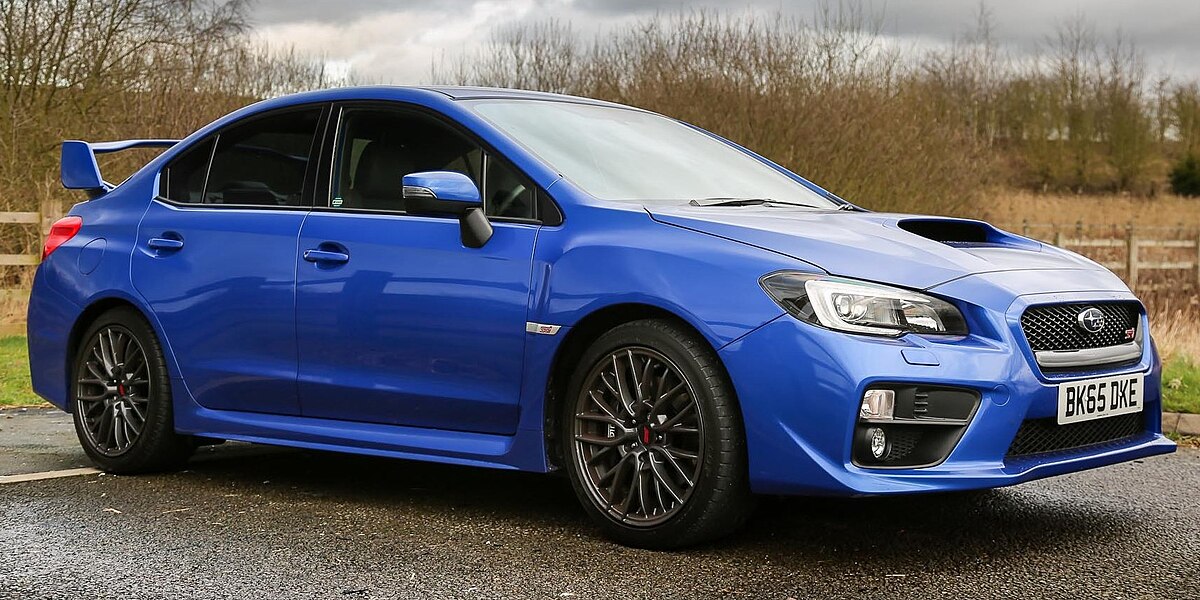
The Subaru WRX STI is known for delivering an exhilarating driving experience that maintains its edge well beyond the initial ownership period. Rooted in rally heritage, the WRX STI features an all-wheel-drive system that provides excellent traction and confidence in a variety of driving conditions.
This grip allows drivers to push the car harder without fearing loss of control, making it thrilling in corners and during rapid acceleration.
The turbocharged flat-four engine produces a distinctive sound and substantial mid-range power, offering an adrenaline rush that few compact performance cars can match. The rawness and mechanical feel of the car appeal to enthusiasts who crave direct engagement rather than electronic assistance.
The WRX STI’s chassis and suspension are tuned for agility and responsiveness, providing a lively and communicative driving experience.
The car feels planted and eager to change direction quickly, giving drivers a sense of command. Its suspension is firm, which enhances handling precision but can result in a harsher ride compared to more comfort-focused cars.
However, this trade-off is often welcomed by enthusiasts, as it enhances the car’s sense of sportiness. The balance between performance and drivability means the WRX STI can be used both on challenging back roads and in everyday driving without losing its fun factor.
Inside, the WRX STI offers a cockpit that reflects its performance intentions. The seats are supportive and designed to hold occupants in place during aggressive maneuvers, reinforcing the car’s sporty character.
While the interior materials and design may not be as refined as some rivals, the purposeful and functional layout suits the car’s personality.
Controls are straightforward and designed to keep the driver focused on the road. The lack of excessive luxury or technology can actually add to the experience by reducing distractions and emphasizing driving purity. For many owners, this no-nonsense approach is part of the WRX STI’s charm and a reason it stays engaging over time.
The enthusiast community around the WRX STI plays a significant role in its lasting appeal. Many owners participate in club events, autocross, and track days, continually exploring the car’s limits and sharing knowledge. This social aspect adds depth to ownership beyond just the mechanical experience.
The car’s rally-inspired DNA also inspires modifications and upgrades, allowing drivers to customize and improve their cars to suit their preferences. These factors combine to create an ownership experience that remains exciting and rewarding long after the first thrill of driving the WRX STI has passed.
Also Read: 11 Best Engines That Stay Smooth After Decades of Use
5 Cars That Get Old Fast
1. BMW 3 Series (E90 Generation)
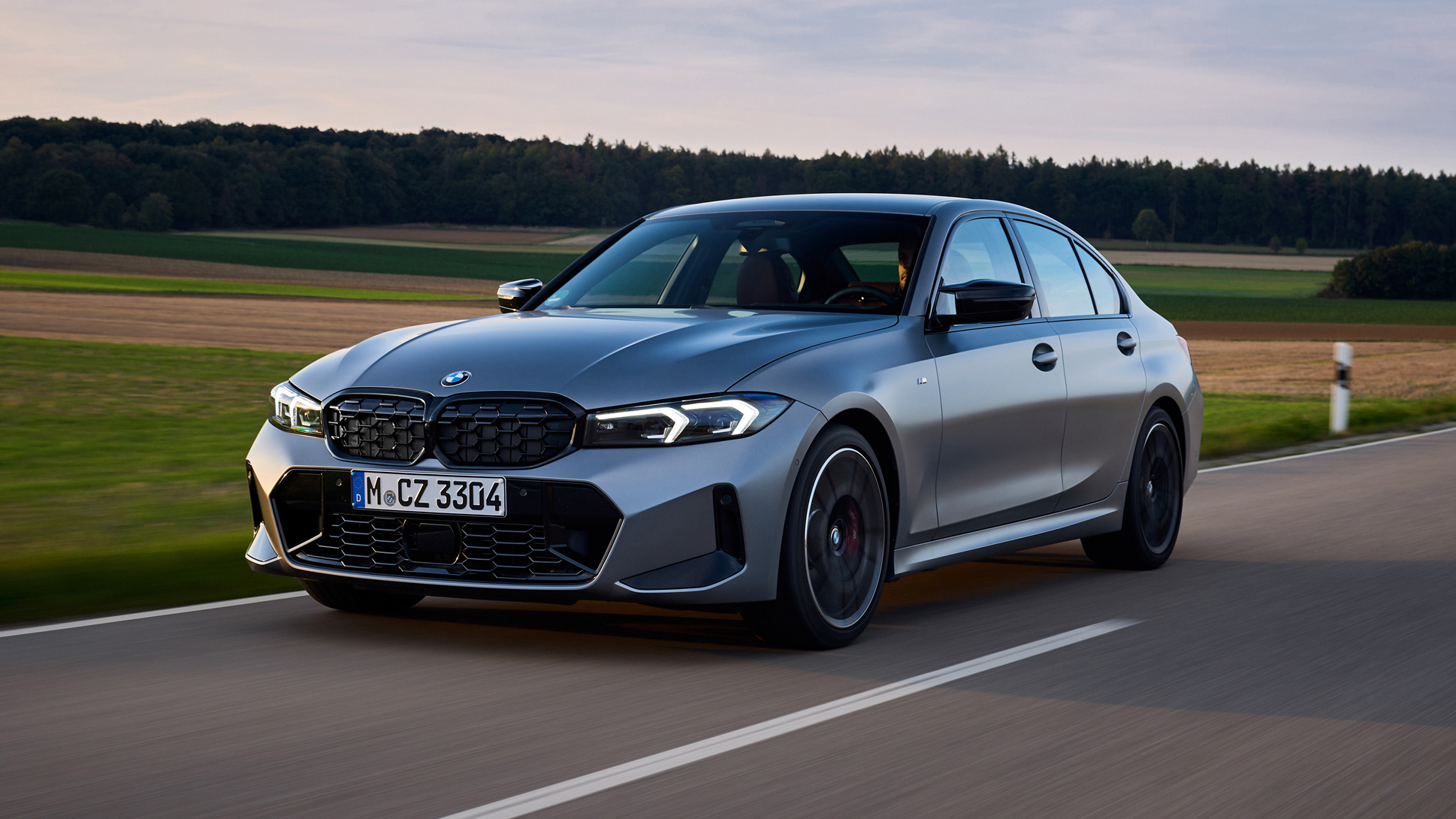
The BMW 3 Series E90 generation was highly praised when it first launched, boasting sharp handling, strong engines, and a premium feel. However, over time, many drivers find that the initial excitement fades quickly.
One of the main reasons is that the E90’s aging technology and interior design start to feel dated compared to more modern rivals. Although the driving dynamics remain competent, the car’s electronics and infotainment systems quickly show their age, becoming slow and clunky.
What was once cutting-edge now feels frustrating to use on a daily basis. Furthermore, the E90 suffers from a reputation for some reliability issues as it ages, including problems with cooling systems, oil leaks, and electronic gremlins.
These issues can detract significantly from the ownership experience, making the car feel more like a burden rather than a joy after just a few years.
Another factor that contributes to the E90 feeling old fast is the wear and tear on its interior materials. The leather and plastics tend to degrade, showing signs of cracking, fading, or peeling, especially in high-use areas like the steering wheel, seats, and door panels.
This degradation diminishes the once-premium feel and gives the cabin a tired appearance. Drivers who initially fell in love with the sporty yet refined interior often find themselves disappointed as their cars begin to look and feel worn.
Performance-wise, the E90 remains capable but lacks the excitement and sharpness that some other sporty sedans deliver today. Its engines, though smooth and refined, are not particularly thrilling by modern standards, especially in base trims. The steering, while precise, can feel numb compared to newer cars with more advanced setups.
The chassis, once a benchmark for handling, has been outpaced by competitors offering sharper dynamics and more engaging feedback. For drivers who value spirited driving, this means the car’s appeal diminishes after the initial novelty wears off.
Moreover, fuel economy and emissions standards have improved significantly since the E90’s heyday, making it less efficient and environmentally friendly compared to contemporary rivals, which can be a consideration for owners in the long term.
Maintenance and repair costs further contribute to the car’s declining appeal over time. As the E90 ages, it becomes more expensive to keep in good running condition, with parts and labor costs increasing as systems become more prone to failure. For owners who value reliability and low upkeep, this can quickly turn the 3 Series from a fun sports sedan into a costly responsibility.
In addition, the relatively complex engineering that gave the car its dynamic edge also means repairs can be time-consuming and expensive. This combination of diminishing driving thrills, outdated technology, and rising maintenance expenses means that many E90 owners find the car less fun and more frustrating after just a few years on the road.
2. Audi A4 (B8 Generation)
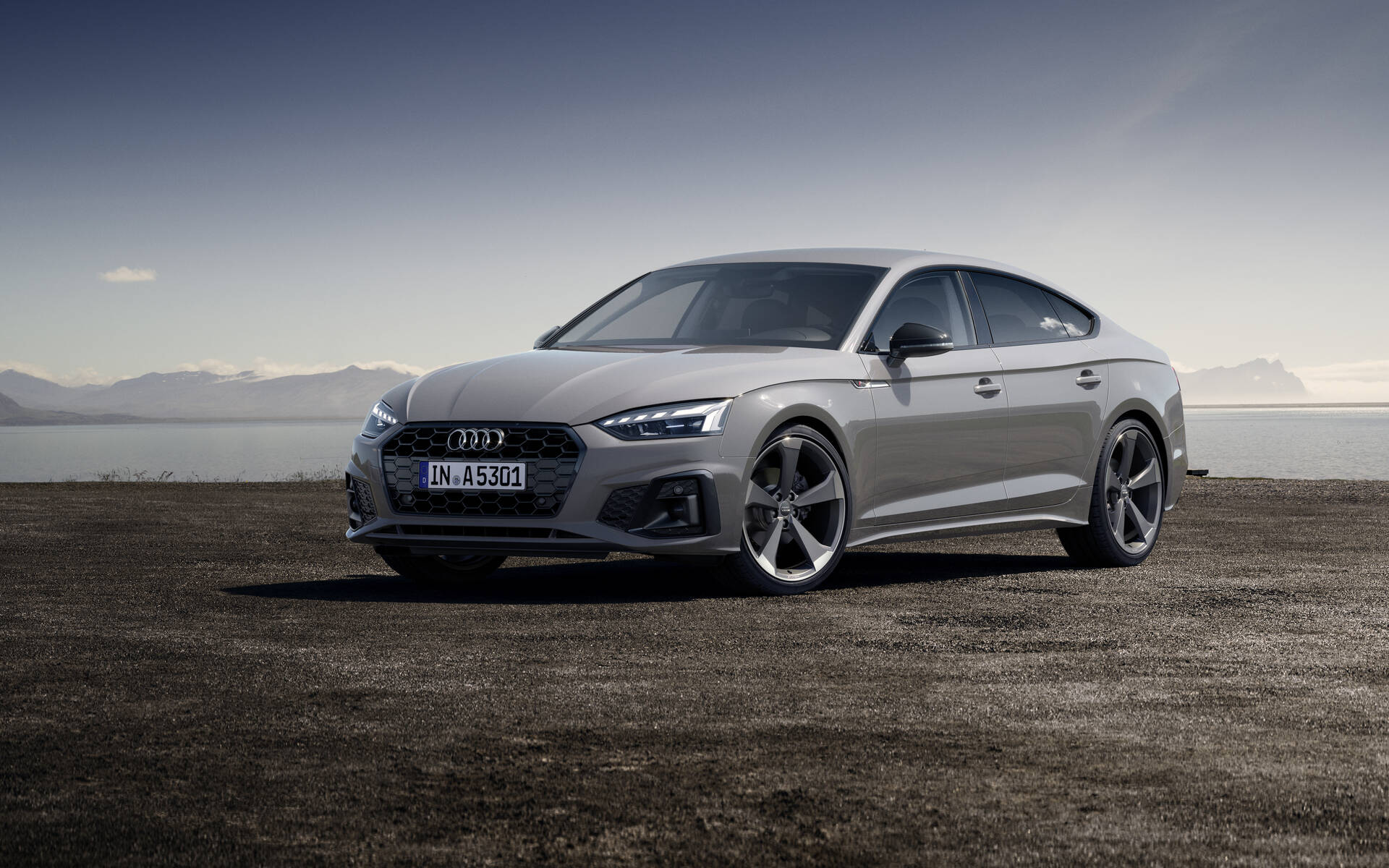
The Audi A4 B8 generation arrived with a stylish and sophisticated design, a well-appointed interior, and a range of efficient engines.
While initially impressive, many drivers report that the A4’s appeal fades faster than expected as the model ages. One of the key reasons is that the driving experience, although refined, lacks the excitement and engagement that enthusiasts seek.
The steering is often described as numb and disconnected, which reduces the feeling of involvement behind the wheel. The suspension prioritizes comfort over sportiness, resulting in a somewhat bland ride that doesn’t inspire much enthusiasm during spirited driving.
Unlike competitors with sharper handling, the A4 feels more like a luxury cruiser, which can make it lose its charm for drivers looking for a more dynamic experience.
Inside, the B8’s cabin feels premium but also shows signs of aging relatively quickly. Audi’s MMI infotainment system in this generation can feel clunky and outdated by today’s standards, frustrating users who expect smoother and more intuitive controls.
The screen resolution and interface design lag behind modern competitors, making the system less user-friendly over time. Additionally, some materials in the interior, while high quality initially, tend to wear with use, leading to a decline in perceived quality.
The seats, though supportive, can become uncomfortable on longer drives as the cushioning degrades. This combination of aging tech and material wear contributes to a sense that the A4’s interior no longer meets the expectations of modern luxury compact sedans after a few years.
From a reliability standpoint, the B8 A4 has a mixed reputation. It can be prone to costly repairs related to its turbocharged engines and complex electronics. Owners have reported issues with the timing chain, water pumps, and various sensor failures, which can be expensive to diagnose and fix.
The complexity of the car’s engineering means that maintenance costs are often higher than average, which can sour the ownership experience. As the car ages, these issues tend to become more frequent, leading to increased downtime and frustration.
The combination of a less engaging driving experience, aging technology, and rising maintenance expenses makes the B8 A4 a model that many owners feel grows tiresome sooner than expected.
In terms of design, the A4’s exterior styling, though sleek at launch, tends to age faster compared to some rivals with more timeless looks. The conservative lines and understated grille, while elegant, do not stand out as much as competitors that have embraced bolder designs.
While the car remains competent and comfortable, the lack of enduring excitement in styling, driving, and technology means it often loses its appeal relatively quickly.
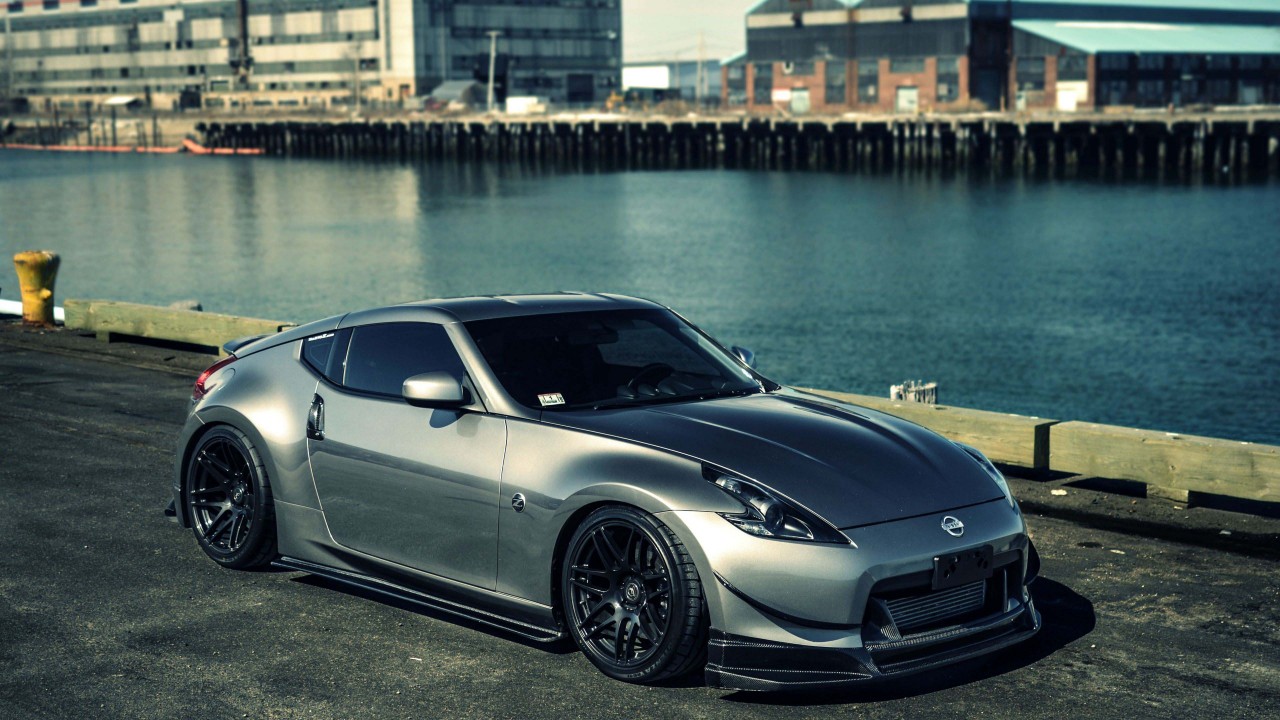
3. Nissan 370Z
The Nissan 370Z was launched as a continuation of Nissan’s Z sports car legacy, promising sharp handling, a potent V6 engine, and a driver-focused experience. While it delivers on performance initially, the 370Z tends to lose its appeal quickly for several reasons.
One major issue is the car’s dated design, both inside and out. The styling, though aggressive and distinctive at launch, began to feel stale as newer sports cars introduced more modern aesthetics and features. The interior, while functional, is minimalistic and lacks the refinement and technology that many buyers come to expect today.
This absence of modern infotainment, driver aids, and comfort features means the 370Z starts to feel obsolete faster than competitors that keep pace with technological advancements.
Over longer periods, these factors contribute to a sense of fatigue and discomfort, reducing the car’s appeal as a regular driver. Moreover, the lack of significant updates during its long production run means the 370Z does not evolve with changing driver expectations.
While it remains a solid sports car, it struggles to maintain excitement as newer models offer better refinement and technology.
Another factor that causes the 370Z to age poorly is the absence of modern driver assistance features. In an era where many sports cars now include traction control improvements, advanced stability systems, and even semi-autonomous technologies, the 370Z feels somewhat raw and unrefined in comparison.
This can make it feel less safe and less convenient to drive, especially in adverse conditions. While some enthusiasts appreciate this simplicity, many buyers find it a drawback that limits the car’s long-term usability.
Additionally, the interior materials, which are basic and utilitarian, show wear more quickly than higher-end rivals, further contributing to a sense of the car becoming tired and less enjoyable over time.
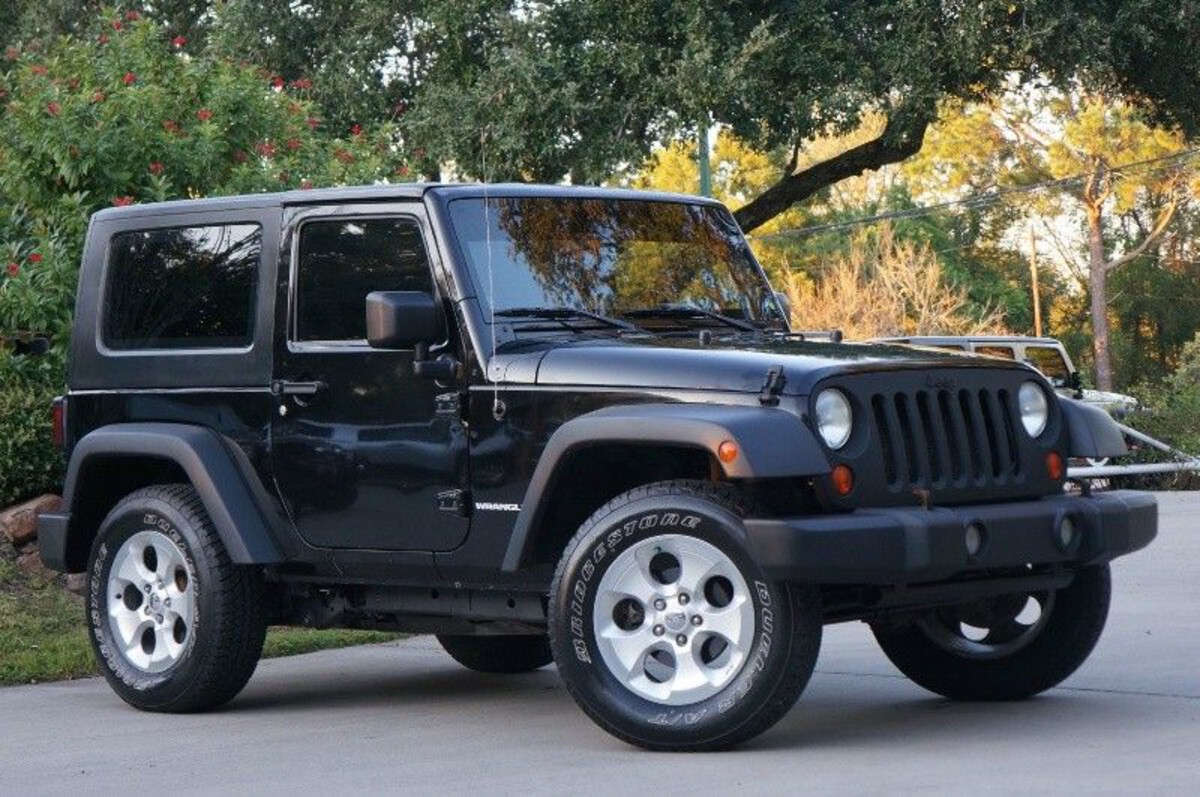
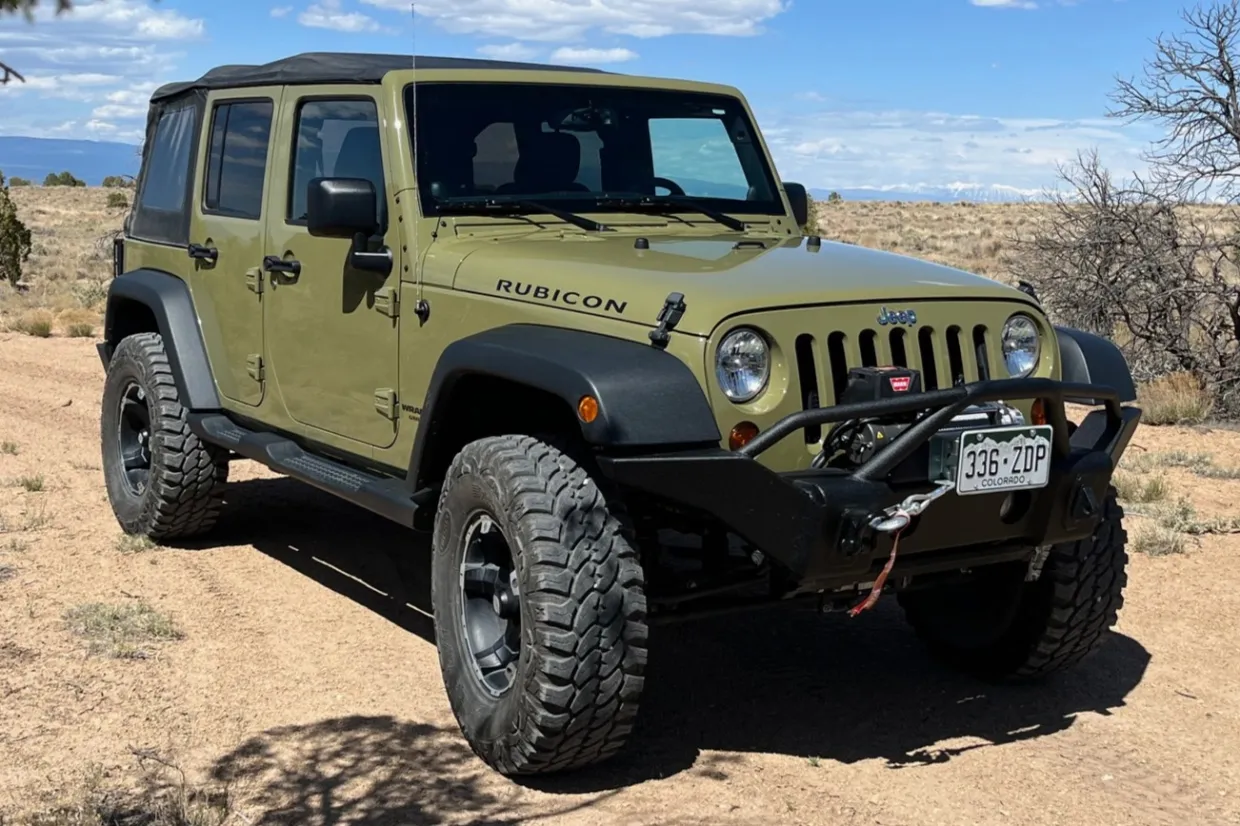
4. Jeep Wrangler JK
The Jeep Wrangler JK is beloved for its off-road capabilities and rugged, iconic styling. However, when it comes to day-to-day driving and longer-term ownership, the JK can quickly lose its charm for many owners.
The Wrangler’s on-road manners are often criticized as being rough and noisy, with a suspension setup designed more for trail performance than highway comfort. This results in a bouncy and unsettled ride on paved roads, which can become fatiguing on longer trips or during daily commutes.
The cabin is also quite noisy, with wind and road noise intruding more than in typical SUVs, reducing comfort and making conversations or music listening more difficult. These factors combine to make the Wrangler feel less refined and more utilitarian, which can wear on owners who expect a comfortable daily driver.
The seats are not particularly supportive, which can lead to discomfort during extended drives. The infotainment system in earlier JK models was also behind the curve, with limited features and dated technology that detracts from modern ownership expectations.
Though newer versions have improved tech, the JK as a whole tends to feel less modern inside than many rivals, which can cause owners to lose enthusiasm after the initial excitement wears off.
Storage space, while decent for an off-roader, is less practical for families or those needing versatile cargo options. Additionally, the vehicle’s high center of gravity and stiff suspension can make it less comfortable for everyday use, especially in urban environments.
Maintenance costs for older JK models can also be high due to the specialized nature of its off-road hardware and the wear caused by rough use. These factors can cause owners to view the Wrangler as more of a fun weekend toy than a long-term daily driver.
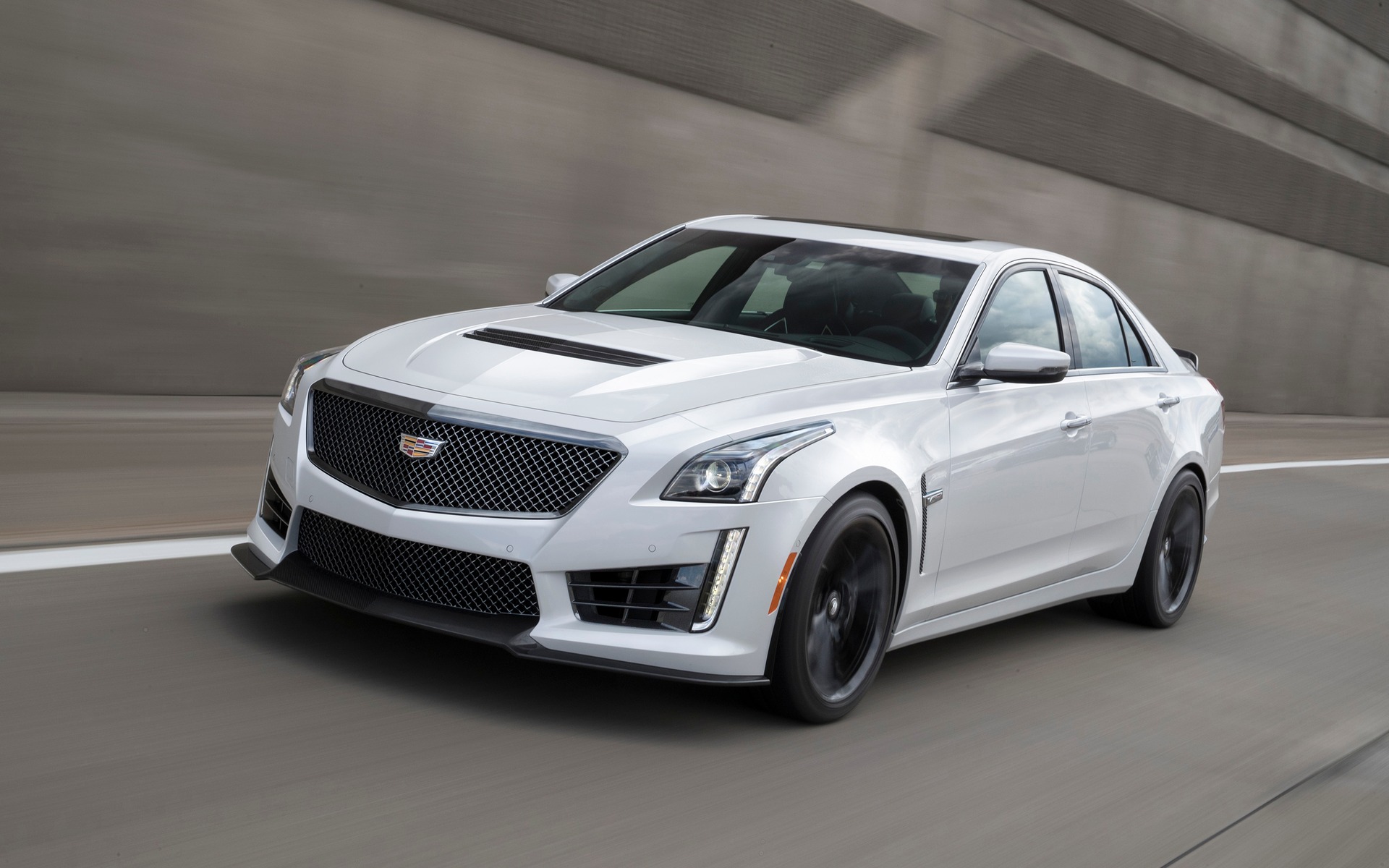
5. Cadillac CTS (Second Generation)
The second-generation Cadillac CTS made waves with its bold styling, sharp handling, and luxury features when it launched. However, many owners find that the car’s appeal fades faster than expected as it ages.
While the CTS offered a strong driving experience initially, including powerful engine options and a well-tuned chassis, the ride quality could be harsh on less-than-perfect roads. This harshness becomes more noticeable over time, making daily driving less comfortable.
The car’s handling, though competent, lacks the refinement and feedback that some European competitors deliver, which means the driving excitement can diminish quickly for those who value precision and engagement.
The CTS’s interior, while upscale, also shows its age relatively quickly. The design is somewhat busy and has not aged as gracefully as some rivals. Infotainment systems from this era can feel slow and unintuitive, making the cabin less enjoyable to spend time in.
Materials, while generally good quality, can wear prematurely in high-contact areas such as the steering wheel and seats, detracting from the luxury feel.
The balance of technology and comfort that seemed competitive at launch starts to feel less so as newer cars introduce smoother interfaces and higher-quality materials. This decline in interior quality and technology contributes significantly to the perception that the CTS gets old fast.
From a reliability and maintenance perspective, the CTS can be costly to maintain as it ages. Some owners report issues with electrical components, suspension wear, and engine problems that require expensive repairs.
The cost and frequency of these repairs can discourage long-term ownership, especially when combined with the car’s aging driving dynamics and interior.
Additionally, fuel economy lags behind more modern sedans, adding to running costs. These financial factors, paired with the car’s diminishing excitement, make the CTS a vehicle that many owners find loses its appeal more quickly than expected.
Stylistically, the CTS’s bold design remains distinctive but can feel polarizing as tastes change. Its sharp angles and aggressive stance may not age as gracefully as more conservative competitors, which affects resale values and owner satisfaction.
This sense that the car’s style and technology become dated quickly contributes to why many people consider the second-generation CTS a model that tends to grow tiresome within a relatively short ownership period.
Despite its initial promise and strong points, the combination of interior aging, ride harshness, and maintenance costs tends to weigh heavily on its long-term appeal.
