
Hybrid vehicles have been around for over two decades, gradually shifting from niche eco-friendly options to mainstream choices in driveways around the world. As the push for better fuel efficiency and reduced emissions grows stronger, more carmakers have invested heavily in hybrid technology.
However, not all hybrids are created equal. While some models have impressed drivers with their long-term reliability, impressive mileage, and driving experience, others have turned out to be disappointing, if not outright frustrating to own.
Buyers often assume that any hybrid will provide better gas mileage and lower running costs compared to a traditional gas vehicle, but that isn’t always the case. The hybrid market has expanded so quickly that manufacturers rushed some models to market, resulting in cars that fall short in areas like battery life, drivability, maintenance costs, or even basic comfort and design.
Some hybrids were based on platforms that weren’t optimized for electric-gas synergy, leading to awkward driving characteristics or poor mechanical reliability. On the flip side, there are hybrids that not only perform well but actually exceed expectations. These models often benefit from years of refinement, smart engineering choices, and real-world dependability that builds trust among owners.
The difference between a good hybrid and a bad one often comes down to more than just the badge on the grille or the sticker on the window. It’s about how the vehicle behaves after five or ten years, how it handles real-world driving conditions, and whether the technology integrated into the car enhances or hinders the experience.
Hybrids can be surprisingly fun, powerful, and reliable, but they can also be sluggish, expensive to repair, and prone to unexpected issues that wipe out any fuel savings.
This article takes a detailed look at ten different hybrids: five that consistently surprise and impress their owners, and five that have become cautionary tales. These impressions aren’t based on glossy marketing or brief test drives, they come from long-term ownership, repair history, and real satisfaction or regret. If you’re considering a hybrid, this list may help you understand which models deliver more than promised and which ones are better left on the lot.
Also Read: 10 Cars Mechanics Say Will Easily Hit 400k Miles
5 Hybrids That Surprise Owners
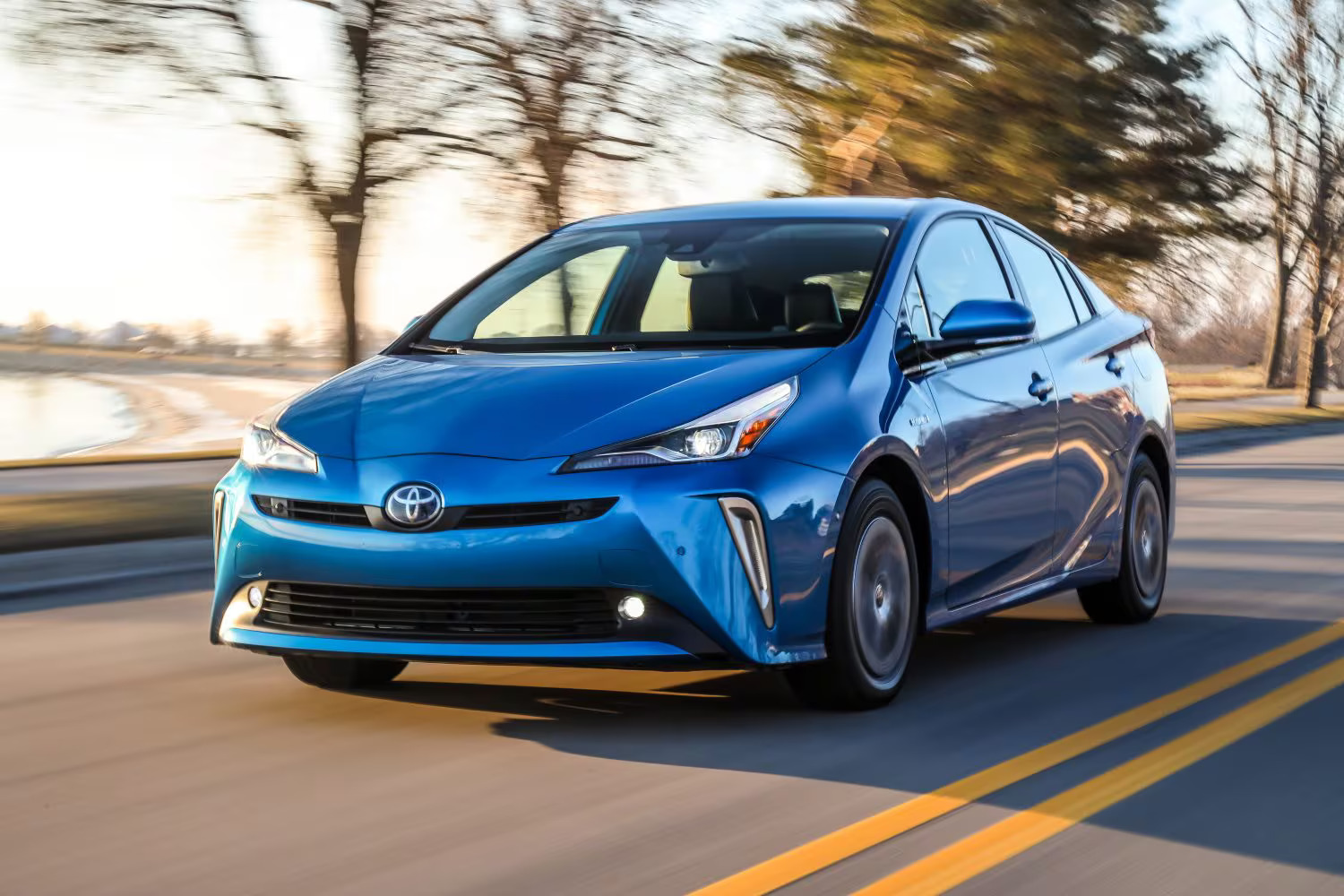
1. Toyota Prius (2016–2022)
The Toyota Prius has long been the poster child for hybrid efficiency, and for good reason. What continues to surprise owners is just how durable and economical the Prius is in the long run.
Many drivers enter Prius ownership expecting great gas mileage, but they often leave amazed at how little they spend on repairs, even after the 100,000-mile mark. The hybrid system is one of the most refined in the industry, and Toyota’s years of experience in this field really show.
One key area that surprises many Prius owners is the smoothness of the hybrid powertrain. It transitions between electric and gas propulsion so seamlessly that most drivers barely notice. In city driving, it’s remarkably quiet, and on the highway, it keeps fuel consumption impressively low. The regenerative braking also works better than many newer competitors, with a feel that isn’t too artificial or grabby.
Another factor that stands out is its interior space and practicality. From the outside, the Prius doesn’t seem like it would offer much in the way of cargo space or rear-seat comfort, but it’s incredibly well-packaged.
With the rear seats folded down, the hatchback design turns it into a practical hauler for everything from groceries to bicycles. The reliability of interior materials, electronics, and even the climate system also contributes to a surprisingly satisfying ownership experience.
Finally, the long-term value of the Prius is better than many expect. Resale values hold strong due to Toyota’s reputation, and many used Priuses on the market still run reliably with minimal issues. This is not a hybrid that becomes a burden after a few years. Instead, it becomes a dependable daily companion, and that’s something many hybrid owners didn’t fully expect when they made the switch.
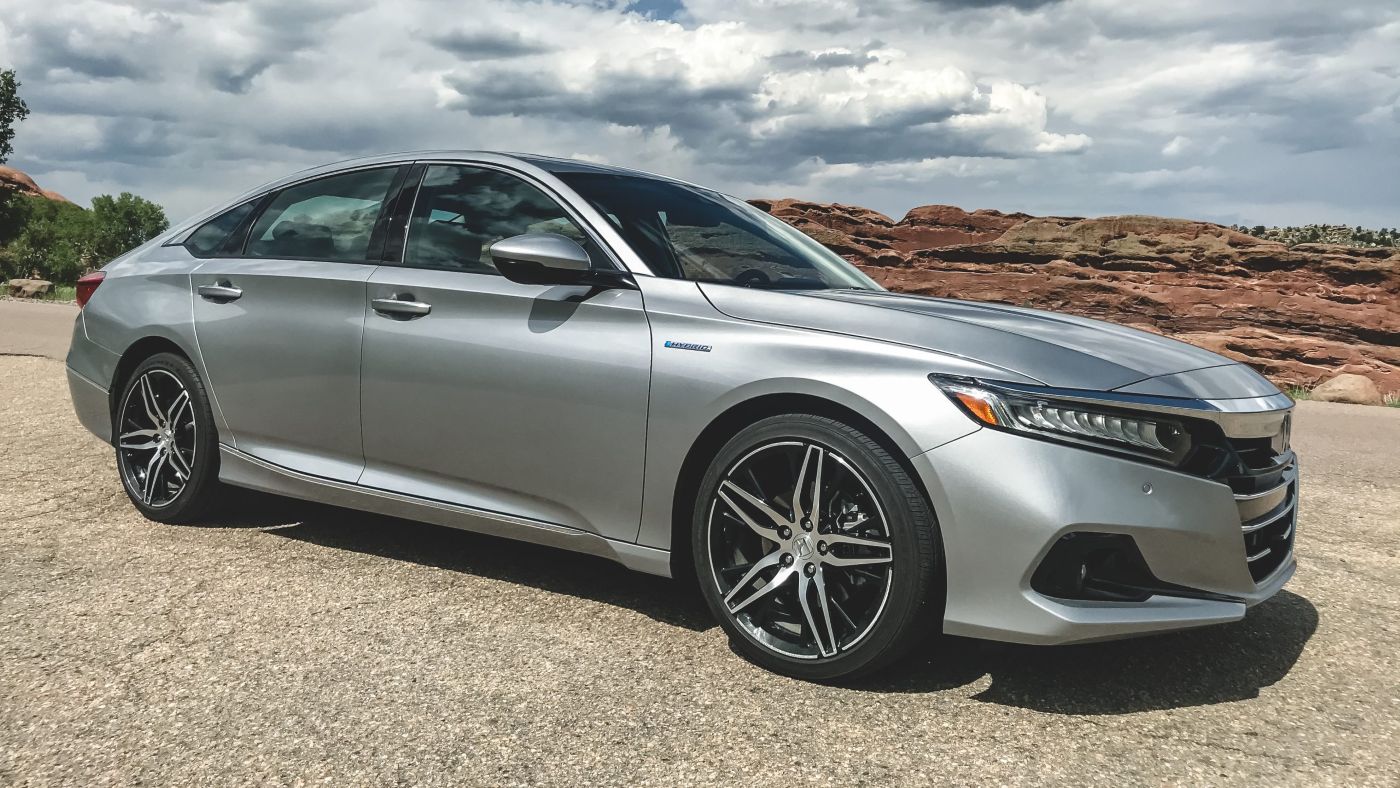
2. Honda Accord Hybrid (2018–2022)
The Honda Accord Hybrid often flies under the radar, but those who own one frequently report being more than satisfied. It’s a mid-size sedan that provides both performance and efficiency without sacrificing the comfort and refinement of the traditional Accord.
The most common surprise among owners is how engaging the driving experience is. Unlike some hybrids that feel sluggish or disconnected, the Accord Hybrid provides strong acceleration and a confident, composed ride.
One area that earns consistent praise is the powertrain tuning. The system delivers immediate torque, which makes city driving feel responsive and effortless. Highway driving is equally smooth, thanks to the hybrid’s clever ability to switch between modes without any awkward transitions.
Honda’s use of a two-motor hybrid system results in fewer mechanical components than a traditional transmission, which not only boosts efficiency but also reduces maintenance headaches.
Interior quality also earns high marks. Many buyers expecting a no-frills experience are pleasantly surprised to find upscale materials, comfortable seating, and advanced tech features that are standard even in base trims. Apple CarPlay, Android Auto, and a well-integrated touchscreen interface make it easy to live with. The cabin is quiet, and road noise is well managed, making long trips more enjoyable than expected.
The Accord Hybrid also proves itself with real-world fuel economy that often exceeds EPA ratings. Many owners report averaging over 45 mpg without changing their driving habits. On top of that, it retains Honda’s core strengths: longevity, solid build quality, and excellent resale value. It’s the type of hybrid that doesn’t ask for compromise, which surprises people used to thinking hybrids were all about economy and not much else.
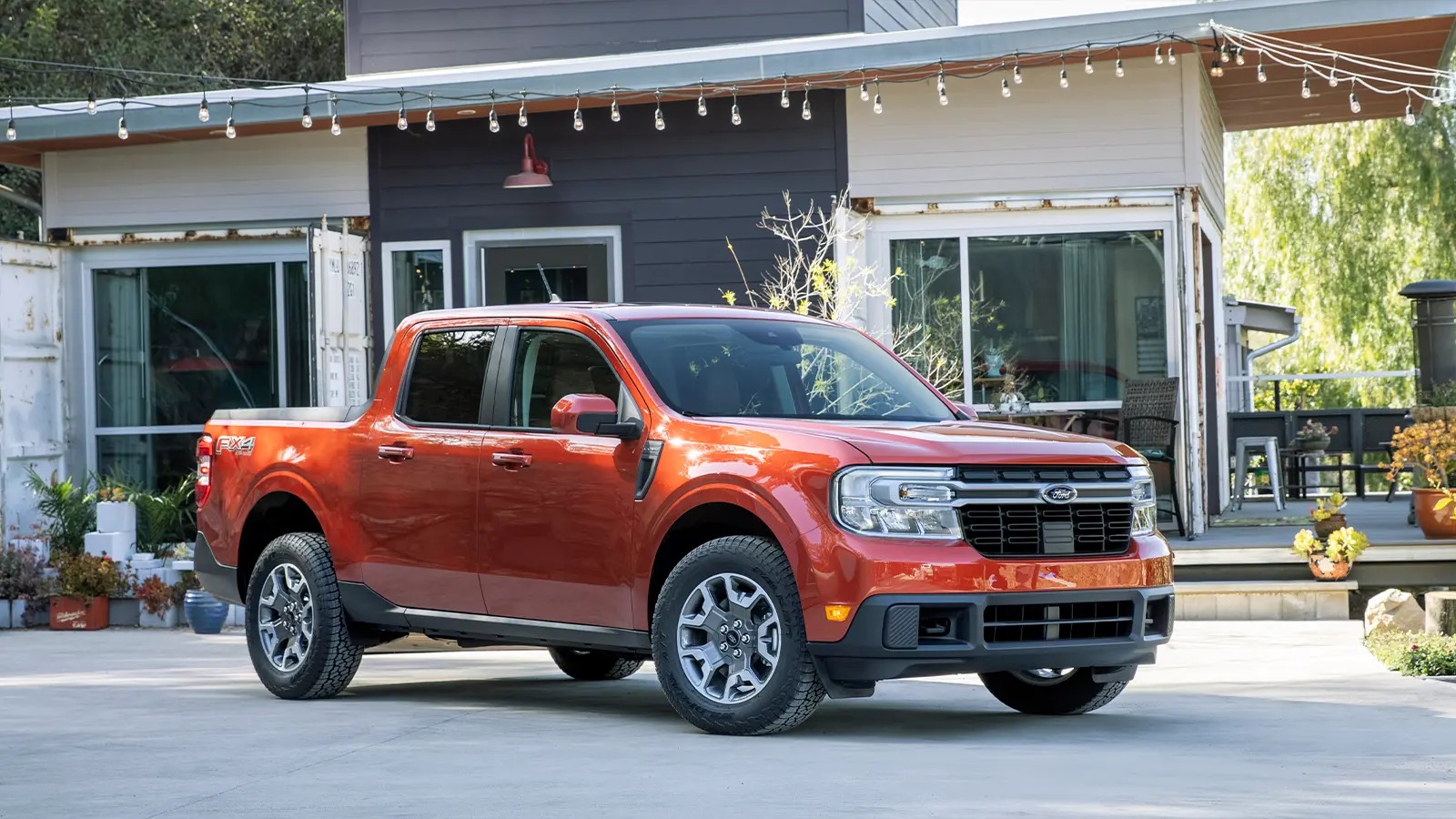
3. Ford Maverick Hybrid (2022–Present)
When Ford announced a small pickup that would come standard with a hybrid powertrain, most people didn’t know what to expect. It turns out the Maverick Hybrid has become one of the most pleasantly surprising hybrid vehicles on the market. It’s a budget-friendly truck with excellent fuel economy, practicality, and a driving experience that makes owners feel like they’re getting more than they paid for.
One of the biggest surprises is how well the hybrid system works in a pickup format. While it’s front-wheel drive only in hybrid form, the power delivery is smooth and predictable. It handles city and highway duties with ease, and the gas mileage is unheard of in a truck; many drivers report over 40 mpg in mixed driving. It’s an affordable option that doesn’t feel cheap in use.
Interior design and build quality are better than many expected. The materials are durable but well-thought-out, with smart storage options and plenty of user-friendly features. The infotainment system is simple and effective, and even the base model includes smartphone integration. People buying the Maverick Hybrid expecting a bare-bones work truck are often shocked by how livable it is as a daily driver.
What really impresses people is the versatility. The Maverick Hybrid has enough bed space for weekend projects, and the rear seat folds in clever ways to expand storage inside the cabin. The price point makes it accessible to younger buyers or those downsizing from larger trucks, and yet it doesn’t feel like a compromise. It fills a niche that was previously ignored: a small, efficient truck that actually makes sense for everyday life.
Ford has had mixed results with hybrids in the past, but the Maverick Hybrid shows they’ve learned from previous efforts. It’s a well-executed, forward-thinking vehicle that challenges what people expect from both hybrids and pickups.
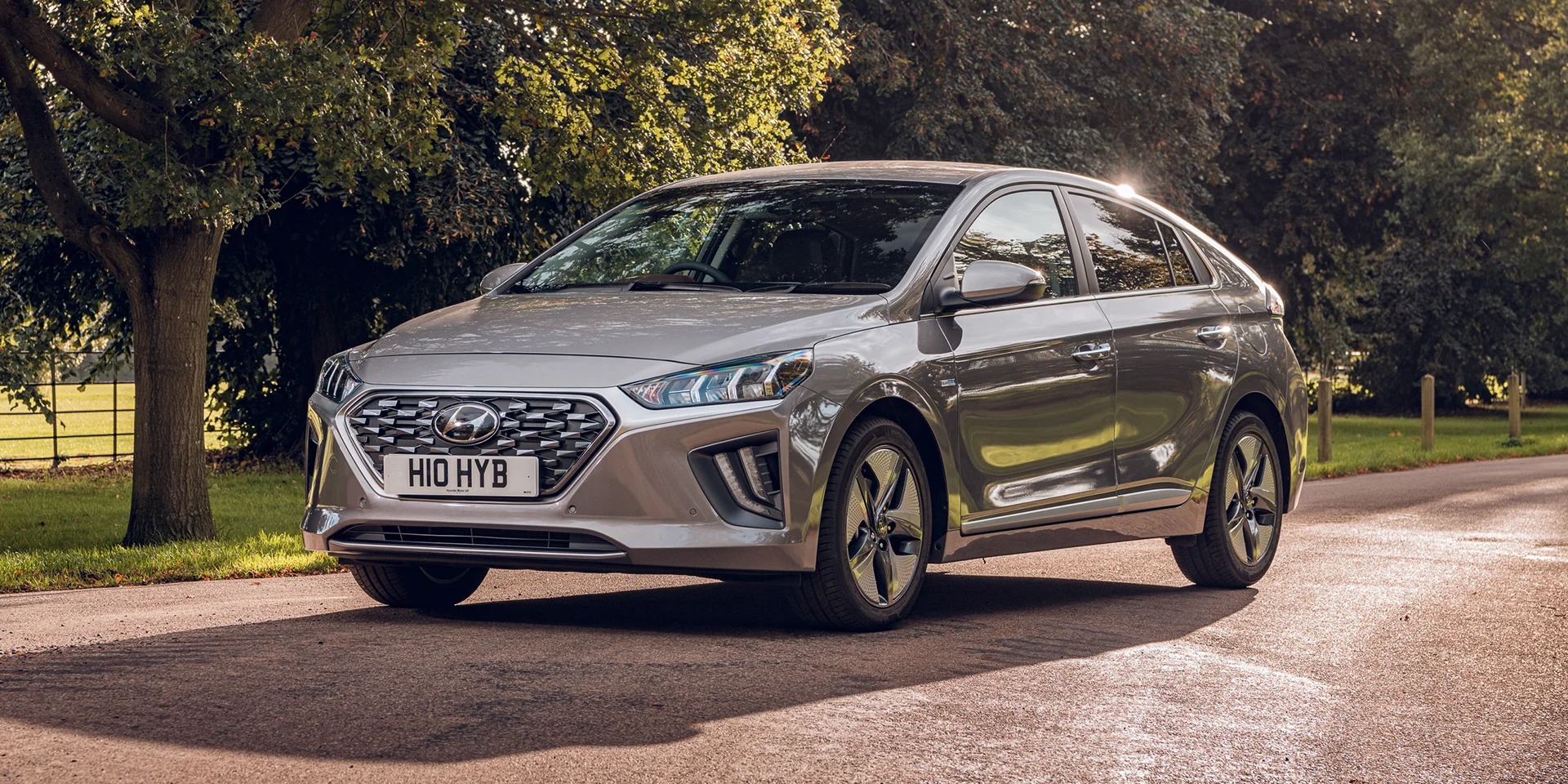
4. Hyundai Ioniq Hybrid (2017–2022)
The Hyundai Ioniq Hybrid entered a competitive market and managed to carve out a space for itself with quiet competence. What surprises most owners is just how fuel-efficient and trouble-free the Ioniq really is. It achieves higher miles per gallon than most competitors, including the Prius, without requiring any special driving techniques. For those who just want a reliable, affordable, and efficient vehicle, the Ioniq delivers in spades.
Another point that consistently impresses owners is the traditional driving feel. Unlike many hybrids that use continuously variable transmissions, the Ioniq uses a dual-clutch automatic. This provides snappier shifts and a more familiar driving experience. It avoids the rubber-band sensation often associated with hybrids and feels more connected to the road, especially during acceleration.
Interior tech and build quality are also above expectations for the price. The infotainment system is responsive, the materials are modern, and the seating is comfortable for long distances. The hatchback layout provides decent cargo room, and everything in the cabin feels logically placed. Many buyers find themselves wondering why more people aren’t talking about this car.
Long-term ownership has also proven to be favorable. Reliability reports are positive, and there have been very few widespread issues. Battery performance remains strong even as the miles rack up, and maintenance costs are quite low. It’s not the flashiest car on the road, but the Ioniq Hybrid earns quiet loyalty by simply doing everything well, and doing it more efficiently than most would expect.
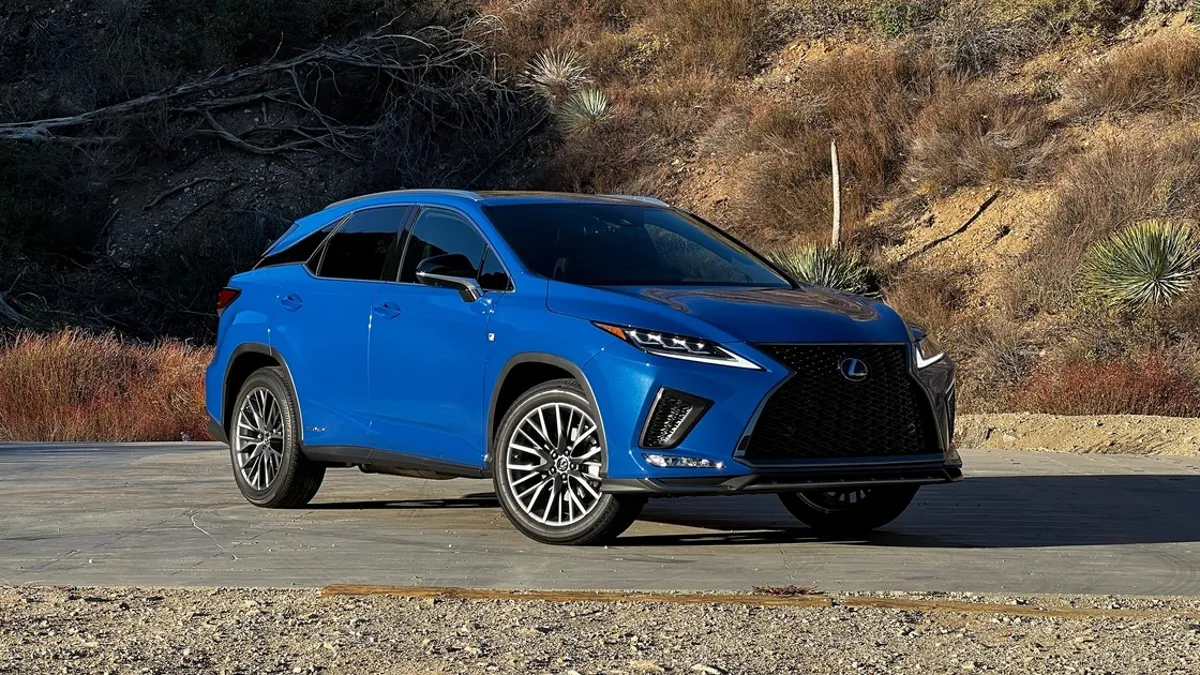
5. Lexus RX 450h (2016–2021)
The Lexus RX 450h is a midsize luxury SUV that surprises owners with a combination of smooth power delivery, luxury-level comfort, and impressive long-term reliability. Many buyers come into ownership expecting a higher-end experience, but what surprises them most is how well the hybrid system blends with the luxury components to create a vehicle that feels far more polished than its competitors.
Ride comfort is one of the standout features. The suspension setup smooths out rough pavement, and cabin insulation keeps road and wind noise to a minimum. The hybrid system operates quietly, almost to the point where drivers have to double-check whether the engine is running.
This quietness doesn’t come at the expense of responsiveness either. The RX 450h offers smooth and consistent acceleration, making city driving feel effortless and highway merging stress-free. The all-wheel-drive setup available on most models provides confidence in various weather conditions, while the electric motors work in the background to optimize traction and efficiency.
Interior quality and layout are also high points that tend to surpass expectations. The materials used throughout the cabin are soft-touch, tightly fitted, and durable. Lexus doesn’t go overboard with complicated screens or touch-sensitive panels, instead, the RX 450h maintains a balance between modern tech and physical controls.
The seats are plush and supportive, ideal for long trips, and there’s ample space for both passengers and cargo. Owners frequently mention how well the leather and trim hold up over time, with very little visible wear even after several years of daily use.
Fuel economy is another aspect that surprises many, especially considering the RX’s size and luxury orientation. With EPA ratings in the mid-30s for combined driving, the RX 450h outperforms many gas-only crossovers and SUVs in its class. Real-world results often meet or exceed those numbers, particularly in urban driving.
This blend of efficiency and luxury is what really elevates the ownership experience. People often expect a tradeoff, either comfort or savings, but the RX manages to offer both. This makes it a long-term favorite among families, professionals, and retirees alike.
Where the RX 450h really surprises long-term is in maintenance and reliability. Despite being a luxury vehicle with a complex powertrain, it holds up exceptionally well. Lexus’ reputation for reliability is backed by owner experiences showing very few problems even past the 100,000-mile mark.
Battery degradation is minimal, the hybrid system remains smooth, and mechanical reliability is on par with Toyota’s best models. Owners often find themselves keeping their RX longer than expected because the cost of ownership remains so low. It’s a hybrid that doesn’t feel like one, and that’s why it consistently exceeds expectations.
Also Read: 10 Trucks That Mechanics Say Are Built Like Tanks
5 Hybrids That Constantly Fail
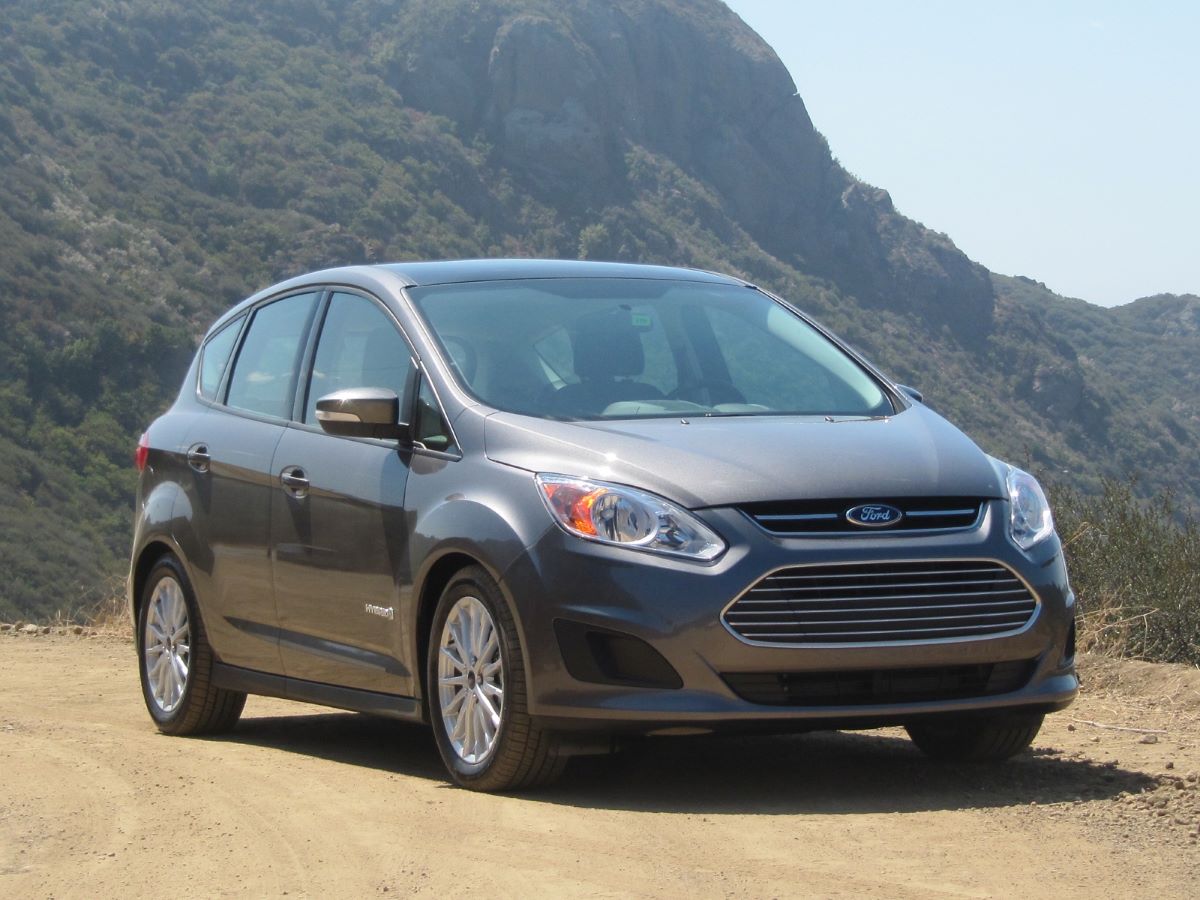
1. Ford C-Max Hybrid (2013–2018)
The Ford C-Max Hybrid arrived with high hopes and strong marketing, but it didn’t take long for disappointment to set in. At launch, it was positioned as a direct competitor to the Toyota Prius, offering a more traditional driving experience and a stylish, tall-hatchback design.
However, many owners quickly discovered that it failed to deliver on its biggest promise: fuel efficiency. Ford had to revise its MPG ratings downward shortly after release due to widespread consumer complaints that real-world mileage was far below advertised numbers. This created an immediate trust issue between Ford and its hybrid customers.
Beyond fuel economy, the driving experience left much to be desired. The hybrid system was often jerky and inconsistent, especially at low speeds. Transitions between electric and gas modes were noticeable and at times harsh.
Owners also reported excessive engine noise under acceleration and an lack of refinement compared to Toyota and Honda hybrids. While it offered decent power, the poor calibration of the hybrid system made it feel less responsive and more awkward to drive in stop-and-go traffic, where hybrids should ideally shine.
Long-term reliability also became a sticking point. While some owners had relatively trouble-free experiences, others encountered a host of electrical issues, hybrid system faults, and even early battery degradation. Many C-Max hybrids required unexpected repairs before hitting 100,000 miles.
These included problems with the transmission, electronic control units, and climate systems. When combined with limited aftermarket support and expensive dealership service costs, this made ownership frustrating for people who expected low-maintenance, high-mileage driving.
The final blow was the resale value. As word spread about the C-Max’s shortcomings, demand dropped sharply. Trade-in values fell below expectations, and buyers looking at used models often hesitated due to reliability concerns.
Even though it had good cargo space and a higher seating position than a sedan, these positives weren’t enough to outweigh the growing list of issues. For many who bought the C-Max Hybrid, it became a case of initial optimism turning into prolonged disappointment.
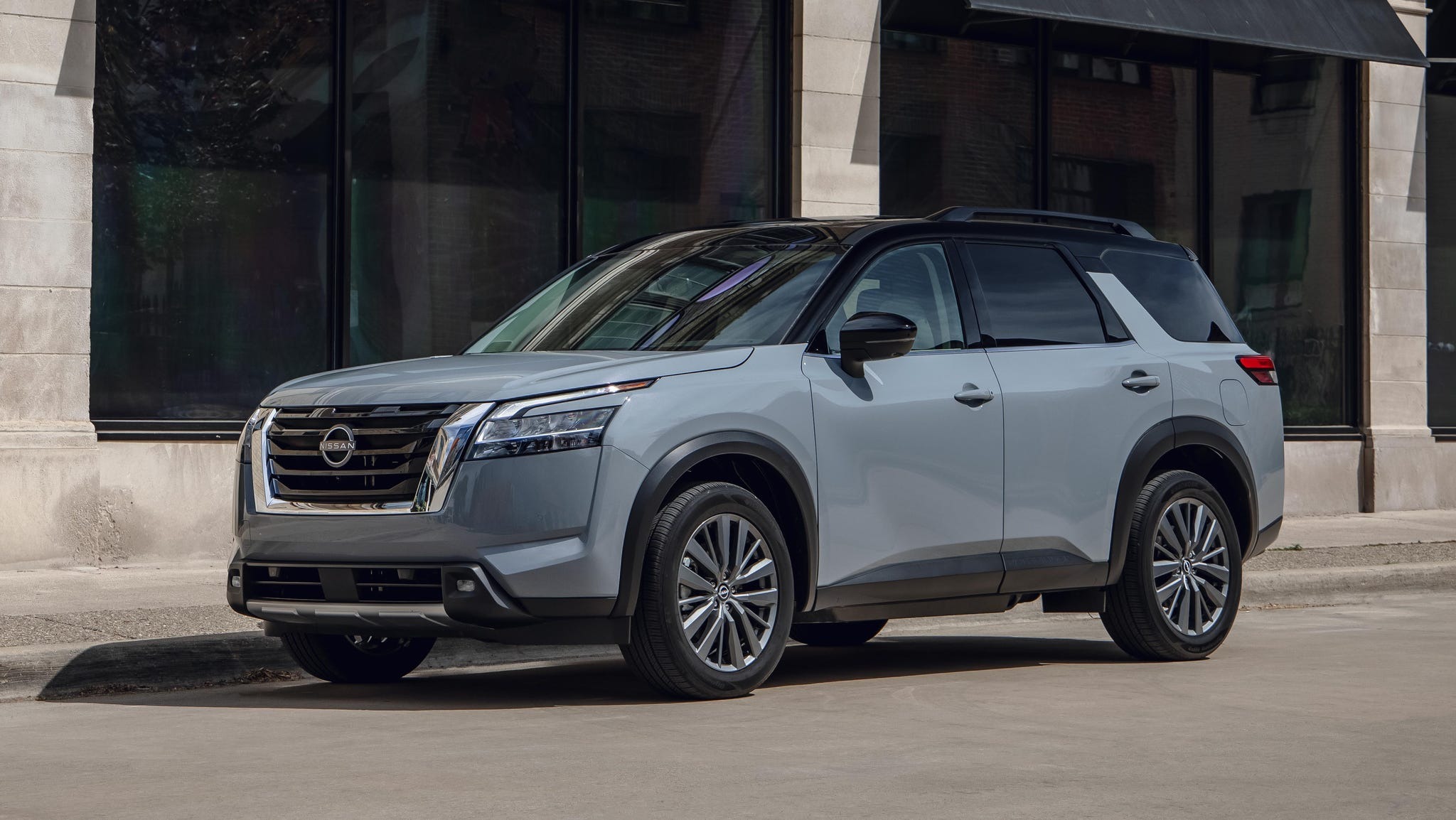
2. Nissan Pathfinder Hybrid (2014–2015)
The Nissan Pathfinder Hybrid had a very short run, and there’s a reason for that. Nissan attempted to hybridize its mid-size SUV platform using a supercharged four-cylinder engine paired with an electric motor. On paper, it looked promising, better fuel economy and the same three-row versatility as the regular Pathfinder.
In reality, it turned out to be one of the most unreliable and poorly executed hybrids of the last decade. Owners were met with performance issues, technical glitches, and a hybrid system that seemed slapped together rather than properly engineered.
One of the most consistent complaints involved the powertrain. The combination of a small supercharged engine and a CVT resulted in sluggish performance, rough shifting, and awkward power delivery. Acceleration felt strained, especially with passengers or cargo on board.
Unlike most hybrids that are optimized for smooth transitions between gas and electric power, the Pathfinder Hybrid’s system was clunky and unrefined. It wasn’t just disappointing for a hybrid, it was subpar compared to nearly all competitors in the same segment, hybrid or not.
Reliability was another major issue. The hybrid battery tended to degrade early, and the CVT transmission, which was already a weak point in many Nissan models, was particularly prone to failure in this application.
Owners reported expensive out-of-warranty repairs and frequent service visits for software updates or driveability problems. Even when the vehicle ran properly, many experienced poor fuel economy that barely exceeded the standard gasoline version, negating the supposed benefits of choosing the hybrid in the first place.
After just two years on the market, Nissan pulled the plug on the Pathfinder Hybrid, and it’s now often cited as a cautionary tale. Few parts are available for the hybrid system, and dealerships are often unfamiliar with diagnosing or repairing the vehicle. Owners who bought in expecting an efficient family SUV were left with a product that neither saved money nor delivered reliability. For most, it was a gamble that did not pay off.
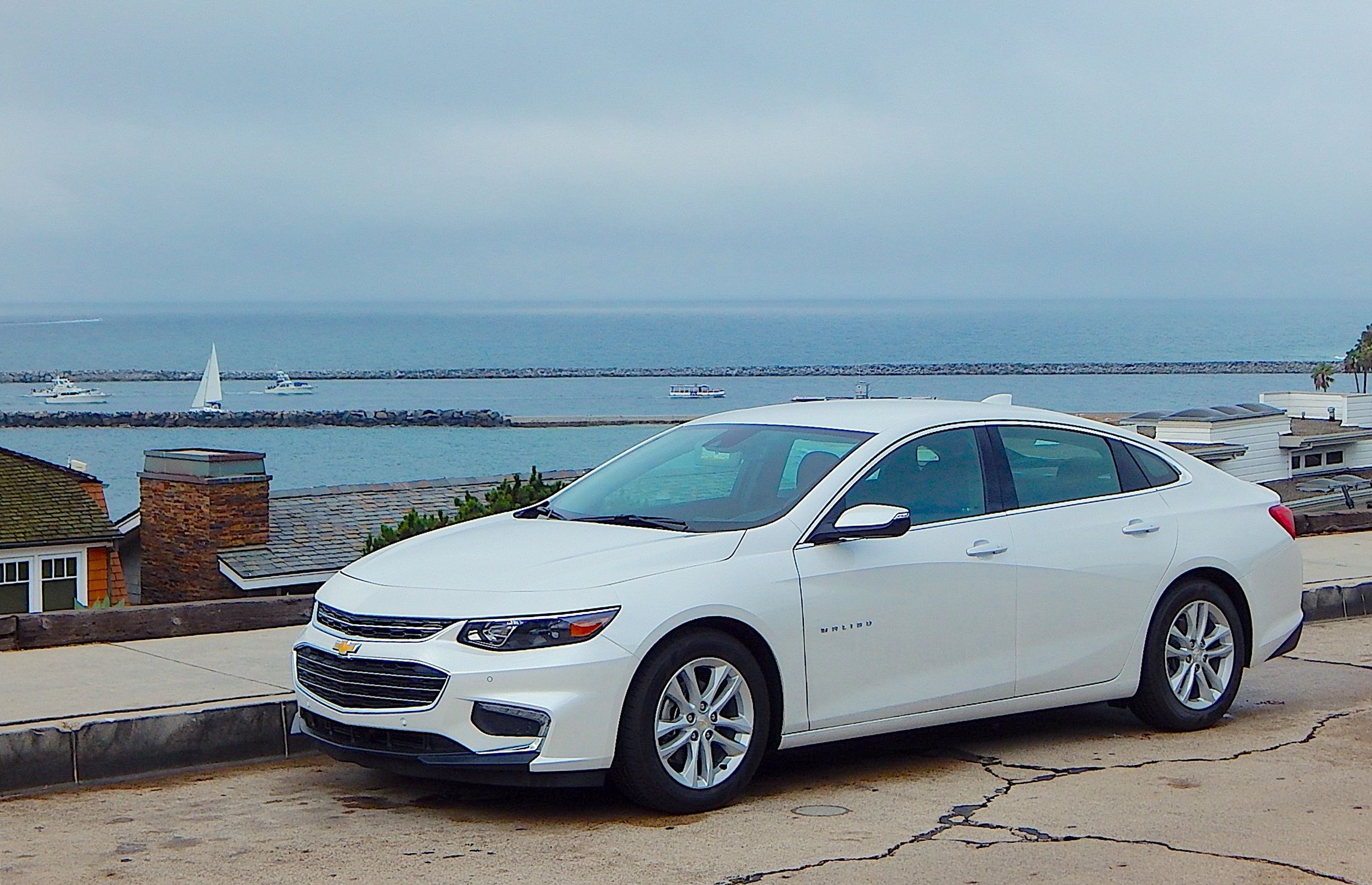
3. Chevrolet Malibu Hybrid (2016–2019)
The Chevrolet Malibu Hybrid seemed like a good idea, a mid-size sedan with sleek styling, solid power, and hybrid fuel efficiency. But the reality of owning one has proven to be more trouble than it’s worth for many people.
While initial reviews praised the car for its quiet ride and improved gas mileage over the regular Malibu, long-term ownership revealed an unsettling number of problems. The Malibu Hybrid used a variation of the Volt’s powertrain, but it didn’t benefit from the same level of development and reliability.
One of the biggest issues has been electrical system failure. Owners have reported problems ranging from faulty sensors to complete system shutdowns while driving.
These aren’t just isolated incidents either. Many forums and reports highlight recurring problems with the hybrid battery management system and various warning lights that frequently appear without explanation. This makes driving the car feel uncertain, and repairs often require specialized service that isn’t available at every dealership.
Fuel economy also failed to live up to expectations for many. While EPA ratings showed over 45 mpg, real-world figures often landed in the mid-30s. In cold weather, the system relied more heavily on the gasoline engine, which led to frequent complaints from owners in northern climates.
Combined with the already questionable hybrid reliability, these fuel savings weren’t enough to justify the higher purchase price and repair costs over a standard model.
Resale value has taken a big hit due to these issues. Potential buyers shy away from the hybrid version in favor of more reliable gas-only or non-Chevrolet hybrids. And as GM shifted focus away from hybrids in favor of fully electric vehicles, support for models like the Malibu Hybrid has dwindled.
For those who bought it expecting to enjoy years of trouble-free, efficient driving, the experience has often been the opposite.
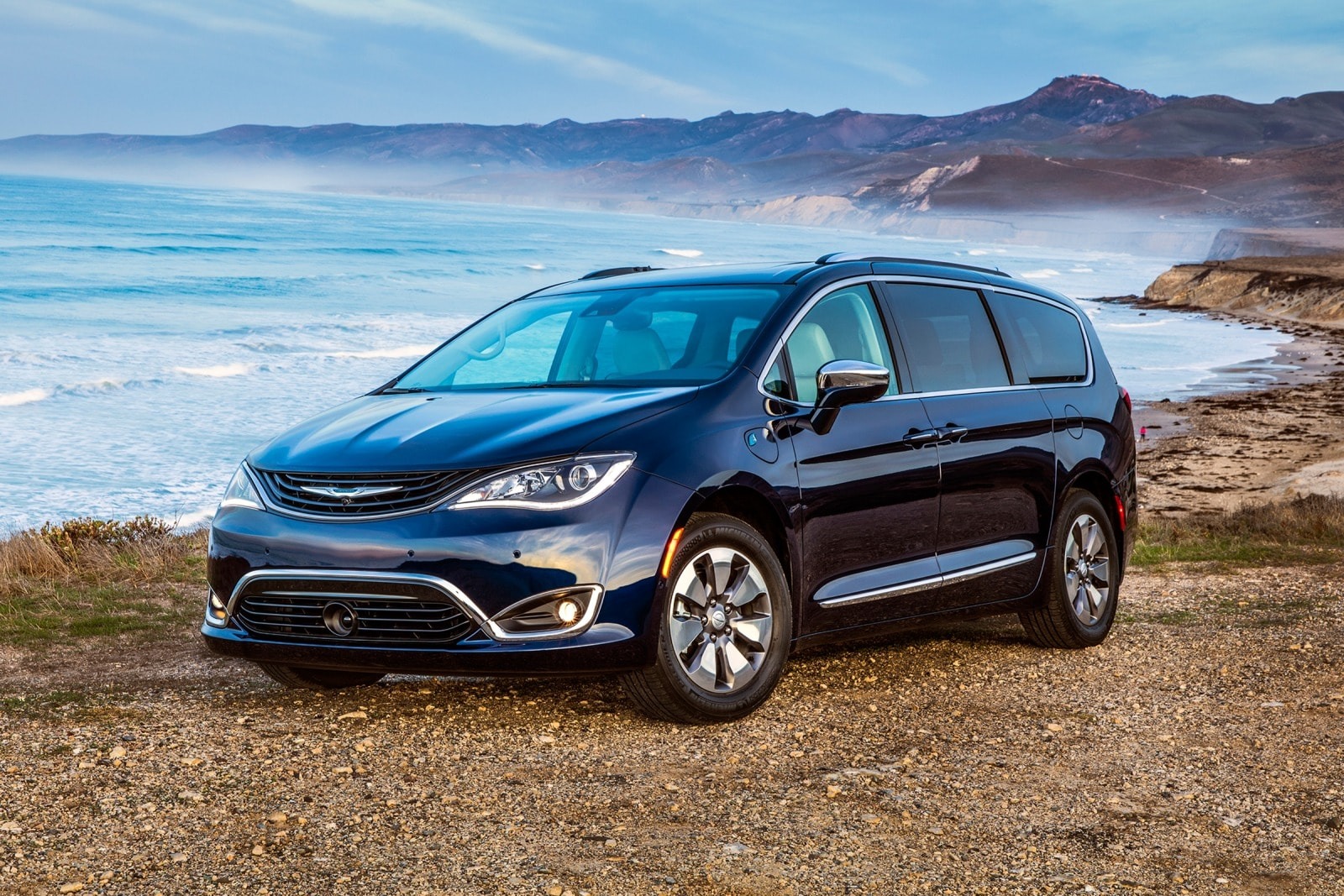
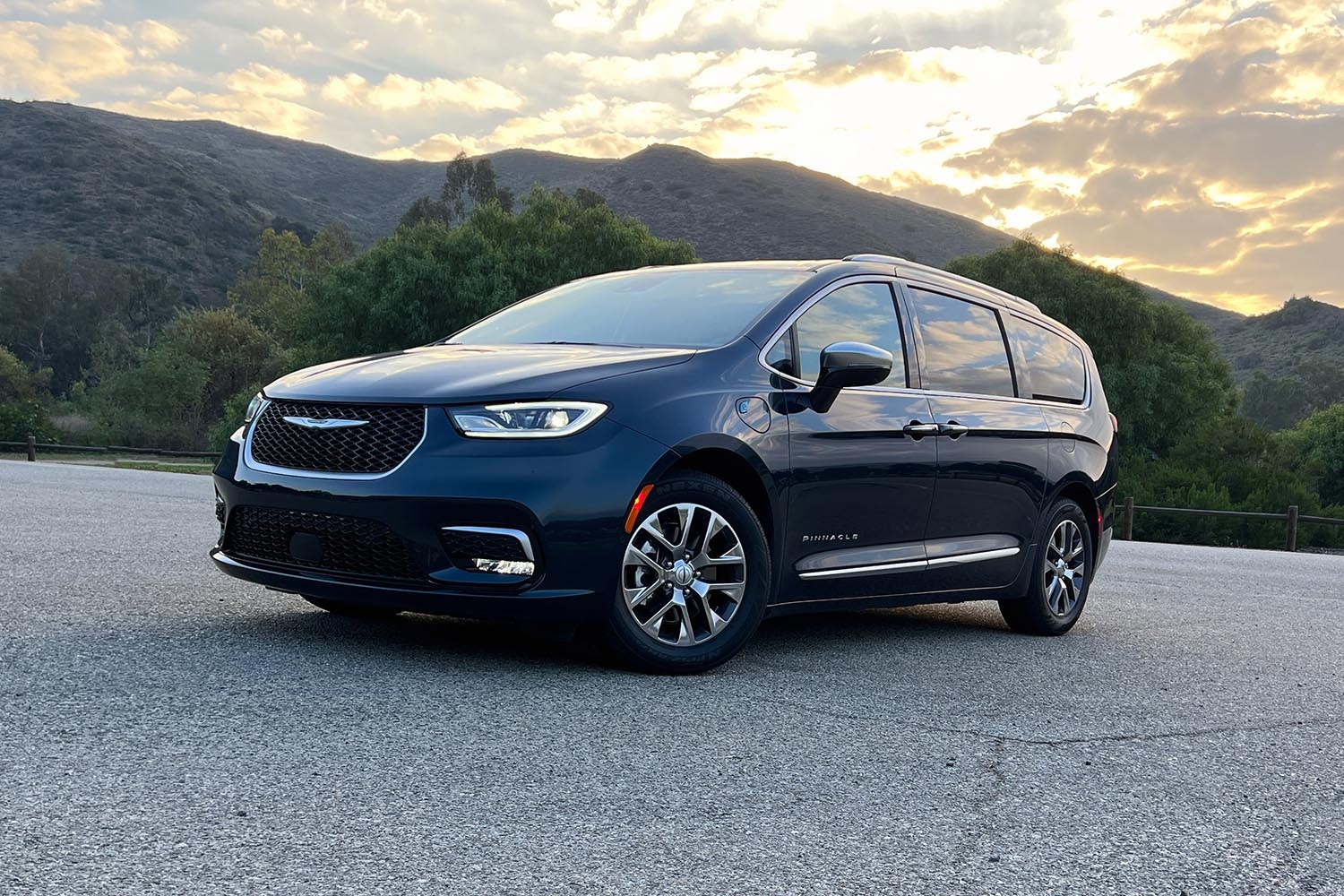
4. Chrysler Pacifica Hybrid (2017–2021)
The Chrysler Pacifica Hybrid was marketed as a groundbreaking plug-in hybrid minivan, the first of its kind. It offered electric-only driving for short trips and the flexibility of gas power for longer journeys. On paper, this was the perfect family vehicle.
However, owners have encountered a range of problems that undermine its practicality and raise serious concerns about reliability. Many families who bought the Pacifica Hybrid expecting peace of mind instead found themselves dealing with repeated visits to the service center.
Electrical issues are the most common complaint. Owners have reported everything from minor glitches like the infotainment system freezing to major failures involving the hybrid battery system and charging port.
Some Pacifica Hybrids have experienced sudden shutdowns or refused to start after sitting overnight, particularly in colder climates. Software updates sometimes fix the problem temporarily, but in many cases, full battery replacements or extensive diagnostics are required.
Build quality has also been inconsistent. For a vehicle positioned as a premium family minivan, the fit and finish often fall short. Rattles, squeaks, and prematurely worn interior materials are frequently mentioned by long-term owners.
The sliding doors and liftgate sometimes malfunction, and electrical components like power windows or climate controls may stop working altogether. For a vehicle that is often filled with children and used for long road trips, these problems can quickly become more than a minor inconvenience.
The plug-in nature of the Pacifica Hybrid also creates some ownership headaches. Unlike pure EVs, the electric range is limited to around 30 miles, and charging can take several hours on a standard outlet.
When combined with the mechanical and electrical issues, this turns what should be a convenient vehicle into one that often requires too much attention and repair. Chrysler has made improvements in later models, but the earlier versions left a lasting impression on many owners who feel they were sold a half-baked product.
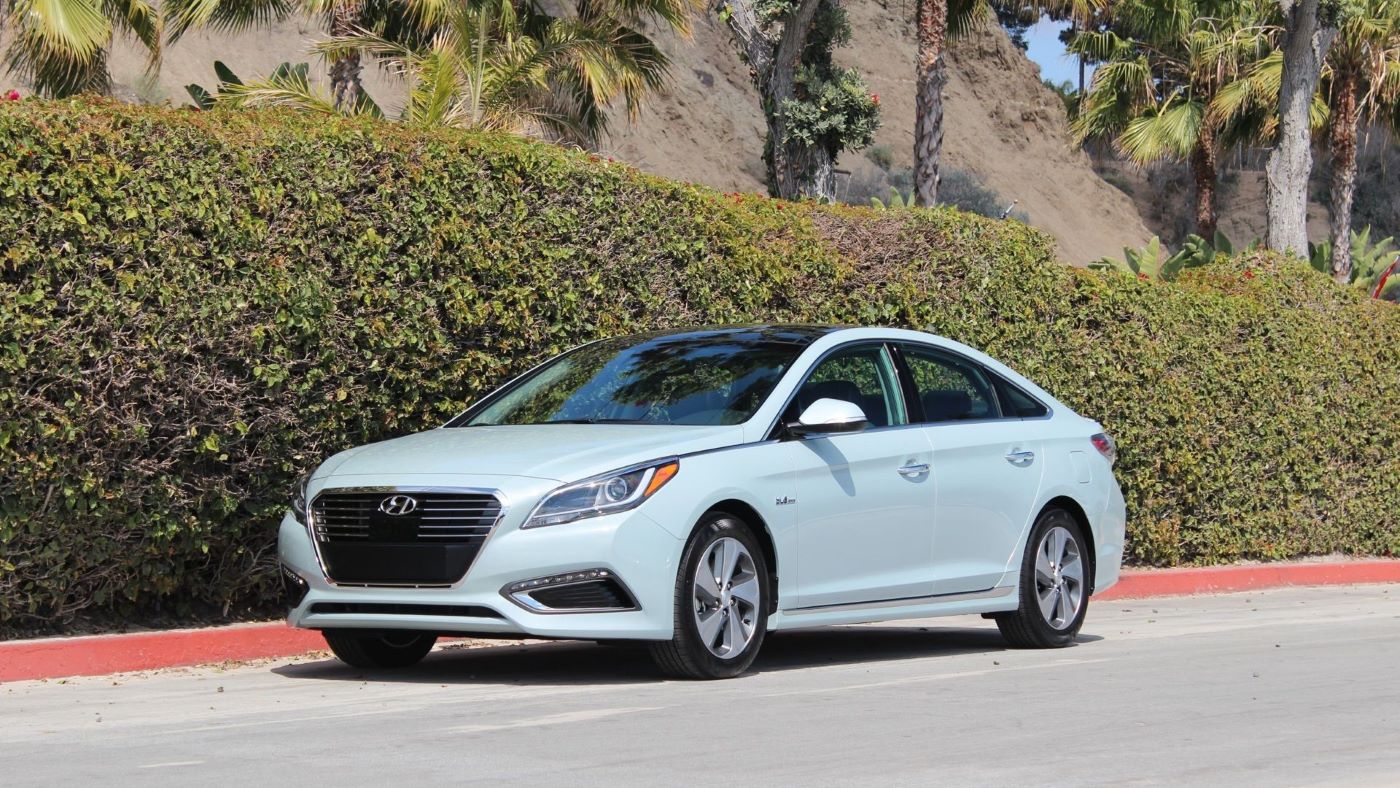
5. Hyundai Sonata Hybrid (2011–2015)
The first-generation Hyundai Sonata Hybrid represents an early attempt by Hyundai to enter the hybrid market, and it didn’t go particularly well. These models were plagued by inconsistent fuel economy, awkward transmission behavior, and significant long-term reliability concerns.
Owners who purchased them, hoping for a dependable, fuel-saving alternative to the gas version, often found themselves stuck with expensive repairs and disappointing performance.
The most noticeable flaw was in the hybrid system’s drivability. Hyundai used a traditional six-speed automatic transmission in place of the more common CVT found in other hybrids. While this was supposed to create a more engaging driving experience, it often resulted in harsh gear changes and delayed throttle response. The transition between electric and gas modes was anything but smooth, leading to a driving experience that felt confused and jerky, especially in stop-and-go traffic.
Battery-related issues were also a persistent headache. Many early Sonata Hybrids experienced premature battery failure or malfunctions in the battery control unit. Replacements weren’t cheap, and warranty support was inconsistent depending on dealership and location.
Additionally, many owners reported engine and electrical problems that further eroded confidence in the vehicle. What should have been a low-maintenance option instead turned into a car that was unpredictable and costly to keep on the road.
Finally, the design choices inside the cabin didn’t hold up over time. The materials wore quickly, and early infotainment systems became outdated and buggy. Rear visibility was poor, and road noise was excessive at highway speeds.
Combined with the hybrid system’s lackluster refinement, this made the Sonata Hybrid feel like an unfinished experiment. Hyundai has significantly improved its hybrid technology since then, but the first-generation Sonata Hybrid serves as a reminder that not every early adopter benefits from being first in line.
