
Living and driving in a city is a unique challenge that tests both the driver and the vehicle on a daily basis. Urban environments are often harsh on cars due to constant stop-and-go traffic, pothole-riddled roads, tight parking spaces, and frequent encounters with curbs and other obstacles.
The demands of city driving put vehicles through intense stress, including strain on brakes, suspensions, transmissions, and engines. Many drivers know firsthand how quickly a car can start to show wear and tear when subjected to such conditions day after day.
While some vehicles are built to take these pressures and keep on running reliably, others seem to falter, requiring constant repairs or showing signs of mechanical decline prematurely.
The vehicles that perform well in these environments typically offer a combination of sturdy construction, thoughtful engineering, and durable components that can endure the abuses that city driving inflicts. These cars also usually provide excellent maneuverability, good fuel efficiency, and reliable braking systems that can cope with frequent stops.
On the other hand, cars that fail under urban stress often struggle due to fragile suspensions, poor reliability records, or designs that don’t prioritize the realities of city life. Their components wear out faster, and they often become expensive to maintain as problems pile up.
Choosing the right car for a city lifestyle can mean the difference between enjoying your daily commute or facing constant frustration and costly visits to the mechanic. It is important to recognize the characteristics that allow certain cars to thrive in the urban jungle while others buckle under pressure.
This article aims to highlight five cars that are known for handling the rigors of city abuse well and five that tend to struggle. The goal is to help city drivers make more informed decisions based on durability, reliability, and practical design suited for tough city conditions.
Also Read: 10 Cars Mechanics Say Will Easily Hit 400k Miles
5 Cars That Handle Abuse in Cities
1. Toyota Corolla
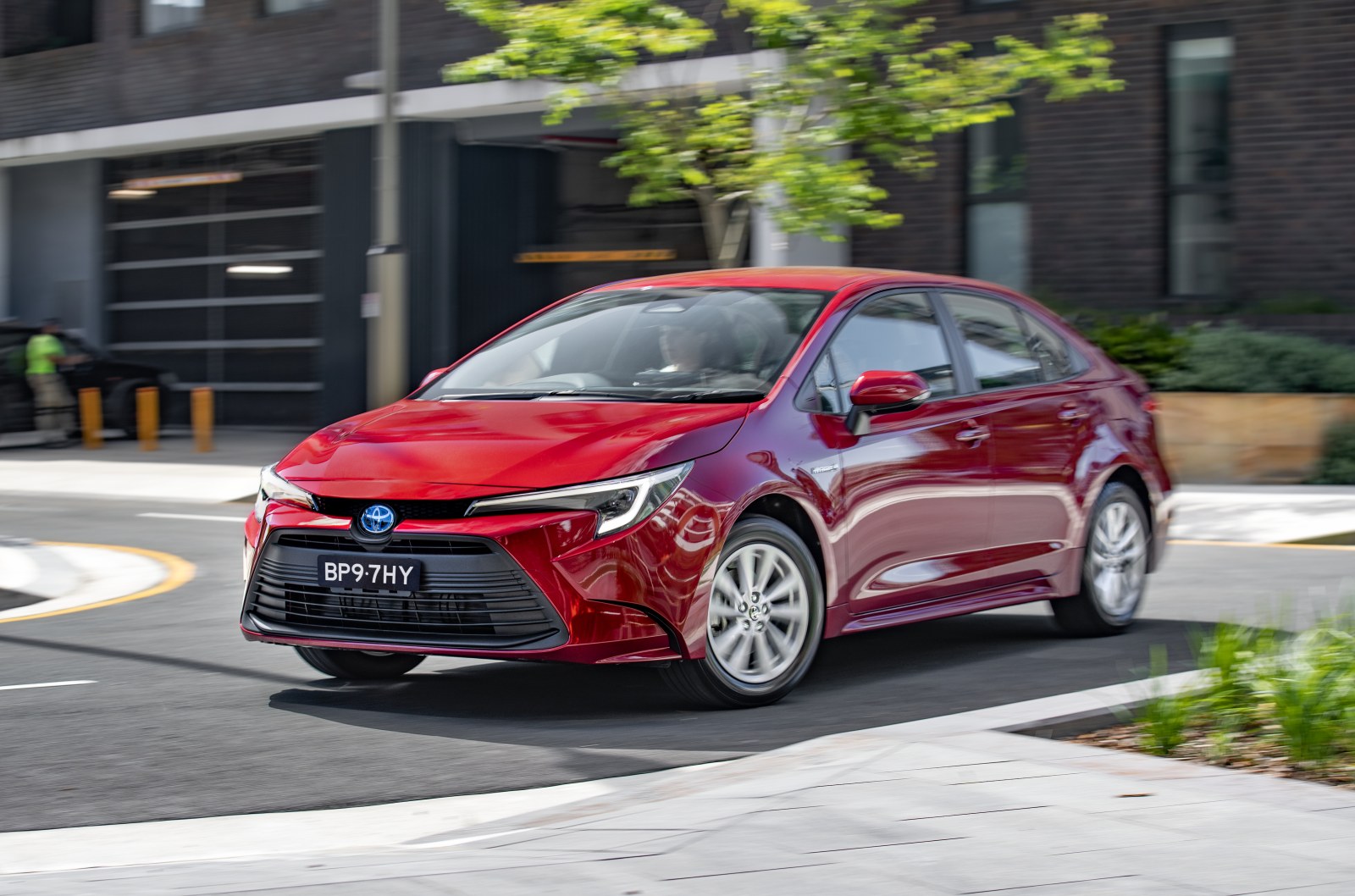
The Toyota Corolla has earned its reputation as one of the most dependable compact cars, and much of this reliability stems from its well-thought-out design and engineering that focus on everyday usability.
In city environments, where roads can be unpredictable and full of imperfections such as potholes, speed bumps, and cracked pavement, the Corolla’s suspension system excels at absorbing shocks without transferring excessive vibration or noise into the cabin.
This translates into a more comfortable ride for passengers and less stress on the car’s internal components over time. Unlike some cars that have overly stiff suspensions or delicate chassis components, the Corolla strikes a solid balance, making it durable enough to take the punishment that city streets often deal out.
Under the hood, the Corolla’s engine is a key contributor to its urban toughness. Typically outfitted with a four-cylinder engine that blends performance and fuel economy, it handles the constant stopping and starting of city driving with ease.
The engine design includes efficient cooling systems and durable parts that minimize wear during frequent idling and acceleration, which can otherwise cause overheating or premature failure in less robust vehicles.
Additionally, Toyota’s engineering ensures smooth gear shifts and reliable transmissions, even in the face of frequent short trips and sudden speed changes common in city traffic.
Another aspect that makes the Corolla highly suitable for urban abuse is its braking system. City driving demands brakes that can handle constant use without fading or losing responsiveness, and the Corolla’s braking components are well-regarded for their durability and consistency.
The anti-lock braking system and electronic brakeforce distribution work in tandem to ensure safe stopping in a variety of traffic scenarios. Moreover, the widespread availability of replacement parts and the generally low cost of maintenance help the Corolla maintain its resilience. City drivers benefit from the knowledge that repairs won’t become overly expensive or difficult to source.
Practicality is also a factor that adds to the Corolla’s success in urban settings. Its compact dimensions make it easy to maneuver in crowded streets and tight parking spots, while its surprisingly spacious interior means passengers can travel comfortably without feeling cramped.
The car’s simple but effective design avoids overly complicated technology that could break down under strain. Overall, the Corolla’s mix of comfort, durability, ease of maintenance, and reliable performance make it a vehicle that consistently handles the rigors of city driving better than most competitors.
2. Honda Civic
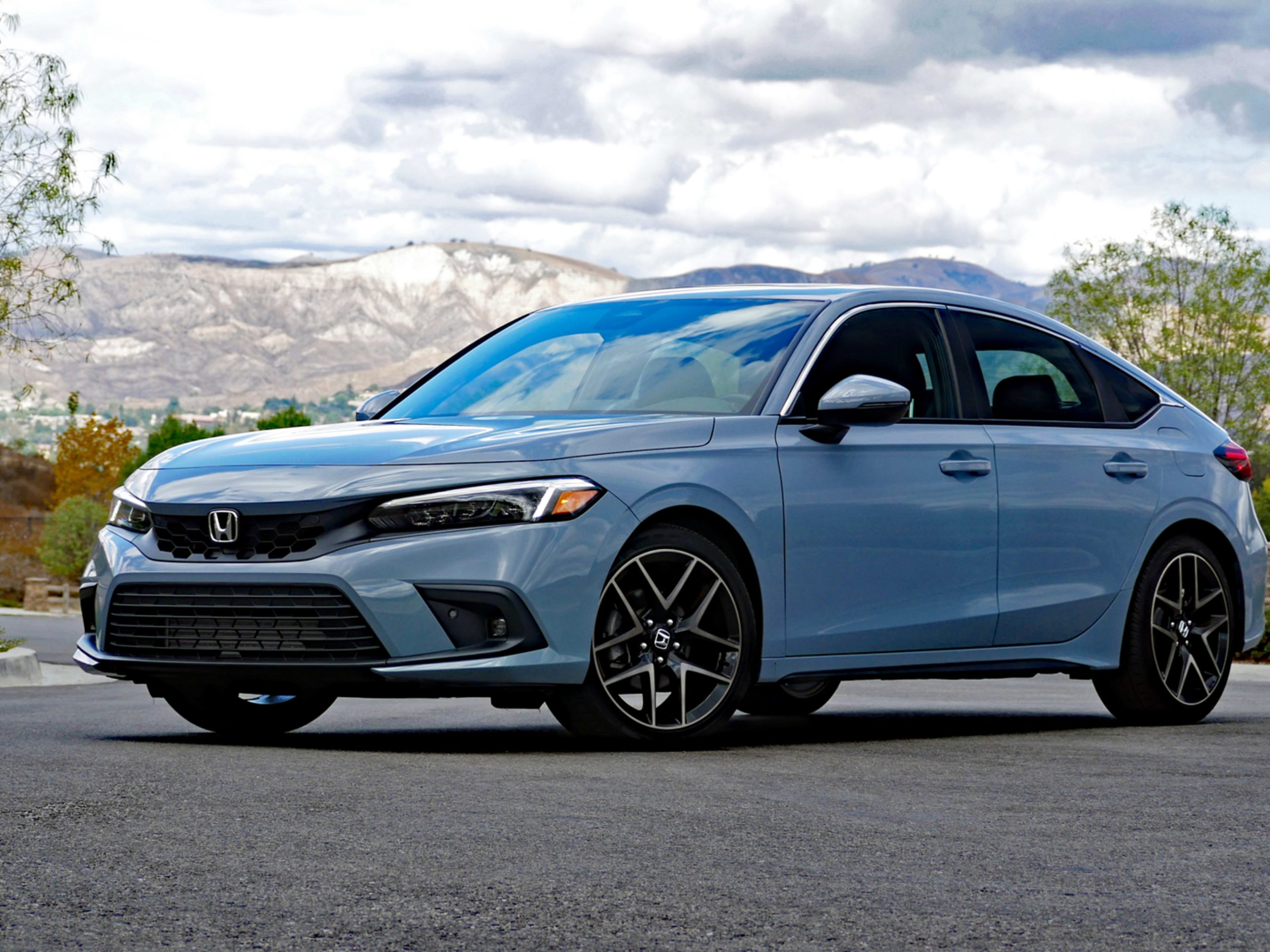
The Honda Civic is another car with a longstanding reputation for combining durability and everyday performance in urban conditions. Its suspension is particularly well-suited to city driving because it balances comfort with control, absorbing road imperfections while maintaining stability and responsiveness.
This is critical when navigating potholes or uneven pavement frequently found in cities, as it protects the car’s undercarriage and other components from excessive damage. Civic drivers often report that the car feels stable and planted even on rougher city streets, which is a testament to Honda’s attention to suspension tuning and chassis integrity.
The engine choices available in the Civic lineup are known for their robust construction and efficiency. Whether it’s a naturally aspirated or turbocharged variant, the engine is engineered to deliver consistent power without being easily stressed by stop-and-go traffic.
This helps prevent common urban driving problems such as overheating or excessive wear on engine components. The transmission is also designed to provide smooth shifts under these conditions, whether it’s the manual or continuously variable automatic transmission (CVT), ensuring that drivers don’t experience jerking or delayed power delivery.
Safety and control are other areas where the Civic shines in a city setting. The braking system is engineered to remain effective under repeated stops, which is essential when traffic lights, pedestrian crossings, and sudden obstacles force frequent deceleration.
Honda’s integrated safety features, including stability control and anti-lock brakes, contribute to preventing accidents or minor collisions in crowded areas. Additionally, the car’s design emphasizes driver visibility, helping to spot hazards and reduce the likelihood of scrapes or bumps in narrow lanes or parking garages.
Finally, the Civic’s build quality and maintenance profile help it withstand city abuse over time. Its components are designed to wear evenly and predictably, which means fewer surprises for owners when it comes to repairs.
Parts are widely available, and many independent mechanics are familiar with servicing the Civic, helping keep maintenance costs manageable. Drivers appreciate that the car can handle the demands of urban life for many years without requiring major repairs, making it a reliable and practical choice for city dwellers who depend on their vehicle daily.
3. Subaru Impreza
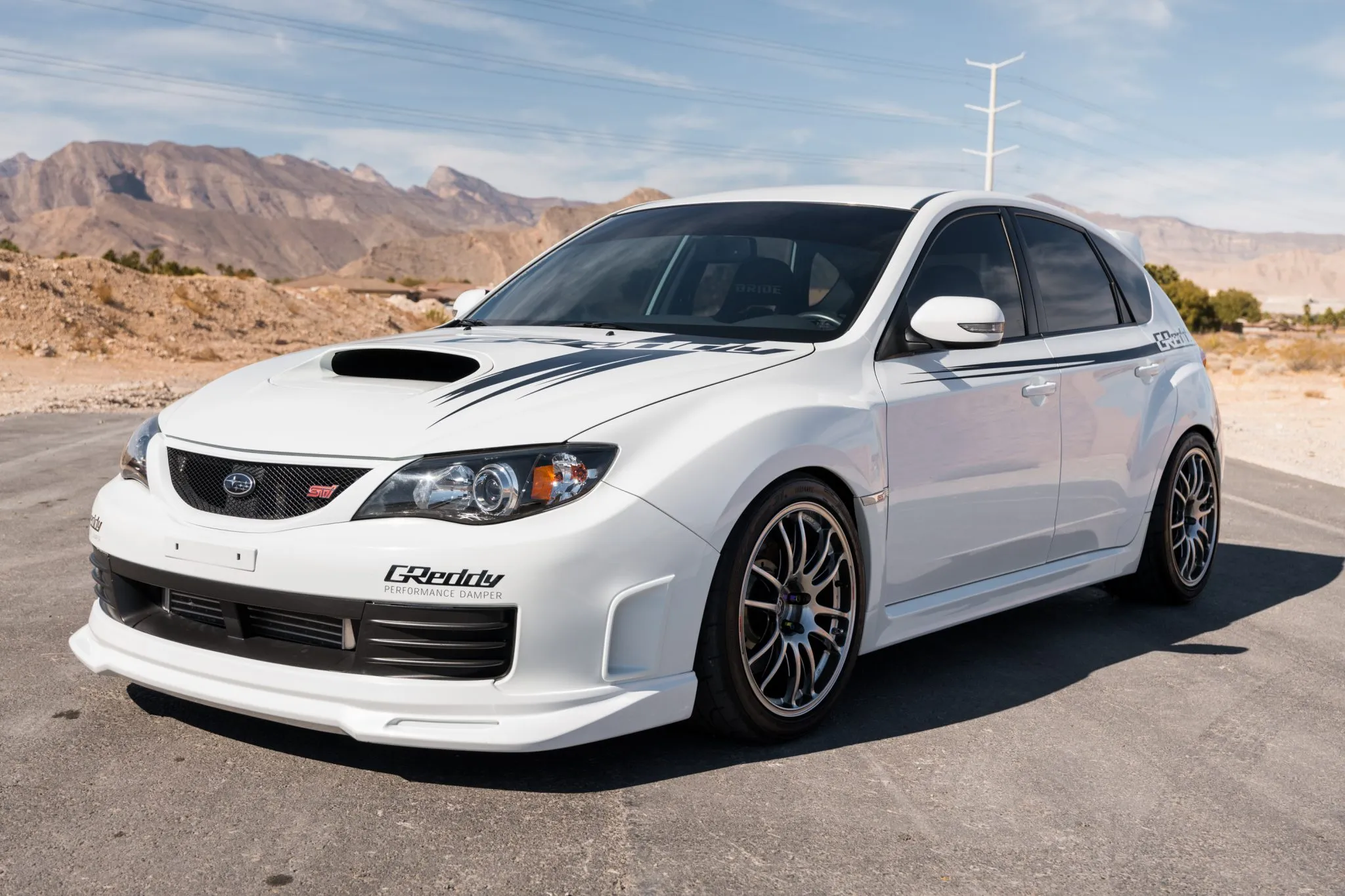
The Subaru Impreza offers a unique advantage in the city driving environment thanks to its standard all-wheel-drive (AWD) system, which is not common among compact cars in this class.
This AWD feature provides superior traction and control, especially on slick, uneven, or worn road surfaces that are common in many urban areas.
When roads become wet or icy, or when drivers encounter potholes and cracks, the Impreza’s drivetrain helps maintain stability and reduces the chances of losing control. This added safety factor makes it a favorite for city drivers who face variable weather or imperfect road conditions regularly.
The suspension system of the Impreza is designed with comfort and durability in mind. It offers a smooth ride over urban terrain, absorbing the jarring effects of bumps and potholes while maintaining handling precision.
This is particularly important because many cars with AWD sacrifice ride comfort for off-road capability, but Subaru strikes a balance that works well in everyday city driving. The suspension’s robustness also means fewer repairs and less wear on key components like struts and shocks, which often take a beating in urban environments.
From a mechanical standpoint, the Impreza’s engine is both reliable and efficient, designed to withstand the stresses of frequent acceleration and deceleration inherent to city traffic.
Subaru’s boxer engine configuration helps with balance and reduces engine vibration, contributing to smoother operation and potentially longer engine life under city conditions. The car’s braking system complements its drivetrain and suspension by offering consistent stopping power, which is crucial in stop-and-go situations and for avoiding collisions in busy traffic.
Beyond its mechanical strengths, the Impreza also benefits from thoughtful interior and exterior design elements that enhance its urban utility. Its compact dimensions and excellent visibility make navigating narrow city streets and parking spots easier. Inside, the car’s controls and systems are intuitive and built to withstand daily use without premature wear.
Together, these factors make the Subaru Impreza a dependable and resilient choice for drivers who need a vehicle that can handle the constant challenges of city life.
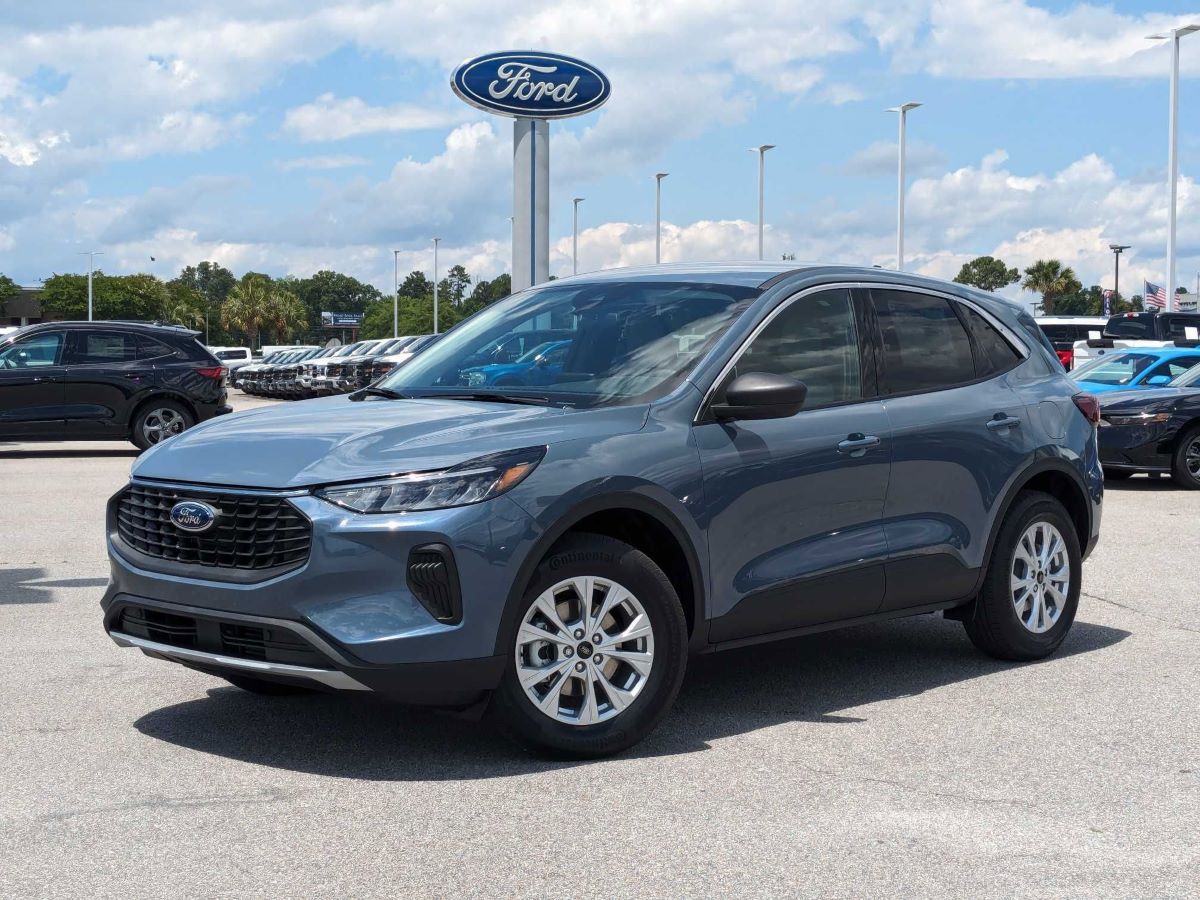
4. Ford Escape
The Ford Escape stands out as a compact SUV that handles urban abuse well due to its robust construction and practical features tailored for everyday use. The Escape’s suspension system is designed to manage uneven road surfaces, potholes, and occasional curb scrapes without transferring harsh jolts to the cabin or causing excessive wear on suspension components.
This durability is especially valuable in cities where streets can be poorly maintained or subject to frequent construction, both of which tend to deteriorate road quality. The Escape’s suspension strikes a balance between comfort and ruggedness, providing a smooth ride while maintaining enough firmness for control and stability.
Its powertrain is built for durability and consistent performance. Whether equipped with a four-cylinder turbocharged engine or a naturally aspirated option, the Escape delivers enough power to handle the frequent accelerations required for merging into city traffic or making quick lane changes.
The engine’s cooling and fuel systems are designed to endure the stresses of frequent stops and starts without overheating or excessive fuel consumption. The transmission is smooth and reliable, further reducing strain during the constant shifting and idling typical of urban driving.
The braking system on the Ford Escape is another key factor in its urban resilience. It is engineered to handle heavy use without losing responsiveness, which is critical for city driving where sudden stops are common.
Electronic aids like anti-lock braking and traction control work in concert to maintain control during emergency maneuvers or on slick road surfaces. This system reliability reduces the likelihood of accidents or damage caused by ineffective braking in crowded city streets.
In addition to its mechanical and handling strengths, the Ford Escape’s higher seating position provides drivers with a better view of the road and surroundings, which can help avoid minor collisions or scrapes with pedestrians, cyclists, or other vehicles.
The spacious interior and cargo capacity make it practical for urban errands, and Ford’s wide dealership and repair network helps keep maintenance convenient and affordable. All these factors combine to make the Escape a vehicle that withstands the demands and abuses of city life effectively.
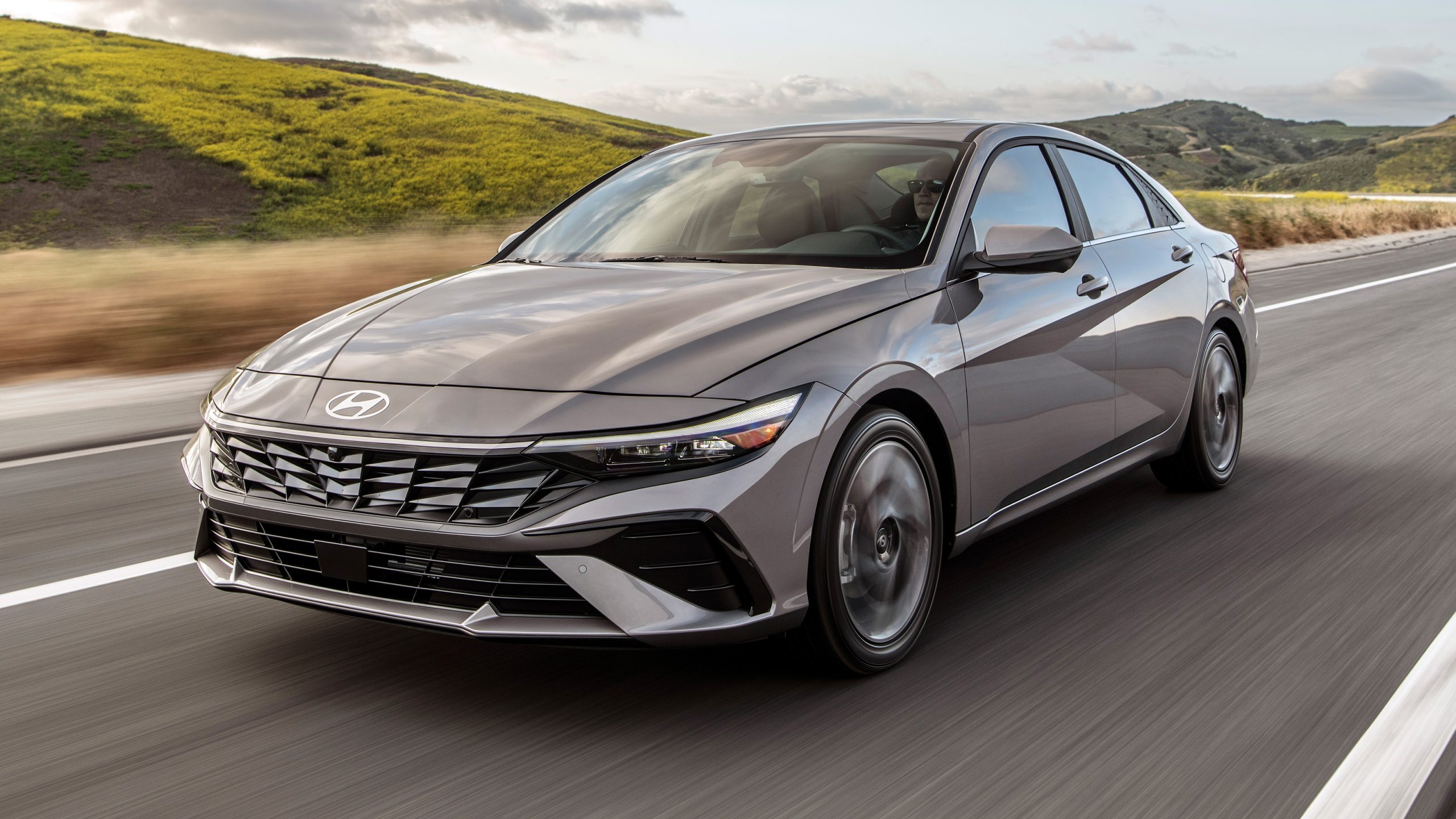
5. Hyundai Elantra
The Hyundai Elantra is known for offering solid value and reliability, and it manages to withstand the stresses of city driving through a combination of durable engineering and user-friendly design. Its suspension system is tuned to provide a comfortable ride over rough urban terrain.
Unlike some cheaper compacts that transfer every bump into the cabin, the Elantra’s suspension absorbs shocks and minimizes rattles, helping preserve both passenger comfort and the integrity of suspension components. This is particularly important in cities where potholes and uneven pavement can quickly degrade less robust suspensions.
The Elantra’s engine lineup is known for blending fuel efficiency with longevity. Designed to endure frequent short trips, idle time, and quick accelerations, these engines resist overheating and premature wear.
Hyundai invests heavily in quality control and testing to ensure that the engine components perform consistently, which helps the Elantra maintain its reliability despite the tough conditions of urban driving. Paired with smooth transmissions, the Elantra’s powertrain provides an enjoyable and dependable driving experience in stop-and-go traffic.
Its braking system is built to last as well, providing reliable stopping power even after repeated use during rush hours and traffic congestion. This durability reduces the need for frequent brake replacements, which can become costly over time.
The Elantra’s interior is designed with simplicity and durability in mind, using materials that resist wear and tear. Its infotainment and electronic systems are straightforward, which lowers the risk of breakdowns due to complex electronics in harsh driving conditions.
Finally, the Elantra’s compact size and nimble handling make it an excellent urban commuter. It is easy to maneuver through tight spaces, and parking is generally hassle-free. Maintenance and repair costs are relatively low compared to many competitors, which appeals to city drivers who want a dependable car without excessive upkeep.
Taken together, these factors make the Hyundai Elantra a strong contender for those seeking a vehicle that can consistently handle the challenges and abuse of city driving.
Also Read: 10 Trucks That Mechanics Say Are Built Like Tanks
5 Cars That Constantly Fail in Cities
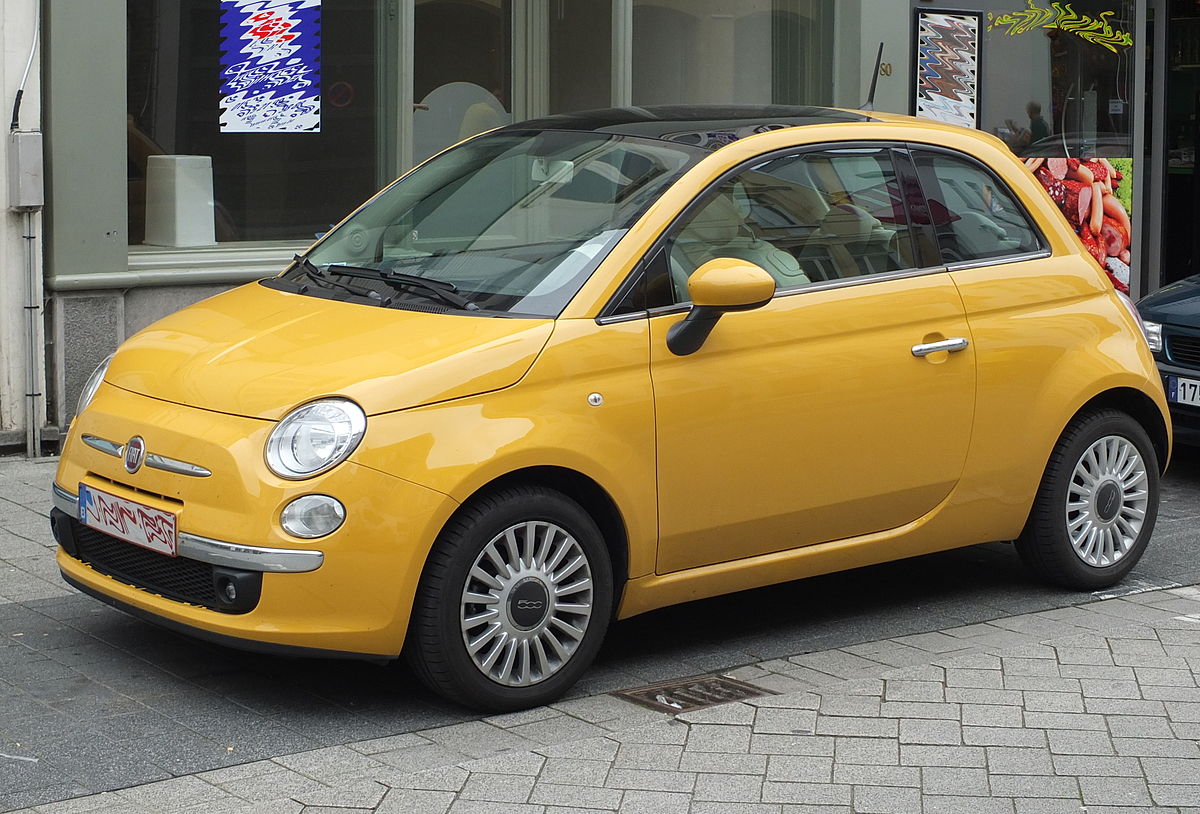
1. Fiat 500
The Fiat 500 is often praised for its retro styling and small footprint, which theoretically makes it perfect for tight city streets and parking. However, beyond its charming exterior, the Fiat 500 tends to reveal significant weaknesses when subjected to the daily abuses of city driving.
One of the most issues is its suspension setup, which is rather stiff and unforgiving. Instead of absorbing bumps and potholes with ease, the suspension transmits most of the road harshness directly into the cabin, resulting in an uncomfortable ride for passengers and increased wear on suspension components. Over time, this can lead to premature failure of shocks, struts, and other suspension parts, which are costly to repair.
Mechanically, the Fiat 500’s small engines and transmissions are not particularly robust when forced to deal with frequent stop-and-go traffic, a hallmark of urban environments. The turbocharged engine variants often suffer from overheating issues, especially in hotter climates or heavy traffic jams where airflow is limited.
Transmission problems are also commonly reported, with issues such as rough shifting or hesitation becoming more pronounced under the stress of constant city driving. These mechanical shortcomings mean the car struggles to maintain smooth performance during daily commutes, frustrating many owners.
Another area where the Fiat 500 frequently falls short is its braking system. City driving demands brakes that can endure frequent and intense use, but the Fiat’s brakes tend to wear out quickly, requiring early replacements that add up in maintenance costs.
Furthermore, the car’s electronics are a frequent source of headaches, with owners reporting faulty sensors, malfunctioning warning lights, and issues with infotainment systems. These problems can cause distractions or unnecessary service visits, making the driving experience more stressful rather than enjoyable.
Overall, while the Fiat 500 might seem like a perfect city car on paper, its combination of a harsh ride, mechanical fragility, and electrical gremlins mean it often struggles to cope with the constant stresses of urban driving.
For many owners, the charm of the car is overshadowed by the frequency and cost of repairs, making it a poor choice for those looking for a durable and low-maintenance city vehicle.
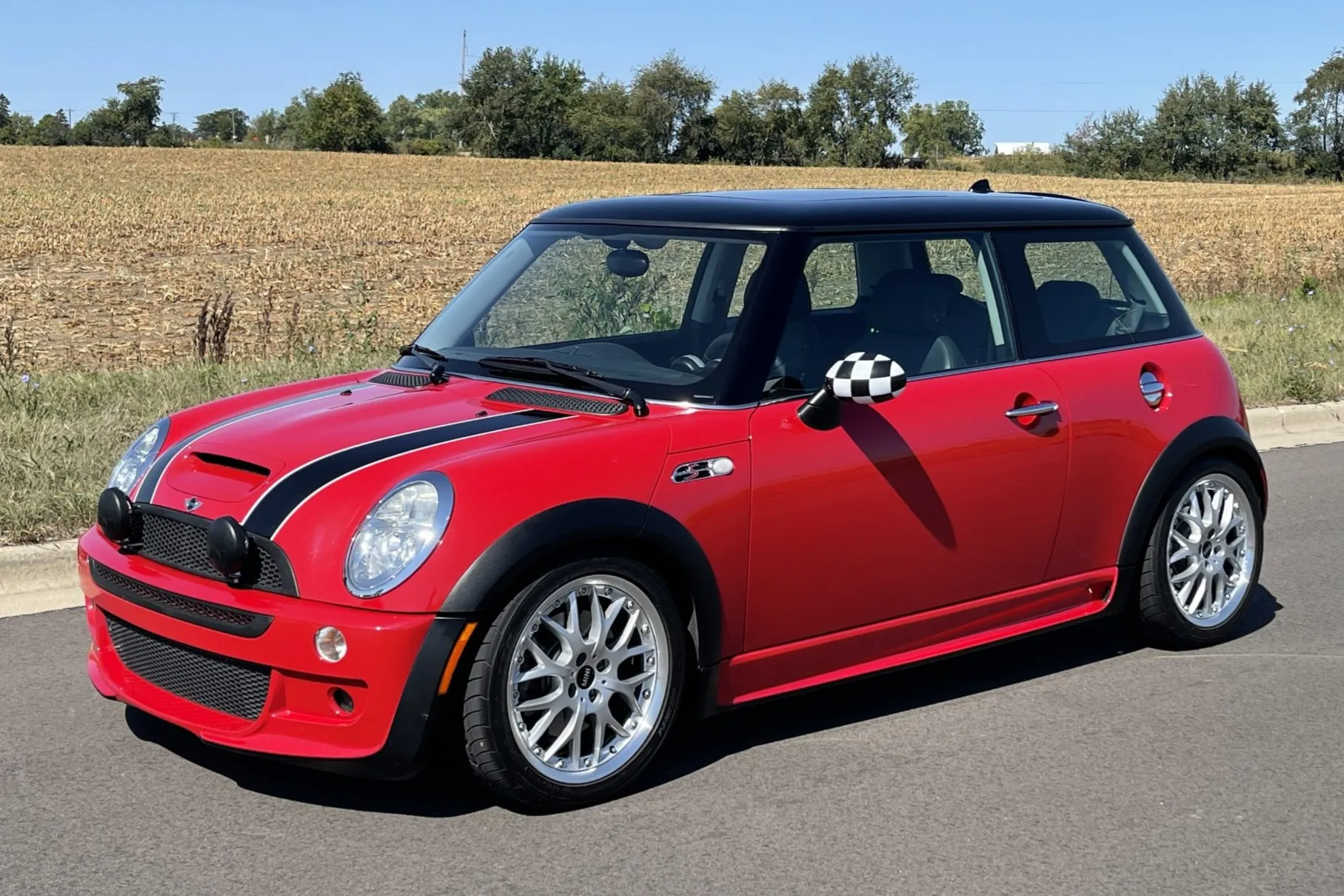
2. Mini Cooper
The Mini Cooper is a vehicle that markets itself on sporty handling and stylish design, but these features come with a tradeoff that becomes especially apparent in city driving environments. Its suspension, designed more for sharp cornering and responsive control, tends to be quite firm.
While this can feel fun on smooth roads, it also means the car is less forgiving when navigating potholes, uneven pavement, or speed bumps common in urban areas. The stiffness translates into a jarring ride that is uncomfortable for passengers and puts extra stress on suspension components, which can wear out faster than expected.
Engine and transmission issues also plague many Mini Cooper models in city settings. The car’s turbocharged engines can suffer from overheating and other problems when subjected to frequent stopping and idling. The transmissions, especially the automatic versions, sometimes exhibit hesitation or rough shifting under the stop-and-go demands of city traffic.
These problems not only reduce the car’s reliability but also make driving less smooth and more stressful. Additionally, Mini Coopers are known to require frequent maintenance and repairs compared to other vehicles in their class, which can quickly become expensive in an urban setting.
Brake wear is another common complaint from Mini Cooper owners who live in cities. Because city driving involves constant braking, especially in heavy traffic or areas with many stop signs and traffic lights, brakes on the Mini tend to wear out more quickly than on larger, less performance-focused cars.
Replacing brake components can be costly due to the premium nature of the Mini brand, adding to the overall expense of ownership. Furthermore, the car’s complex electronics, which contribute to its high-tech image, are prone to glitches and failures, leading to frequent trips to the dealership for software updates or repairs.
Considering all these factors, the Mini Cooper’s appeal as a fun and stylish car is often undermined by its struggles with durability and maintenance costs in the city. While it may shine on smooth roads and highways, its ability to handle the abuses of urban environments is limited, making it less than ideal for drivers who face challenging city conditions daily.
3. Chevrolet Spark
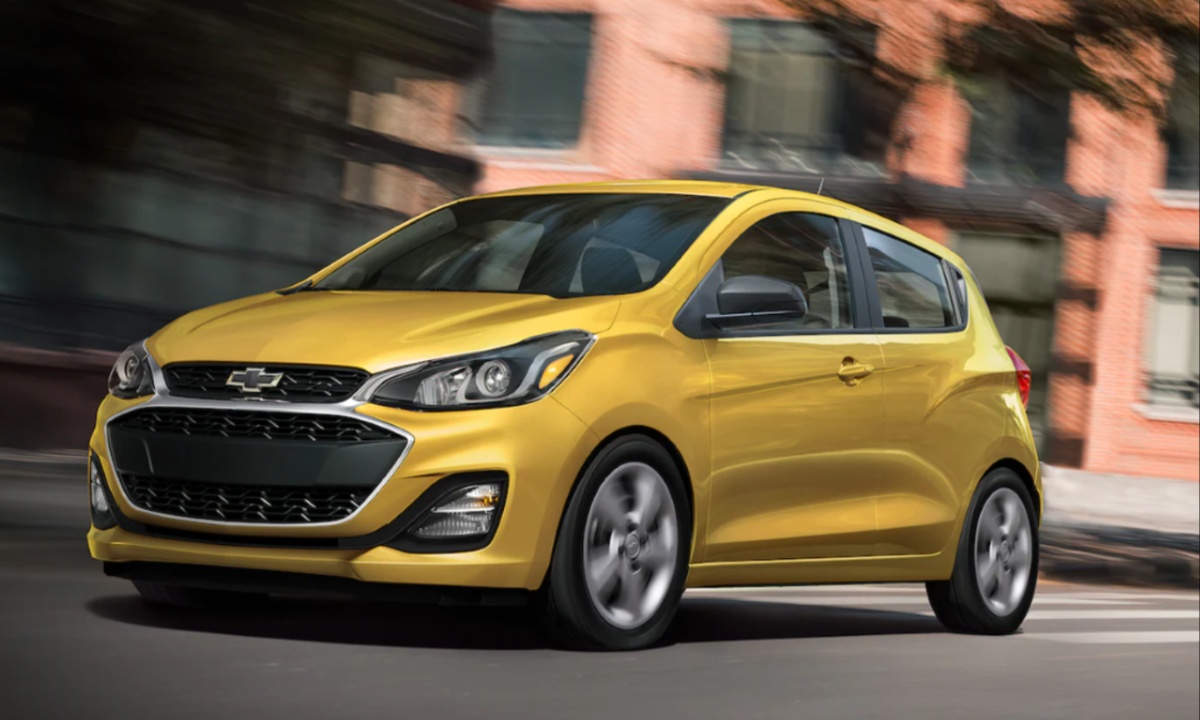
The Chevrolet Spark is a budget-friendly subcompact car that aims to attract urban drivers with its small size and affordable price tag. However, the Spark’s value proposition is undermined by several weaknesses that become glaring in the city. Its suspension system is basic and lacks the robustness needed to handle potholes, rough pavement, and frequent curb encounters.
This can lead to an uncomfortable ride that constantly jars passengers and accelerates wear on shocks, struts, and other suspension components. In the long run, this results in higher maintenance costs and more frequent repairs, which defeats the purpose of owning a low-cost city car.
Under the hood, the Spark’s engine is designed for fuel efficiency rather than durability, and it can struggle to cope with the demands of stop-and-go city traffic. Owners have reported overheating issues, rough idling, and power loss, particularly in congested traffic where the engine is taxed heavily.
The transmission, especially the automatic versions, sometimes exhibits hesitation and rough shifts, which add to the overall frustration of driving in the city. This combination of engine and transmission stress can lead to premature failures and expensive repairs.
Braking performance is another area where the Spark falls short. The braking components wear faster than expected, which raises safety concerns in busy city traffic where reliable and consistent braking is critical. Additionally, the Spark’s interior and electronic systems are known for their lack of durability.
Infotainment screens, sensors, and controls often malfunction after only a short period of use, leading to distracting and inconvenient issues for drivers. Repairing these components can be costly relative to the car’s overall value, making it less economical than it initially appears.
The Chevrolet Spark, despite its low price and compact size, struggles to stand up to the constant abuse of city driving. Its suspension, engine, braking, and electronics are all areas of weakness that contribute to a less than ideal ownership experience for urban drivers looking for a reliable and durable vehicle.
4. Nissan Versa
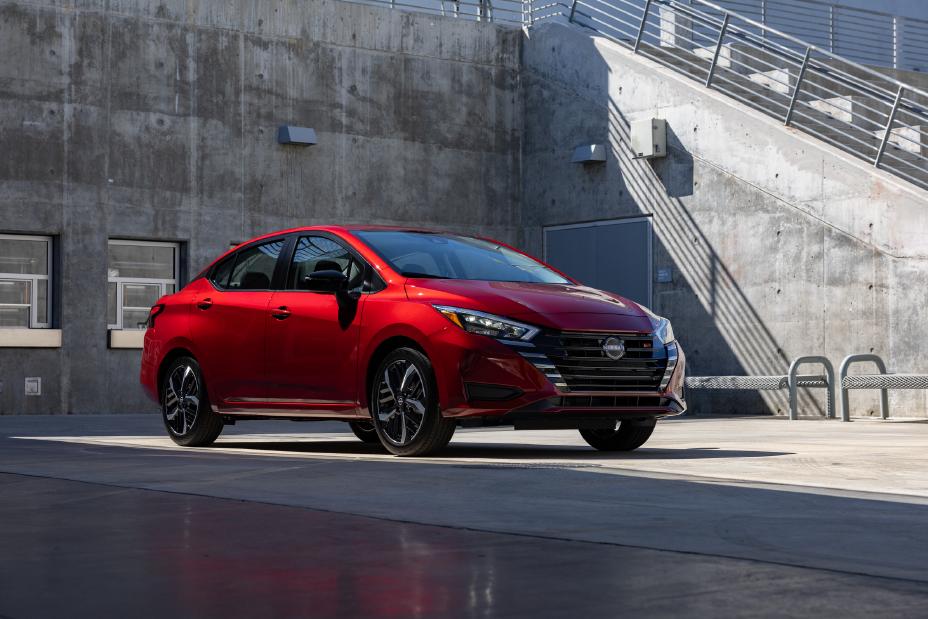
The Nissan Versa is marketed as an affordable and practical compact car, but when faced with the rigors of city driving, its limitations become clear. One of the main issues lies in its suspension system, which is on the softer side.
While this softness might suggest a comfortable ride, in reality, it results in excessive body roll and increased wear when dealing with frequent potholes, rough patches, and uneven road surfaces common in cities. The suspension components tend to degrade more quickly, and drivers often notice a decline in ride quality and vehicle stability over time.
The Versa’s powertrain is designed primarily for fuel economy, but it doesn’t always translate well into city durability. The engine can become strained during constant stopping and starting, which leads to overheating and mechanical stress that shortens the engine’s lifespan.
The continuously variable transmission (CVT), which is common in newer Versa models, can be problematic under stop-and-go conditions, with many owners reporting issues such as jerking, hesitation, or even failure. These transmission problems are particularly costly to fix and significantly impact the vehicle’s overall reliability in urban settings.
Brake wear is another persistent problem with the Versa. Its brakes tend to lose effectiveness faster than average, which is a critical concern when navigating the unpredictable traffic patterns of a city. Frequent replacements are needed to maintain safety, driving up maintenance expenses.
The car’s interior materials also show signs of wear quickly, and many owners report issues with malfunctioning electronics and sensors, which are often expensive to diagnose and repair. These problems combine to make the Nissan Versa a less dependable option for drivers who rely heavily on their vehicles for daily urban commuting.
While the Versa’s affordability and fuel efficiency remain attractive, its shortcomings in suspension durability, powertrain reliability, brake longevity, and interior quality mean that it frequently fails to meet the demands of city driving. Urban drivers who prioritize low maintenance and dependability often find themselves facing more frequent repairs and inconvenience than they anticipated.
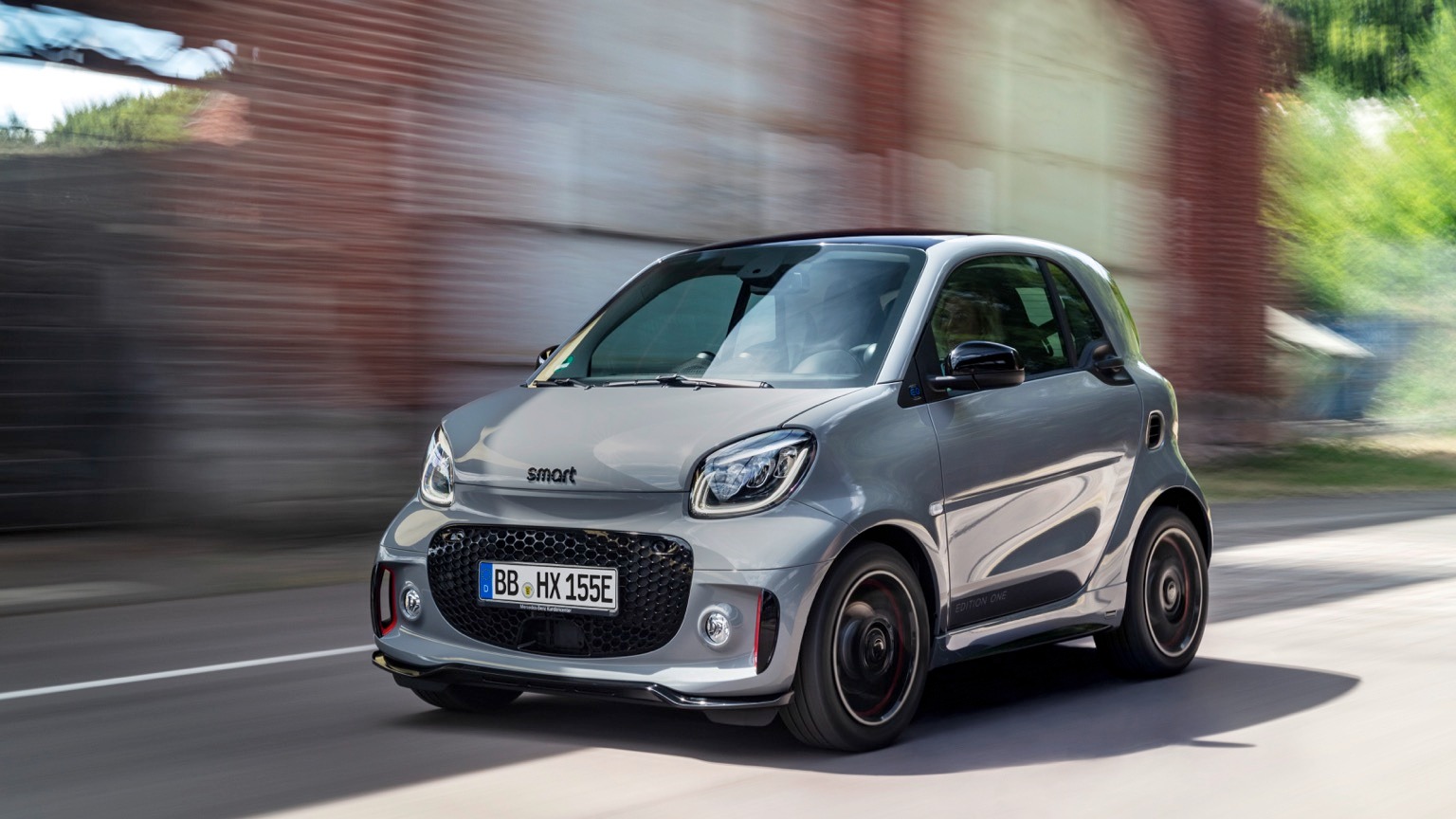
5. Smart Fortwo
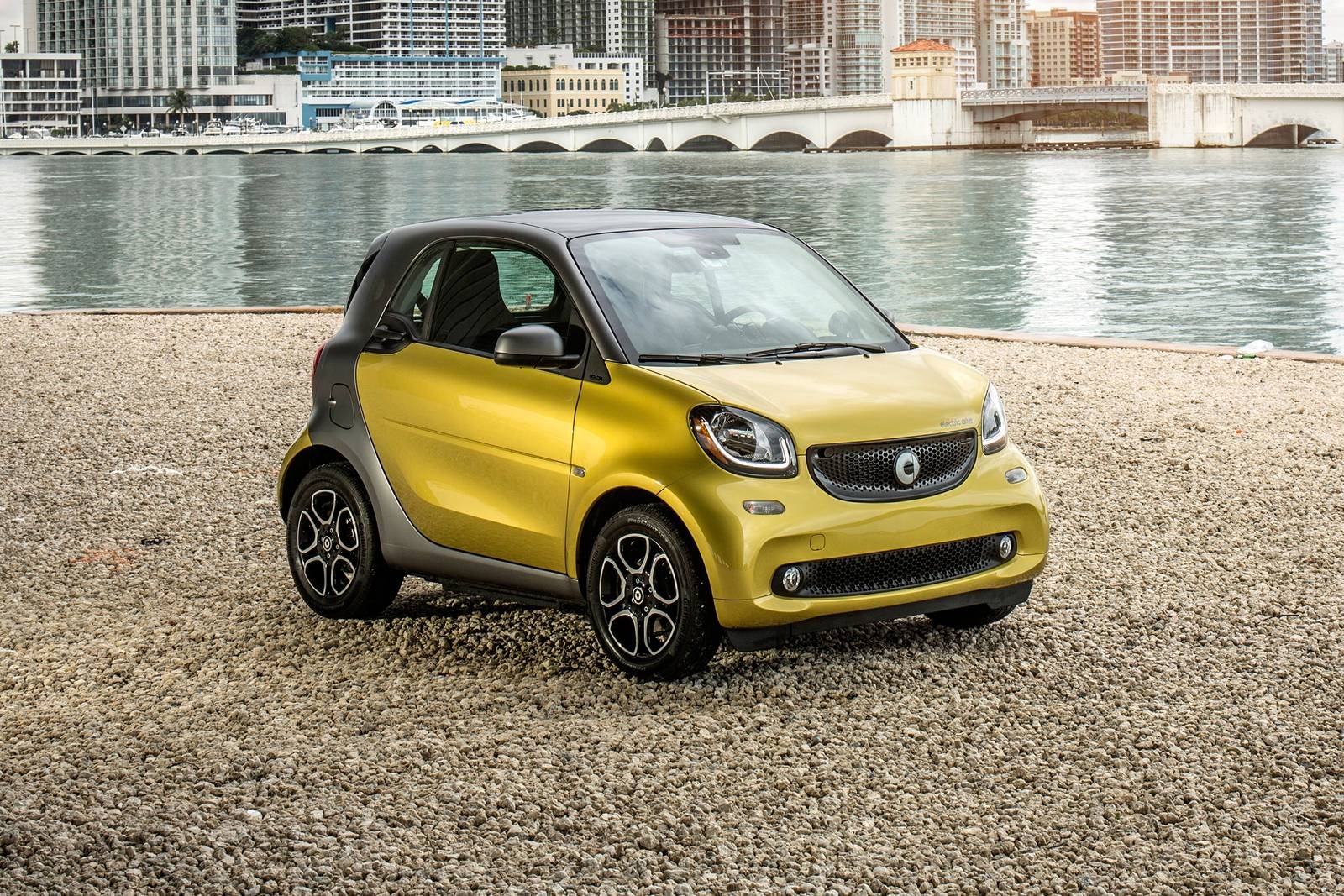
The Smart Fortwo is a tiny, uniquely designed car specifically aimed at city dwellers who need easy parking and maneuverability. While it excels in fitting into the smallest spaces, the Fortwo falls short when it comes to durability and handling the physical stresses of urban driving.
Its extremely compact size comes at the expense of ride comfort and safety. The basic suspension system does little to absorb shocks or smooth out rough pavement, resulting in a bouncy and sometimes harsh ride that transfers road imperfections directly to the chassis and occupants. This not only impacts comfort but also causes increased stress and potential damage to suspension and structural components.
The Fortwo’s engine and transmission are similarly ill-suited for continuous stop-and-go traffic. The small engine is not built for heavy use, often overheating or losing performance in dense city traffic.
Its transmission also struggles under the constant shifting required, leading to premature wear or failure. Repairs for these components are expensive due to the specialized nature of the car, and parts are not as widely available as those for more mainstream vehicles, which can lead to longer repair times.
The braking system in the Smart Fortwo wears out quickly, a significant concern when safe and reliable stopping power is crucial in crowded city environments.
In addition, the car is notorious for electrical issues, with owners frequently reporting problems with sensors, warning lights, and other electronic components. The combination of these factors makes the Fortwo less reliable and more costly to maintain than other small city cars.
While the Smart Fortwo offers unparalleled convenience for parking and tight maneuvering, its lack of durability, comfort, and reliability under the constant stresses of city driving make it a challenging choice for those seeking a low-maintenance and resilient vehicle. Many owners end up frustrated by the frequency and expense of repairs needed to keep the Fortwo running in urban conditions.
