
Over the past several decades, cars have evolved from purely functional machines into cultural icons, status symbols, engineering marvels, and sometimes works of art. While many vehicles lose value as they age, through wear, depreciation, and redundancy, certain models defy this trend.
These are the ones that attract attention not just for their performance or design, but because of what they represent: breakthroughs in technology, rarity, beauty, history, or simply because they stand at a crossroads in automotive evolution.
As we look ahead toward 2030, a number of cars are poised to become significantly more valuable than they are today.
Some are modern hypercars with limited production, others are cult classics from decades past whose time may finally have come.
Whether it is because they embody the last gasp of internal combustion engines, the birth of hybrid or electric performance, a landmark design, or a motorsport pedigree that is increasingly rare, these vehicles are likely to be sought after by collectors, investors, and enthusiasts alike.
In this article, we will examine twelve cars that are very likely to grow in value substantially by 2030.
We will consider what makes each one promising, not just their current stature, but how scarcity, condition, provenance, and shifting trends in collectors’ tastes may lift them into the realm of true future treasures.
Each of the following models plays a different role in automotive history or culture, and together they paint a picture of what kinds of cars are becoming desirable assets, not merely because they are fast or beautiful, but because they tell stories, they carry heritage, and they may one day be irreplaceable.
Also Read: 15 SUVs That Keep Their Brakes Intact for Decades
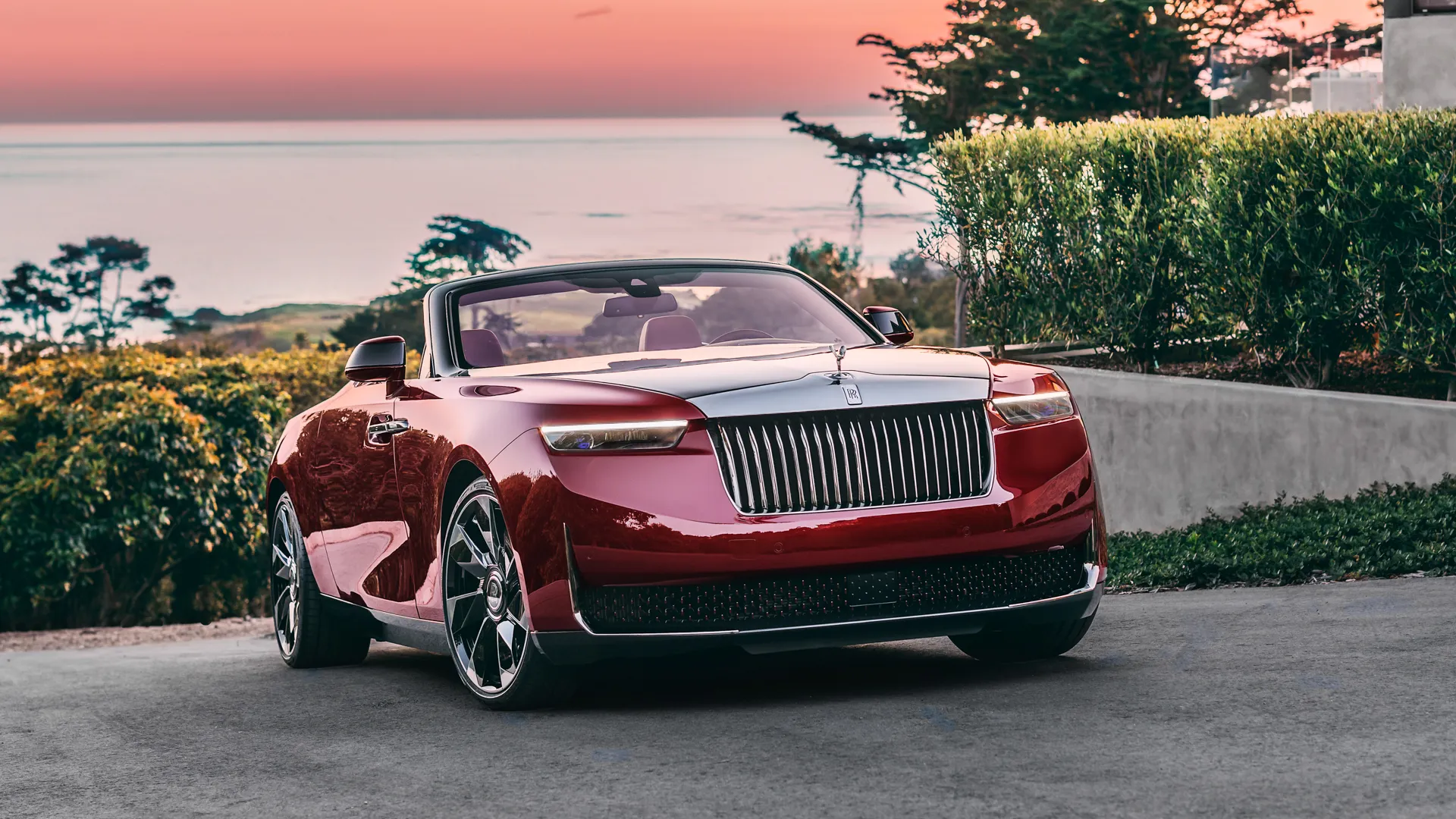
1. Rolls‑Royce Droptail
The Rolls‑Royce Droptail is among the most exclusive and ambitious commissions ever undertaken by a luxury carmaker. Released in 2023, it is part of a series of ultra‑limited coachbuilt cars, and only four units will ever be produced.
But beyond cost, what gives the Droptail its long‑term potential is the combination of extreme rarity and craftsmanship.
Something made in such limited numbers, by hand, with attention to detail, is far more likely to survive into the future in pristine condition, and far less likely to have multiple examples flooding markets.
Historically, Rolls‑Royce models made under the coachbuilt tradition carry significant collector value. The Droptail harks back to a time when luxury automakers collaborated with coachbuilders to create exclusive one‑offs or very small series.
For collectors, this is appealing because each car is unique, and many will feature bespoke touches not found anywhere else. That uniqueness means provenance matters heavily, who ordered it, what choices they made, and how well it has been kept.
By 2030, as automotive trends move ever more toward mass‑produced electric vehicles, the idea of handcrafted, immensely expensive, petrol‑powered exclusivity may gain even more cachet among those seeking uniqueness and status, pushing the value of cars like the Droptail upward.
Furthermore, its design is likely to be influential, perhaps not copying details directly but inspiring what high‑luxury means in the future. Even clients who cannot afford such cars themselves may pay attention to what the Droptail represents: the statement in luxury, excess, and craftsmanship.
That breeds desirability, which in collecting often translates into value. If all four units are preserved well, and especially if they maintain their originality, it is very probable that by 2030 each will be worth several times what was paid for it, not simply in monetary terms but in symbolic ones as well.
Another factor in its favour is that modern cars of this scale typically incur high maintenance and running costs, and not all owners will want or be able to keep them in mint condition. As time passes, fewer will remain in showroom condition. Those few that do will become more and more precious.
In classic‑car auctions, condition and originality often determine price by tens of percent. Given the rarity and luxury level of the Droptail, well‑preserved examples should capture the highest premiums. Thus, not only is the Droptail likely to appreciate, it is also likely to become a standard by which future super‑high luxury is judged.
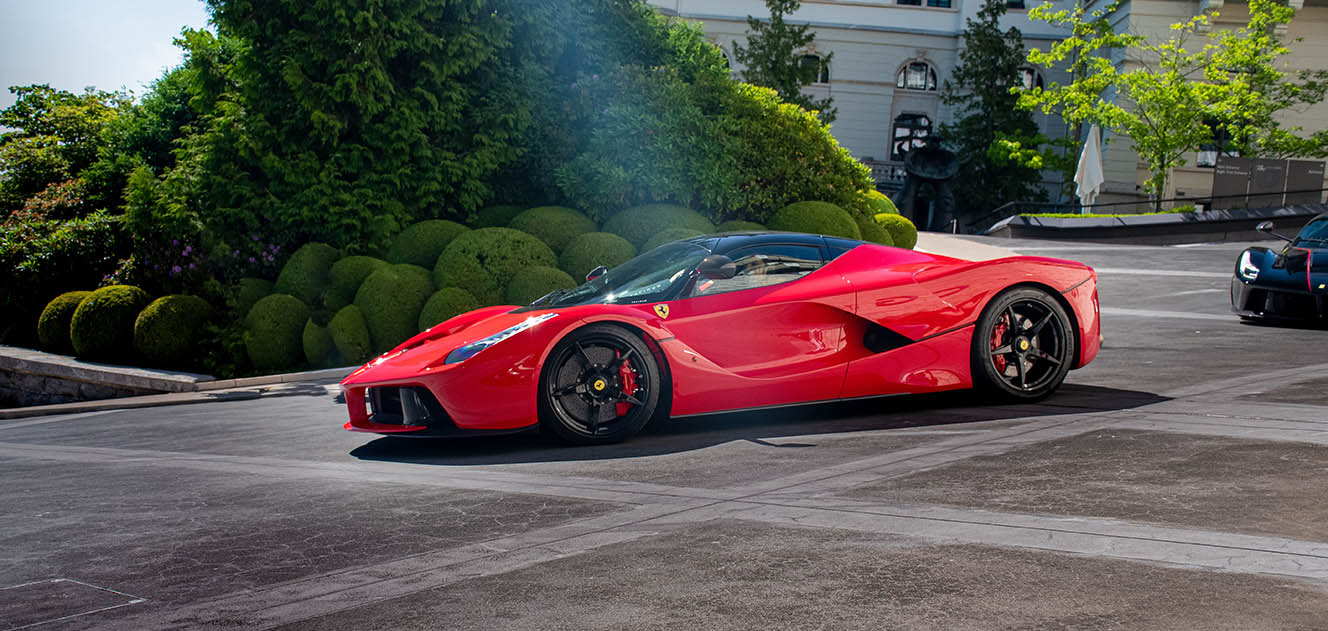
2. Ferrari LaFerrari
LaFerrari is already a modern icon. Manufactured between 2013 and 2016 (with some special editions thereafter), this hybrid hypercar represents Ferrari’s foray into combining its tradition of naturally aspirated V12 power with modern hybrid technology.
It was one of the first ultra-high-performance hybrids from a mainstream supercar maker, offering not only blistering speed but driving dynamics that appealed to purists who might otherwise reject anything with electric motors.
The total number of units is small, 499 road versions plus a handful of special variants, so scarcity is baked in from the start.
Additionally, many owners of LaFerraris treat them as investments, storing them carefully rather than driving them hard, which helps preserve condition and resale potential.
Over time, as more countries implement stricter emissions regulations and perhaps even ban new high‑emissions performance cars, models like LaFerrari that represent a bridge between old‑school V12s and newer hybrid or electric systems will become more valuable.
They may be seen as landmarks in the transition: not just for performance but for the automotive world’s shift toward more sustainable powertrains without sacrificing the soul of petrol engines. In collectors’ communities, the narrative matters.
LaFerrari has that narrative: it shows what could be done, how Ferrari balanced tradition and change. As time goes on, and fewer hypercars of its kind survive in original form, those that do will be in ever higher demand.
Also relevant is how LaFerrari has already begun to appreciate. Auction results in recent years show that well‑maintained, low‑mileage examples are retaining value much better than many modern supercars. Some have reached multiple millions in value, depending on edition, history, colours, condition, and documented service.
If the market for exotic cars remains strong, and as long as collector interest in hybrids and “future classics” continues, LaFerrari has substantial upside. By 2030, especially when compared to less rare modern exotics, it is likely to offer excellent returns for those who bought early or held on well.
Finally, the emotional appeal and status associated with owning a LaFerrari cannot be ignored. Ferrari’s brand, its racing history, its prestige all contribute to value. For many collectors, the intangible qualities, sound, design, driver engagement matter as much as raw performance or rarity.
LaFerrari, in many ways, delivers in all those dimensions. When all are present, car values tend to rise most sharply. So long as the provenance is solid, documentation is complete, and condition is excellent, LaFerraris will likely be among the most coveted hypercars by 2030.
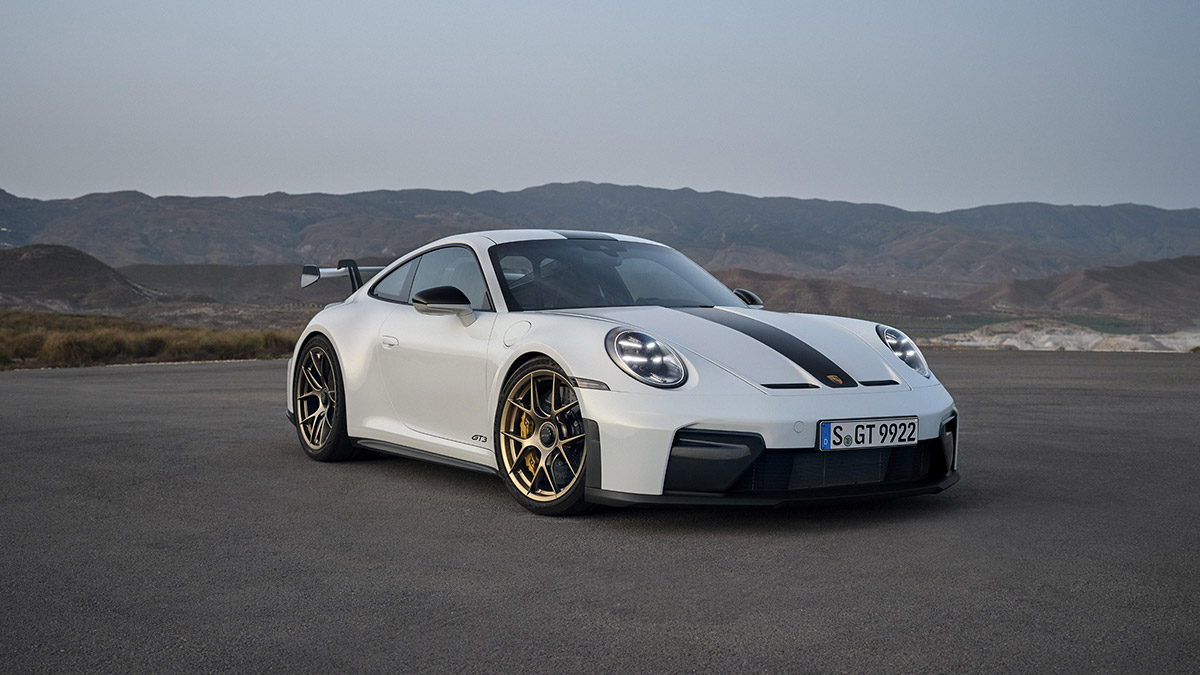
3. Porsche 911 GT1 Strassenversion
The Porsche 911 GT1 Strassenversion is a machine born out of necessity: it was built so that Porsche could homologate a car for GT1 class racing, and that meant making a road‑legal version.
The resulting car blends many elements of its racing sibling: a mid‑mounted, twin‑turbo flat‑6; extreme aerodynamic bodywork; lightweight materials; and race‑derived engineering.
Only 20 units were built, which places it among the rarest road‑going Porsches ever. Such limited numbers mean that each car can have its own story, one could be setup differently, have special options, different history or mileage, which in collector markets matters a great deal.
Collectors prize the GT1 Strassenversion not just for performance but for what it represents: a direct link between road and track. In the modern era, very few cars are this pure.
Many manufacturers build road versions of race cars, but fewer still manage to preserve the engineering DNA so transparently.
The Strassenversion is one of those special cases. By 2030, with many racing technologies increasingly restricted by regulations, cars of this sort will be seen as rarer achievements. The engineering, design, and cultural memory of GT1 racing are likely to enhance its desirability.
Condition will be a key differentiator. Any example in original trim, with its race heritage, matching parts, documented history and maintained properly, will be far more valuable. Even small modifications or changes to original specification can significantly reduce collector value.
Given that many owners might drive such cars, or modify them, the number of perfectly preserved examples is likely small. That scarcity of faultless examples tends to magnify price in auctions.
Finally, the aura of the Porsche badge helps. Porsche has long been respected for reliability, durability, and value retention among performance carmakers. The combination of its motorsport history, the prestige associated with GT1, and the striking looks of the Strassenversion all favour strong interest among collectors.
By 2030 this model should be in that tier of cars whose values have grown not just because they are rare, but because they represent something distinct in automotive evolution.
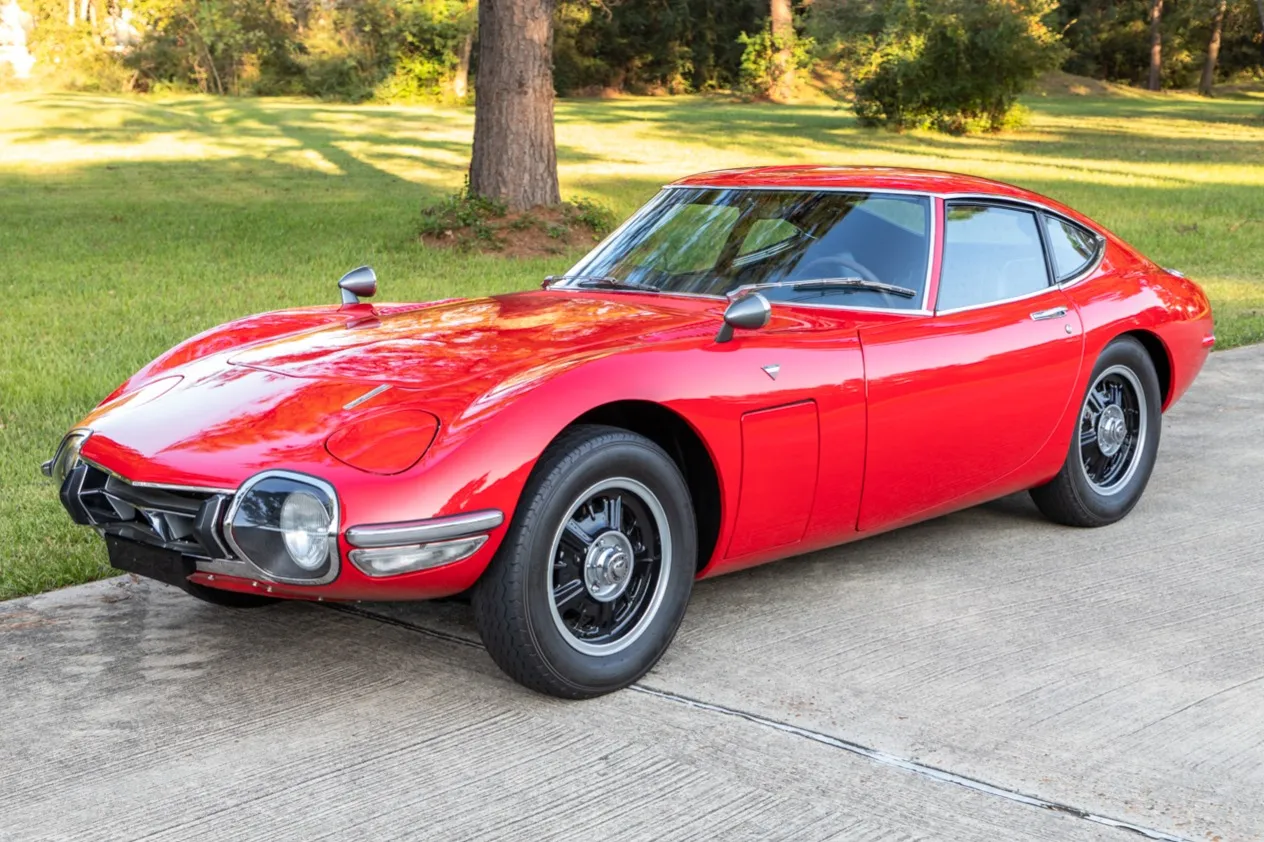
4. Toyota 2000GT
The Toyota 2000GT occupies a crucial place in automotive history, especially for Japanese car culture. Produced between 1967 and 1970, with only 351 units made, it was Toyota’s statement that Japanese manufacturers could compete not only in reliability and engineering but in elegance and performance.
Its long bonnet, beautiful proportions, handcrafted touches, and advanced engineering (for its time) set it apart not only among Japanese cars but among global sports cars of the era. For many enthusiasts, it represents the birth of Japan’s presence in the world of collectible classic cars.
Many classic‑car collectors have historically focused on European sports cars and American muscle, but in recent years, the balance has shifted, with more recognition being given to Japanese models that were groundbreaking, rare, and well‑preserved.
The 2000GT checks multiple boxes: rarity, historical significance, aesthetic appeal, and engineering. That combination often yields strong appreciation over time, especially as fewer well‑kept examples remain.
Originality and provenance matter here perhaps more than for some more modern collectibles. Details such as original paint colours, matching numbers (i.e. original engine, transmission, chassis), documented ownership history, condition of interior, bodywork, and mechanical systems, all these will shape which examples do well.
Well-preserved 2000GTs have already fetched high sums at auction. By 2030, assuming that restoration standards remain high and demand among collectors of Japanese classics continues to grow, values of the best examples could rise dramatically.
Another factor is that older cars become more expensive to maintain, harder to repair, and parts become scarce. For cars like the 2000GT, which are rare to start with, the cost of upkeep acts as a barrier: fewer owners will keep such cars in good condition, and those that are preserved well will stand out.
Additionally, as awareness grows internationally of Japanese automotive heritage, these cars may find broader markets among museums, private collections, and collectors in countries where Japanese classic cars have not yet been widely appreciated. These trends suggest strong potential for value growth by 2030.
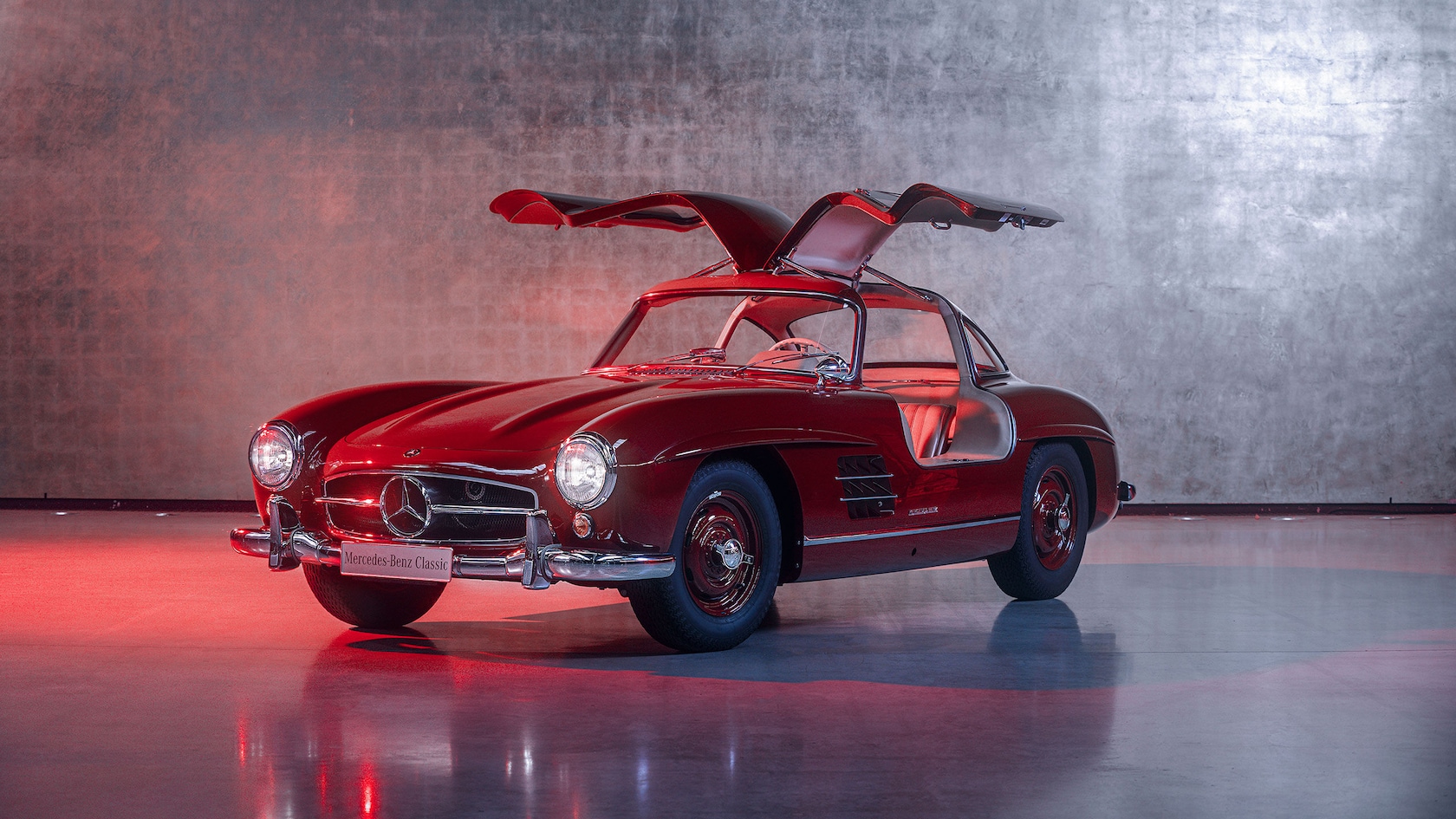
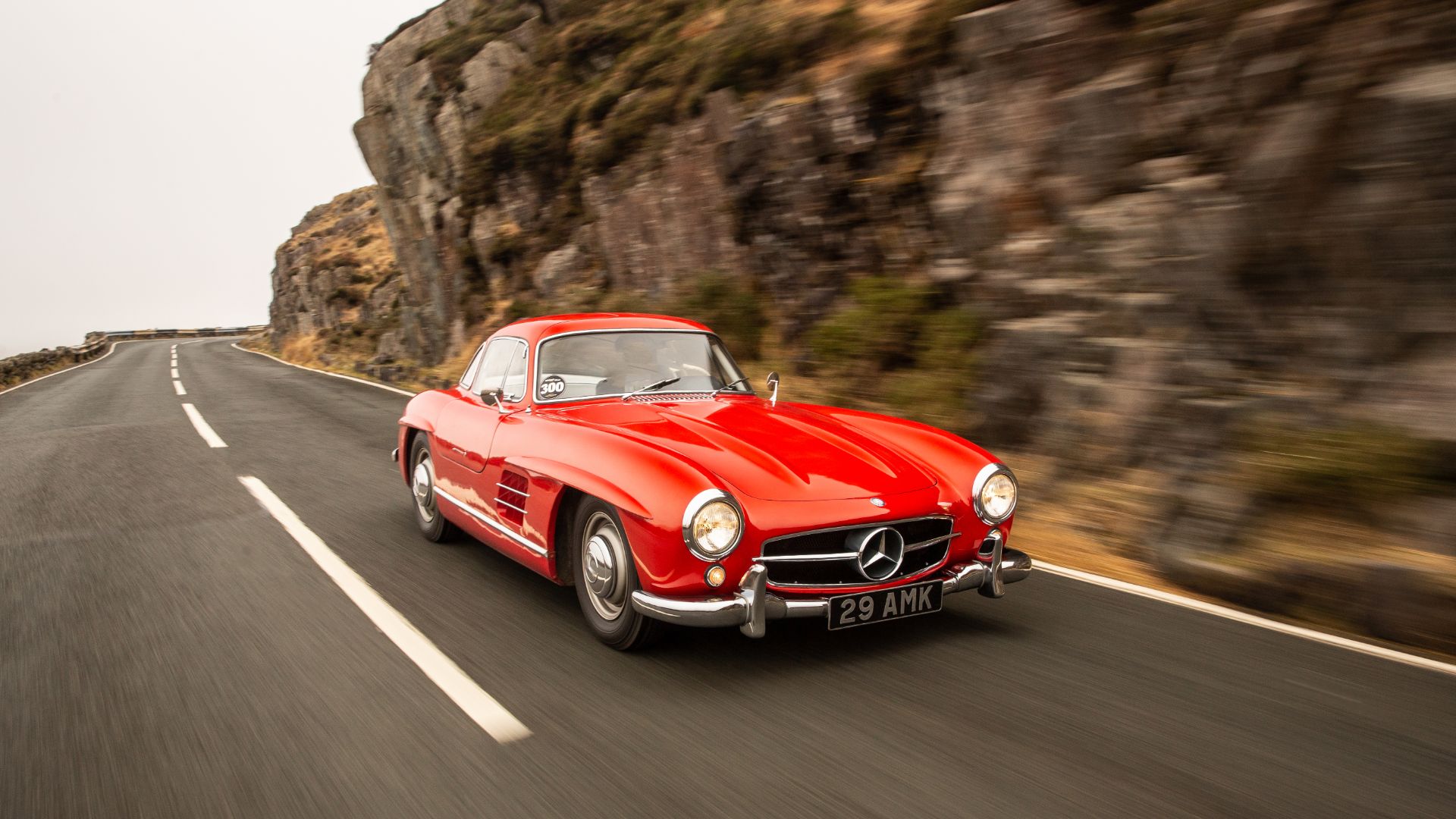
5. Mercedes‑Benz 300SL Gullwing
The Mercedes‑Benz 300SL Gullwing is one of those cars whose very silhouette commands recognition. Produced from 1954 to 1957, its gullwing doors, iconic body shape, and advanced engineering (such as direct fuel injection) were revolutionary in the mid‑20th century.
It stood at the forefront of performance and style in its day, and throughout automotive history it has retained its position in popular consciousness. It is not just a classic car; it is a symbol of what was possible when designers, engineers, and artisans pushed boundaries. That gives it enduring appeal.
Its rarity helps elevate its status. While more than 300SLs were made than some of the hyper‑rare cars of later decades, many have been lost, modified, rusted, or altered. Finding an example with original body panels, matching engine, good interior, and correct configurations is increasingly difficult. As those get rarer, prices tend to rise steeply.
In provenance‐driven markets, cars with celebrity ownership histories, documented restoration work, or continuous ownership tend to draw much higher prices. The 300SL has many such examples.
By 2030, cars like the 300SL will be highly sought, not just for performance or speed, but for story, beauty, and rarity. Many collectors value cars that represent turning points in design or engineering.
The 300SL’s gullwing doors are more than stylistic; they signal a time when both aerodynamics and aesthetic daring were coming together.
As vintage car collecting becomes more global, models with iconic presence tend to attract broader interes, across continents, across income levels, because they are known. That awareness helps preserve and possibly grow market value significantly.
Moreover, factors like the cost and difficulty of restoration work, availability of parts, and condition will be crucial. Some 300SLs will be lost to neglect or misuse; many will end up in private collections rather than being driven.
Those which survive in near‑original condition may command prices well beyond current norms. If trends in collecting continue toward valuing originality and preservation, by 2030 examples of the 300SL Gullwing that are in excellent, properly documented condition could very well be worth more than most modern exotics bought new.
Also Read: 15 SUVs That Dealers Beg to Buy Back
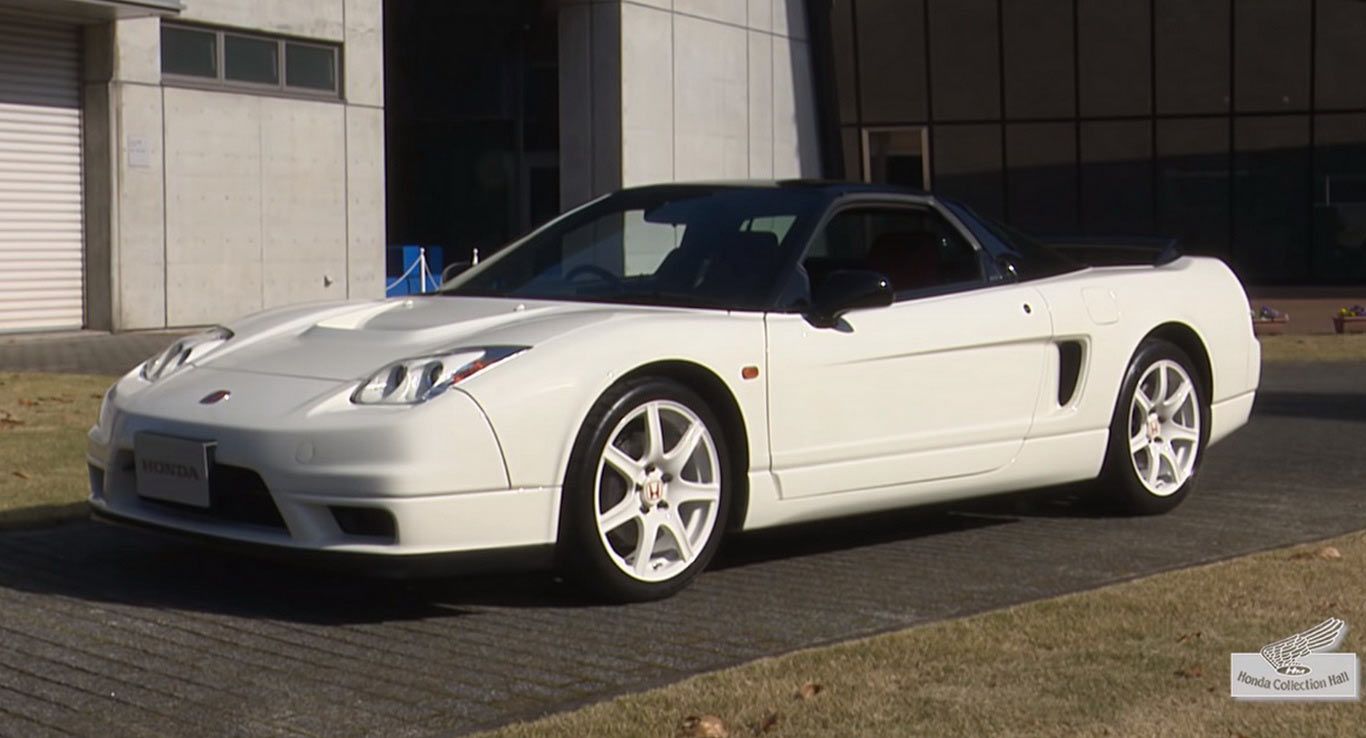
6. Honda NSX Type R (NA2)
The Honda NSX Type R (NA2) is a model that combines engineering discipline, driving purity, and Japanese performance culture.
Distinguished from regular NSXs by its lighter weight, stiffer suspension, reduced sound insulation, manual gearbox, and other weight‑saving measures, the Type R is not simply a faster NSX but one that appeals to purists, drivers who want connection, feedback, and handling, not just straight‑line speed.
Only a limited number of these were produced, and many owners today regard the Type R as the high point of the first‑generation NSX lineup.
In recent years interest has grown sharply in well‑preserved Japanese performance cars from the 1990s and early 2000s. Many of them offer a blend of style, engineering and nostalgia. The NSX Type R (NA2) is especially well placed in this trend.
First, because it comes from a time before electronic driver aids became ubiquitous; second, because it has relatively simple mechanics; third, because it offers the kind of driving involvement many enthusiasts believe has been lost in later cars.
As electric vehicles and highly assisted driving systems become more common, cars like the NSX Type R may increasingly be seen as treasures from a fading era.
Condition, mileage, originality, and maintenance history will matter. Examples that have been kept stock, with original paint, interior, and engine components, are likely to outperform those that have been modified or poorly maintained.
Also important are community validation and recognition, what the collectors’ forums, automotive shows, and magazines say. As more people become aware of the NSX Type R as a desirable collector car, its status increases, and with status usually comes price.
Another supportive factor is that Honda and Acura have fields of enthusiasts and clubs that value the NSX highly. Parts, while not as abundant as for more common cars, are still generally available, and aftermarket support is strong. That supports preservation.
If enough examples are kept well, and if certain especially well‑documented cars (e.g., low miles, celebrity or race ownership) reach auctions, demand is likely to outstrip supply. By 2030, NSX Type R examples in great shape may have risen markedly in value.
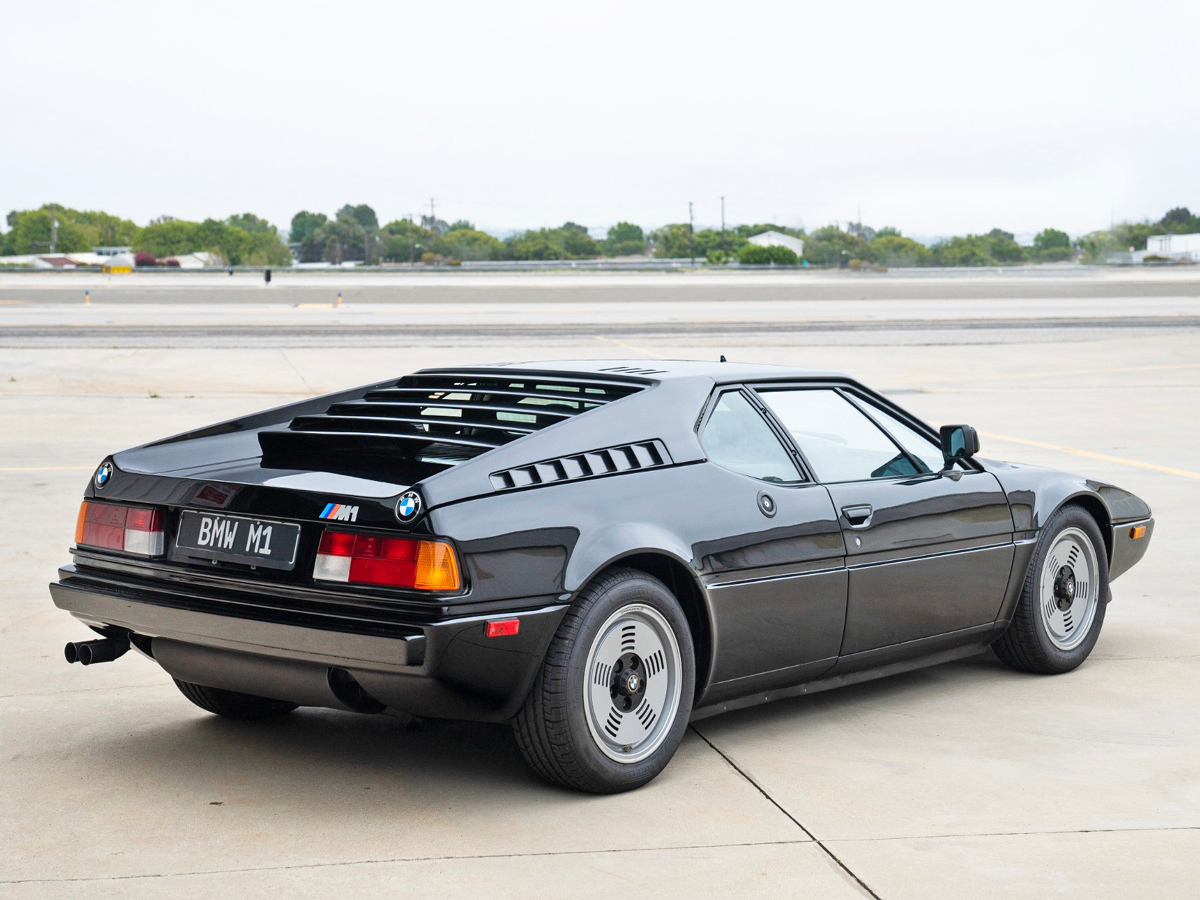
7. BMW M1
The BMW M1 occupies a distinct place in automotive history. Produced between 1978 and 1981, it was BMW’s first and only mid‑engine road car until very recently. It represents a turning point in the company’s ambition to compete with Italian and German supercars and track‑focused machines.
Its styling, performance, and rarity have already made it iconic. Only about 453 were made, and many of the existing ones have seen heavy use, restoration, or changes over time. Facing oxidation, wear, and parts deterioration typical of that era, good examples are becoming harder to find.
Collectors prize the M1 not just for its performance specs, which were impressive back then, but for its place in BMW’s history. It carries the heritage of BMW Motorsport, and its authority as a road‑legal exotic maker (before BMW developed a full modern supercar division) adds to its cultural weight.
Those cars that remain largely original, with matching numbers, properly documented service history, showroom or preserved condition, will likely attract premium values in the future. The aesthetic of the M1, with its wedge shape, mid‑engine layout, and iconic livery possibilities, has also aged well among enthusiasts.
Another factor is that restoration of cars from this period becomes more challenging: metal fatigue, rust, parts scarcity, and specialised maintenance all create high barriers to restoration. That tends to mean fewer cars are truly excellent as time goes on. Those that are excellent stand out sharply.
As the market for classic European performance cars continues to pick up, especially among collectors in North America, Europe, and increasingly Asia, the BMW M1 seems to be one that could appreciate dramatically by 2030.
Moreover, the demand for late 1970s and early 1980s supercars, especially those with racing pedigree or limited numbers, is increasing. The nostalgia of that period, combined with the relative mechanical simplicity compared to modern supercars, appeals to a particular segment of collectors.
The BMW M1 also benefits from being seen in pop culture, motorsport history, and in design retrospectives. All those things combine to support increasing value.
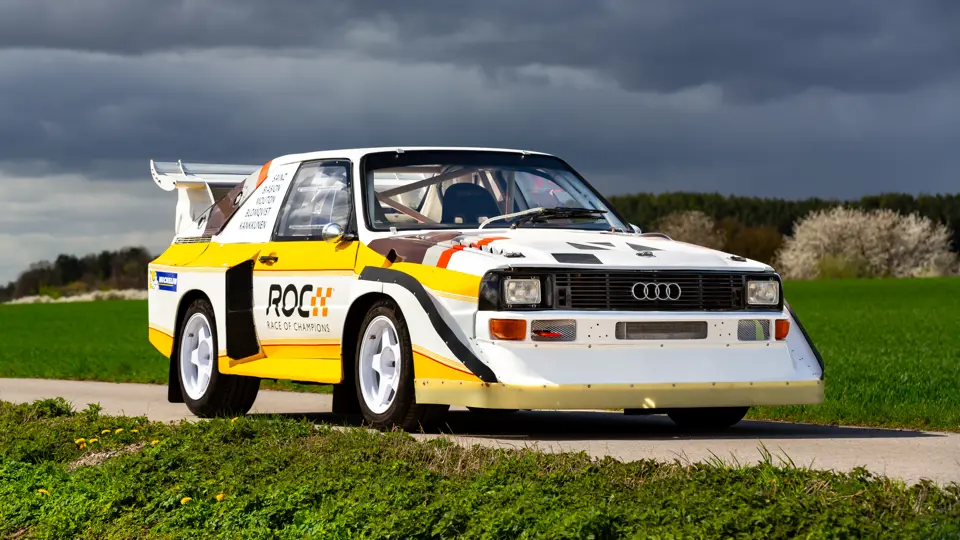
8. Audi Quattro Sport S1
The Audi Quattro Sport S1 has almost legendary status among rally fans. Produced during the golden era of Group B rallying in the early 1980s, it was designed to push boundaries of performance, traction, and spectacle.
It was powerful, light for its size, full of oversteer, with turbo lag, rear wing, wide fenders, everything that makes rally mania romantic and dramatic.
Production numbers are low, and the stories surrounding these cars, their victories, crashes, often their enforcement of strict limits or bans, all add to the mythology.
As tastes among collectors shift more toward performance heritage, rawness, and stories, the Quattro Sport S1 is well placed. Modern supercars often have technology, stability controls, and refined electronics, but much of that can remove the visceral drama that older performance cars offer.
Well-maintained examples, especially those with well‑documented competition history or provenance, will likely become ever more desirable.
Many existing examples may have been restored or modified; the original or very near original configuration, matching parts, and accurate presentation of period detail tend to fetch significantly higher prices at auctions.
That growing appreciation for authenticity will reward those owners who have preserved the car well. By 2030, Quattro Sport S1 models in excellent condition and with good histories may be extremely rare and highly prized.
Also relevant is the growing number of collectors and enthusiasts in markets that have not always had strong support for vintage European rally cars. Increased exposure through museums, auctions, media, film and lifestyle can elevate awareness globally. When more people know about a car, demand increases.
Given that supply is fixed or shrinking (due to loss, damage, neglect), and demand may continue to rise, the Quattro Sport S1 has strong prospects for value growth.
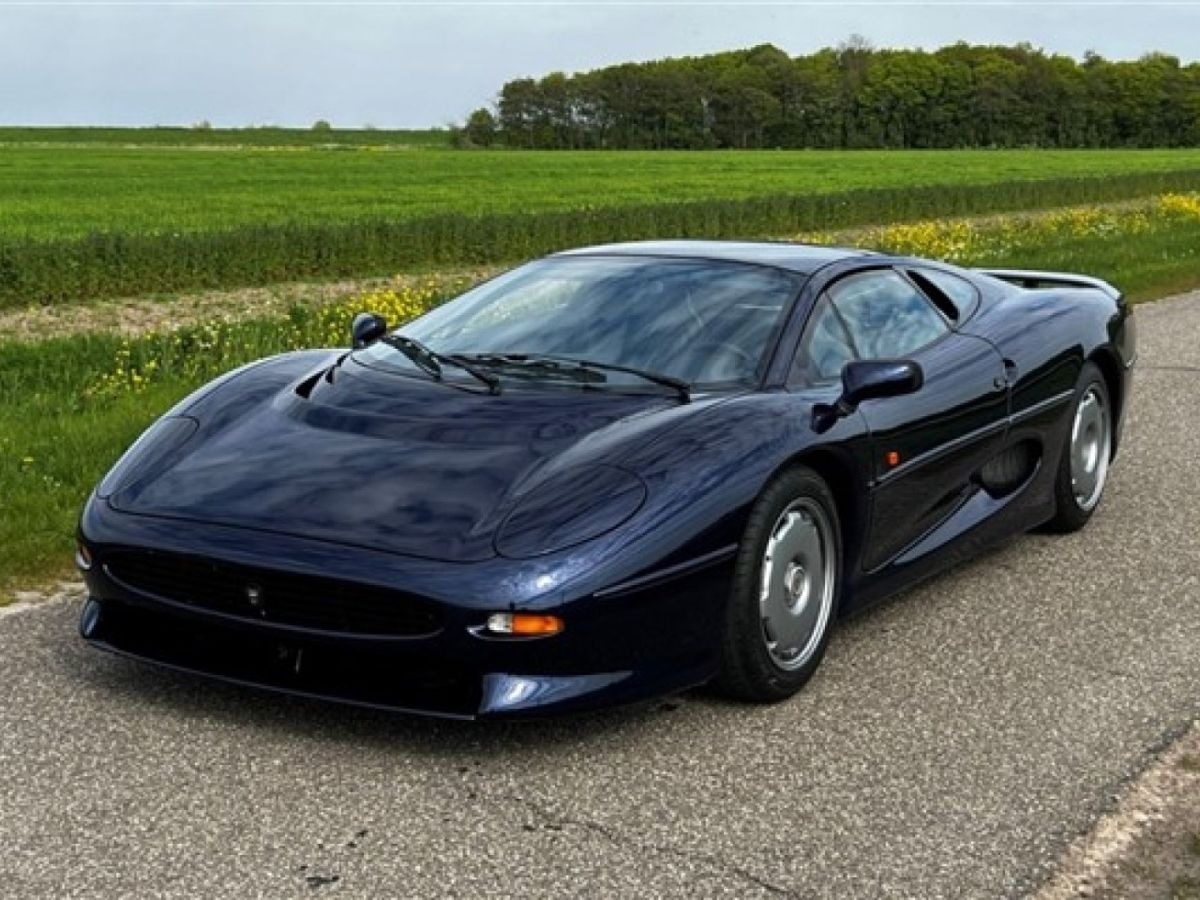
9. Jaguar XJ220
The Jaguar XJ220 was once the fastest production car in the world when it was launched in the early 1990s. It had a twin‑turbocharged V6 engine (some later versions naturally aspirated depending on context), advanced aerodynamics for its time, and an ambitious goal: to bring high performance with Jaguar luxury.
It was also plagued by delays, regulatory issues, and some controversies (for example customers expecting V12s, etc.), which adds to its mystique.
Only about 275 or so were built (depending on how one counts made vs delivered) which makes it rather rare.
Over time many have been modified, crashed, or suffered wear; those with low mileage, original bodywork, good documentation are already much more valuable than many others.
Its performance still holds up decently by modern standards in its class, particularly among early 1990s supercars.
But more important than outright speed is what it represents: a period in which car makers were experimenting with aerodynamic shape, turbocharging, lightweight materials, and pushing what could be done before electronics and regulations changed things dramatically.
For collectors, that era is one of transition: just before modern hypercars, just as safety, emissions, and technology began to reshape everything. Cars that stand at those inflection points tend to do well in value appreciation.
Maintenance and originality will be huge determinants for the XJ220’s future value. Many have been modified, updated, or use non‑original parts.
The best ones will be those that retain as much original structure as possible: matching engine and transmission, original body panels, original interior trim, and documented service history.
Rarity in great condition can push prices up sharply. Also, provenance, who owned it, whether it has a record in historic events, exhibitions, etc., can add multiples of value.
An additional plus is Jaguar’s reputation among collectors and how the XJ220 is viewed culturally. While it may not have had as long a run or as large a cultural footprint as some marques, it is still well known among supercar fans.
As collector markets expand (especially in emerging markets where exotic older cars are becoming more appreciated), the XJ220 may attract more demand. By 2030, well‑preserved examples may well be priced among the upper echelons of 1990s supercars.
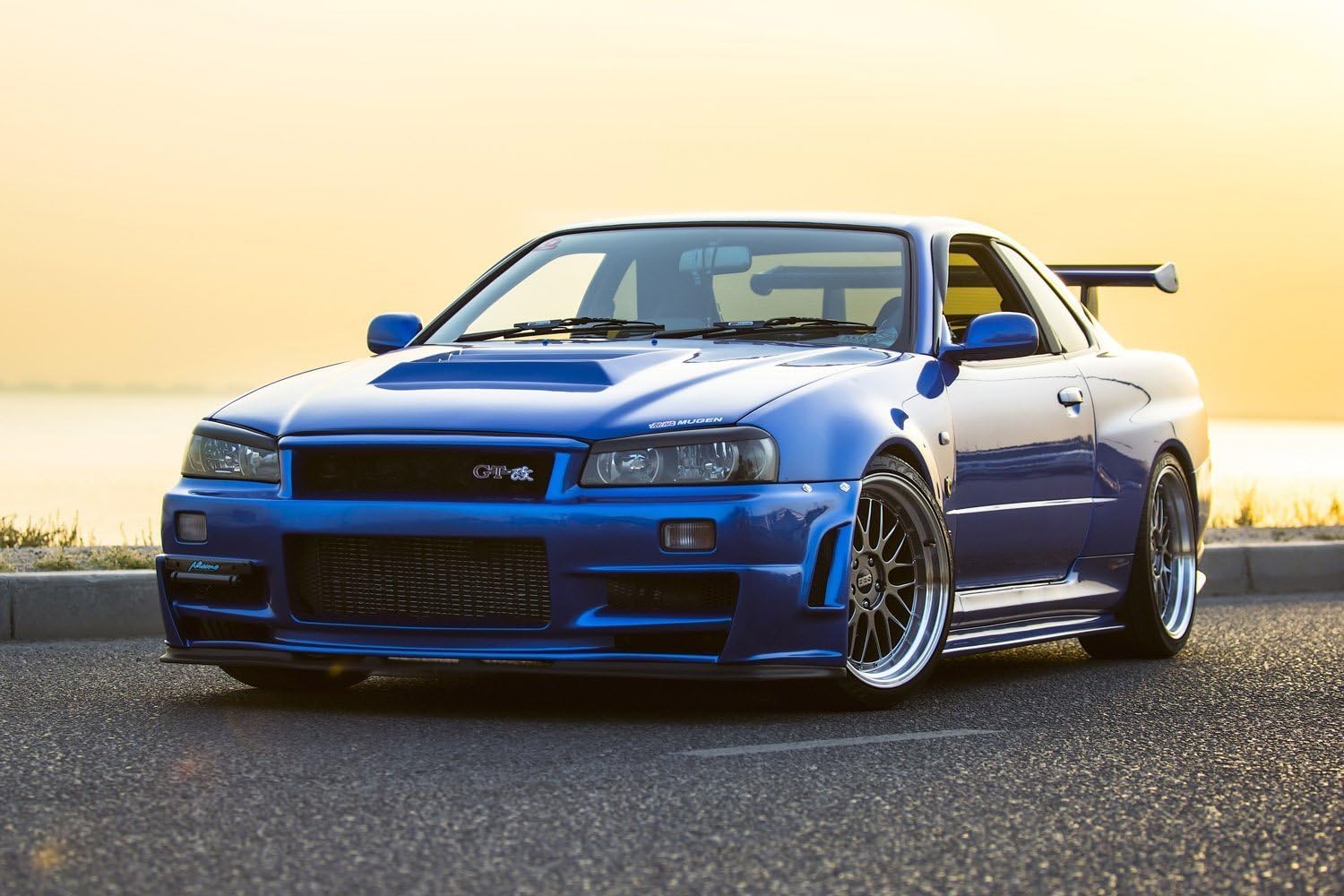
10. Nissan Skyline GT‑R (R34)
The Nissan Skyline GT‑R R34 is one of those cars that has achieved near‑legendary status not just because of its performance or engineering, but because of the cultural mythology around it: movies, video games, motorsport, the tuning scene, fan clubs, etc.
Produced between approximately 1999 and 2002, in various trims, it combined intensive all‑wheel drive, twin turbocharged power, strong chassis tuning potential, and a design which to many remains iconic.
Initially it was more of a niche, but over time its reputation has soared, especially among younger enthusiasts who didn’t even live when it was first new.
The appeal of the R34 is partly nostalgia, partly performance, and partly the tuning/aftermarket support. Many examples have been modified heavily, but that tends to make untouched, well‑maintained, original examples more desirable.
Mileage matters, interior condition, maintenance history, whether it has never been wrecked, whether it retains stock suspension or original parts, all these things make certain examples far more valuable than others.
Rarity plays a role too: in many countries import restrictions limit availability, meaning scarcity could increase in those markets, which can drive local value sharply upward.
Another important factor is that the R34 exists at a moment when many of the things collectors prize are relatively rare: mechanical purity, less driver assist, more analog feedback, a strong sense of mechanical involvement.
As cars become more electronic, more software‑controlled, more autonomous, models like the R34 that require skill and feel may be viewed with increasing respect. That sense of aged respect and desirability tends to increase value for the right examples.
Finally, cultural influence helps. Because of its appearances in popular media, as well as its standing among car enthusiast communities around the world, it has strong emotional pull. That can make collectors willing to pay premiums.
If by 2030 import regulations allow more R34s to move across borders legally, and if preserved examples are showcased more often, demand is likely to grow even more. For those who own low‑mile, original, well‑documented R34s, 2030 may bring substantial increases in value.
